How to Weatherize Your Home | Reviews by Wirecutter
Weatherizing a home is a crucial process for enhancing its airtightness and its capacity to retain heated and cooled air, leading to improved comfort, energy efficiency, and reduced running costs. This guide outlines basic, cost-effective weatherizing steps recommended by experts including independent researchers, home energy contractors, and utility representatives. These measures can potentially lower utility bills by up to 40% and include both DIY and professional solutions.
The process begins with an energy audit, a professional assessment that identifies a home's energy losses and suggests improvements. Many utility companies offer to cover the cost of these audits and provide lists of approved contractors, which is essential for eligibility for rebates and assistance programs. An energy audit typically involves using a thermal imaging camera to locate hot and cold spots, indicating areas needing better insulation or sealing, and a blower door test, which uses a fan to determine how much air a home is losing through leaks.
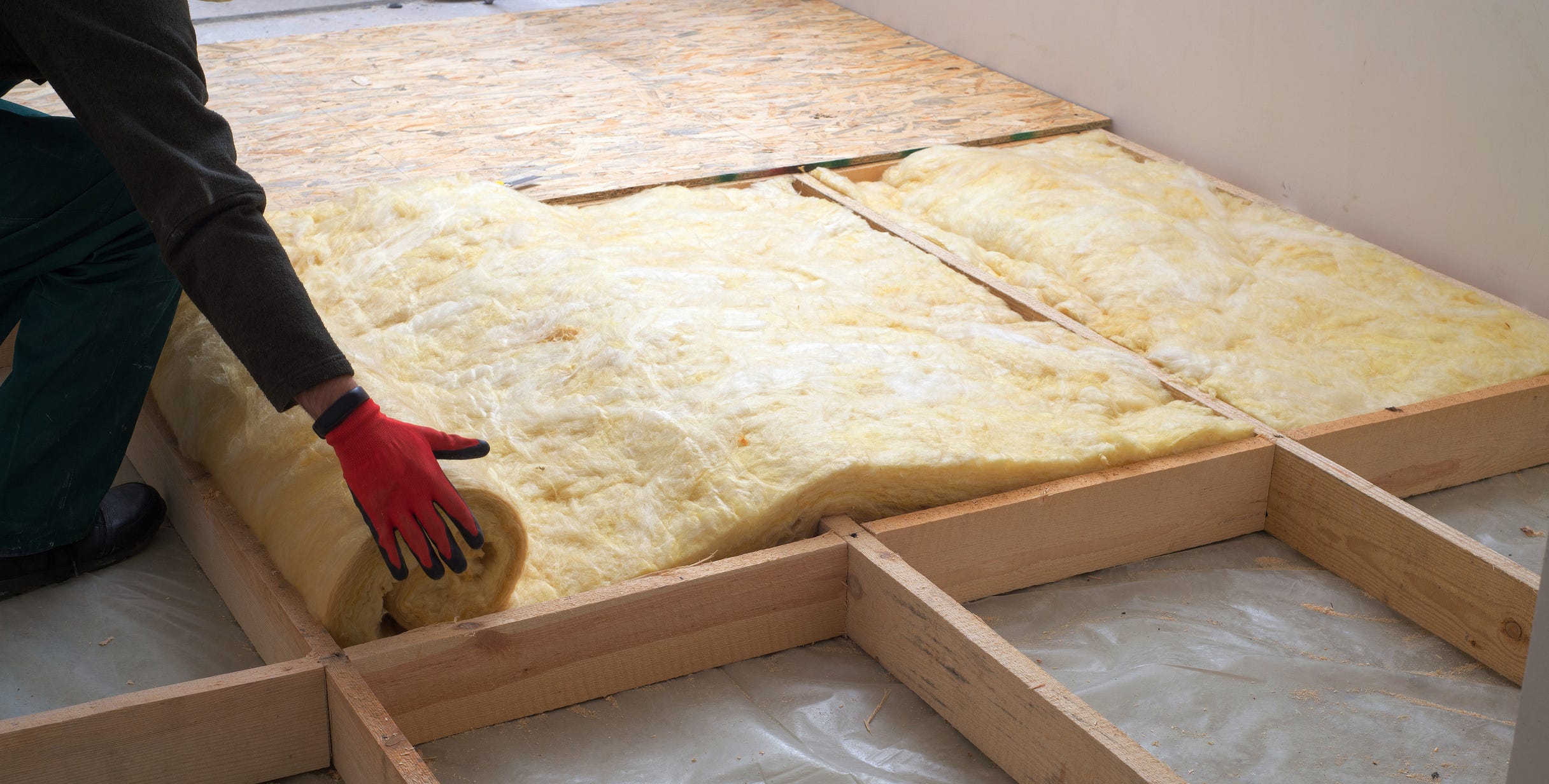
Following an audit, insulating and sealing attic spaces is often the next step, as attics are a primary source of energy loss, especially in older homes. Proper attic insulation helps regulate indoor temperatures, reducing the workload on HVAC systems. The article recommends adding insulation to both the attic floor and roof, and possibly installing a solar fan to remove heat in summer. Insulation's effectiveness is measured by its R-value, with higher values indicating better insulating properties. Experts also advise using spray-can foam to seal penetrations in the attic from living spaces, such as around HVAC registers and light fixtures.
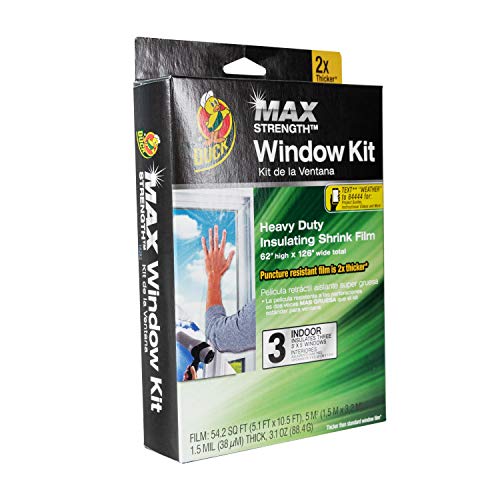
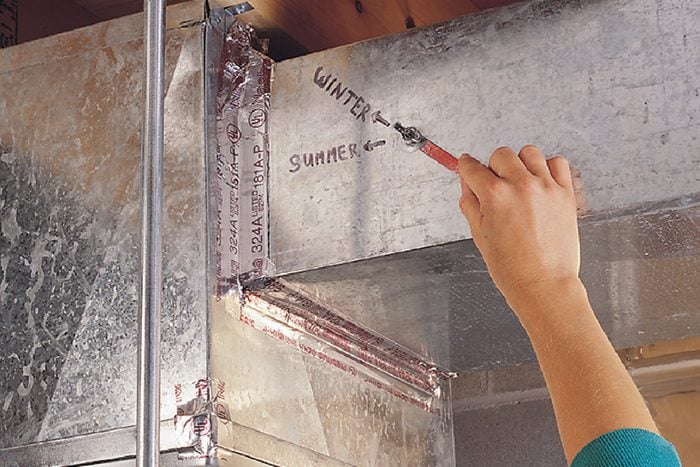
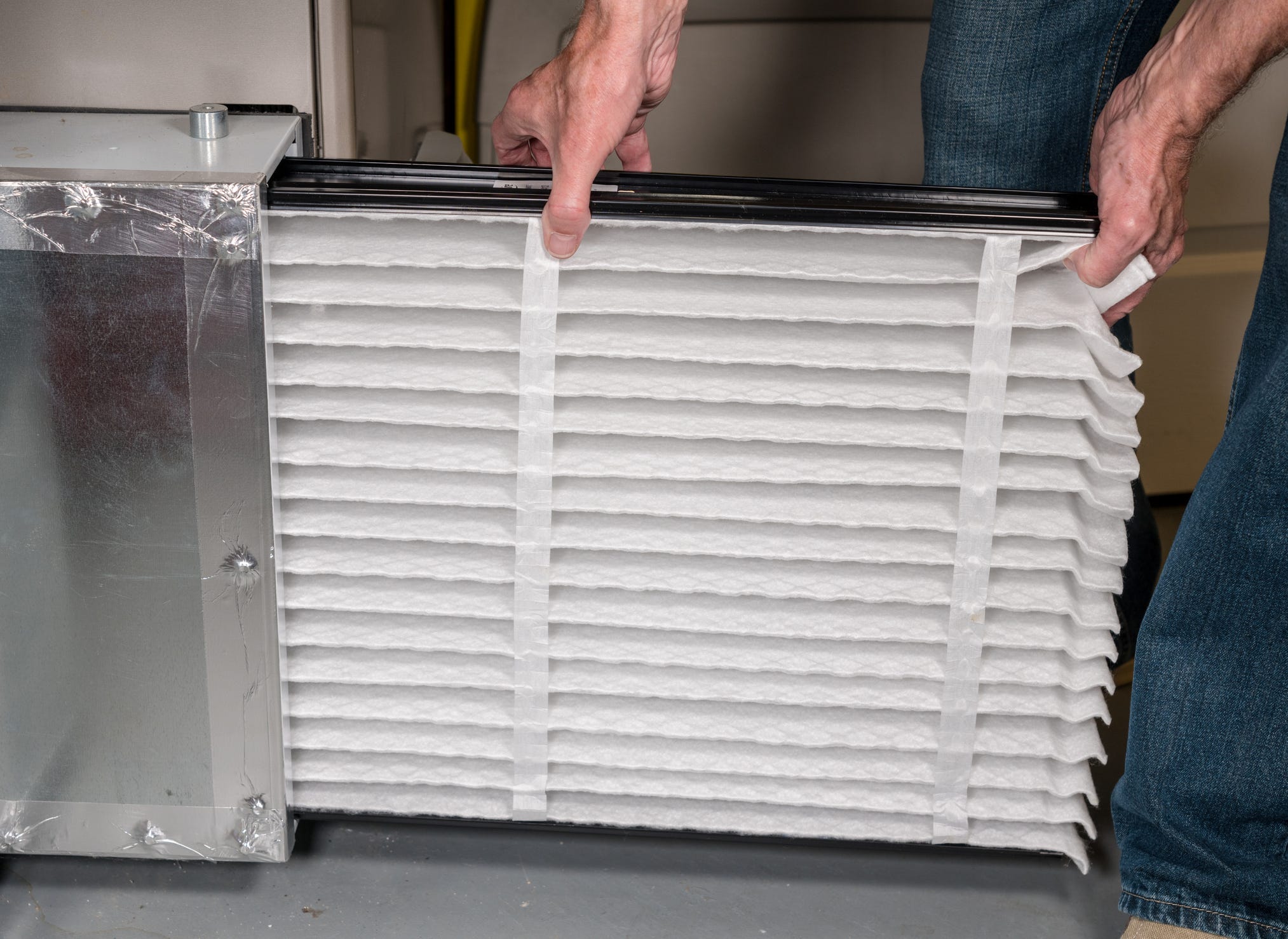
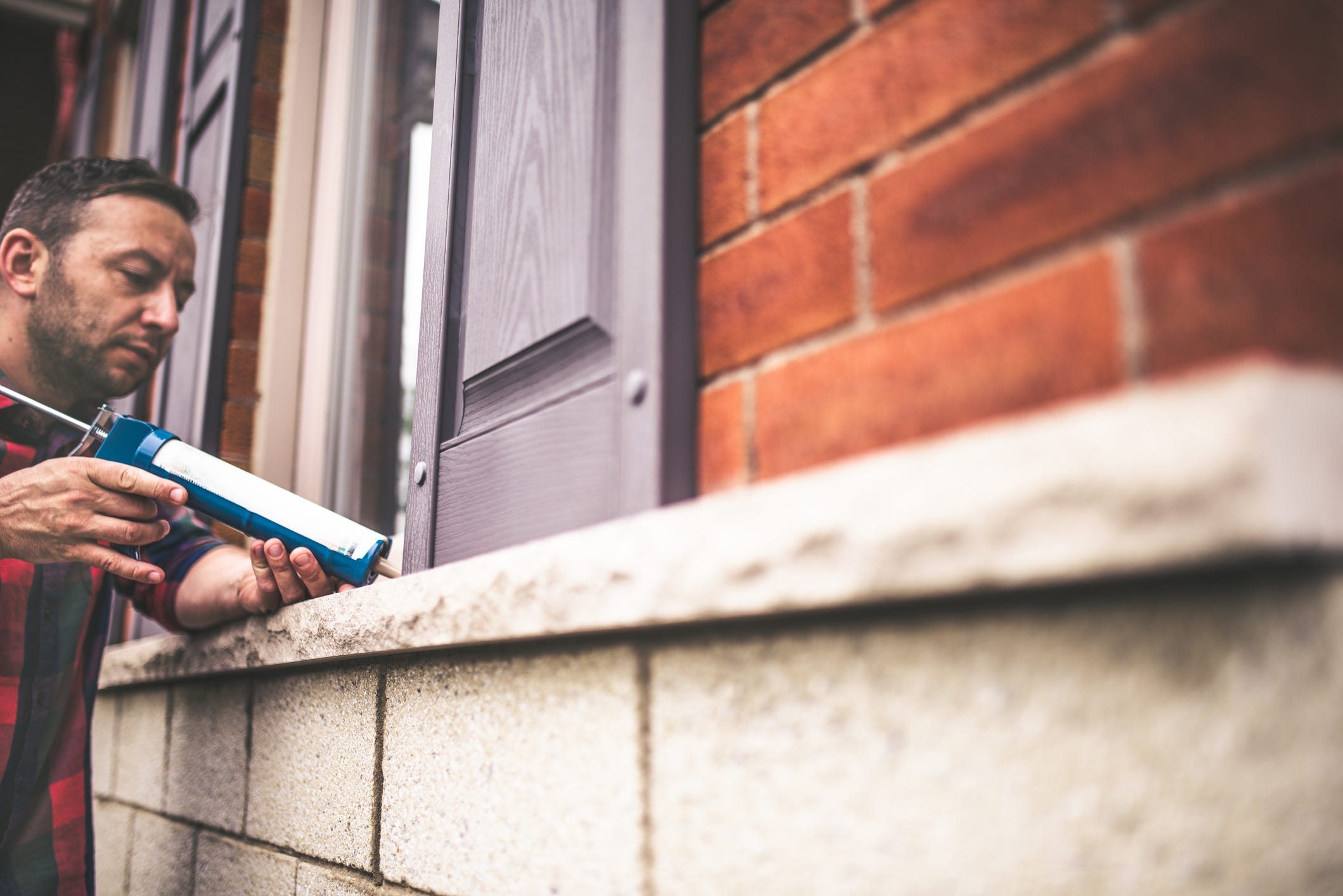
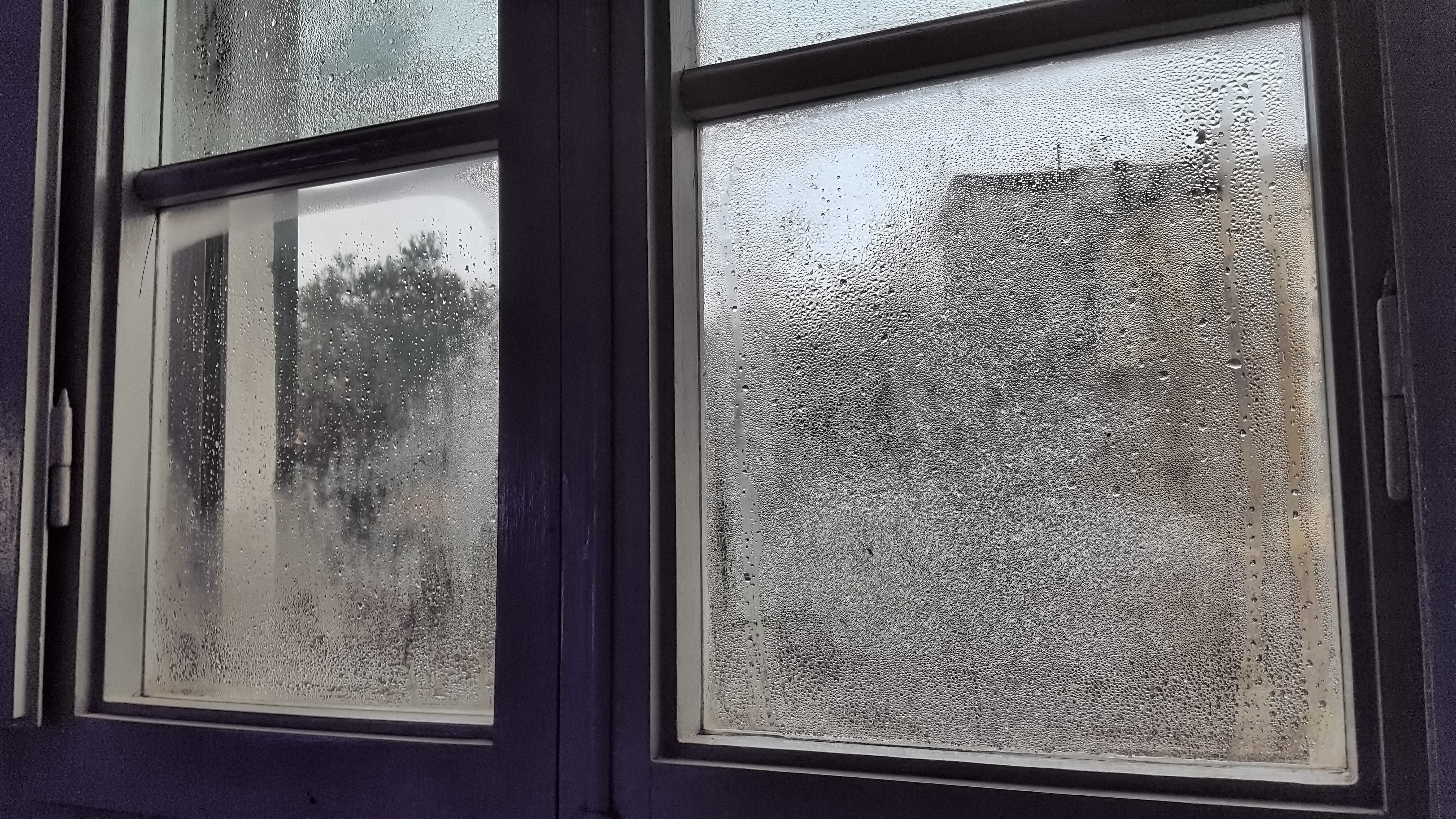
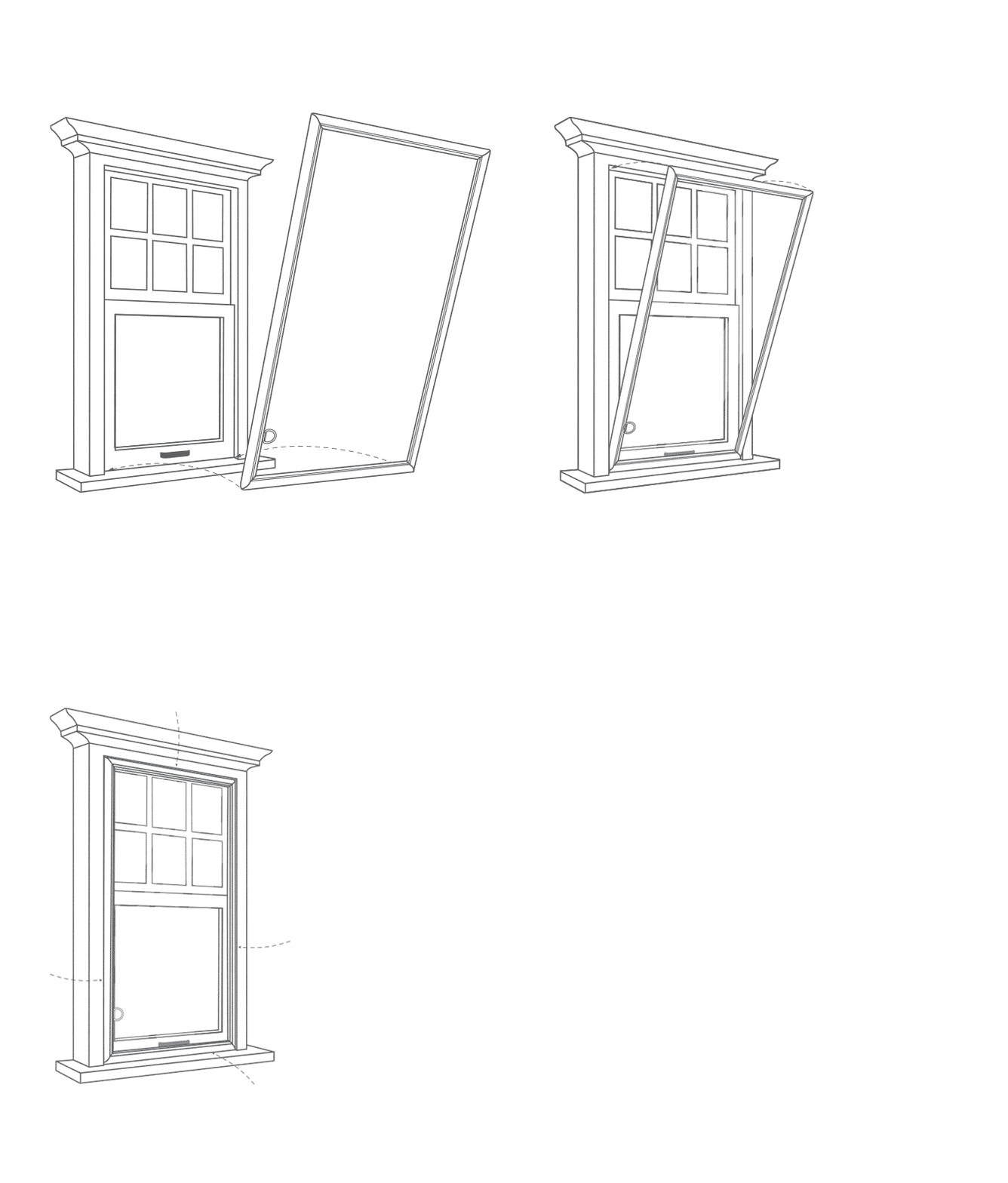
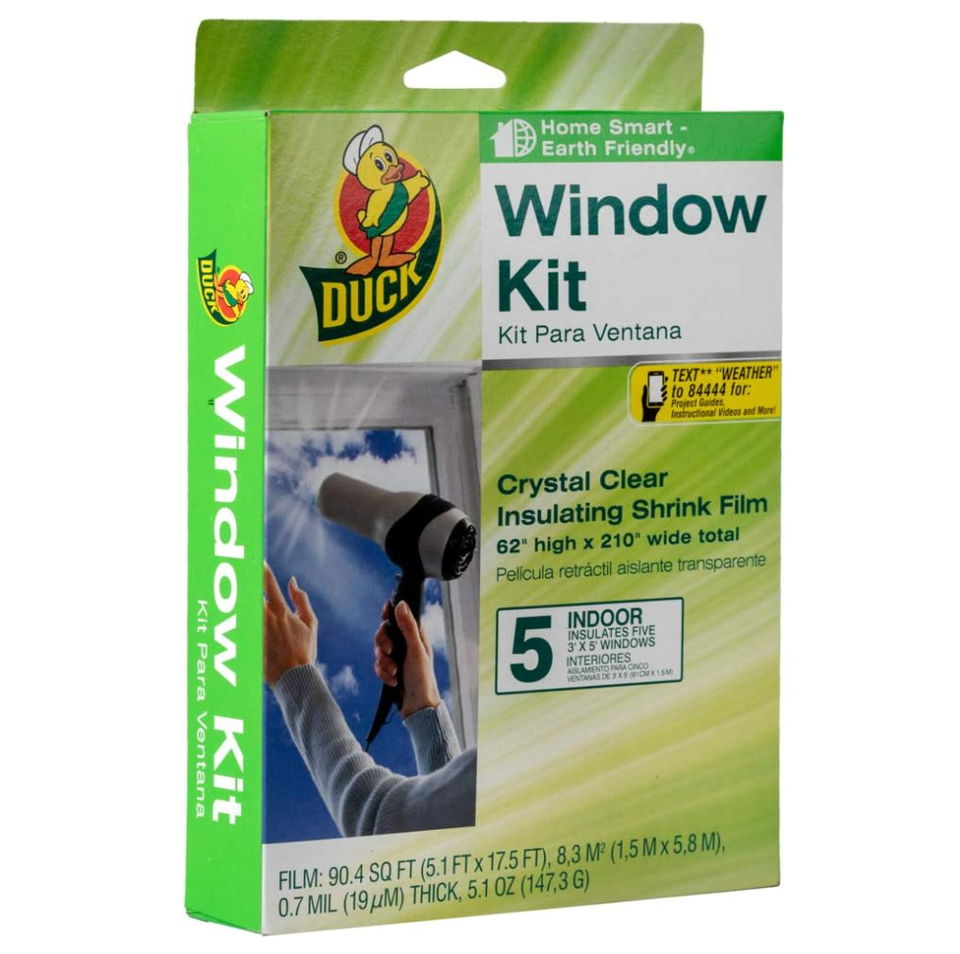
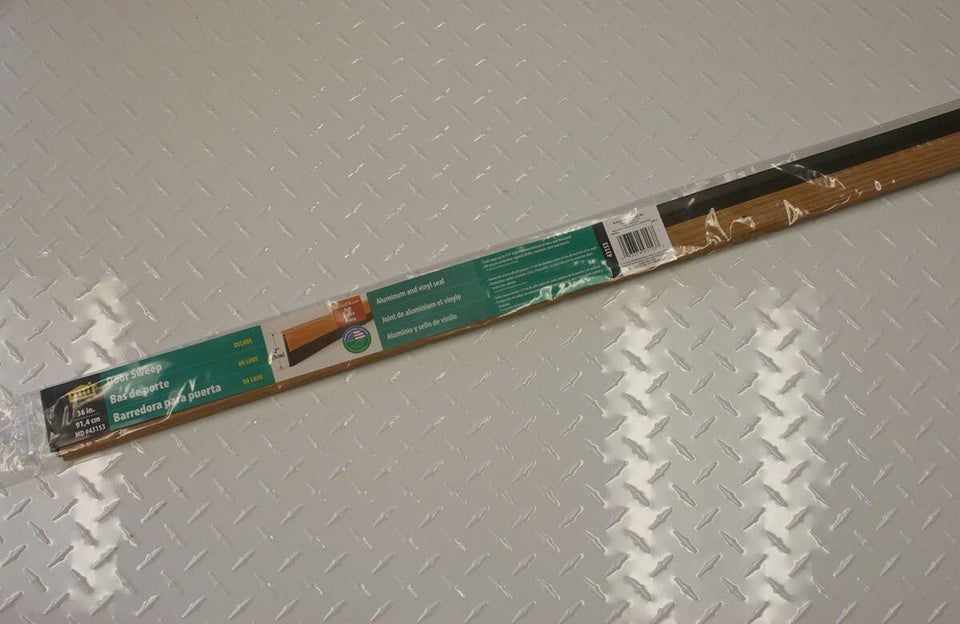
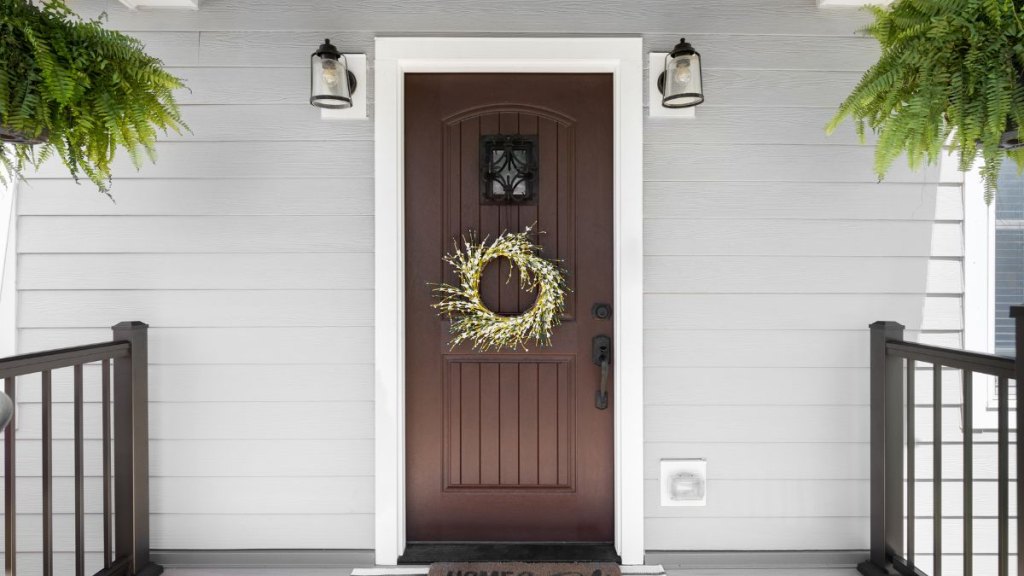
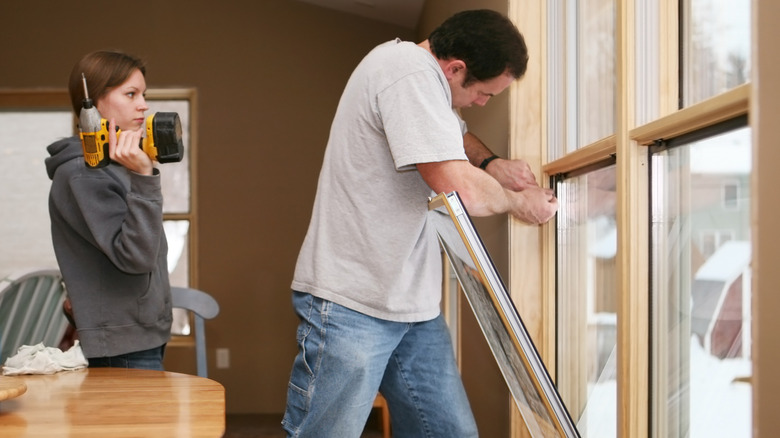
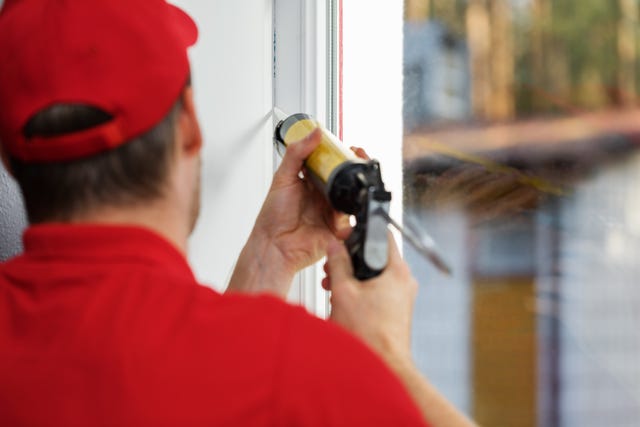
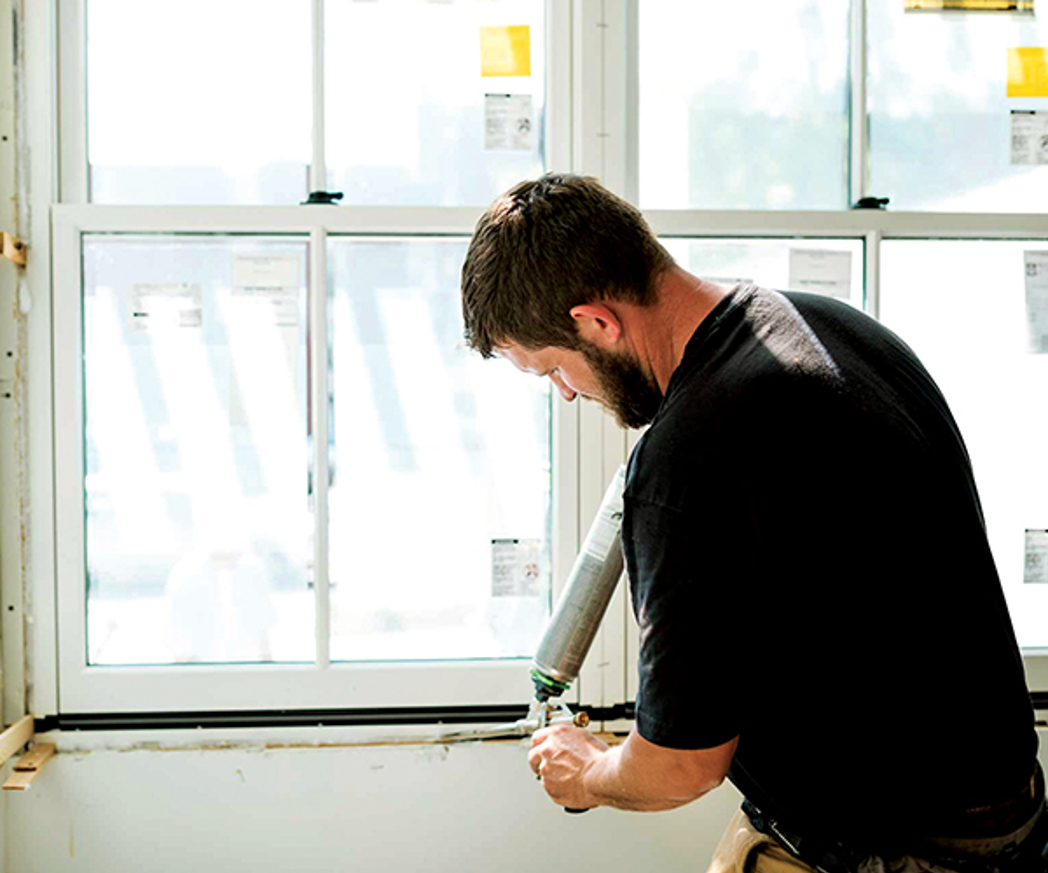
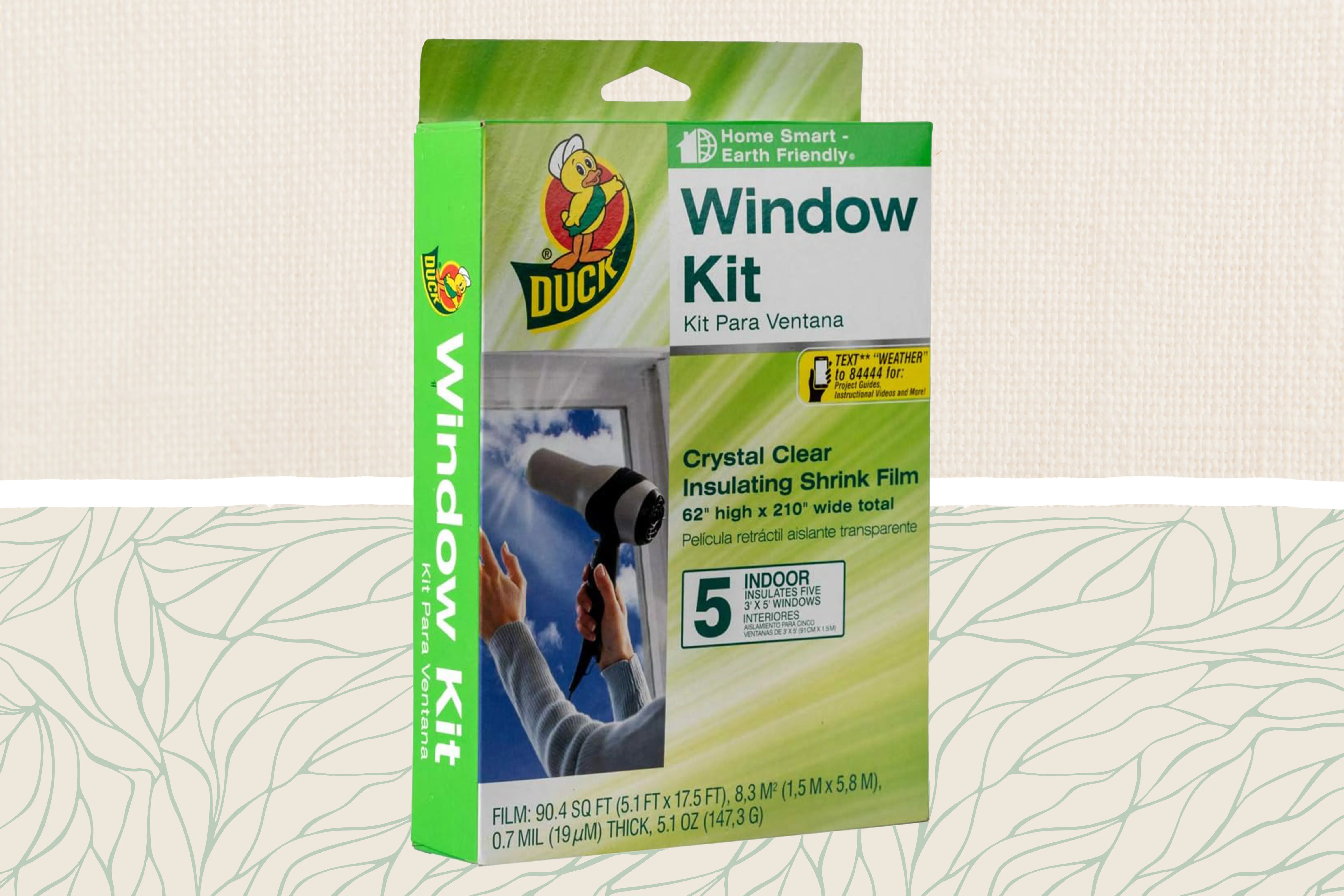
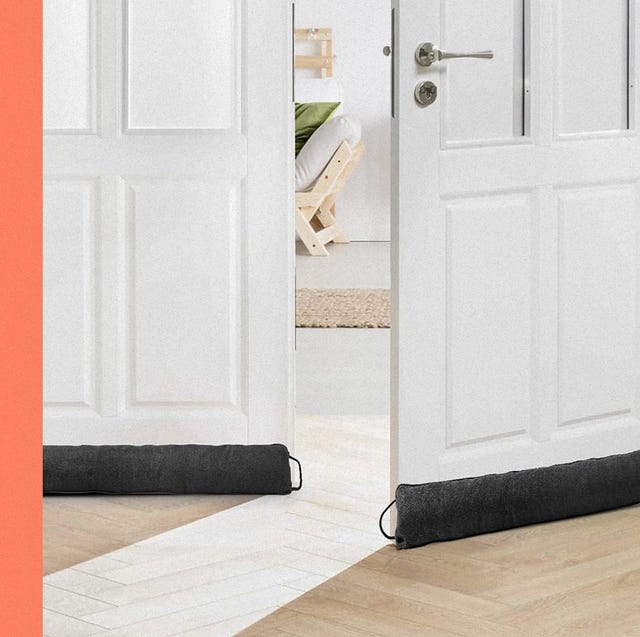
Weather-sealing leaky doors and windows is another key step. While the energy savings from this might be less significant than attic insulation, the improvement in comfort is notable. This can be a simple DIY project involving adhesive barrier tape or door sweeps for larger gaps. The article specifically recommends silicone weather-sealing products from Frost King for their durability and availability. For HVAC ducts, sealing leaks is important for efficiency and lower utility bills. Older metal ducts are particularly prone to leaks. Duct mastic is recommended over foil tape for sealing, and professional help is an option for those unwilling to tackle the job themselves.
Finally, installing external storm windows or solar screens offers substantial energy savings. Low-E storm windows, for homes with single-pane windows, can provide similar insulating performance to more expensive double- or triple-pane windows at a fraction of the cost. These windows reflect heat in summer and retain it in winter due to special coatings. In sunny climates, solar screens can block up to 85% of incoming solar heat, improving indoor comfort and preventing furniture fading. Furthermore, the 2022 Inflation Reduction Act's HEAR Program offers rebates for energy-efficient appliance upgrades for low- and moderate-income households, and utility companies often provide their own incentive programs. Replacing old appliances and incandescent bulbs with LEDs also contributes to long-term energy savings.
#HomeWeatherization #EnergyEfficiency #DIYHomeImprovement #AtticInsulation #WindowSealing #HVACMaintenance #SolarScreens #EnergyAudits #InflationReductionAct #HomeWeatherization #EnergyEfficiency #DIYHomeImprovement #AtticInsulation #WindowSealing #HVACMaintenance #SolarScreens #EnergyAudits #InflationReductionAct
0 comment in total
 No comments yet
You may also like
How to Winterize Your House And Save Yourself Thousands in Repairs Later


Podcast 563: Caulking Old Siding, Tearing Into Leaky Walls, and HVAC in Unconditioned Attics

Eight top tips to banish condensation this winter - starting with sleeping with your curtains open


Homeowners Are Revealing The Common Purchases They Either Totally Regret Or Completely Stand By
How to draft proof your kitchen, cook in comfort and reduce your energy bills
It's Time to Prepare Your Home for Winter With These 10 Quick, Easy Ways
Winterize Those Drafty Windows Now (Save Money on Heating Bills Later)
Is Your Home Ready for Another Cleveland Winter? How to Winterize in Northeast Ohio


I Gave My Home a Seasonal Refresh — Here's How
Prep for Winter Weather with These 8 Window Insulation Kits

10 Expert-Recommended Products For Keeping Drafts Out

These Easy Home Updates Could Add $6,000+ to Your Selling Price

The 8 Best Door Draft Stoppers for Winter-Proofing Your Home
Doors & Windows

Radiant heat can be used indoors or outside

The Ultimate Guide to Using Pantone's Very Peri in Your Home

17 Tips and Hacks to Help Keep Your House Warm This Winter


6 things you should look past when viewing a property, according to real estate experts and interior designers

John Mayer's New Laundry Line Flaunts Notes of Neroli, Black Pepper, Musk and Woods
2025's Biggest Window Treatment Trend Is A Better Investment For Your Future