1/3
The SECRET Risks of Investing in a Historic Home, According to Experts
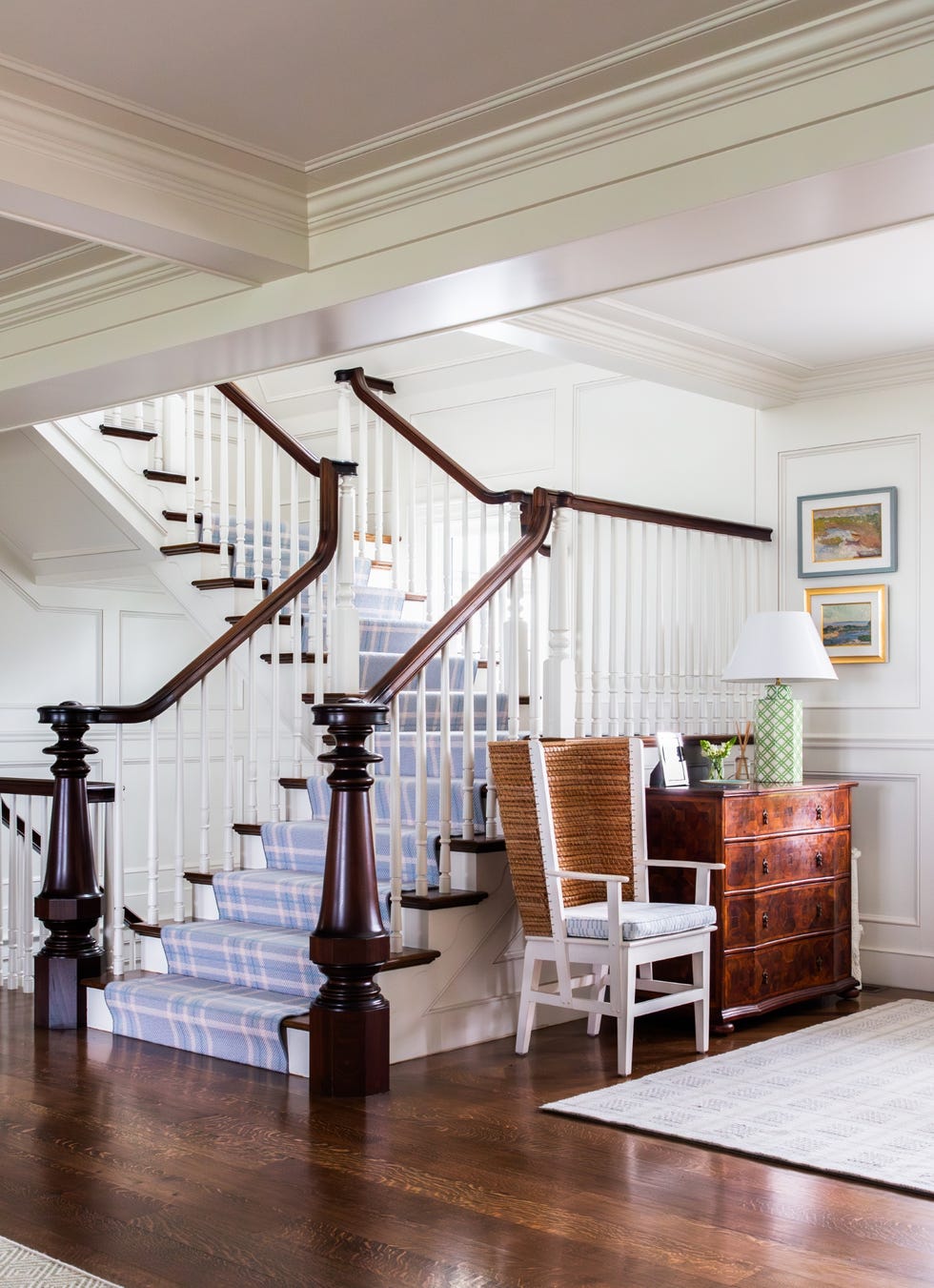
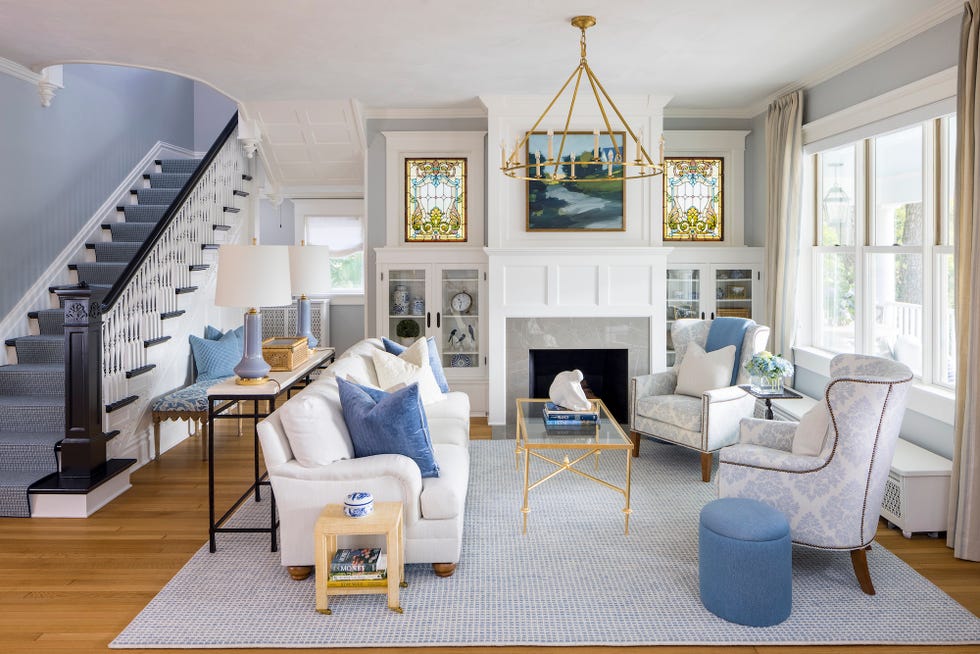
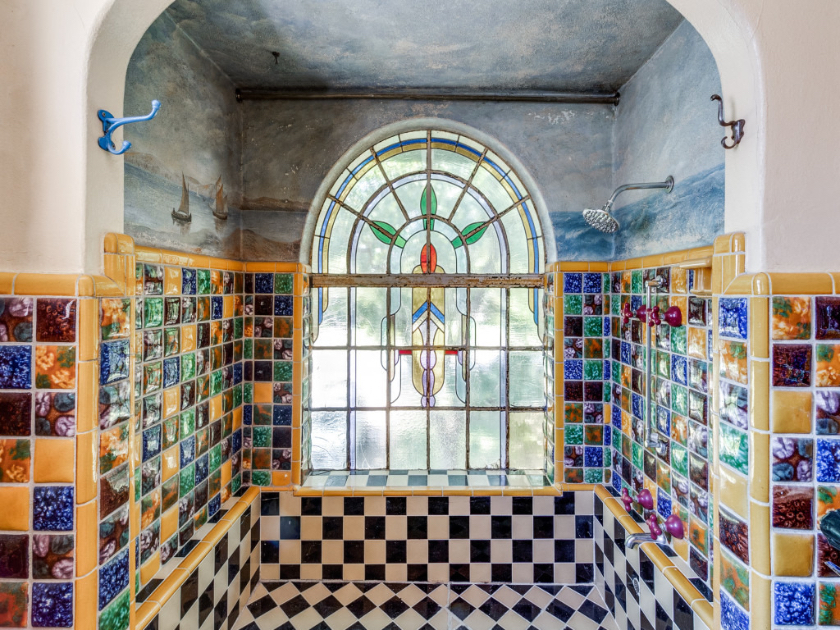
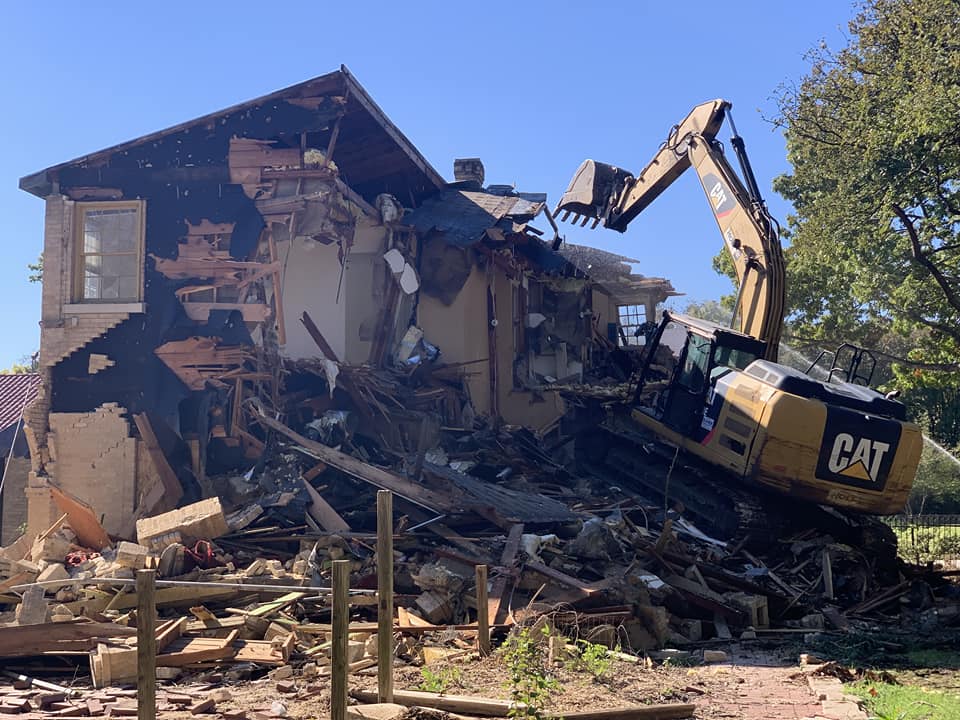
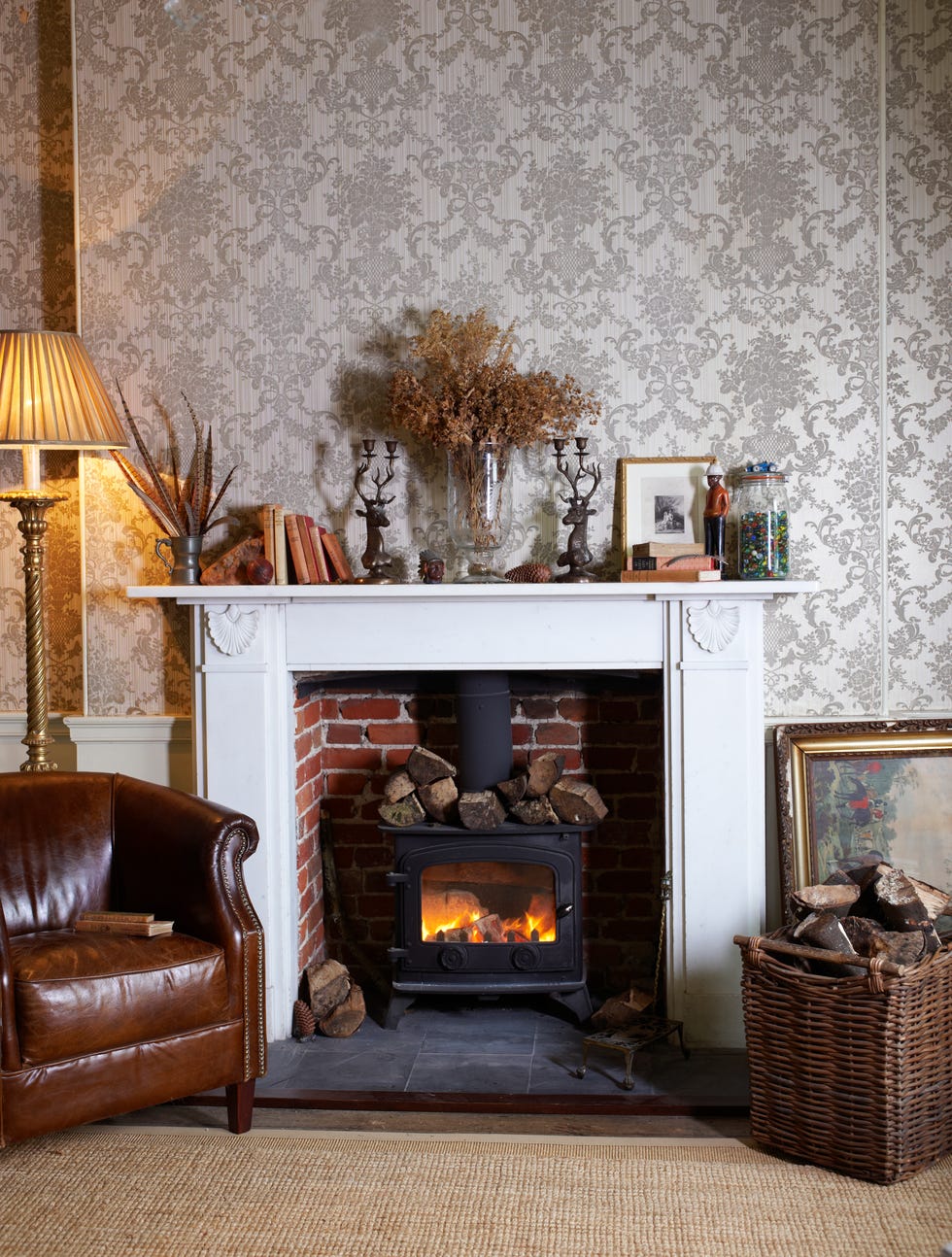
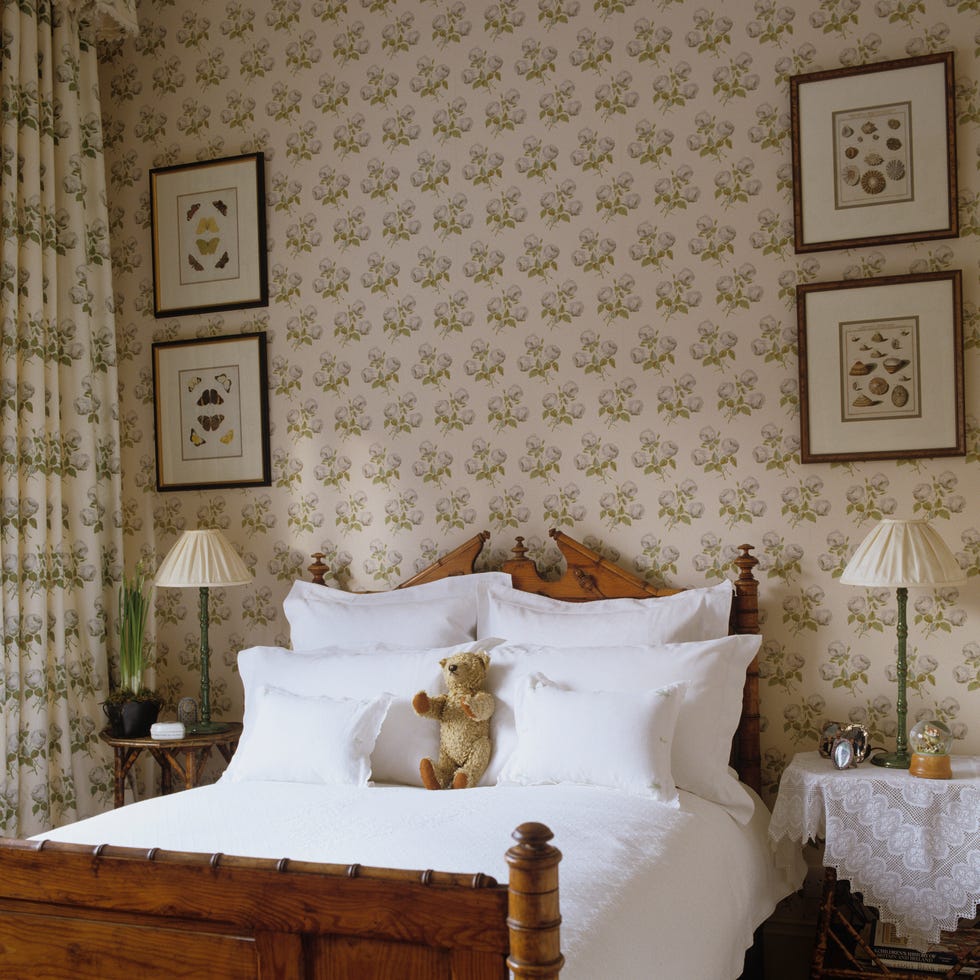
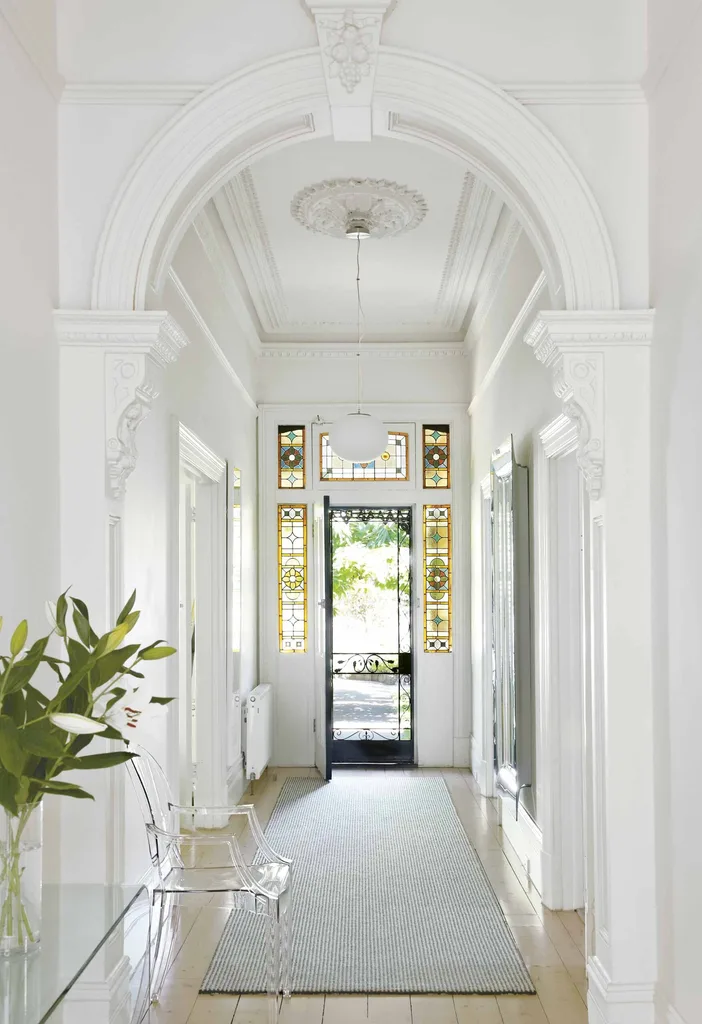
The allure of historic homes, with their unique architectural details like stained-glass windows, tiled fireplace hearths, and coffered ceilings, often comes with significant hidden costs and complexities for prospective owners. Restoring such properties goes beyond aesthetic updates, frequently involving the mitigation of environmental hazards like asbestos and lead-based paint, updating antiquated electrical and plumbing systems, and navigating stringent historic preservation regulations. These challenges necessitate substantial financial and time investments, often delaying timelines as unforeseen issues surface during the renovation process.
A prime example of the financial commitment involved is the ongoing $7 million restoration of Frank Lloyd Wright's Fallingwater, a project costing 40 times its original construction price, primarily to address persistent structural vulnerabilities like leaks. Experts in historic renovations emphasize that an owner must deeply appreciate the home's integrity, as preserving it is generally more expensive than modernizing a newer property. However, they also attest that the process can be equally rewarding.
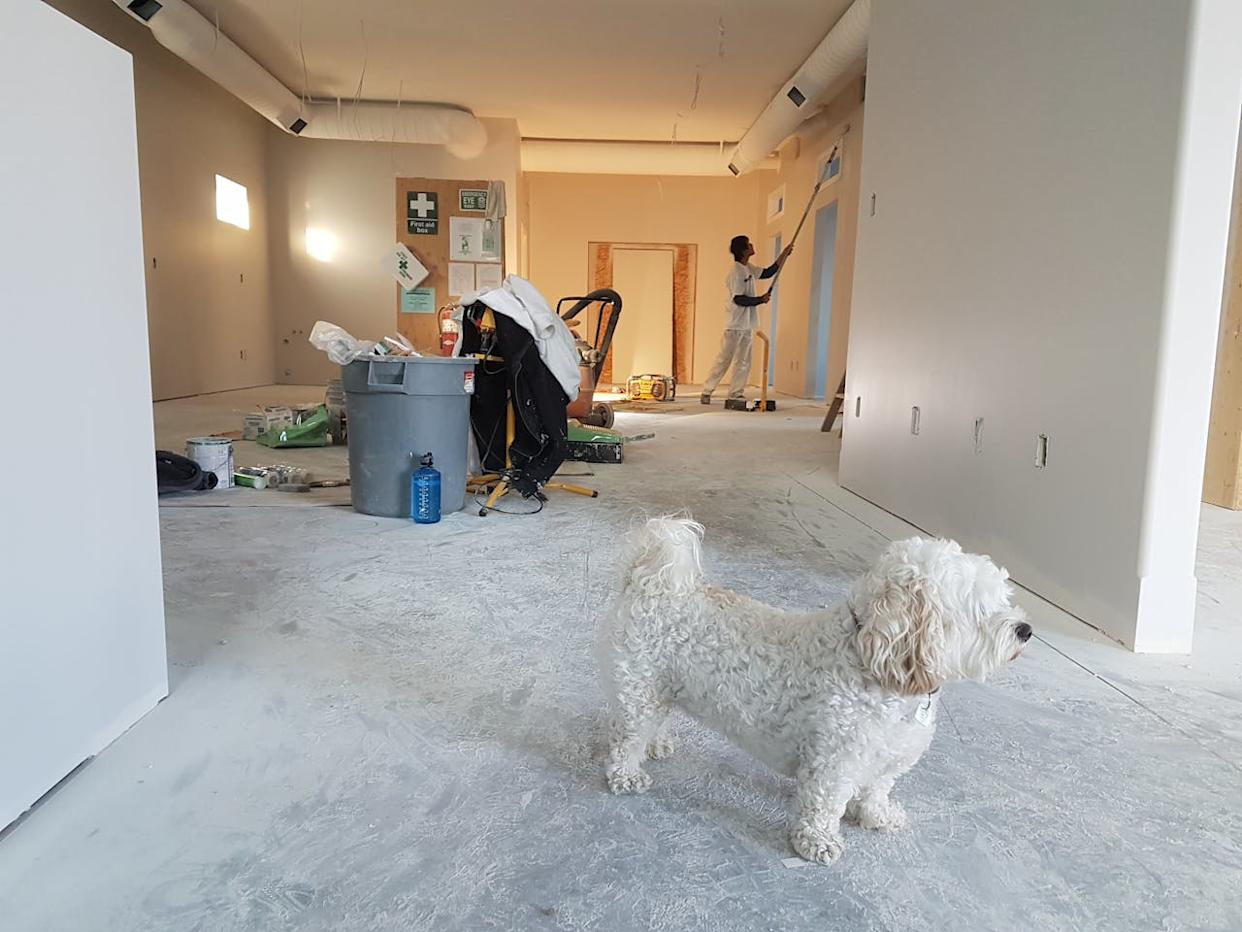
Key hurdles in historic home preservation include the high expense of modernizing mechanical systems, which often requires stripping the house to its studs to install contemporary plumbing, HVAC, and electrical while meticulously safeguarding original features. Historic homes also typically incur higher heating and cooling costs due to lower energy efficiency in their original envelopes, with upgrades potentially running into hundreds of thousands of dollars. Tackling these mechanical and energy efficiency improvements simultaneously during a renovation can be a strategic way to manage costs and potentially reduce future insurance premiums.
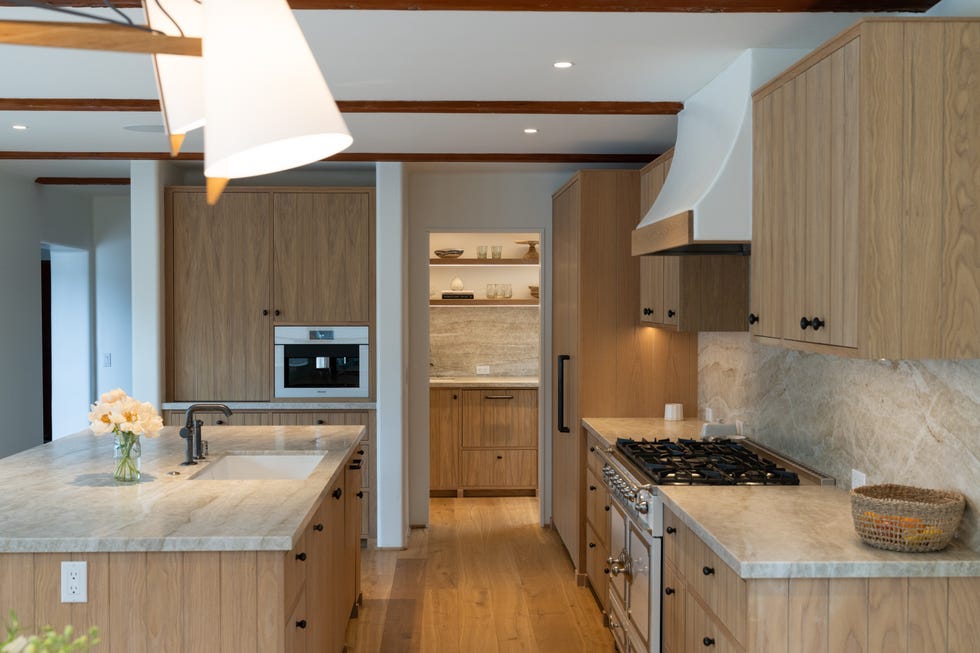
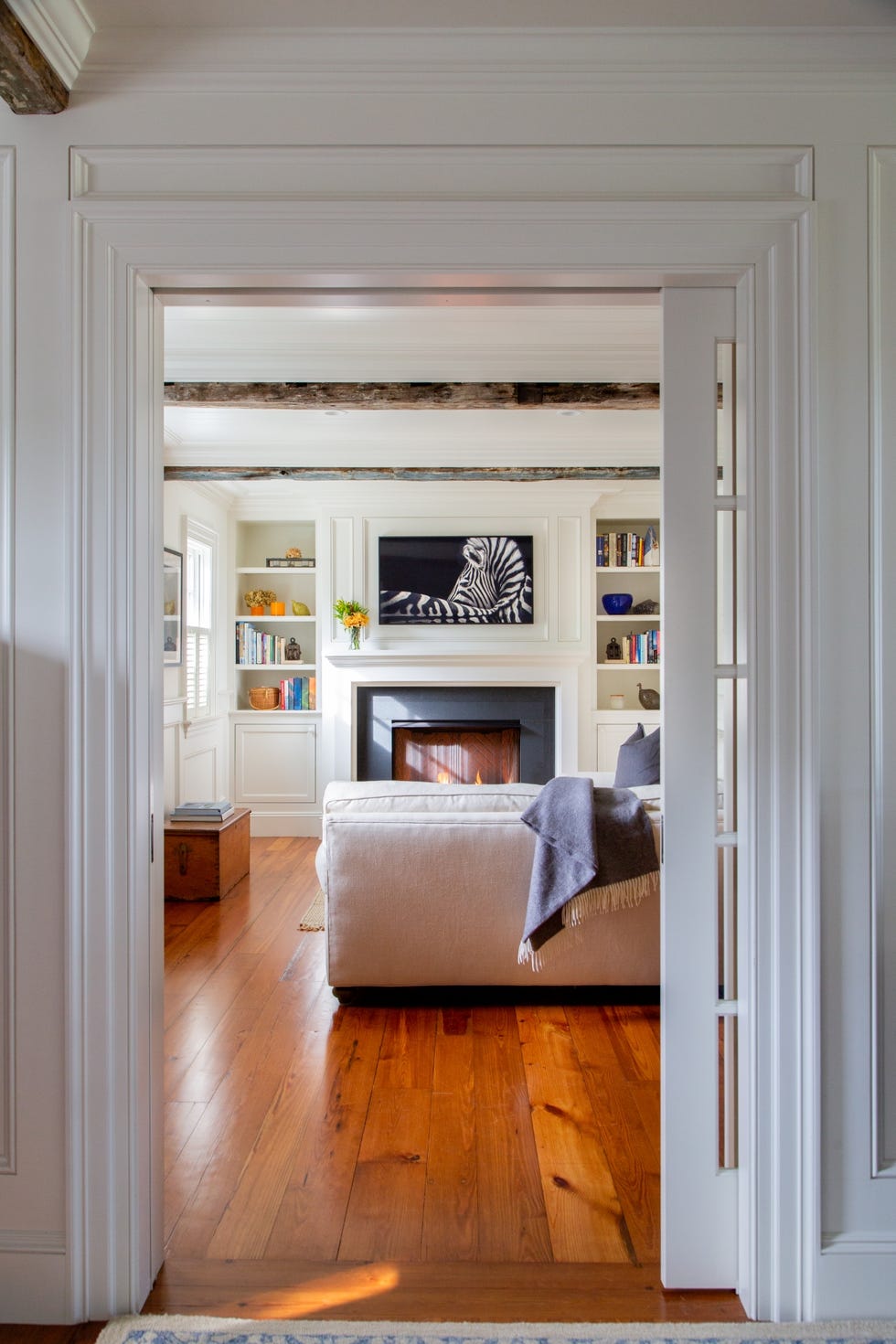
Another significant challenge lies in the often-awkward layouts of historic homes, which typically feature smaller rooms, numerous doors and windows, and designs not conducive to modern open-concept living. Renovations frequently involve reconfiguring spaces like laundry rooms, butler’s pantries, and breakfast nooks to create the expansive 'heart of the home' kitchens popular today.
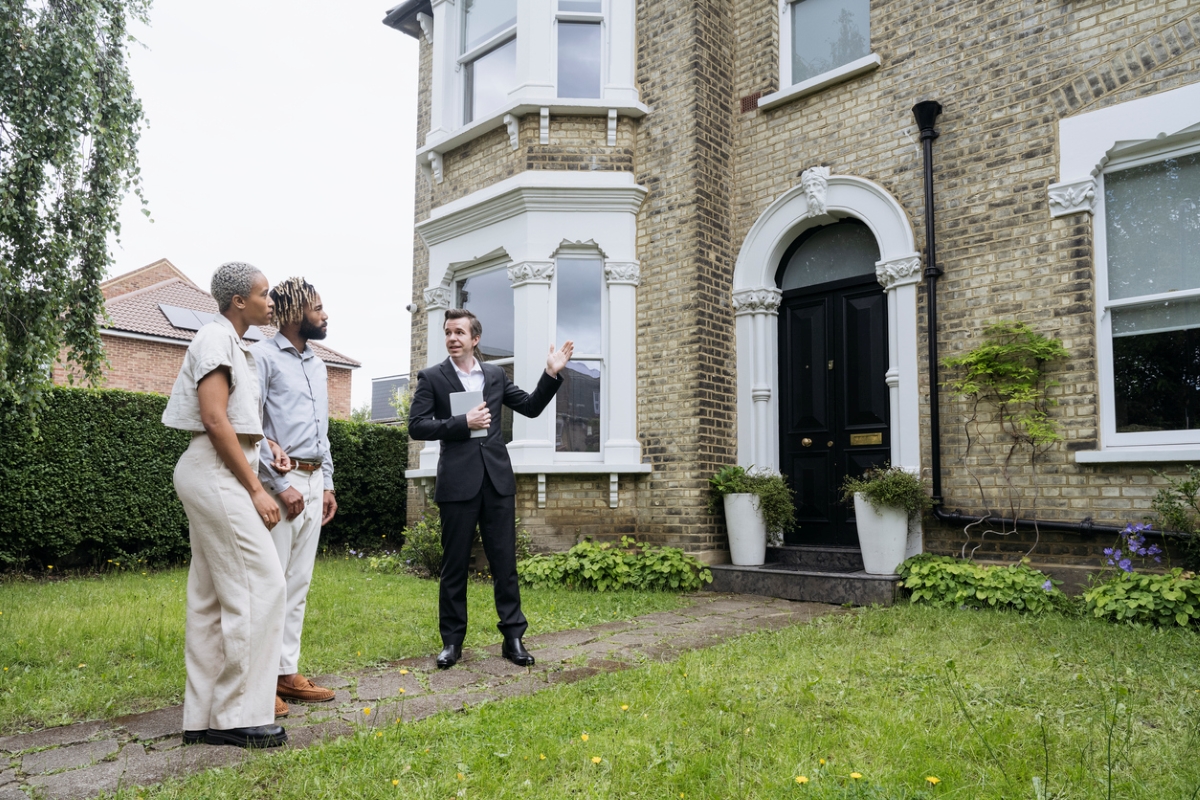
Navigating historic preservation rules is a critical, jurisdiction-dependent step. Prospective buyers are advised to research local and federal regulations with an experienced architect before purchase. These rules can dictate anything from acceptable exterior finishes to interior layouts, and the approval process for changes can be lengthy, involving extensive documentation and public meetings. Additionally, applying for federal tax credits for historic preservation comes with strict guidelines that might limit desired upgrades if they conflict with the home’s historic character.
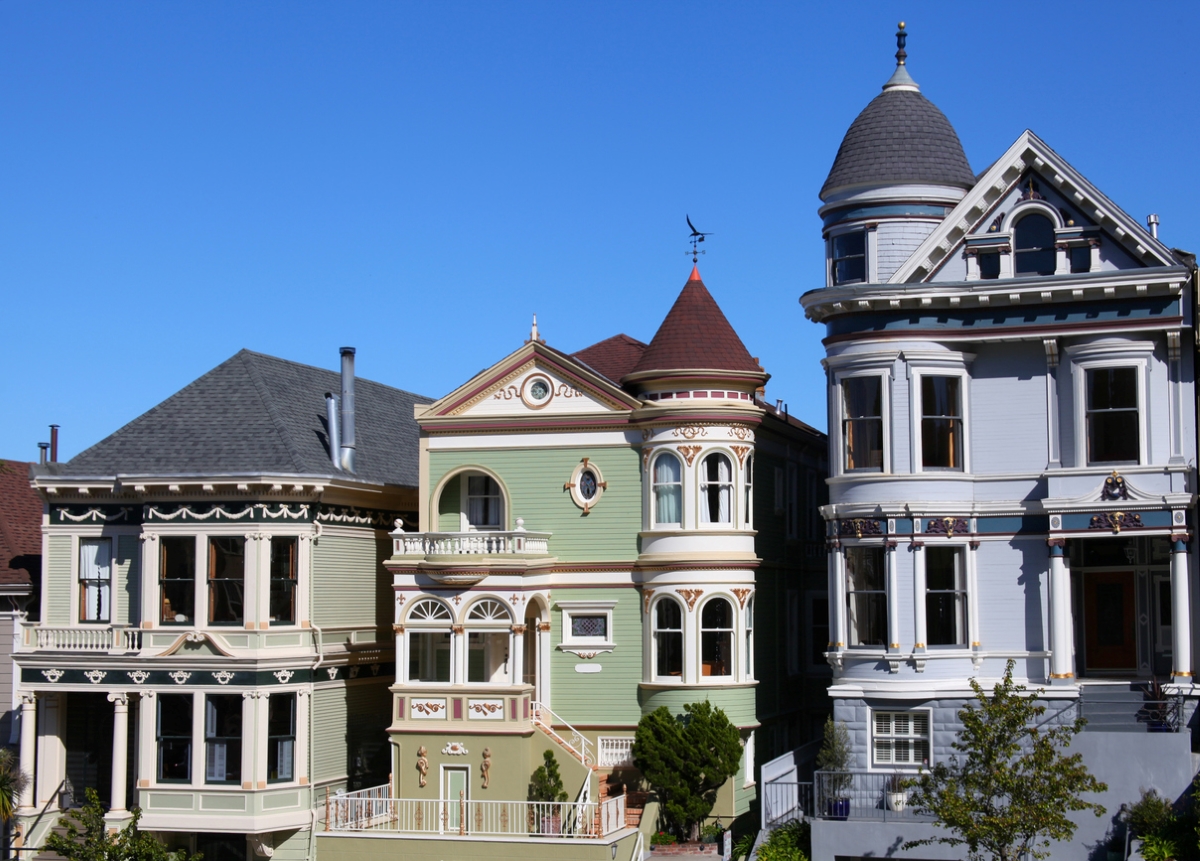
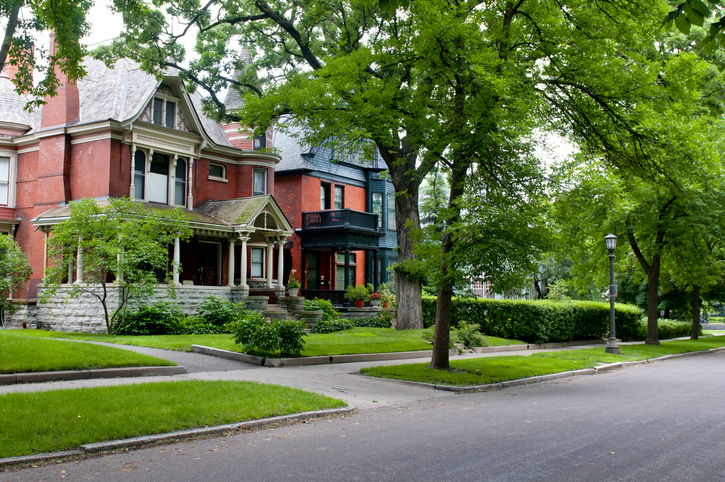
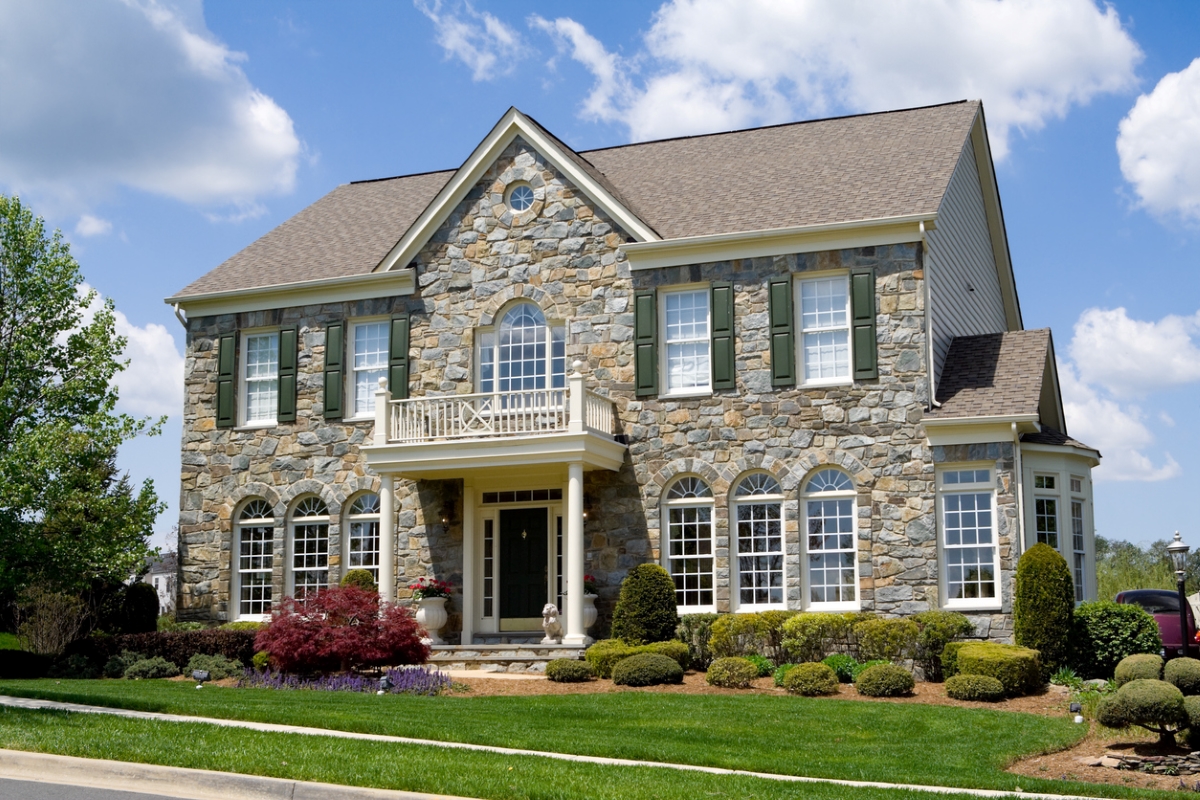
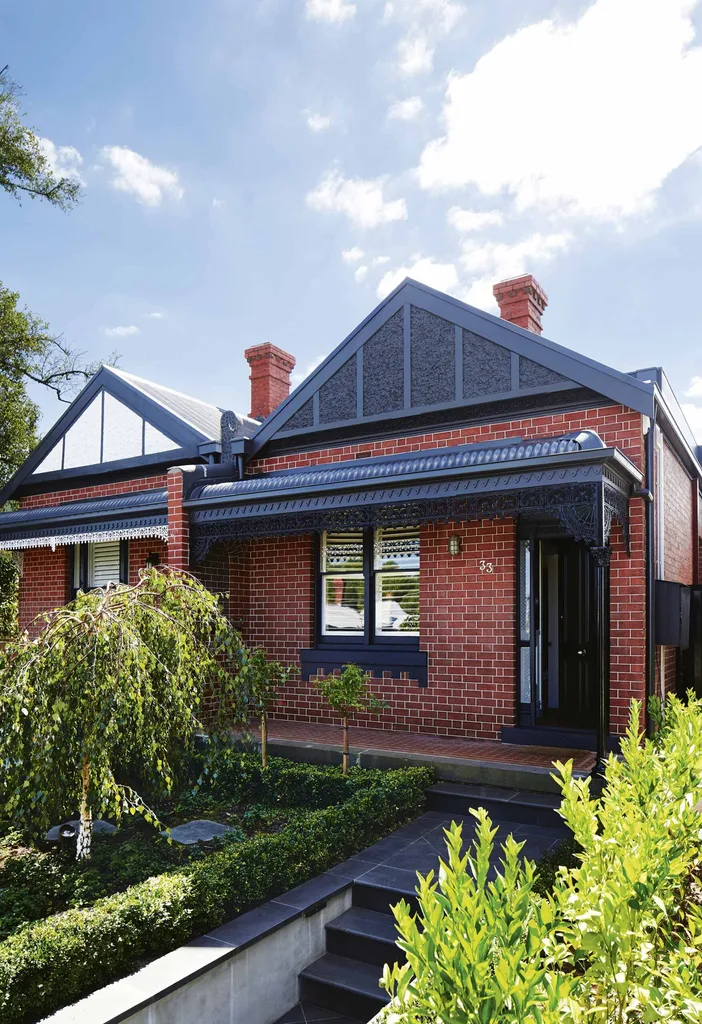
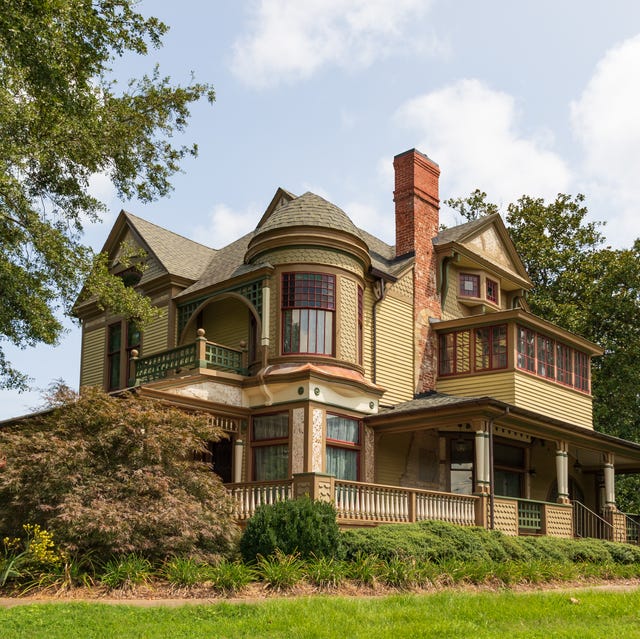
Regarding the ease of preservation across different eras, Victorian homes are noted as particularly high-maintenance due to their ornate, non-standard features and expensive repairs. Conversely, Craftsman homes are generally more manageable, built with robust materials and featuring layouts that align more closely with contemporary living. Colonial and Georgian homes also offer good structural integrity and practical, symmetrical layouts that simplify modernization. Midcentury modern homes are considered the most adaptable for today's lifestyles, featuring functional designs, open layouts, and larger windows. Ultimately, while every historic home presents unique challenges, some eras offer a more straightforward path to renovation and modern living than others.
#HistoricHomes #HomeRenovation #ArchitecturalPreservation #RestorationCosts #EnvironmentalHazards #MechanicalSystems #EnergyEfficiency #HomeLayouts #PreservationRules #PropertyInvestment #HistoricHomes #HomeRenovation #ArchitecturalPreservation #RestorationCosts #EnvironmentalHazards #MechanicalSystems #EnergyEfficiency #HomeLayouts #PreservationRules #PropertyInvestment
0 comment in total
 No comments yet
You may also like
The Truths About Buying and Living in an Old House

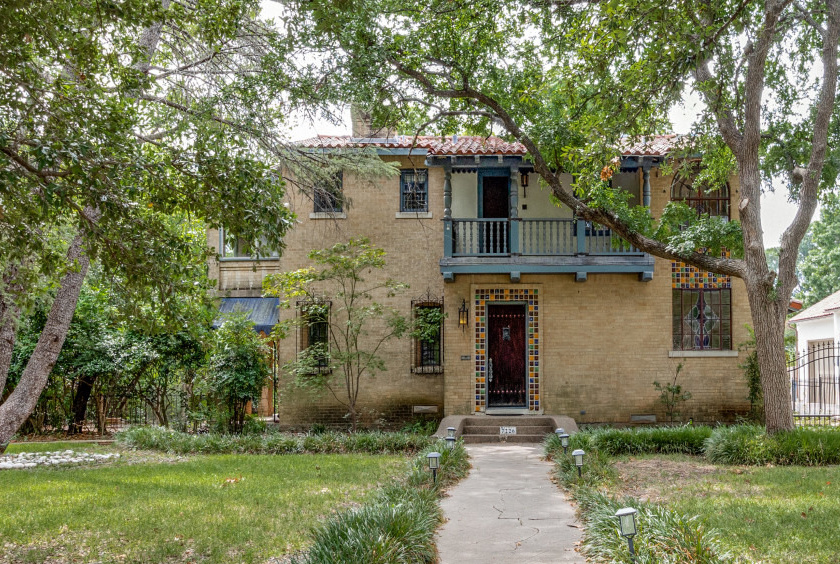
Dallas Preservation Experts on How to Keep Your Historic Home and Why It Matters

Does Your Home Have 1 of the 3 Major Health Hazards?
This Design Mistake Could Lower The Resale Value Of Your Home

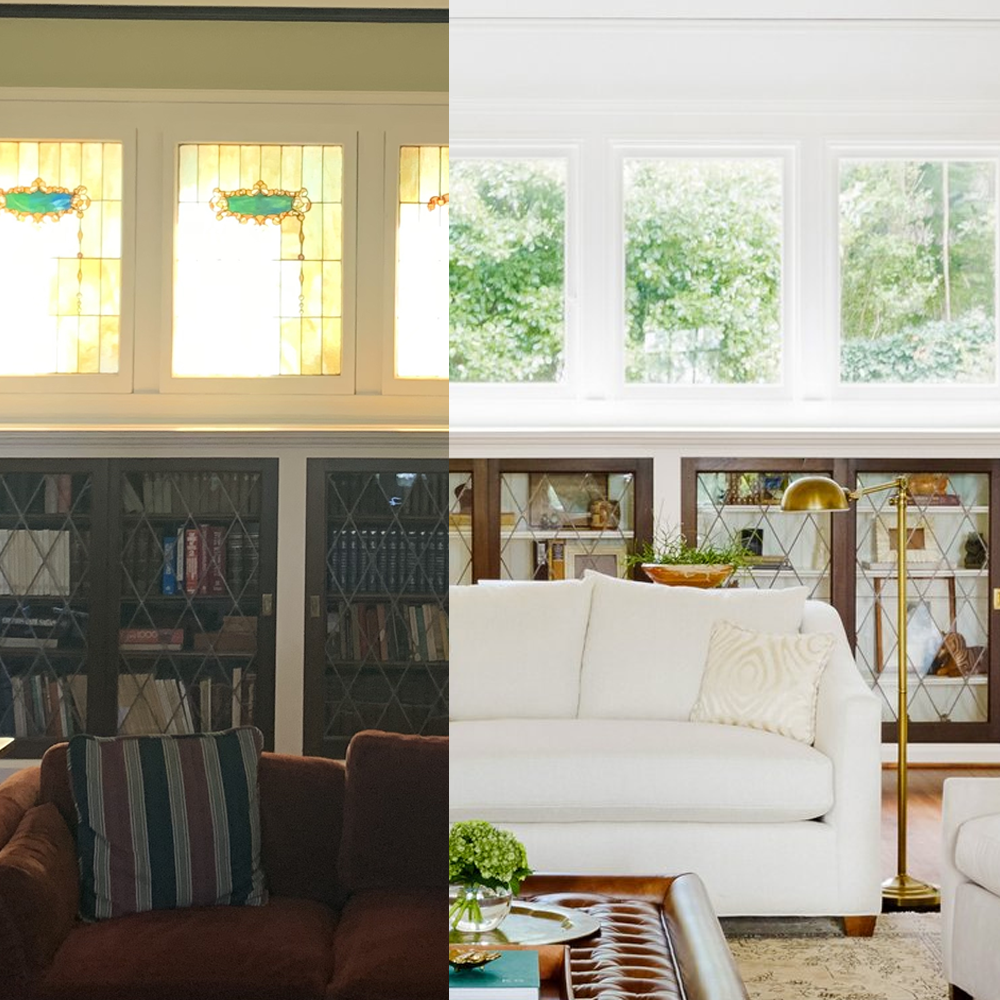
Here's What Nobody Tells You About Buying and Renovating a Historic Home
This SURPRISING Feature May Make Your Home Harder to Sell, According to Designers


Renovate your home or buy a new one? Here's what experts suggest

7 tips for restoring heritage homes to their former glory

7 Architectural Details You Should NEVER Get Rid of in a Historic Home
12 Things You Should Never Buy at an Estate Sale, According to Experts


Money-wasting home improvements to avoid
More Realtors Are Using Staging Than Ever Before, According to NAR
Owning an Old House: Charming Love Affair or Expensive Money Pit?

The Dark Side of Historic Preservation

5 Most Profitable Home Improvements to Make Before Selling Your Home


Phil Spencer explains why an older home might not be the best choice for a first-time buyer
10 farmhouse antiques experts say will only increase in value over time

Guide to Buying Older Homes by Decade
Home Upgrades That Pay Off

10 Common Home Renovations That Lower Your Property Value in 2025