
1/3
5 tips to help plan a home renovation
Home renovation spending has been on a consistent rise in Canada for the past 15 years, with homeowners averaging around $5,000 annually on remodeling projects. This trend is expected to continue due to factors like limited housing supply and strong buyer demand, prompting more individuals to renovate rather than relocate. This article provides five key tips for homeowners planning a renovation to maximize their investment and avoid common pitfalls.
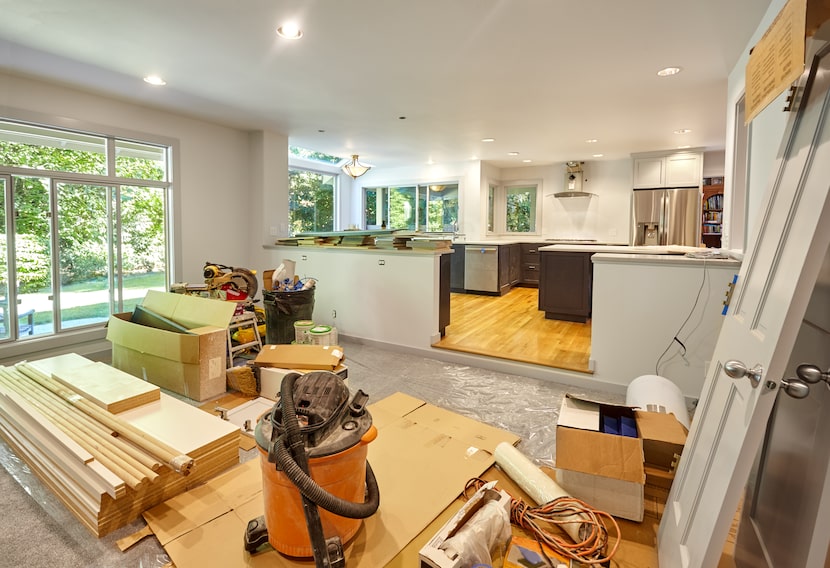
The first tip emphasizes the importance of accurately estimating renovation costs. Data from TrustedPros.ca indicates that homeowners frequently underestimate budgets for popular projects such as kitchen renovations, fence construction, new flooring, and window replacements. For instance, the national average budget for a kitchen remodel is often underestimated by at least $5,000, not accounting for essential licensed electrical, plumbing, and gas work, or higher-end finishes. Similarly, fence construction costs are often three times higher than initially budgeted. Homeowners tend to allocate insufficient funds for flooring, especially for larger spaces or quality materials, and for window replacements, which can cost around $1,600 per window, increasing for specialty options.
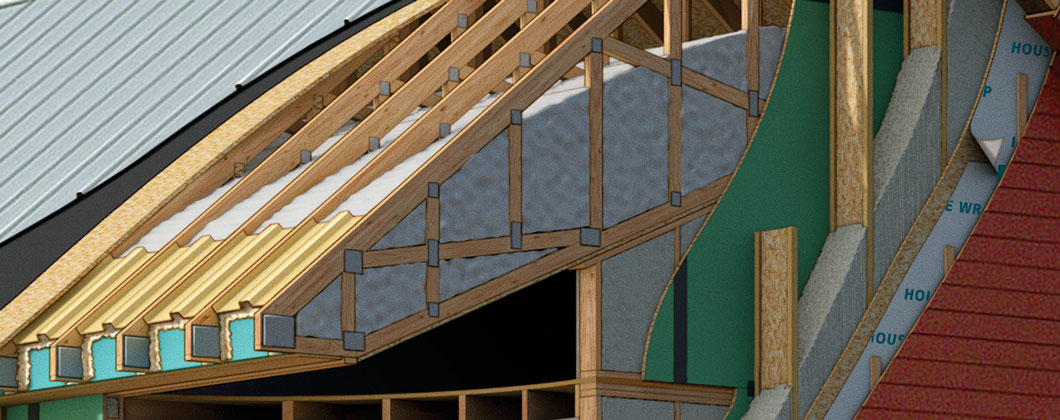
The second tip addresses the misconception that extensive, high-end remodels always yield the best returns. Home renovations rarely offer a dollar-for-dollar return on investment. In some cases, simpler, less expensive updates can provide better value. For example, re-insulating an attic can recoup up to 117% of the cost, while replacing a garage door or front entry door can recoup around 91-92%. Despite these high-value returns, popular renovation projects in 2016 included bathroom remodels, basement renovations, and deck installations, which typically offer lower recoup rates. The article advises homeowners to view renovation spending as an expense rather than an investment and to align their renovation choices with their true motivations for updating their home.
The third tip focuses on establishing a realistic renovation budget. This involves obtaining multiple quotes from contractors, clarifying contract terms, and understanding how potential problems will be handled. Homeowners are cautioned against comparing their projects to idealized TV shows like HGTV, which often create unrealistic expectations about cost and timeline. It's crucial to honestly assess one's own skills and availability for DIY work, as hiring professionals will incur costs for labor, materials, permits, and contractor profit margins. Finally, always include a contingency fund, typically 10% to 20% of the total budget, to cover unexpected expenses that commonly arise during renovation projects.
The fourth tip highlights the importance of securing financing before starting any work. The most financially sound approach is to save up the necessary funds, which allows for thorough research and planning, reducing the likelihood of budget overruns. If immediate savings are insufficient, two primary financing options are recommended: a Home Equity Line of Credit (HELOC) or leveraging rebates. A HELOC, a loan against home equity, offers lower interest rates due to collateralization and flexible borrowing/repayment terms. However, it involves additional fees. Homeowners undertaking extensive renovations can also explore rebates for energy-efficient upgrades, such as improved insulation or window replacements. These rebates, which can significantly offset costs, often require a two-part home energy audit, costing between $200 and $1,000, and may take up to a year to process. The article strongly advises against using high-interest credit cards for renovations, as this significantly increases the overall cost, and refinancing a mortgage, while better than credit cards, carries interest rate risks.
The final tip stresses the virtue of patience. Delaying a renovation project allows more time to save money, thereby reducing reliance on debt. This also provides an opportunity for more comprehensive planning, which helps avoid costly mistakes. A rushed or under-budgeted renovation can potentially devalue a home, making careful consideration and ample preparation essential for a successful outcome.
#HomeRenovation #BudgetPlanning #HomeImprovement #RealEstate #ContractorSelection #FinancingOptions #PropertyValue #CostManagement #DIYProjects #HomeRenovation #BudgetPlanning #HomeImprovement #RealEstate #ContractorSelection #FinancingOptions #PropertyValue #CostManagement #DIYProjects
0 comment in total
 No comments yet
You may also like

9 Things You Need to Know Before Renovating Your Home, According to Experts

More and More People Are Putting 'His and Hers' Bathrooms In Their Homes


You should try to avoid these 10 common home remodeling mistakes, urge experts

6 Headache-Saving Tips You Should Know Before Starting a Remodel, According to Designers

Home Renovation Ideas - How To Renovate a House

How to Revamp Your Home in 2025

Make your home renovation shine with these builder tips


Home renovation loan benefits & guidelines


Renovating 101: Reworking existing spaces in the home

If you want a home remodel to go quickly, know what you want to do and prepare early


Planning a kitchen: The ultimate guide to renovation and installation
Fine Homebuilding Online Archive


A beginner’s guide to home remodeling: 5 rules to follow

9 common home renovation mistakes to avoid


I’ve renovated four kitchens and these are the eight key lessons I've learnt along the way

Renovation

6 Lessons I Wish I’d Known Before Renovating My Home

This Kitchen Renovation Timeline Will Help Guide Your Project in 2026


this DIY-savvy family makes the case for open-plan living


Beware the 4 most expensive words in home remodeling: 'As long as we're ..'