1/4
Renovating 101: Reworking existing spaces in the home
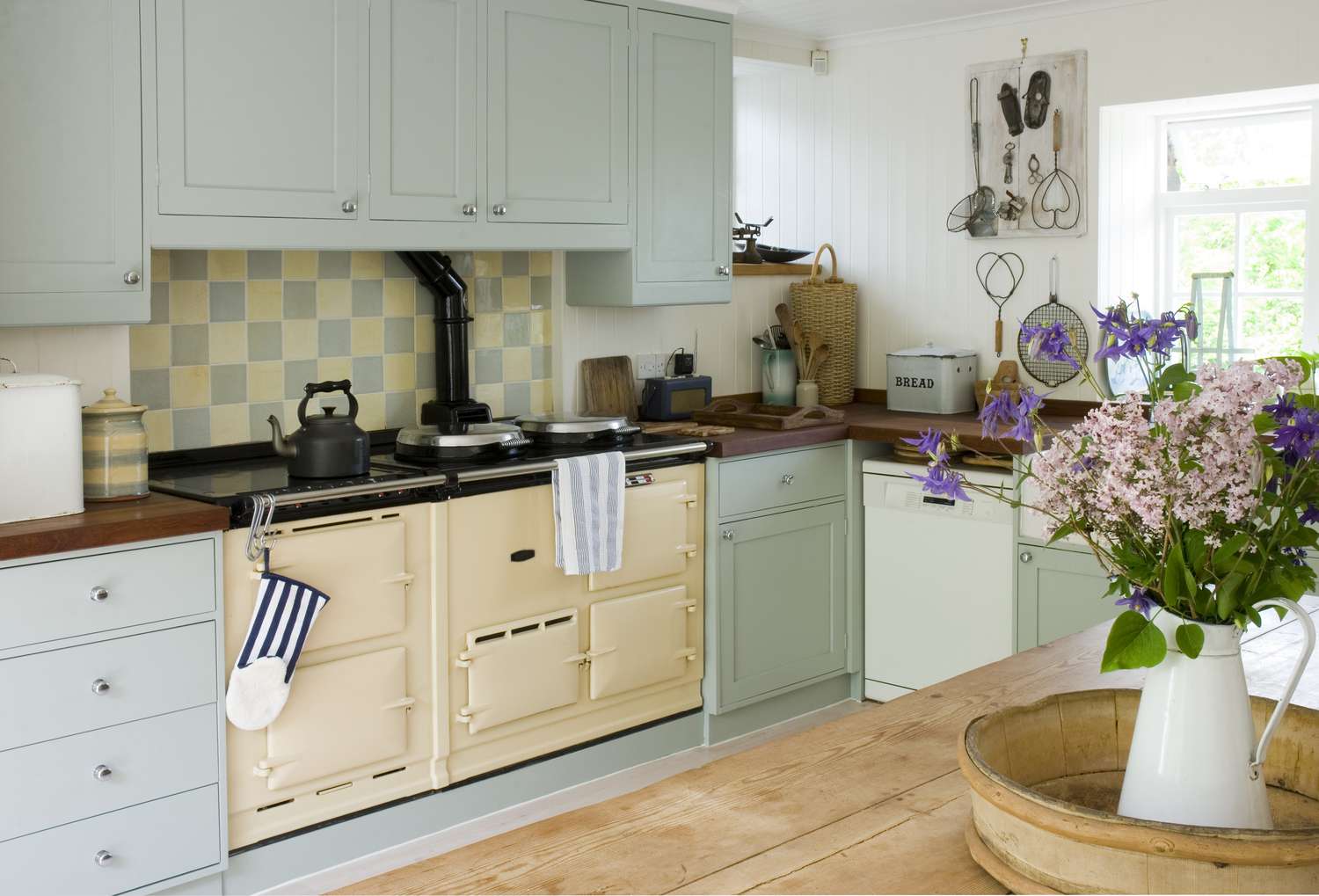
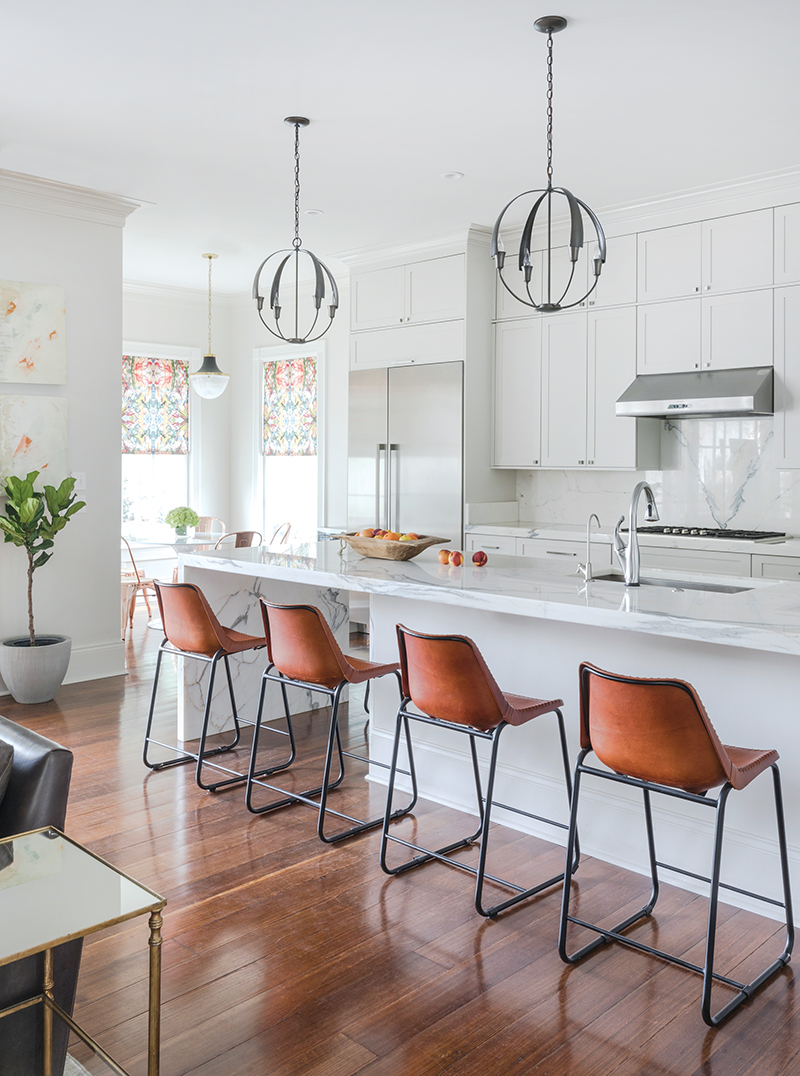
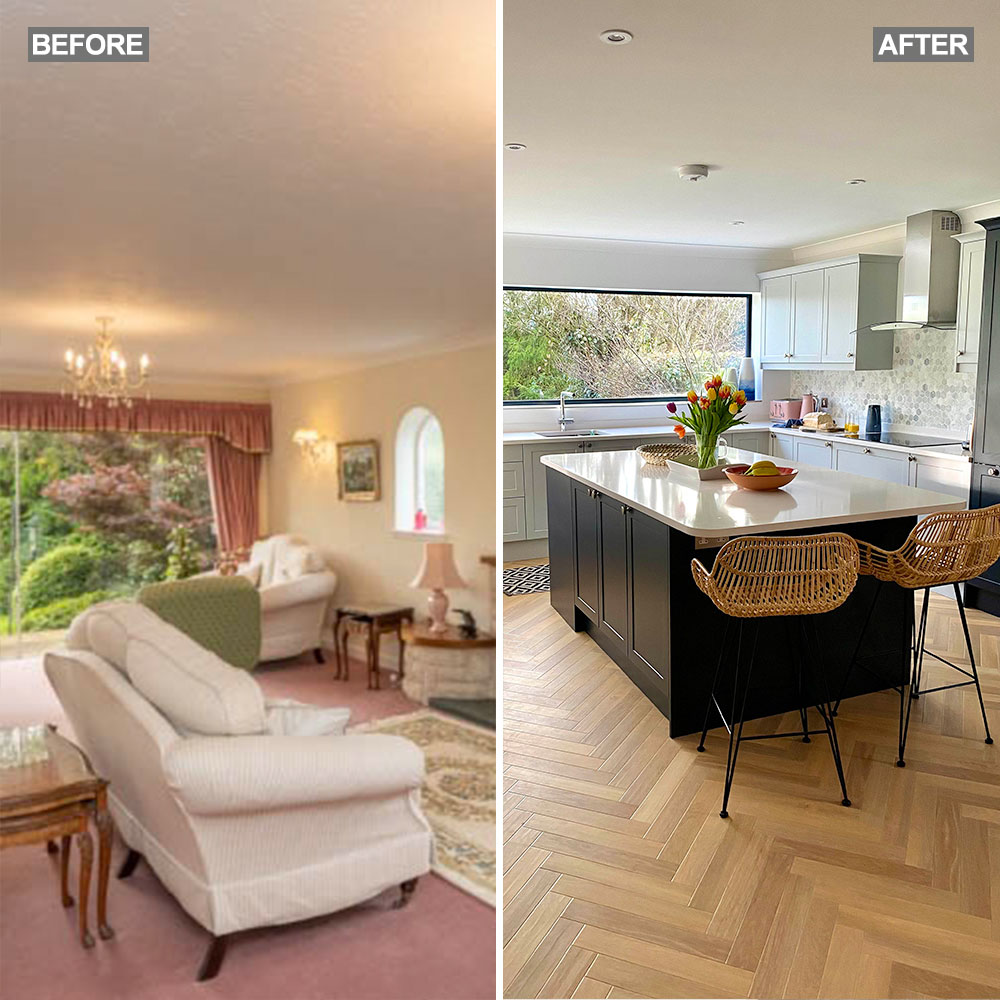
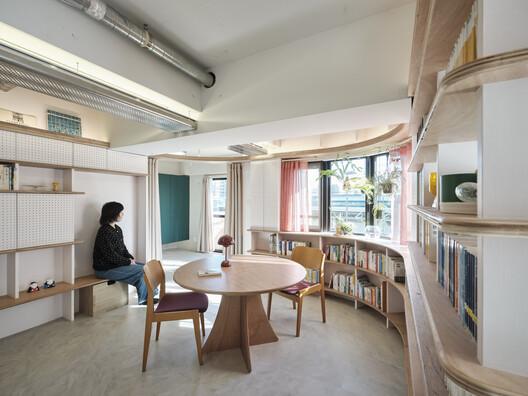
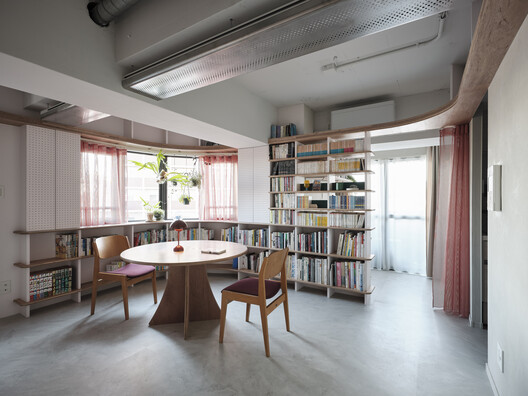
The article explores the concept of renovating existing spaces within a home's current footprint as an alternative to large-scale constructions. It highlights how rethinking spatial planning can lead to transformative results, improving functionality, flow, and the overall sense of space and efficiency in a home. The focus is on making the most of what a homeowner already has, rather than expanding outwards or upwards, which often involves significant budgets and extensive works.
Interior designers Sonia Simpfendorfer of Nexus Designs and Natasha Levak provide insights and practical advice on enhancing living spaces. Simpfendorfer emphasizes that effective spatial planning ensures optimal natural light distribution, improves functionality, and simplifies daily living. She stresses the importance of considering movement within and through a space. Levak adds that a clever floor plan eliminates wasted space, making interiors both practical and aesthetically pleasing. These experts suggest that significant improvements can often be achieved by simple actions such as removing a wall or repurposing an under-utilized area, rather than complex structural changes. They also point out that sometimes, careful furniture placement alone can dramatically improve access, flow, and orientation within a room.
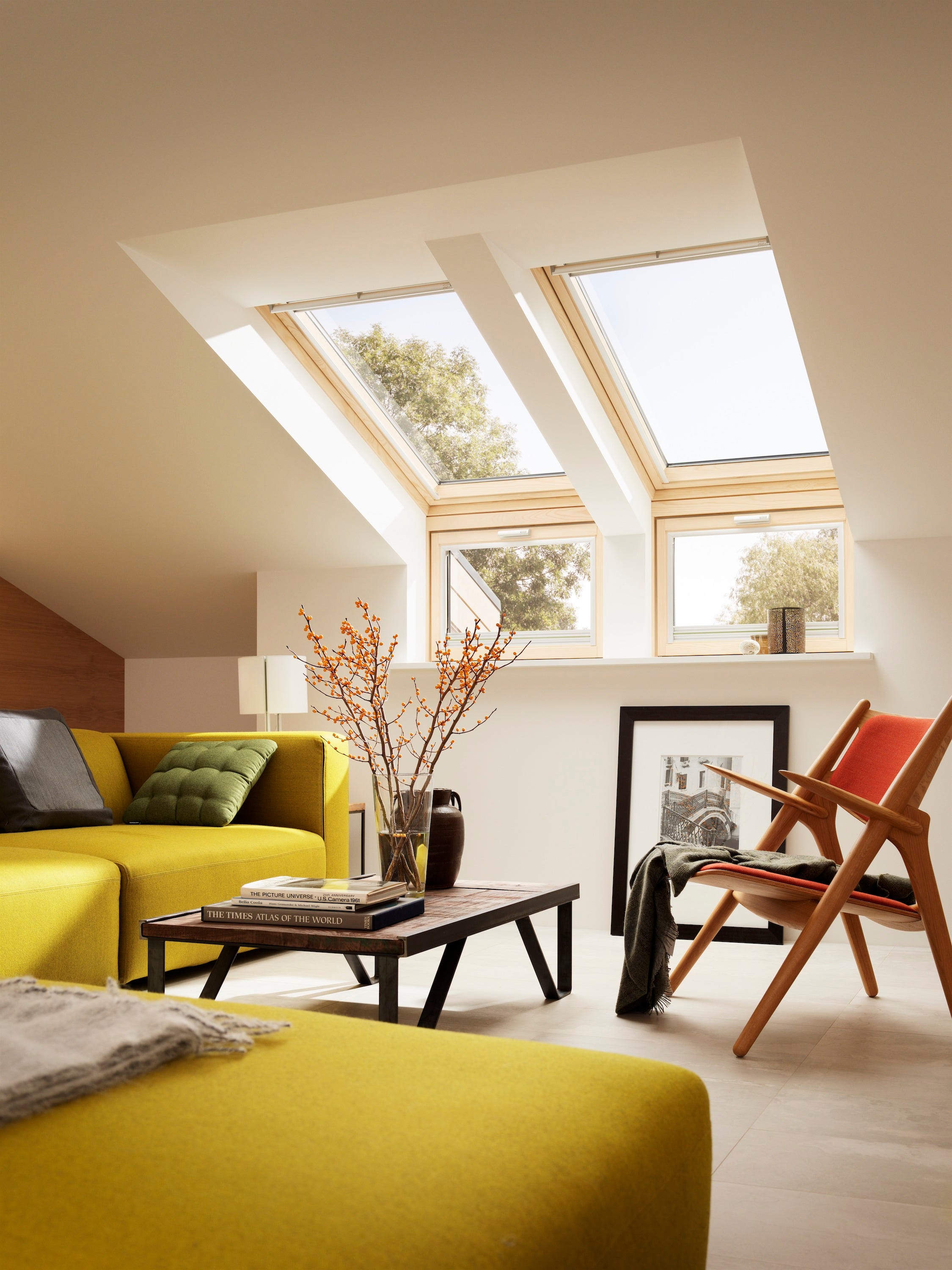
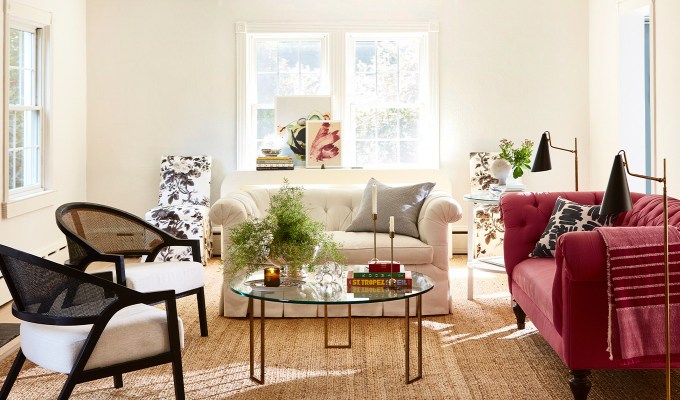
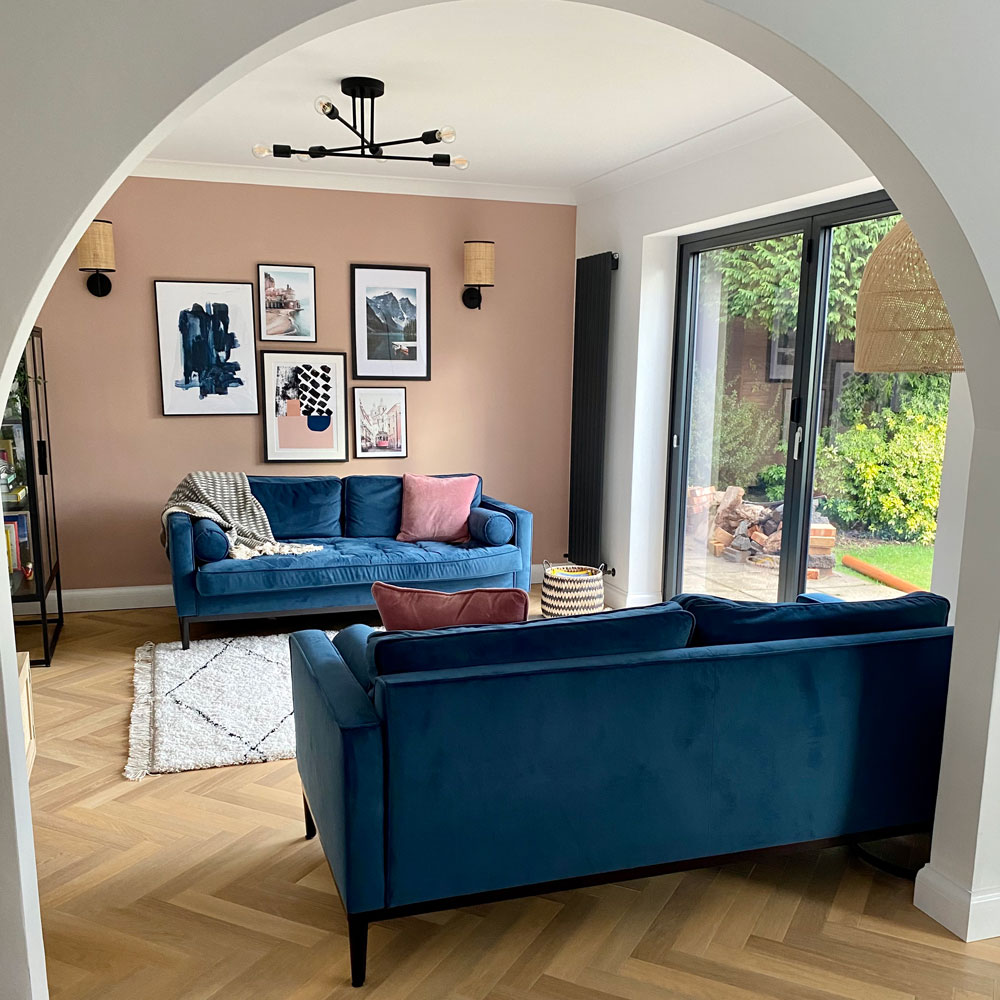
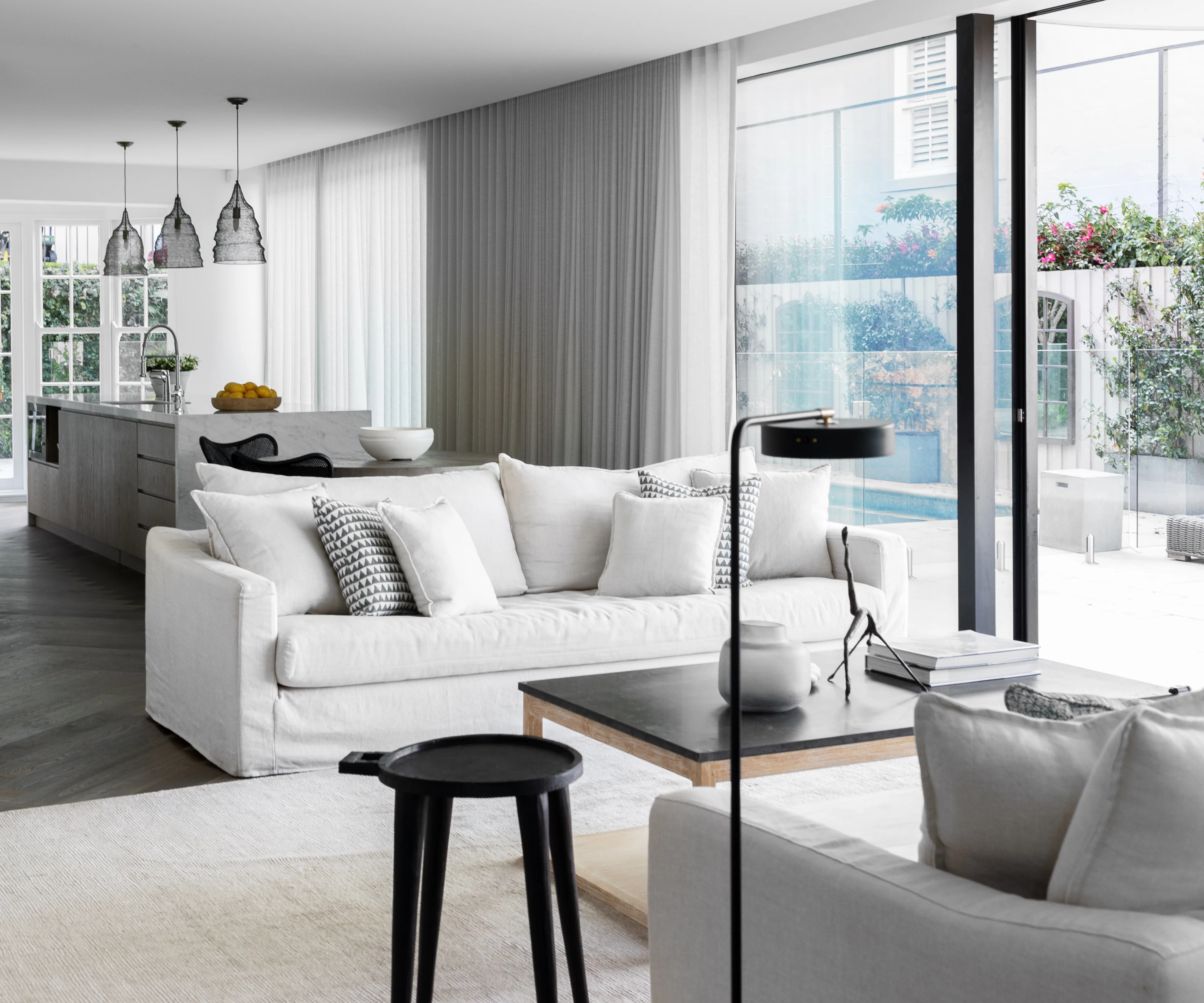
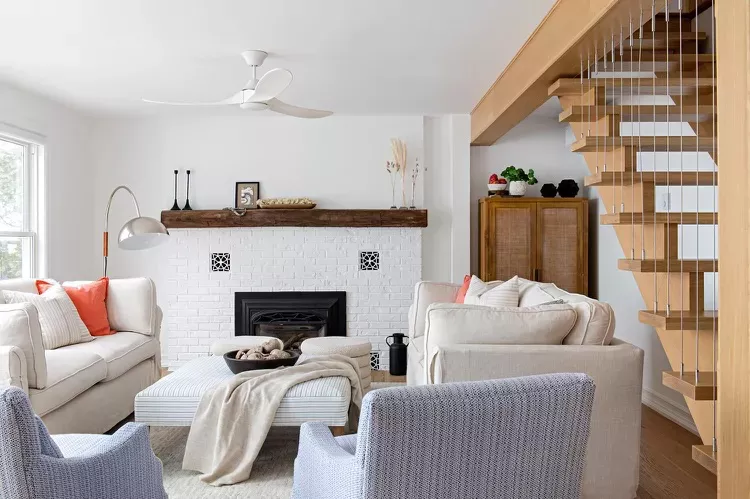
The article delves into specific design tips for three key areas of the home: the living room, dining room, and main bedroom. For living rooms, selecting appropriately scaled furniture is crucial; large modular sofas can be too dominant, while combinations of armchairs, standard three-seater sofas, and roaming ottomans offer better space utilization and seating capacity. Anchoring furniture groups with rugs, sized correctly to extend partially under seating, helps define open-plan spaces. TV placement should allow for easy viewing without overwhelming the room, and furniture orientation should consider both the TV and potential outdoor views. In smaller living areas, delicate furniture with raised legs creates an illusion of greater space. The arrangement of seating for conversation is also addressed, suggesting right-angle placements over direct oppositions for better flow.
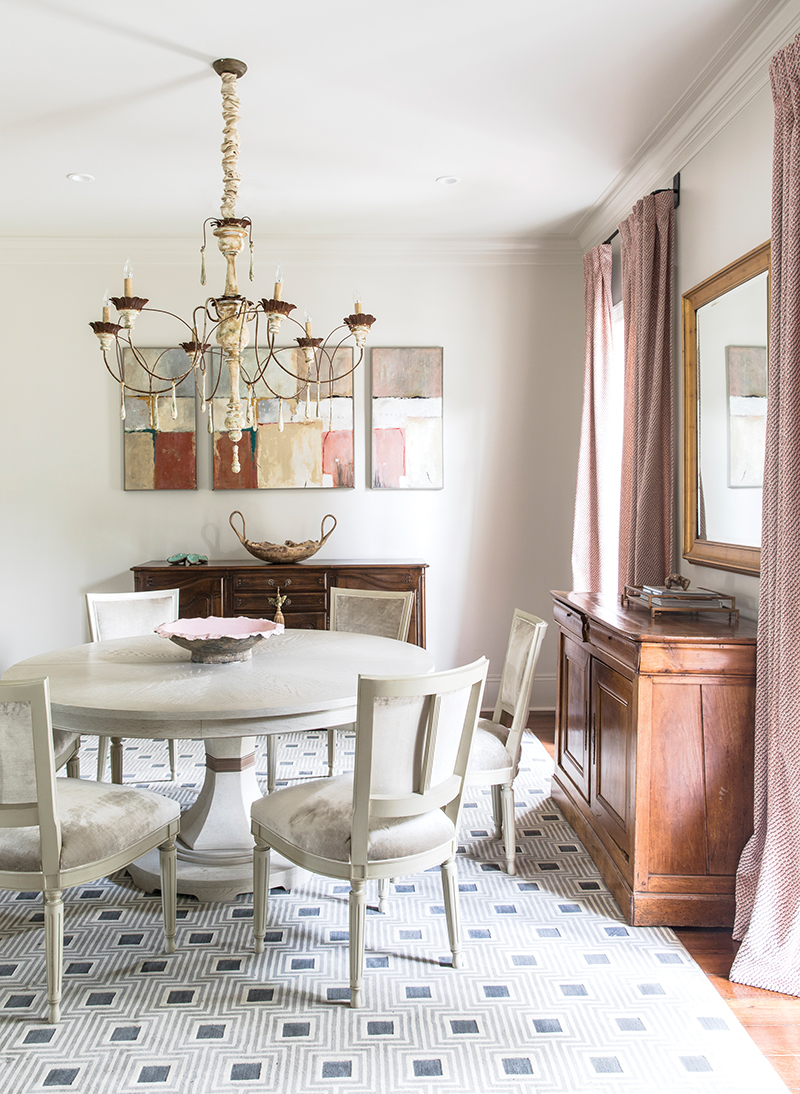
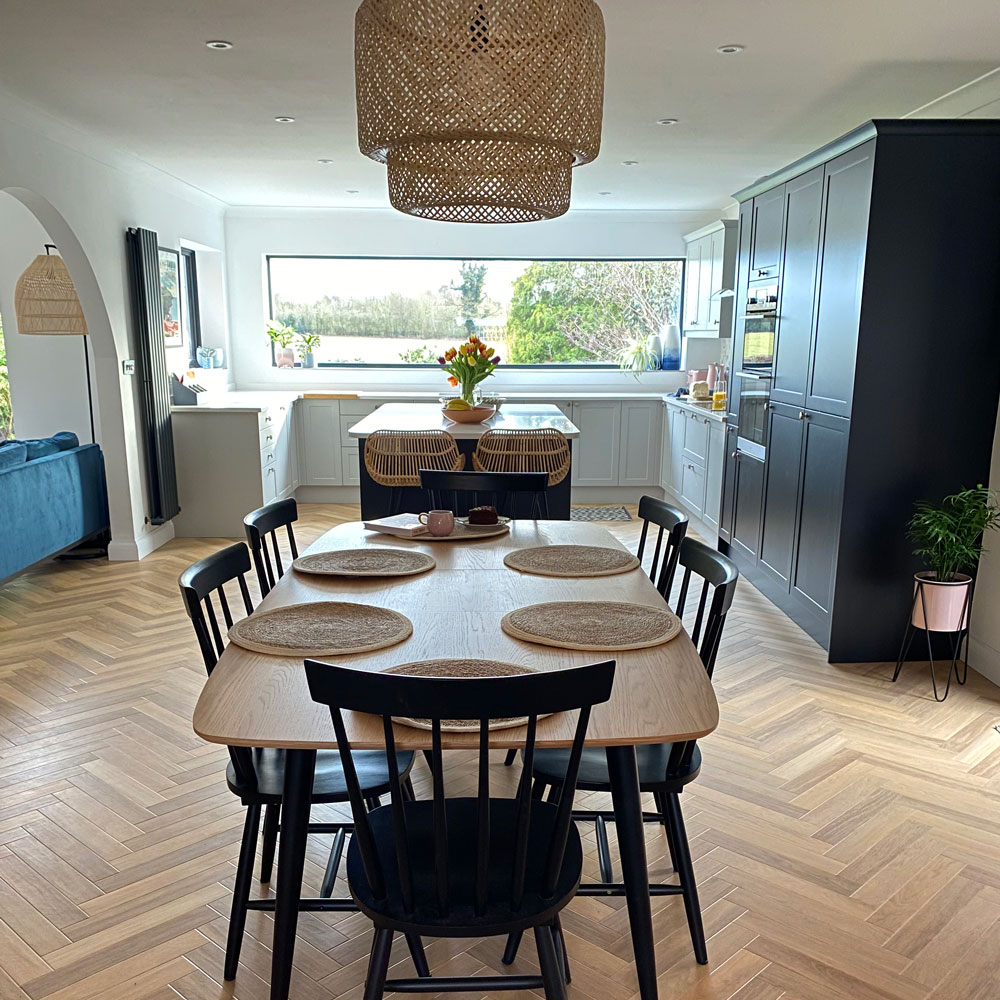
For dining rooms, the article advises considering the interaction with other rooms, daily dining needs, and entertaining requirements. In confined spaces, extendable and slim dining tables are recommended for versatility. When using a rug in the dining area, a minimum of 90cm should be allowed from the table edge to the rug edge to accommodate chair movement. Table width recommendations suggest at least 1.1m for practical placement of platters. Oval and elliptical tables are favored for promoting conversation, while round tables work well in square rooms but require careful sizing to prevent wasted central space. Lighting is highlighted as a critical element, with low-hanging, adjustable, and dimmable fixtures suggested to create intimate atmospheres.
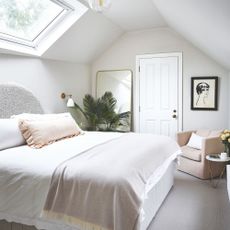
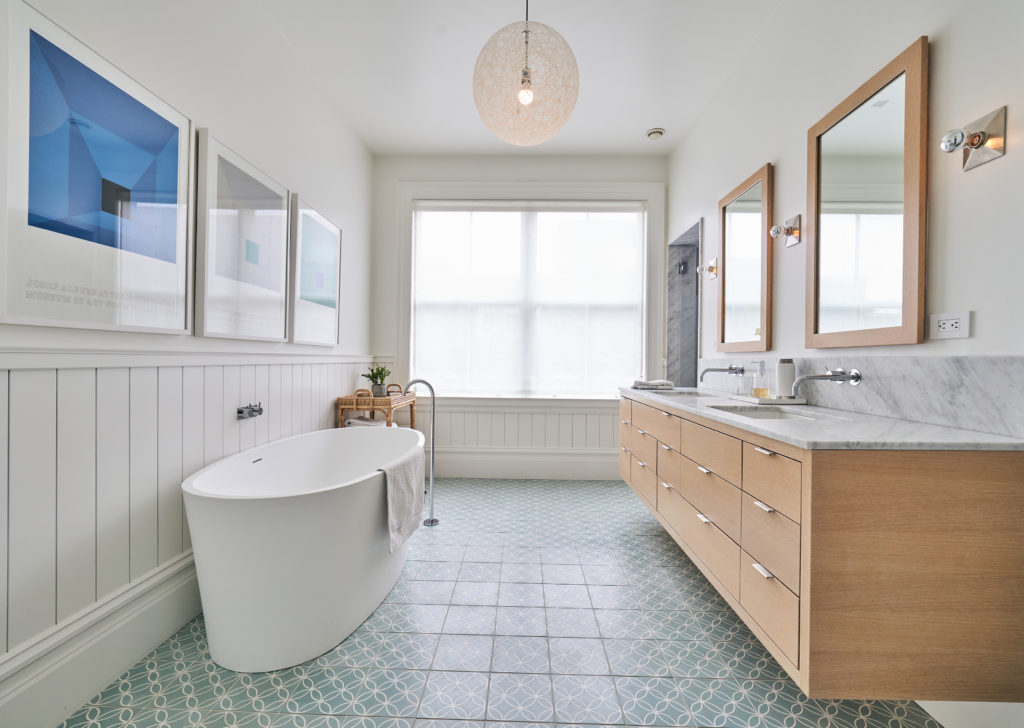
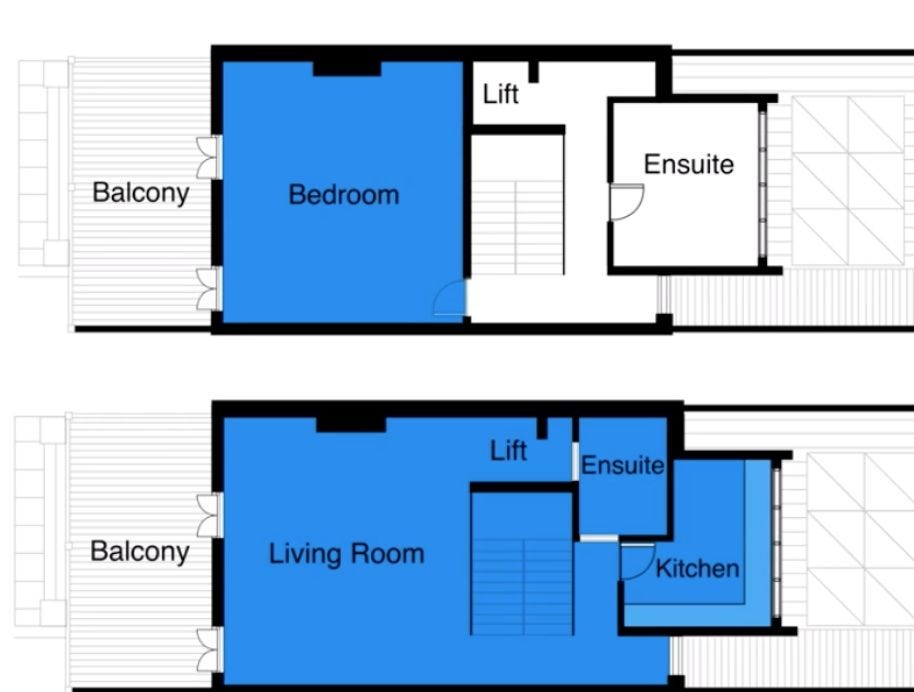
Regarding the main bedroom, the importance of good design for an uplifting start to the day is stressed, particularly orientation towards natural light and views. Optimal bed positioning is opposite the door, with at least 75cm of circulation space around it. Proportionate bedside tables are essential to balance the bed's scale. In tight spaces, wall lights can replace table lamps, and bed bases with integrated storage are practical. For bedrooms with ensuites, the toilet should be discreetly located, with more luxurious fittings like baths or vanity sinks placed in direct view upon entry. A door separating the bedroom and ensuite is recommended for privacy and to mitigate steam.
Finally, the article touches upon the costs associated with removing an interior wall. It outlines the need for an engineer to assess if the wall is load-bearing, which can incur costs between $500 and $2000 for assessment and documentation. The demolition and potential installation of a steel beam, along with plastering, rendering, carpentry, painting, and electrical work, are estimated to cost less than $5000. These costs are contingent on the wall's size and structure, differentiating between brick and timber frame constructions.
#Renovating #HomeRenovation #InteriorDesign #SpatialPlanning #LivingRoomDesign #DiningRoomDesign #BedroomDesign #HomeImprovement #RenovationTips #Renovating #HomeRenovation #InteriorDesign #SpatialPlanning #LivingRoomDesign #DiningRoomDesign #BedroomDesign #HomeImprovement #RenovationTips
0 comment in total
 No comments yet
You may also like
Renovation

Remodeling
Post-Reno, This Home’s Curvy Staircases Don’t Look Stuck in the ’90s Anymore

5 Overlooked Reno Ideas That Add Major Value to Your Home, According to a Contractor

Home & Design | Redo & Renew

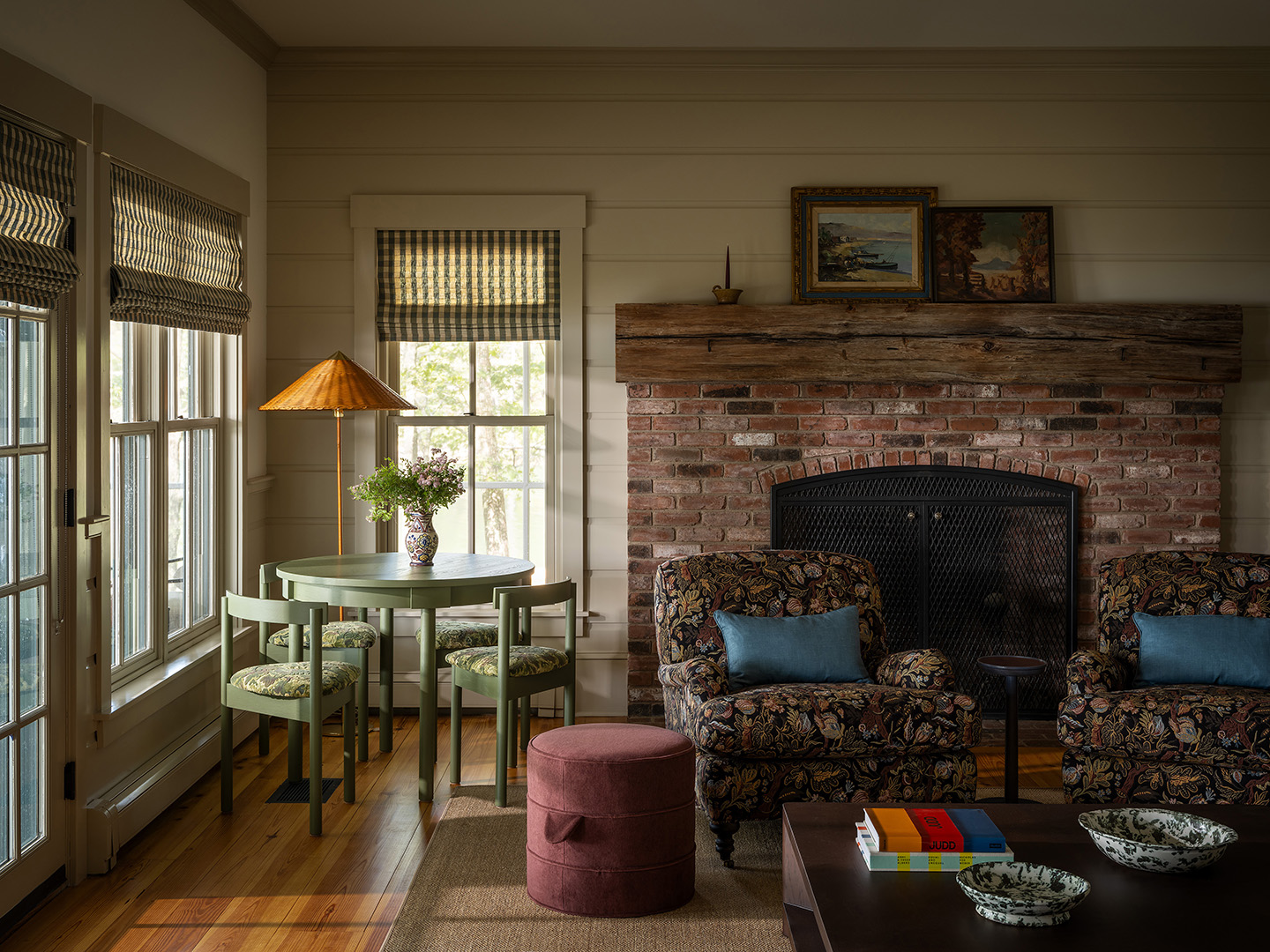
Before & After: 3 Smart Layout Changes Did the Heavy Lifting in This Maine Makeover

Planning a Home Reno in 2024? You Might Want to Skip These Trends

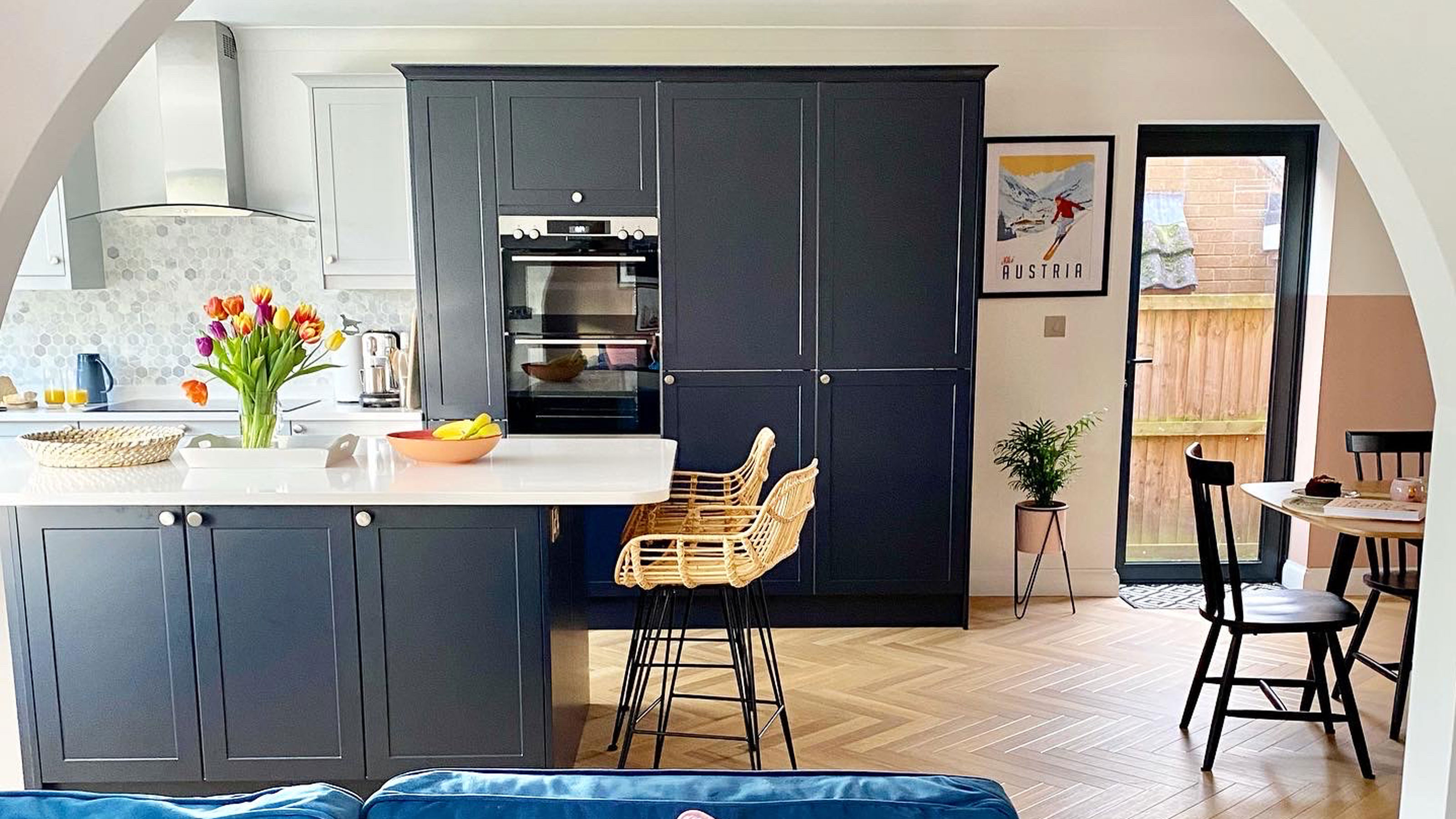
A couple save £30k on a dream open-plan living space with clever room swap hack
Home Renovation Ideas - How To Renovate a House

10 Home Improvements That Experts Say Are a Waste of Money
5 renovation projects that will add value to your home in 2024

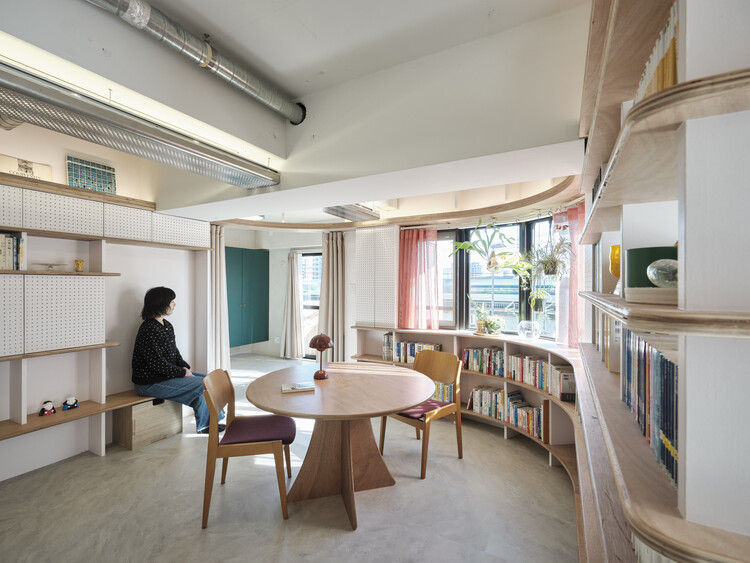
A Round and Around Home Renovation / HAMS and, Studio

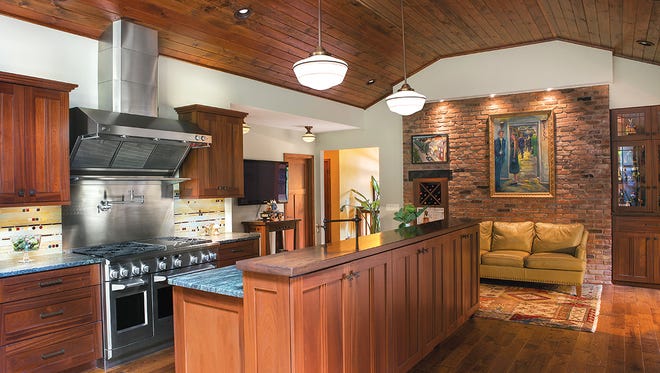
Home decor perfect solutions: How designers optimized problem spaces
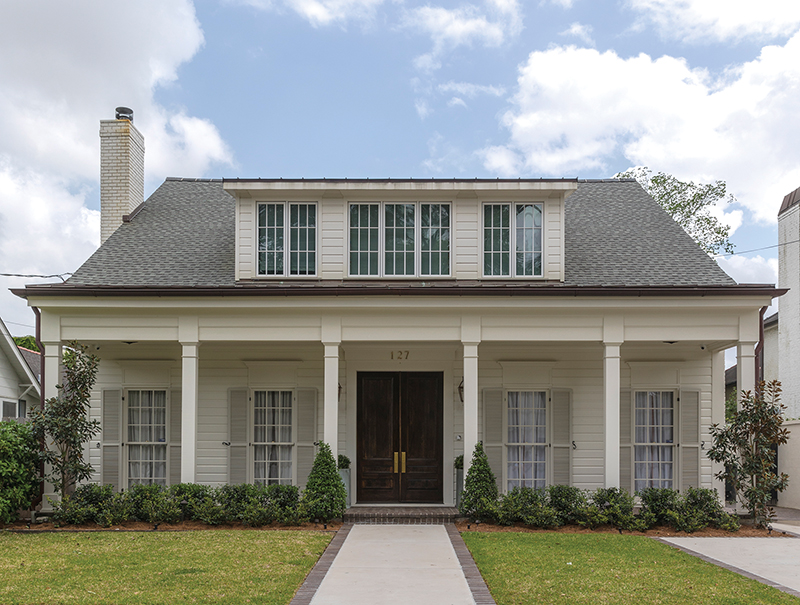
Renovation of the Year

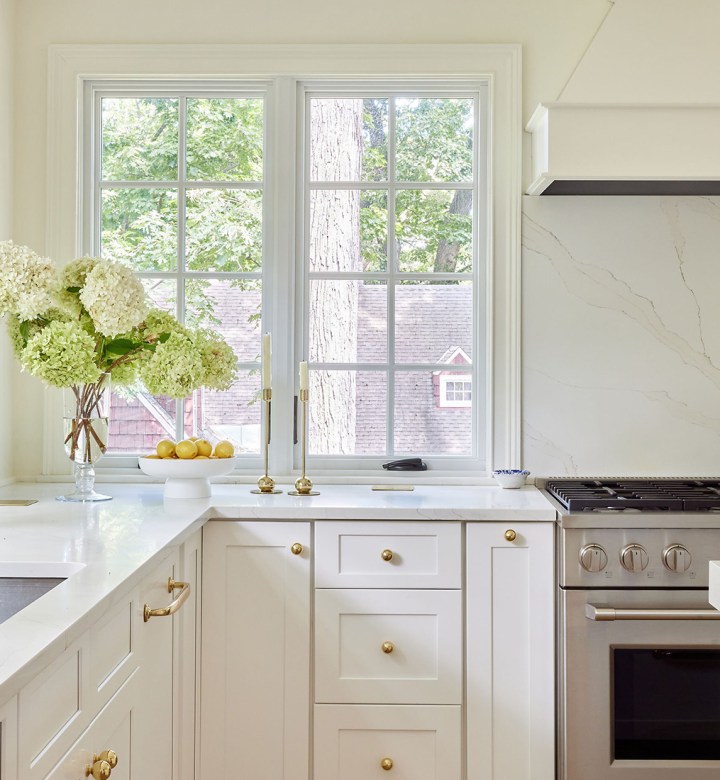
Before and After: 4 Things I Wish I Knew Before My Kitchen Renovation

Floor Plan tips and hints
Renovate | Build
These Under-$1,500 Renovations Could Help Sell Your Home Faster


9 Things You Need to Know Before Renovating Your Home, According to Experts

A beginner’s guide to home remodeling: 5 rules to follow