1/14
Remodeling
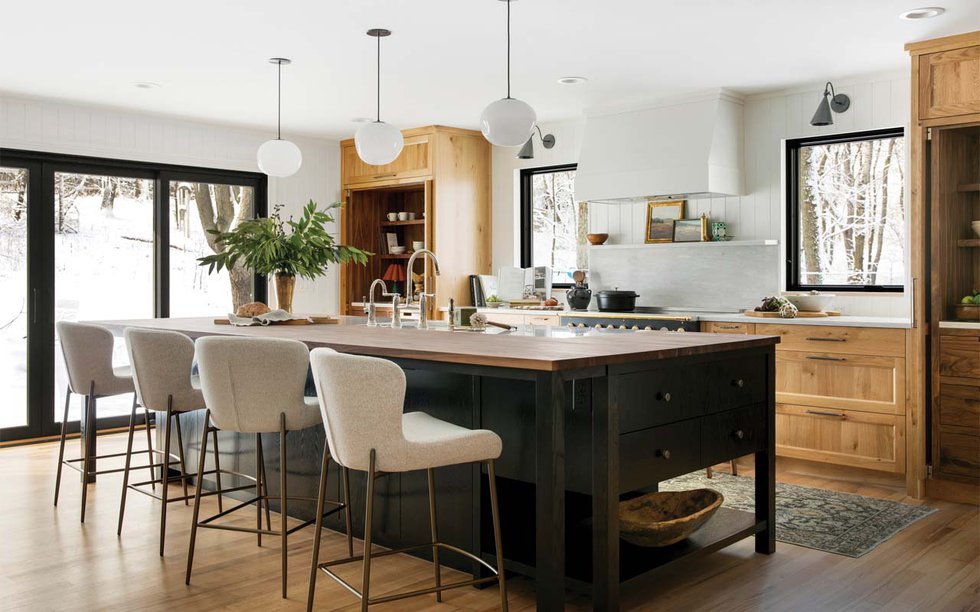
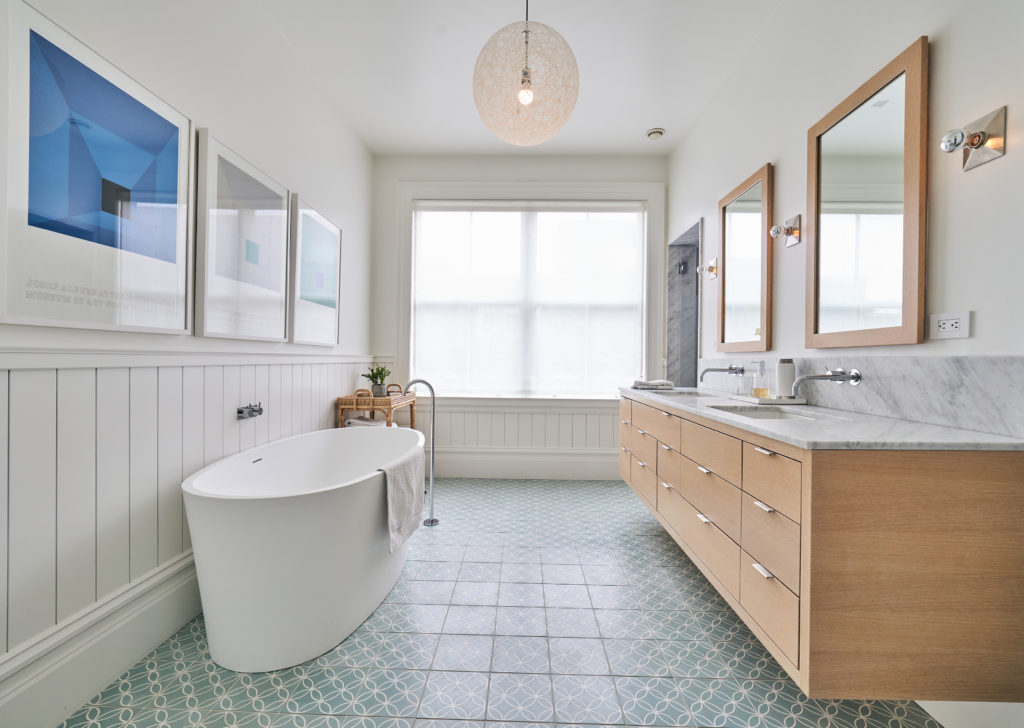
The home remodeling industry continues to grow, with various projects offering different returns on investment. This article provides an overview of current remodeling trends, expert advice, and resources for homeowners considering improvements. Key takeaways from the Cost vs. Value Report (Journal of Light Construction, 2025) indicate that garage door replacement yields an impressive 194% ROI, followed by entry door replacement (steel) at 188%. Minor kitchen remodels offer a 96% ROI, while bathroom remodels provide a 74% return. Homeowners are advised to consult recent reports for the most up-to-date information when making decisions about renovation projects, whether for personal enjoyment or before selling a property.
Expert advice emphasizes careful planning for remodeling projects. This includes strategies for completing unfinished work, initiating new projects effectively, selecting sustainable options, and safeguarding against scams. Remodeling trends are dynamic, necessitating a continuous review of current design preferences and timeless options through design websites and housing associations. The NAR Library & Archives also offers a wealth of books with advice, instructions, and narratives on various remodeling topics.
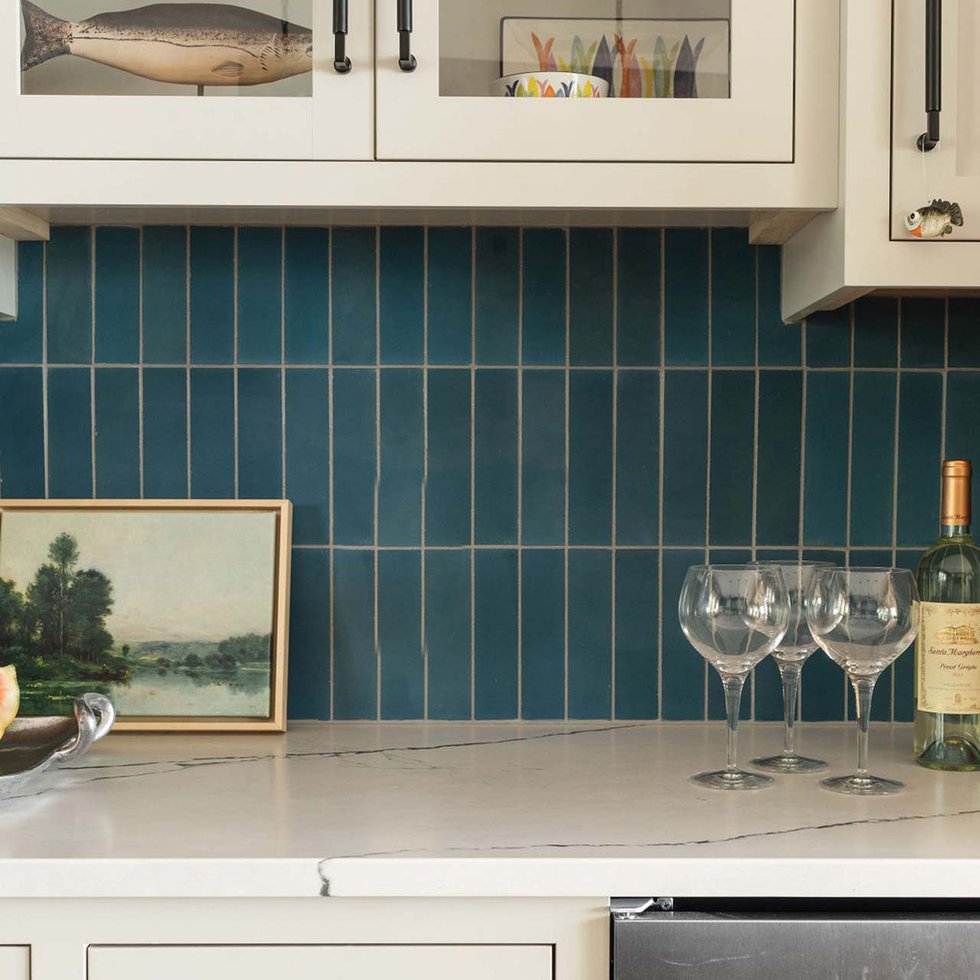
Looking ahead to 2025, experts predict high ROI for kitchen remodels, bathroom renovations, outdoor living space enhancements, smart-home features, and energy efficiency upgrades. DIY projects such as deep cleaning, painting, updating kitchen tiles, upgrading electrical outlets, lawn care, and smart home technology are highlighted as affordable ways to increase home value. The 2024 Cost vs. Value report reveals that curb appeal projects generally offer the highest returns. Out of 23 projects analyzed, only fiber cement siding replacement remained stable, while others like vinyl siding, vinyl window replacement, HVAC conversion, and asphalt/metal roof replacements showed negative ROI due to their high costs. Conversely, 17 projects demonstrated improved ROI in 2024.
Tips for home improvement include guarding against scams by watching for red flags, asking for and checking references, and understanding local laws before hiring contractors. Utilizing free home and interior design apps can help visualize ideas, refine layouts, and experiment with color schemes. Smart budgeting is crucial, involving establishing priorities, researching costs, securing financing, setting timelines, and choosing between professional contractors or DIY approaches, while also preparing for potential setbacks.
Statistically, home improvement and repair spending escalated from $404 billion in 2019 to $611 billion in 2022, with projections exceeding $600 billion through 2025. In 2023, homeowners spent an average of $4,700 on improvements, with replacement projects like roofing, windows, and HVAC accounting for 49% of expenditures. Despite this increased spending, a 2022 ConsumerAffairs survey indicated that financial constraints were a significant barrier, with 92% of homeowners having outstanding repairs and 86% delaying them due to cost. A slowdown in growth for the home improvement industry is anticipated for 2024, marking the first decline since 2010. Renovation spending saw a substantial increase from a median of $15,000 in 2020 to $24,000 in 2023, with over half of renovating homeowners spending $25,000 or more in 2023.
#Remodeling #HomeImprovement #ReturnOnInvestment #RealEstateTrends #DIYProjects #HomeRenovationCosts #HomeDesign #SustainableRemodeling #Remodeling #HomeImprovement #ReturnOnInvestment #RealEstateTrends #DIYProjects #HomeRenovationCosts #HomeDesign #SustainableRemodeling
0 comment in total
 No comments yet
You may also like

Renovation

Renovating 101: Reworking existing spaces in the home


Is Knocking Through Walls Still the Right Choice? When and Where You Should, and Shouldn't, Do It for 2026 Projects

6 Headache-Saving Tips You Should Know Before Starting a Remodel, According to Designers
Renovate | Build


Post-Reno, This Home’s Curvy Staircases Don’t Look Stuck in the ’90s Anymore


Worry-Free Remodeling Solutions with Improveit Home Remodeling


Before & After: 3 Smart Layout Changes Did the Heavy Lifting in This Maine Makeover

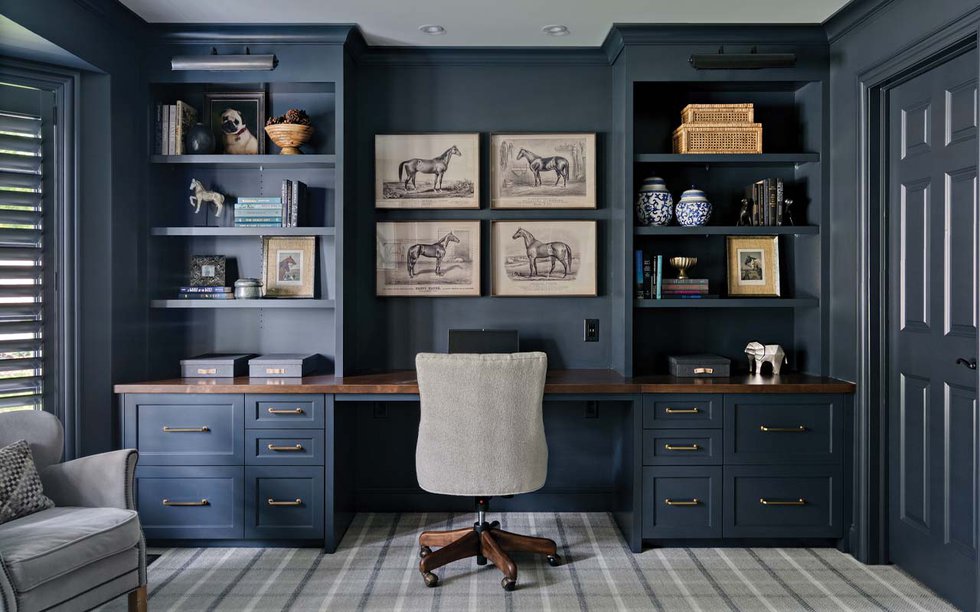
Home & Design | Redo & Renew


Worry-Free Remodeling Solutions with Improveit Home Remodeling

9 Things You Need to Know Before Renovating Your Home, According to Experts
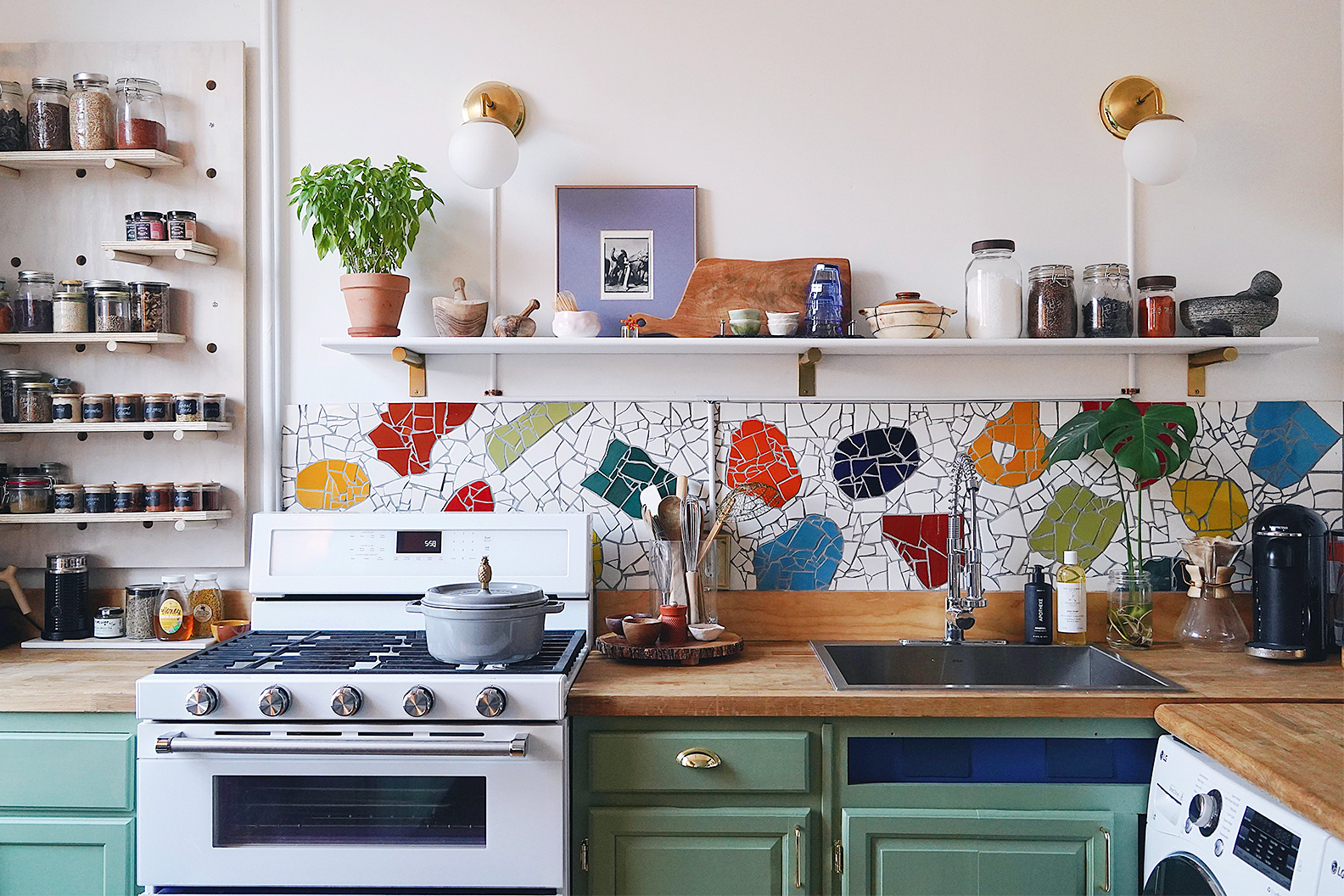
These Under-$1,500 Renovations Could Help Sell Your Home Faster


Renovations and Additions


The McGee Home Refresh

A Round and Around Home Renovation / HAMS and, Studio


How Two Local Designers Transformed These Family Living Rooms into Stylish and Functional Spaces


Renovation of the Year

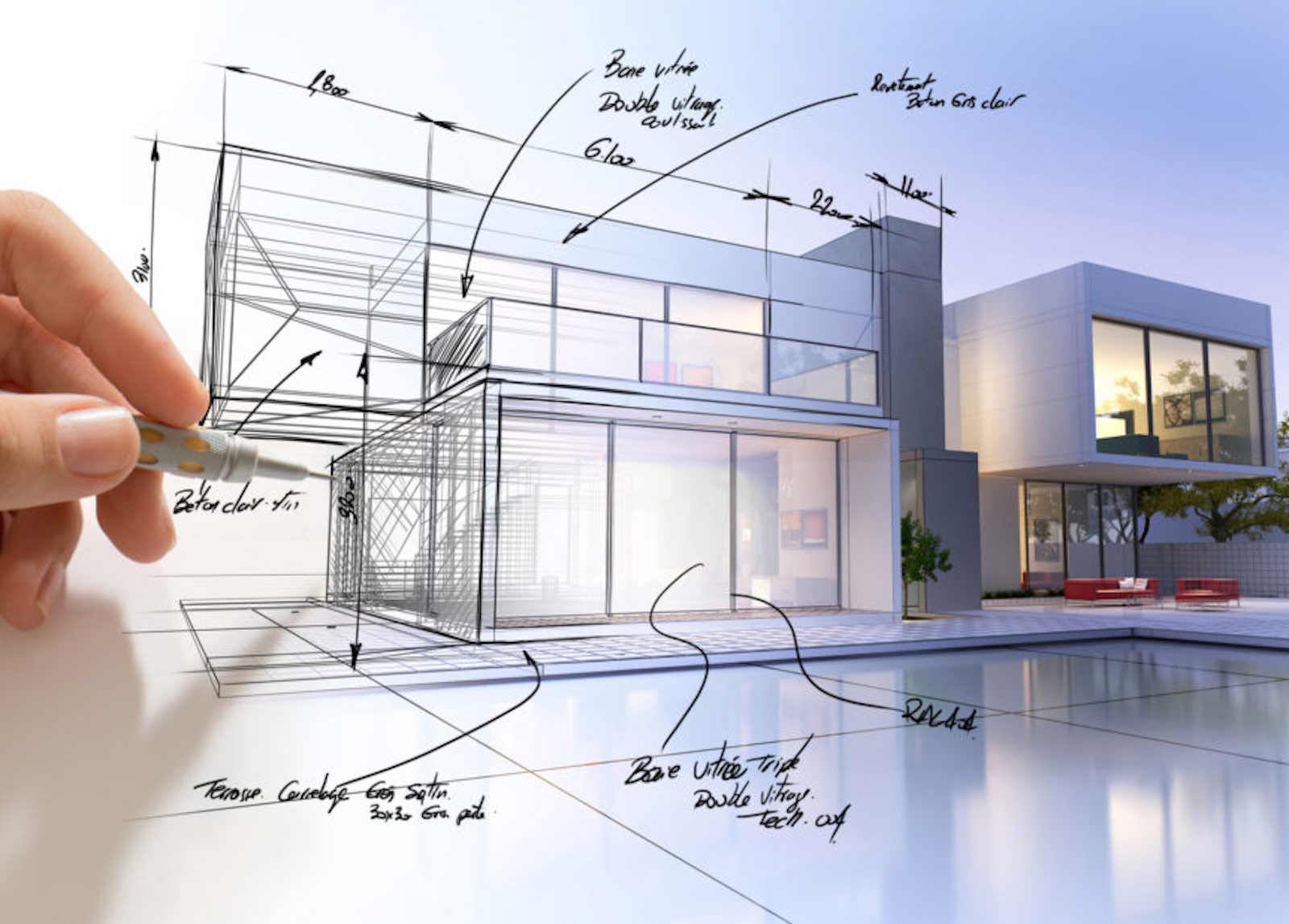
Guide to Denver's Home Renovation Scene

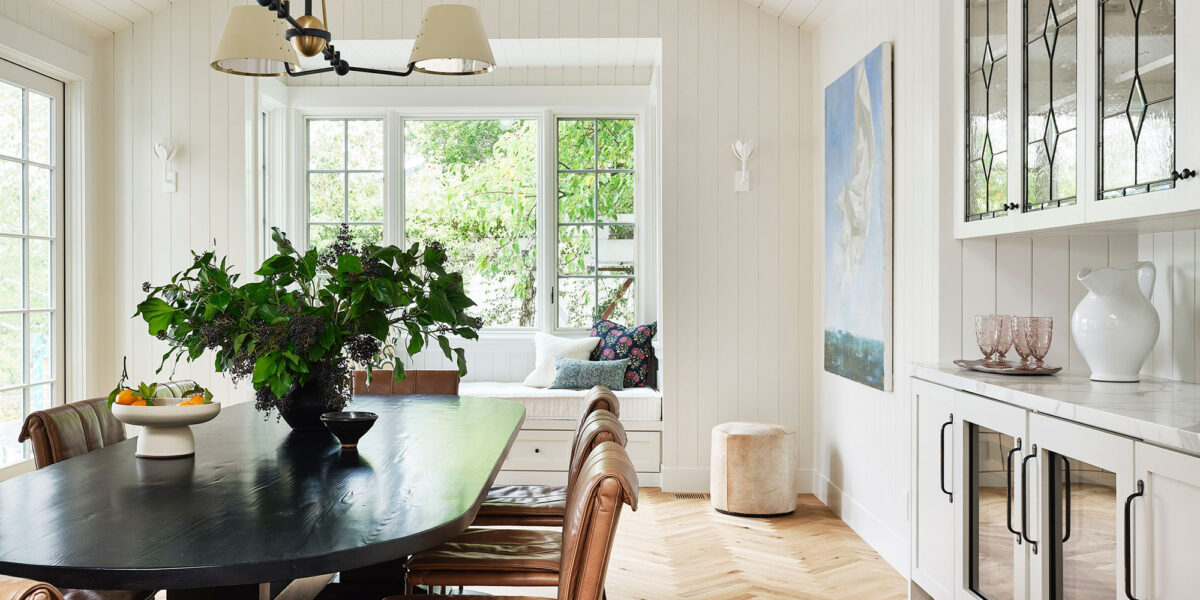
This Former 1930s Hunting Lodge Was Updated for Family Living
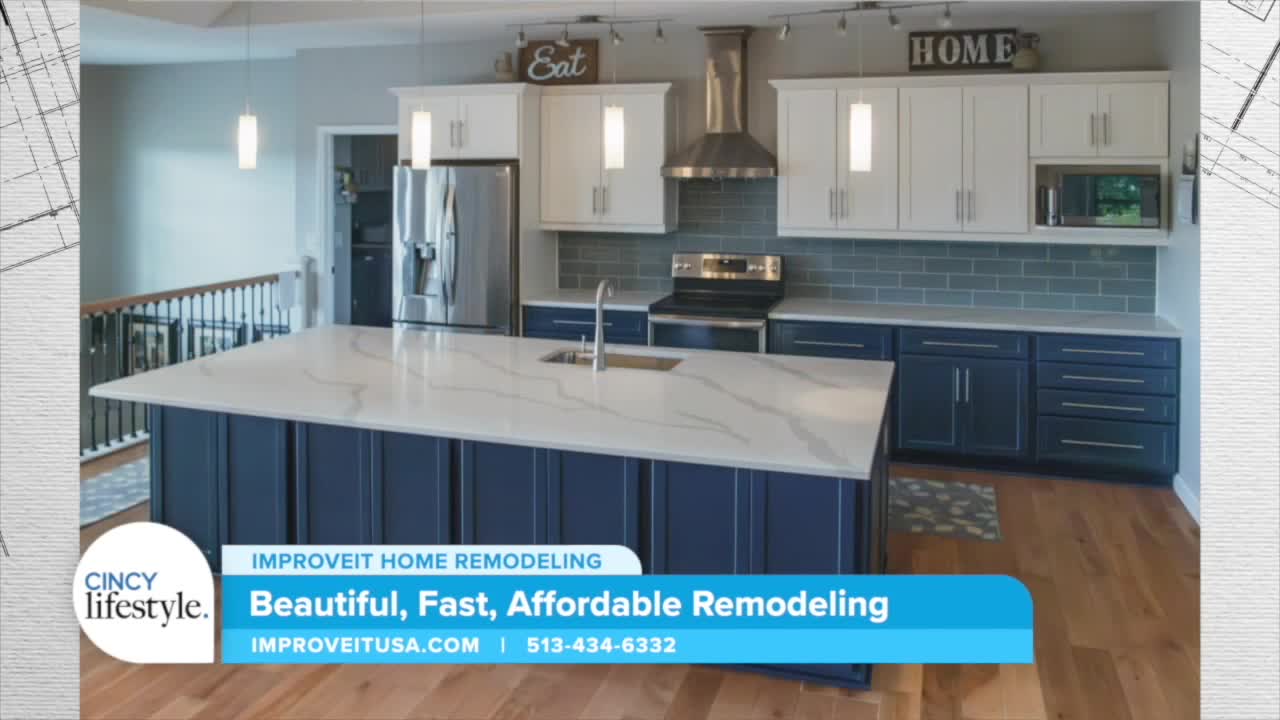
Fast Kitchen & Bath Refresh with Improveit Home Remodeling