How to Keep Home Improvements From Demolishing Your Budget
Homeownership entails various costs, and unexpected home repairs can significantly disrupt a household's budget. A 2022 NerdWallet report revealed that fewer than half of homeowners could easily afford their home improvement projects without resorting to savings, debt, or sacrifices. Given that American homeowners spent nearly $5,000 on home improvements in 2023, effective financial planning is crucial. The article emphasizes several strategies to manage home improvement costs effectively.
First, planning and tracking are essential. Homeowners should maintain a comprehensive list of maintenance tasks, priority repairs, and major updates, noting completion dates. This practice helps prevent delays in regular upkeep and enables proactive addressing of minor issues before they escalate into costly major repairs, such as replacing a struggling air conditioner before it completely fails. Detailed records also prove valuable when selling a home, providing new owners with a clear history of maintenance and improvements.
Second, reinforcing an emergency fund is advised, particularly for those not in new homes. While a general emergency fund covers various unexpected expenses, an additional cushion specifically for home repairs can safeguard the primary safety net. Even a few hundred extra dollars can cover minor emergencies like lock changes, leaky pipes, or small roof leaks, preventing these small issues from being postponed and worsening.
Third, prompt action on repairs is critical. Delaying minor issues can lead to exponential cost increases. For example, a small pipe leak can cause extensive subfloor damage if not addressed quickly. This proactive approach minimizes future financial strain.
Fourth, understanding financing options is crucial for larger projects that exceed emergency fund capacity. The 2022 NerdWallet study indicated that 12% of homeowners used loans or credit cards, and 8% tapped into home equity for home improvements. Home equity loans and Home Equity Lines of Credit (HELOCs) are viable options, especially if the improvements add value to the home. These often have lower interest rates than other financing methods and can offer tax benefits. Home equity loans provide a lump sum with a fixed interest rate, while HELOCs function like credit cards, offering a draw period with variable interest rates. Personal loans provide a lump sum with fixed Annual Percentage Rates (APRs) and do not use the home as collateral, mitigating risk. Credit cards can be suitable for smaller repairs, especially those offering 0% introductory APRs, rewards, or sign-up bonuses, provided they are used responsibly to avoid high interest.
Fifth, considering do-it-yourself (DIY) projects can save money on labor costs. Younger homeowners are more likely to undertake DIY tasks. However, it is important to choose projects that align with one's skill set to avoid mistakes that could increase overall expenses.
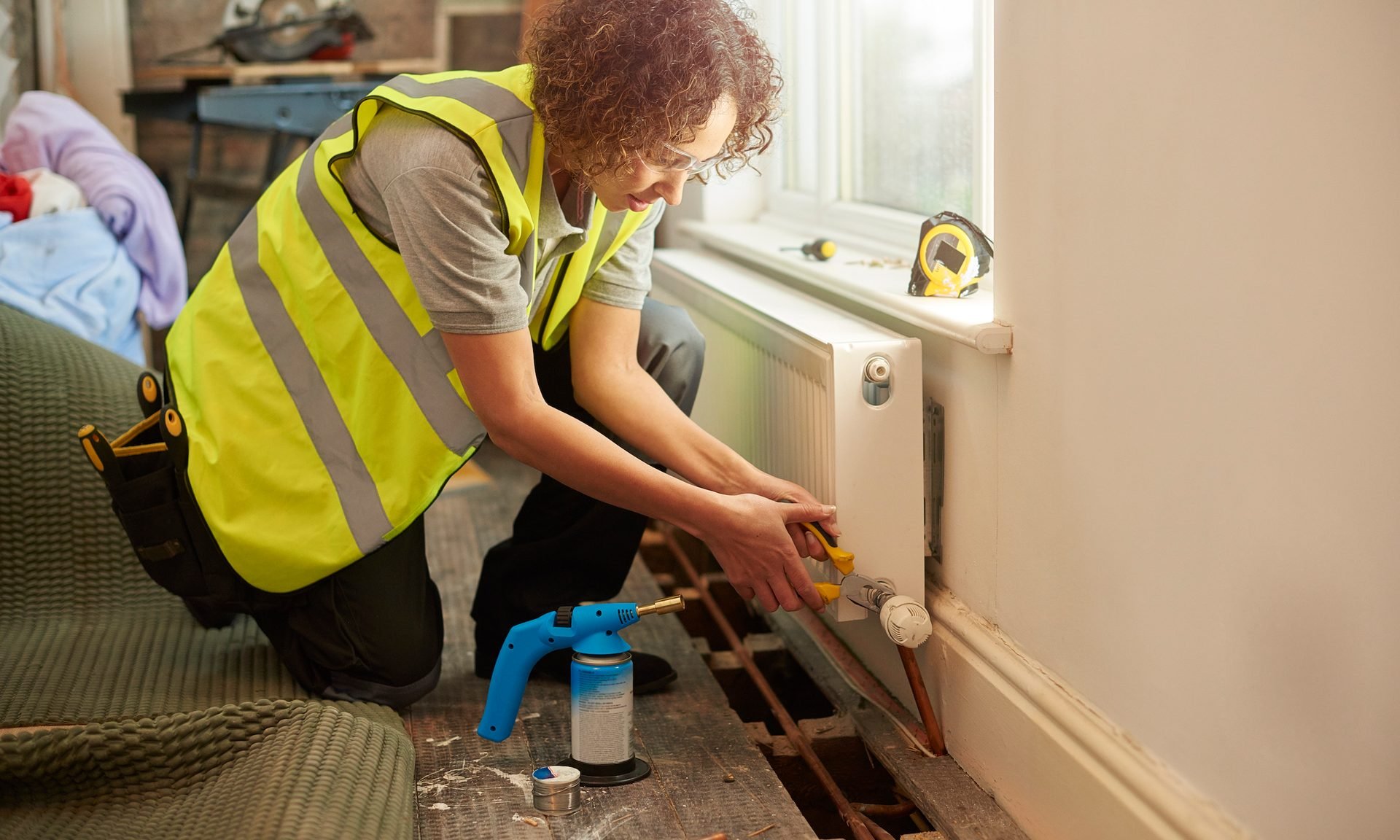
Finally, for projects requiring professional help, thorough research is necessary. Obtaining multiple estimates, inquiring about the contractor's methodology, timeline, insurance, and experience are crucial steps. Selecting a professional should not solely be based on the lowest bid, as poor workmanship can lead to more expensive repairs down the line. Professionals should always conduct in-person inspections before agreeing to terms. Ultimately, knowing where funds will come from before starting any home improvement project is key to reducing financial stress.
#HomeImprovement #Budgeting #FinancialPlanning #HomeMaintenance #EmergencyFund #HomeEquity #PersonalLoans #DIYProjects #HomeImprovement #Budgeting #FinancialPlanning #HomeMaintenance #EmergencyFund #HomeEquity #PersonalLoans #DIYProjects
0 comment in total
 No comments yet
You may also like

Money-wasting home improvements to avoid


Experts warn these 7 DIY home improvements will devalue it – plus what to do instead


How to modernise your home without breaking the bank


6 Headache-Saving Tips You Should Know Before Starting a Remodel, According to Designers

How to save money on home renovations – 6 cost-effective ideas

7 Small Hacks That Will Save You Money on Your Next Remodel

5 Small Home Upgrades Under $5,000 That Make a Huge Impact, Designers Say

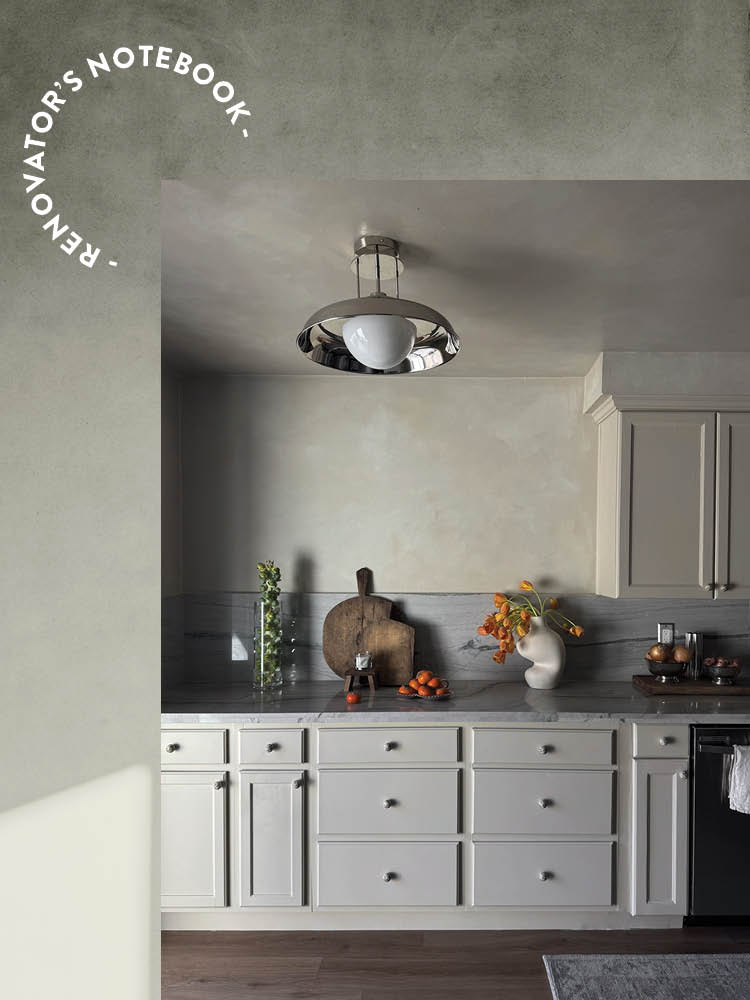
With a $6,500 Budget, I Was Determined to Fall in Love With My Galley Kitchen


7 Things You Can Actually Cut Corners on During a Home Renovation, According to Experts

A beginner’s guide to home remodeling: 5 rules to follow

Contractors Swear By These Weird Things That Make Your Home Look Way More Expensive

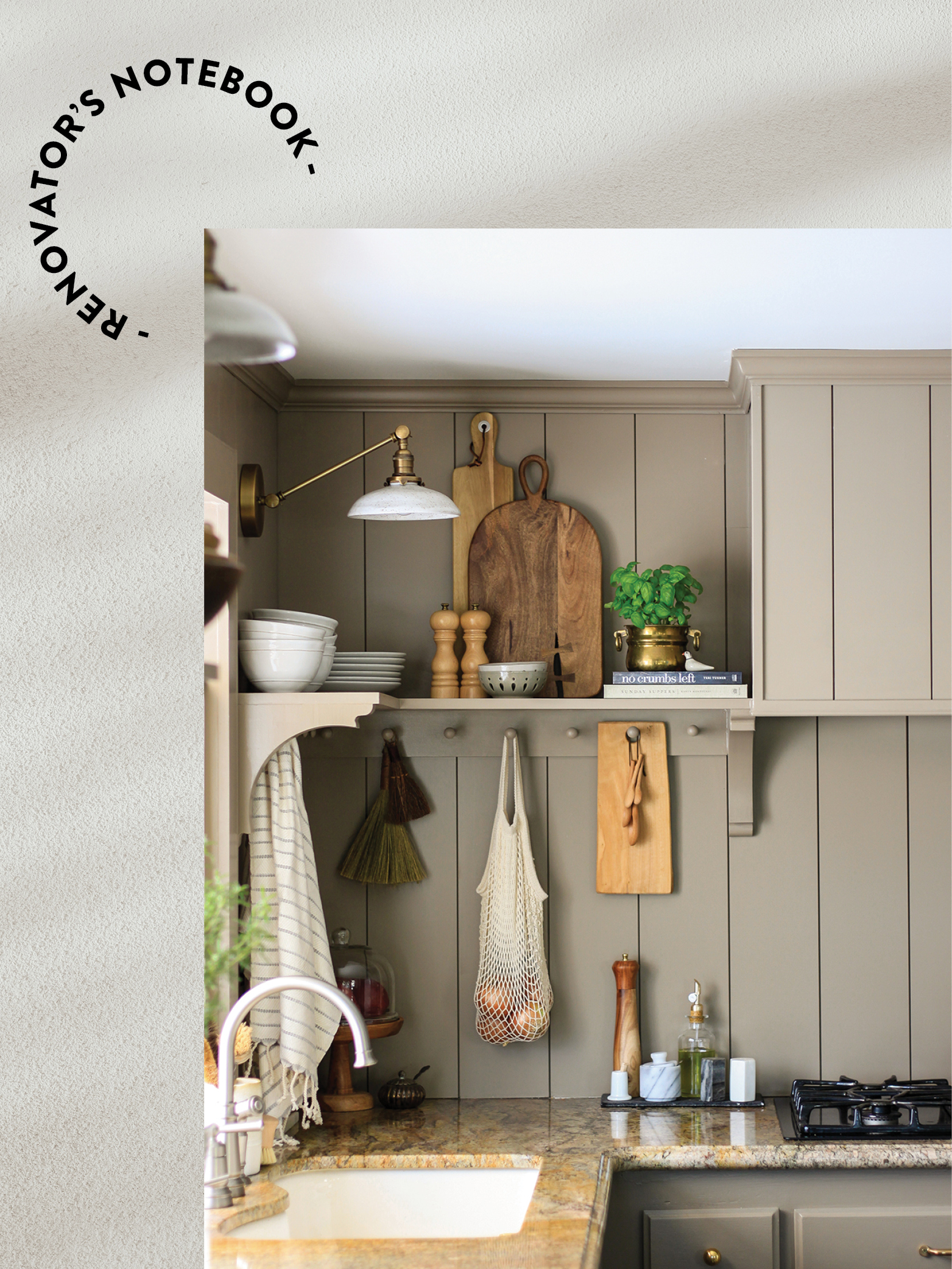
I Chose Materials for My $4K Kitchen Reno That I Can Reuse When I Eventually Do a Big Gut

Beware the 4 most expensive words in home remodeling: 'As long as we're ..'


This $50,000 Kitchen Remodel Features a Mix of High-End and Affordable Finds
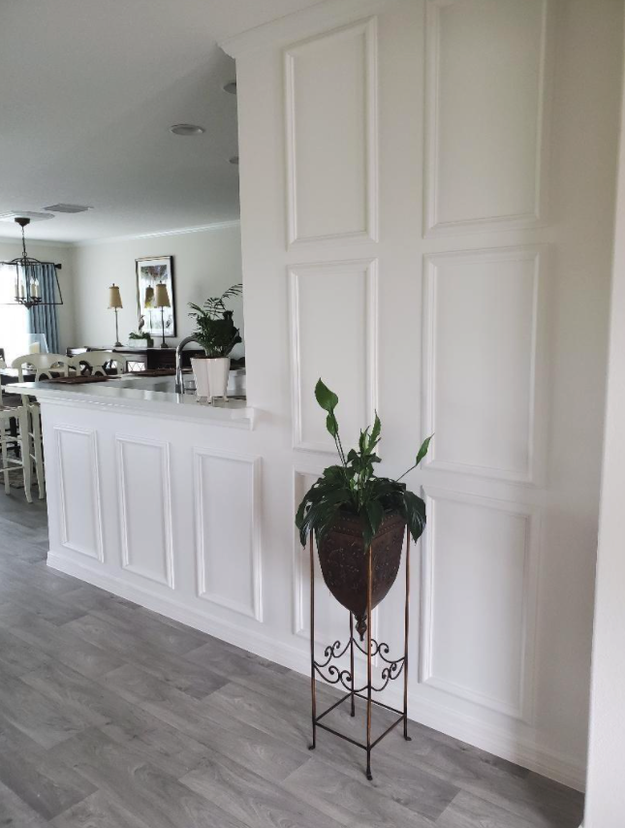
Spend A Little, Get A Lot: 42 Home Upgrades That Won't Break Your Budget

You should try to avoid these 10 common home remodeling mistakes, urge experts

The 3 most expensive home renovation projects, and how to save money on them

How to Keep Your Old Home From Becoming a Money Pit
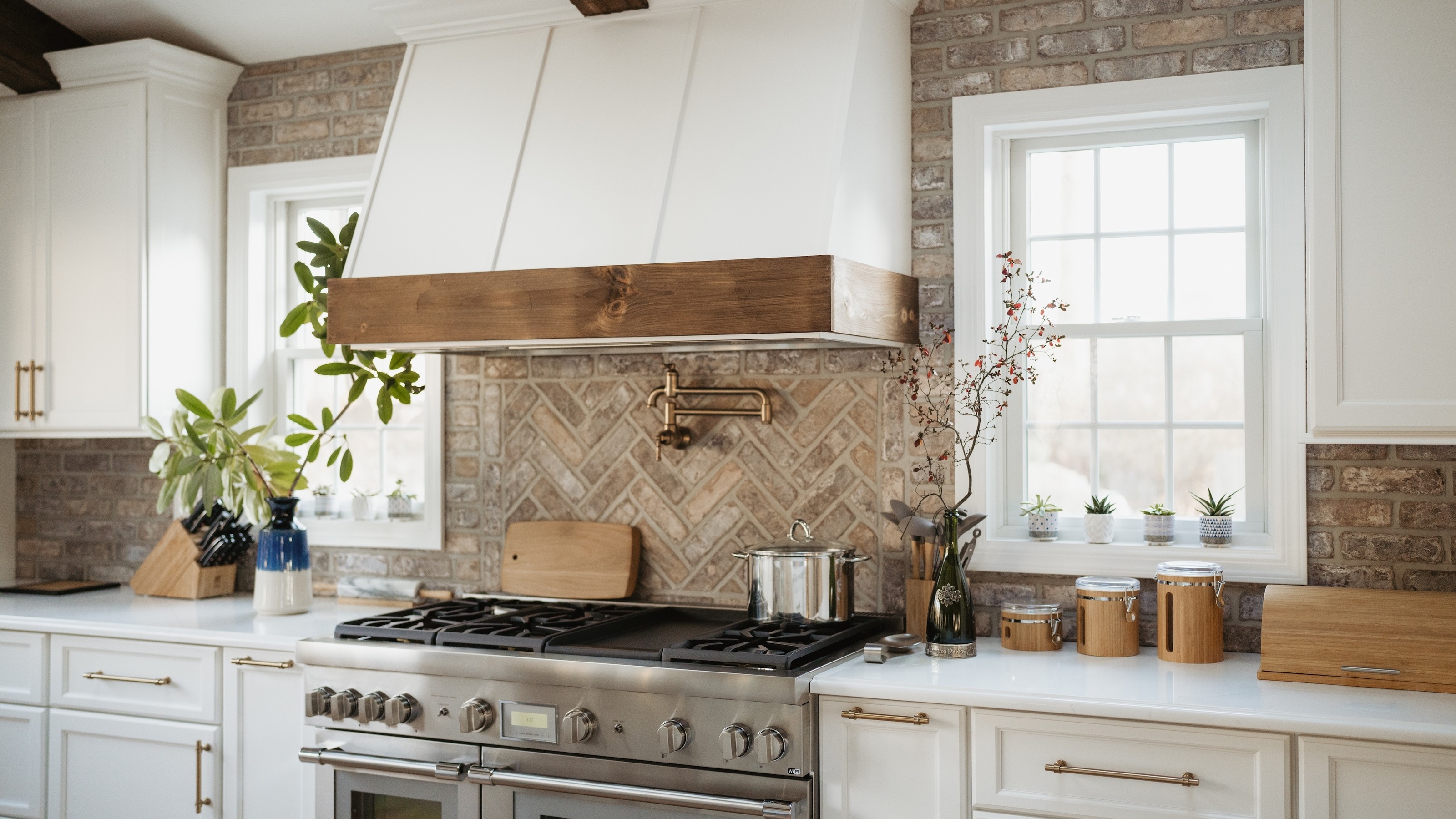
5 Kitchen Appliances You Don't Need to Spend Money on If Money is Tight


6 Home Renovation Tips To Cut Costs, Avoid Stress and Boost Resale Value