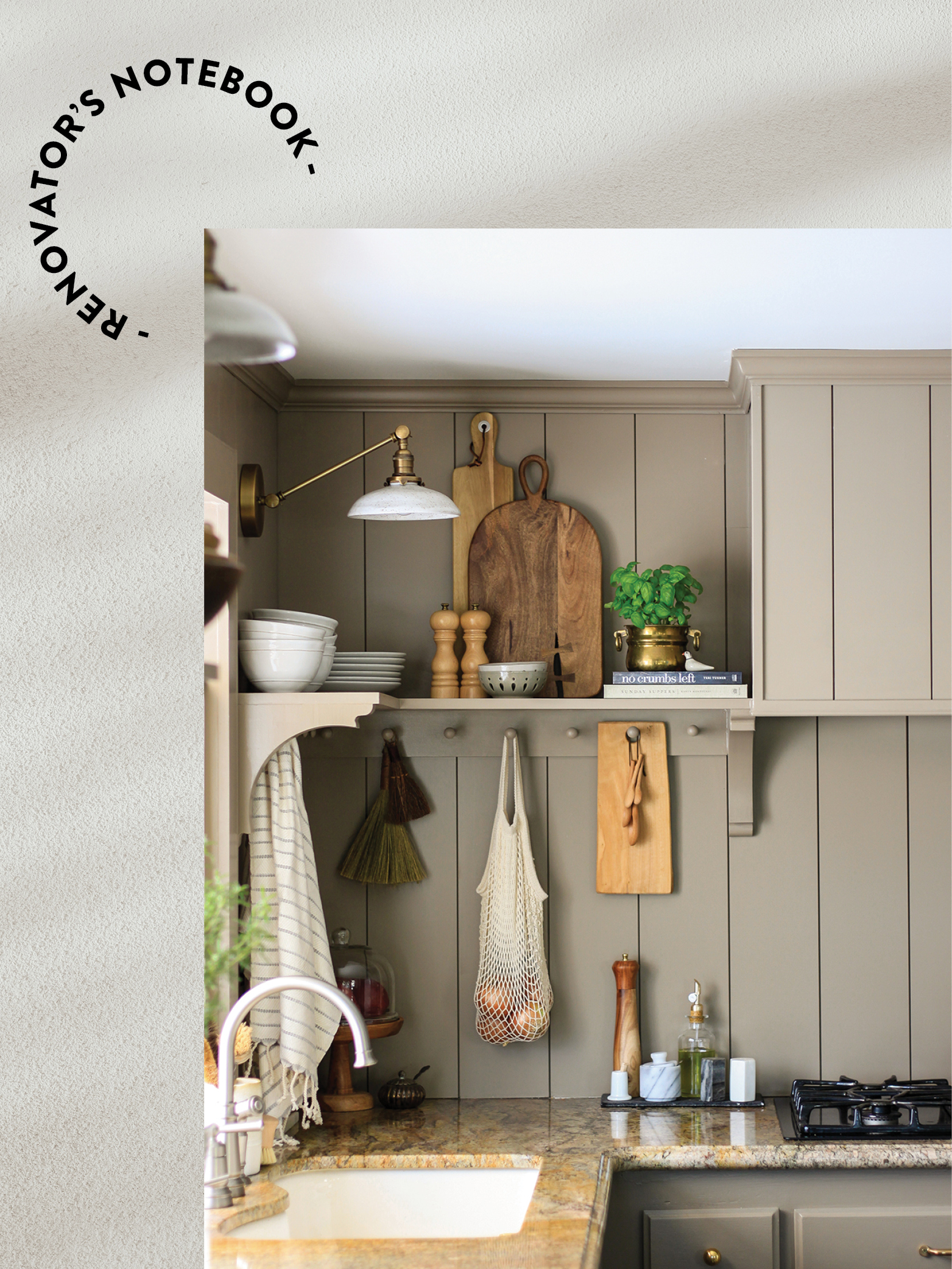
1/8
I Chose Materials for My $4K Kitchen Reno That I Can Reuse When I Eventually Do a Big Gut
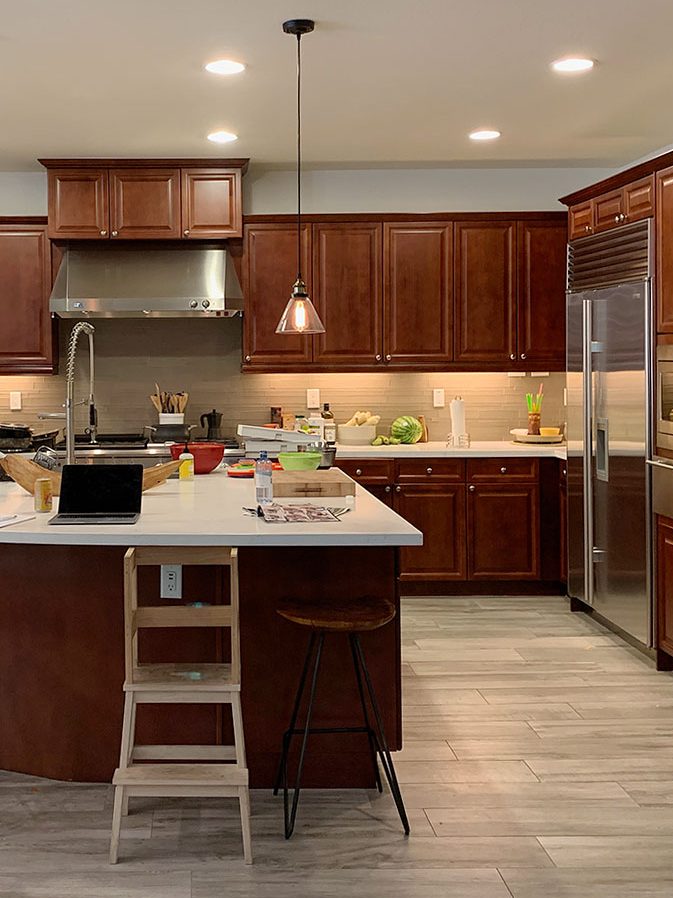
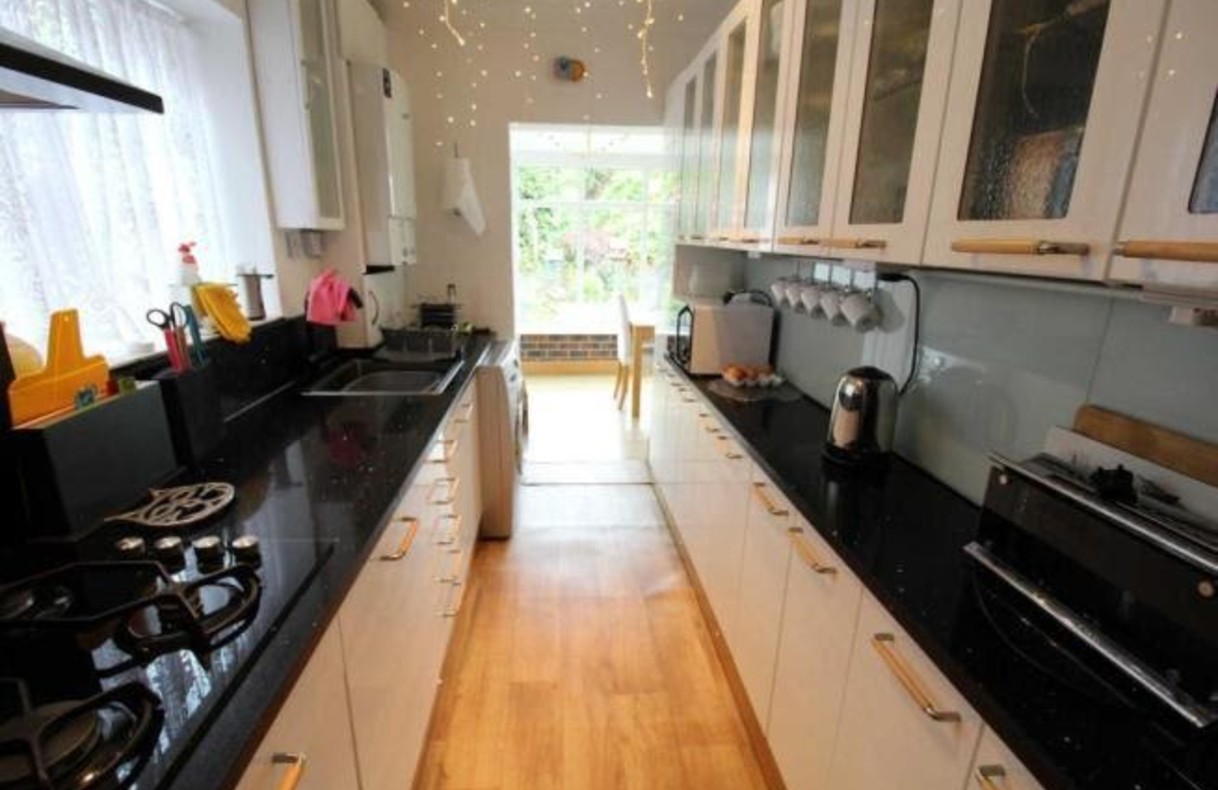
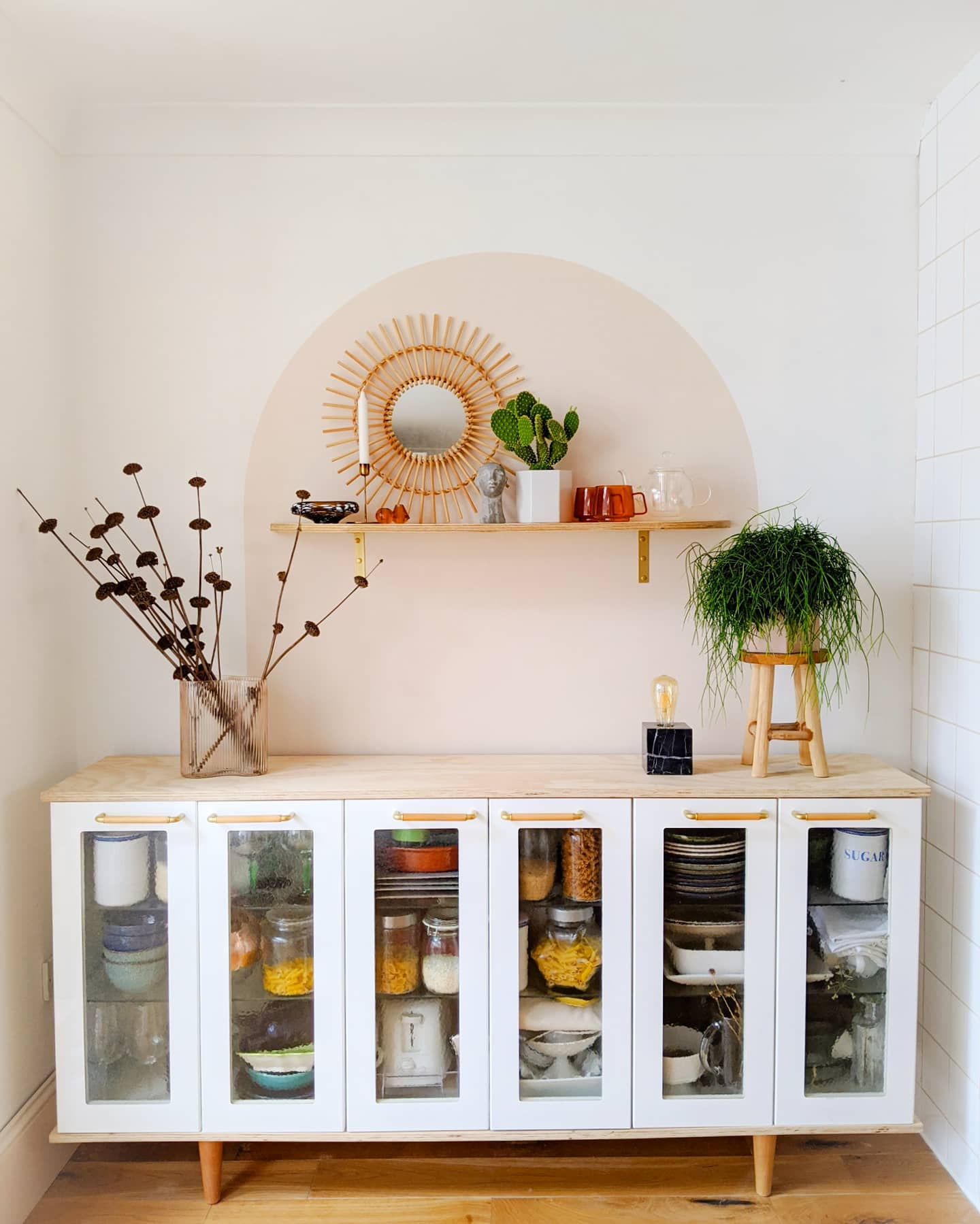
Wildflower Home blogger and designer Marynn Udvarhelyi details her budget-friendly kitchen renovation, executed for $4,000, with a focus on selecting reusable fixtures for a future, more extensive gut remodel. The project was initiated when her daughter requested a more presentable kitchen for her 16th birthday party. The primary objective was to transform the 200-square-foot kitchen and breakfast nook, built in the 1980s, into an enjoyable space that could serve until a full renovation was feasible.
Udvarhelyi's design philosophy blends pragmatism with a purist approach, aiming to make the most of existing conditions while ensuring any new additions could be repurposed. The renovation involved several strategic choices to balance cost savings with quality investments. A significant cost-saving measure was painting the cranberry-colored cabinets with Fusion Mineral Paint in a mushroom-taupe shade. This product eliminated the need for primer and had a built-in topcoat, making it a time and cost-efficient solution. The paint, along with shiplap-covered walls, visually expanded the small kitchen by unifying the color palette. Deft Acrylic was used to seal all painted surfaces, ensuring durability.
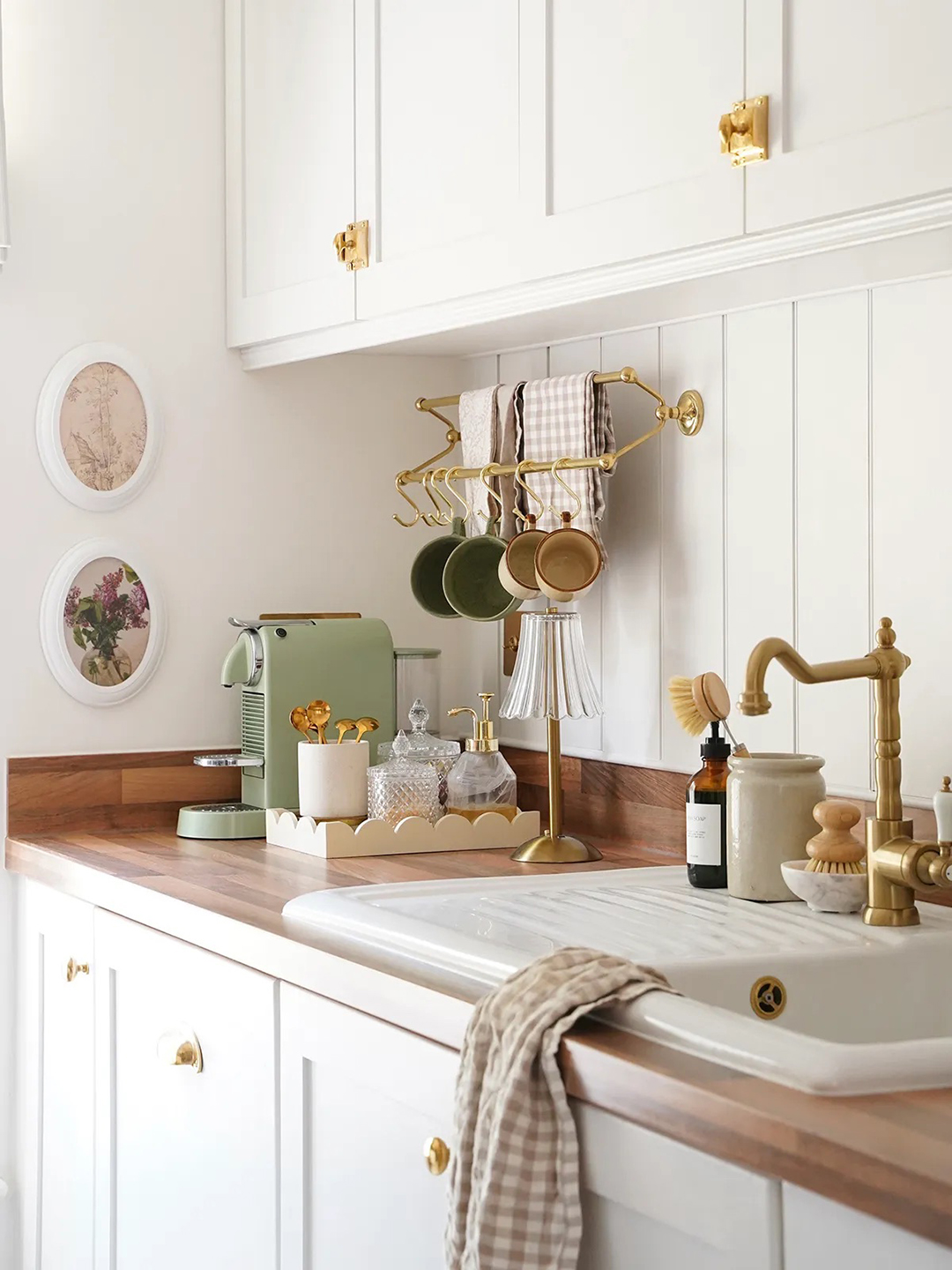
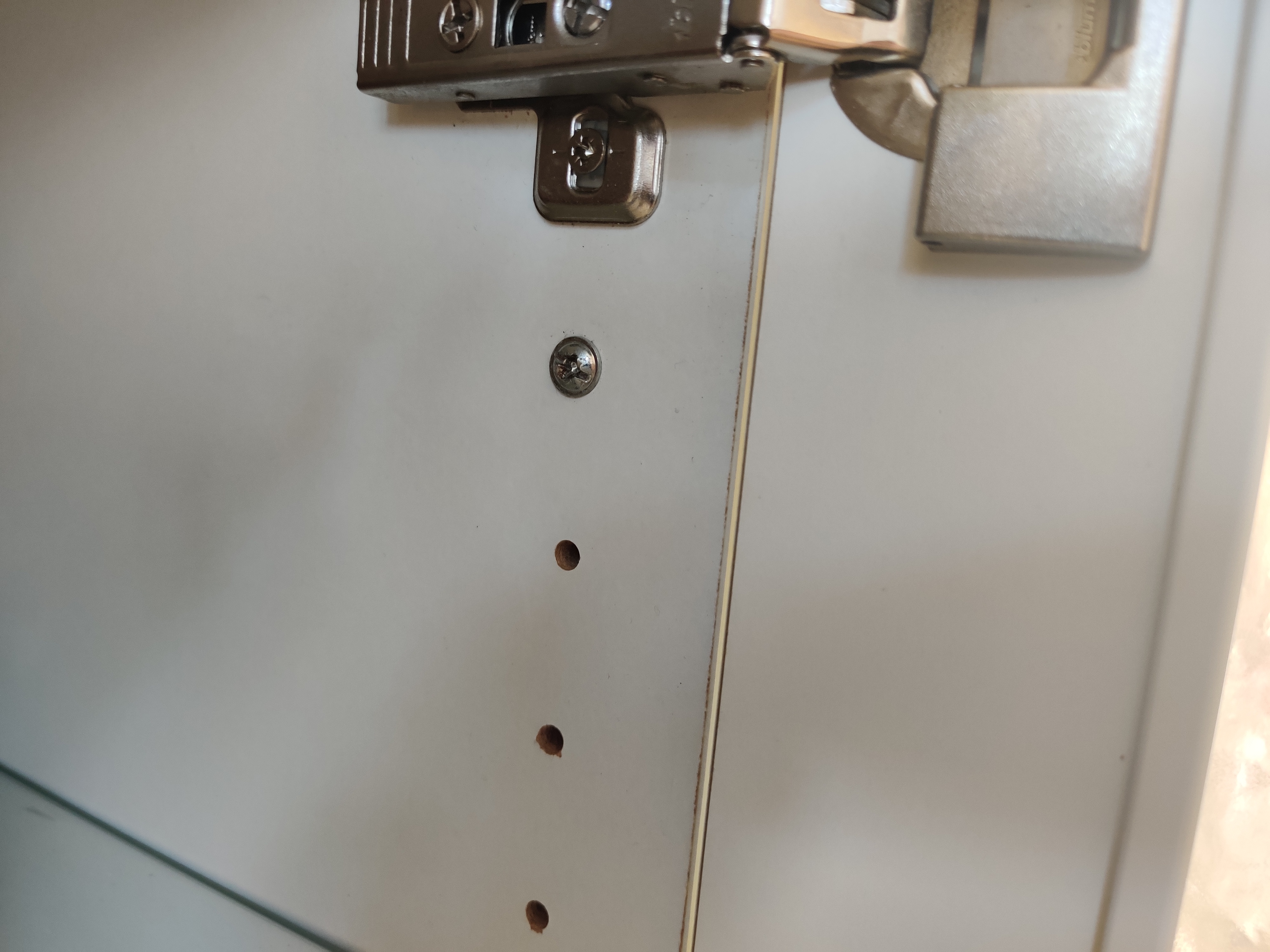
For splurges, Udvarhelyi prioritized elements that offered long-term utility and aesthetic appeal. She replaced the original exposed hinges with hidden soft-close hinges, a choice driven by a dislike for loud noises, particularly from slamming cabinet doors. These soft-close hinges were selected specifically because they could be transferred to a future kitchen. Similarly, she invested in unlacquered brass cabinet knobs and pulls from Rejuvenation, despite their higher cost, as their classic design assured their continued use in any subsequent kitchen design. A new vent hood insert was also purchased, designed for reuse in a future renovation, as its location and size were unlikely to change.
Additional cost-saving efforts included a DIY faucet swap. Udvarhelyi, having experience with similar tasks, successfully replaced the faucet herself after a quick online refresher, bypassing the need for a professional plumber. The most labor-intensive part of the renovation was painting the kitchen floors to create a checkerboard pattern. Udvarhelyi meticulously taped off grout lines to maintain a natural look, a decision she later reflected on, noting the effort involved and a preference for a lower-contrast color scheme to minimize visible dirt. Lighting was another area of considered expenditure; Udvarhelyi sought sconces that evoked an English-cottage aesthetic without being overly expensive. She discovered handmade ceramic sconces from Clay Cafe, valuing their unique character and artisanal quality. The overall renovation cost of $4,000, as detailed in the receipts provided, includes the faucet ($185), shiplap ($347), cabinet paint and sealer ($35), hood and ducting ($380), sconces ($411), brass hardware ($274), soft-close hinges ($120), floor paint and sealer ($80), and woven roman shades ($207).
Udvarhelyi concluded that the $4,000 investment in a temporary yet enjoyable kitchen was far more beneficial than enduring a space she disliked, affirming that the changes have significantly improved the home environment until a complete gut renovation can be undertaken. The project demonstrates how thoughtful material selection and a blend of DIY and strategic splurges can achieve a desirable outcome within a limited budget, with an eye towards future adaptability.
#KitchenRenovation #BudgetRenovation #DIYHomeImprovement #HomeDesign #BeforeAndAfter #TemporaryRenovation #InteriorDesign #CostSavingTips #ReusableFixtures #KitchenRenovation #BudgetRenovation #DIYHomeImprovement #HomeDesign #BeforeAndAfter #TemporaryRenovation #InteriorDesign #CostSavingTips #ReusableFixtures
0 comment in total
 No comments yet
You may also like
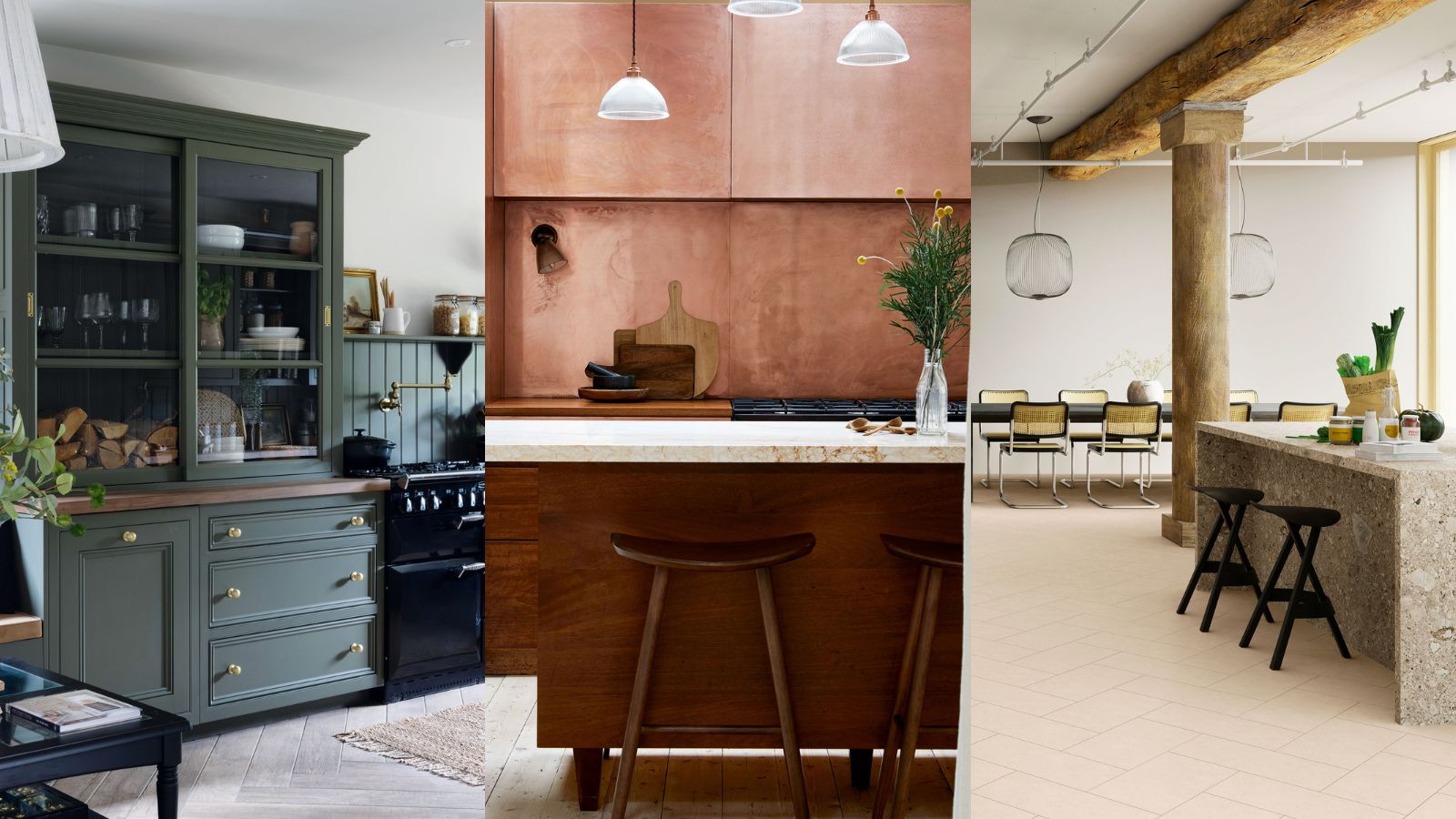
Sustainable kitchen ideas – 19 ways to design an eco-friendly cook space

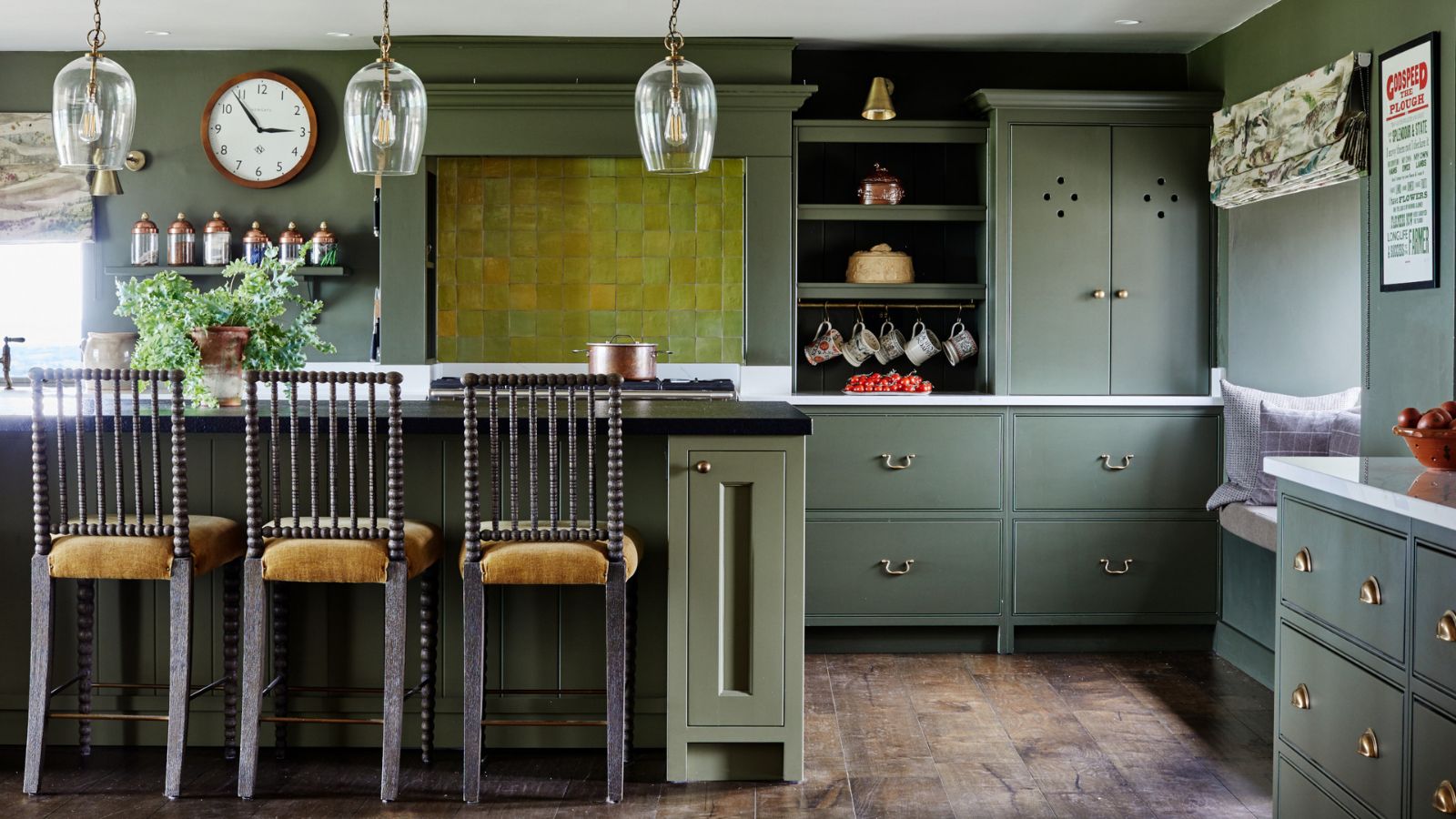
Can a kitchen island have a different countertop? These are the rules on mixing

More and More People Are Putting 'His and Hers' Bathrooms In Their Homes


5 High-Maintenance Furniture Choices You Should Avoid, Designers Warn
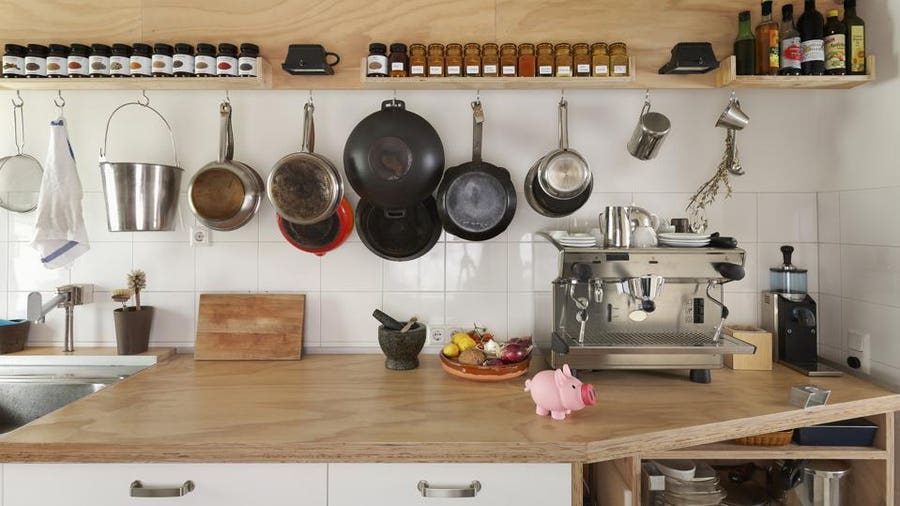
9 Best Types Of Kitchen Countertops

What Are the Most Eco-Friendly Kitchen Countertops? 6 Materials to Explore for Your Kitchen Plans

Composite Countertops

6 clever ways to upcycle leftover decorating materials: to save money and be more eco-friendly
The IKEA pieces I’ve repurchased for every remodel

Kitchen Remodeling in 2025
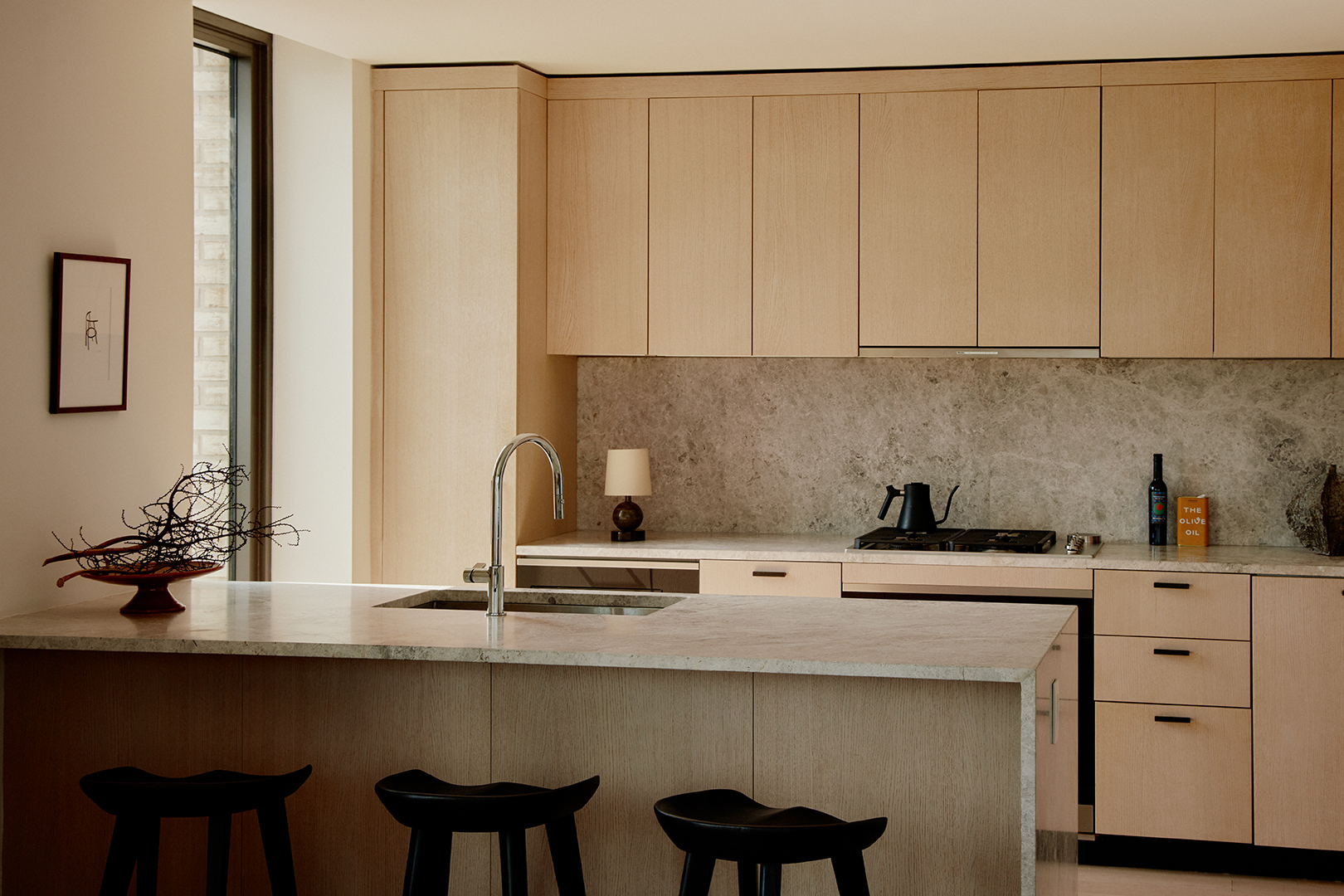
4 Kitchen Countertop Materials About to Make a Comeback
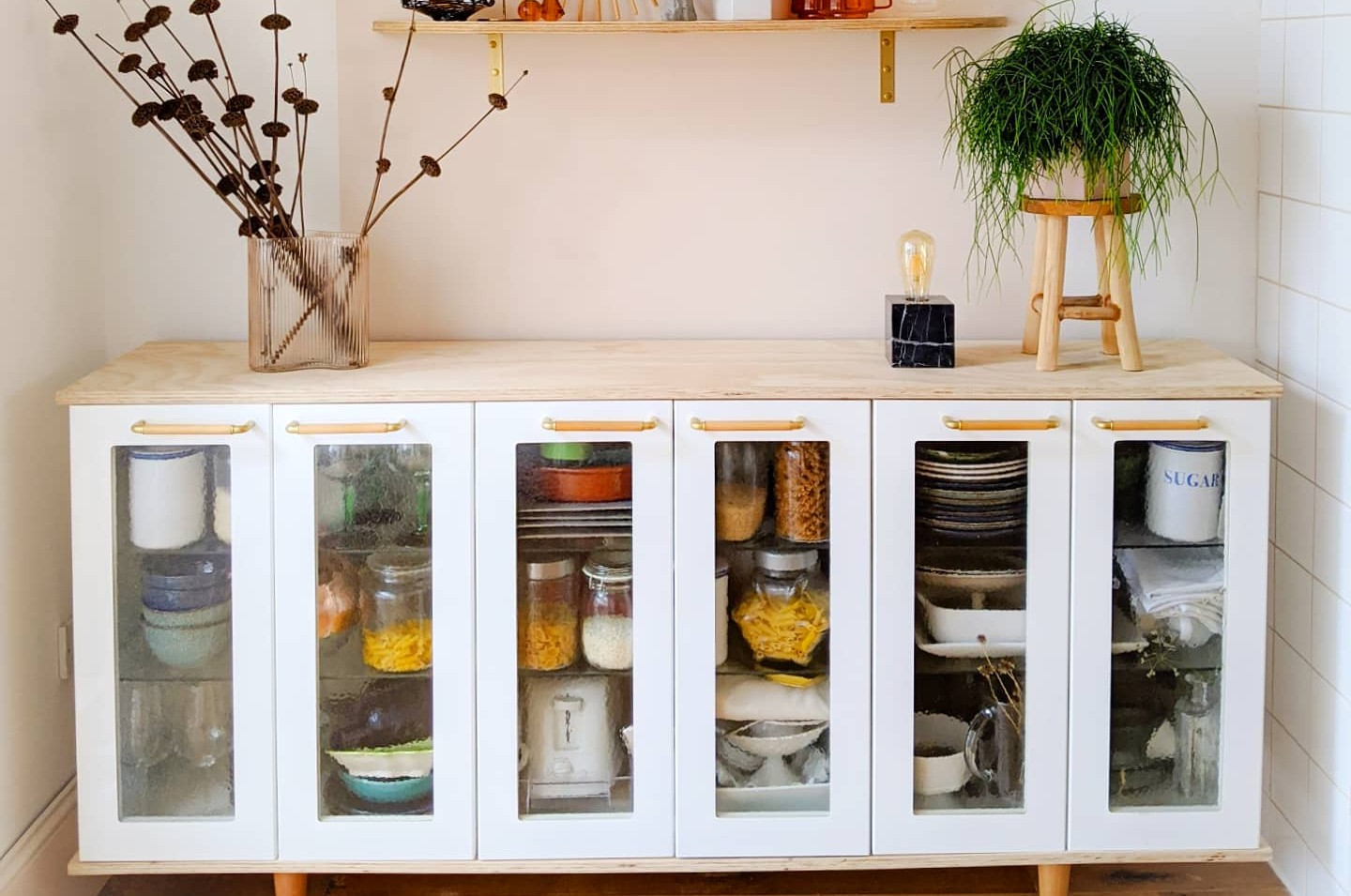
How I upcycled an old IKEA kitchen into a stylish piece of furniture


Save Money and Cut Waste With These 8 Reno Materials You Didn't Know You Could Reuse

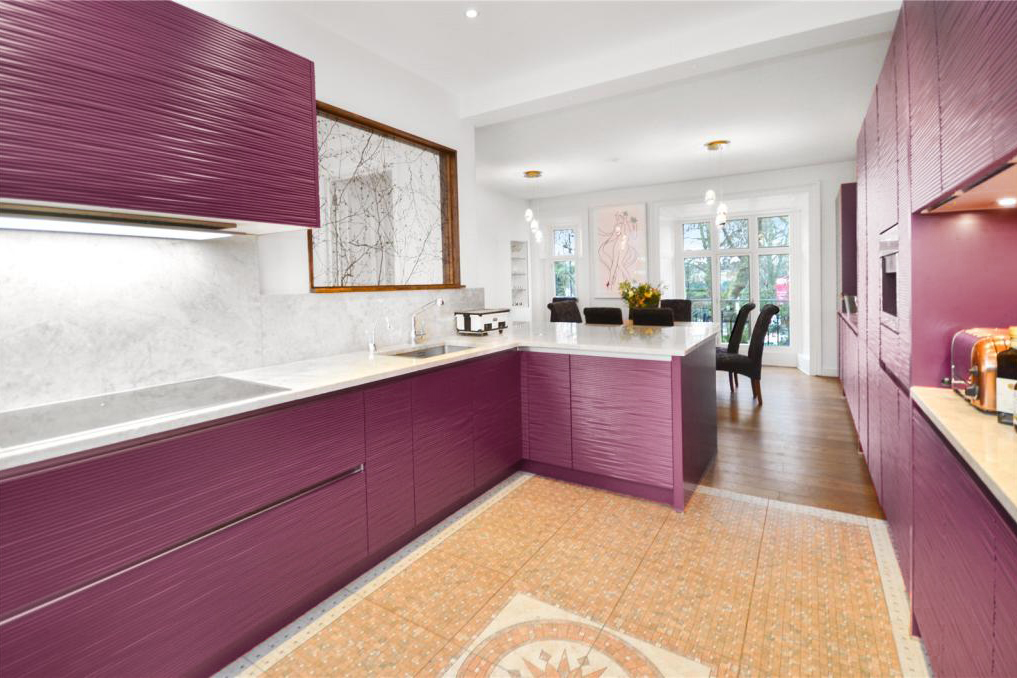
The Magenta Cabinets Might Have Stayed, But This Kitchen Looks Brand-New After a Artsy Remodel
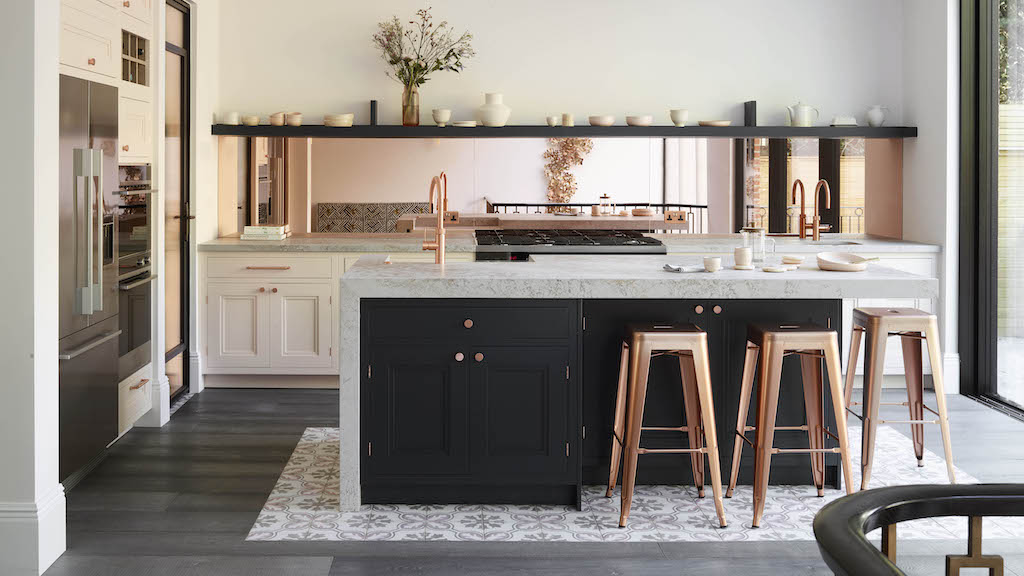
Experts reveal the kitchen worktop mistakes to avoid - ignore at your peril
My $12K Bathroom Reno Taught Me There Are Some Builder-Grade Finishes You Can Live With
How to choose the best kitchen worktops and cabinets
Designers reveal the outdated countertop materials we should all be avoiding in 2024

We Found a Contemporary Alternative to Shaker Cabinets in This Kitchen Reno

12 Kitchen Flooring Ideas to Try, From Traditional Tiles to Sustainable Cork