1/9
Experts reveal the kitchen worktop mistakes to avoid - ignore at your peril
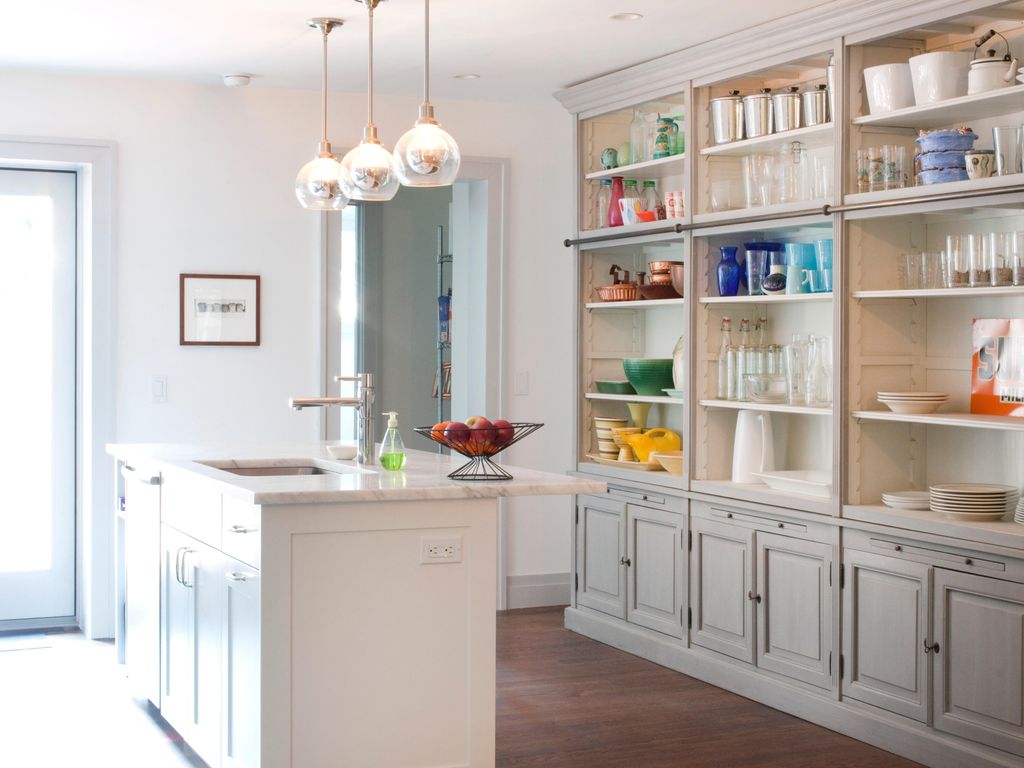
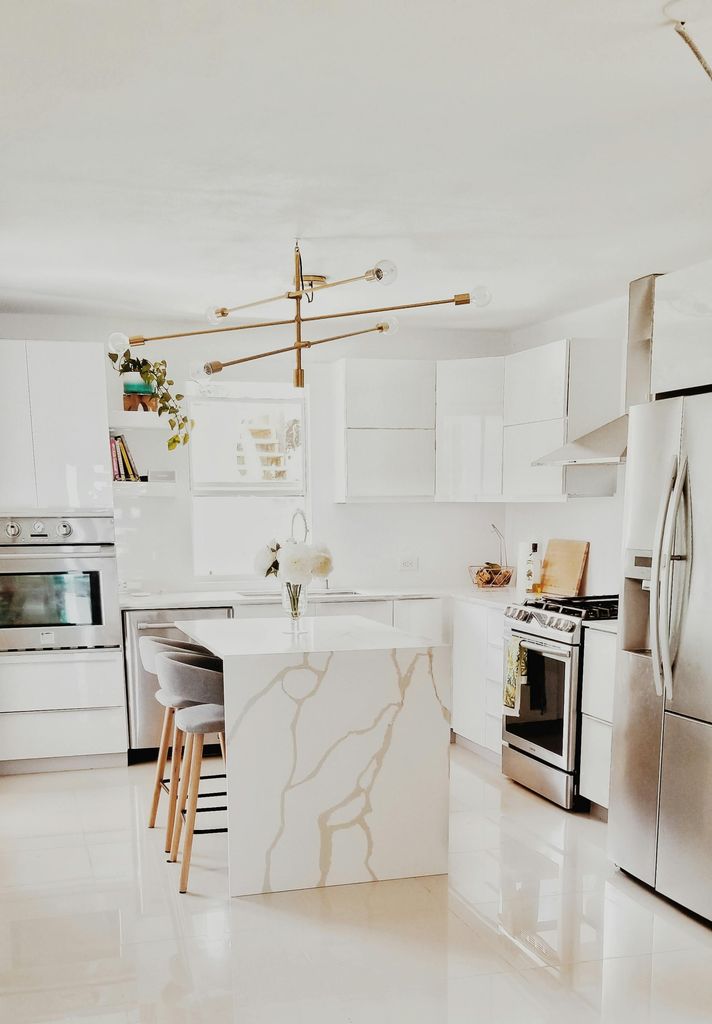
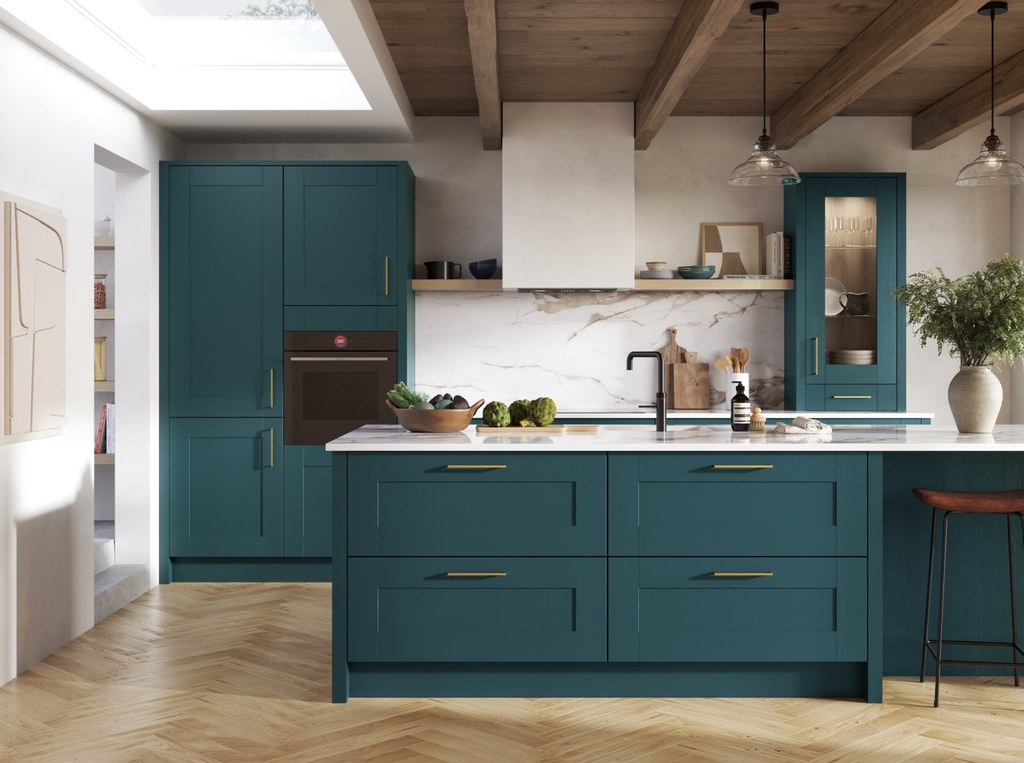
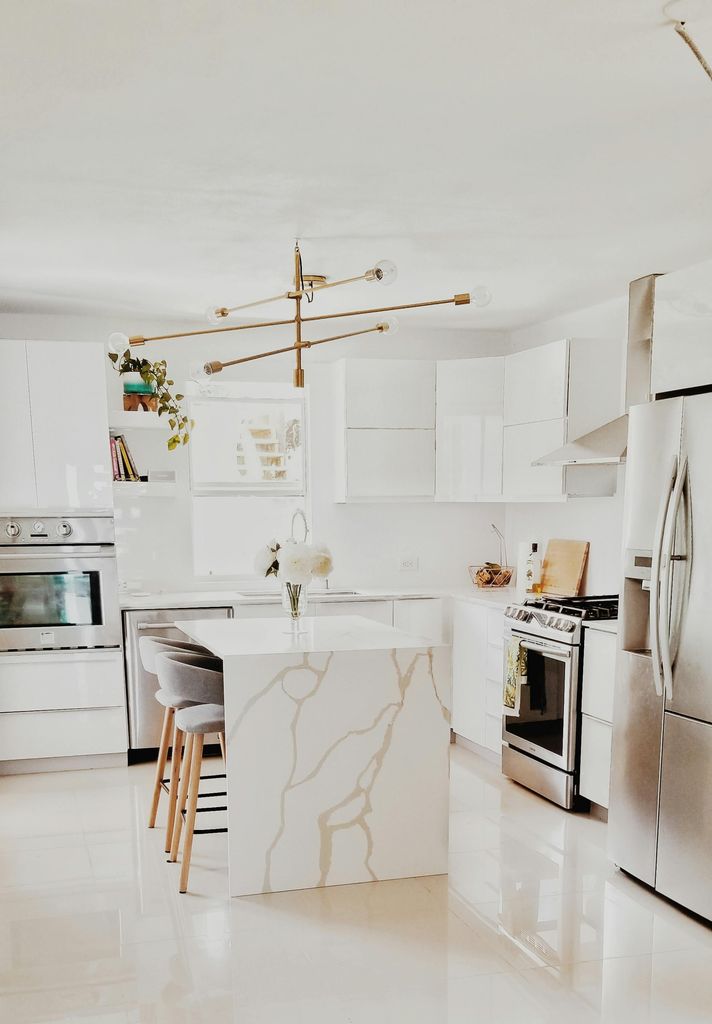
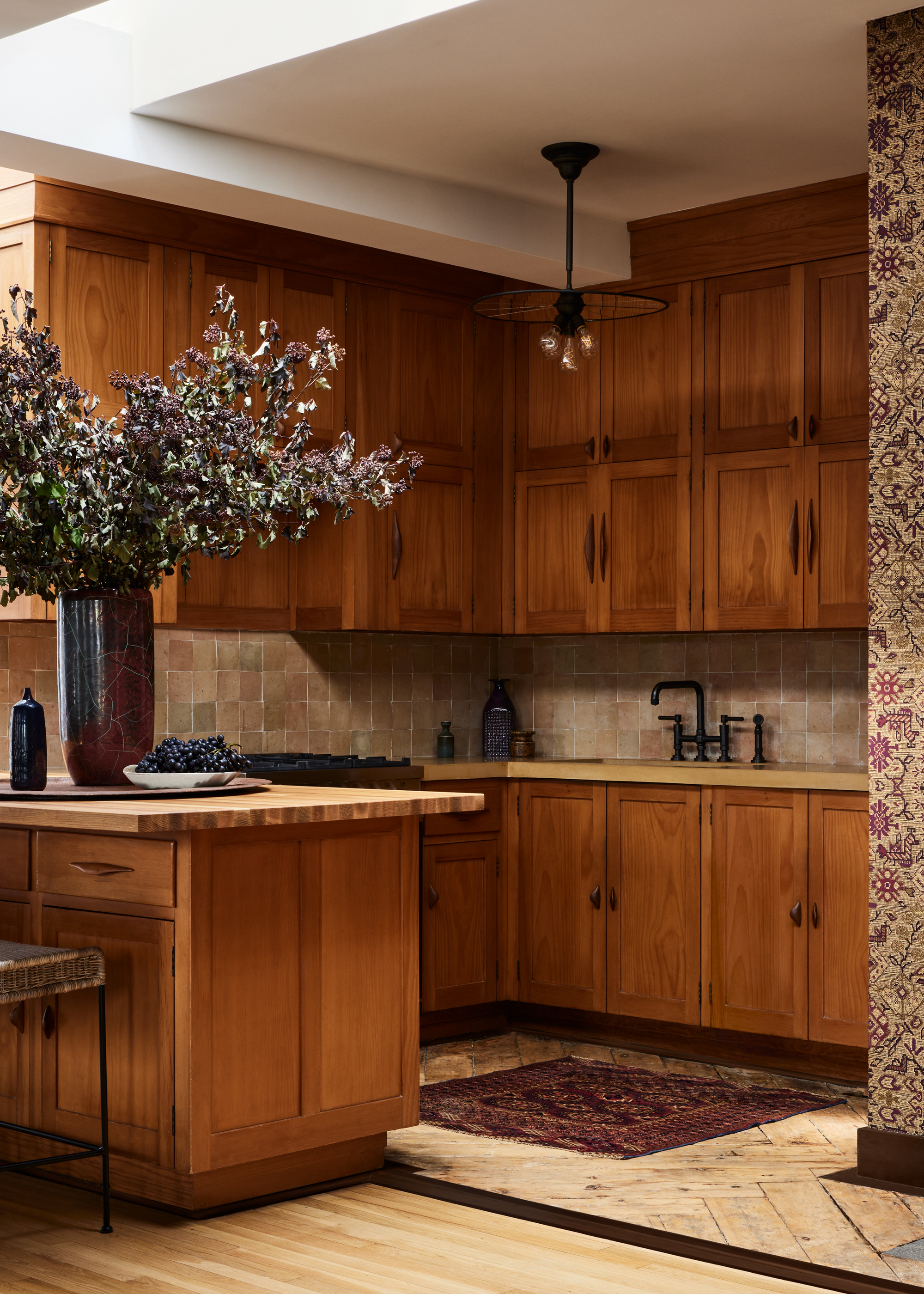
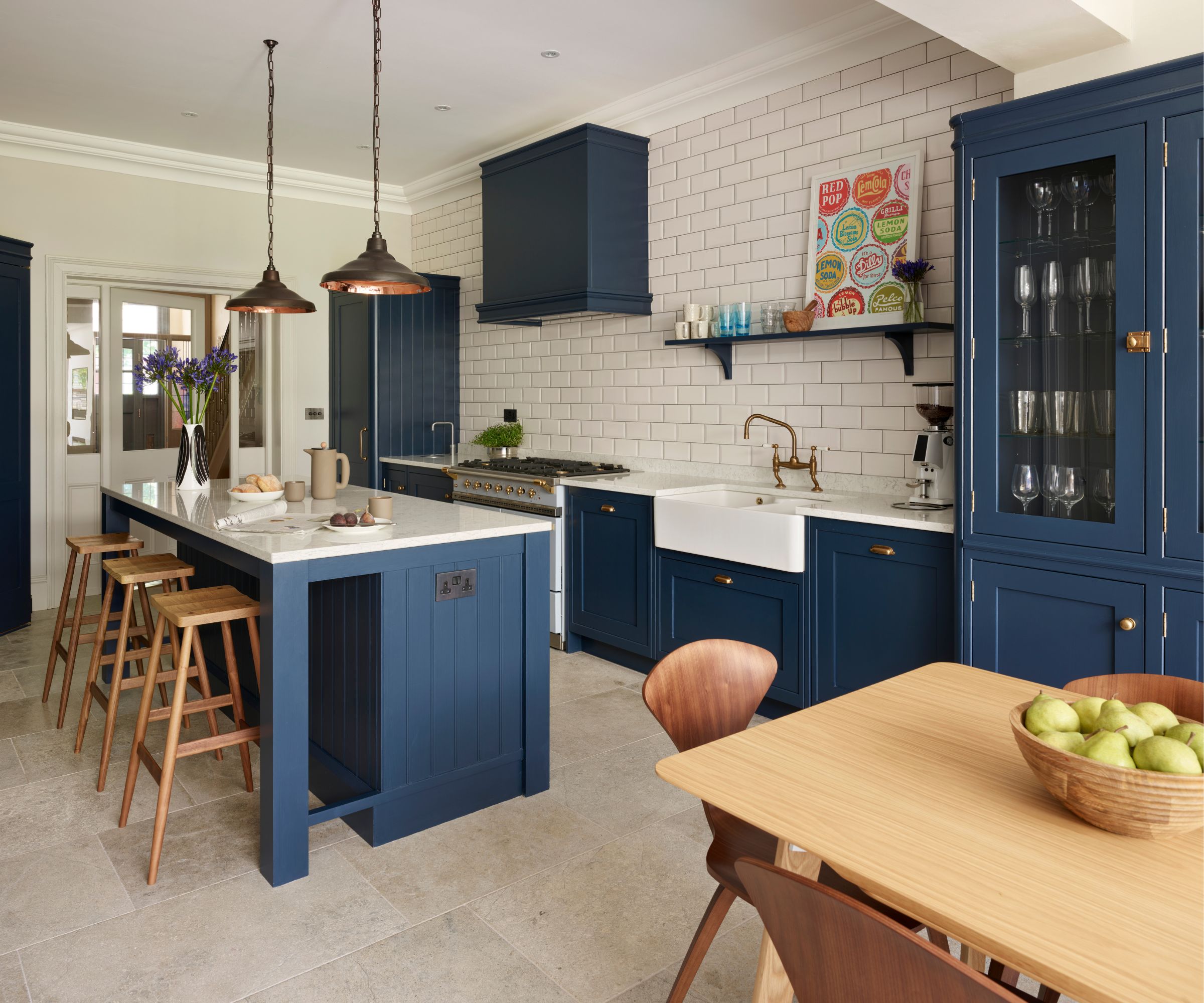
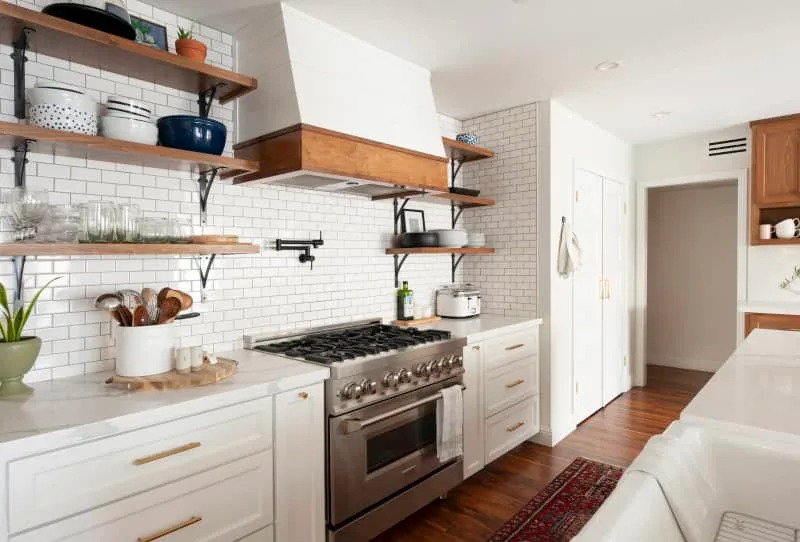
Choosing kitchen worktops is a significant decision, given their prominent role and frequent use in a kitchen. This article outlines ten common mistakes to avoid, drawing on expert advice to ensure a successful outcome. A primary error is selecting worktops based solely on online images; experts recommend taking samples home to assess their appearance under natural lighting. Ignoring the 'personality check' is another pitfall, as worktop materials vary greatly in their tolerance to wear and tear. Individuals prone to being bothered by scratches and stains should opt for more robust materials, even if their heart is set on natural stone or wood. It's crucial to be honest about one's willingness to undertake maintenance and overlook minor imperfections.
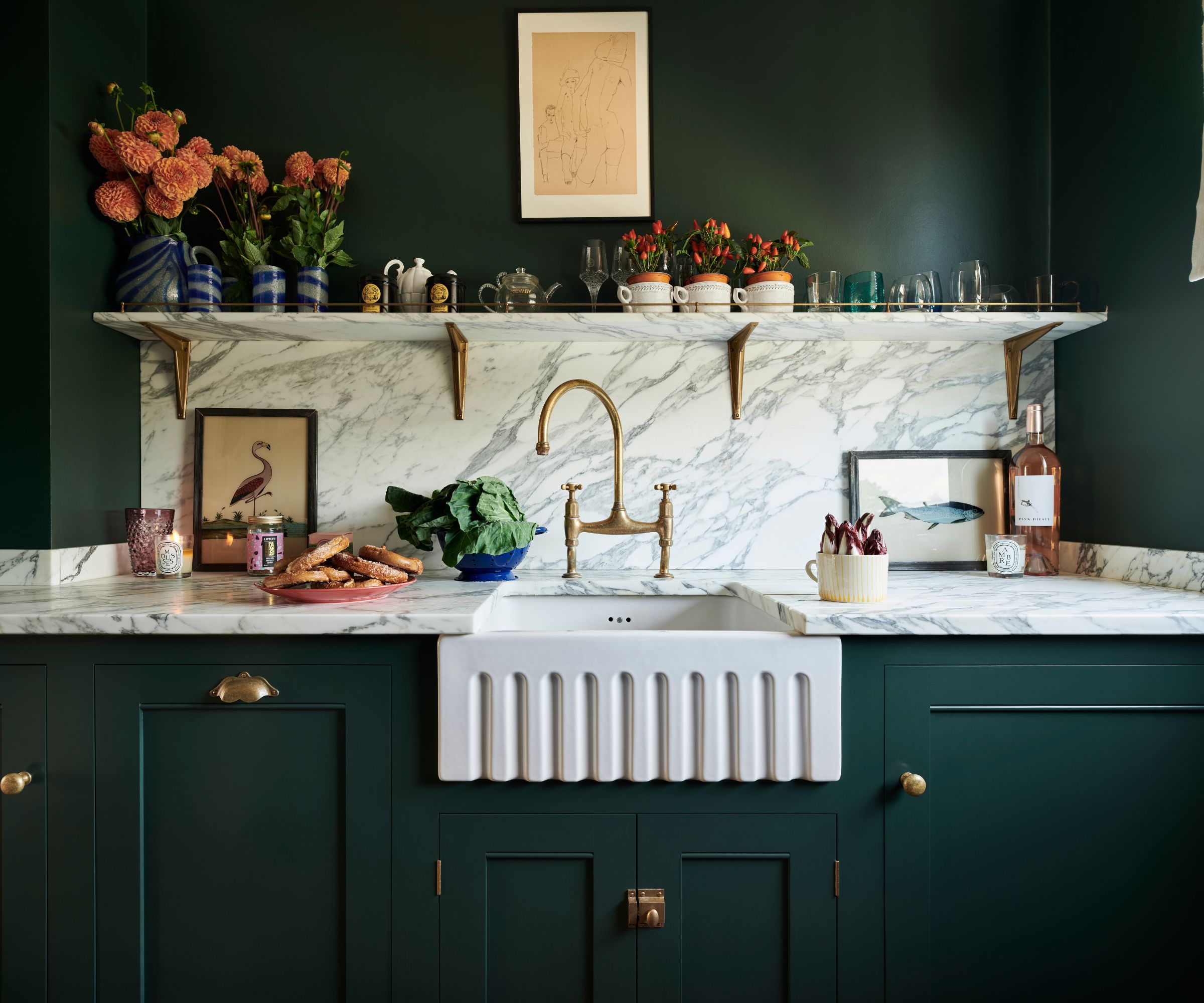
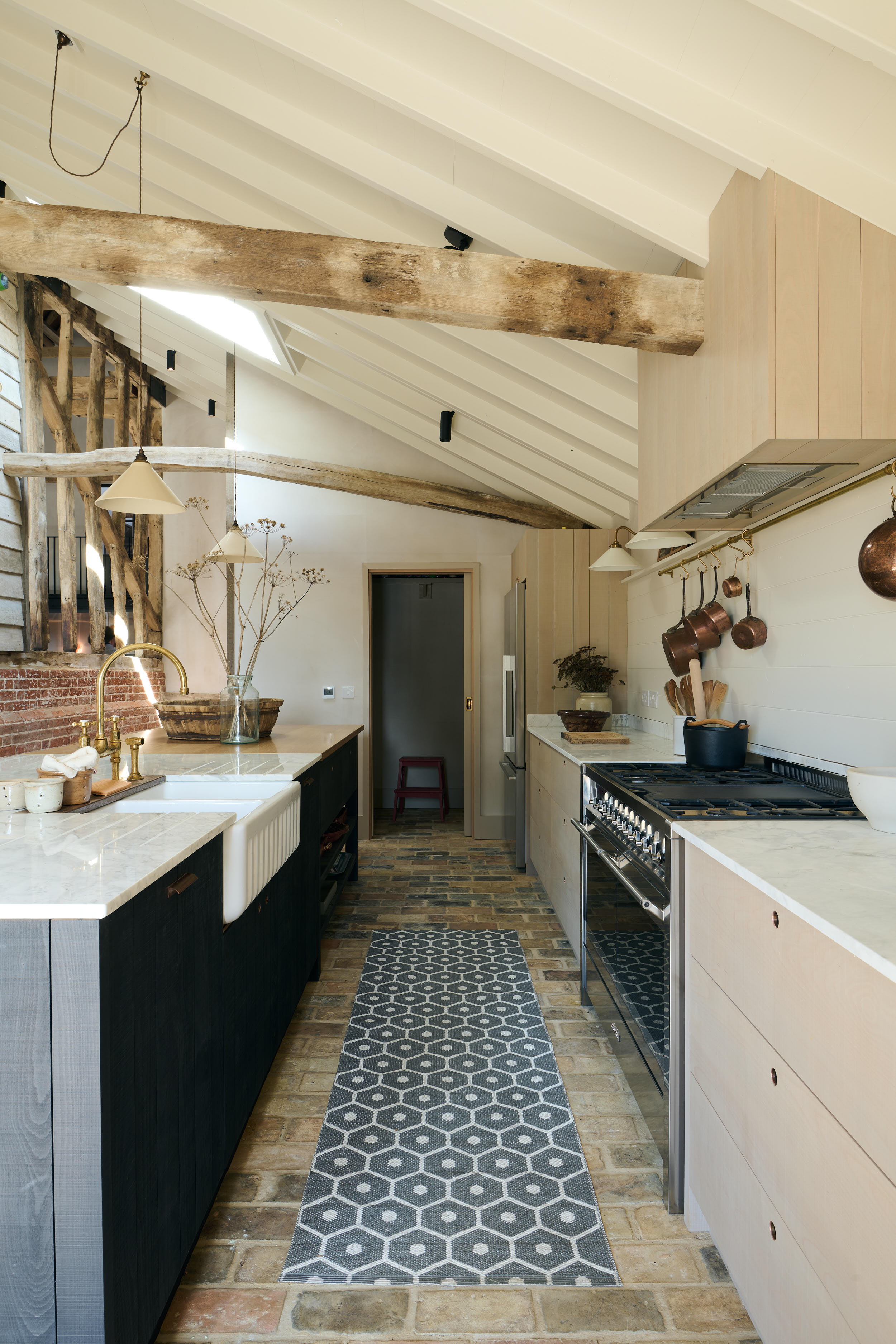
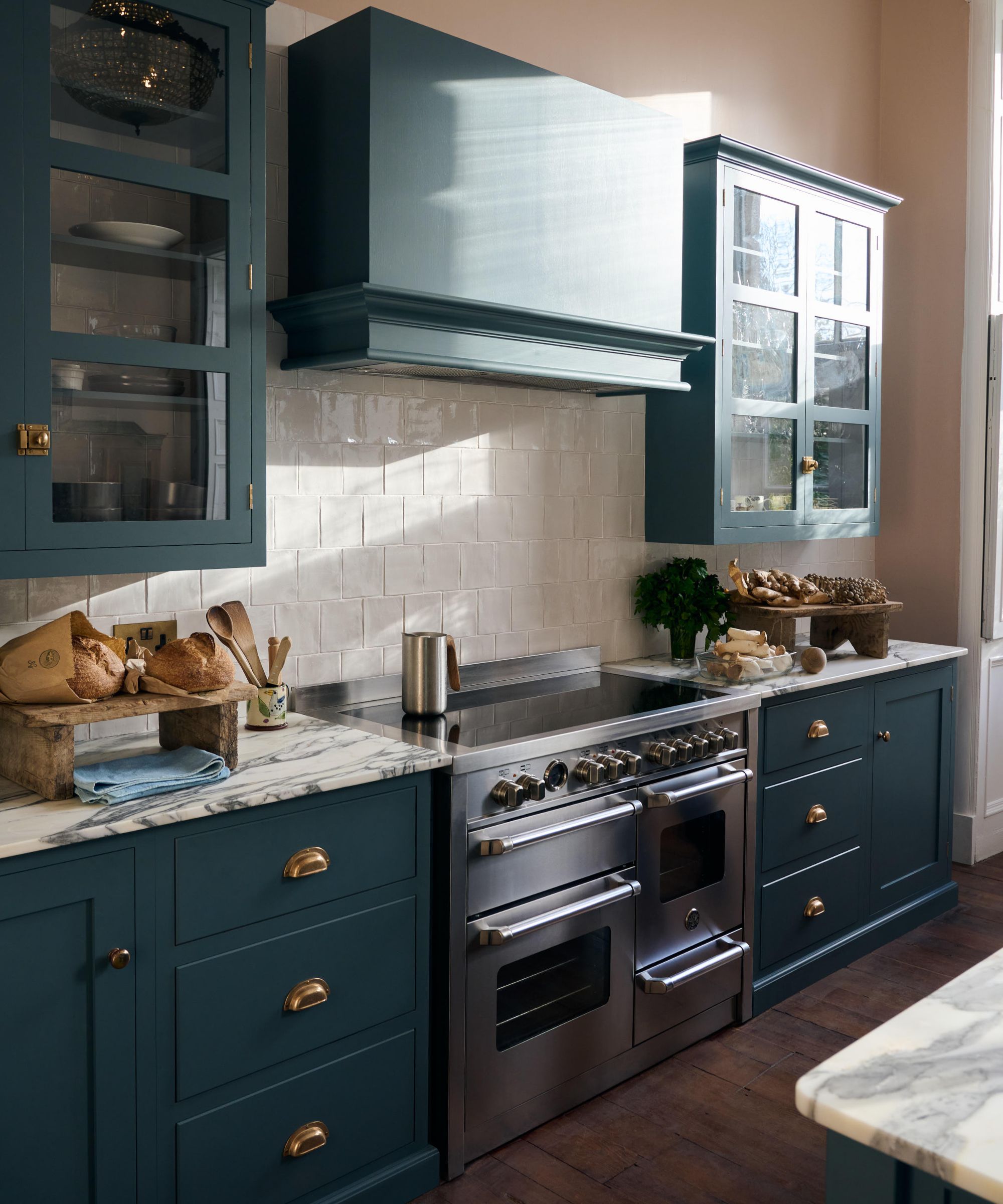
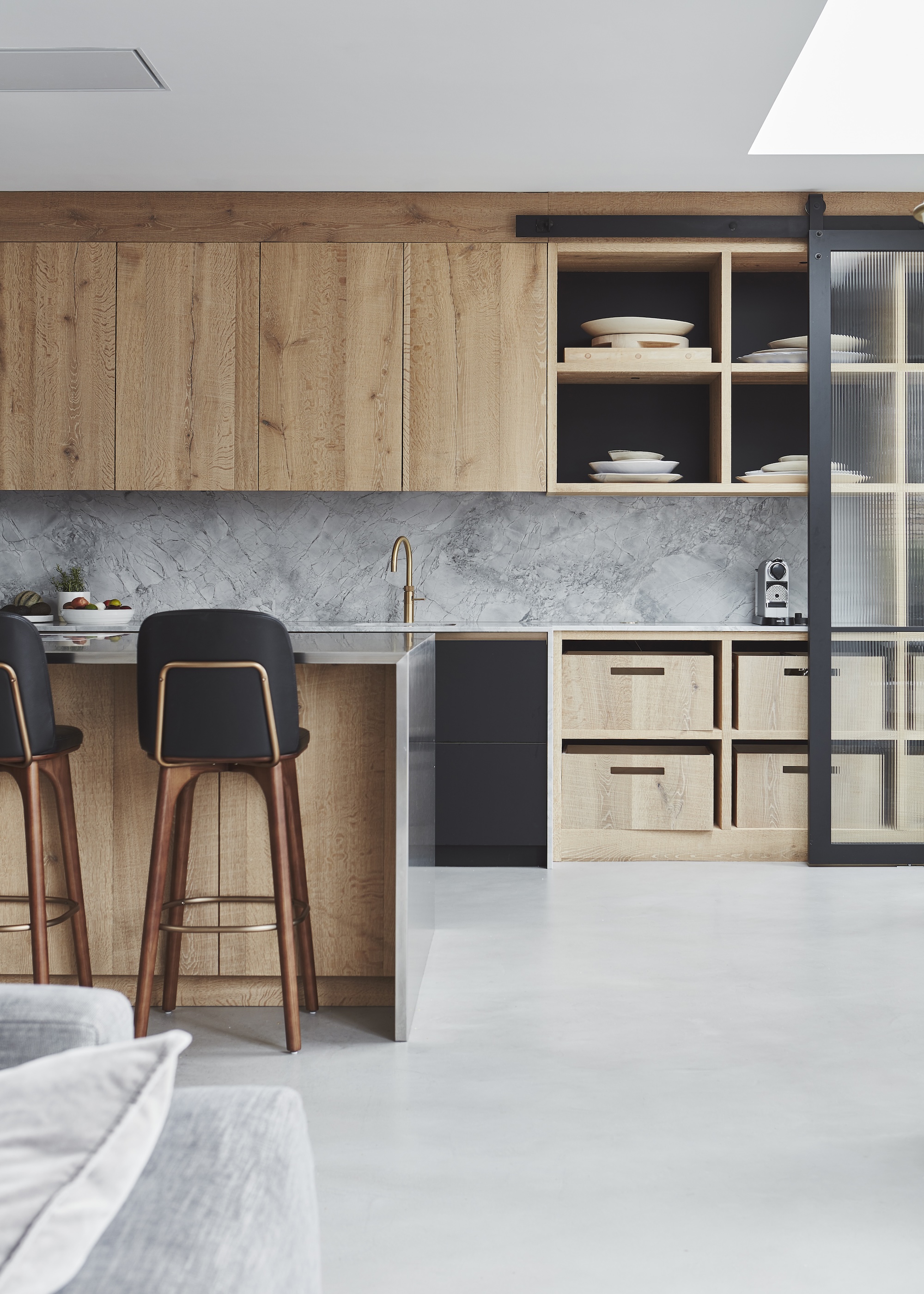
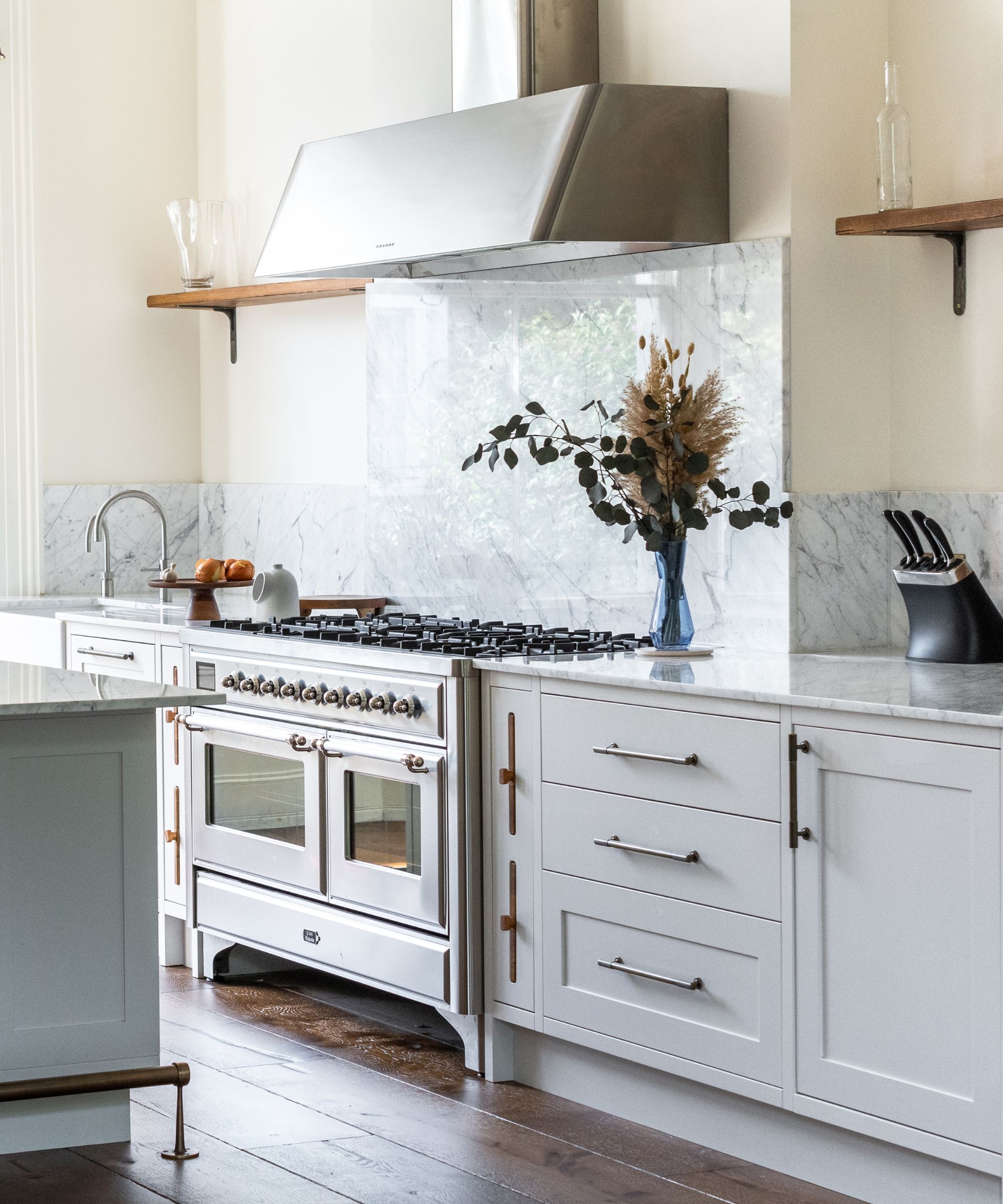
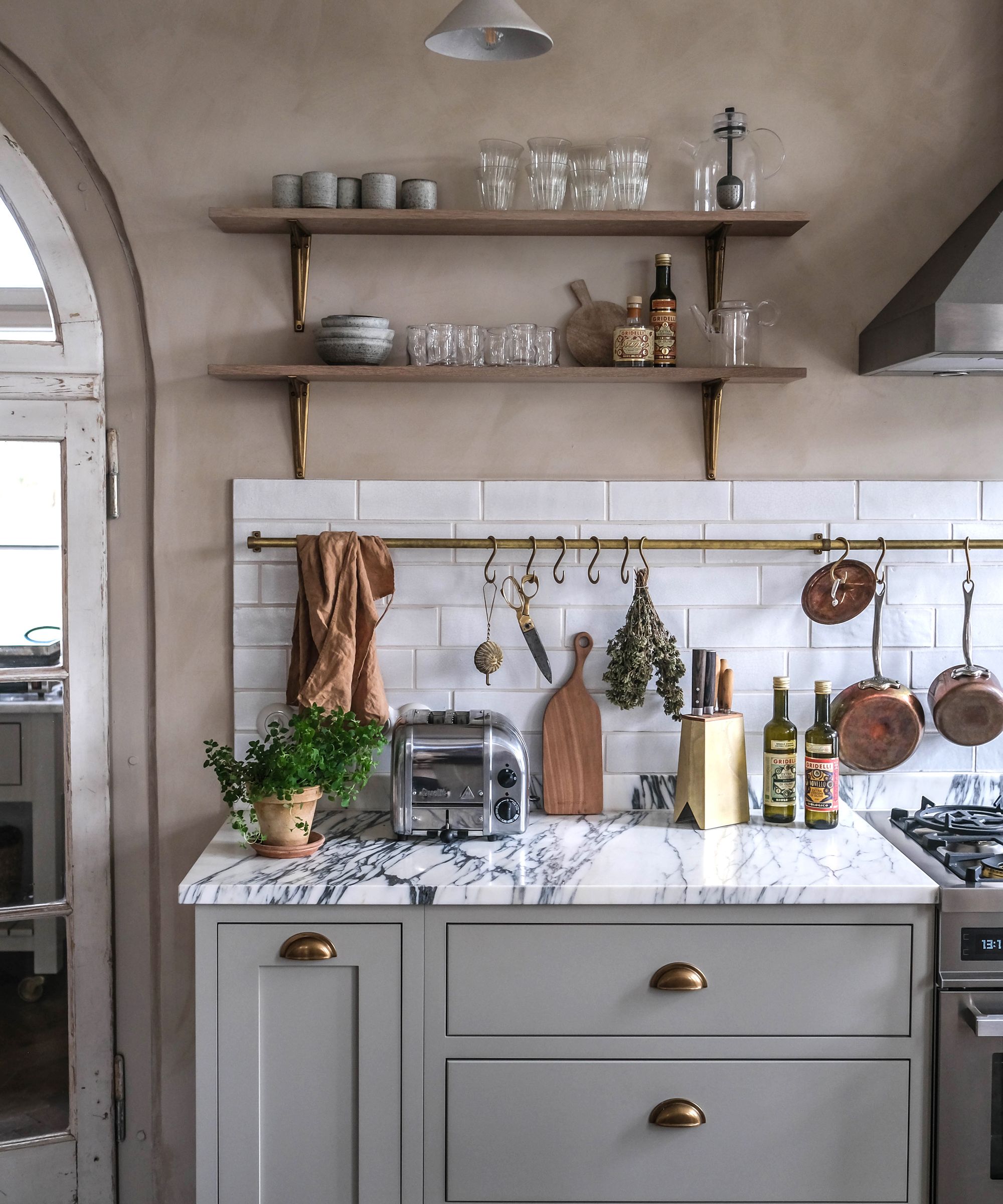
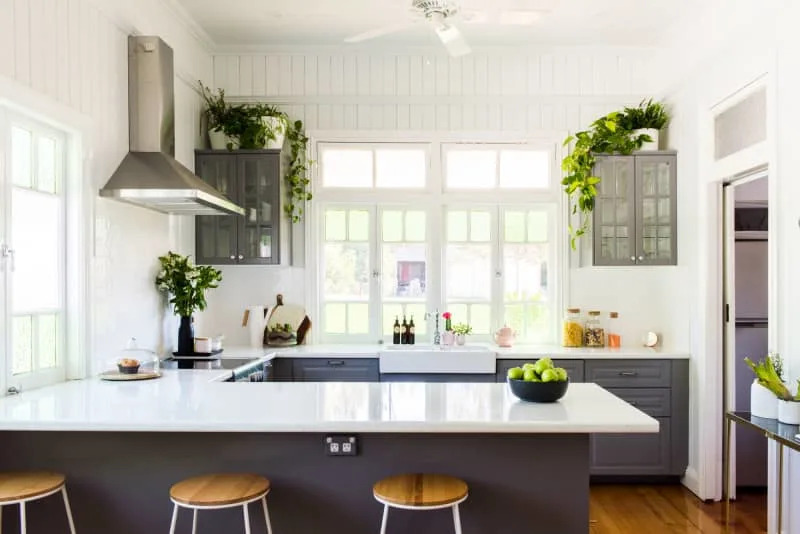
The article emphasizes the importance of planning joint lines, which are often unavoidable on long runs or due to access issues. Strategic placement, such as moving them out of direct sight or coinciding them with kitchen sink installations, can minimize their visual impact. Skilled fabricators also employ color-matched adhesives to make joints nearly invisible. Overlooking upstands, the low strips of worktop against the wall, is another mistake. Upstands serve to create a watertight seal and protect walls from splashes, especially behind sinks and hobs, thereby reducing the need for frequent paint touch-ups. They are typically made from the same material as the worktop, though a contrasting material can add design drama.
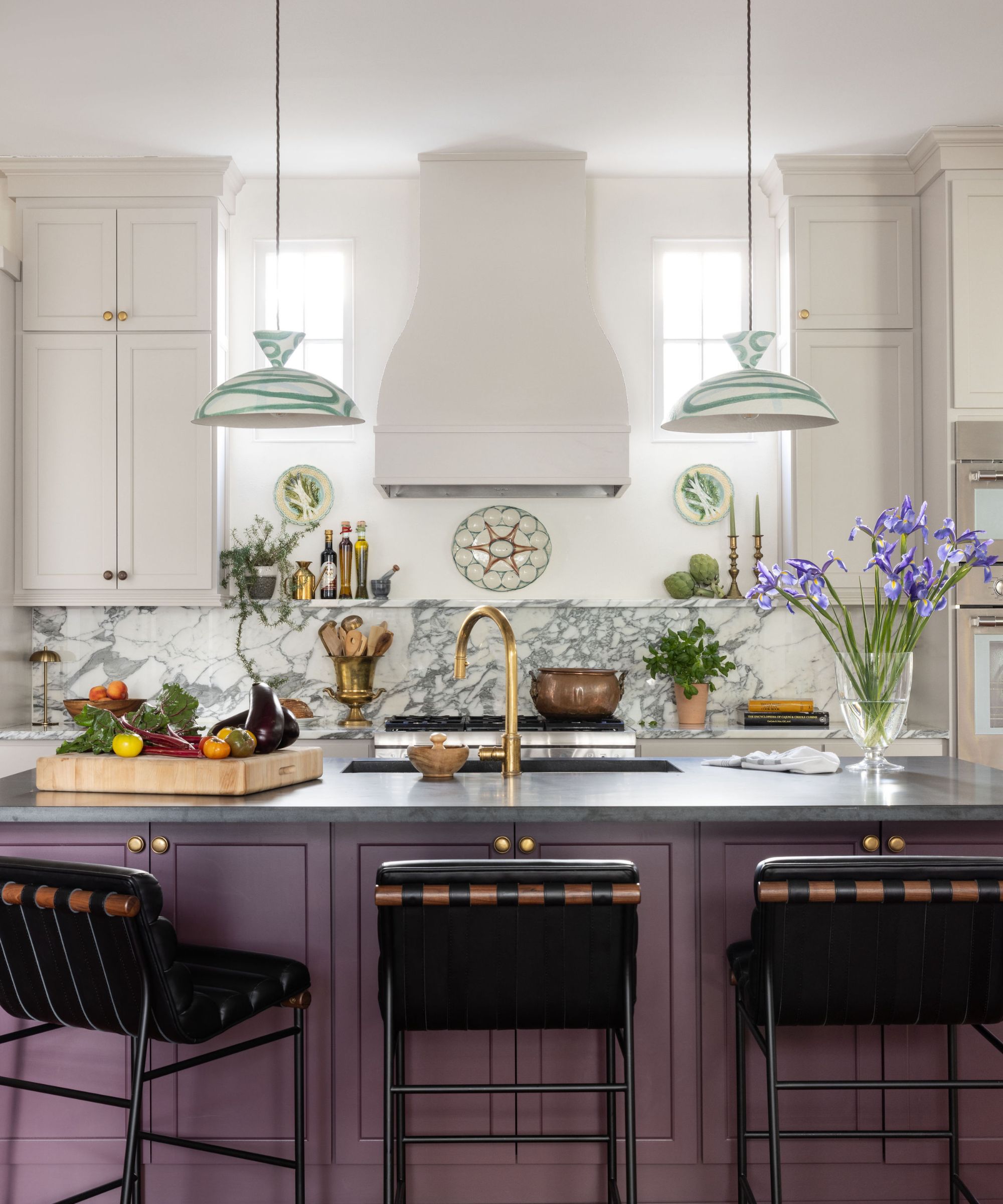
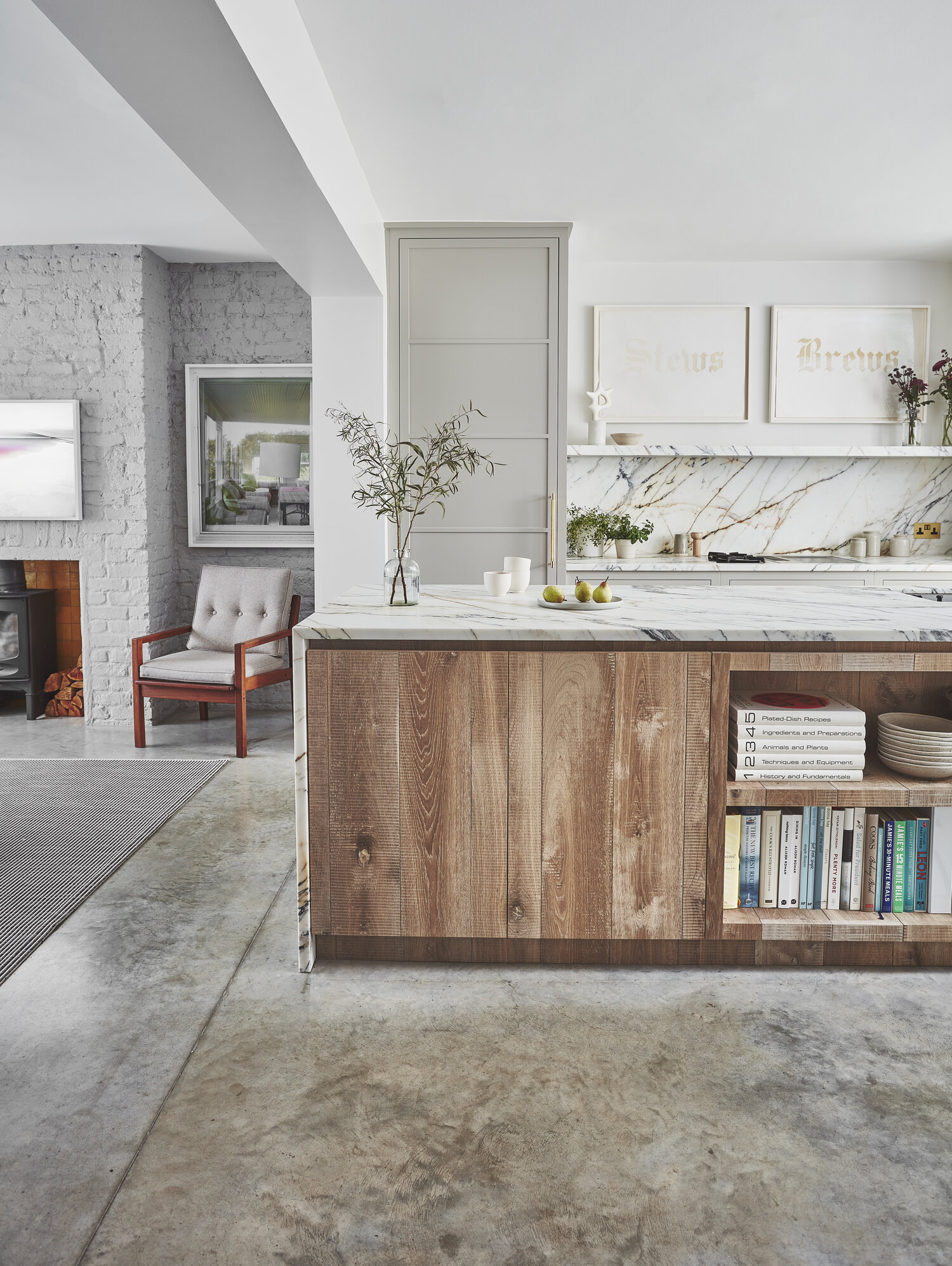
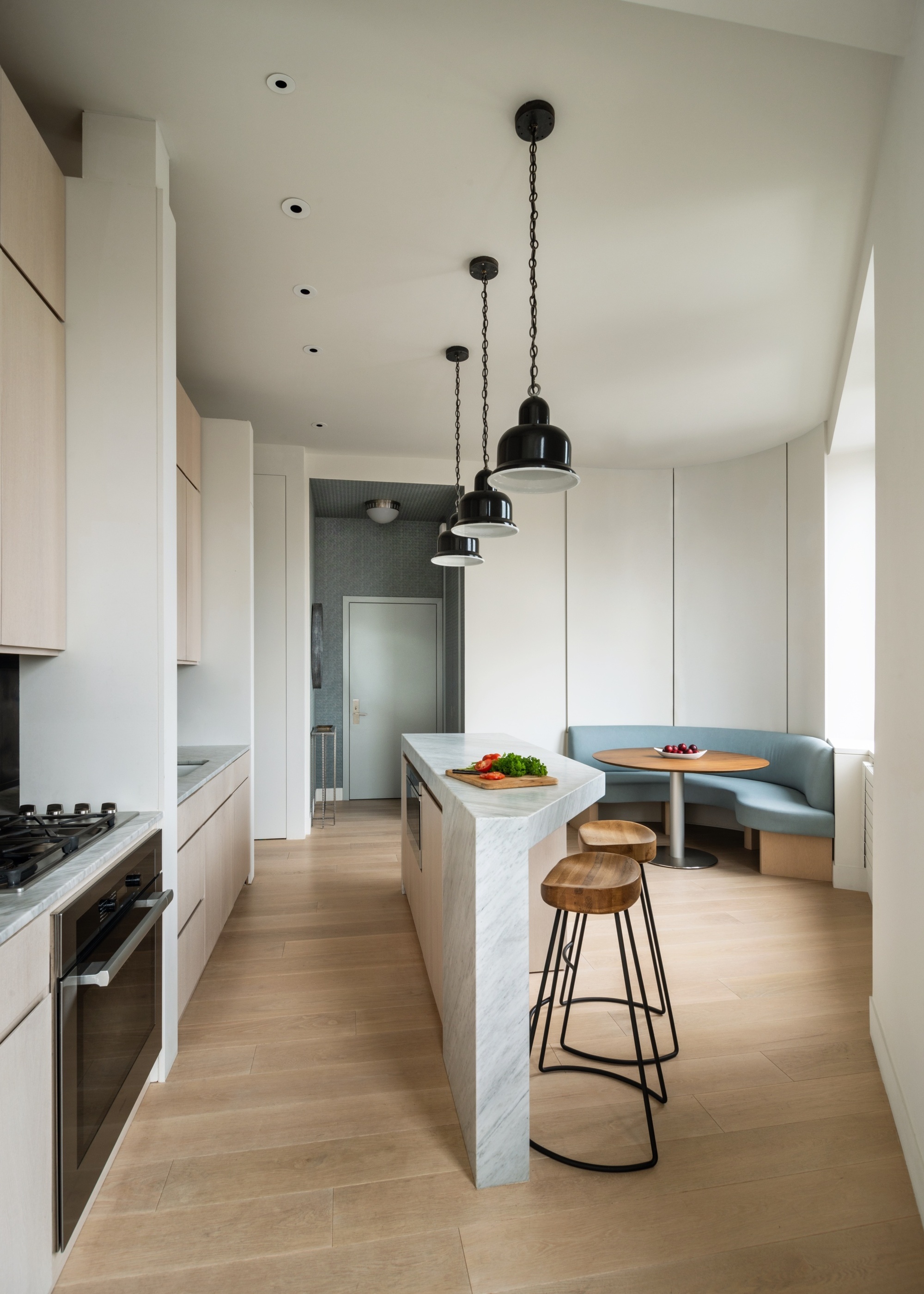
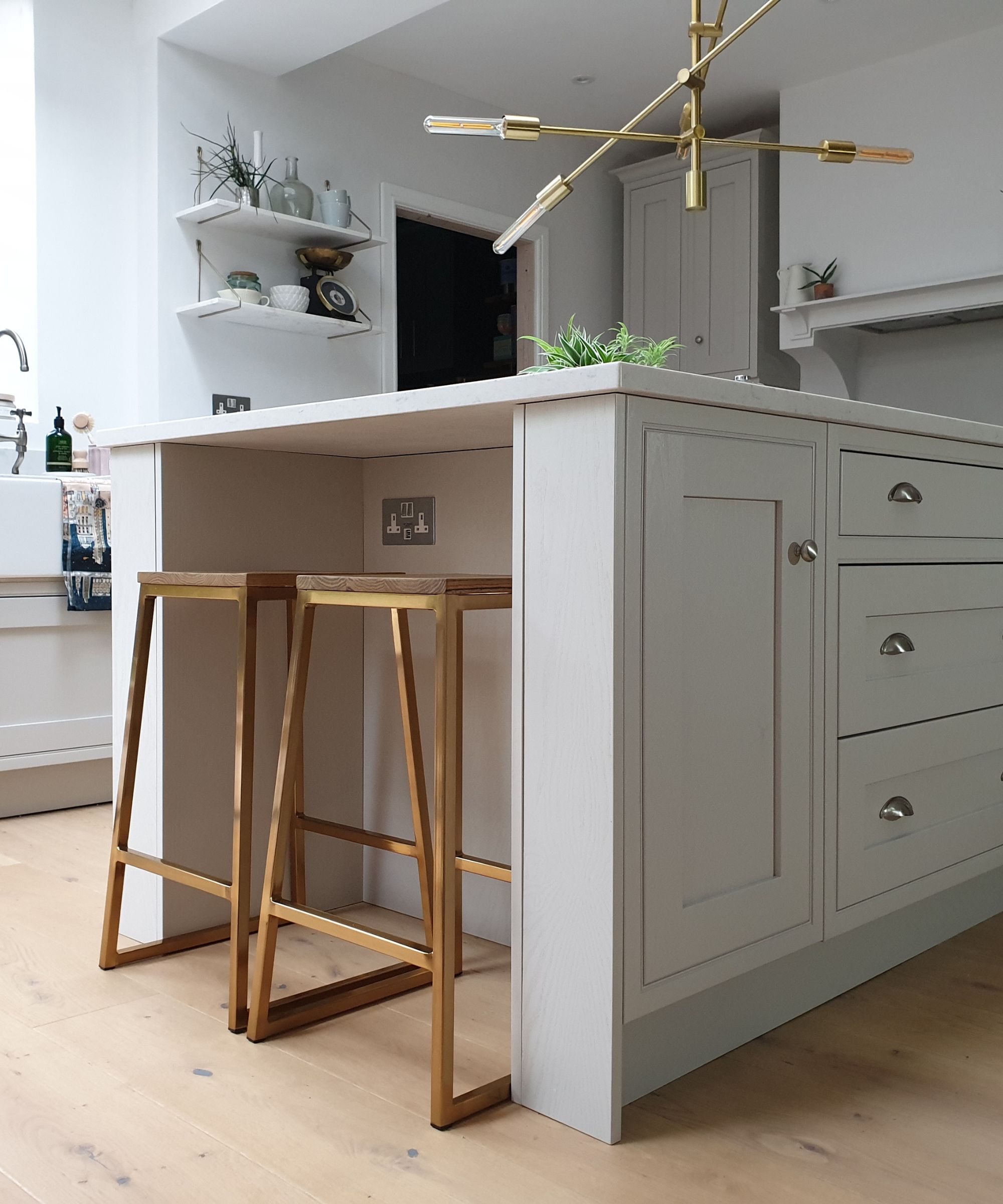
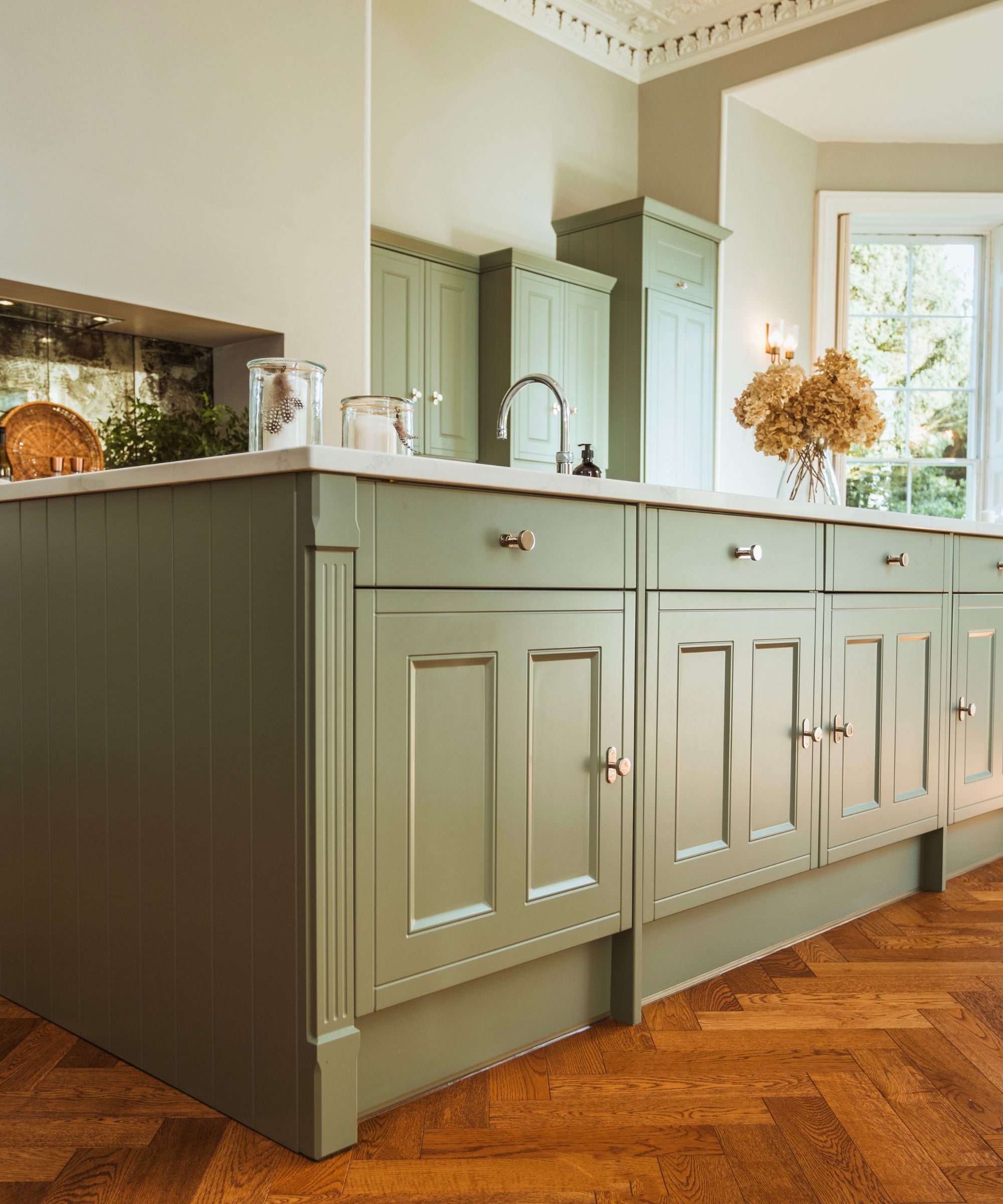
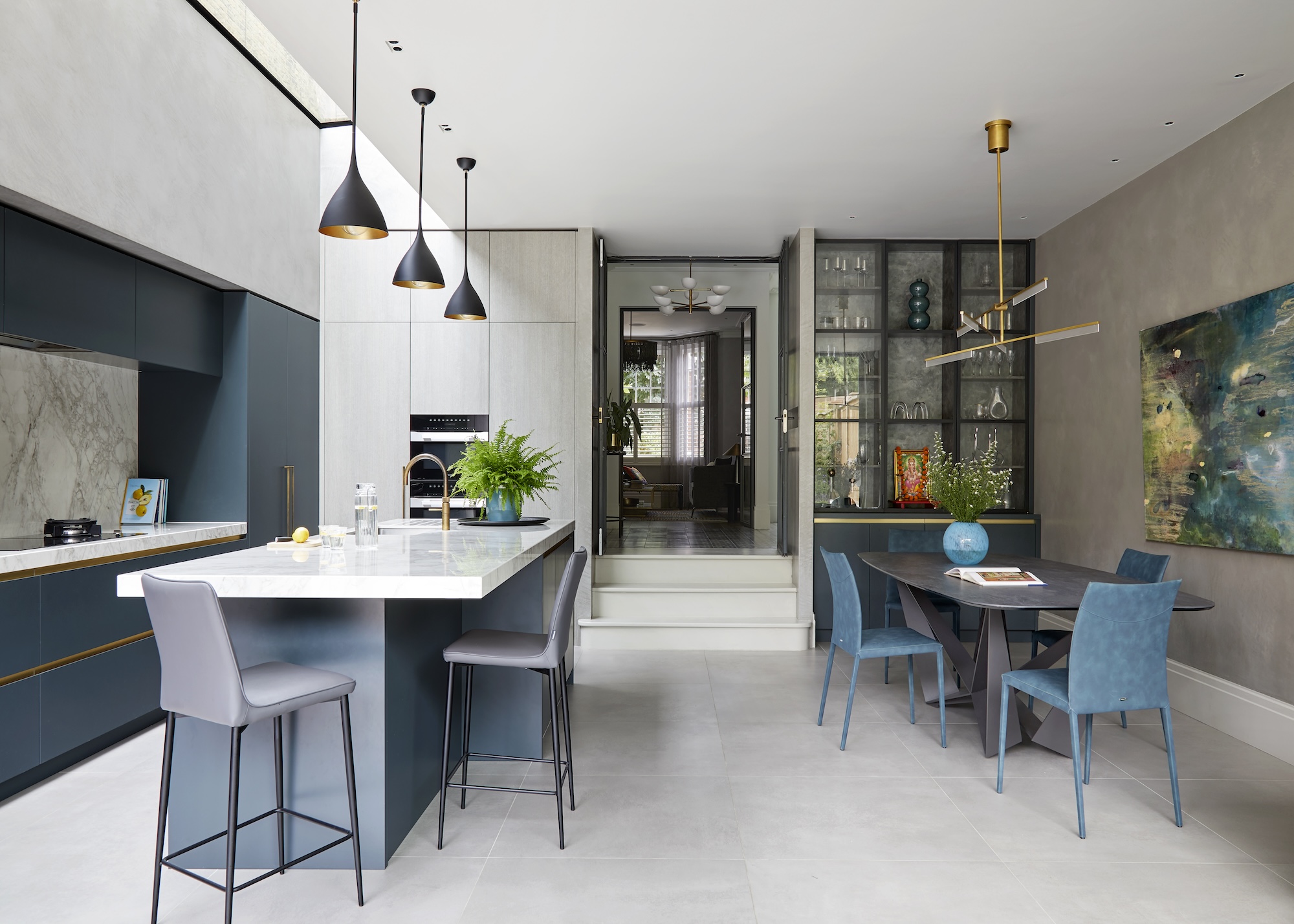
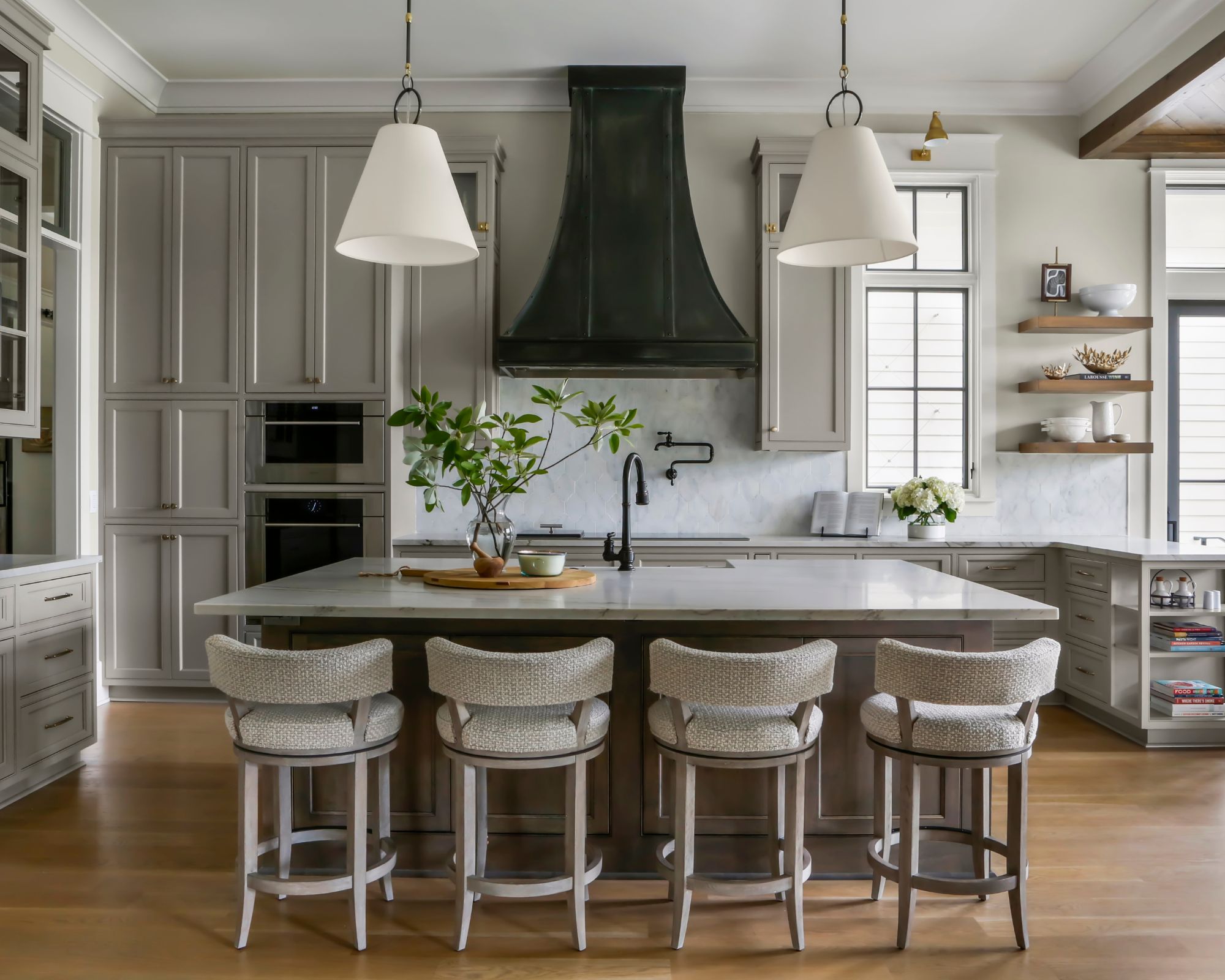
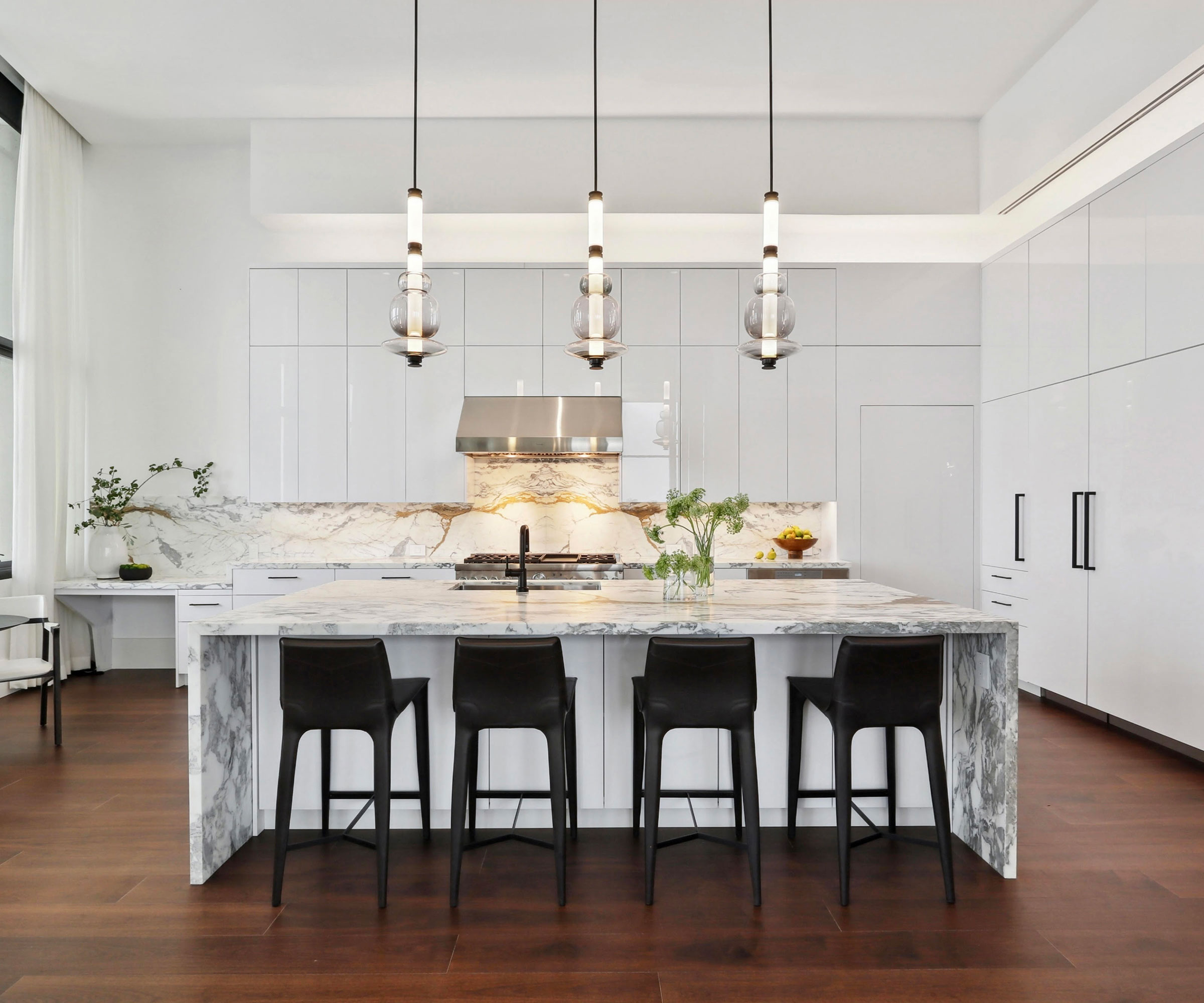
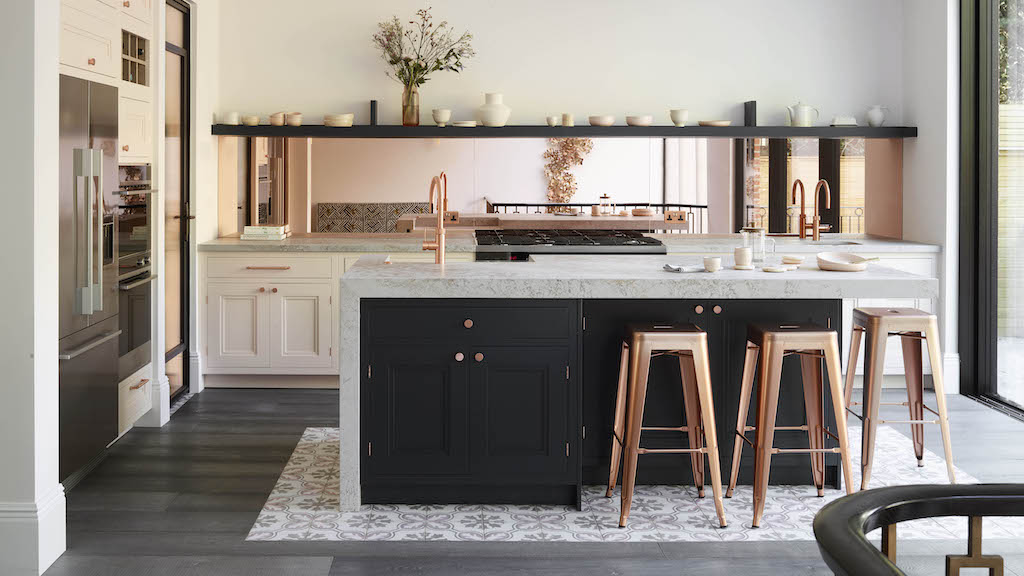
Varying worktop thickness is highlighted as a subtle yet effective design detail that can elevate a kitchen's aesthetic. Using chunky worktops on an island and slimmer ones elsewhere, or vice versa, adds visual interest and can create a more relaxed, freestanding look. While 30mm is standard in the UK, thinner options like 12mm porcelain are gaining popularity for contemporary aesthetics, and 20mm options offer a more affordable choice. Forging thickness with a deeper front edge profile is a cost-effective way to achieve a chunky look without the added weight and expense of solid thick slabs.
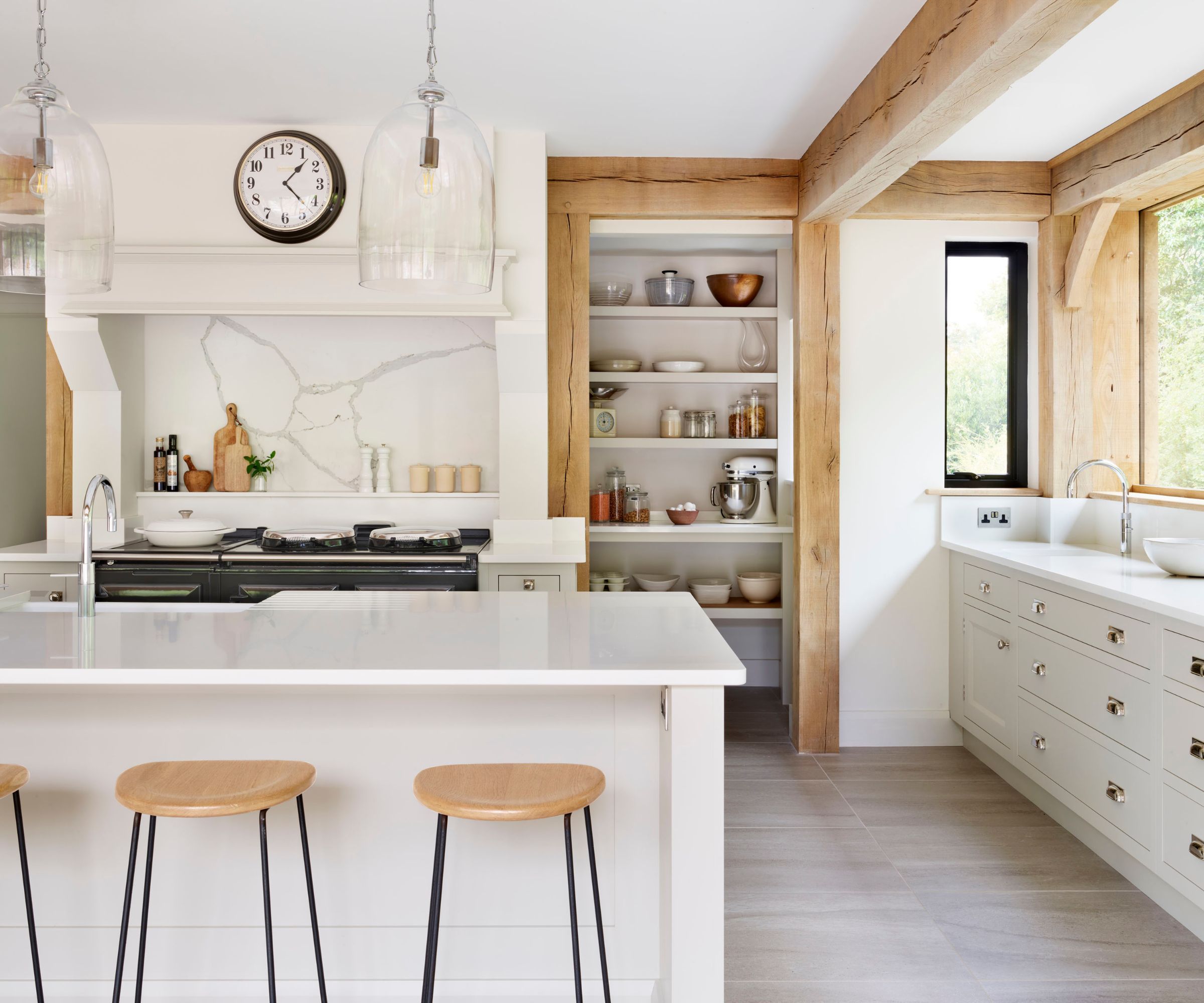
Considering the acoustic properties of materials is essential, especially for those sensitive to noise. Hard surfaces like quartz or granite can produce jarring sounds when crockery is placed on them, whereas timber or Corian are more audibly forgiving and warmer to the touch, making them ideal for breakfast bars. Neglecting edge profiles is a missed opportunity, as different profiles (e.g., Pencil Edge, Half Bullnose, Bevel Edge) can significantly enhance the scheme, matching traditional or minimalist styles. Ensuring that large focal points, such as island units, are topped with a single, seamless slab is crucial, which might involve matching island length to available slab sizes or using seamless materials like concrete or high-resin composites.
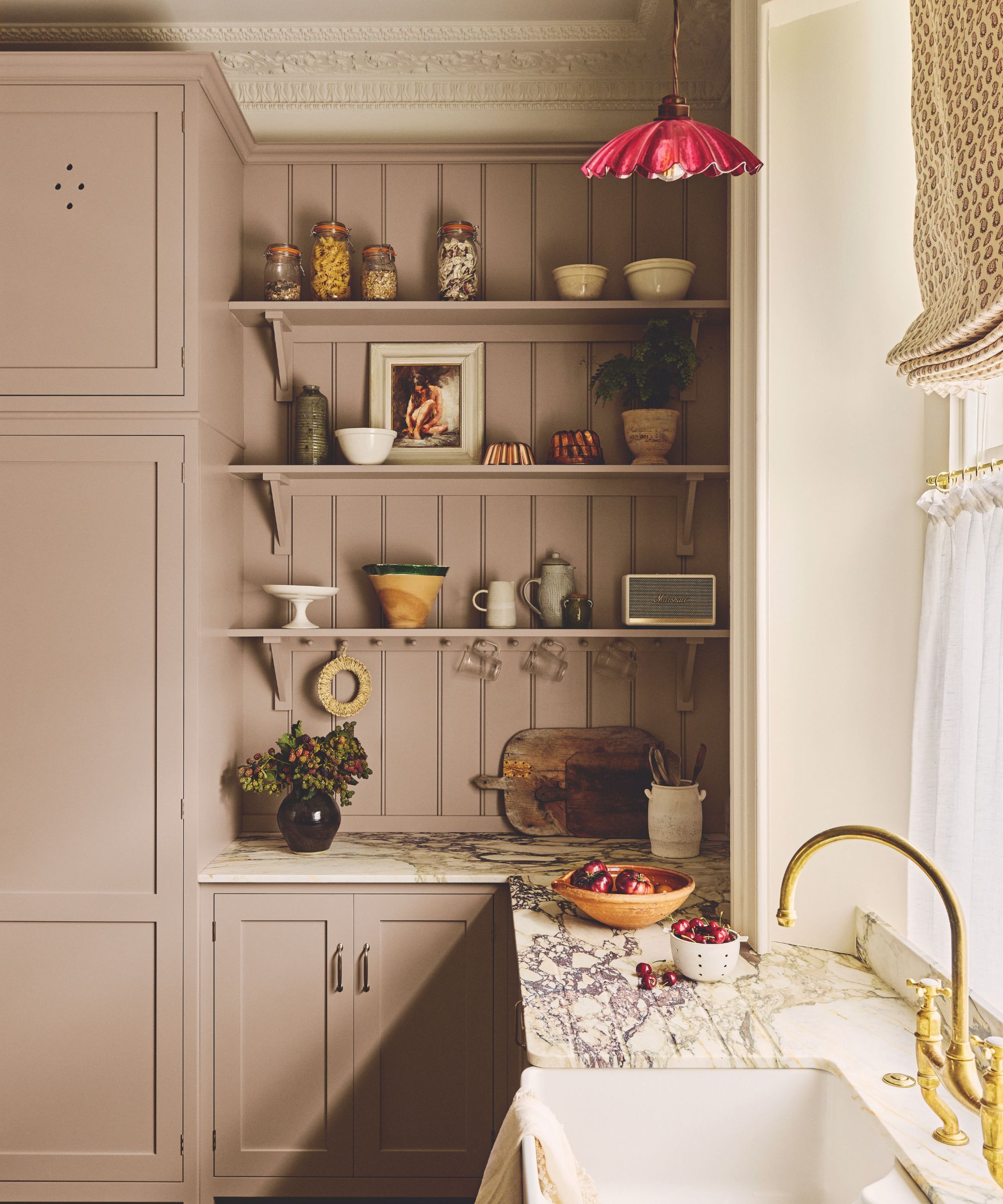
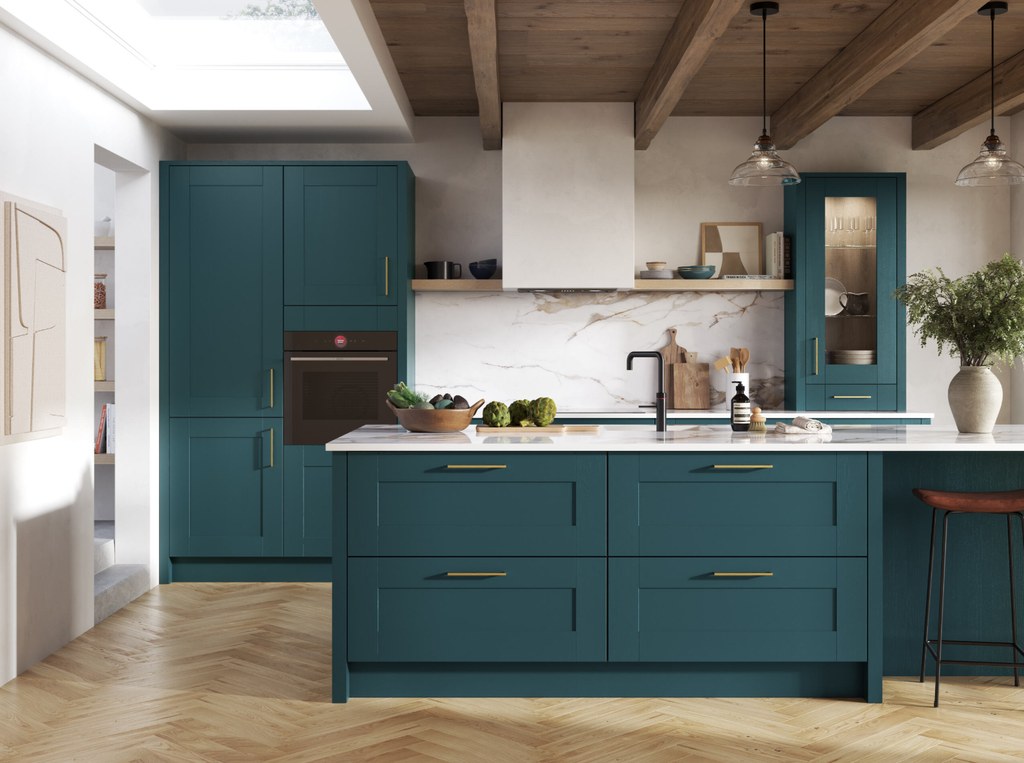
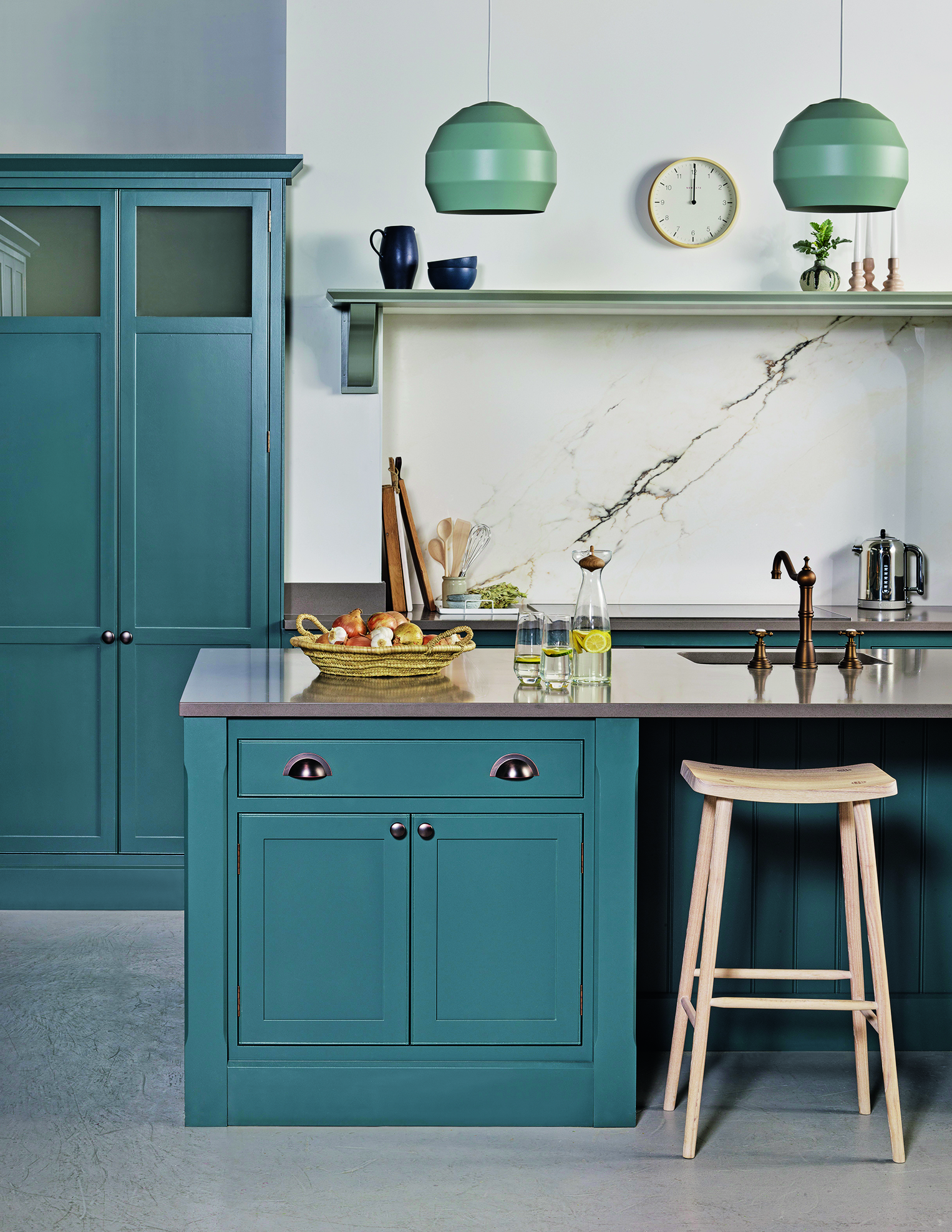
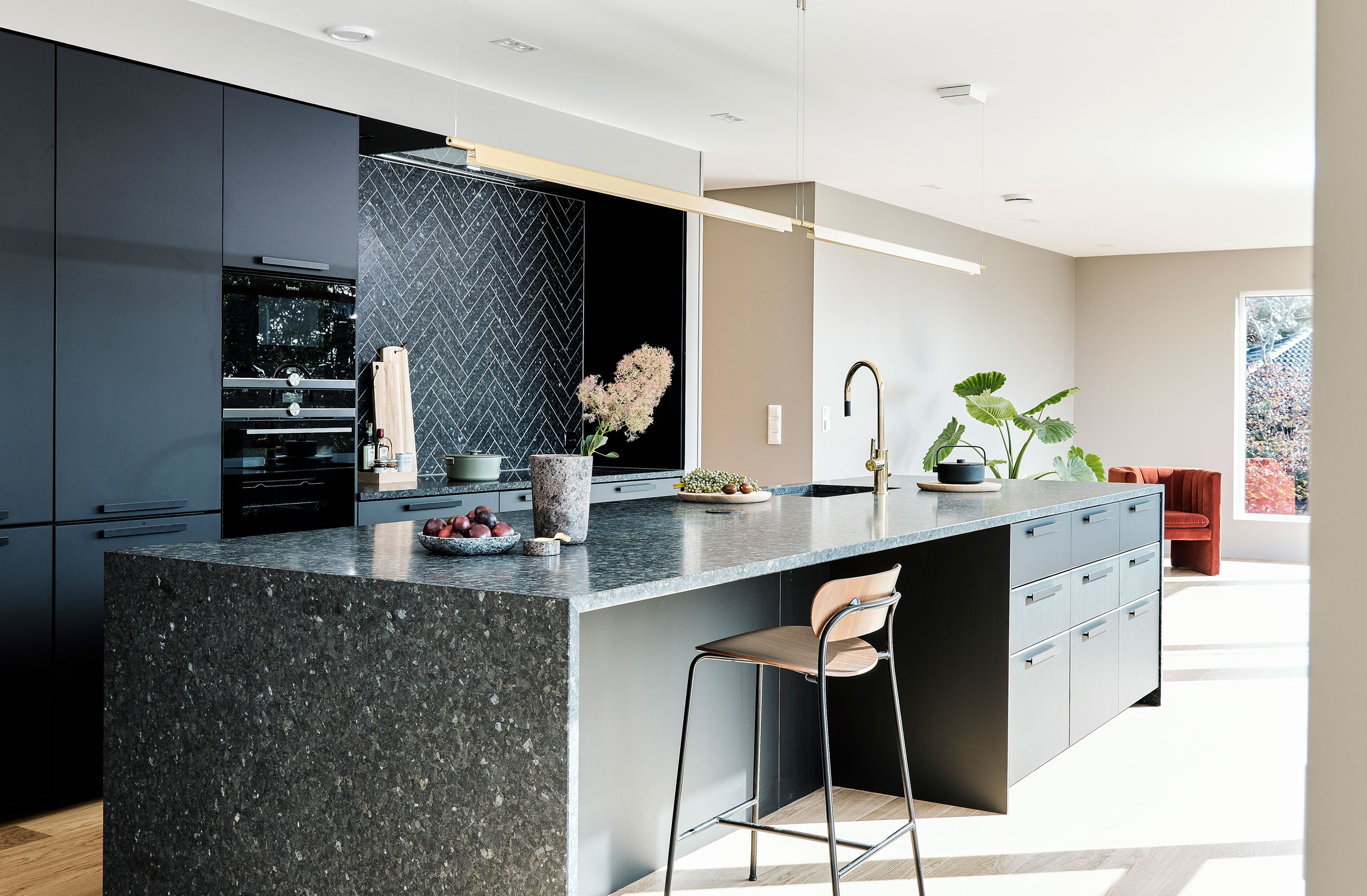
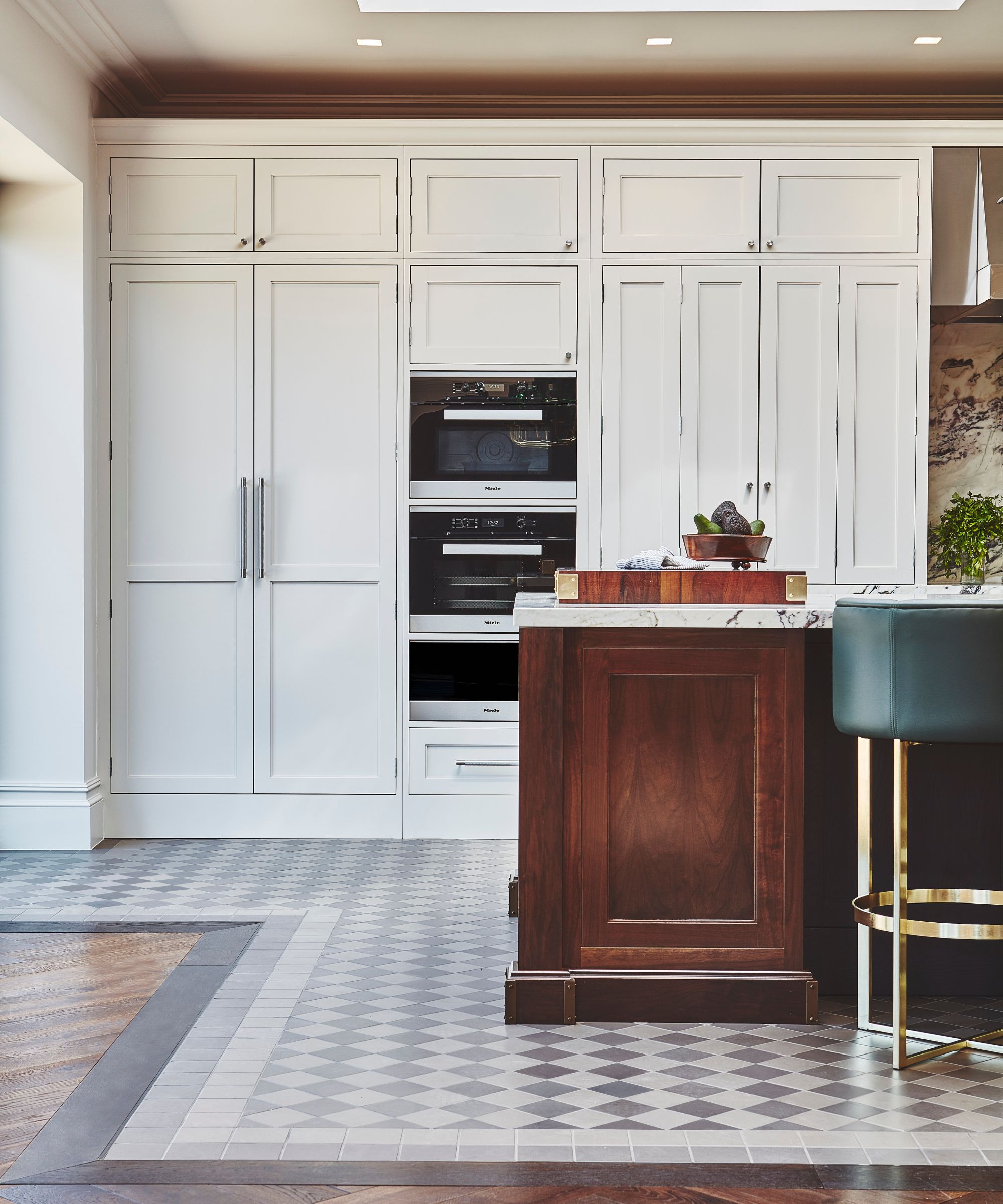
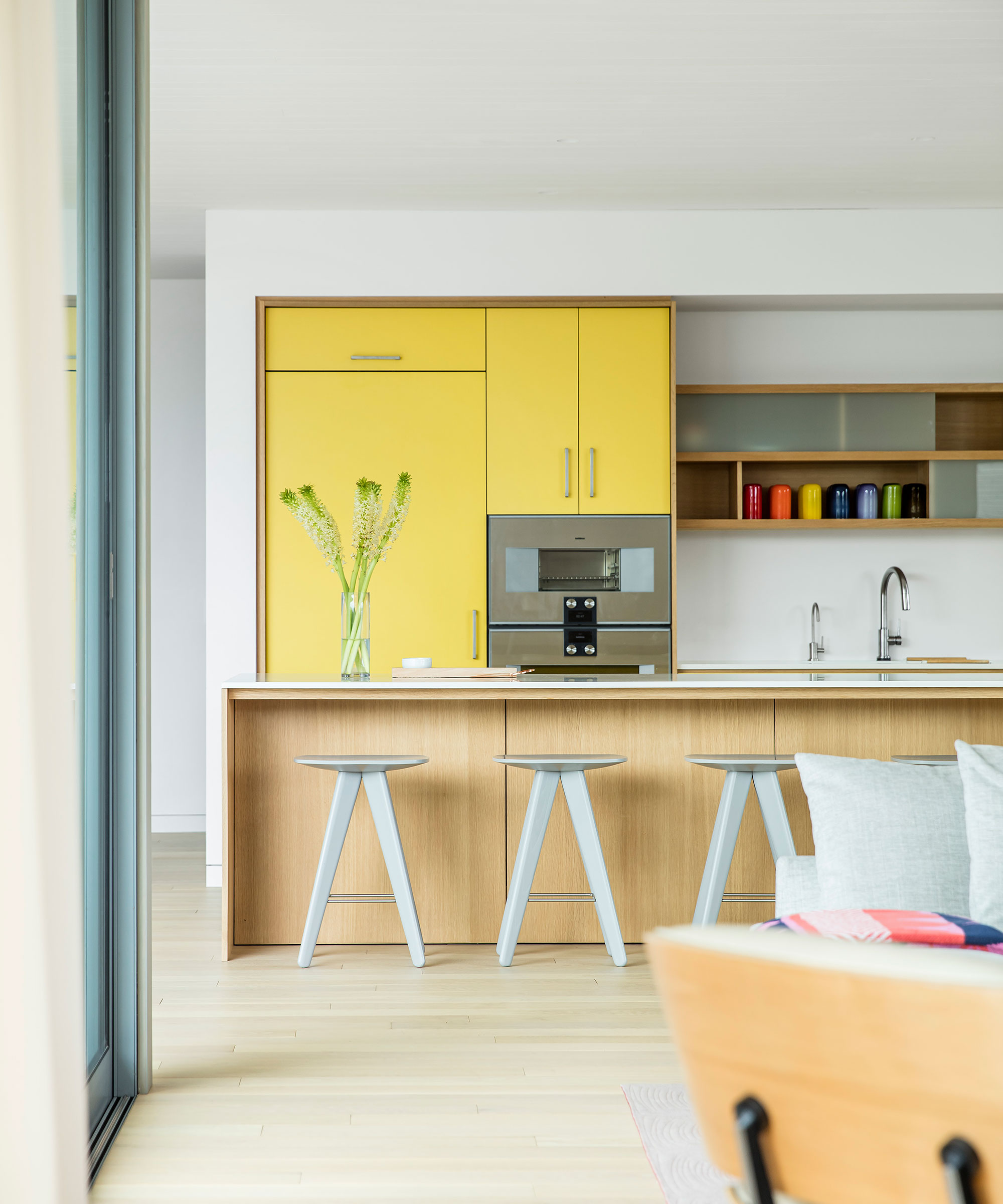
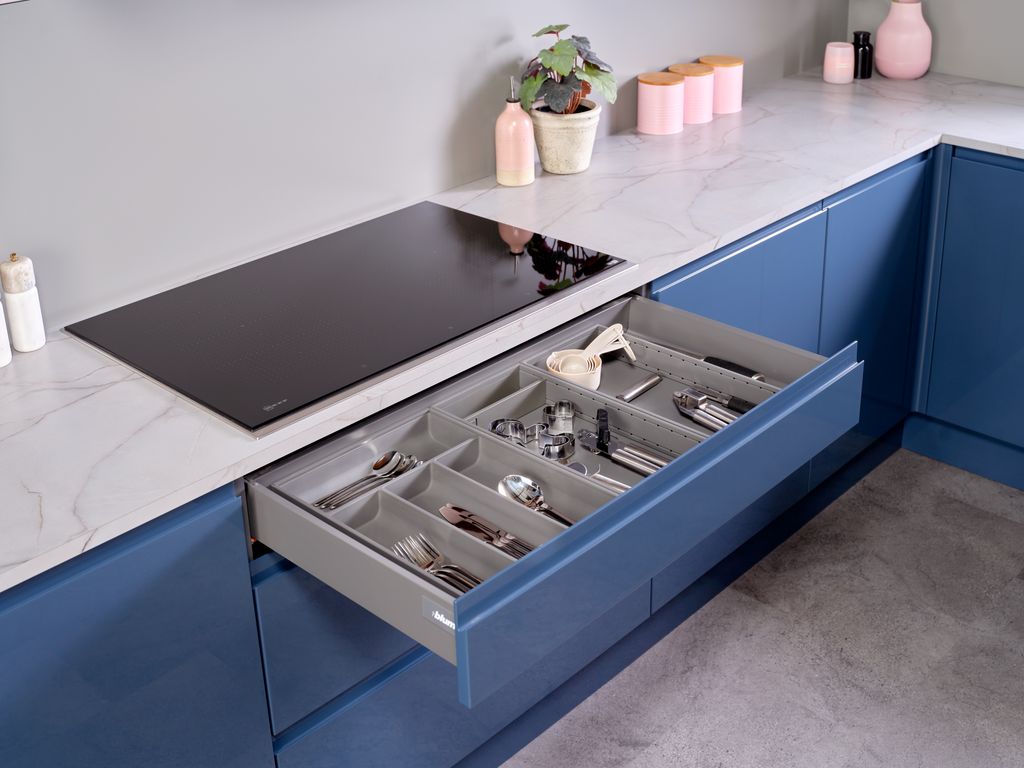
Choosing worktops in isolation, without considering the broader kitchen design elements like cabinets, wall colors, flooring, and hardware, results in a disjointed look. Creating a mood board and obtaining physical samples of all materials is recommended to ensure overall coordination and a cohesive design. Miscalculating the budget is a common and costly error. Beyond the material price, costs for fabrication, delivery, installation, specialist services (drainer grooves, stain protection, bespoke finishes), upstands, splashbacks, and ongoing maintenance (resealing, special cleaning products) must be factored in. Finally, the chosen worktop finish (leathered, flamed, matt, gloss) significantly impacts the final look and functionality, with current trends leaning towards matt or soft finishes for their tactile qualities and ability to hide fingerprints, while gloss finishes offer light-reflecting benefits for smaller spaces. The article concludes by noting the rising popularity of natural marble, quartzites with colorful veining, and porcelain for their aesthetic appeal and durability, as well as the trend for dark, matt, and textural finishes.
#KitchenWorktops #KitchenDesign #HomeImprovement #InteriorDesign #WorktopMaterials #KitchenRenovation #DesignTips #BudgetPlanning #MaterialSelection #KitchenWorktops #KitchenDesign #HomeImprovement #InteriorDesign #WorktopMaterials #KitchenRenovation #DesignTips #BudgetPlanning #MaterialSelection
0 comment in total
 No comments yet
You may also like
5 kitchen countertop mistakes designers warn to avoid

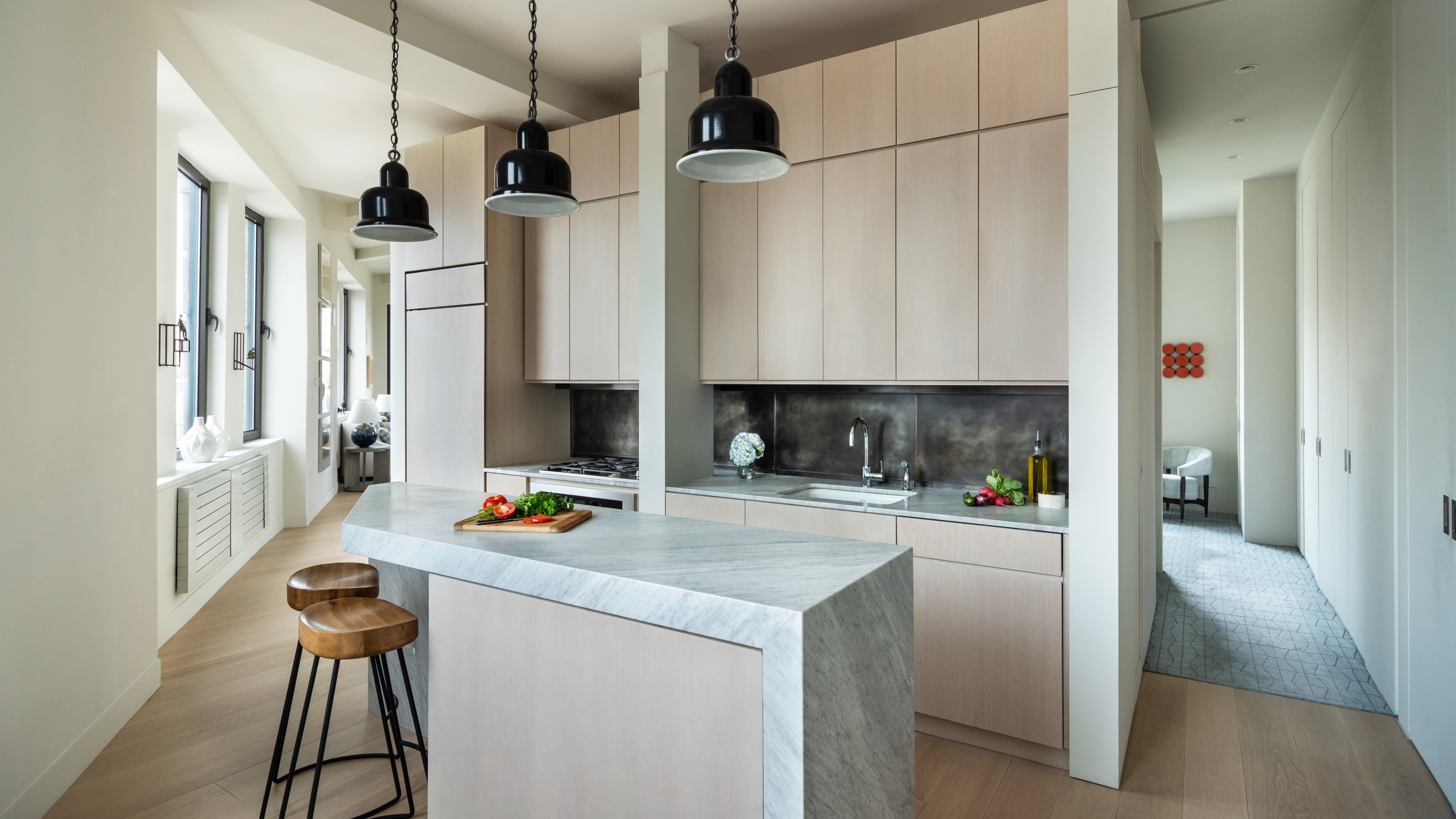
10 Small Kitchen Layout Mistakes Designers Will Always Urge You to Avoid for a Better Working Space

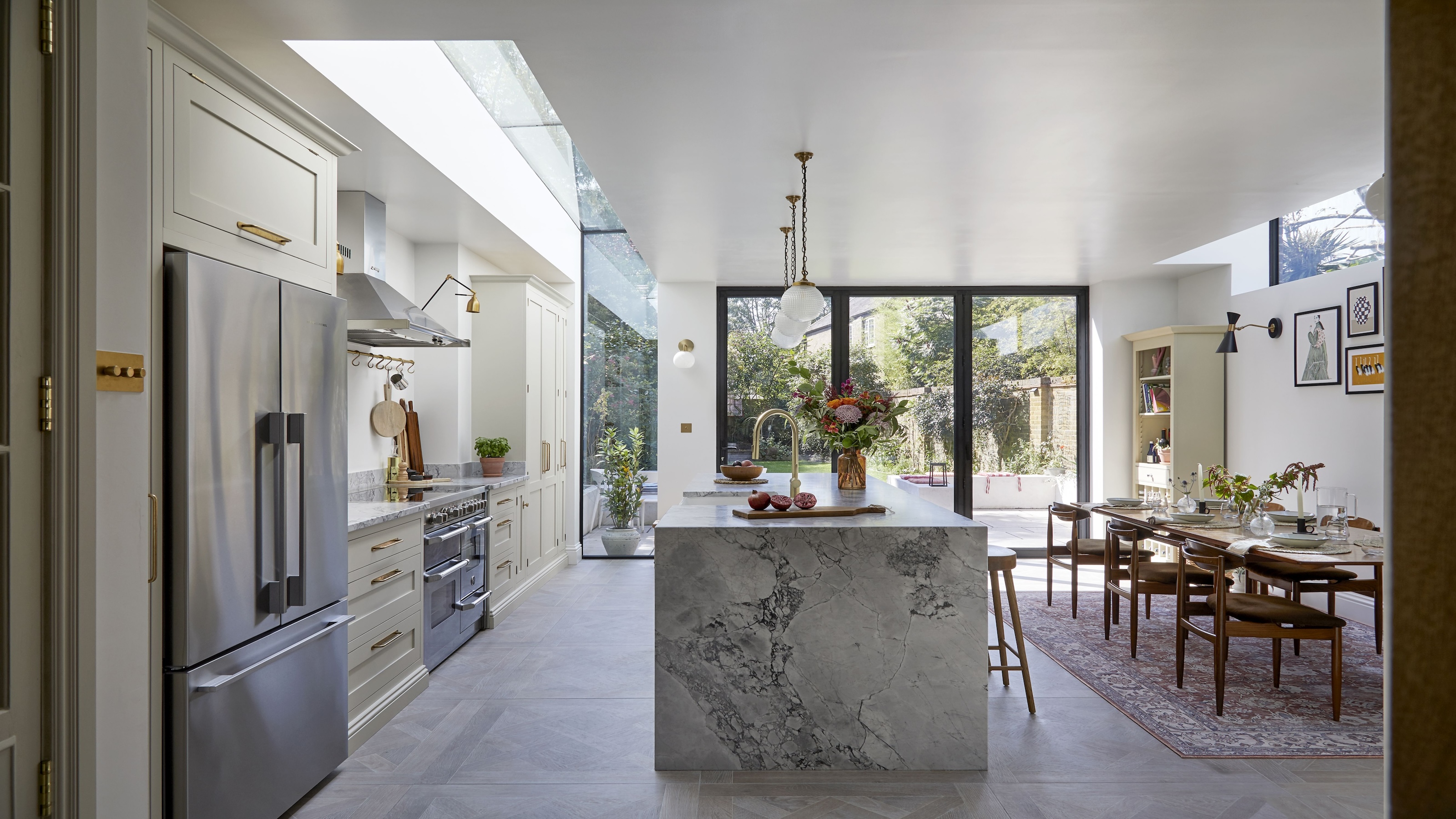
7 Kitchen Planning Mistakes That Amateurs Always Make, According to London's Best Kitchen Designers

8 Things Pro Organizers Say You Should NEVER Keep On Your Kitchen Counter

8 shockingly common kitchen design mistakes according to a pro

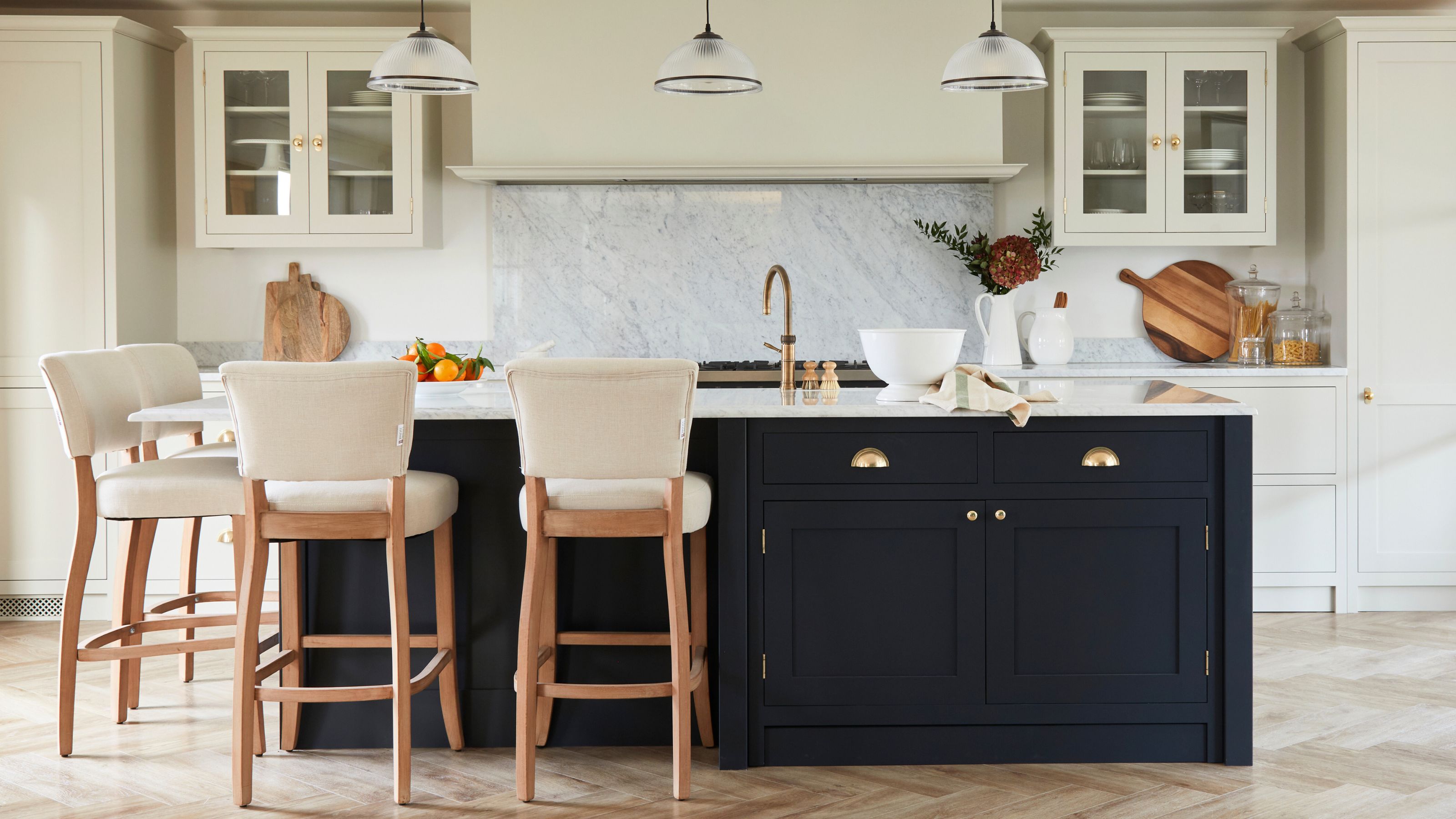
The 7 kitchen island mistakes designers always avoid — and what you can try instead


Local Announcement: What Are the Top Mistakes to Avoid During Kitchen Remodeling?

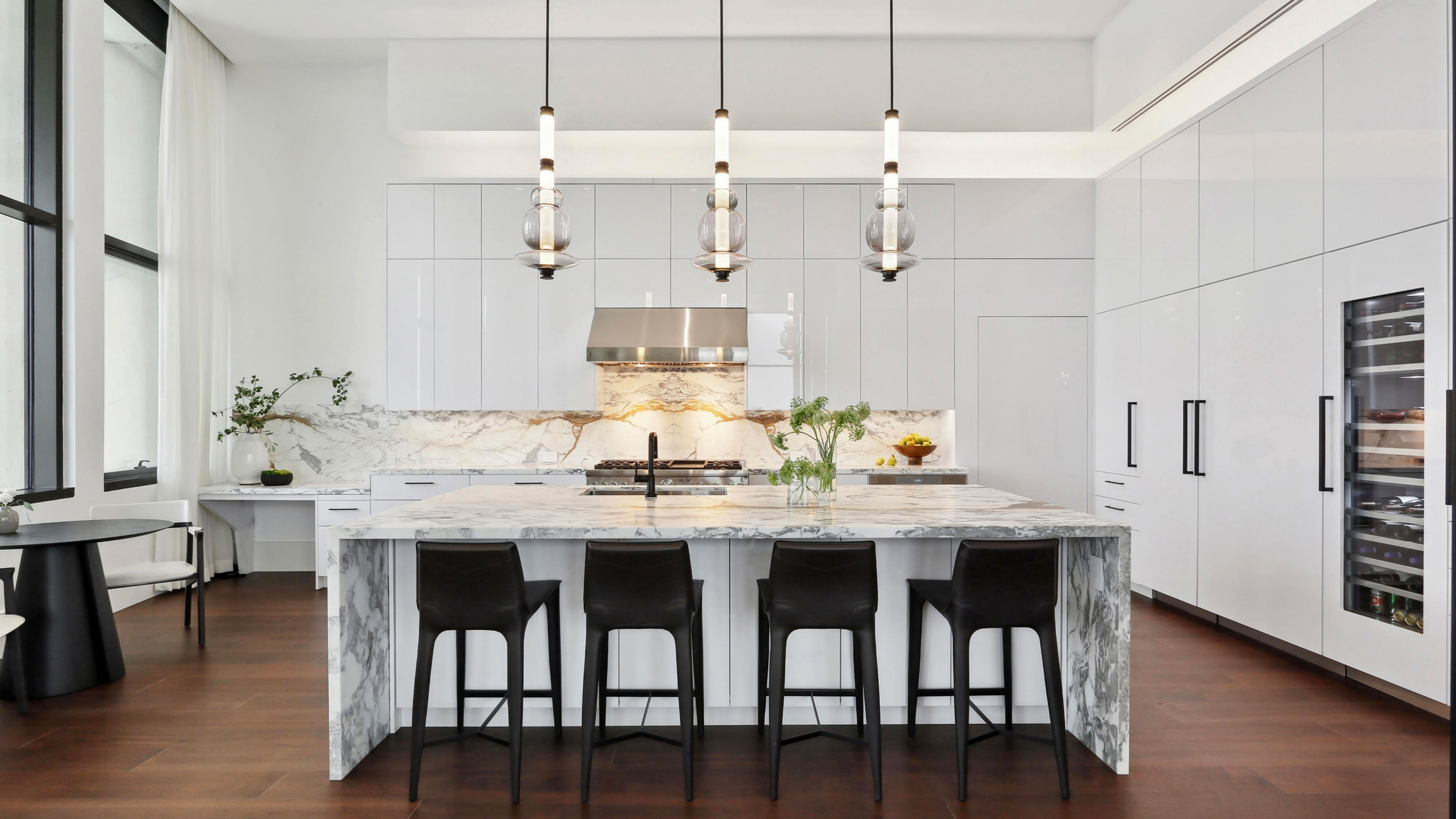
A 'rule of thumb' when working out kitchen island sizes and mistakes to avoid
8 shockingly common kitchen design mistakes according to a pro

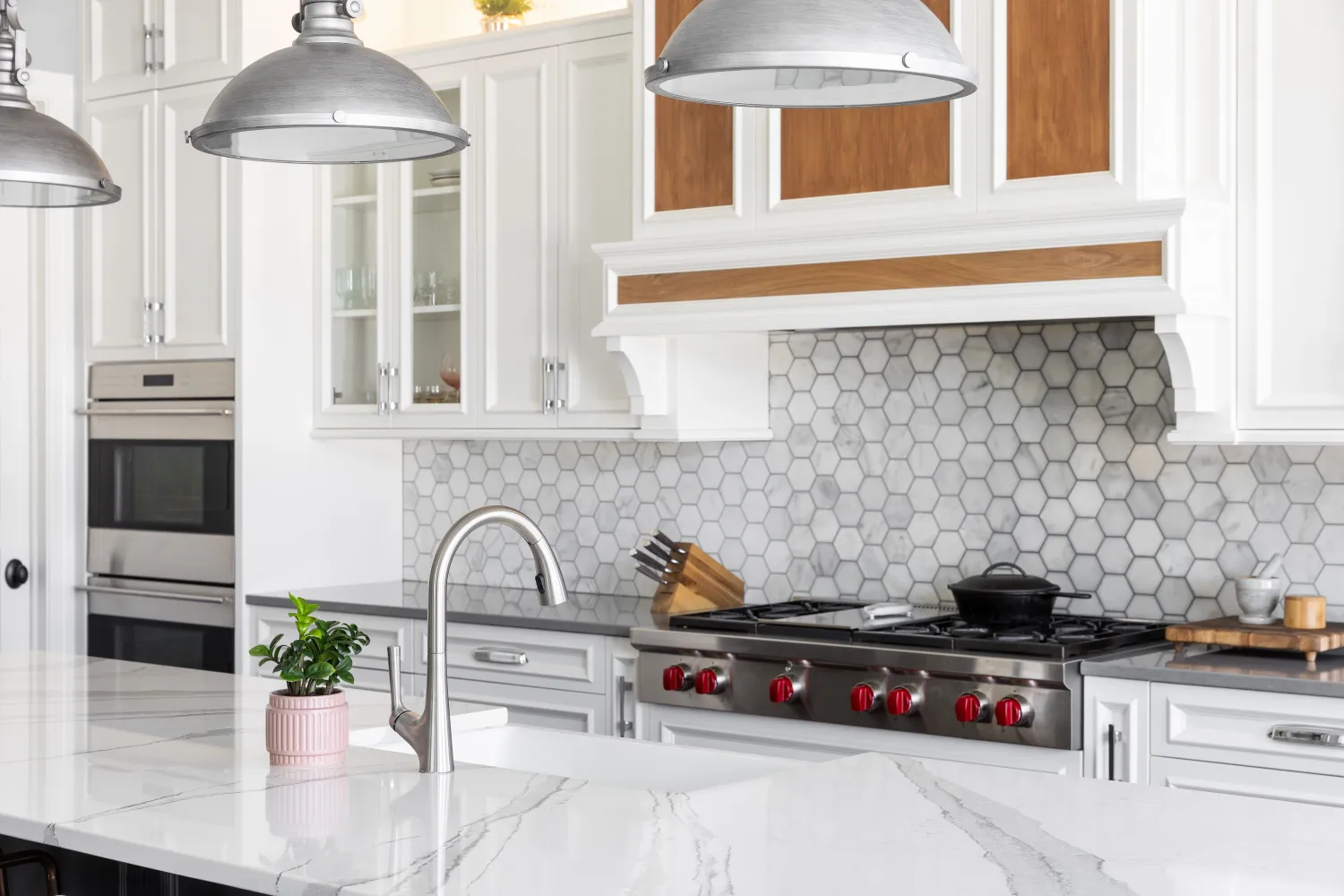
The Kitchen Countertop Material Designers Say You Should Avoid

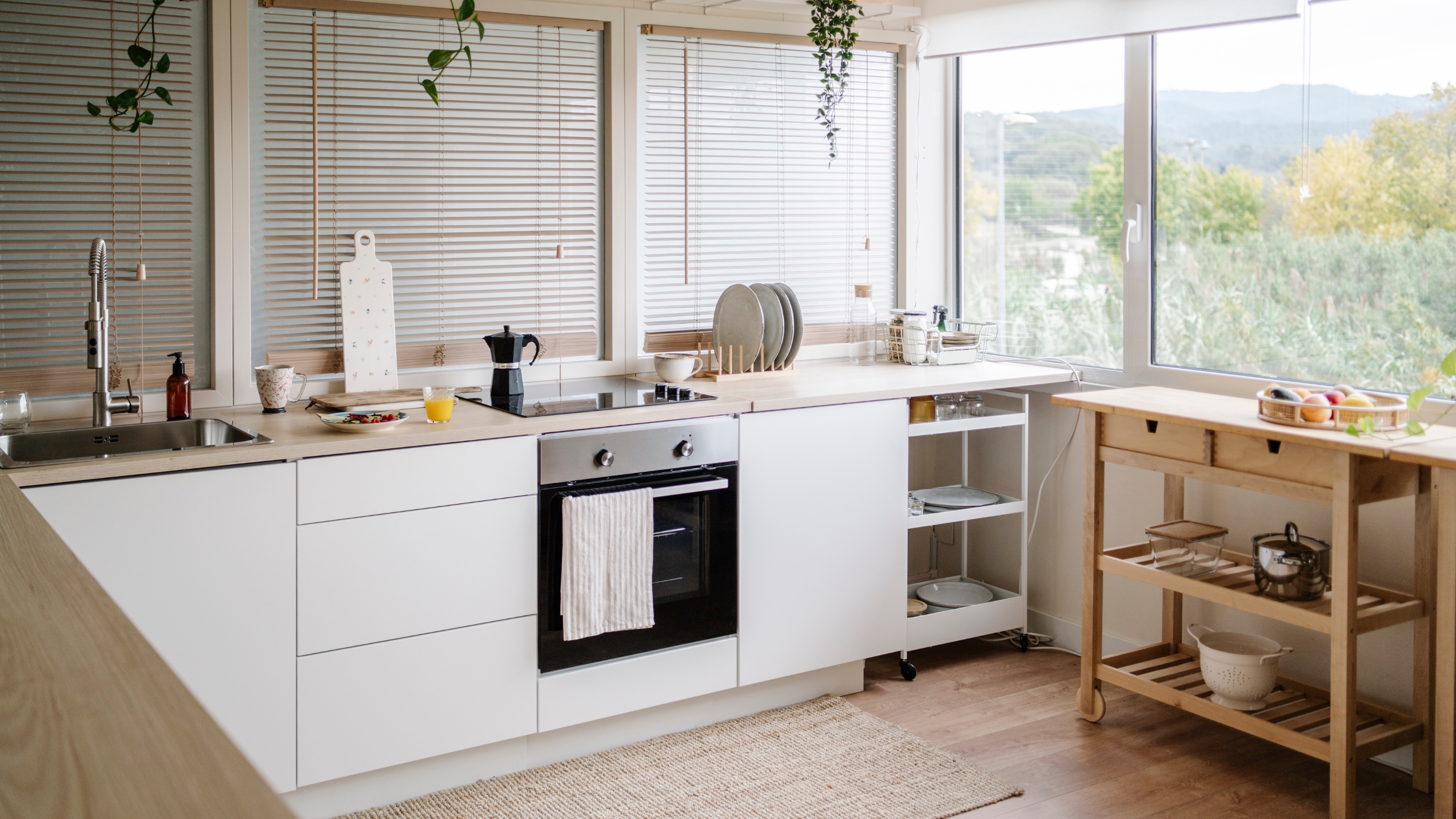
8 small kitchen design mistakes to avoid, according to an interior designer

Exclusive: Style Sisters reveal the biggest kitchen organisation mistakes you're making
6 Kitchen Backsplash Mistakes Designers Want You to Stop Making Right Now

5 kitchen hardware mistakes interior designers say homeowners always make, and how to fix them
3 most common gray kitchen mistakes – and what designers advise to do instead
I Asked 3 Designers About the Mistakes They Wish People Would Stop Making in Their Kitchen, and Here’s What They Said

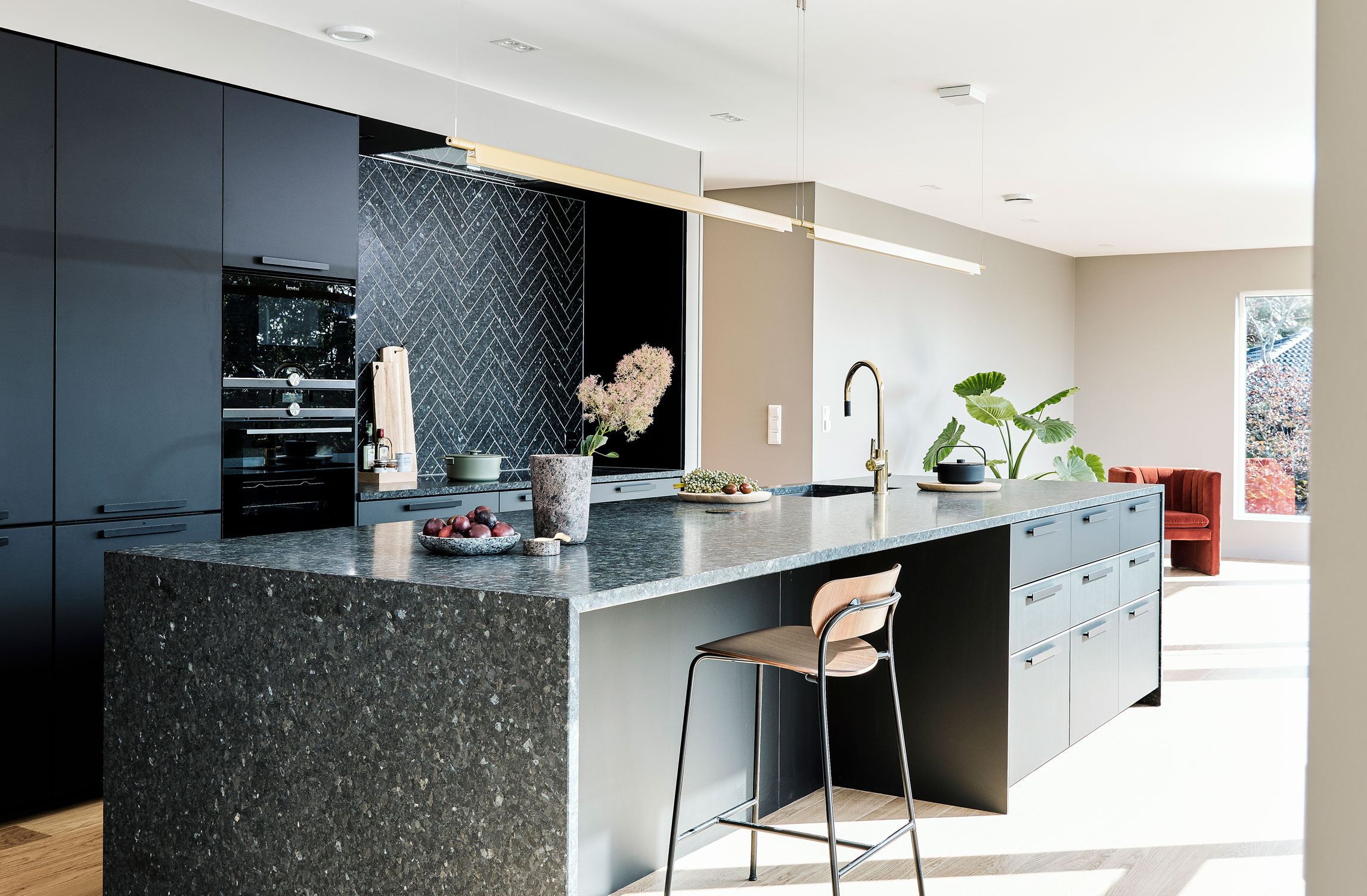
Kitchen island mistakes – and how to avoid them
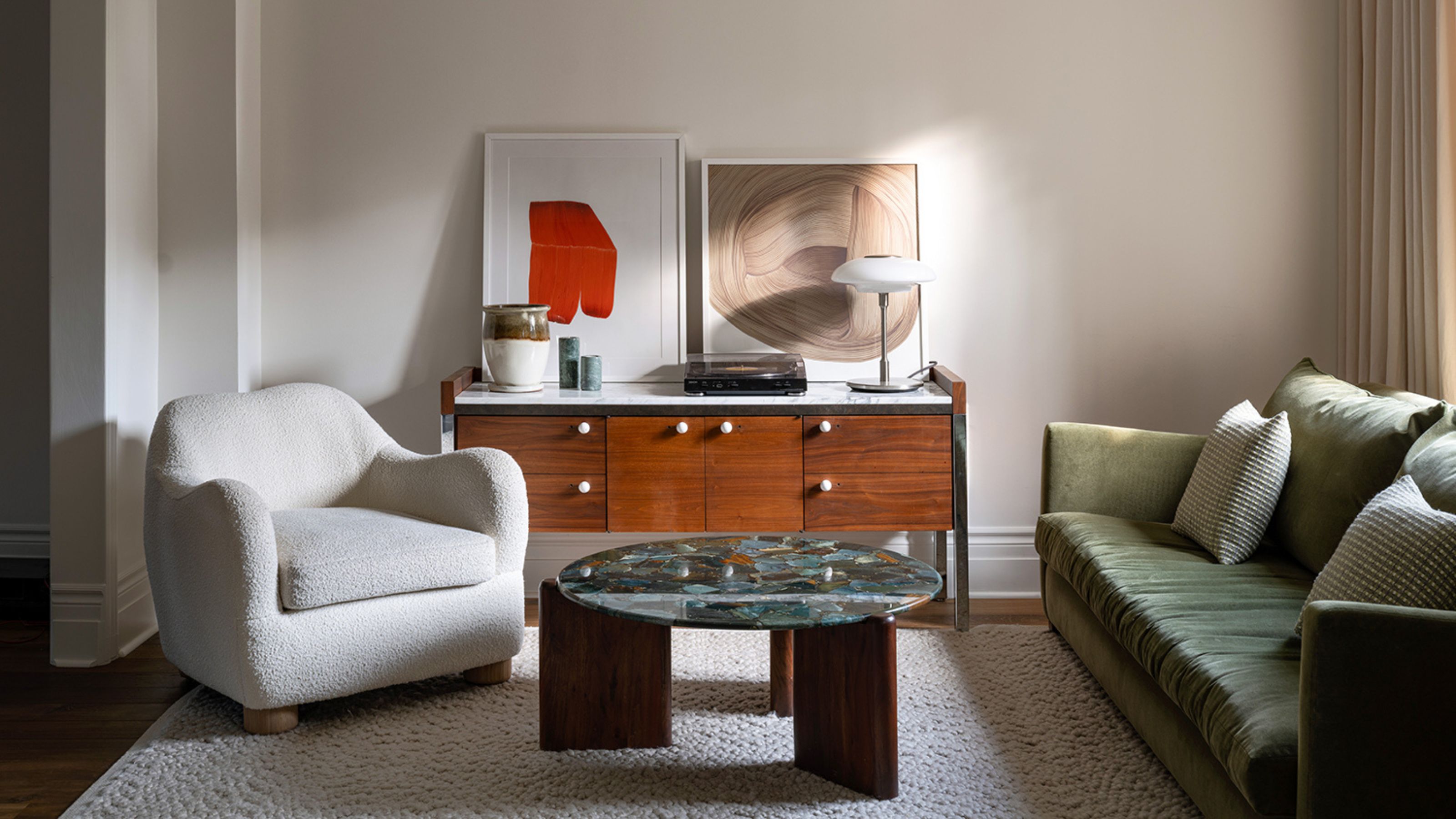
5 Common Coffee Table Mistakes You’re Probably Making, According to the Professionals
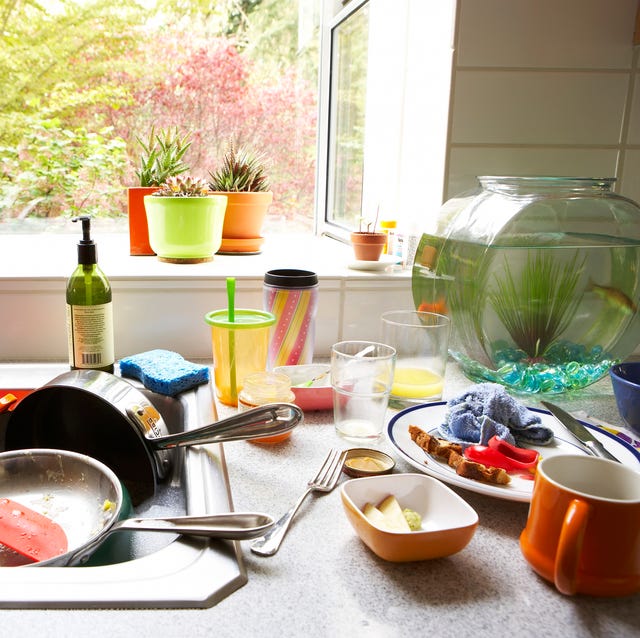
6 Things You Should Never Keep on Your Kitchen Counter

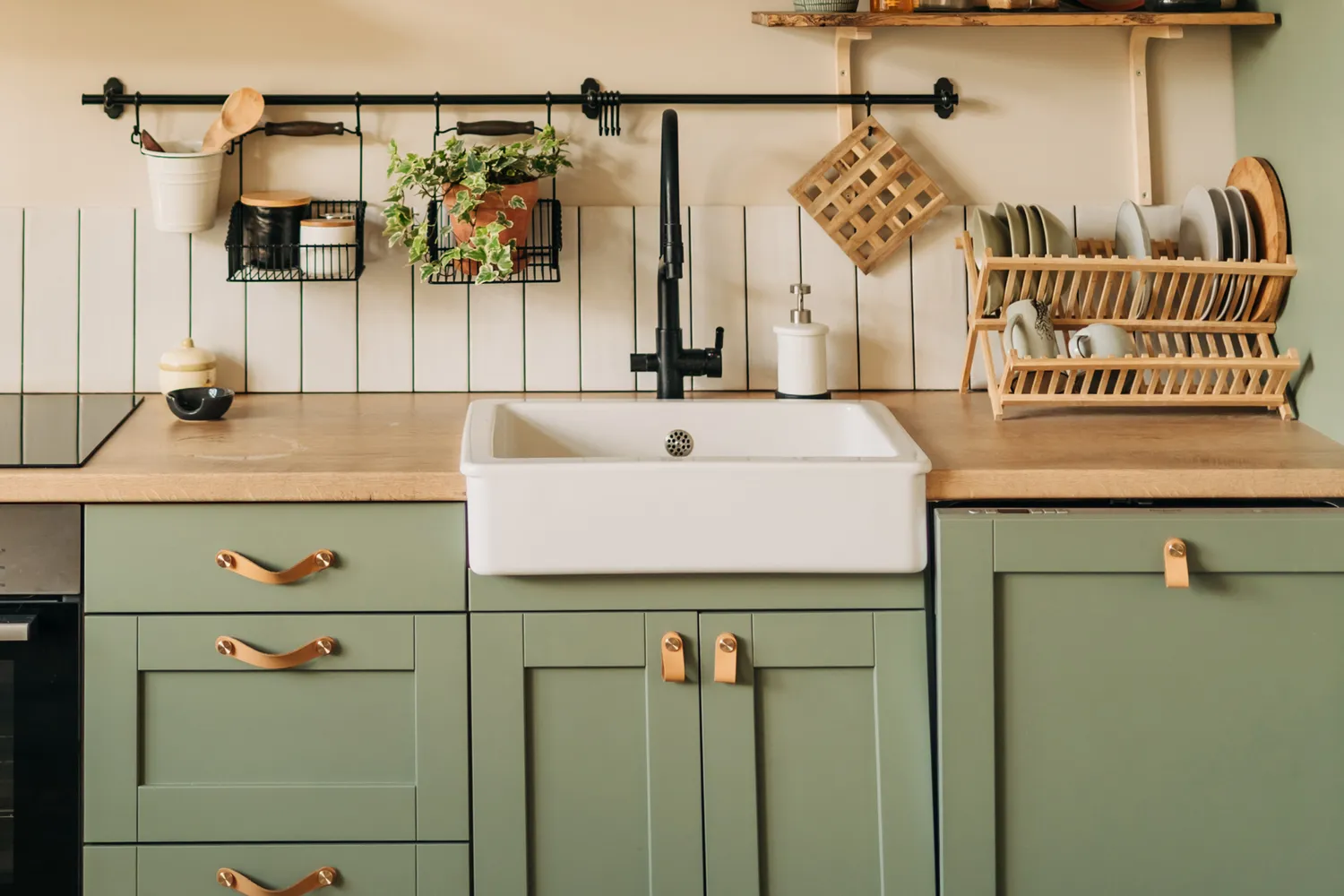
The #1 Cabinet Hardware Mistake Designers See in Kitchens—and How to Get It Right