The #1 Cabinet Hardware Mistake Designers See in Kitchens—and How to Get It Right
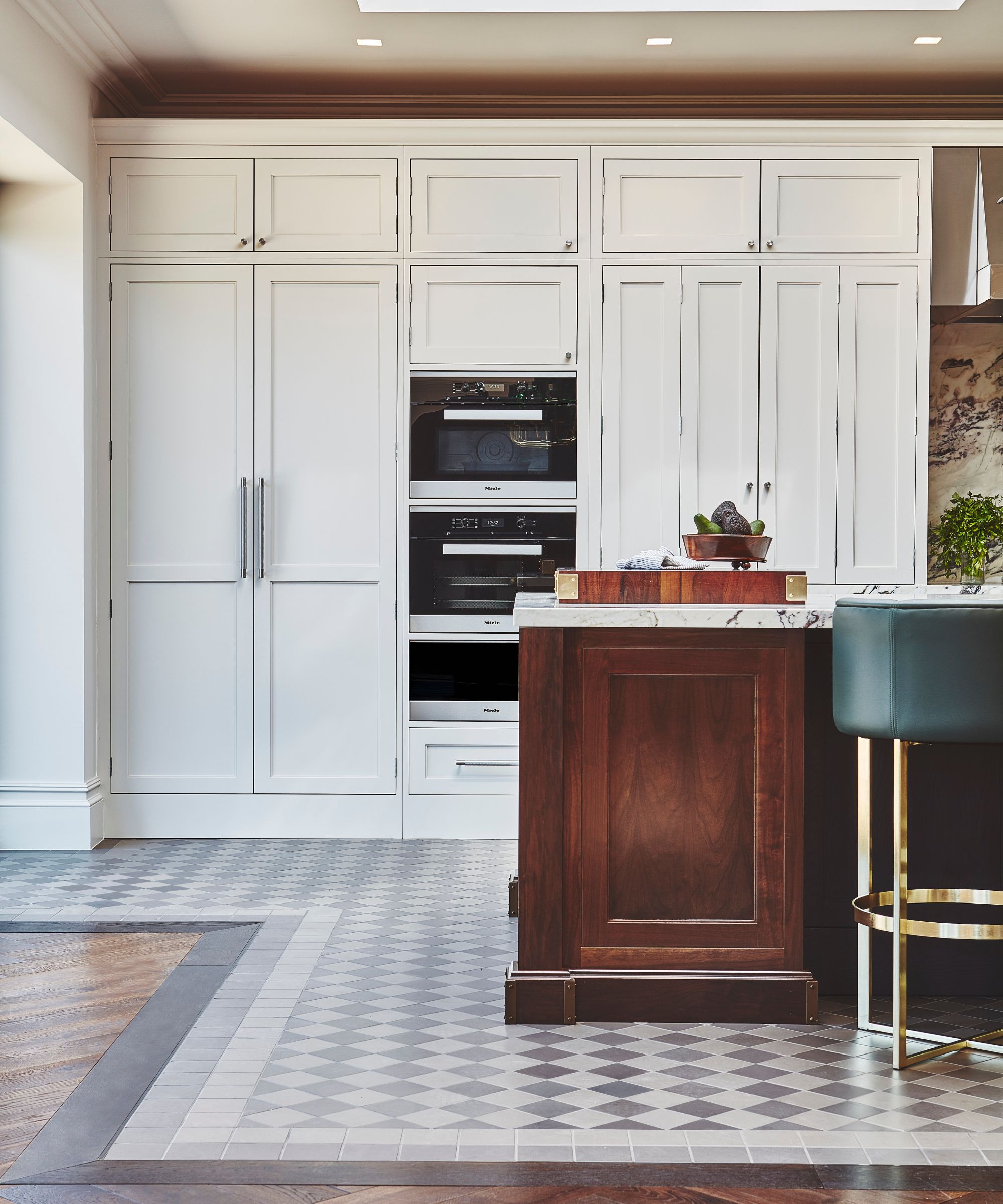
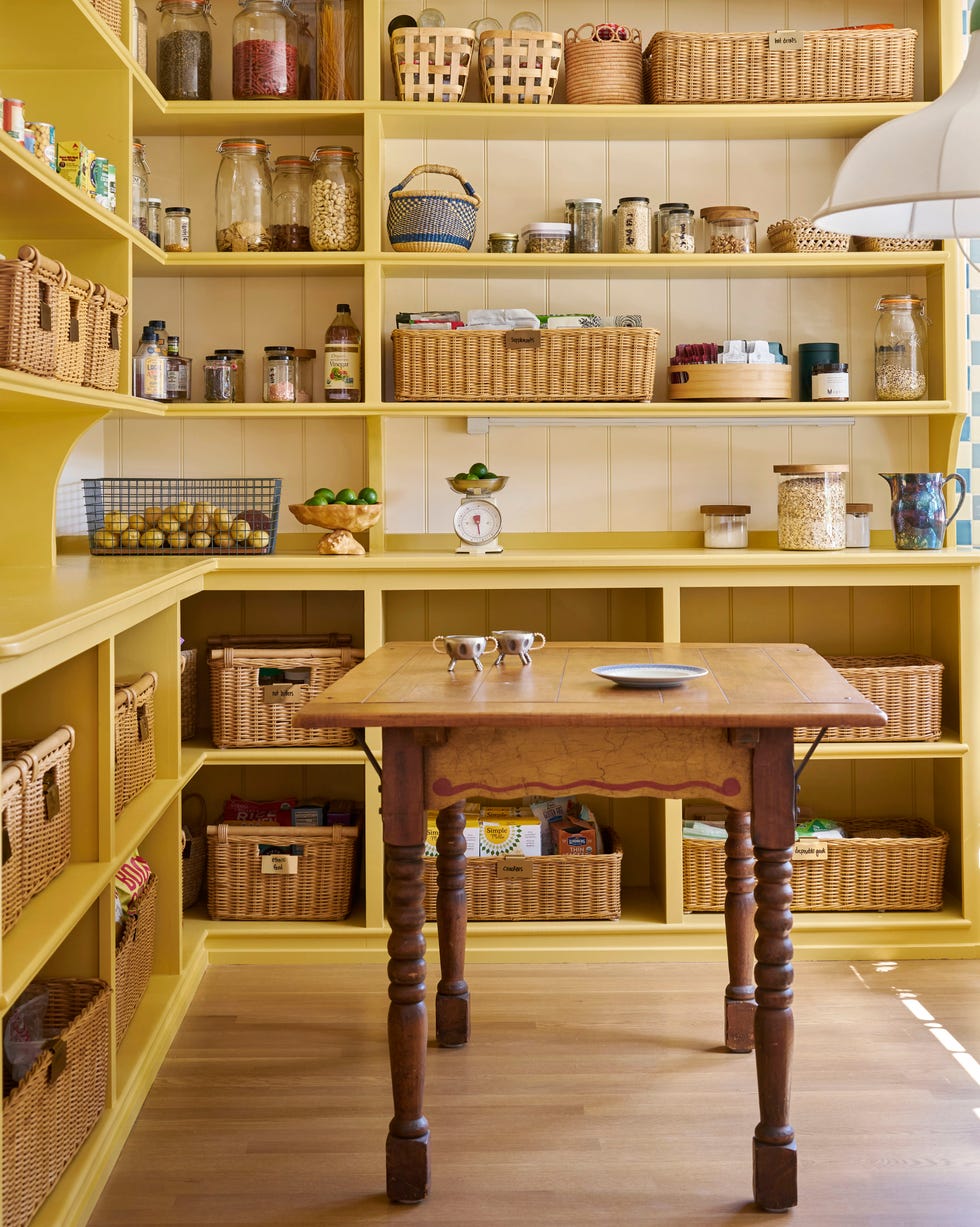
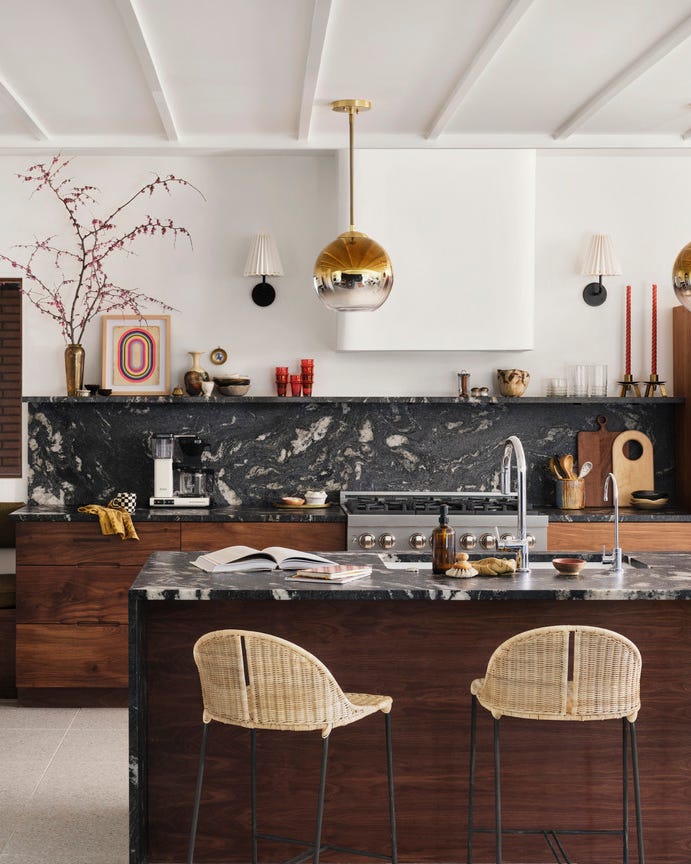
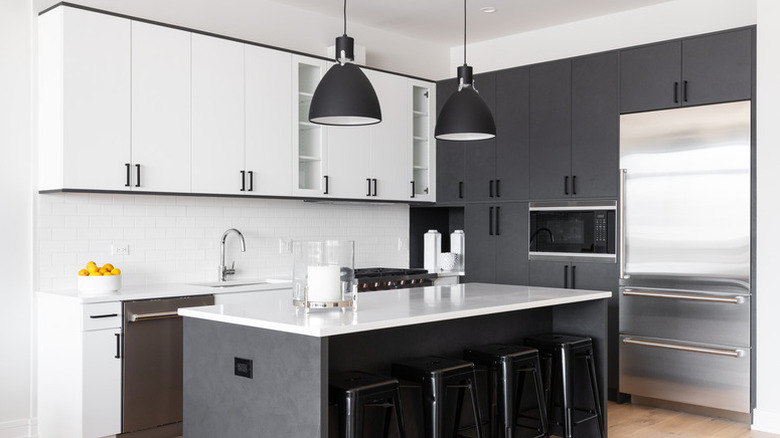
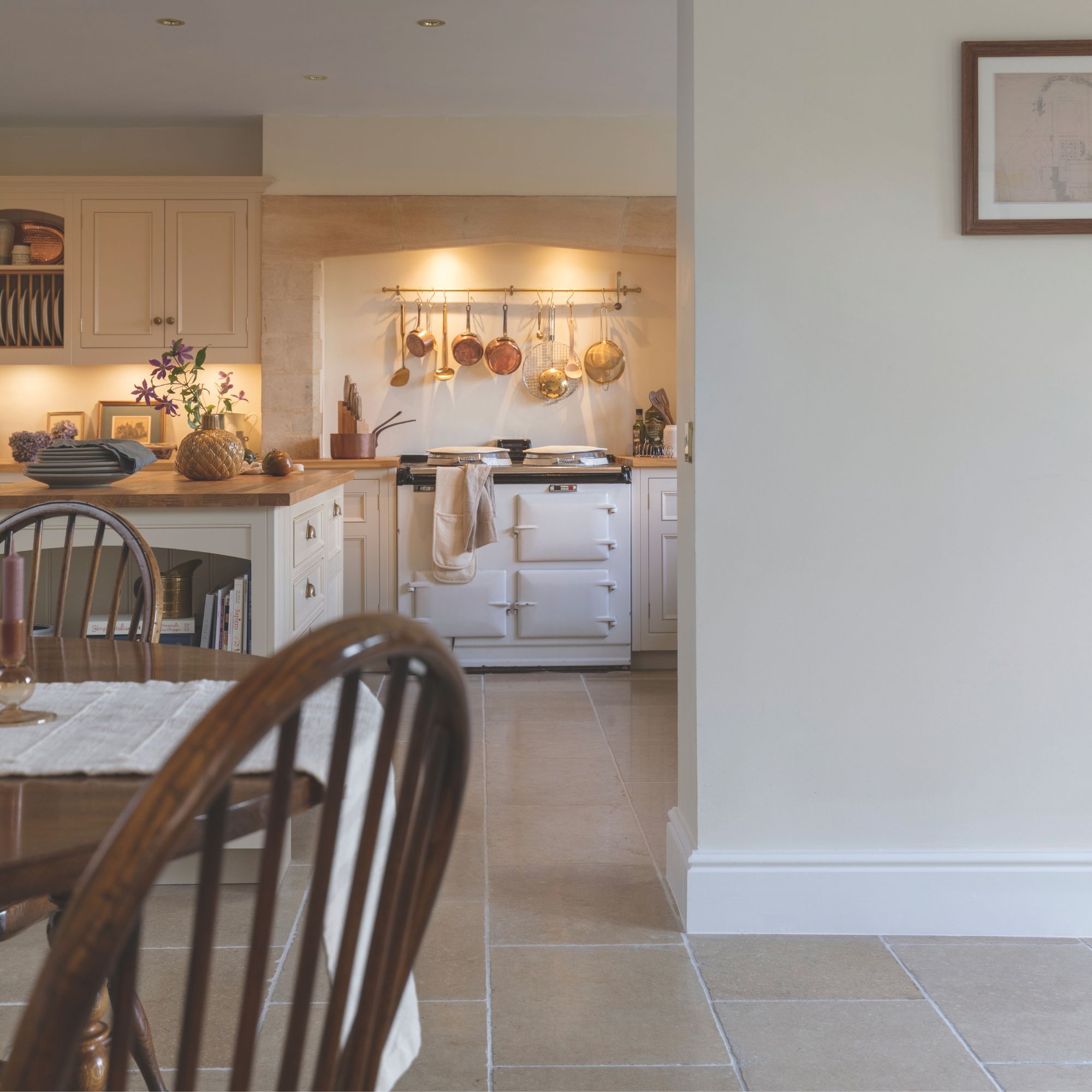
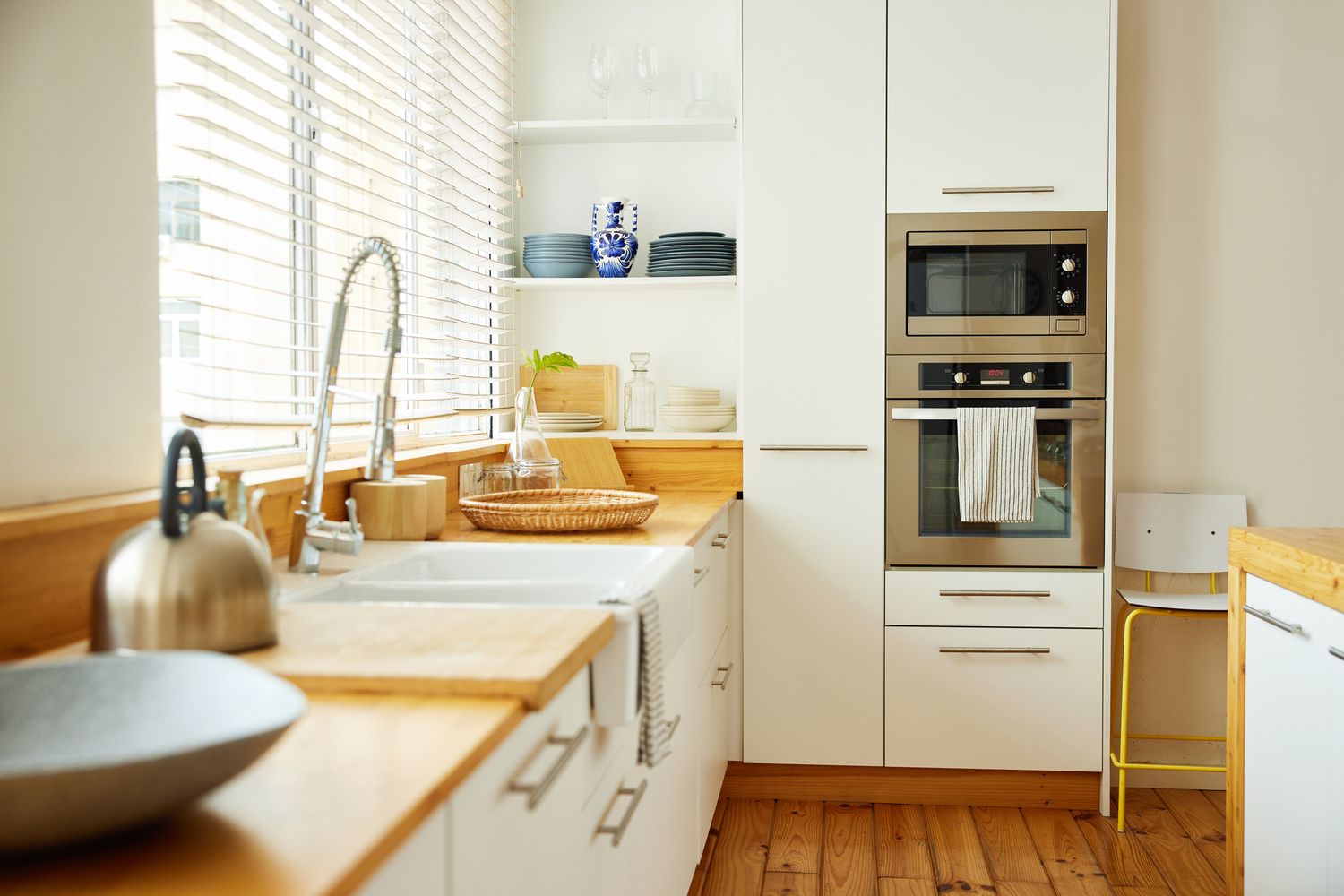
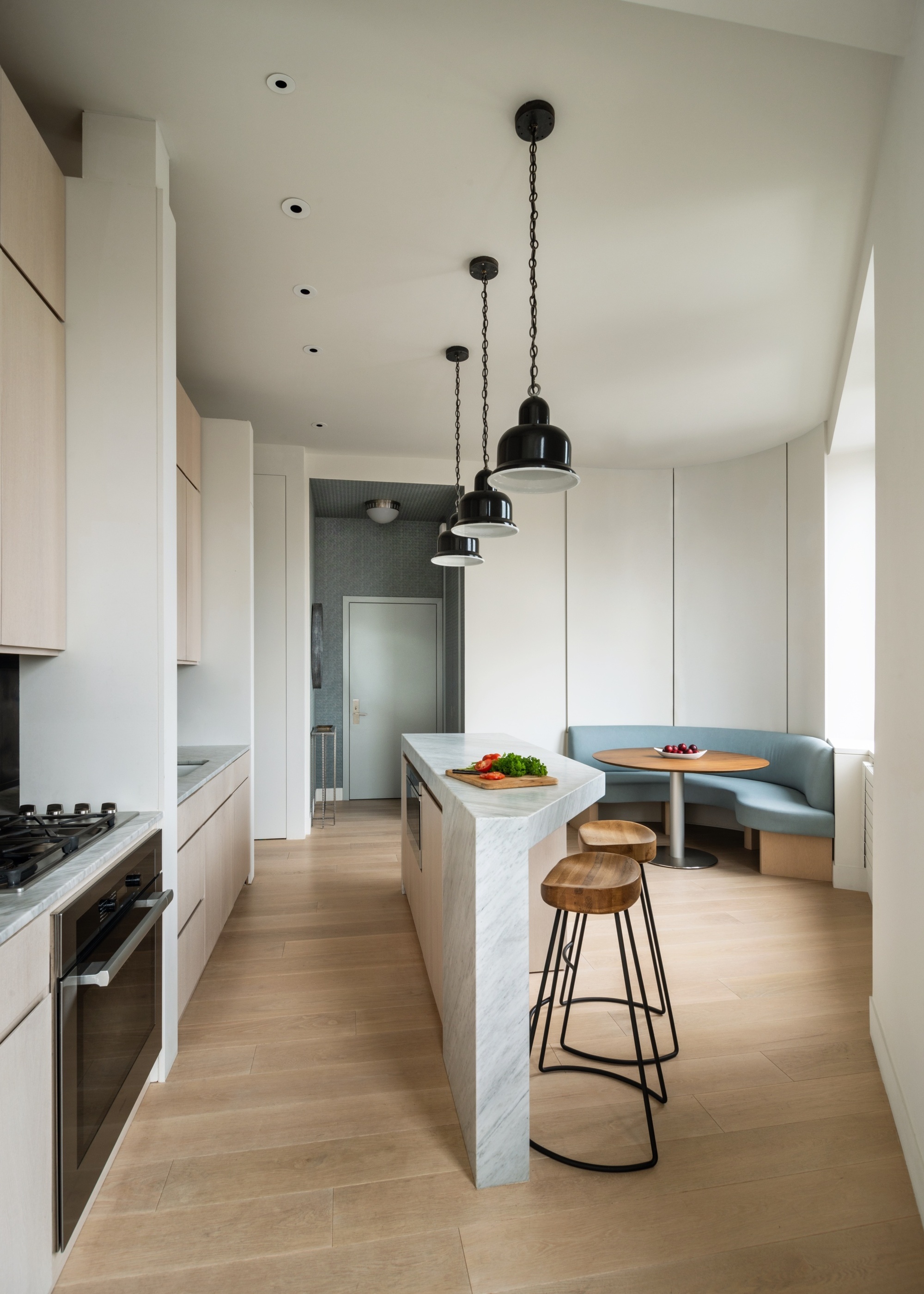
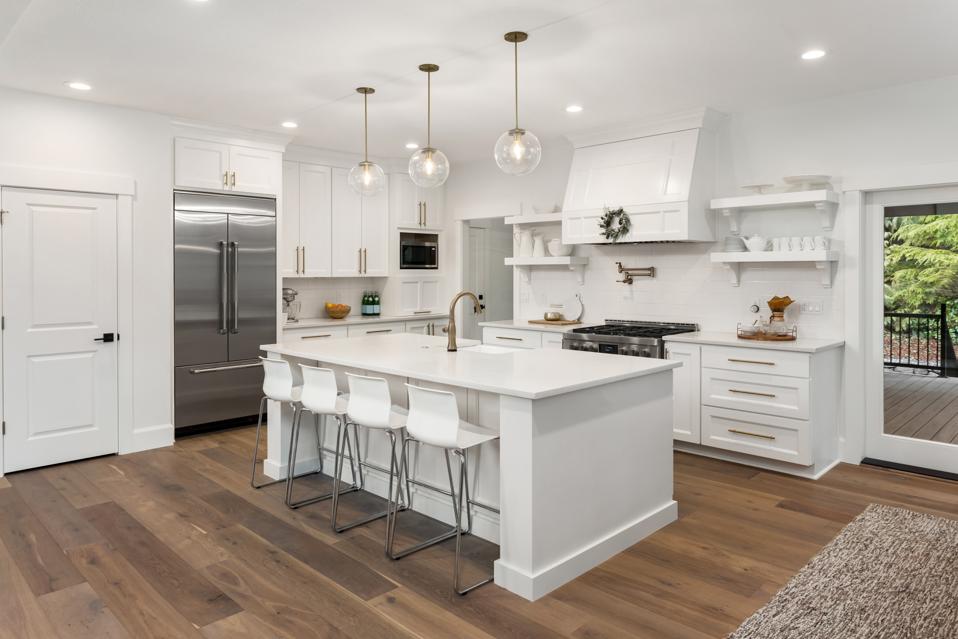
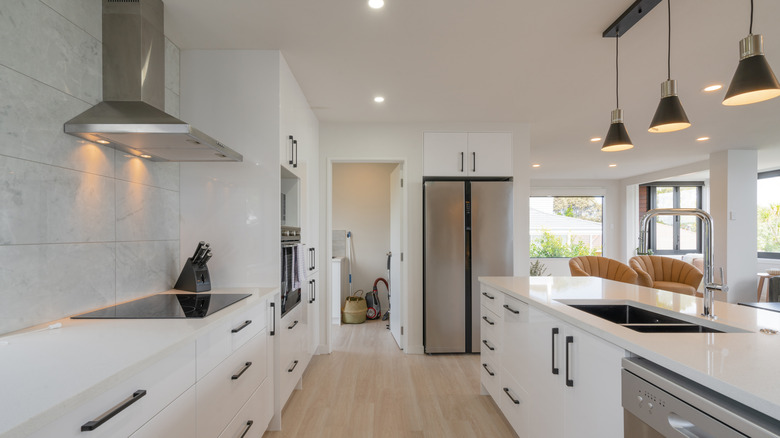
Cabinet hardware, though seemingly minor, significantly impacts a kitchen's overall aesthetic and functionality. Designers identify a critical error many homeowners make: treating hardware as an afterthought or selecting trendy options without considering their compatibility with the existing design. This oversight often leads to choices that are disproportionate, uncomfortable to use, or visually clashing with the kitchen's style. Instead, hardware should be approached as a crucial element that enhances the overall design, much like jewelry complements an outfit.
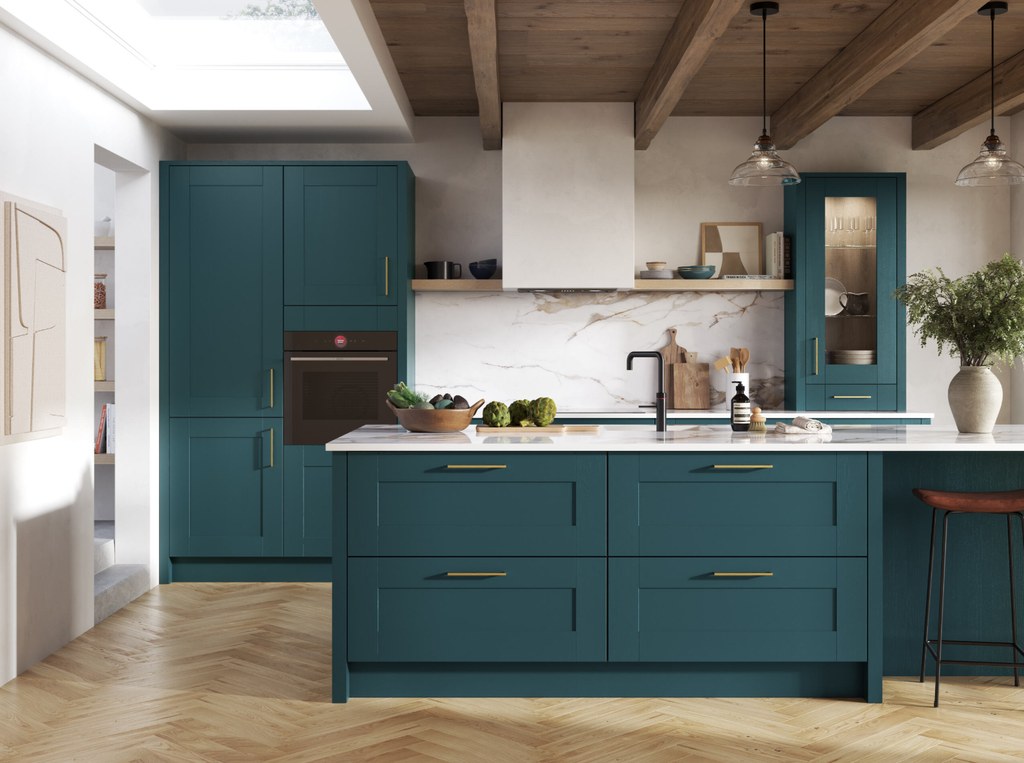
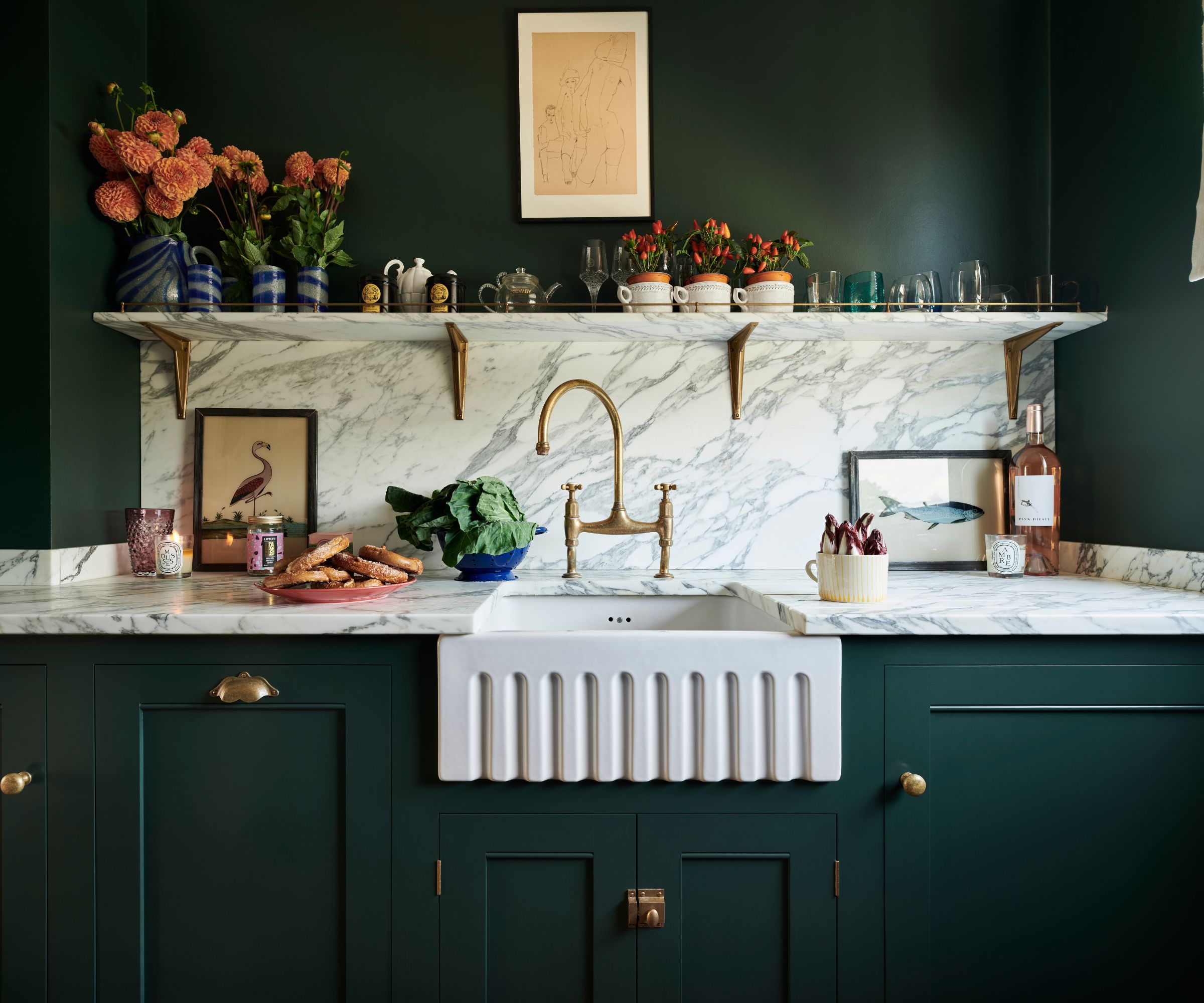
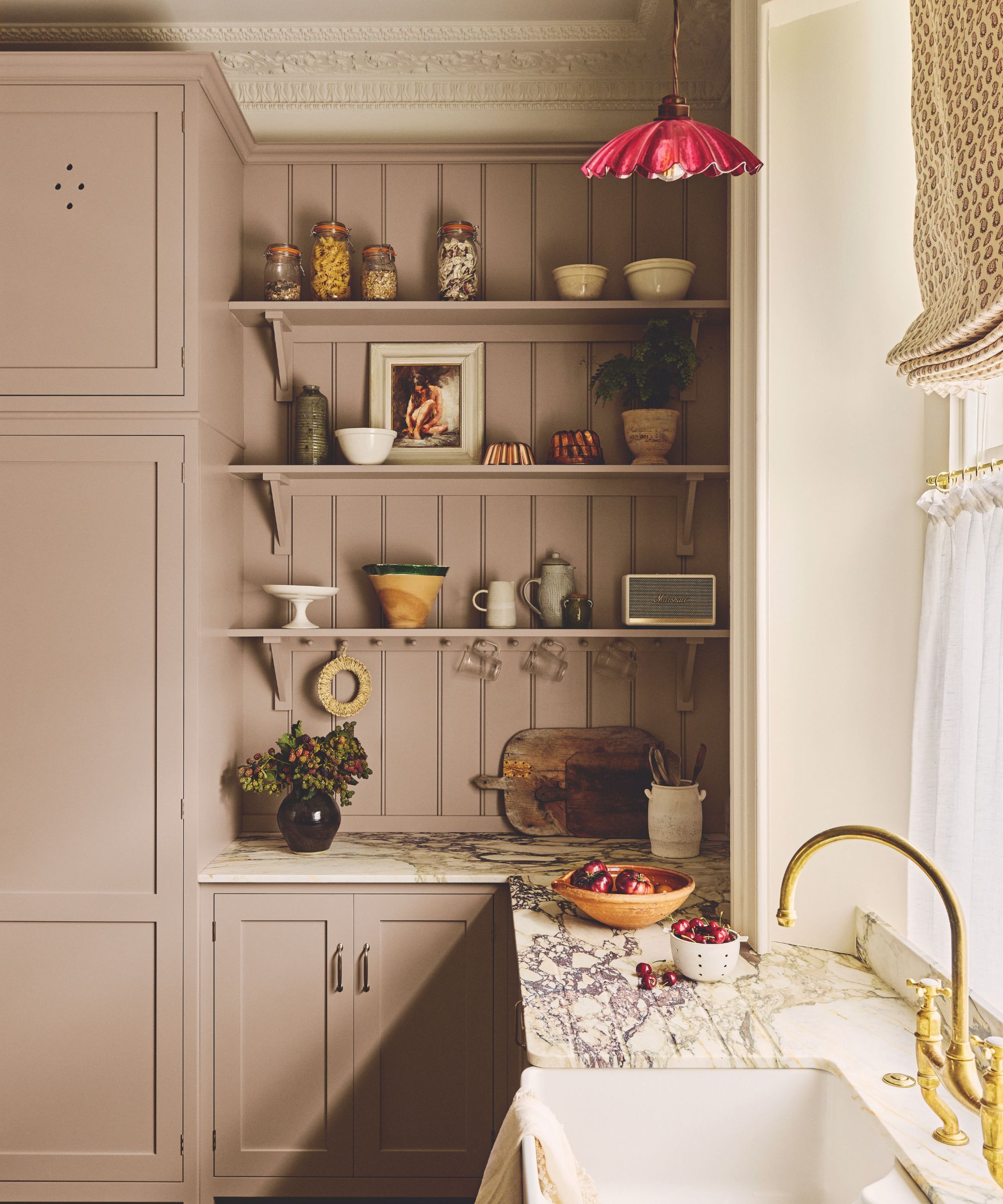
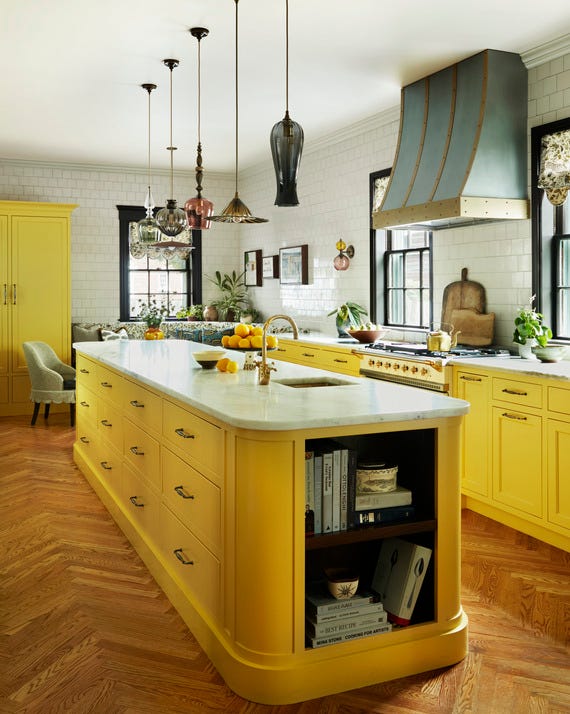
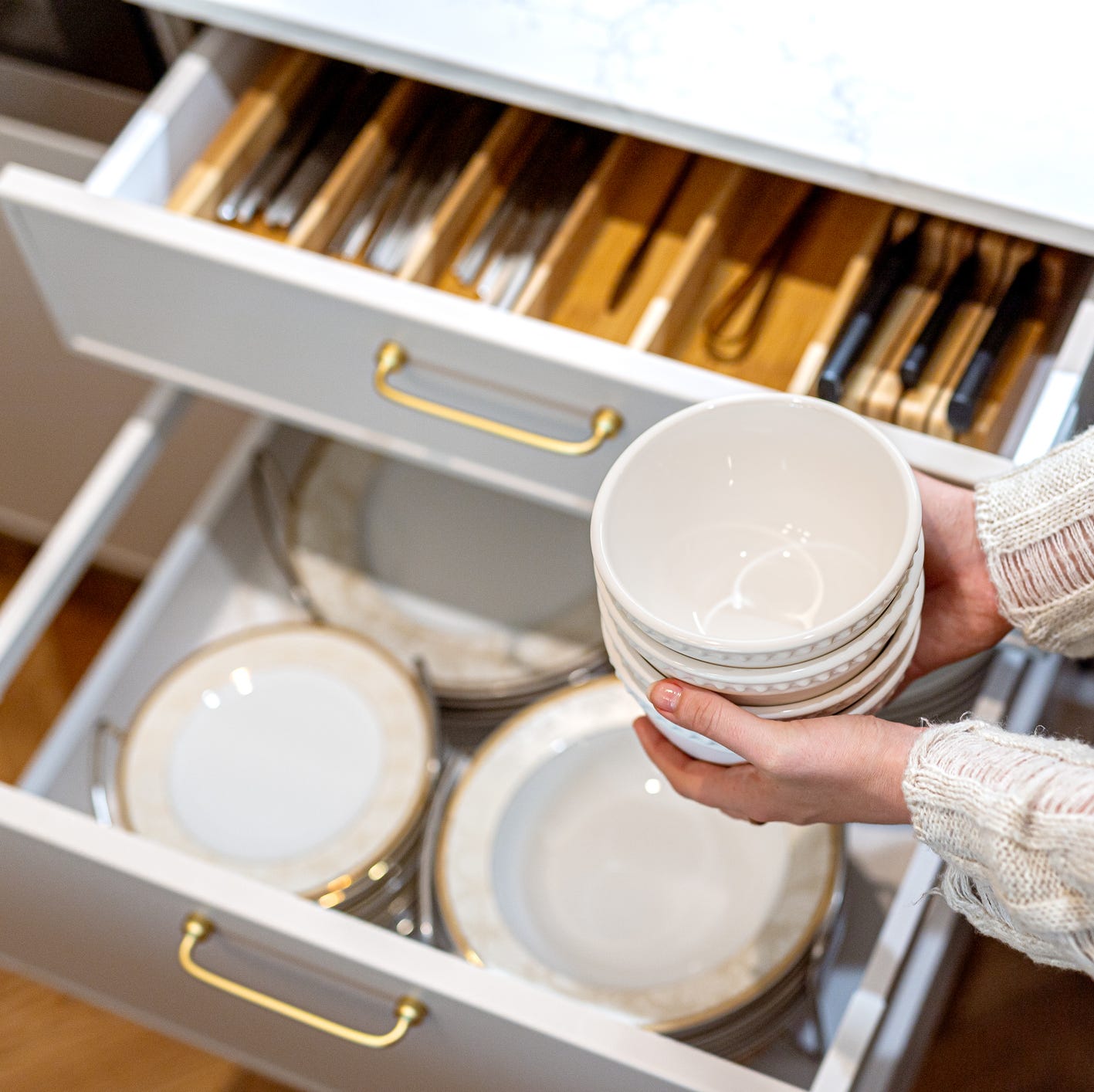
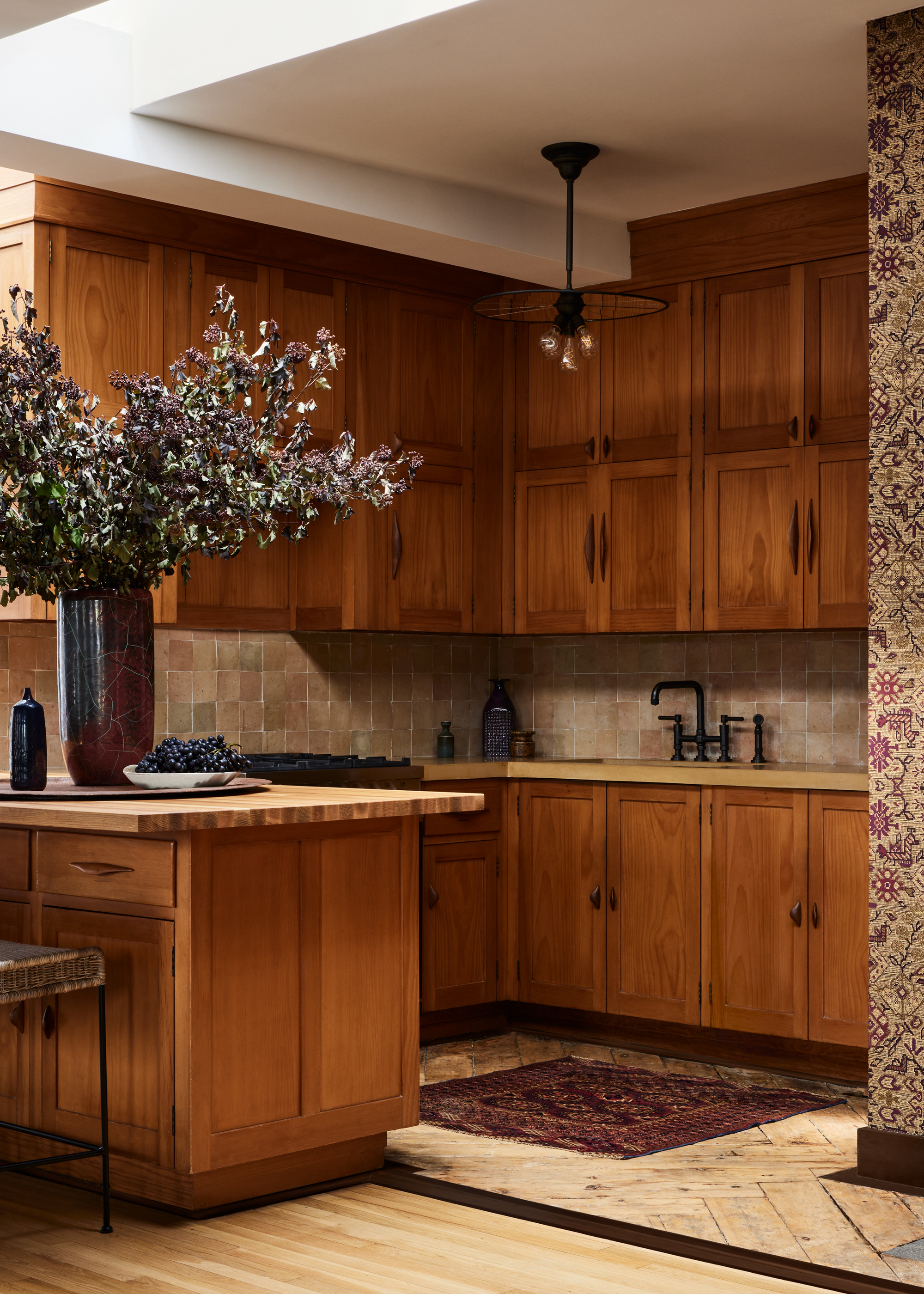
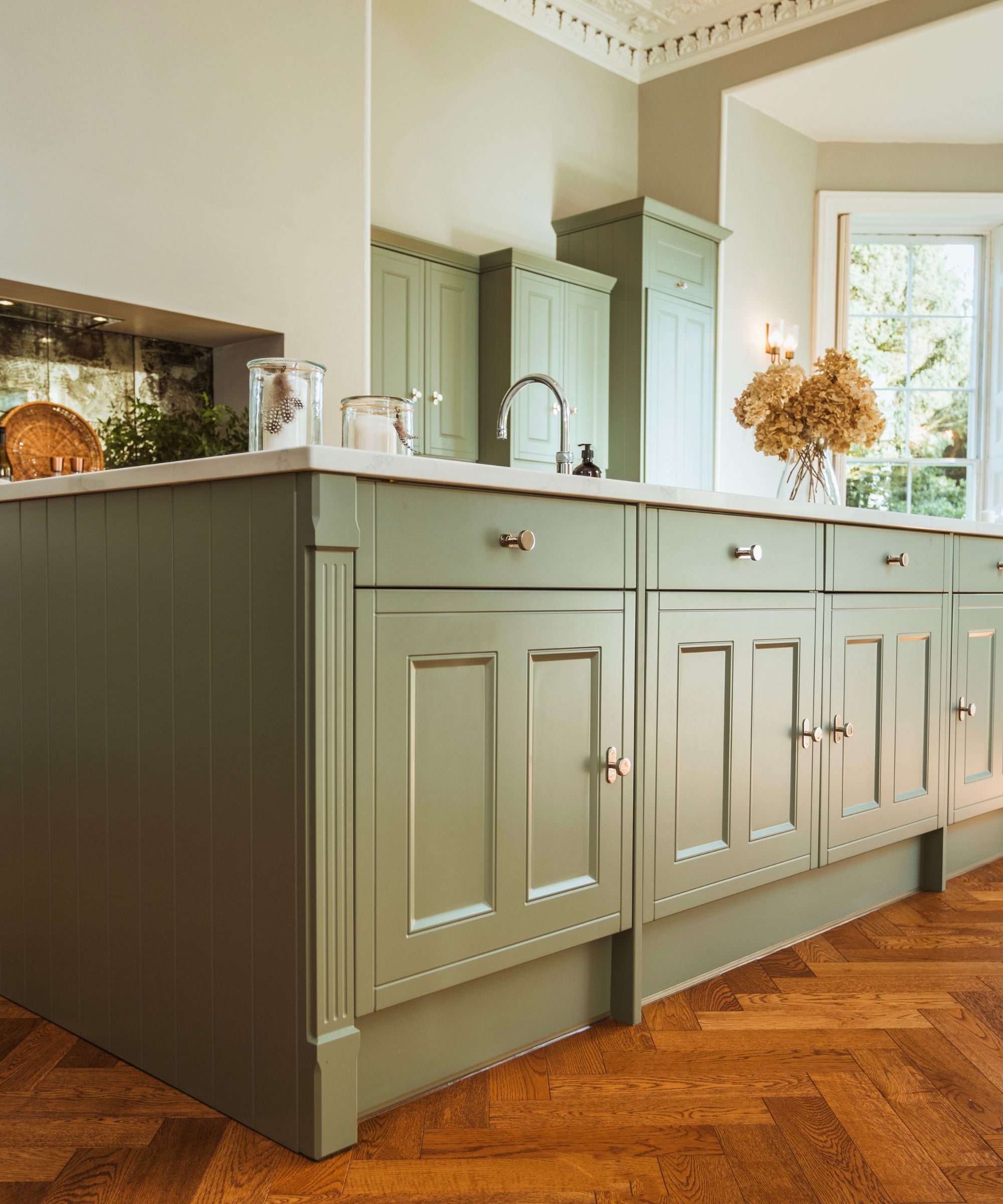
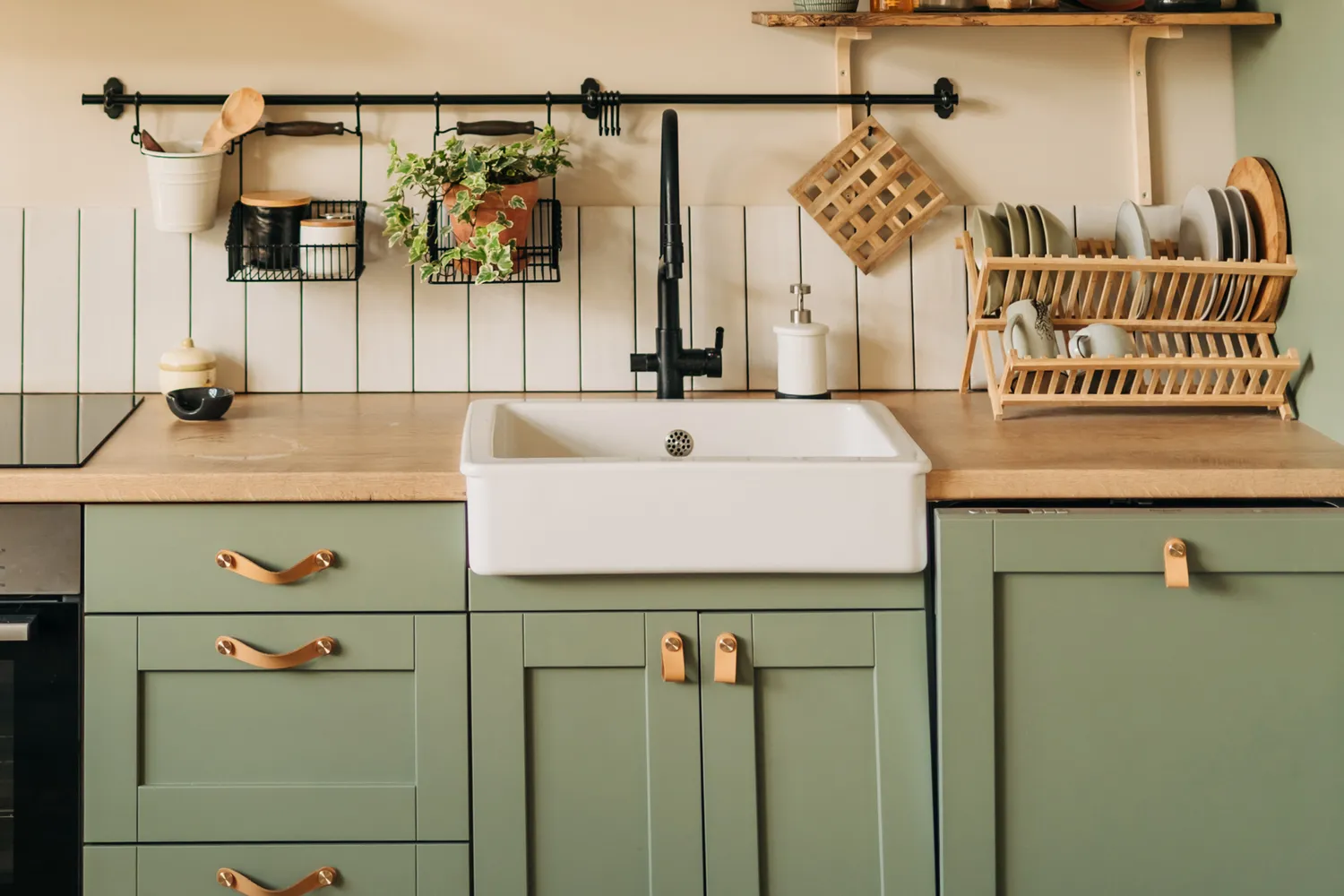
When selecting cabinet hardware, several key factors require careful consideration. Scale is paramount; larger cabinet doors and drawers necessitate more substantial pulls or knobs to maintain visual balance and prevent the hardware from appearing undersized. Designers frequently recommend mocking up and testing different proportions directly on the cabinets to ensure the chosen hardware complements the dimensions of the cabinetry. An incorrect scale can undermine even custom-designed kitchens.
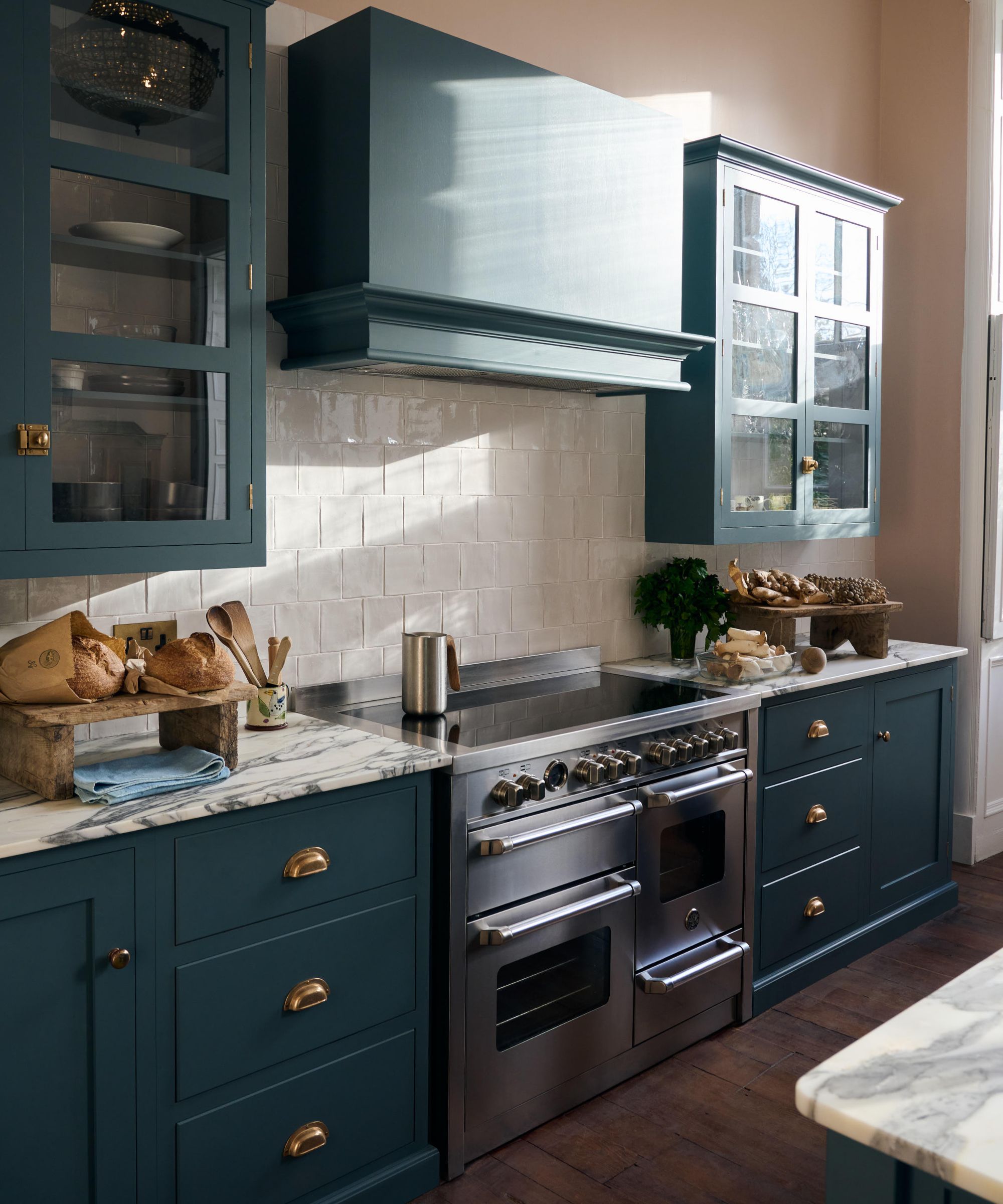
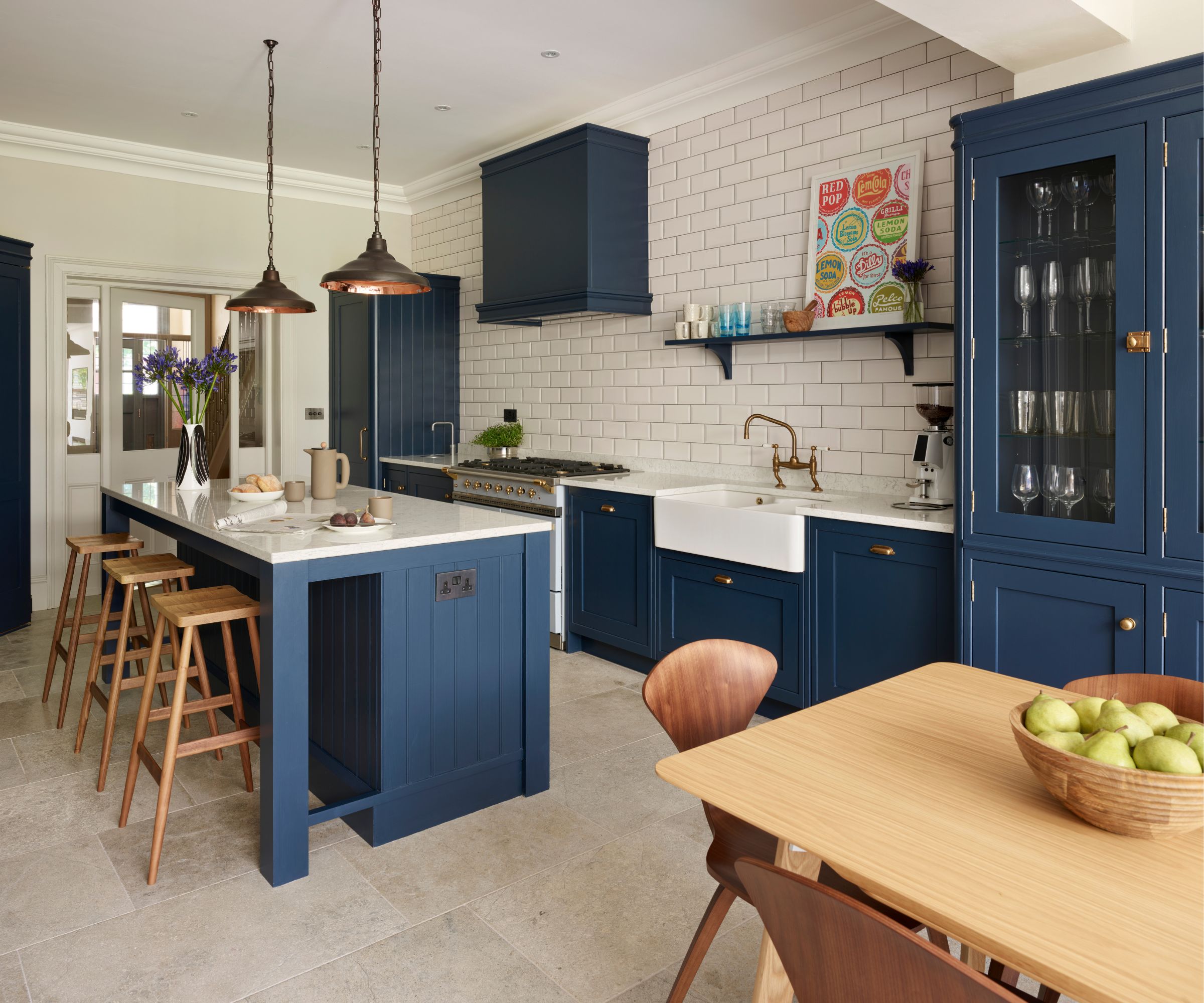
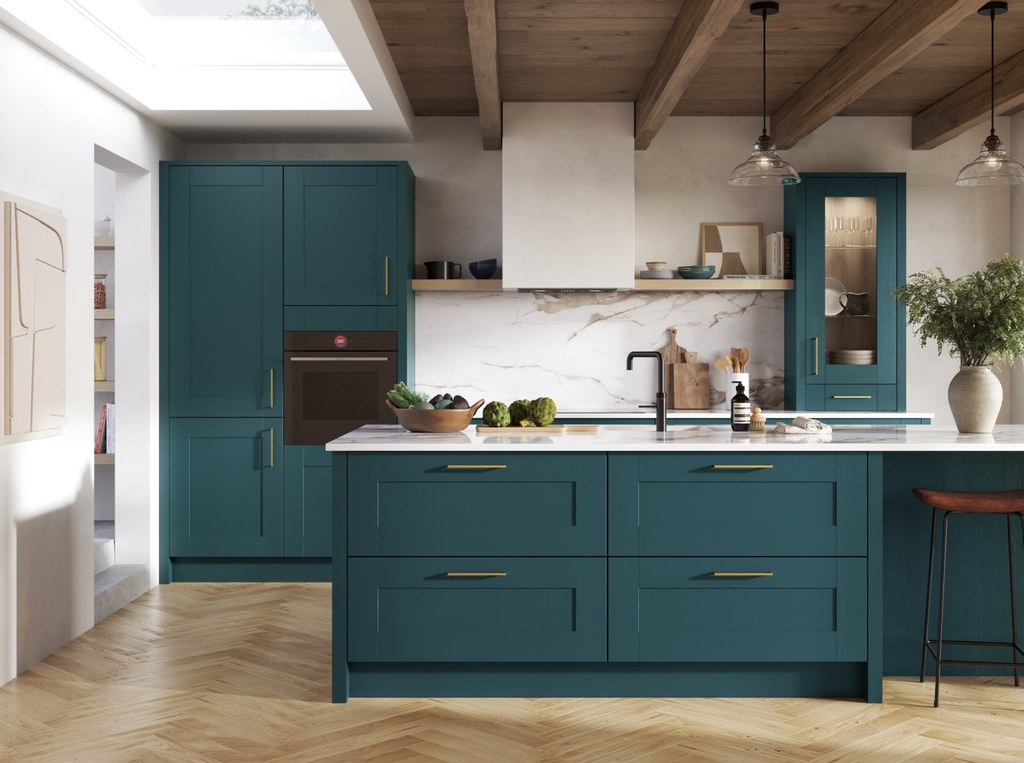
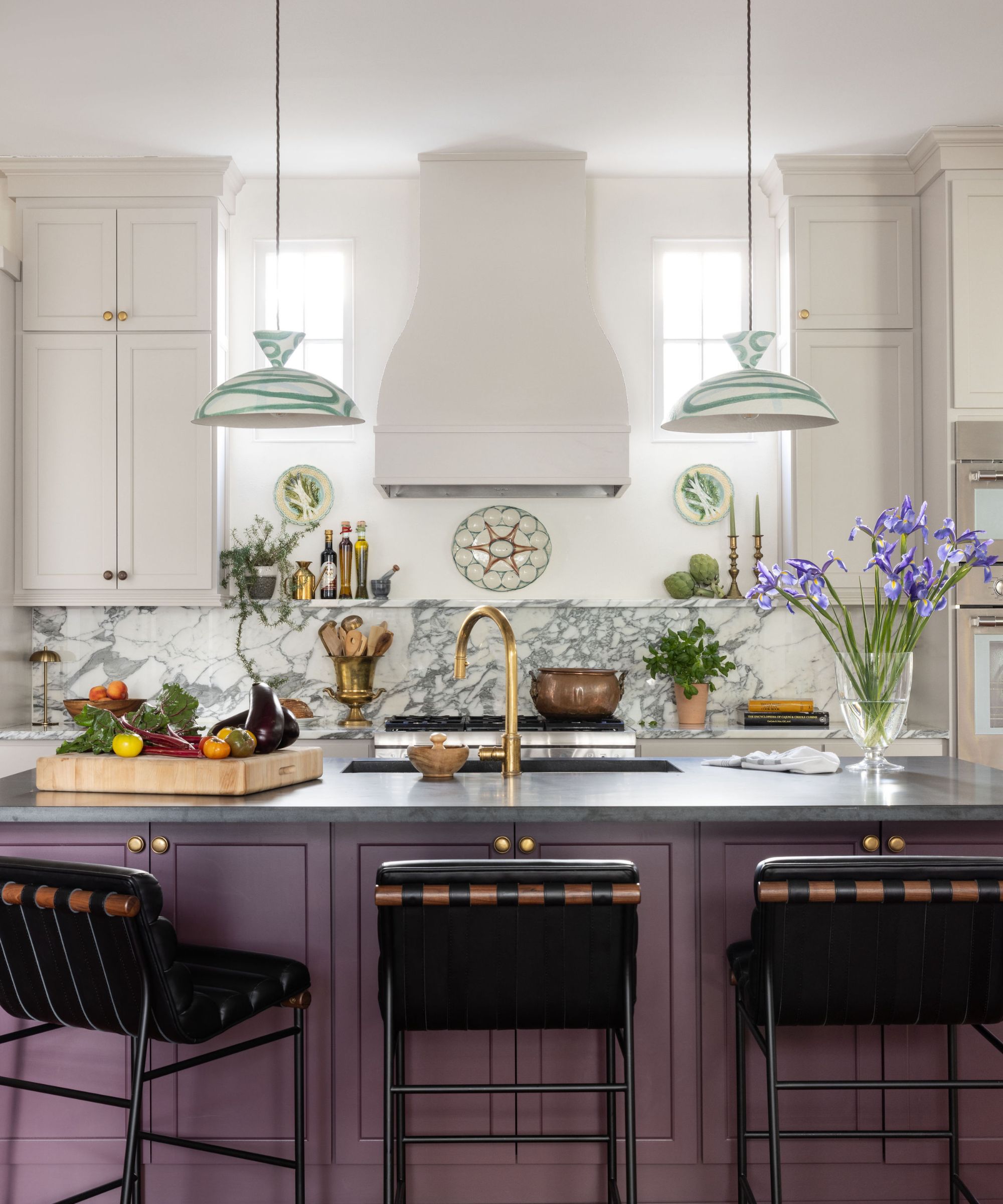
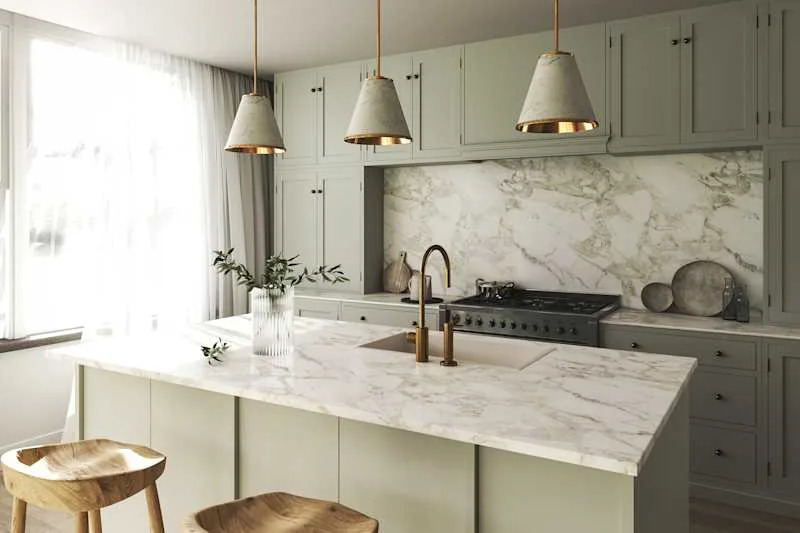
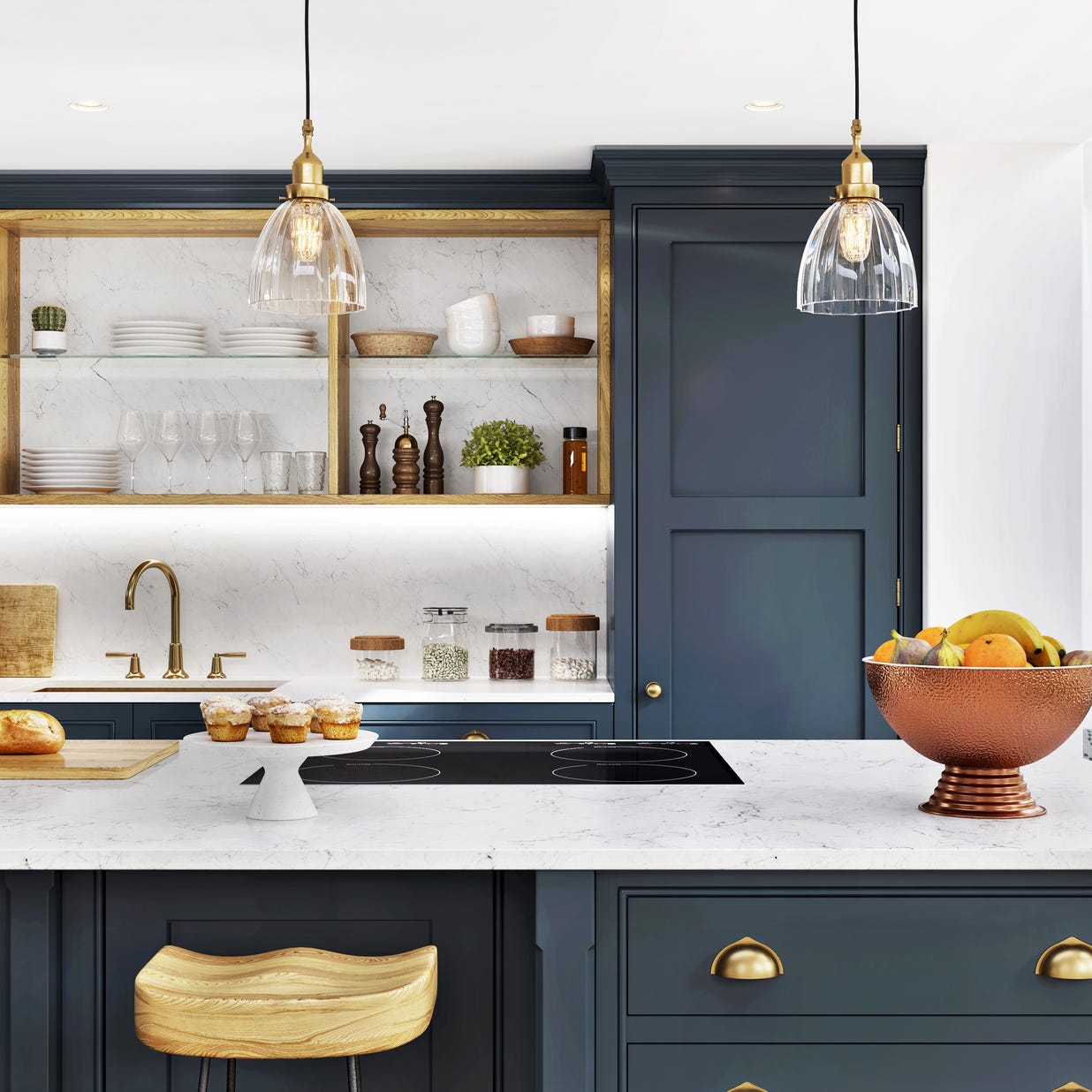
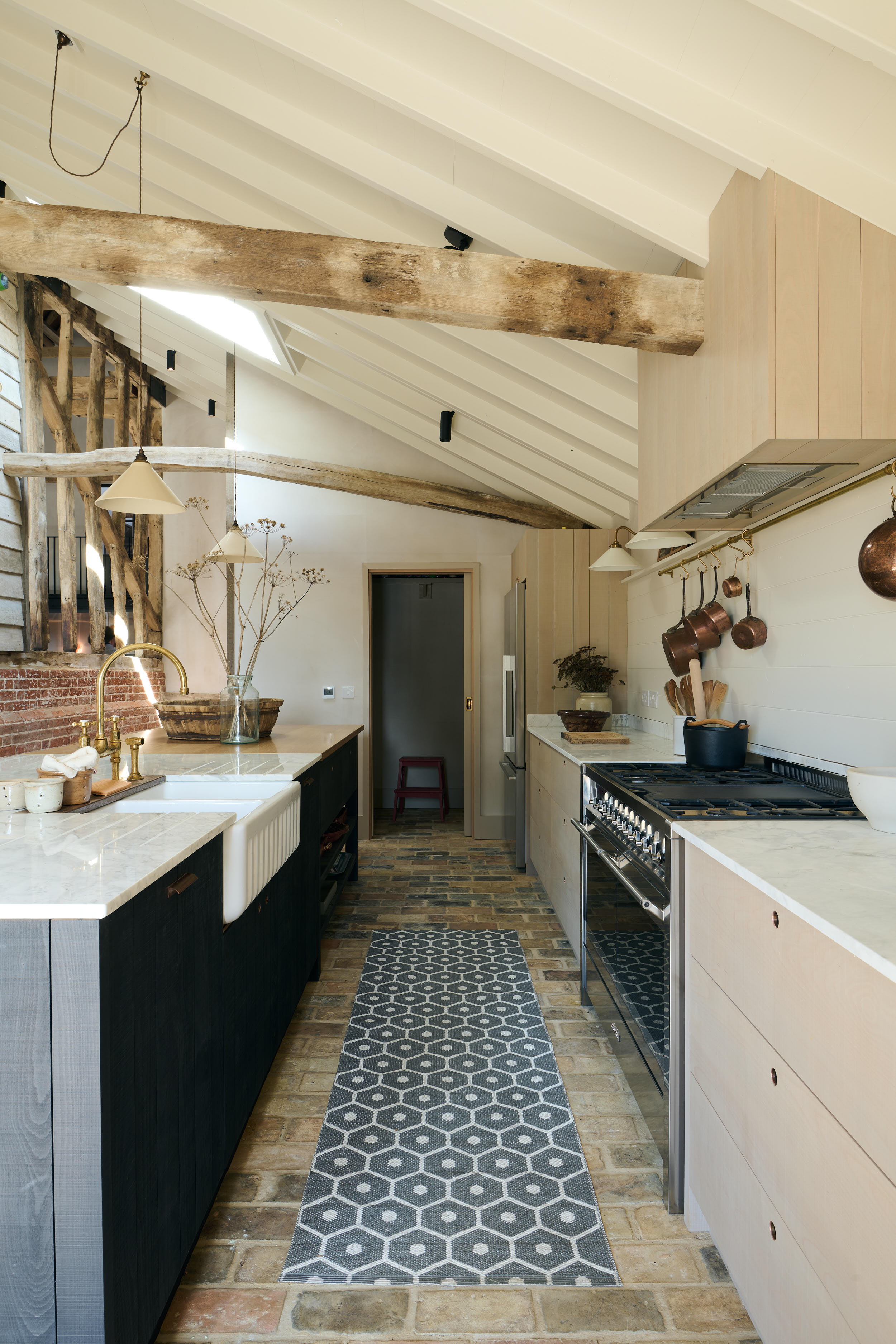
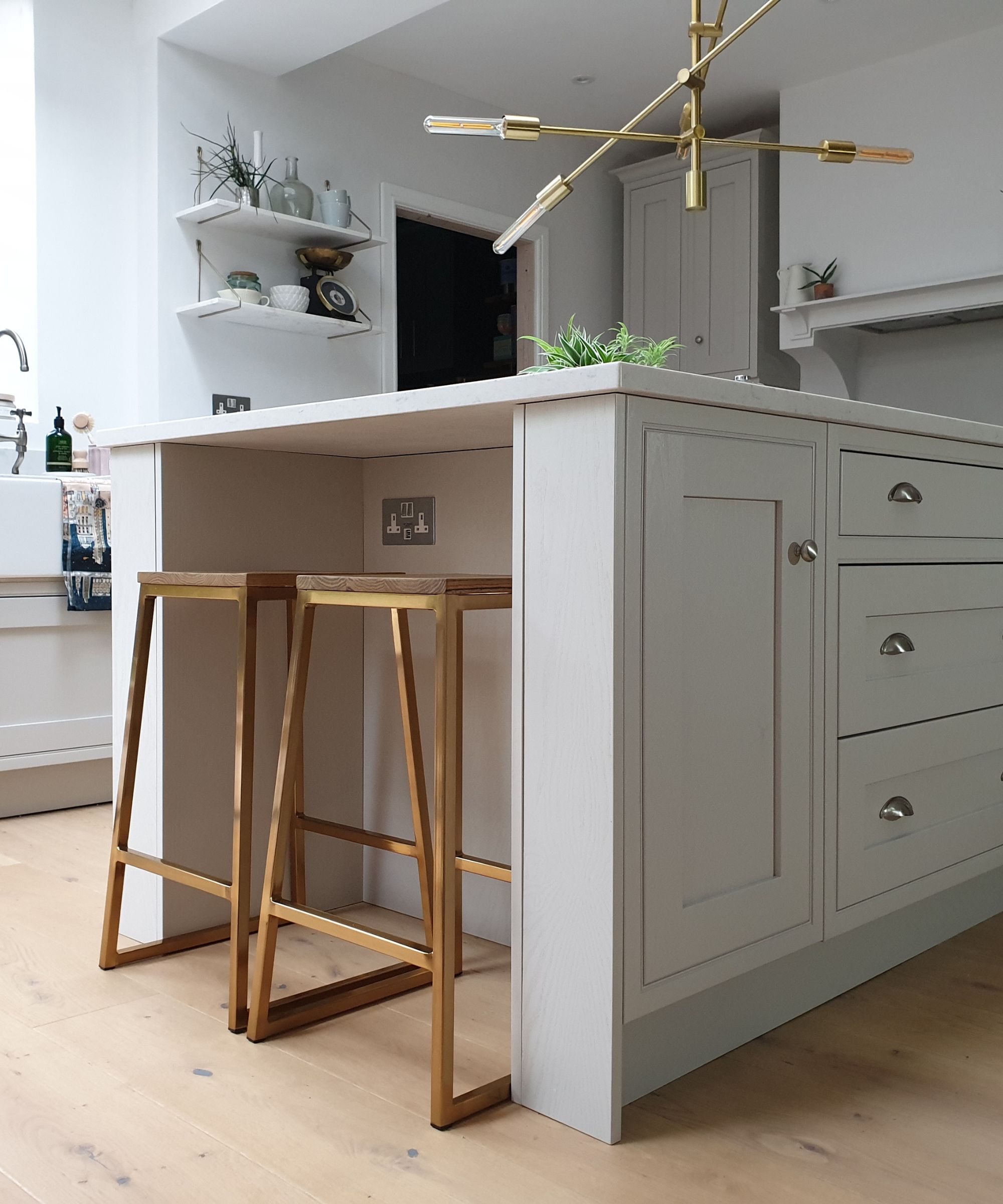
Finish selection is another important aspect. The chosen finish should harmonize with other fixtures and architectural details in the kitchen, such as faucets and lighting, rather than creating visual competition. While some homeowners opt for the most basic options hoping they will blend in, this can inadvertently lead to a flat or uninspired appearance. Instead, a thoughtfully chosen finish can elevate the space and contribute to a more cohesive design.
Quality is also a significant consideration. Investing in well-made hardware crafted from durable and timeless materials, such as solid brass or bronze, is recommended. High-quality hardware not only ensures longevity but also provides a better tactile experience, which is important given the frequent interaction with cabinet pulls and knobs. Designers suggest that the initial splurge on quality hardware is justified by its long-term impact on both the kitchen's look and daily usability.
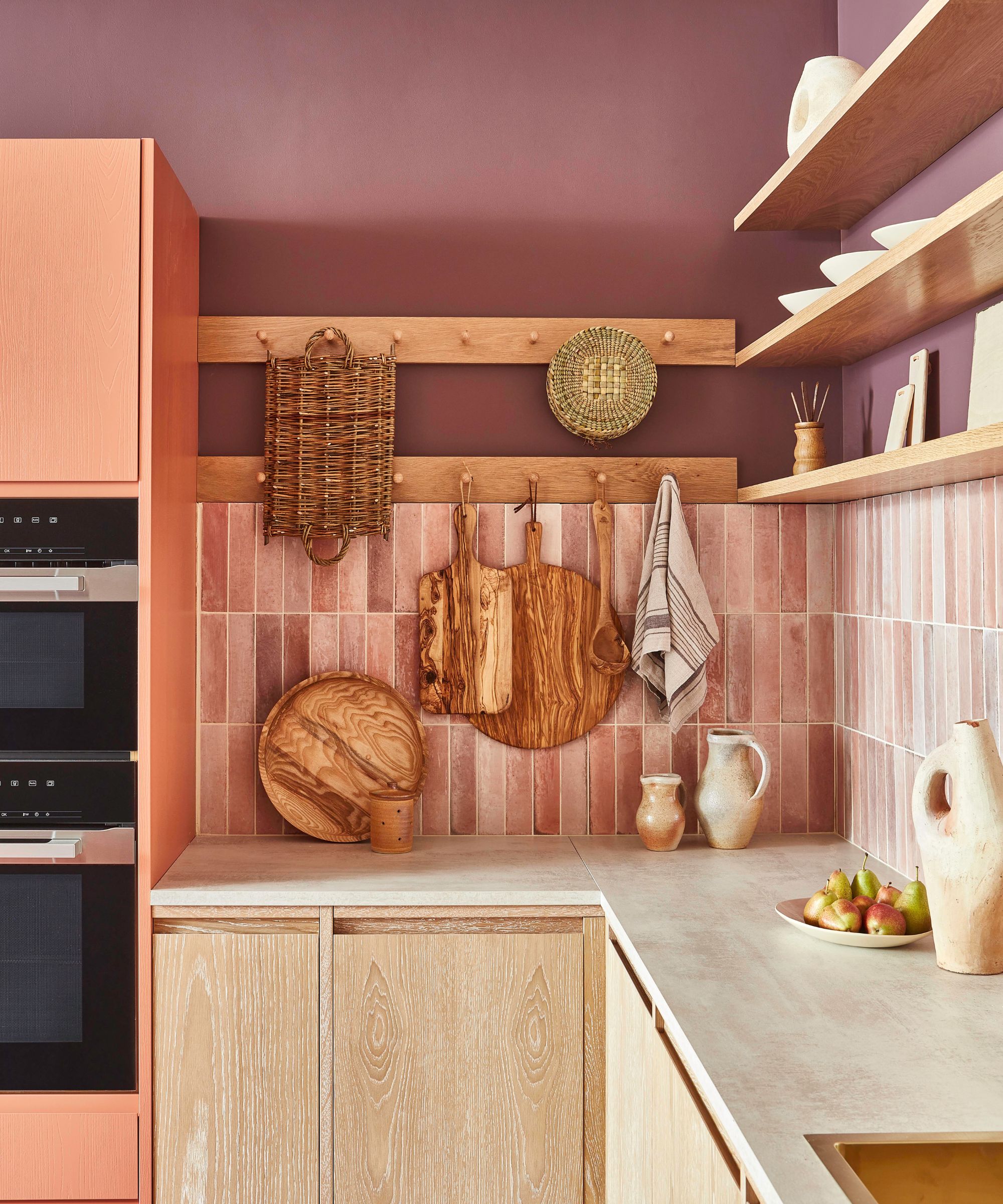
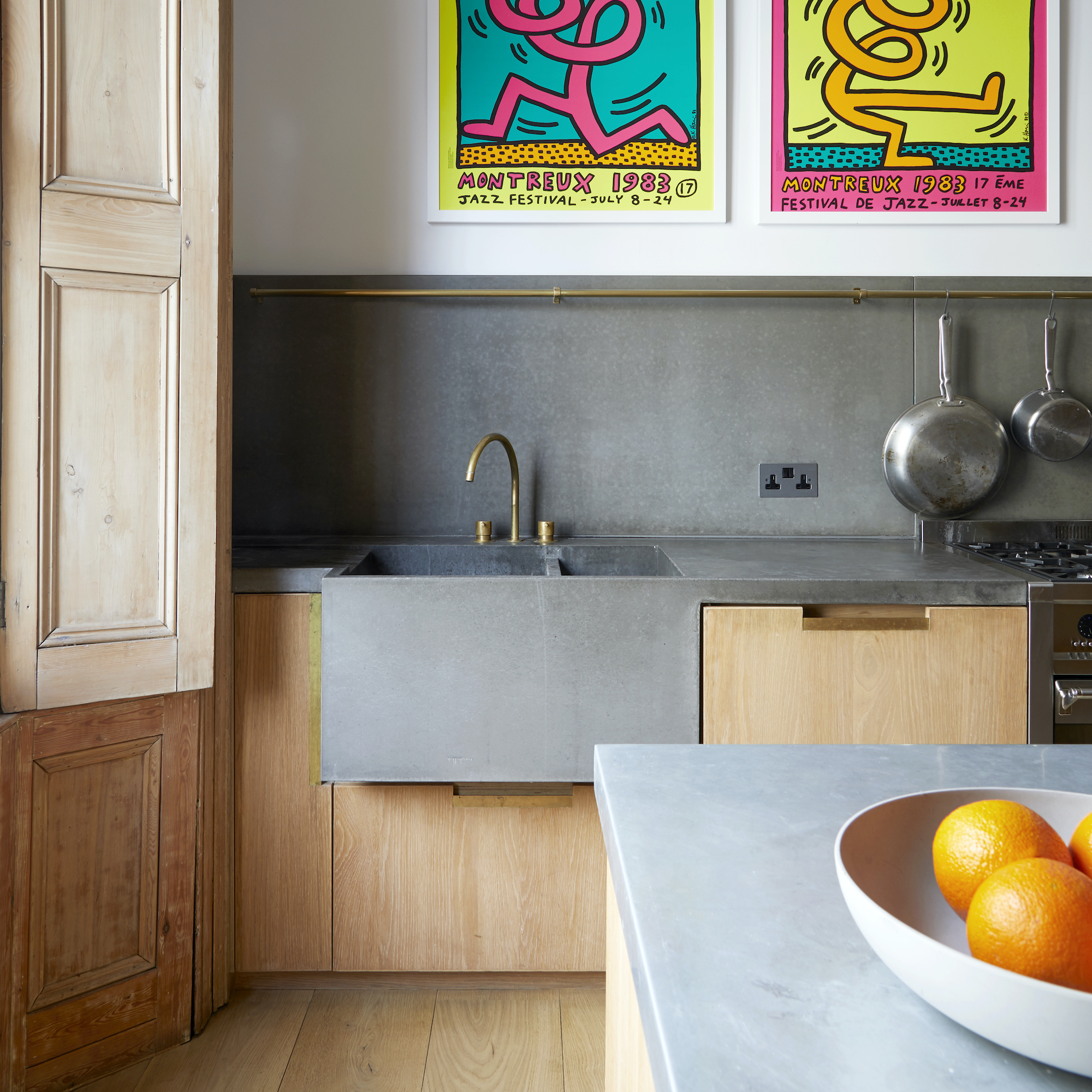
Finally, homeowners should not feel constrained to use identical hardware throughout the entire kitchen. Mixing different styles or finishes, or combining knobs and pulls, can create a more layered and custom aesthetic. The goal is to select combinations that complement each other in their tone or shape, resulting in a curated and personalized feel rather than a rigid, uniform appearance. Prioritizing these elements—scale, finish, quality, and thoughtful mixing—helps avoid common hardware mistakes and contributes to a well-designed kitchen.
#KitchenDesign #CabinetHardware #HomeImprovement #InteriorDesign #KitchenRenovation #HardwareSelection #DesignTips #HomeDecor #KitchenDesign #CabinetHardware #HomeImprovement #InteriorDesign #KitchenRenovation #HardwareSelection #DesignTips #HomeDecor
0 comment in total
 No comments yet
You may also like
5 kitchen hardware mistakes interior designers say homeowners always make, and how to fix them

5 kitchen countertop mistakes designers warn to avoid
11 WORST Kitchen Design Mistakes You're Probably Making


6 Home Décor Mistakes Interior Designers Notice Right Away—and How to Fix Them
The 5 kitchen storage mistakes interior designers always avoid

Five Mistakes People Make When Selecting Kitchen Cabinets—and How to Avoid Them

Designers Have Spoken: This Kitchen Feature Is Always an Eyesore—But There's an Easy Fix


Designers Say This Is the #1 Living Room Mistake Everyone Makes

8 shockingly common kitchen design mistakes according to a pro

The Kitchen Appliance Color Mistake That Makes Interior Designers Cringe

10 Small Kitchen Layout Mistakes Designers Will Always Urge You to Avoid for a Better Working Space

15 Kitchen Lighting Mistakes Everyone Makes
This One Kitchen Cabinet Mistake Is Creating More Mess in Your Kitchen — Here's How to Fix It

Experts warn this is the biggest mistake people make when choosing lighting for their kitchen
7 Design Mistakes Interior Designers Always Notice

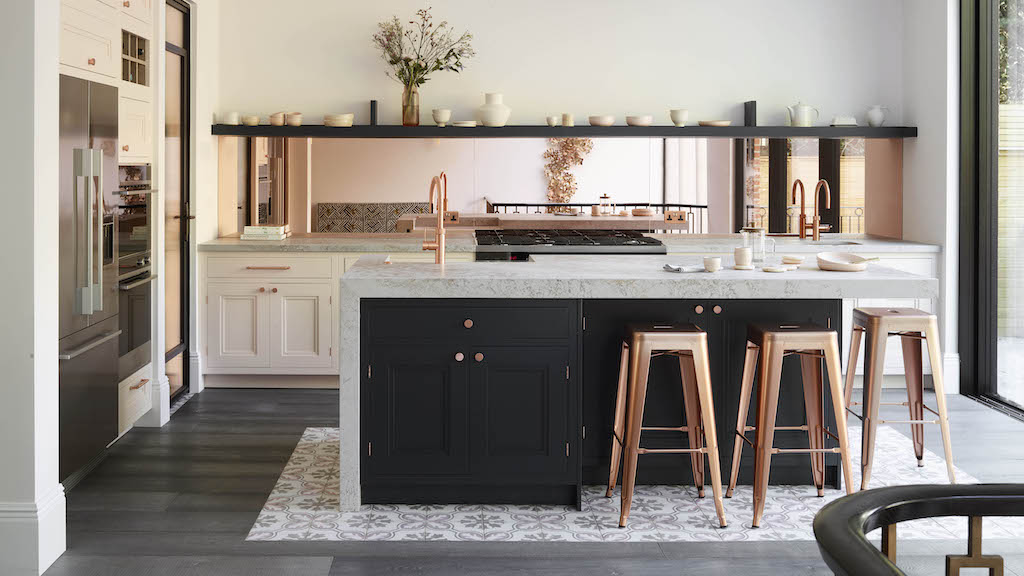
Experts reveal the kitchen worktop mistakes to avoid - ignore at your peril
8 shockingly common kitchen design mistakes according to a pro

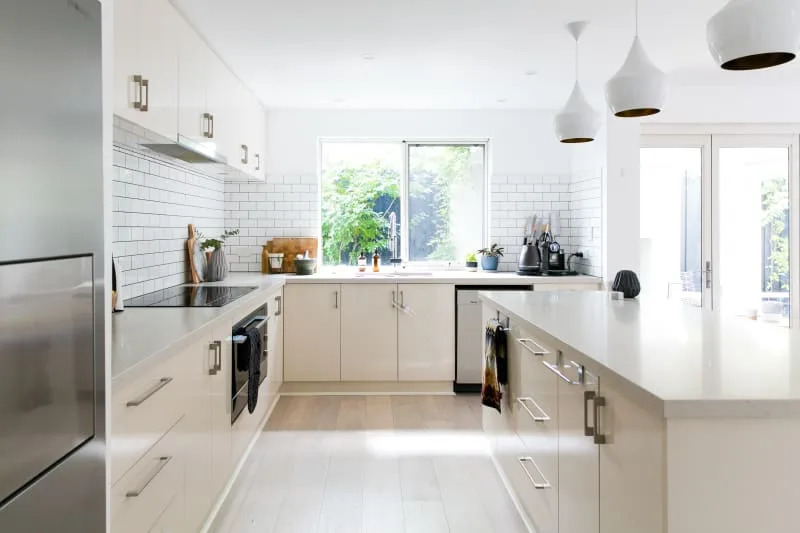
The Worst Thing About Every Popular Kitchen Countertop Designers Don’t Tell You
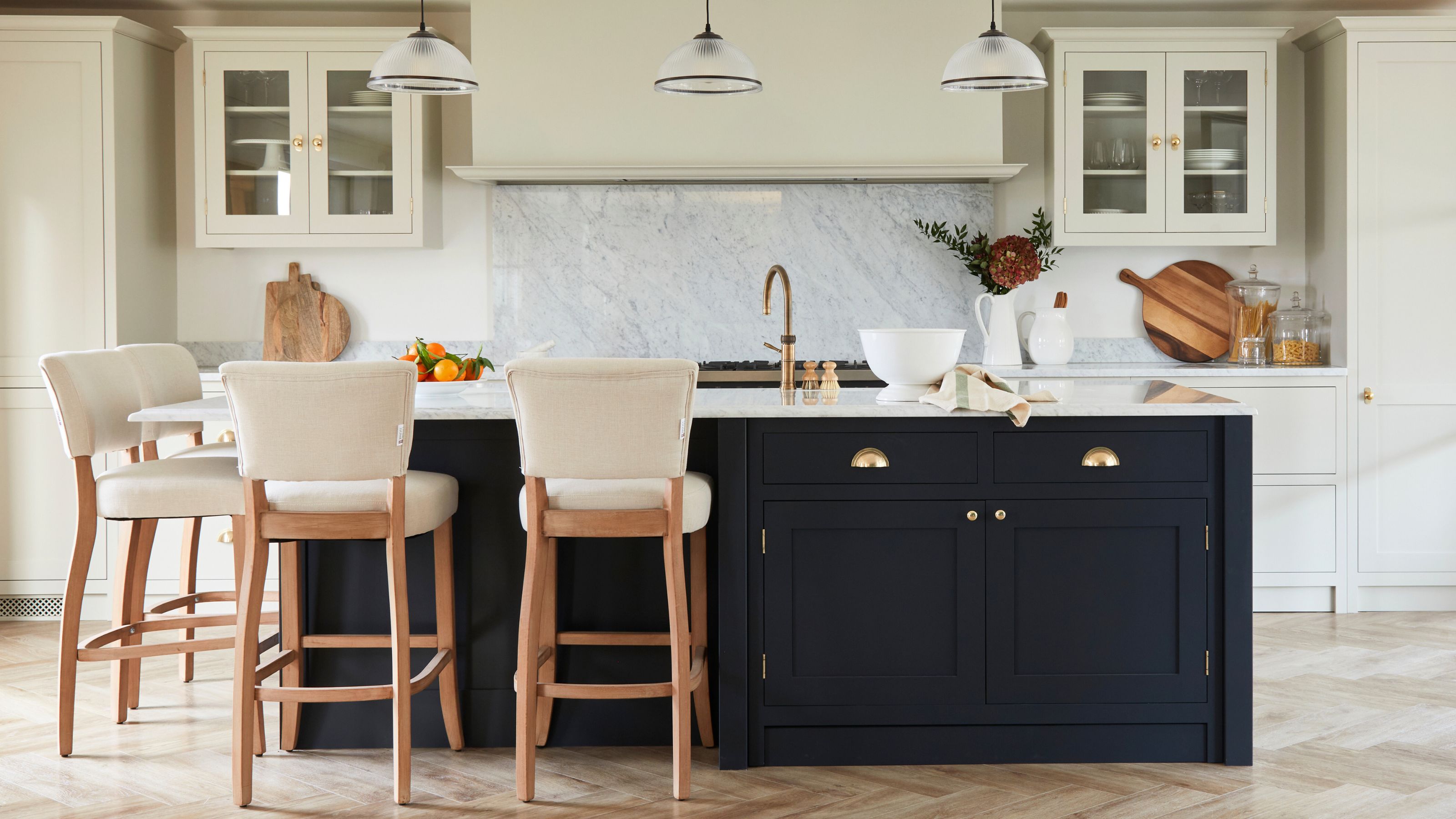
The 7 kitchen island mistakes designers always avoid — and what you can try instead

7 Impractical Kitchen Trends Designers Never Recommend to Their Clients