1/4
Designers reveal the outdated countertop materials we should all be avoiding in 2024
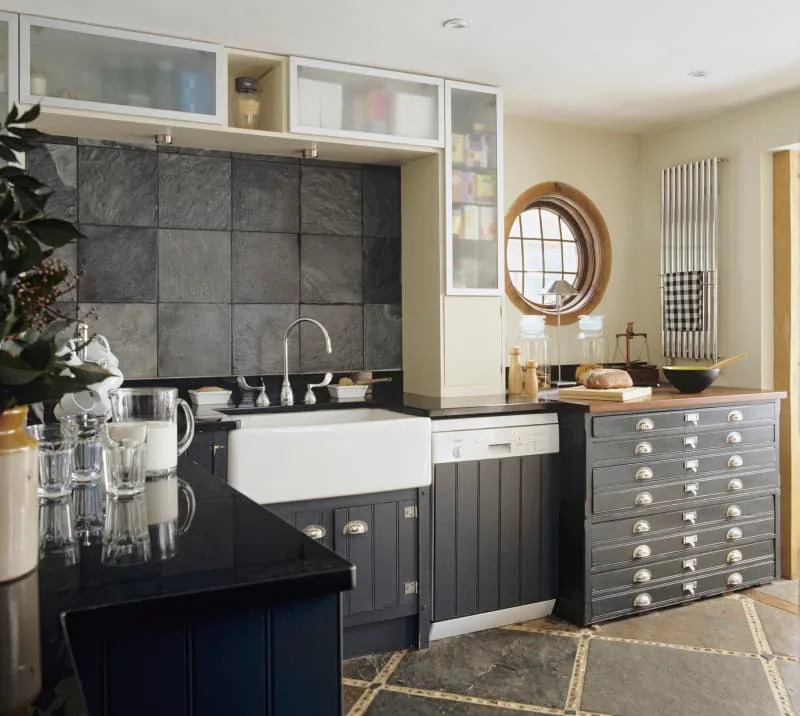
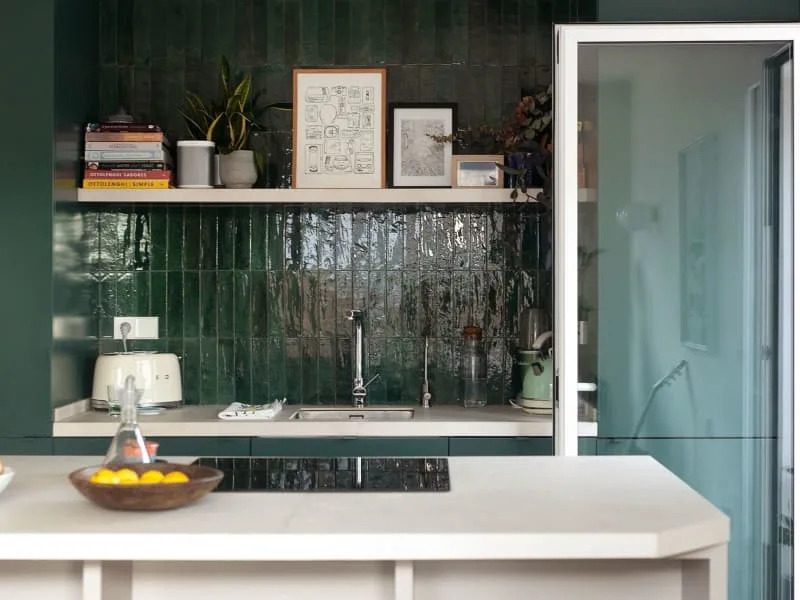
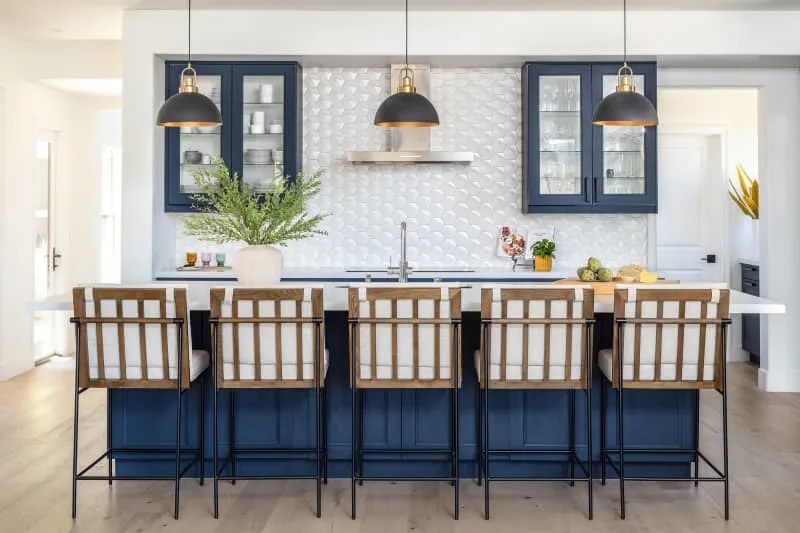
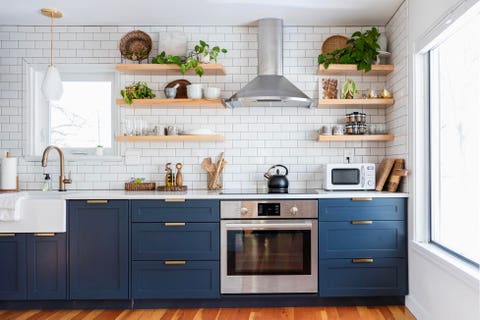
When designing a kitchen, significant attention is often paid to cabinetry, including style, color scheme, and hardware material. However, kitchen countertops, despite their visual prominence and heavy use, are frequently relegated to an afterthought. This oversight can lead to choices that compromise both the aesthetics and functionality of a kitchen over time. Given that kitchens represent a substantial investment, selecting countertops with long-term style and durability is crucial. This discussion highlights several countertop materials that designers recommend avoiding in 2024 due to their potential to quickly date a kitchen, lack durability, or be too trend-driven for their investment cost.
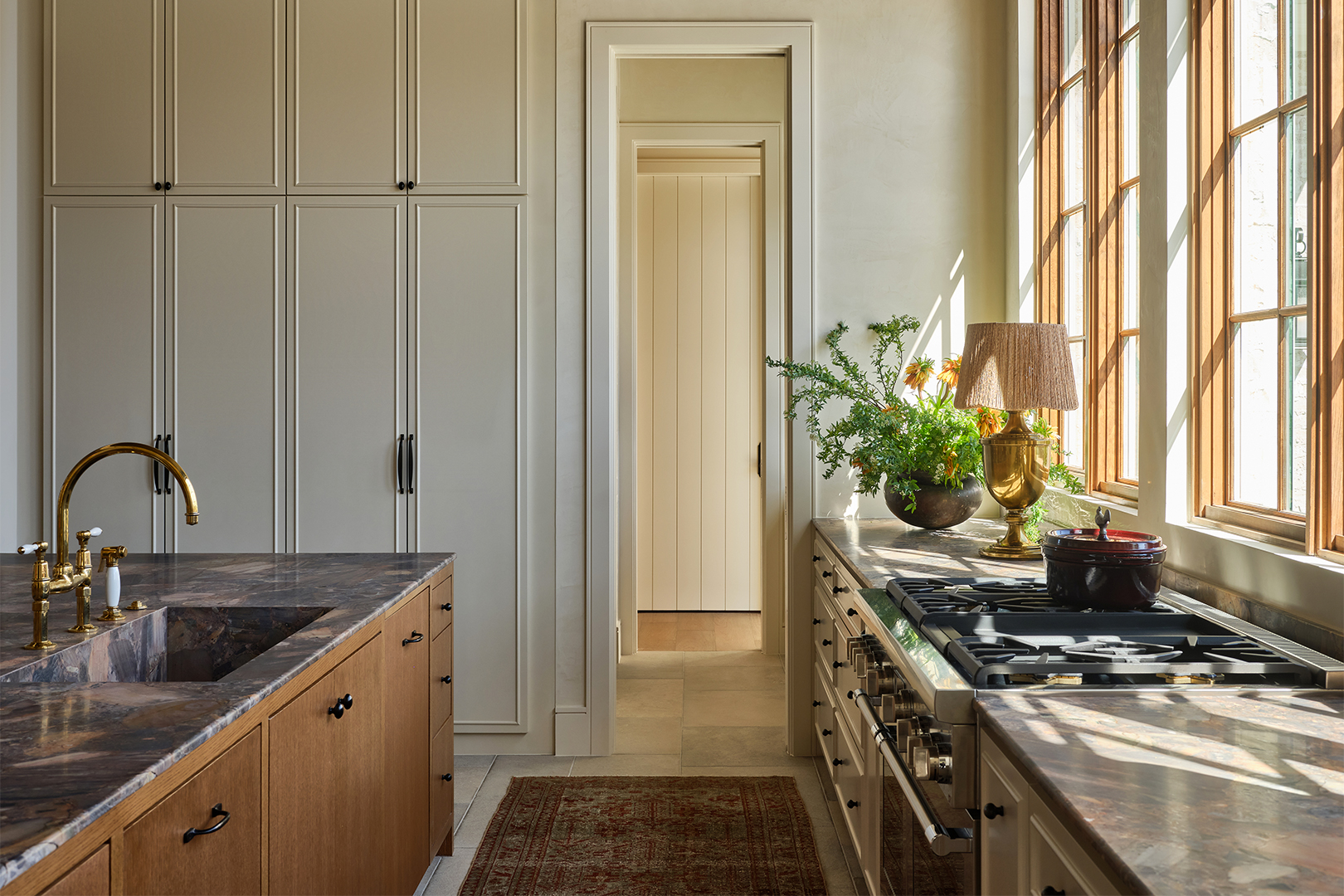
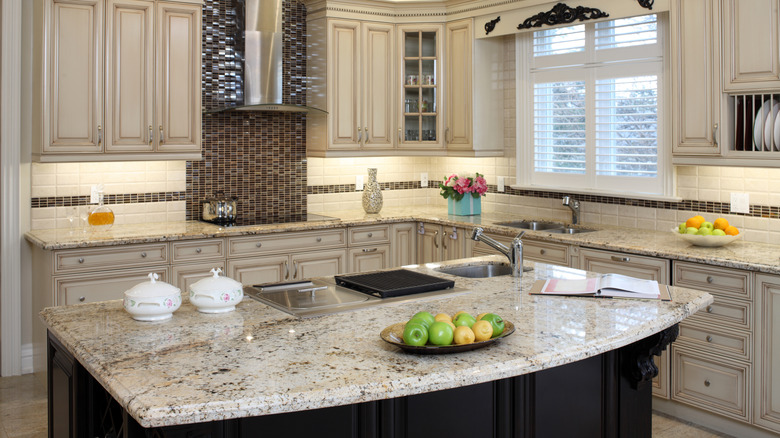
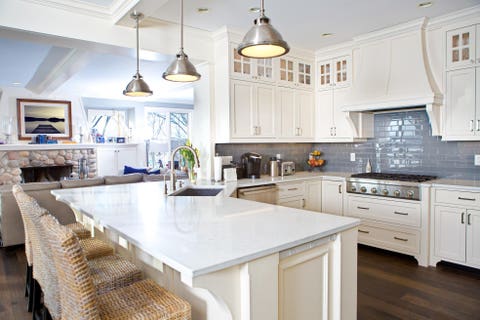
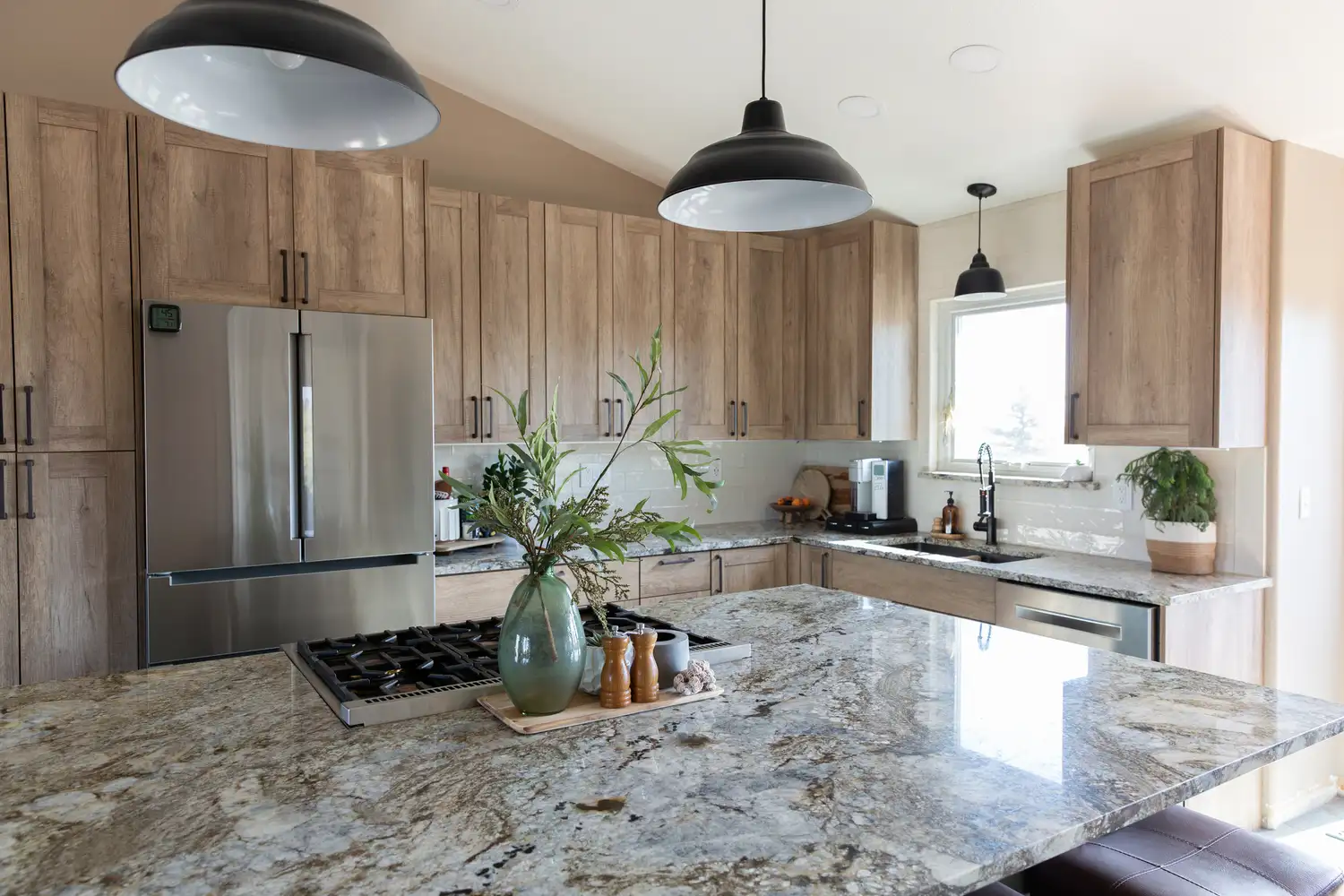
Granite, a historically popular choice due to its durability and relative affordability among stone options, is identified as a material that can swiftly make a home look outdated. Specifically, certain grains and colors, particularly the busy, shiny brown or beige varieties reminiscent of 90s/early 2000s kitchens, are out of favor. These types of granite, often accompanied by funky edging, do not align with modern kitchen aesthetics. While natural stone is generally encouraged, designers suggest quartz as a superior alternative at a comparable price point for those seeking a budget-friendly yet contemporary stone option. If granite is chosen, darker shades or unique colors like green, with a less polished finish, are recommended to avoid a 'glittery' appearance.
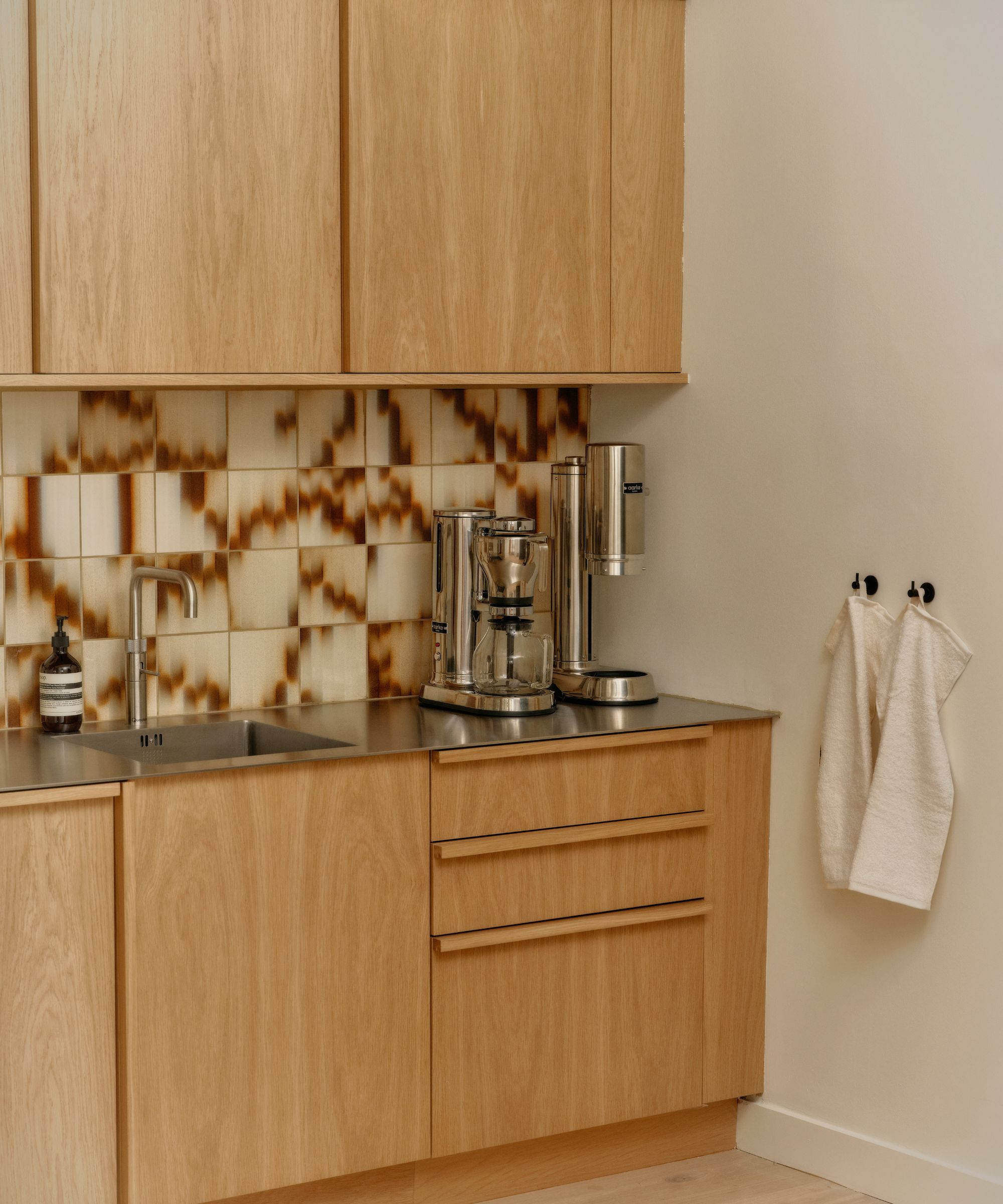
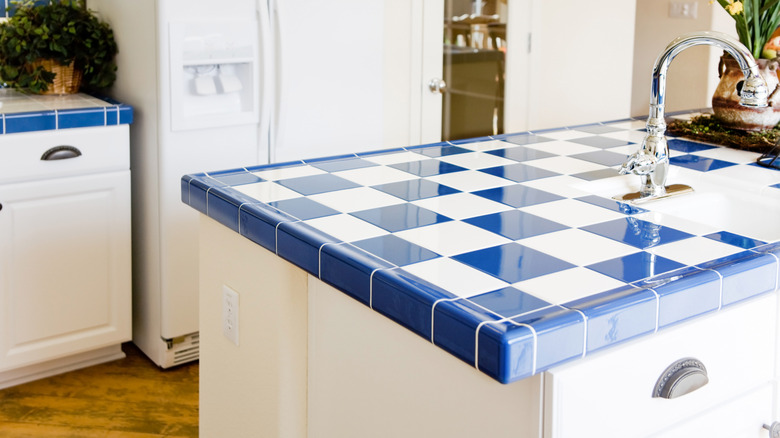
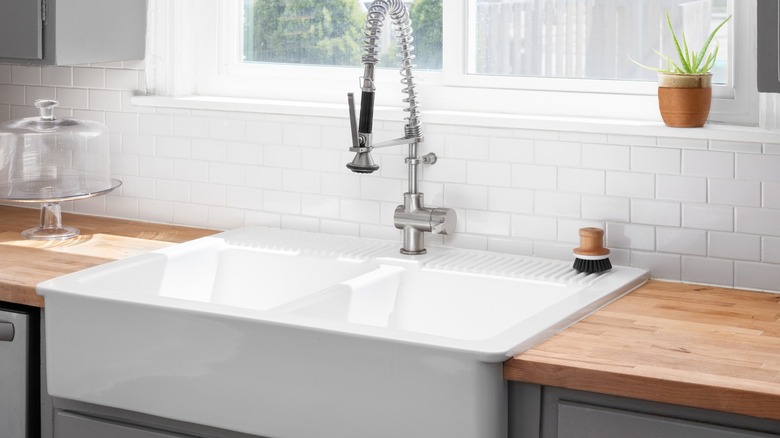
Tiled countertops, despite their aesthetic appeal and potential for personalization, are deemed highly impractical. The main concerns revolve around durability and maintenance. Ceramic tiles are prone to cracking from minor impacts, with no easy repair options, necessitating replacement. While porcelain tiles are stronger, both ceramic and porcelain tiles introduce grout lines, which are notoriously difficult to clean and maintain, especially in a kitchen environment subjected to daily spills. Regular resealing of grout joints is advised, adding to the maintenance burden. Furthermore, the porous nature of tiles makes them susceptible to staining and water damage, and their uneven surface can hinder food preparation. The trendiness of tiled worktops is also questioned, with uncertainty about their longevity in design.
Laminate countertops are another material designers suggest moving away from. While affordable and easy to maintain initially, laminate often fails to convincingly mimic natural materials like stone, marble, or granite. The surface is also susceptible to staining and damage, leading to a shorter lifespan and more frequent replacement, which can negate initial cost savings. Laminate's core, typically chipboard, also limits installation options, such as undermount sinks, forcing the use of surface-mounted sinks that detract from a sleek finish. Designers view laminate as a 'false economy' that often leads to compromised kitchen designs.
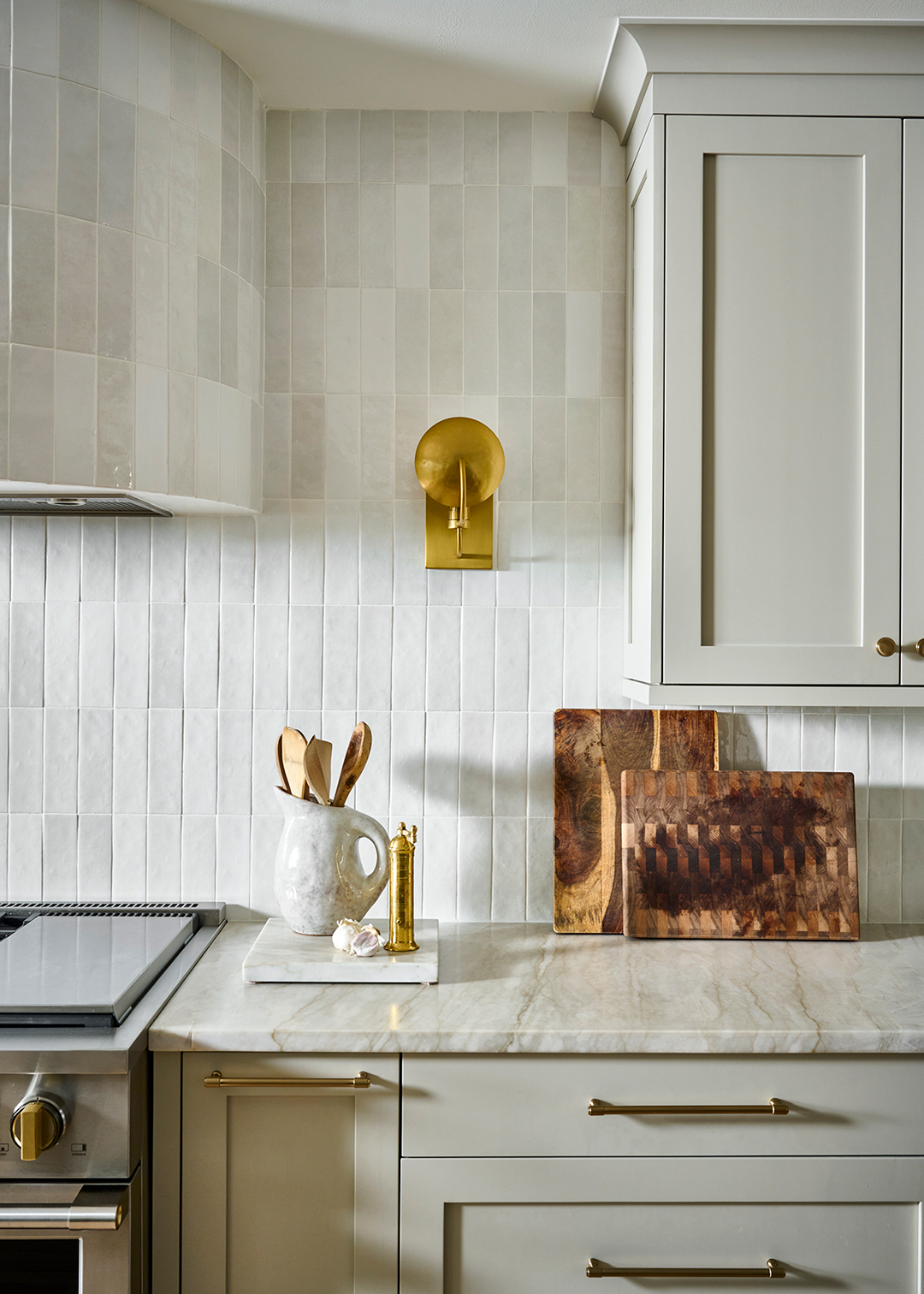
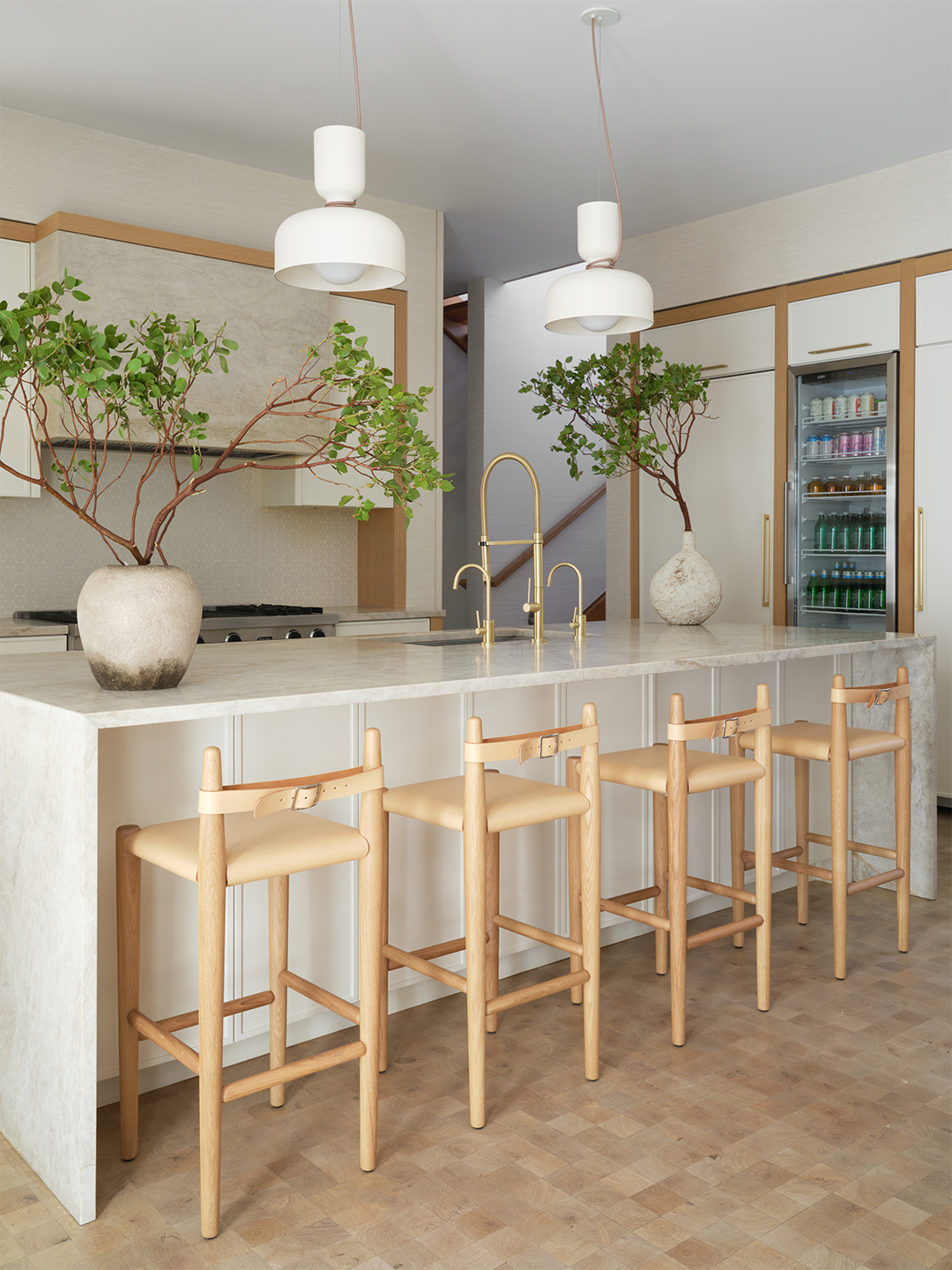
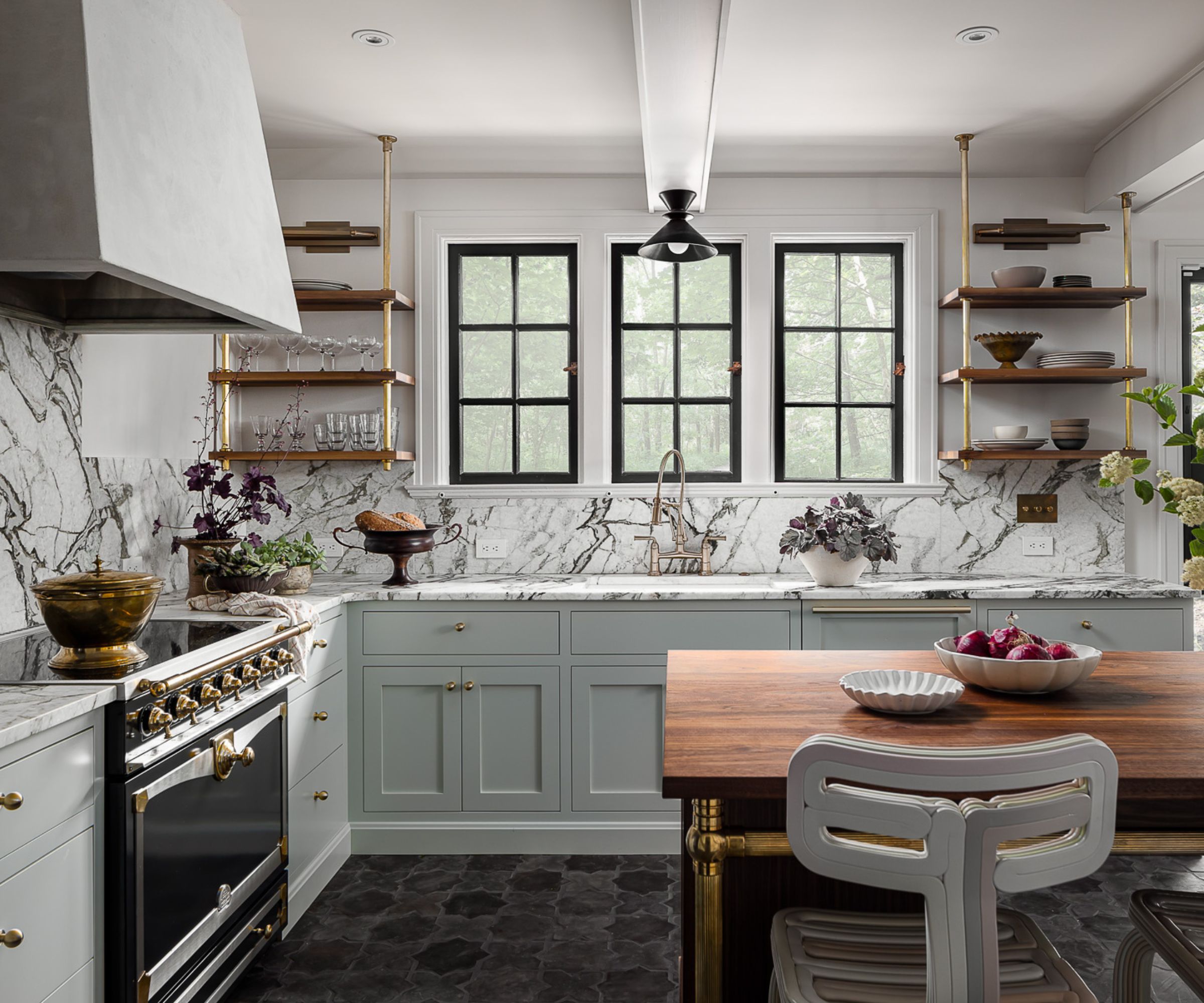
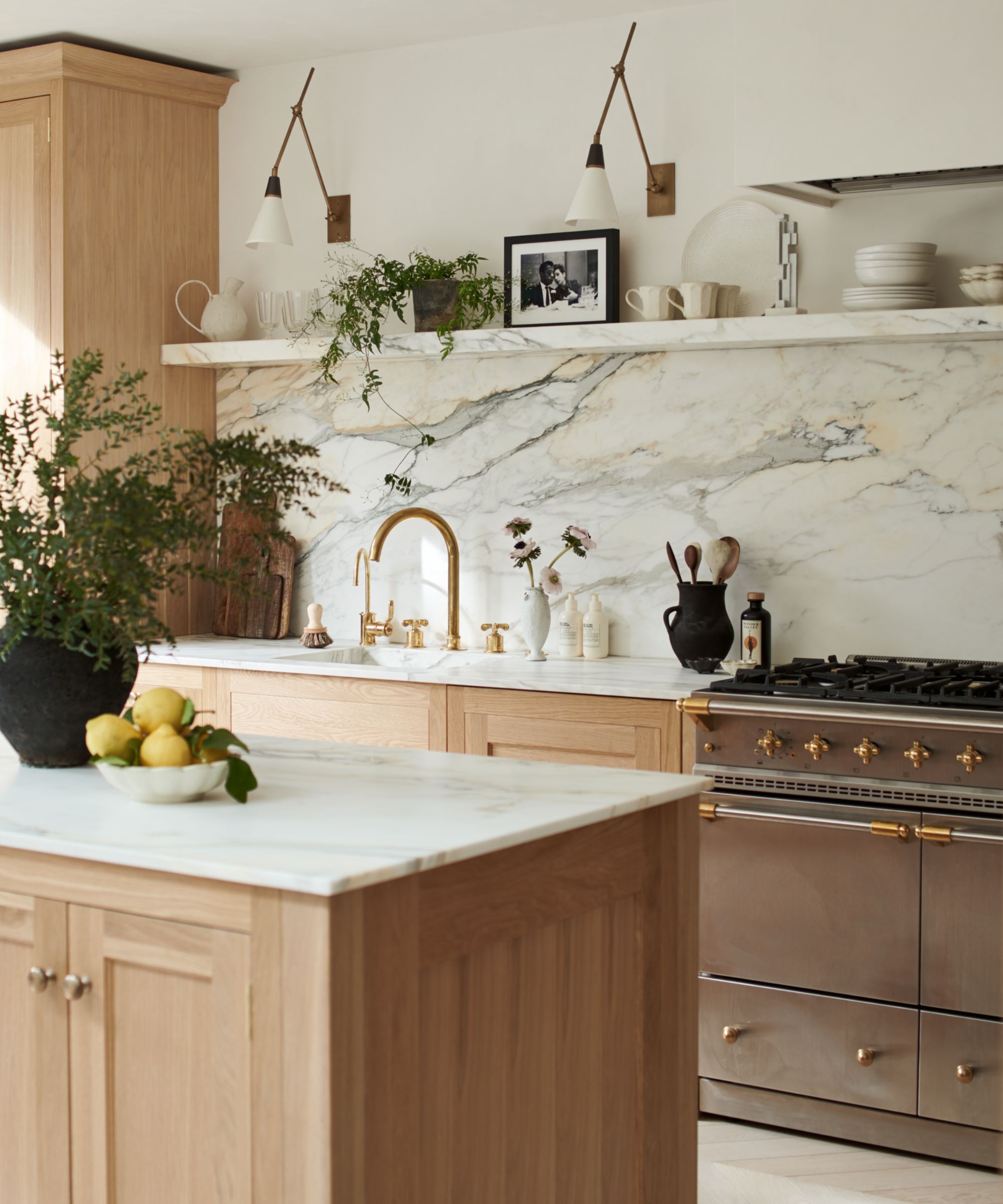
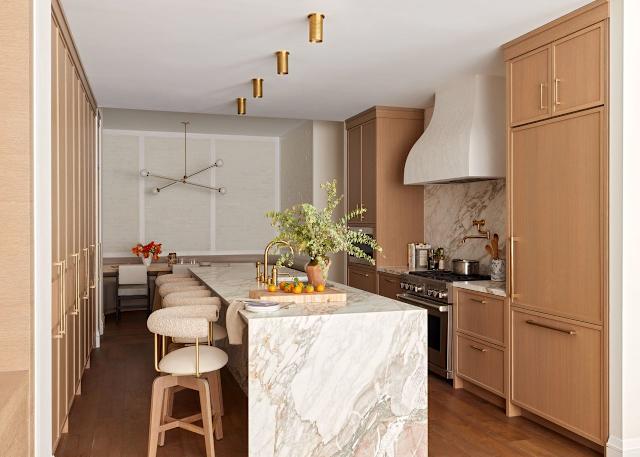
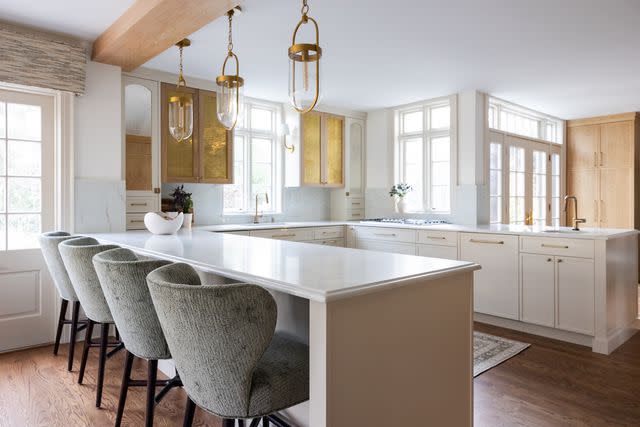
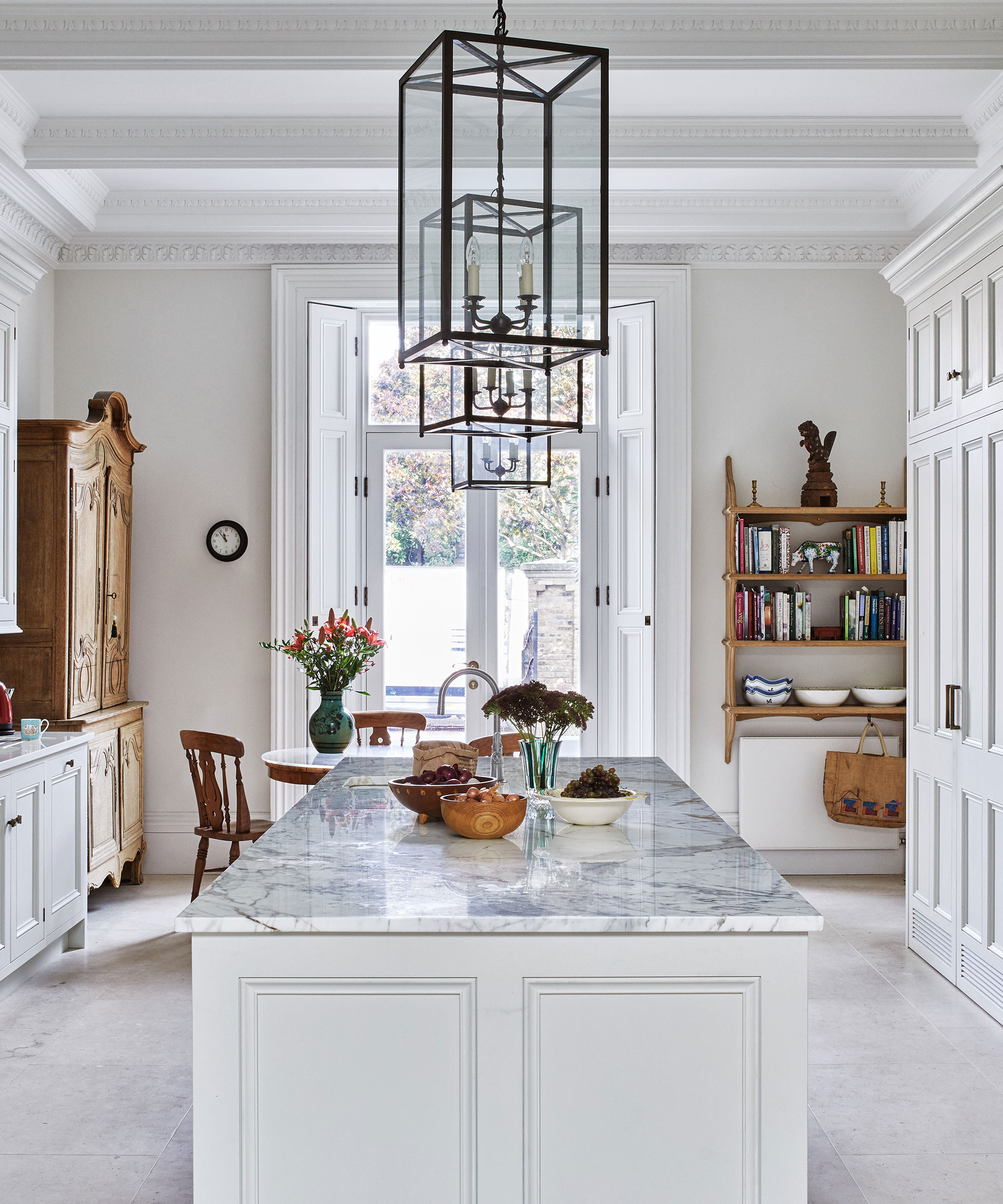
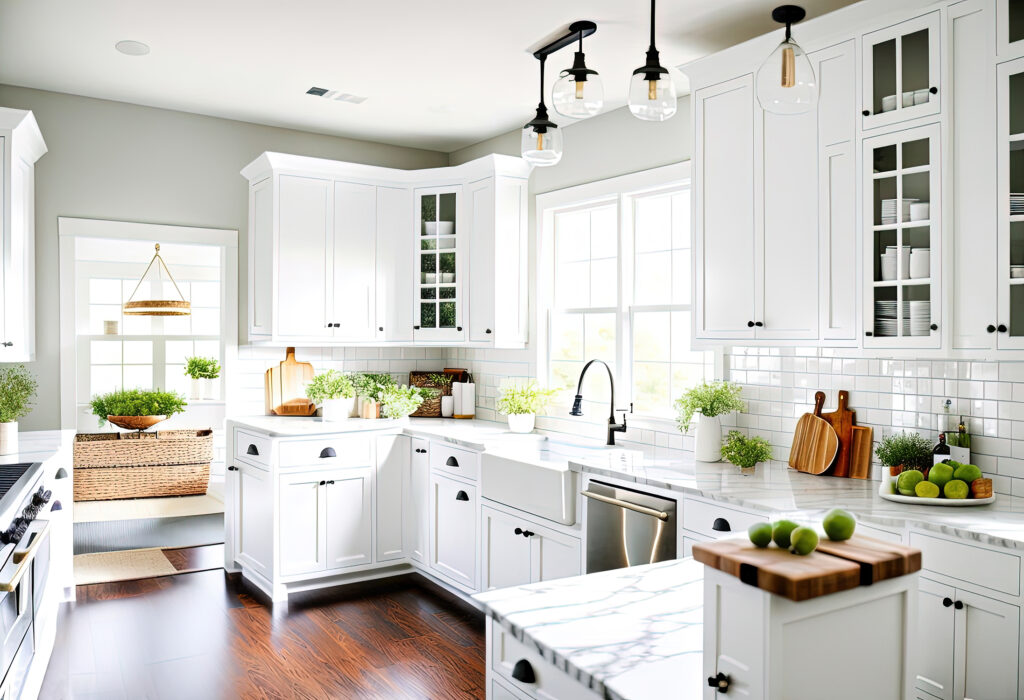
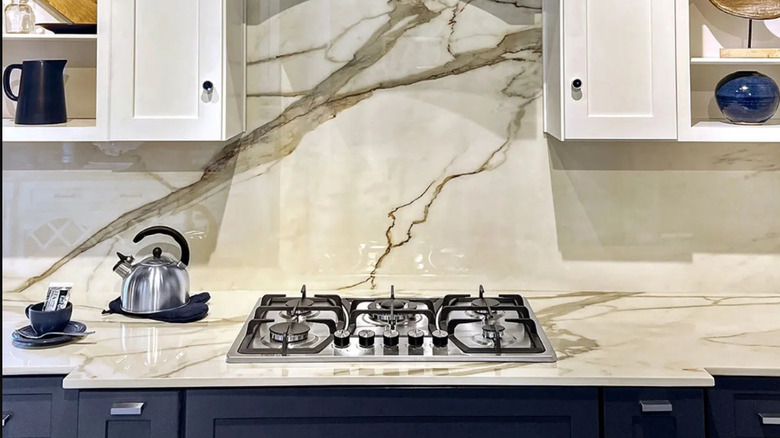
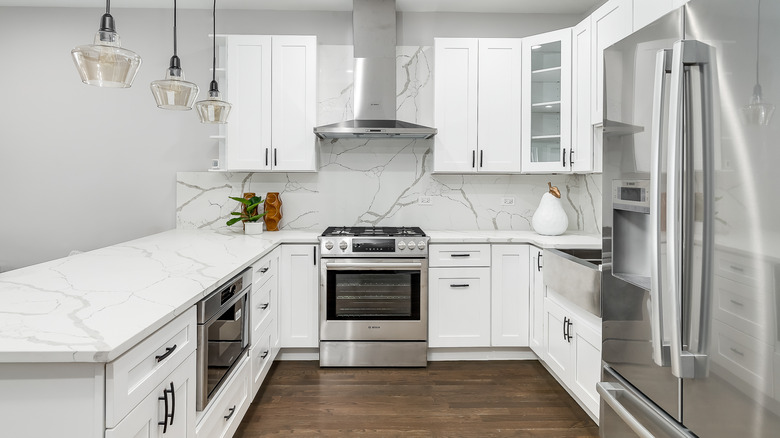
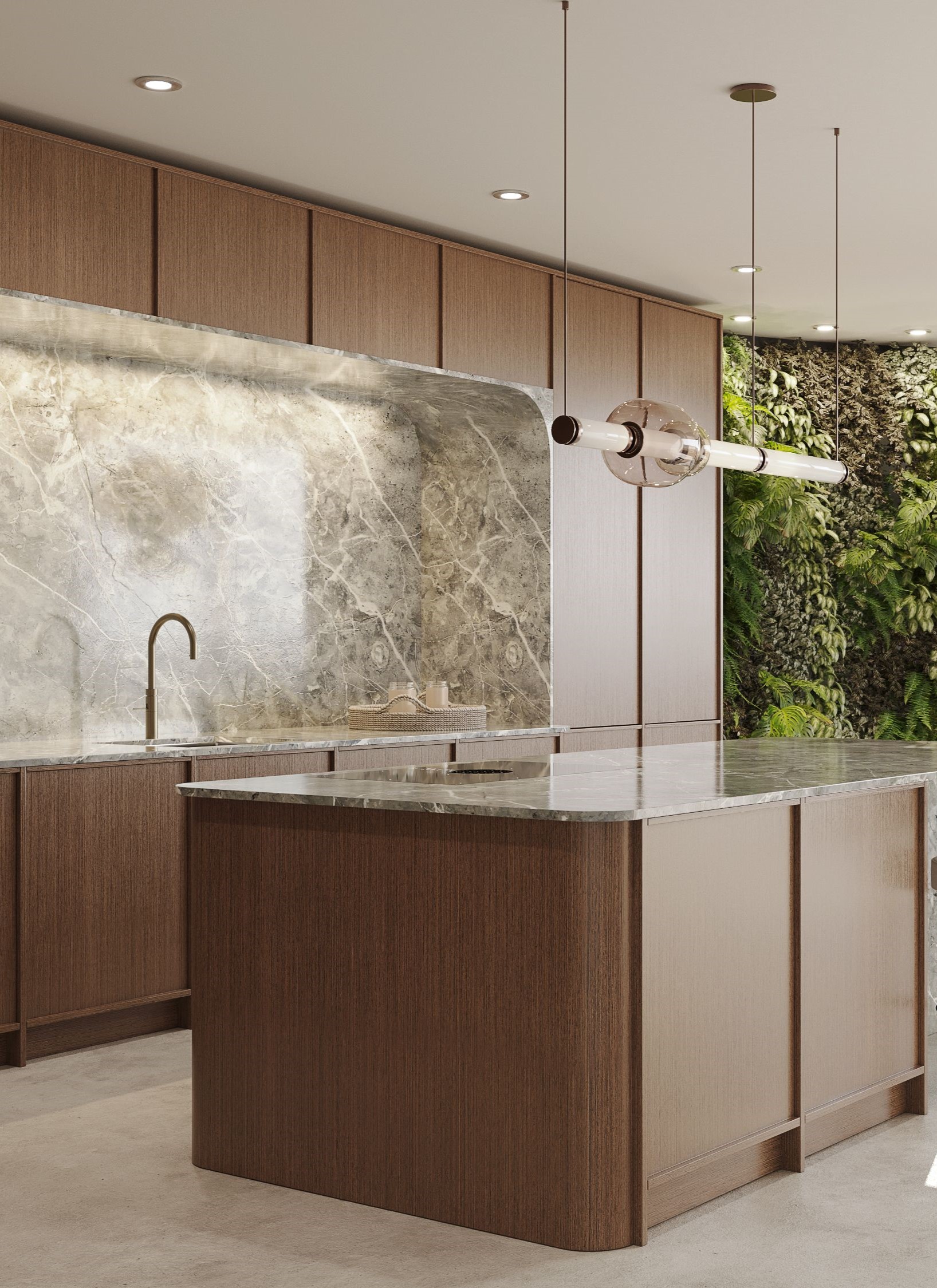
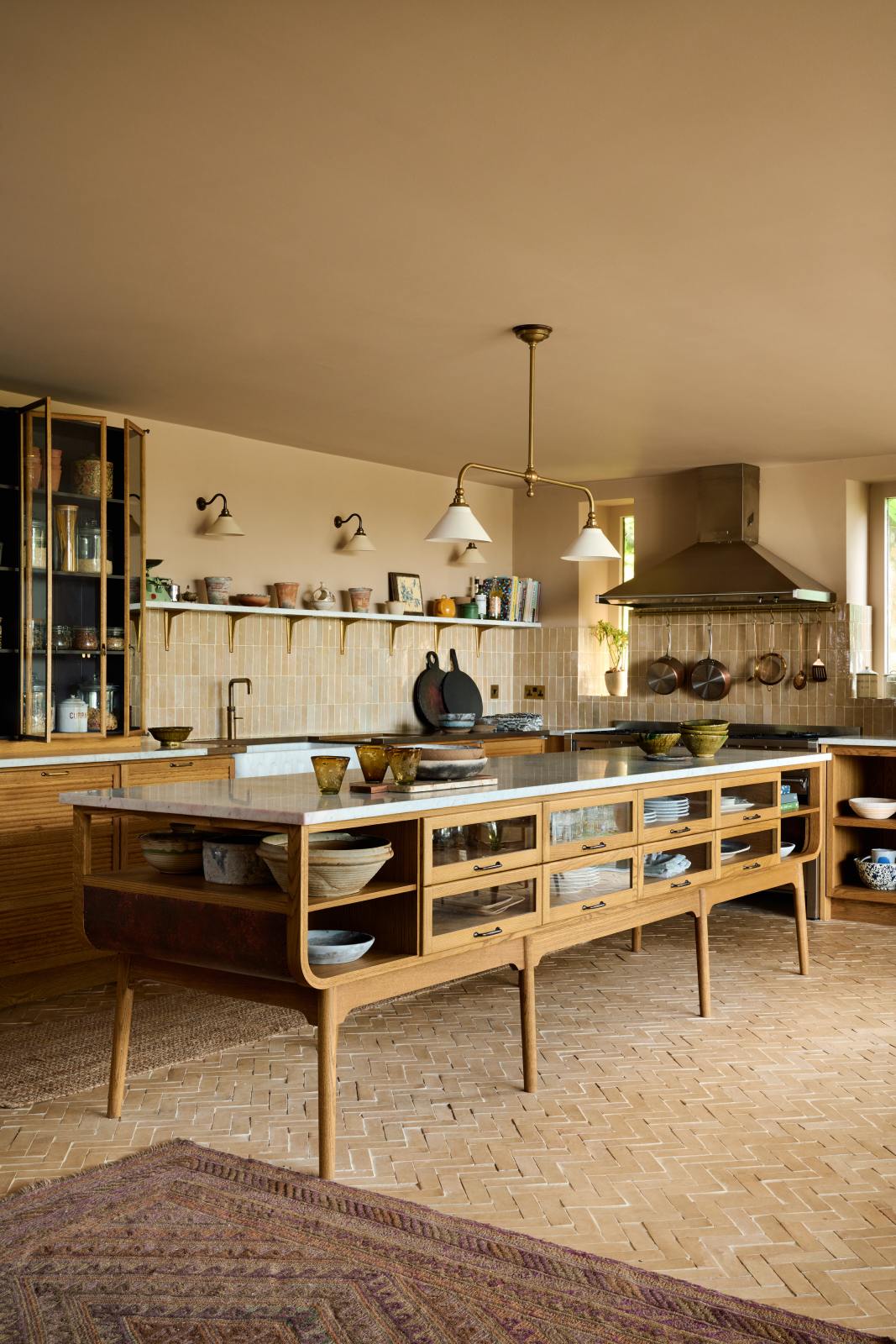
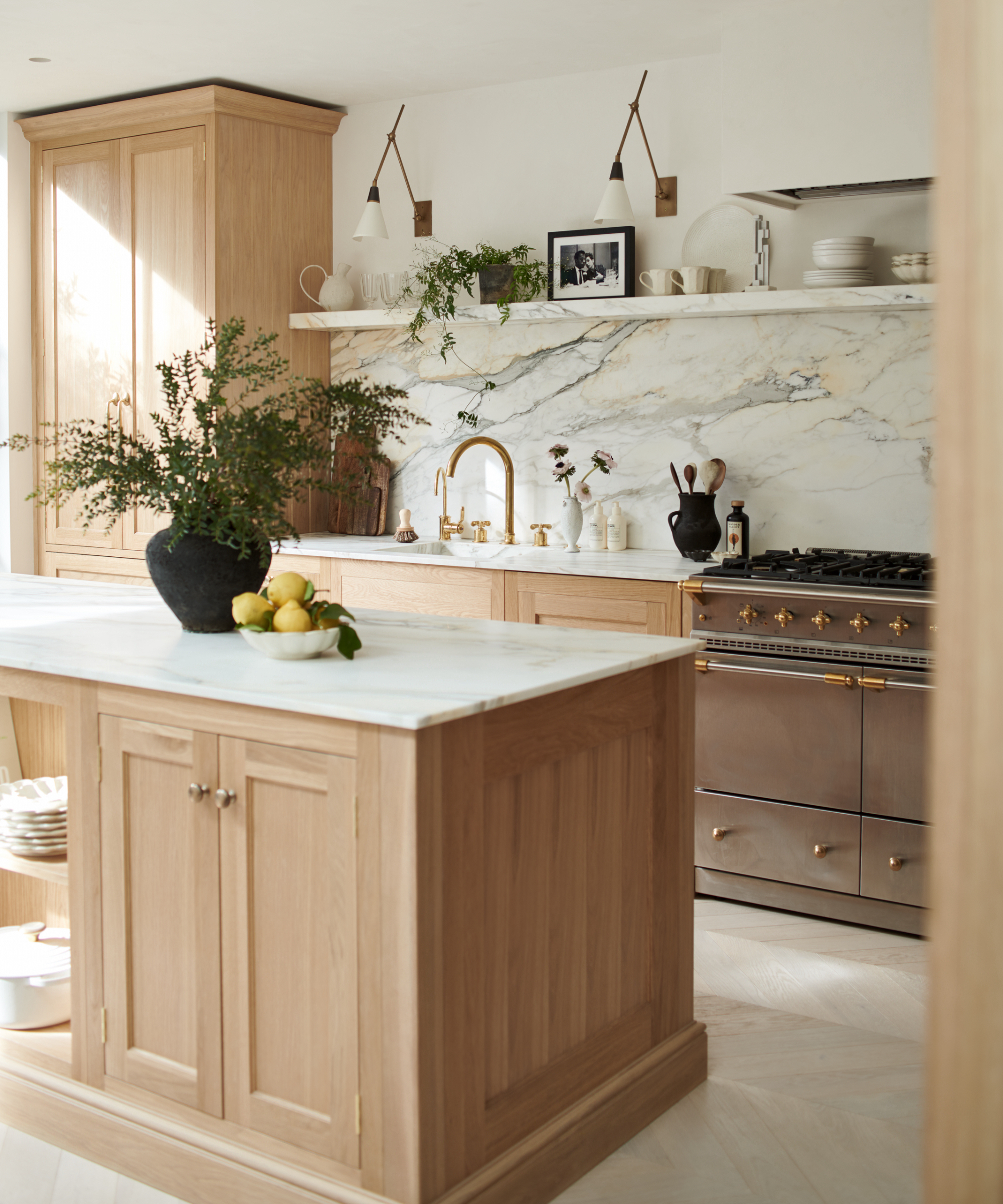
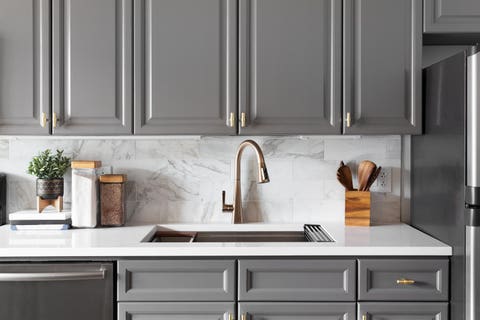
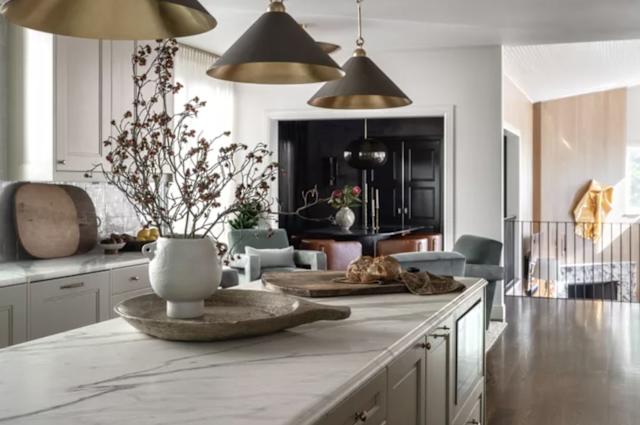
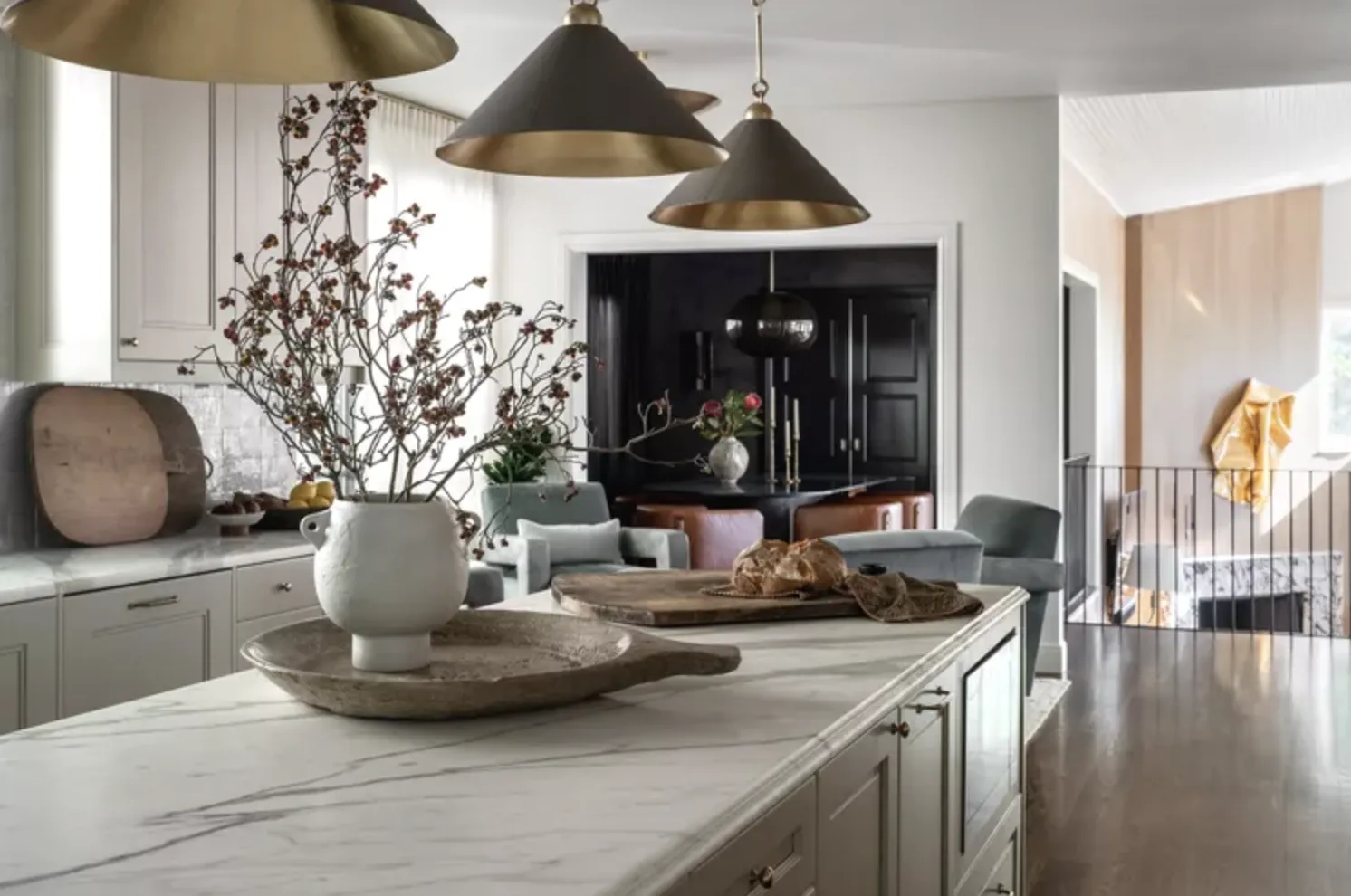
Marble, despite its elegant and luxurious appearance, is also a material with significant drawbacks, especially given its high cost. As a soft, porous stone, marble is highly prone to staining and chipping, particularly in high-traffic kitchen environments. For those desiring the marble aesthetic but requiring greater practicality, quartz is recommended. Quartz offers a natural stone look with superior durability, being virtually non-porous and resistant to stains and scratches. Alternatives like white man-made quartz can replicate the look of Carrara marble without the high price tag or maintenance issues. If marble is still desired, using it strategically on a kitchen island, where it might experience less heavy use, is suggested to mitigate its vulnerabilities.
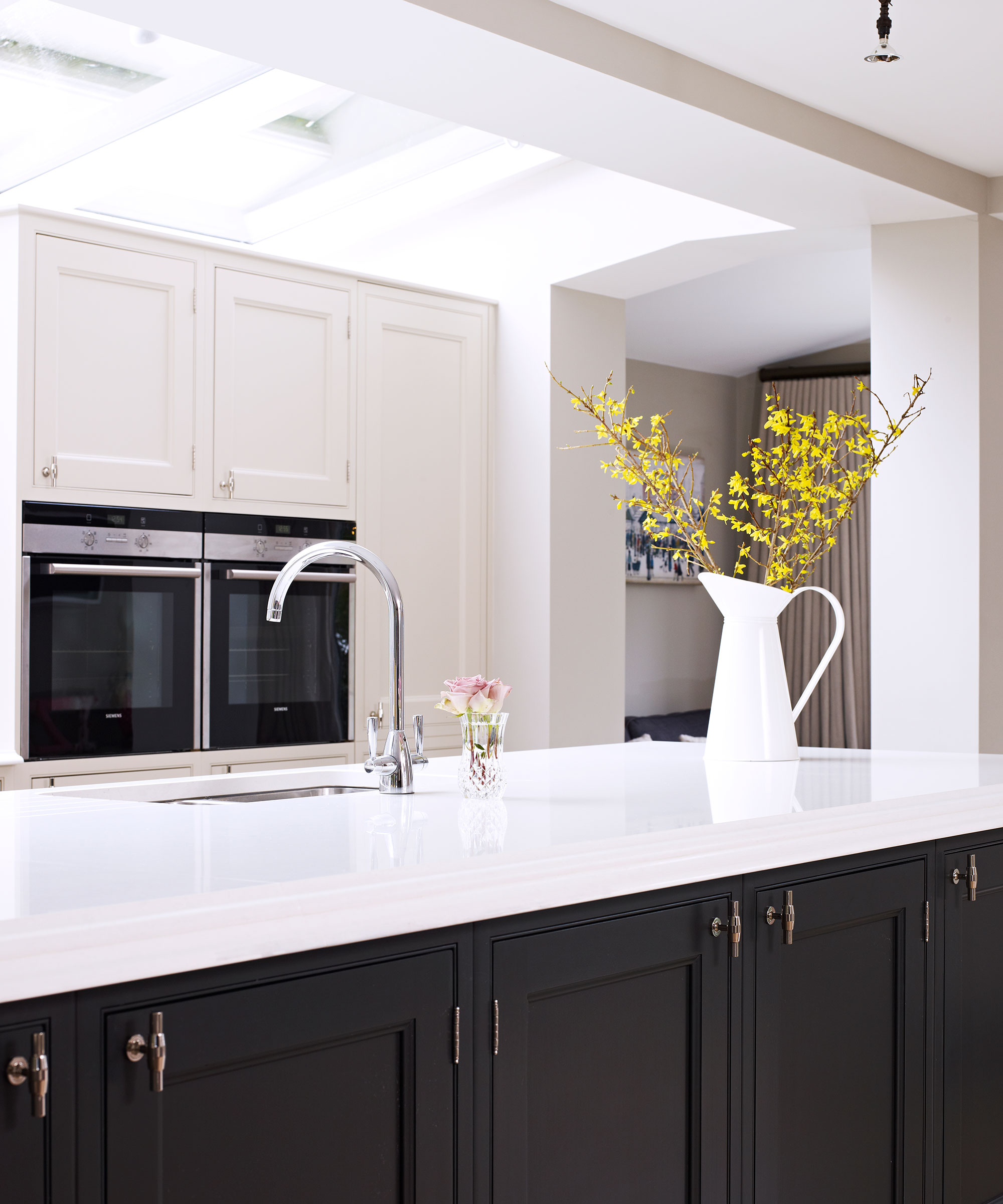
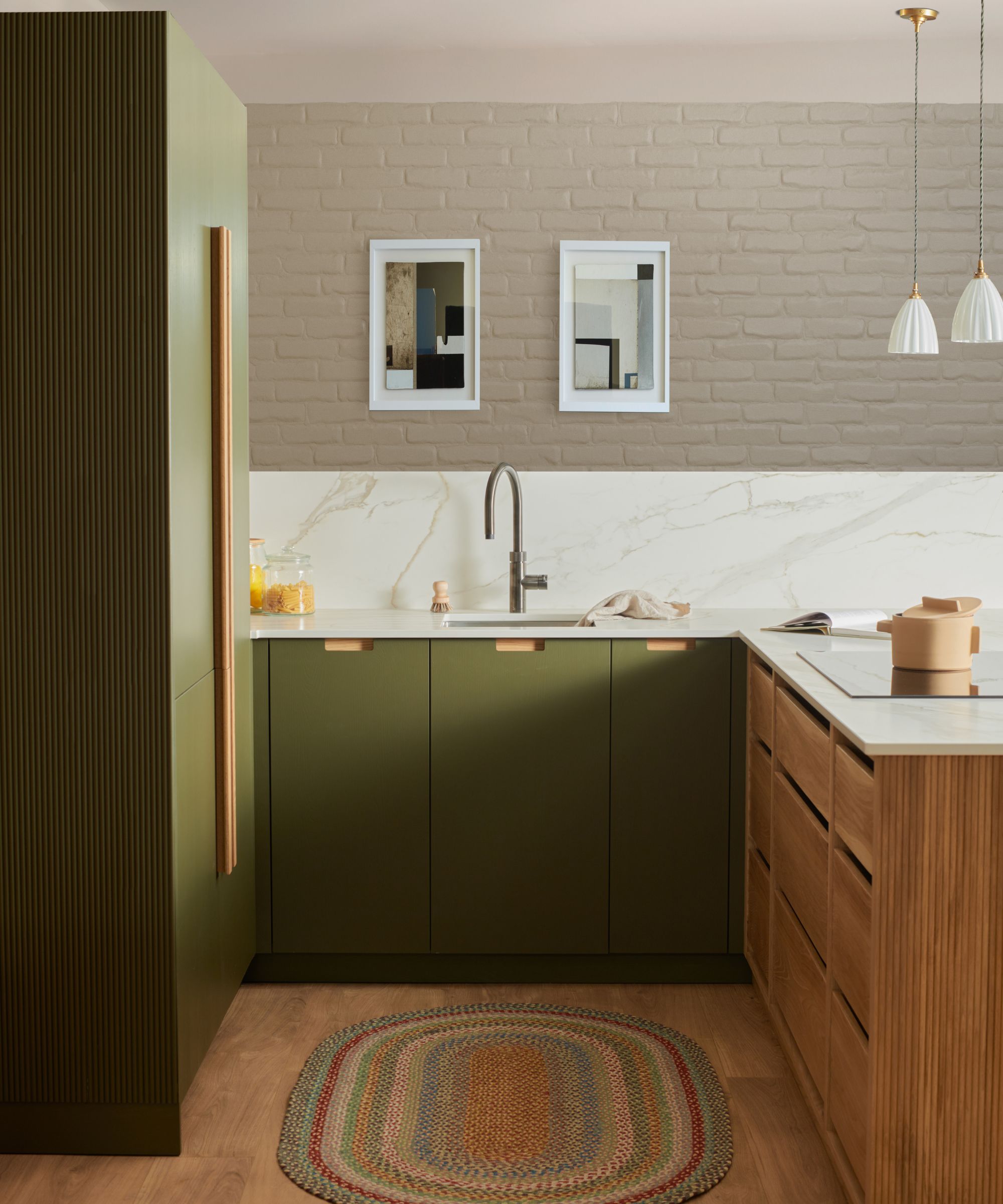
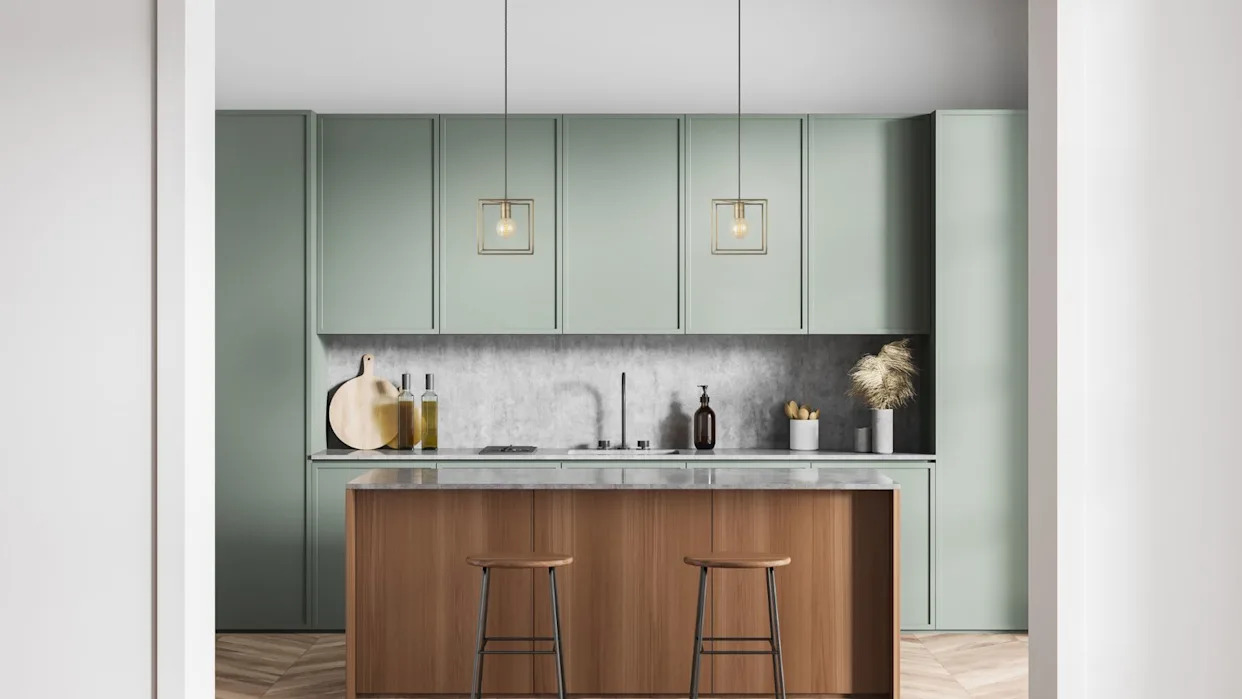
Ultimately, the best countertop material depends on individual style and budget, but quartz and ultra-compact surfaces (made from porcelain or ceramic) are highlighted as excellent choices. Quartz provides resilience and a natural stone look, surpassing the hardwearing properties of marble or granite. Ultra-compact surfaces, created under extreme heat, offer robust, low-maintenance options that are resistant to heat, scratches, and stains.
#KitchenDesign #CountertopMaterials #HomeRenovation #InteriorDesignTrends #KitchenInvestment #MaterialDurability #DesignTips #OutdatedDesigns #KitchenDesign #CountertopMaterials #HomeRenovation #InteriorDesignTrends #KitchenInvestment #MaterialDurability #DesignTips #OutdatedDesigns
0 comment in total
 No comments yet
You may also like
21 Designers Predict 2026’s Hottest Kitchen Countertop Material

It’s Time to Say Goodbye to These Outdated Design Trends in 2024
Outdated Kitchen Design Trends Being Replaced In 2024
3 "Timeless" Trends Designers Say Are Out—and Making Homes Look Dated in 2026

5 kitchen countertop materials that are out of style for 2025, according to designers
These are the outdated kitchen cabinet trends designers say you should ditch in 2025
7 Outdated Home Decor Items To Toss In 2025, According To Southern Designers
Move Over, Subway Tiles: These Kitchen Tile Trends Are on Their Way in (and Out) for 2024
We Asked Designers What Kitchen Countertop Materials Are Out in 2026—Their Answers May Surprise You

6 Countertop Trends Designers Are Ready To Say Goodbye To In 2026
Interior Designers are Ditching These Home Trends in 2024
12 "Outdated" Kitchen Trends You Should Ditch In 2025 (But You Probably Have)

We Asked Designers What Kitchen Countertop Materials Are Out in 2026—Their Answers May Surprise You

Countertop Trends That Will Be Huge In 2025 (And Ones We'd Recommend Avoiding)
6 Outdated Kitchen Trends Designers Say You Need to Avoid in 2025 — And What to Do Instead

5 Kitchen Design Trends Going Away In 2026

6 outdated kitchen countertop trends to leave behind in 2025
8 Decorating Trends Designers Wish Would Go Away in 2025

6 kitchen styles going out of fashion in 2024, according to experts who have seen it all

The Dust-Collecting Kitchen Trend I’m Hoping People Ditch In 2025