1/3
I Bought an Old Home in a High-Risk Wildfire Zone. Here’s How I’m Protecting It.
The author and their spouse purchased a 1963 home in the foothills of Los Angeles’s Angeles National Forest, a region identified as a high-risk fire zone. Despite the allure of the home's mid-century aesthetic, detached studio, and backyard overlooking a canyon, they recognized the severe threat posed by wildfires, especially given California’s history of extensive wildfire activity and predictions of hotter, drier conditions. This understanding prompted them to prioritize home hardening against fire. The article details the author's journey and strategies for protecting their home from wildfire, drawing on personal experience and expert advice.
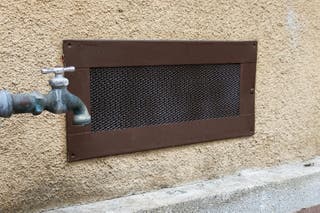
The primary focus of their initial upgrades targeted the most vulnerable entry points for embers. Erik Blank, a horticultural educator from the Theodore Payne Foundation, explains that approximately 90% of homes catch fire not from direct flame contact but from wind-driven embers entering attics through vents. To address this, the author consulted Tom Hannemann, a former San Bernardino City Fire Department firefighter and current specialist in residential fire-resiliency solutions. Hannemann emphasized a multi-faceted approach to home hardening, starting with an on-site inspection. This inspection revealed that the home's existing vents were structurally porous and susceptible to ember intrusion.
Following expert advice, the author replaced the old exterior vents with continuous fire-resistant eave, foundation, and gable vents from Vulcan Vents. These specialized vents feature a three-layer design: a stainless steel front mesh, an intumescent honeycomb layer that expands and seals in intense heat, and a secondary 1/16-inch stainless steel mesh. While the professional installation of these custom-fit vents was a significant investment, they offer protection against wind-blown embers and have also proven effective against rodents. For homeowners with budgetary constraints, the article suggests a DIY alternative using fine-gauge stainless steel ember mesh, which can be cut and affixed over existing exterior vents, sealed with caulk to prevent ember entry.
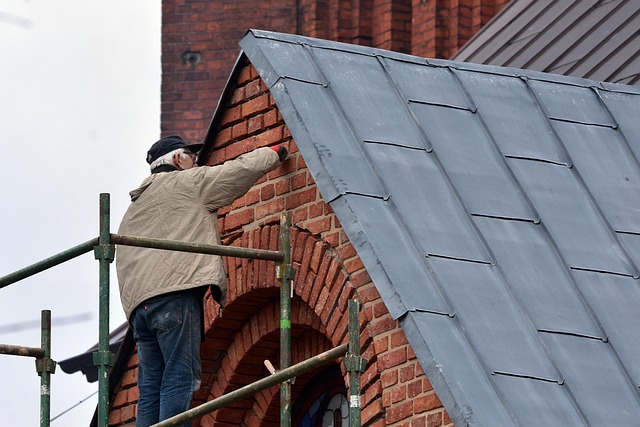
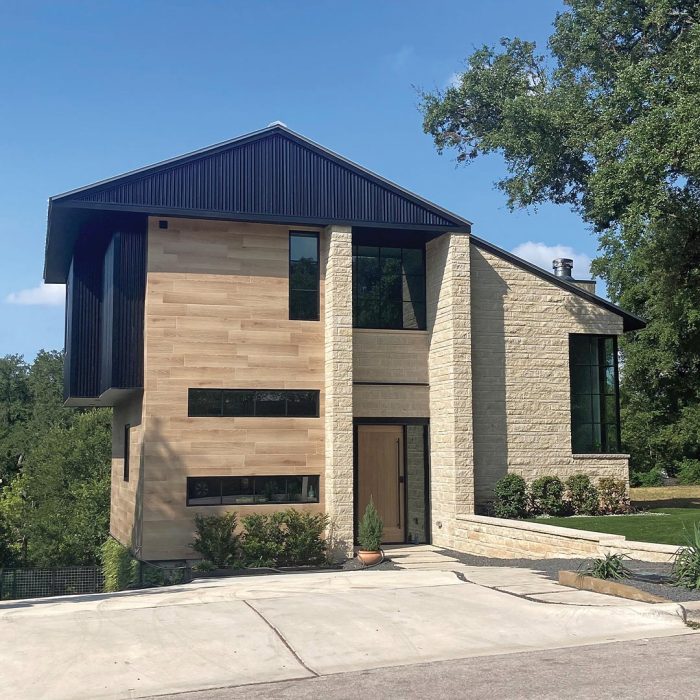
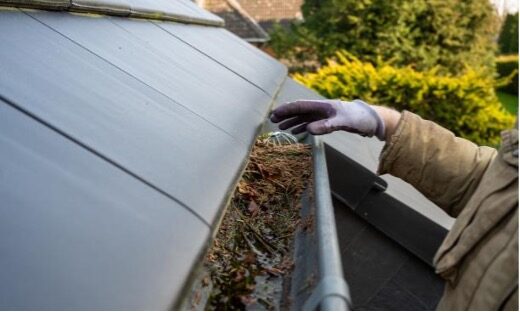
Further recommendations from Hannemann included the installation of ember-resistant gutter guards, especially relevant due to the proximity of mature oak and pine trees to the roofline. These guards are designed to allow rainwater drainage while preventing the accumulation of combustible plant matter. The author plans to install FireStorm Gutter Guards as their next upgrade. Other potential, more extensive future upgrades include replacing exposed exterior wood siding with non-combustible materials, installing a metal roof, and replacing wooden perimeter fencing with metal.
Beyond structural modifications, the article highlights the crucial role of defensible space and vegetation management. Regular, seasonal yard maintenance is identified as the most accessible and affordable wildfire mitigation action. Cal Fire recommends creating an ember-resistant zone within the first 5 feet around the home by removing combustible vegetation and replacing it with non-combustible materials like stones, pavers, or rocks. This zone should also extend to outdoor furniture and other items. A secondary, 5- to 30-foot perimeter should feature low-density ground covers, shrubs, and occasional small trees interspersed with hardscape paths to act as a fire break. Beyond 30 feet, certain native plants and tree species, such as oaks, can serve as natural ember-catching nets.
Finally, the article stresses the importance of a personal wildfire action plan. This involves establishing a safe meeting point, identifying escape routes, and preparing essential documents and emergency supplies in advance. The author maintains two equipped backpacks with clothing, emergency items, respirator masks, prescriptions, and backup eyeglasses, and also emphasizes planning for pets. An additional protective measure mentioned is Barricade Fire Blocking Gel, a fire retardant that can be sprayed onto vulnerable surfaces like roofs, walls, and fences before a fire approaches. This biodegradable and non-toxic gel provides a thermal-protective coating for up to 36 hours. Despite all these measures, the author and experts underscore that no home is entirely fireproof; the goal is fire resistance, significantly reducing the chance of ignition during a wildfire event.
#WildfirePreparedness #HomeHardening #EmberProtection #FireResistantVents #DefensibleSpace #WildfireSafety #HomeImprovement #FireRetardantGel #EmergencyPlanning #WildfirePreparedness #HomeHardening #EmberProtection #FireResistantVents #DefensibleSpace #WildfireSafety #HomeImprovement #FireRetardantGel #EmergencyPlanning
0 comment in total
 No comments yet
You may also like

Everything I Did to Flood-Proof My Old House | Reviews by Wirecutter
Hurricane-Proof Construction with the Fortified Home Standard

6 ways to future-proof your home against extreme weather – your home (and wallet) will thank you


When Rivers Rise Fast – Flood-Smart Living: Simple Steps to Protect your Home
This House Survived a Wildfire Because of Its Smart Design. Here’s How.
Four ways to storm-proof your home for hurricane season

Tag: climate

How to safely start a fire in a fireplace that lights easily every time
Building a Fire-Resistant House
Home Renovations that Insurance Companies Love