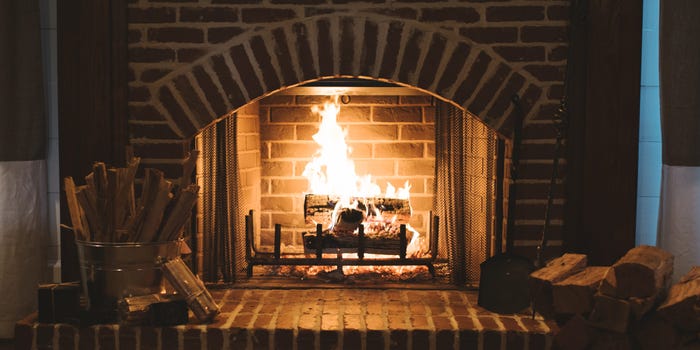
How to safely start a fire in a fireplace that lights easily every time
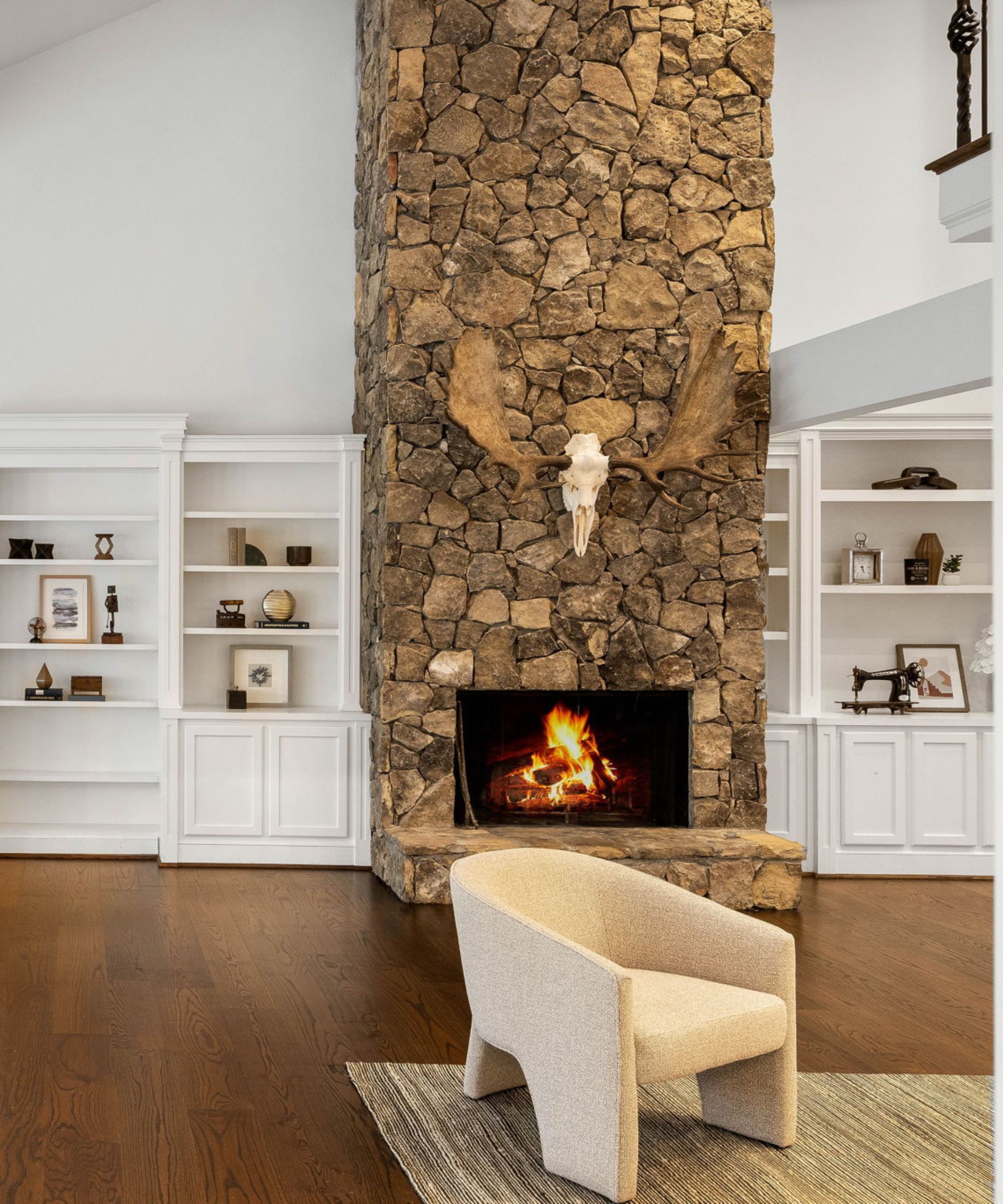
Building a fire in a fireplace can provide warmth and a cozy atmosphere, but it requires proper preparation and execution to ensure safety. Using high-quality wood is crucial for a clean and efficient burn. Before starting a fire, ensure the fireplace and chimney are in proper working order. This includes having the chimney swept professionally at least once a year, or more frequently if non-clean burning wood is used or fires are frequent. Chimney sweeping is recommended in spring or summer due to potential booking delays.
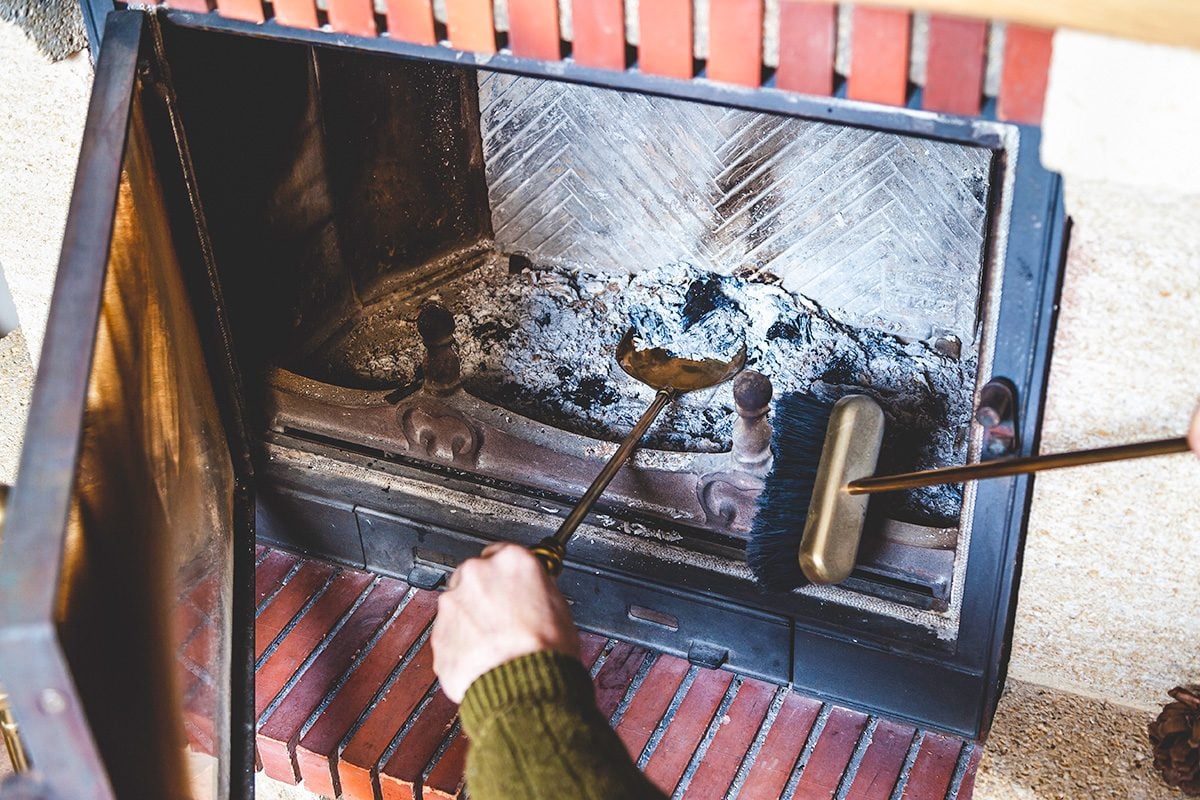
Fireplace preparation also involves removing ash buildup from previous fires using fire-proof gloves and a metal shovel, transferring it to an ash can or fire-proof metal bucket. A thin layer of ash can protect the fireplace bottom from heat, but hot coals can remain for days, so ash cans should not be left inside or near flammable materials. Ashes should be disposed of or reused as compost after about a week.
Crucially, the fireplace damper, which controls the flue, must be fully open to allow smoke and gas to exit the chimney. A blocked damper will cause smoke to enter the room. If cold air in the flue prevents smoke from rising, the flue needs to be primed. This involves lighting newspaper torches and holding them in the flue opening until the smoke flows upwards. Additionally, a fire extinguisher should be readily accessible, and heat-resistant fireplace gloves are essential for safely adjusting logs.
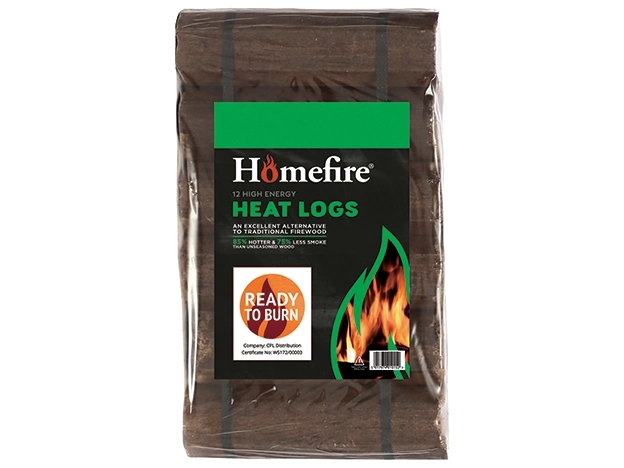
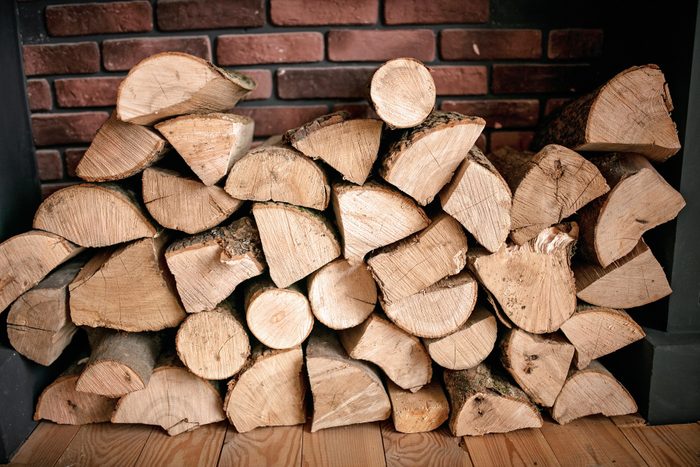
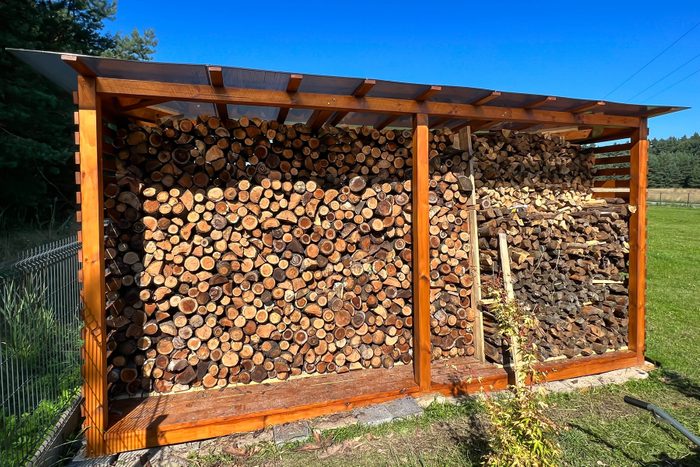
Building a fire requires three main components: fire starter (ignitor and tinder), kindling, and logs. Tinder, such as dried pine needles or newspaper, ignites easily. Kindling, larger than tinder, helps transfer the flame to the main logs. Logs should be kiln-dried for at least 48 hours at high temperatures to ensure a clean, consistent burn and prevent creosote buildup, which can lead to chimney fires. Kiln-dried wood avoids bugs, fungus, and mildew. Hardwoods like oak, hickory, and cherry are preferred as they burn longer and produce more heat than softwoods.
Two primary methods for building a fire are the log cabin method and the upside-down method. The log cabin method involves stacking logs in alternating layers, resembling a log cabin, with tinder and kindling in the center. This method is sturdy and creates a larger, more encompassing flame, ideal for continuous burning by adding more logs in the same pattern as they burn down. Proper spacing between logs is vital for oxygen circulation and sustained flames.
The upside-down method places logs with kindling and tinder on top. This results in a slower, smaller burn, as only one layer of wood is on fire at a time. This method is beneficial for making a limited amount of firewood last longer, as the entire stack burns progressively downwards. While the upside-down method typically requires more kindling and tinder, both methods, when executed correctly, can create a safe and enjoyable fire. Ultimately, the log cabin method is often recommended for both beginners and experienced fire-starters due to its reliability, but the upside-down method offers a controlled, longer burn for specific needs.
#FireplaceSafety #FireStartingMethods #KilnDriedFirewood #ChimneyMaintenance #HomeHeating #FirewoodSelection #LogCabinMethod #UpsideDownMethod #HomeSafety #FireplaceSafety #FireStartingMethods #KilnDriedFirewood #ChimneyMaintenance #HomeHeating #FirewoodSelection #LogCabinMethod #UpsideDownMethod #HomeSafety
0 comment in total
 No comments yet
You may also like
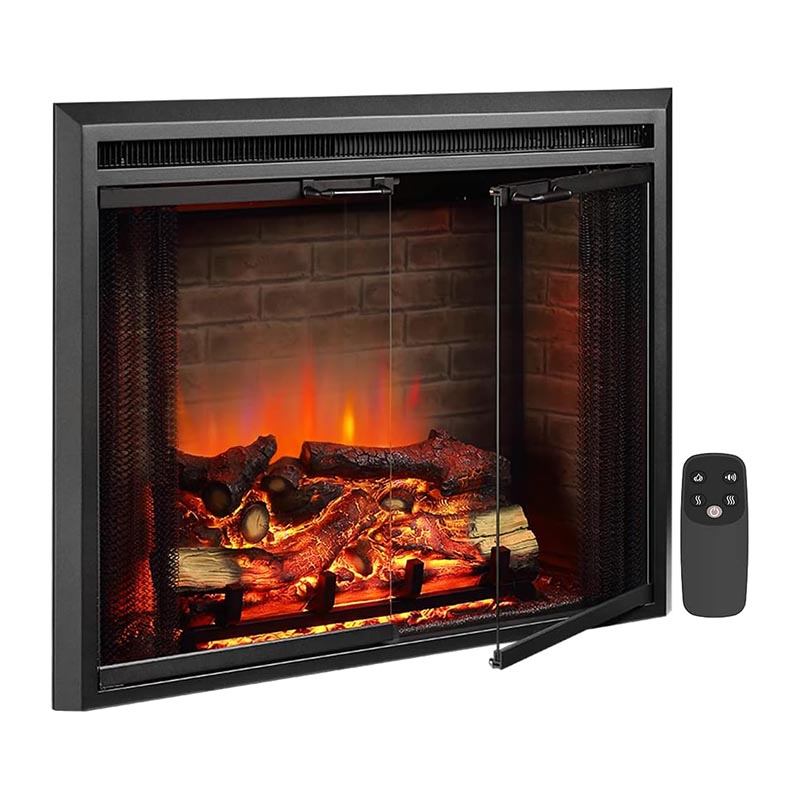
Our Favorite Electric Fireplace Is Easy to Install for a Life-Like Fire

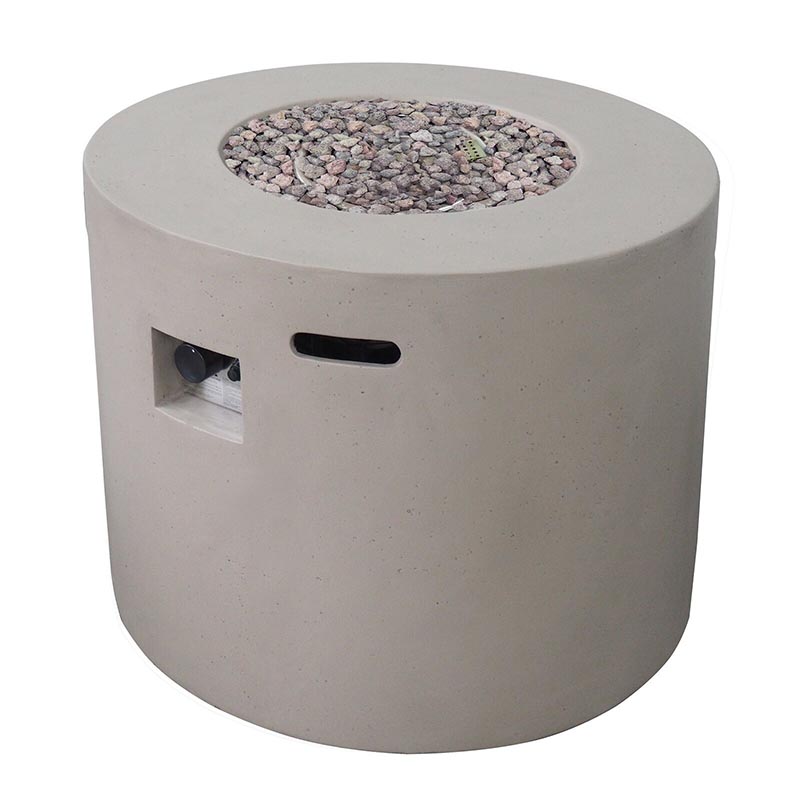
Our Favorite Fire Pit Table is Easy to Start and Built to Last
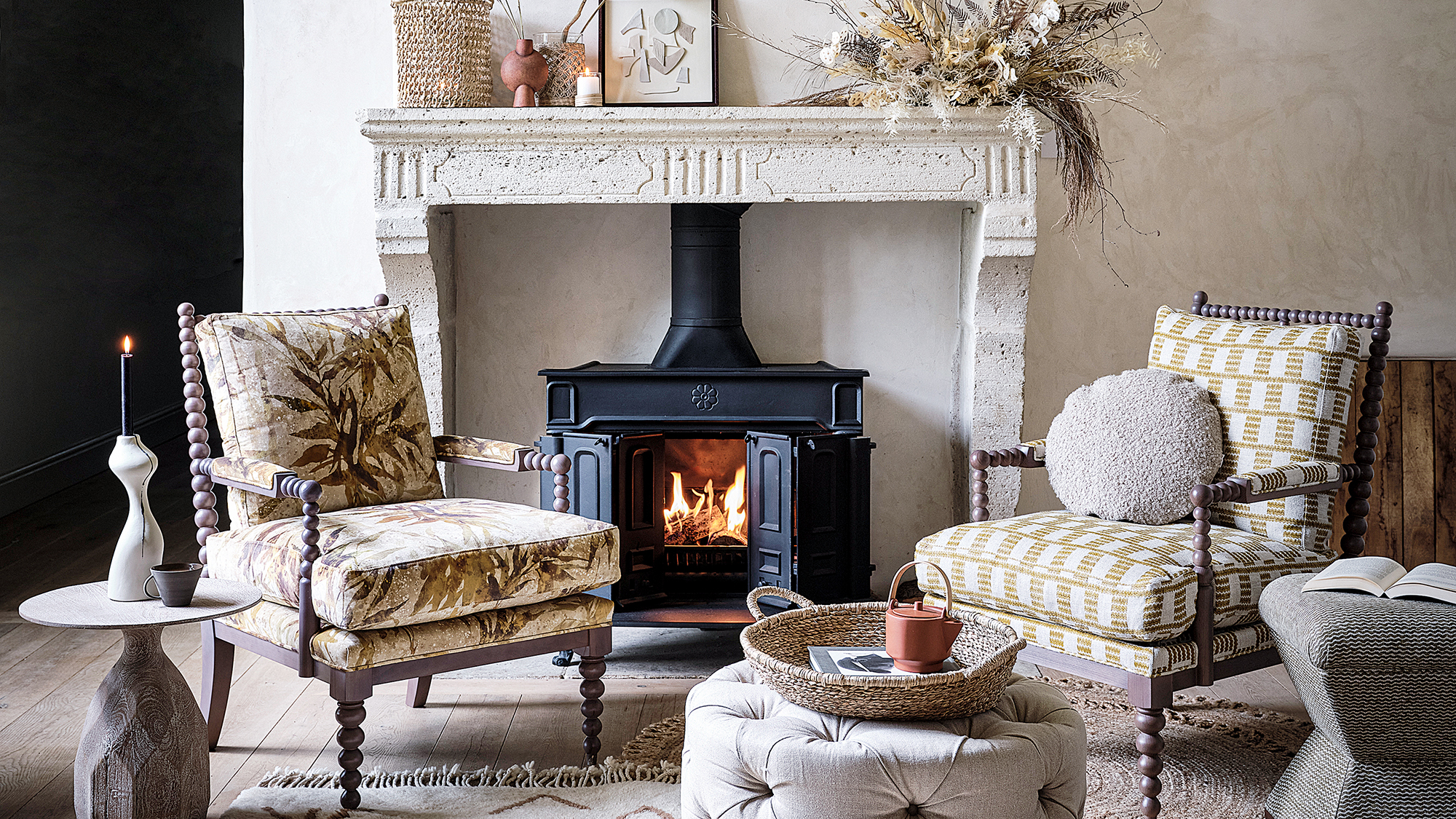
How to clean a fireplace – these expert tips will keep your fireplace looking its best

Home is where the hearth is
Fireplace Ideas and Installation

The Best Fire Logs for Long-Lasting Ambience, Tested
How to make fireplace season even better
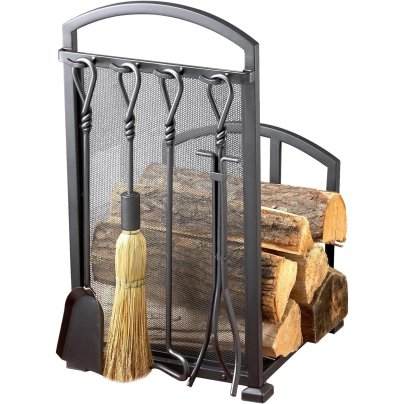
The Best Fireplace Tools to Keep Your Fireplace Clean—and Stylish
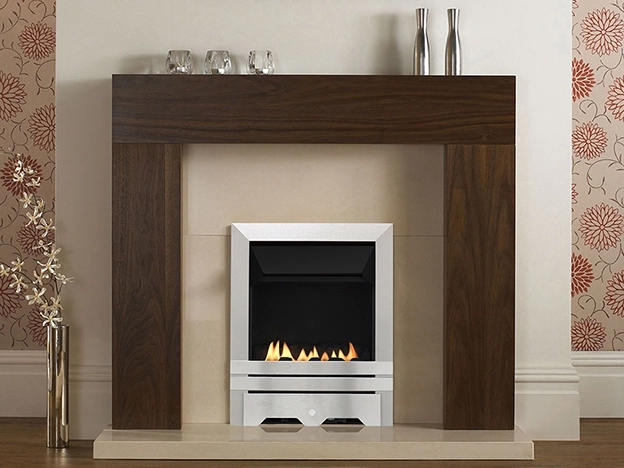
Fires & Fireplaces

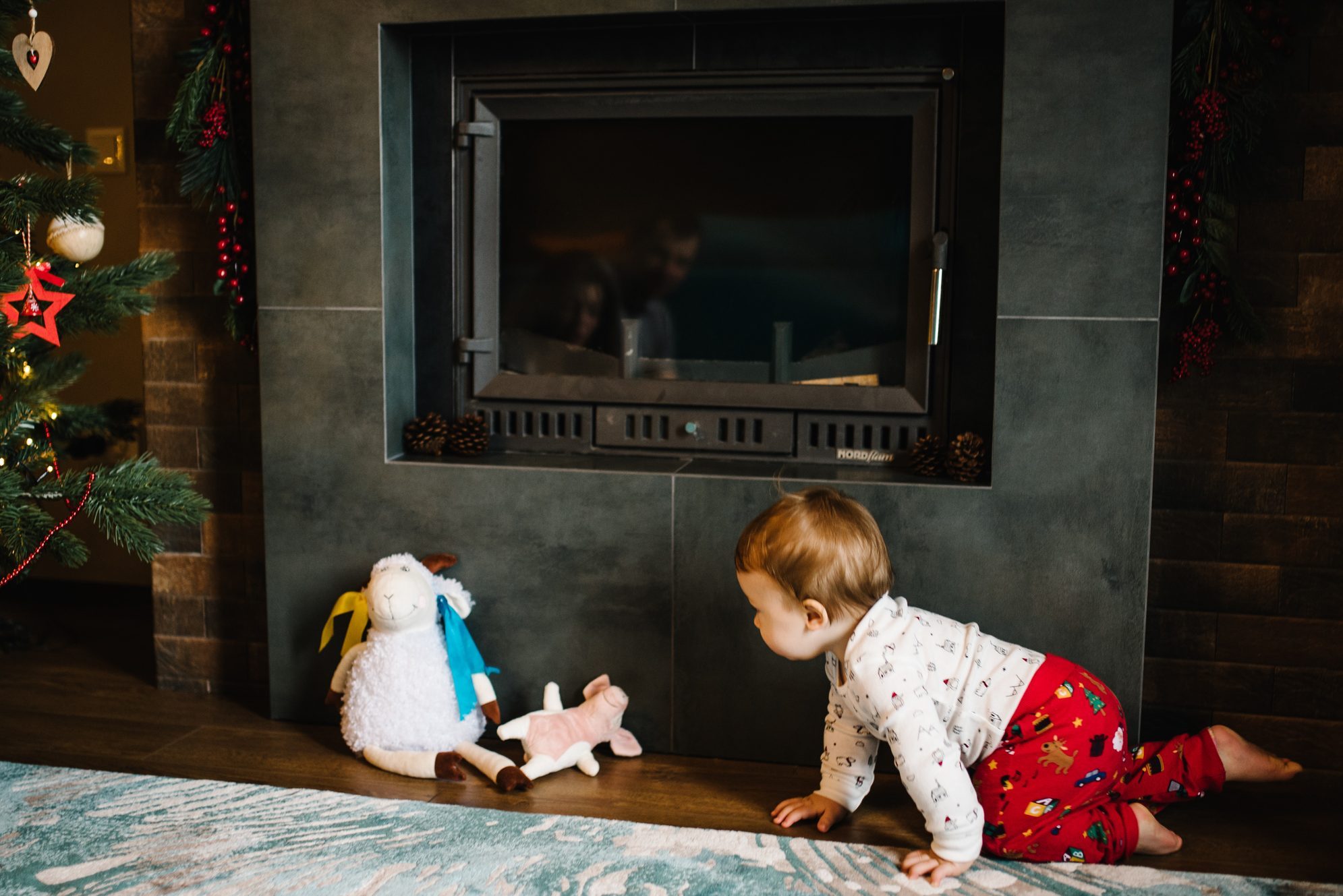
How to Properly Babyproof a Fireplace
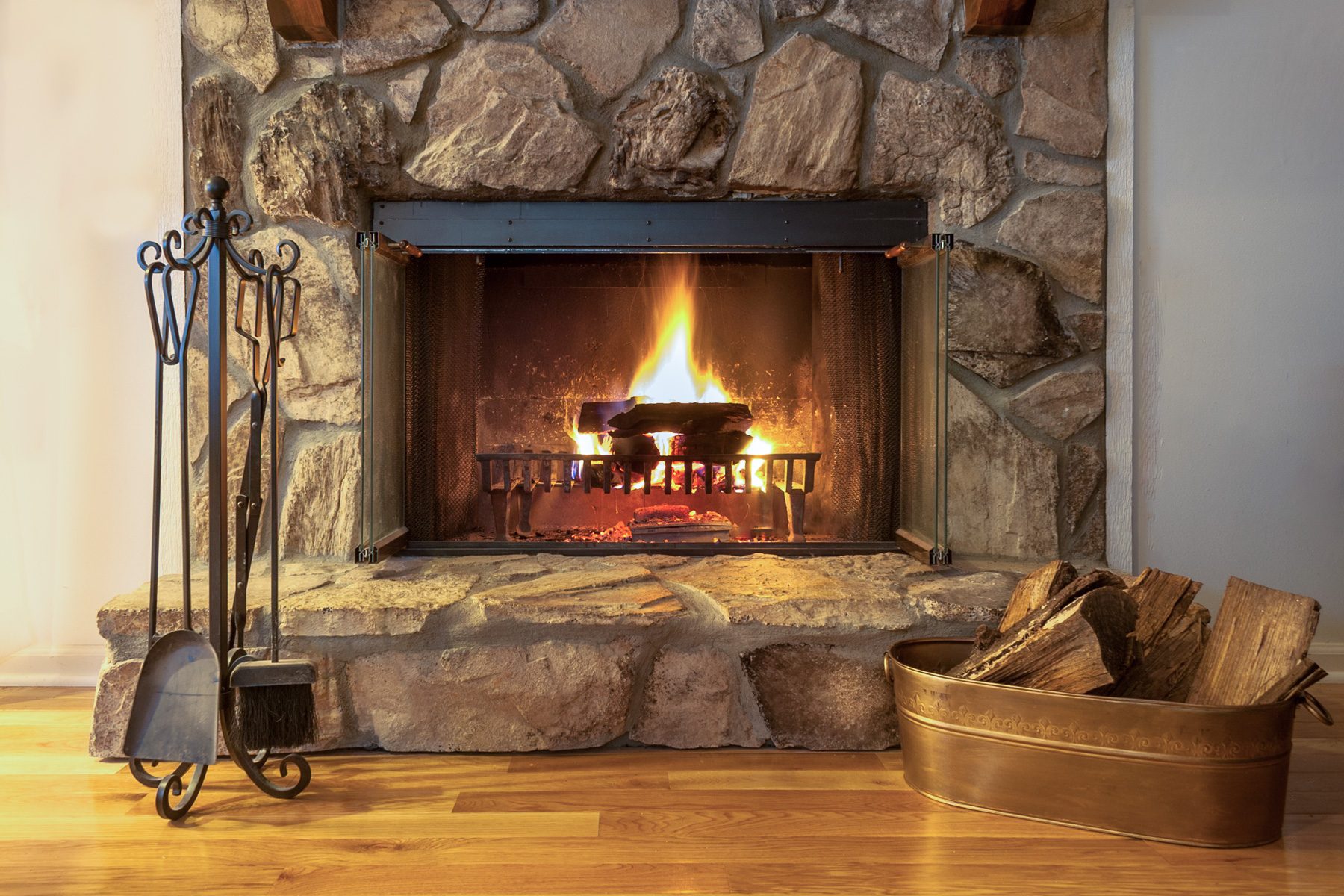
Ways To Increase the Heat From Your Wood-Burning Fireplace
7 fireplace ideas for the home this winter
Light Your Fire
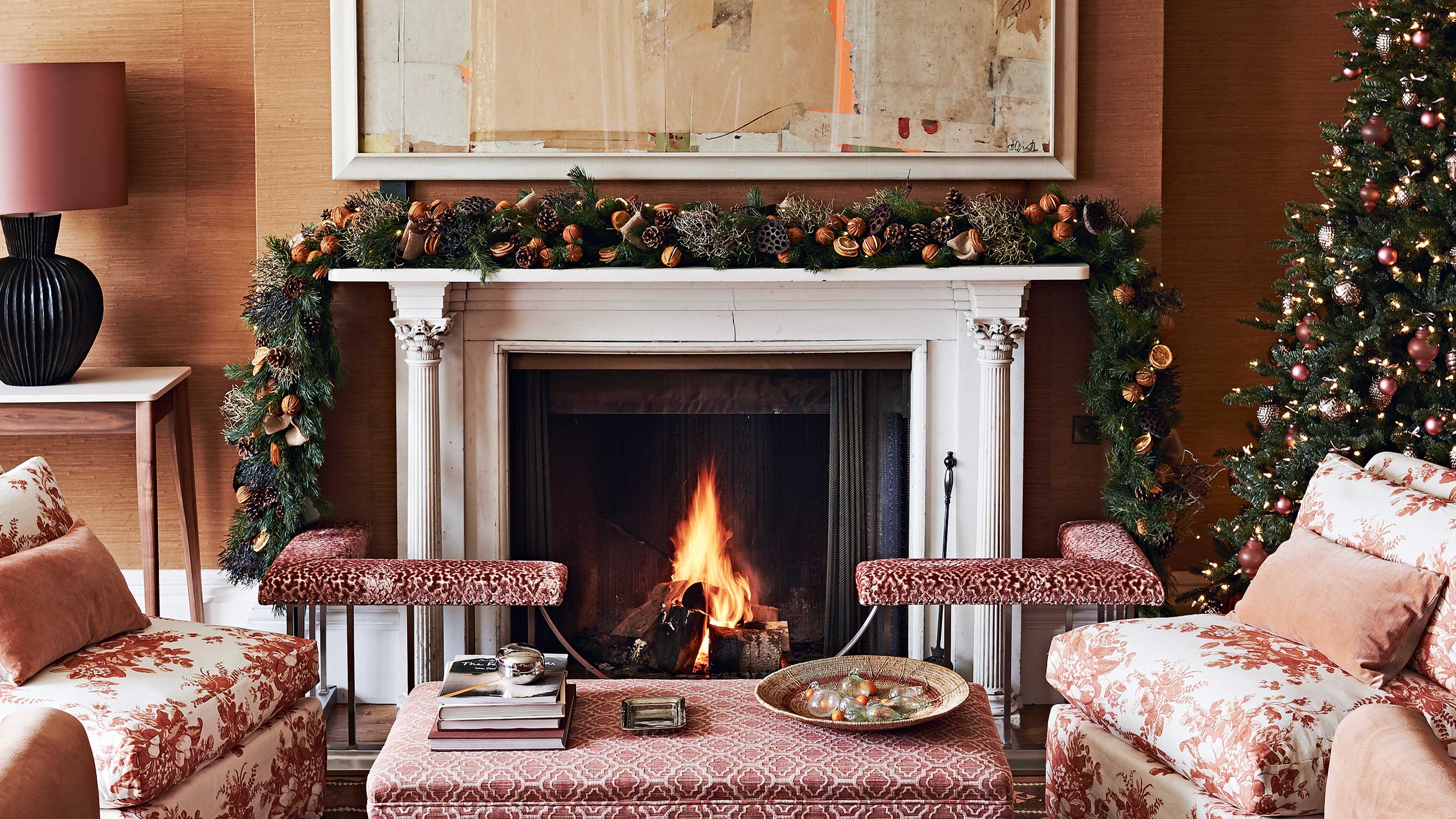
6 Ways to Get More Heat From Your Fireplace and Stop Wasting It

77 Fireplace Ideas to Bring a Much-Needed Spark to Your Space
Complete guide to buying a gas fireplace
Take the Chill Off with an Electric Fireplace
Complete guide to buying an electric fireplace
The best energy efficient fireplaces

Skip the Fire: Four Alternative Ways to Style a Fireplace