1/20
Ways To Increase the Heat From Your Wood-Burning Fireplace
Heating a home primarily with a wood-burning fireplace or stove requires a nuanced understanding of efficient combustion, as detailed by experts in the field. The primary factors contributing to a low-burning fire are insufficient oxygen or inadequate fuel. Christine Matthews of Gr8Fires suggests that opening air vents wider or adding more fuel can often resolve this issue.
Several common problems lead to inefficient fireplace operation. Wet or unseasoned wood is a significant culprit, as the fire expends energy drying the wood rather than producing heat, preventing it from reaching optimal temperatures. A clogged chimney or flue can also restrict airflow, a vital component for a vigorous fire. Jon Gilbertson, president of Chris Heating & Cooling, emphasizes that if a fireplace consistently burns low without changes in wood type, a clogged chimney is the most probable cause. If the problem arises after switching wood, the new wood's moisture content is likely too high.
To maximize heat output, selecting appropriate wood is crucial. Dan Morris, founder of Fire and Saw, highlights the importance of using 'better wood.' Rotting or freshly cut wood burns poorly. Hardwoods like oak and hickory are preferred over softwoods such as pine, as they produce a cleaner burn with less sap, though softwoods can be useful for kindling. Jeff Waldman of Elevated Spaces notes that wood with a high British Thermal Unit (BTU) content burns hotter, creating a strong airflow that reduces creosote buildup in the chimney.
Properly seasoning wood is essential. Cory Cameron of Fireplaces By Cameron explains that wood needs to be dried for several months to up to two years, depending on the type and climate, to achieve a moisture content of 10% to 20%. Bringing seasoned wood indoors a week or so before burning further reduces moisture, leading to longer, more efficient burns and less creosote.
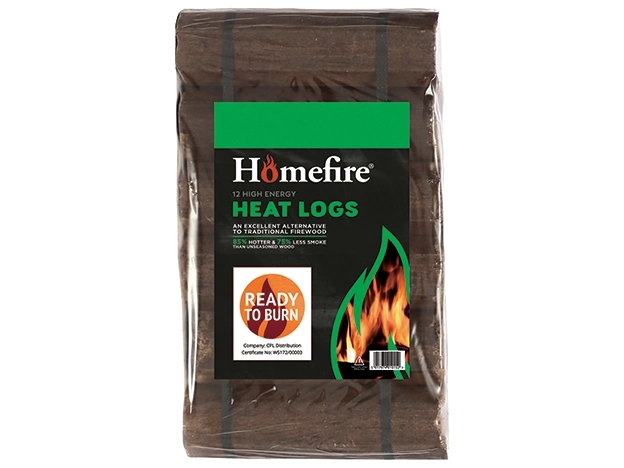
Alternate fuels, such as compressed wood bricks made from sawdust, offer higher heat output and longer burn times due to their uniform density and low moisture. These bricks also produce less smoke and creosote than traditional firewood, making them an eco-friendly option, though they lack the characteristic aroma of burning wood.
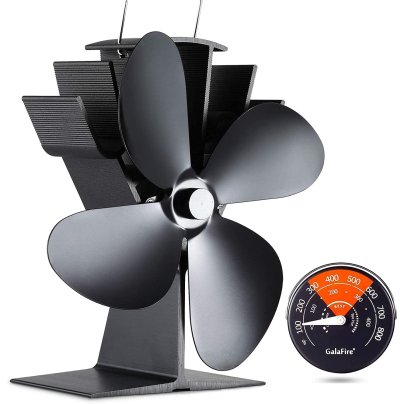
Controlling airflow is critical for efficient combustion. Manufactured fireplaces and wood stoves have specific vent settings that should be followed. Initially, ample airflow is needed to start the fire, but once a strong coal base is established, vents should be adjusted to prevent 'overfiring,' which can damage the stove and waste wood. Waldman advises using a flue thermometer to maintain temperatures between 250°F and 450°F.
Building a robust coal base is paramount for sustained heat. Leroy Hite, founder of Cutting Edge Firewood, recommends starting with small kindling and gradually adding larger pieces to generate and maintain a deep bed of hot coals. Arranging wood in a 'log cabin style' promotes better oxygen circulation, leading to a hotter, more complete burn.
Proper fire-lighting techniques also contribute to efficiency. Matthews suggests cleaning the stove, opening vents fully, preheating the flue with newspaper, and building a lattice of kindling with crumpled newspaper. Once logs catch, closing the door and partially adjusting vents helps maintain a steady, efficient burn without excessive smoking or smoldering. Emma Bell of Fires2u adds that avoiding crowded logs and using smaller pieces helps sustain a high flame.
Regular rotation of logs exposes fresh surfaces to the flame, intensifying the burn. Using a poker to reposition logs and leaving space for oxygen is important. Hite recommends a 'fire back'—a cast-iron plate at the rear of the fireplace—to reflect heat outward, boosting heat output by 20% to 25%.
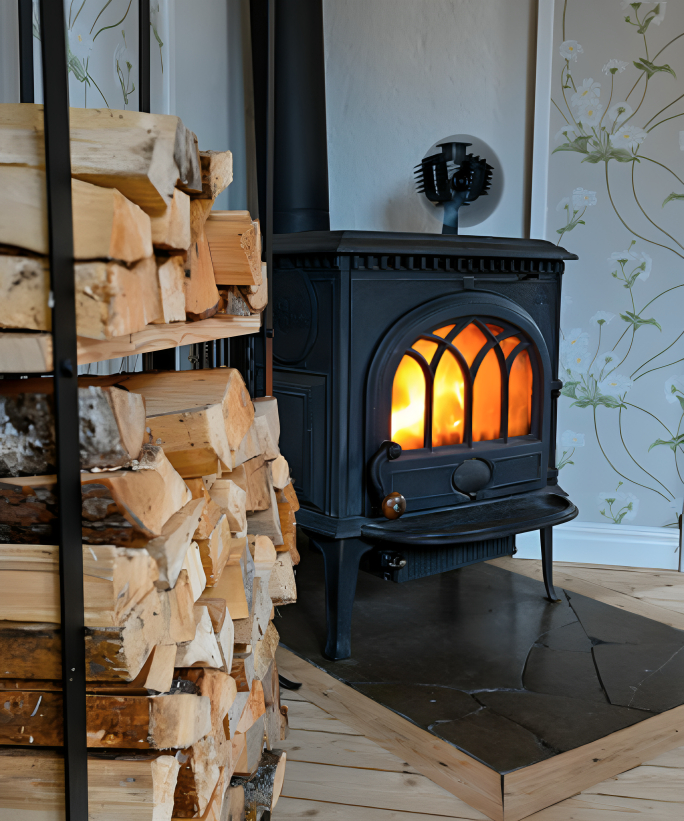
For wood stoves, proper installation and sizing are vital. The ESSE team advises ensuring adequate space around the stove and flue for optimal heat distribution. Using a stove size calculator can help match the stove's heat output to the room's requirements.
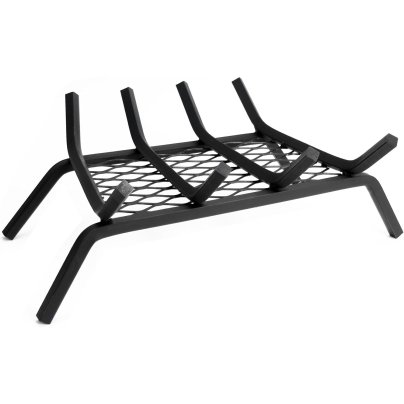
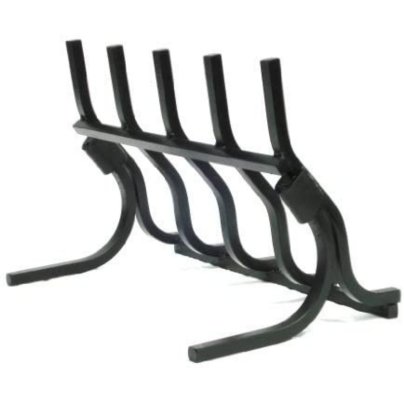
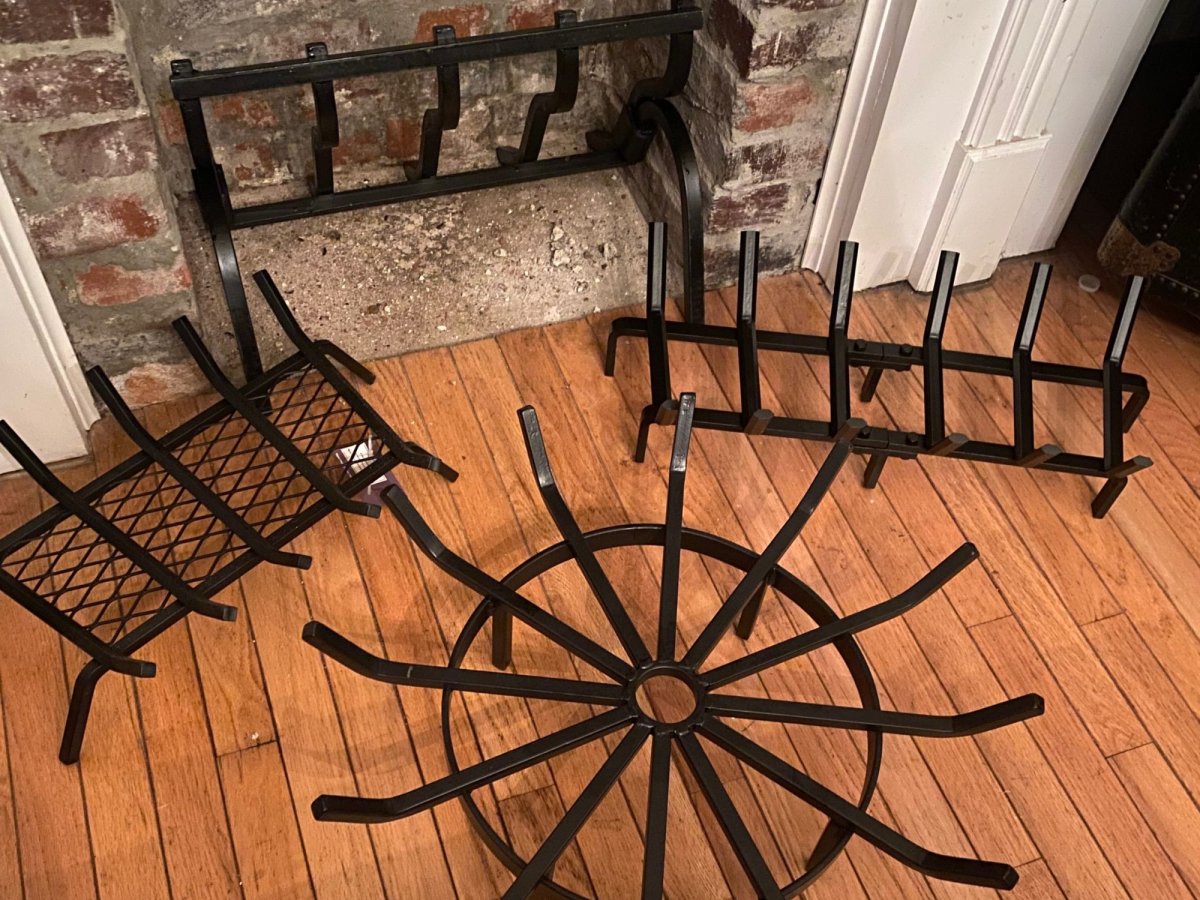
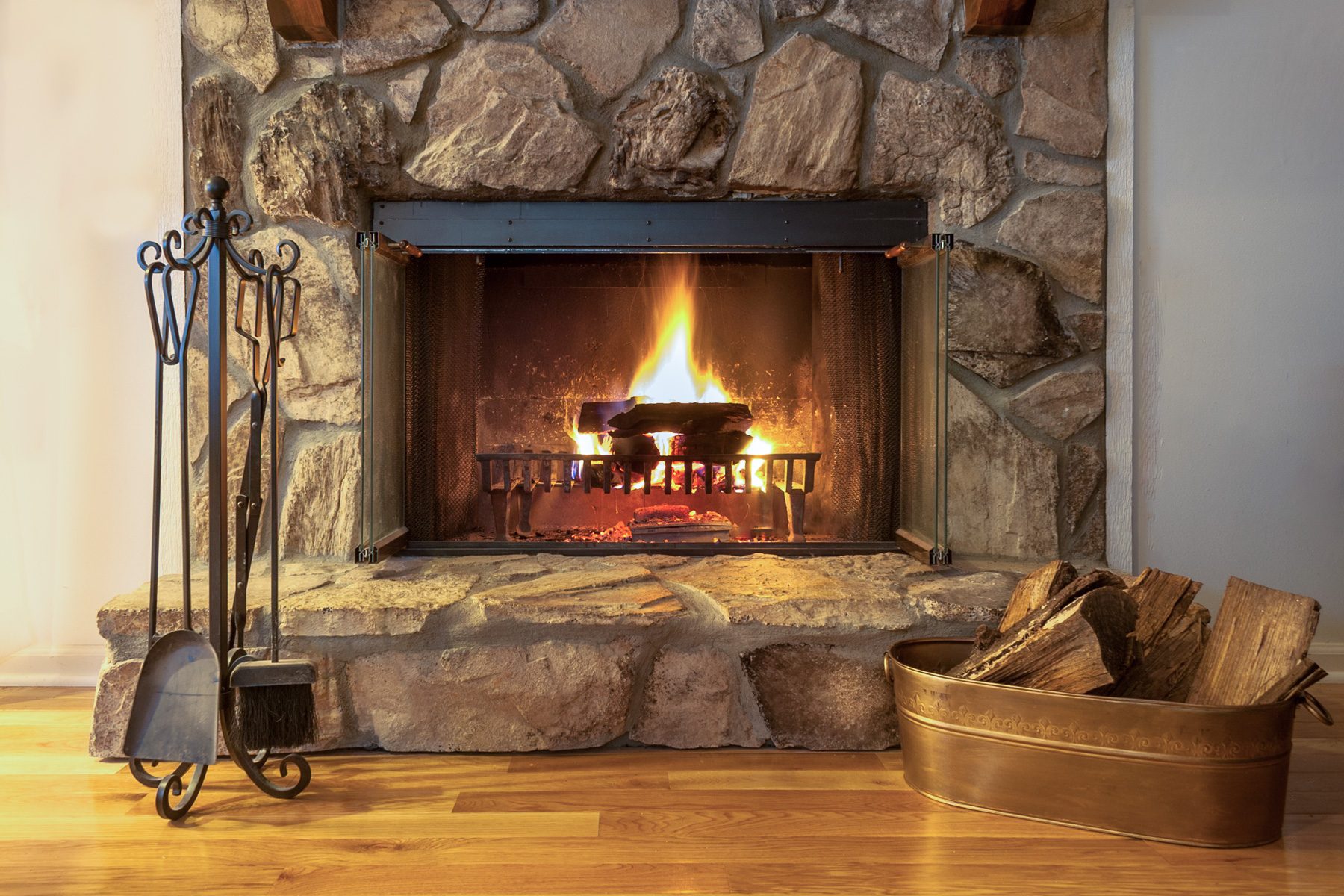
Using andirons or a grate to lift logs from the bottom of the fireplace improves airflow, which Hite notes is often better achieved with andirons in open fireplaces than with traditional grates.
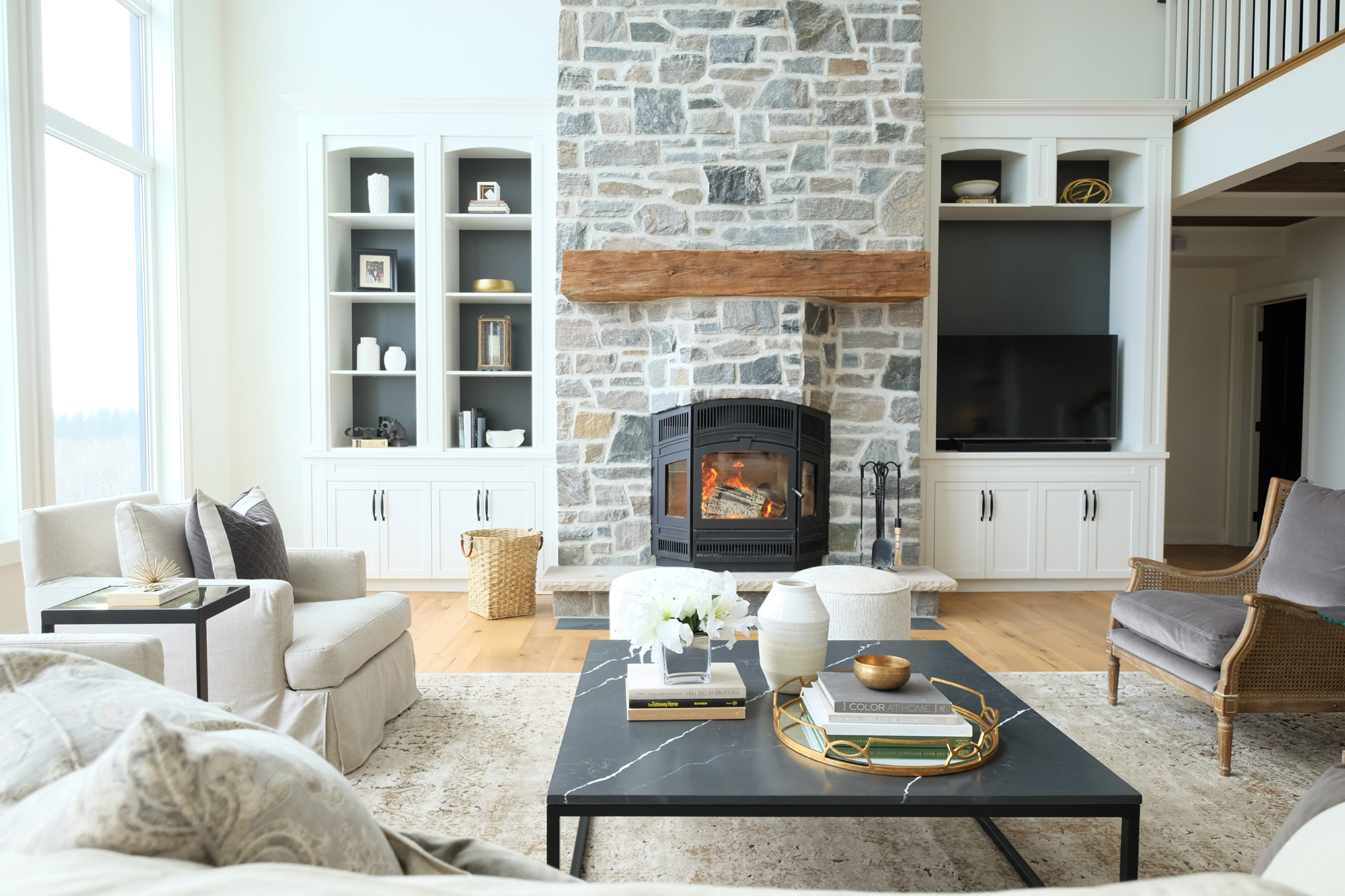
Upgrading a fireplace with an insert can significantly enhance heat transfer, as these units are designed to return heat to the room more effectively. Adding a hearth pad or brick wall can also help retain and gradually release heat into the room after the fire dies down.
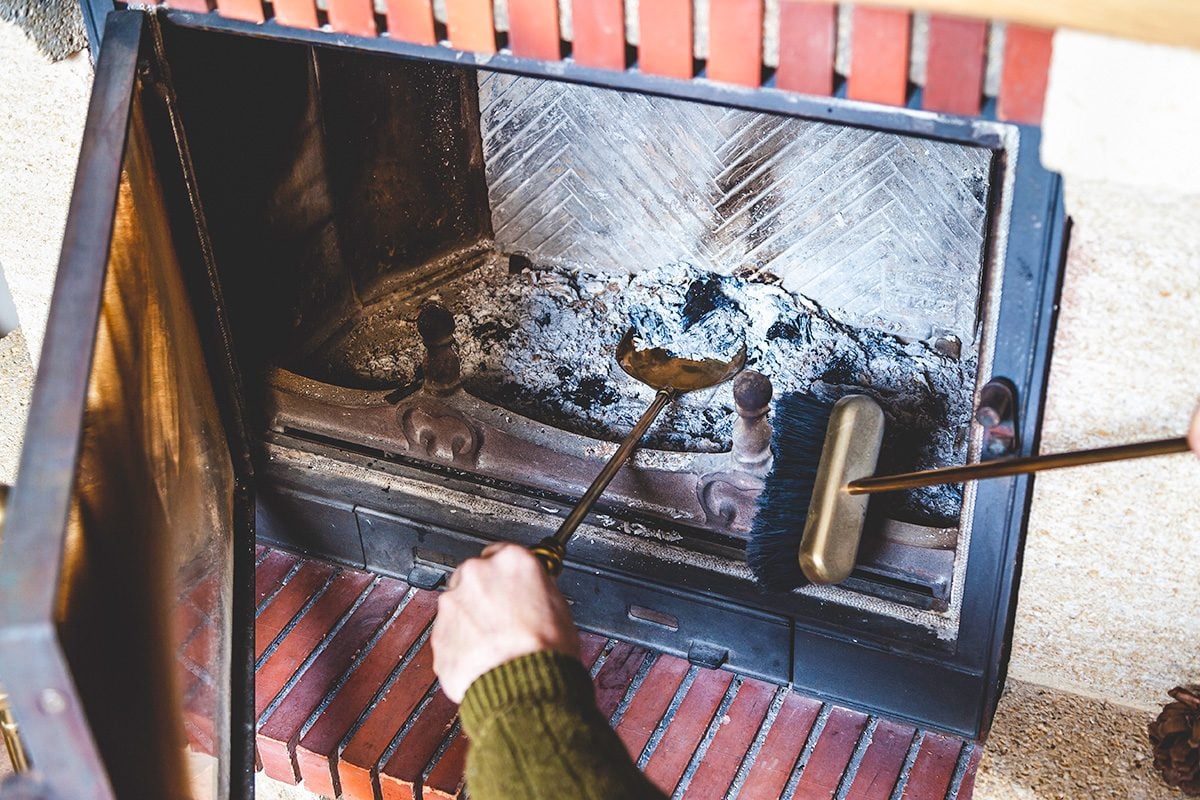
Maintaining the fireplace or stove through regular servicing is essential. Annual chimney cleaning prevents creosote buildup, reducing fire risk and ensuring cleaner, hotter burns. Worn door and glass seals should also be addressed to prevent over-combustion.
Finally, managing the damper post-fire is important for safety and heat retention. While keeping the damper open prevents carbon monoxide buildup, it can lead to heat loss. Hite suggests burning a large 'Yule log' on a thick coal base to provide residual heat while the damper remains open.
#WoodBurningFireplace #HomeHeating #FireplaceMaintenance #WoodStove #EnergyEfficiency #WoodSelection #AirflowControl #ChimneyCare #FirewoodSeasoning #WoodBurningFireplace #HomeHeating #FireplaceMaintenance #WoodStove #EnergyEfficiency #WoodSelection #AirflowControl #ChimneyCare #FirewoodSeasoning
0 comment in total
 No comments yet
You may also like
6 Ways to Get More Heat From Your Fireplace and Stop Wasting It

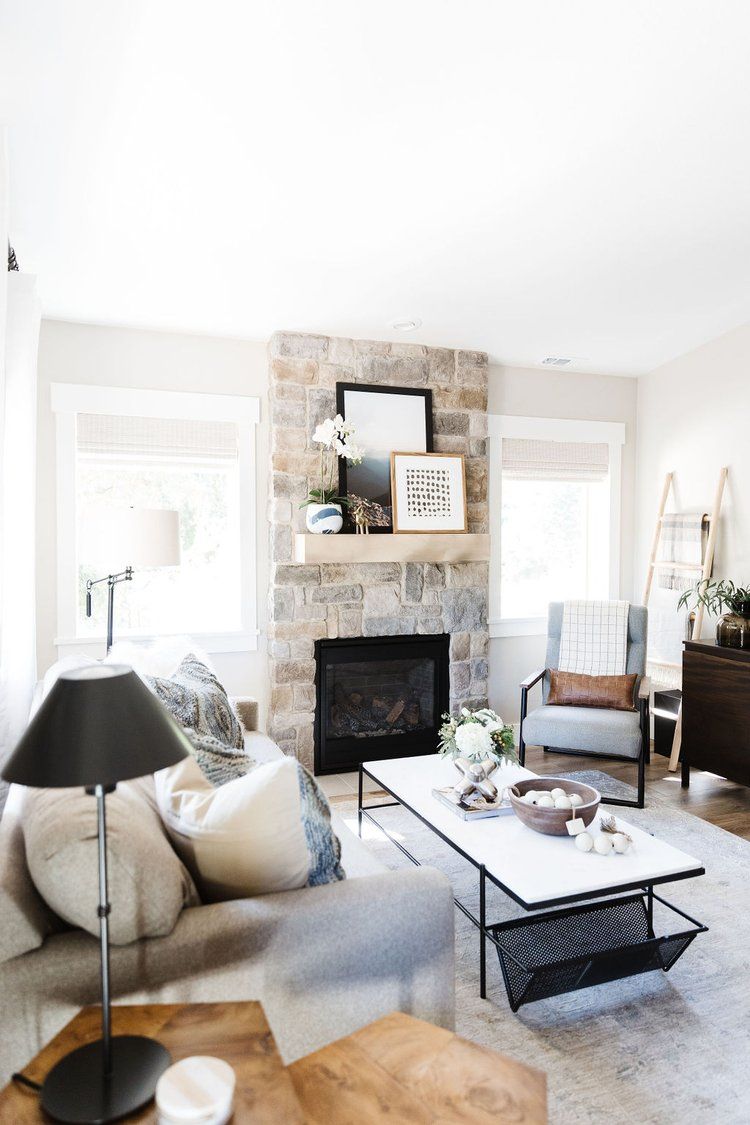
Add flair to your fireplace this season with tips from interior designers

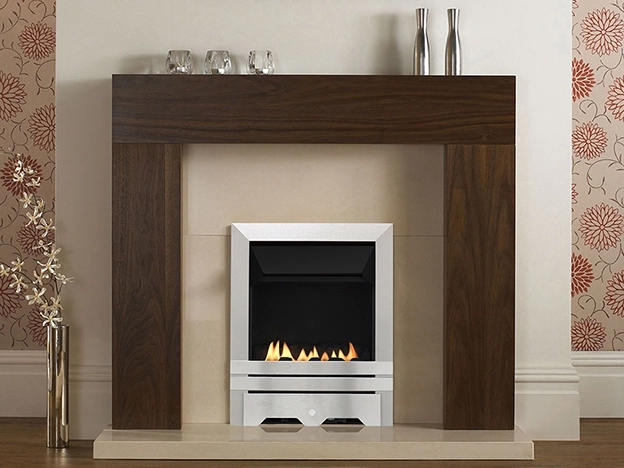
Fires & Fireplaces

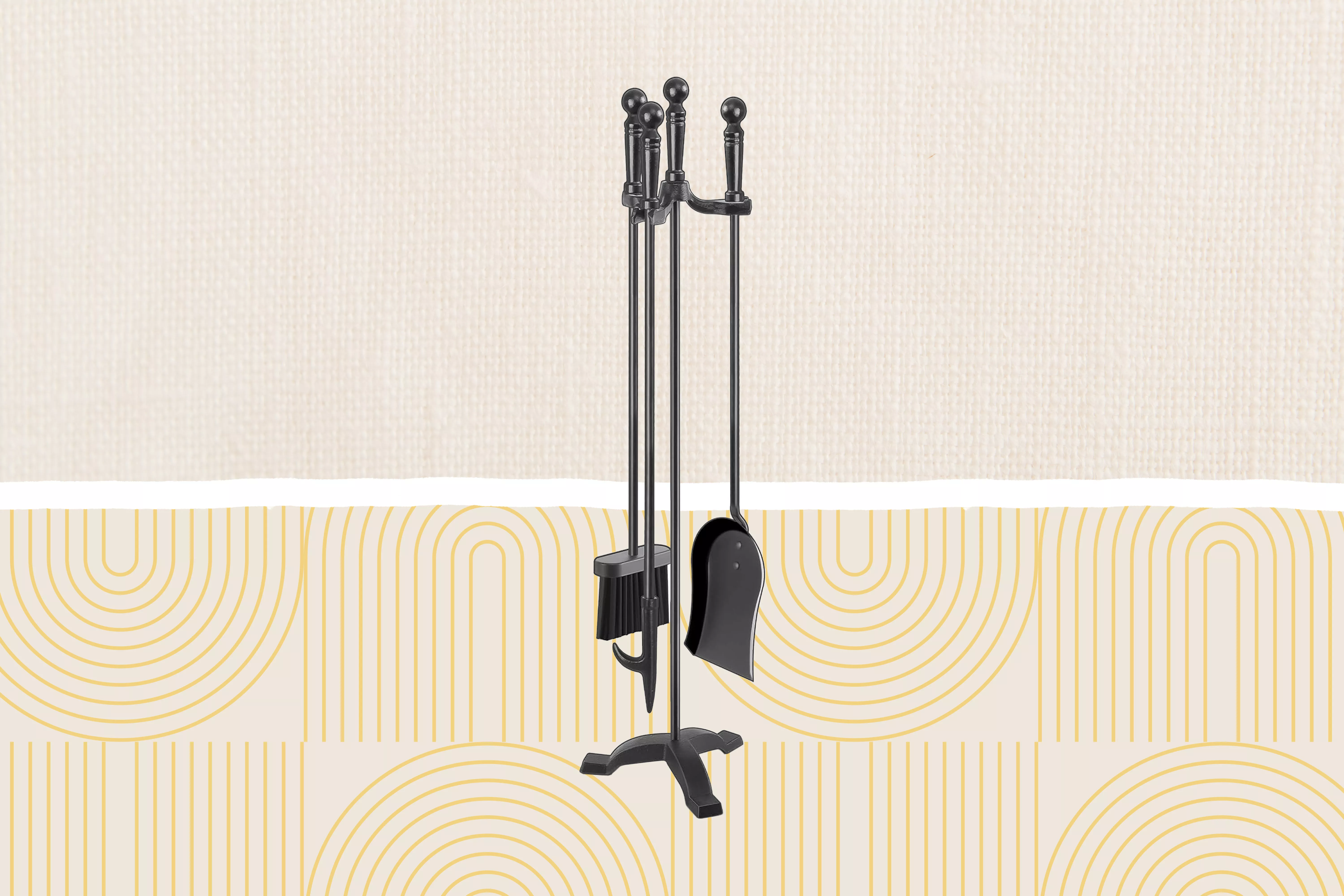
Keep the Fire Roasting All Winter Long with These 7 Fireplace Tools

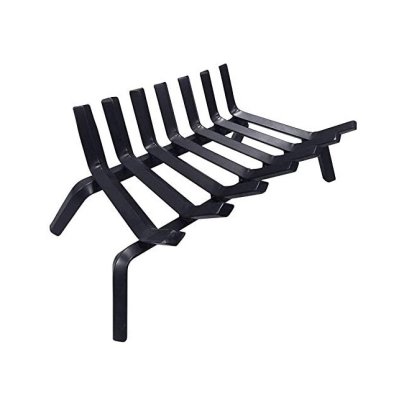
Increase Your Fireplace’s Efficiency With This Simple Upgrade

Take the Chill Off with an Electric Fireplace

Skip the Fire: Four Alternative Ways to Style a Fireplace
7 fireplace ideas for the home this winter

How to update a fireplace – 6 ways to refresh this focal point
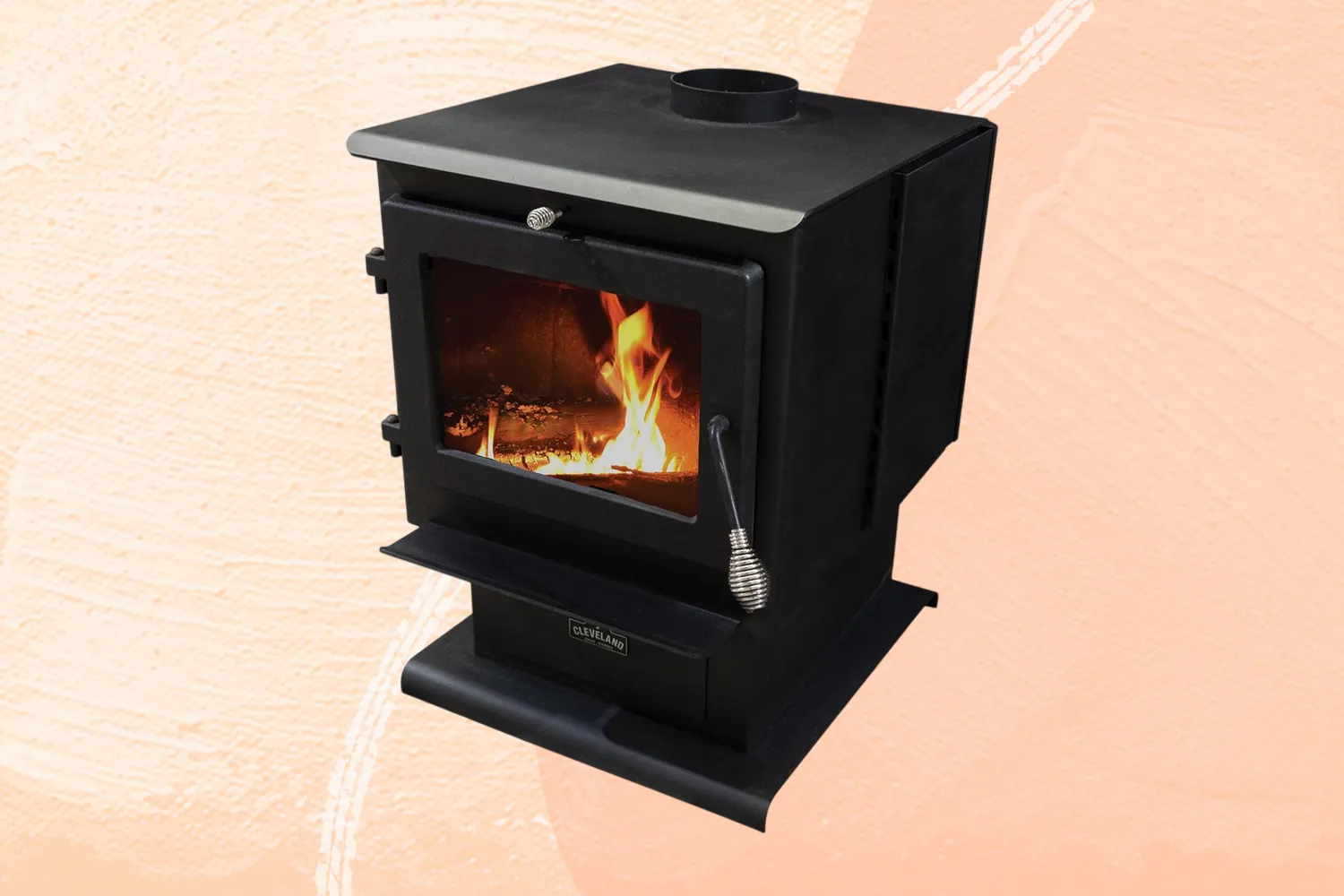
The Best Wood Stoves Can Make Your Home Feel Like a Rustic Cabin—Here Are Our Top 7

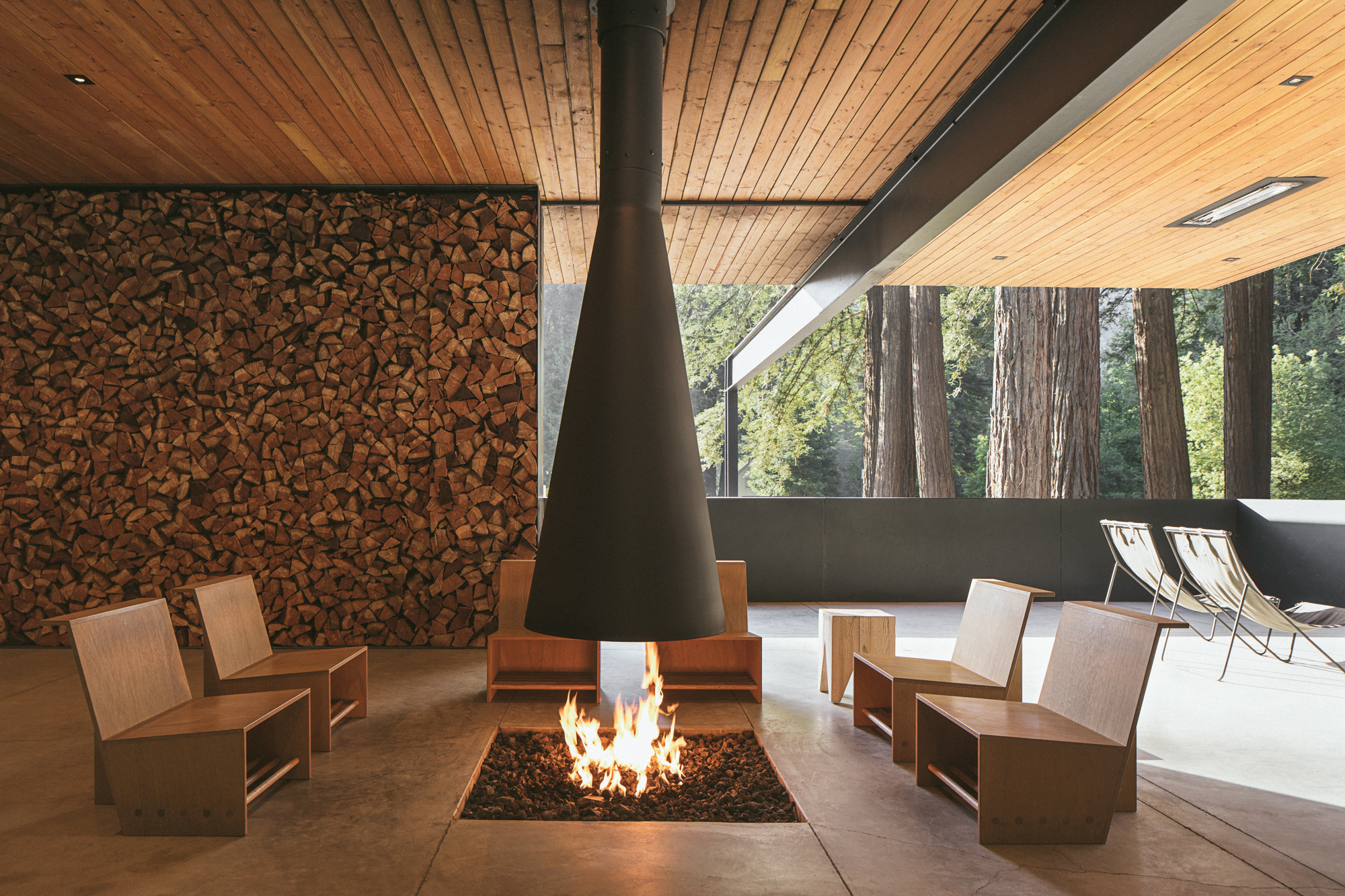
8 outdoor fireplace ideas to turn up the heat on even the coolest of summer nights

Your backyard bonfire just got a whole lot better with these smokin' hot fire pit ideas

How to make fireplace season even better

77 Fireplace Ideas to Bring a Much-Needed Spark to Your Space
Complete guide to buying an electric fireplace
How to choose the right fireplace for your home

This Simple Add-On Can Increase Your Wood Stove’s Efficiency
Keep Your Home Toastie With These Indoor Fireplace Ideas | W&H

Fireplace Ideas and Installation
Home is where the hearth is