1/9
This Simple Add-On Can Increase Your Wood Stove’s Efficiency
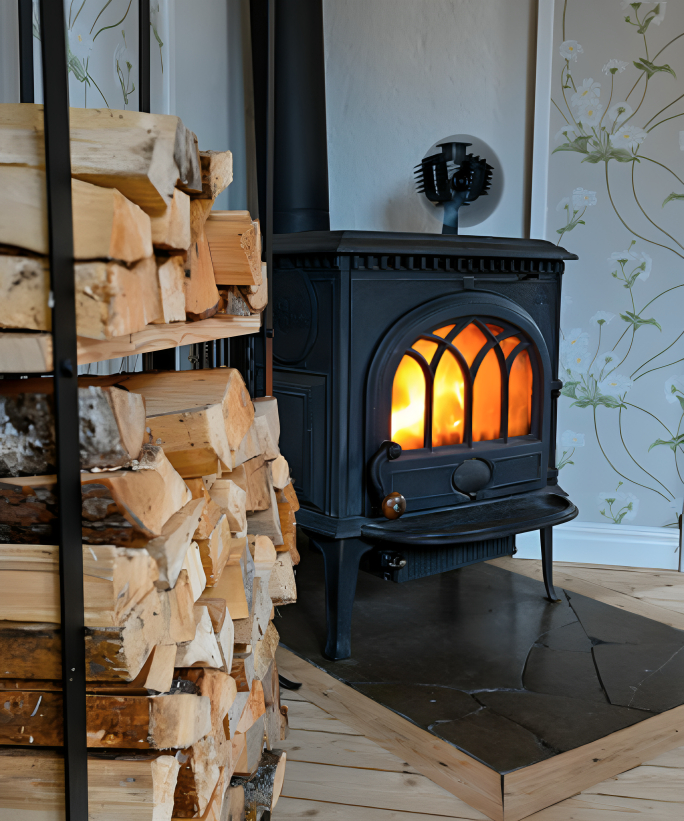
This article explores the effectiveness of wood stove fans in enhancing the heat distribution and overall efficiency of wood-burning stoves. These fans, typically powered by the heat generated from the stove, operate without electricity or batteries, making them an energy-efficient addition to any home utilizing a wood stove for heating. The review process involved comprehensive research of over 20 models, followed by rigorous testing of four selected fans over a three-week period. The testing focused on various parameters including performance, durability, and value, with insights from Tim Smith, a chimney expert from Actual Chimney Specialists.
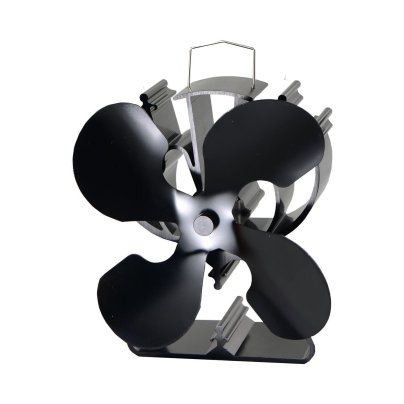
The Voda 4-Blade Wood Stove Fan emerged as the top pick, praised for its quick activation, silent operation, and a thermal safety feature that protects its motor. While effective in circulating air, it is noted that this fan is best suited for smaller rooms due to its airflow capacity. The Tomersun 3-Blade Heat-Powered Wood Stove Fan was recognized as the best budget-friendly option, offering similar durability and quiet operation at a lower cost, suitable for small spaces. The Galafire 4-Blade Heat-Powered Wood Stove Fan was highlighted for its compact size, making it ideal for smaller wood stoves, and its ability to start operating at a low temperature, ensuring early heat circulation. An honorable mention was given to the Hanaoyo 6-Blade Wood Stove Fan, which features six blades for potentially maximum airflow and includes a magnetic stove thermometer, though some users noted limitations in its power for larger areas.
Key considerations for choosing a wood stove fan include the number and design of blades, with four-blade designs generally offering better air circulation, though lightweight materials and fewer blades can contribute to longevity and quicker spinning. The CFM (cubic feet per minute) rating indicates airflow capacity, with most fans providing enough circulation for about 400 square feet, though manufacturers' ratings can vary in accuracy. Operating temperature is crucial, as fans require a minimum heat level to activate and have a maximum tolerance to prevent motor damage. Most fans start between 180 and 220 degrees Fahrenheit and have safety features to lift the base if temperatures exceed 600 degrees Fahrenheit. Noise levels are generally low, typically between 25 and 30 decibels, comparable to a whisper. The fans are predominantly constructed from anodized aluminum, chosen for its heat resistance and durability.
Utilizing a wood stove fan offers several advantages: improved stove efficiency by preventing heat from immediately rising, no electricity requirement, and quiet operation that maintains the ambiance of a wood stove. However, safety precautions are essential. Users must ensure adequate clearance for spinning blades, keep children and pets away, and use heat-protective gloves when repositioning the fan. Common questions addressed include the benefit of using multiple fans for enhanced airflow, the confirmation of fans improving stove efficiency without additional operating costs, and the optimal placement of a fan on the stove—near the back or side, away from the chimney. The article concludes by emphasizing that while wood stove fans effectively push warm air across a room, their small size means they offer limited airflow, working best with freestanding wood stoves.
#WoodStoveFan #HomeHeating #EnergyEfficiency #ProductReview #HeatDistribution #WoodStoveAccessories #ThermalFan #HomeImprovement #ApplianceTesting #WoodStoveFan #HomeHeating #EnergyEfficiency #ProductReview #HeatDistribution #WoodStoveAccessories #ThermalFan #HomeImprovement #ApplianceTesting
0 comment in total
 No comments yet
You may also like
Increase Your Fireplace’s Efficiency With This Simple Upgrade

Fire experts love this surprisingly effective and 'environmentally friendly' pantry staple for easily putting out flames in your fireplace this cozy season

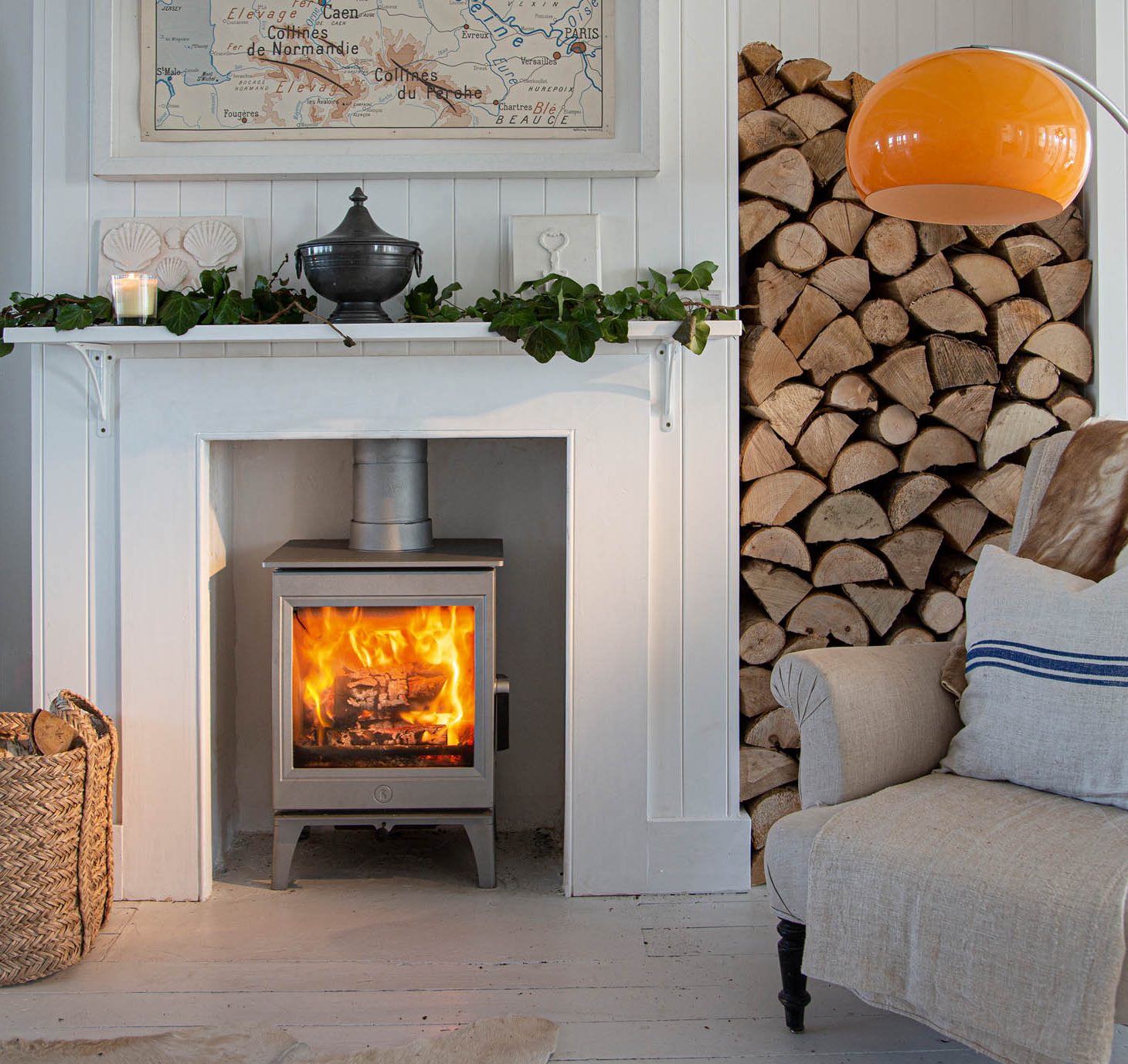
More heat, less fuel: How modern tech has lit up a new era of log-burning stoves

Homebuilder shares candid thoughts about the stovetop trend taking over modern kitchens: 'I didn't realize the benefits'


Buy One, Get One Free: Increase Your Home’s Energy Efficiency With This Simple Upgrade
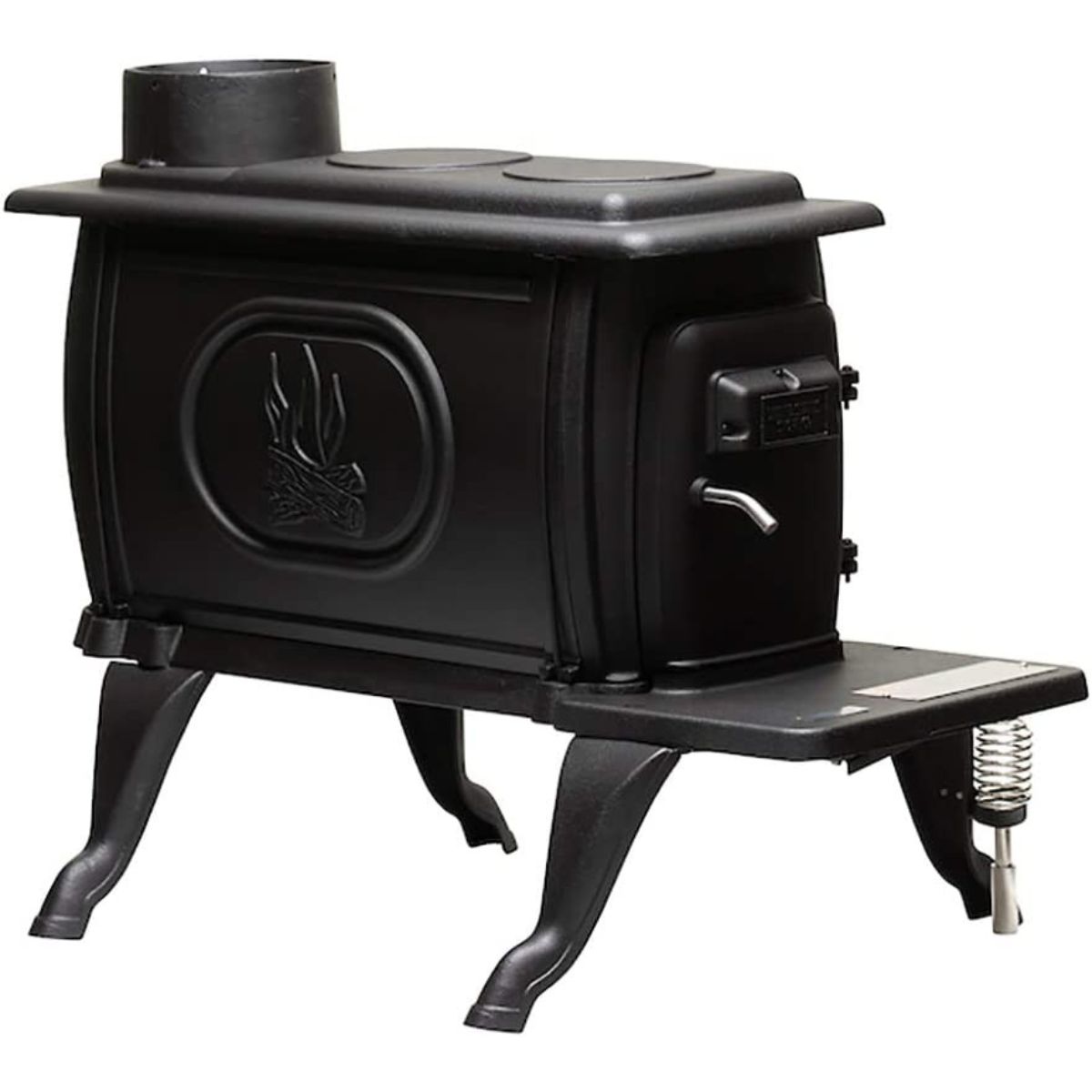
The 8 Best Wood Stoves for Warmth, Efficiency, and Ambiance
Home appliance experts uncover the little-thought-of upgrade that could slash your utility costs: 'You can save over $800'

This Easy Upgrade Will Transform Your Kitchen


This Small Upgrade Can Lower Your Electricity Bills
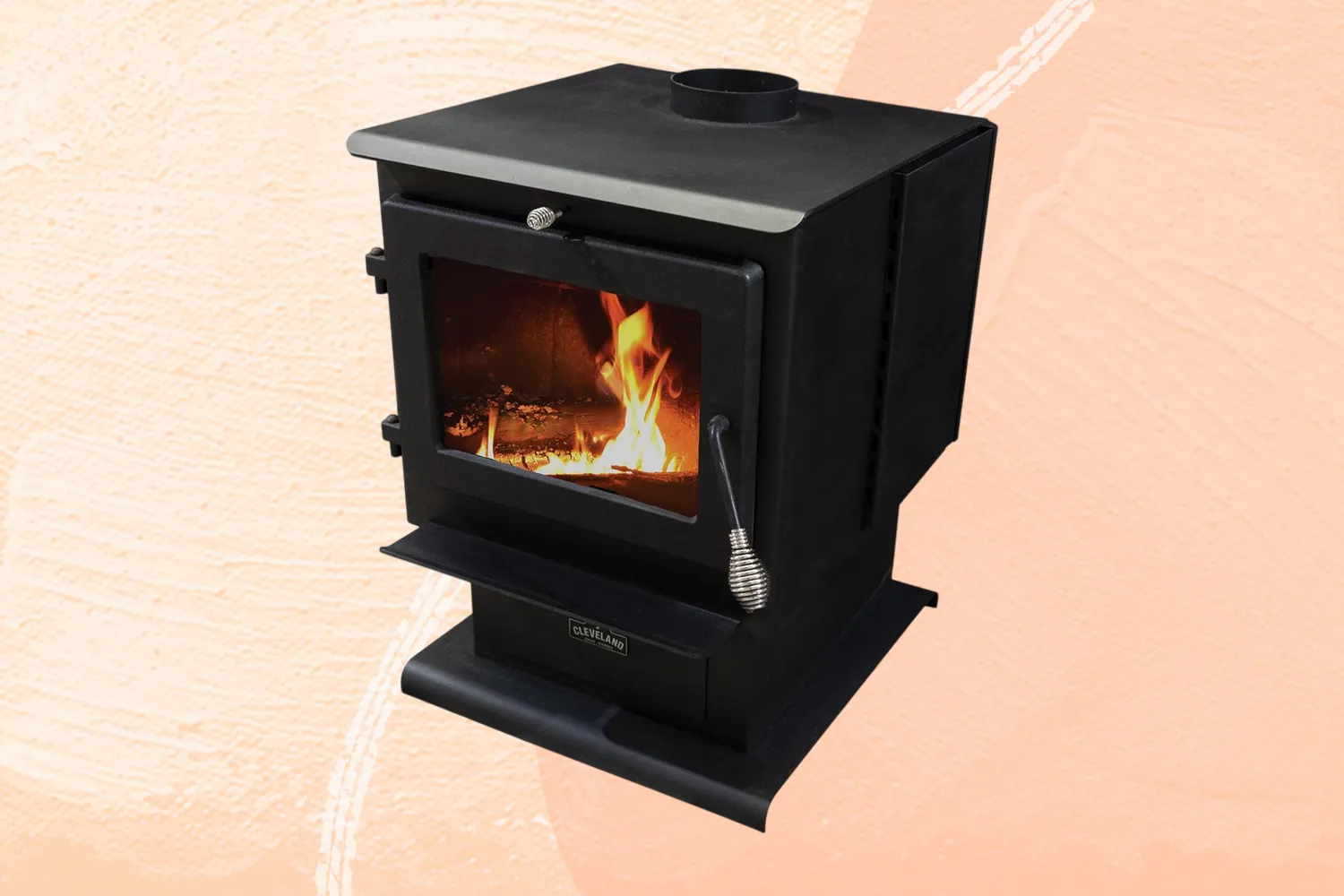
The Best Wood Stoves Can Make Your Home Feel Like a Rustic Cabin—Here Are Our Top 7

The Best Electric Fireplace Inserts for Any Home
50 Super Simple Ways to Save on Energy Costs

Our Favorite Pellet Stoves Are More Efficient Than Burning Wood

The Best Fireplace Tools to Keep Your Fireplace Clean—and Stylish
Our Kitchen Has Never Been More Functional Thanks to This Simple Product
Complete guide to buying a gas fireplace
Ways To Increase the Heat From Your Wood-Burning Fireplace

6 Ways to Get More Heat From Your Fireplace and Stop Wasting It
These Are the Best Wood Stove Brands and Manufacturers Today
You Can Use Oven Cleaner to Strip Wood Furniture