1/14
This Small Upgrade Can Lower Your Electricity Bills
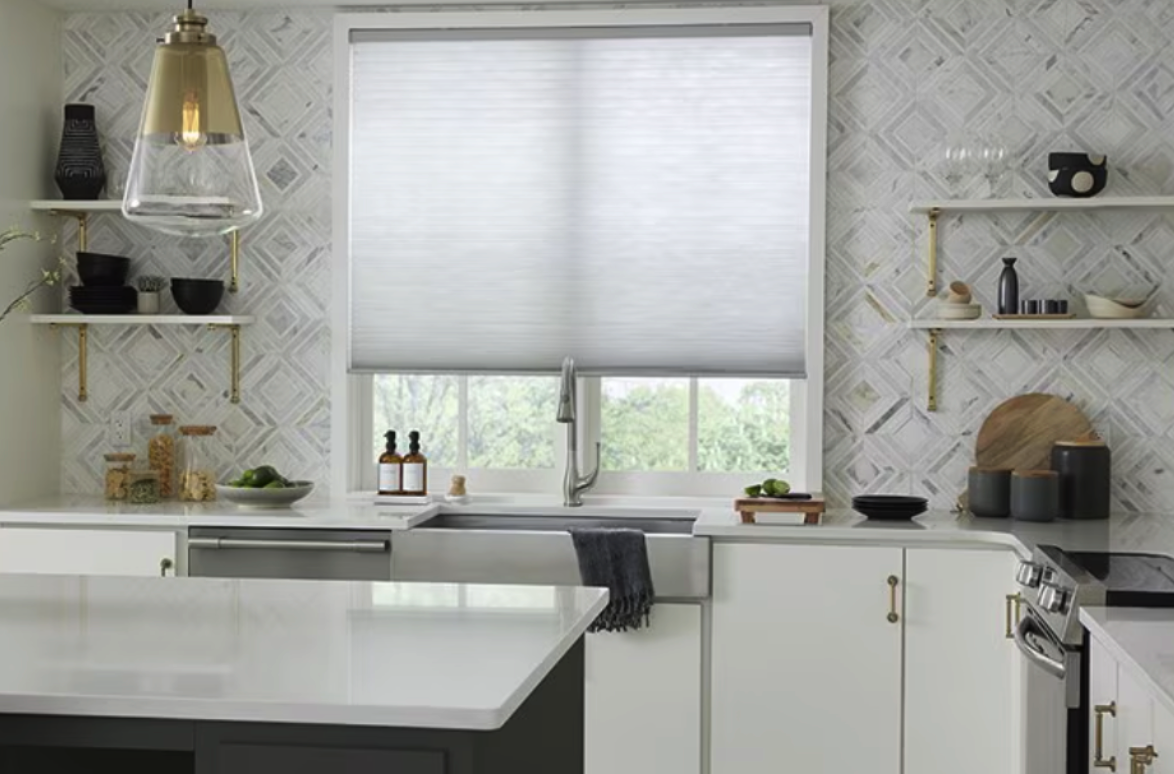
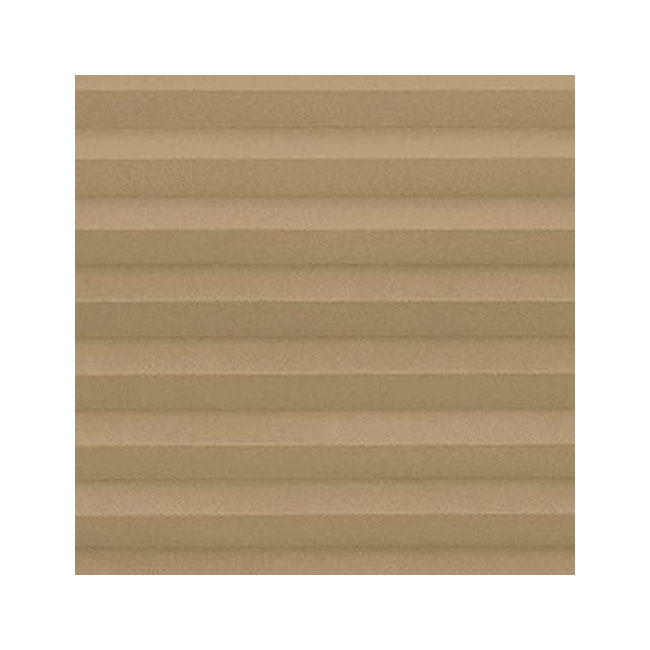
Cellular shades offer an effective solution for increasing a home's energy efficiency and enhancing its aesthetic appeal. These shades are constructed with multiple layers of fabric that form honeycomb-like cells, designed to trap air. This trapped air acts as an insulating barrier, preventing the transfer of warm or cool air through windows, thereby helping to regulate indoor temperatures throughout the year. The market offers a wide array of cellular shades in various colors, styles, and functionalities, including cordless, corded, motorized, and top-down/bottom-up designs.
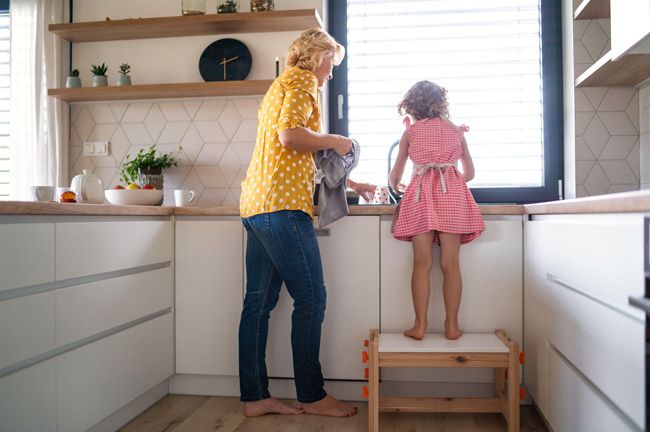
Cordless cellular shades are particularly beneficial for households with children or pets, as they eliminate the safety hazards associated with dangling cords. The internal cord system allows for easy adjustment by simply pushing or pulling the rails. Corded options, while less common, are available in standard and continuous-loop variants, with the latter offering enhanced safety by not having a free-hanging cord. Motorized cellular shades provide convenience and luxury through remote control, smartphone app, or smart-home assistant integration, with some models offering programmable schedules for automatic operation. Top-down/bottom-up shades offer versatile light control and privacy, allowing users to open the shades from the top to let in natural light while maintaining privacy at the bottom, or vice versa.
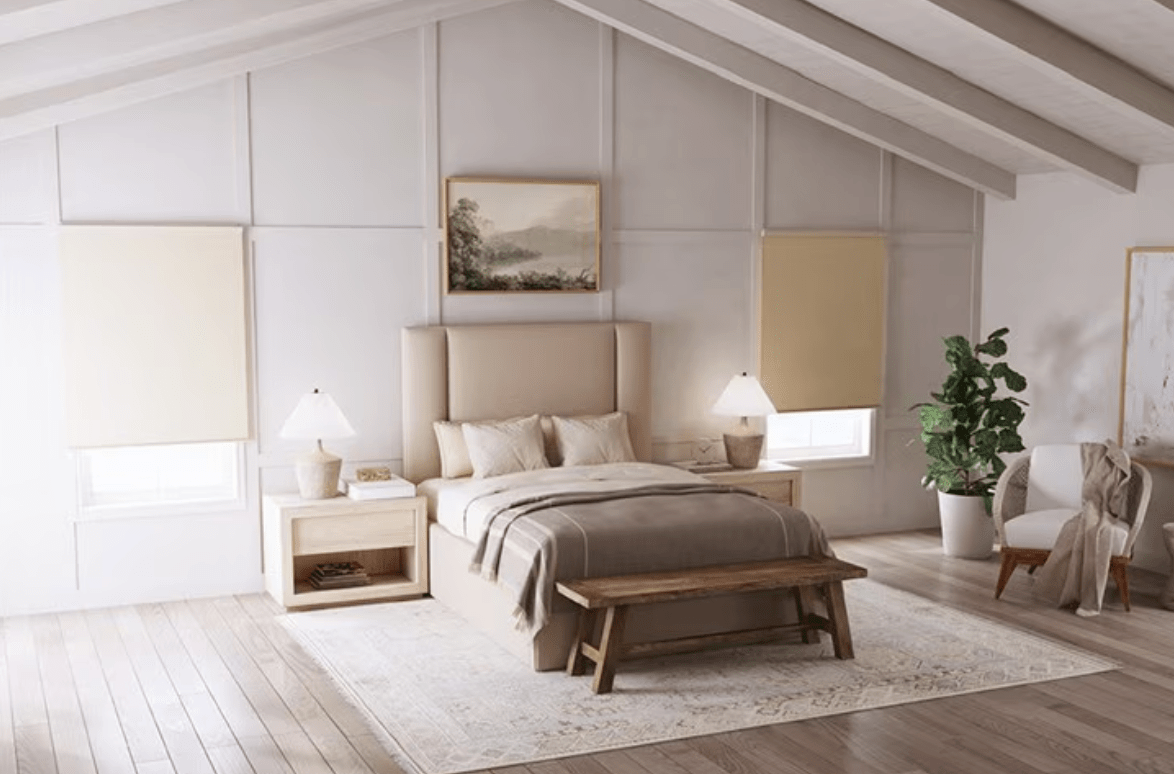
When selecting cellular shades, dimensions are a crucial consideration. Measurements must be precise, accounting for whether the shades will be mounted inside or outside the window frame. For inside mounts, manufacturers often make slight deductions to ensure a proper fit. For outside mounts, extending the shade approximately three inches beyond each side of the window is recommended for optimal privacy and light blocking. The choice of style also impacts interior aesthetics, with options ranging from blackout shades for complete room darkening—ideal for bedrooms or media rooms—to light-filtering shades that allow diffused light, suitable for living areas. Color choices also play a role in light reflection and privacy, with lighter shades reflecting sunlight and darker shades offering greater privacy and visual accent.
Additional features can further enhance the performance of cellular shades. Double- or triple-cell designs provide superior thermal insulation and noise reduction compared to single-cell shades. Motorized options with smart-home compatibility offer advanced control and integration into modern living spaces. Maintenance of cellular shades involves gentle cleaning with a vacuum brush attachment and compressed air for internal pockets, as they should not be wet-cleaned to prevent damage and rusting of internal components. The lifespan of cellular shades typically ranges from five to seven years, depending on quality and usage. While effective, professional installation may be advisable for more complex or motorized systems.
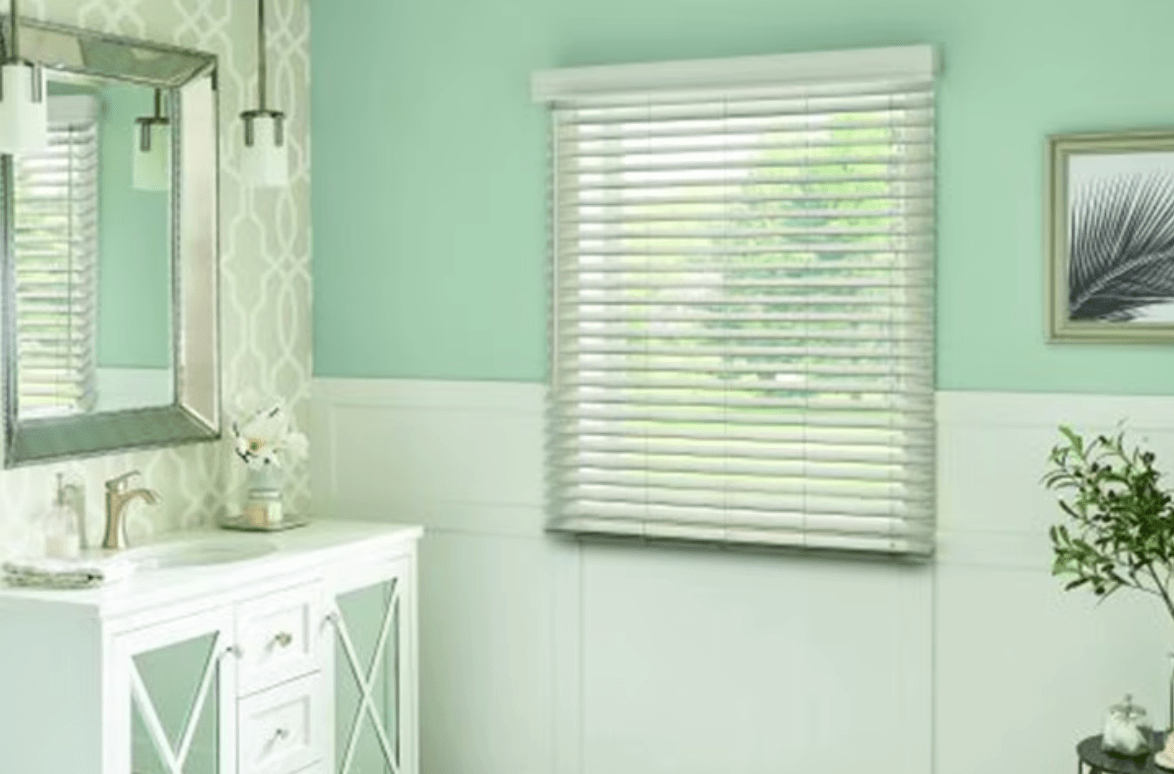
Cellular shades are distinct from honeycomb shades primarily in their layered construction, with honeycomb shades specifically referring to those with multiple layers forming air-trapping cells. Unlike pleated cellular shades, which might have a single layer without slats, honeycomb designs prioritize insulation. They are considered energy-efficient due to their ability to trap air, which acts as an insulator, contributing to lower energy bills. Complementing cellular shades with thermal curtains can further enhance energy efficiency, demonstrating their role as a key component in a comprehensive home energy management strategy.
#CellularShades #EnergyEfficiency #WindowTreatments #HomeImprovement #InteriorDesign #SmartHome #Insulation #BlackoutShades #LightFiltering #CellularShades #EnergyEfficiency #WindowTreatments #HomeImprovement #InteriorDesign #SmartHome #Insulation #BlackoutShades #LightFiltering
0 comment in total
 No comments yet
You may also like
Buy One, Get One Free: Increase Your Home’s Energy Efficiency With This Simple Upgrade
50 Super Simple Ways to Save on Energy Costs

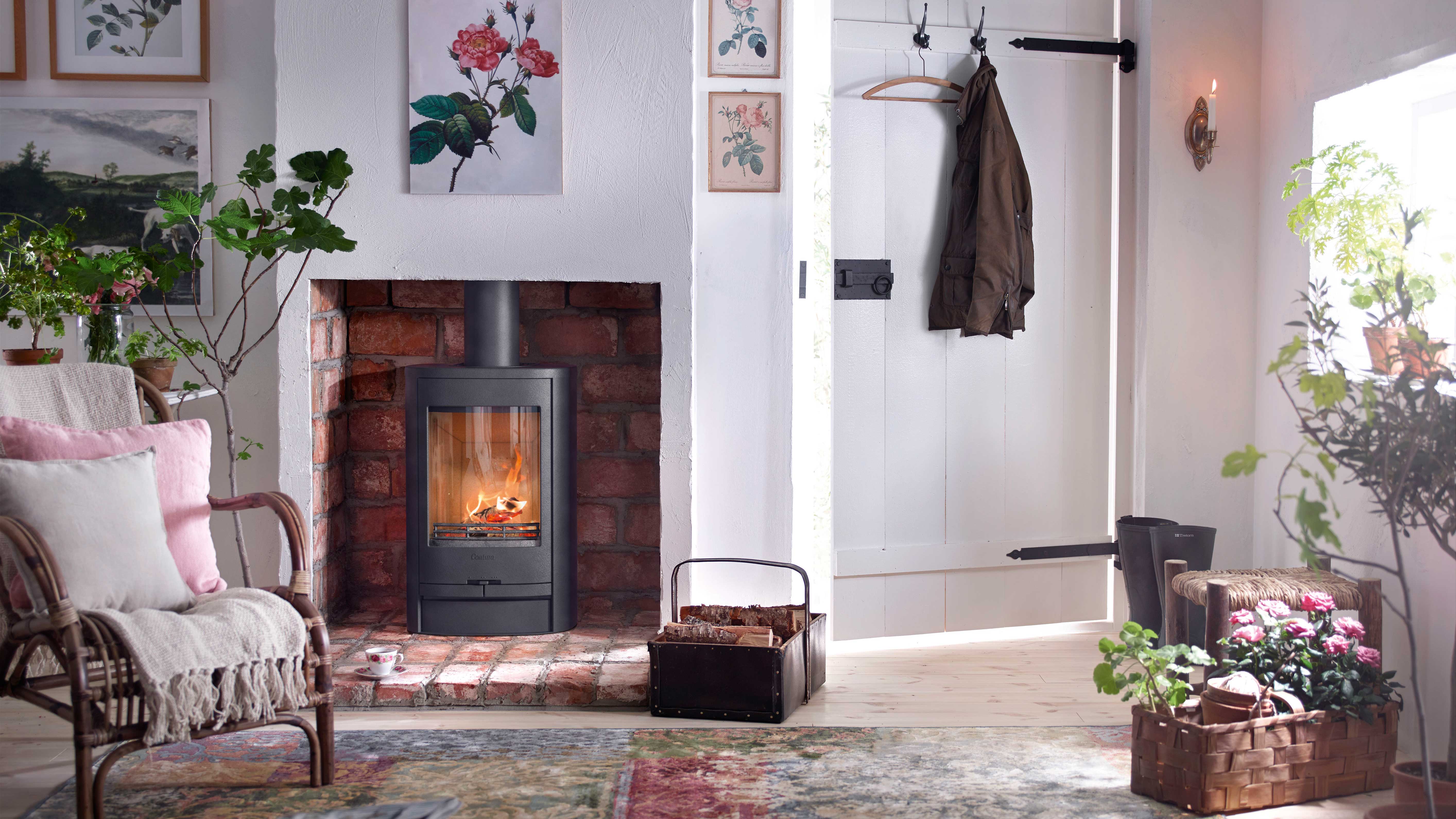
18 energy saving ideas

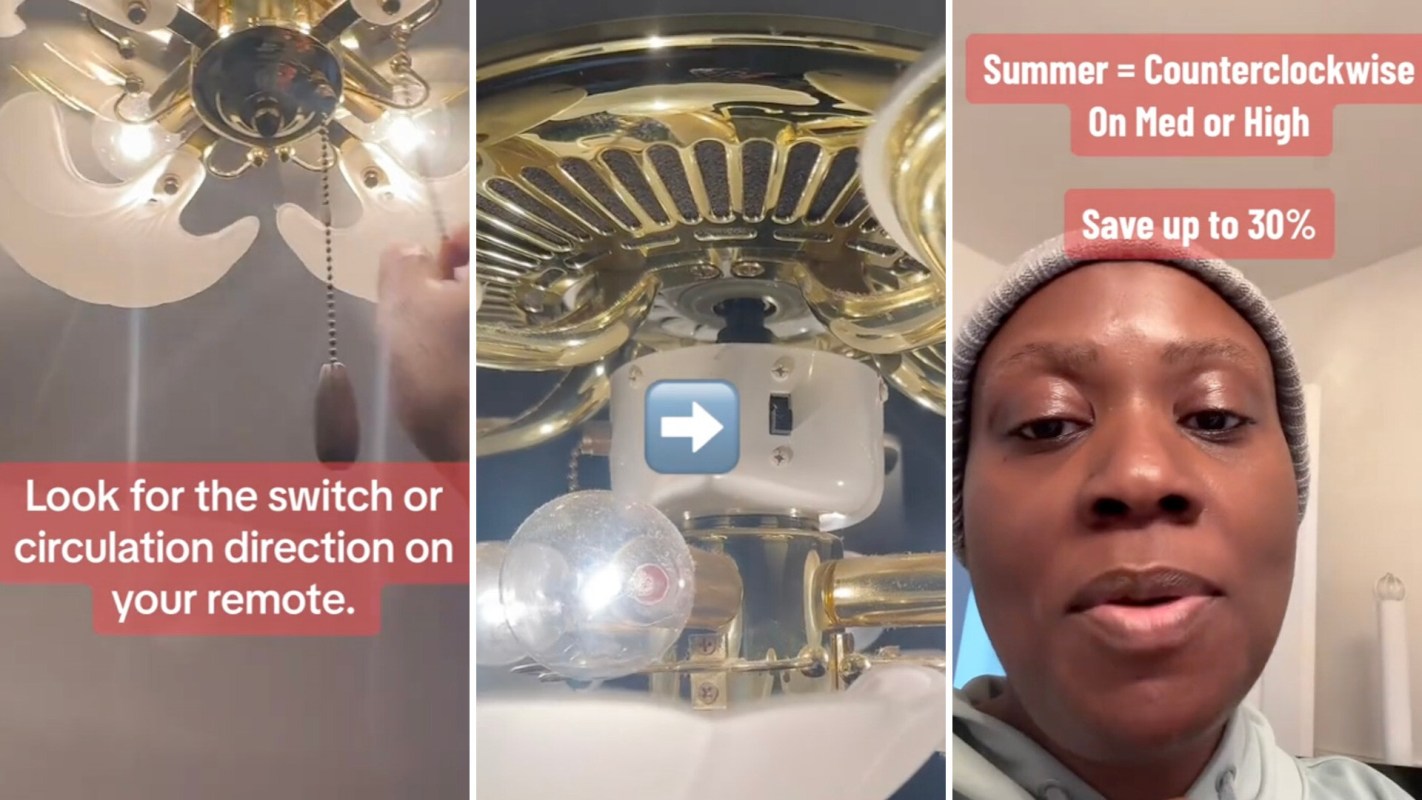
Homeowner demonstrates how simple ceiling fan adjustment saved them up to 30% on energy bills: 'This is new to me'


13 instant changes to reduce your electricity bills

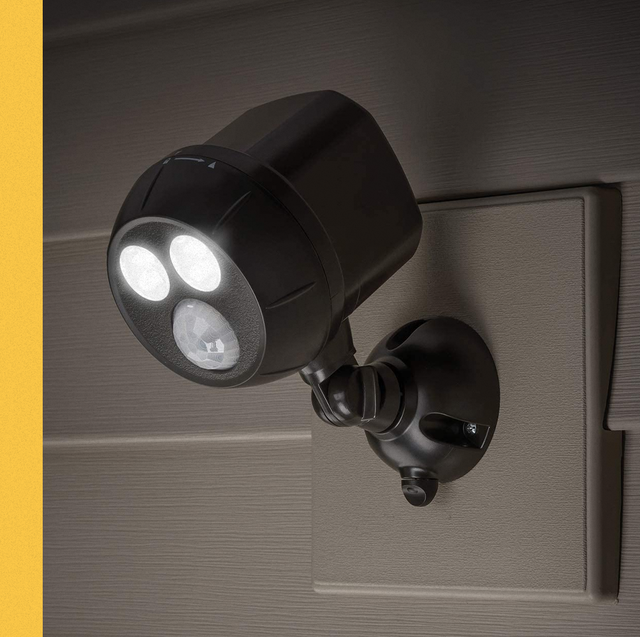
Use These Motion Sensor Lights to Up Your Security While Lowering Your Electric Bill

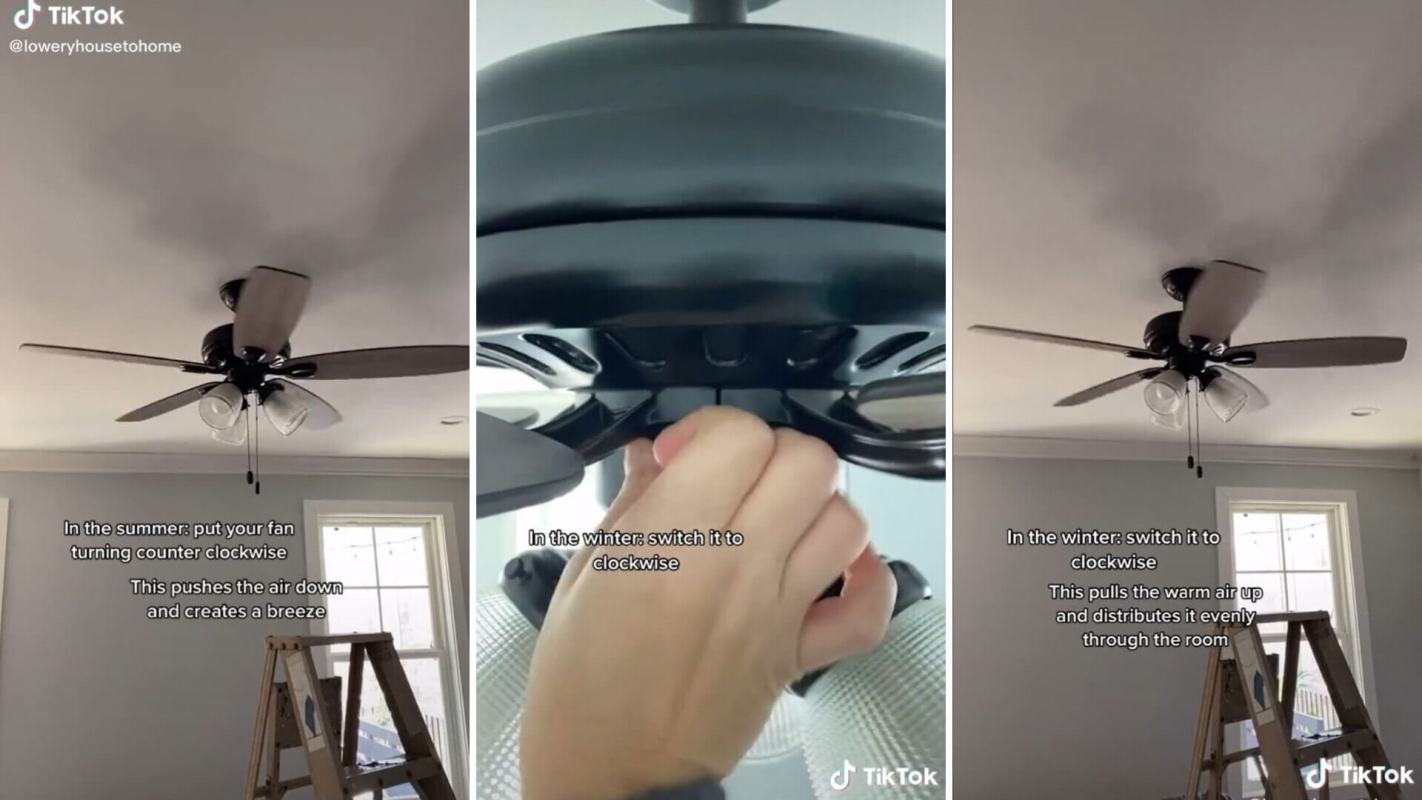
TikToker shares how flipping a tiny switch on your ceiling fan can save you tons of money on your power bill
This Simple Upgrade Can Give Your Garage a Complete Makeover
Warm Up Your Space & Lower Your Bills With This Energy-Efficient Home Swap

Upgrade your heating system to reduce bills and energy usage

11 Ways To Upgrade Your Home for Under $100
Induction 411

Home appliance experts uncover the little-thought-of upgrade that could slash your utility costs: 'You can save over $800'
Homeowners Are Revealing The One Budget-Friendly Upgrade That Continues To Make The Biggest Difference

£14 heating trick has kept my house warm and thermostat lower as energy bills set to rise

These Easy Home Updates Could Add $6,000+ to Your Selling Price

Increase Your Fireplace’s Efficiency With This Simple Upgrade
This Simple Add-On Can Increase Your Wood Stove’s Efficiency
![Homeowner shares personal utility costs one year after swapping their gas boiler for a heat pump: 'Hope that [this] is helpful for someone'](https://gstatic.ideal.house/news/images/5791e9b0f91d49288ec66c1fc4ccecd4.jpg)
Homeowner shares personal utility costs one year after swapping their gas boiler for a heat pump: 'Hope that [this] is helpful for someone'

Designers Say This Tiny Tweak Could Save Your Living Room From Looking Tacky (And It's Free)