




1/5
Induction 411
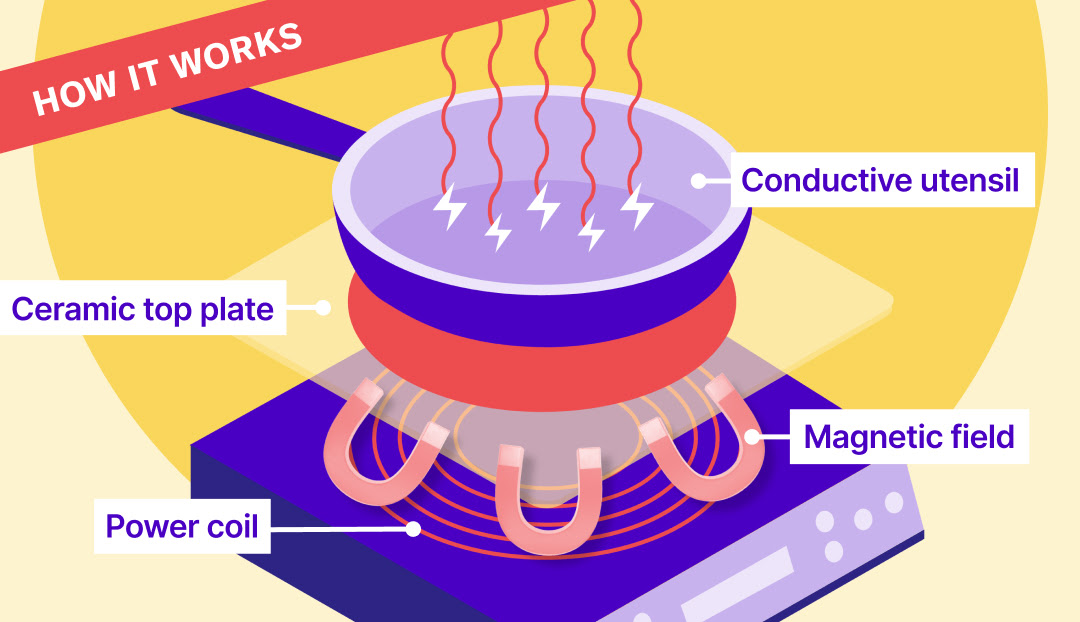
The article delves into the benefits and features of induction cooking, presenting it as a superior alternative to traditional gas and electric stoves. It highlights that induction stoves, while electric, operate differently from conventional electric coil stoves, offering significant advantages in speed, efficiency, and safety. A key performance benefit emphasized is the ability of induction stoves to boil water two to three times faster than gas stoves. The article positions induction cooking as a modern, superior choice across various categories including performance, versatility, efficiency, and aesthetic appeal, citing popular figures like Jonathan Scott who advocate for these appliances. Beyond performance, the article underscores the health and safety aspects of induction cooking. It notes the absence of gas lines in homes, thereby eliminating indoor air pollution comparable to second-hand smoke. This is particularly crucial given findings from a Stanford University study, which revealed that operating a single gas burner on high or an oven at 350ºF can elevate indoor benzene concentrations to levels exceeding those associated with second-hand smoke. Benzene is a known carcinogen linked to leukemia and other cancers, making the transition to induction a significant health improvement for households. The article also addresses the financial aspect of switching to induction stoves. While the average cost of an induction stove, at $1,300, is higher than gas and standard electric counterparts, it points out that the Inflation Reduction Act offers substantial savings. Households can qualify for rebates of up to $840 on induction stove purchases, which are expected to become available later this year or early next year. Readers are encouraged to utilize available calculators to determine their eligibility for these savings. Furthermore, the article provides practical guidance on cookware compatibility. Induction stoves function via electromagnets, necessitating pots and pans made of compatible metals. A simple magnet test is suggested: if a magnet sticks to the bottom of the cookware, it is suitable for induction. The article reassures readers that most modern cookware is compatible and that a wide variety of induction-friendly options are available from retailers. It concludes by highlighting the advanced features of induction stoves, such as auto-shutoff, burner timers, and precision heating, which contribute to an enhanced cooking experience. These smart technologies, combined with fast cooking times and responsiveness, make induction stoves a highly praised choice by both home cooks and professional chefs for preparing meals efficiently and safely.
#InductionCooking #HomeElectrification #EnergyEfficiency #IndoorAirQuality #SmartAppliances #InflationReductionAct #HouseholdRebates #SustainableLiving #InductionCooking #HomeElectrification #EnergyEfficiency #IndoorAirQuality #SmartAppliances #InflationReductionAct #HouseholdRebates #SustainableLiving
 No comments yet