1/13
Dallas Preservation Experts on How to Keep Your Historic Home and Why It Matters
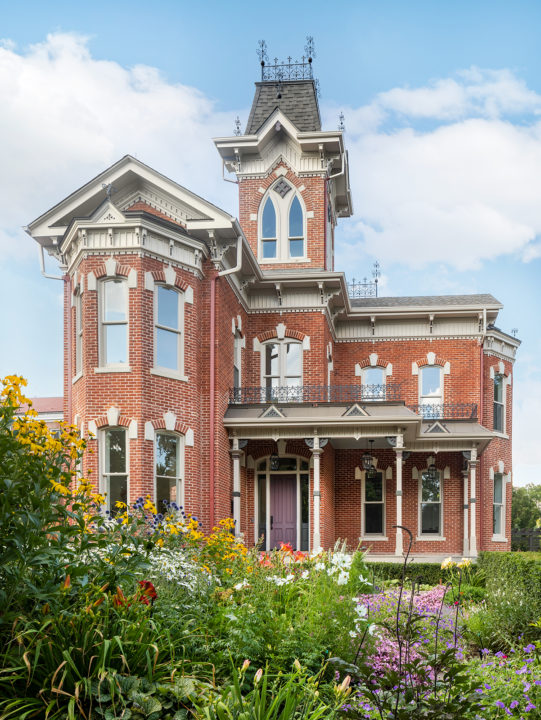
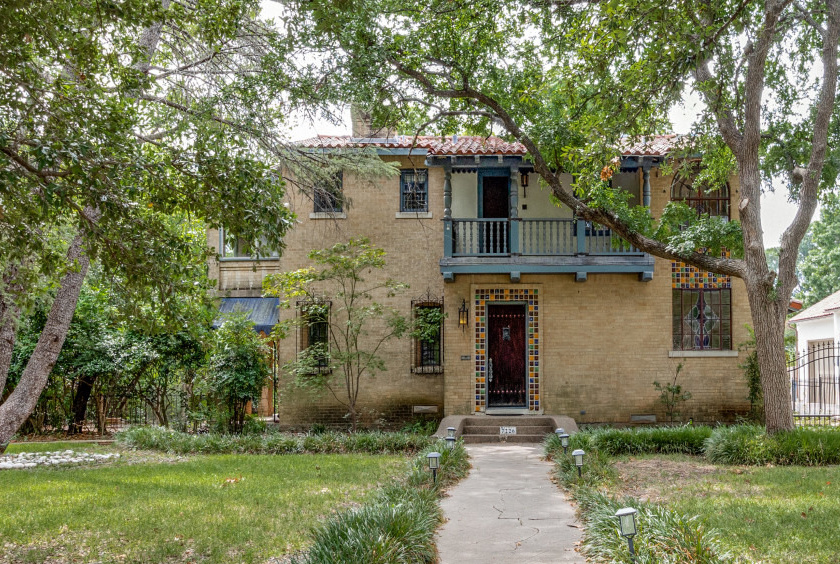
The preservation of historic homes in Dallas is a topic of growing concern, particularly as many owners face the dilemma of maintaining or demolishing older properties. This article addresses common misconceptions and offers guidance on how to approach historic home preservation, drawing on insights from leading experts in the field. It highlights that builders and conventional architects often prioritize new construction, which can lead them to advise against saving historic structures, even if they are salvageable. This perspective often stems from a lack of specialized knowledge about historic building techniques and materials, rather than insurmountable structural issues.
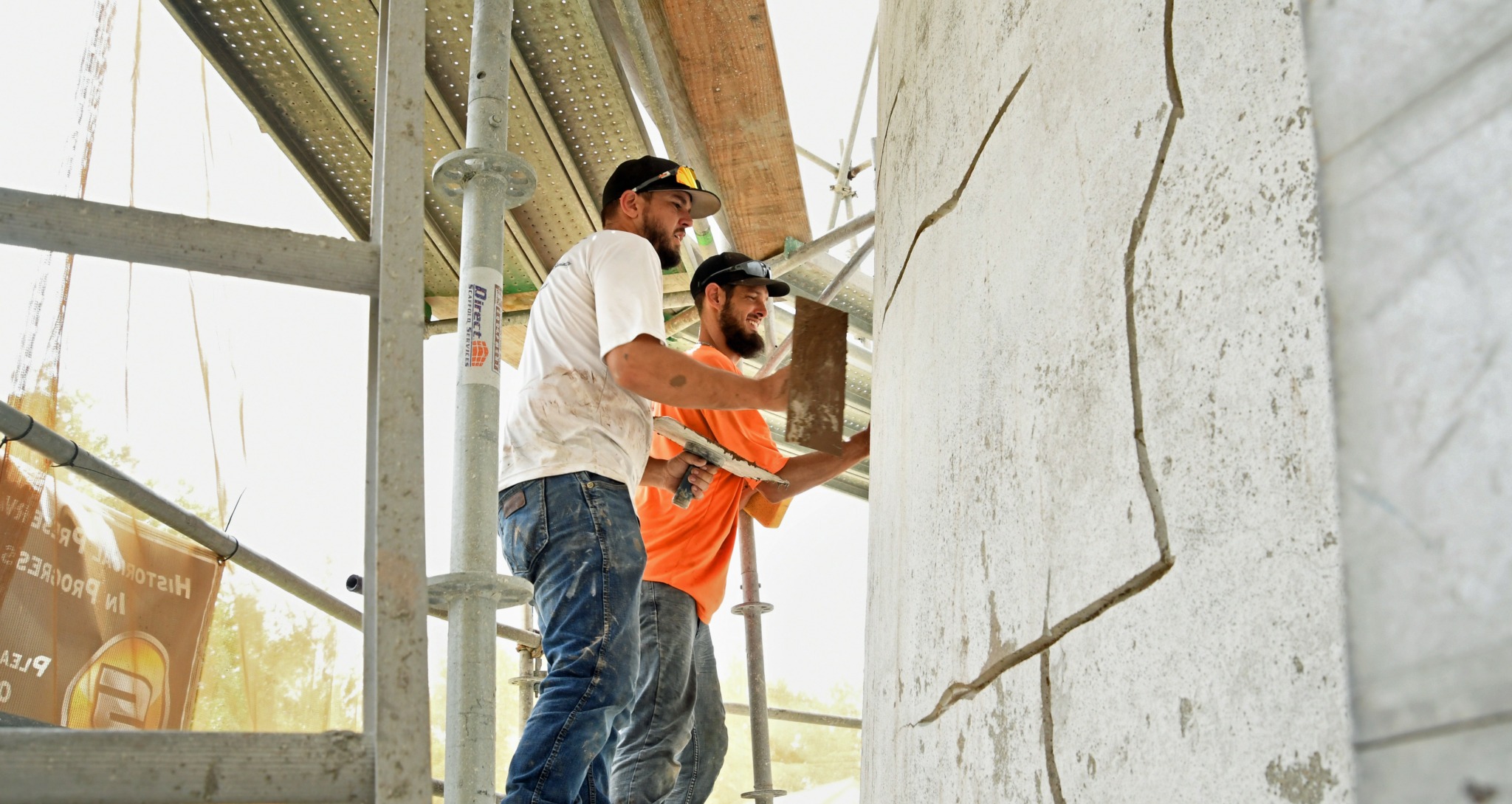
For homeowners committed to preserving their historic properties, the initial step involves consulting with preservation architects or specialists. These professionals possess unique expertise in working with older buildings, understanding their distinct characteristics, and identifying appropriate methods for restoration and renovation. Unlike architects focused on new designs, preservation architects aim to maintain the original integrity of a structure while discreetly integrating any necessary modern interventions. They are trained to assess historic materials, understand their performance, and implement repairs that respect the building's historical context.
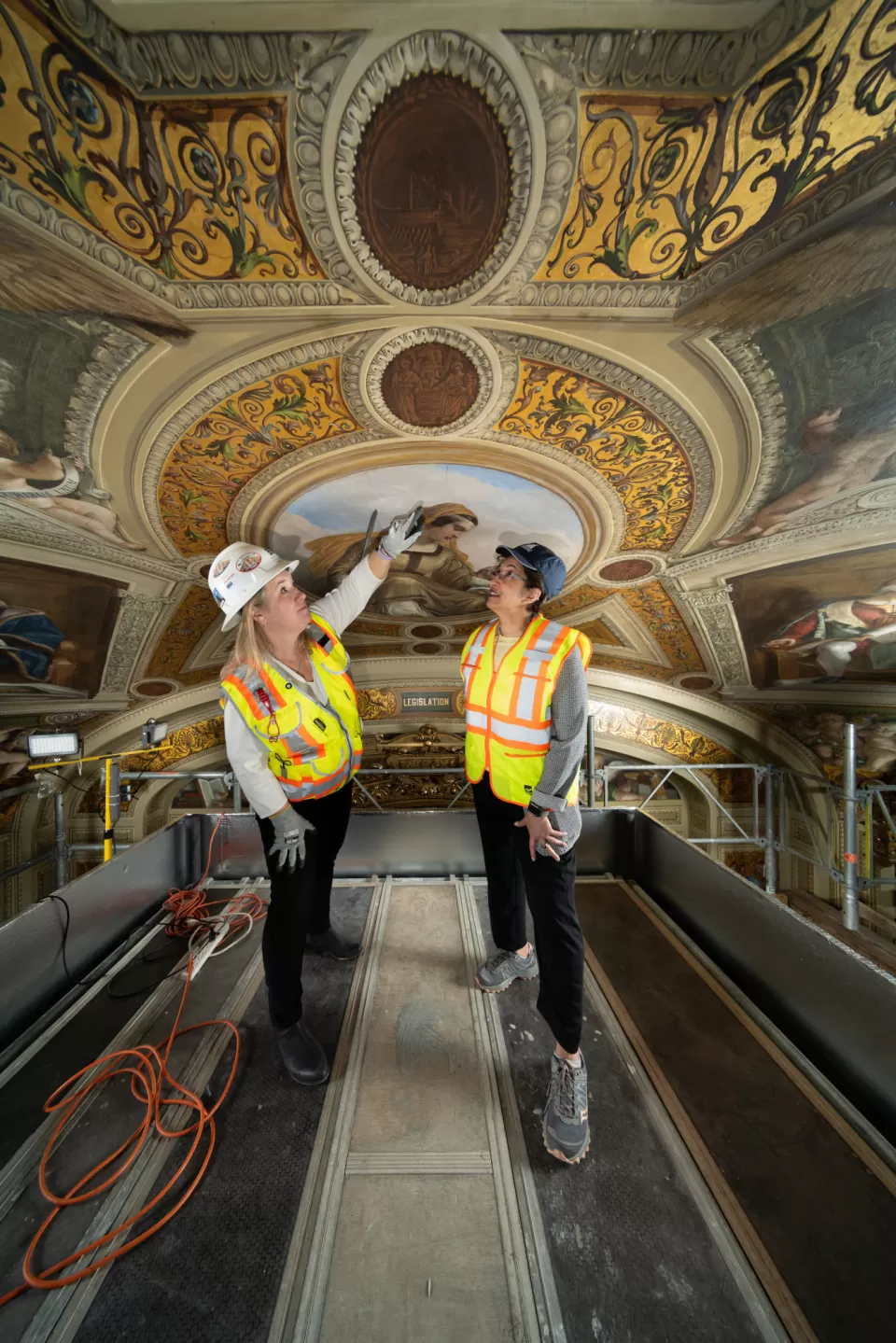
Prominent Dallas preservation architect Marcel Quimby emphasizes that preservation work requires a different skill set than new construction. Her experience on projects like the Hall of State at Fair Park underscores the complexity and specialized knowledge needed. Similarly, Norman Alston, an industry leader in historic preservation, points out that the industry's general unfamiliarity with renovating existing historic buildings often leads to their demolition. He asserts that preservation is not inherently harder, but merely different, requiring professionals who are comfortable adapting and working with existing structures rather than starting anew. Alston highlights that a key issue is the reluctance of many professionals to admit a lack of knowledge, which can result in uninformed advice advocating demolition.
Jay Firsching, a preservation specialist with HRTC Services, elaborates on the philosophical difference between conventional and preservation architecture. He notes that conventional architects showcase their designs, while preservation architects work to preserve the original creator's vision, often making their own contributions invisible. This requires a unique approach where ego is set aside to prioritize the historical fabric of the building.
Beyond architectural considerations, the article also explores the sustainability aspect of historic preservation. Alicia Quintans, principal of JQAQ Atelier, LLC, champions adaptive reuse, arguing that demolishing old buildings is environmentally wasteful. She points out that historic structures contain valuable materials that are often irreplaceable. Quintans observes a growing trend among younger generations of business owners who appreciate and leverage the character of historic buildings as part of their brand. Ron Siebler, President of Preservation Dallas, reinforces this, stating that educating the public about the energy and green benefits of older buildings is crucial, especially for environmental reasons. He believes that younger generations are more attuned to the environmental imperative of working with existing resources.
In conclusion, the article stresses that preservation architects and specialists are essential resources for historic homeowners. These professionals are equipped with the training, knowledge, and resources to ensure the longevity of historic properties. For those seeking such expertise, the article suggests looking online, consulting neighborhood resources, and seeking recommendations, noting that Preservation Dallas is actively working to compile a list of qualified professionals to assist homeowners in their preservation efforts. Tax incentives for historic homes in Dallas are also available, providing financial support for these endeavors, as highlighted in the comments section.
#HistoricPreservation #DallasRealEstate #PreservationArchitecture #HomeRestoration #SustainableBuilding #ArchitecturalSalvage #HistoricHomes #AdaptiveReuse #PropertyValue #HistoricPreservation #DallasRealEstate #PreservationArchitecture #HomeRestoration #SustainableBuilding #ArchitecturalSalvage #HistoricHomes #AdaptiveReuse #PropertyValue
0 comment in total
 No comments yet
You may also like
7 Architectural Details You Should NEVER Get Rid of in a Historic Home


How to Keep Your Old Home From Becoming a Money Pit
Can You Guess the Age of This Craftsman Home in the Belmont Addition Conservation District?
Owning an Old House: Charming Love Affair or Expensive Money Pit?
7 Things You Should Always Preserve or Try to Save in an Old Home, According to Designers

When restoring historic homes, what’s old is new again

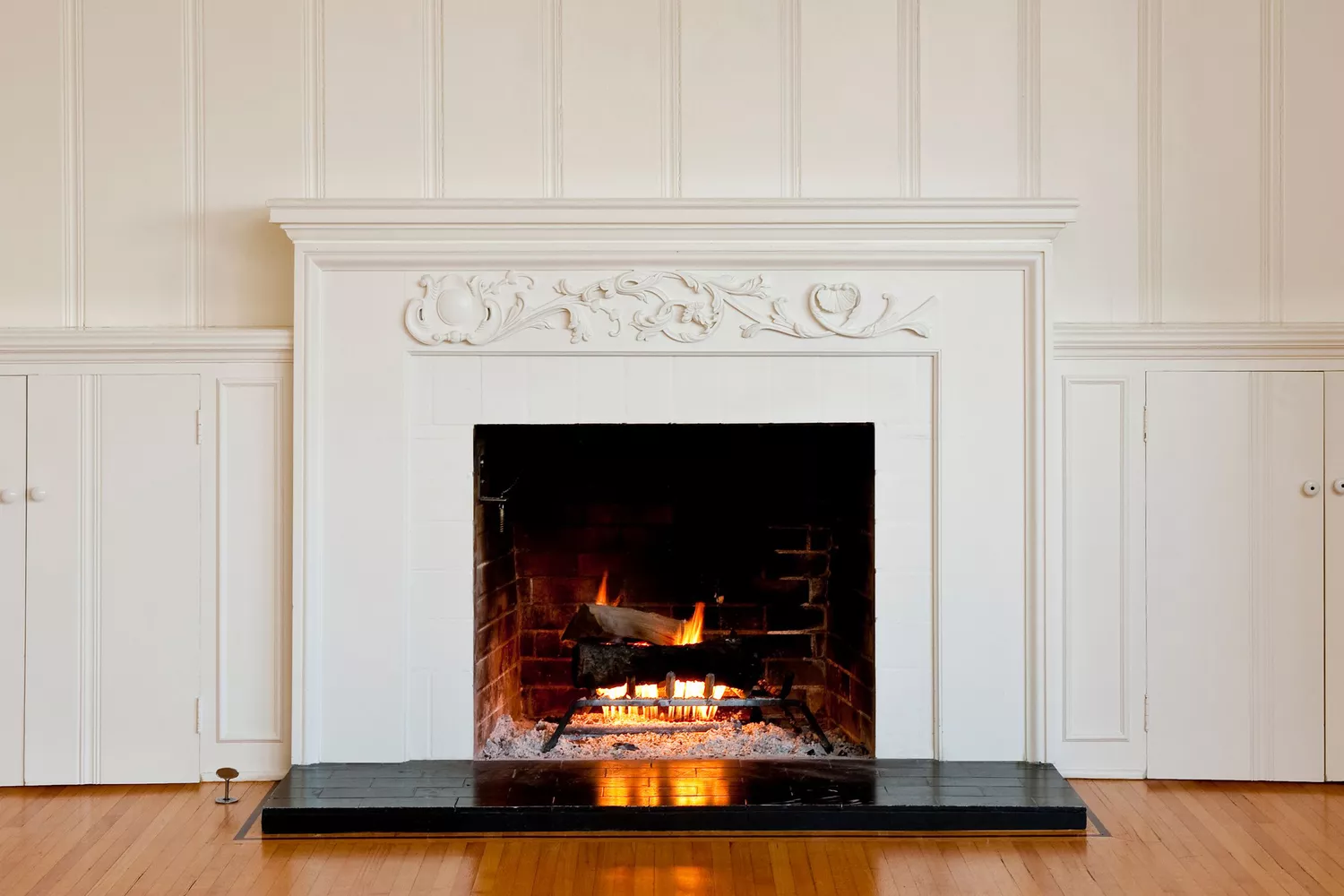
How to Update an Older Home While Honoring Its History

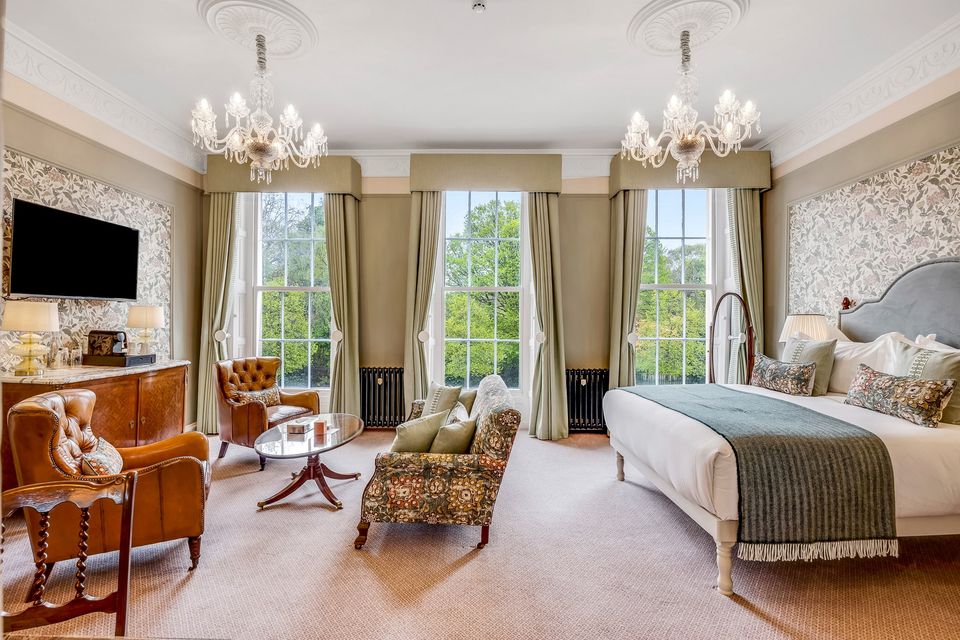
Top tips for renovating old homes: Whether restoring or modernising, clever design is key
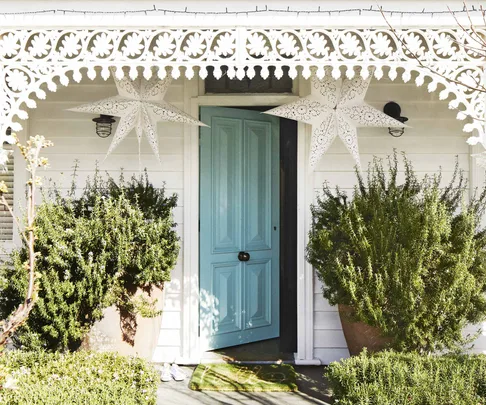
7 tips for restoring heritage homes to their former glory


At Home with Marni Jameson: How to update older homes without messing them up
The Dark Side of Historic Preservation

9 ways to update a historic home while still keeping its vintage charm – tips from a NYC reno

How to Renovate a Historic Home—and Keep Its Character—According to Designers


Guide to Buying Older Homes by Decade

Meet Cody Clark
7 lessons we learnt about storage from this beautiful historic Californian home
The Truths About Buying and Living in an Old House
Here's What Nobody Tells You About Buying and Renovating a Historic Home
Restoring a Crown Jewel in West Highland

Meet the Historic Preservation Officer