1/3
5 Truths Only Old House Lovers Understand
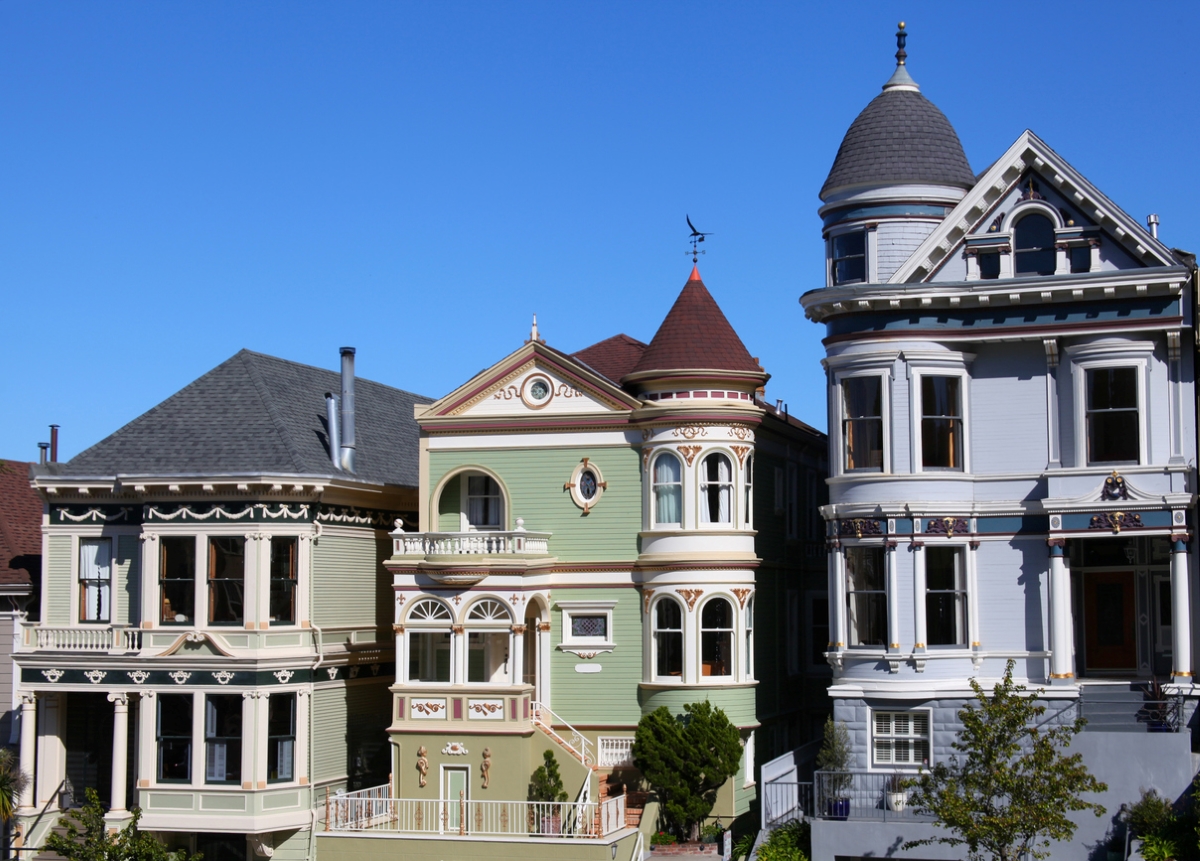
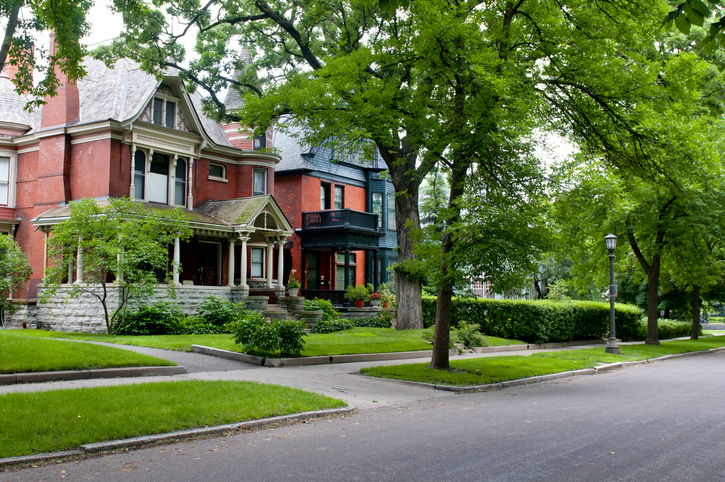
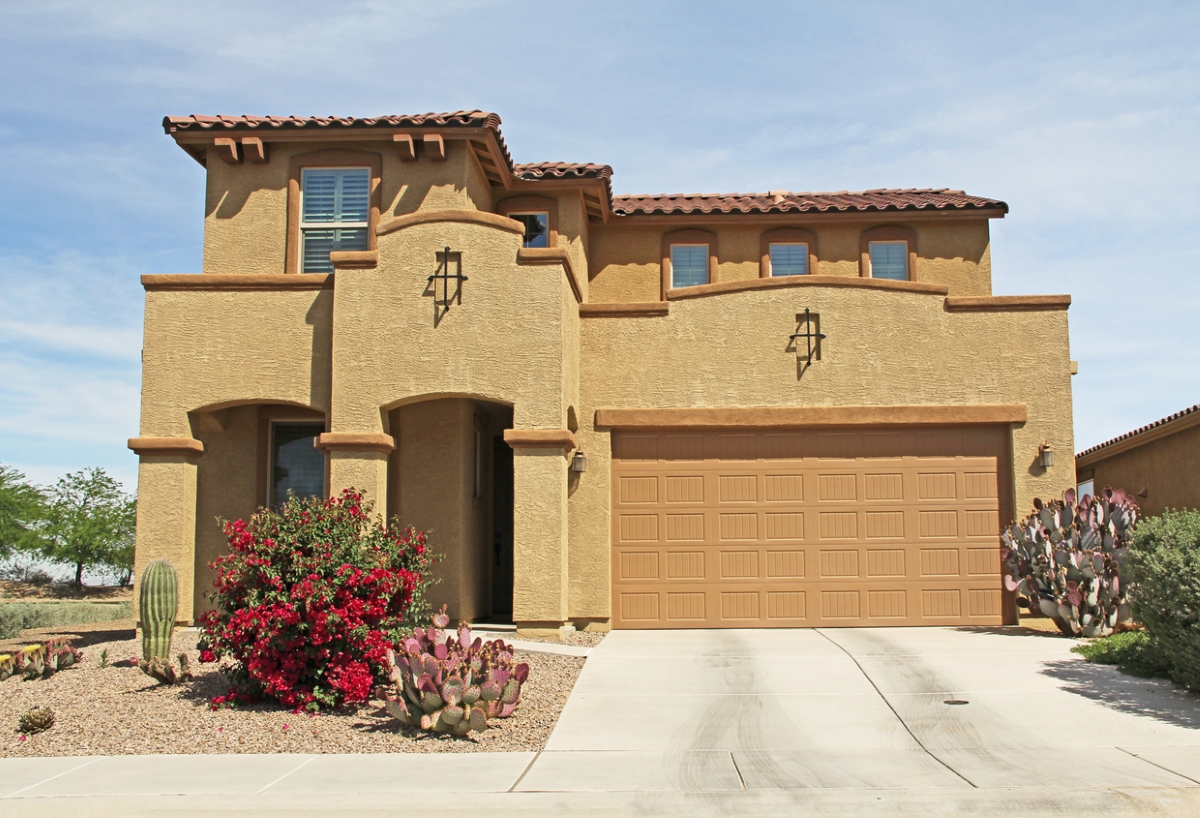
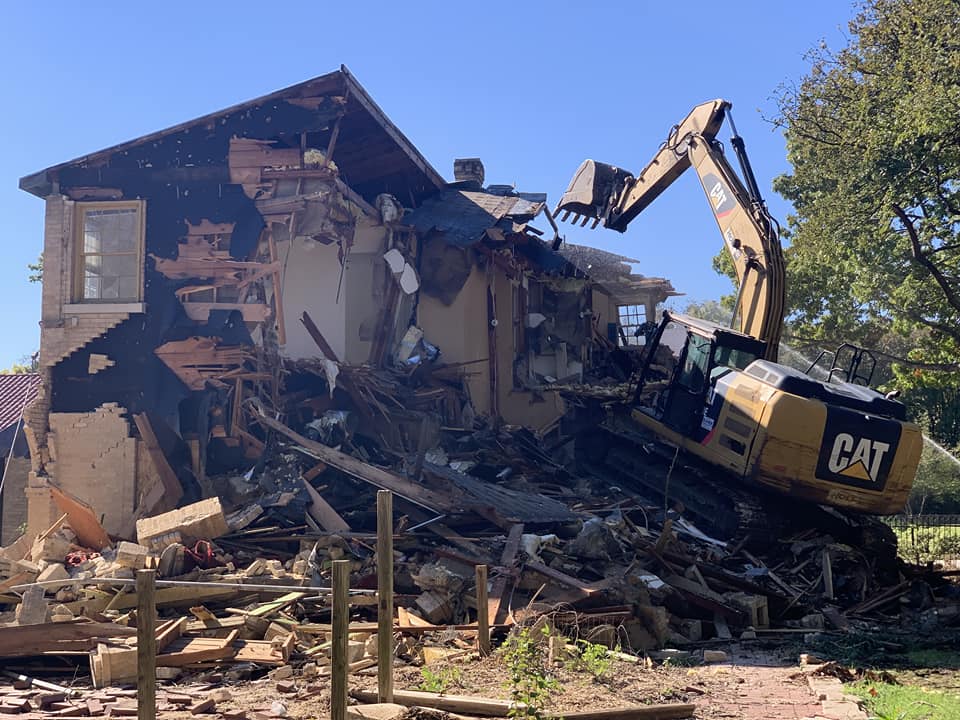
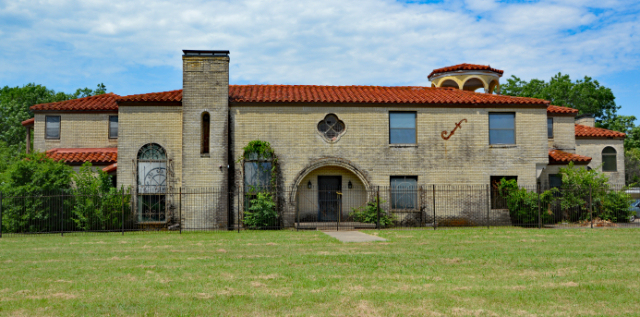
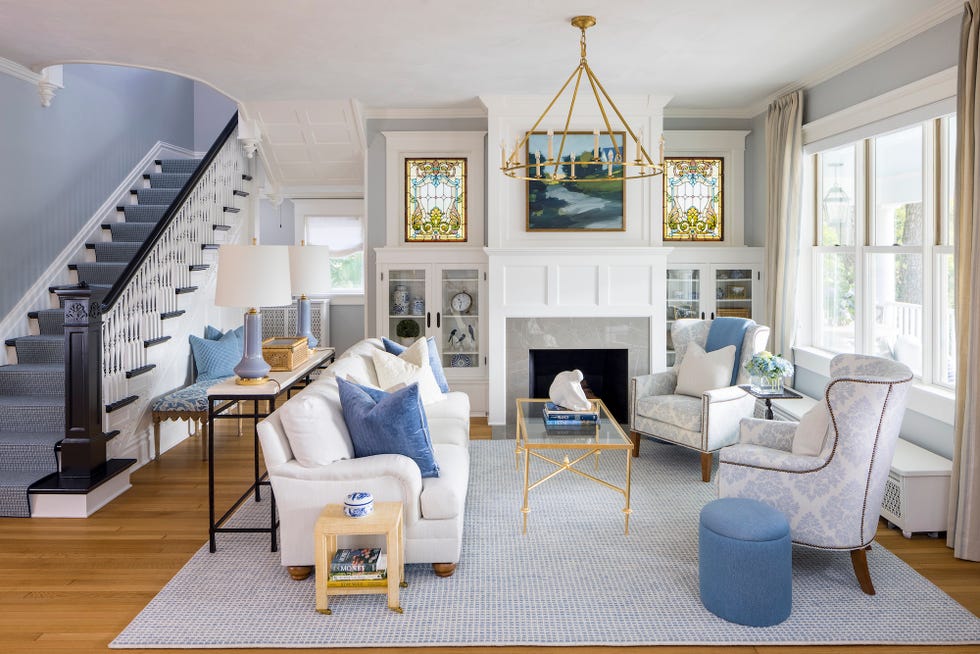
The allure of old homes often clashes with modern real estate trends, where larger homes are increasingly sought after despite decreasing buying power. This piece reflects on the unique perspective of those who appreciate the inherent value and charm of older properties, often finding themselves at odds with contemporary renovation philosophies that prioritize newness over historical integrity. It highlights a common frustration experienced by individuals who witness the dismantling of vintage details in favor of extensive, often out-of-character, additions.
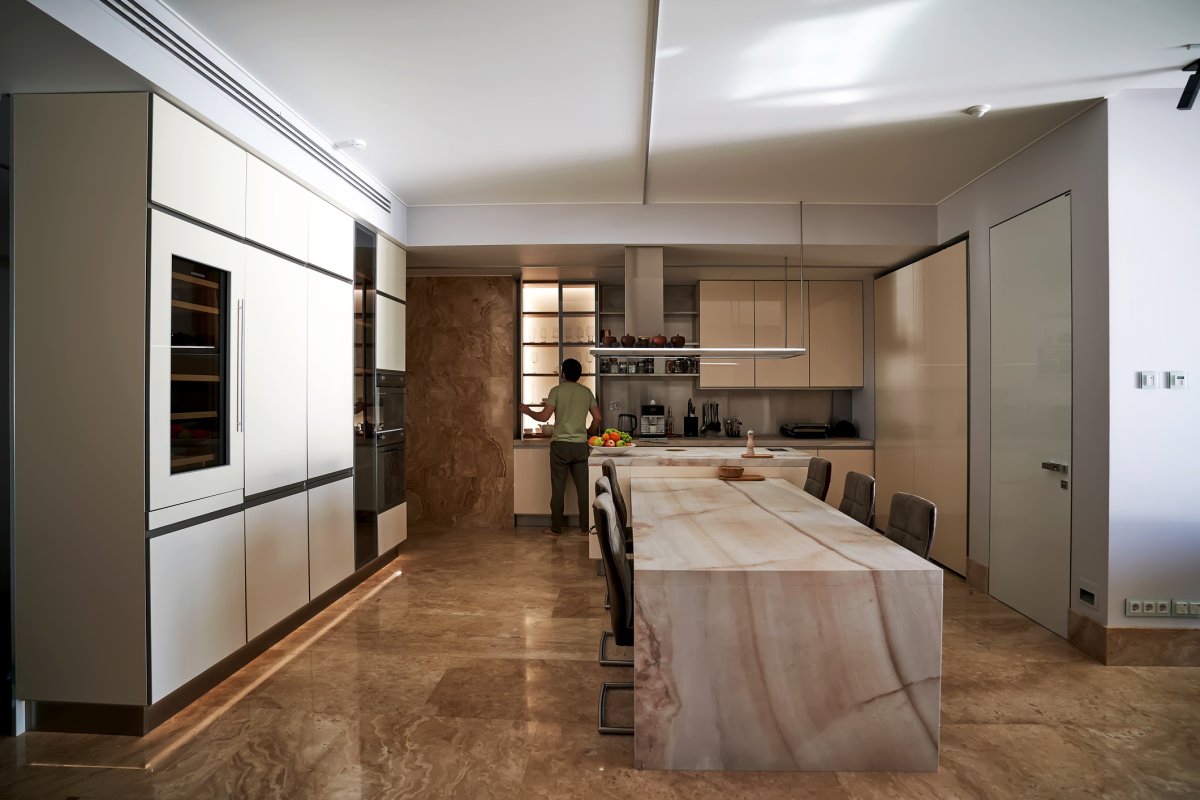
The article challenges the prevailing notion that 'resale value' should be the primary driver of home improvement decisions. It argues that constantly upgrading a home to meet perceived future buyer preferences is a futile exercise. The author suggests that such a mindset distracts from enjoying the present living space and often leads to unnecessary expenses. Instead, the focus should be on functionality and personal satisfaction, rather than ephemeral trends like specific countertop materials or appliance finishes that will inevitably become outdated. The true worth of a home, it implies, lies in its ability to serve its inhabitants comfortably and aesthetically, not in its potential for a hypothetical future sale.
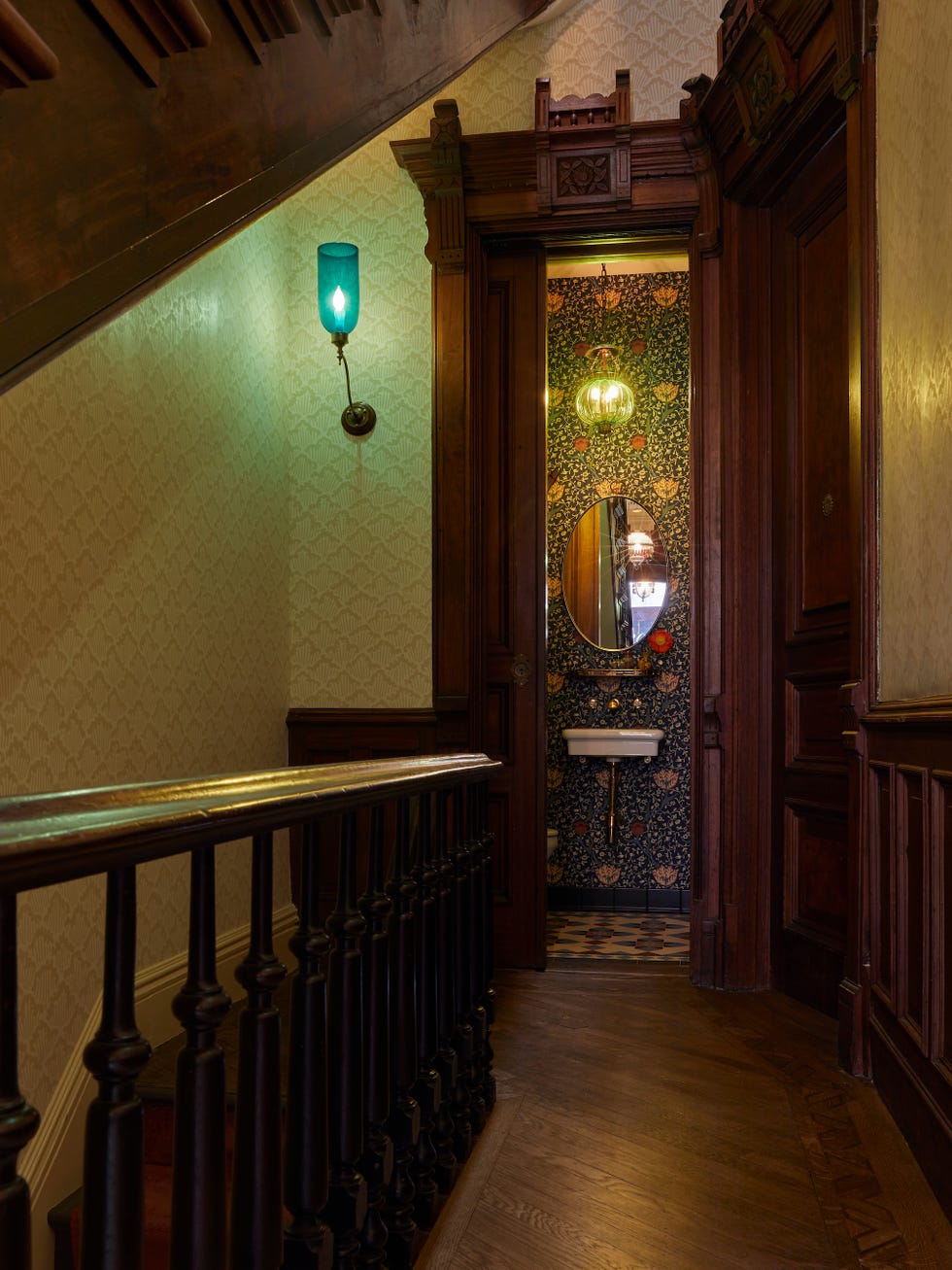
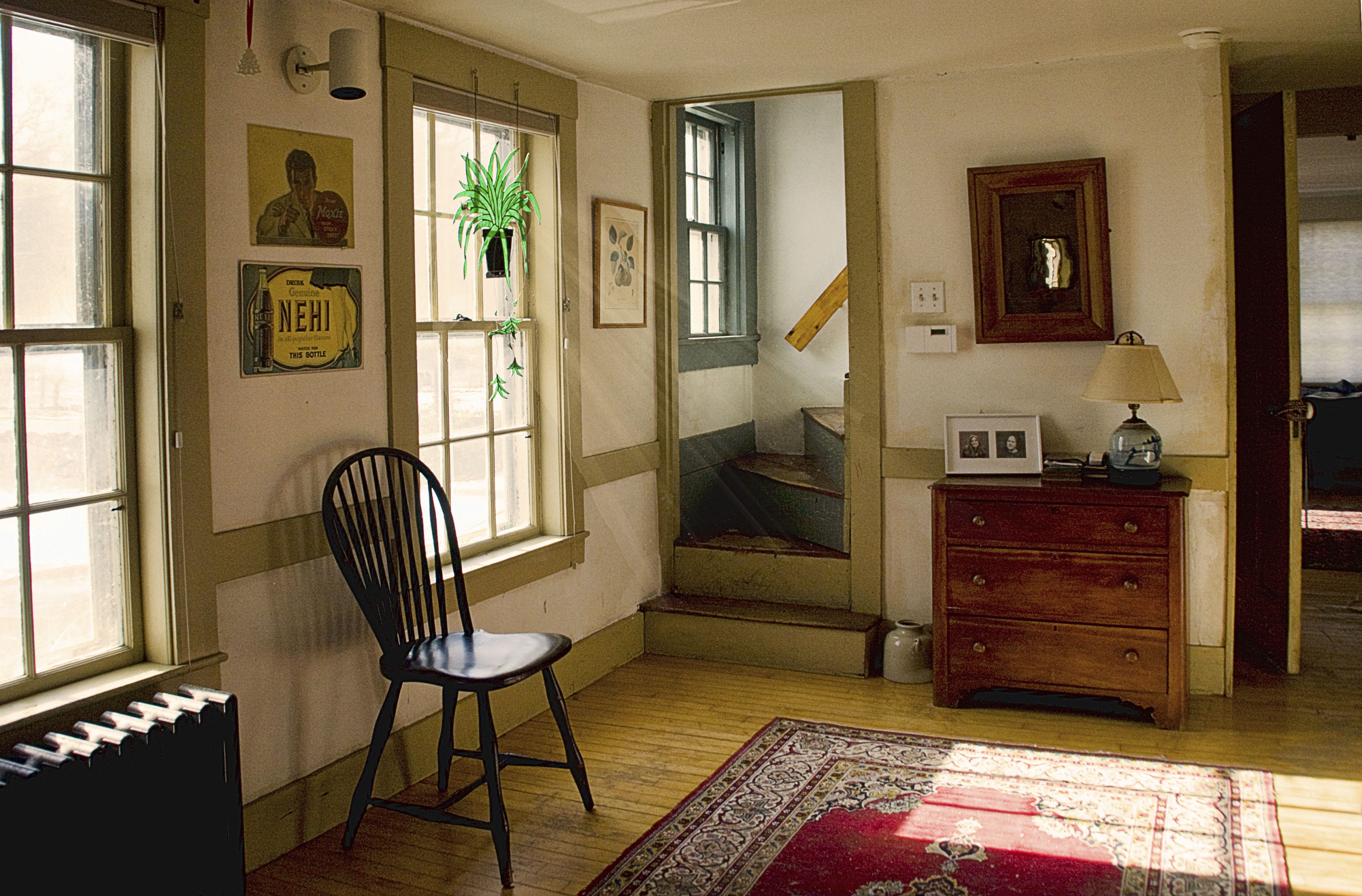
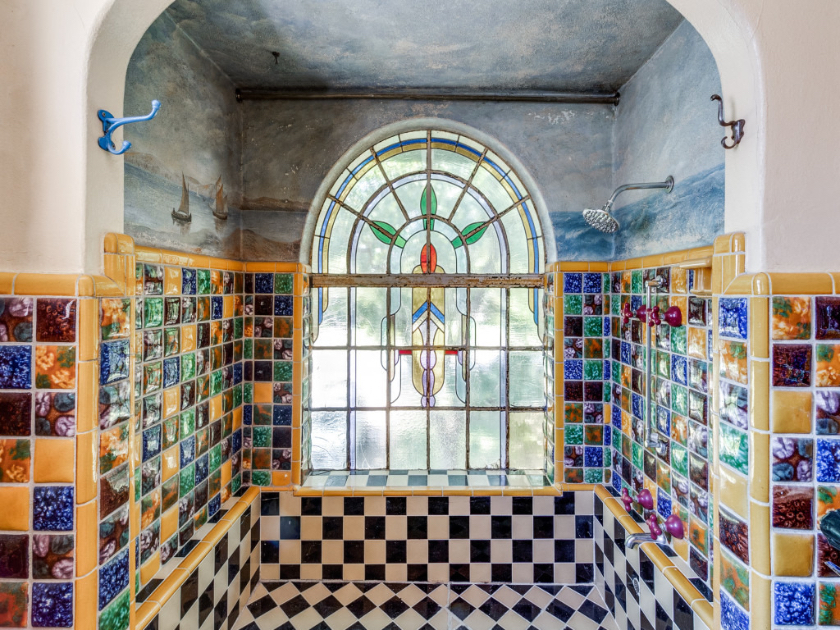
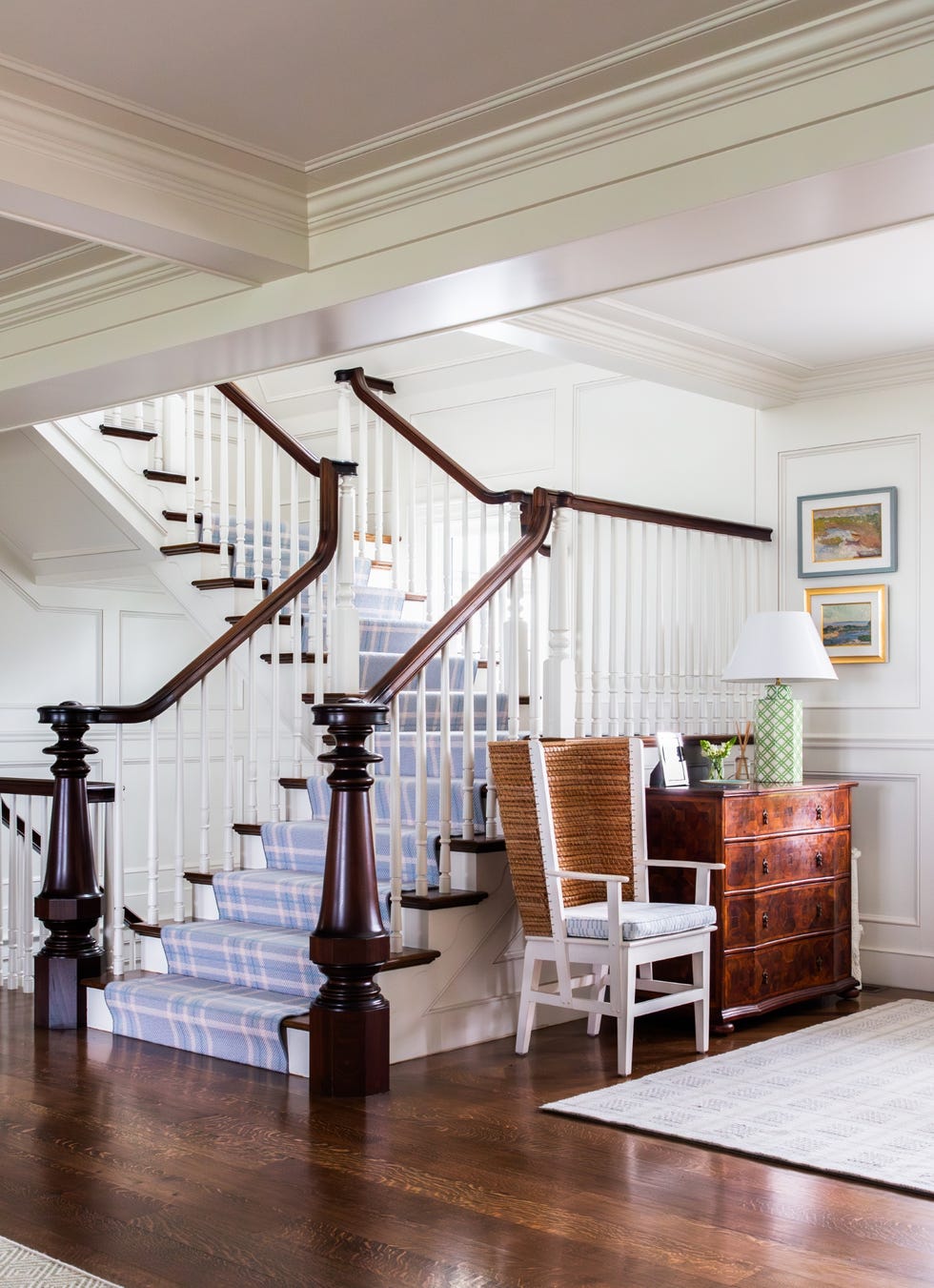
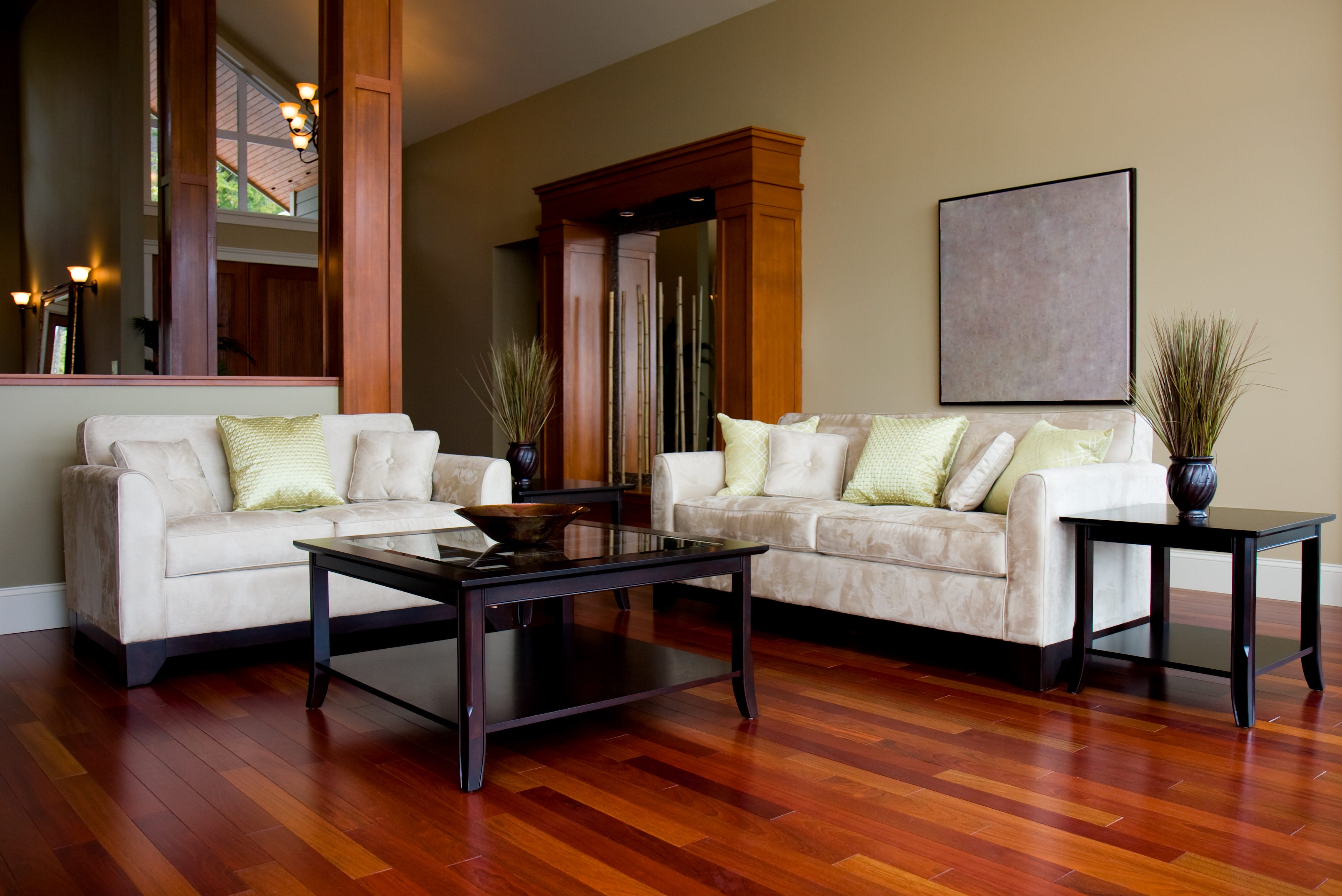
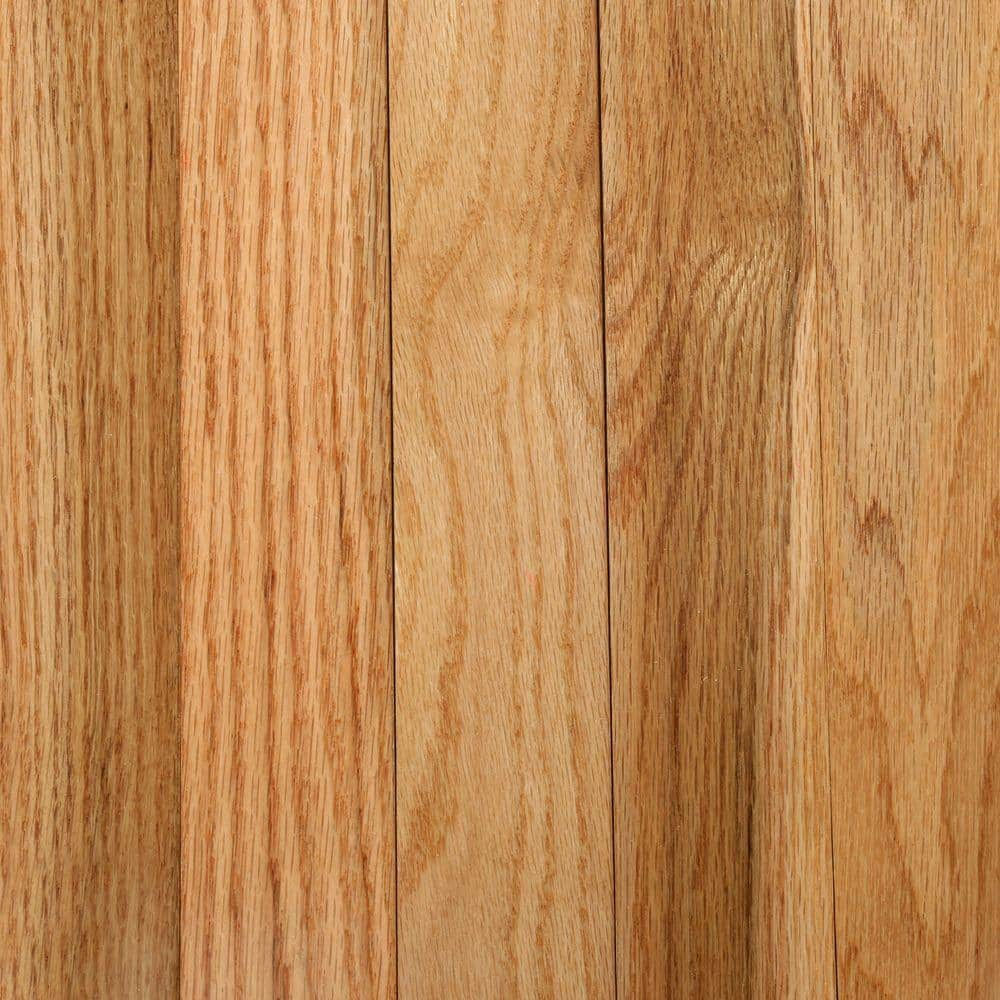
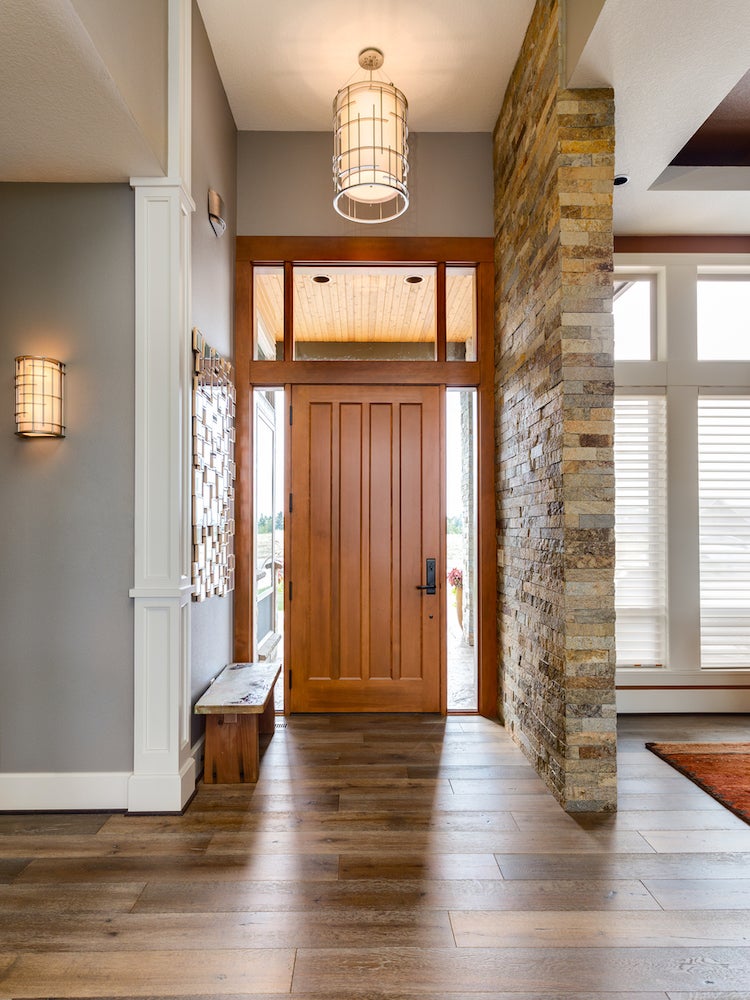
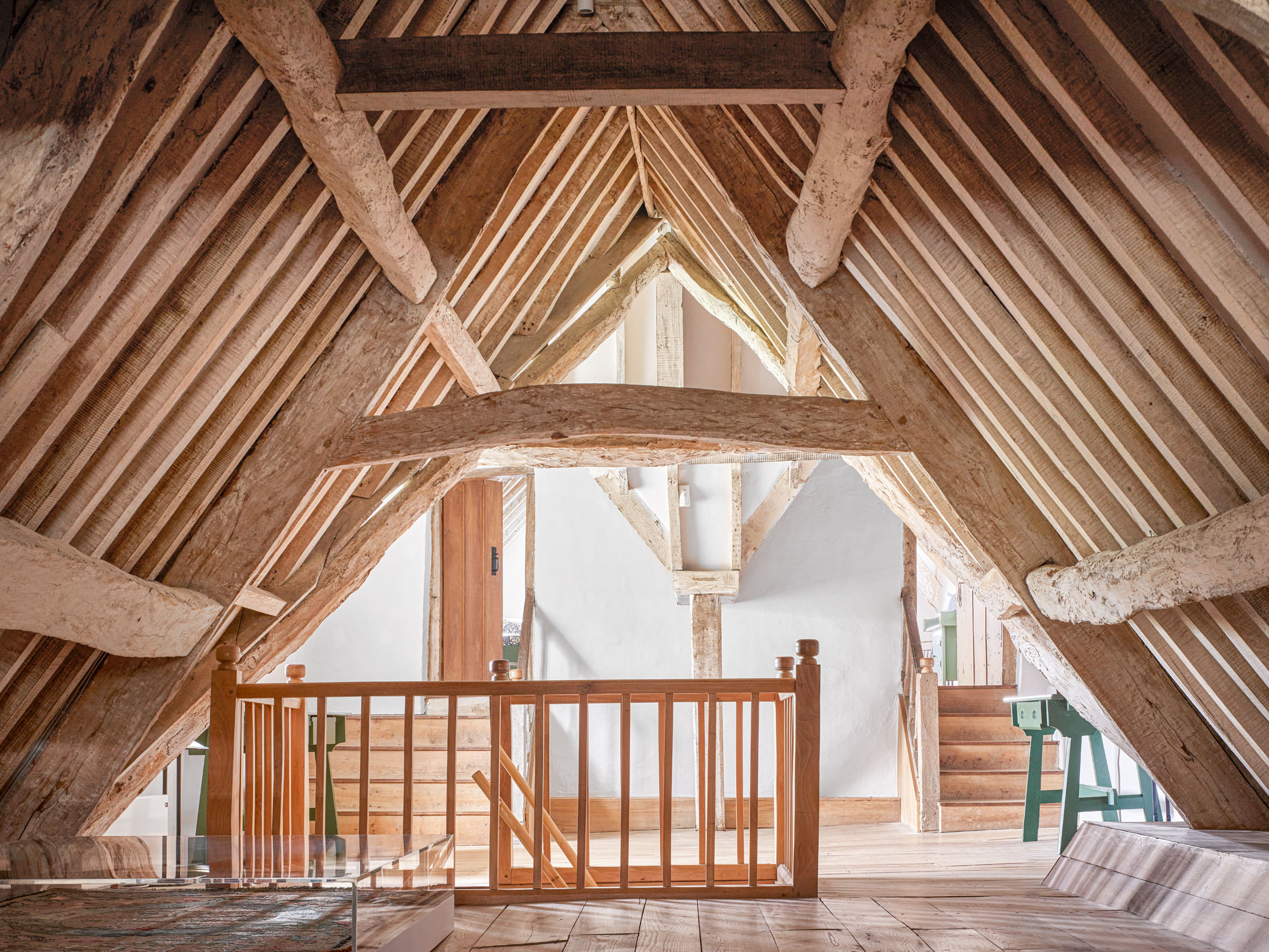
Furthermore, the article emphasizes the importance of appreciating the history embedded within an old home. Original features, such as hardwood floors, are presented as valuable elements that connect residents to the past. This contrasts with a consumerist culture that often dismisses anything deemed 'passe' in favor of the latest trends. While acknowledging that safety and functionality warrant upgrades, the piece critiques the impulse to entirely refashion a space solely for the sake of novelty. Such an approach can lead to financial strain and a diminished sense of contentment with one's living environment. Embracing existing elements, even those that are not 'of-the-minute,' fosters a deeper connection to the home and its narrative.
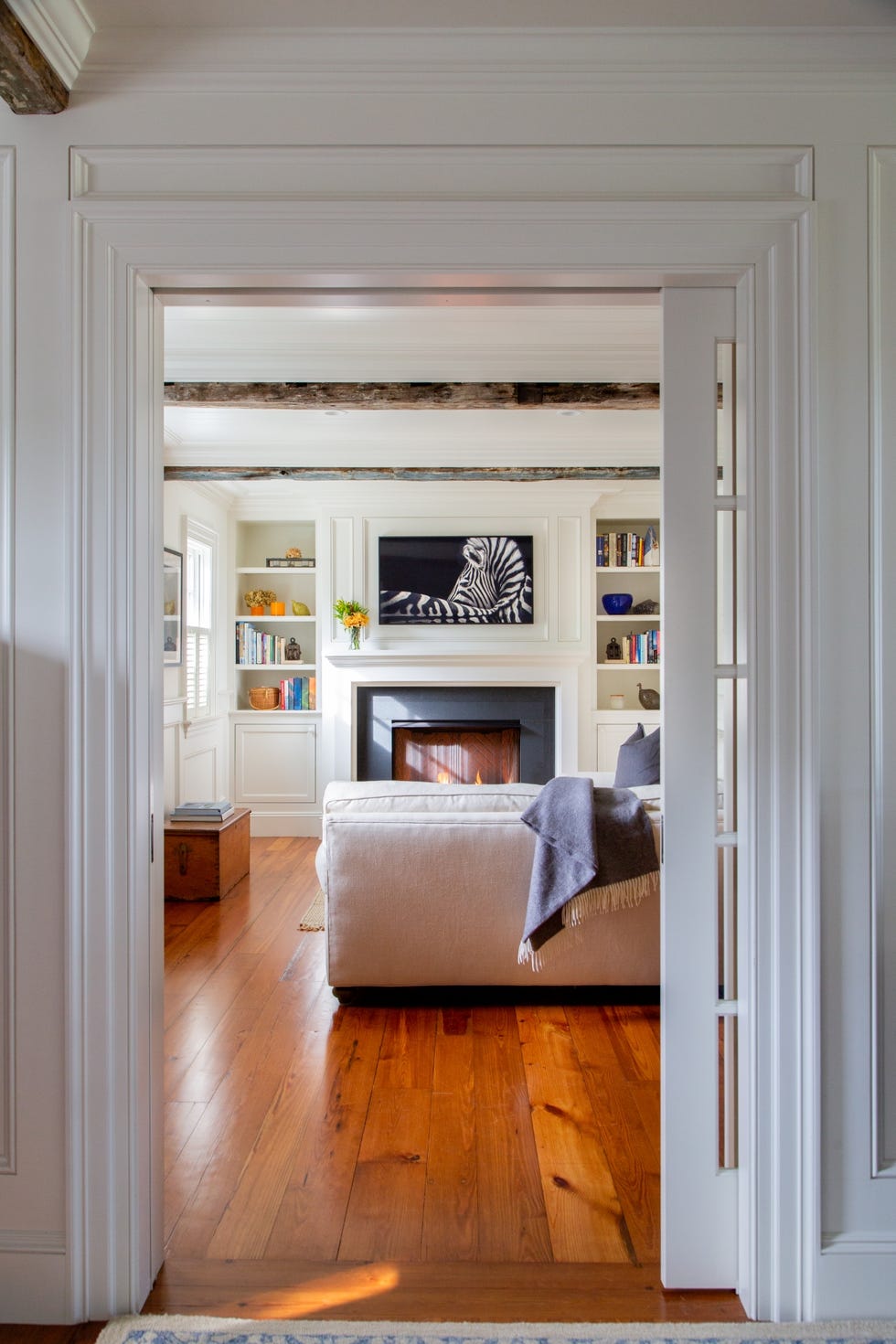
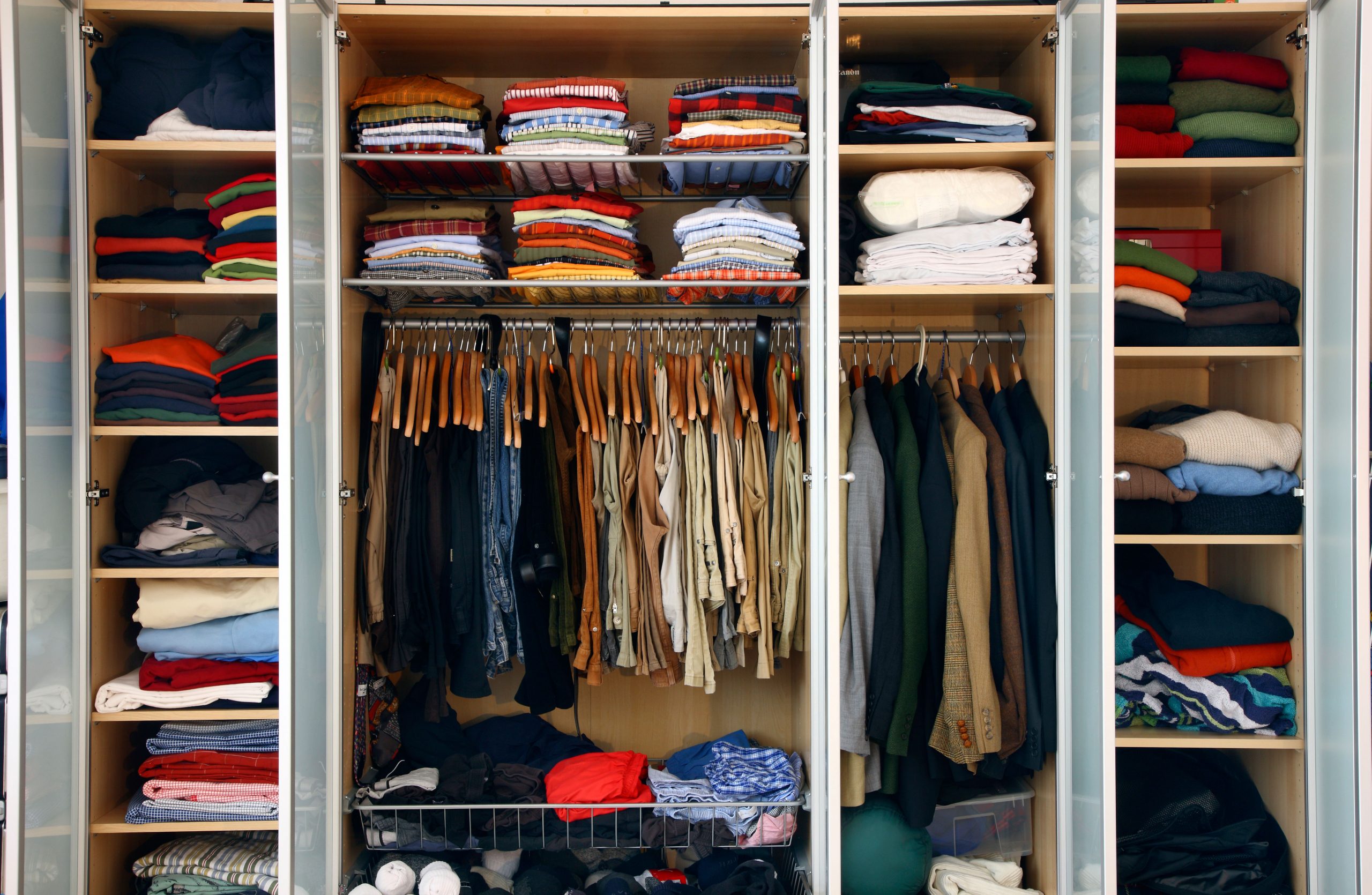
The blog post also advocates for the principle that 'smaller is better' when it comes to living spaces. It questions the contemporary obsession with expansive homes and features like cathedral ceilings, which are often seen as inefficient and unnecessary. The author suggests that a desire for larger spaces often leads to accumulation of possessions, requiring more storage and potentially contributing to consumer debt. By promoting a mindset of letting go and prioritizing quality over quantity, the article argues for a more sustainable and fulfilling way of life. This perspective aligns with earlier generations' understanding that 'less is more,' encouraging a reevaluation of what truly constitutes a comfortable and sufficient living environment.
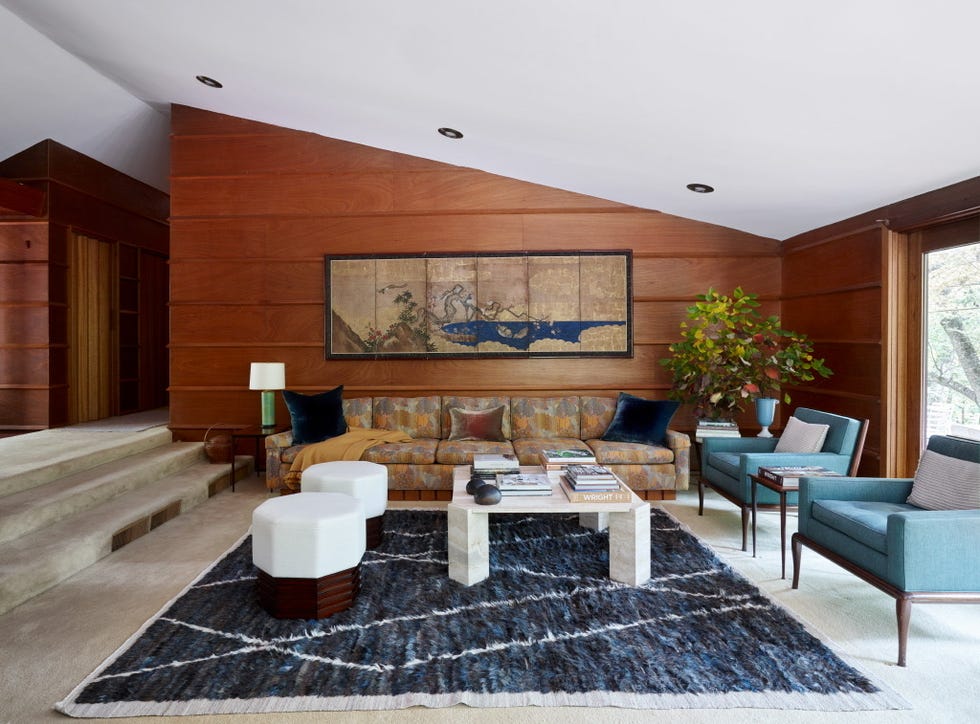
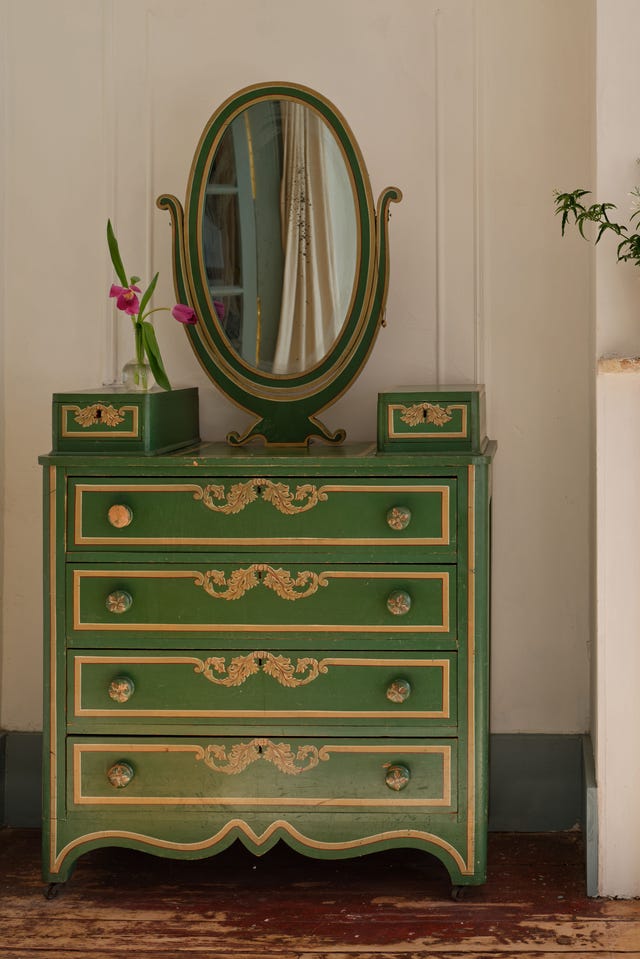
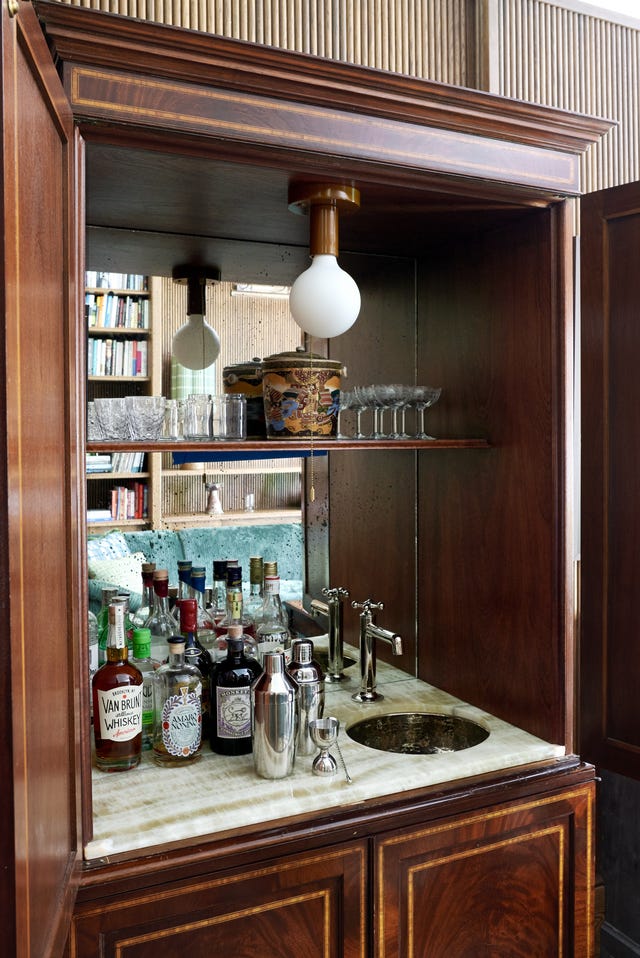
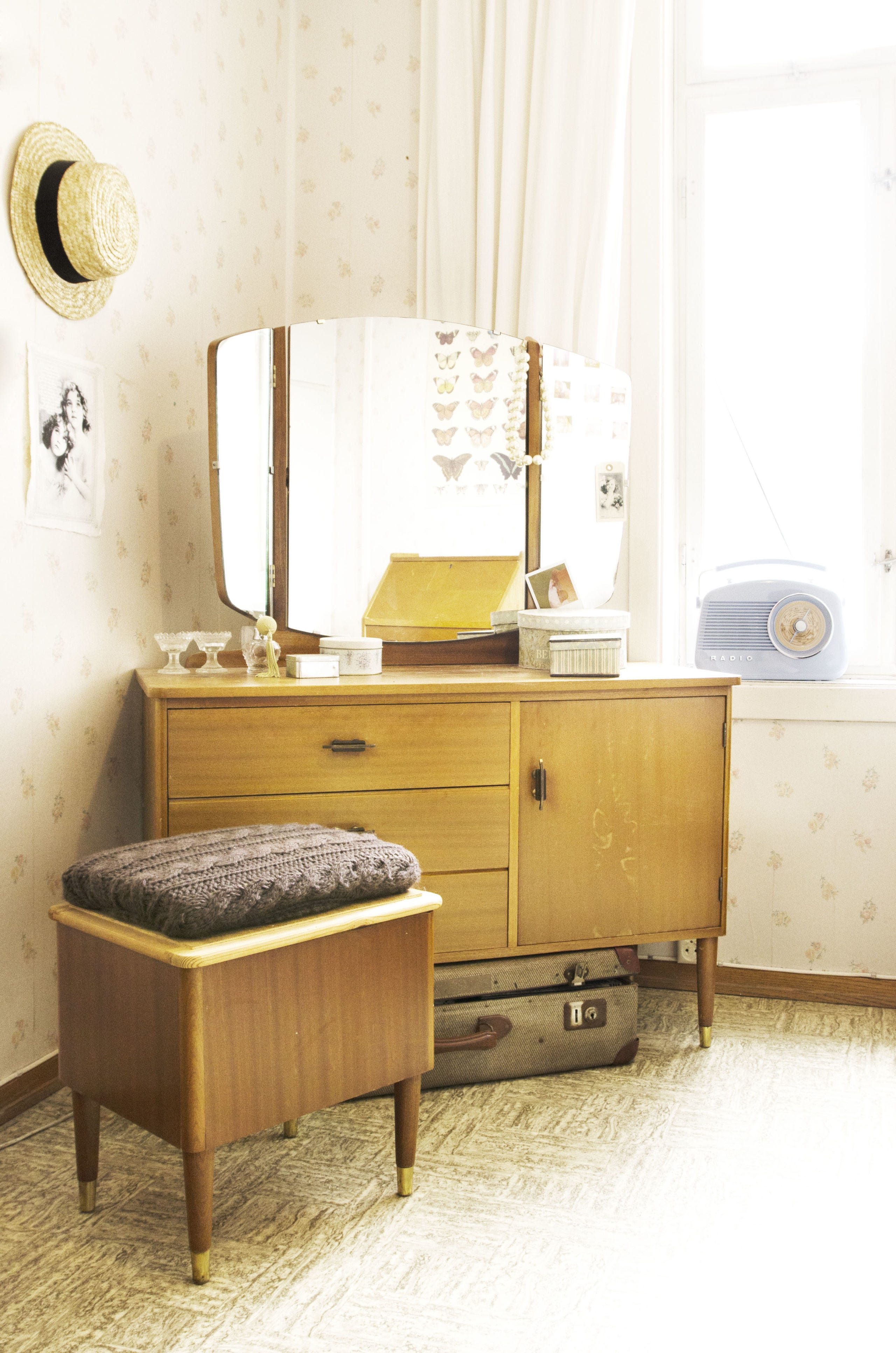
Finally, the article underscores the value of quality and the practicality of repair and upkeep. It observes that modern furniture, while often more affordable, tends to be less durable than older, well-crafted pieces. The piece encourages seeking out quality furnishings from antique stores, estate sales, and thrift shops as a more sustainable and economically sound alternative to constantly replacing flimsy modern items. Additionally, it highlights that those who cherish old houses understand that maintenance and repair are an inherent part of ownership. Instead of immediately replacing items that show wear, they embrace the idea that things 'can be fixed.' This approach extends beyond structural elements to furniture and decor, celebrating character and the story that wear and tear can tell. This perspective fosters a resistance to the societal pressure for constant upgrades and encourages a more mindful approach to homeownership, promoting appreciation for existing structures and items over a relentless pursuit of newness and homogeneity.
#OldHouses #HomeAppreciation #VintageDesign #SustainableLiving #InteriorDesignPhilosophy #QualityOverQuantity #HistoricHomes #HomeMaintenance #RealEstateTrends #OldHouses #HomeAppreciation #VintageDesign #SustainableLiving #InteriorDesignPhilosophy #QualityOverQuantity #HistoricHomes #HomeMaintenance #RealEstateTrends
0 comment in total
 No comments yet
You may also like
The Truths About Buying and Living in an Old House

7 lessons we learnt about storage from this beautiful historic Californian home

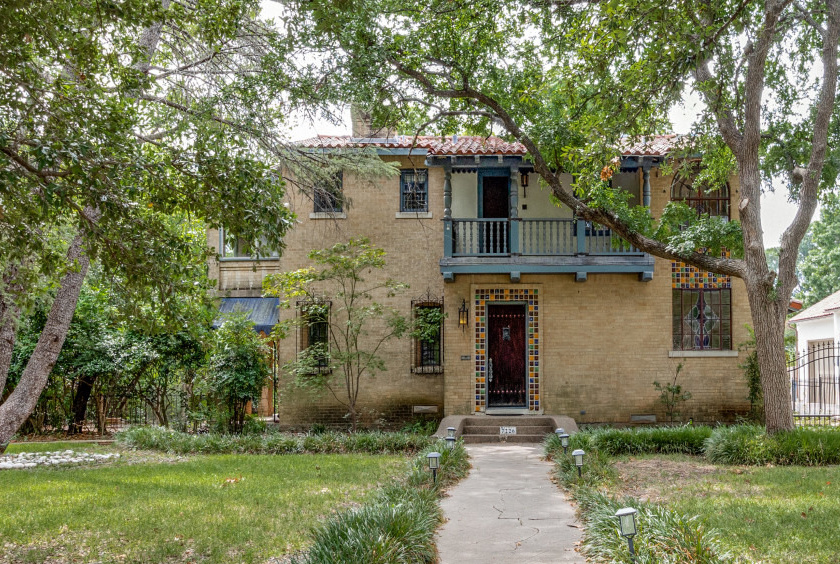
Dallas Preservation Experts on How to Keep Your Historic Home and Why It Matters

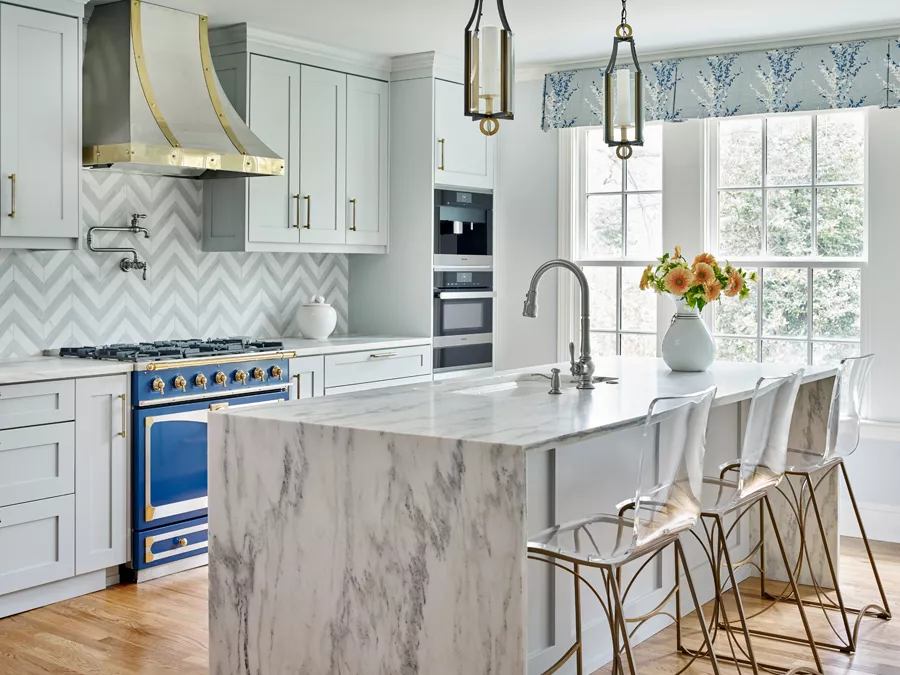
10 Outdated Kitchen Details That Are Quietly Aging Your Home
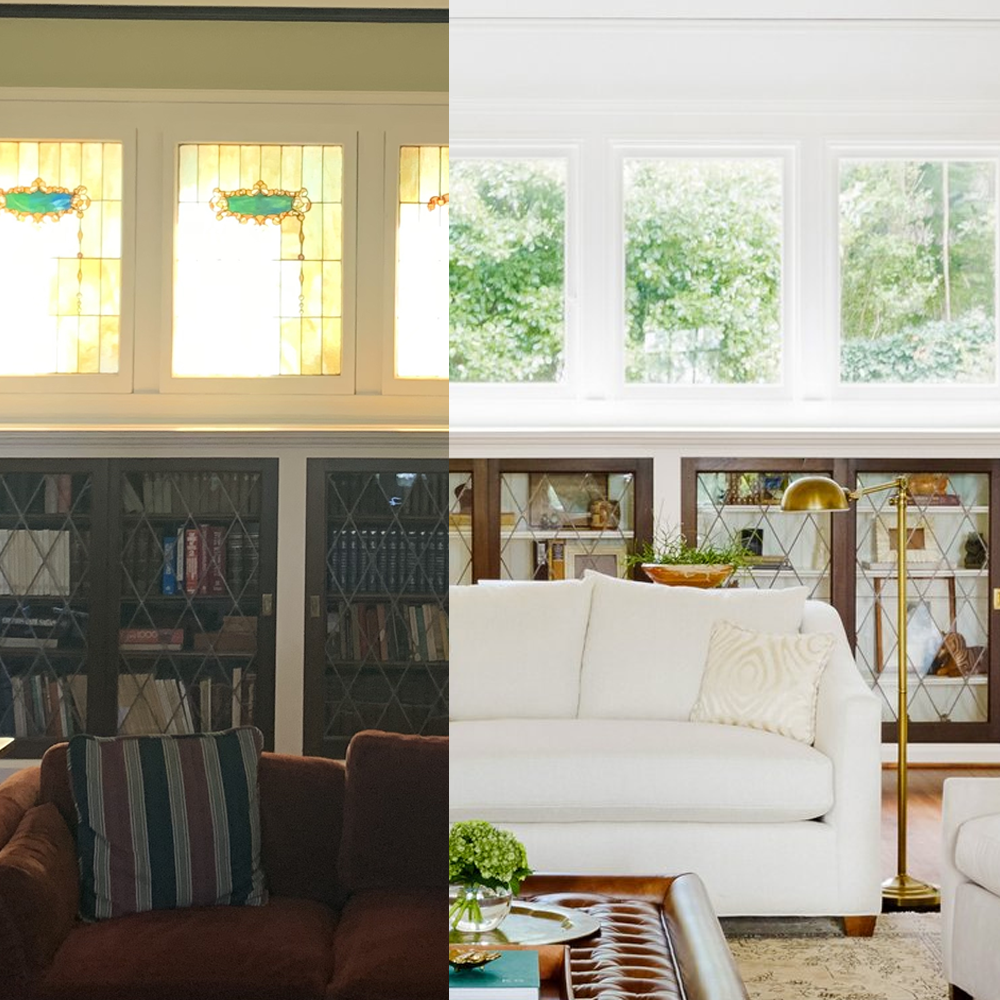
Here's What Nobody Tells You About Buying and Renovating a Historic Home

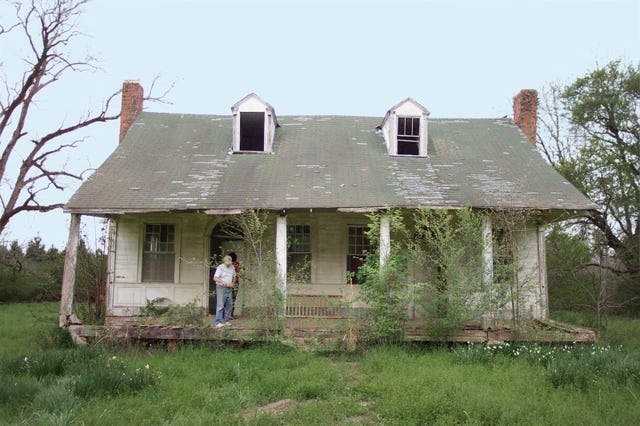
5 Common Mistakes Homeowners Make When Restoring Old Houses
What’s Old Is New: 5 Outdated Home Features Designers Are Loving Again

10 things I wish I'd known about doing up old houses before I started, by Country Life's interiors guru Giles Kime
7 Things You Should Always Preserve or Try to Save in an Old Home, According to Designers

Owning an Old House: Charming Love Affair or Expensive Money Pit?
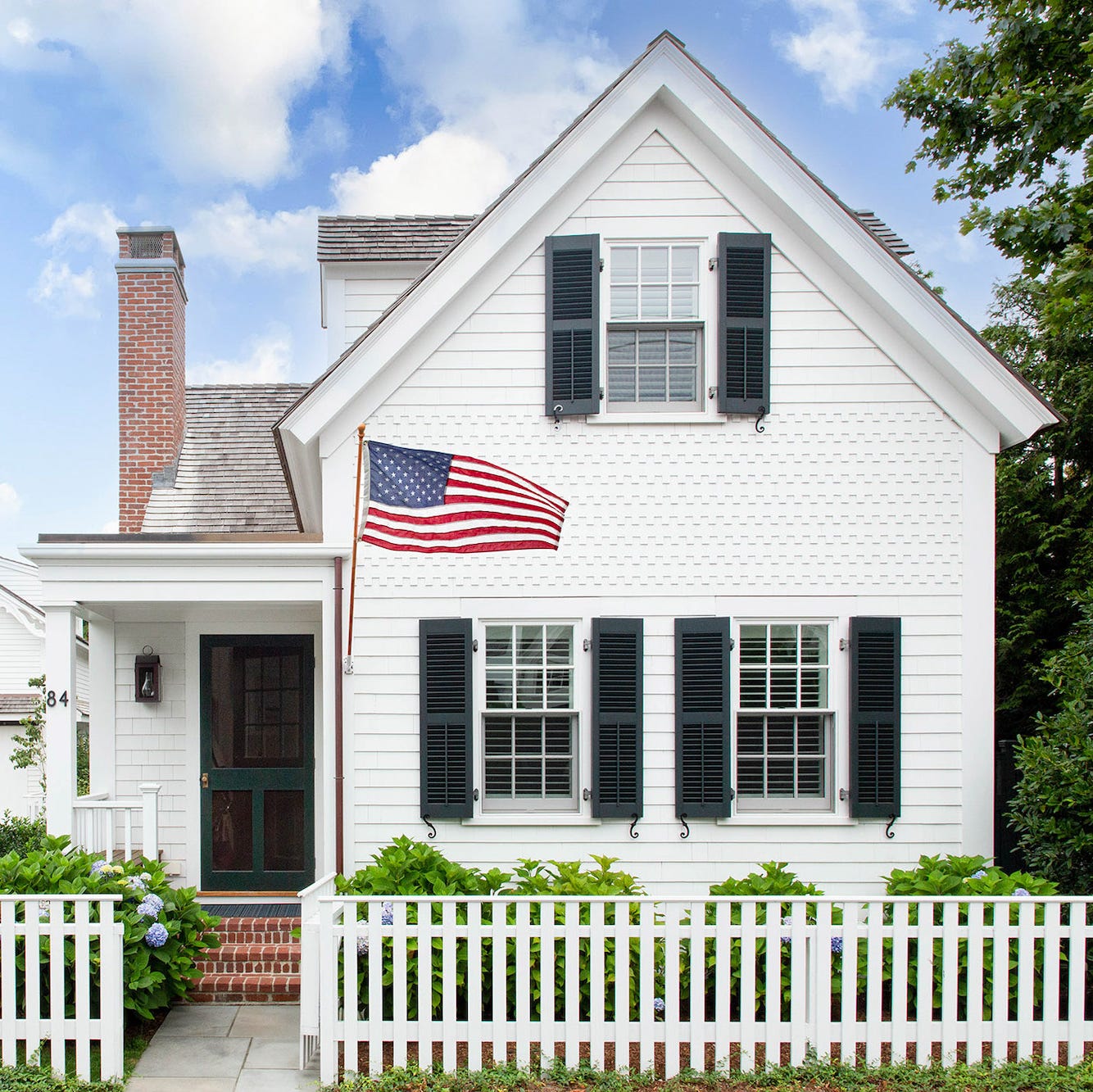
7 Architectural Details You Should NEVER Get Rid of in a Historic Home
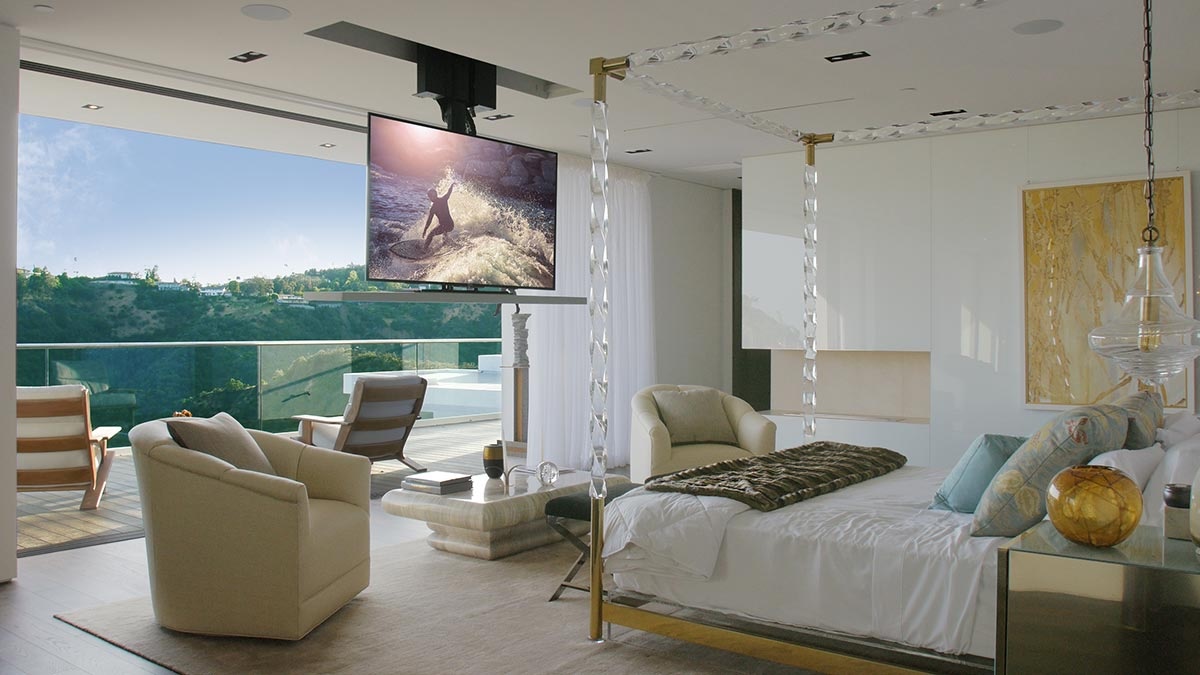
Hidden Home Features You Have to See to Believe
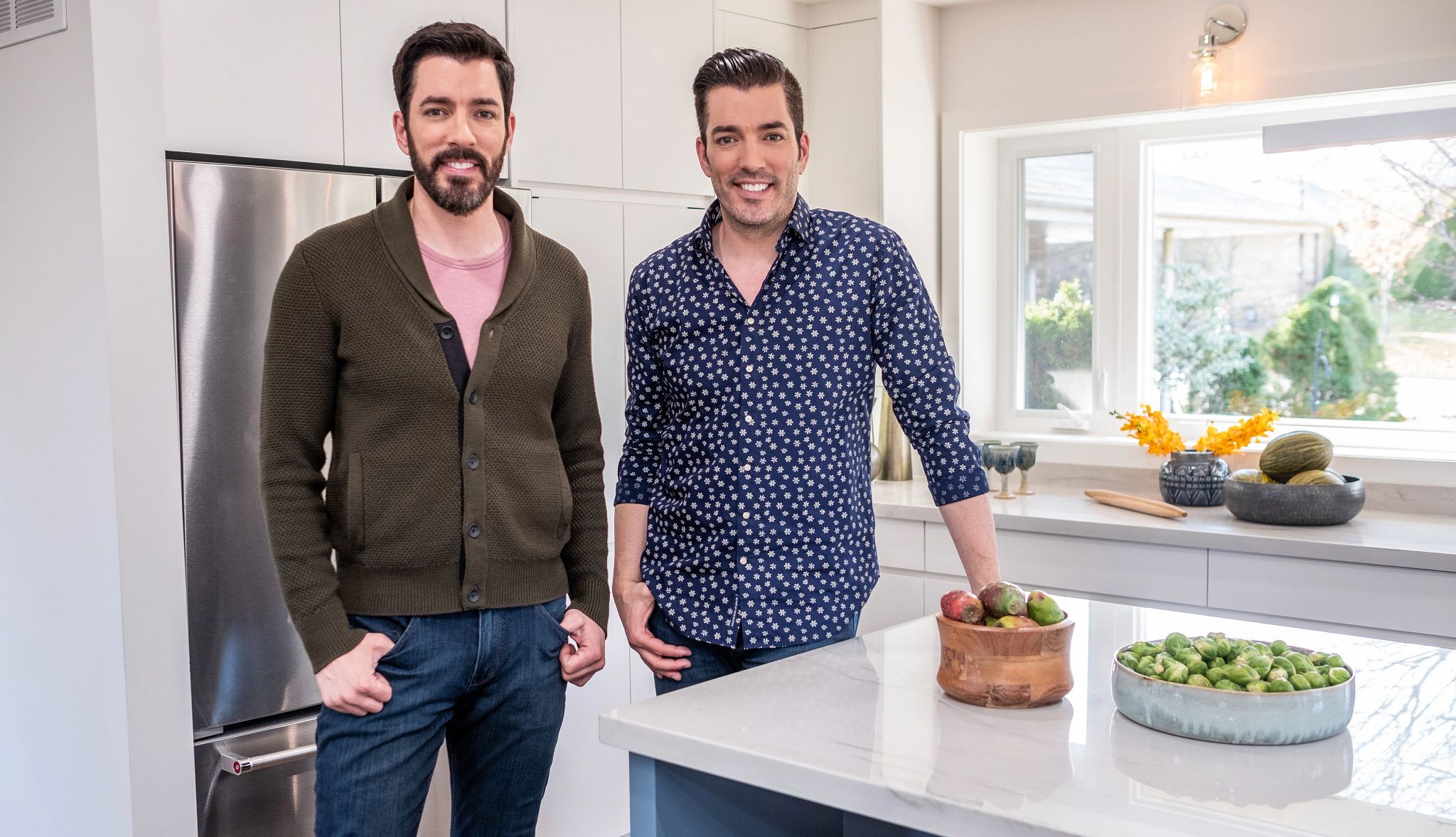
Property Brothers’ Tips for Older Homeowners | Members Only

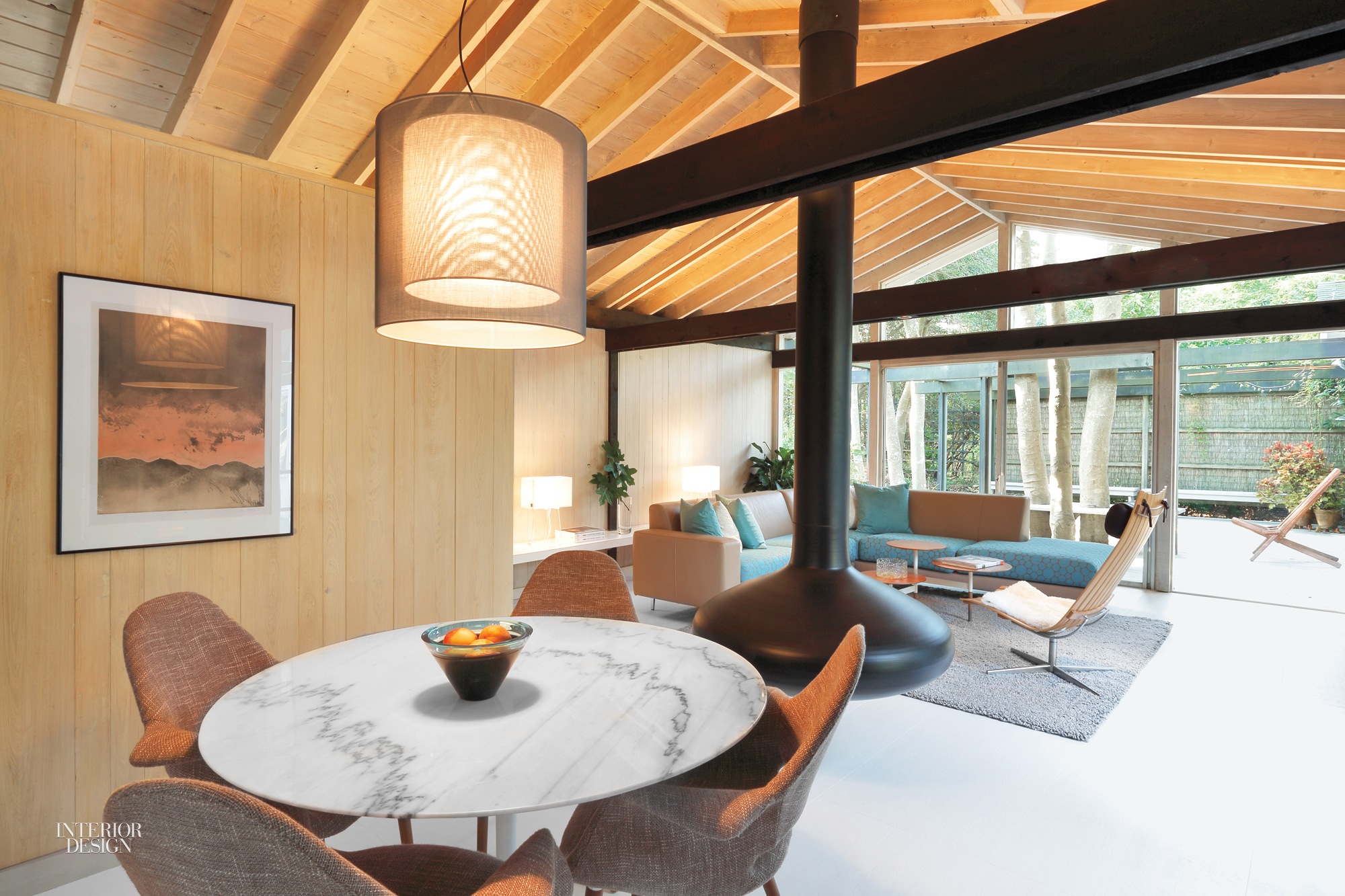
5 Historic Houses With Enviable Vintage Style

Interior Designers Reveal 6 Surprising Things Making Your House Look Dated
6 Lessons I Wish I’d Known Before Renovating My Home
7 Vintage Home Details Experts Want to Bring Back
Guide to Buying Older Homes by Decade
15 Old House Features We Were Wrong to Abandon
10 Outdated Kitchen Details That Are Quietly Aging Your Home