1/5
5 Historic Houses With Enviable Vintage Style
This article explores five historic residential projects that showcase a sympathetic approach to vintage style and architectural preservation, while also incorporating contemporary design elements. Each project highlights a unique method of integrating modern living with existing historical structures, ranging from mid-century beach houses to centuries-old farmhouses and repurposed industrial buildings.
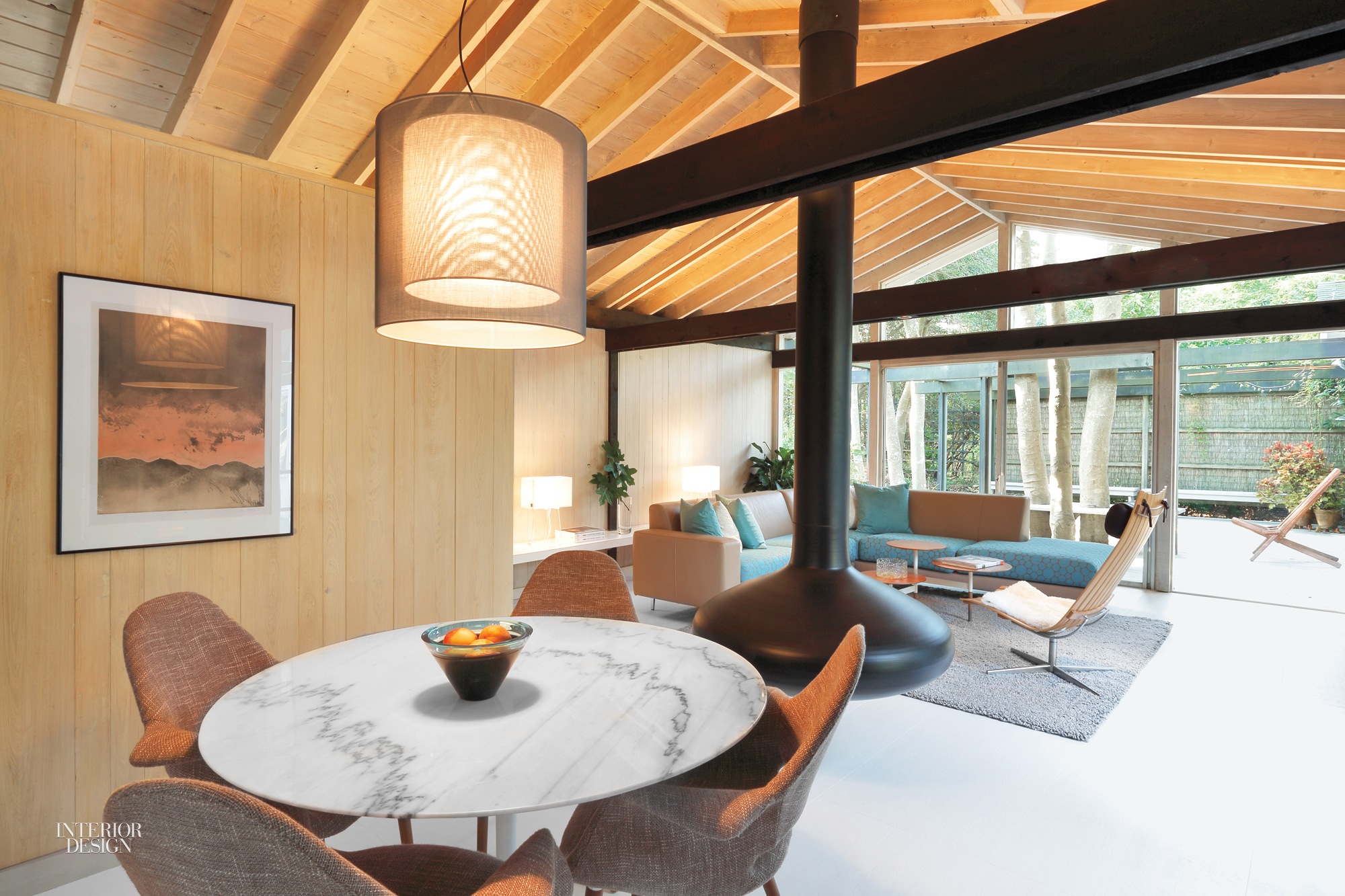
The first project, by Rawlins Design on Fire Island, New York, involves a 1962 beach house originally designed by Don Page, I.M. Pei’s former head graphic designer. The renovation meticulously maintains the original spatial clarity, making subtle but impactful changes. For example, an oversized brick hearth was replaced with a sleek floating ethanol fireplace, and a covered entry porch was transformed into a glass-box stair, enhancing light and openness without compromising the home's mid-century aesthetic. The design successfully updates the functionality and visual appeal while respecting its historical context.
The second featured home is a 1963 Brutalist dwelling in Zurich by Hans Demarmels, reimagined by Neutral Zurich. This formidable concrete structure, characterized by its jutting forms and monolithic presence, is softened and enlivened through strategic interior design choices. A steel dining table powder-coated in a vibrant yellow, an iconic Marcel Wanders chair crafted from aramide and carbon-fiber cord, and an unexpected print featuring M&M; candies introduce levity and contemporary artistic expression, creating a striking contrast with the raw Brutalist architecture.
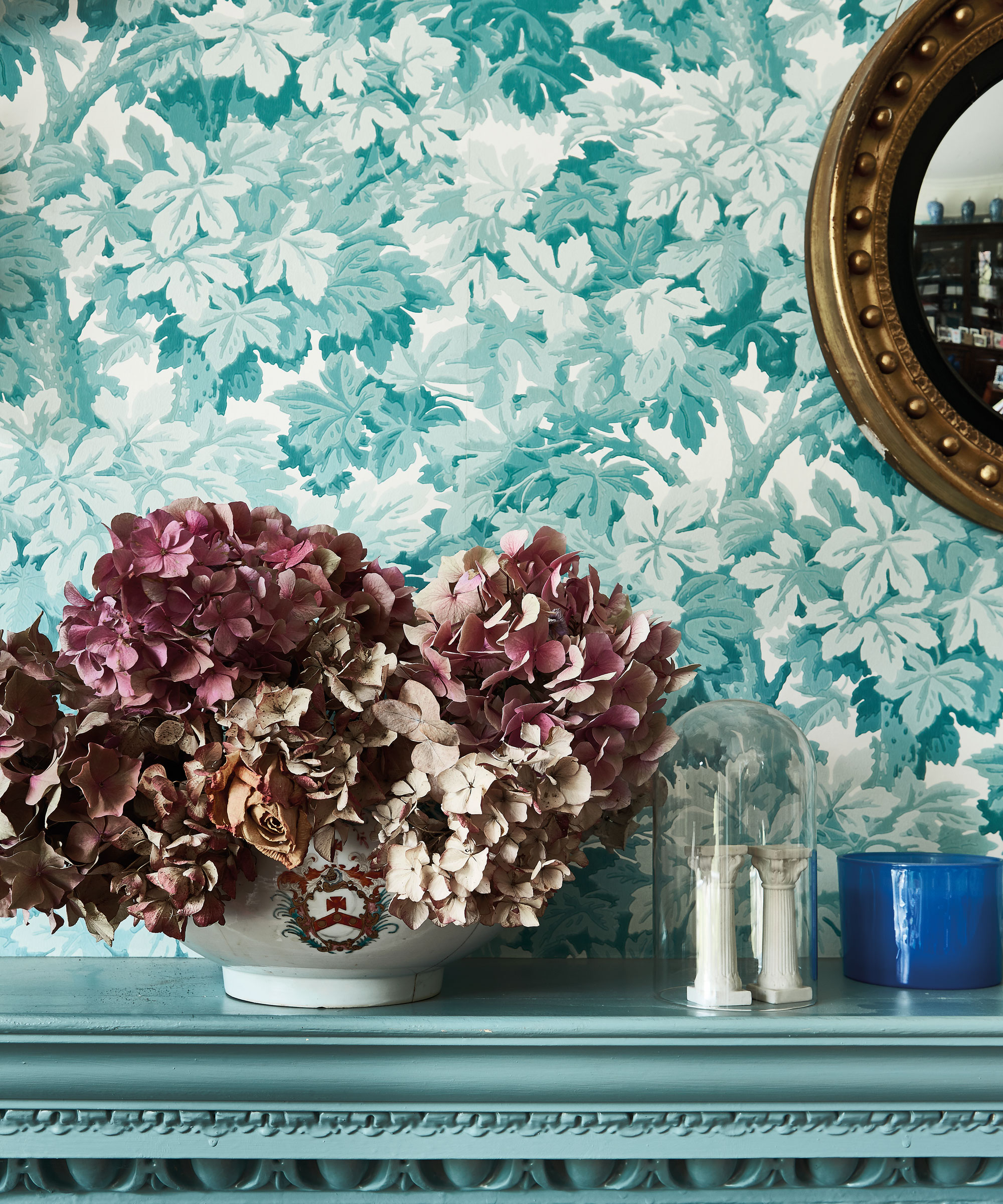
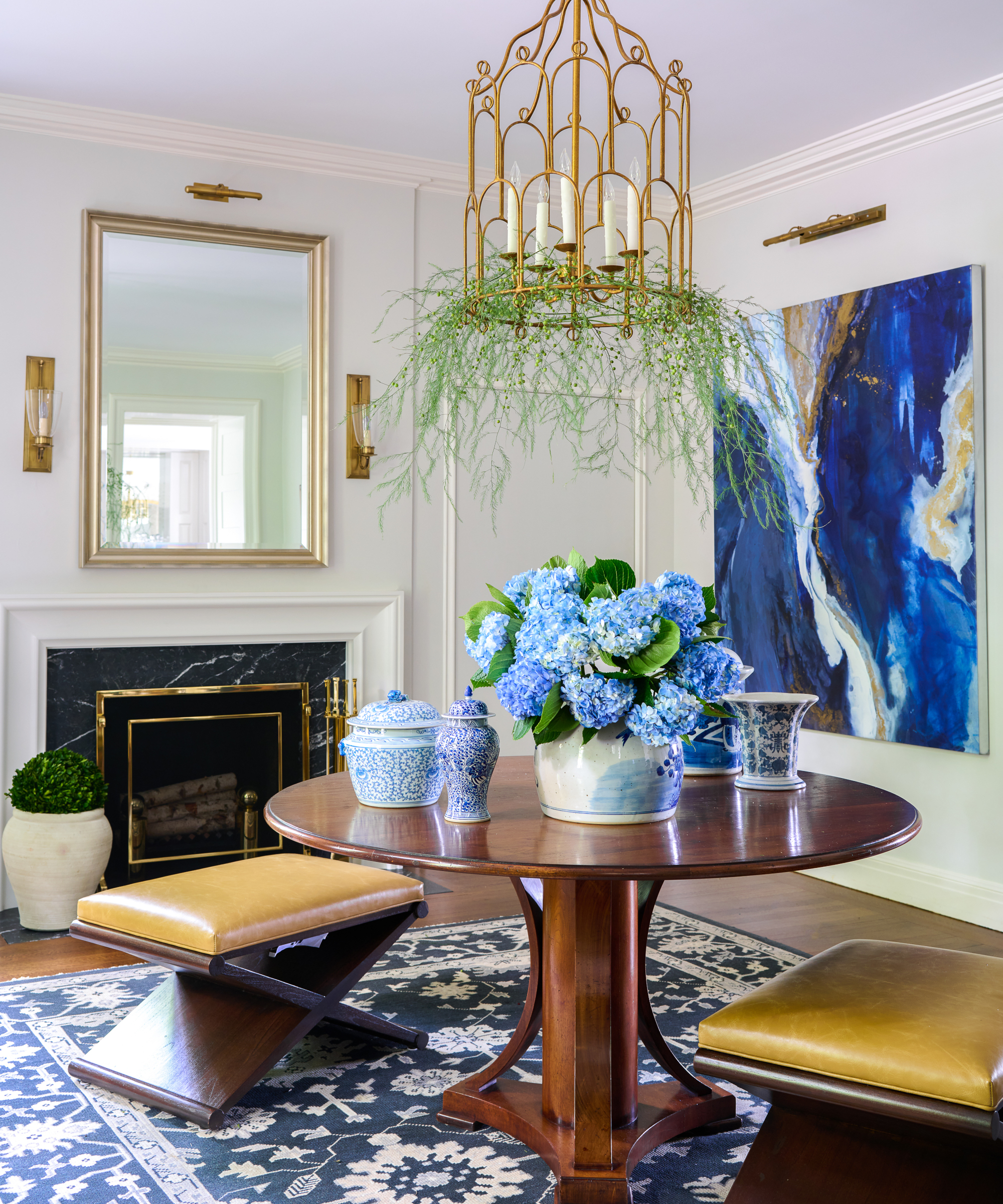
Polyedre’s project in Boechout, Belgium, showcases the revitalization of a centuries-old farmhouse. This residence belongs to an antiques dealer and his wife, who display their curated collections in restored outbuildings. The interior features cerulean walls that serve as a dynamic backdrop for abstract modernist art by artists such as Alfred Reth and Michel Martens. This design approach creates a dialogue between the historical architecture of the farmhouse and the modern art, enriching the overall aesthetic.
The fourth project, by Lezze Architecten in Boom, Belgium, demonstrates a innovative adaptive reuse. An abandoned brick-making factory’s former kiln is transformed into an architect’s live/work space. Glass-and-steel cubes are cleverly nested within the original structure, creating distinct living and working zones. This intervention respects the industrial heritage of the building while introducing modern living comforts and a unique spatial experience, illustrating a light touch in adapting historic industrial spaces for contemporary use.
Finally, Kayserstudio in Barcelona renovated a 1970s former factory, converting it into a residence for a vintage furniture-dealing couple. The design emphasizes the building’s industrial character, with sand-blasted concrete columns and beams providing texture and a raw aesthetic. This setting perfectly complements the couple’s inventory of mid-century modern pieces, including Percival Lafer’s timeworn leather loungers and Pierre Guariche’s cracked-eggshell-shape Mars chair. The project celebrates the building's past while creating an inviting and stylish home that doubles as a showroom for their collection.
#HistoricHomes #VintageStyle #InteriorDesign #ArchitecturalPreservation #MidCenturyModern #BrutalistArchitecture #FarmhouseRenovation #AdaptiveReuse #IndustrialConversion #HistoricHomes #VintageStyle #InteriorDesign #ArchitecturalPreservation #MidCenturyModern #BrutalistArchitecture #FarmhouseRenovation #AdaptiveReuse #IndustrialConversion
0 comment in total
 No comments yet
You may also like
5 Design Choices That Make Your House Look Super Dated, According to Designers

Give Your Kitchen A Historical Touch With 5 Vintage Hardware Styles
17 Products That Will Instantly Add Vintage Style to Any Home

Looking to Buy a New Home? These Are the Most Popular House Styles to Know

4 Indian homes that are the definition of old-world charm

7 Architectural Details You Should NEVER Get Rid of in a Historic Home

What Are Victorian Houses? Everything to Know About This Architecture Style

7 Things You Should Always Preserve or Try to Save in an Old Home, According to Designers

Modern heritage style – 5 ways to get the look

Home design ideas: Playing up the Old World essence of a Savin Hill Victorian

5 outdated pattern trends that will make your home feel old-fashioned – and what to use instead

5 cool terracotta homes that champion vernacular design sensibilities
5 easy vintage interior decor tricks for homes

9 ways to update a historic home while still keeping its vintage charm – tips from a NYC reno
14 Fresh Ways to Mix Vintage Style into a Modern Home

This historic country house has an elegant interior that stands the test of time
Guide to Buying Older Homes by Decade
12 Designer-Approved Tricks to Fill a New Home With Vintage Character

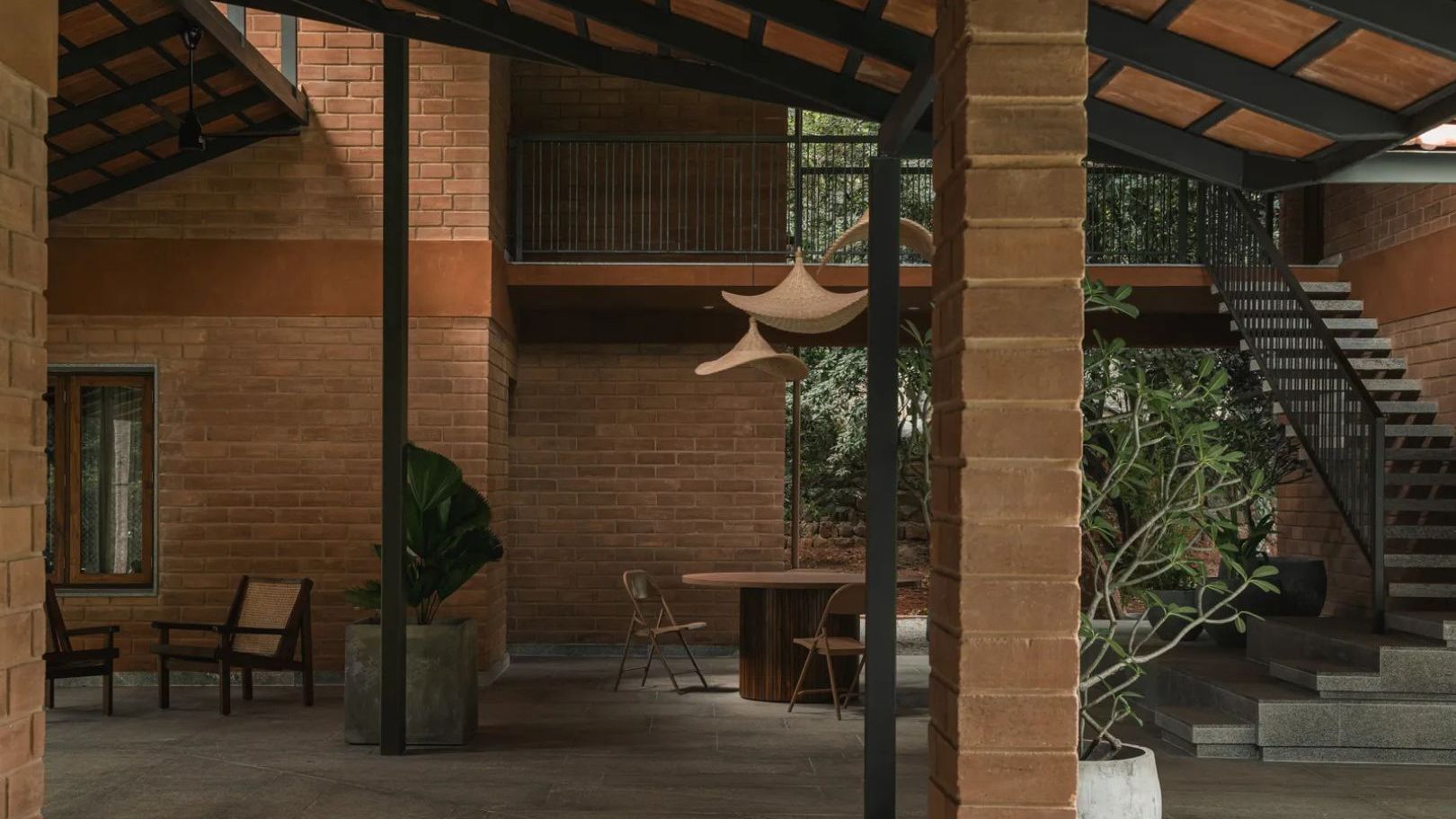
6 brick houses that are rooted in nostalgia and vernacular design
Interior design tips on vintage vibes incorporating retro charm into modern home | Hindustan Times