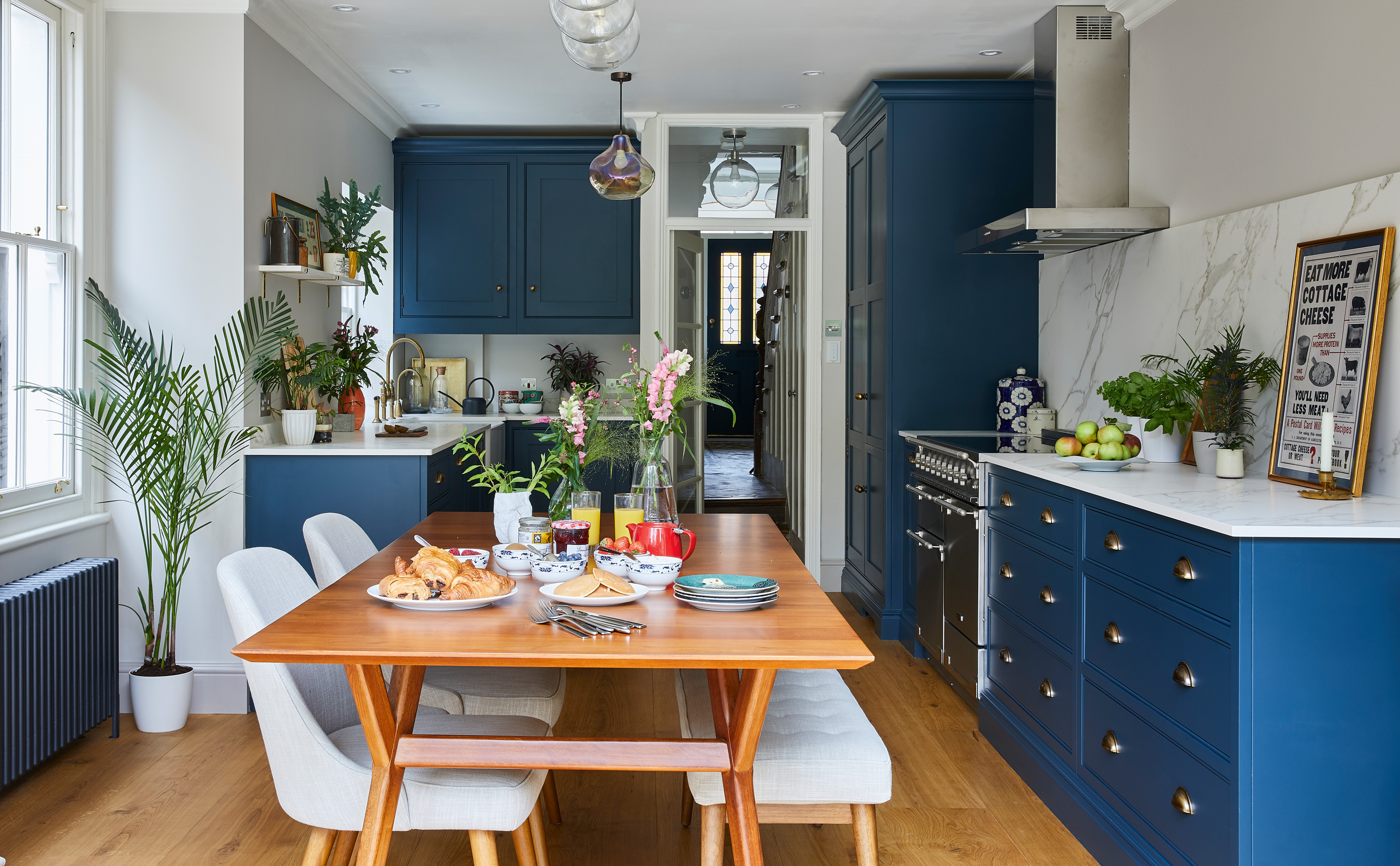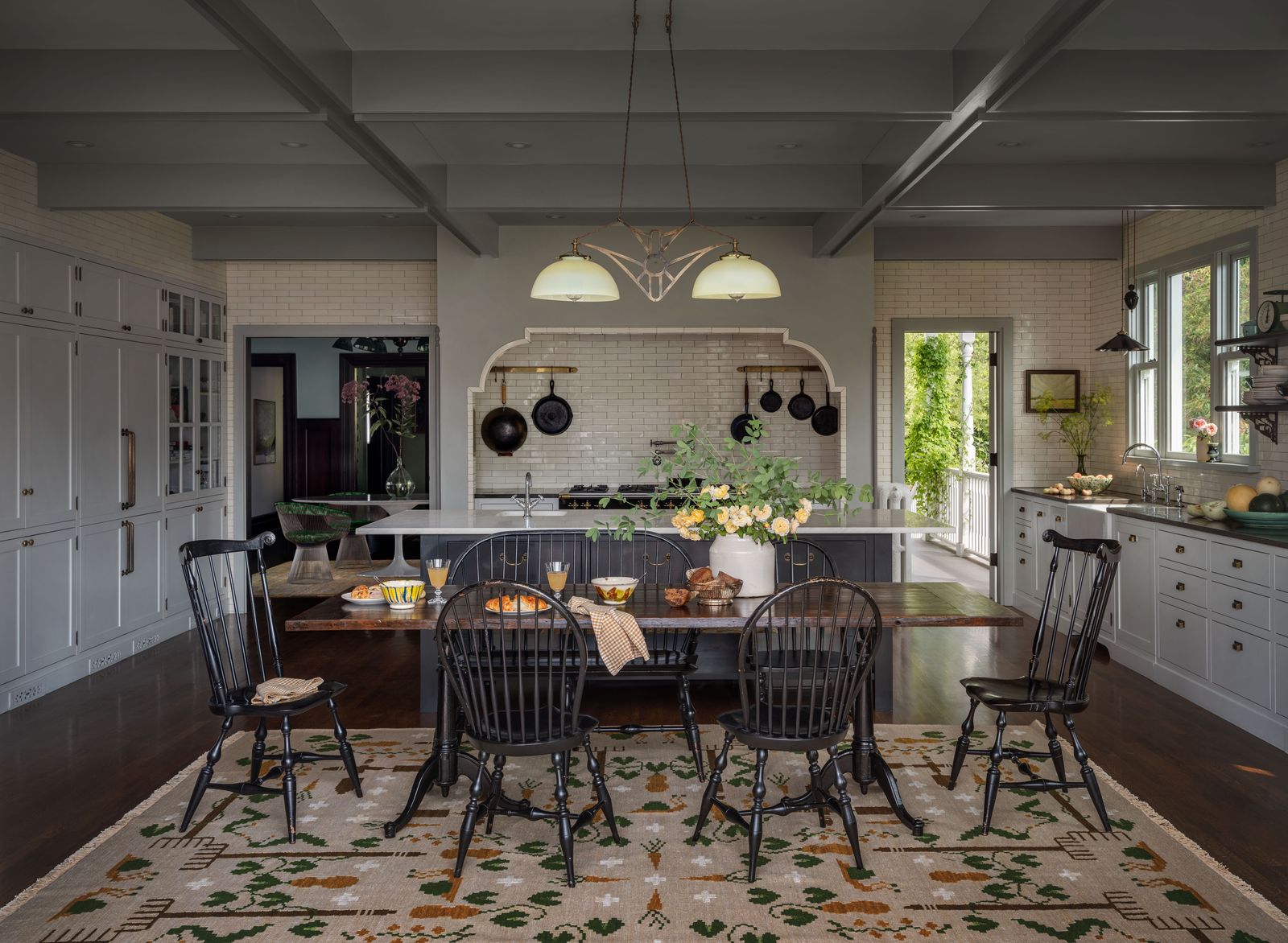
What Are Victorian Houses? Everything to Know About This Architecture Style
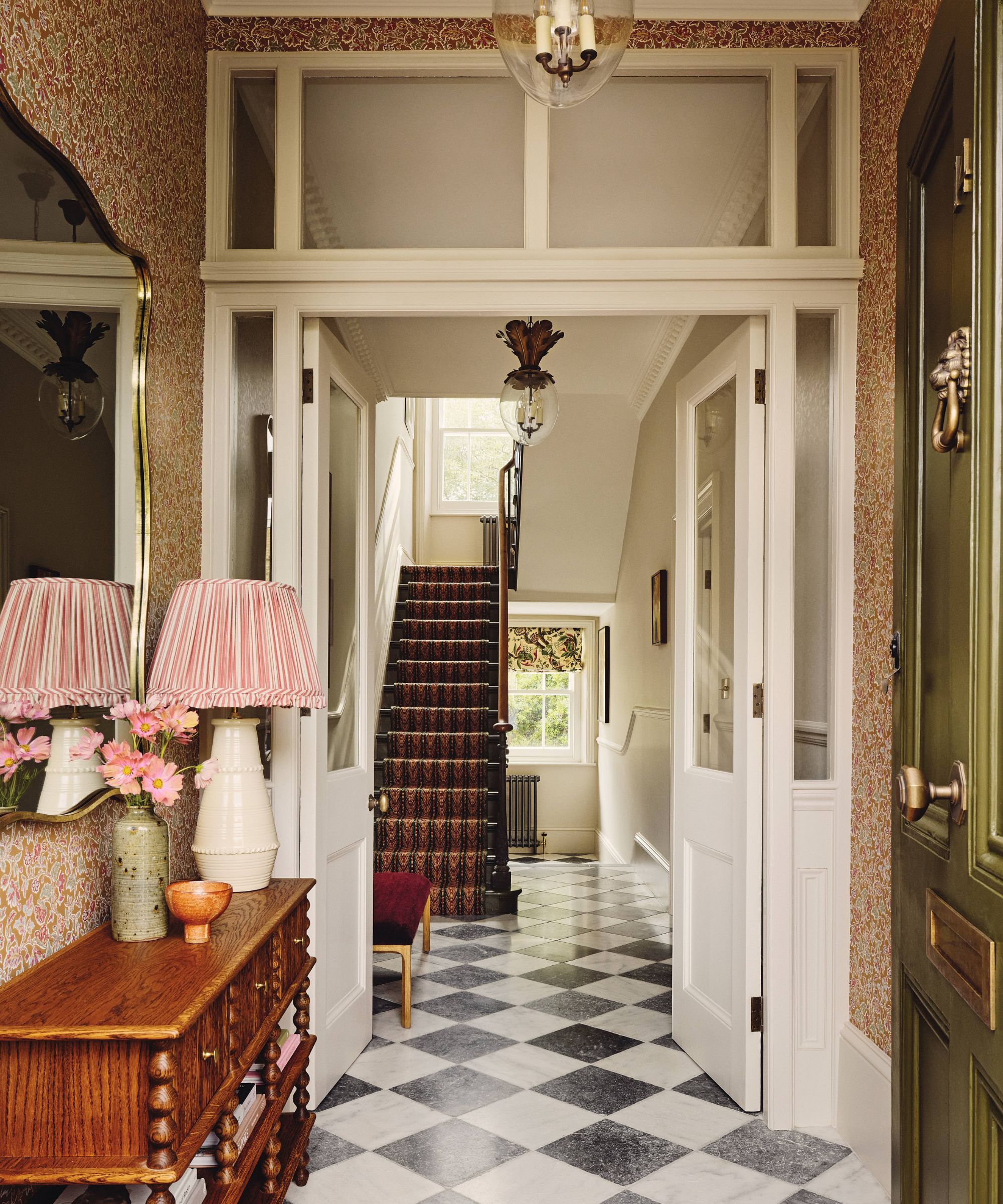
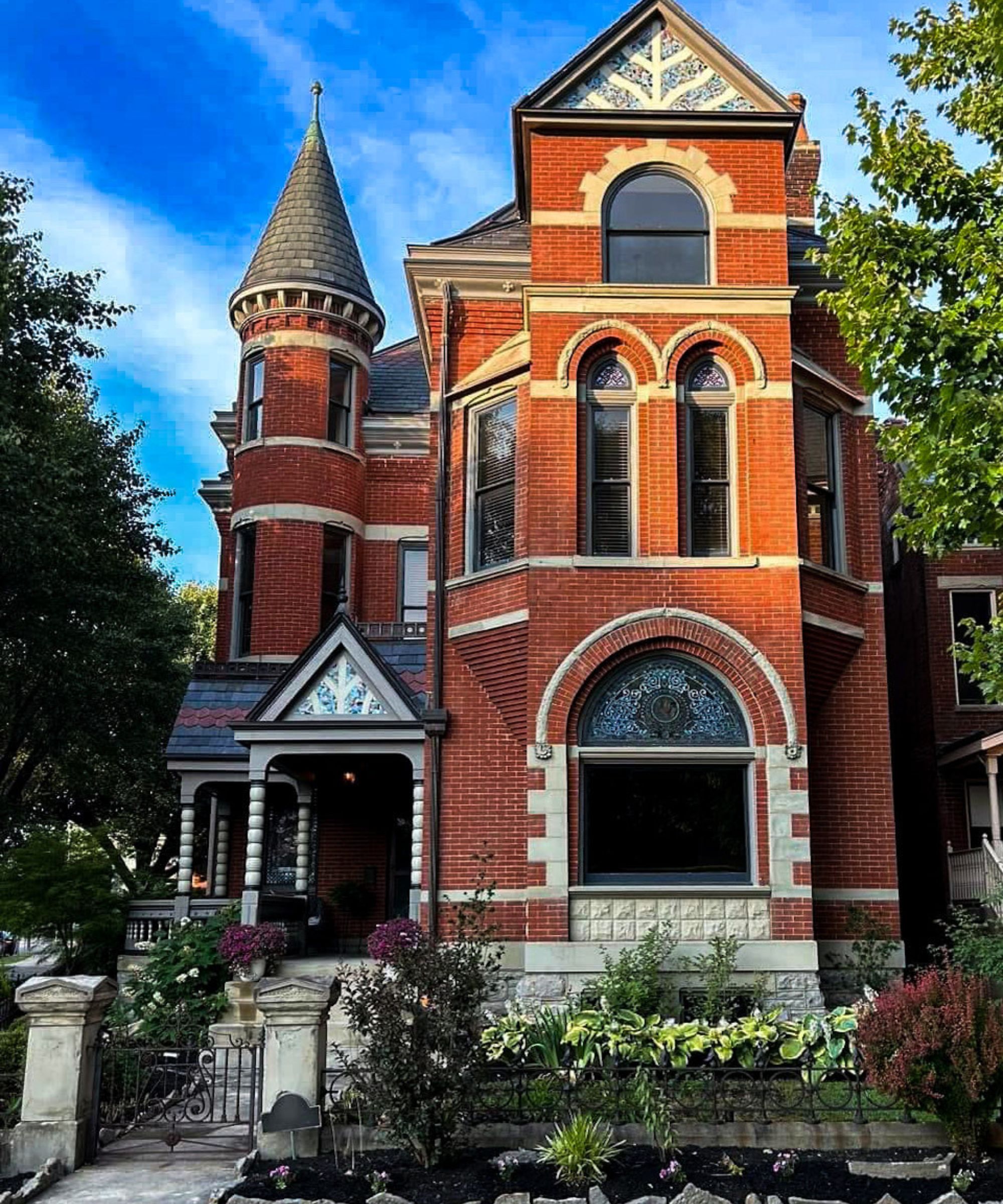
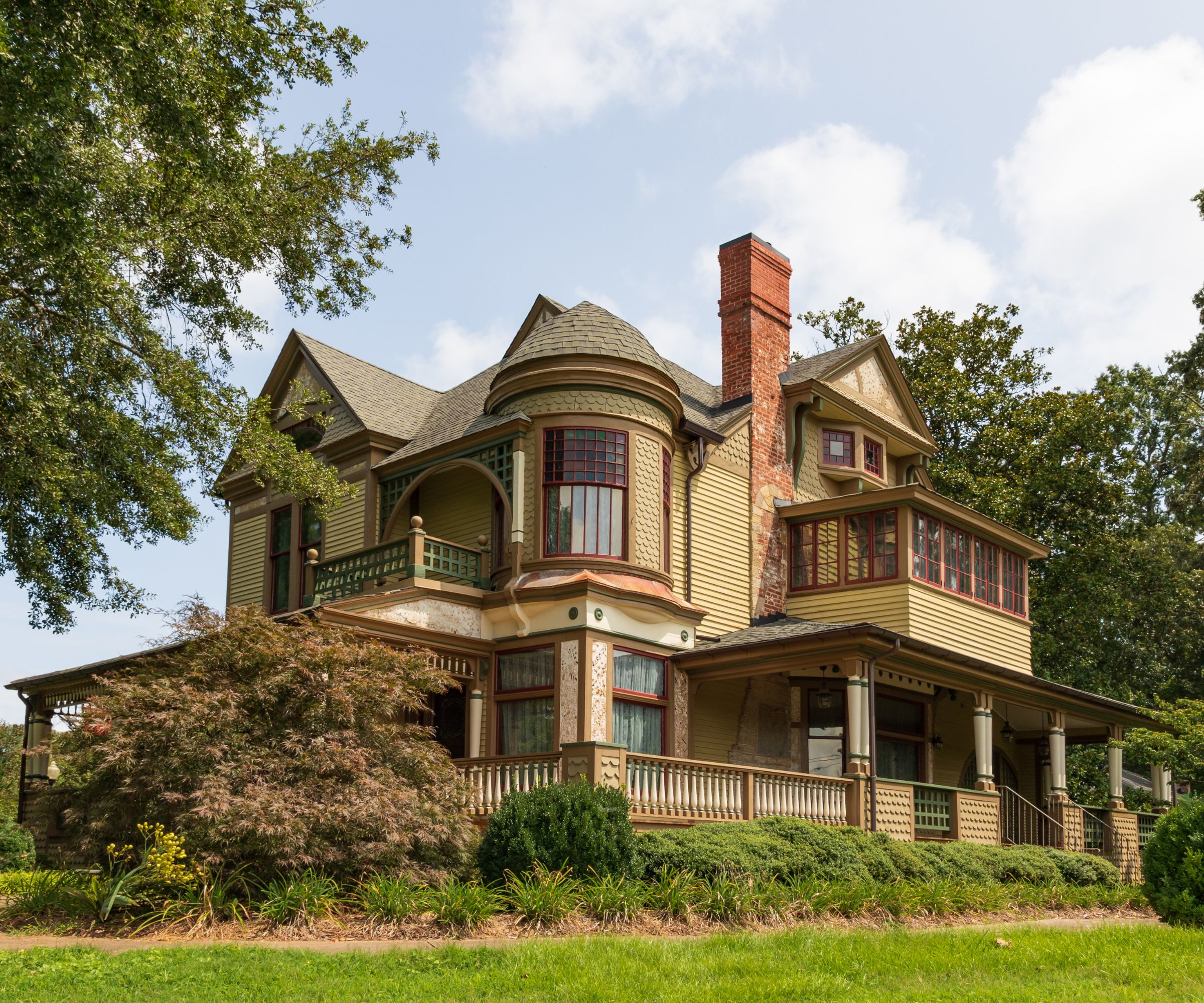
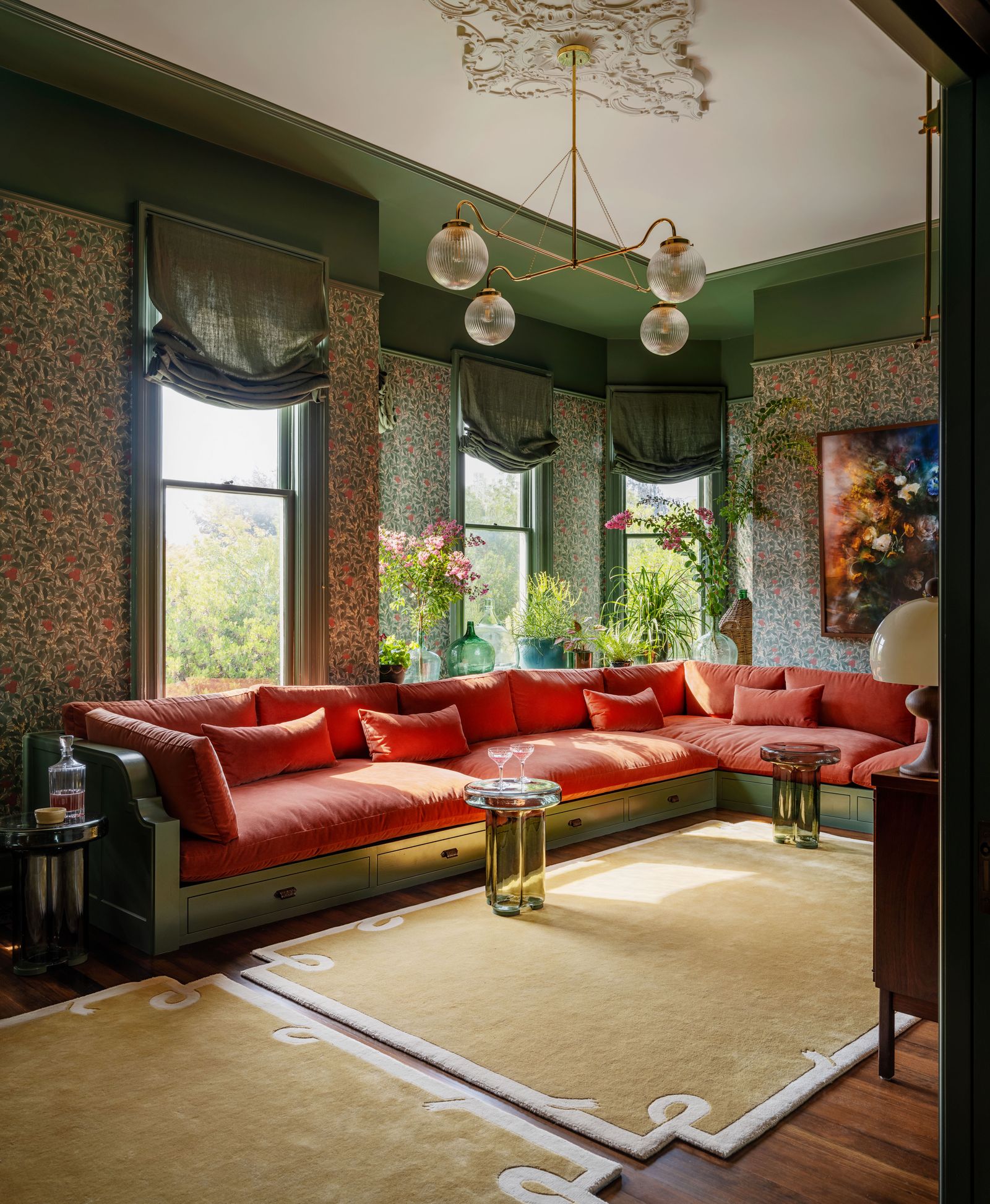
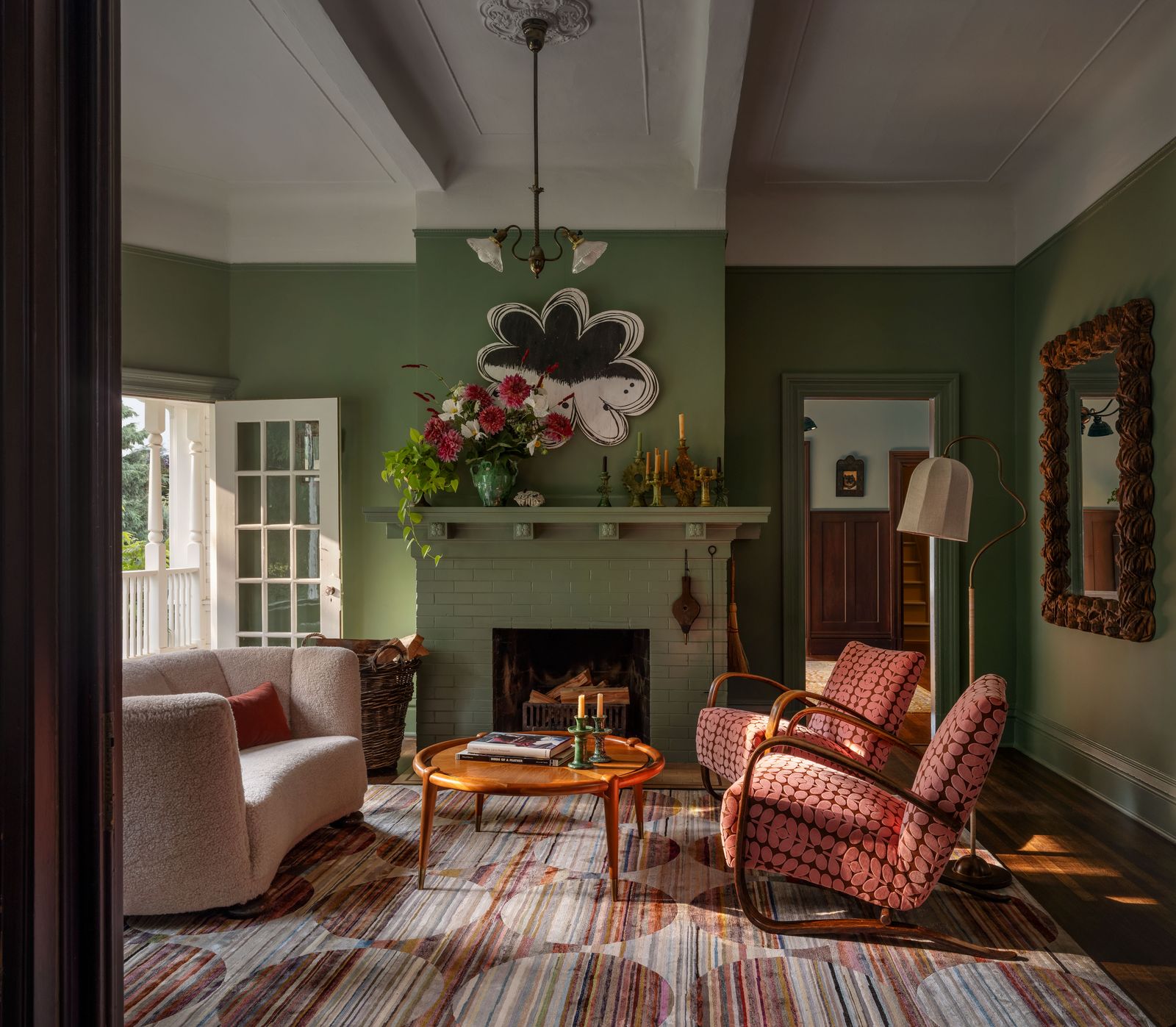
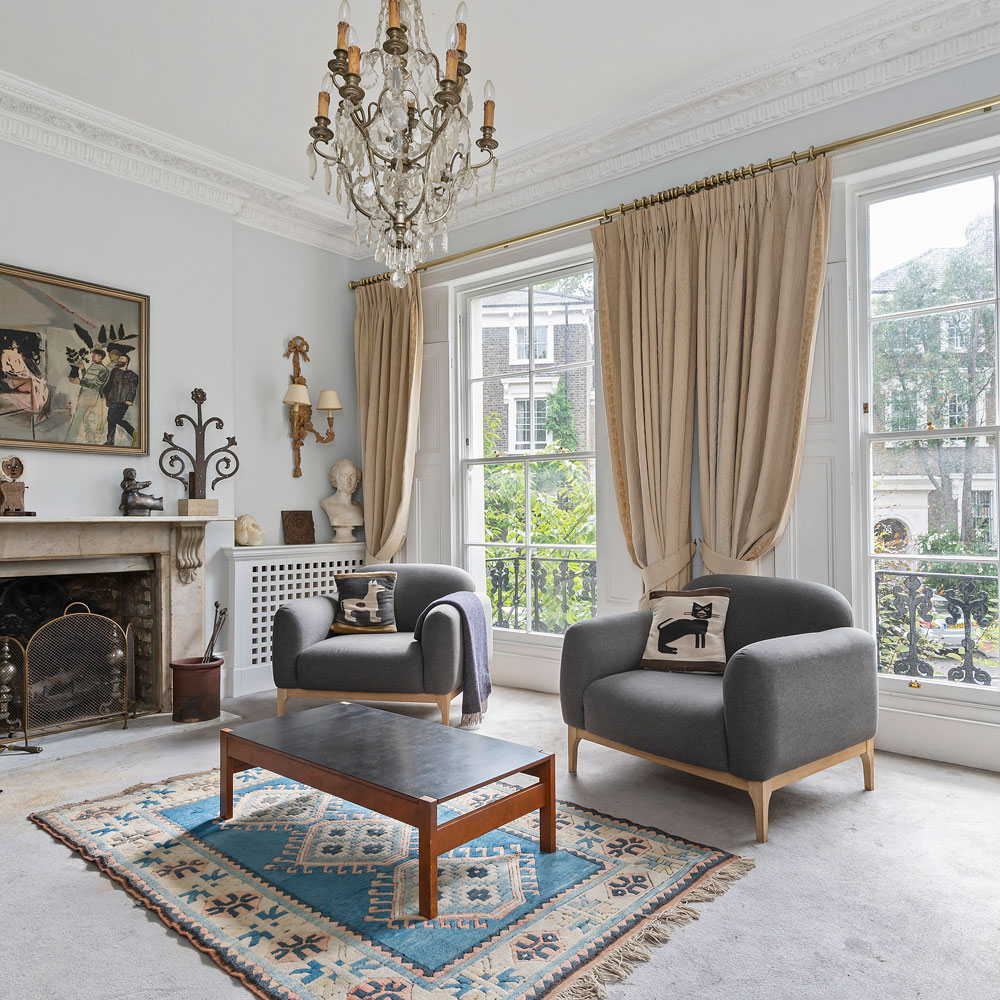
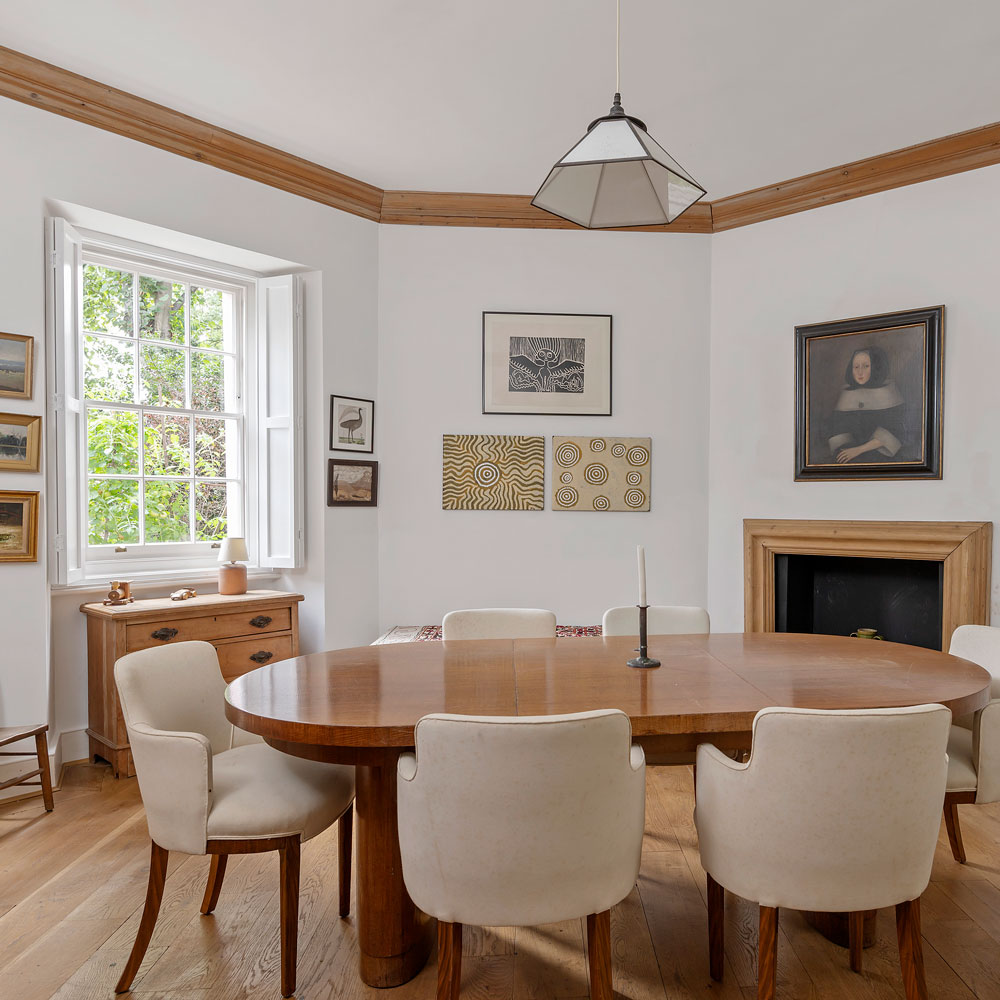
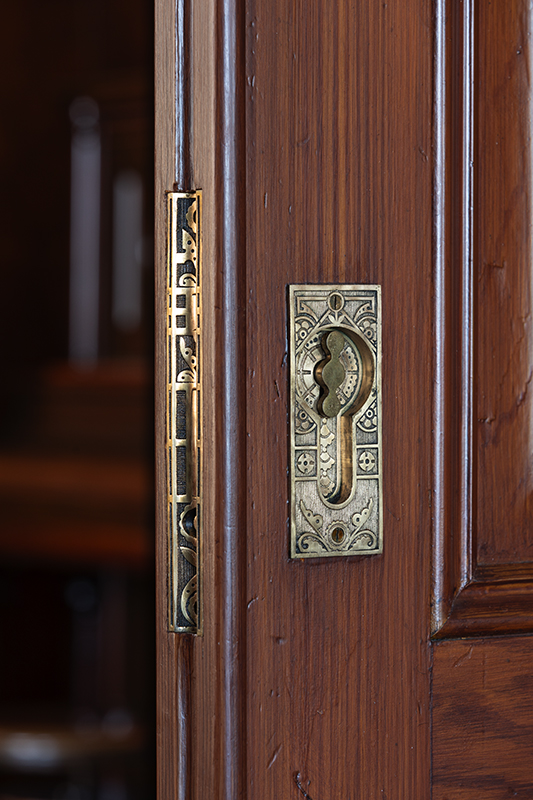
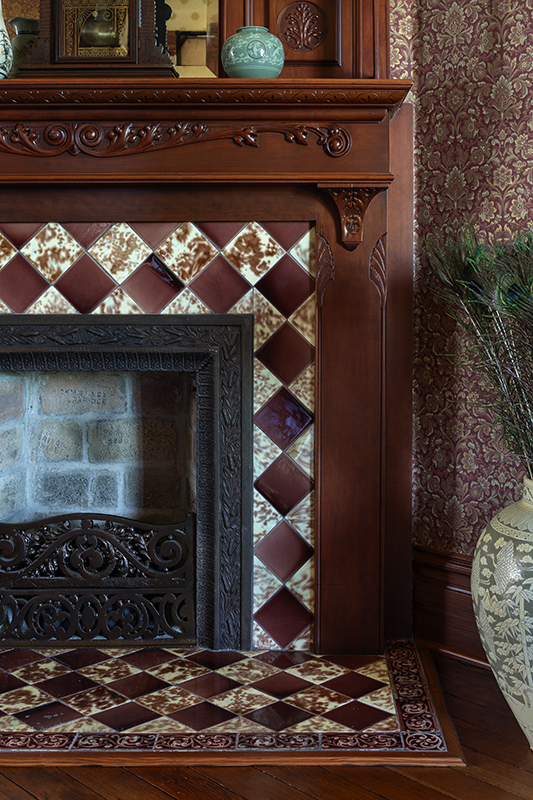
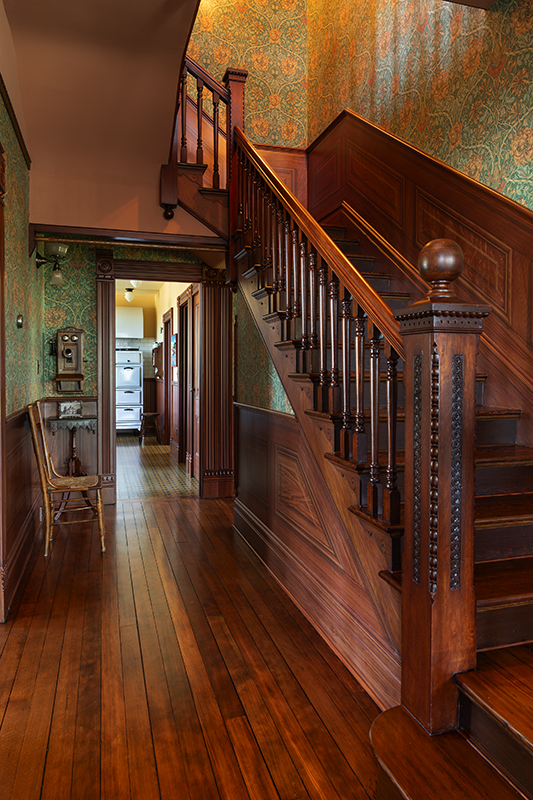
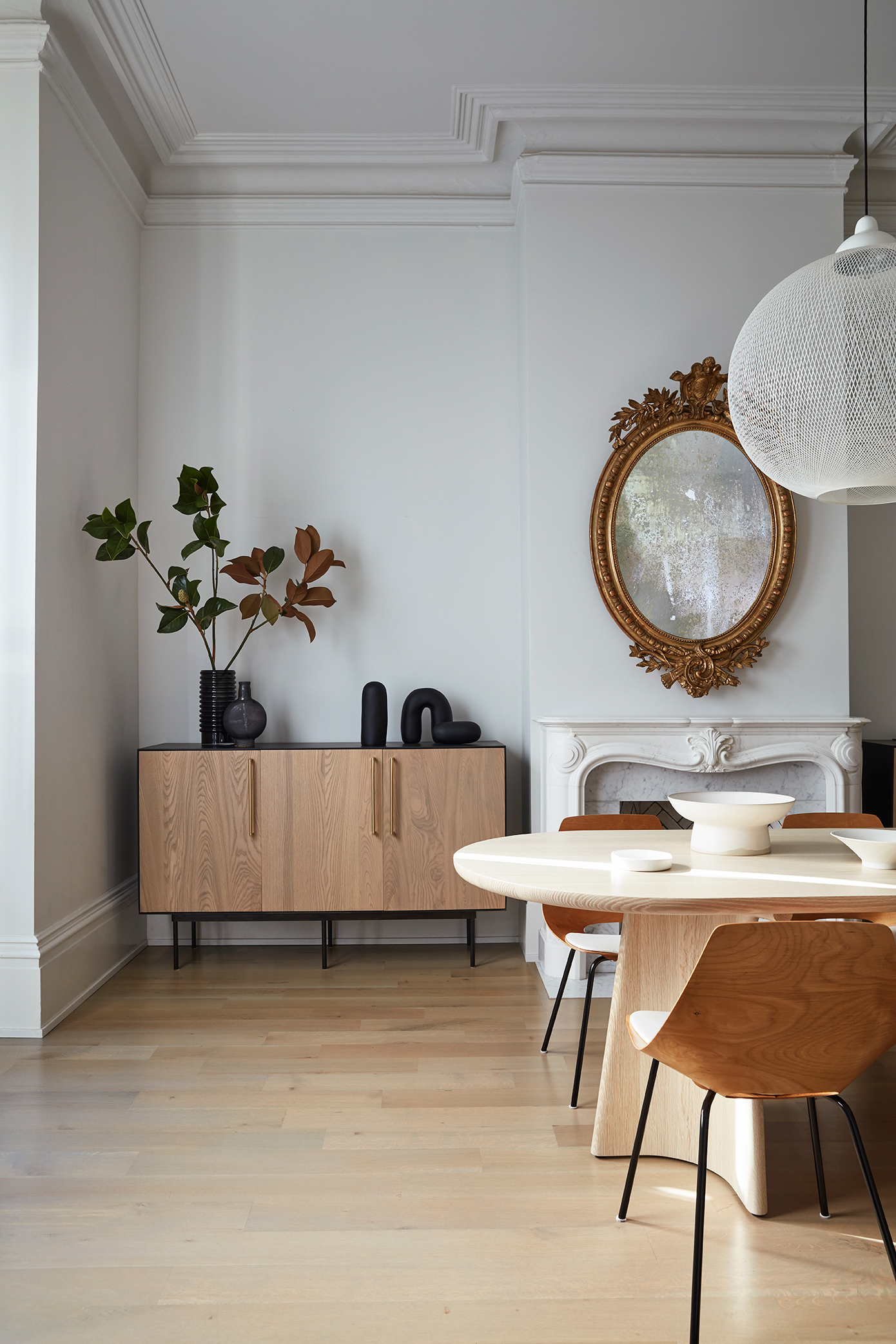
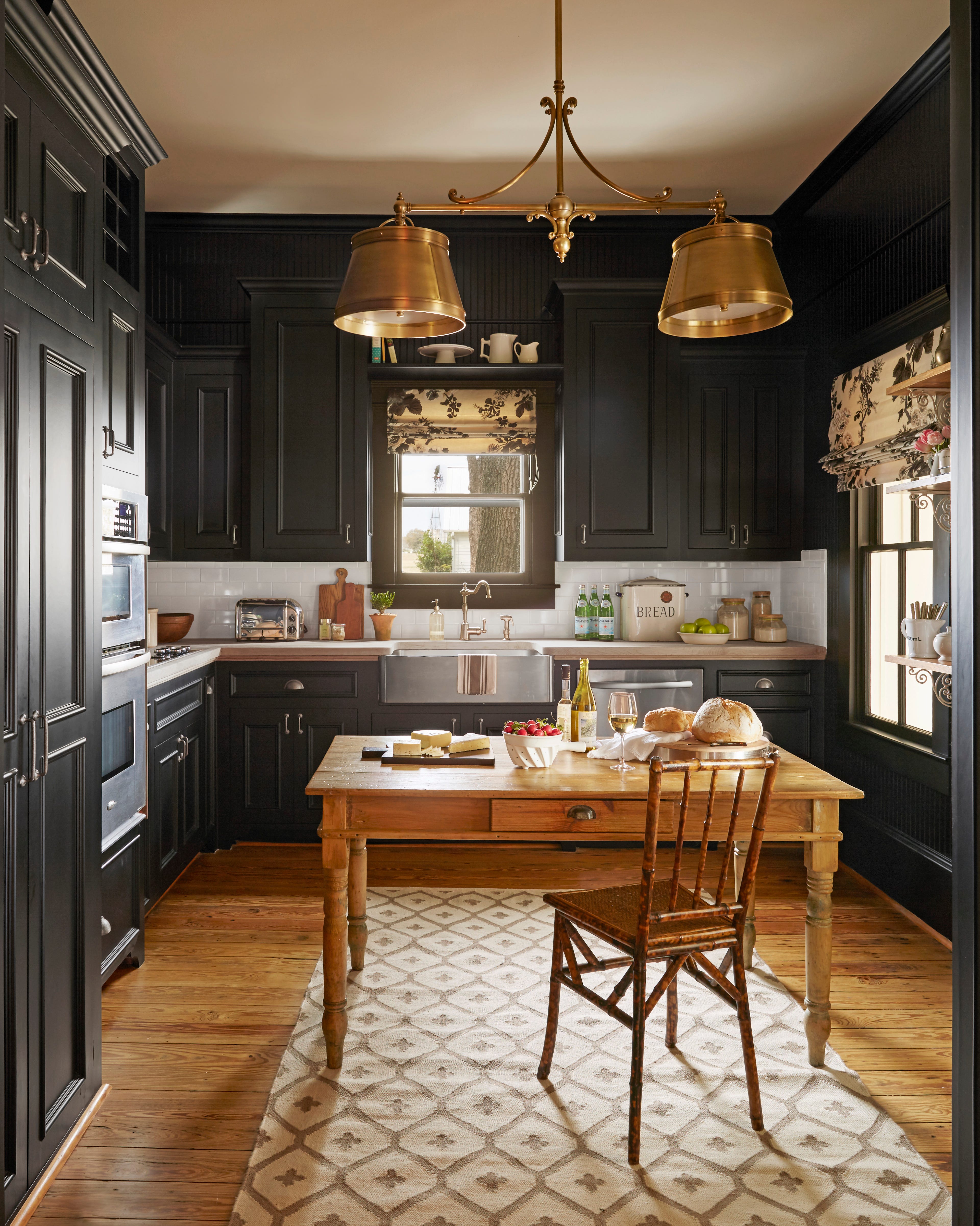
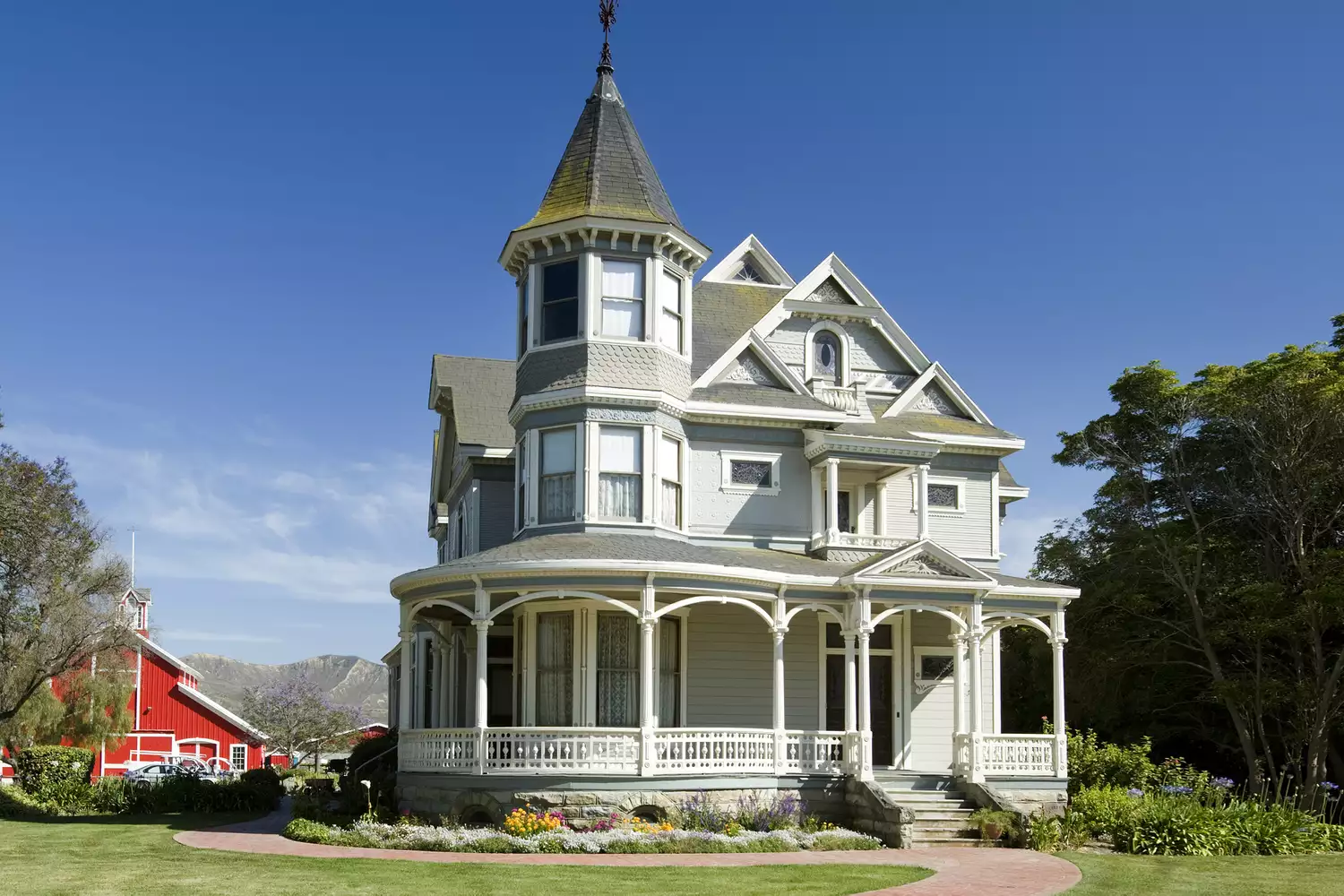
Victorian homes are renowned for their elaborate and ornate details, embodying a "more is more" philosophy that sets them apart. Key architectural elements include steeply pitched roofs, decorative trim, and asymmetrical facades. These residences frequently incorporate styles such as Gothic Revival, Italianate, and Queen Anne, featuring distinct components like turrets, towers, bay windows, and expansive porches. The interiors of Victorian houses typically boast high ceilings, intricate artwork, stained glass, and richly saturated colors, reflecting a strong emphasis on craftsmanship and detailed artistry.
Victorian architecture emerged and flourished during Queen Victoria's reign in the 1800s, extending into the early 1900s. This period was characterized by a deep interest in history, intricate ornamentation, and eclecticism, which led to the blending of diverse styles and elements from various historical and cultural contexts. The Industrial Revolution played a crucial role in expanding the reach and popularity of Victorian homes by making elaborate designs more accessible through new materials and mass production techniques. This architectural style subsequently spread from England to other parts of the world, including the United States—with notable popularity in cities like San Francisco, New Orleans, and Savannah—as well as Australia and New Zealand. Over time, Victorian architecture adapted to local preferences, contemporary tastes, and the availability of building materials.
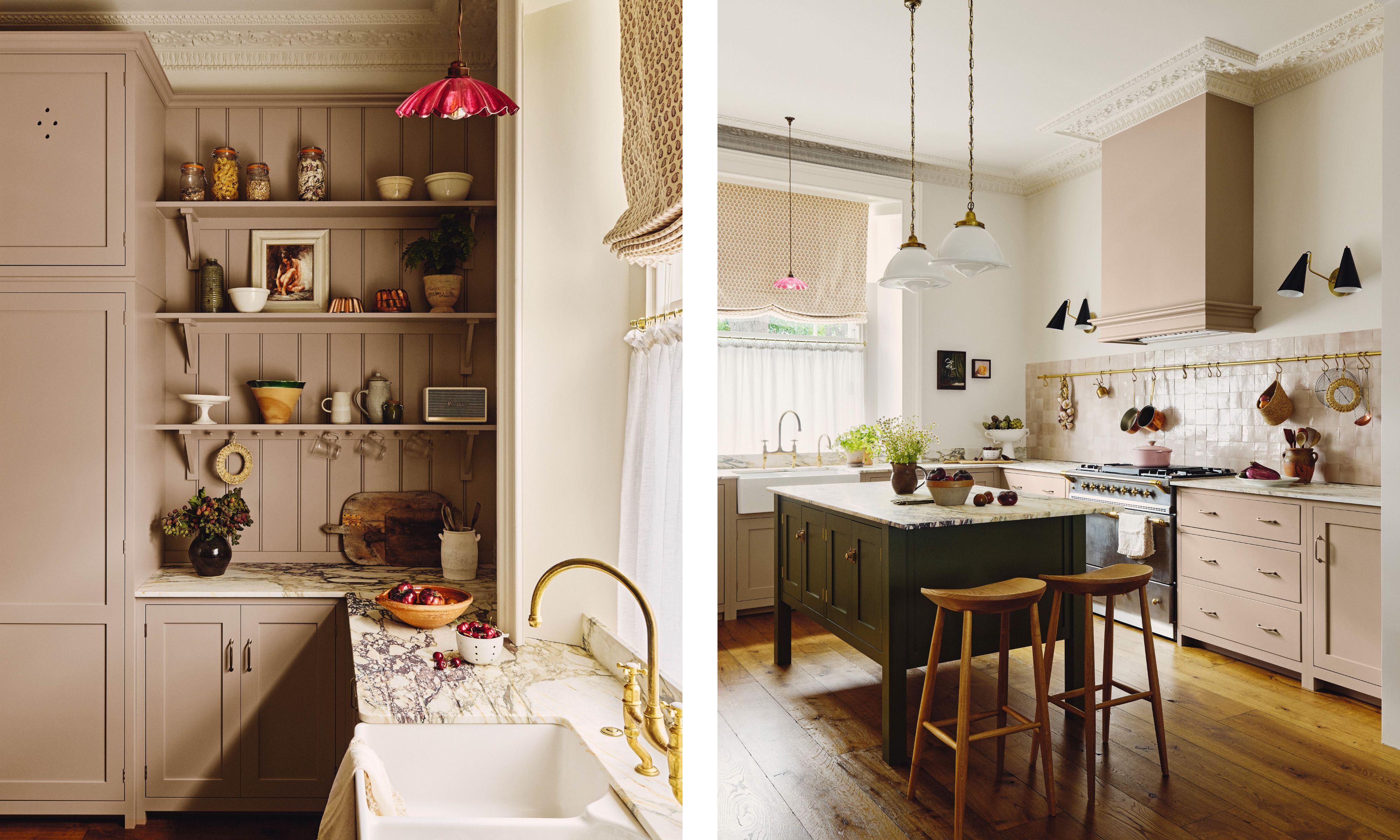
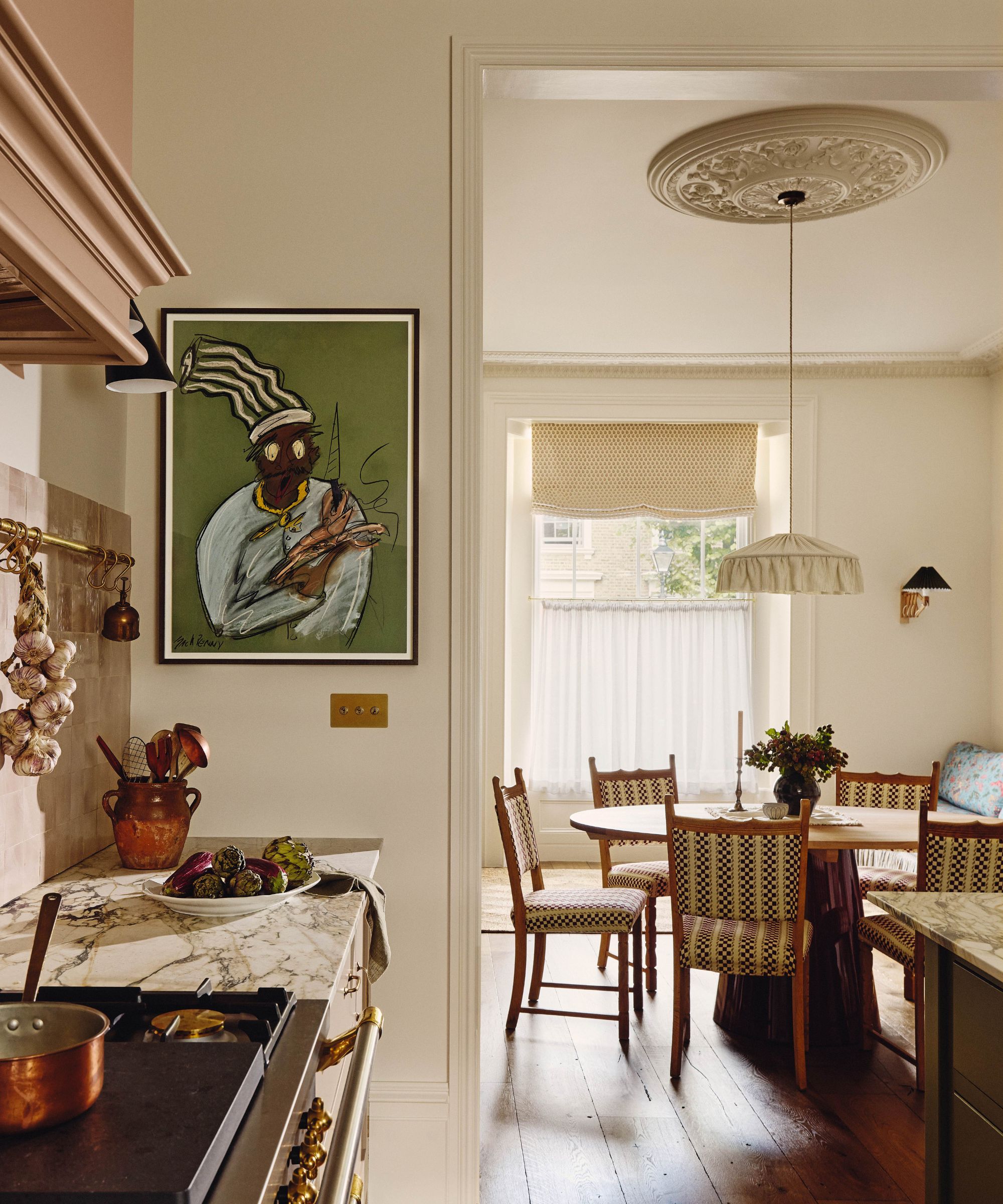
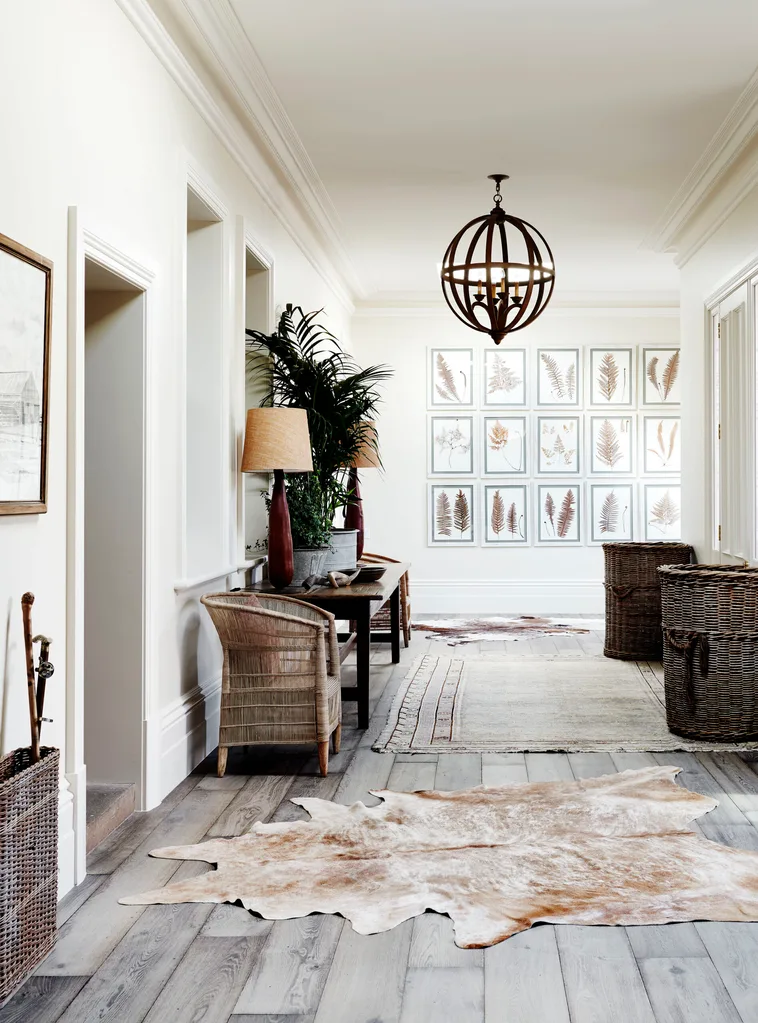
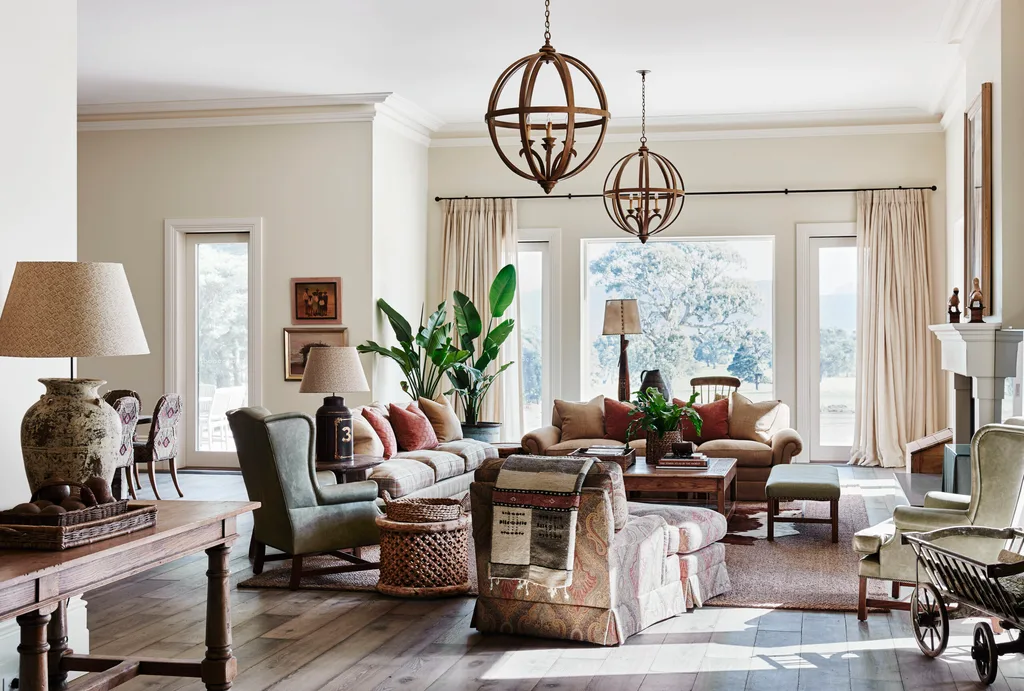
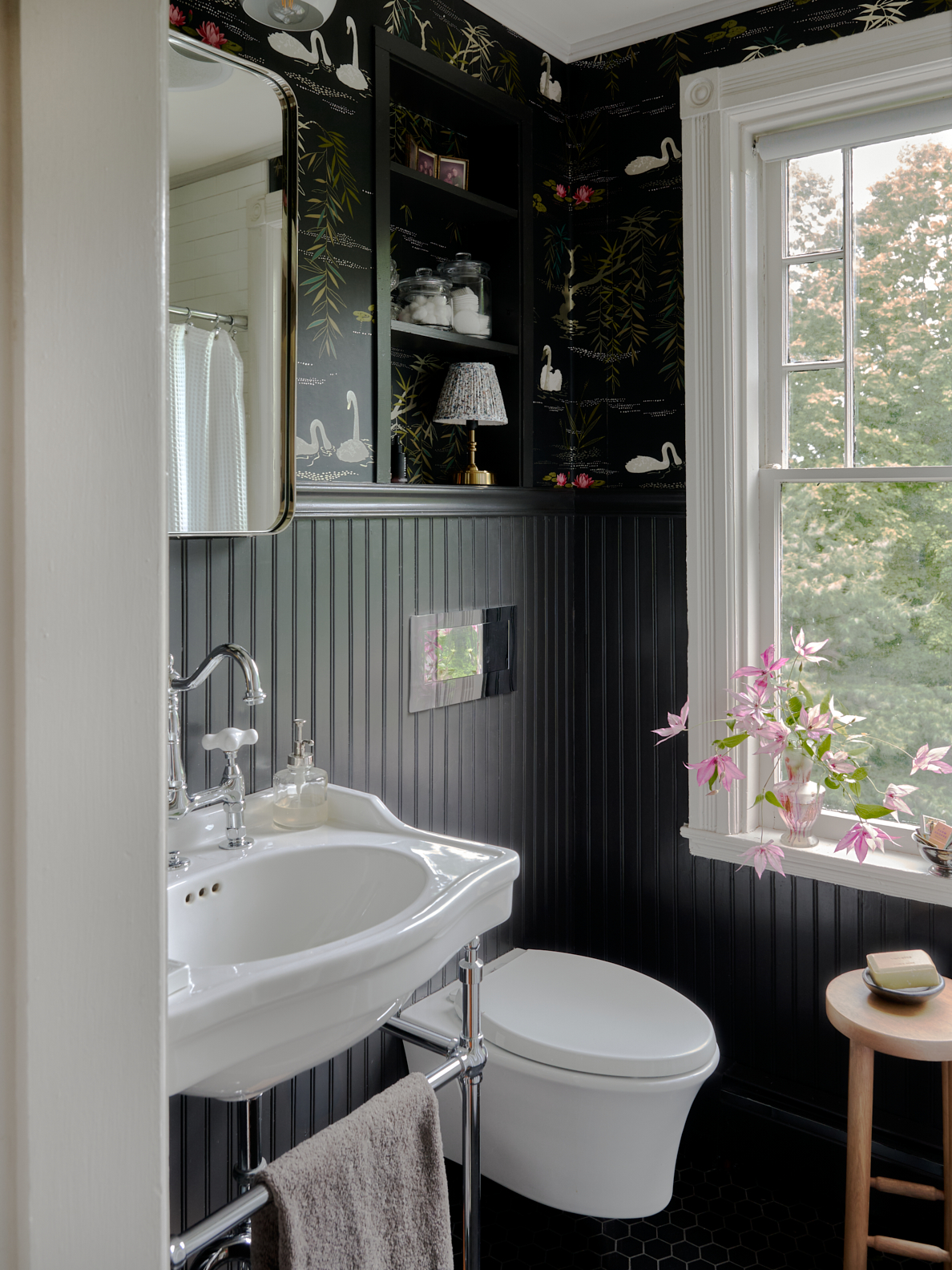
More recently, the "grandmillennial" design trend has surfaced, moving away from the minimalist lines and neutral palettes common in modern designs. This resurgence of interest in charm and depth has encouraged homeowners to integrate detailed features such as wainscoting, decorative wallpaper, intricate molding, and elegantly patterned drapery, demonstrating the enduring influence of Victorian architecture in contemporary design. Historic Victorian homes continue to be treasured as living artifacts, and designers and architects frequently draw inspiration from this classic style in their current projects.
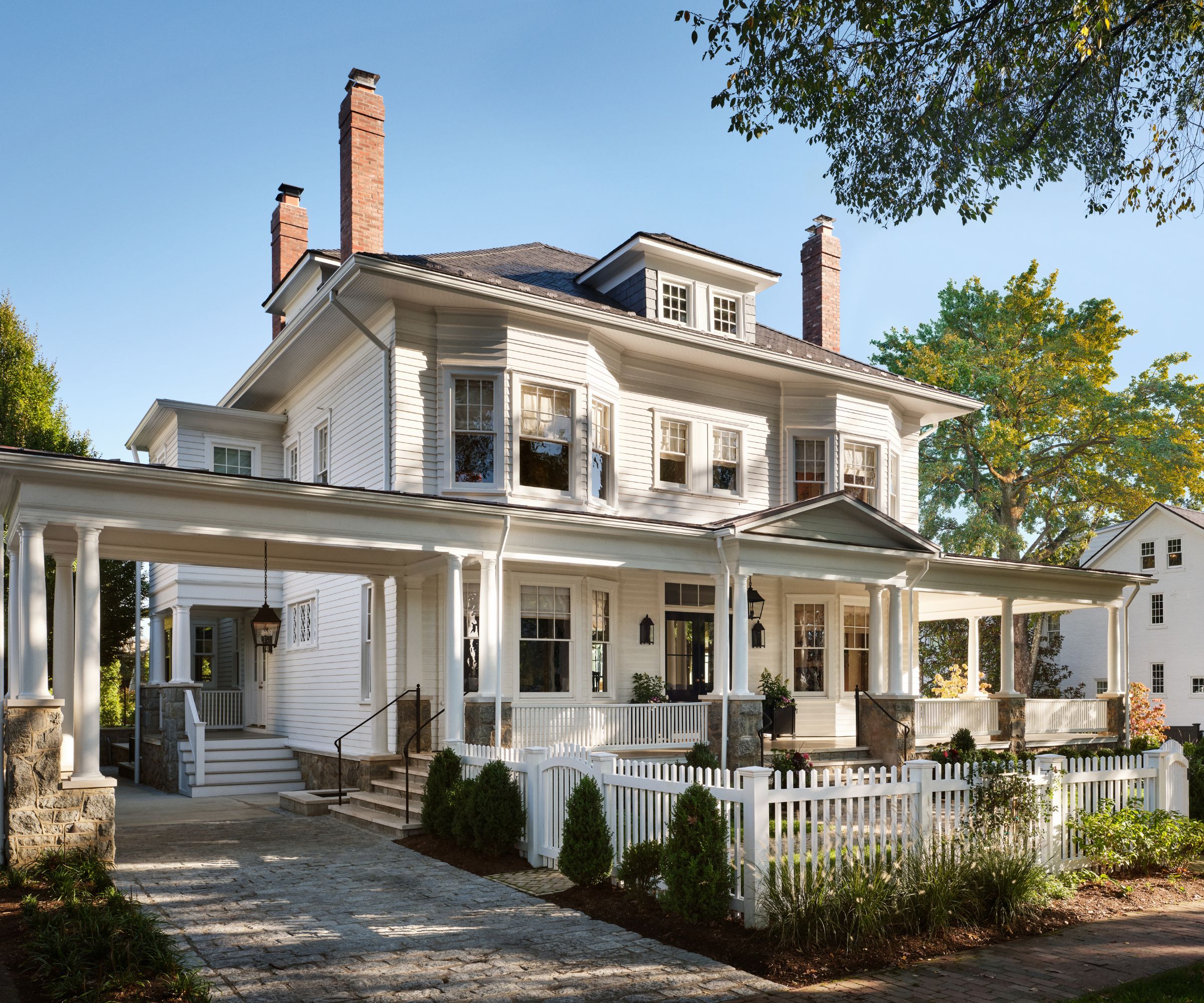
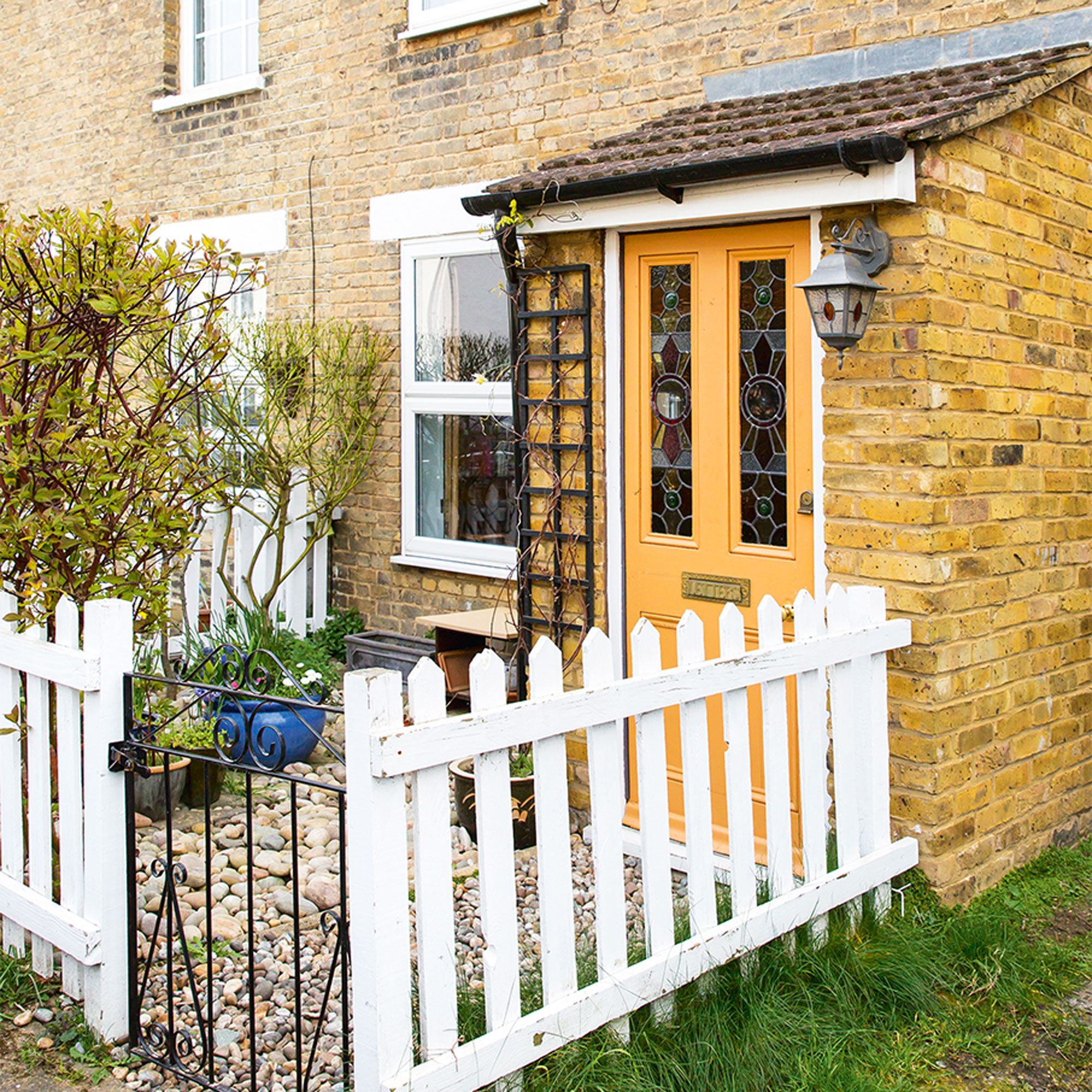
Several common characteristics define Victorian houses, even with their unique variations. They are typically tall, multi-story structures, reflecting a status symbol and a practical response to limited urban ground space. Their height also allowed for grand ceilings and ample natural light through large windows. The exteriors are distinguished by ornate detailing, including decorative trim and millwork around windows and doors, often featuring scrollwork, spindles, and brackets. Many Victorian homes also showcase large, covered front verandas with ornamental posts and carved railings, which not only create a welcoming entrance but also extend the indoor living space, sometimes wrapping around the entire house.
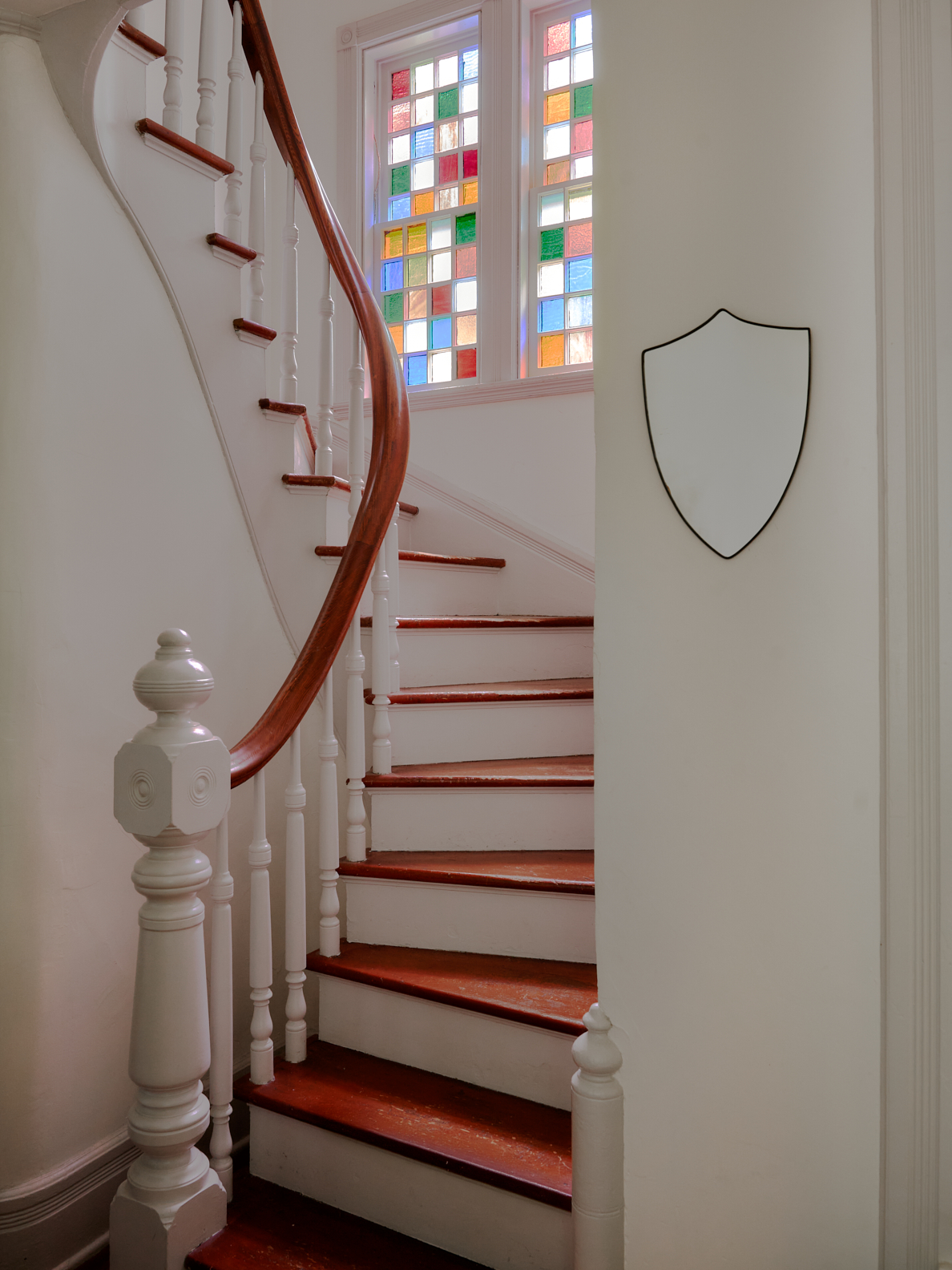
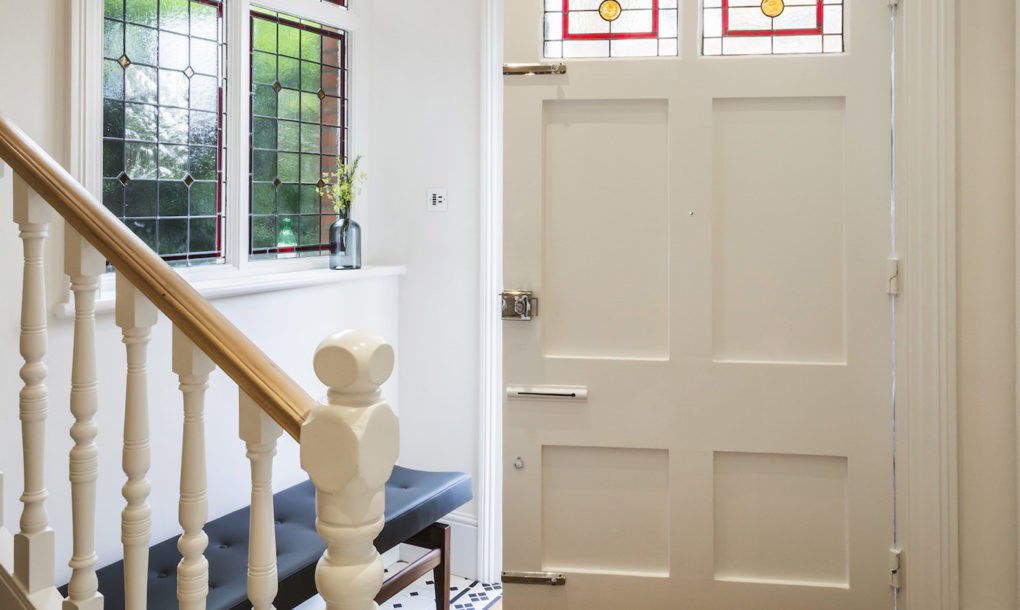
A significant shift in color palettes occurred during the Victorian era. Prior to this period, most houses were painted in single, neutral colors. However, by 1887, bright earth tones such as burnt sienna and mustard yellow gained popularity. This change was influenced by the artistic and cultural movements of the time, which favored nature, the arts, and historical design elements, with these rich, earthy hues echoing natural landscapes and ancient architectural styles. Stained glass windows are another hallmark of Victorian houses, adding color, artistic flair, and a unique, opulent touch to both the interior and exterior. The steeply pitched roof lines, often with multiple gables, were designed to draw the eye upwards and accommodate tall, grand ceilings. Bay windows are also a prominent feature, serving both the functional purpose of expanding interior space and increasing light, and the aesthetic goal of adding visual interest to the facade, contributing to the picturesque and ornate appearance characteristic of Victorian architecture. The overarching aesthetic goal of Victorian architecture was to project grandeur, wealth, and progress, a mission effectively achieved through its intricate details and elaborate ornamentation.
#VictorianArchitecture #HouseDesign #HistoricalHomes #OrnateDetails #ArchitecturalStyles #HomeDecor #DesignTrends #RealEstate #VictorianArchitecture #HouseDesign #HistoricalHomes #OrnateDetails #ArchitecturalStyles #HomeDecor #DesignTrends #RealEstate
0 comment in total
 No comments yet
You may also like
Explore a renovated home that had not been touched for 40 years
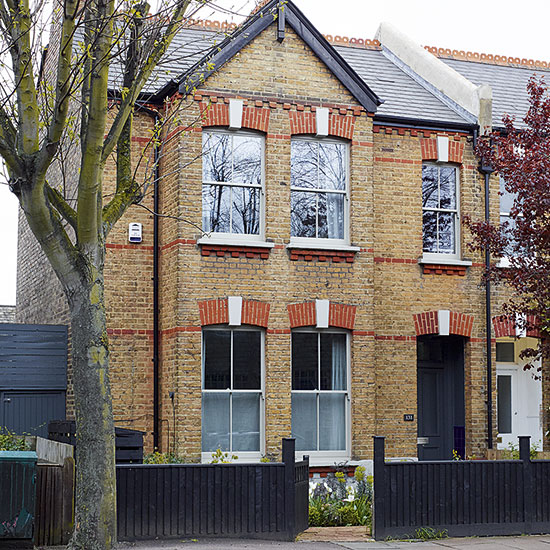
Be inspired by this updated period house in south-east London
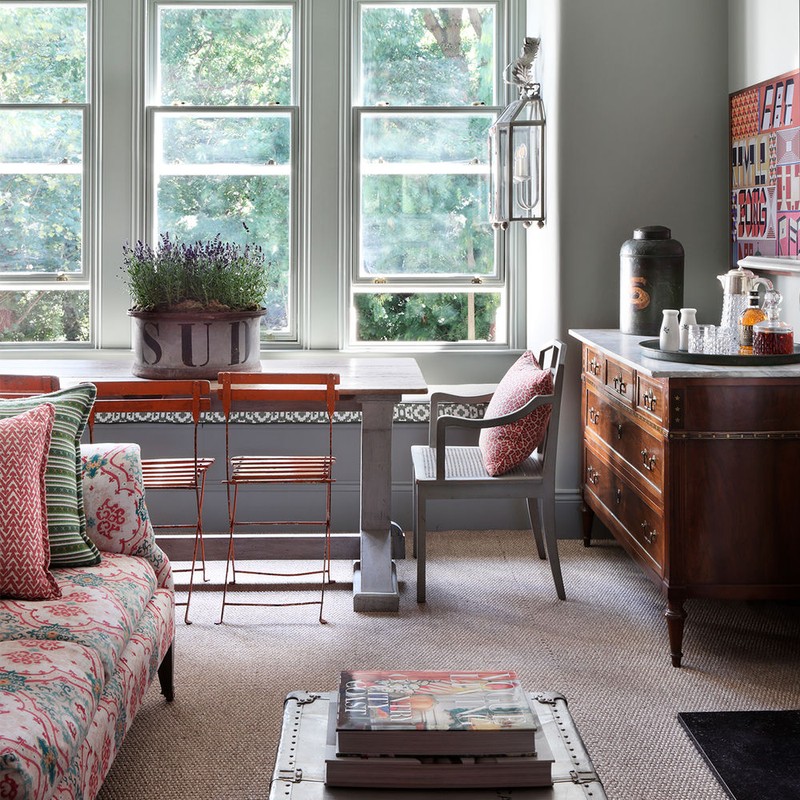
An Interior Designer Shows Us Around His Home

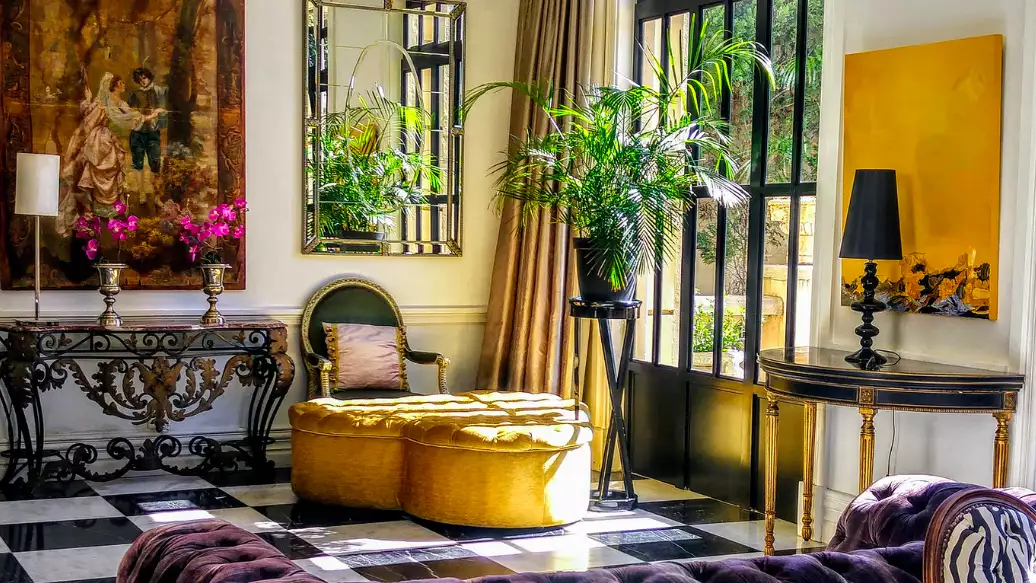
27 Modern Victorian Decorating Ideas That Are Anything But Stuffy

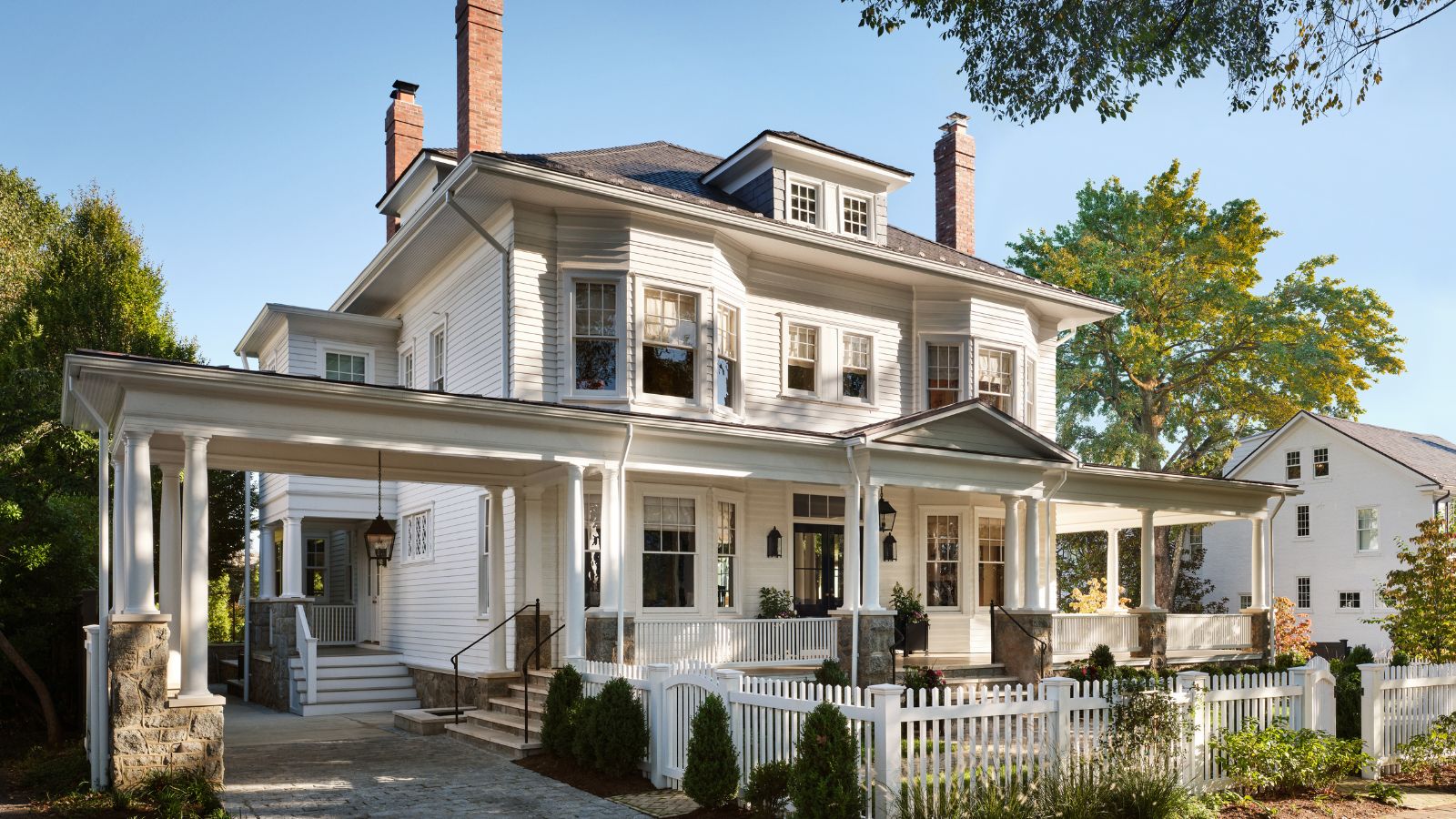
What is a Queen Anne-style home? 5 iconic properties that showcase this traditional American architecture at its best
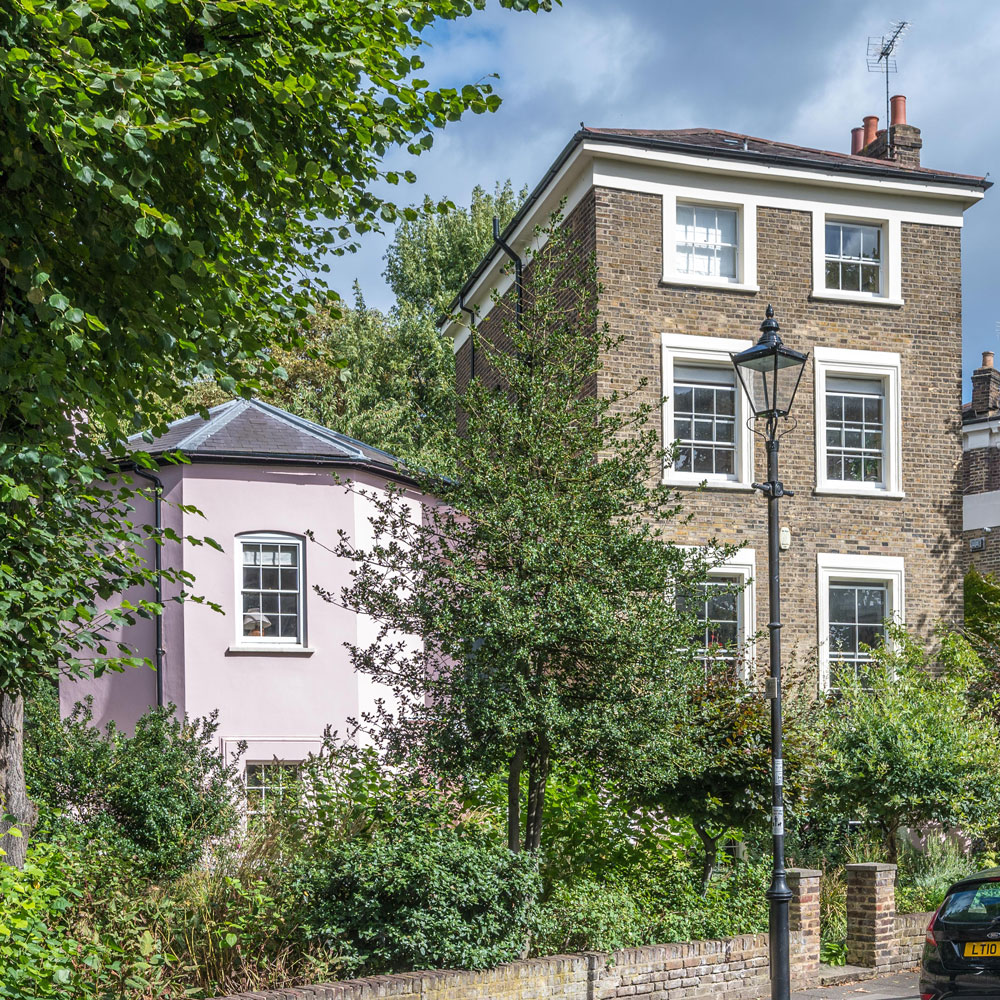
Enjoy a tour of this handsome Victorian home with its quirky Tudor tower attached
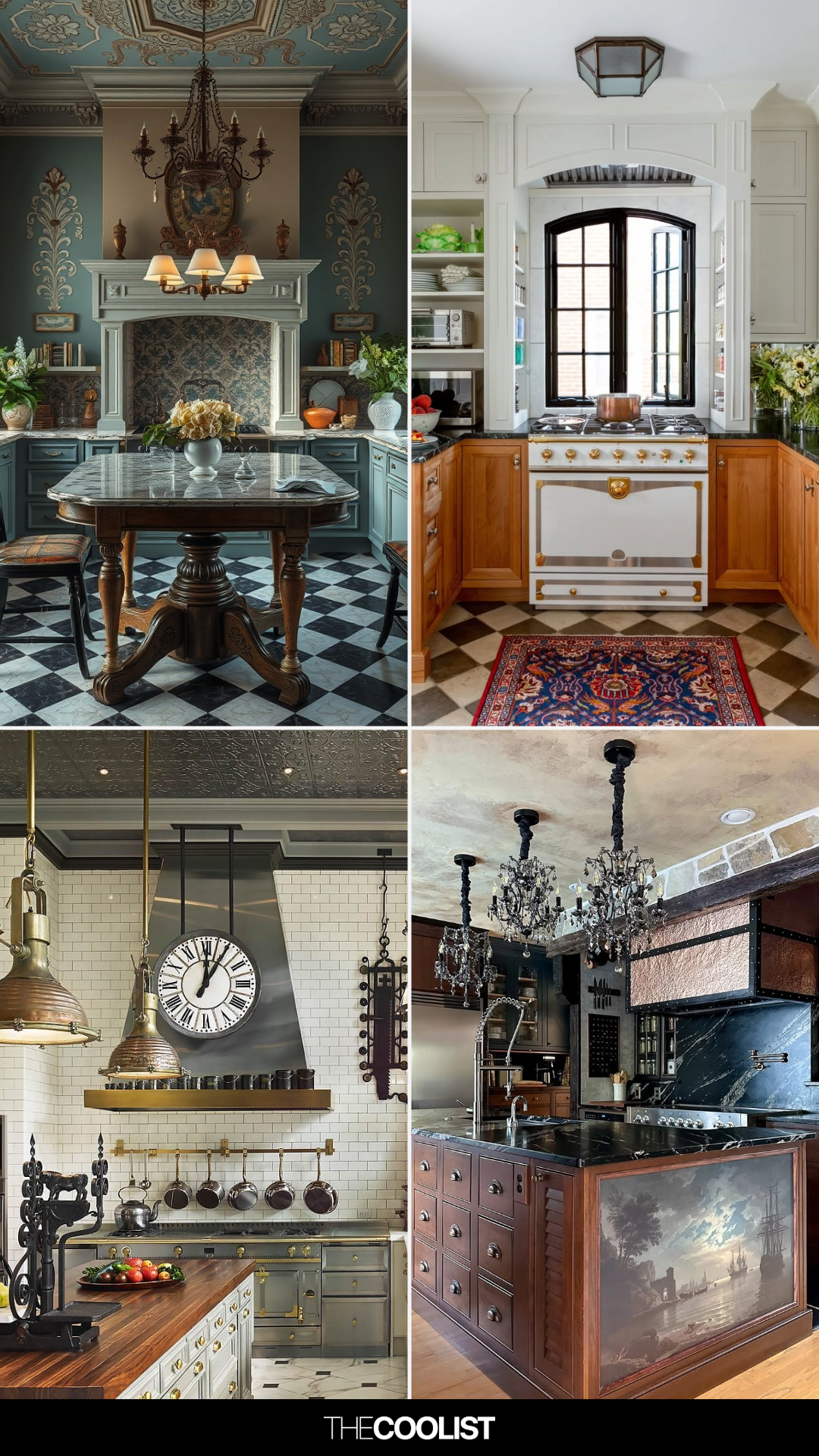
27 Dramatic Victorian Kitchen Ideas That Make Cooking Feel Glamorous
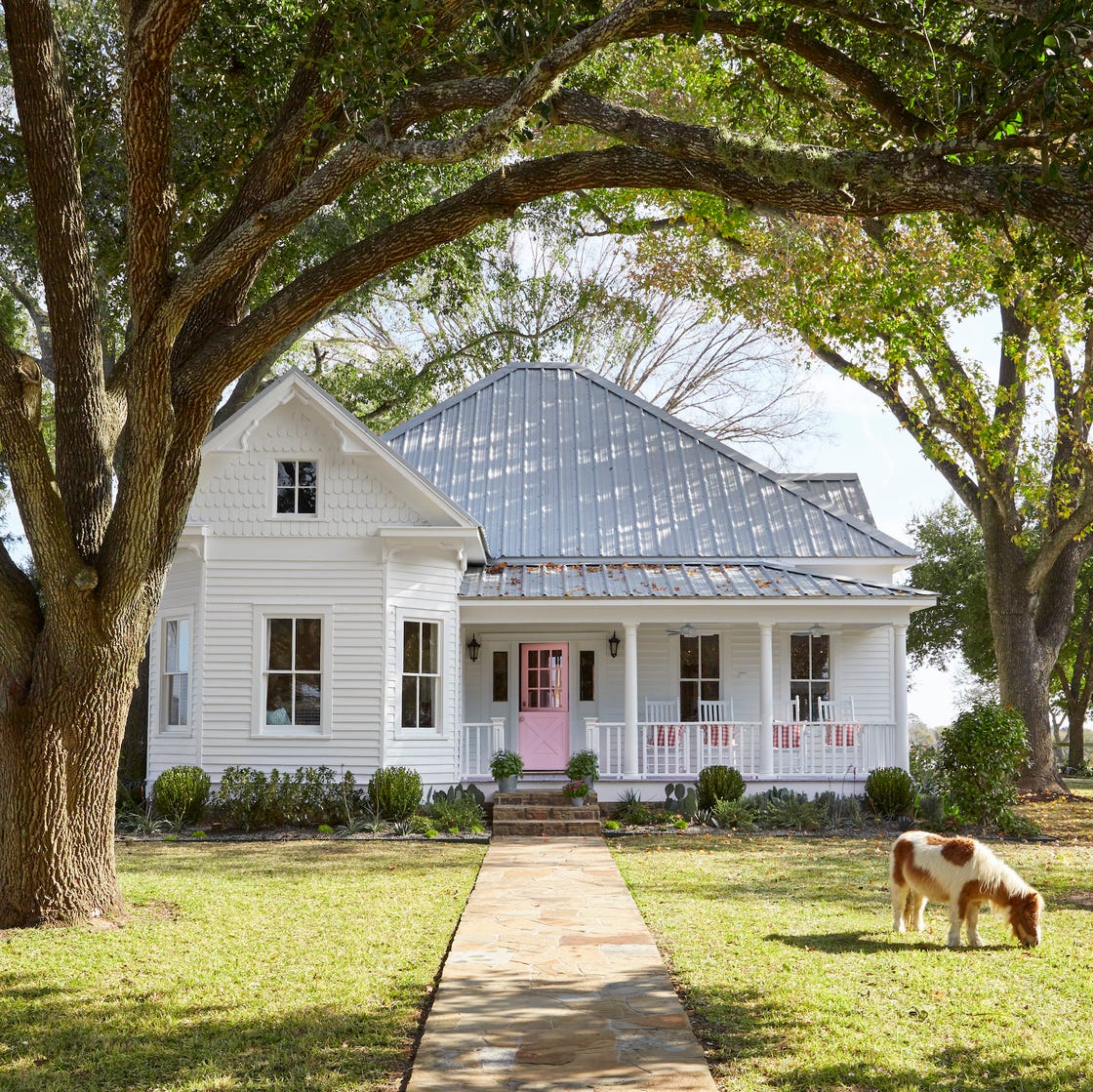
Peek Inside a Century Old Victorian Farmhouse in Texas
Take a tour of this gorgeous Victorian home...

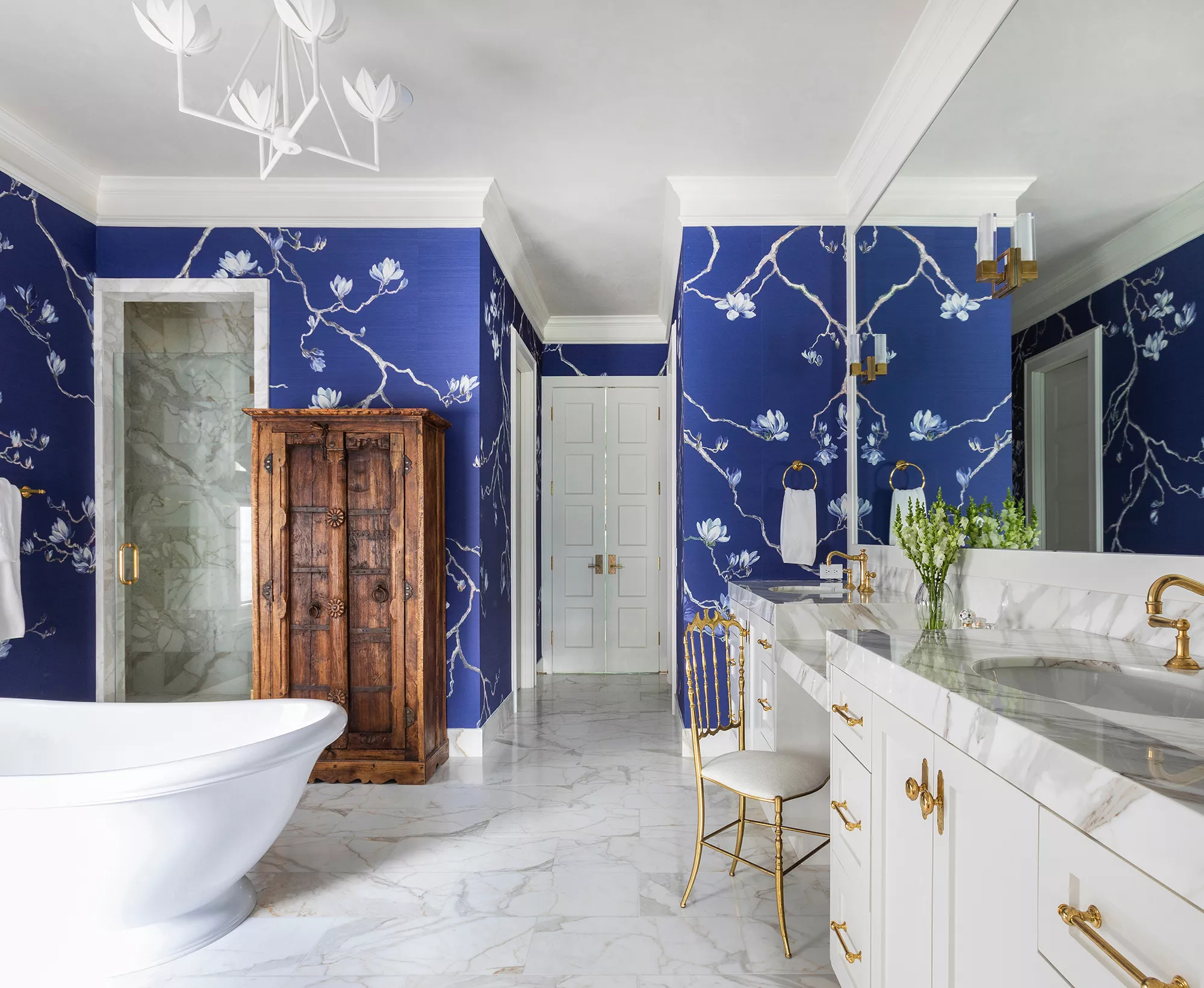
Victorian Interior Design: 7 Hallmarks of the Traditional Style

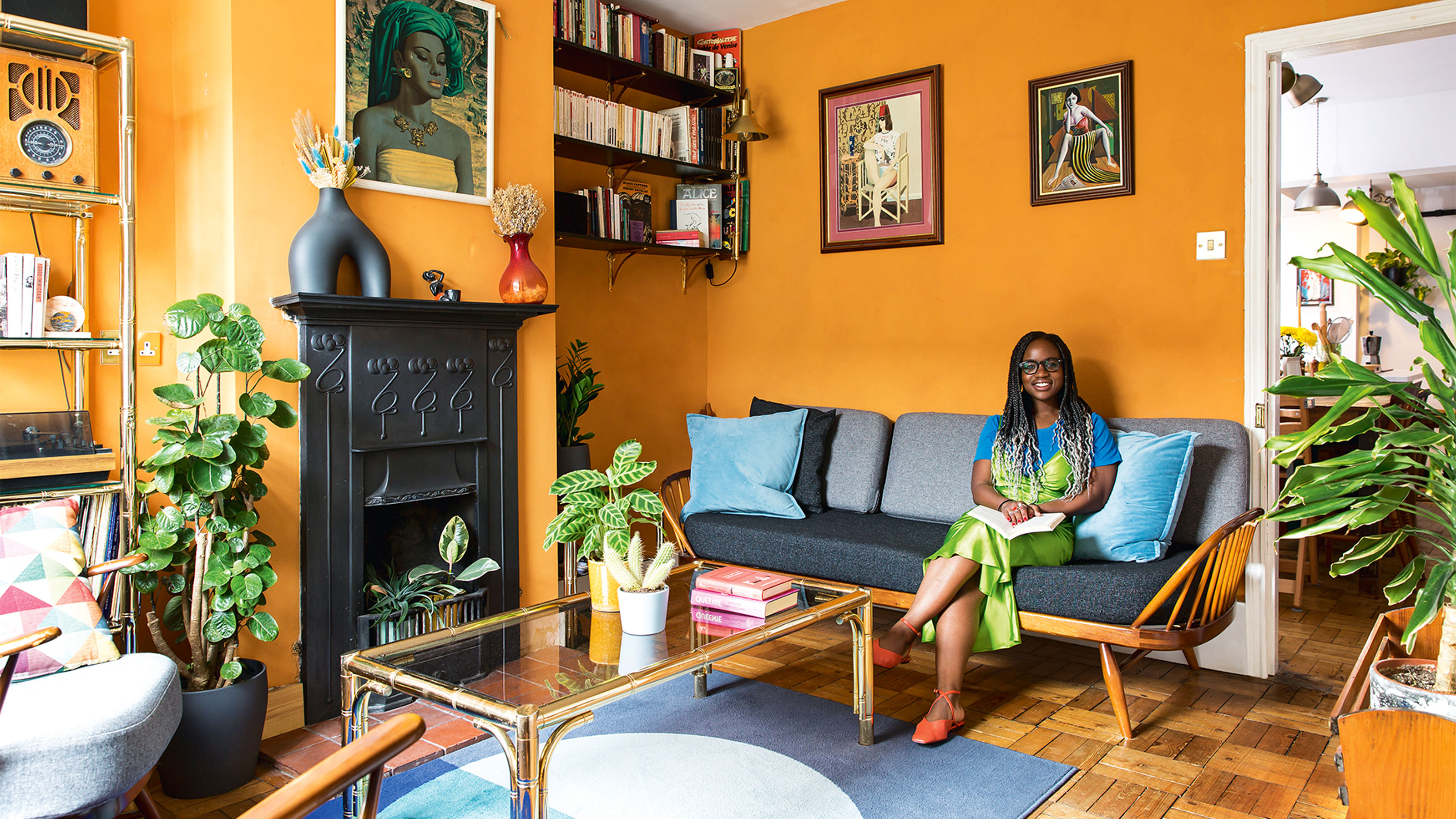
‘Designing my home was a life-changing move,’ says Interior Design Master’s Temi Johnson
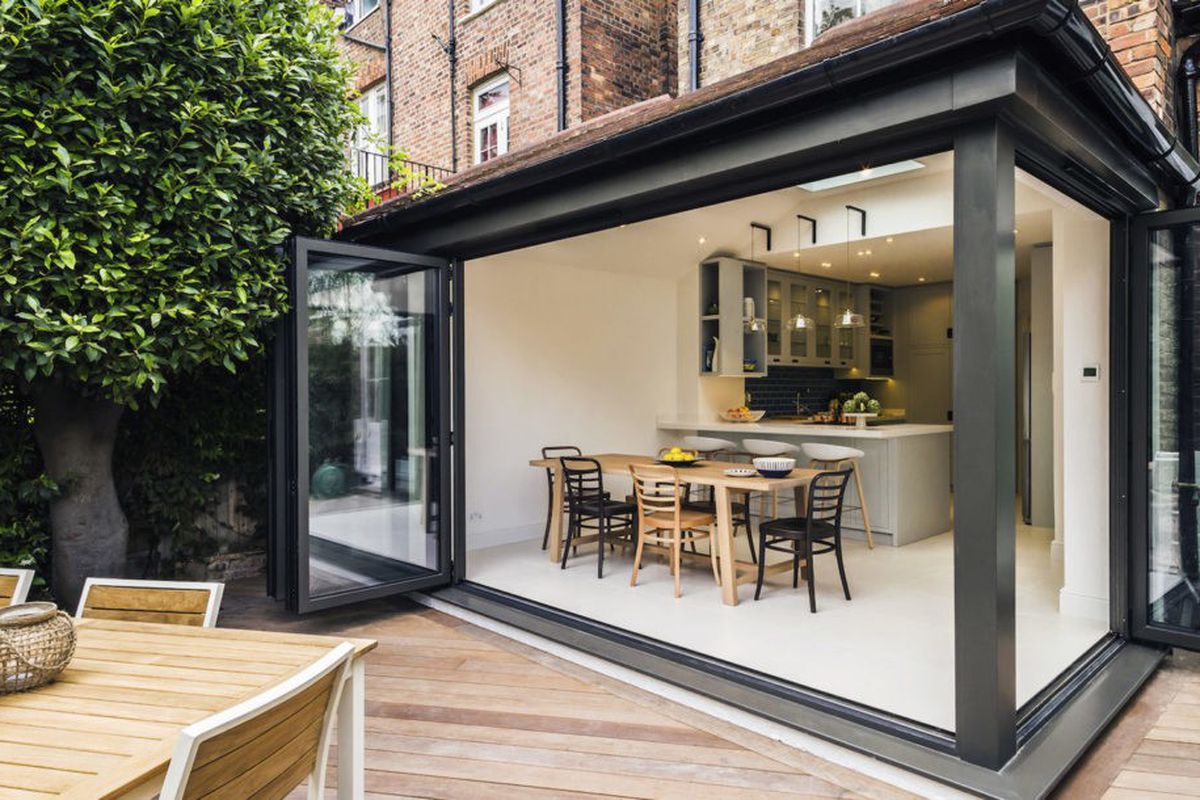
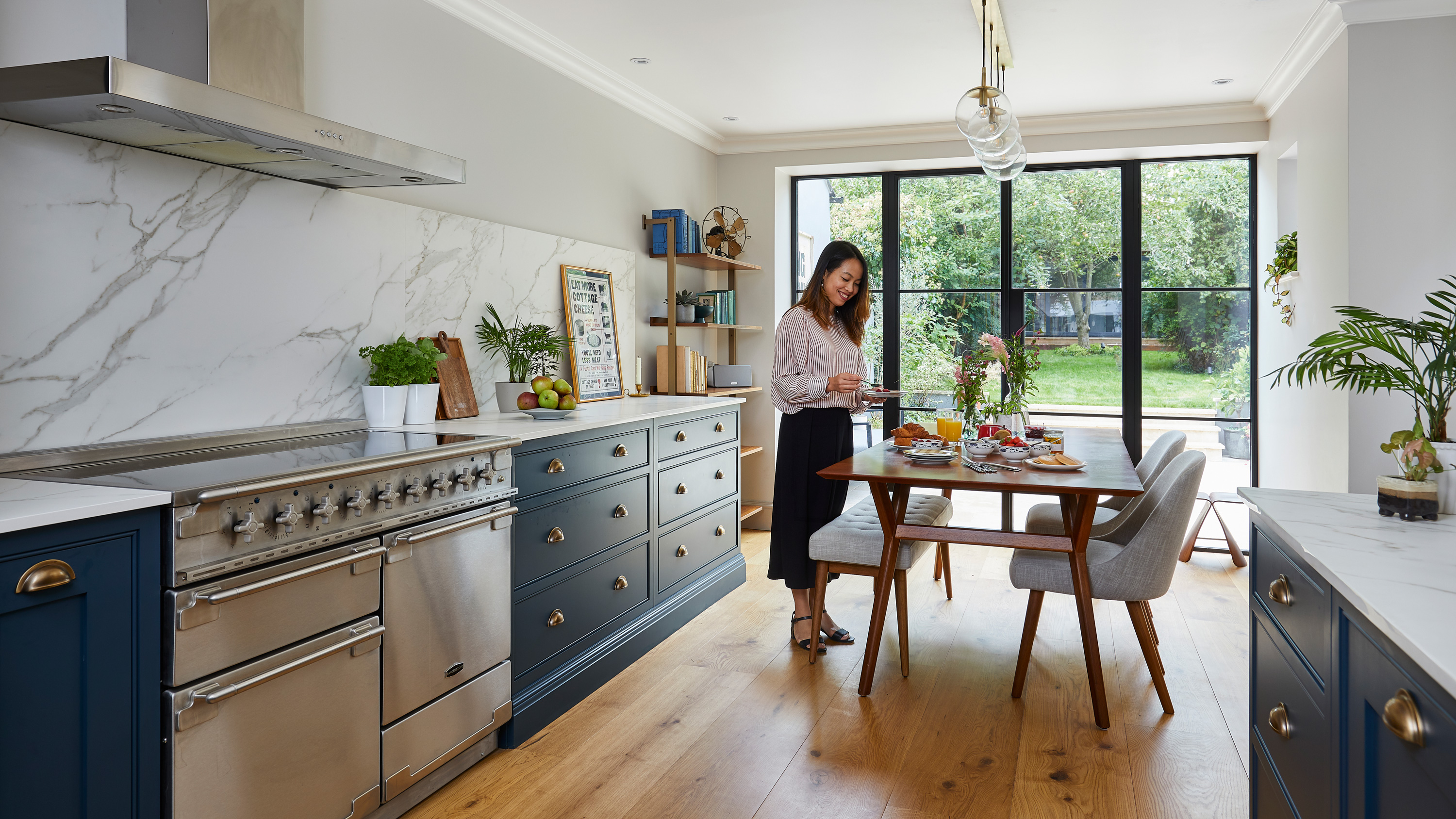
Victorian townhouse renovation opens dining room to the garden
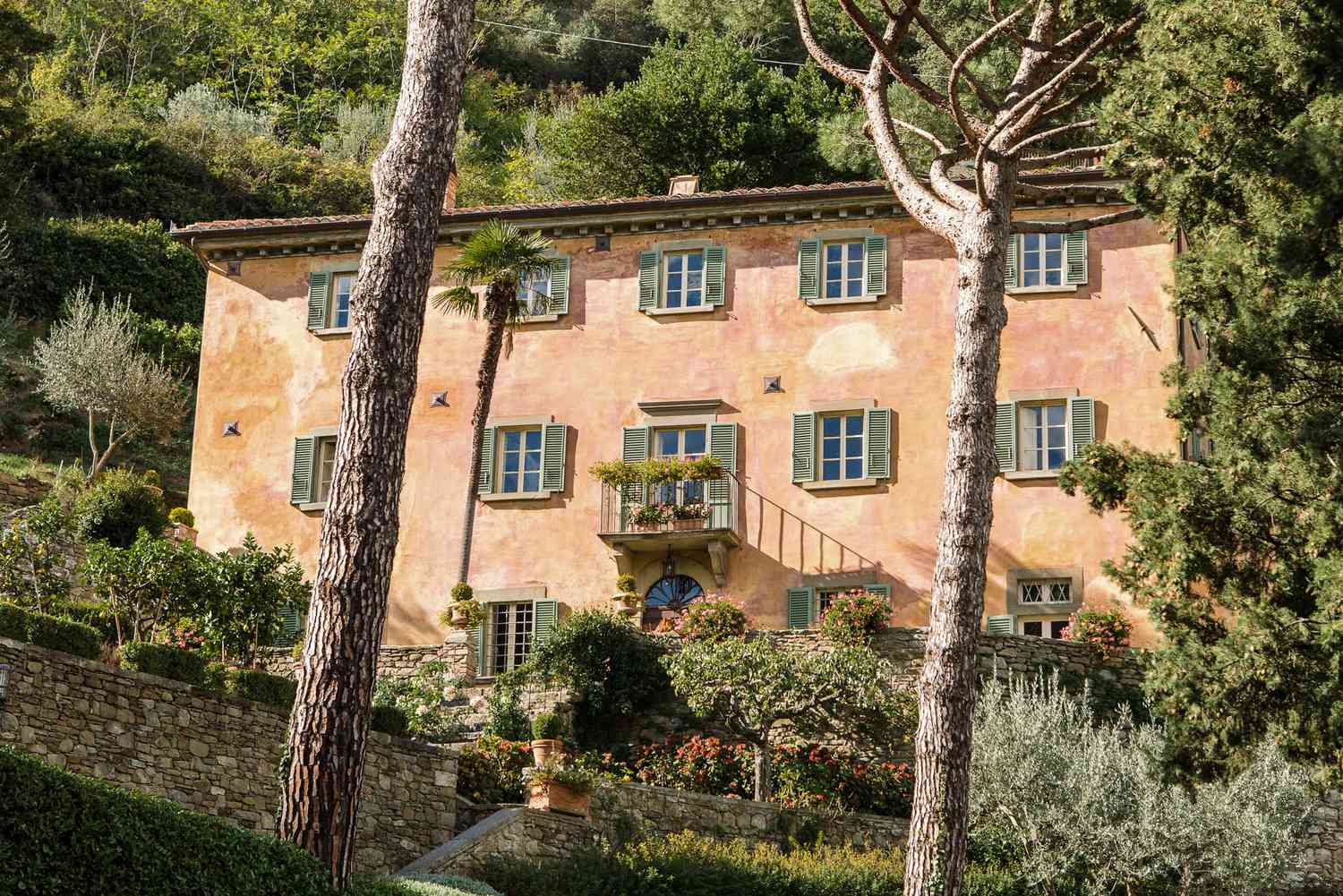
Looking to Buy a New Home? These Are the Most Popular House Styles to Know

Homestead in Victoria given family friendly restoration

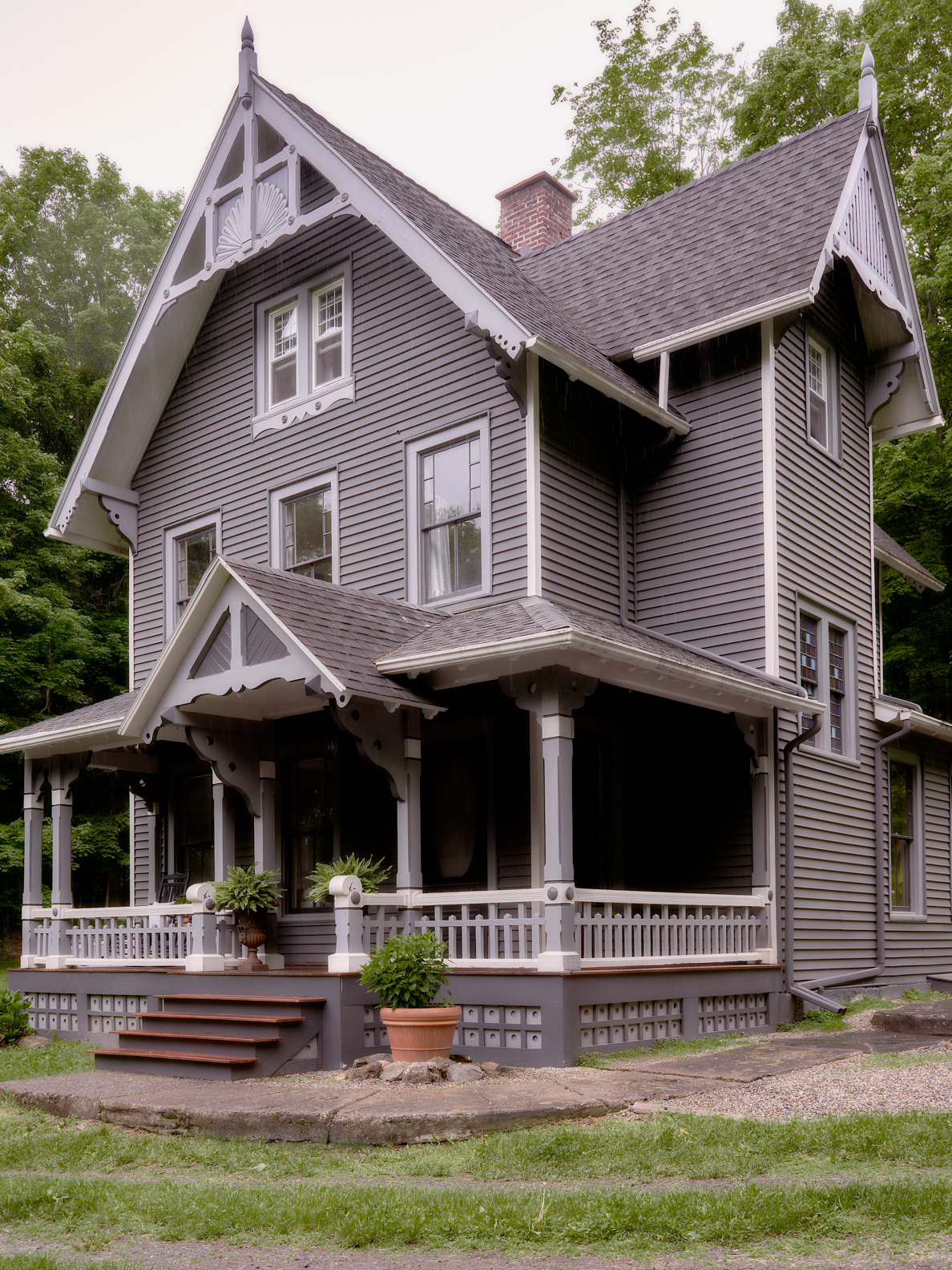
Domino’s Design Director Took a Sweet Victorian Home and Made It Edgy

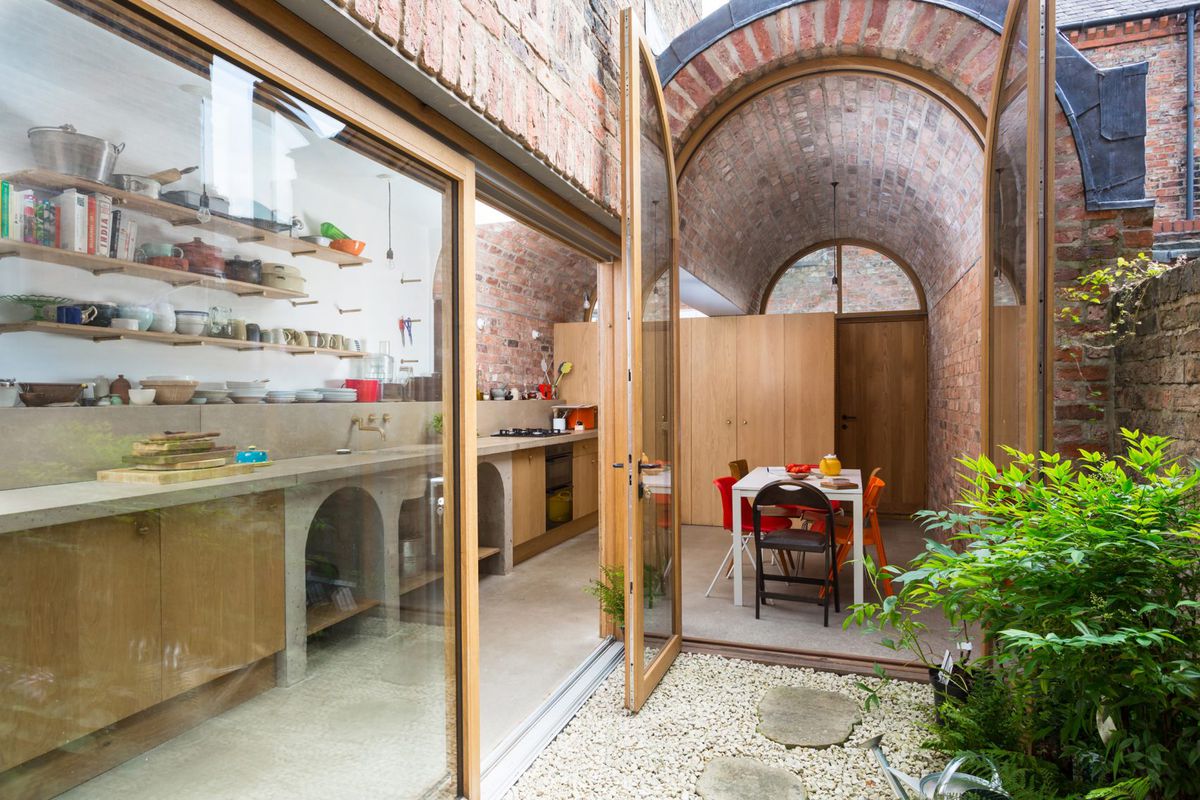
Brick Victorian rowhouse gets a double-vaulted extension

Jessica Helgerson Refreshes a Queen Anne Abode for The Shins’ James Mercer

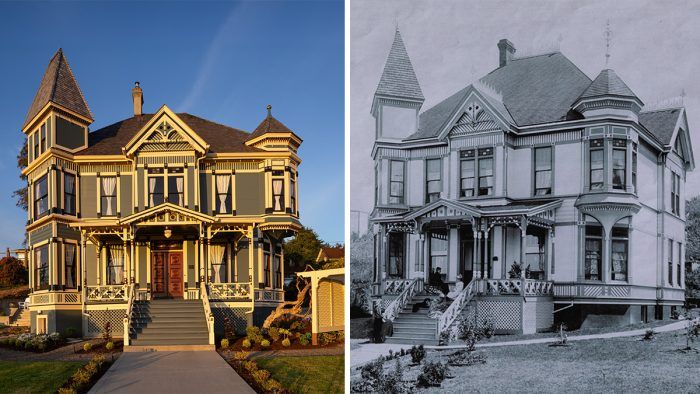
An Impressive Coastal Queen Anne Restoration Project

What Does It Take to Make an 1850s Victorian Home Feel Thoroughly Modern?

24 Best Victorian Kitchen Ideas Fit for Modern Life