1/8
10 things I wish I'd known about doing up old houses before I started, by Country Life's interiors guru Giles Kime
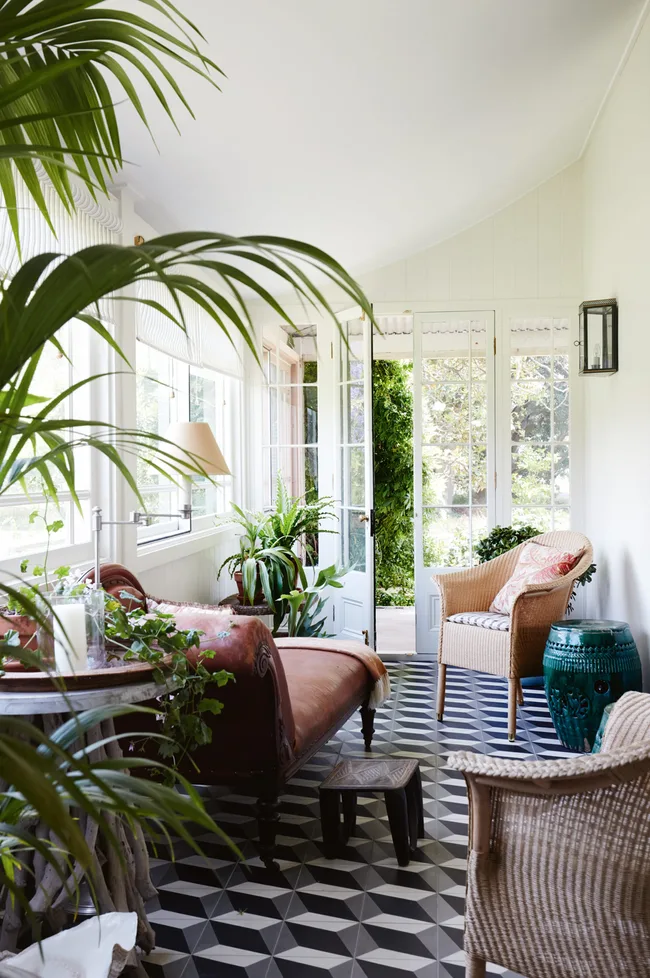
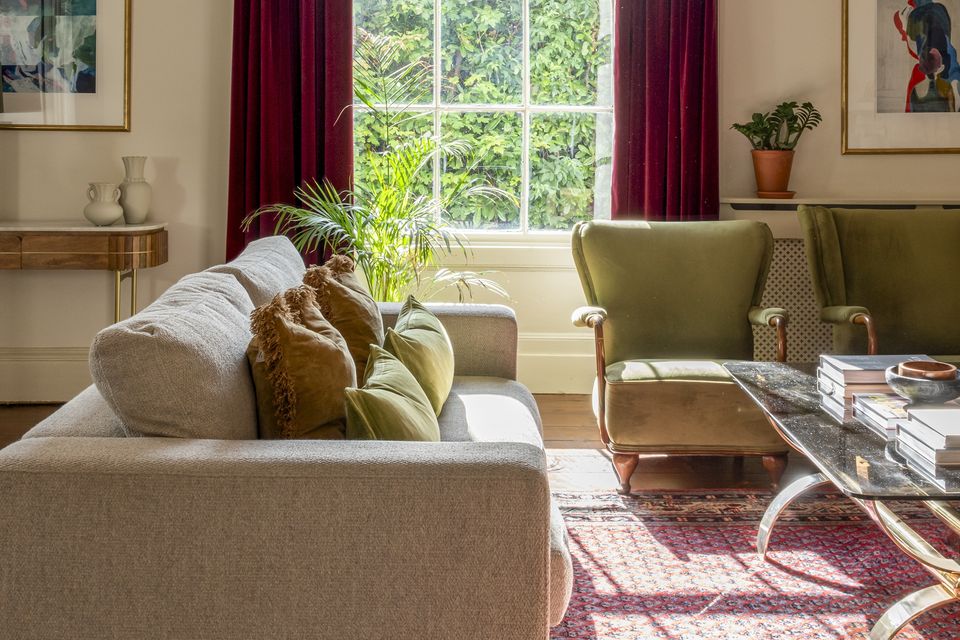
Giles Kime, the executive editor and resident interiors expert at Country Life, shares his insights and lessons learned from renovating multiple old houses over two decades. His experiences span from a tired south London terrace and a weary townhouse to an Arts-and-Crafts house untouched for 50 years, and currently, a 17th-century cottage. These projects have provided a steep learning curve, tempered by accumulated experience and a growing confidence in his own design convictions. He notes that the renovation process was arguably simpler in previous generations due to limited choices in materials and styles, and the absence of the internet and social media, relying instead on a few magazines and seminal works like Terence Conran's *The House Book*. Through his extensive hands-on experience, Kime has developed a discerning eye for what endures and what quickly deteriorates, especially when creating a bustling home for both people and pets, which often differs significantly from aesthetically curated, Instagram-ready spaces.
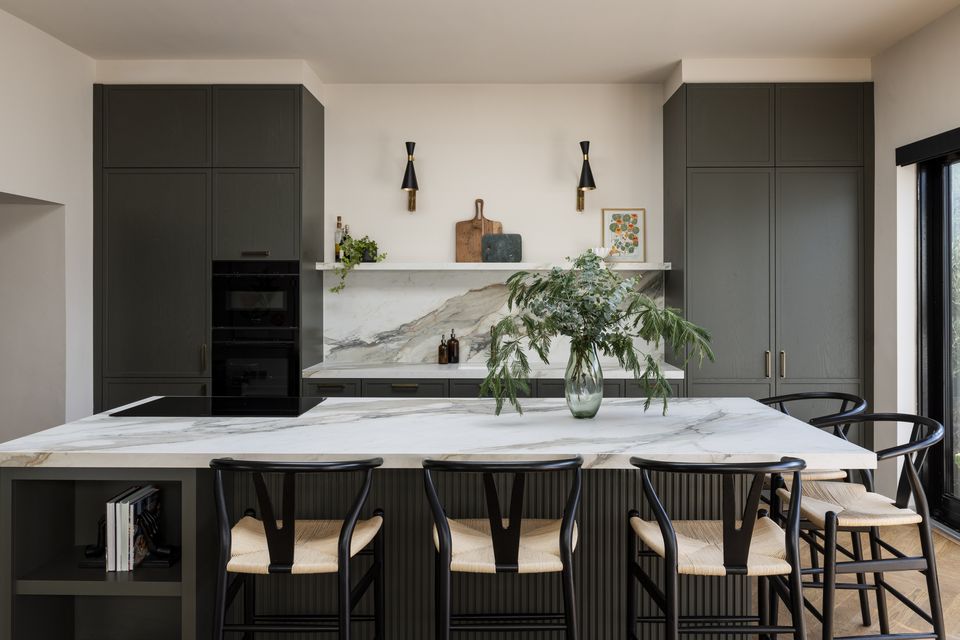
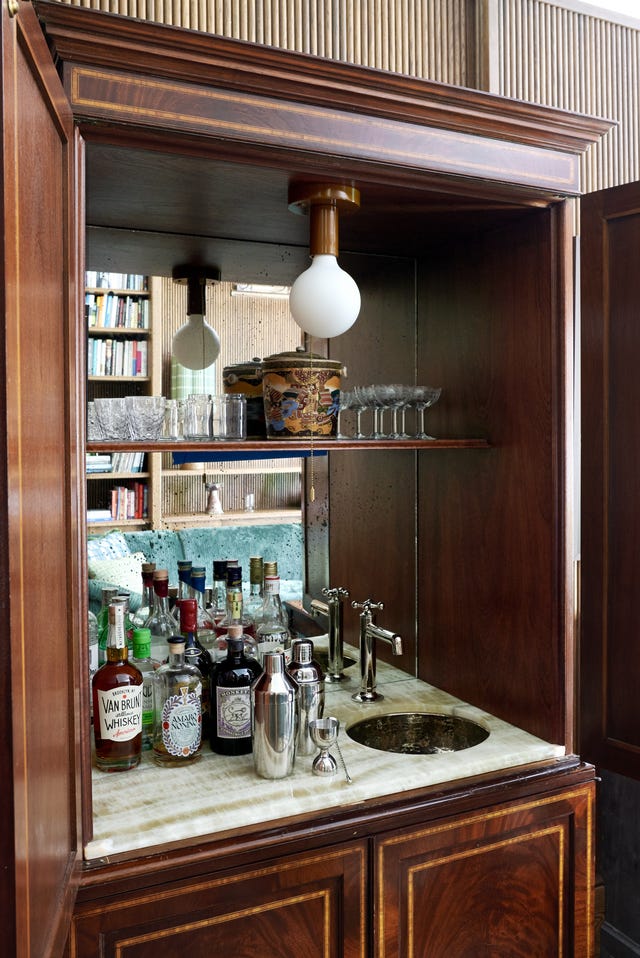
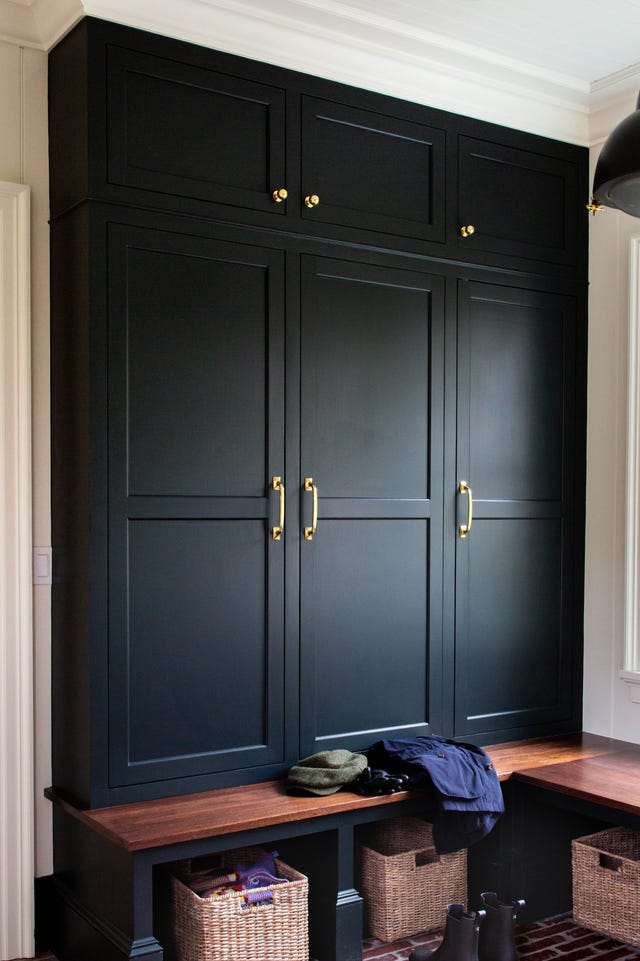
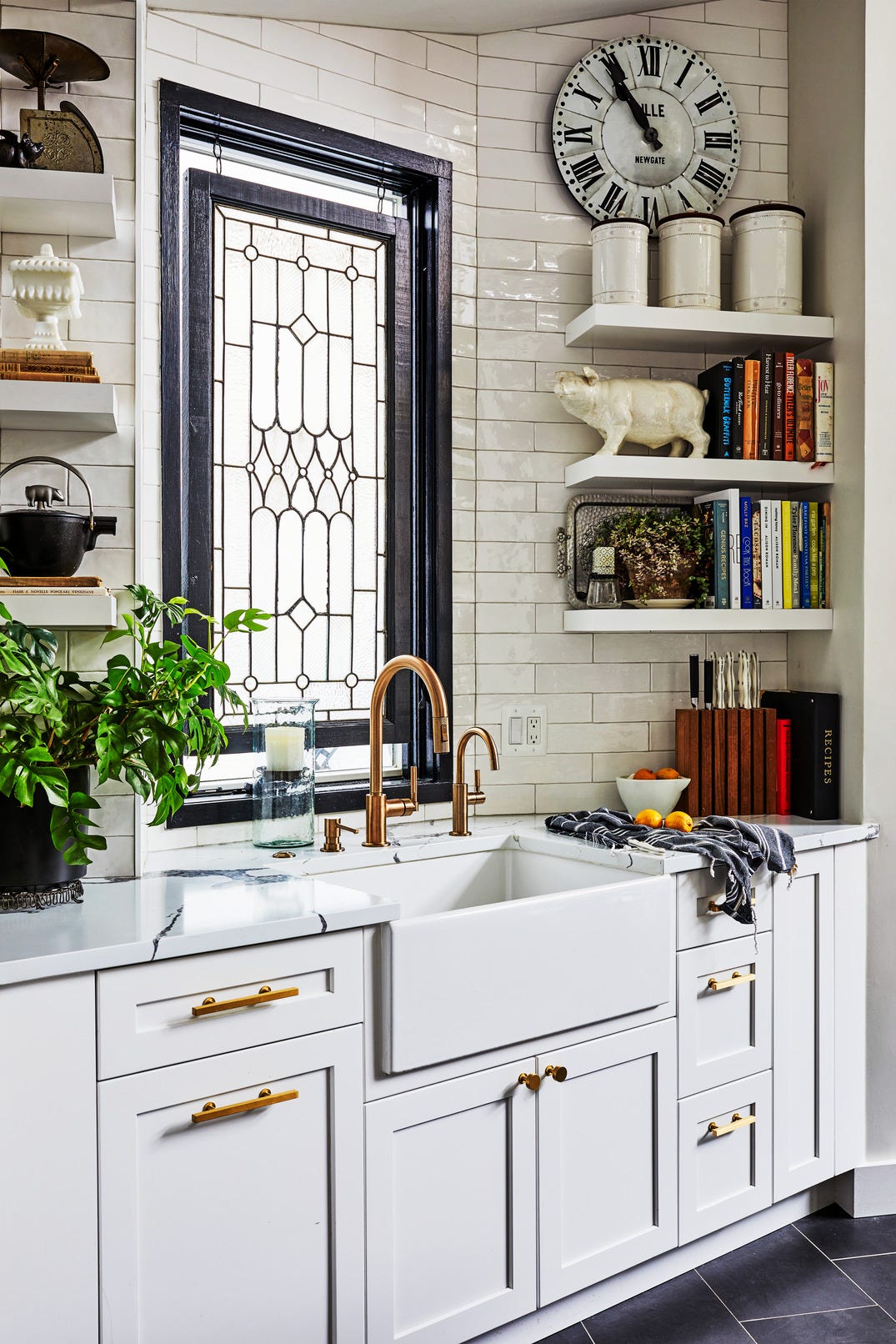
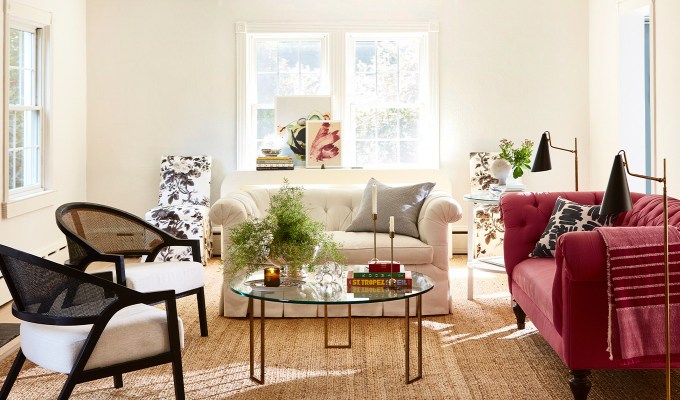
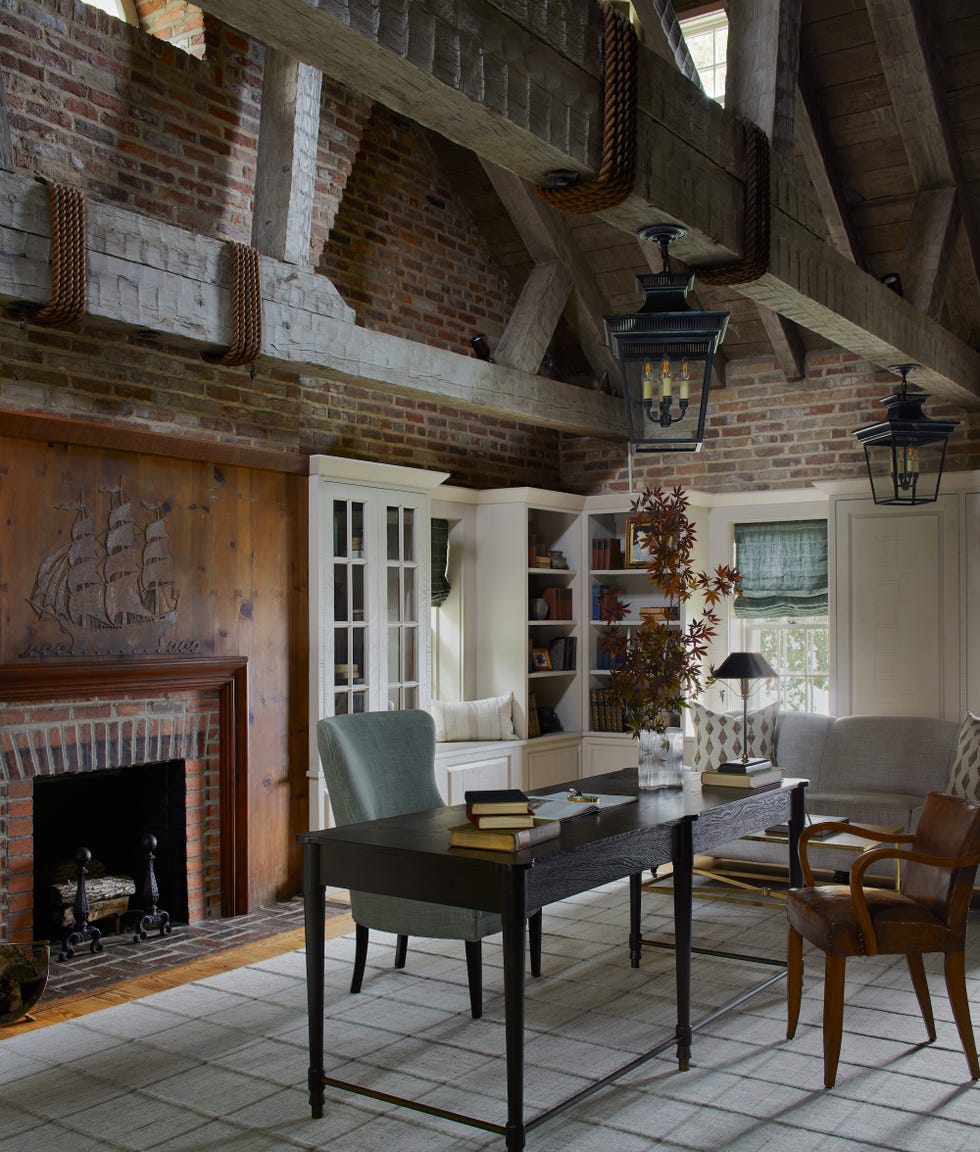
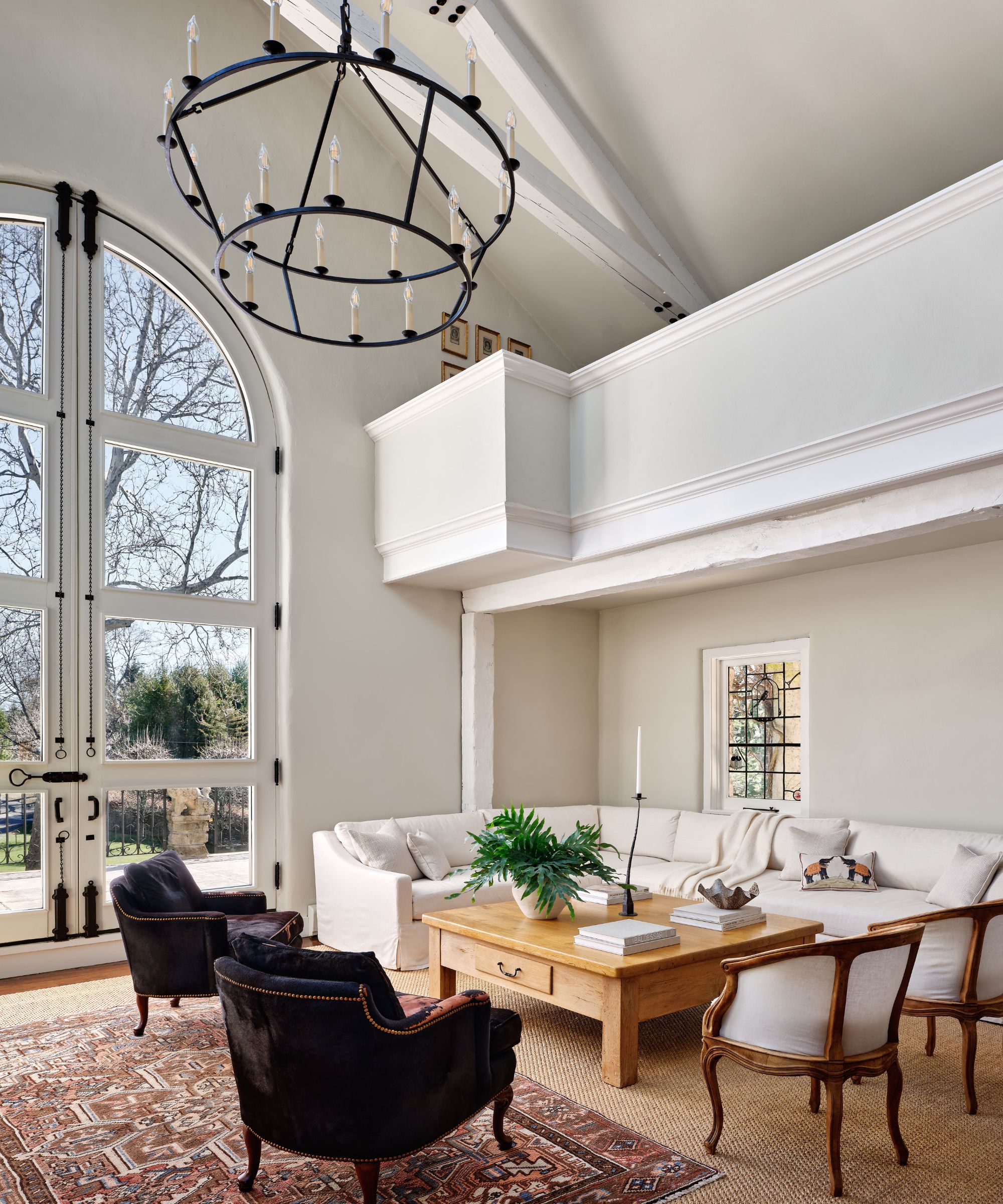
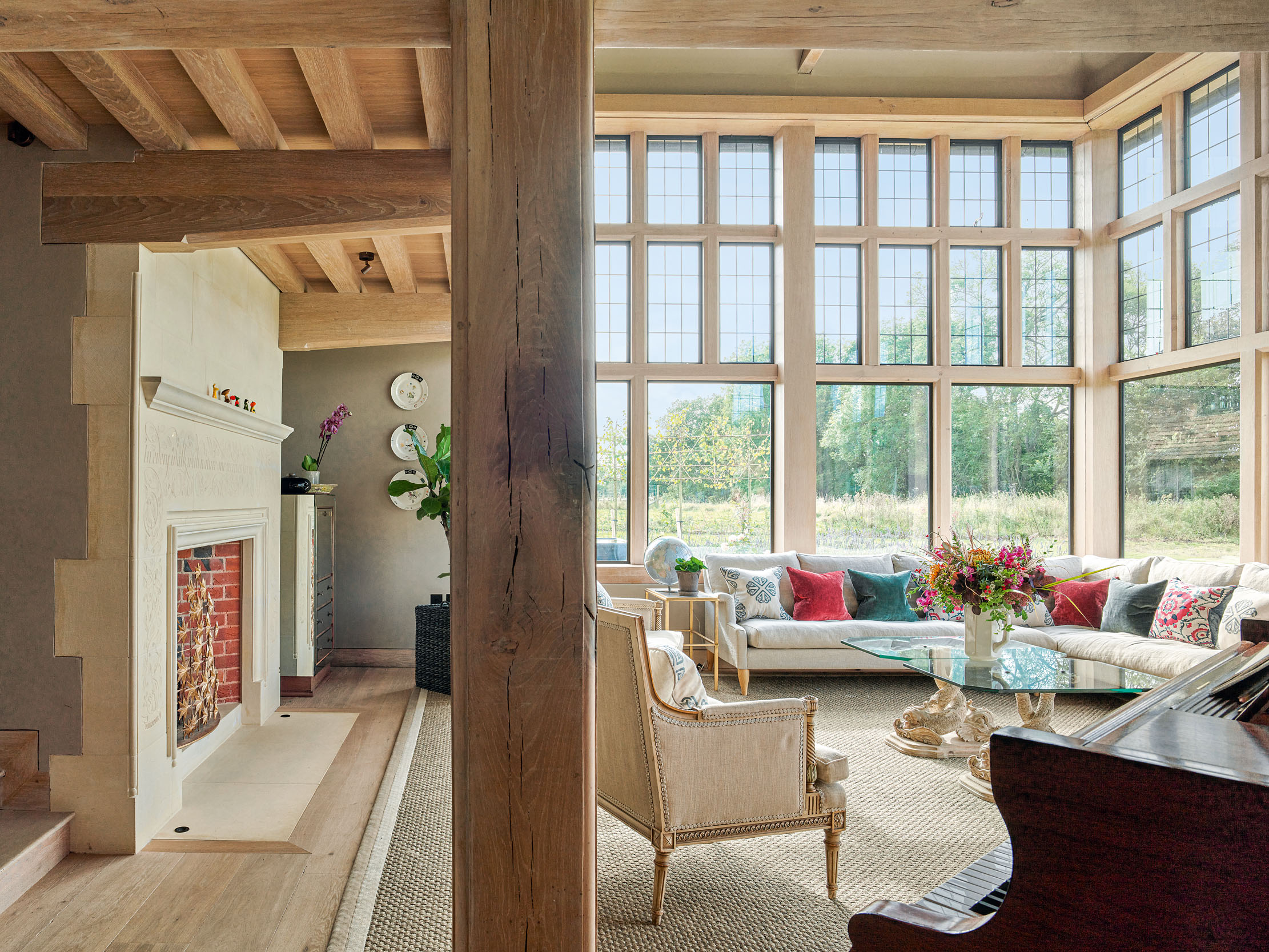
Kime offers ten key pieces of advice for anyone embarking on similar projects. Firstly, he recommends ignoring unsolicited advice from friends who often transform into instant design experts. Instead, he advocates trusting the professionals—architects and builders—and one's own instincts. Secondly, he stresses that a home should not be treated like a museum; the best interiors are people-centric, prioritizing comfort and functionality over being a mere showcase for collections. He cites the disciplined use of antiques and textiles by designers like Robert Kime and David Hicks as exemplifying this principle. Thirdly, investing in fitted joinery is crucial, ranking in importance just after sanitation and before central heating. While potentially expensive, good joinery transforms an interior, providing essential storage and helping to integrate modern belongings into older homes, especially when coupled with decluttering efforts.
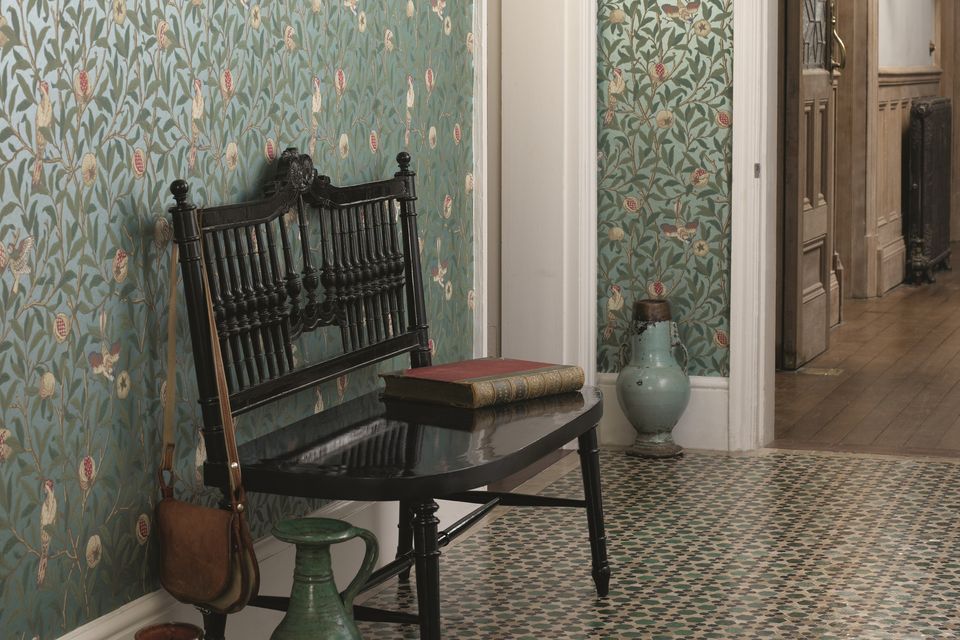
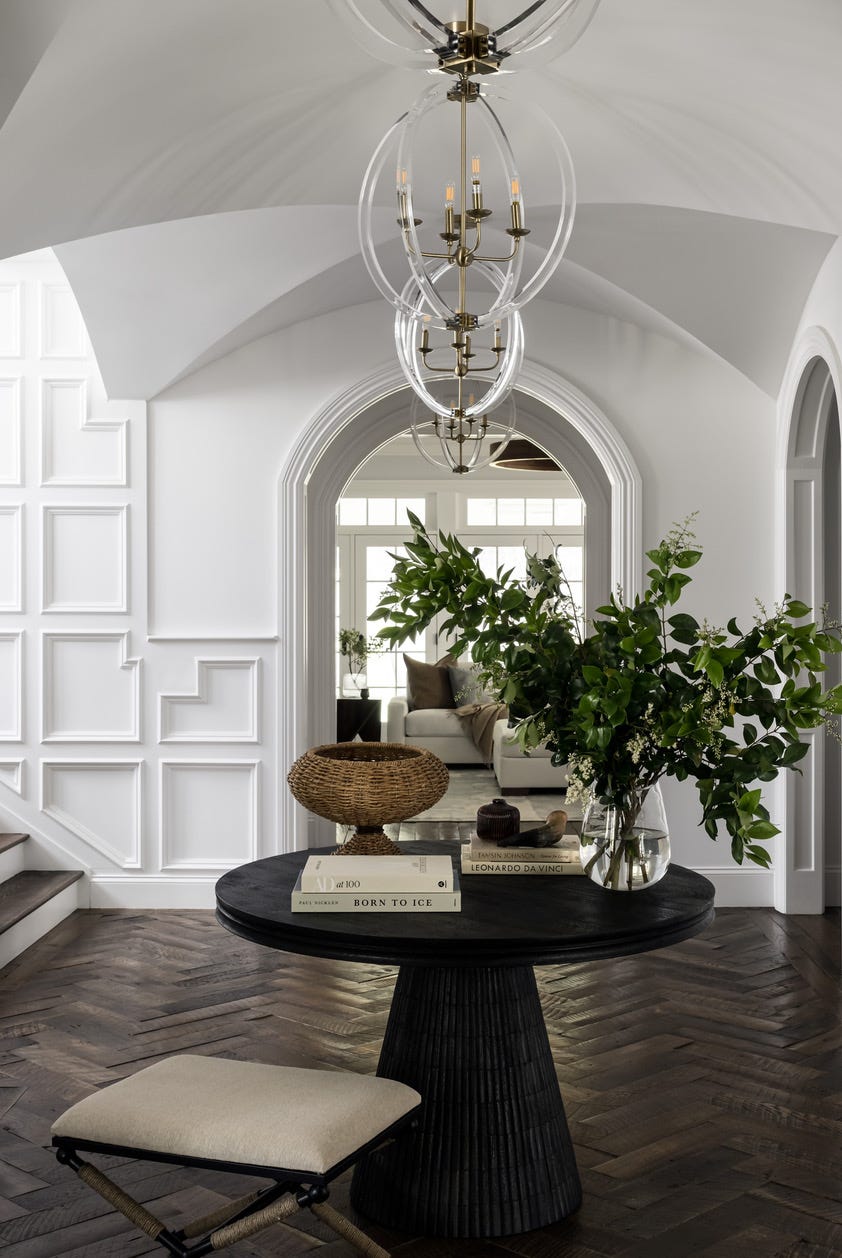
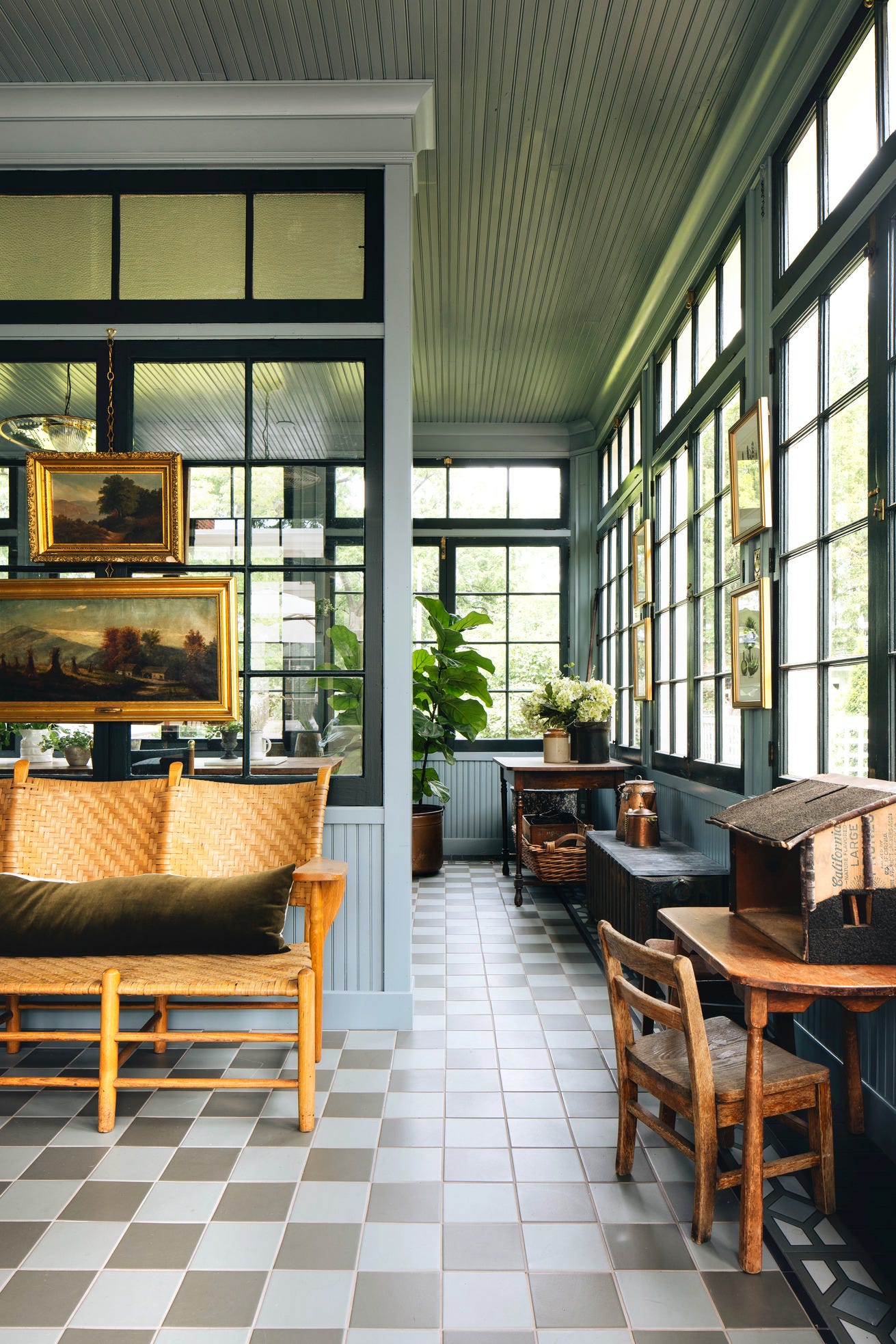
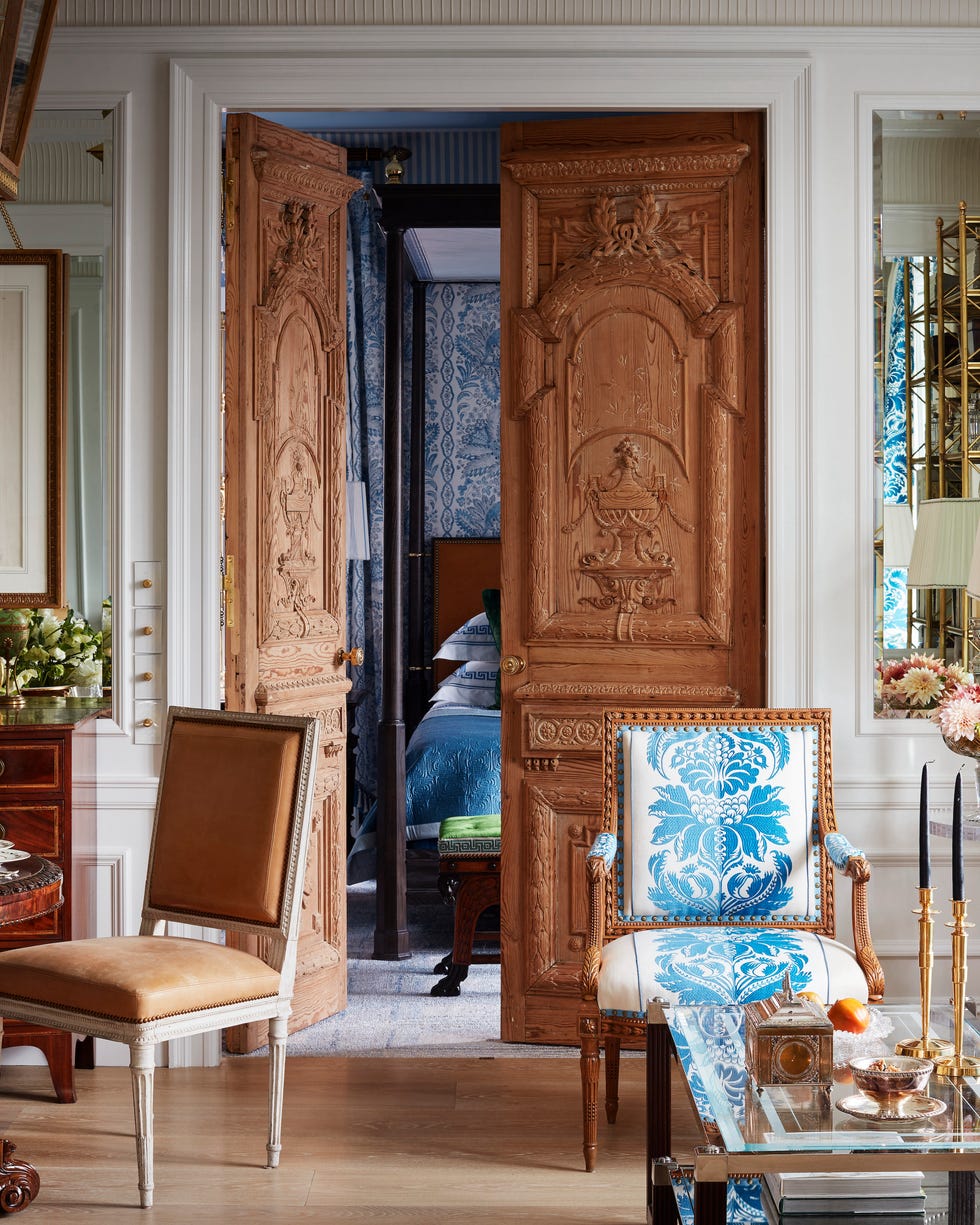
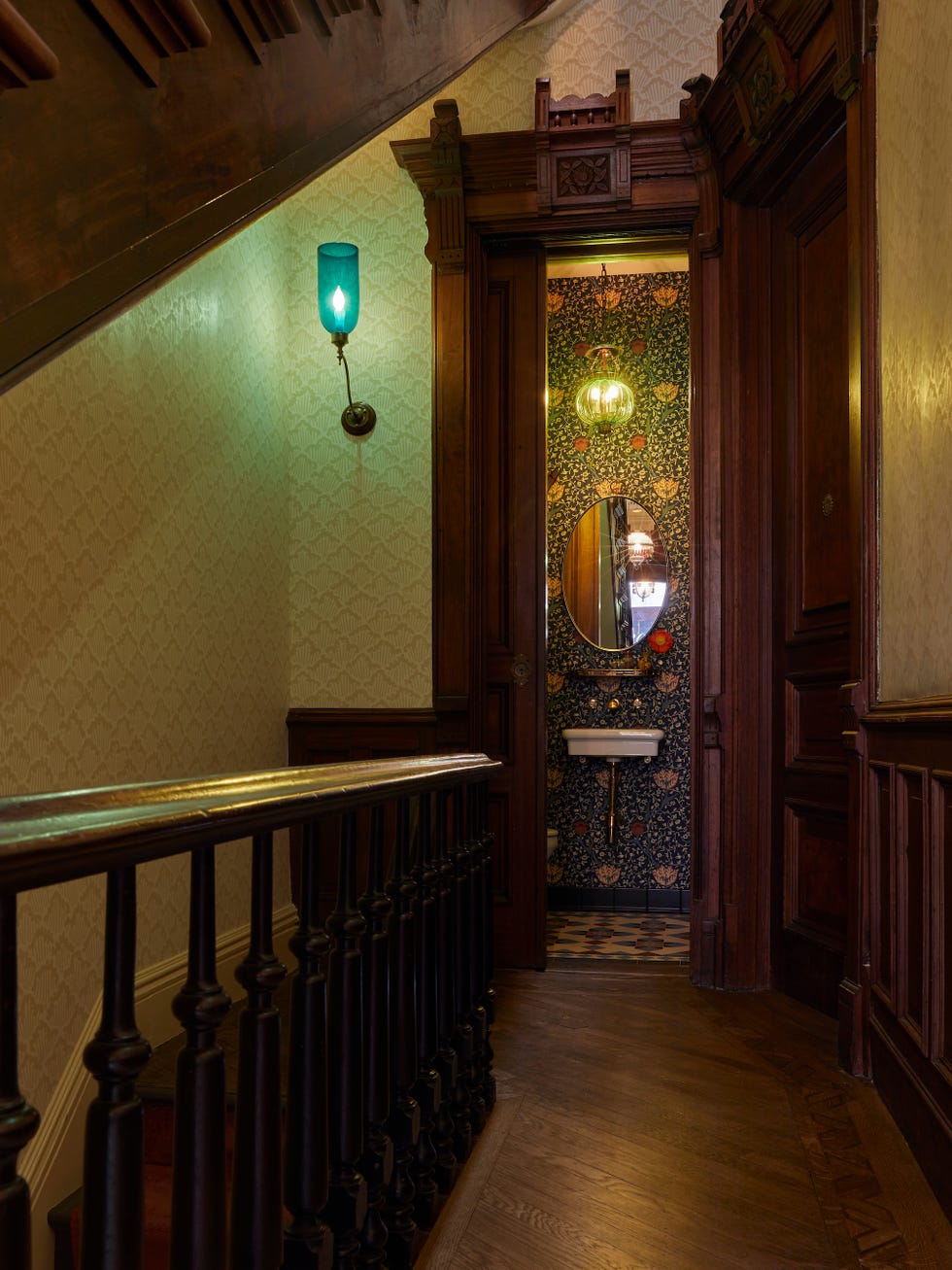
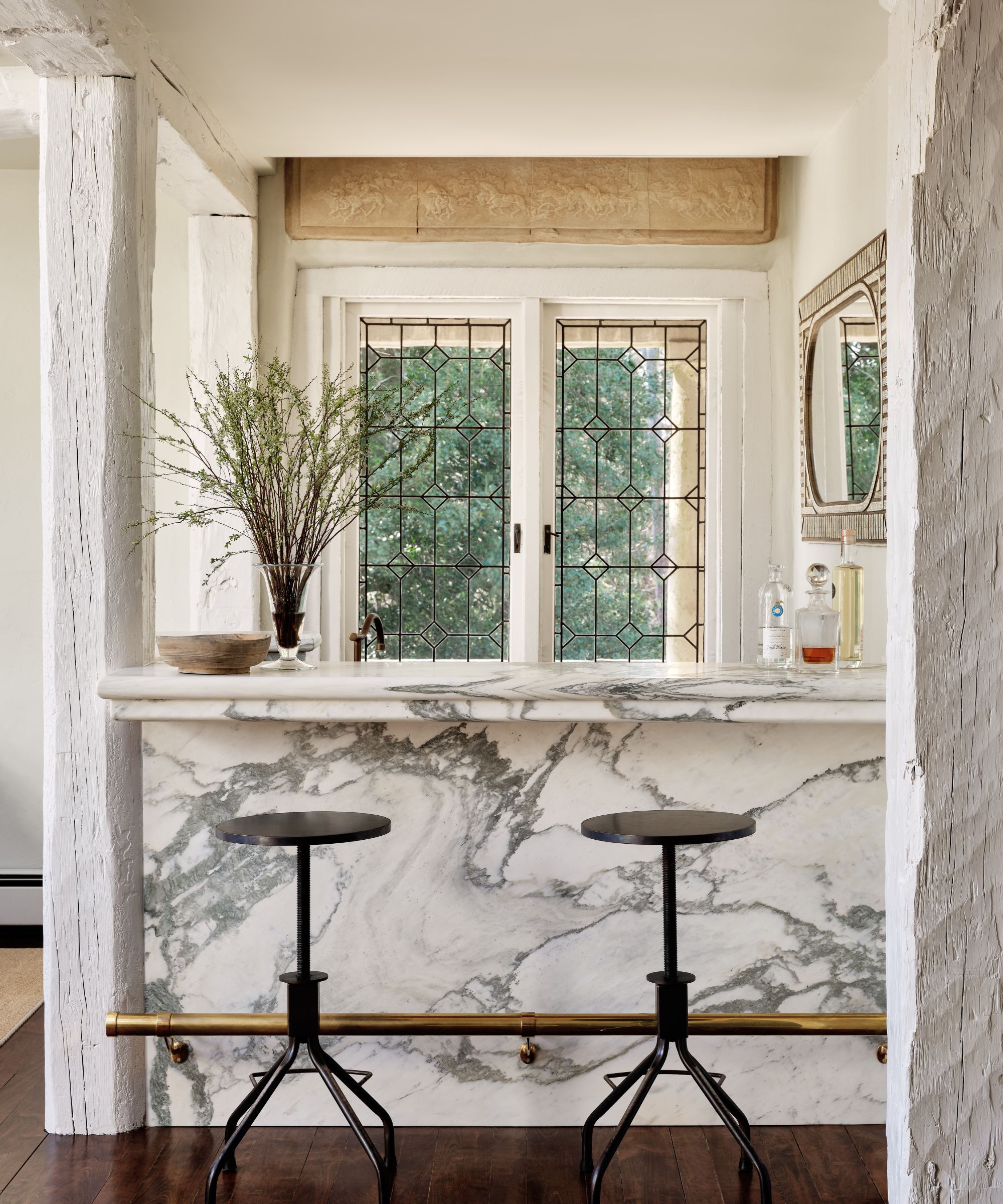
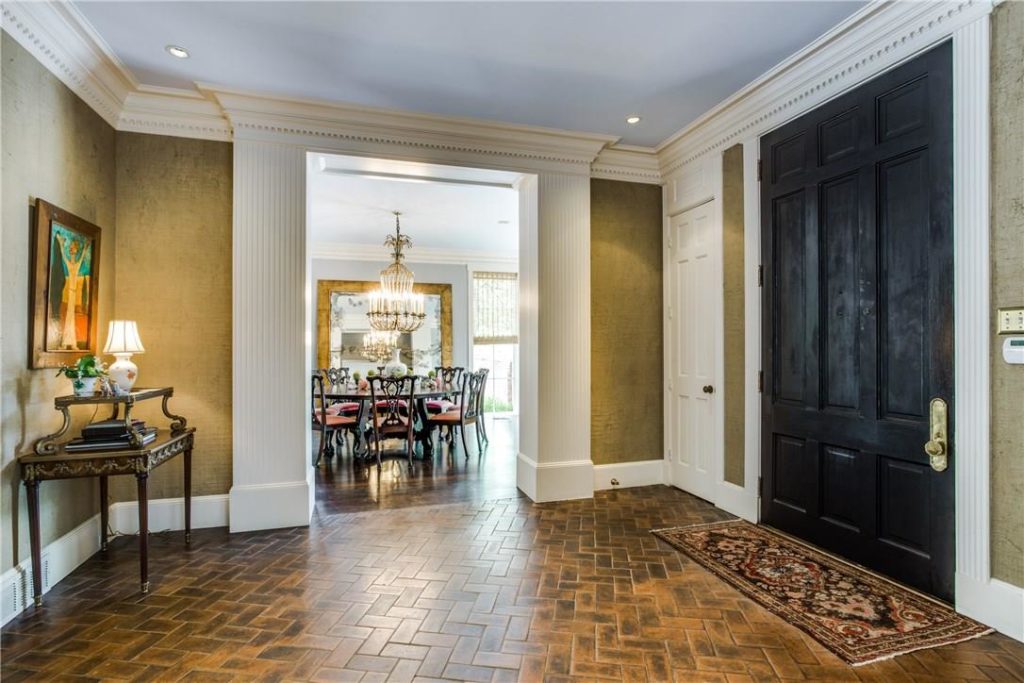
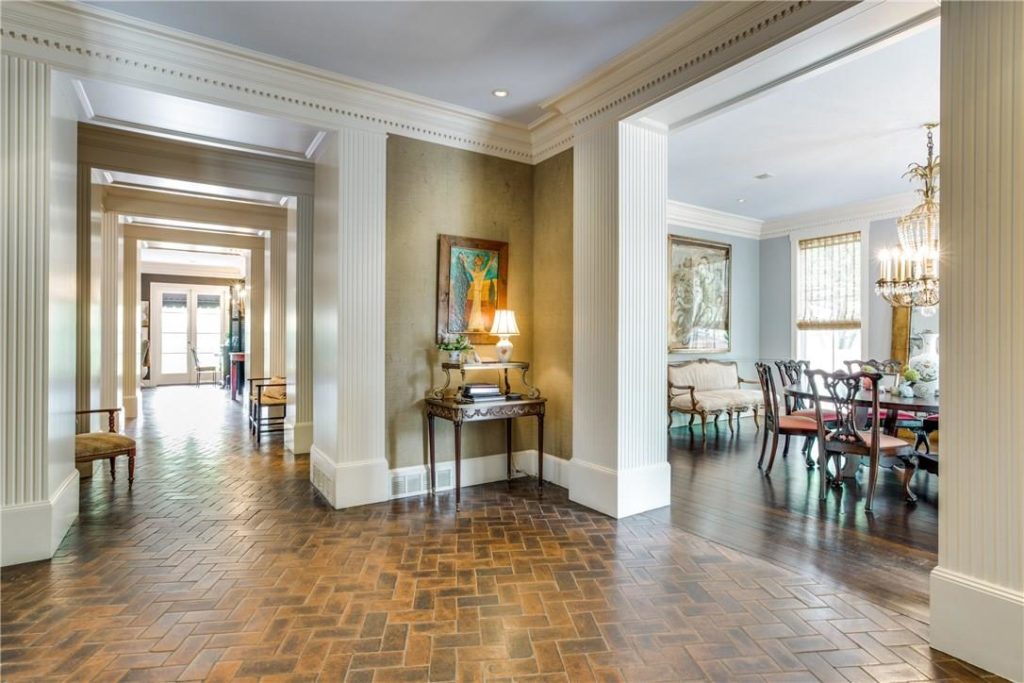
Fourthly, Kime emphasizes the importance of preserving the intrinsic character of a house. While modern interventions like open-plan layouts or large windows are tempting, a thoughtful approach from experienced architects can introduce light and space without sacrificing the period charm. Antiques and materials can add texture, but they may not compensate for interiors that have been stripped bare or poorly extended. Fifth, he challenges the conventional wisdom that pale colors make rooms appear larger. Instead, he suggests that small, north-facing rooms, which can feel bleak when painted white, are often more inviting and cozy when decorated in rich, dark hues, creating a warm, womb-like atmosphere. Sixth, he warns against decorating in haste, particularly when influenced by late-night, wine-fueled online browsing. Rash decisions, often fueled by fleeting trends seen on Pinterest or Instagram, can lead to regrettable purchases. He advises sober, daylight research to avoid aesthetic 'rabbit holes.'
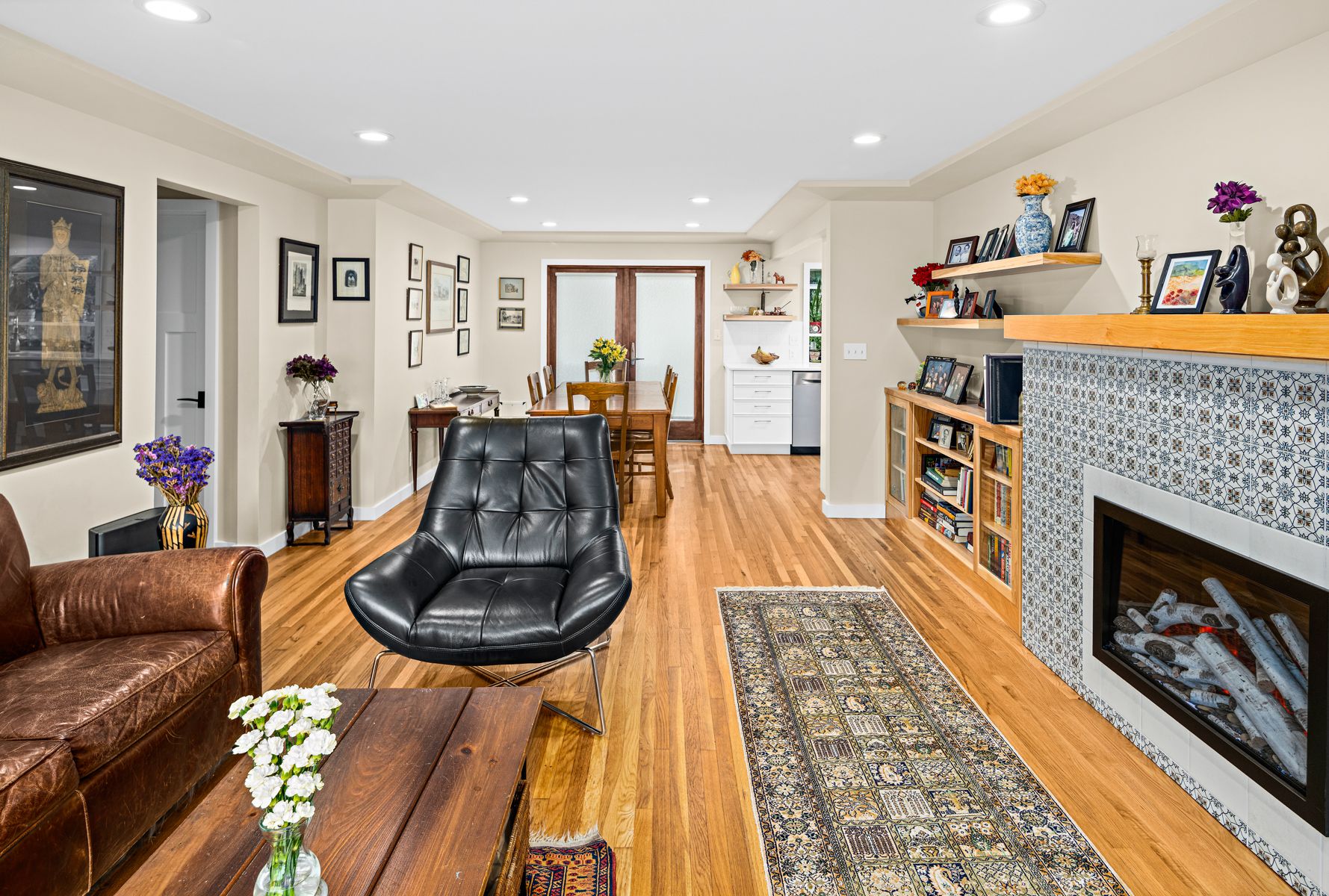
Seventh, Kime highlights the invaluable role of a good builder, whom he describes as a guiding light. Professional builders, particularly those with a proven track record, offer practical wisdom on what works and what doesn't, often sharing the homeowner's desire for the best outcome. Eighth, he questions the necessity of overhead lighting, especially low-voltage spots, which can be harsh and unflattering. He suggests that many electricians over-spec these and that a better investment lies in low-level lighting from table and floor lamps, which create a more pleasing atmosphere. He notes that in his fourth project, they haven't specified a single overhead spot. Ninth, he strongly advises against anything overtly fashionable, asserting that interior trends are often marketing ploys by retailers and journalists that contribute to waste. Fashionable choices, he warns from personal experience, are usually regretted as fads quickly pass. Finally, Kime encourages homeowners to relax and enjoy the process. He reminds readers that a home is for living in, for oneself, loved ones, and pets, not a heavily edited fantasy from Pinterest or an imitation of a stylist's overthought space. The goal is a real, lived-in home, acknowledging that perfection can be boring.
#HomeRenovation #InteriorDesign #OldHouses #GilesKime #DesignTips #HomeImprovement #DecoratingAdvice #CountryLife #ArchitecturalPreservation #HomeRenovation #InteriorDesign #OldHouses #GilesKime #DesignTips #HomeImprovement #DecoratingAdvice #CountryLife #ArchitecturalPreservation
0 comment in total
 No comments yet
You may also like
6 Lessons I Wish I’d Known Before Renovating My Home

Guide to Buying Older Homes by Decade

7 Things You Should Always Preserve or Try to Save in an Old Home, According to Designers

How to Live With Stairs That Aren't Up to Code

9 Things You Need to Know Before Renovating Your Home, According to Experts
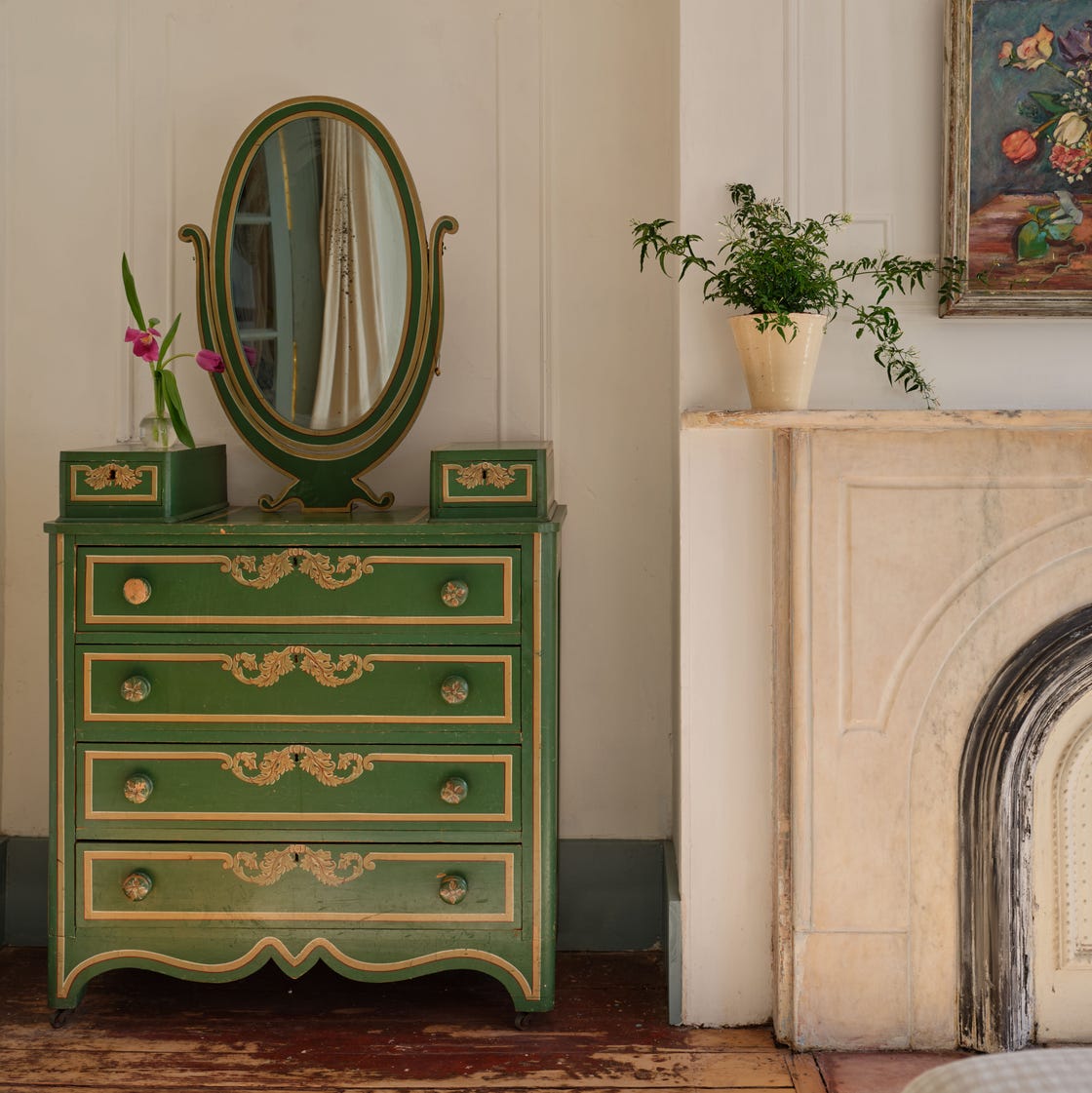
7 Vintage Home Details Experts Want to Bring Back


At Home with Marni Jameson: How to update older homes without messing them up

The Truths About Buying and Living in an Old House
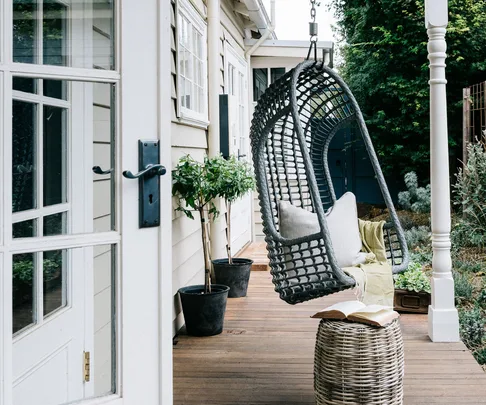
8 easy updates that will make an old home look new

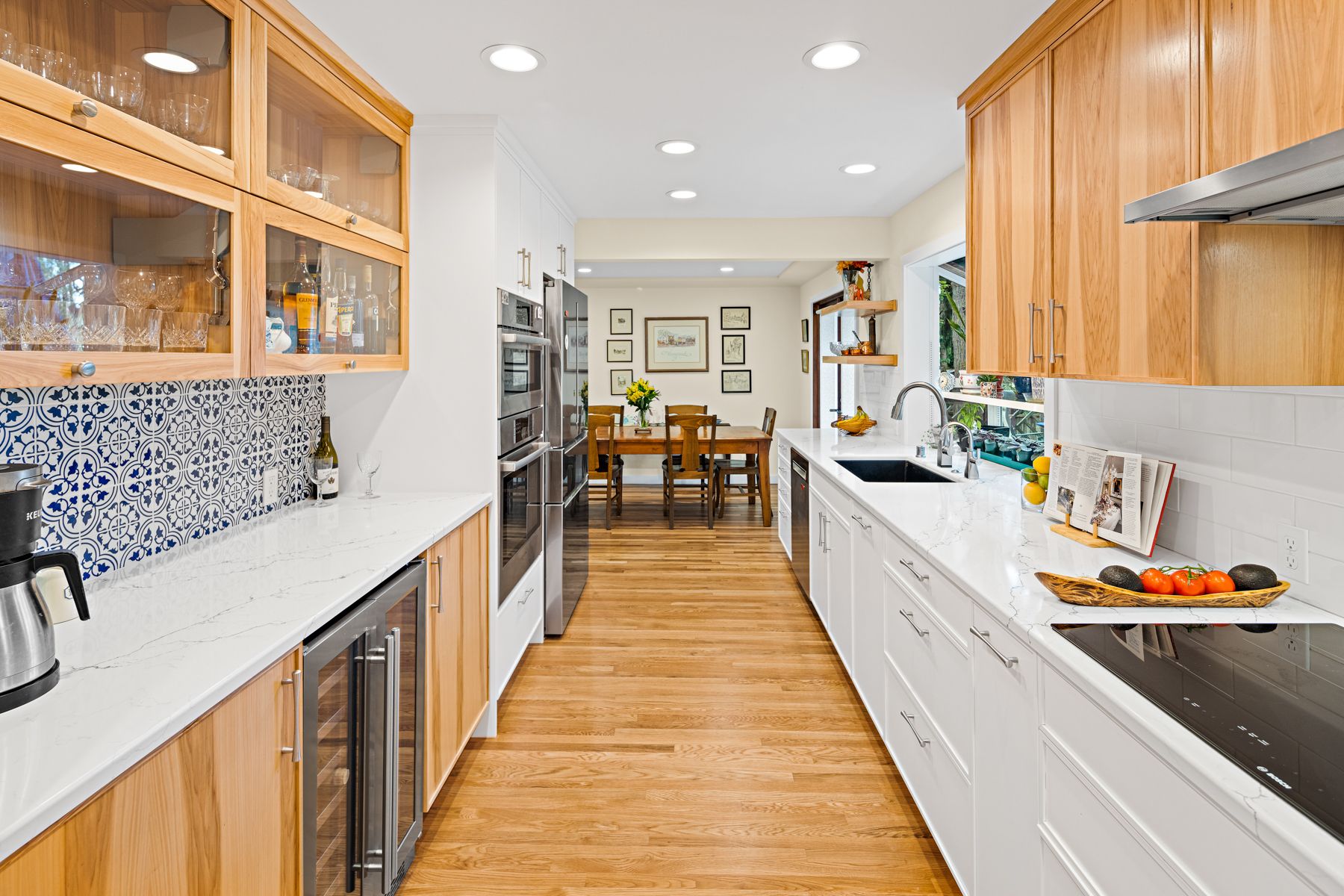
Make your home renovation shine with these builder tips

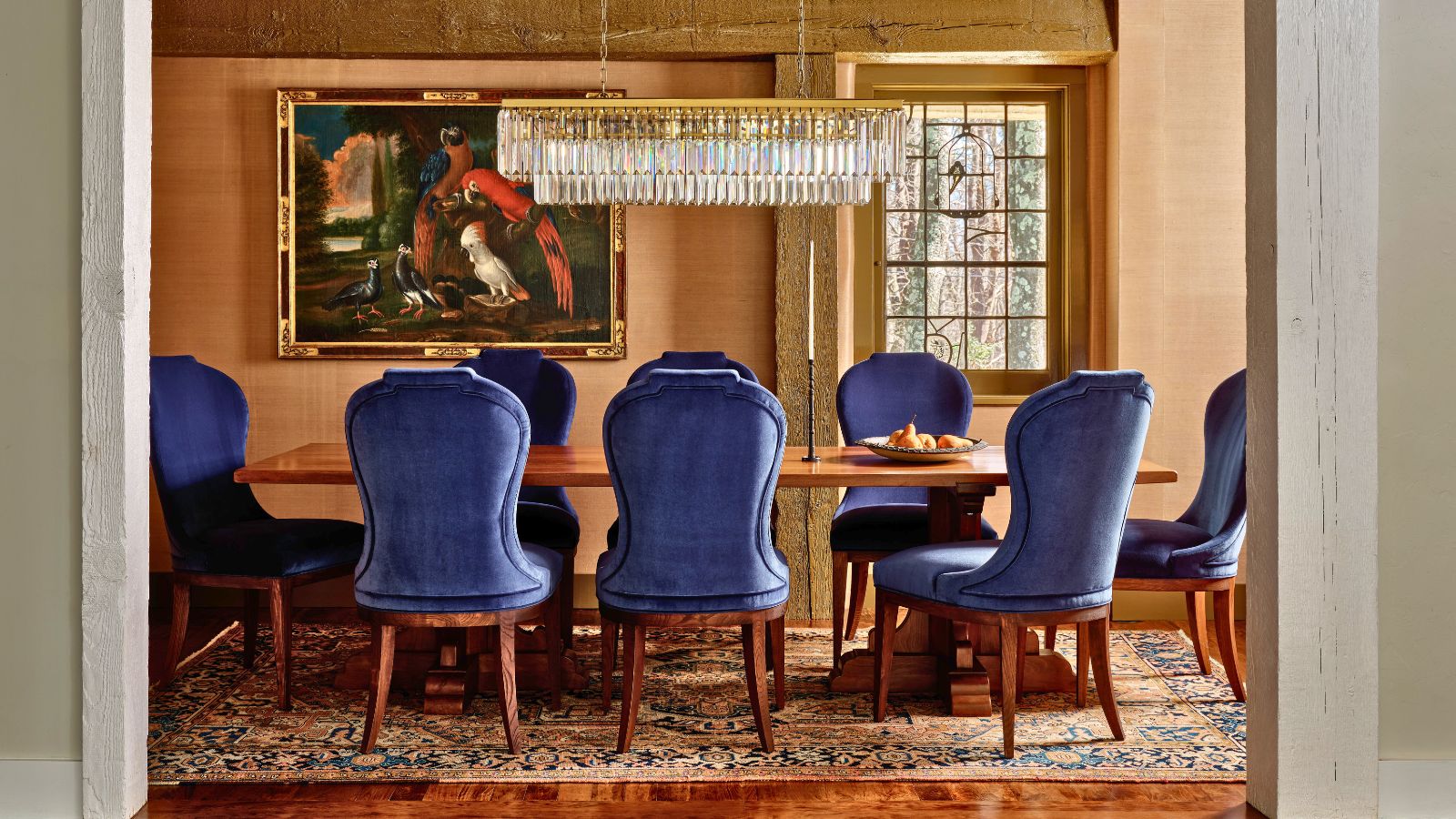
How to update a historic home for modern living – 9 lessons we learned from this artful redesign

5 Common Mistakes Homeowners Make When Restoring Old Houses
How to Update an Older Home While Honoring Its History

12 Designer-Approved Tricks to Fill a New Home With Vintage Character

Interior Designers Share the Home Decor Tips Everyone Should Know Before They Turn 30

You Can Teach an Old House Transitional Tricks With The Right Builder

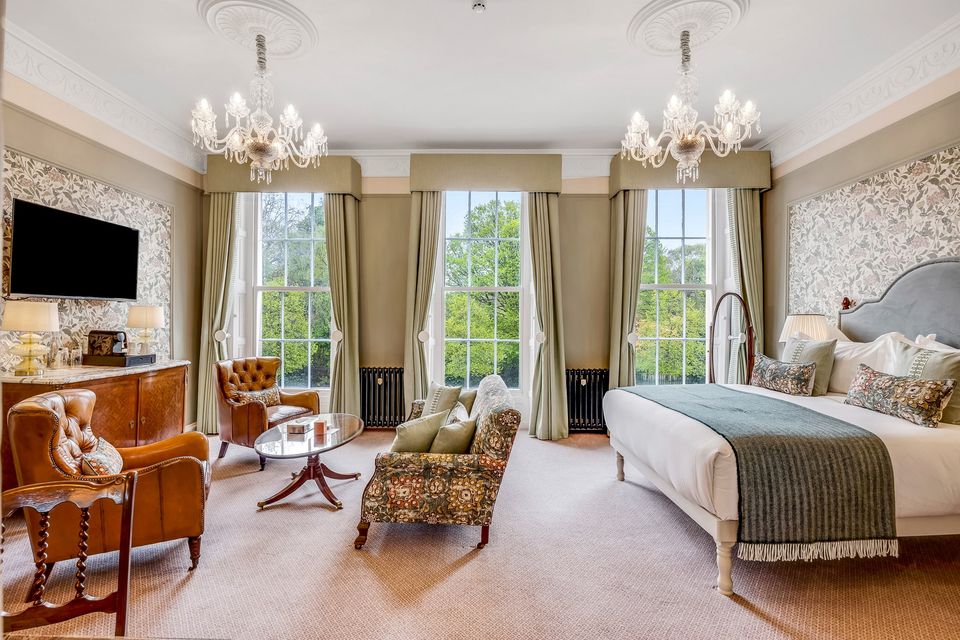
Top tips for renovating old homes: Whether restoring or modernising, clever design is key
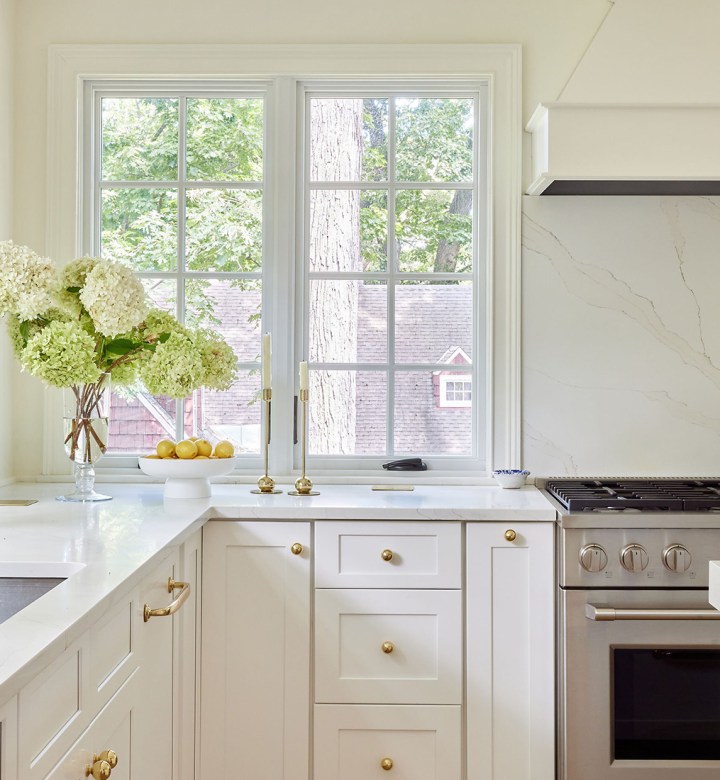
Before and After: 4 Things I Wish I Knew Before My Kitchen Renovation

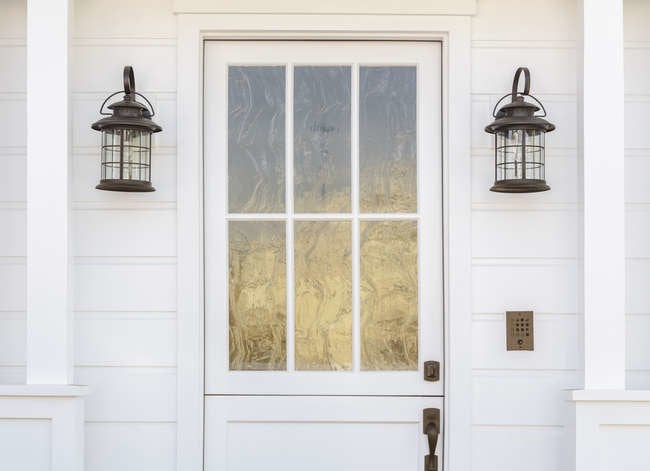
15 Old House Features We Were Wrong to Abandon
Home School: A Complete Guide to Making Your First Home Your Own