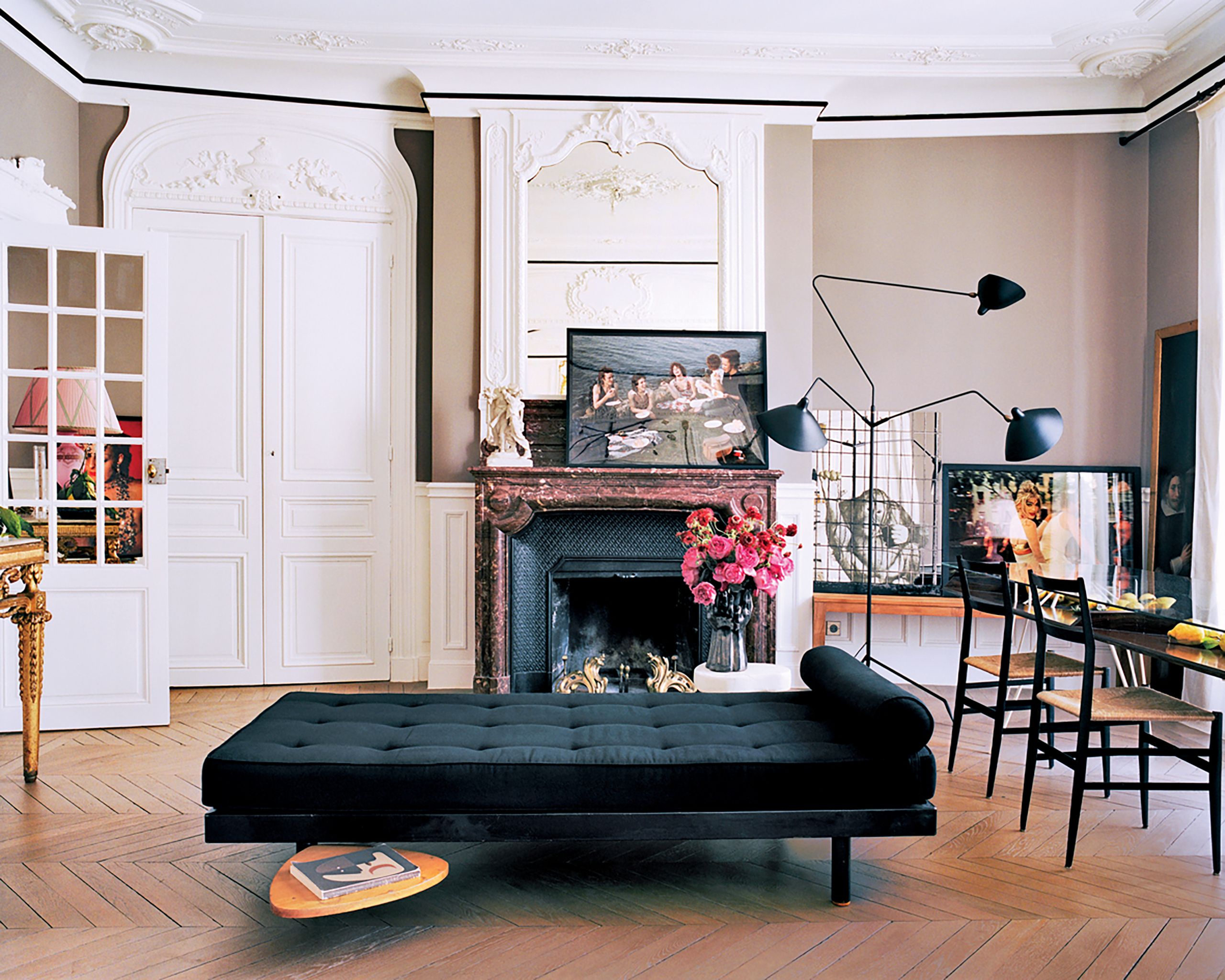
1/7
Interior Designers Share the Home Decor Tips Everyone Should Know Before They Turn 30
Approaching the age of 30 often marks a transitional period, moving from the transient living arrangements of early adulthood to a desire for a more stable and personally reflective home environment. Many individuals find themselves with an assortment of mismatched furniture and decor acquired through various life stages, which no longer aligns with their evolving sense of self and mature style. This shift prompts a need to intentionally curate a living space that truly reflects one's identity and values.
Interior designers emphasize that turning 30 signifies a period of increased self-awareness and a willingness to invest more wisely in possessions that bring joy and align with personal values. The goal is to move beyond temporary setups and create a home that feels settled and stylish. This process involves a combination of practical advice and philosophical approaches to interior design.
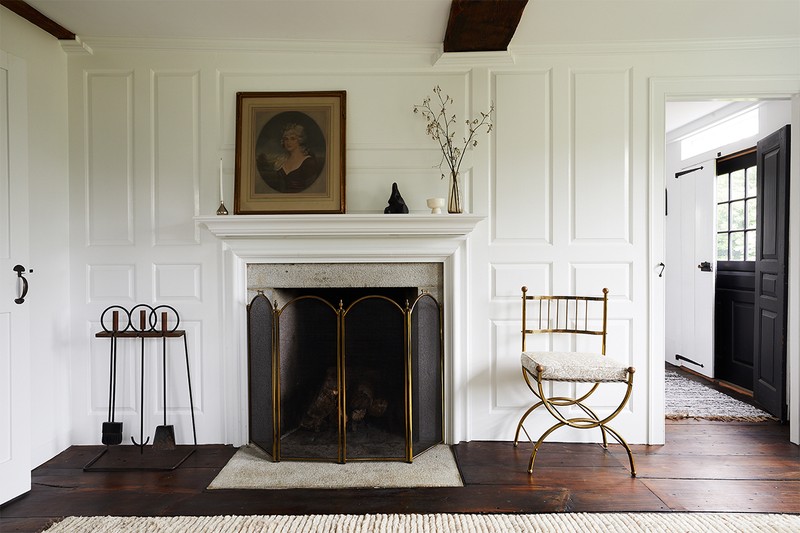
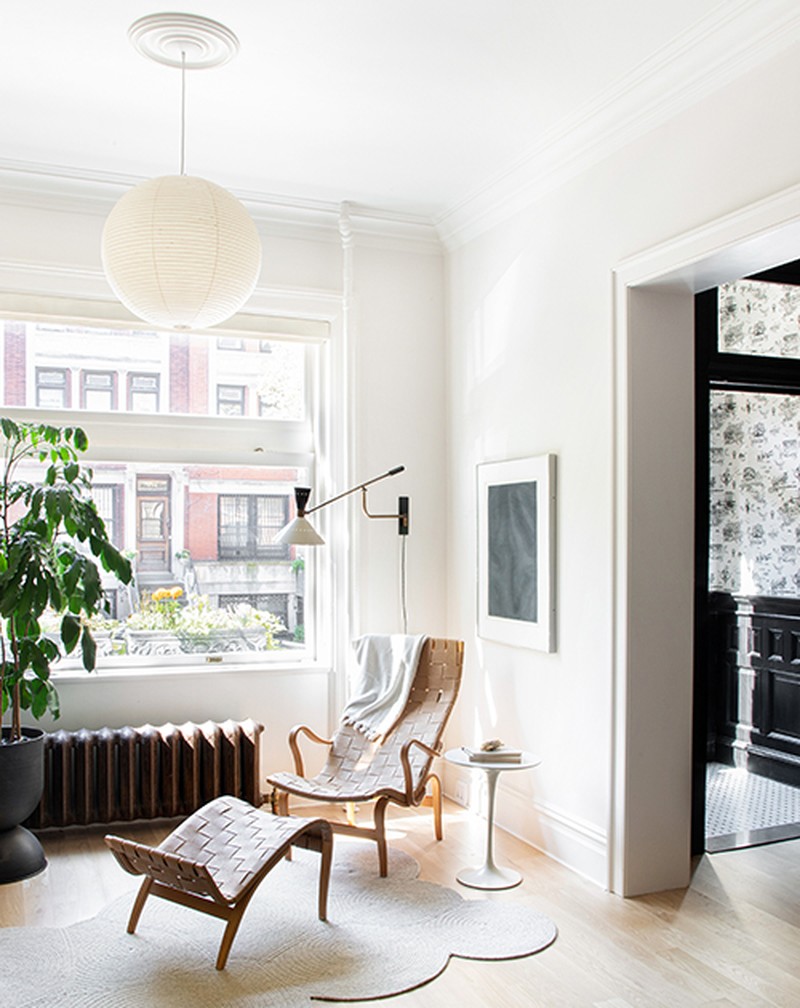
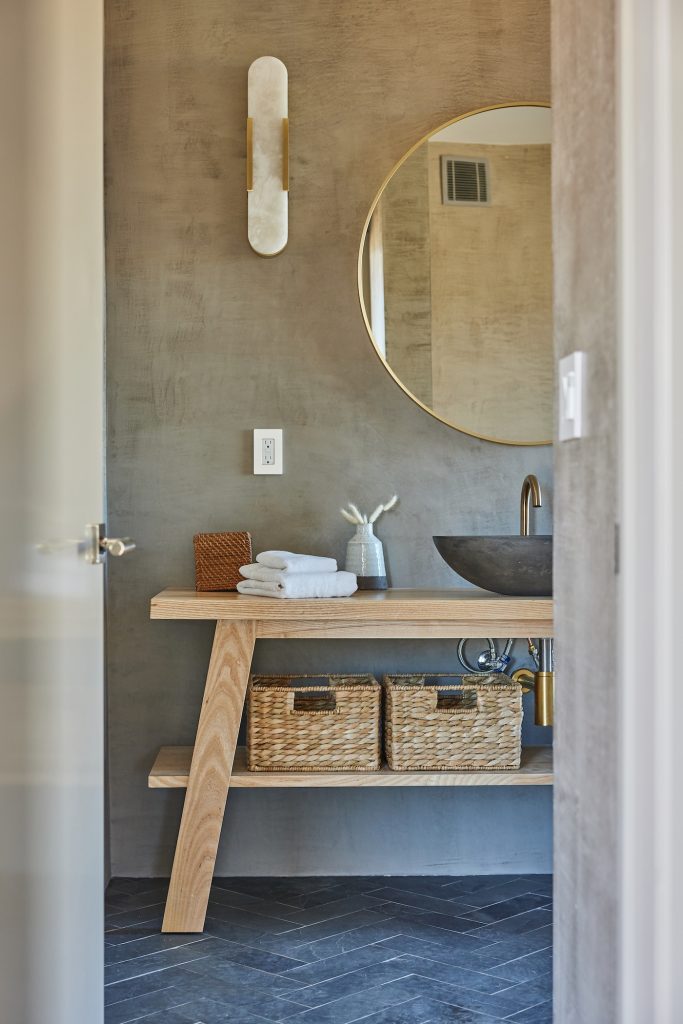
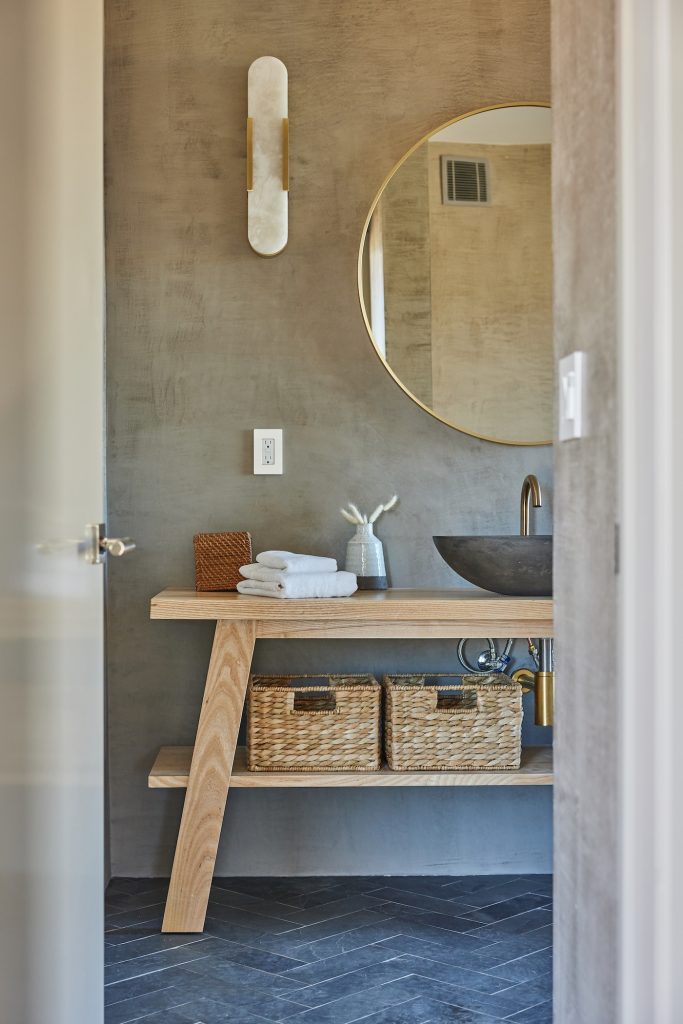
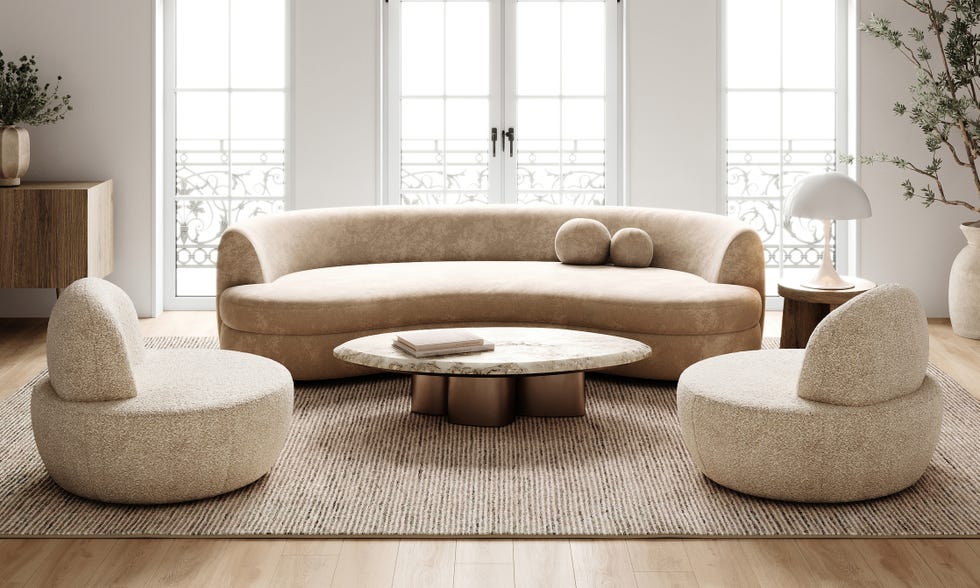
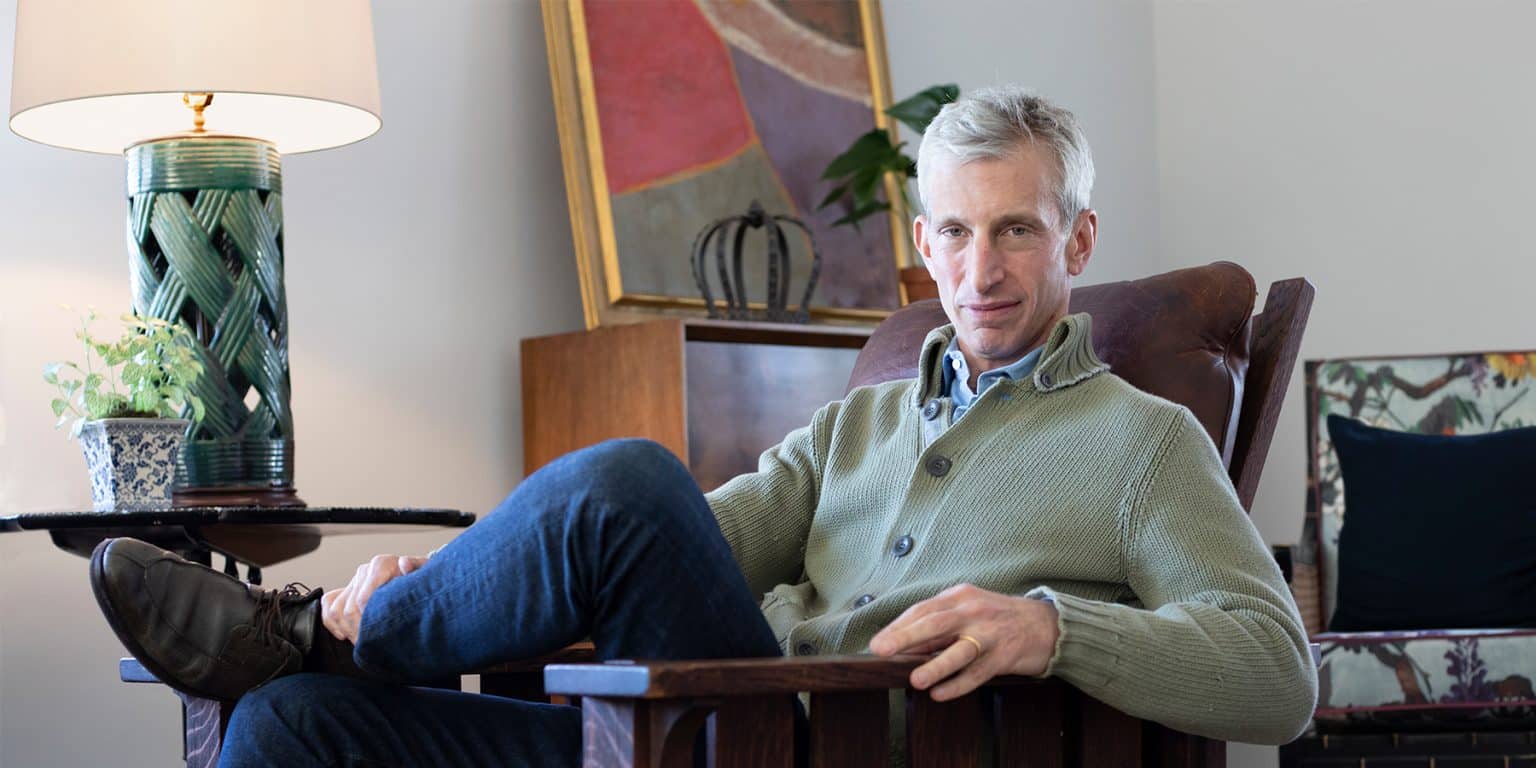
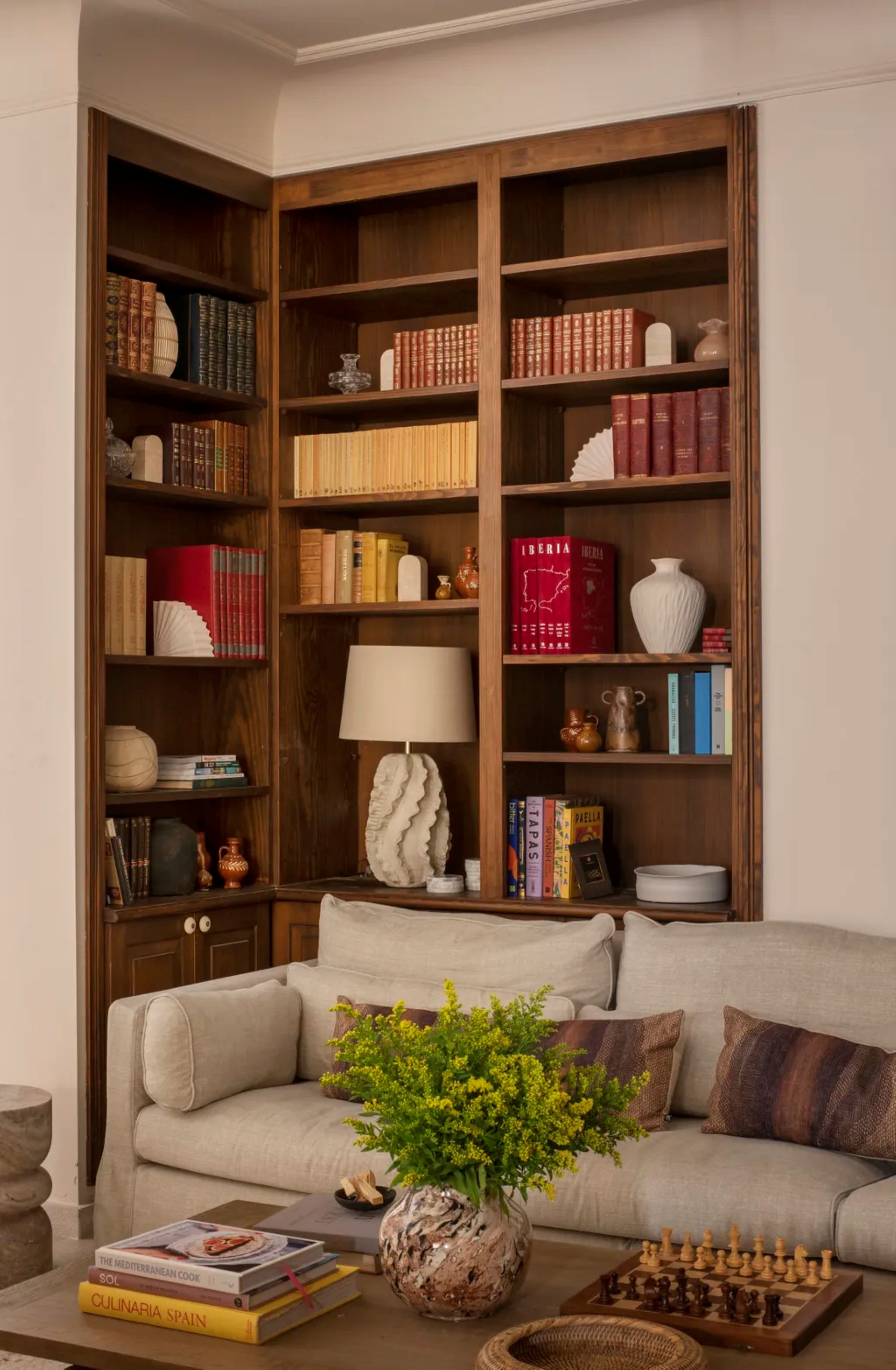
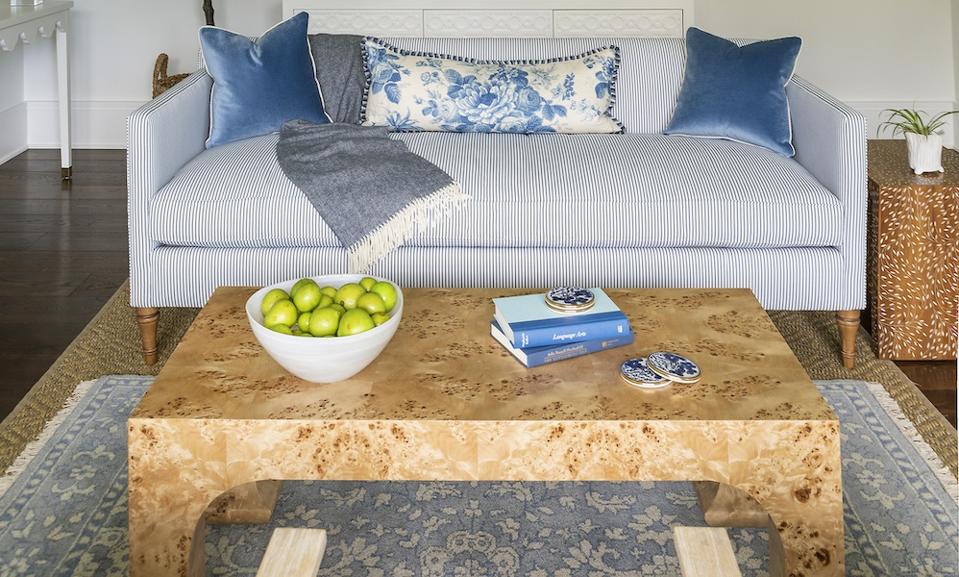
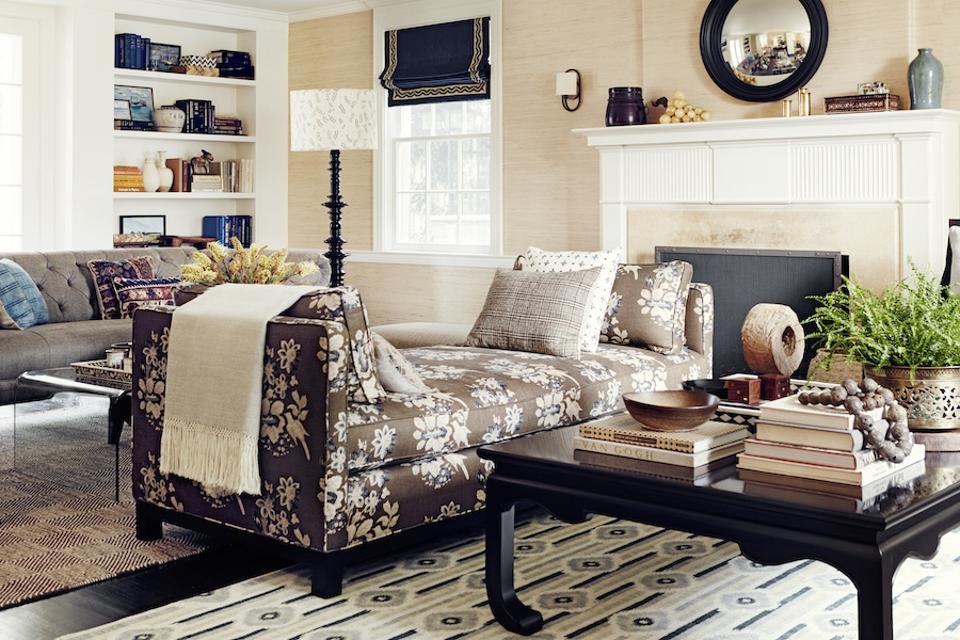
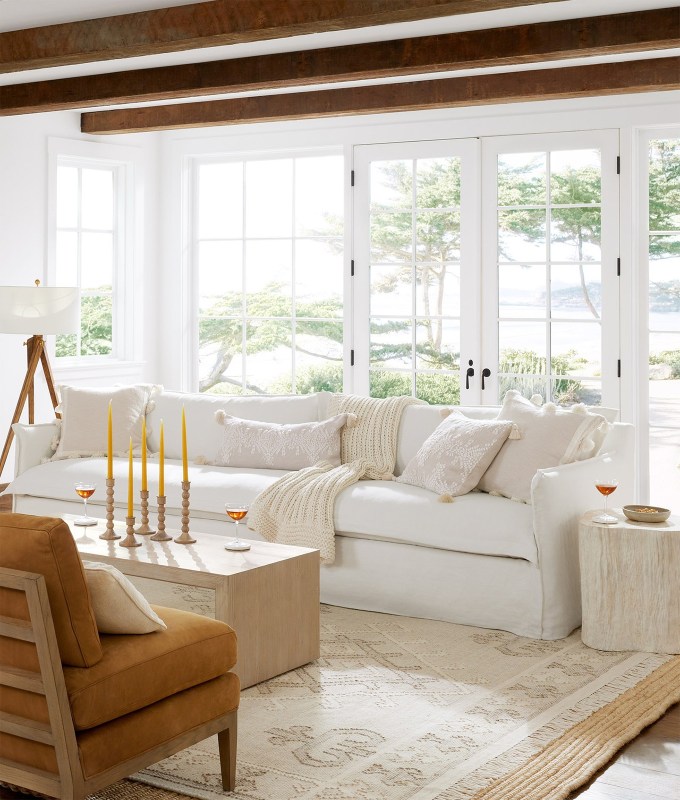
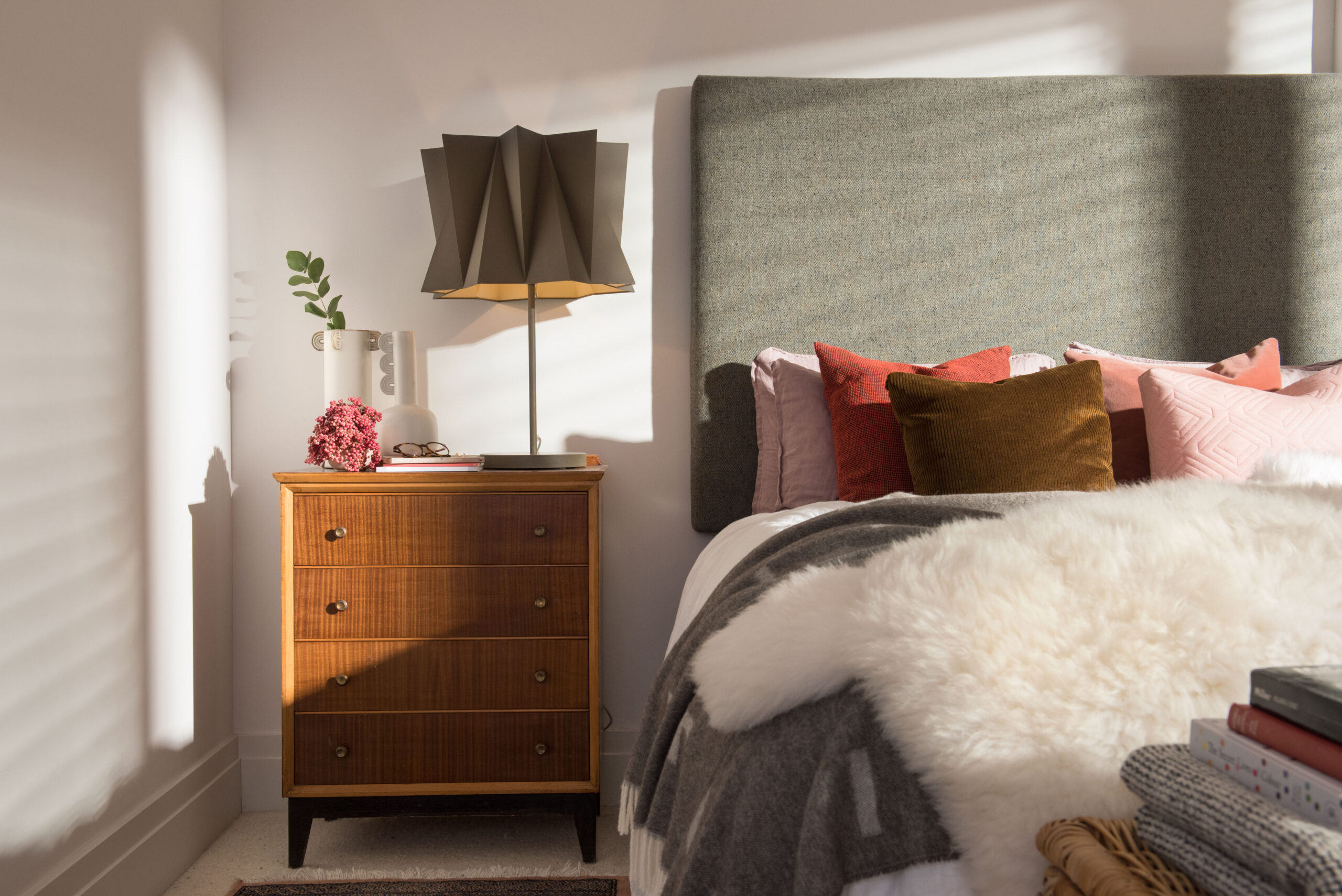
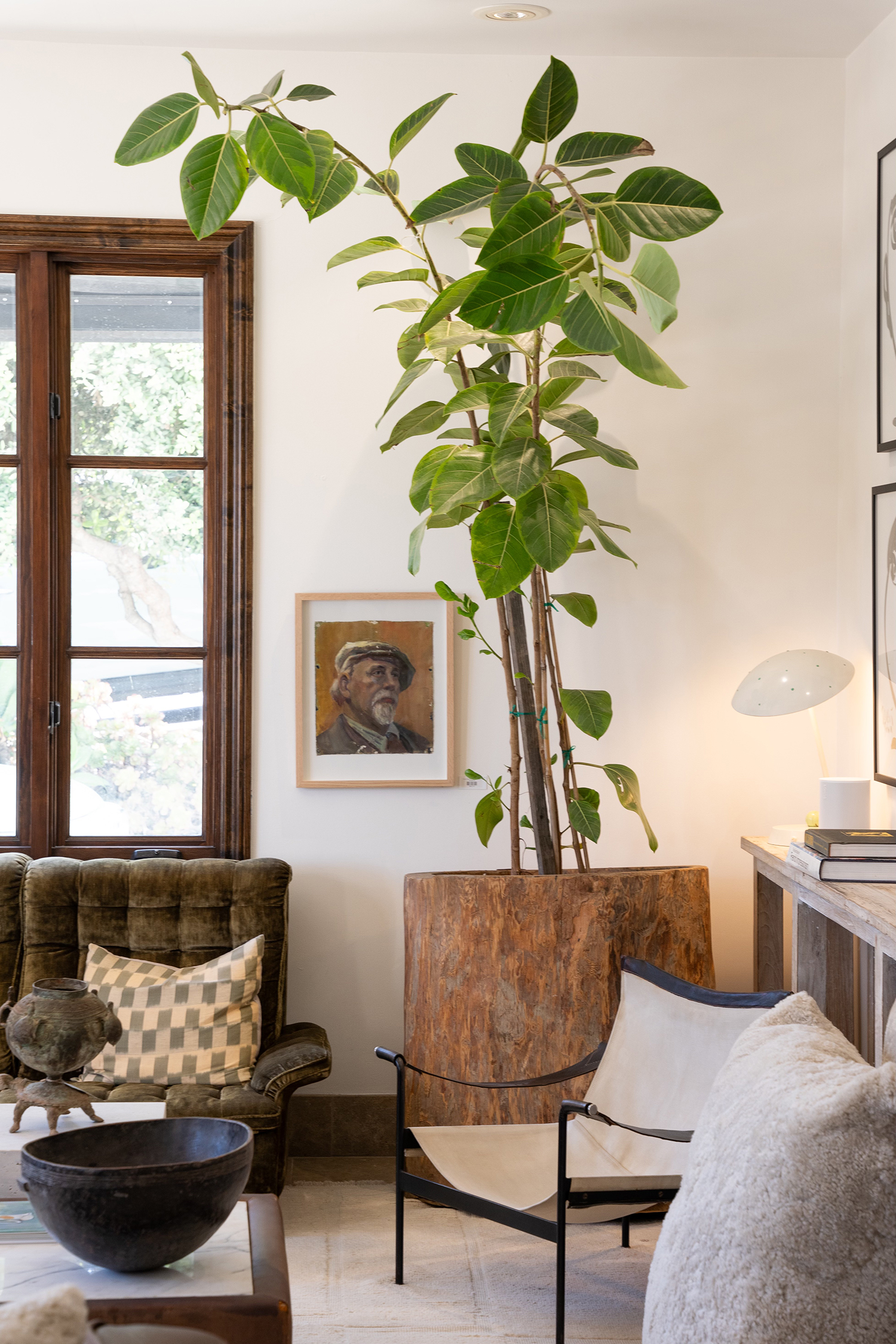
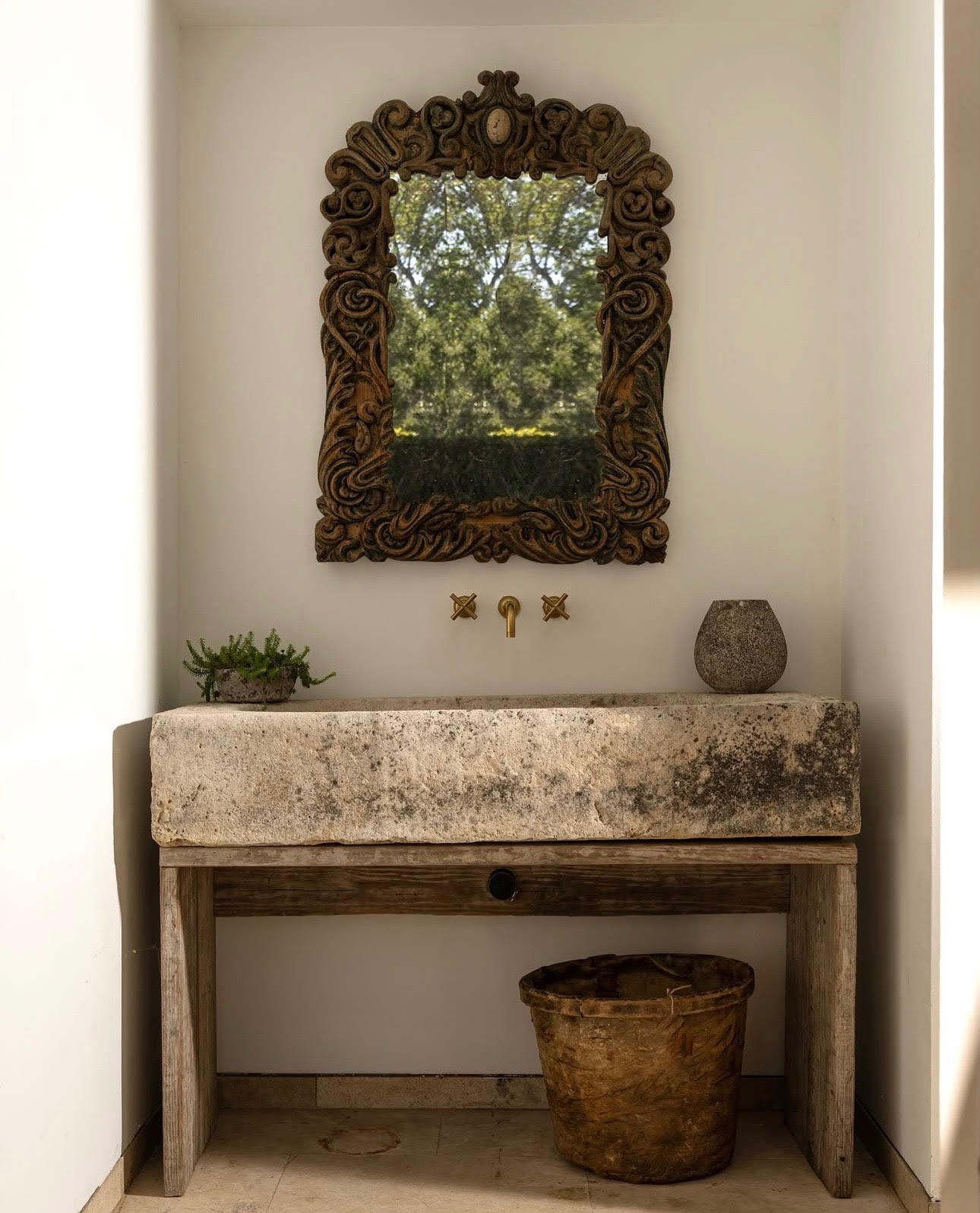
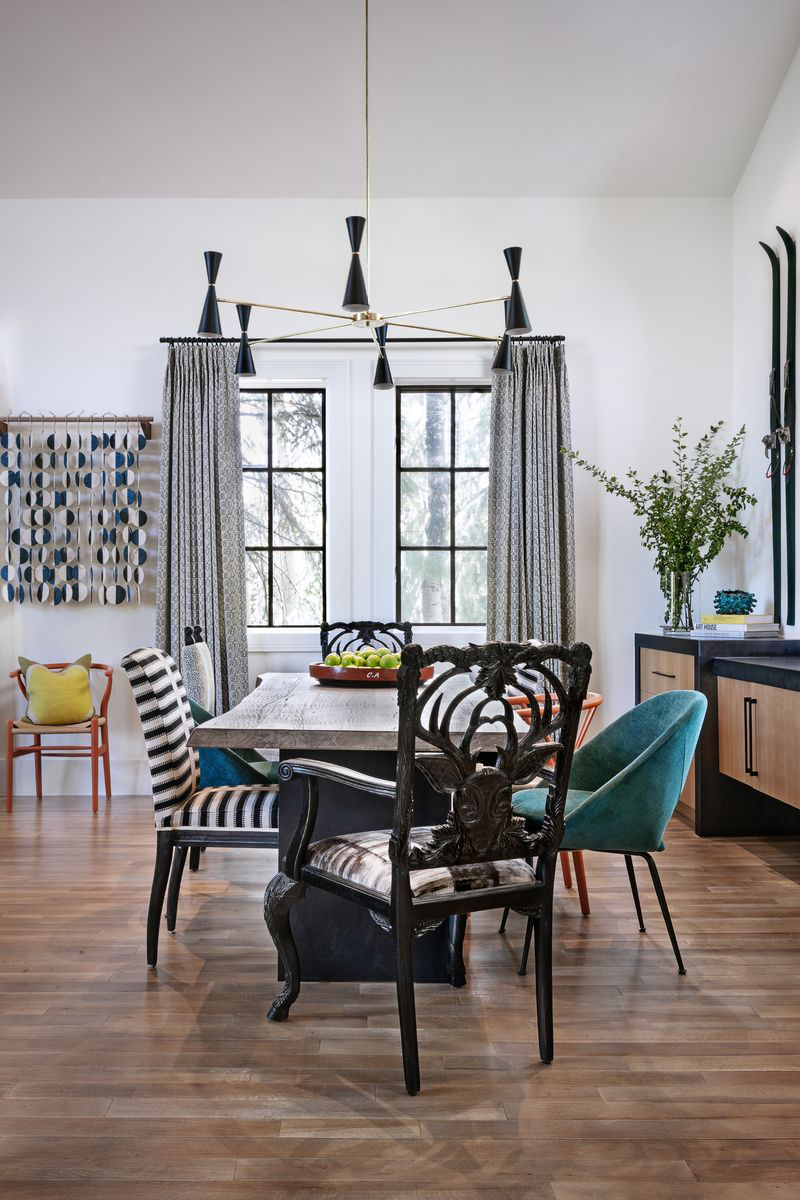
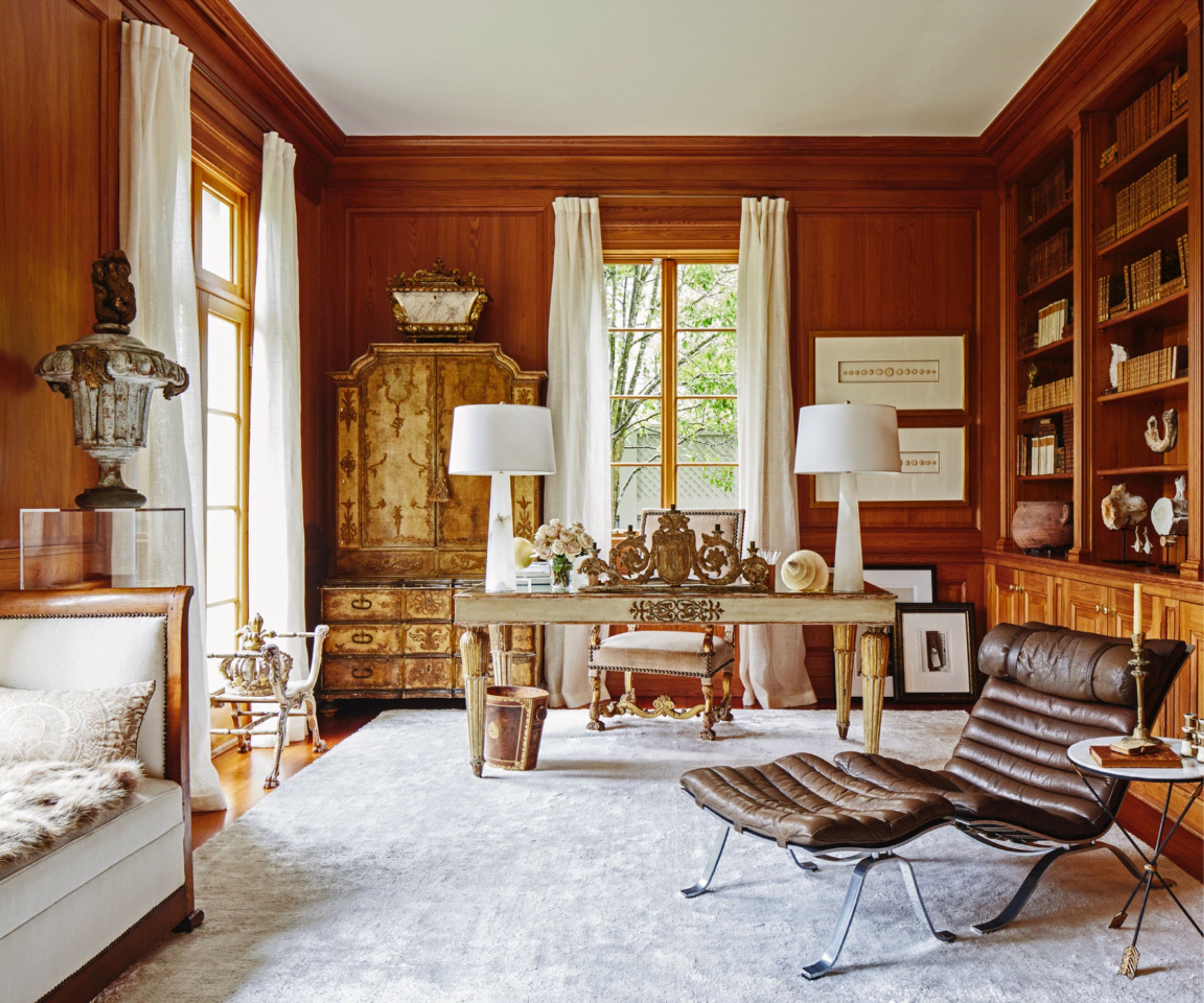
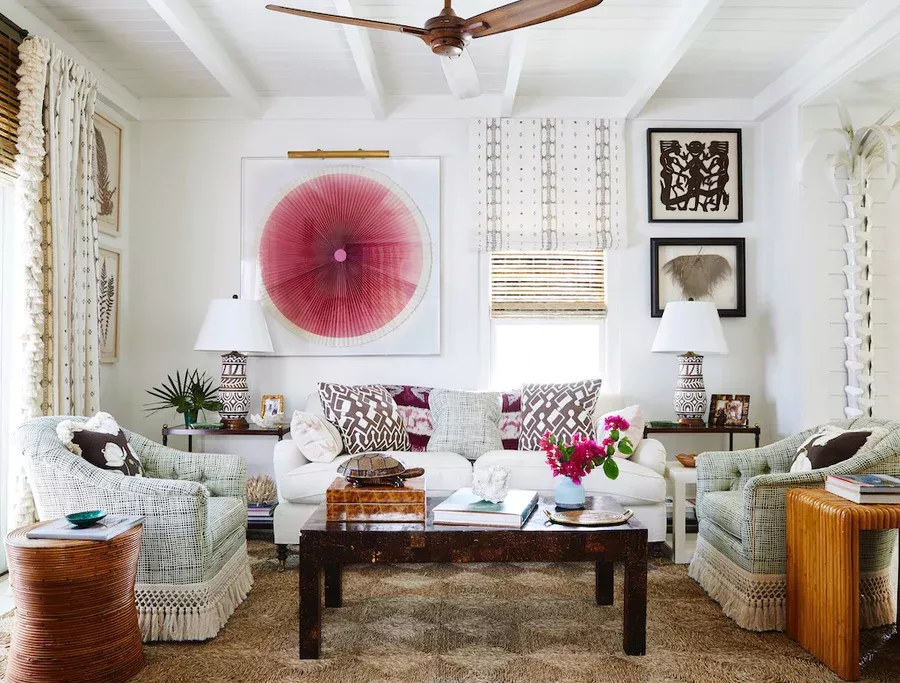
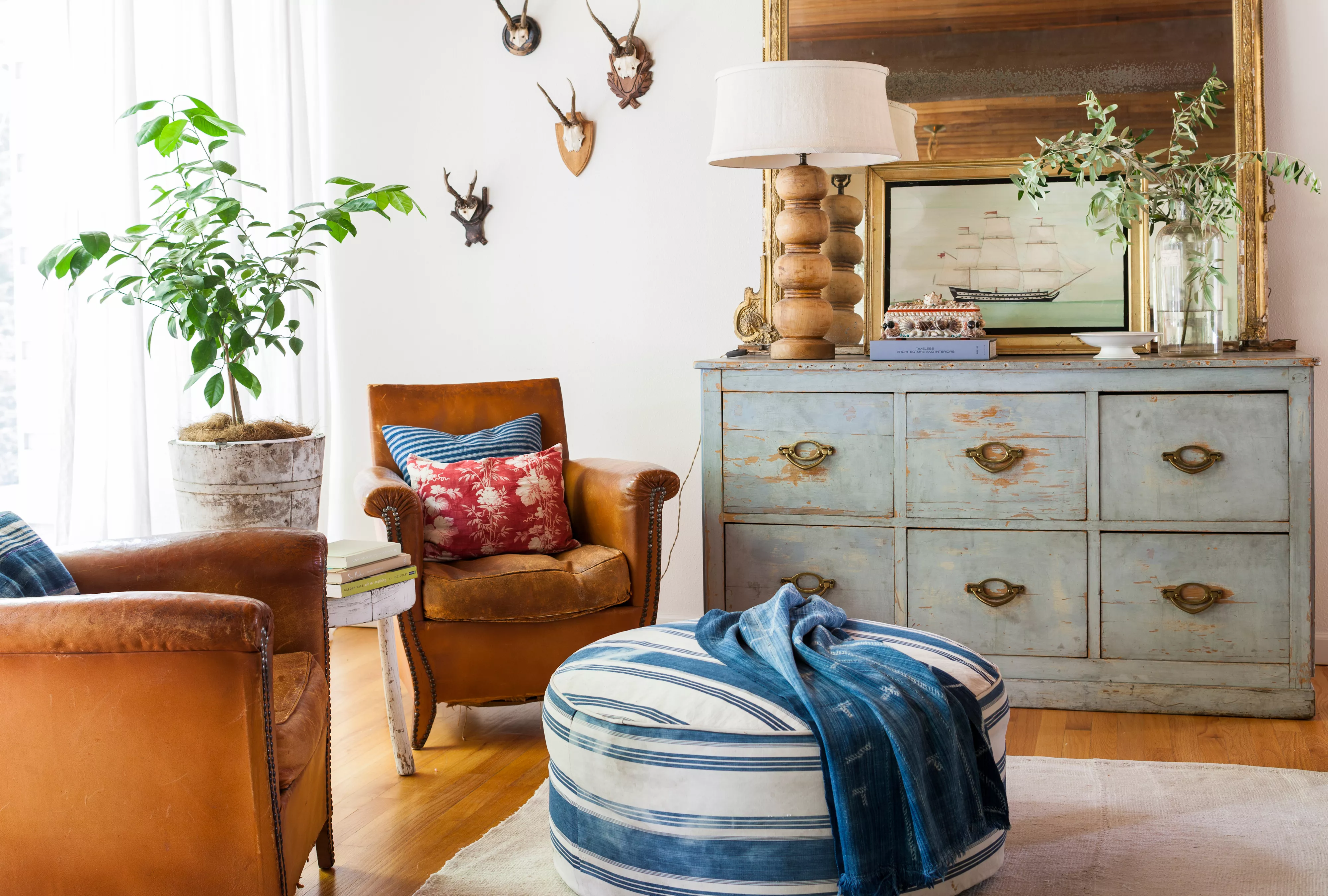
When it comes to selecting furniture, incorporating vintage pieces is highly recommended. Items inherited from family, discovered at flea markets, or chosen for their natural materials like reclaimed wood, marble, or rattan, offer timeless appeal and durability, transcending fleeting trends. Larger mirrors are advised for their ability to reflect light, expand space, and create a visual impact comparable to a window. For area rugs, opting for a larger size is preferable to a smaller one, as it better anchors a seating area and can be adjusted if needed, whereas a small rug risks appearing out of place. Effective storage solutions are also crucial to prevent clutter, with suggestions including furniture that integrates storage, beautiful boxes for tabletops, and decorative baskets to maintain order and a sense of freshness.
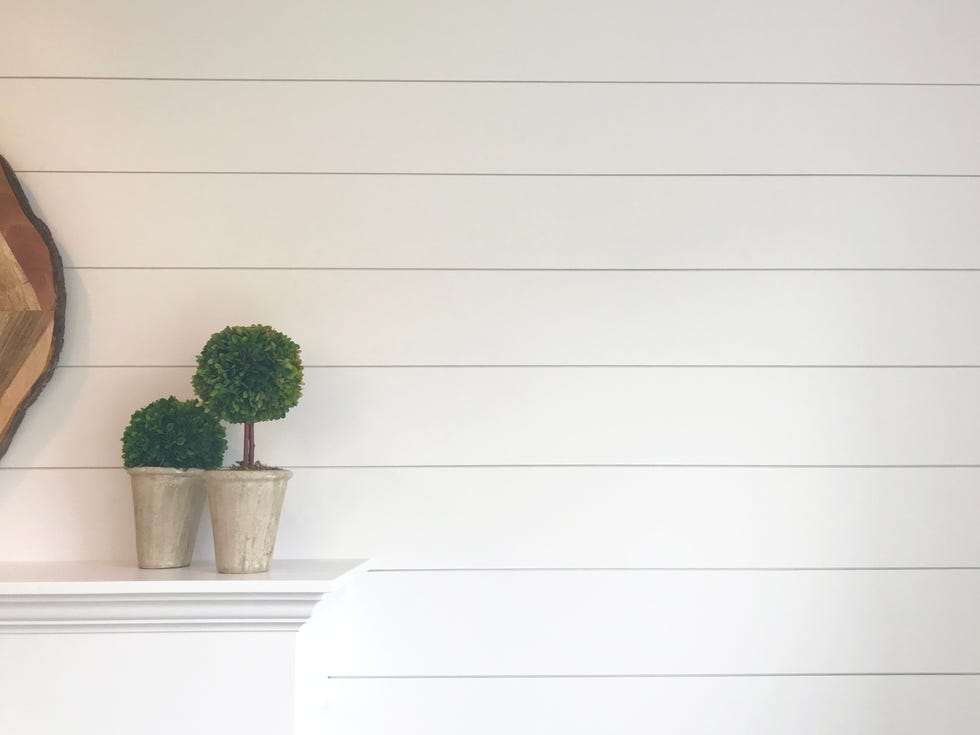
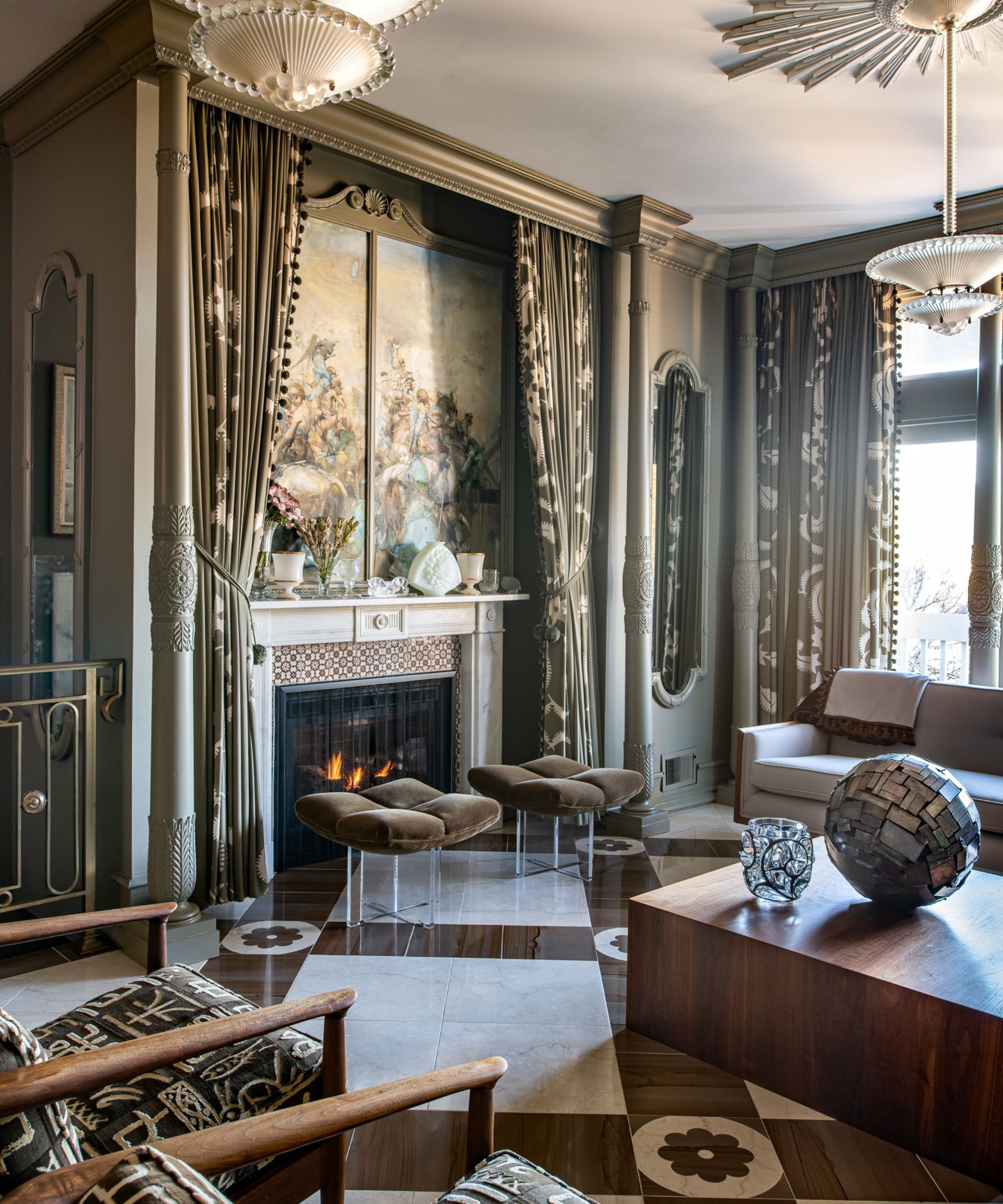
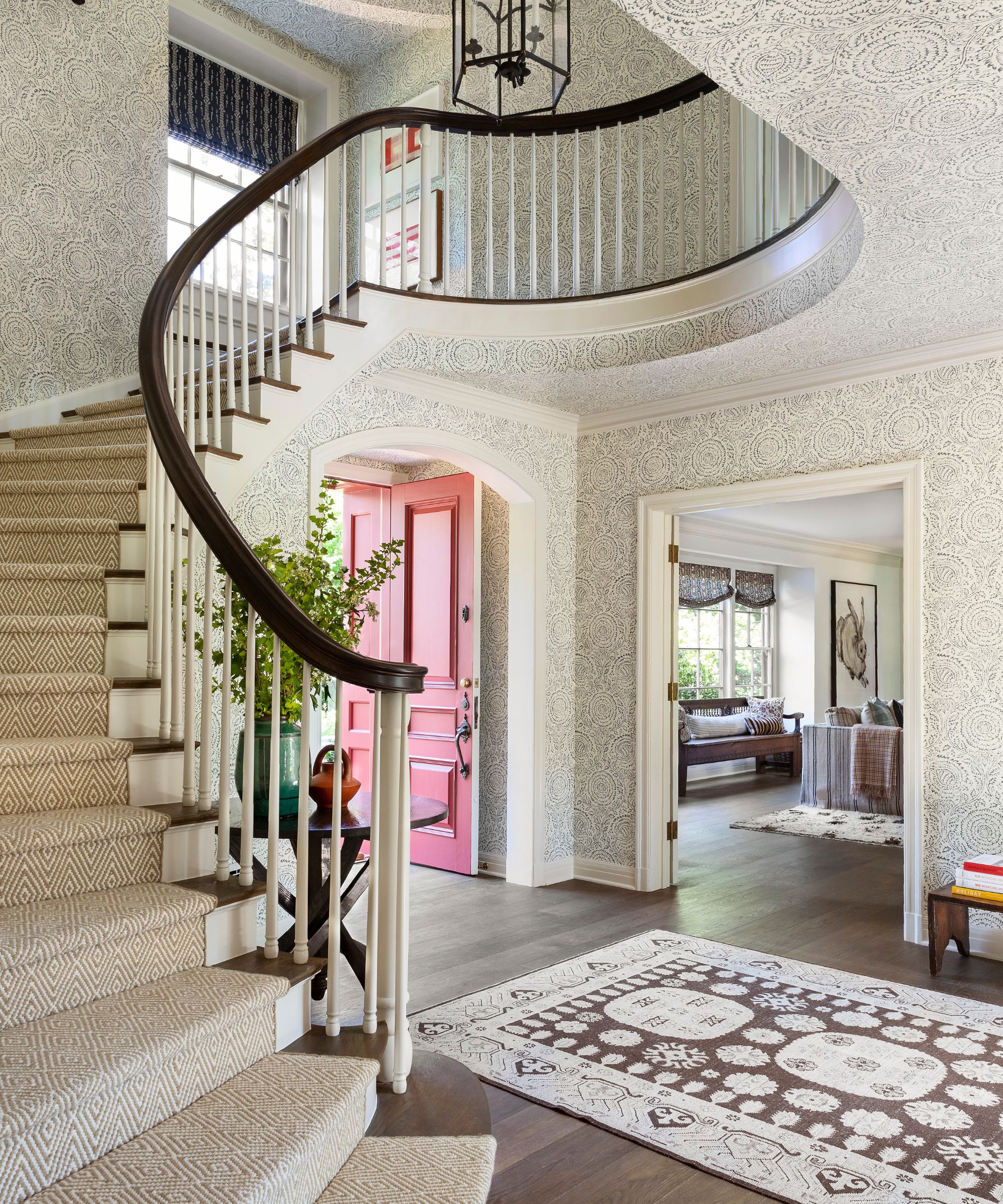
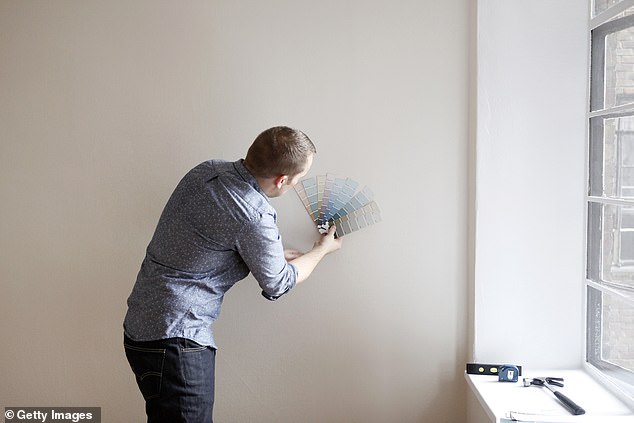
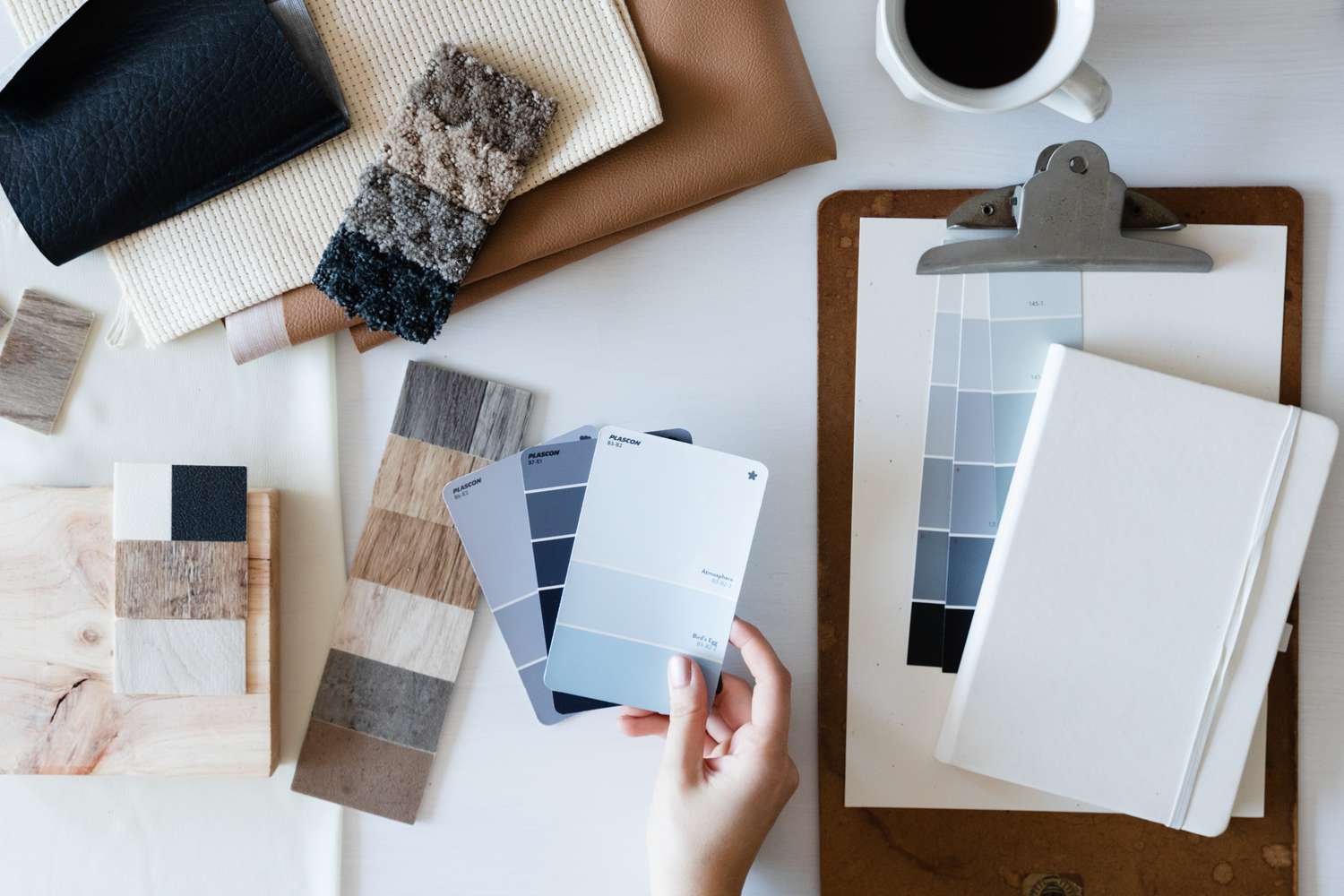
Choosing a wall color requires careful consideration of how light interacts with the room throughout the day. It is recommended to test paint colors on large paper samples and observe them during different times to ensure the shade feels right in all lighting conditions. Neutral palettes and textures are considered timeless, providing a versatile foundation that can be enlivened with dark accents. Color can then be introduced through artwork and accessories, allowing for easy updates as trends change. A less conventional tip suggests avoiding white ceilings, instead advocating for a monochromatic scheme that extends the wall color to the ceiling, which can make even bold colors appear more subtle and create a more enveloping mood.
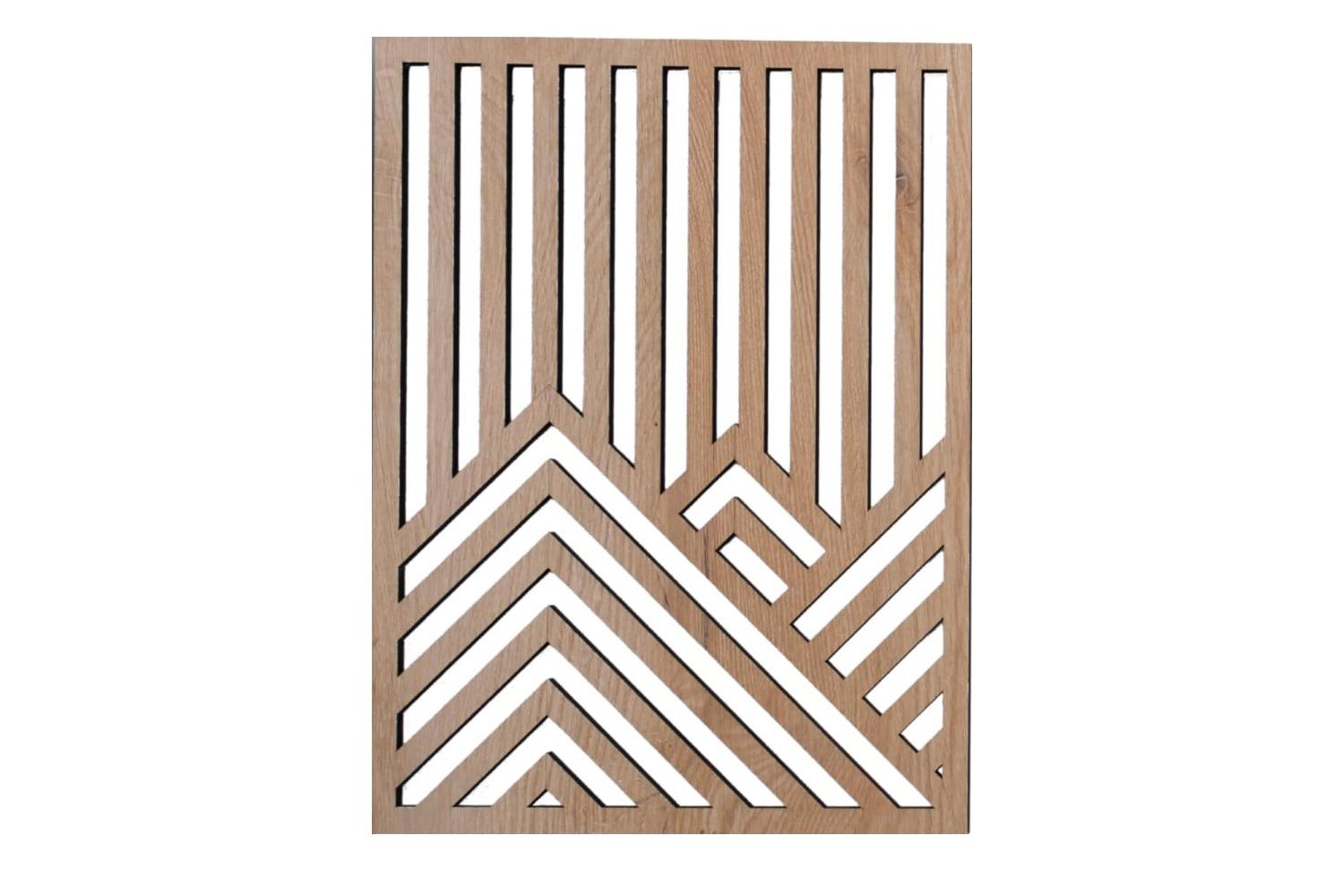
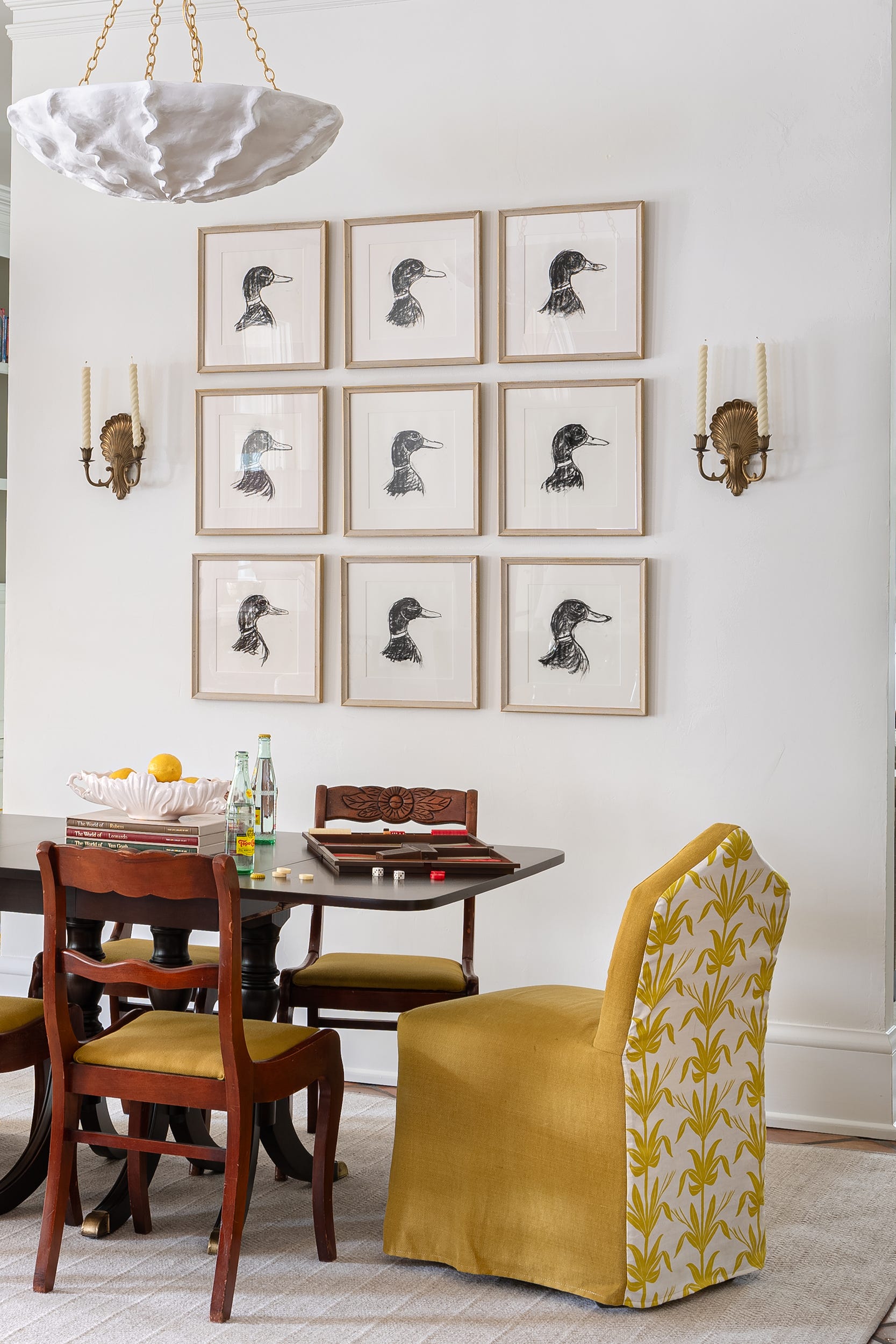
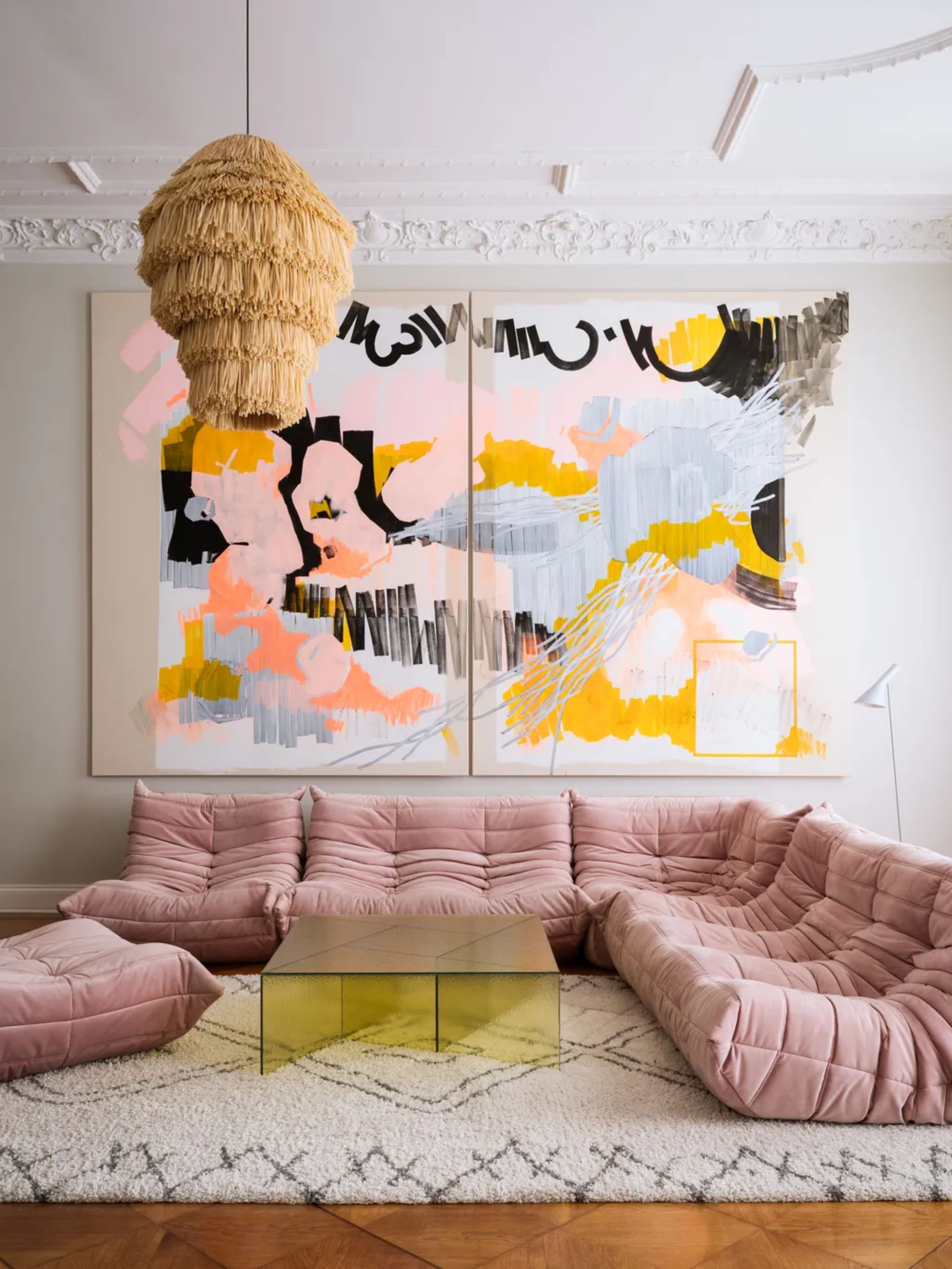
Art collection is another key aspect of personalizing a home. Starting an art collection early is encouraged, emphasizing that art does not need to be expensive. Commissioning works from emerging artists or acquiring pieces from local art fairs and studios allows for the creation of a unique collection that tells a personal story. When displaying multiple pieces, hanging them at eye level and spacing them a few inches apart creates a cohesive look. Finally, putting all elements together involves mastering scale and spatial planning. Reducing clutter makes a room feel larger and calmer. Using tools like tape measures, painter's tape, and cardboard templates can help in visualizing furniture placement and ensuring that all pieces, from sofas to accessories, are appropriately sized and positioned to allow comfortable movement within the space. Carrying a pocket tape measurer is useful for those who enjoy collecting pieces from antique stores and flea markets, ensuring new acquisitions fit seamlessly into the existing design.
#HomeDecorTips #InteriorDesign #FurnitureSelection #ArtCollecting #WallColor #SpatialPlanning #VintageDecor #TimelessDesign #PersonalStyle #HomeDecorTips #InteriorDesign #FurnitureSelection #ArtCollecting #WallColor #SpatialPlanning #VintageDecor #TimelessDesign #PersonalStyle
0 comment in total
 No comments yet
You may also like
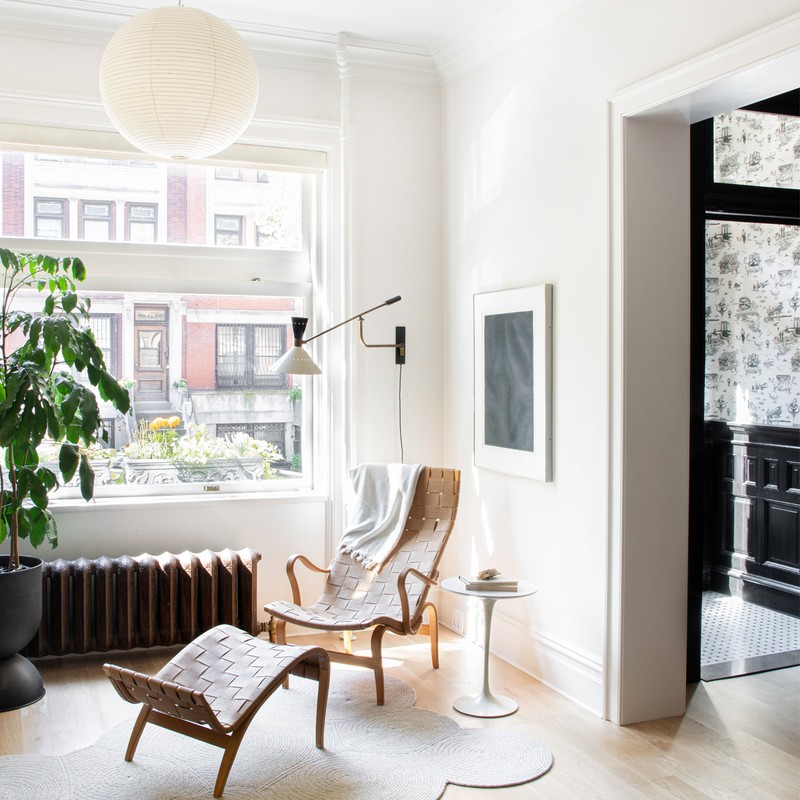
19 Tips From A Top Interior Designer

From the Wrong Rug Size to Too-Short Curtains, Interior Designers Share Their Biggest Pet Peeves

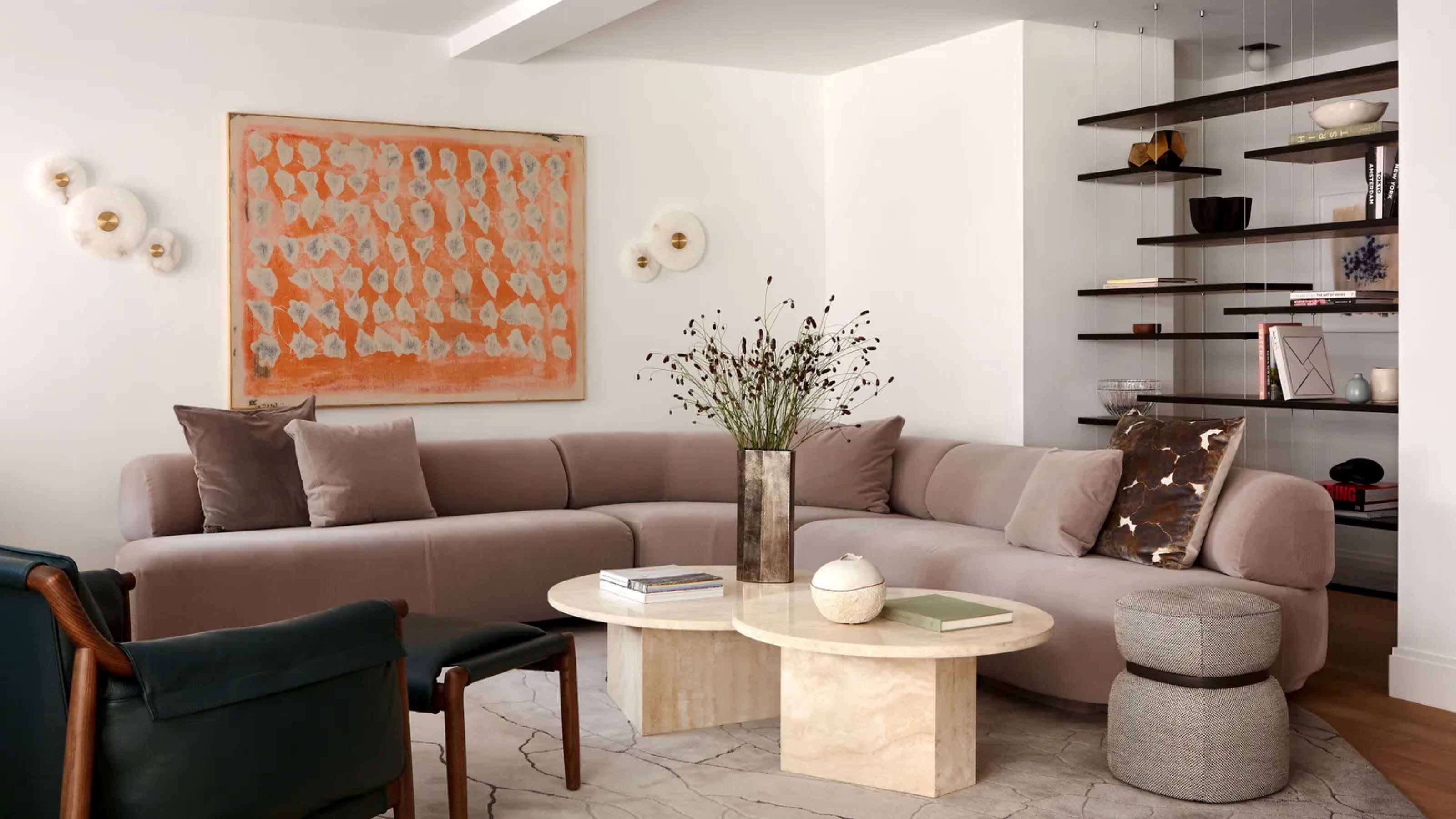
I Asked Interior Designers to Share the Worst Decorating Trends They've Seen on Social Media

Interior Designers Share the Items in Their Homes That They’d Buy Time and Time Again

"It's Like I'm On An HGTV Acid Trip": People Are Denouncing The Worst Home Design Features

The 10 Biggest Interior Design No Nos According to Decorators
7 Decor Pieces Designers Ditch for a Cleaner, More Cohesive Look
5 golden rules of home décor from an Irish interior designer

10 Interior Design Mistakes Experts Avoid In Their Own Homes

7 Reasons Your Home Looks Dated, According to Designers

Interior Designers Share Their Best Traditional Design Tips

The 5 Design Rules That Are Meant to Be Broken—and What to Do Instead
5 Tacky Home Decor Items That Instantly Make a Home Look Bad, According to Designers

These Trendy Home Additions Will Look "Dated" in 2026, According to Designers

Expert reveals the interior design trends that will make your home look dated
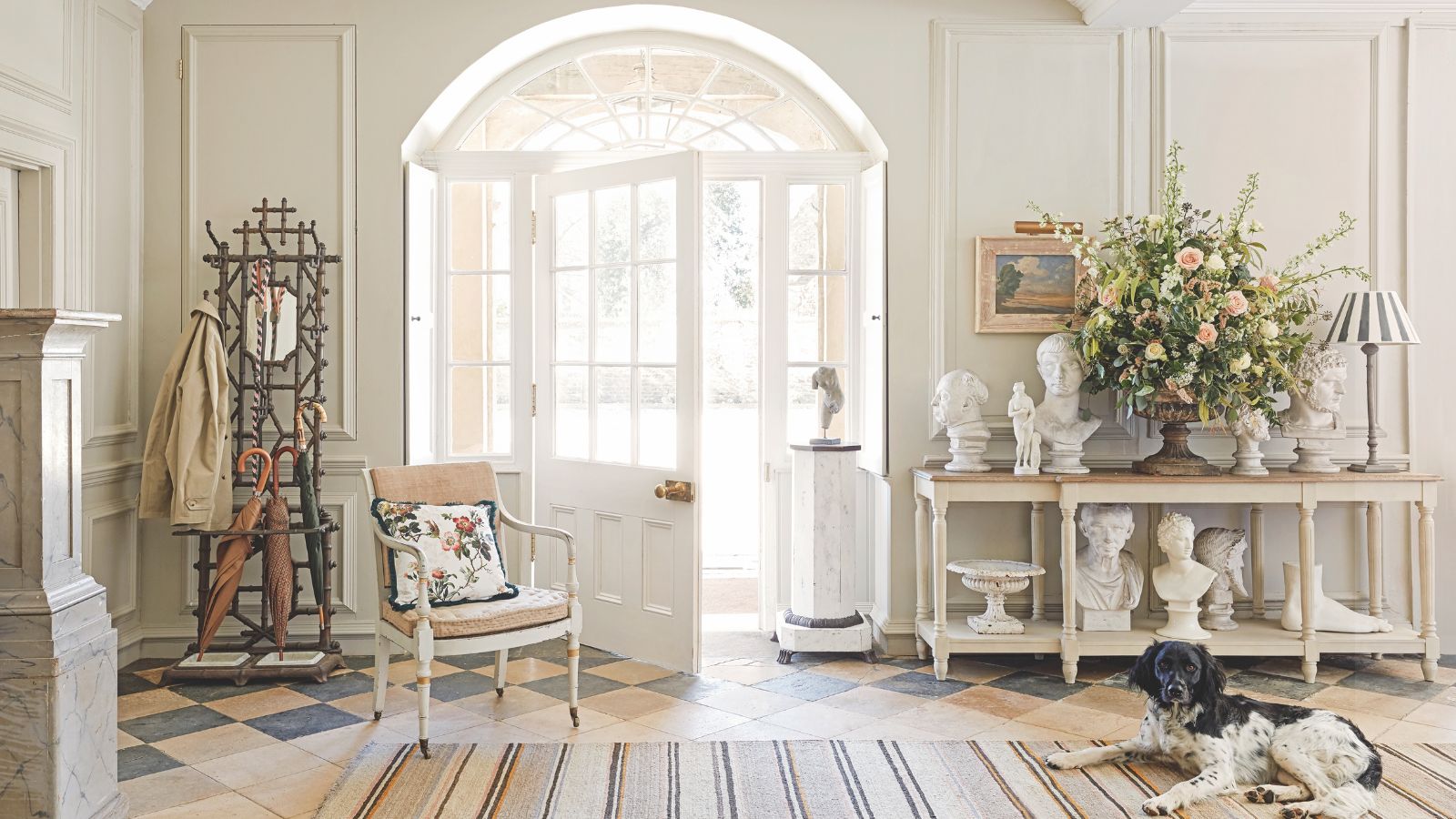
Interior designers on the best piece of decorating advice they inherited from their parents and grandparents

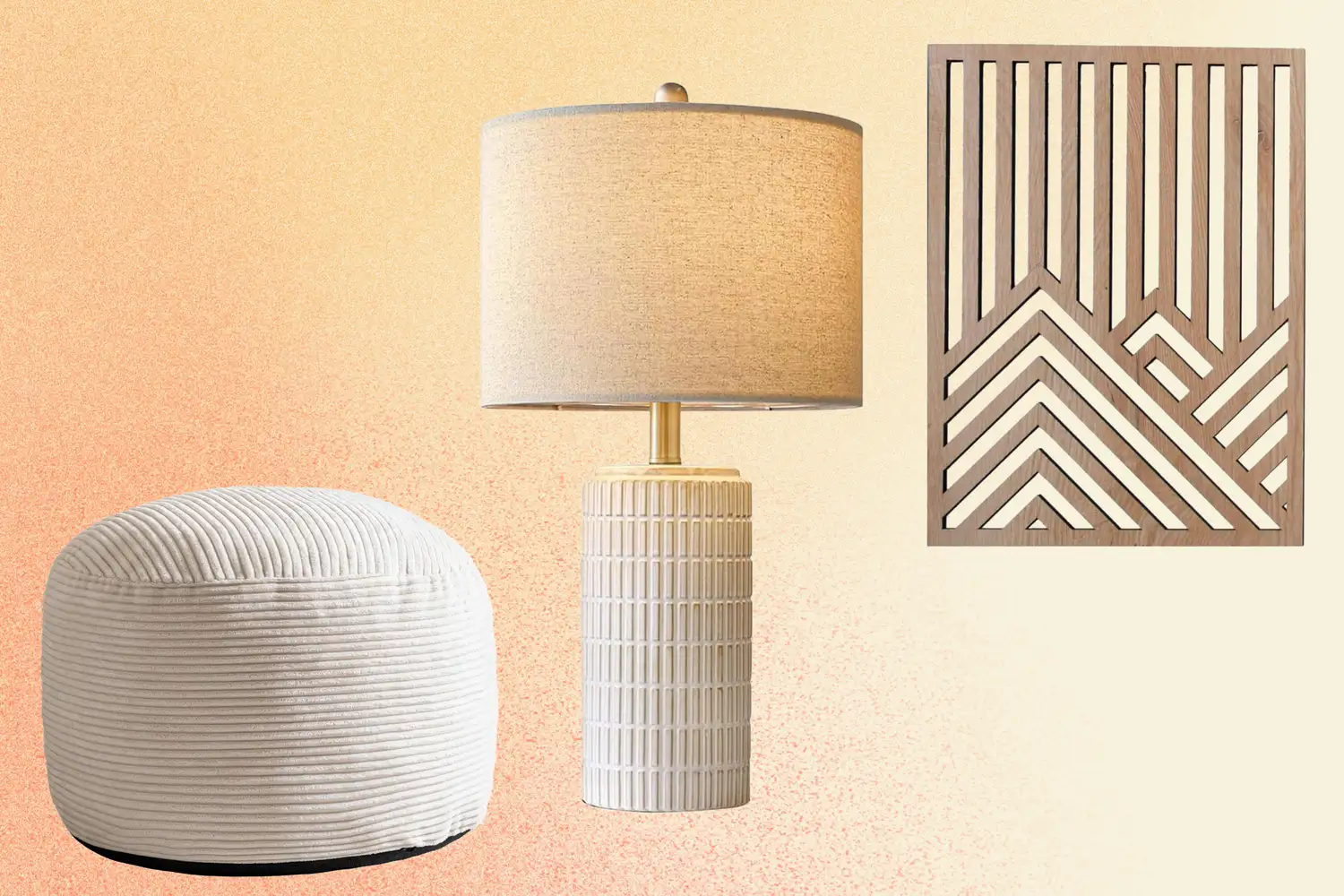
Designers Say These 4 Decor Trends Are Super Outdated—Update Your Home With These 8 Finds Instead
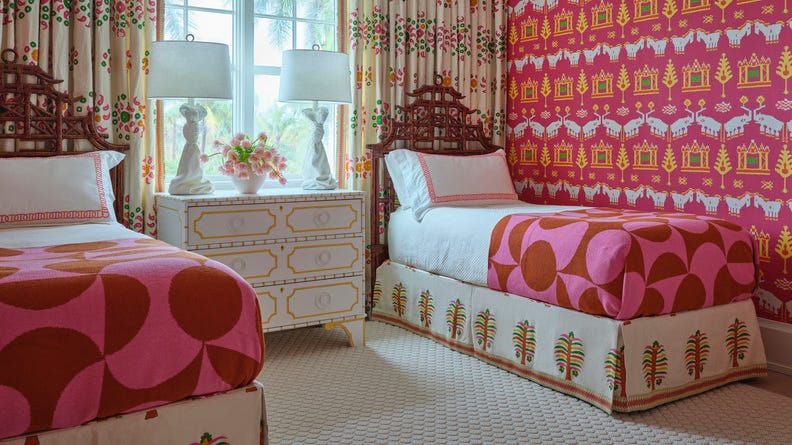
Design Insiders Reveal Their SECRETS to Decorating Your Home Like a Pro
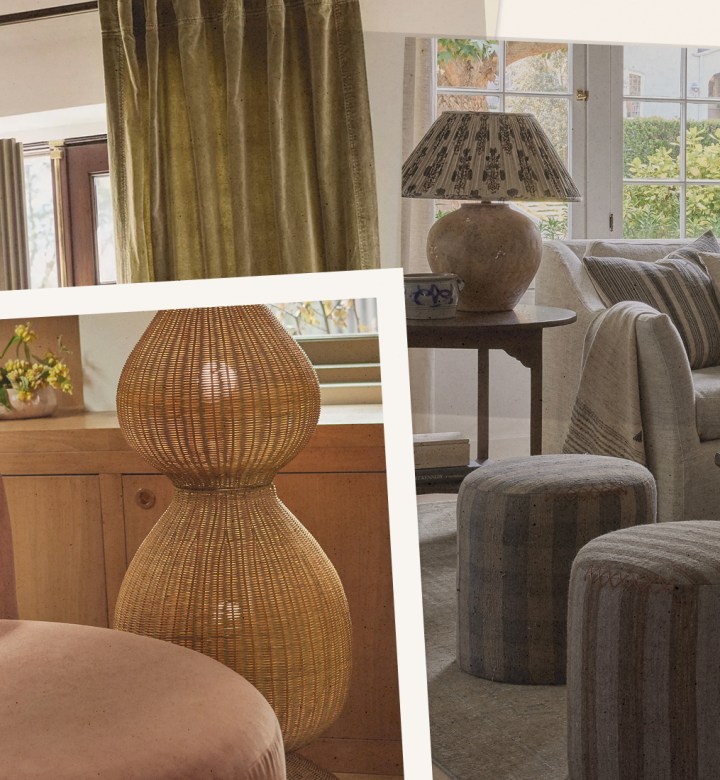
The 5 Rules of Decorating a Living Room in 2025 (Don’t Worry—They’ll Still Hold Up in 2030)

The Differences Between an Interior Designer and an Interior Decorator