1/4
The 5 Design Rules That Are Meant to Be Broken—and What to Do Instead
The field of interior design is constantly evolving, blending contemporary trends with established traditions. This dynamic environment prompts a re-evaluation of rigid design 'rules' in favor of personalized and authentic spaces. This article explores five traditional design rules that can be effectively broken, offering alternative approaches from West Coast designers. These experts advocate for homes that reflect individual stories, character, and an element of unpredictability, rather than conforming to conventional norms.
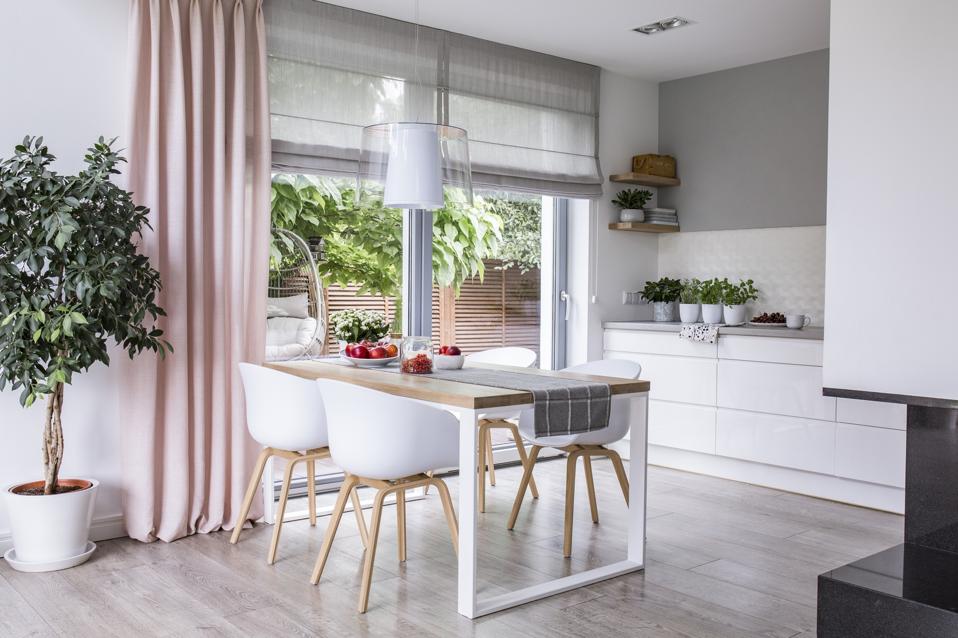
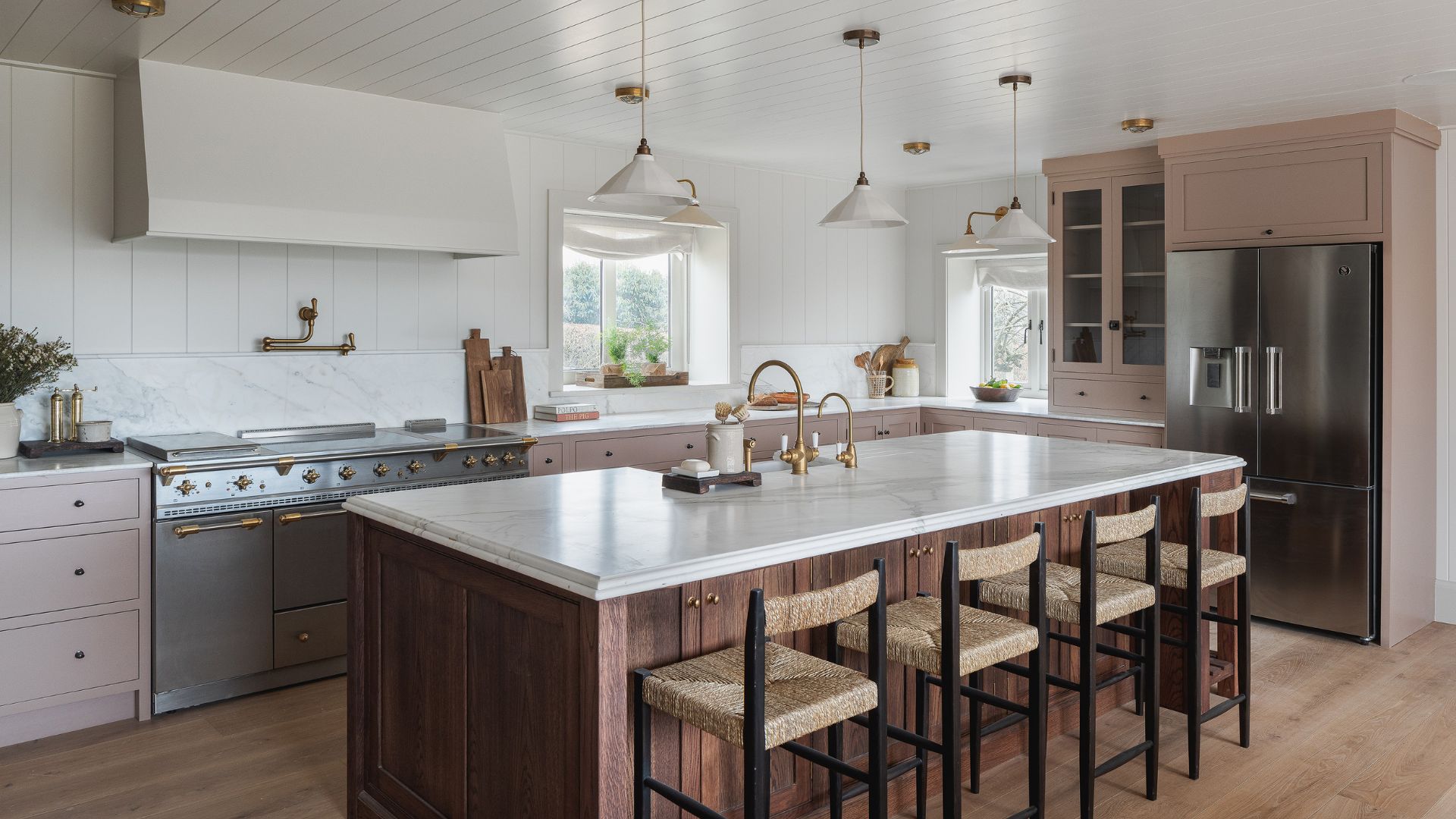
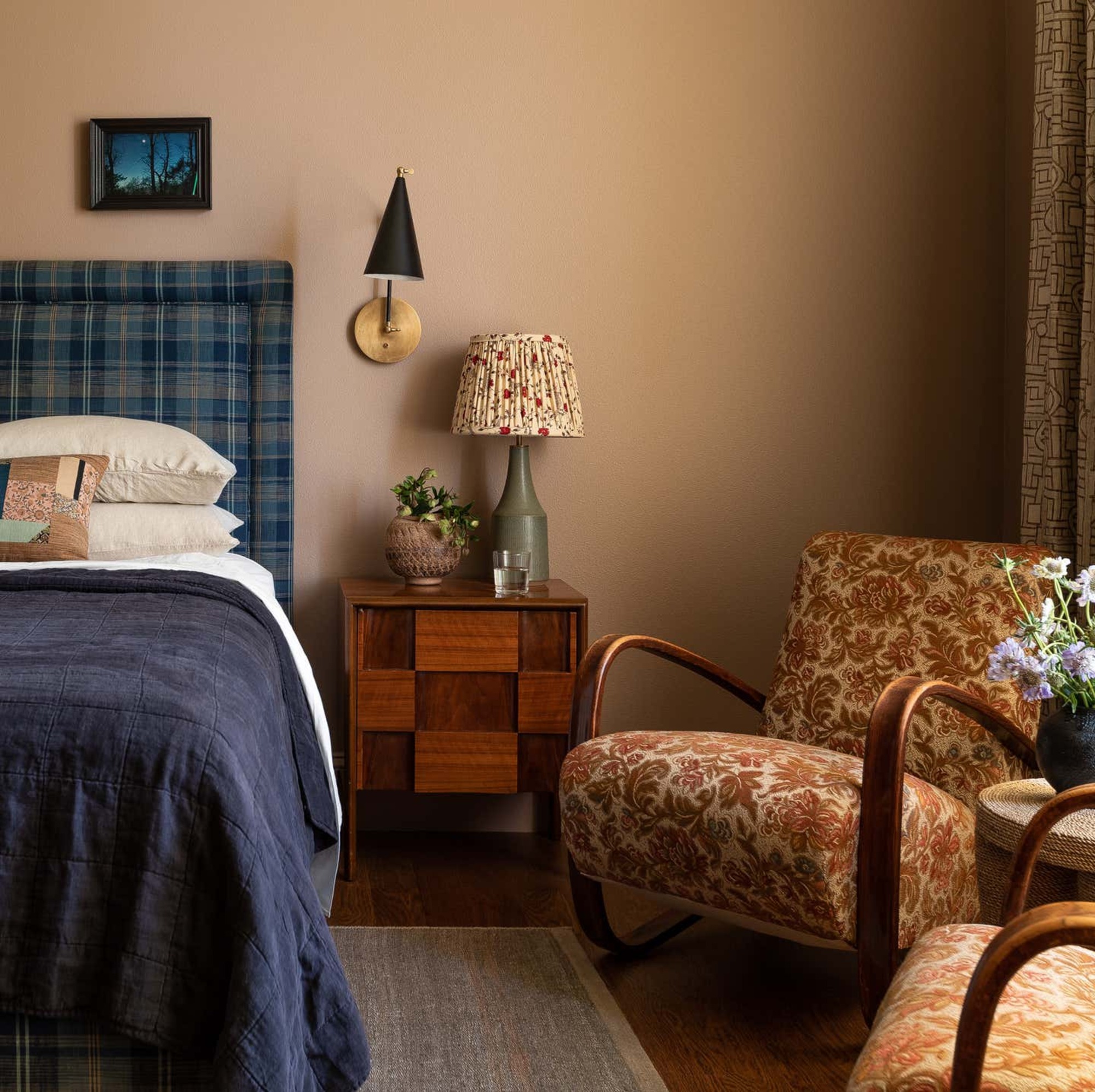
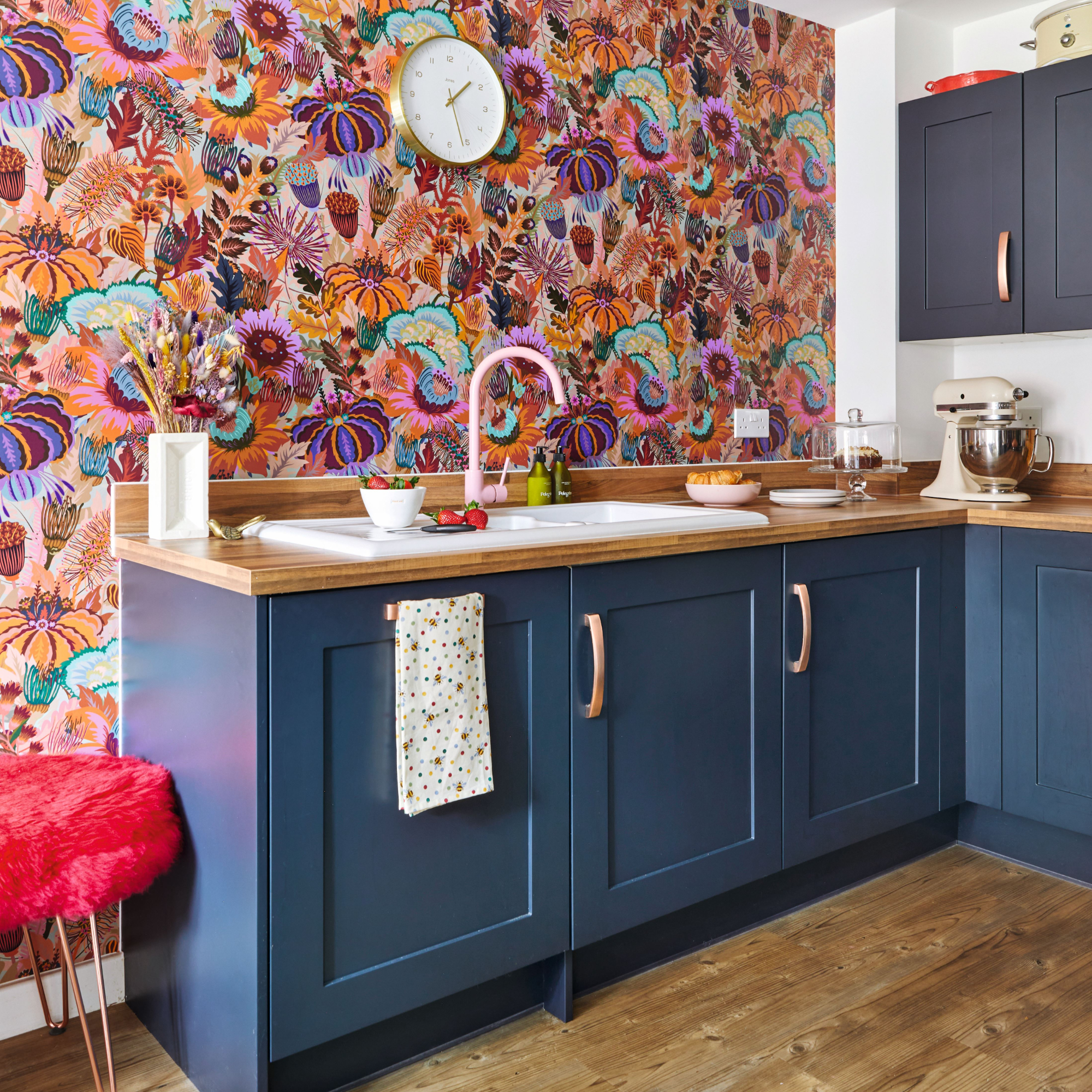
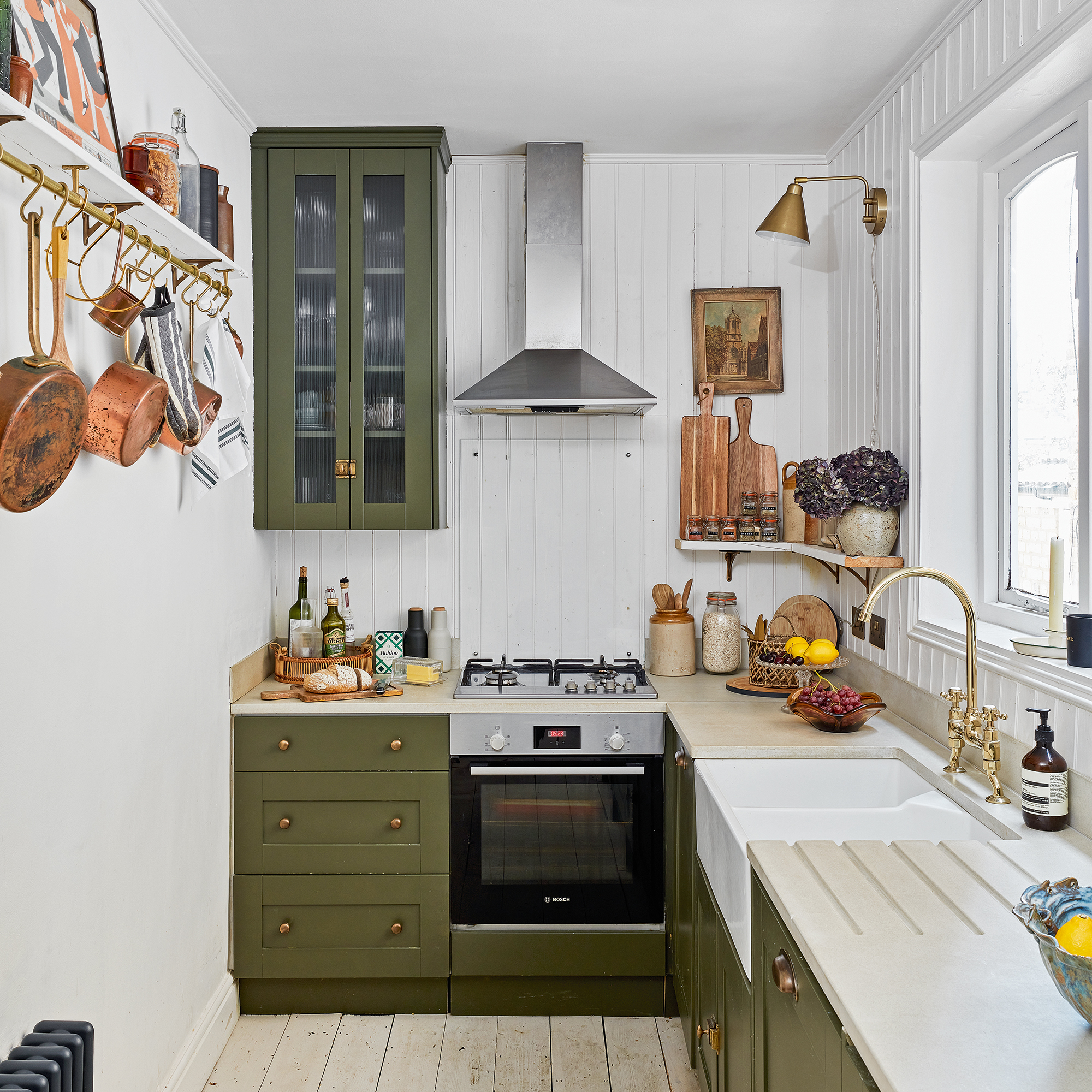
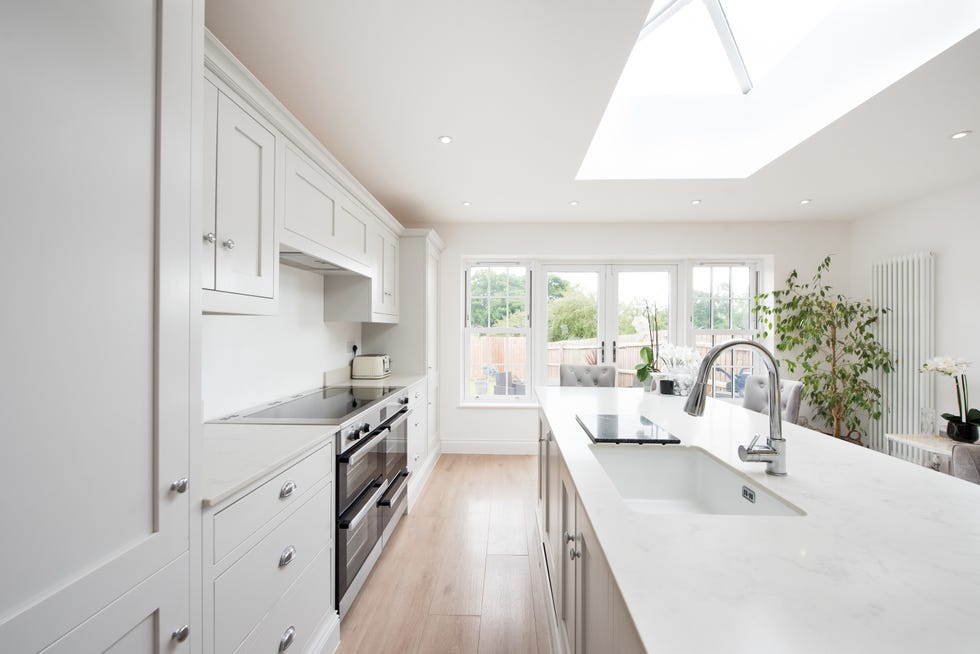
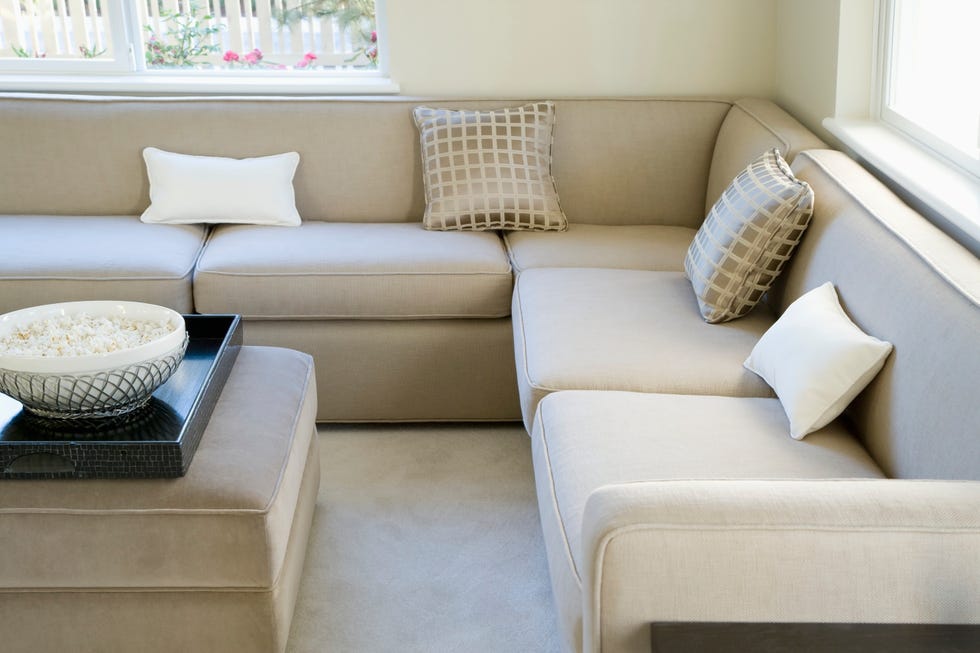
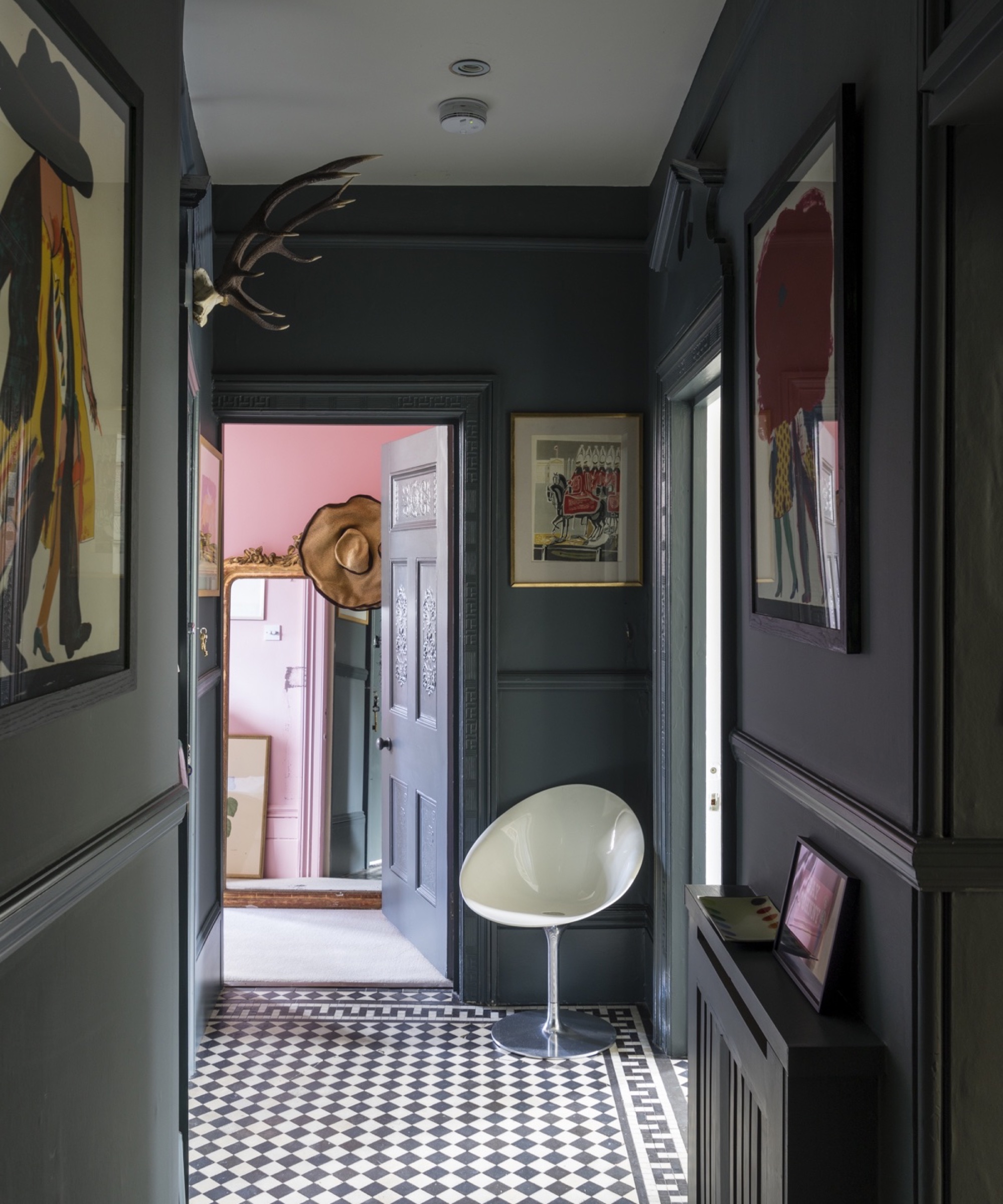
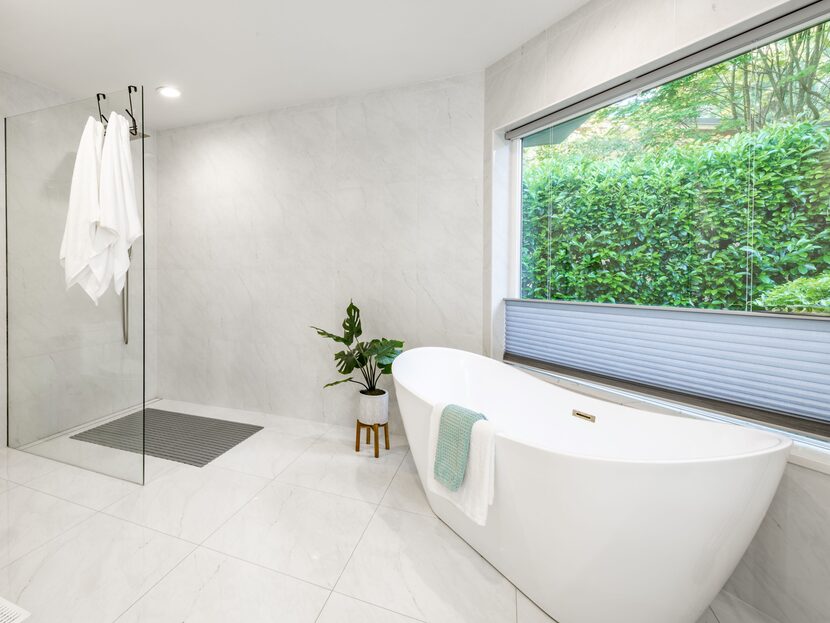
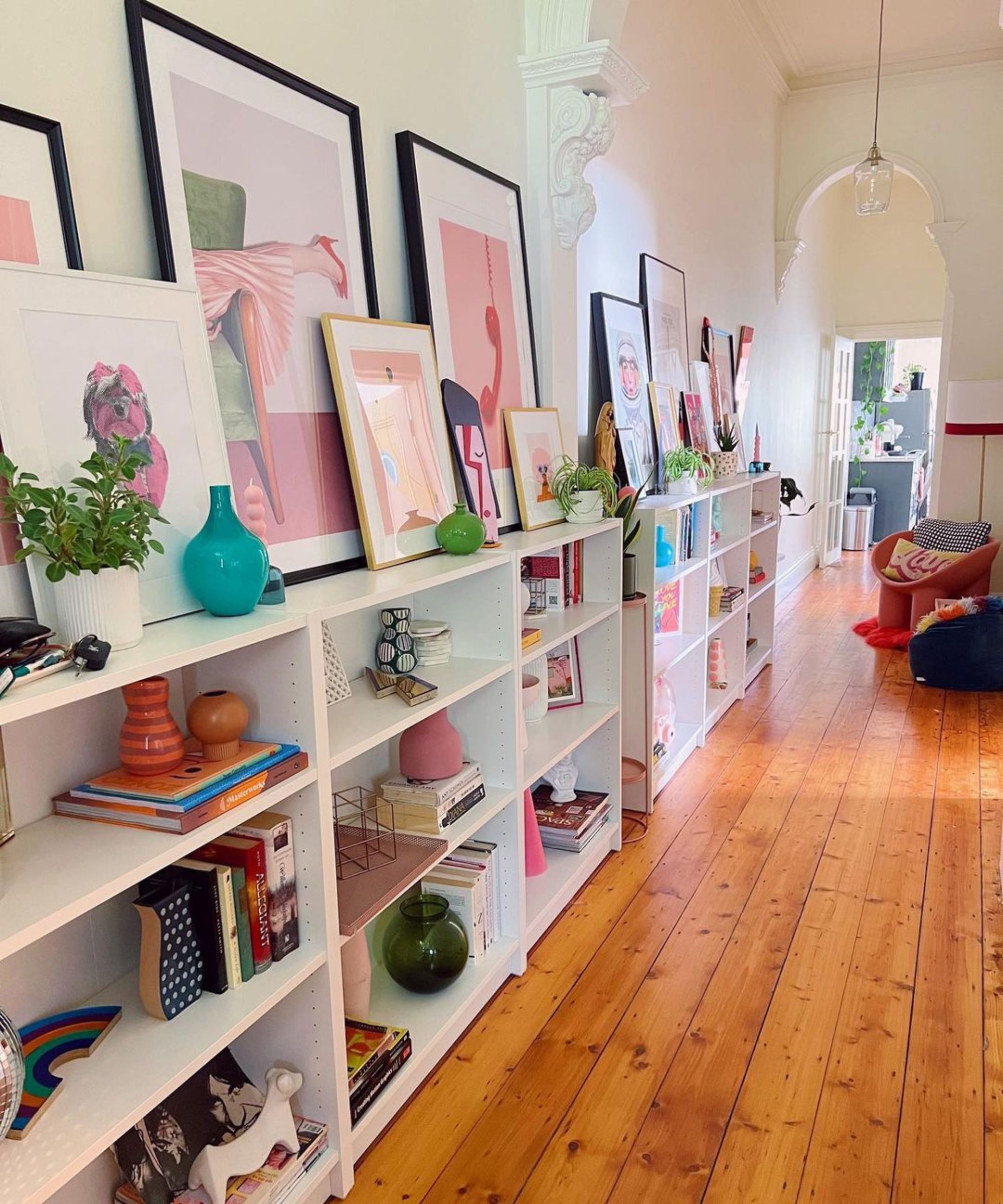
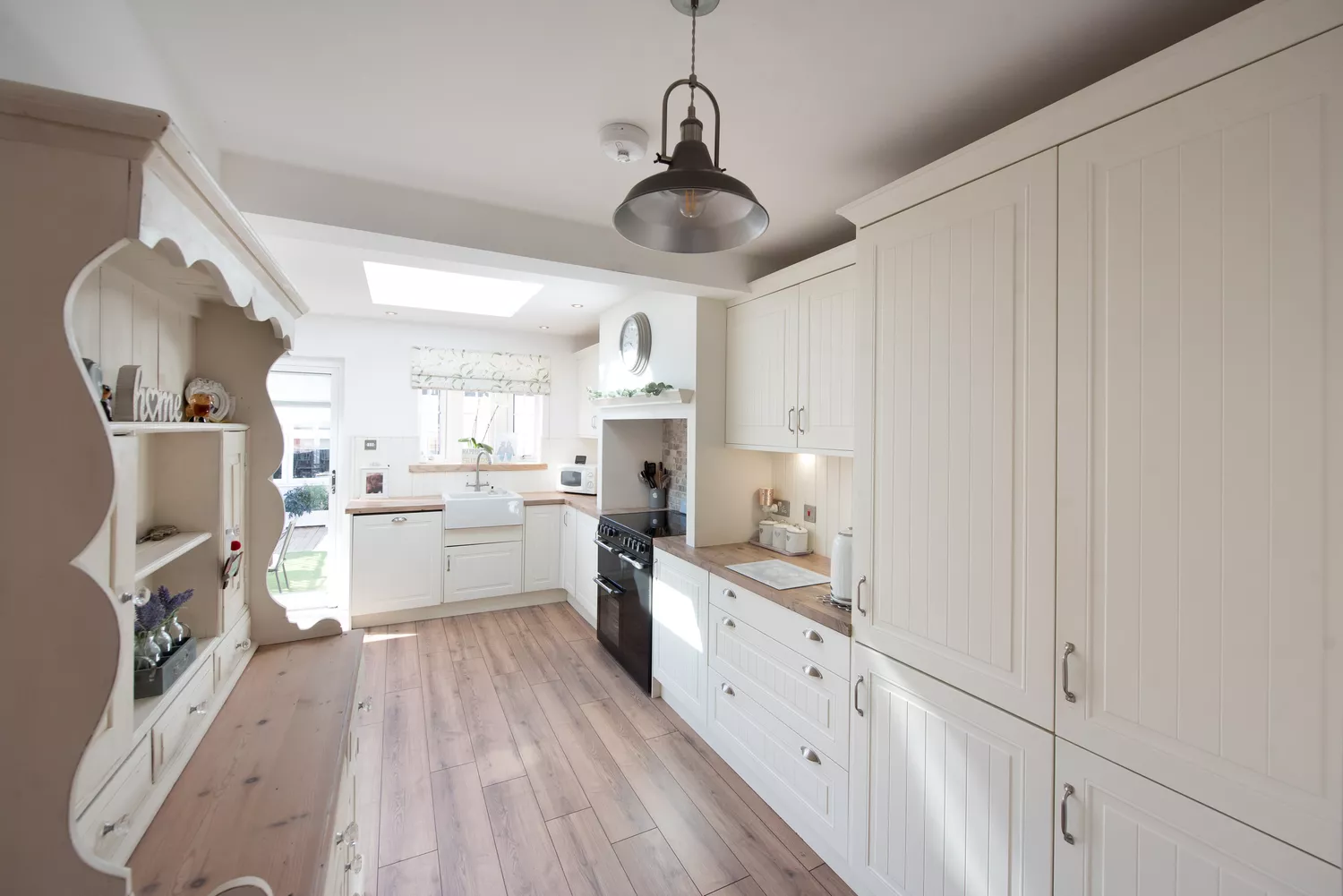
One significant rule challenged is the exclusive use of neutral color palettes. While neutrals are popular for their calming effect and perceived timelessness, designers argue that an over-reliance on them can lead to uninspired and generic interiors. Shane Brown, founder of Big Daddy’s Antiques and The Well, suggests that adhering strictly to neutrals can result in rooms resembling commercial waiting areas. Instead, he proposes incorporating a substantial percentage of vintage or antique items, ideally around 60% of a room's contents. These pieces are believed to infuse a space with history, personality, and a unique 'heartbeat,' allowing a home to tell the homeowner's story rather than mimicking retail catalogs.
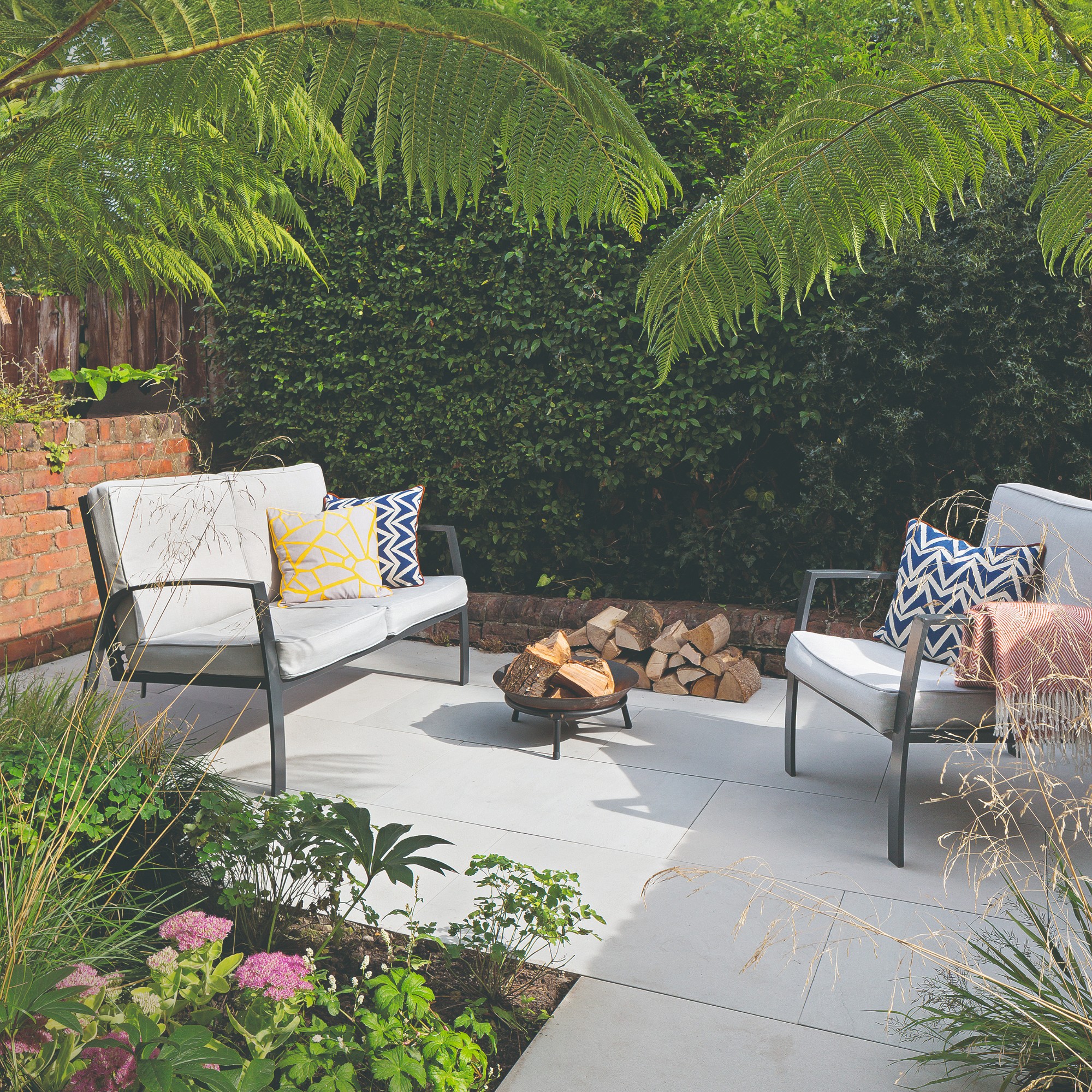
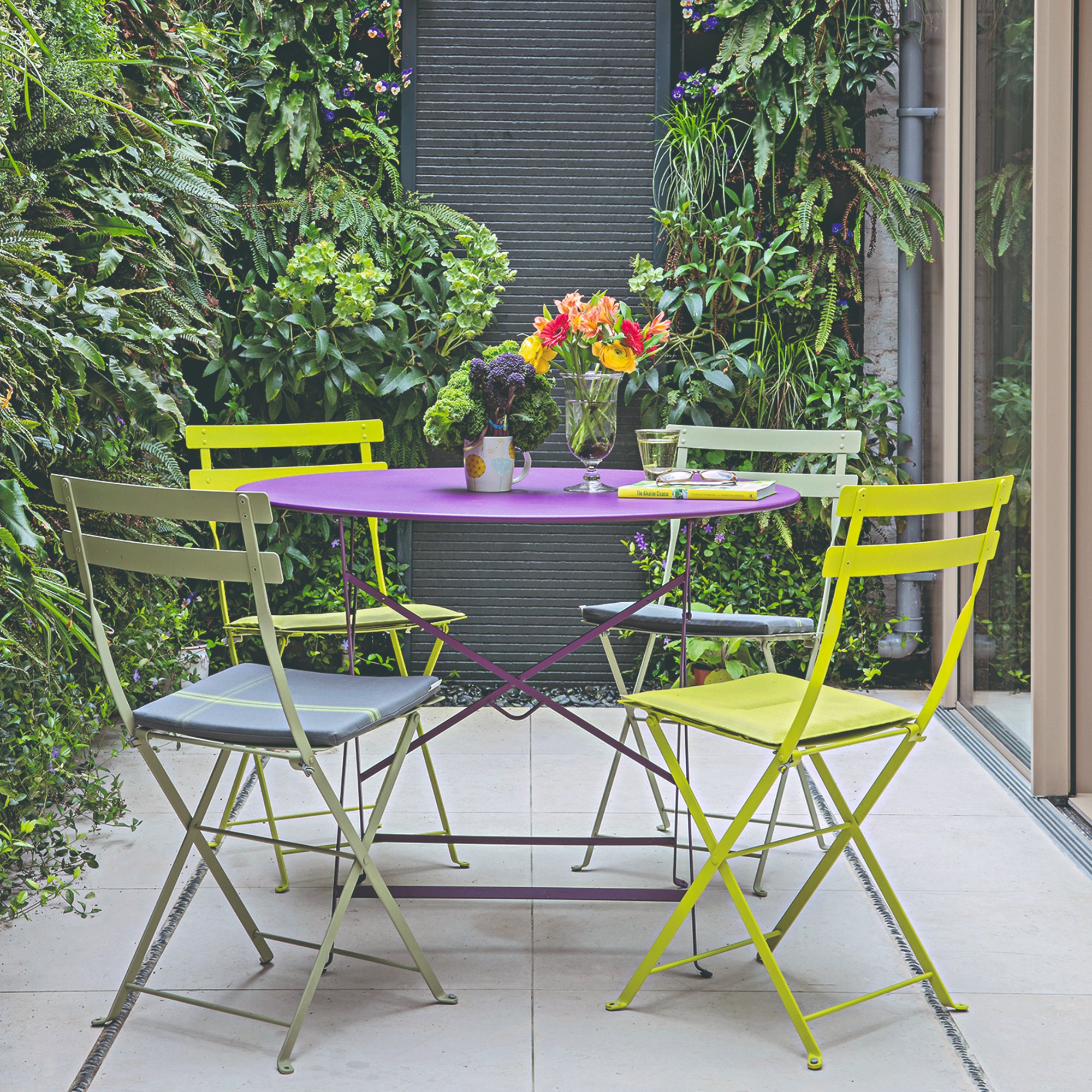
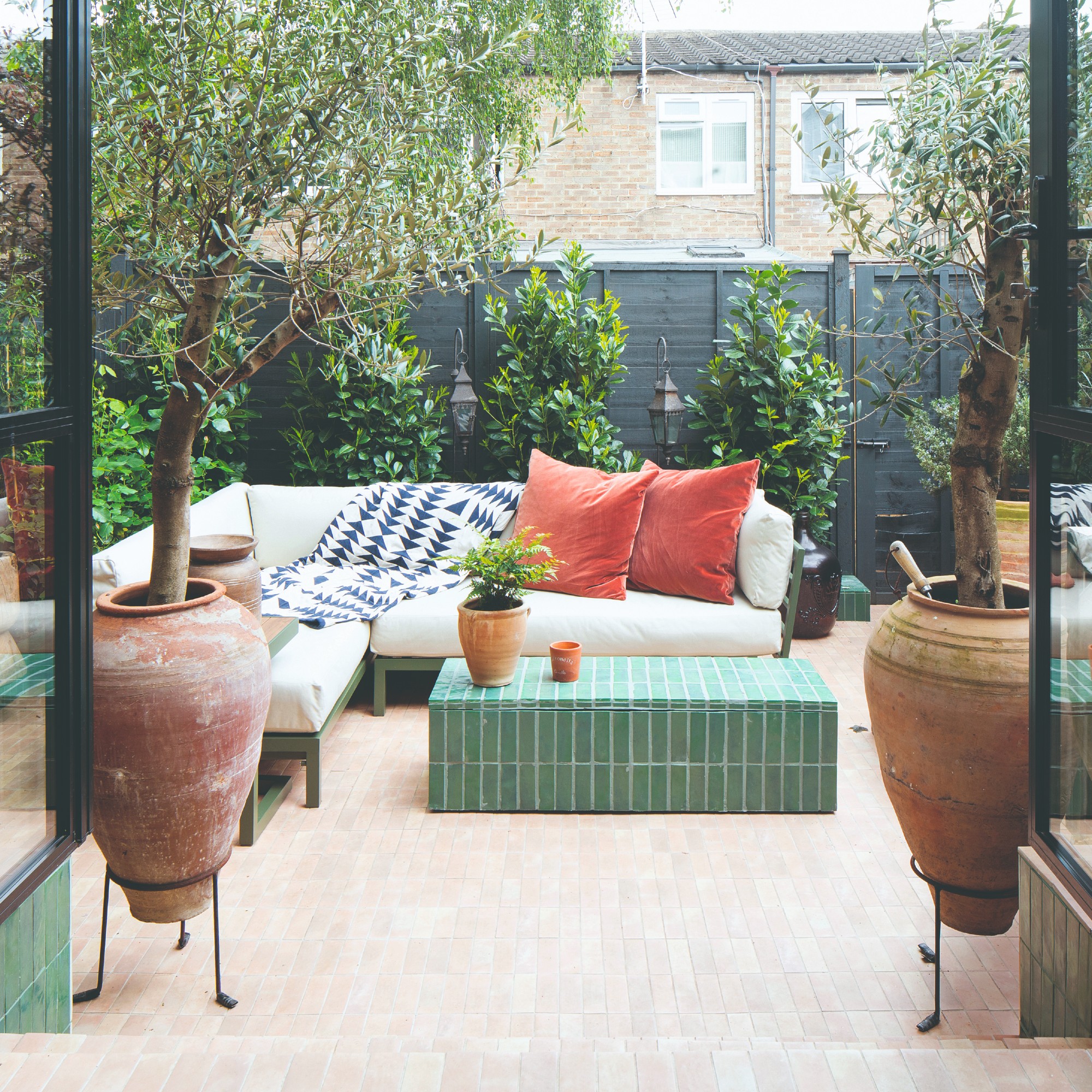
Another convention frequently questioned is the segregation of outdoor furniture to exterior spaces. The article highlights that outdoor furniture, known for its quality and durability, can be seamlessly integrated into indoor settings. Shane Brown emphasizes that these pieces often possess a natural patina developed through exposure to elements, a quality that cannot be replicated with new items. By bringing weathered and aged outdoor pieces indoors, a space can gain an organic energy, a connection to nature, and an appreciation for imperfection over sterile perfection. This approach adds a sense of 'presence' that new, unblemished furniture might lack.
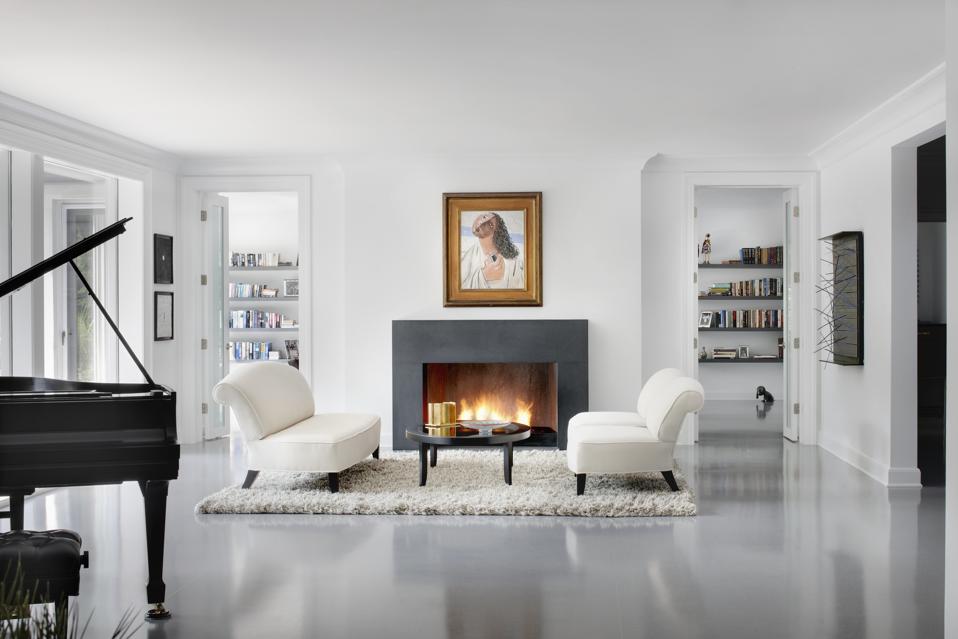
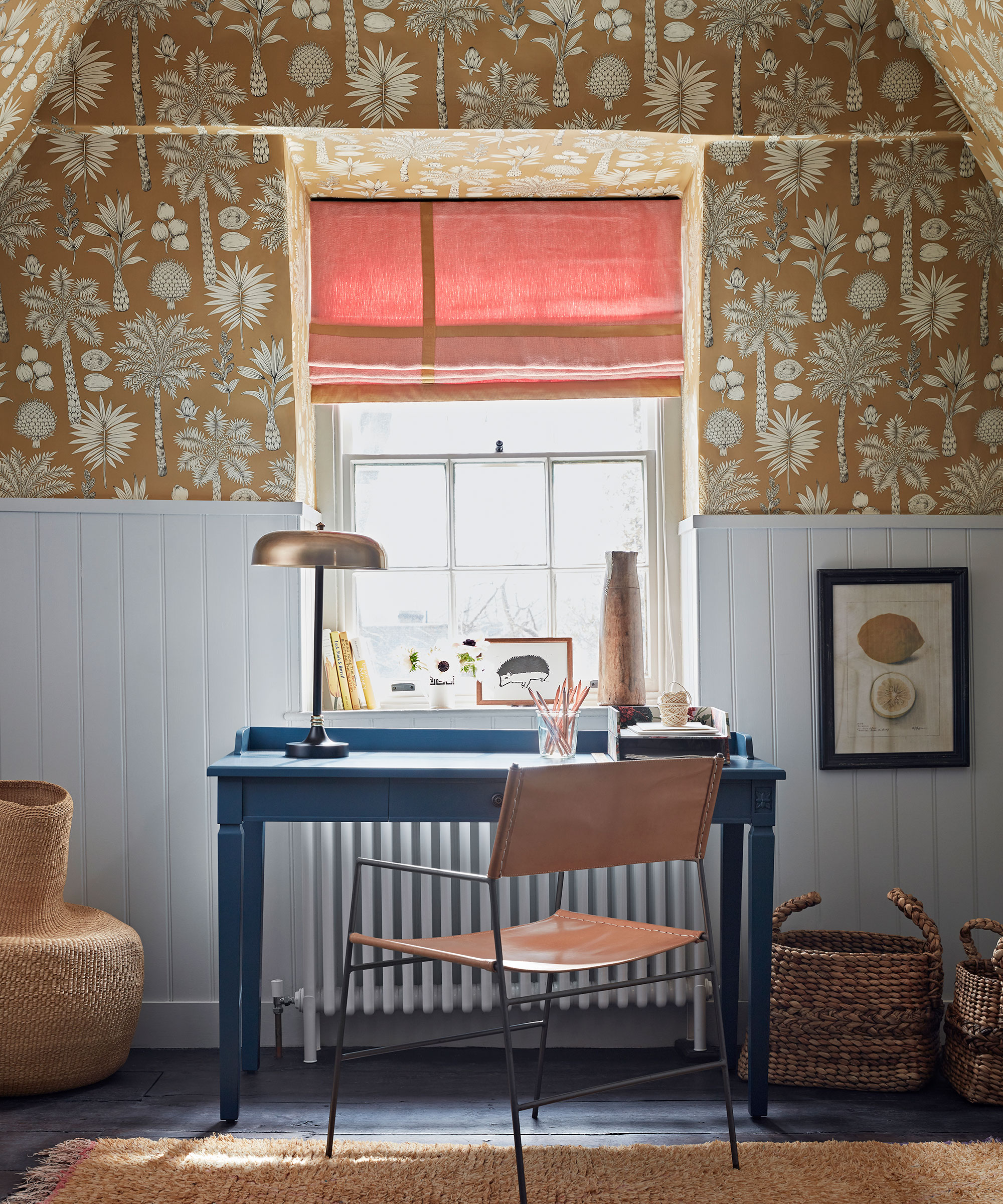
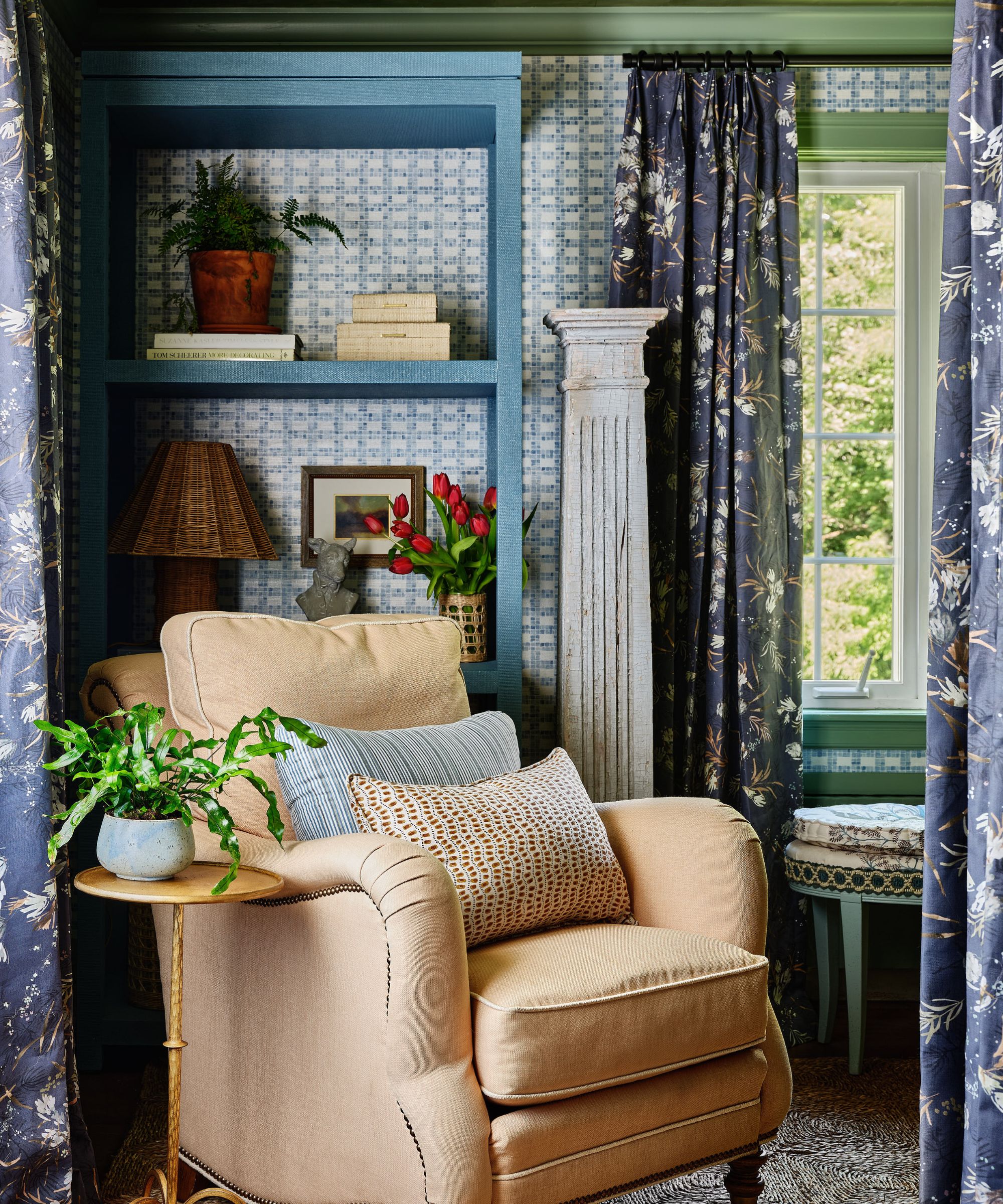
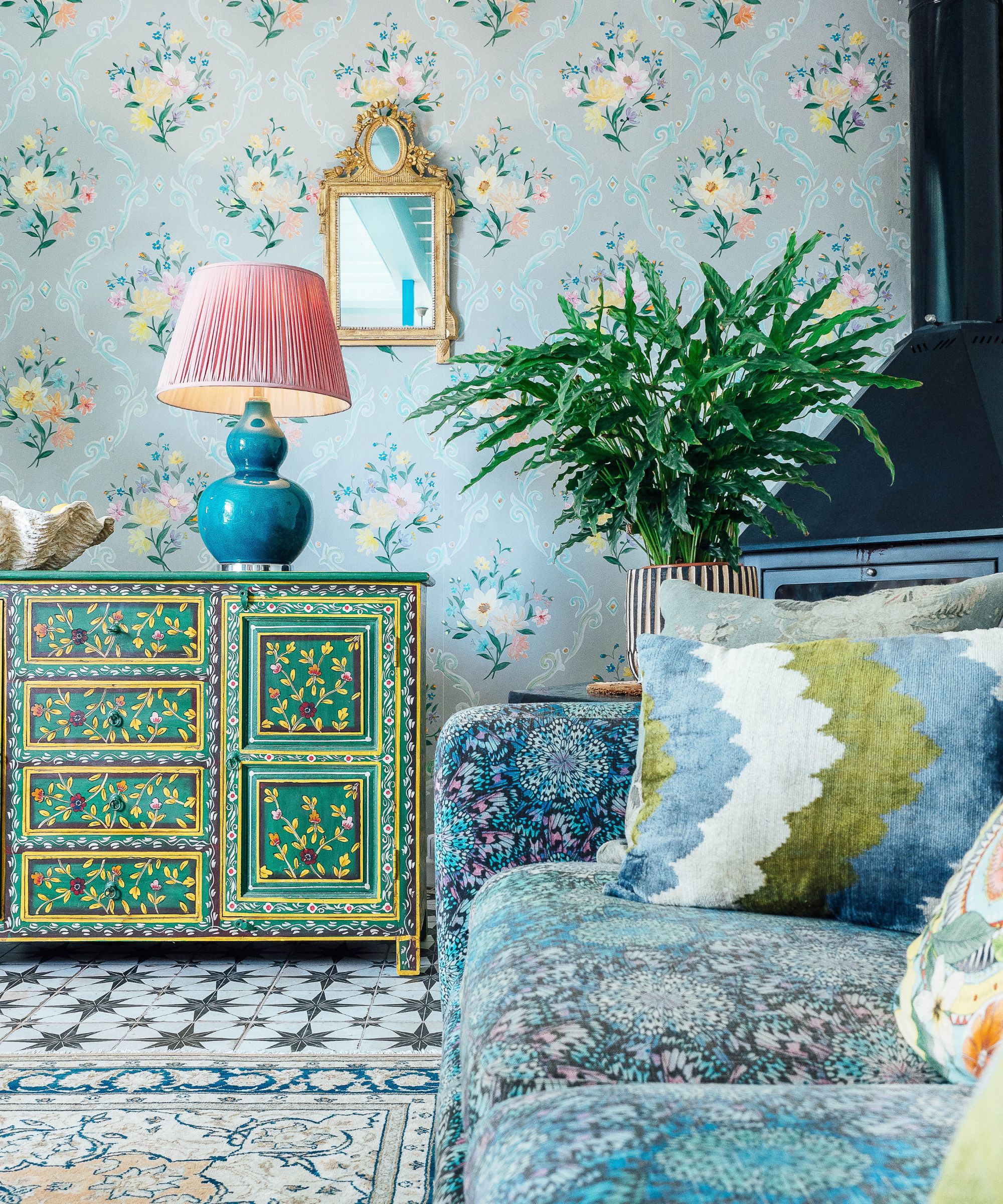
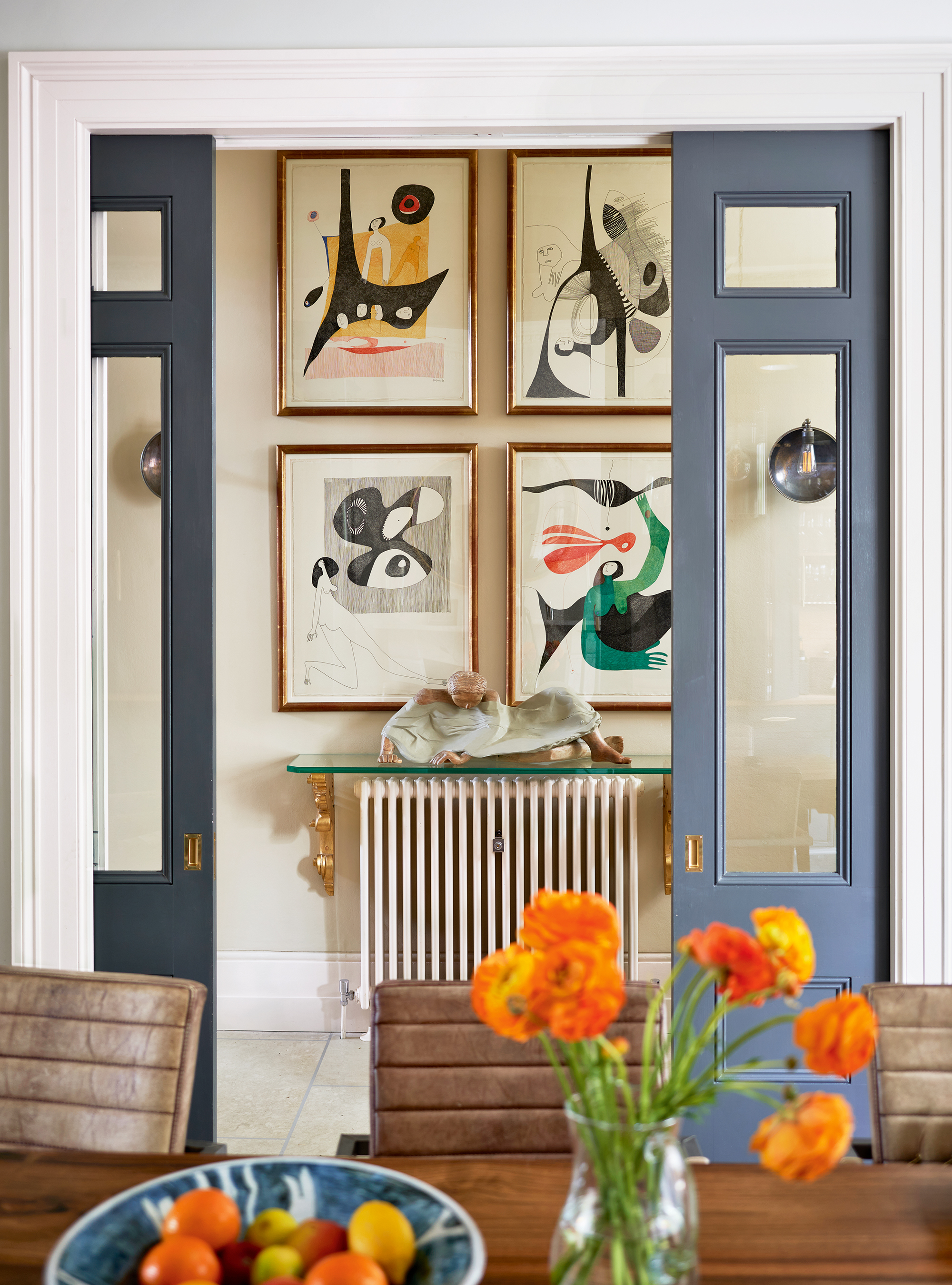
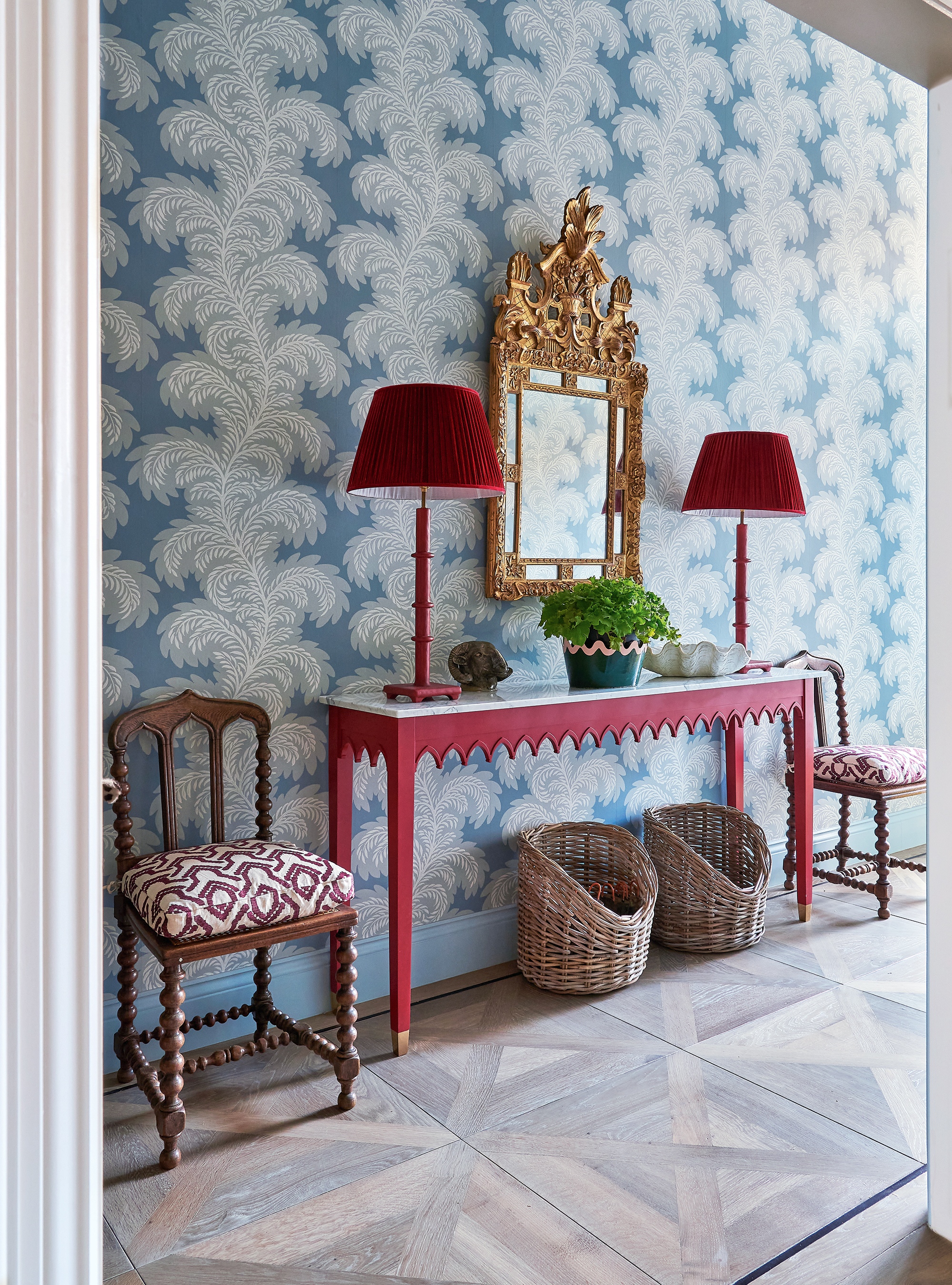
The notion that furniture from different eras should not be mixed is also debunked. Designers, including Stephanie Hunt of The Flairhunter, argue that rigidly sticking to one time period or architectural style can create a one-dimensional environment. A home, as a reflection of a person's multifaceted personality, benefits from a diverse collection of pieces. The article uses the example of pairing a centuries-old French apothecary cabinet with a sleek contemporary sofa to illustrate how contrasting styles can create a harmonious 'chemistry' rather than a 'clash.' This mixing of eras is presented as an act of design rather than mere staging, promoting creativity and individuality.
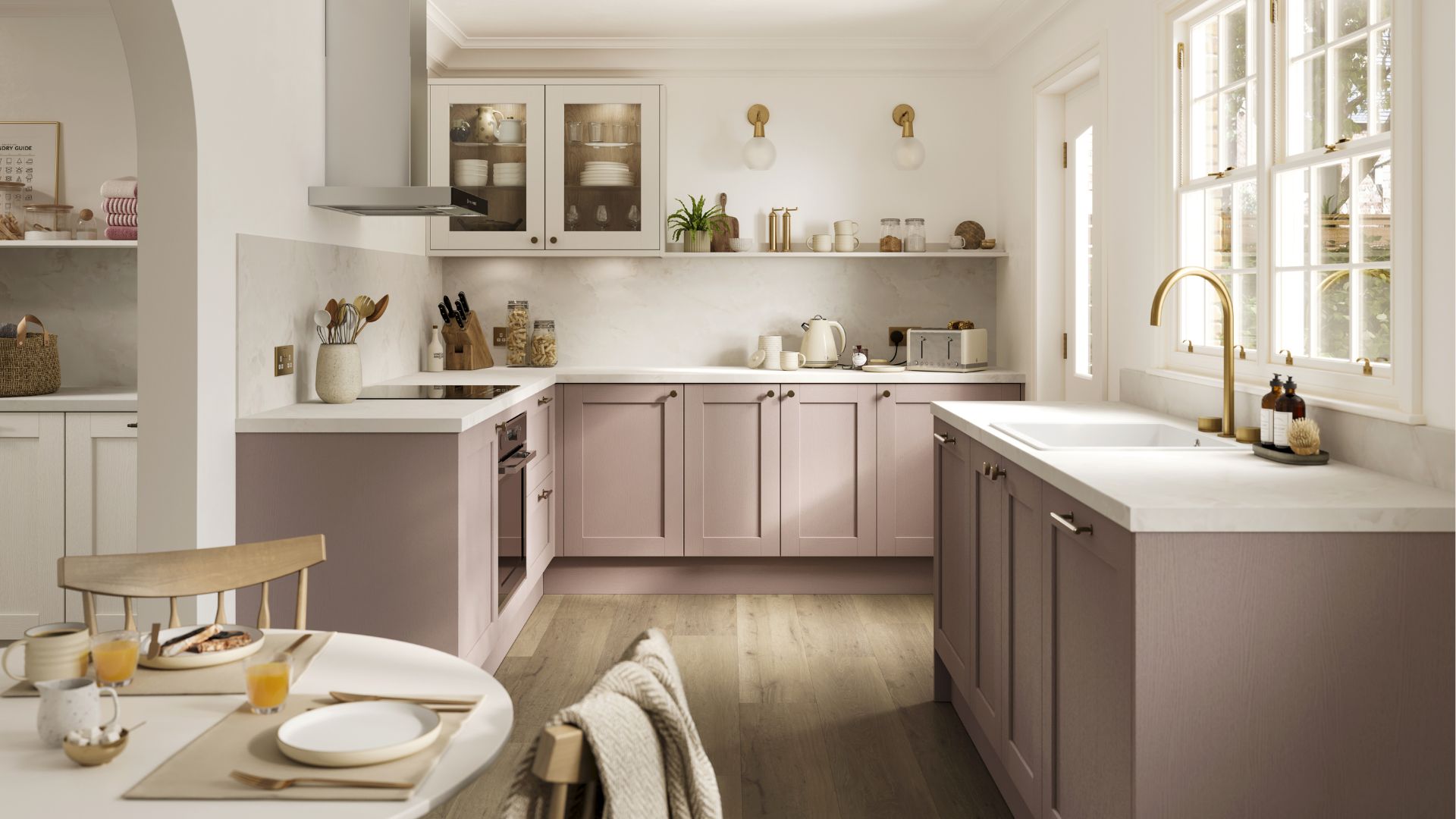
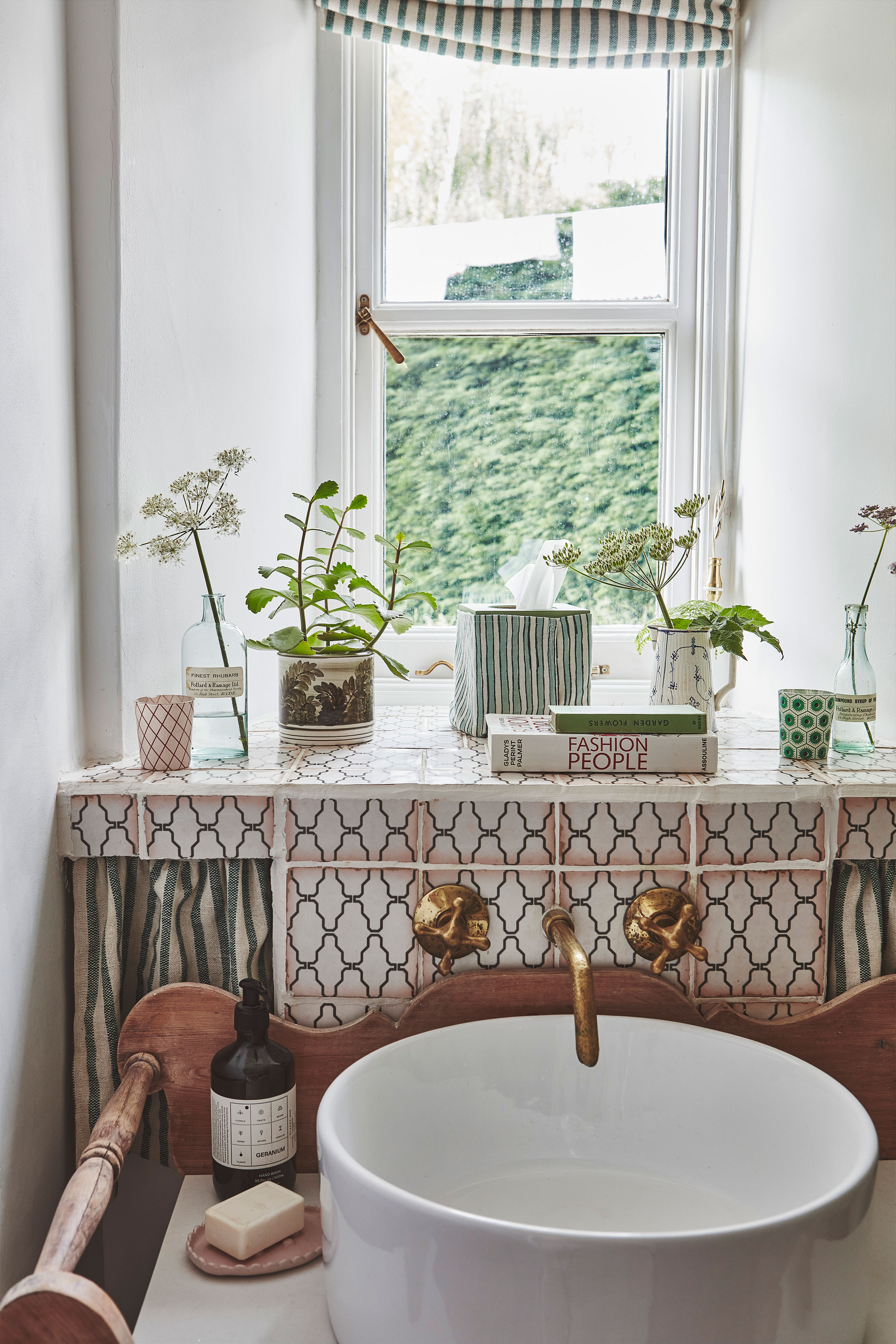
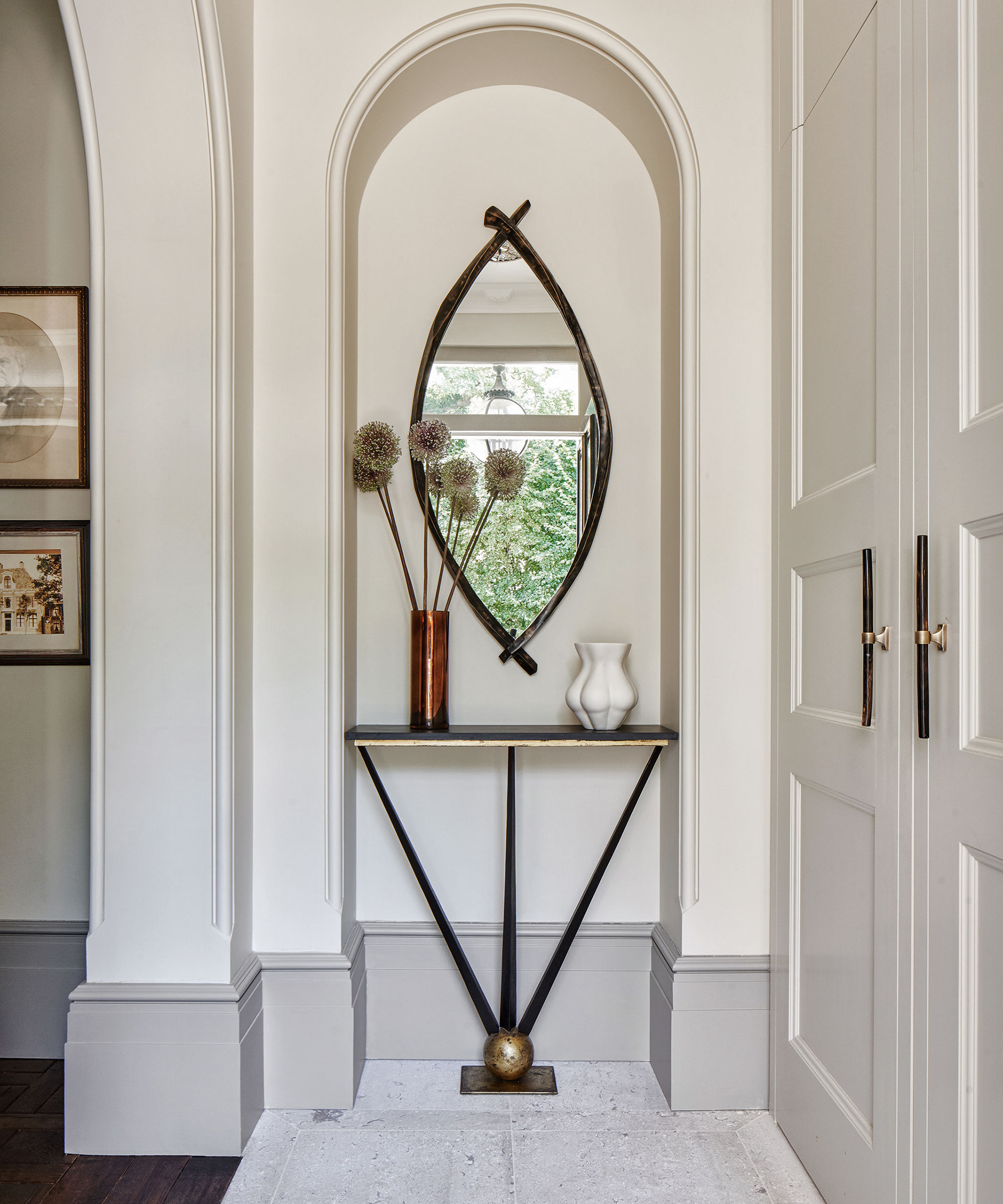
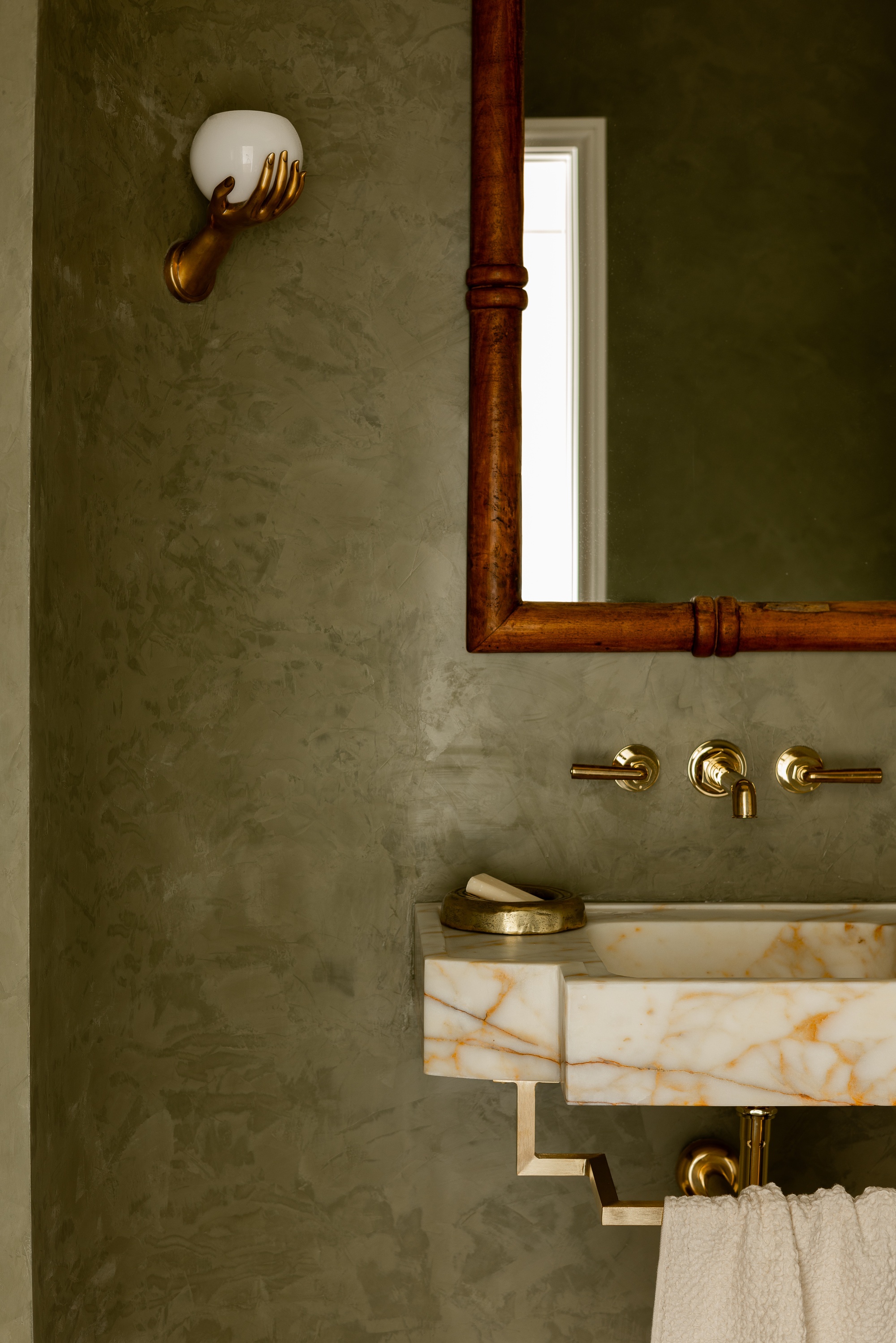
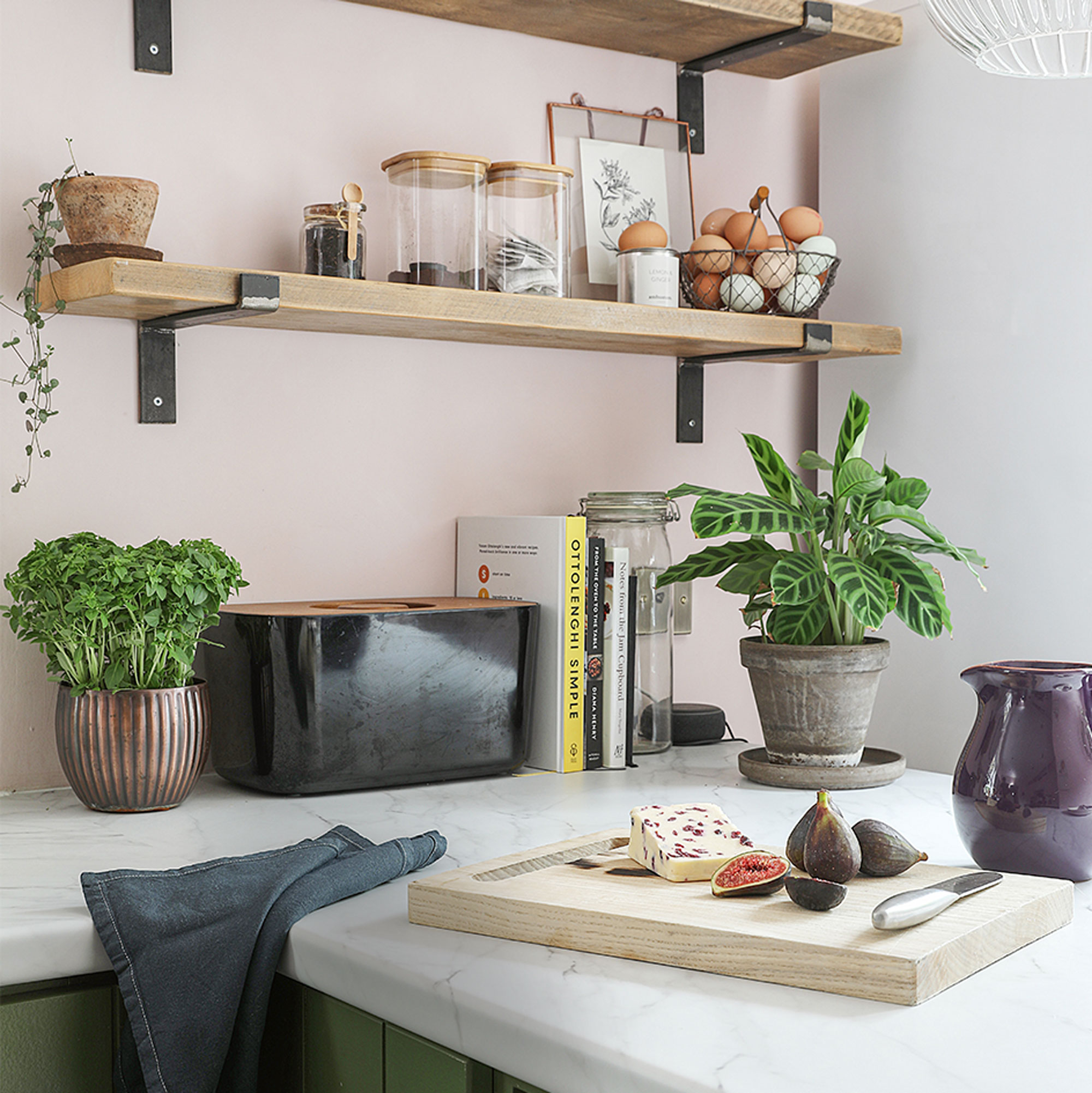
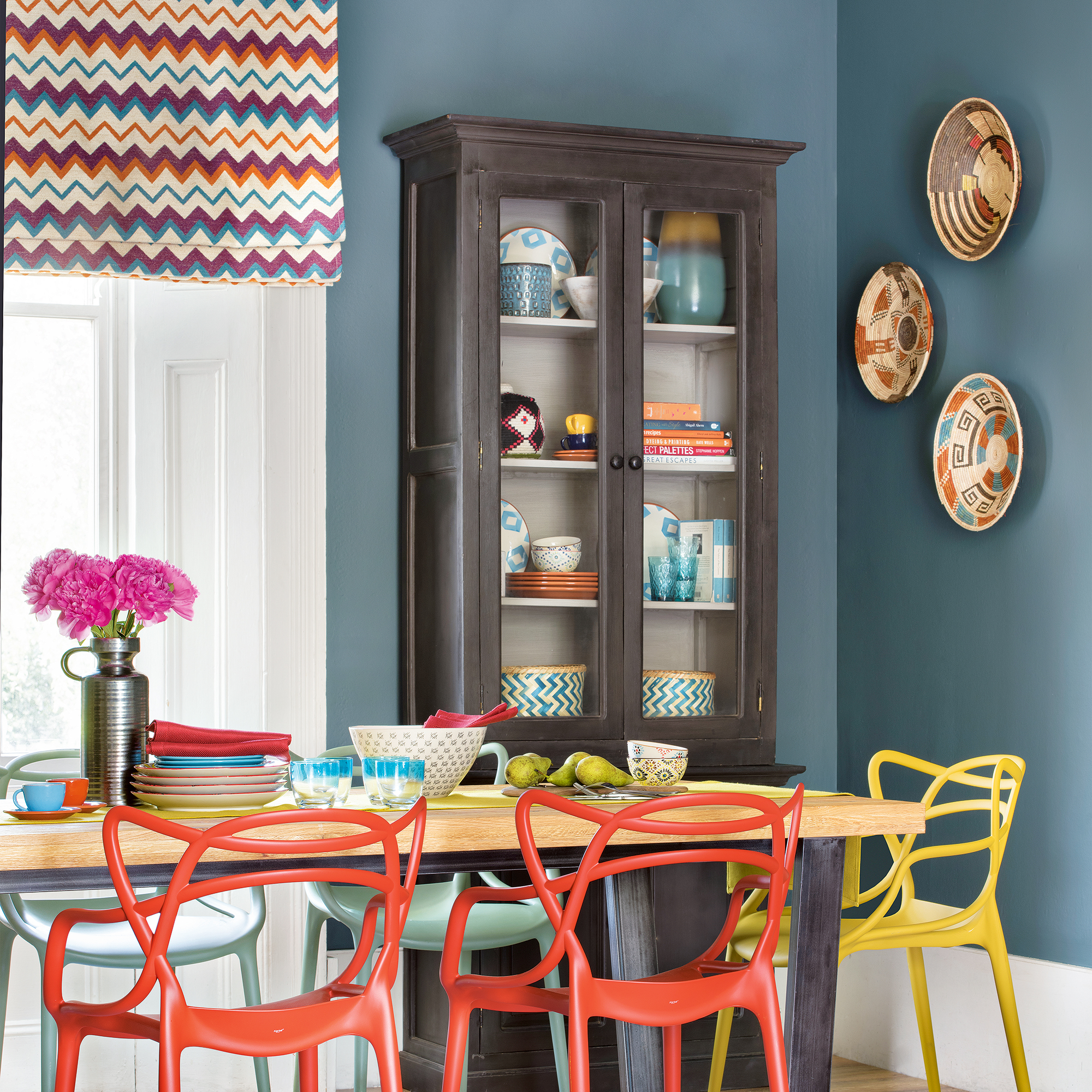
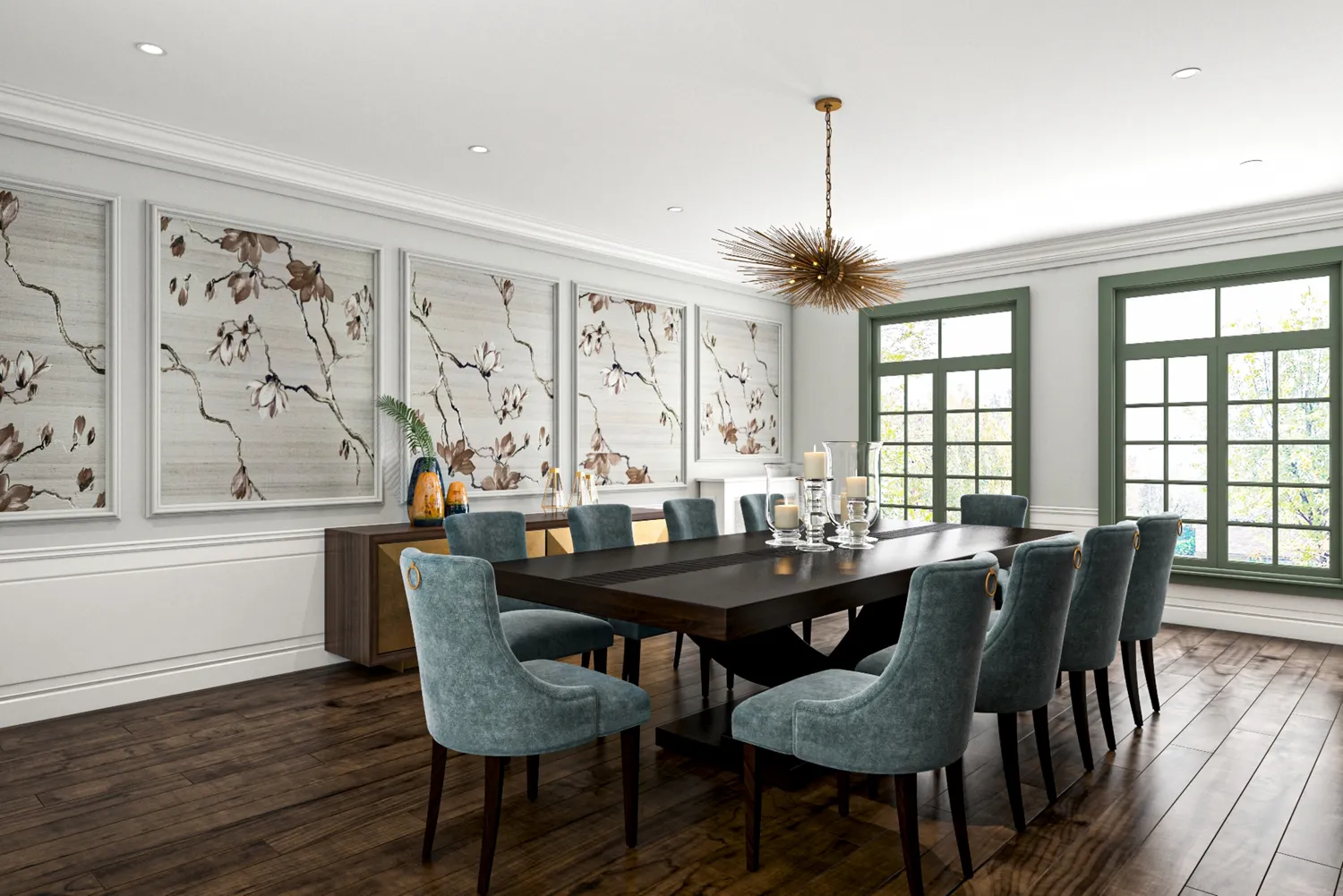
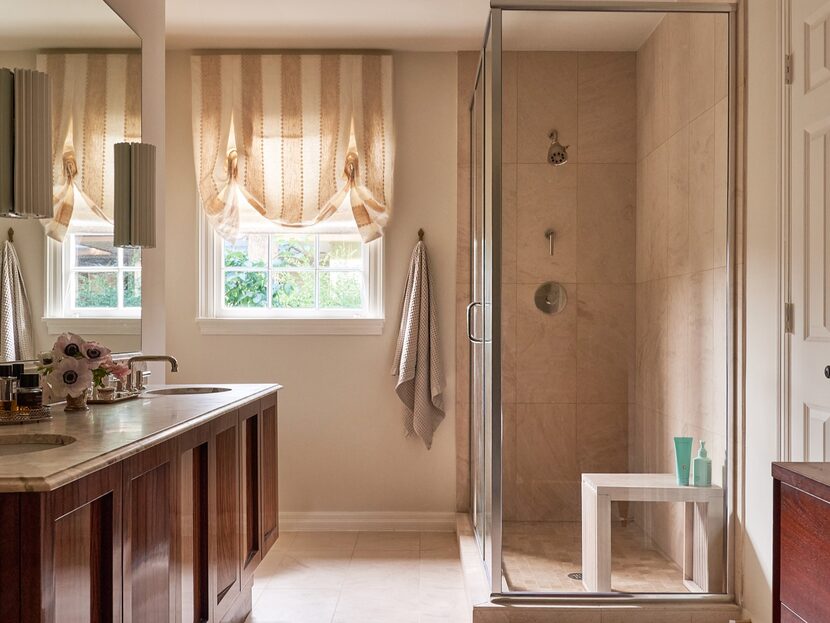
Furthermore, the article challenges the belief that metals and wood tones must perfectly match within a room. Anita Yokota, a therapist-turned-designer and author of 'Home Therapy,' explains that layering mixed finishes and imperfect pieces fosters psychological safety and a sense of belonging. Drawing a parallel to nature, she notes that contrast and imperfection are crucial for a thriving ecosystem, and similarly, a home benefits from diverse textures and tones. Stephanie Hunt supports this by creating mismatched dining chair collections, while Rachel Brown of RB Interiors suggests that perfect matching stifles creativity, advocating for 'tension' between old and new, shiny and matte, structured and wild. The overarching advice is to break these rules 'beautifully' once the foundational principles are understood.
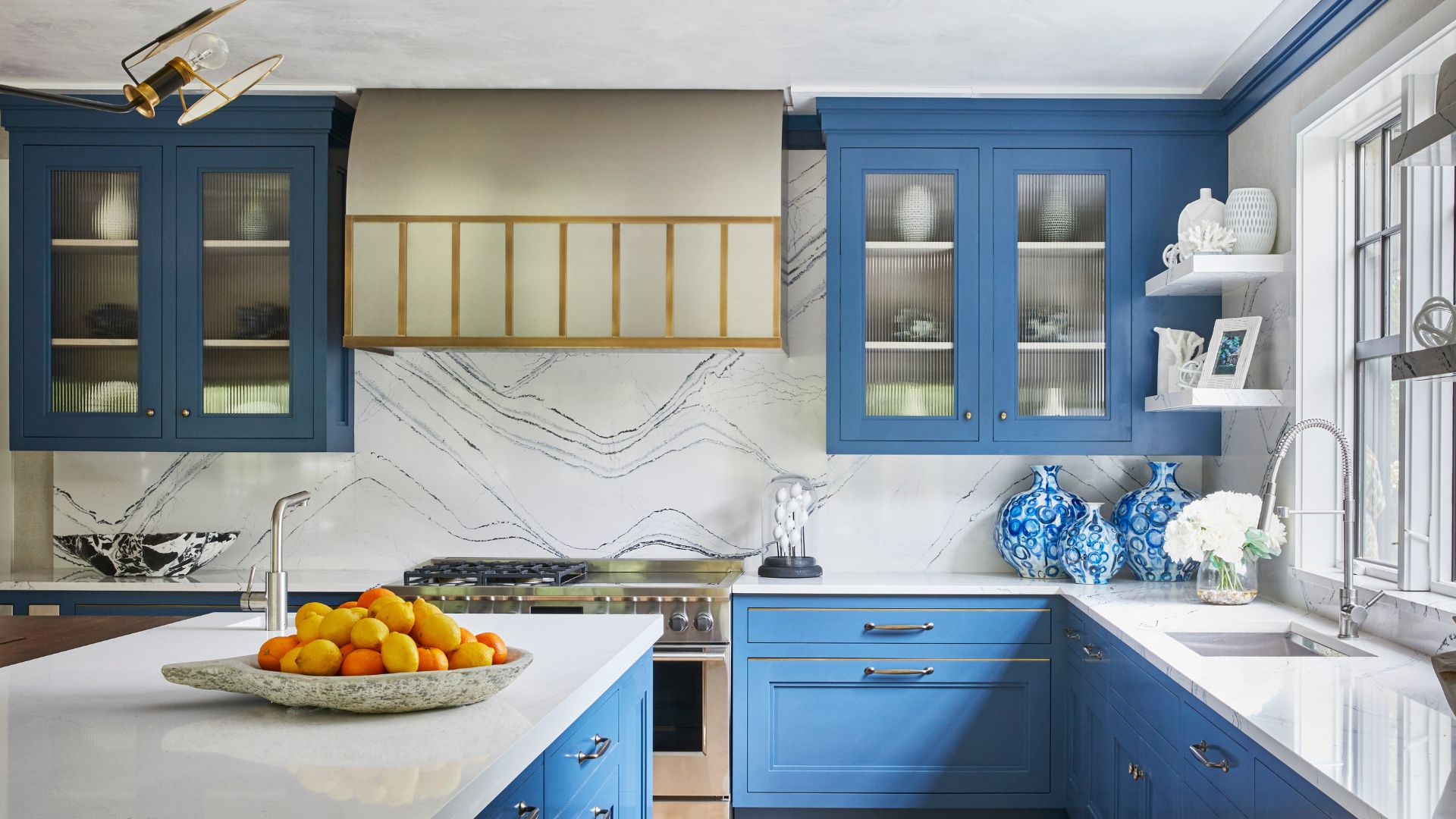
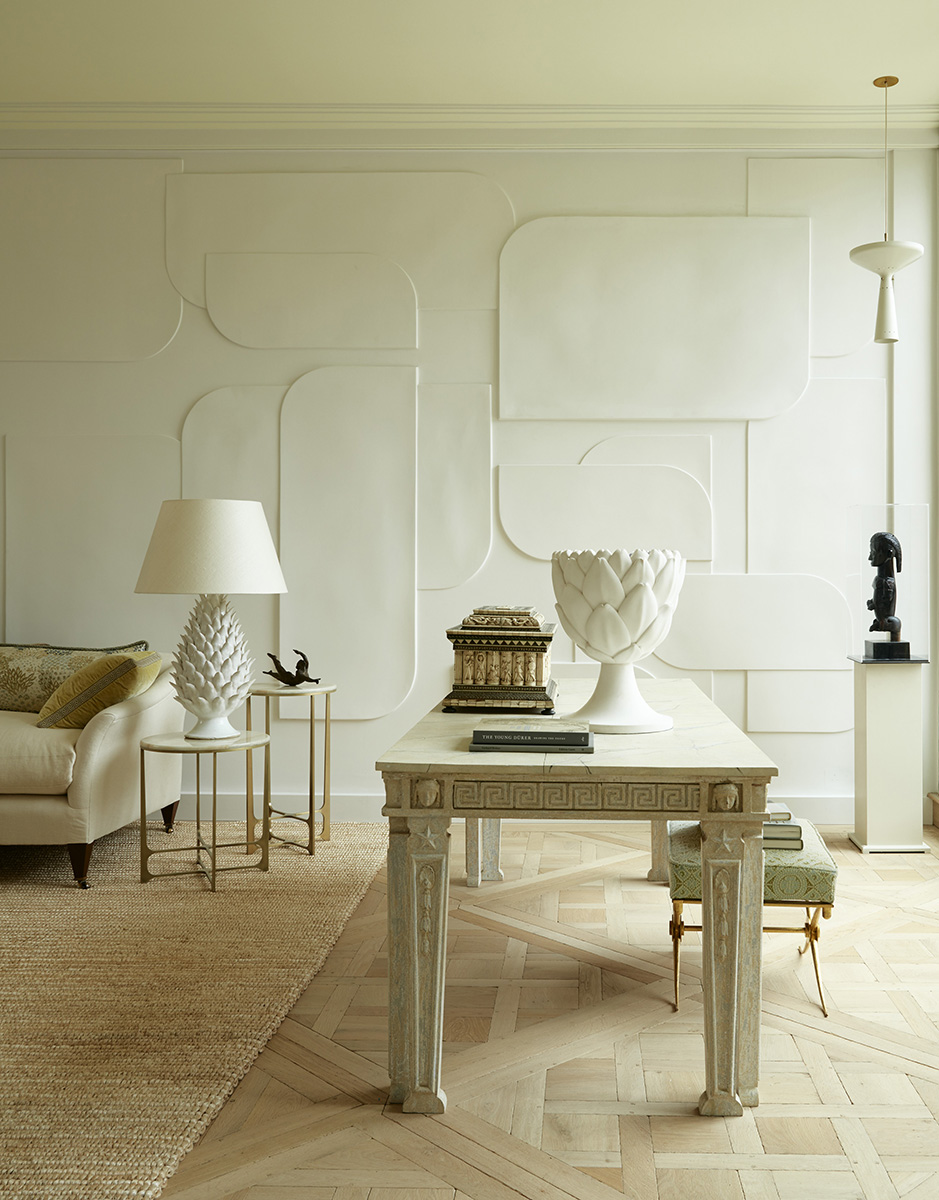
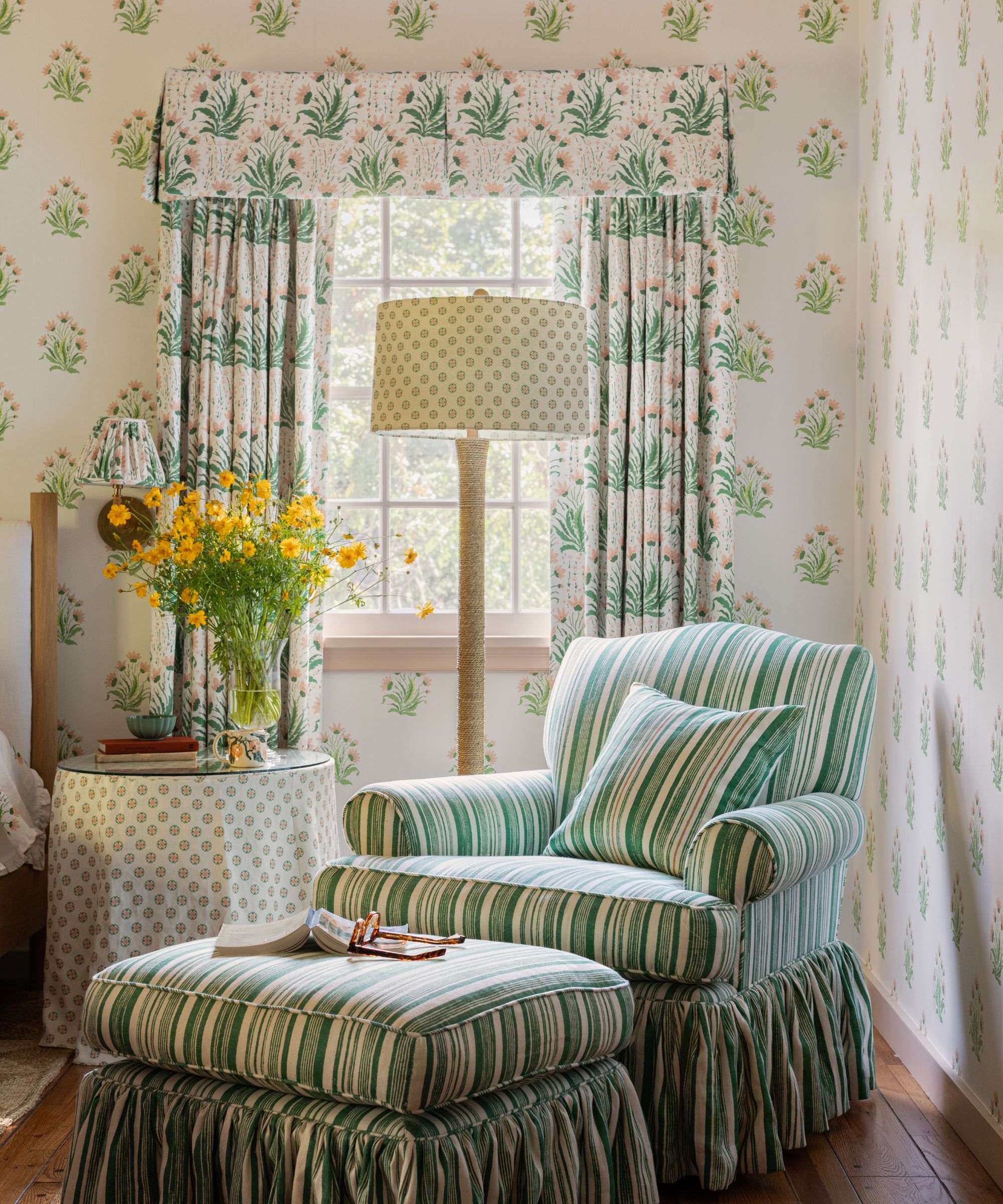
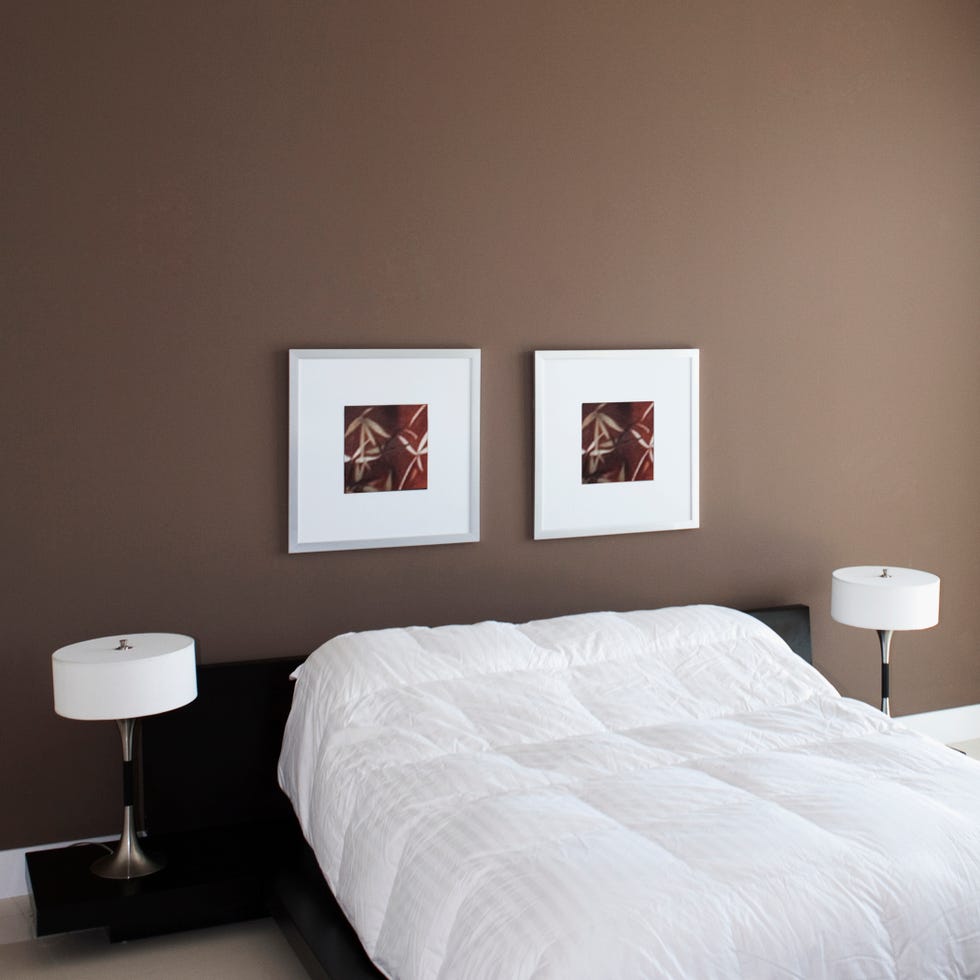
Finally, the article addresses the idea that every room requires a single bold focal point. Anita Yokota, who designs with emotional health in mind, argues against constant visual stimulation, which can keep the nervous system on alert. Instead, she promotes designing for 'emotional rhythm,' creating spaces that 'exhale' similar to how nature operates. In natural environments, beauty arises from harmony and the subtle interplay of elements, rather than a single dominant feature. This perspective encourages a holistic approach to design, where the overall balance and flow contribute to a sense of calm and well-being, mirroring the serene cadence found in nature.
#InteriorDesign #DesignRules #HomeDecor #EclecticStyle #VintageFurniture #PersonalizedSpaces #DecoratingTips #WellnessDesign #InteriorDesign #DesignRules #HomeDecor #EclecticStyle #VintageFurniture #PersonalizedSpaces #DecoratingTips #WellnessDesign
0 comment in total
 No comments yet
You may also like
5 things designers say you should never put on a mantel

Sorry, but It's 2025 — These Outdated Interior Design Rules (Too Many People Still Swear By) Should Be Ignored

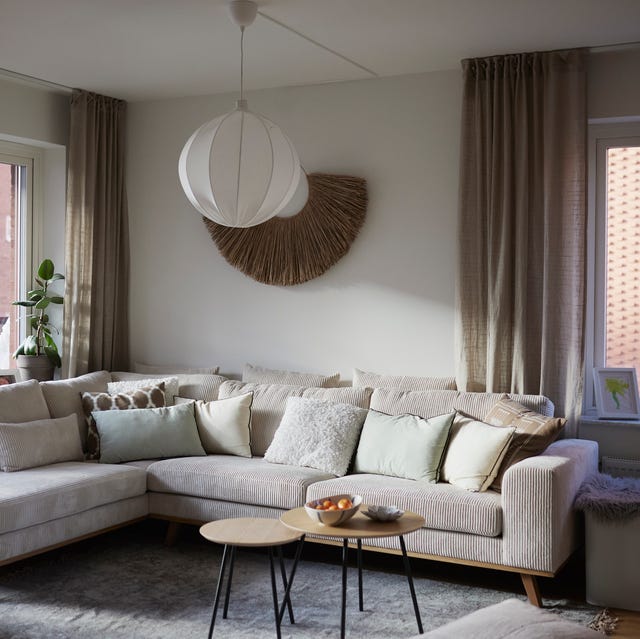
9 CONTROVERSIAL Decor Choices Designers Secretly Wish You’d Stop Making

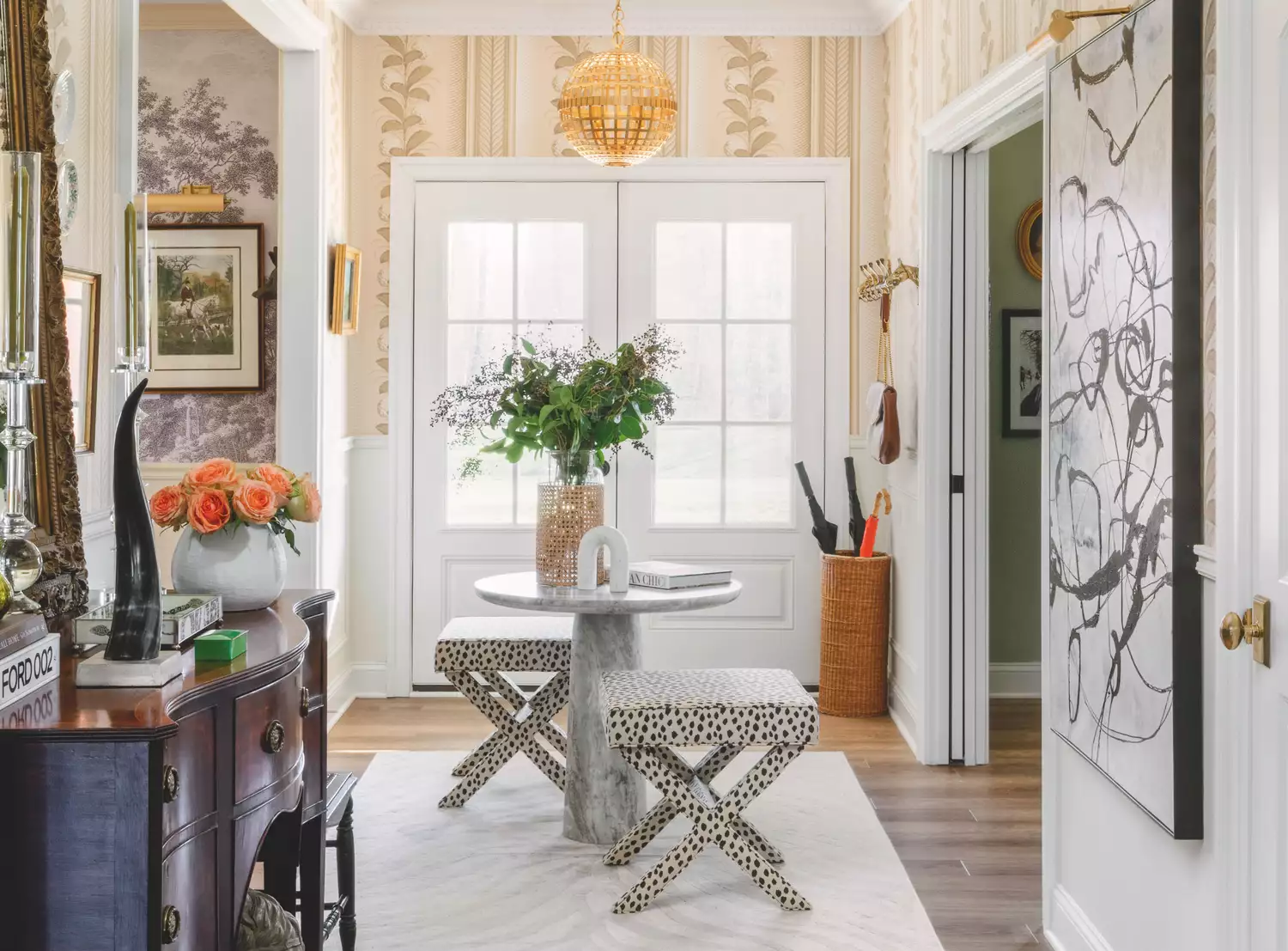
5 Mistakes That Are Making Your Entryway Look Bad, According to a Designer

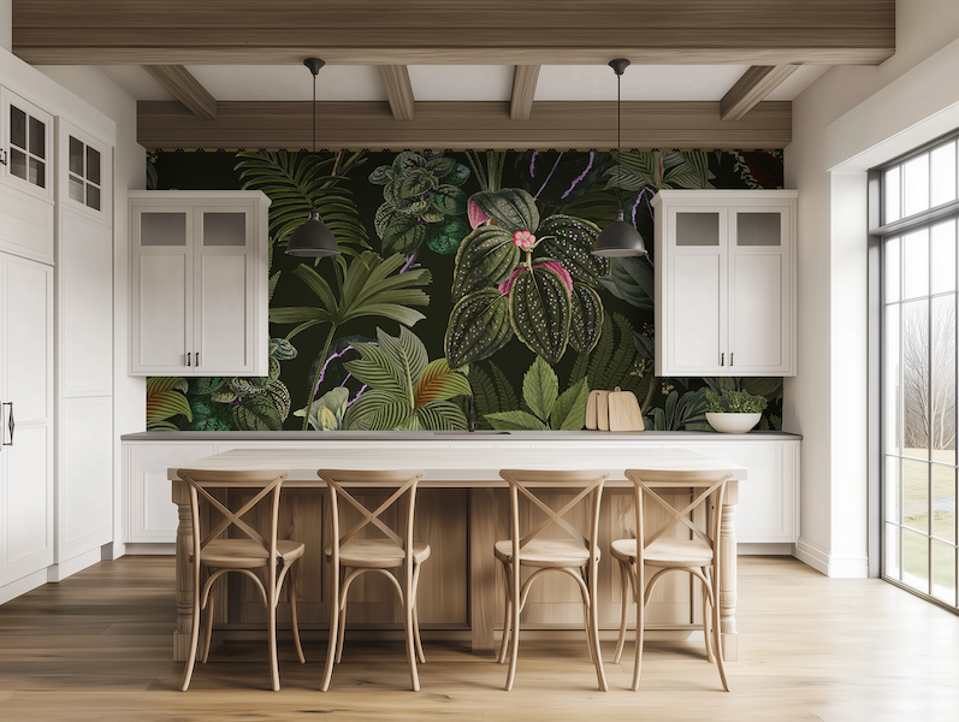
7 Design Mistakes Interior Designers Always Notice

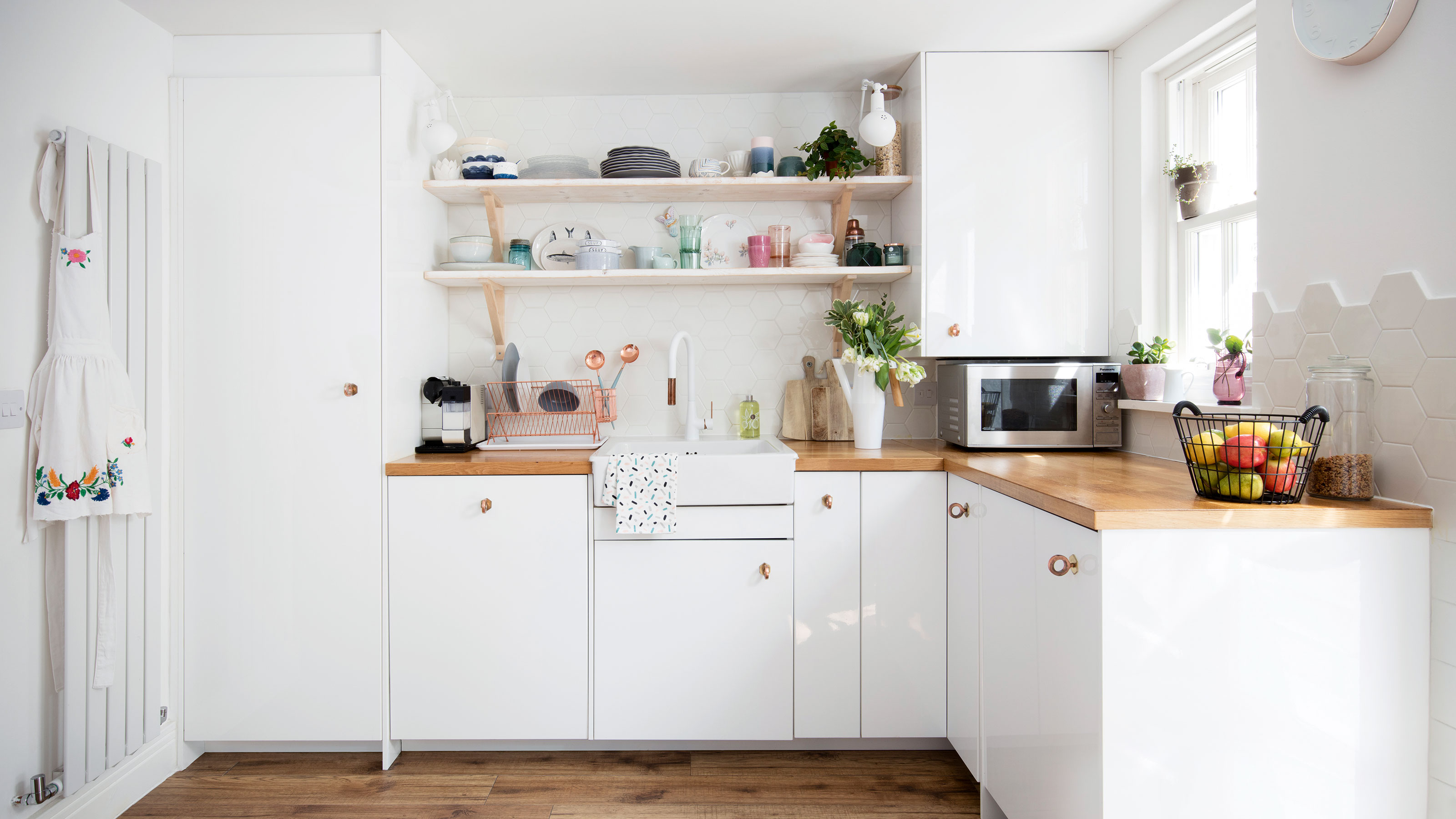
5 outdated rules to ignore when designing a small kitchen – for a realistic yet organised space
6 Dining Room Design Rules Designers Always Break—and You Should, Too

I'm an interior designer – these are 5 mudroom design rules I swear by
6 design rules worth breaking for a more characterful kitchen

5 Outdated Kitchen Rules You Should Definitely Ignore, According to Designers
7 outdated rules to ignore when designing a small patio – experts say ditching them will transform your space
Don't make these 5 entryway decor mistakes

5 Home Decorating Rules Interior Designers Think You Should Break
Pattern clashing is the tricky trend we are loving – 10 rules designers always follow to ensure it works
5 entryway mistakes we all make – and how designers suggest we avoid them
Don't Make These 5 Mistakes When Trying Modern Farmhouse Style, Designers Warn
Feng Shui design mistakes to avoid – 5 things you may be getting wrong
Interior design experts reveal the colour rules you should be breaking
7 home design trends to skip (and what to do instead)

5 Things You Should Never Do When Buying New Furniture, Designers Spill