1/8
Interior design experts reveal the colour rules you should be breaking
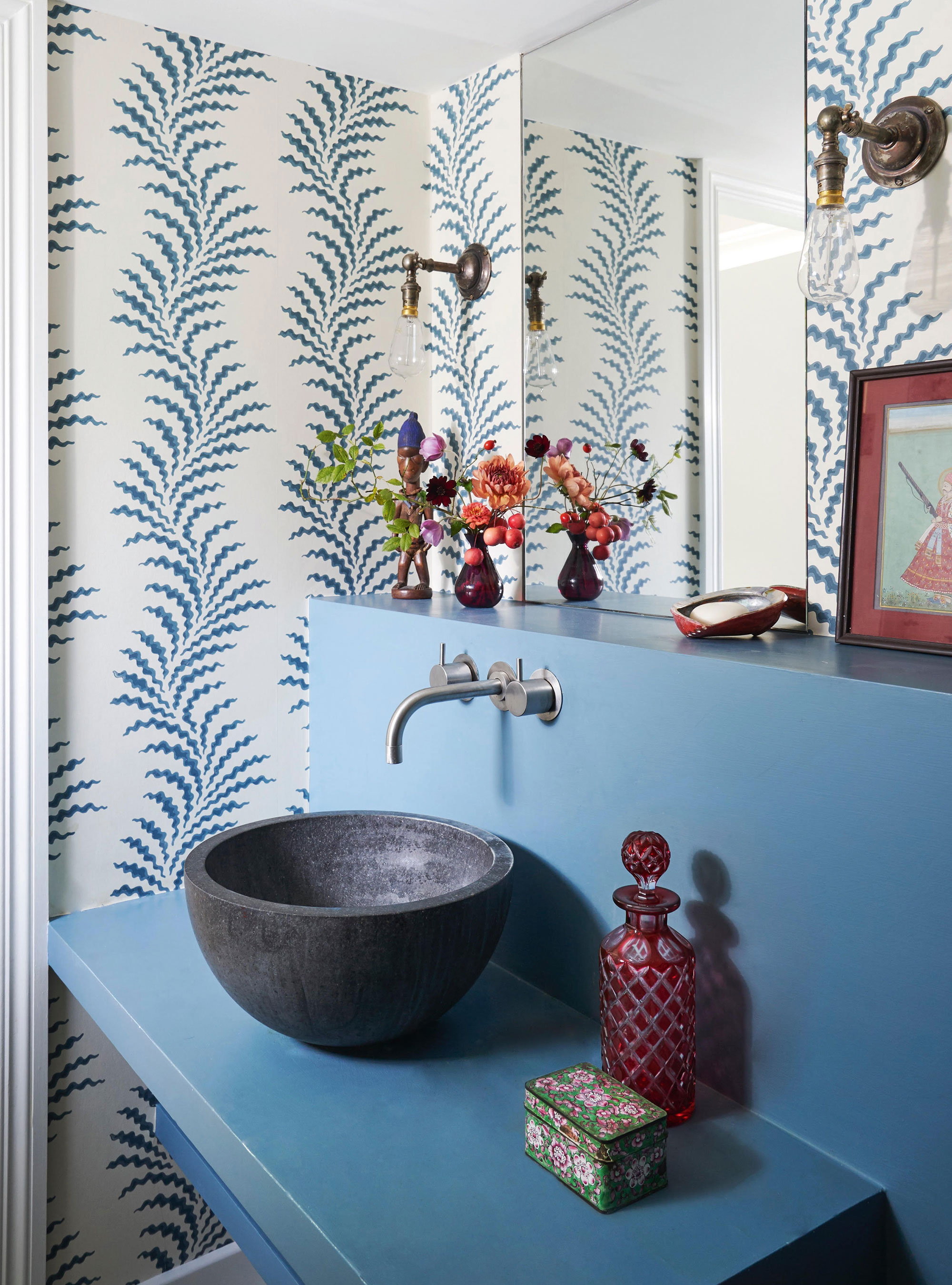
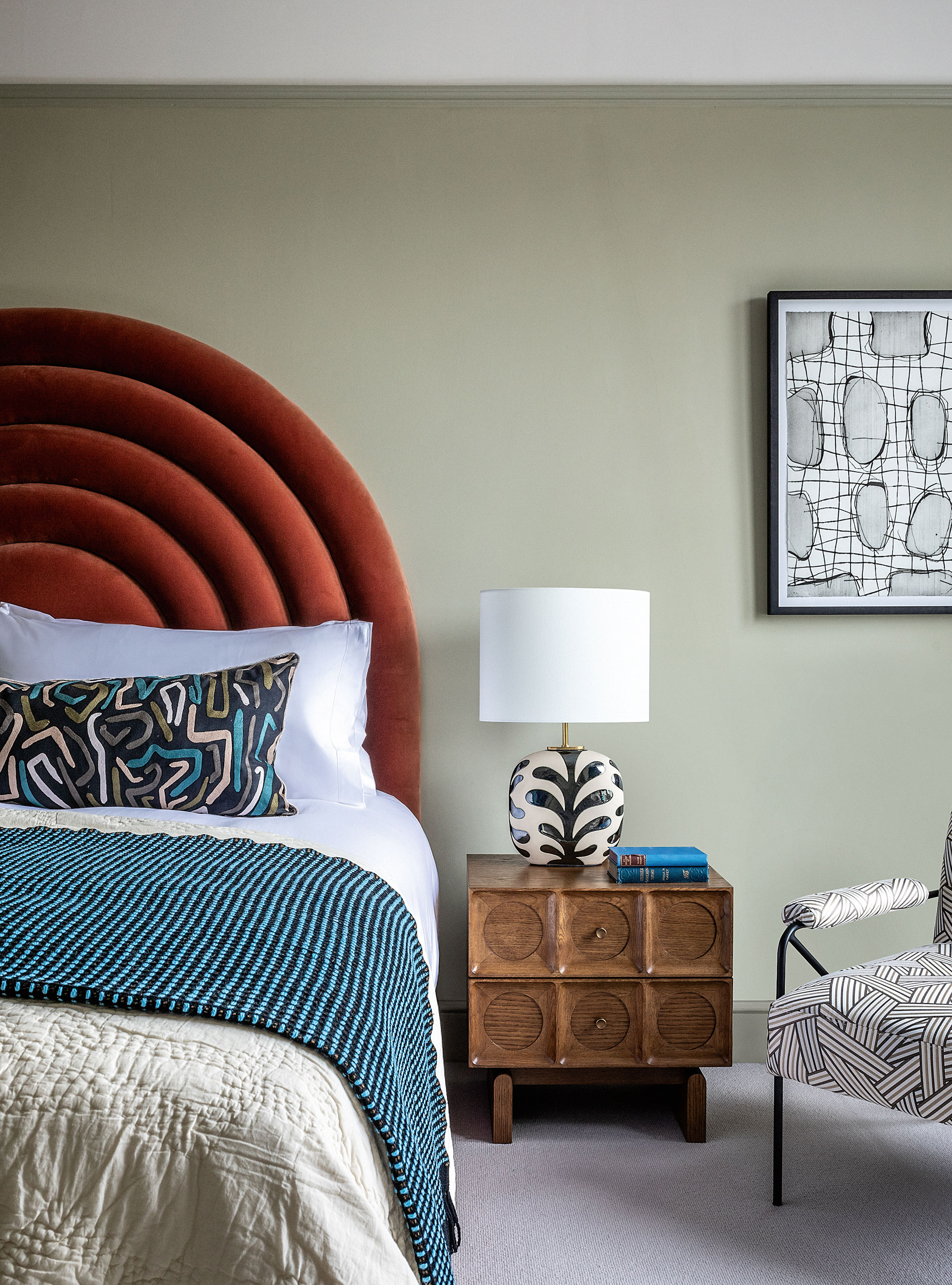
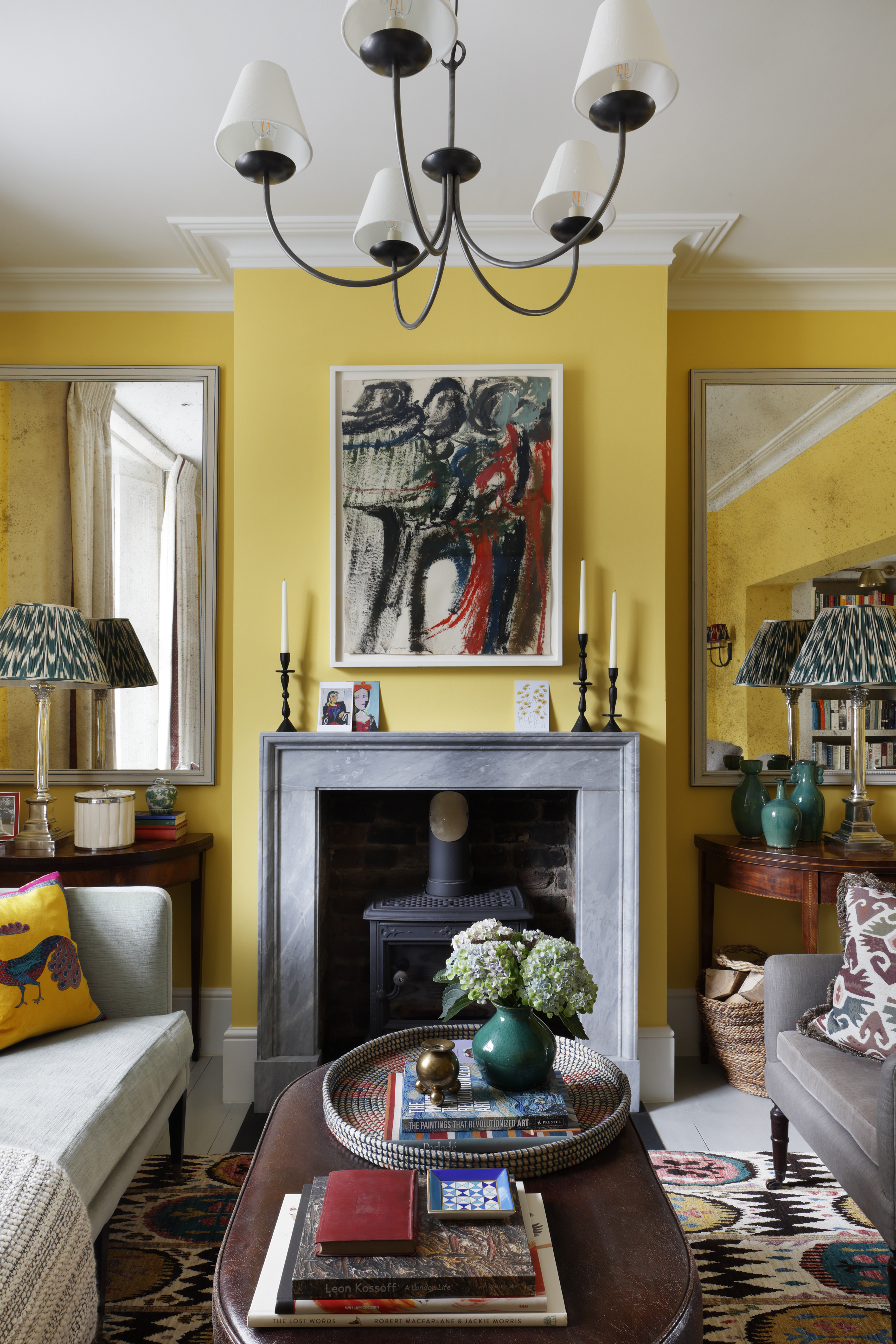
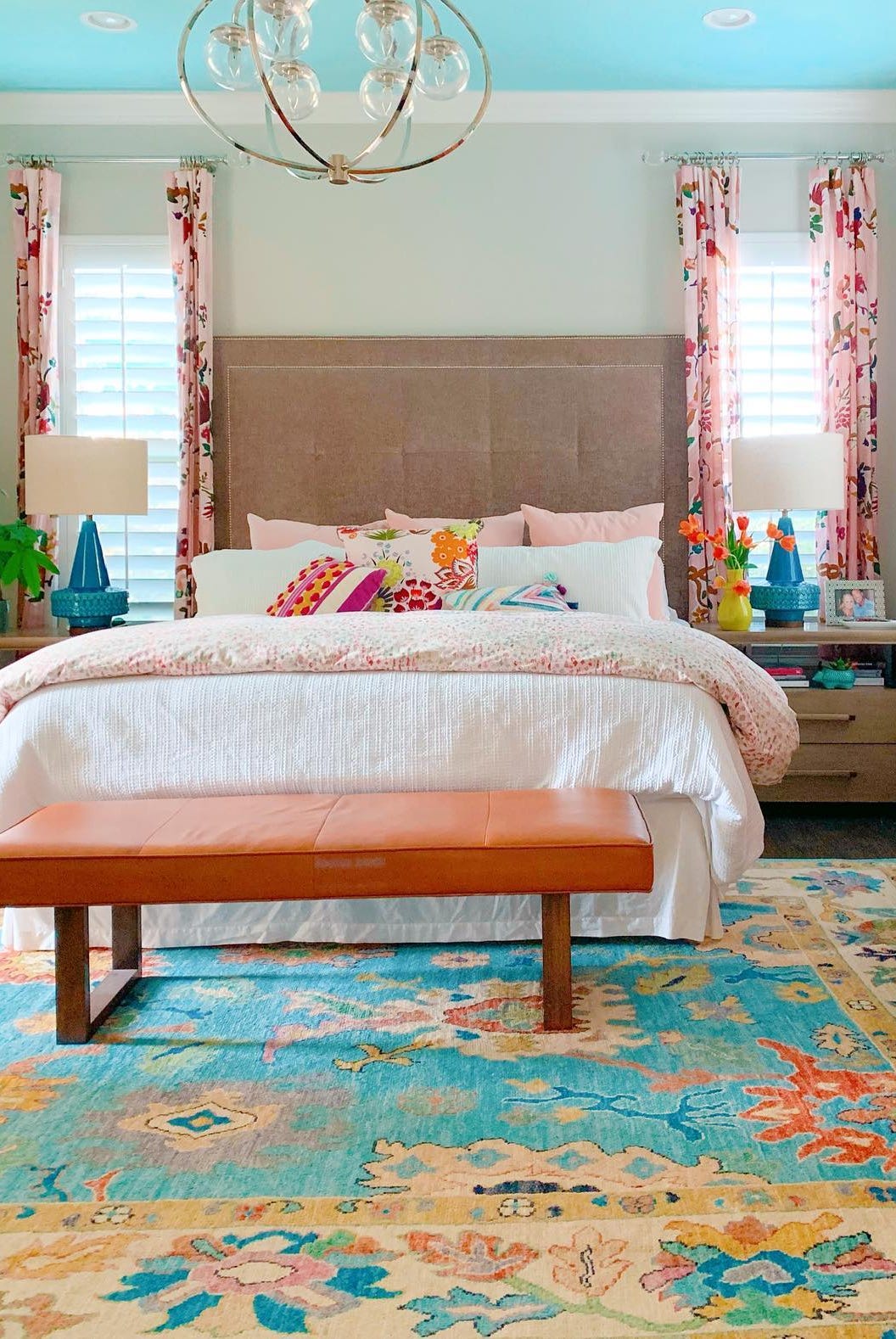
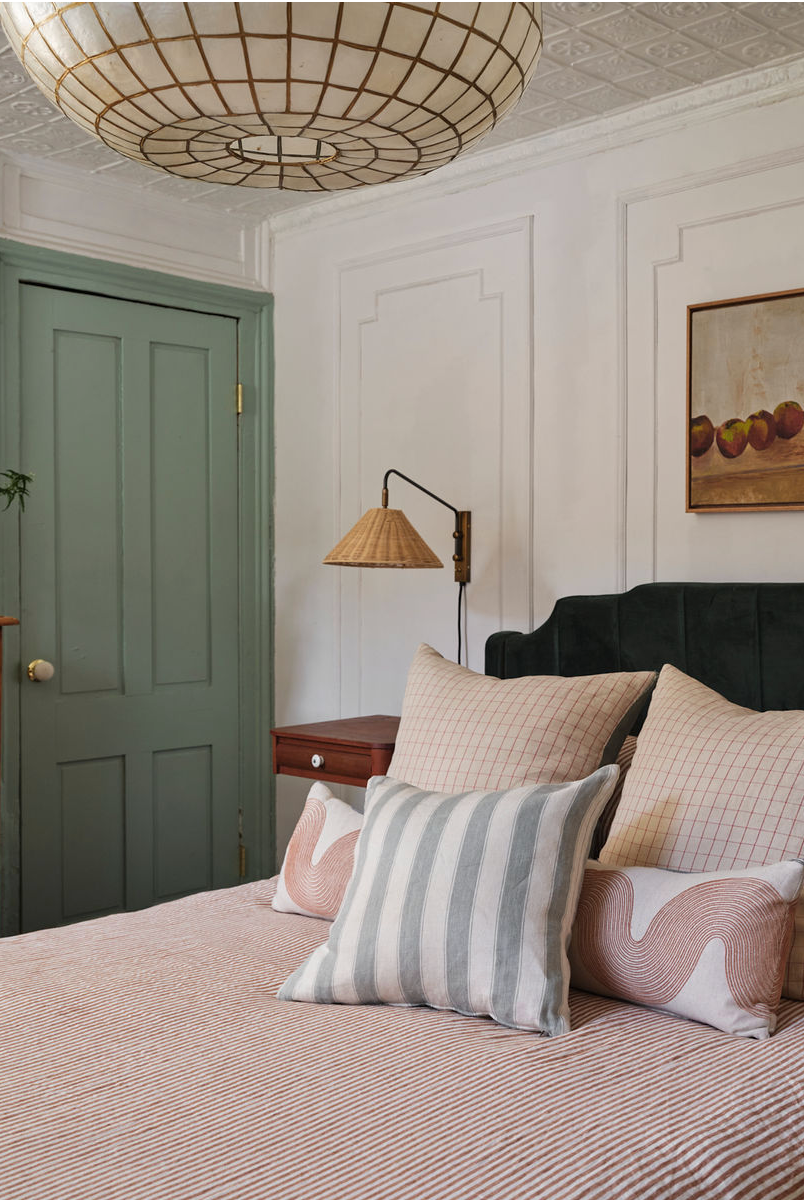
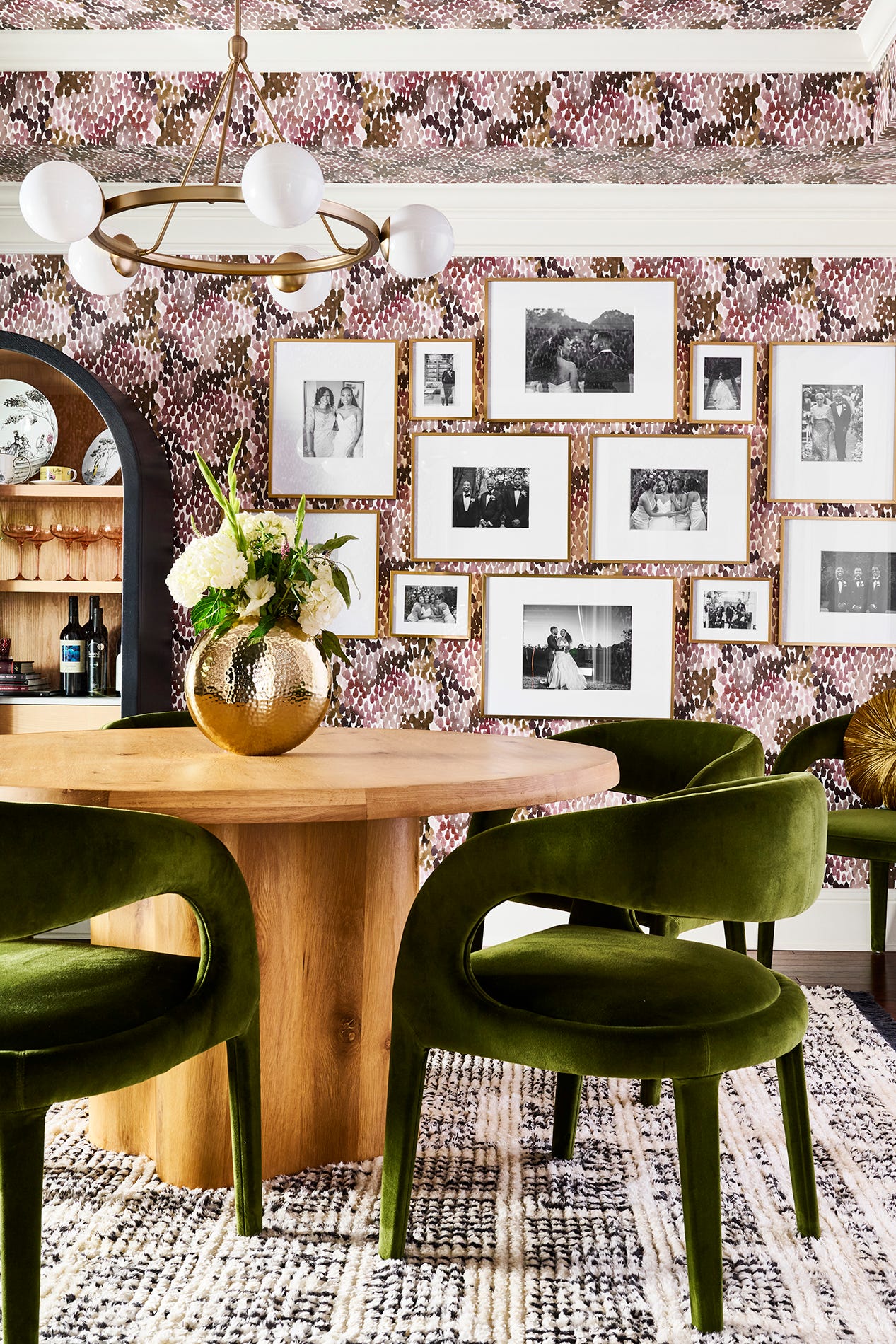
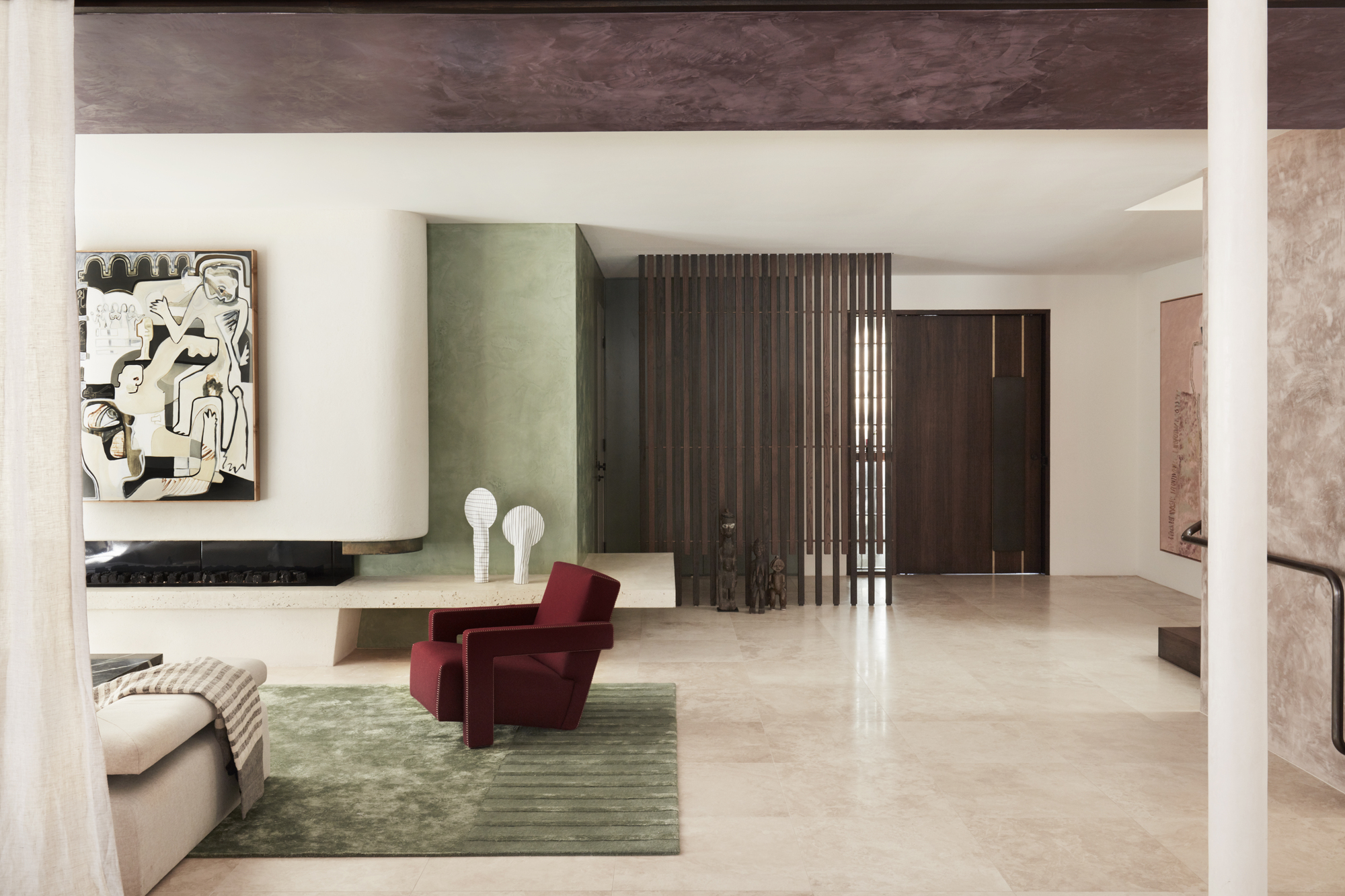
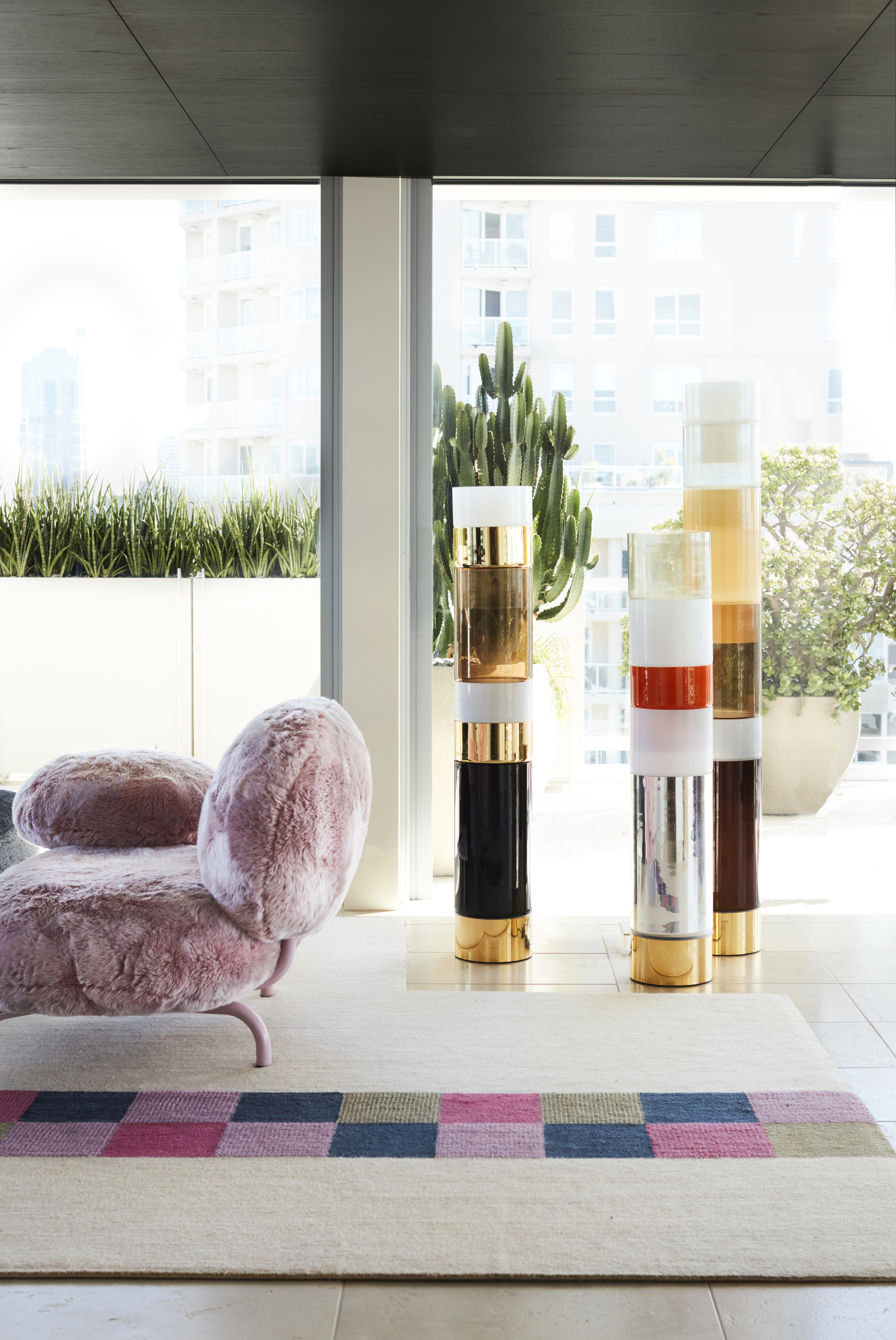
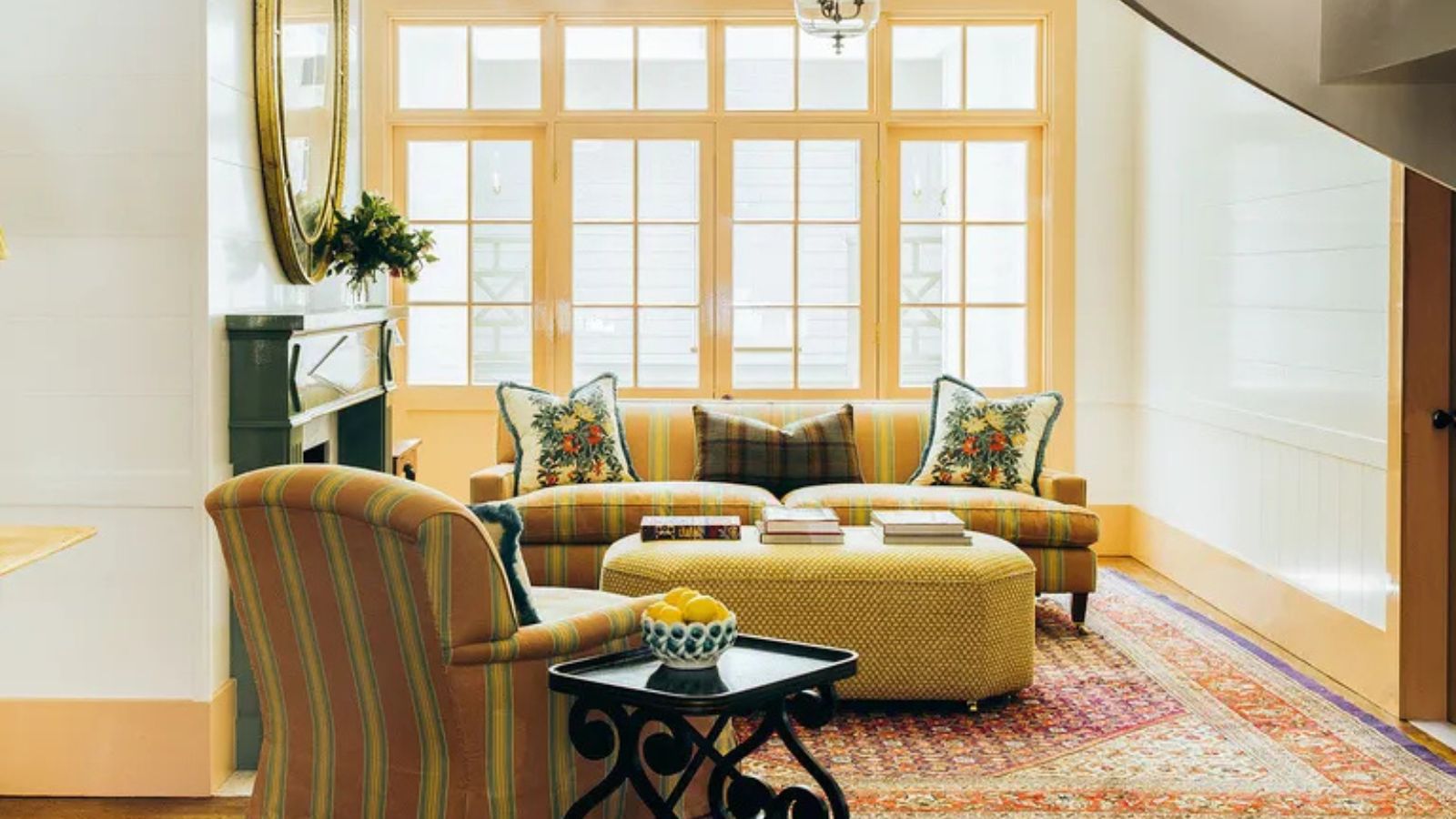
The article explores the idea that traditional interior design color rules are often meant to be broken to create more personalized and expressive living spaces. It emphasizes that while classic color combinations exist, moving beyond them allows for the creation of unique environments that truly reflect individual personality. Emma Deterding, founder of Kelling Designs, likens color application in interiors to nature, where a diverse mix of colors harmoniously coexists, suggesting that scale, pattern, and tones are more crucial than rigid rules. She encourages experimentation with color and pattern, advocating for choices that bring joy and allow one's personality to shine.
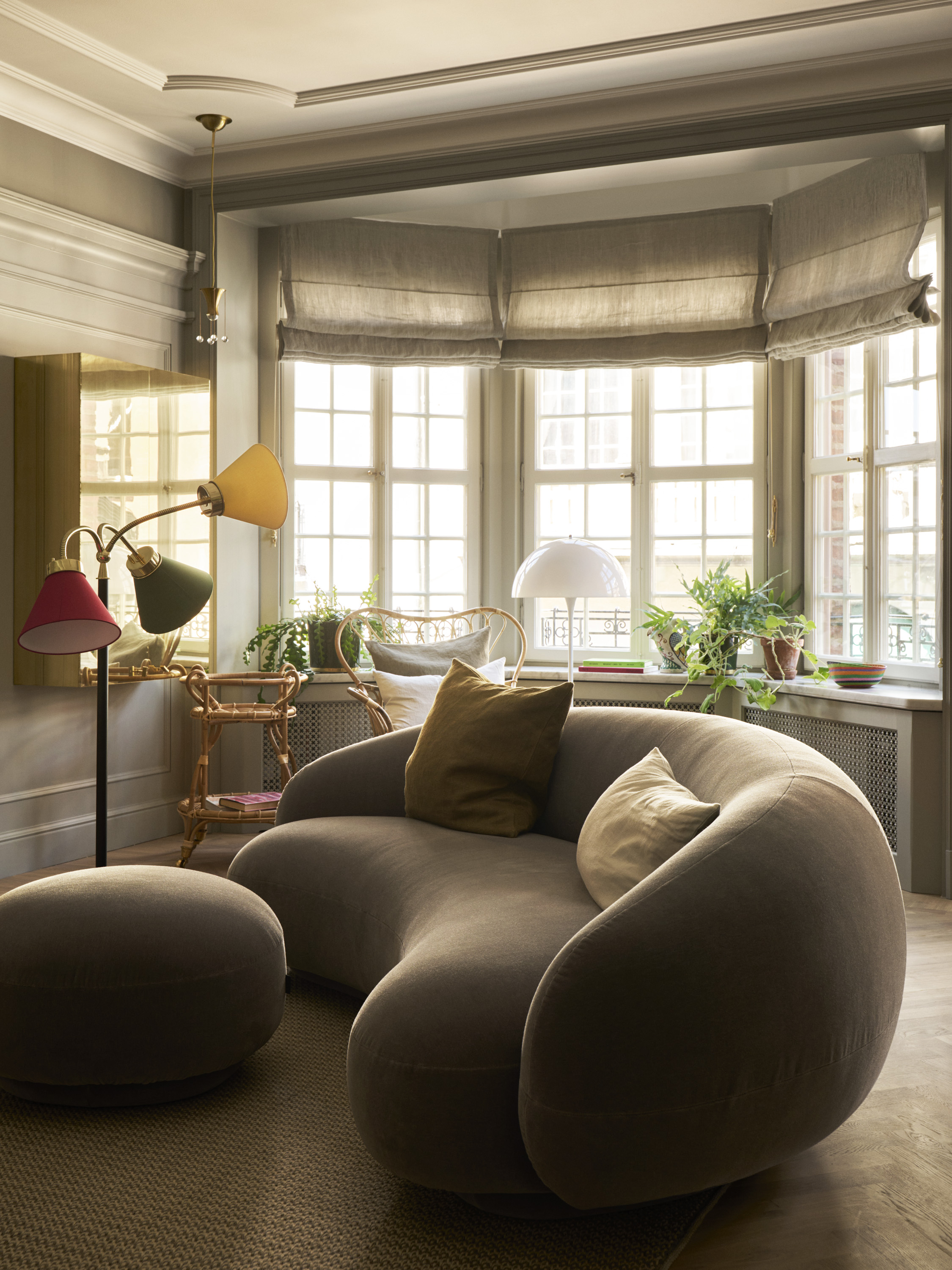
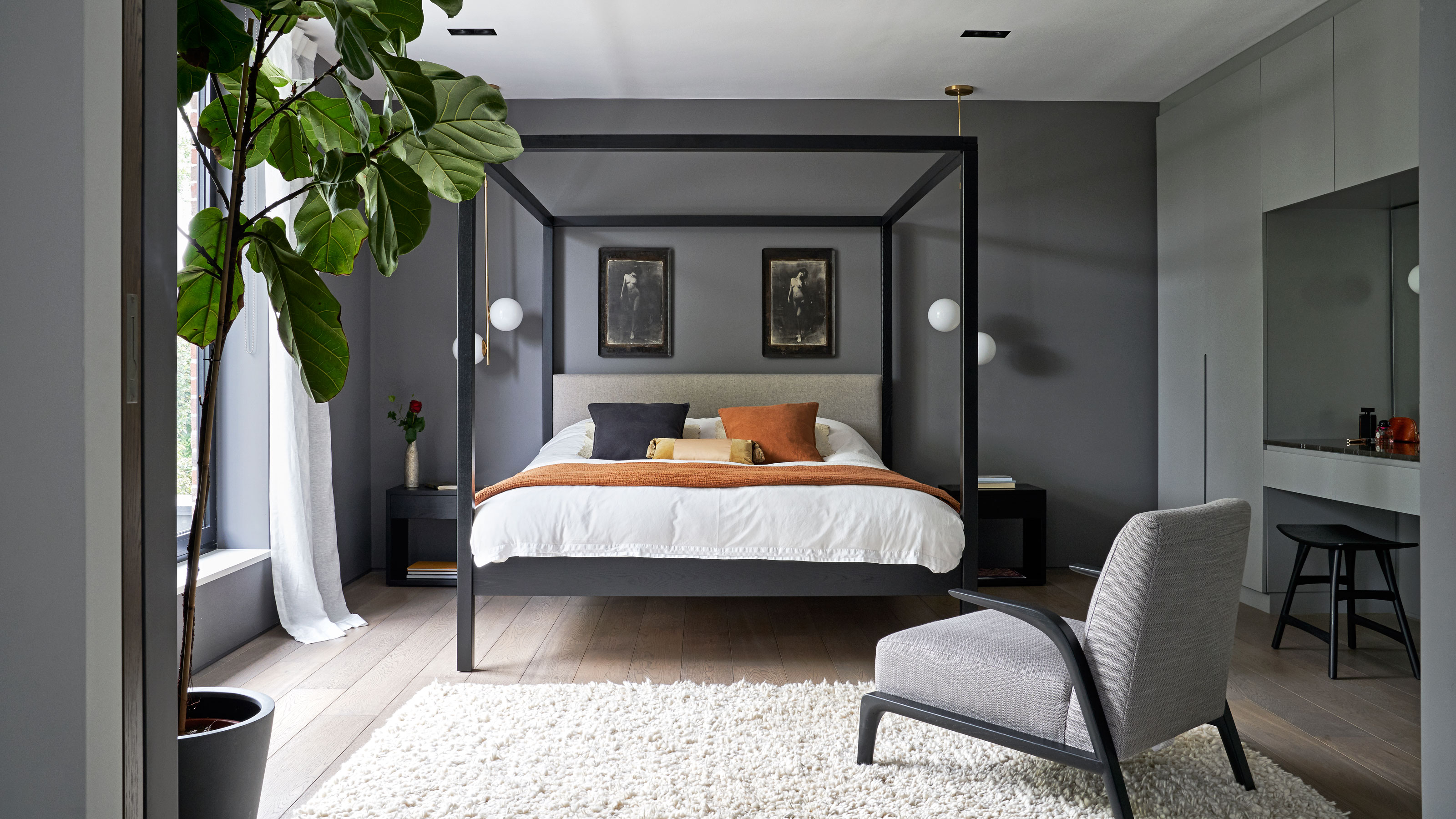
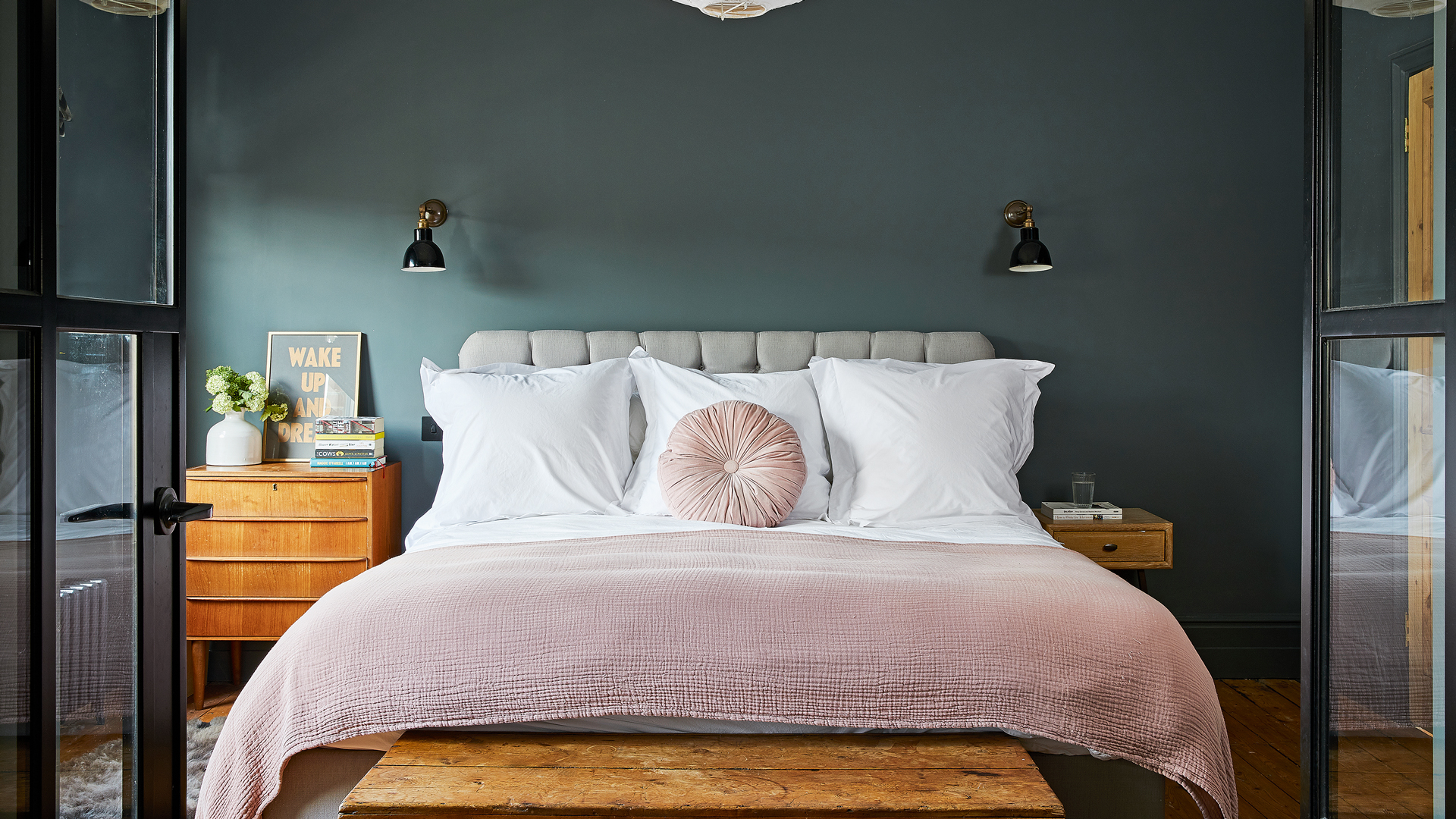
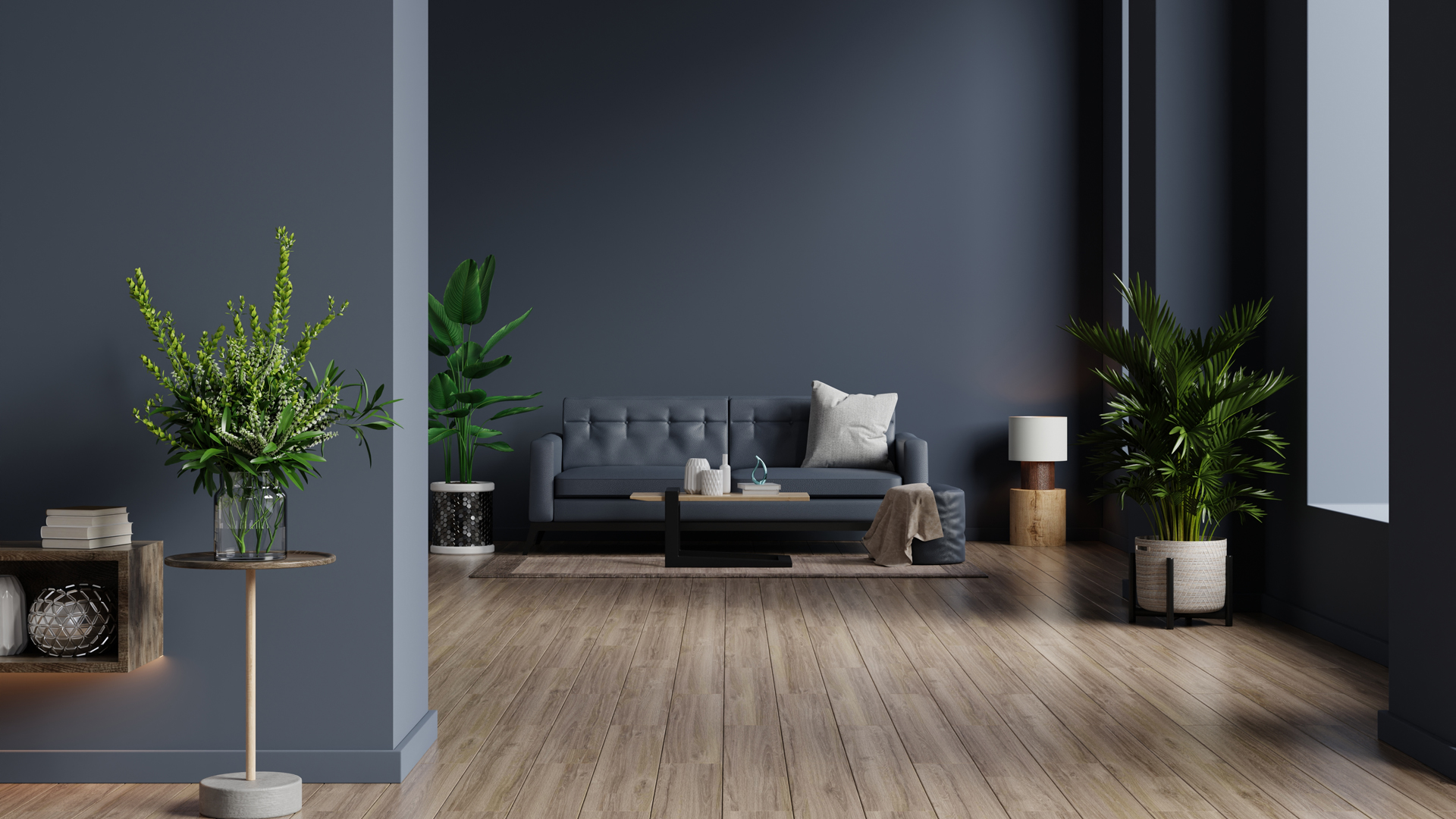

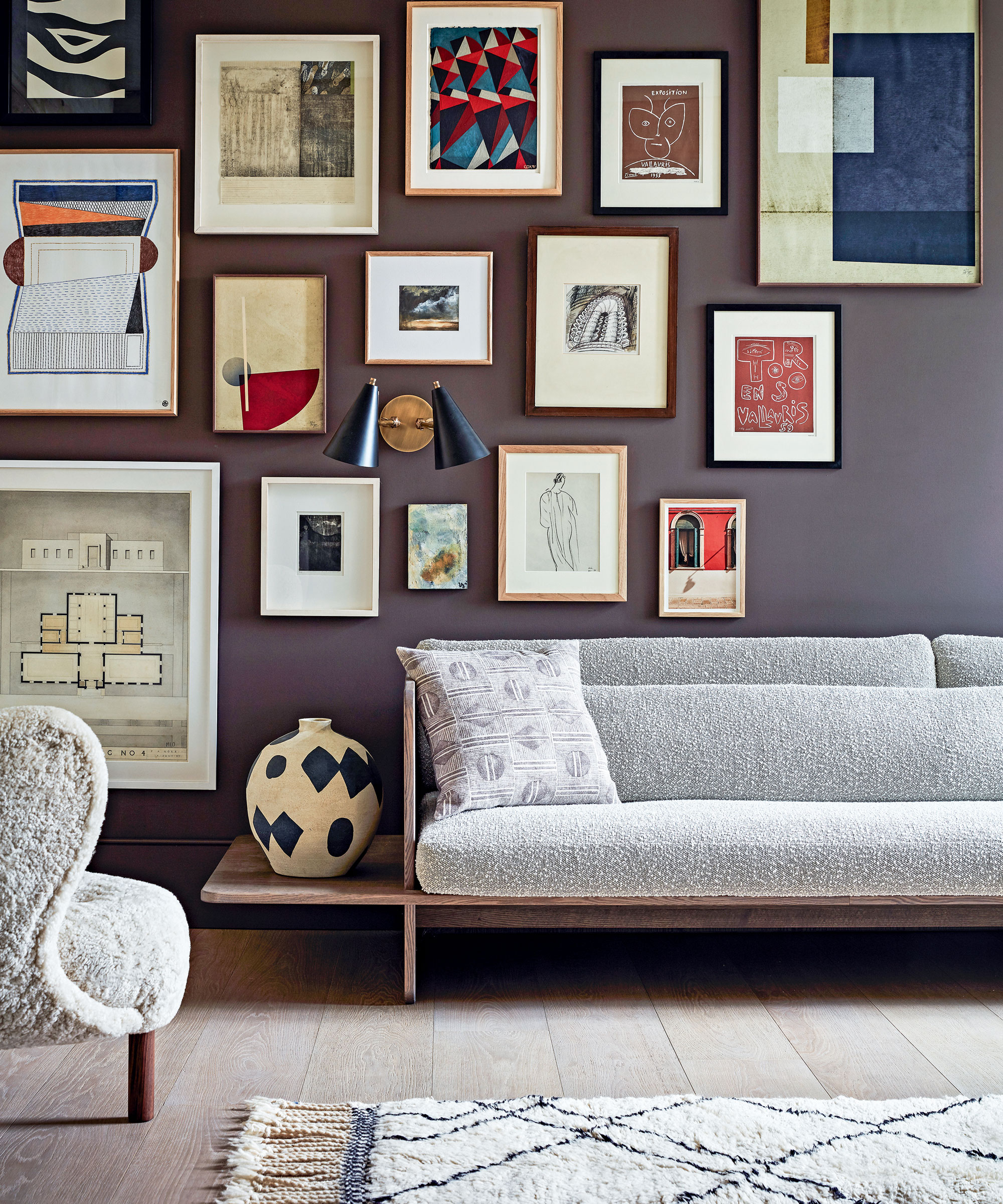
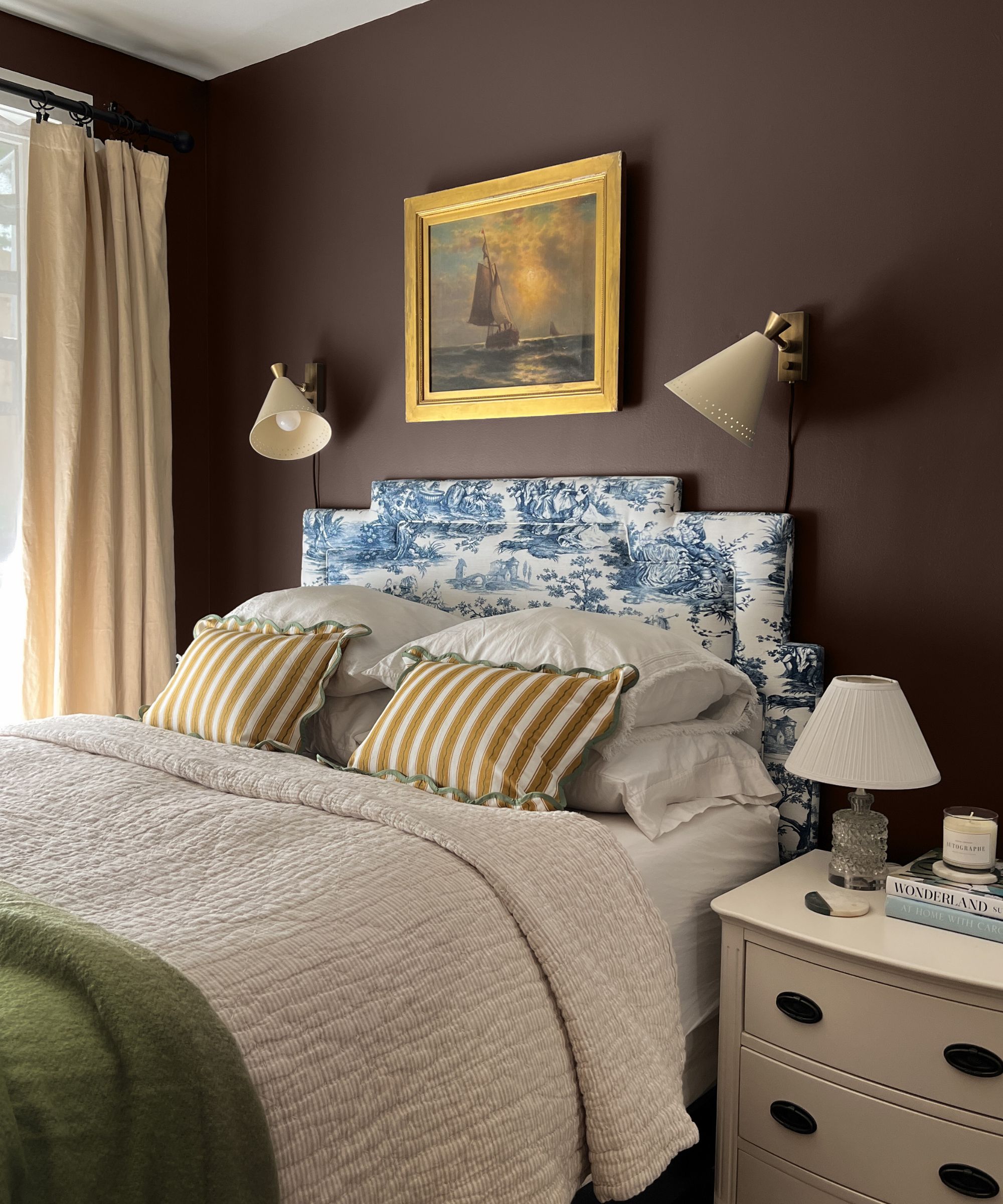
The article highlights eight common color rules that interior design experts suggest breaking. The first rule challenged is avoiding dark colors in small rooms. Michael Rolland, a DIY expert, argues against the misconception that dark colors shrink a room. Instead, he suggests that dark hues can enhance poorly lit or small spaces by working with the limitations of natural light, rather than against them, potentially making a room feel cozier.
The second rule to break is the reliance on white walls as a "safe" option. Annie Sloan, founder of Annie Sloan Chalk Paints, advises against white walls if one lacks confidence in adding color, as white can be challenging to coordinate. She recommends starting with a mid-tone color, such as blue, as a foundation.
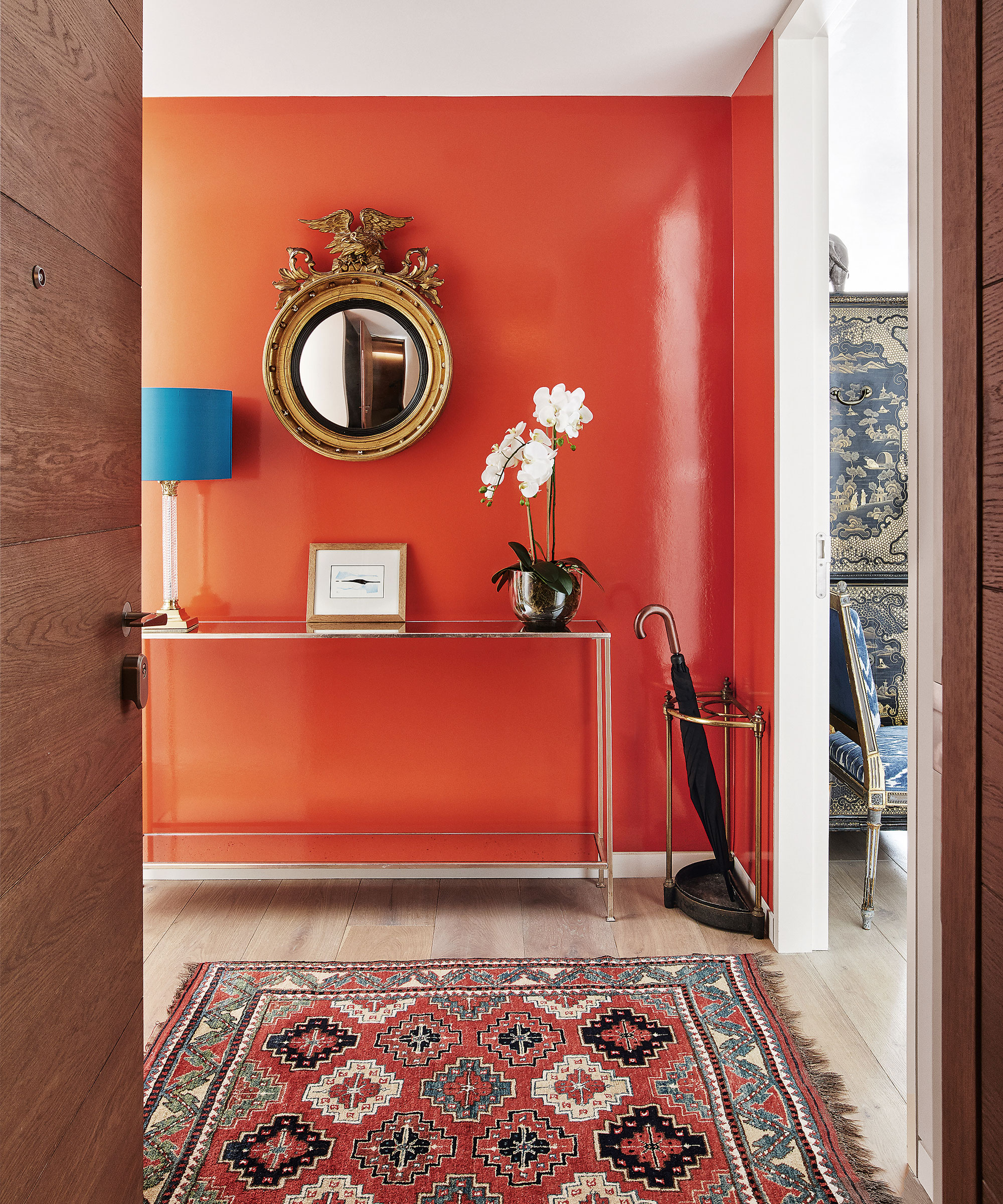
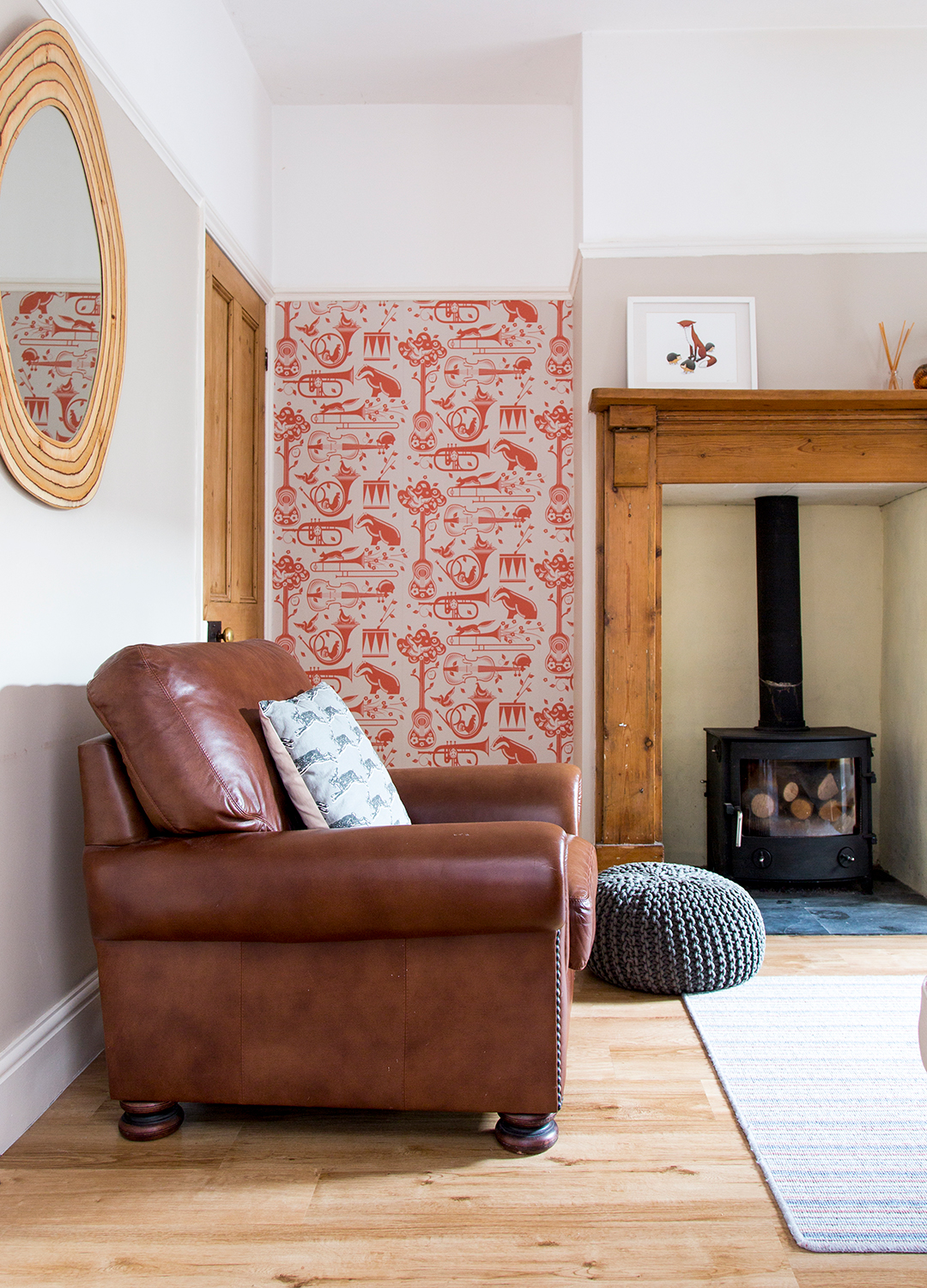
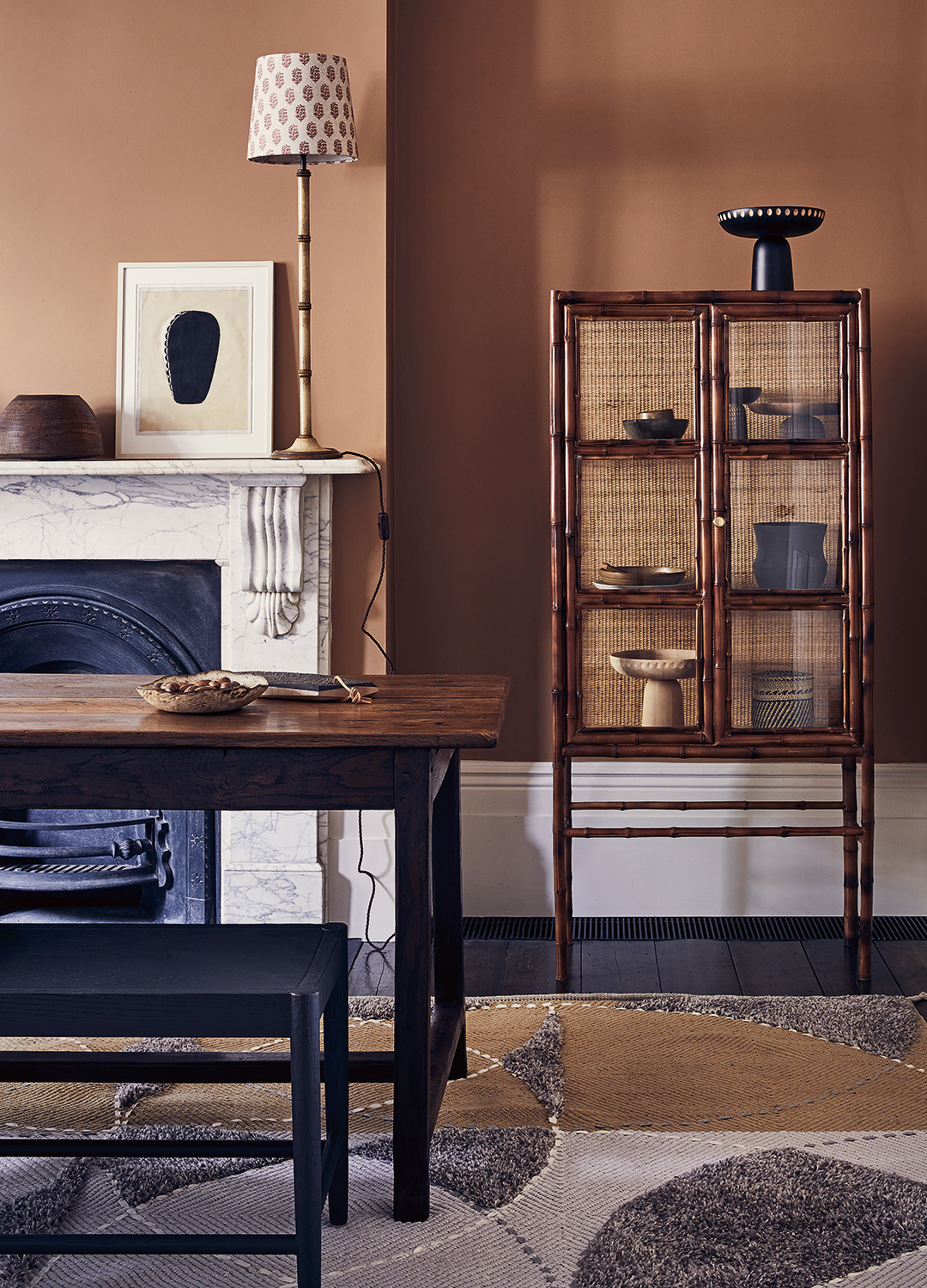
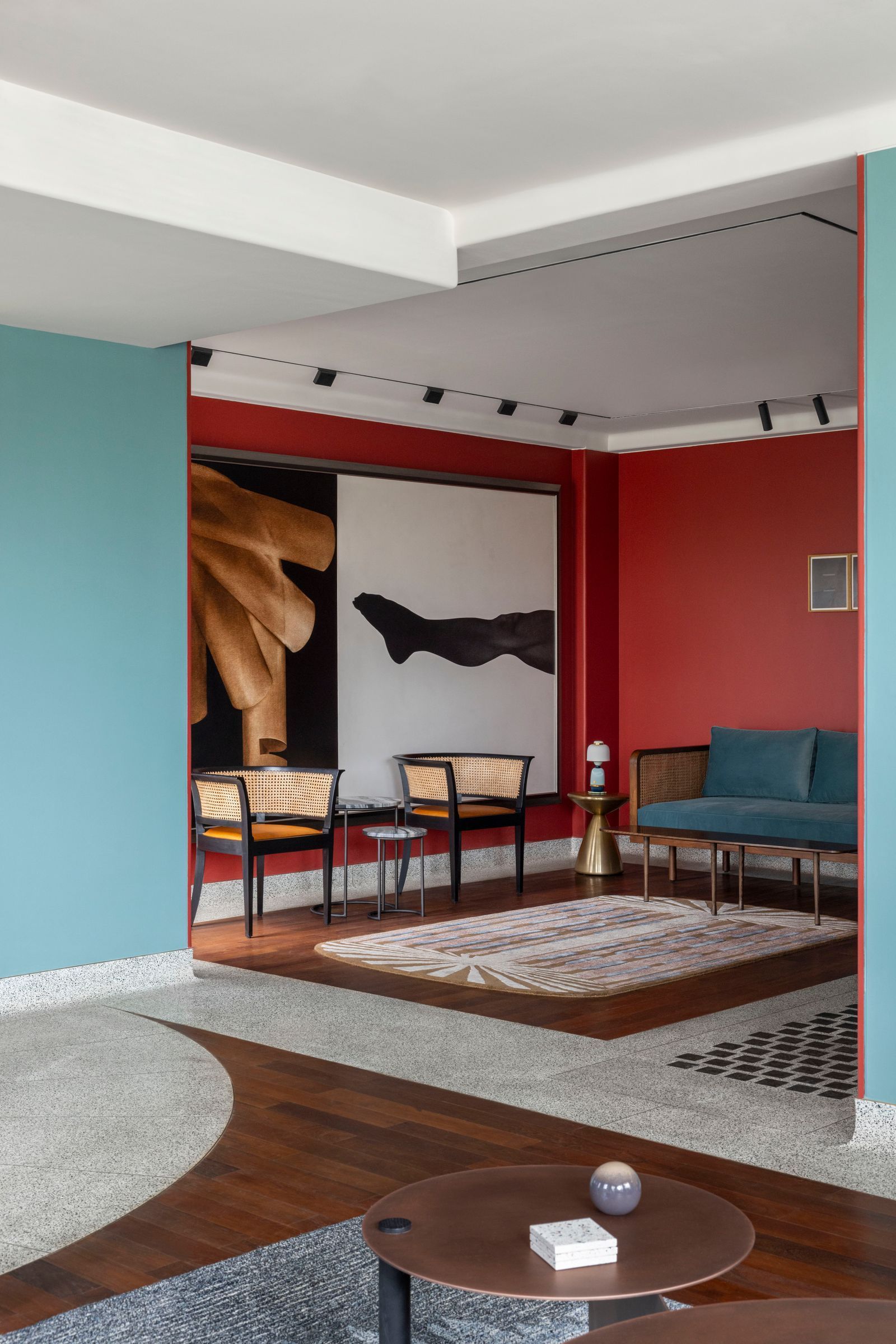
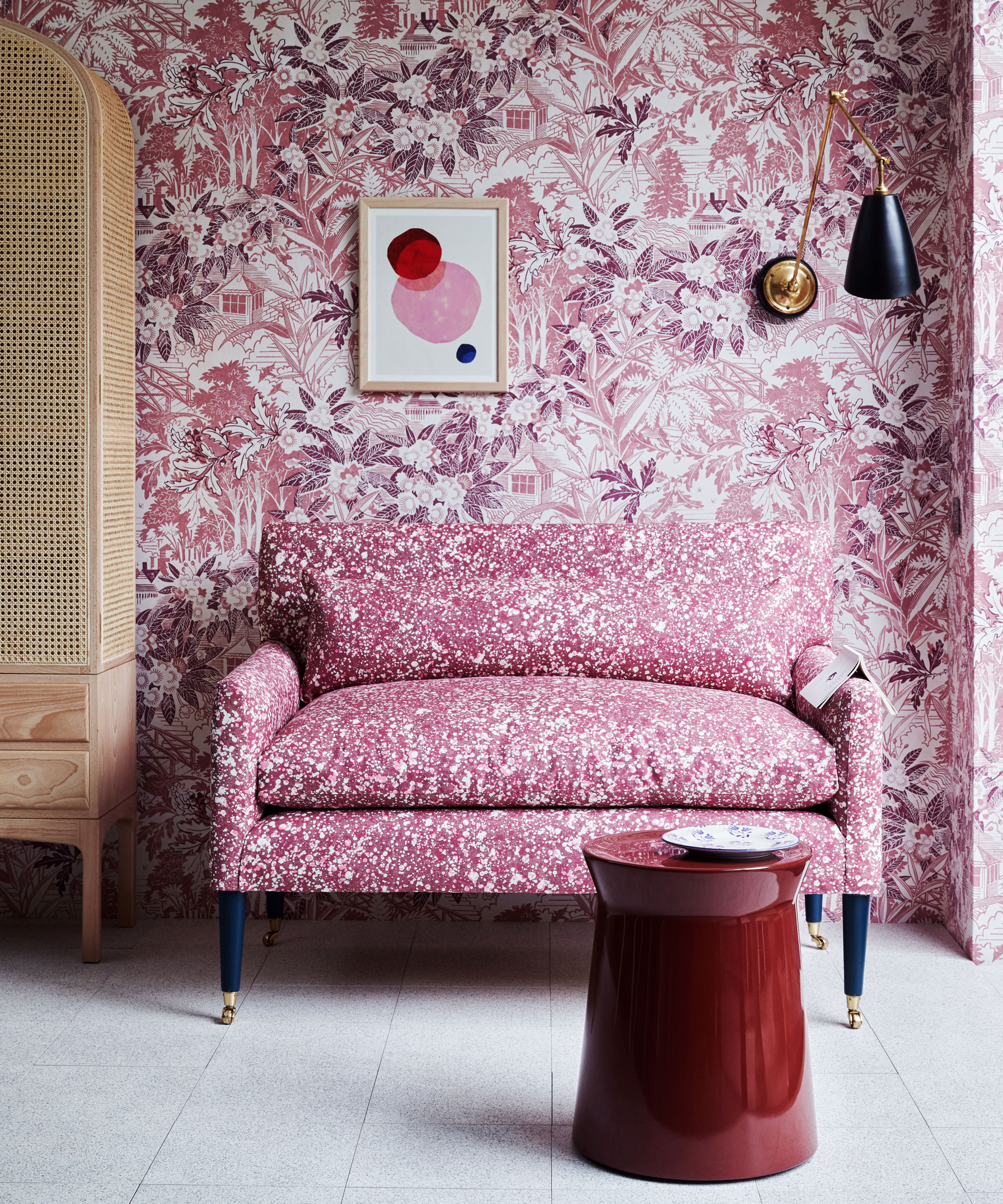
The third point discusses moving beyond only using complementary colors. Emma Bestley, Creative Director of YesColours, suggests that "clashing" colors can be provocative and demonstrate originality. She encourages experimenting with various colors against a dominant shade on the color wheel, even suggesting homeware accessories as a low-commitment way to test color clashing. Annie Sloan also provides an example of this, pairing vivid orange with soft pastel pink for a playful yet contemporary feel in social spaces.
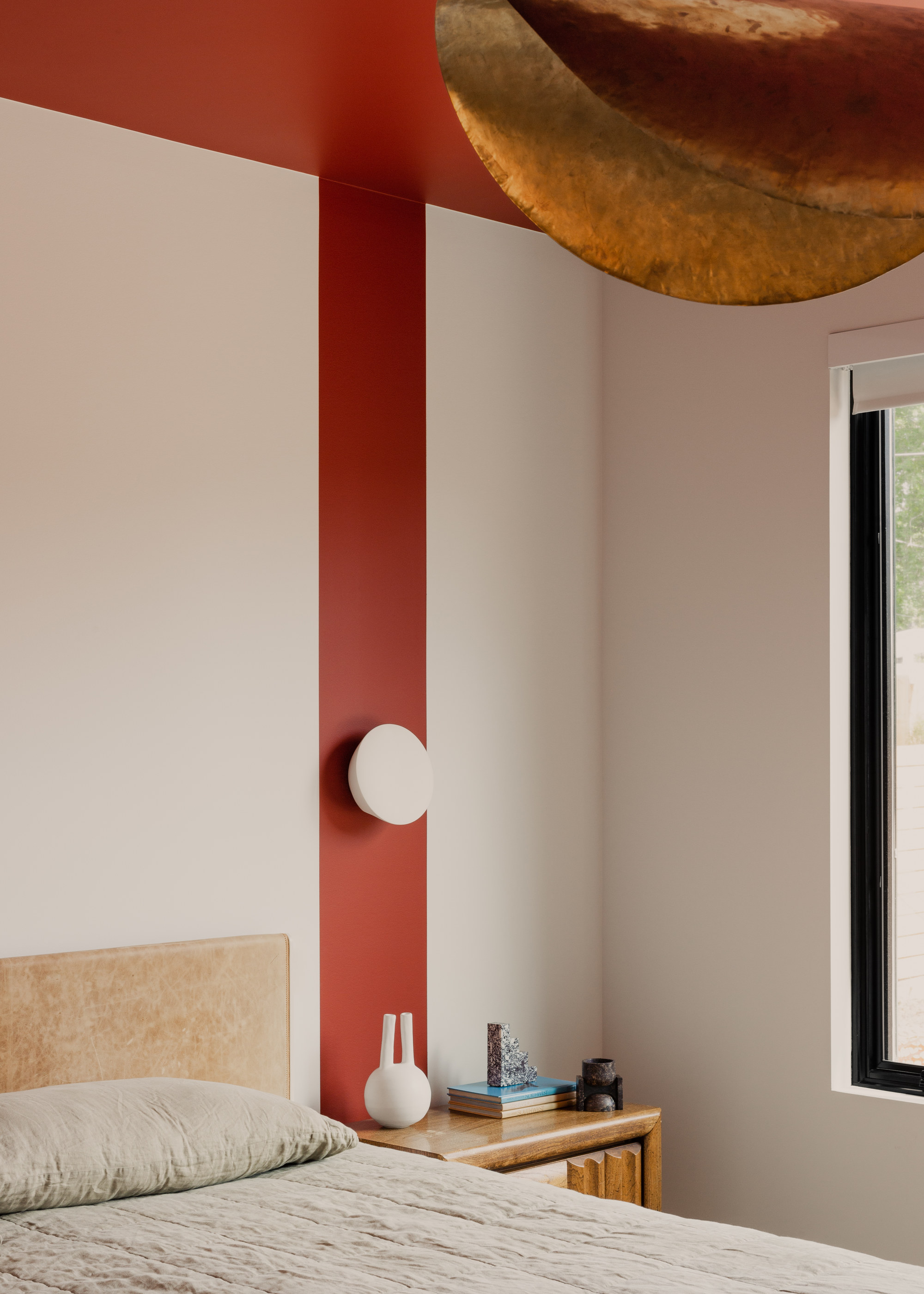
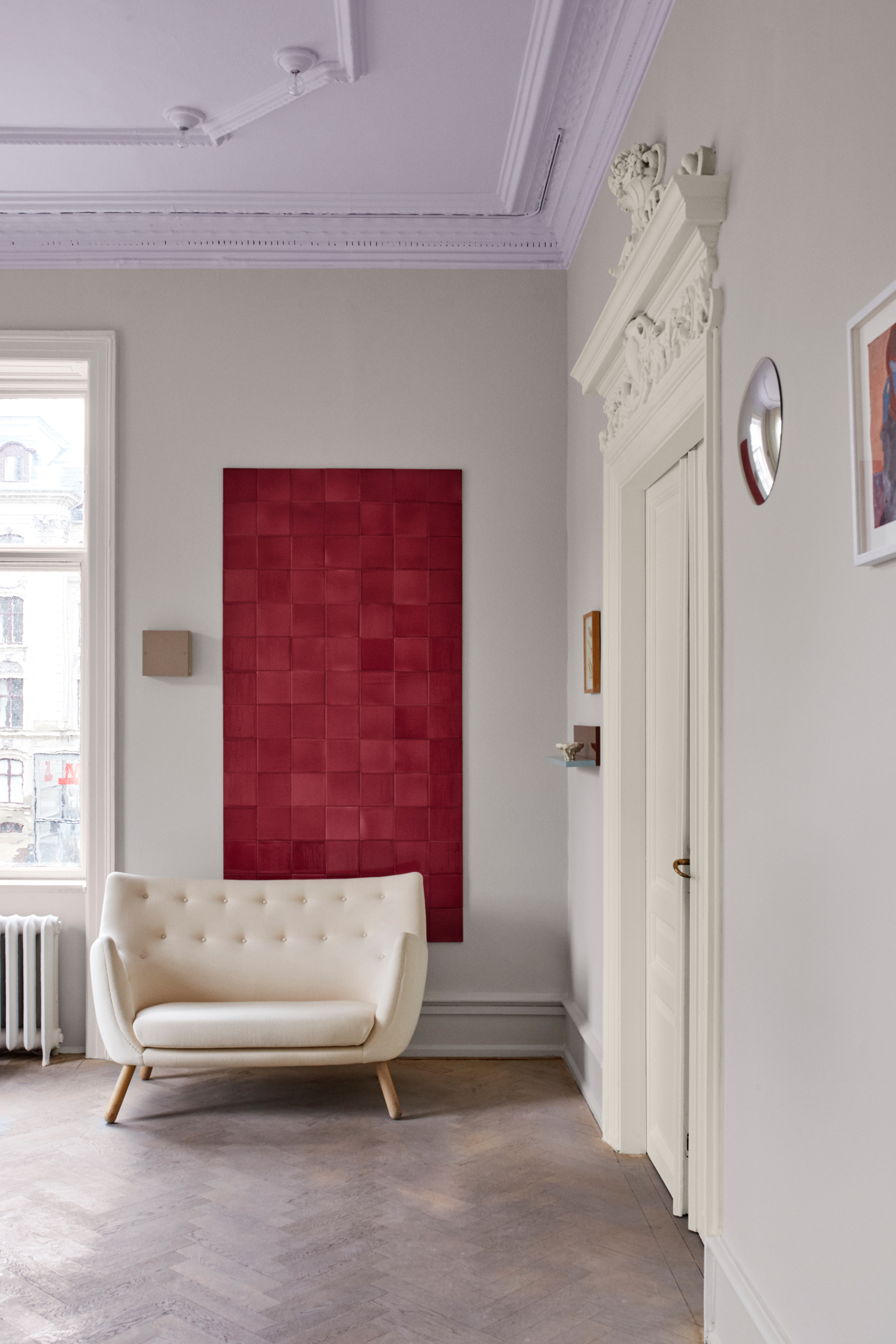
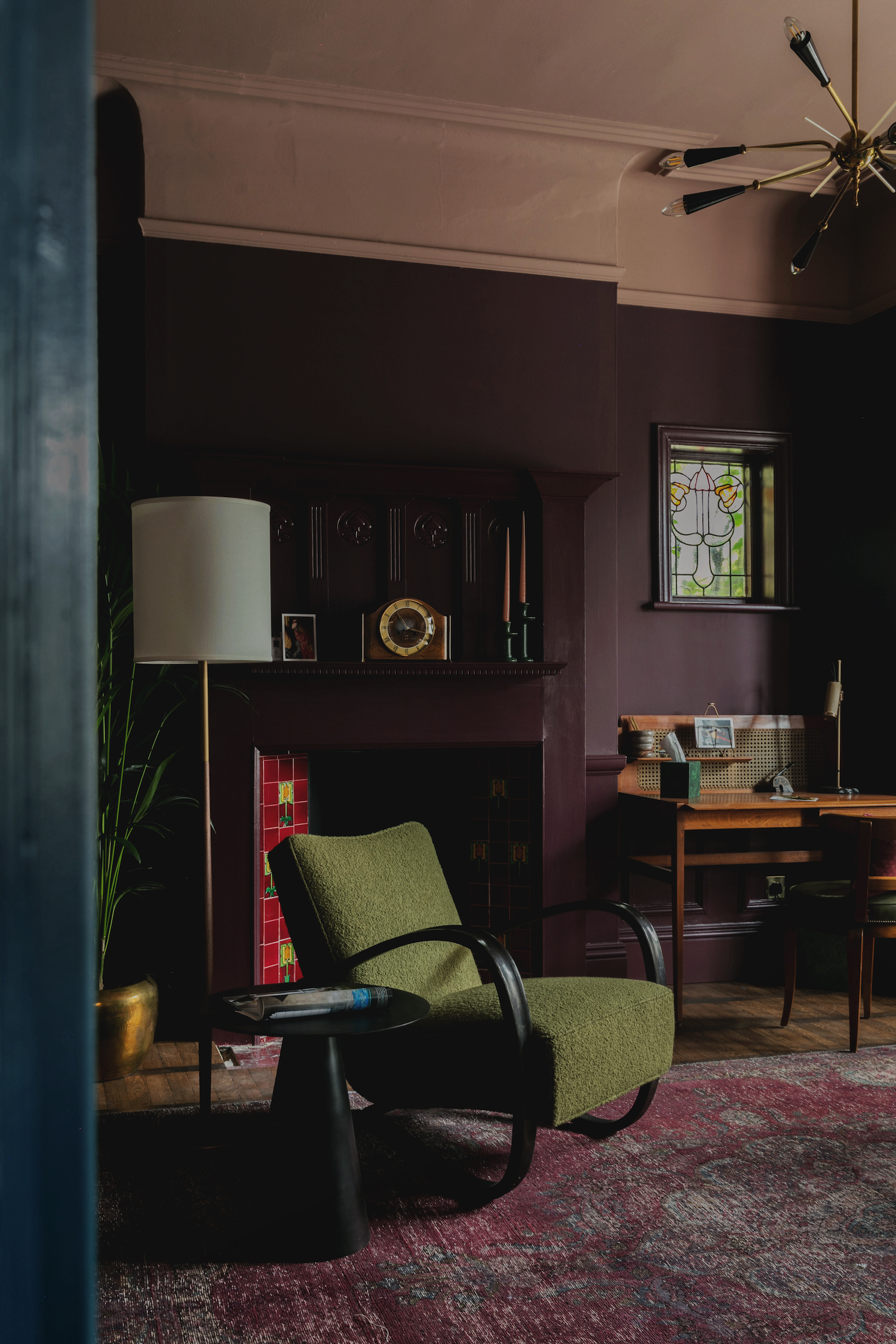
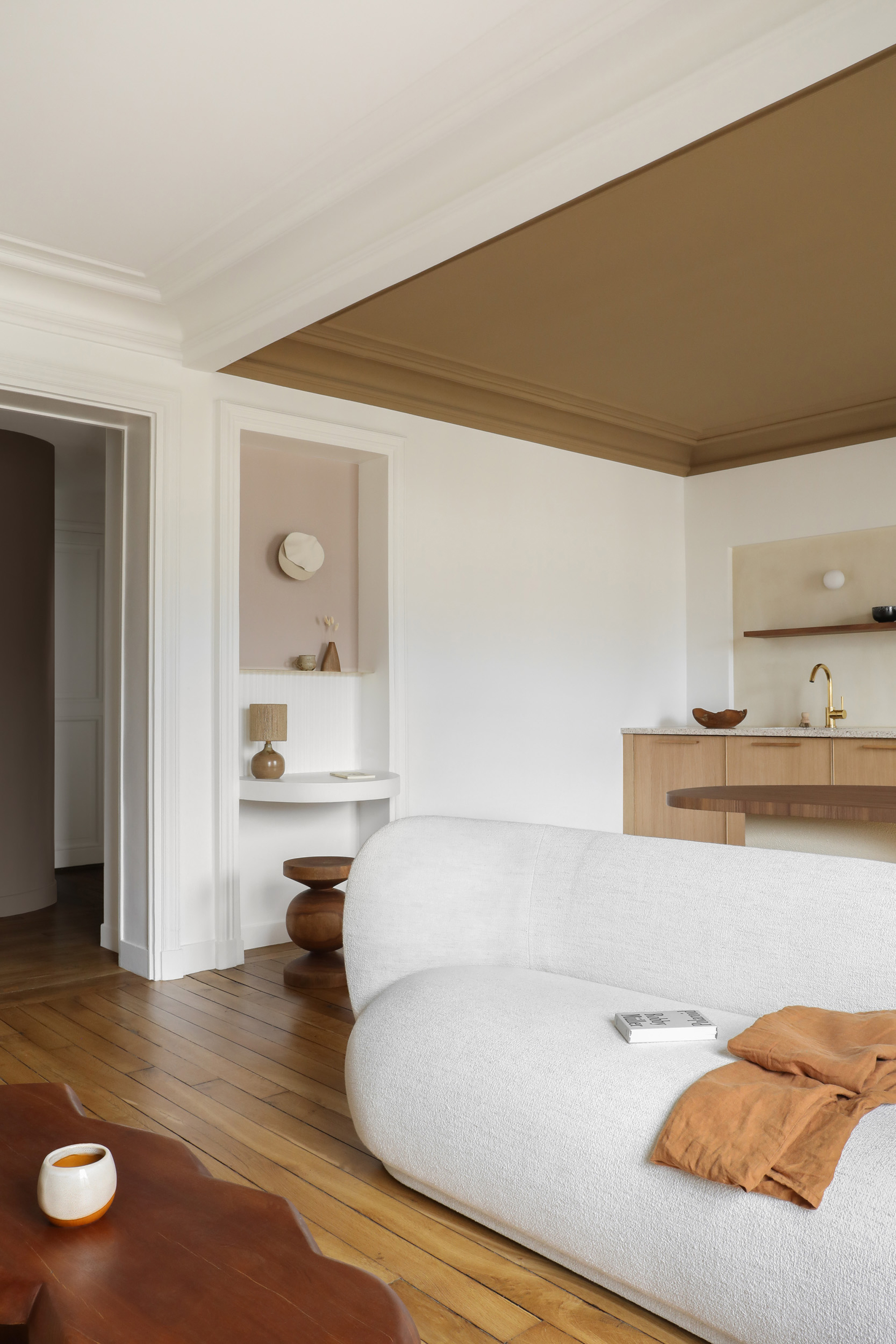
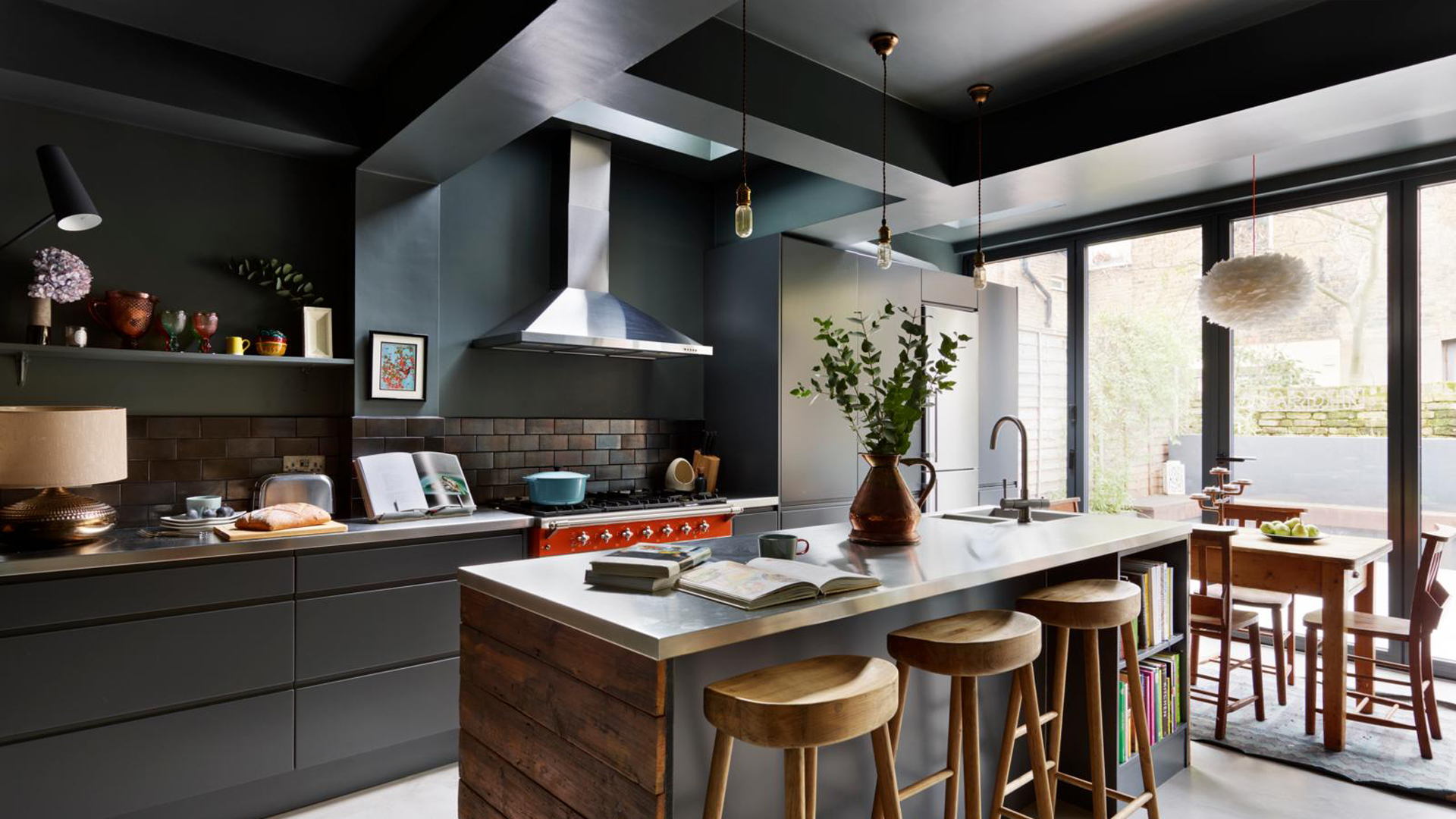
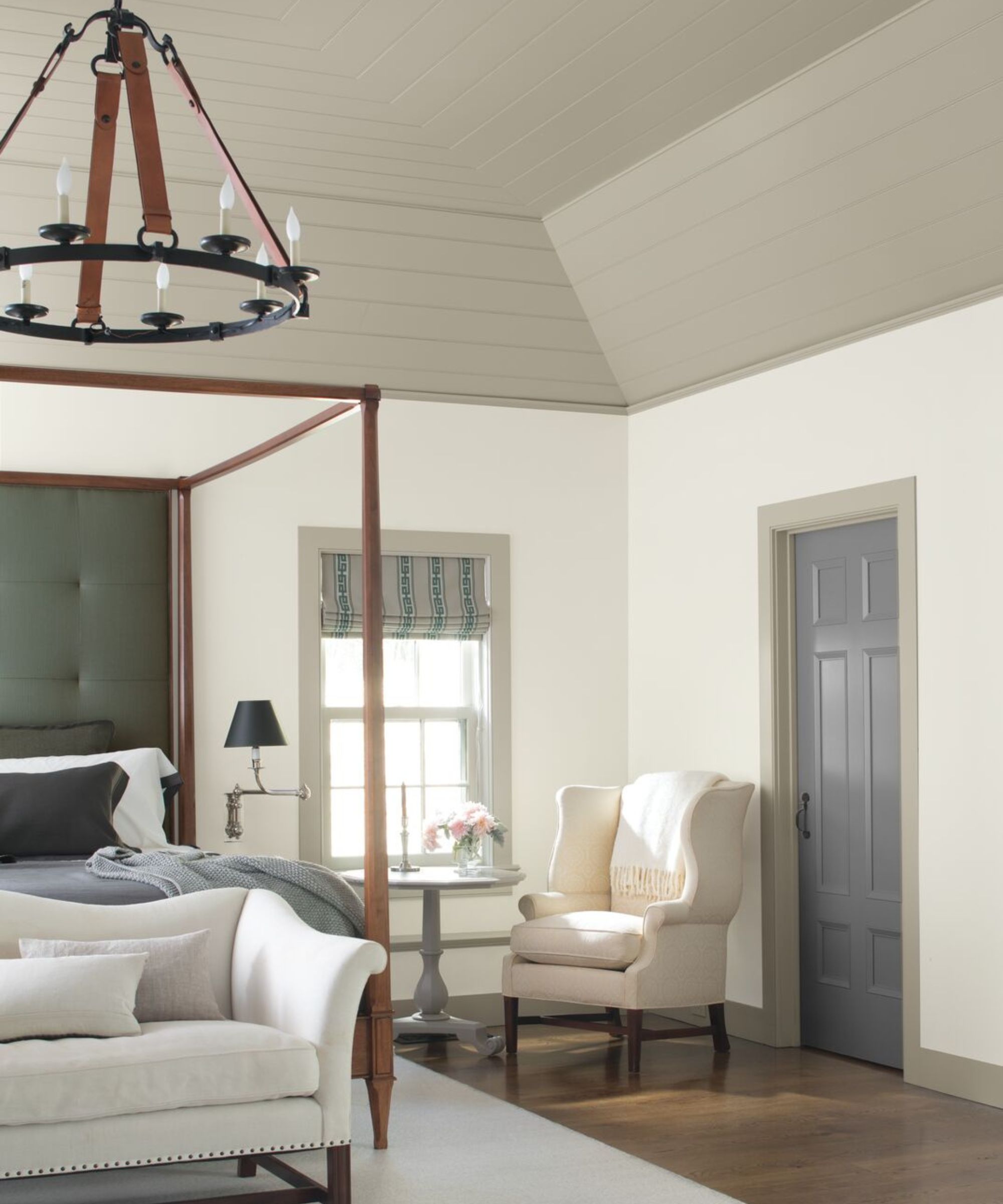
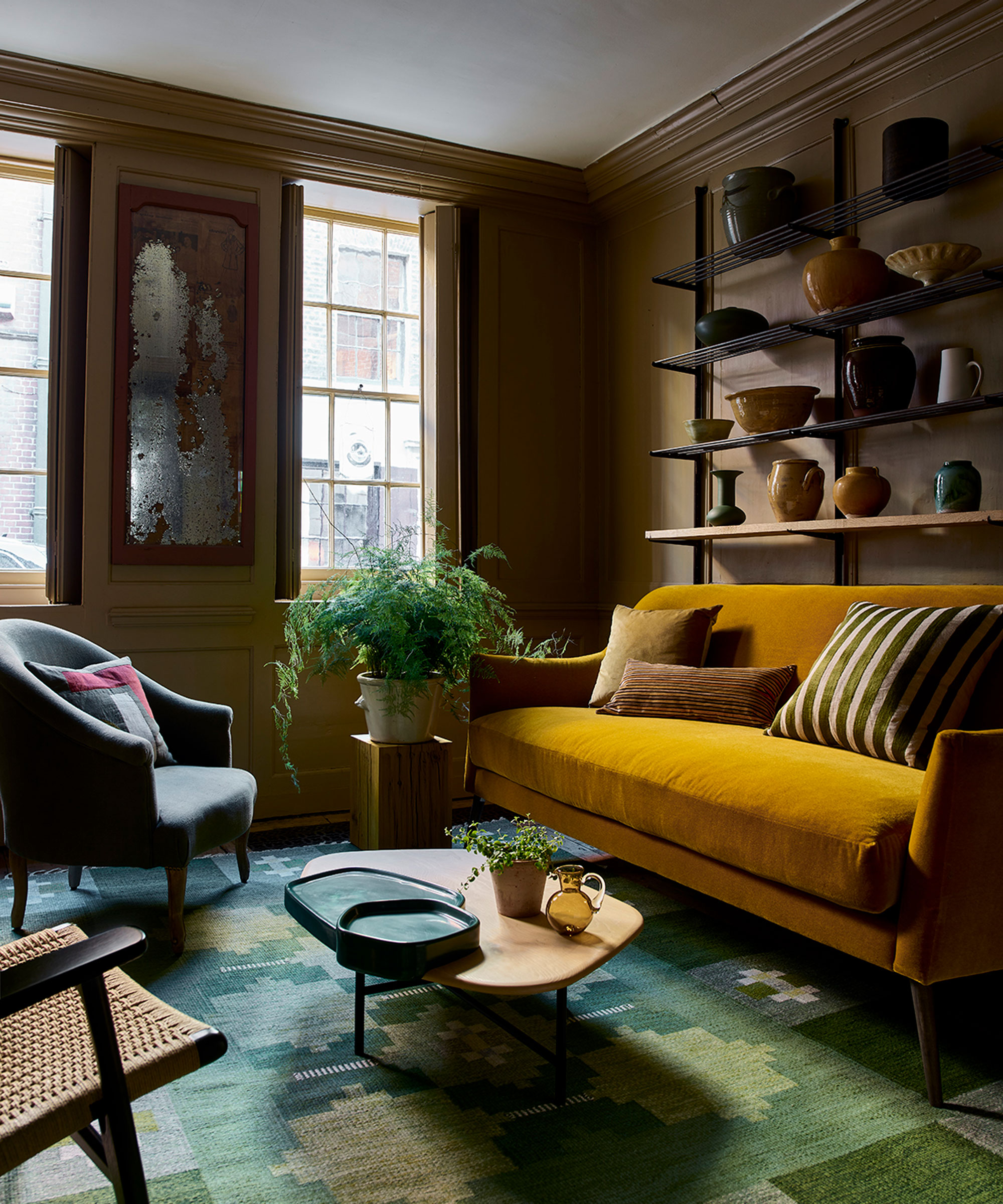
The fourth rule questioned is consistently painting the ceiling white. Sarah Lloyd, Interiors & Paint Specialist at Valspar Paint, notes that while white is a safe choice, painting ceilings in different colors can add depth and elements to a room. She explains that continuing the wall color onto the ceiling can create a "cocooning" effect, known as color drenching, making the space feel more intimate, a sentiment echoed by Michael from The Paint Shed.
The fifth rule to challenge is being solely guided by color theory. Clare Walsh, Brand Expert at Kukoon Rugs, believes that emotional response to shades should take precedence over strict adherence to color theory principles, emphasizing that personal preference is key.
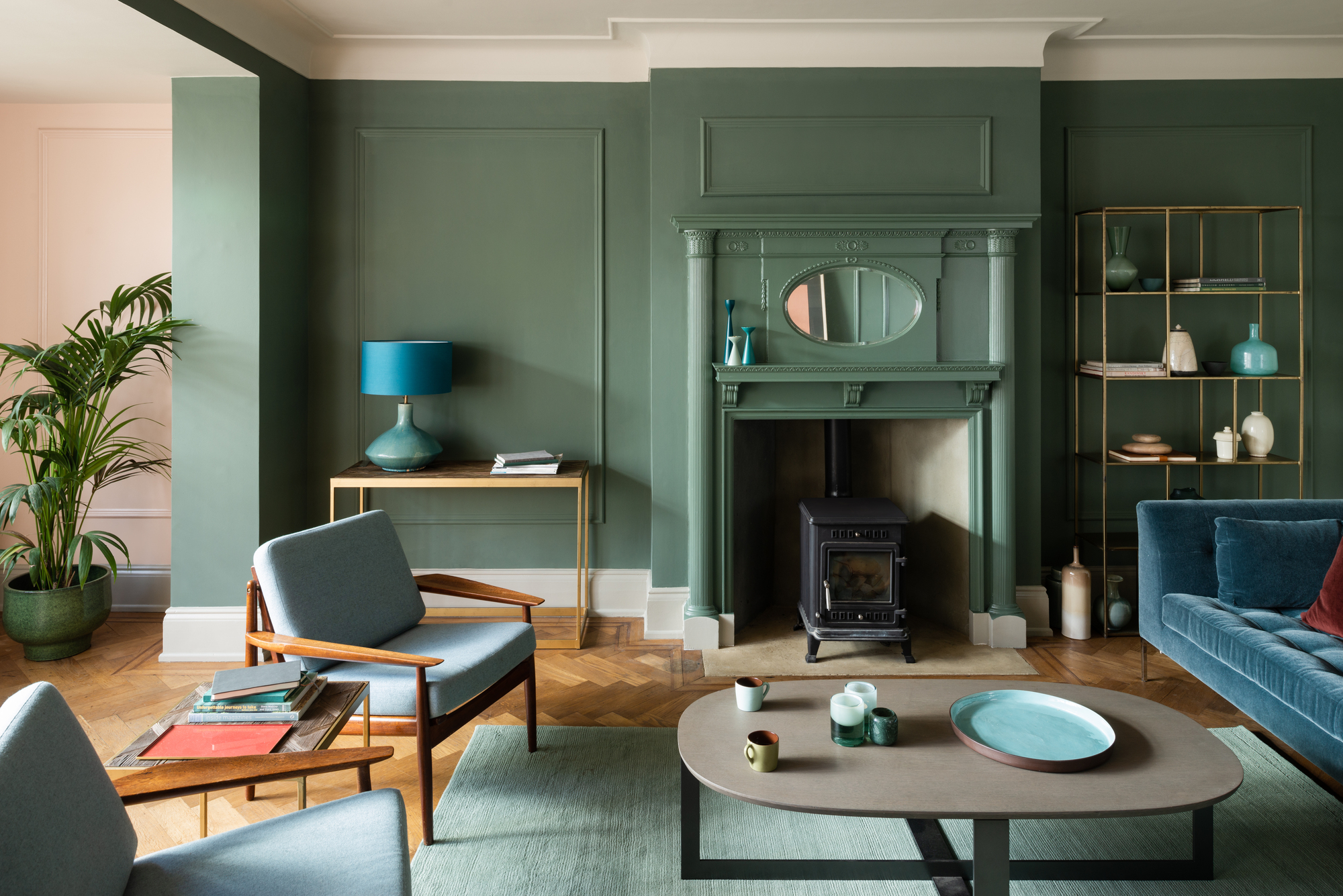
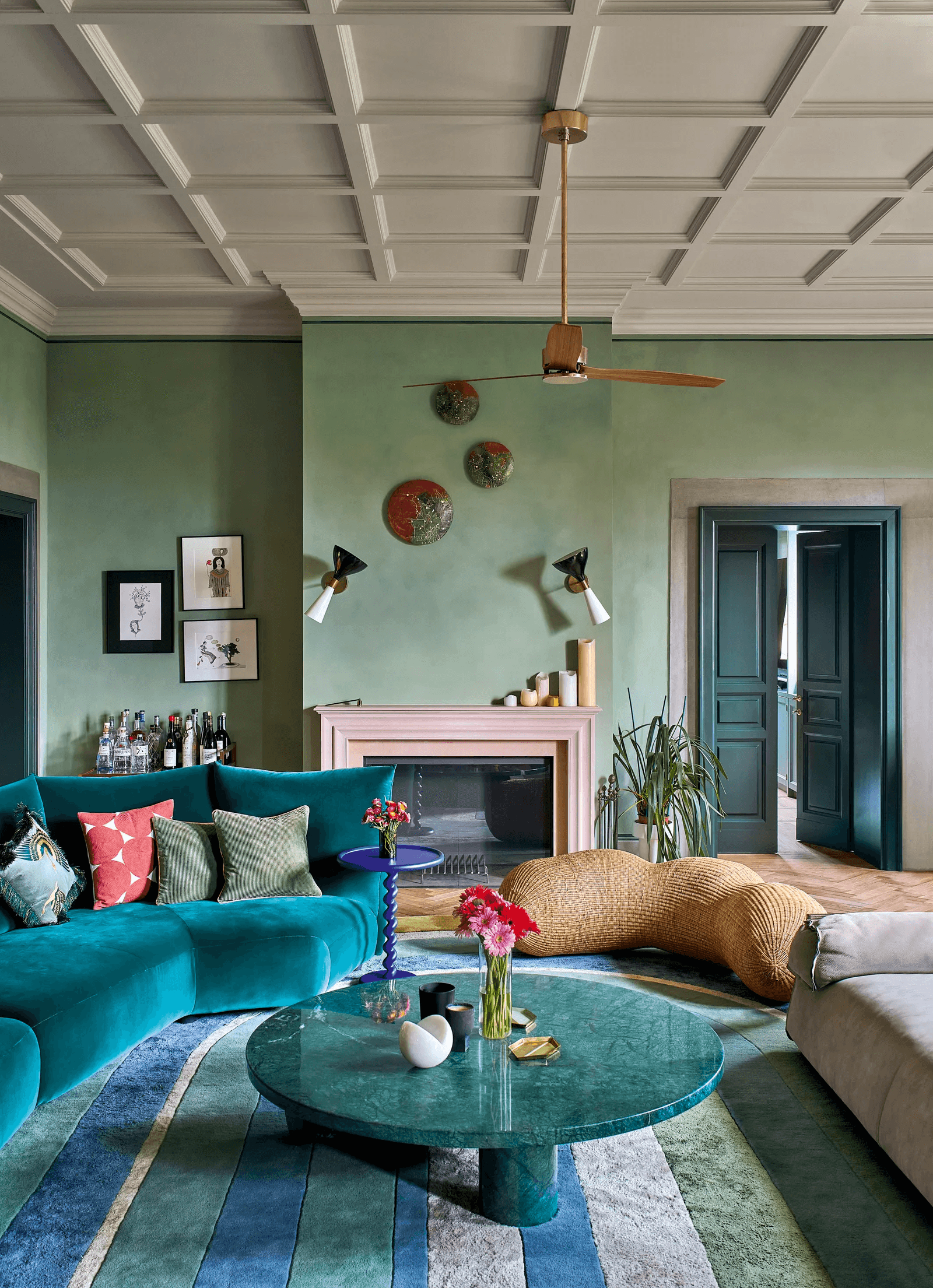
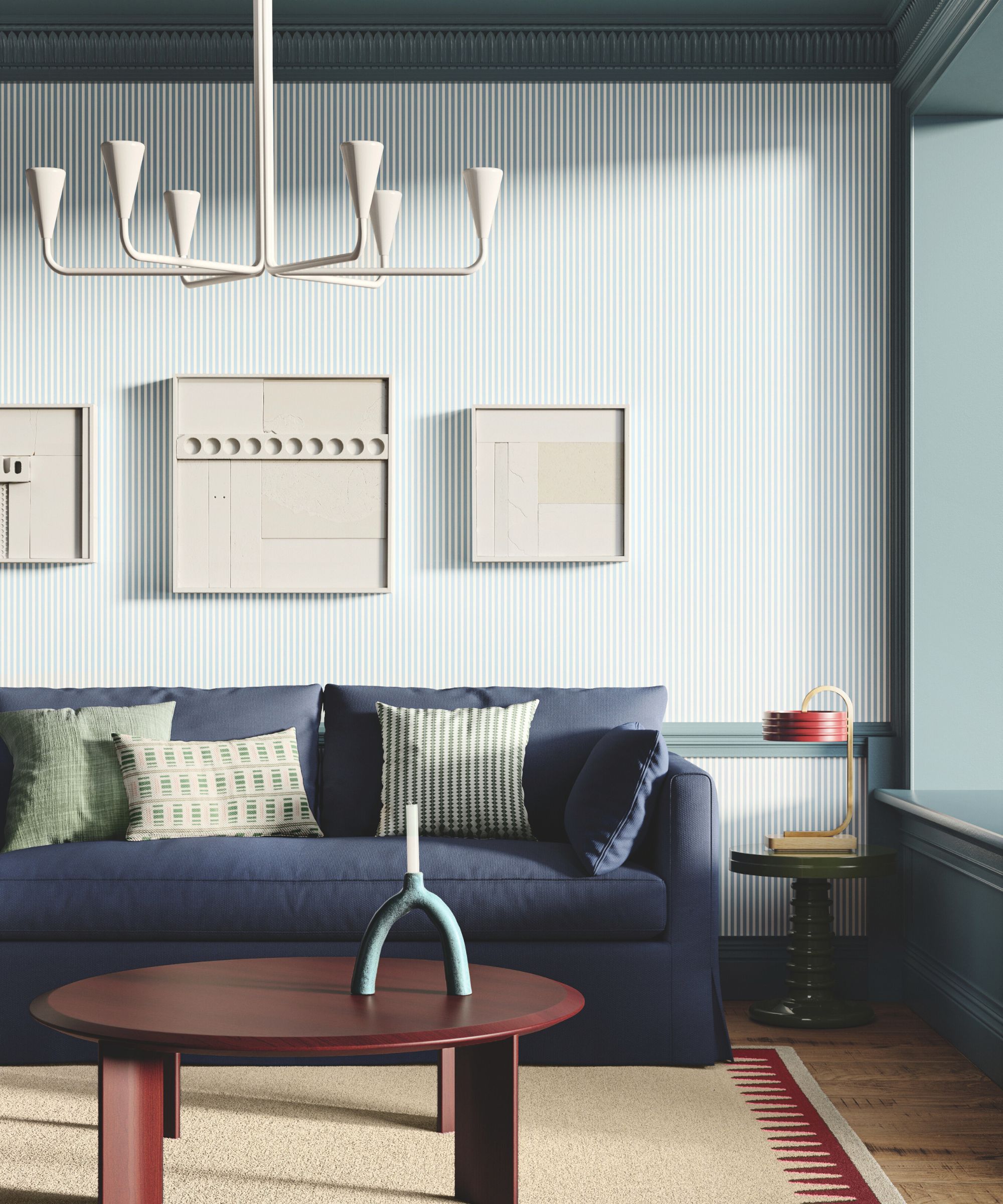
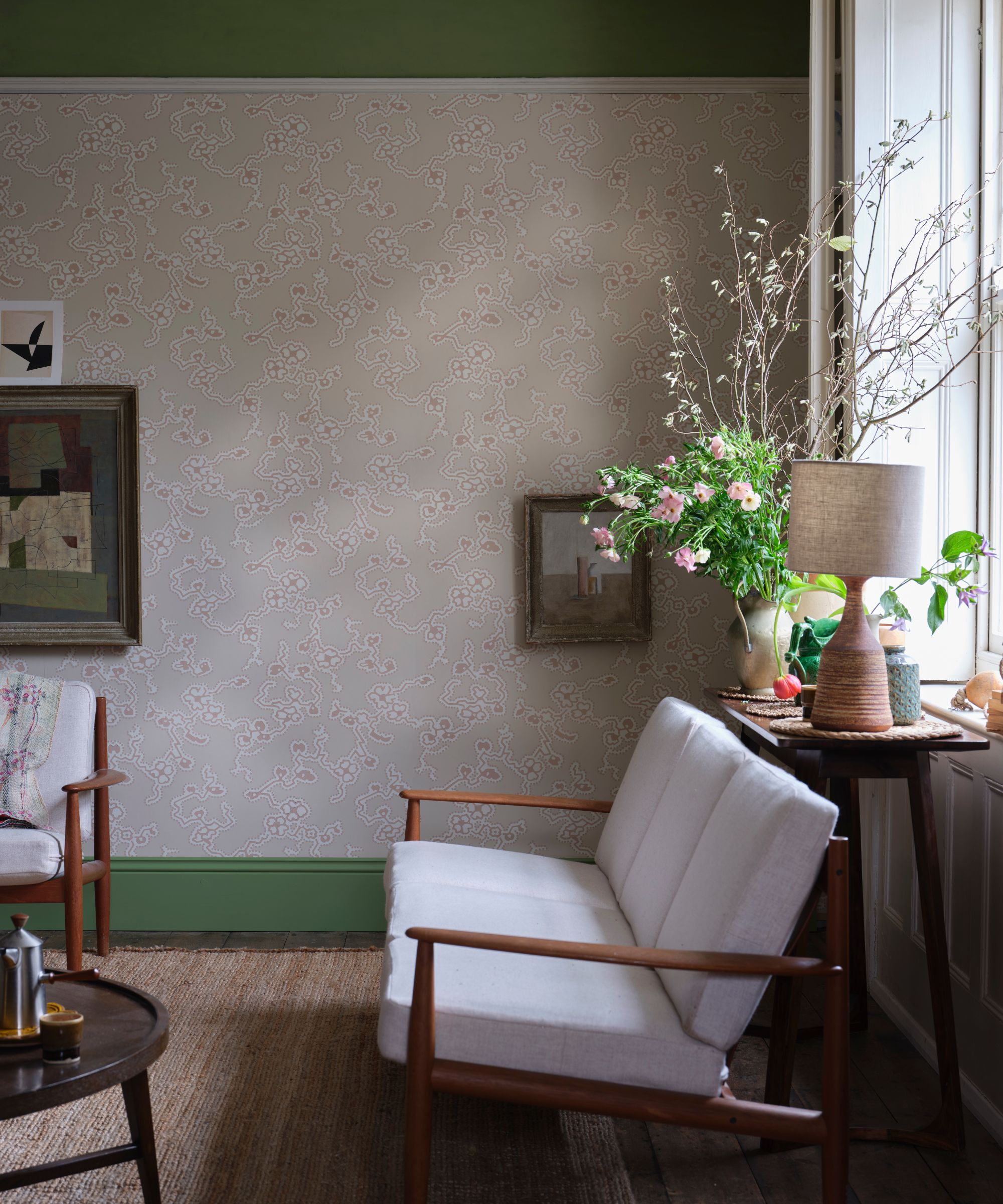
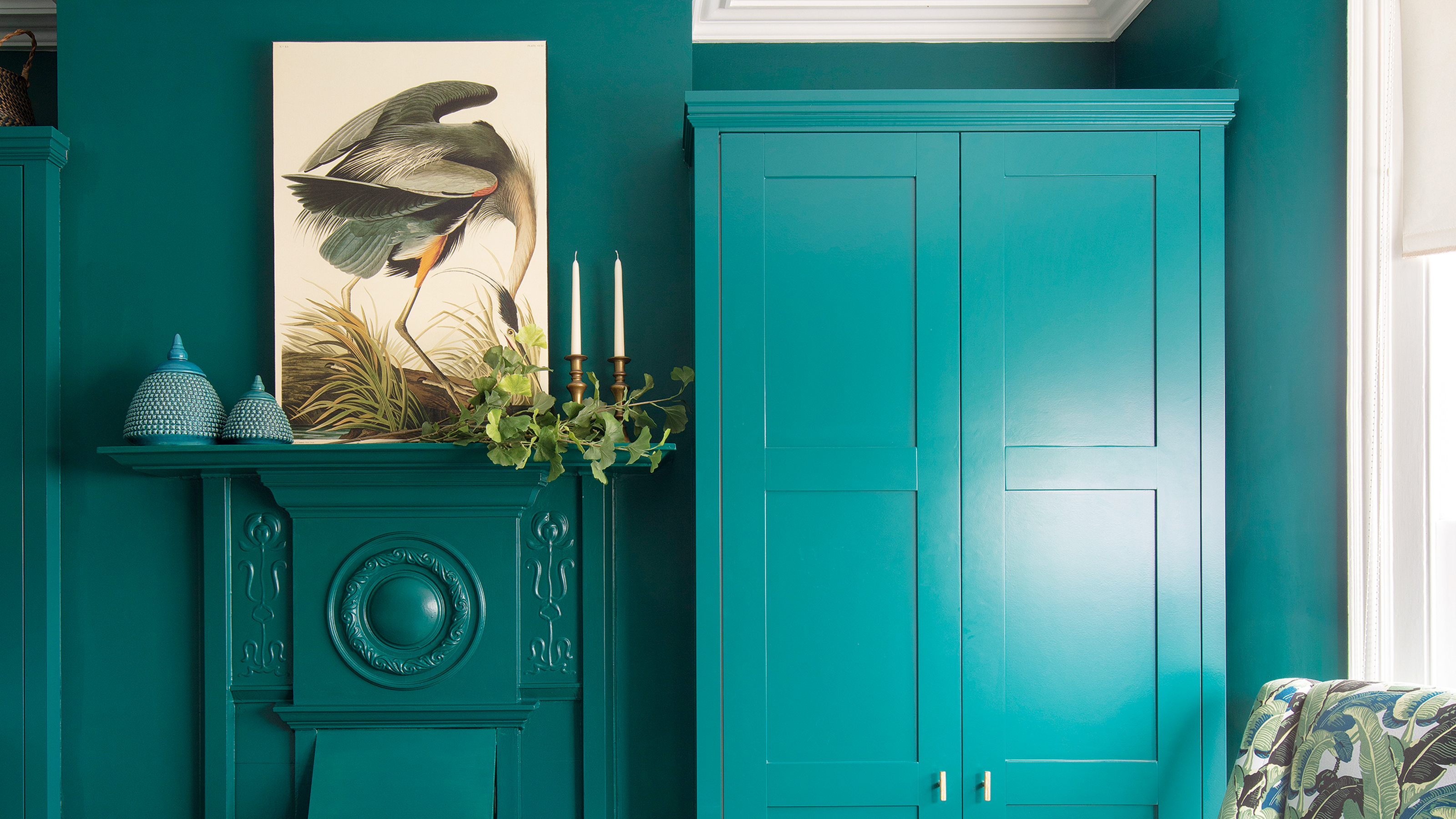
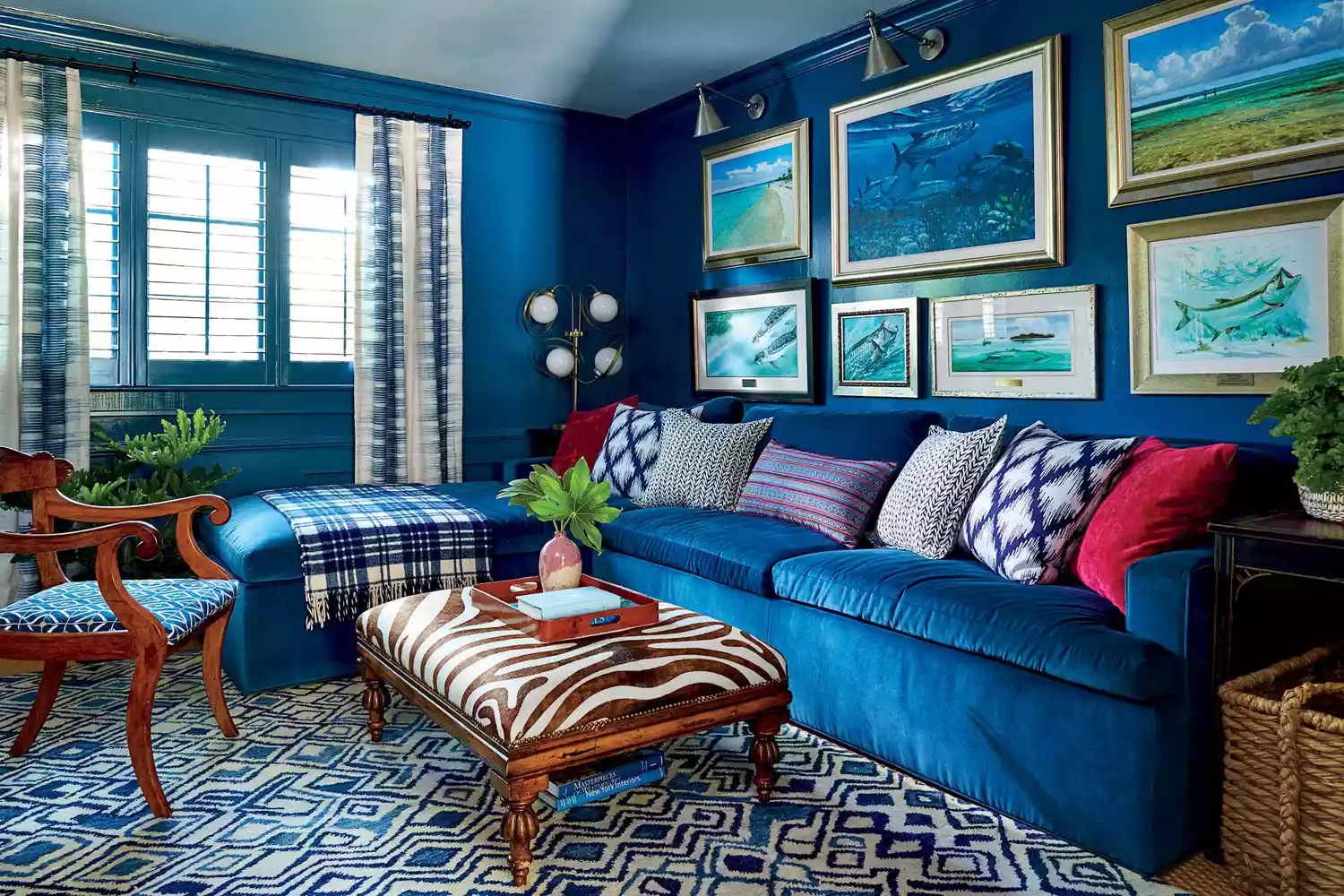
The sixth rule debunks the old adage that "blue and green should never be seen." Clarissa Hulse, founder of her eponymous homeware brand, states this is nonsense, explaining that deep navy can beautifully complement teals and earthy olives, adding depth and interest to a scheme that might otherwise be flat.
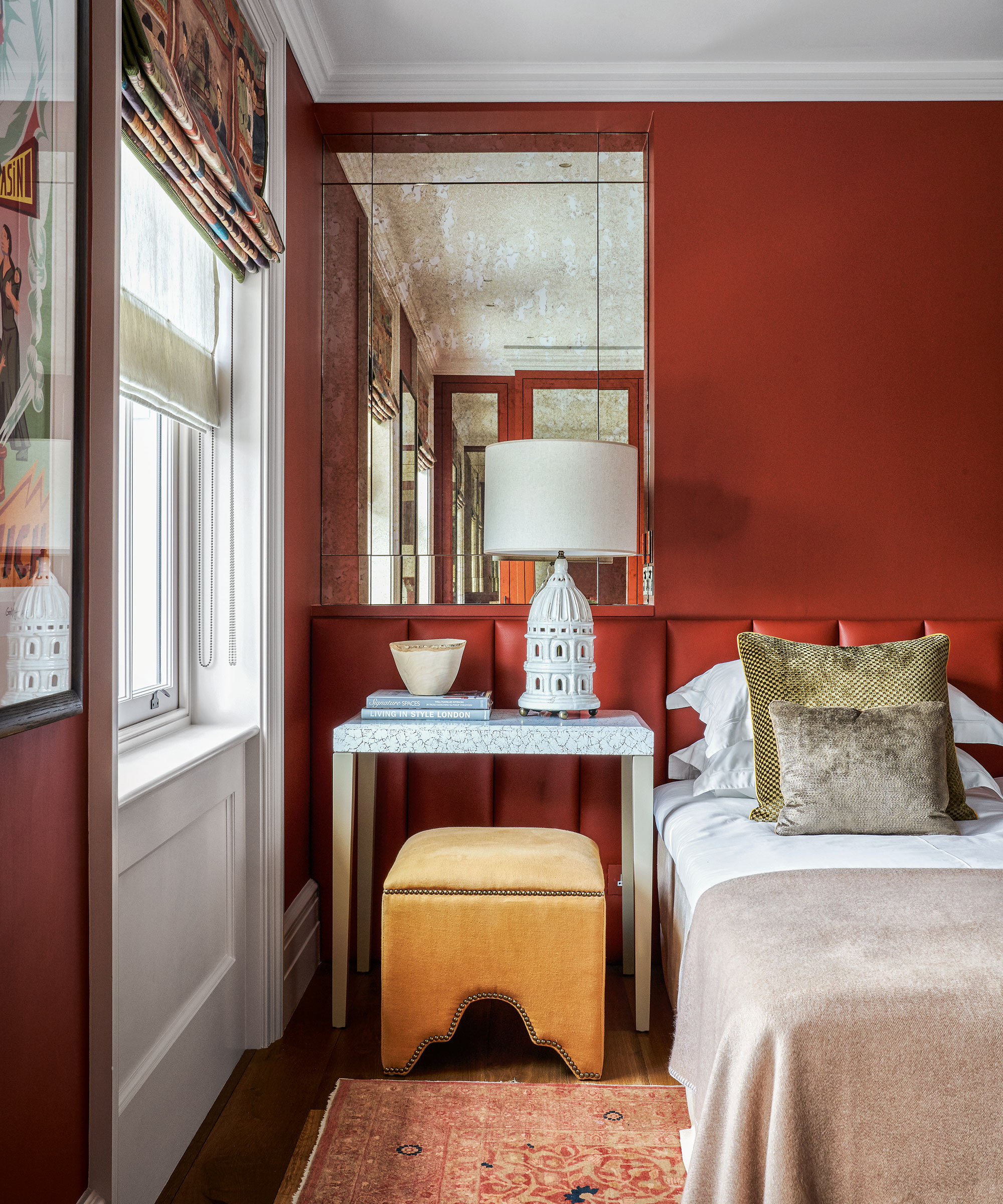
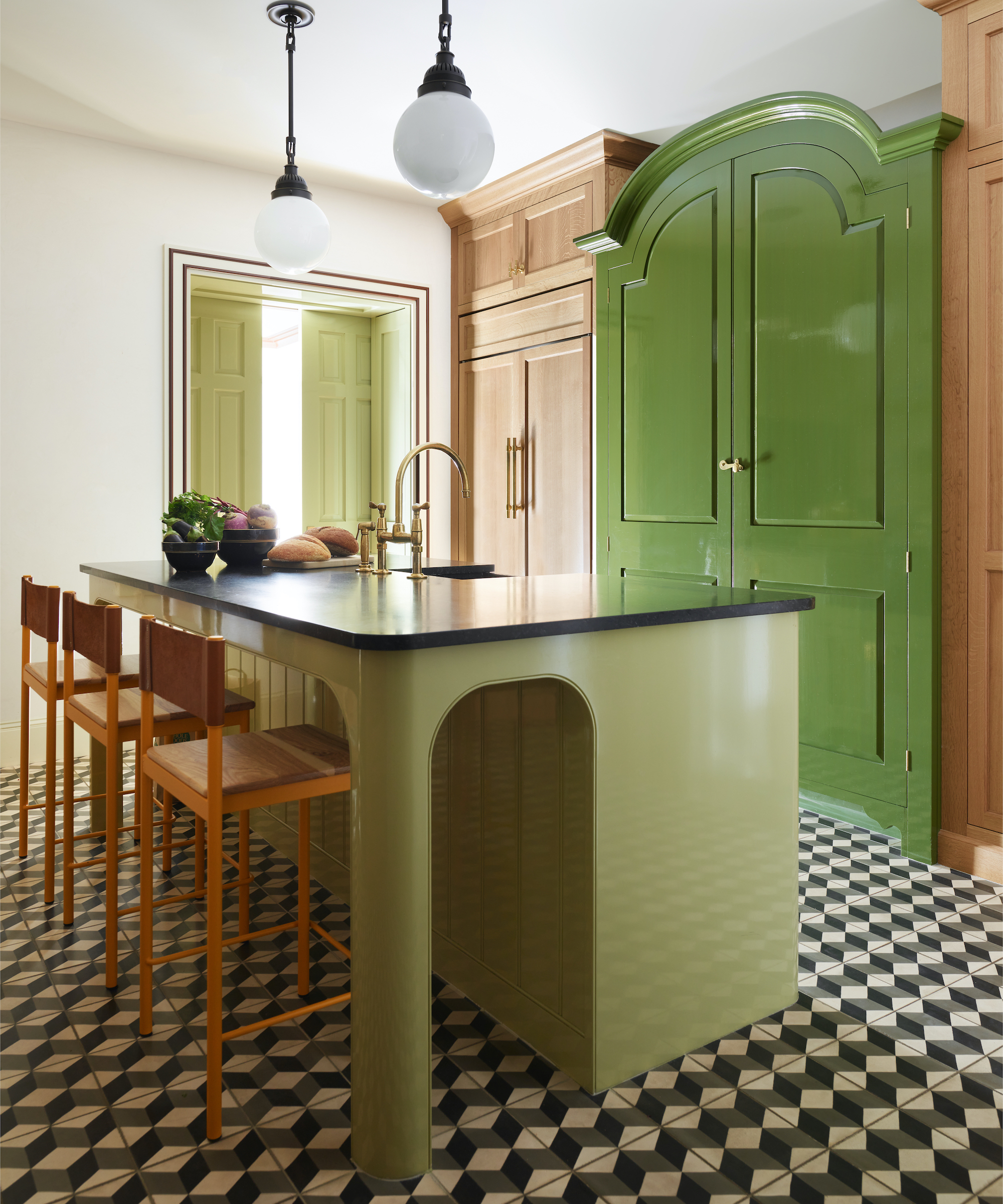
The seventh rule suggests moving beyond "disguising" cabinetry. While painting built-in wardrobes the same color as walls can make a room feel larger, Annie Sloan proposes making these units a feature by painting them in uplifting, contrasting shades, creating an unexpectedly fun backdrop.
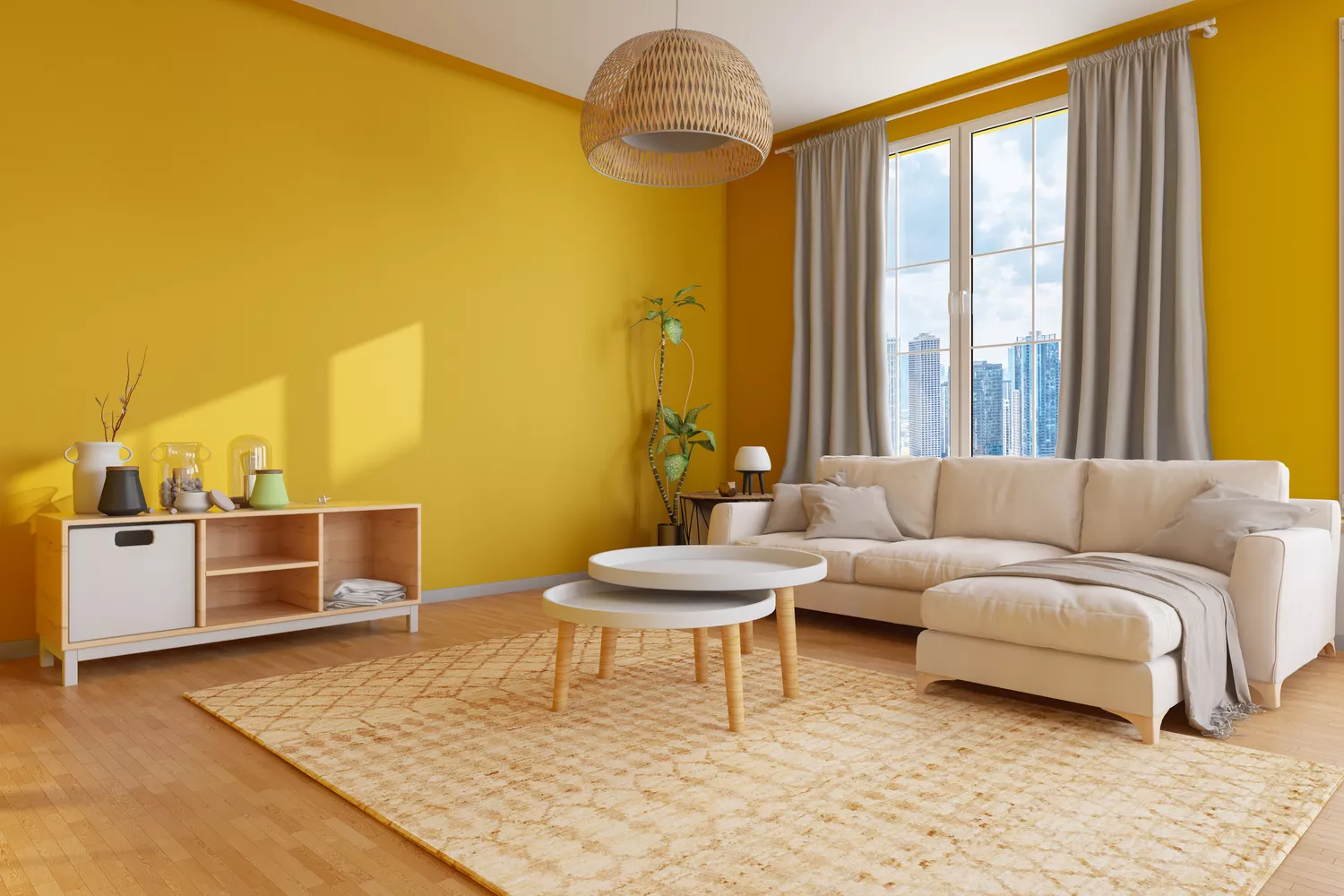
Finally, the eighth rule encourages expanding beyond limiting oneself to a single feature wall. The article argues that taking a strong color across all walls, rather than just one, can create a seamless backdrop and emphasize difference more effectively than contrasting edges. This approach avoids the common perception of a lone feature wall, allowing for a more immersive and impactful color application.
#InteriorDesign #ColorTheory #HomeDecor #DesignRules #PersonalizedInteriors #ColorExperimentation #SmallSpaces #CeilingColor #CabinetryDesign #InteriorDesign #ColorTheory #HomeDecor #DesignRules #PersonalizedInteriors #ColorExperimentation #SmallSpaces #CeilingColor #CabinetryDesign
0 comment in total
 No comments yet
You may also like
5 colors you should never paint a small room – designers warn us to steer clear of these hues, and what to pick instead

'The World of Color is Rife With Danger' — 5 Color Combinations That Don't Go Together and What to Use Instead

5 rules of thumb for mixing wood tones around your home, shared by interior designers

4 Paint Colors Designers Say You Should Never Use In A Hallway
Kitchen Color Selection Tips from 5 Designers
What are the worst colors to paint a room? The shades experts say you should never use
6 Paint Color Mistakes To Stop Making, According To Designers

What the unexpected fashion trick, the 'Sandwich Method', taught me about decorating with color in my home
4 Outdated Colors Designers say you Should Steer Clear of When Decorating a Living Room
6 Paint Color Mistakes To Stop Making, According To Designers
6 colors to avoid in an entryway – and the ones designers know make a better first impression
Britain's best interior designers on the paint colours you just can't go wrong with
5 Home Decorating Rules Interior Designers Think You Should Break
4 Times Designers Say You Definitely Shouldn't Paint Your Walls and Ceiling in the Same Color
7 colour combination ideas that AD100 designers swear by for home interiors

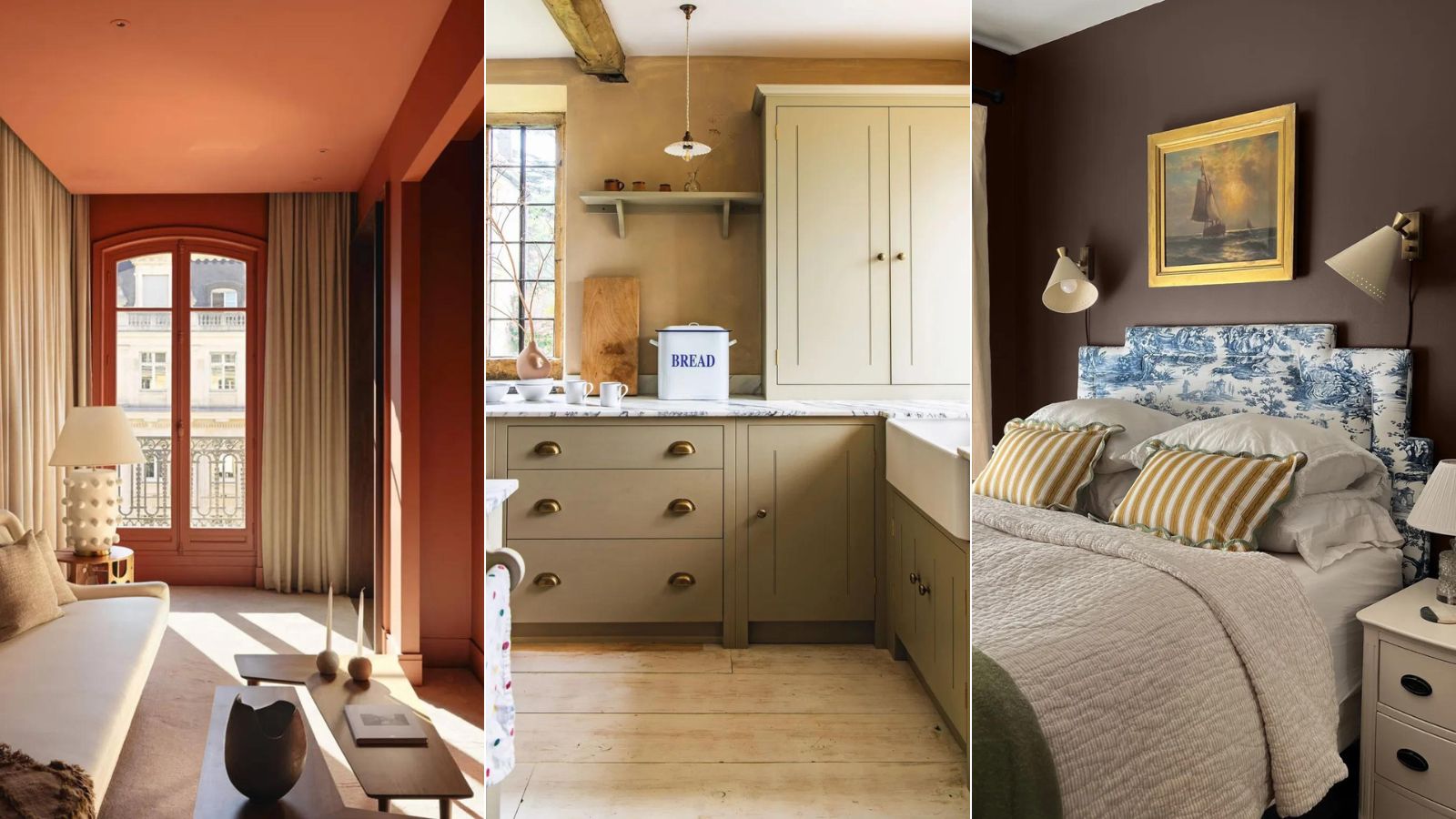
5 'ugly colors' that I'll be decorating with in 2024 – these undesirable colors will trend this year
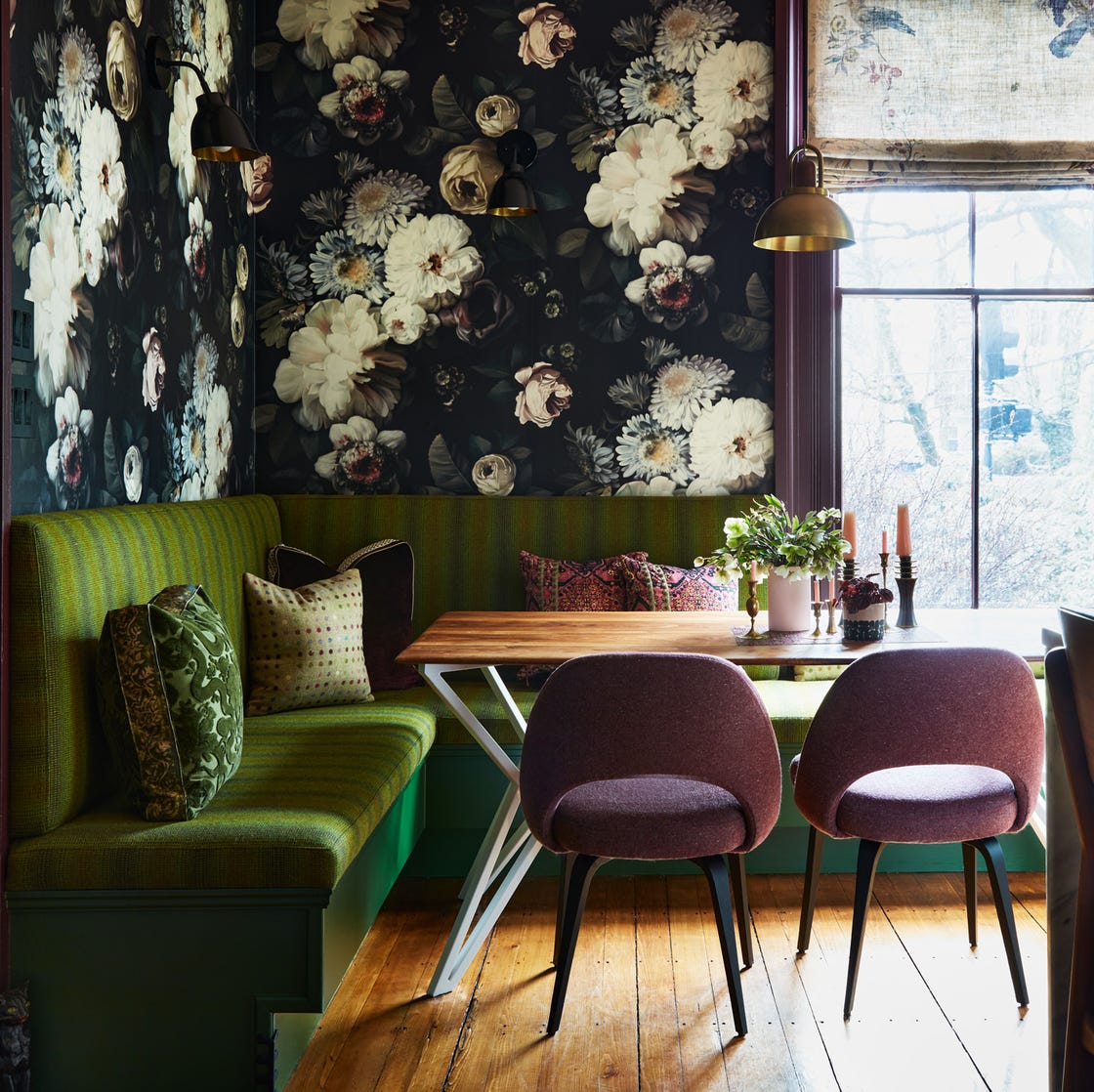
12 Color Schemes That Are Popping Off Right Now, According to Designers

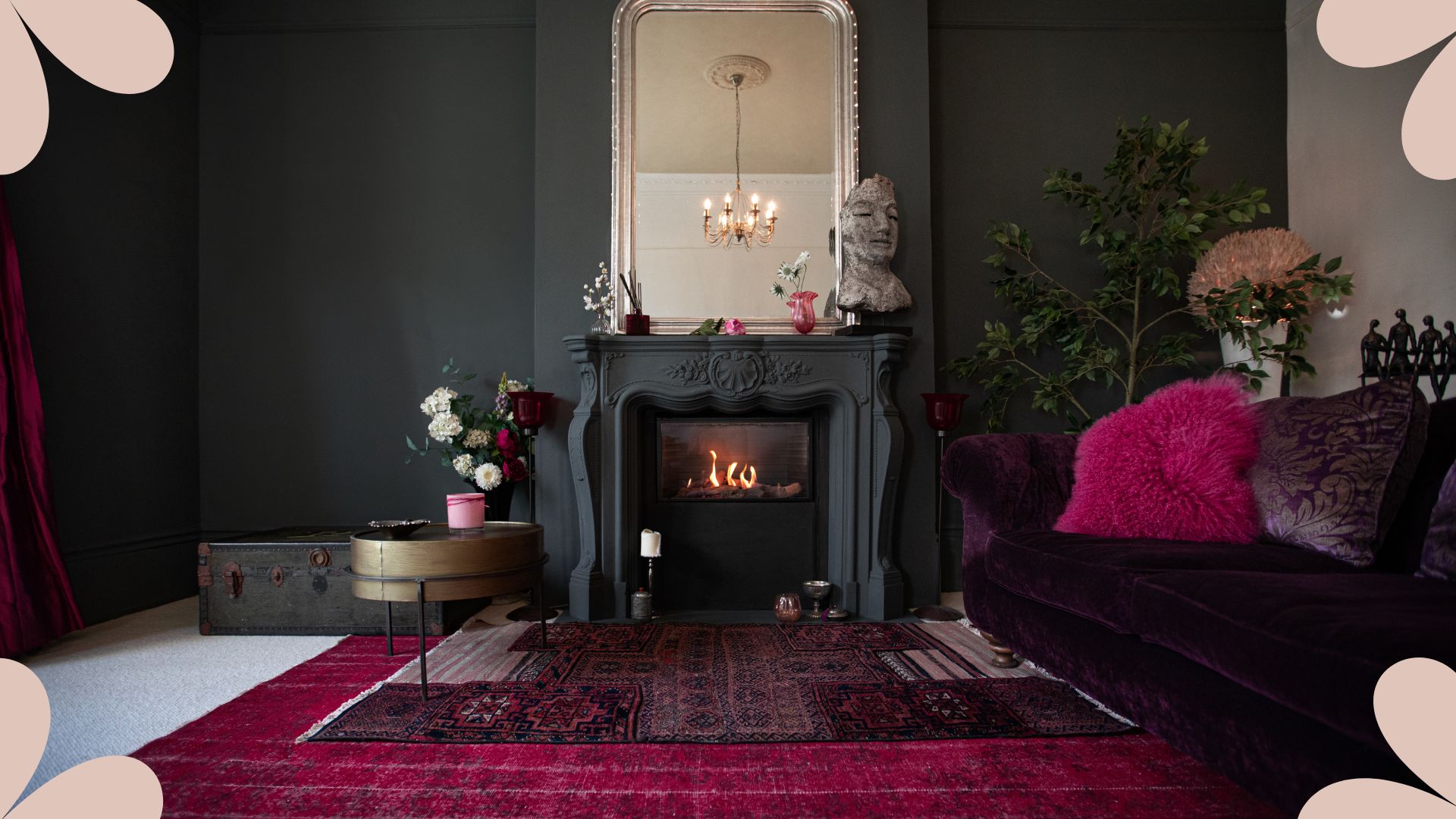
An interior designer reveals the 5 mistakes to avoid when painting with dark colours
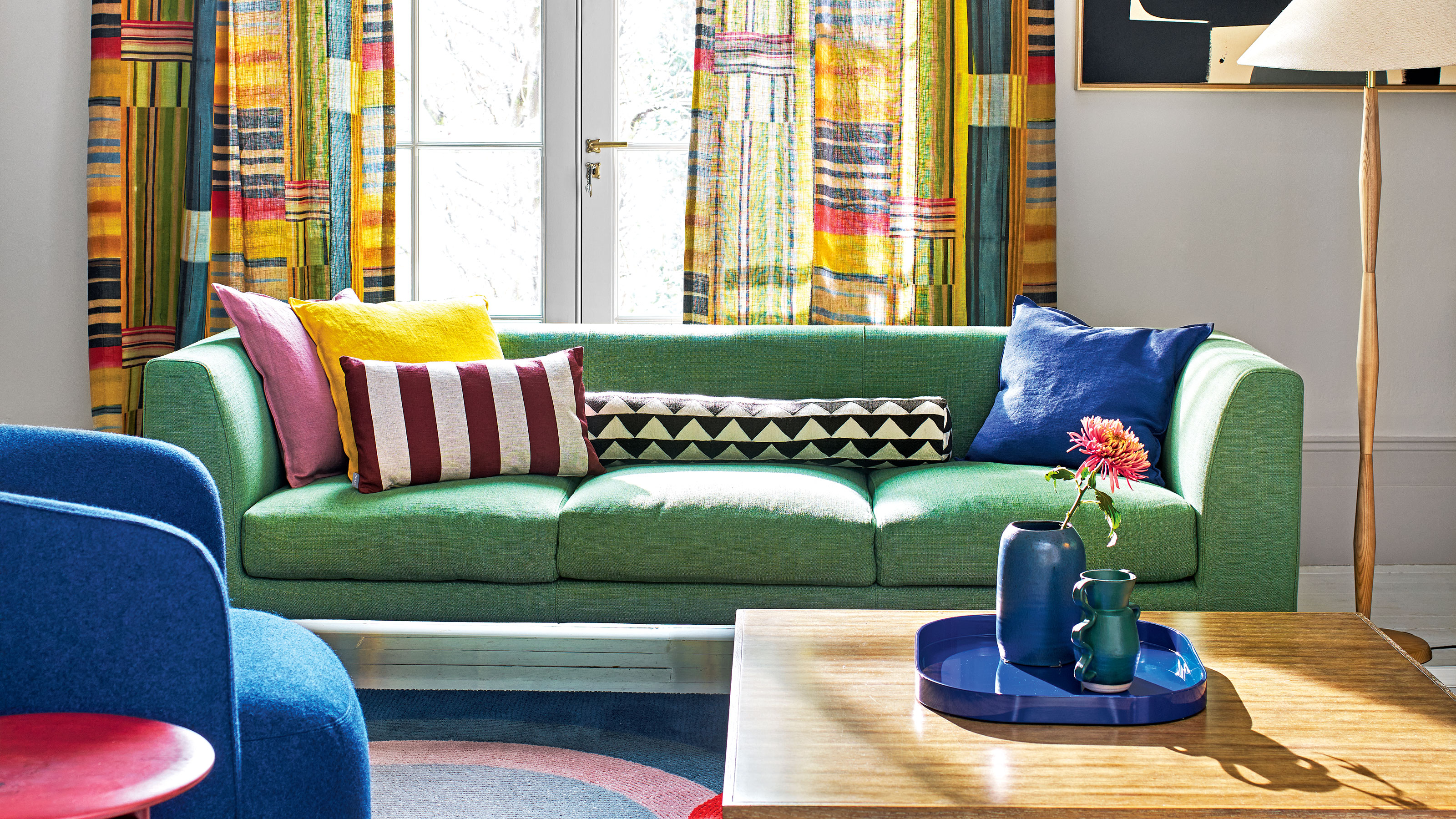
Couch colors to avoid – and what designers are recommending instead
5 Paint Colors to Never Use in Your Living Room, According to Interior Designers