1/19
I Asked Interior Designers to Share the Worst Decorating Trends They've Seen on Social Media
This article delves into current interior design trends that interior designers find problematic, offering alternatives for creating timeless and personalized spaces. It addresses the pervasive influence of social media on design choices, highlighting how fleeting trends can lead to aesthetically unoriginal and poorly executed home decor.
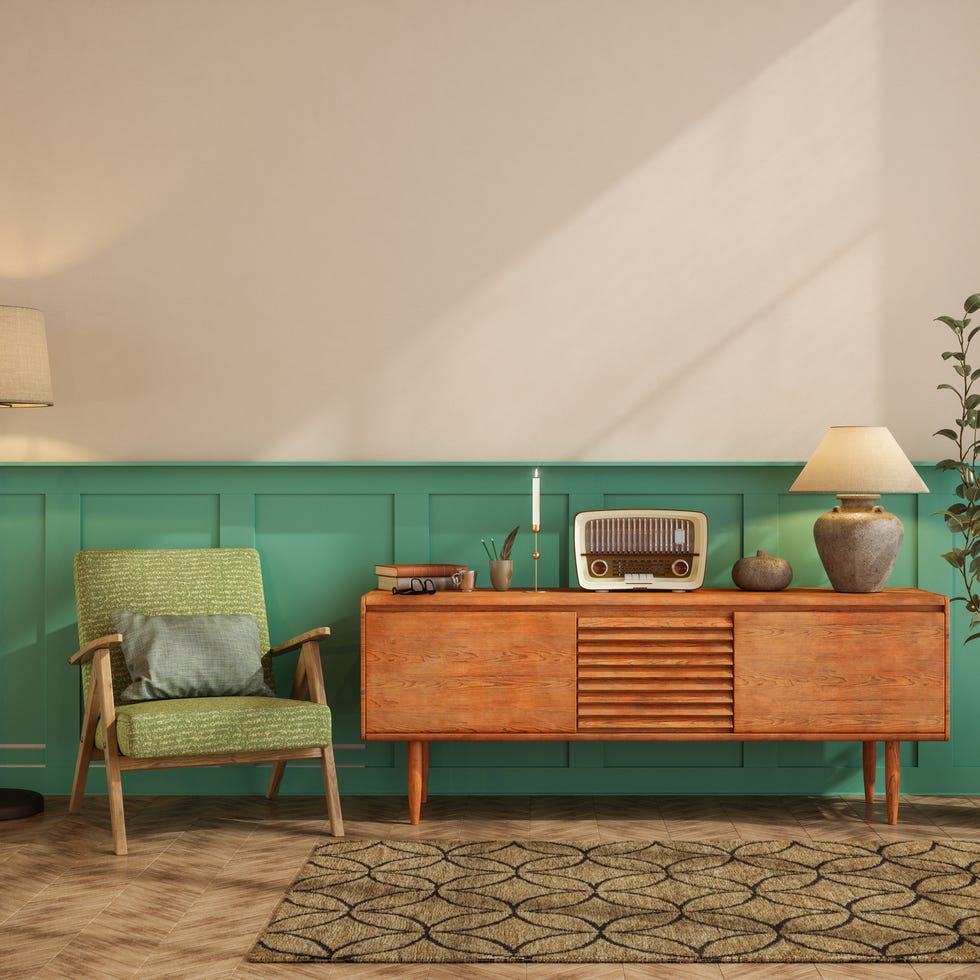
One significant issue discussed is "dupe culture," where consumers opt for knock-off replicas of iconic furniture pieces. Designers argue that while these dupes might be cheaper, they lack the quality, durability, and intrinsic value of original designs. The piece emphasizes that genuine appreciation for craftsmanship warrants investing in authentic pieces or thoughtfully sourcing vintage items, which retain or even increase in value over time, unlike their mass-produced counterparts.
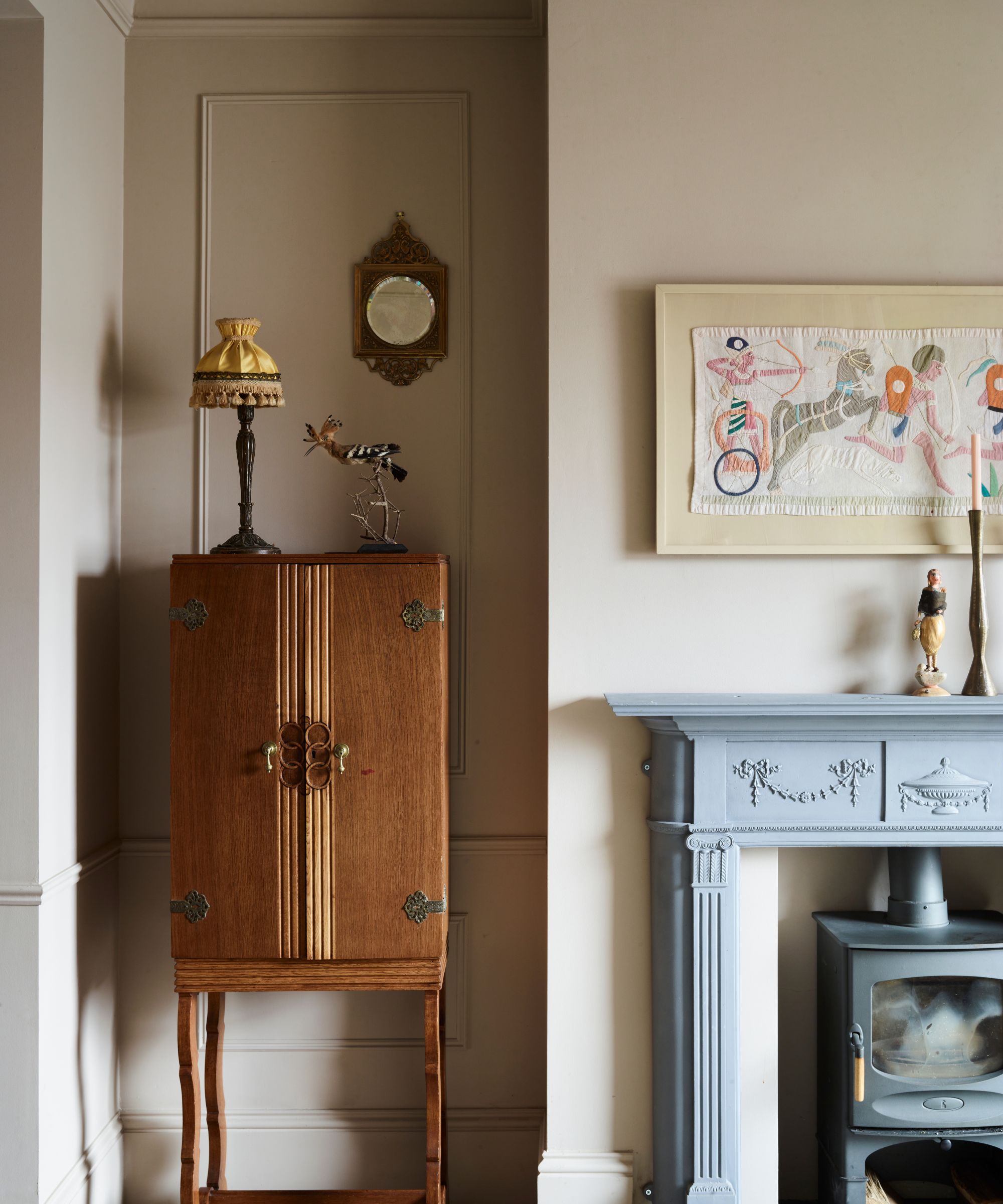
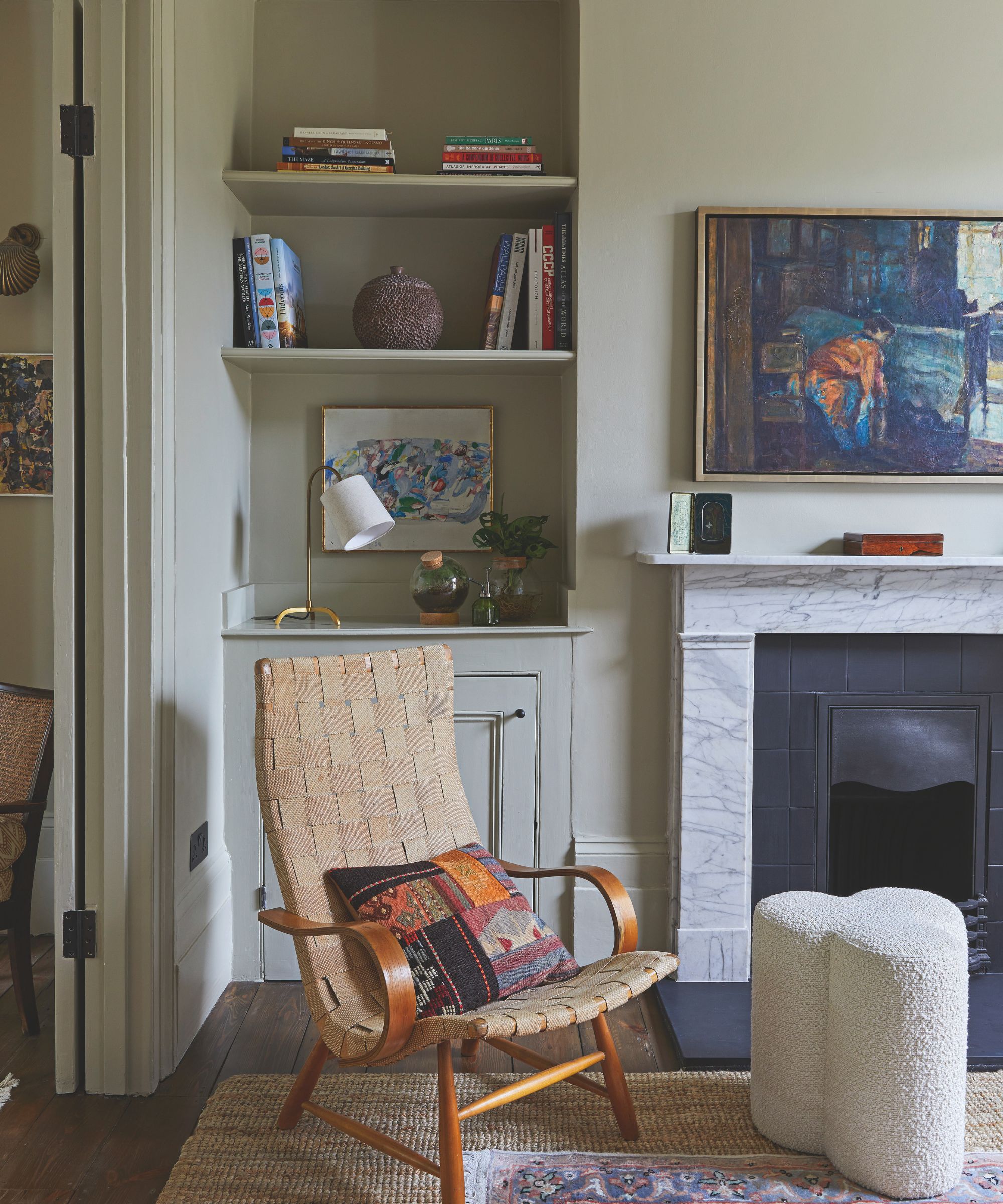
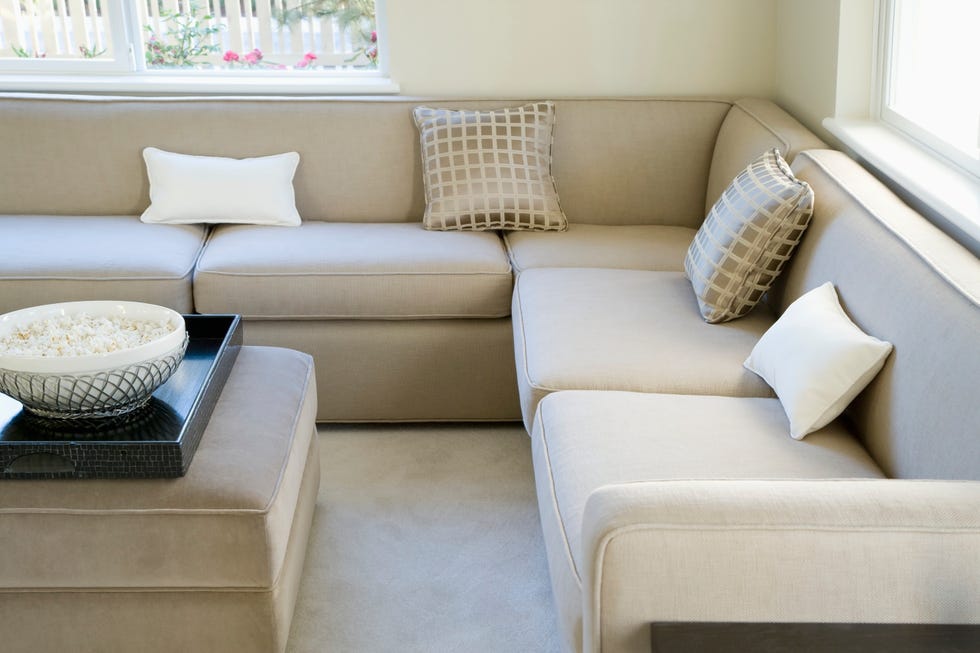
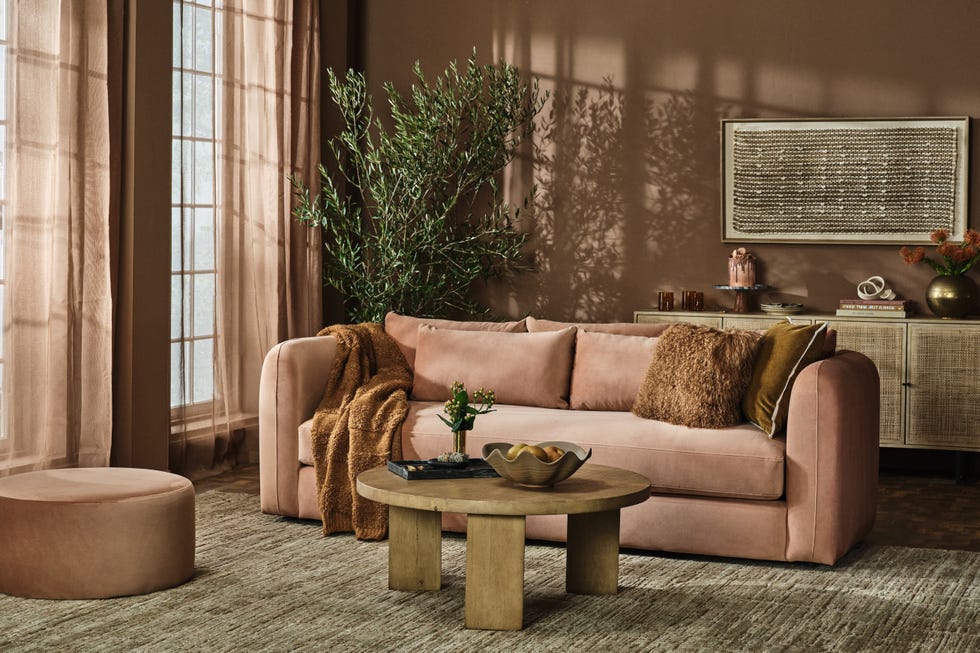
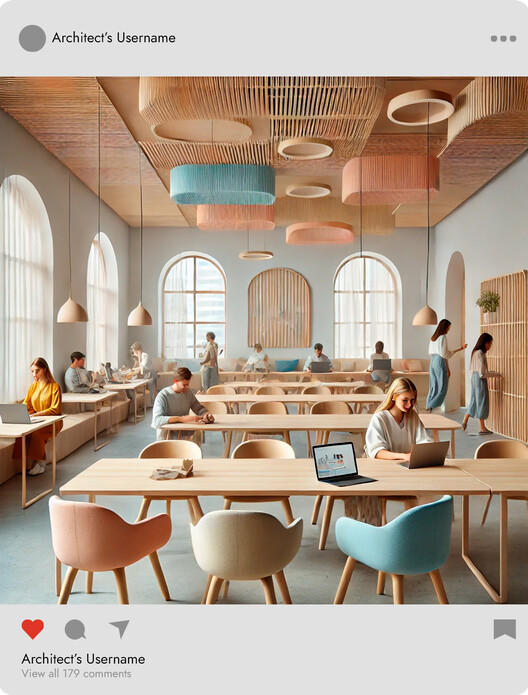
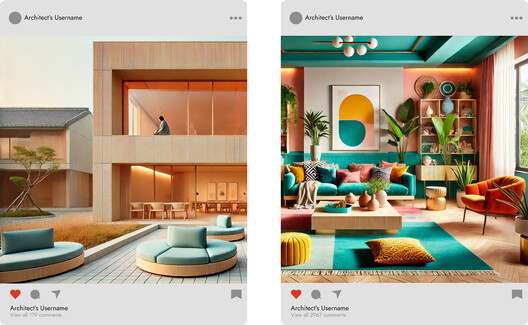
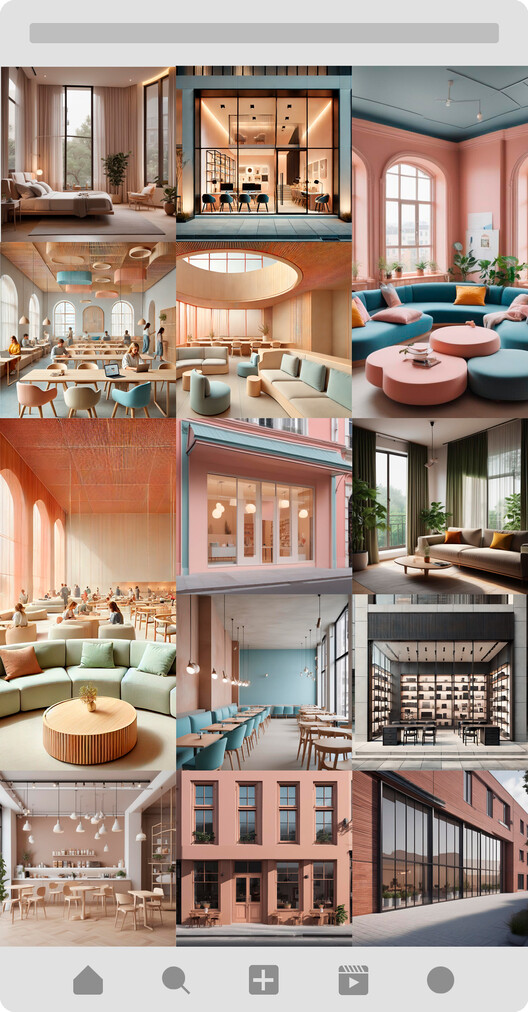
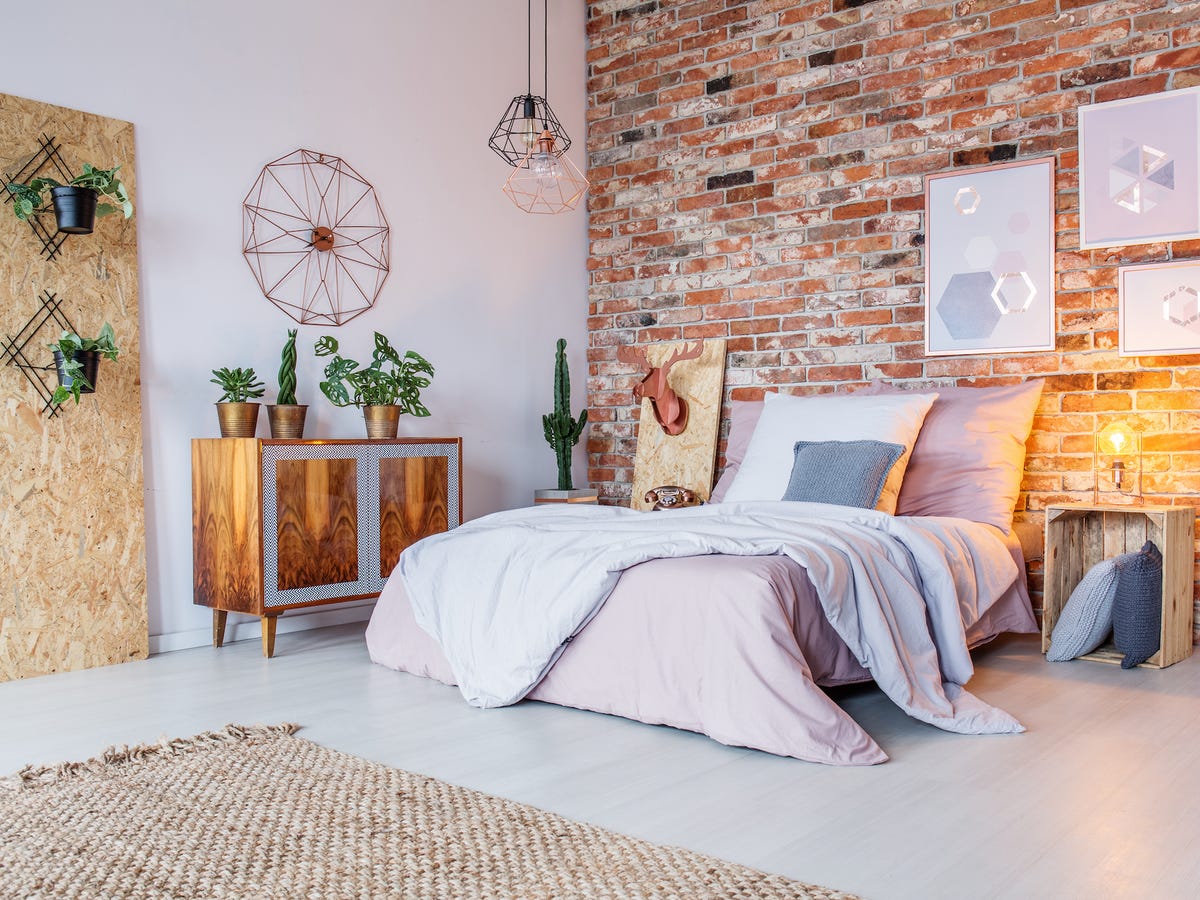
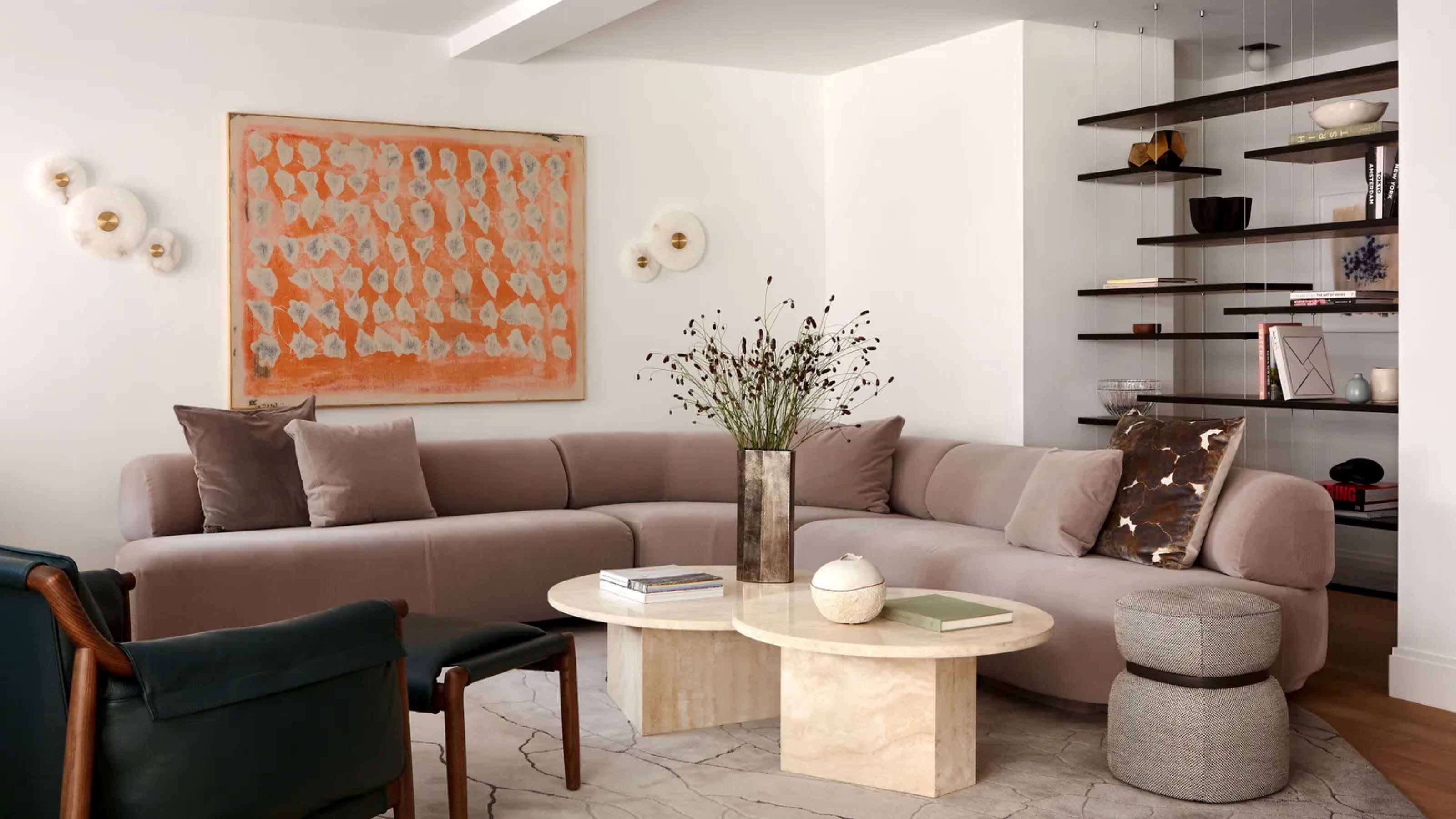
The article also critiques the "copy and paste" aesthetic prevalent on platforms like Pinterest and TikTok. This trend involves replicating popular design elements, such as bouclé chairs, fluted details, and beige color schemes, leading to homogenous and impersonal interiors. Designers advocate for a more individualized approach, urging homeowners to consider how they want to feel in their space rather than merely what they want it to look like. The recommendation is to incorporate items with personal significance, vintage finds, and meaningful colors to create a unique and authentic home environment that reflects one's personality.
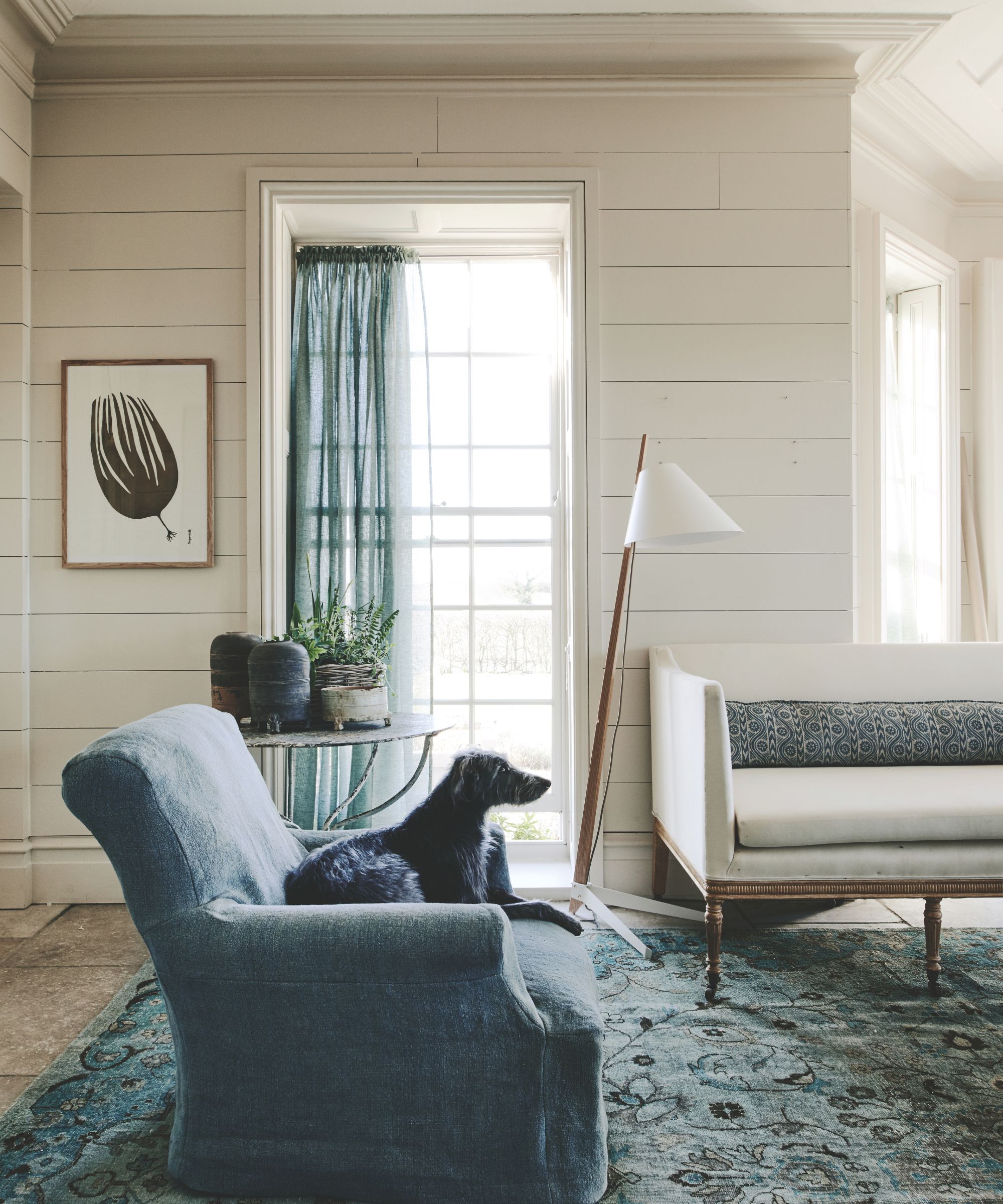
Another point of contention is the use of "experimental curtain rods," specifically non-custom options like shower rods. While these might seem like cost-effective solutions, designers argue they often appear temporary, cheap, and can even damage windows. The article suggests investing in custom drapery rods, which are tailored to window dimensions, support fabric weight effectively, and add an element of elegance and refinement to a room.
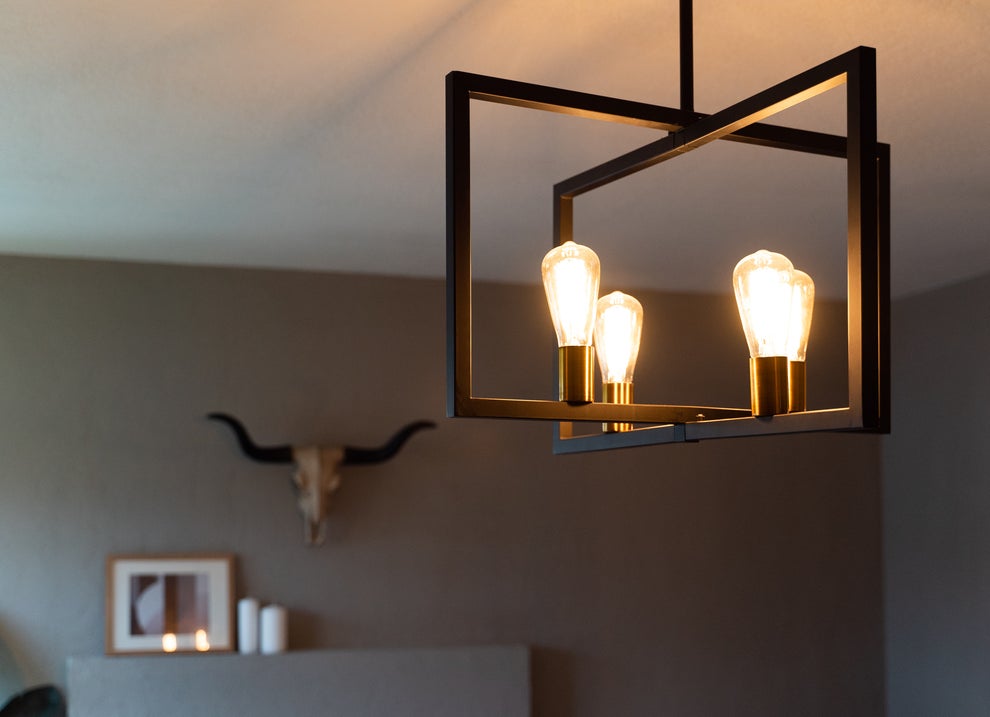
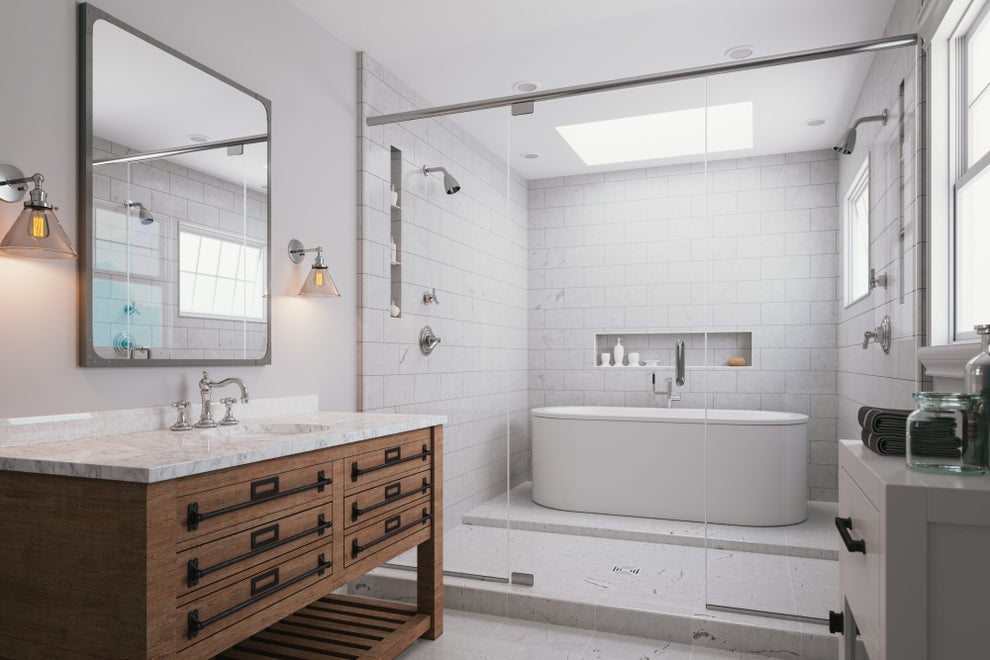
Over-the-top LED lighting is identified as another trend to avoid. The excessive and often poorly integrated use of LED strips, particularly in non-essential areas like arched feature walls, is deemed unsightly. Instead, designers propose subtler lighting solutions, such as wall sconces, to create tasteful ambient light. The emphasis is on choosing sconces that complement a room's architectural features or make a stylish statement, steering clear of vintage-inspired LED options that can look inauthentic and cast unflattering light.
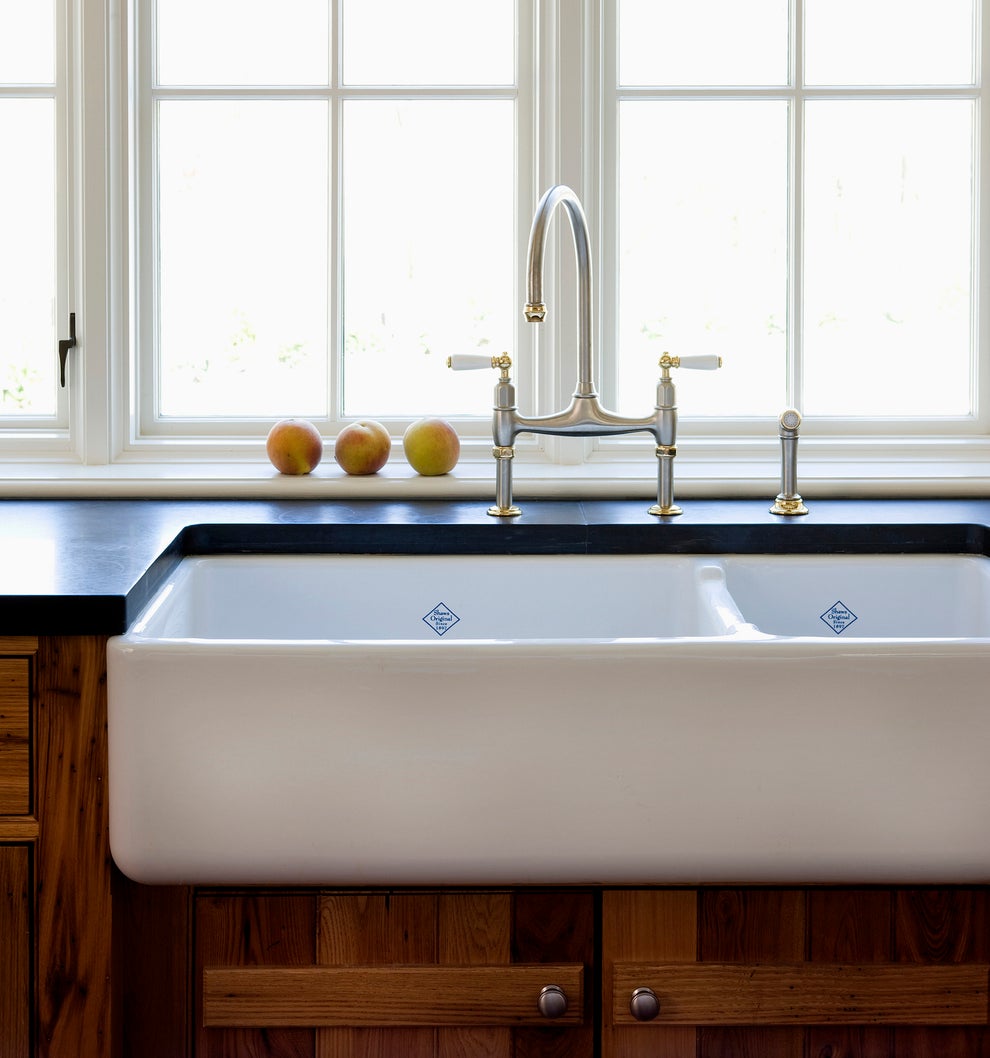
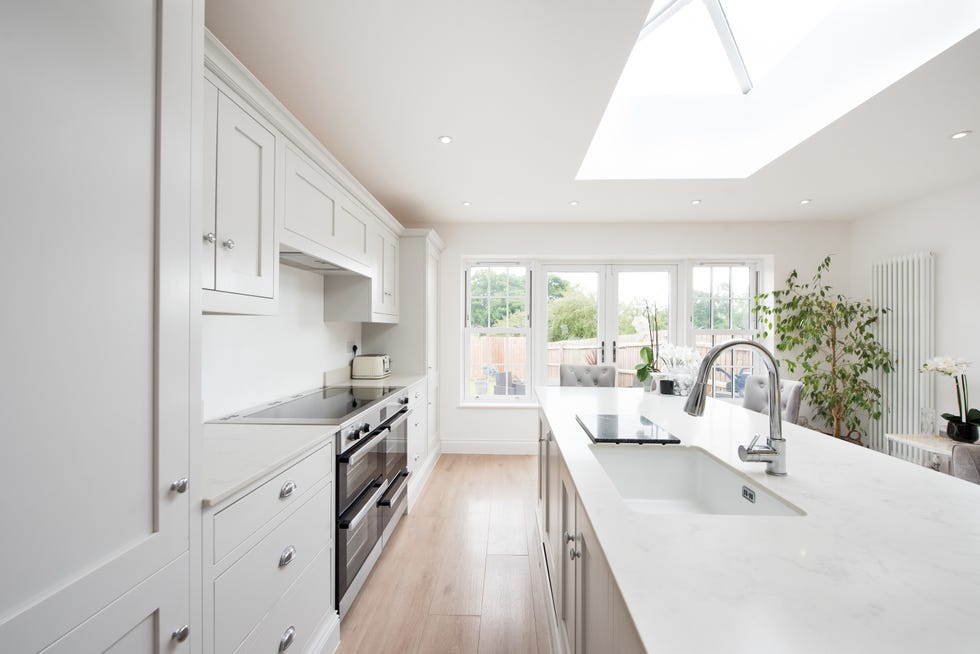
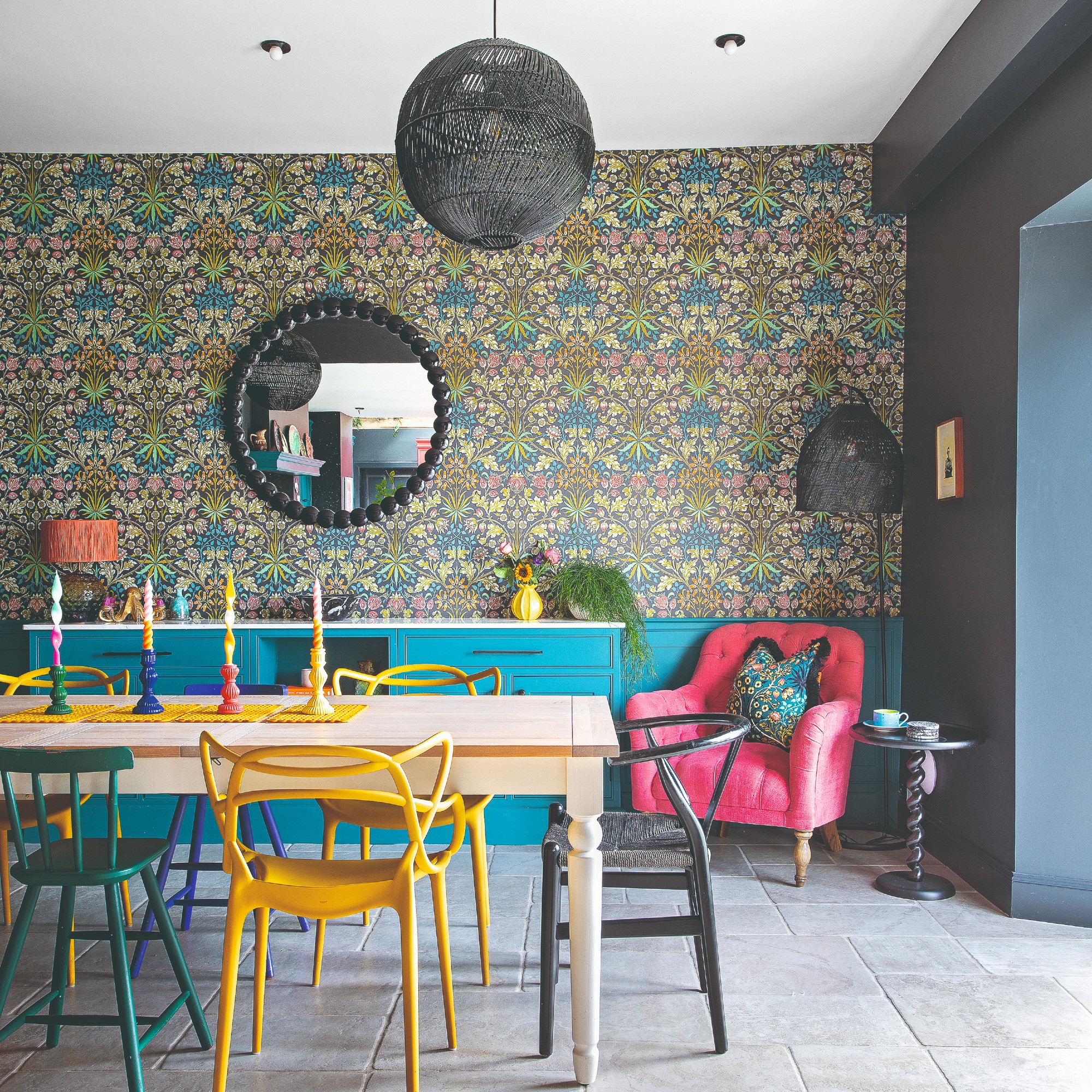
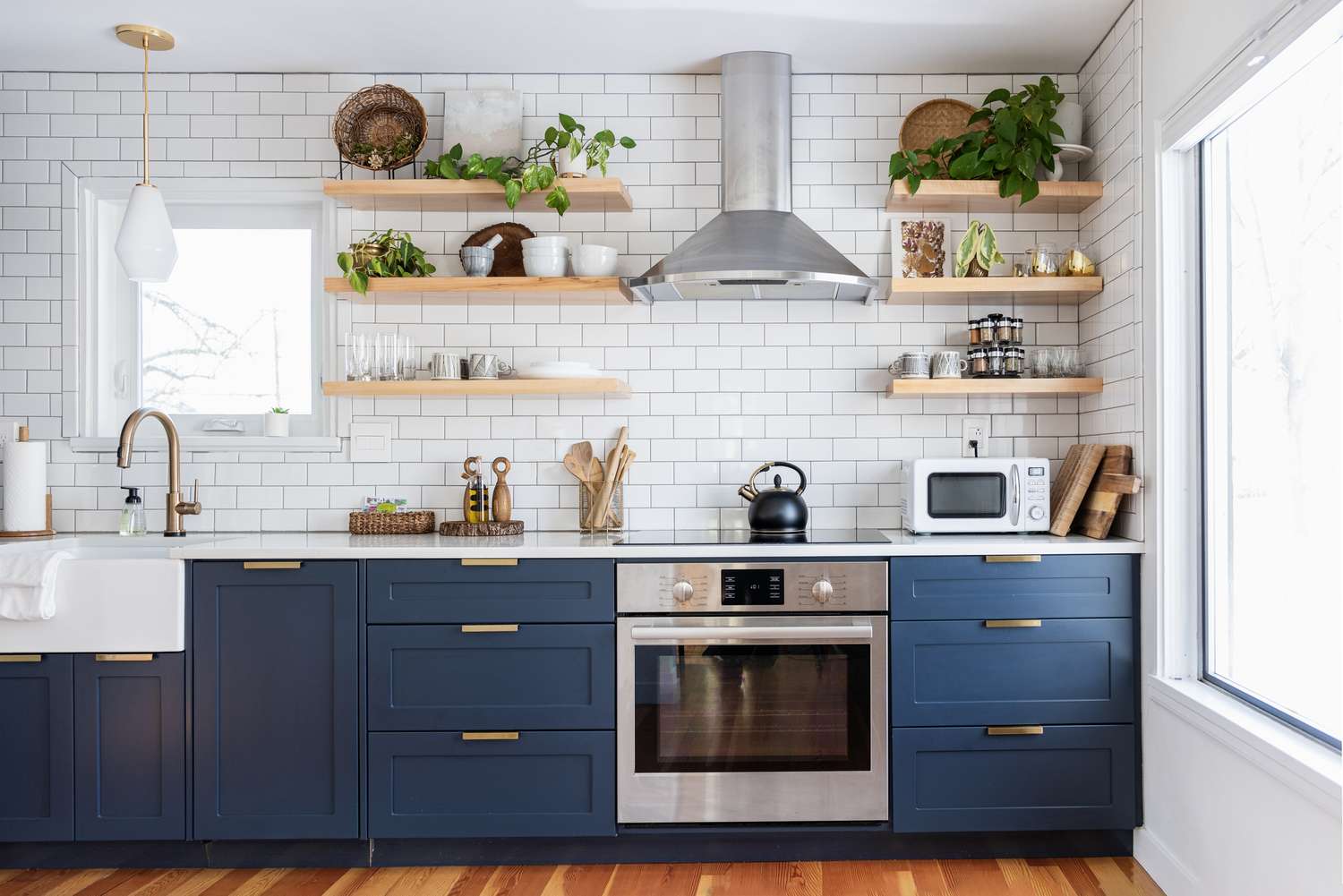
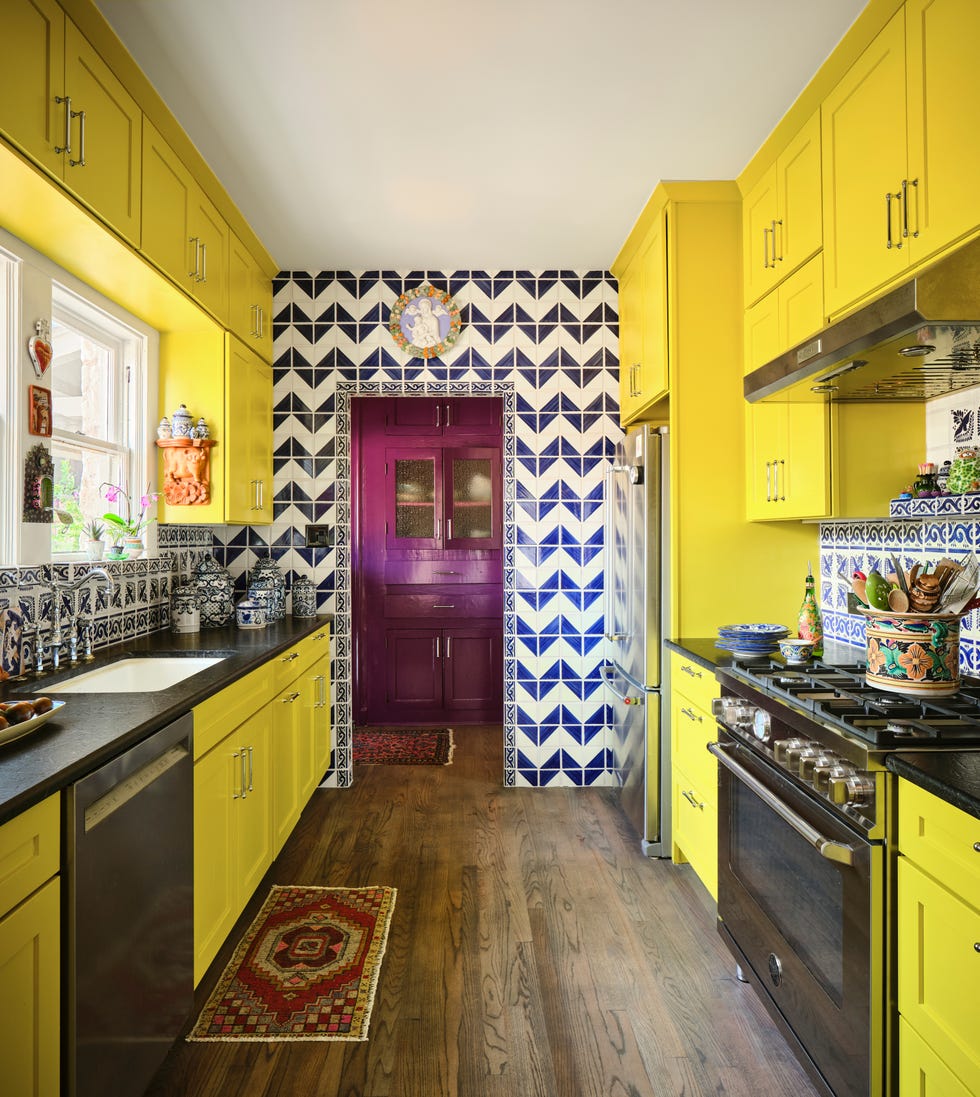
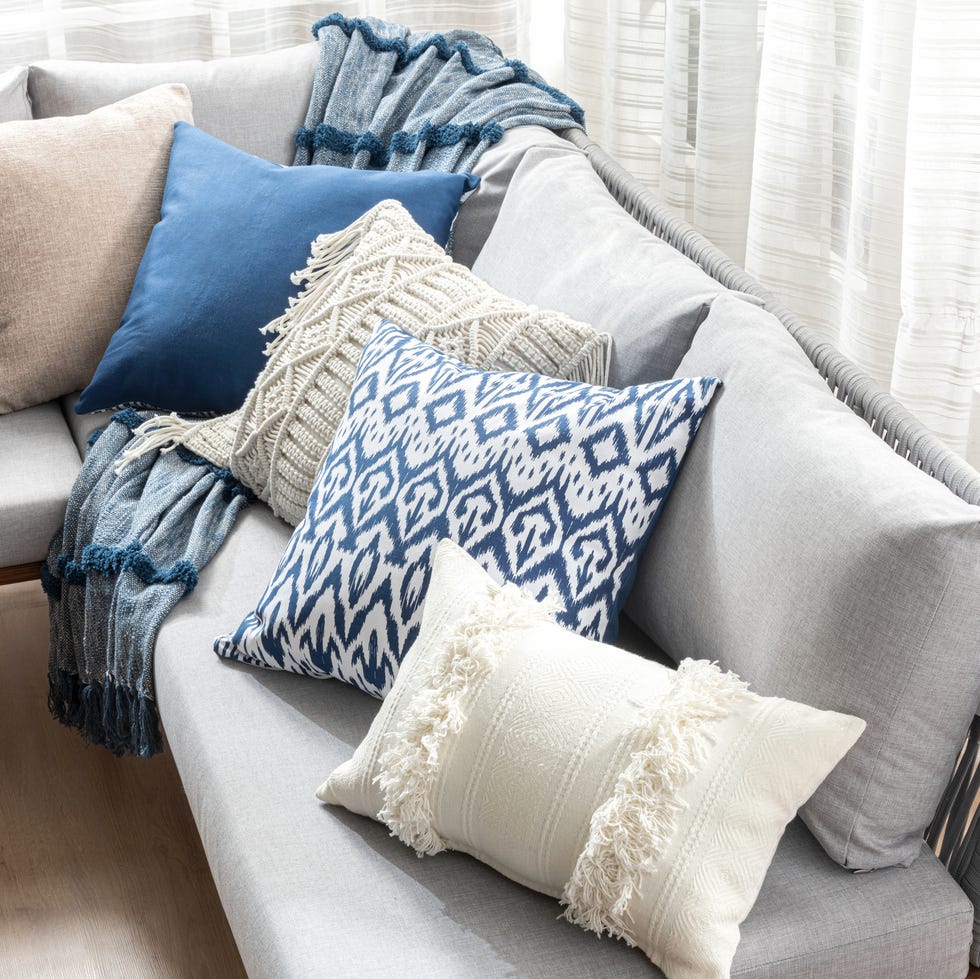
The article further advises against buying all decor from a single source, which can result in overly matched and predictable interiors. While visual cohesion is desirable, an excessively uniform look can make a room feel flat and uninteresting. Designers encourage layering different colors, textures, patterns, and materials to add depth and create a more natural, dynamic environment. This approach is particularly relevant in areas like kitchens, where mixing metallics for hardware and finishes can introduce vitality.
Finally, the piece addresses the pitfalls of peel-and-stick products, such as wallpaper, tiles, and countertops. While often marketed as renter-friendly and temporary fixes, these products frequently fail to withstand high humidity, temperature fluctuations, or long-term wear, often leaving behind stubborn residue. A more practical and less invasive alternative for personalizing rented spaces is suggested: focusing on easily changeable elements like cabinet hardware, lighting fixtures, and small decorative items that can be removed without significant hassle or damage.
#InteriorDesignTrends #SocialMediaInfluence #HomeDecor #DesignTips #PersonalizedInteriors #SustainableDesign #LightingDesign #FurnitureSelection #DIYDecor #InteriorDesignTrends #SocialMediaInfluence #HomeDecor #DesignTips #PersonalizedInteriors #SustainableDesign #LightingDesign #FurnitureSelection #DIYDecor
0 comment in total
 No comments yet
You may also like
"Frankly, It's Tacky": People Are Revealing Common Interior Design Trends They Can't Stand

"Frankly, It's Tacky": People Are Revealing Common Home And Kitchen Design Trends They Can't Stand
Social Media-Friendly Design: Is Architecture Adapting to Viral Trends and Algorithms?

"I Regretted It After Two Weeks": Homeowners Are Revealing The Popular Home Fads That Aren't Worth Trying Out
I asked interior designers what trends they are already sick of seeing in 2025
8 Tacky Home Trends That Designers Say Are TRAGICALLY Dead

An interior designer with 14 years of experience shares the 10 decor mistakes she hates seeing in people's homes

Tell Jenna & Friends Your Home Decor Dilemmas
9 CONTROVERSIAL Decor Choices Designers Secretly Wish You’d Stop Making
We Asked Pro Chefs for the Worst Kitchen Design Trends They've Ever Seen—And We're Shocked

Why Is Everyone Obsessed With Food-Themed Aesthetics Right Now?

Instagram account dedicated to world's 'ugliest homes' features interior designs ranging from the terrifying to the absurd
7 Home Décor Trends Designers Say Are a Waste of Money
Viral TikTok Design Trends Designers Actually LOVE
10 Horrifying Home Design Trends: 2023 Edition
8 Home Trends That Are Tragically DEAD to the Design World
5 TikTok home decor trends that interior design experts can't stand – are you guilty of any?
5 outdated wall decor trends designers warn to avoid – plus what we should be doing instead

"It's Like I'm On An HGTV Acid Trip": People Are Denouncing The Worst Home Design Features
17 popular trends interior designers wish would disappear