7 Home Décor Trends Designers Say Are a Waste of Money
Home décor is a significant long-term investment that should prioritize timeless, high-quality pieces over fleeting trends. Interior designers emphasize that while trendy discount items or mass-produced decor may seem appealing, they often lead to premature replacement and do not truly enhance a space. Instead, a focus on comfort, durability, and character through well-chosen items is recommended.
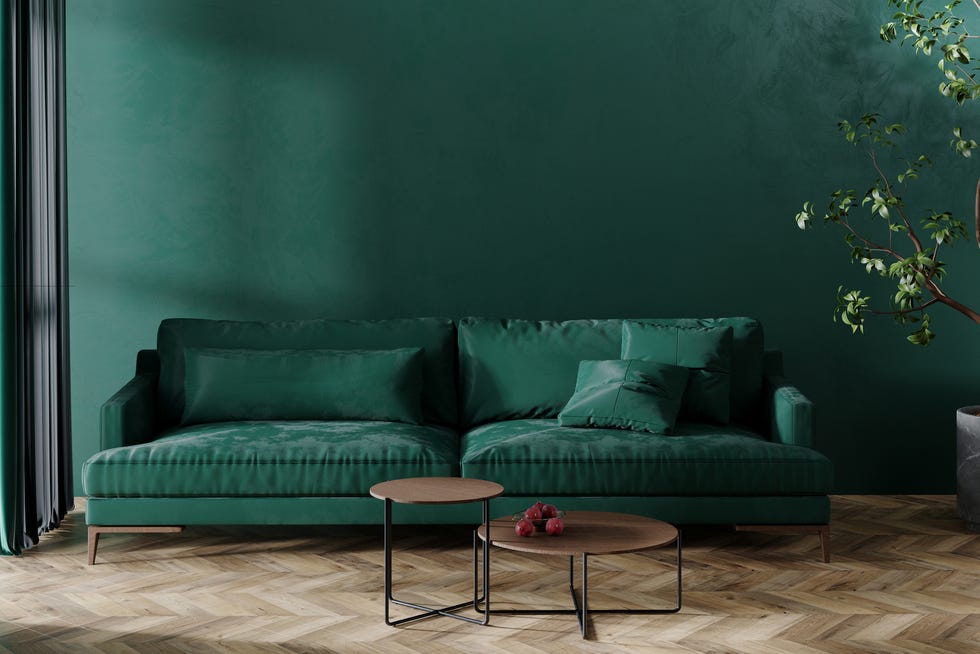
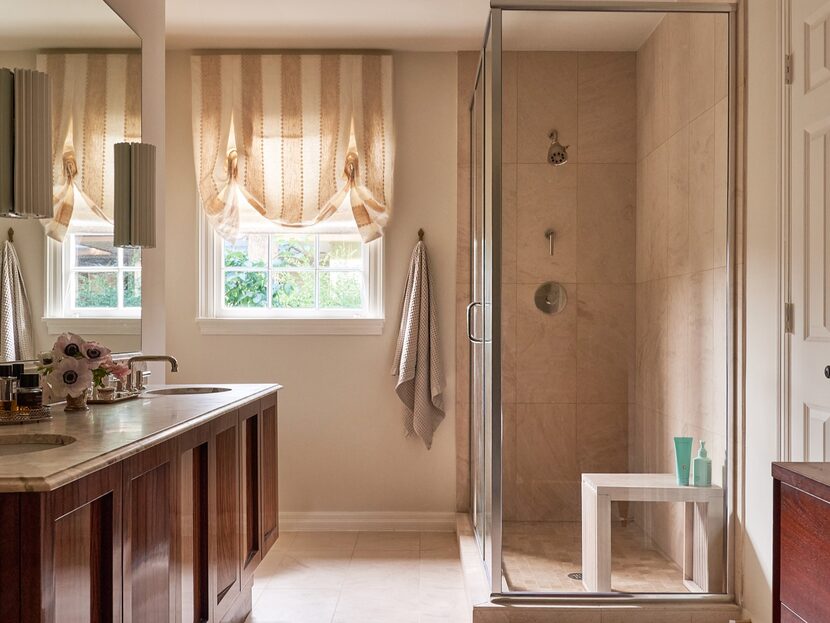
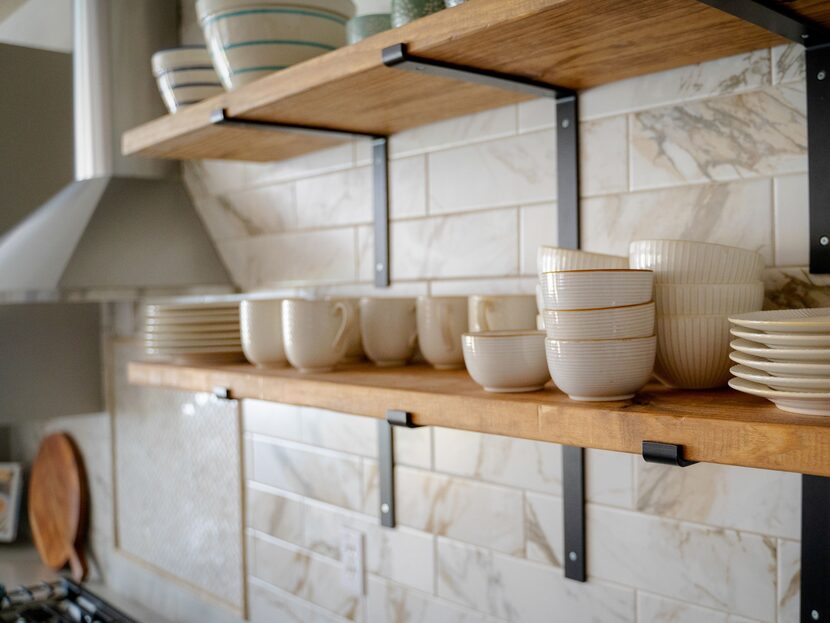
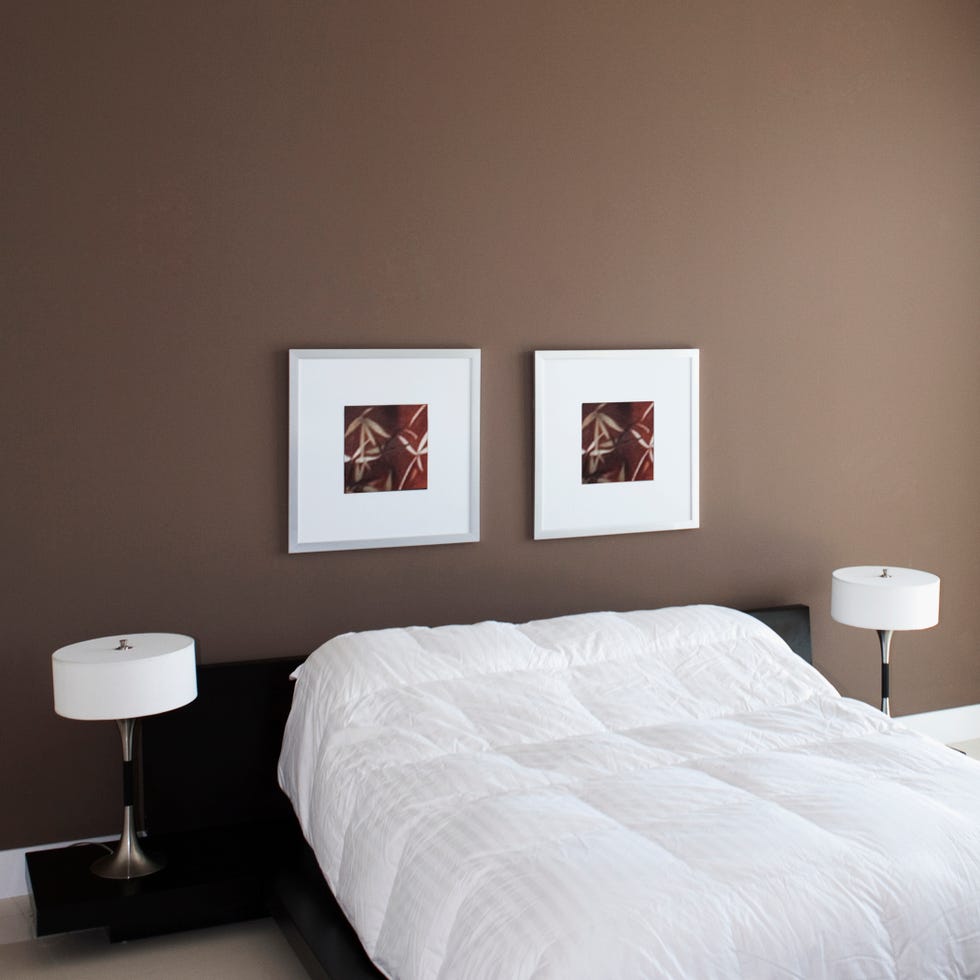
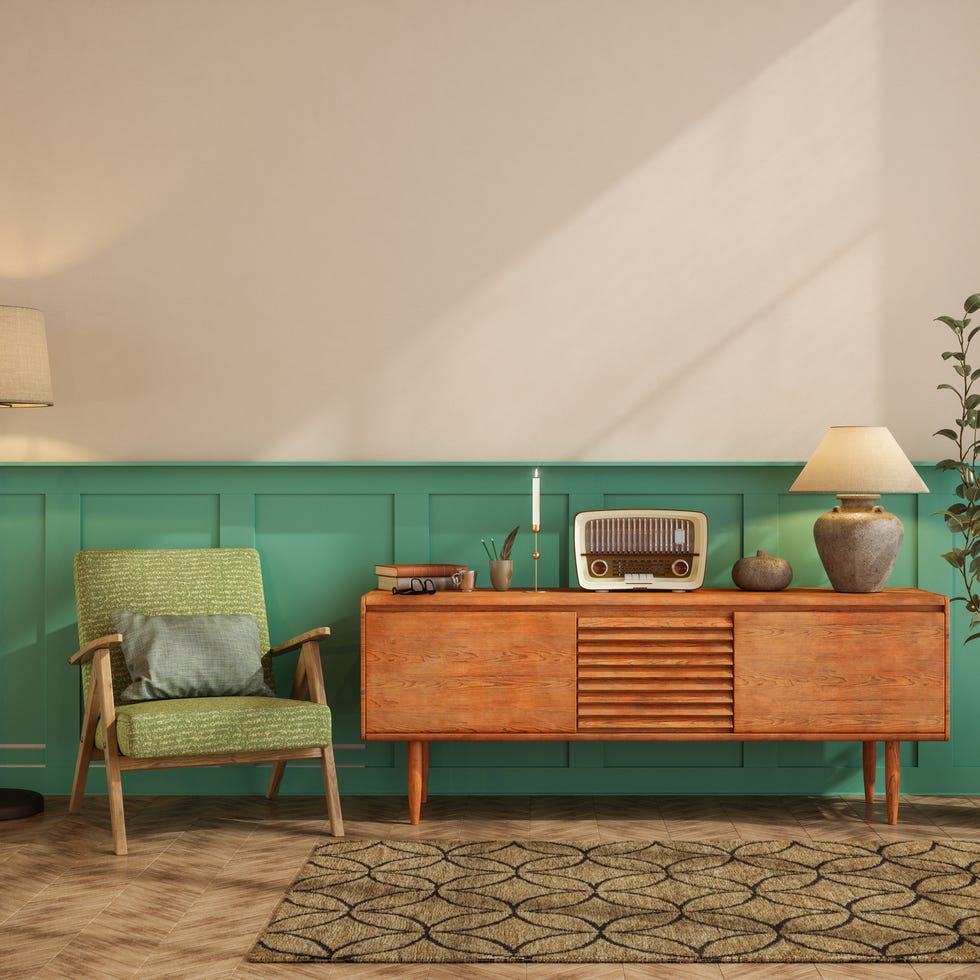
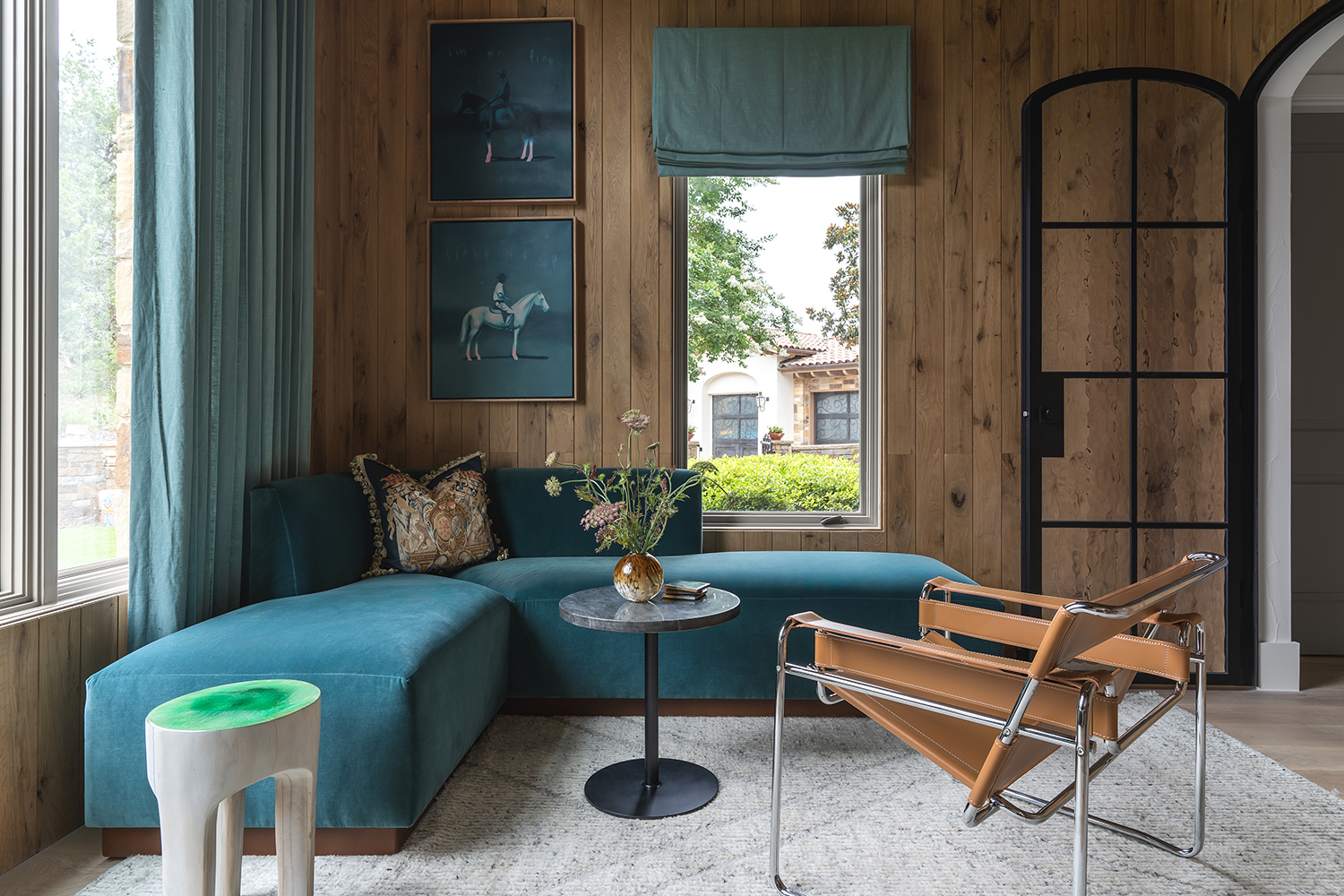
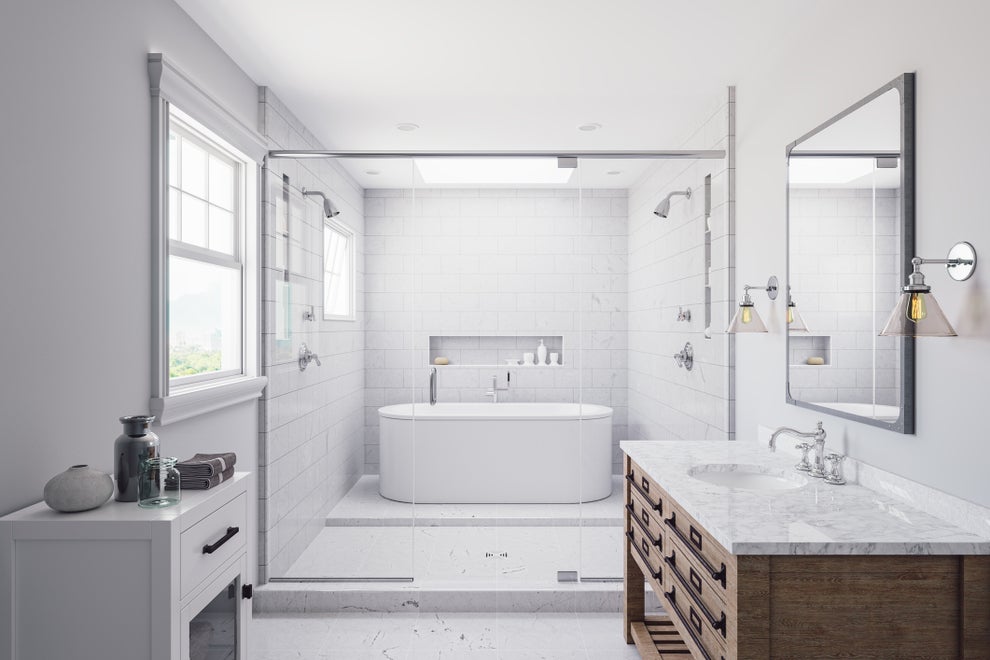
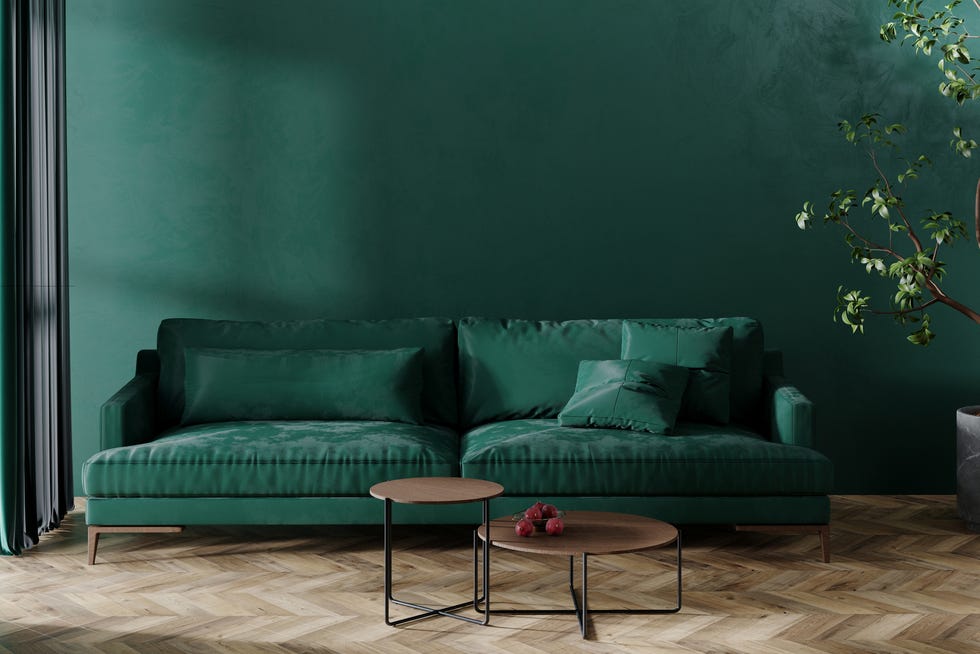
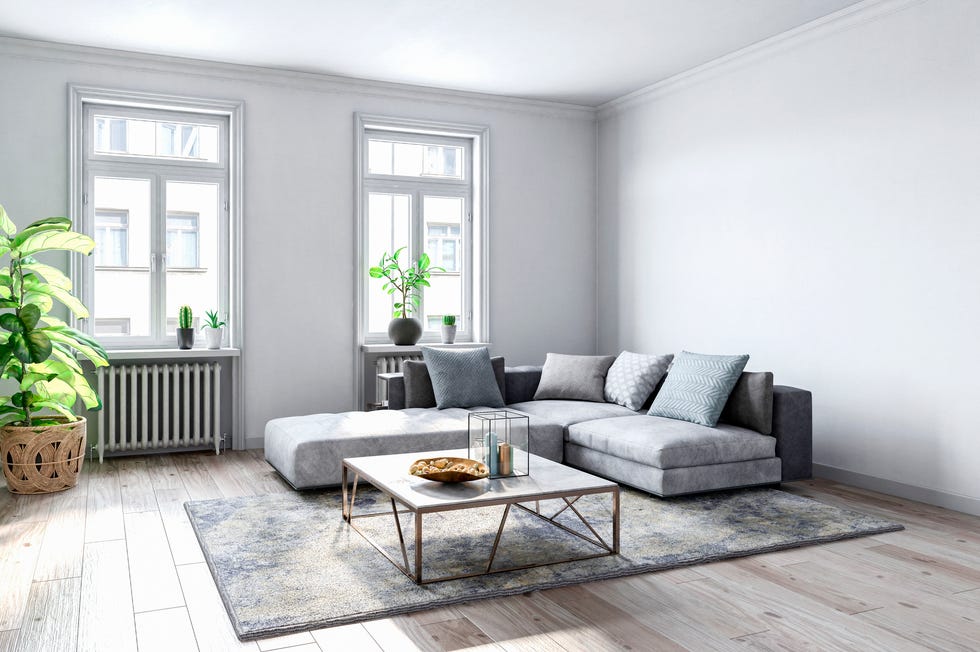
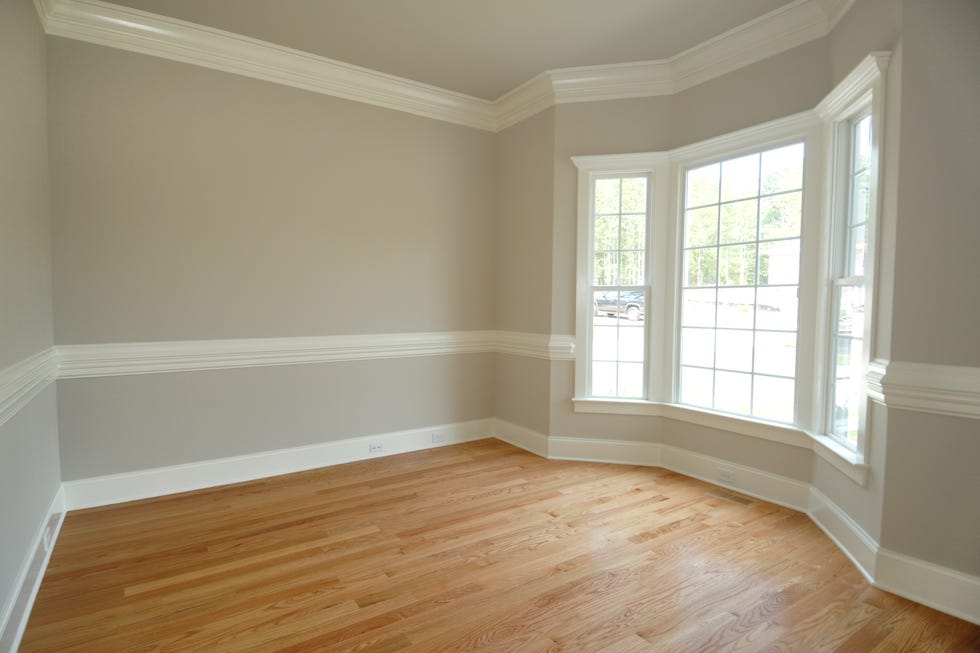
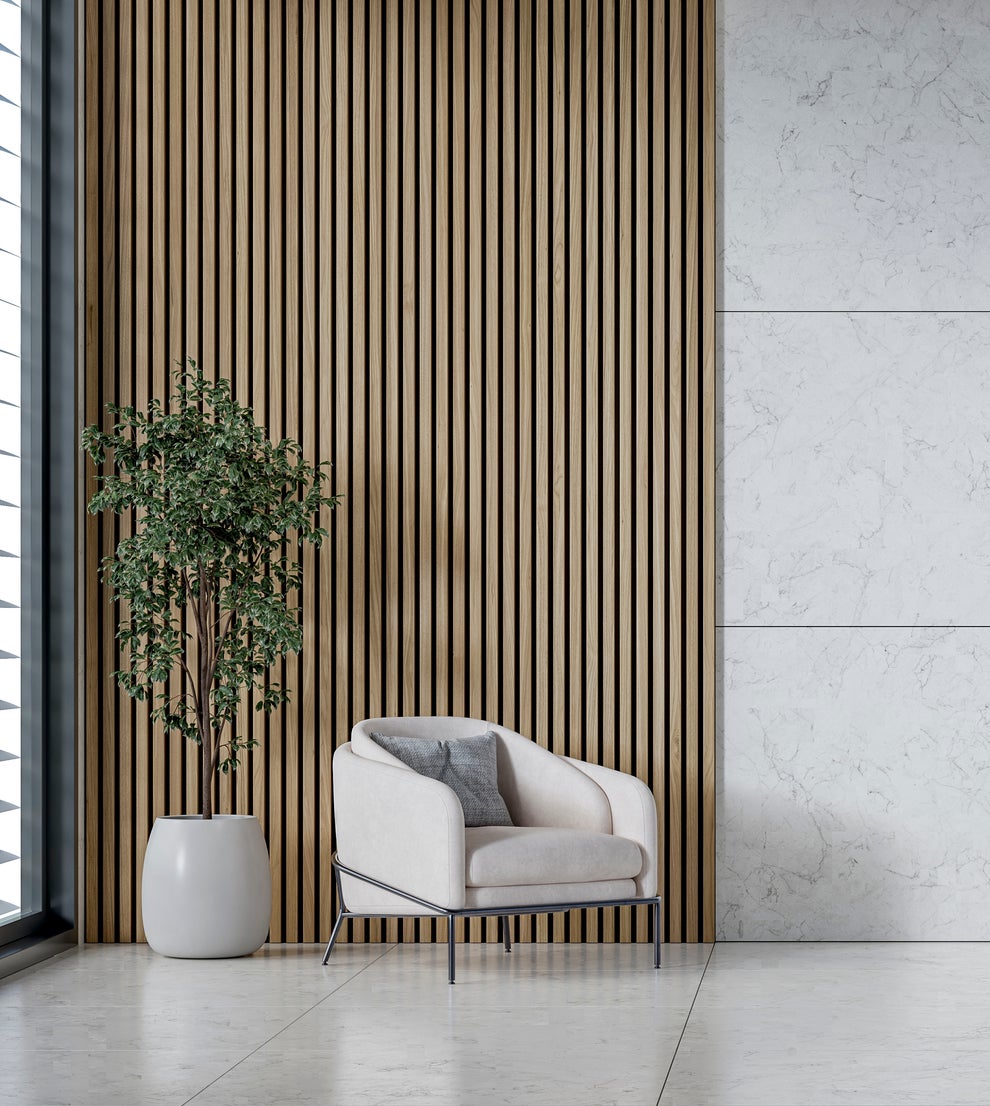
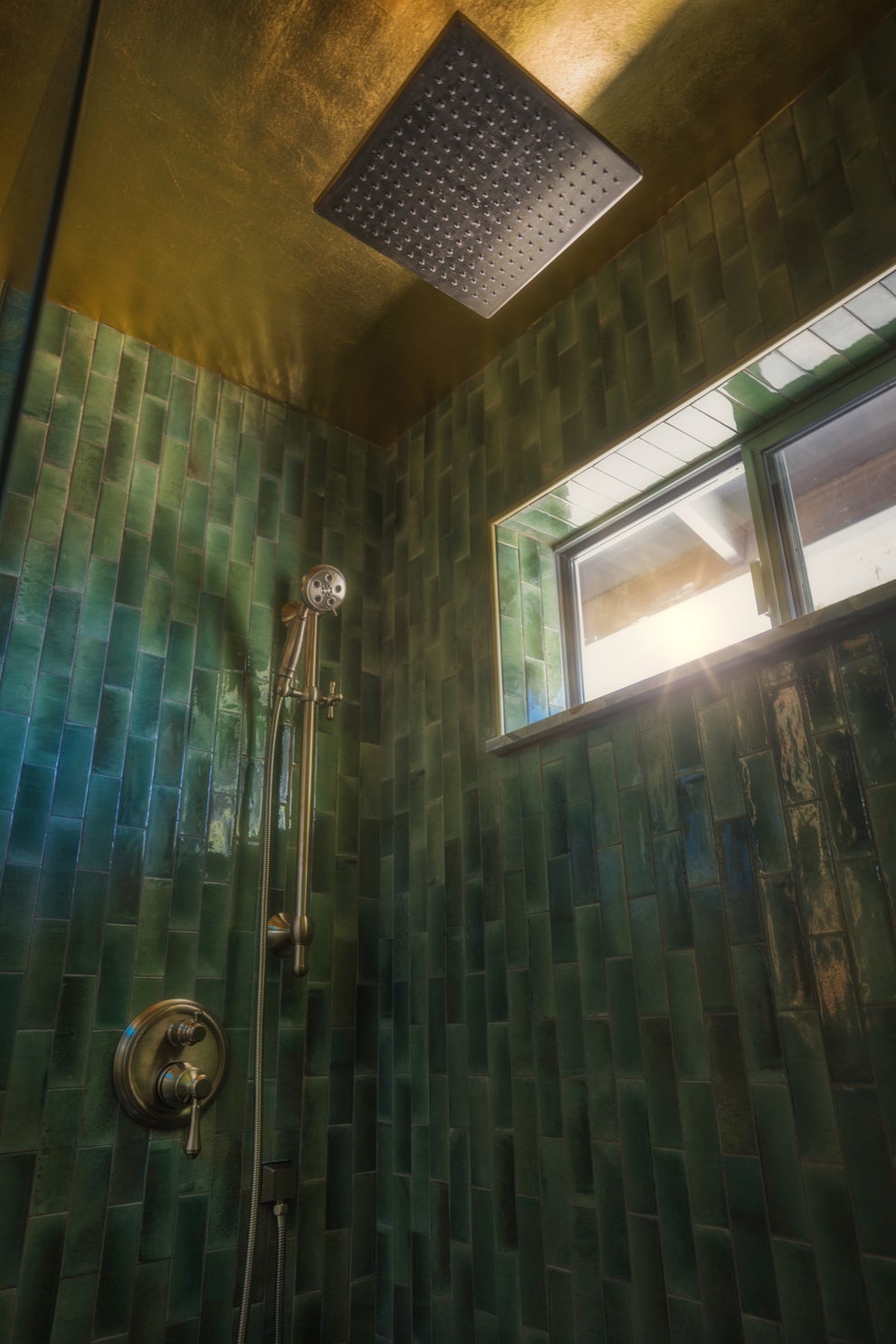
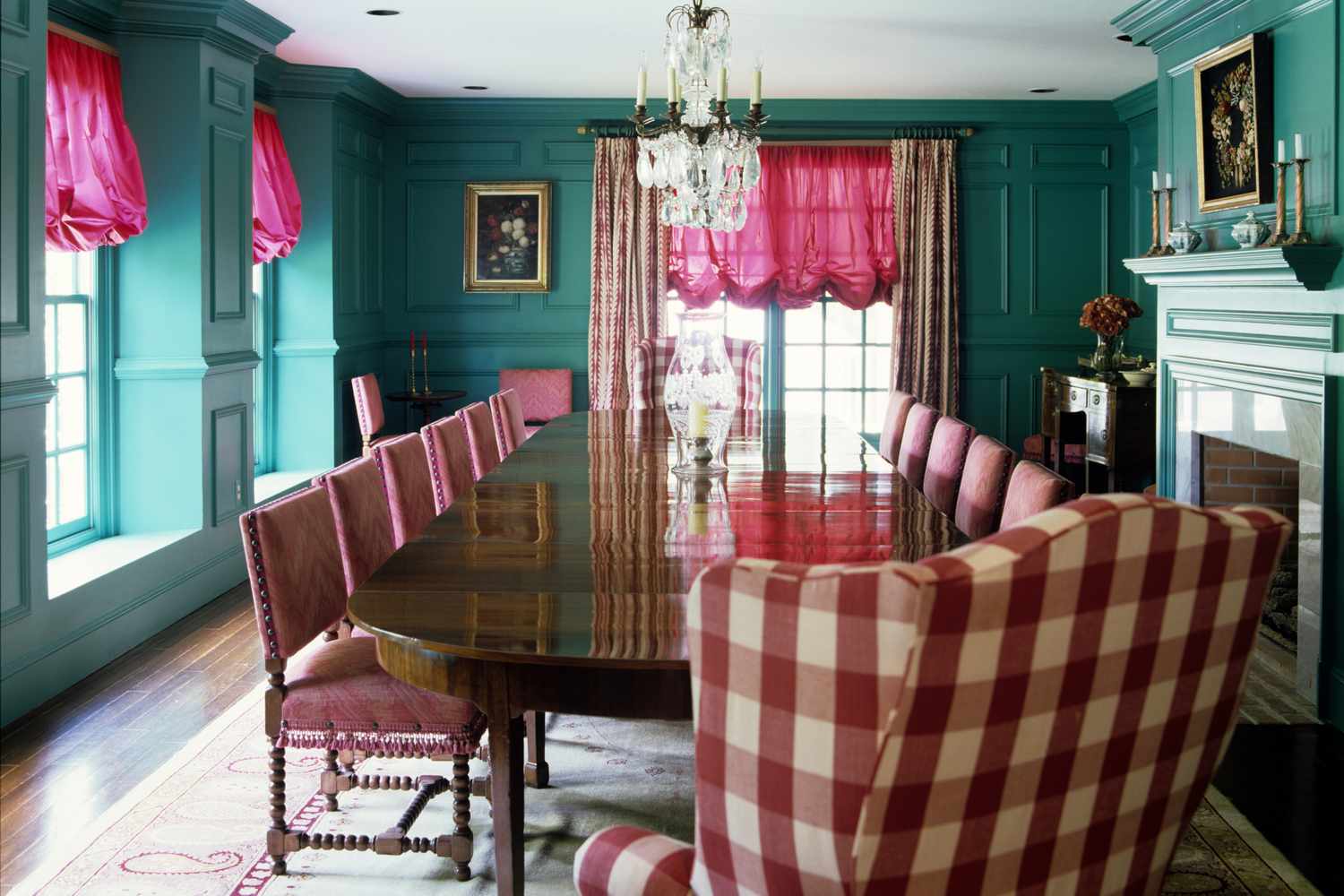
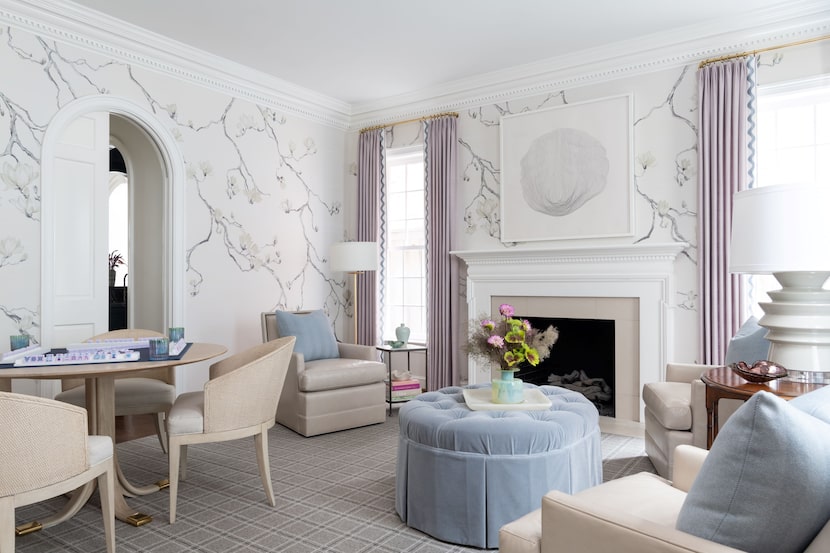
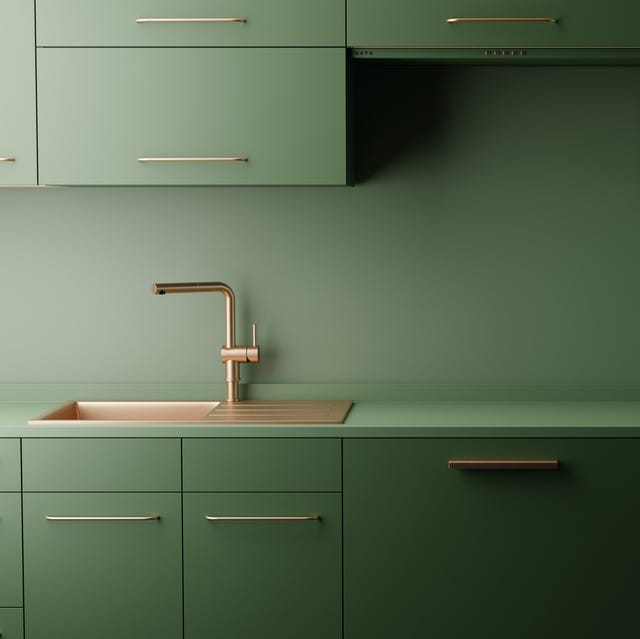
One trend to avoid is excessive color drenching and the use of overly vibrant paint hues. While popular, these can quickly become dated, leaving a homeowner with a decor scheme that is difficult and costly to change. Designers suggest opting for classic, natural materials like marble and wood, along with soft hues, pastels, or off-whites, which offer enduring style. If bold colors are desired, careful consideration should be given to their long-term appeal before committing.
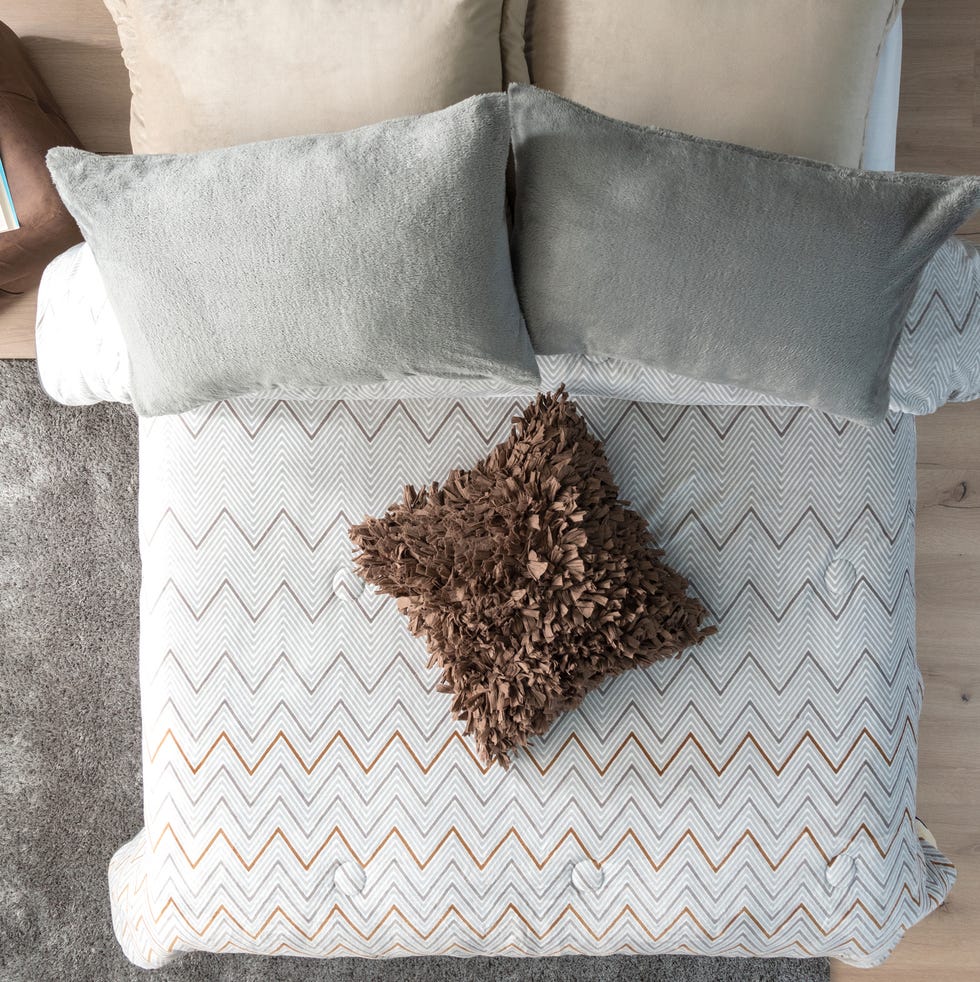
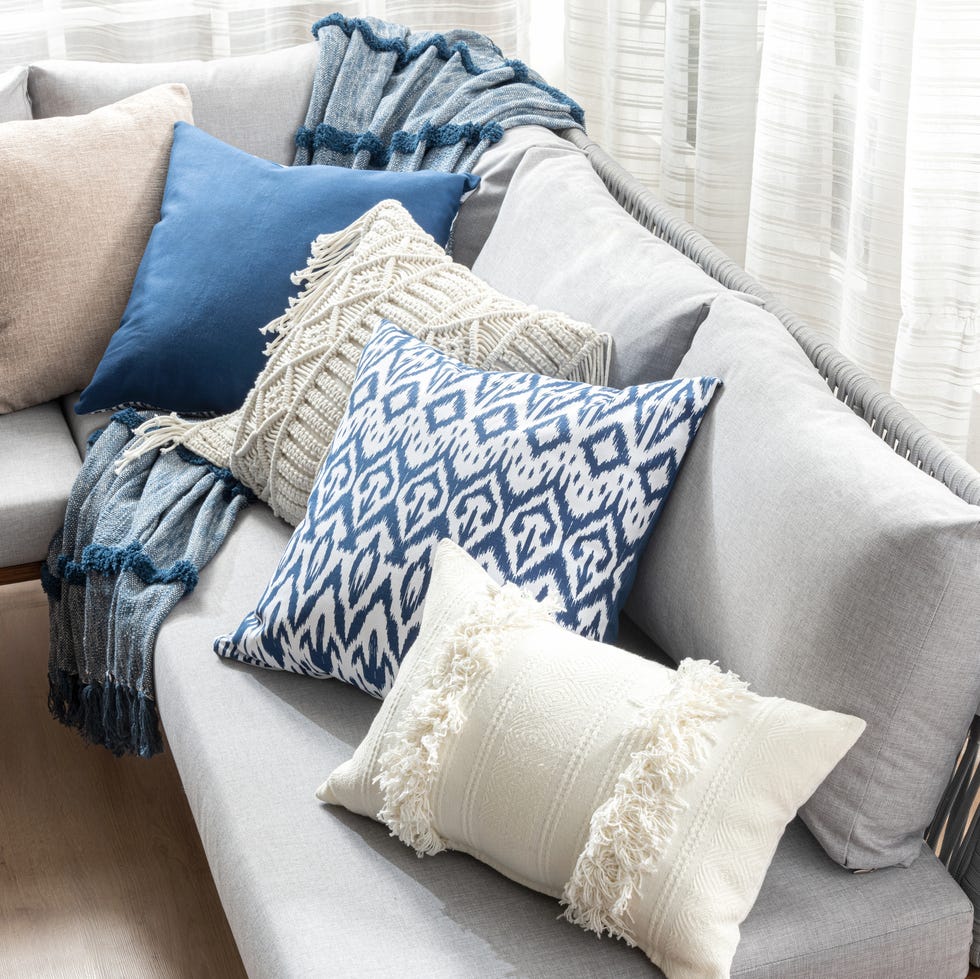
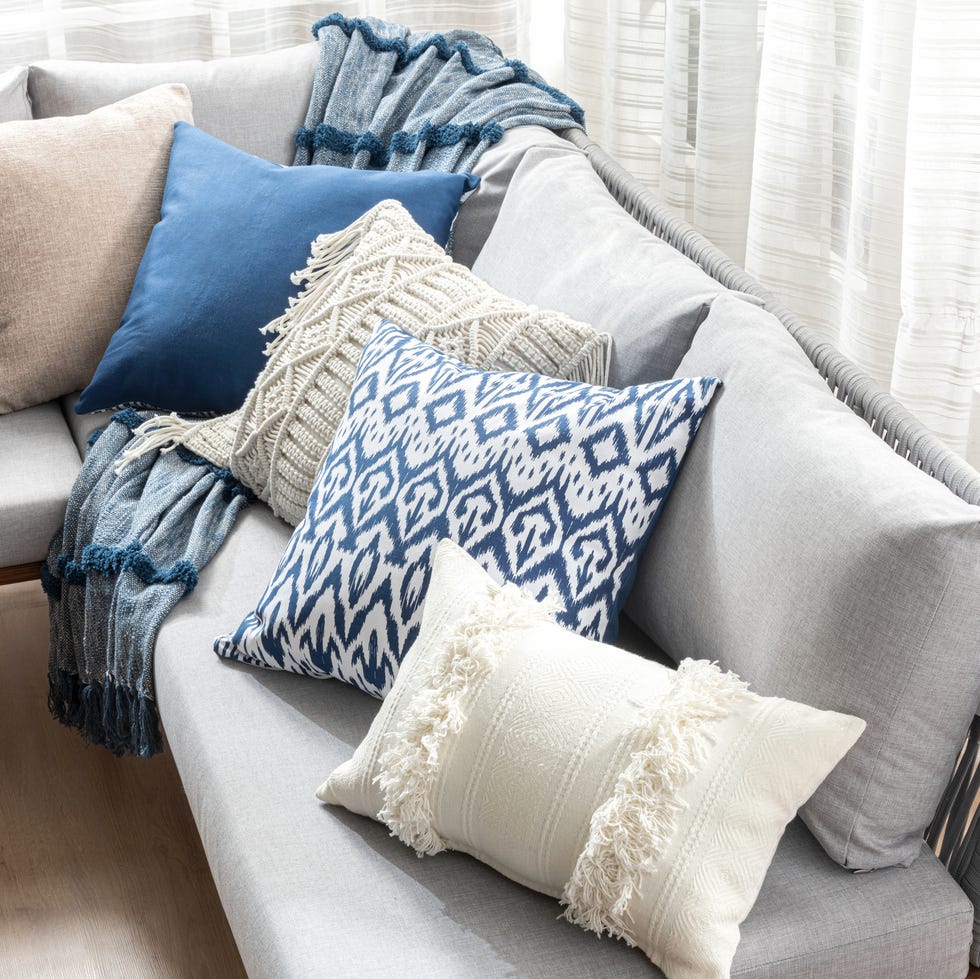
Another trend deemed a waste of money is the acquisition of designer throw blankets that primarily serve as status symbols. These items often prioritize branding over genuine design and craftsmanship, and their appeal can fade as trends shift. A more discerning approach involves selecting textiles with lasting style, such as handwoven throws or artisan pieces made from luxurious materials like cashmere or wool blends. These alternatives provide genuine texture and warmth while harmonizing with a broader color palette.
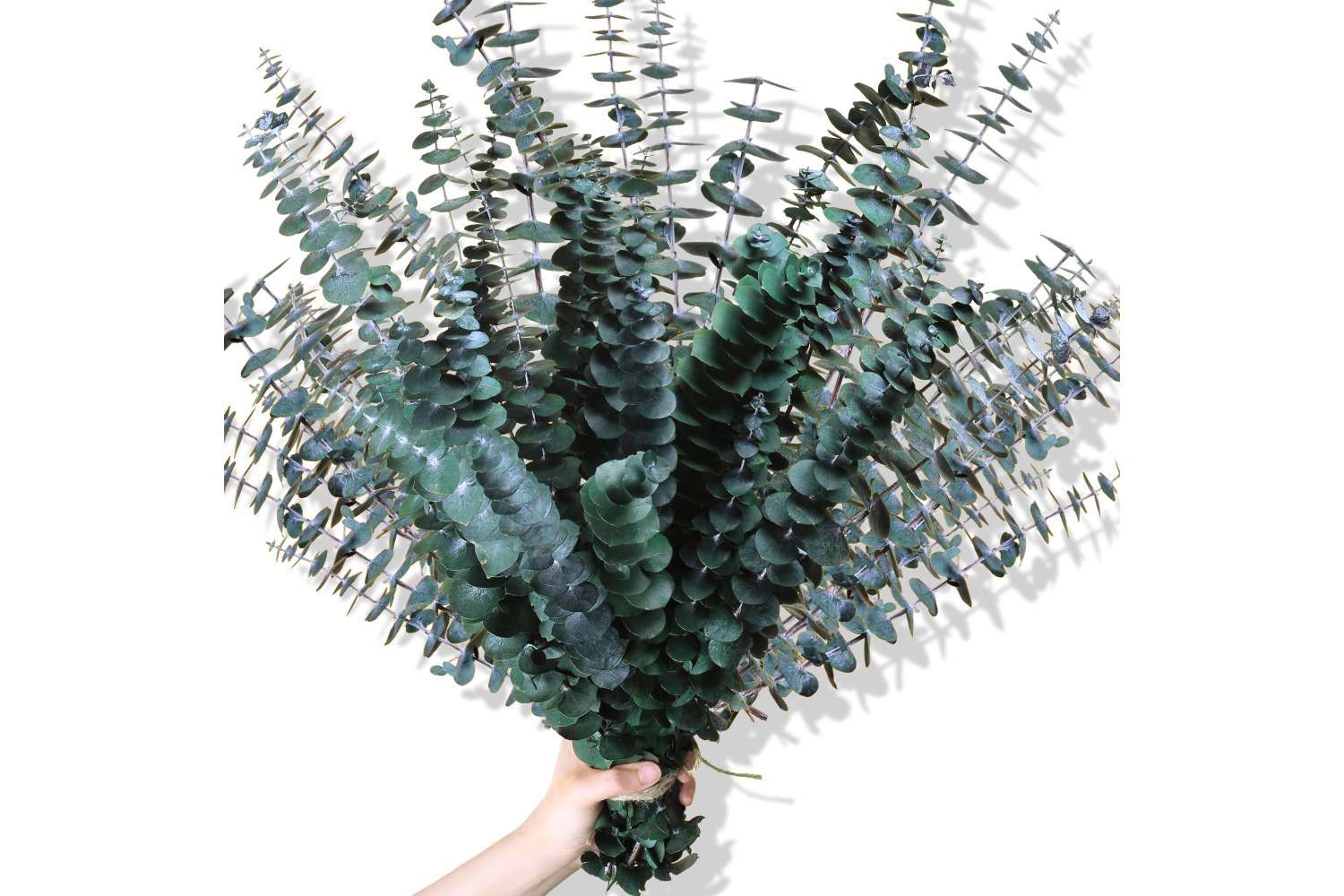
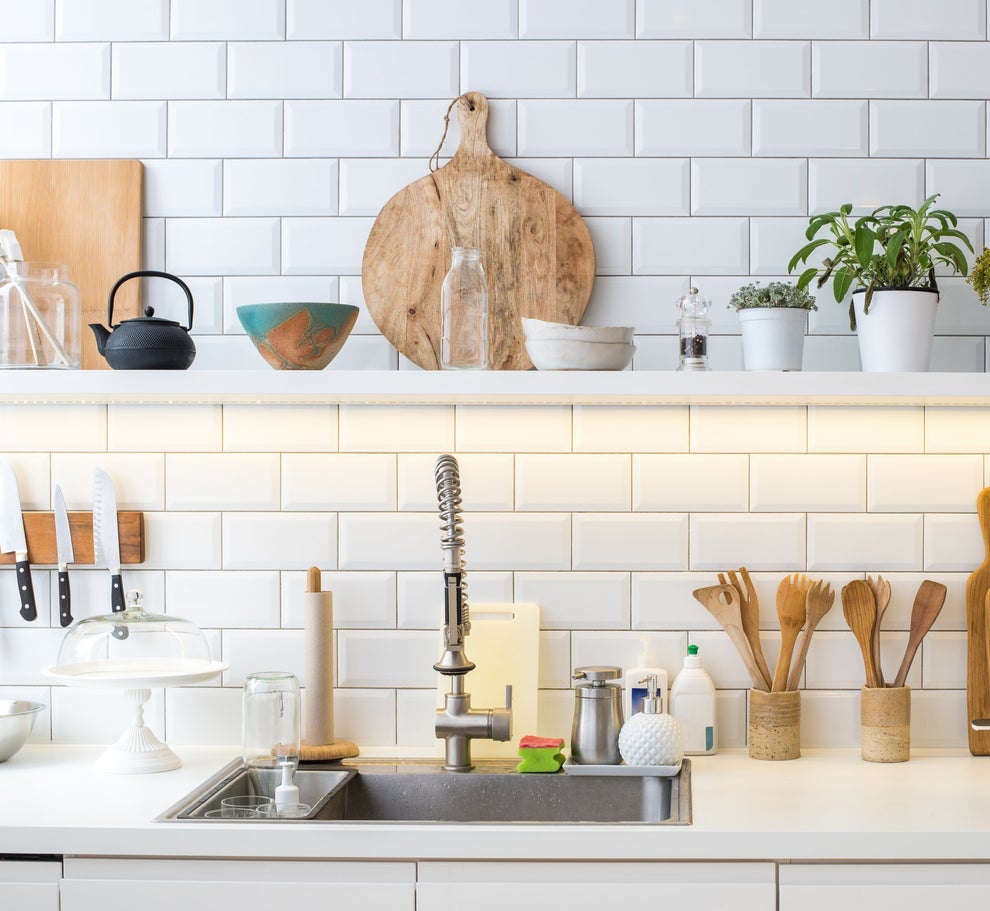
Faux plants are also identified as a poor investment. Despite varying price points, artificial greenery tends to appear fake, acts as a dust collector, and fails to contribute the natural energy, texture, or variation that living plants offer. Preferred alternatives include pet-friendly plants, low-maintenance succulents, or dried and preserved arrangements, which introduce organic elements to a room.
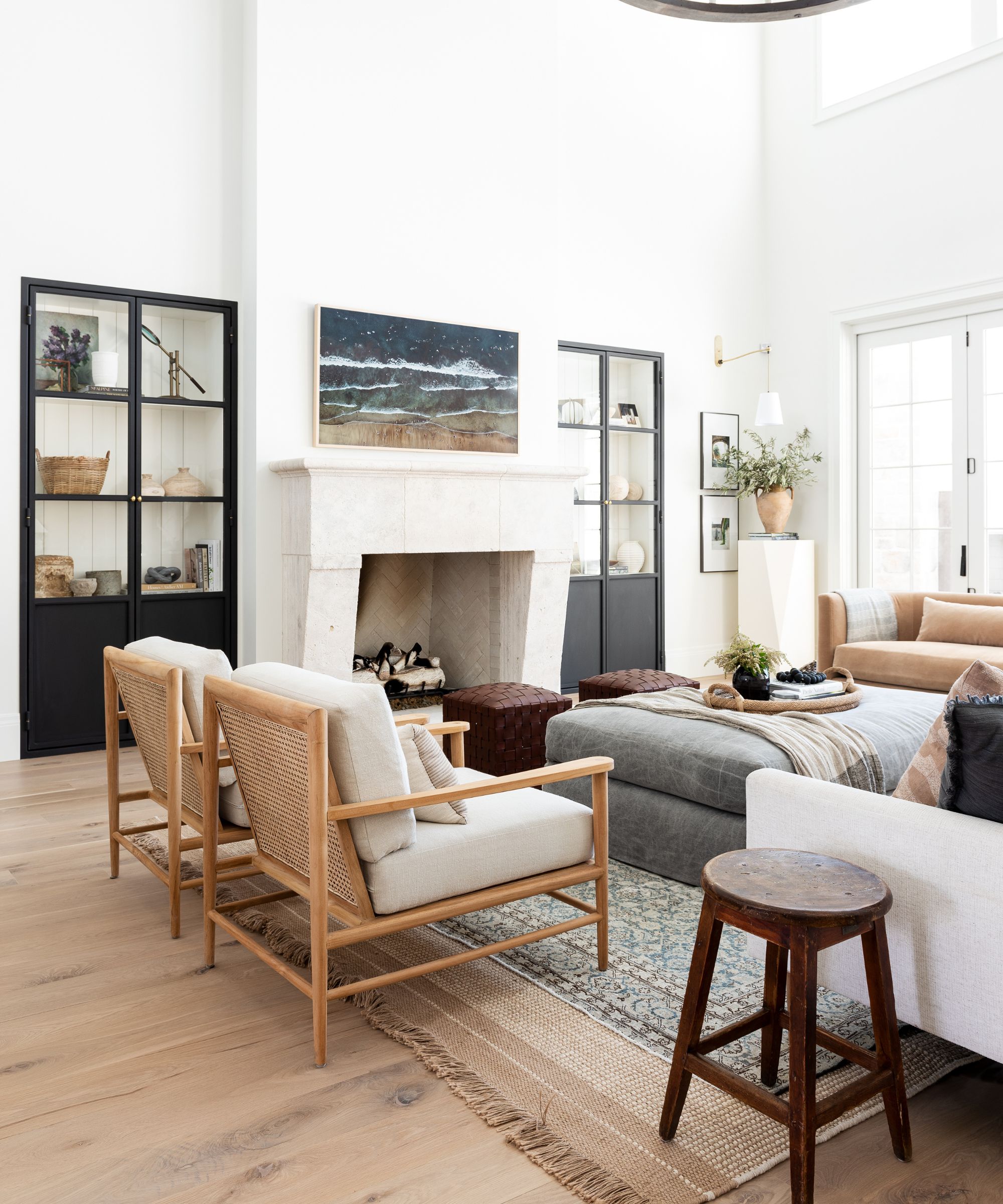
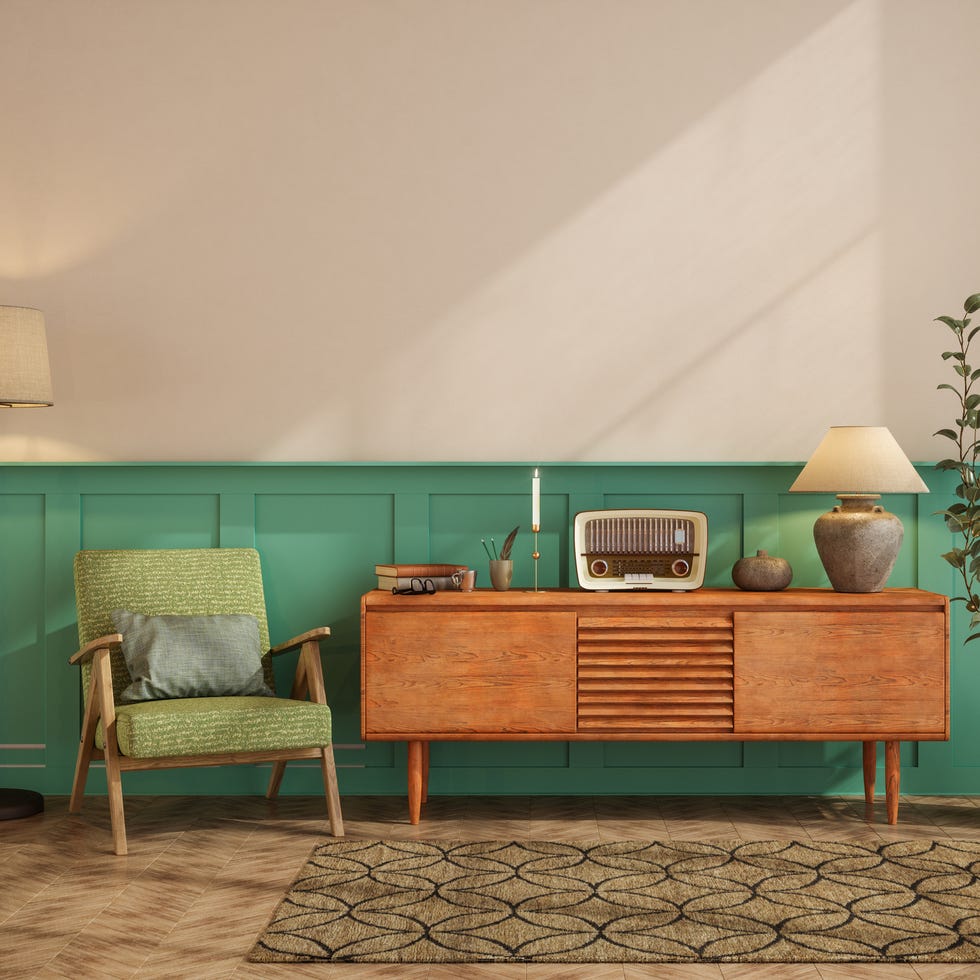
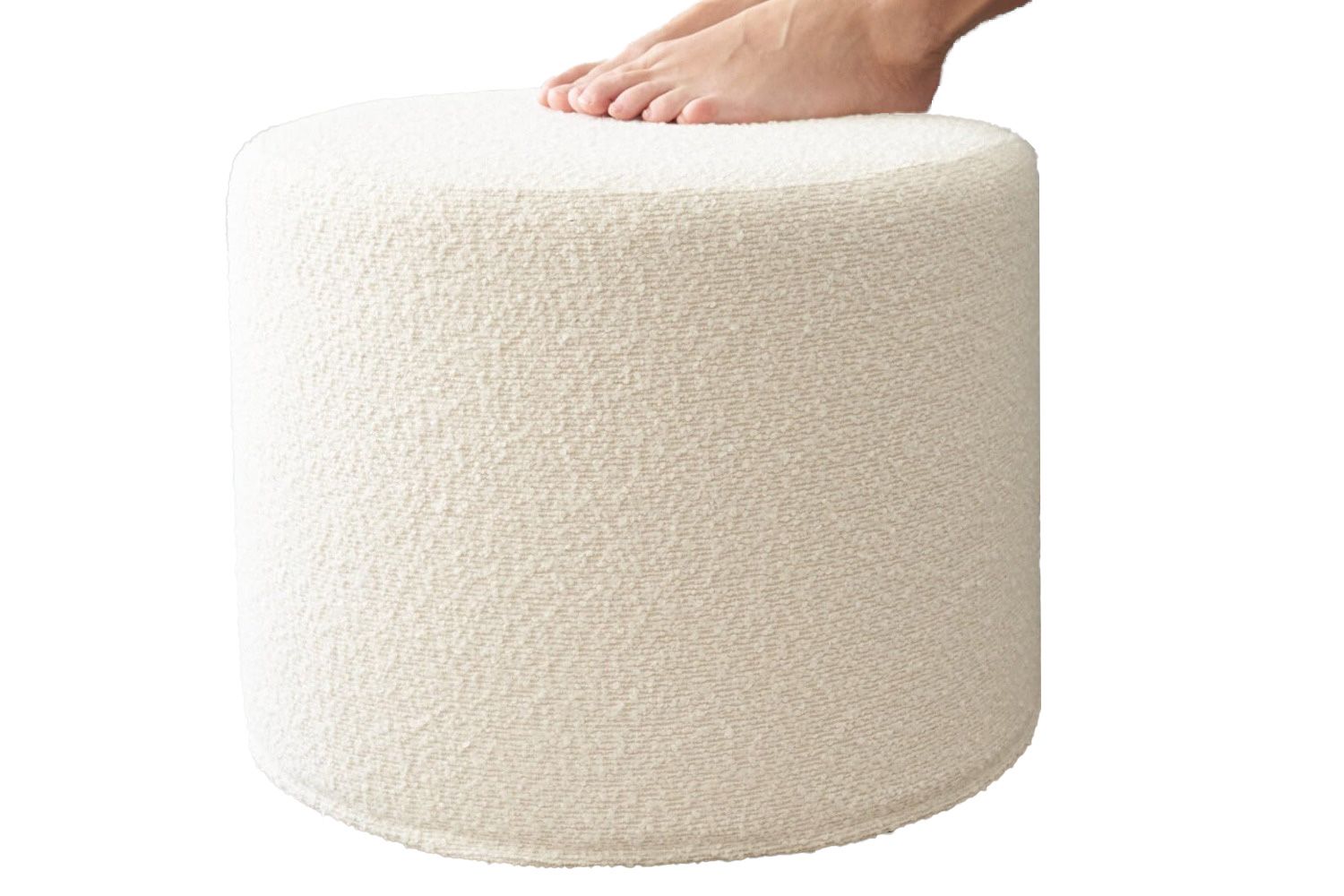
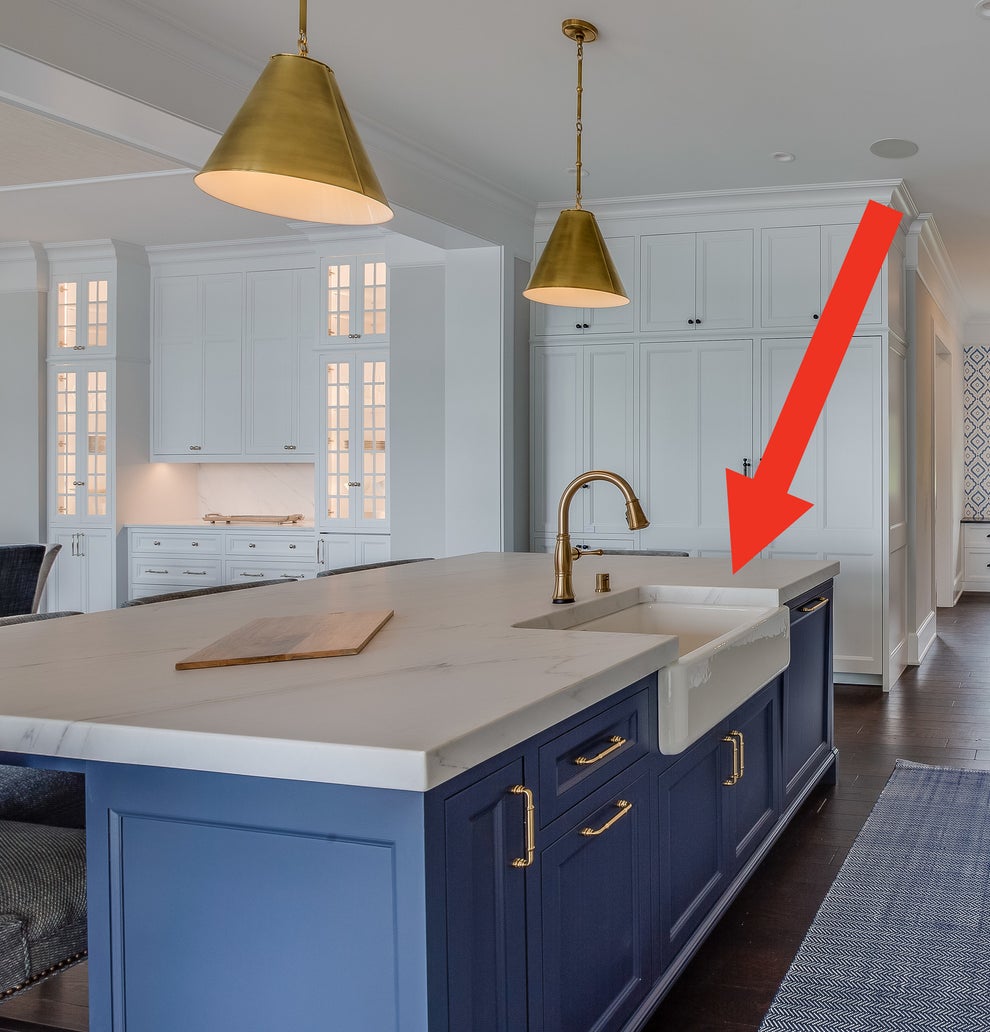
Disposable furniture, characterized by low quality and a short lifespan, is another trend to eschew. Such pieces are often poorly made and contribute to landfills, quickly showing wear and tear. A more sustainable and aesthetically pleasing strategy involves investing in fewer, higher-quality items made from durable materials like solid wood or metal. Customizable options or vintage furniture are excellent choices for their durability, unique character, and timeless appeal.
Themed or seasonal decor, particularly when it dictates an entire room's design, is also advised against. While initially exciting, such schemes can limit a space's longevity, especially when influenced by rapidly changing fads. Interior designers recommend building a foundational design with timeless colors, textures, and quality furniture, then incorporating smaller, easily changeable accents to reflect themes or seasons. This approach allows for personalization without the need for extensive overhauls.
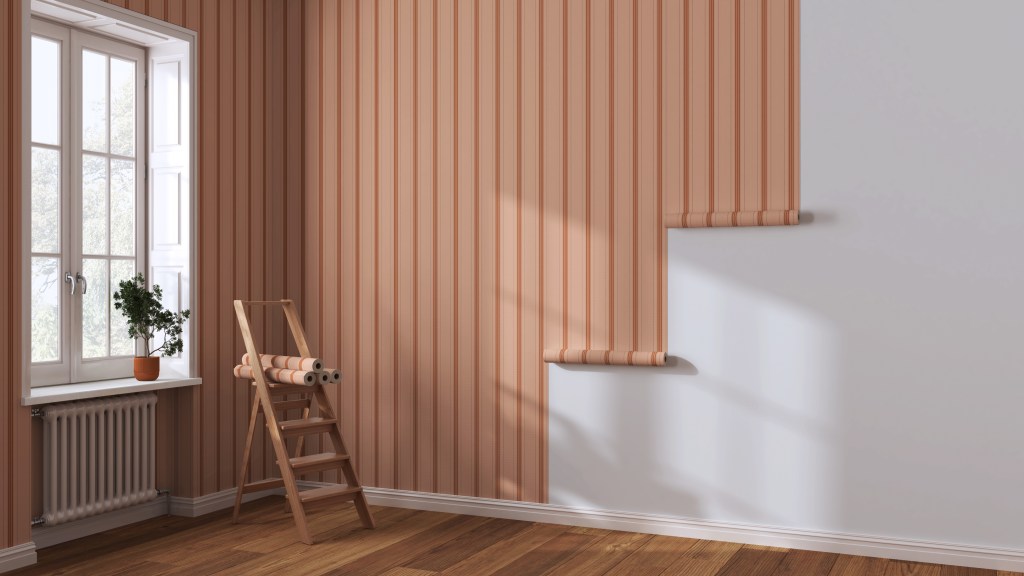
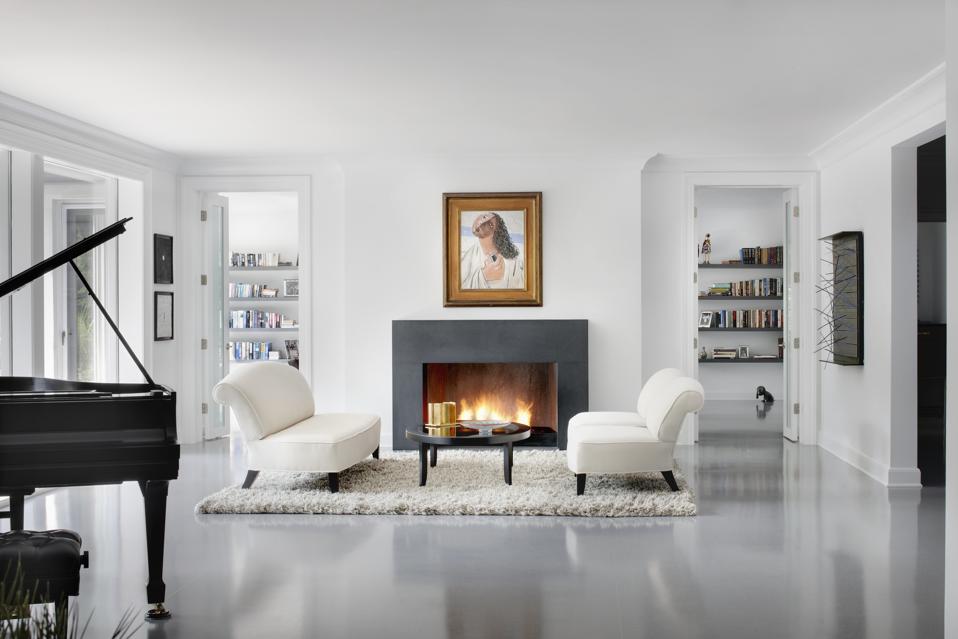
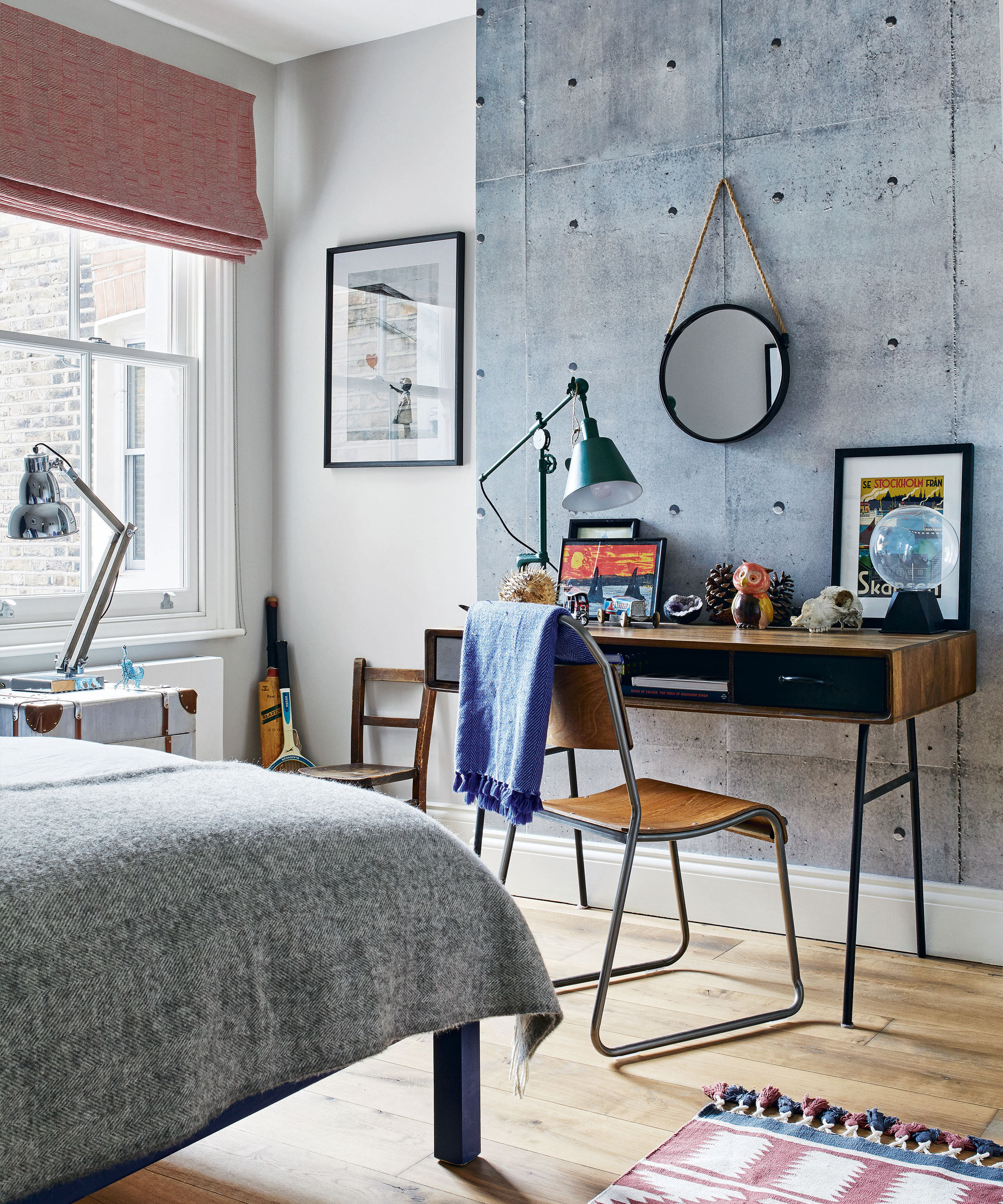
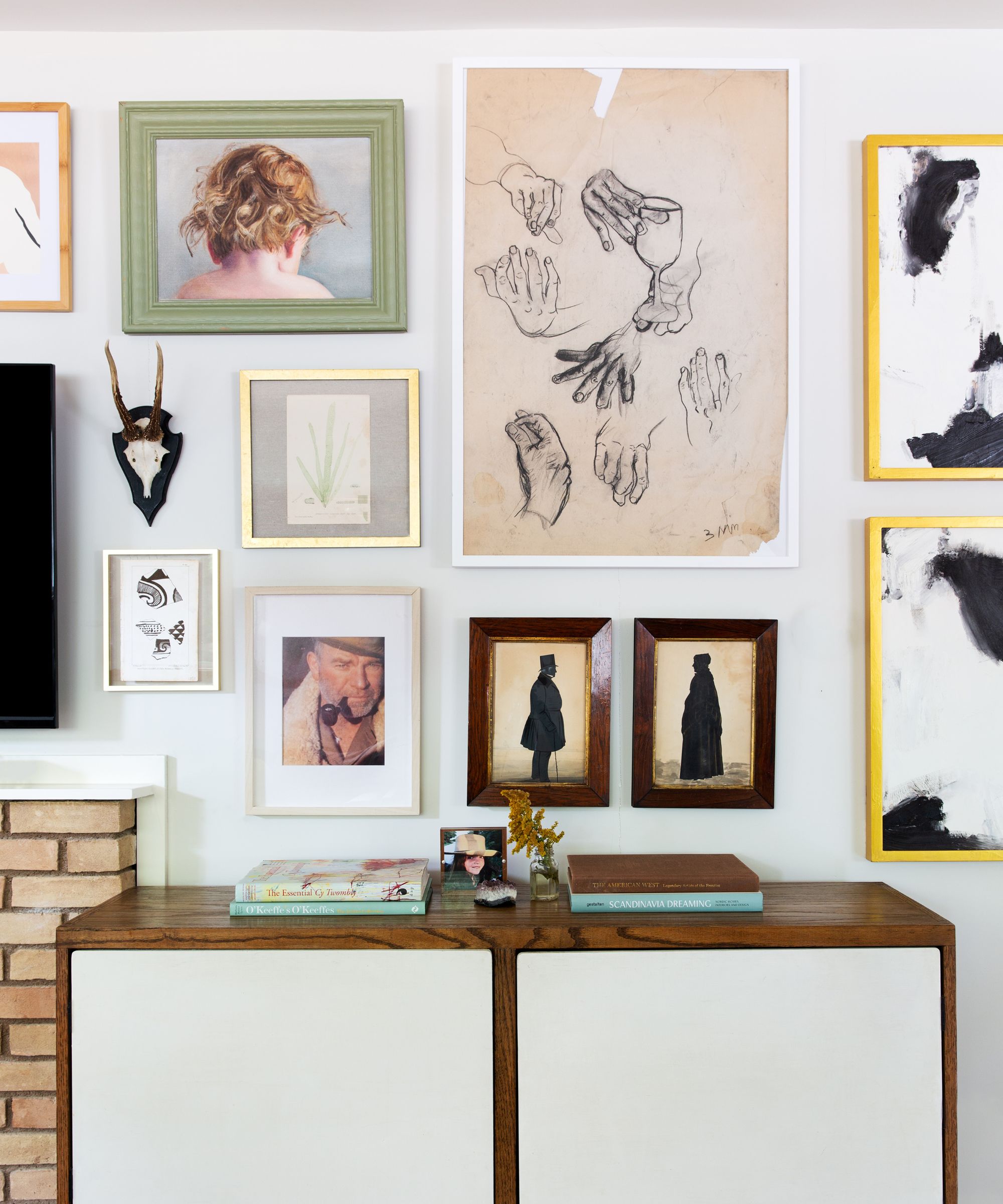
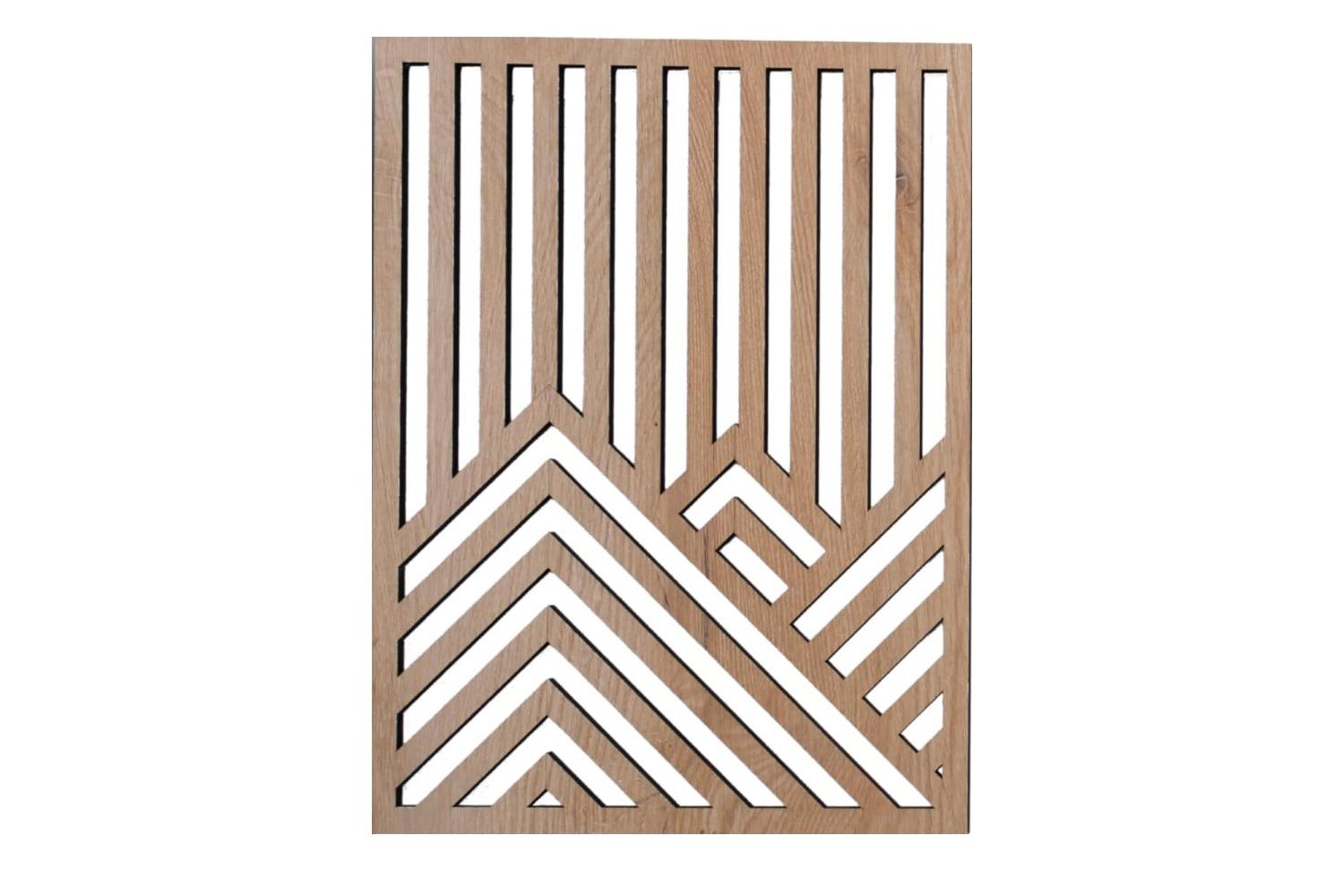
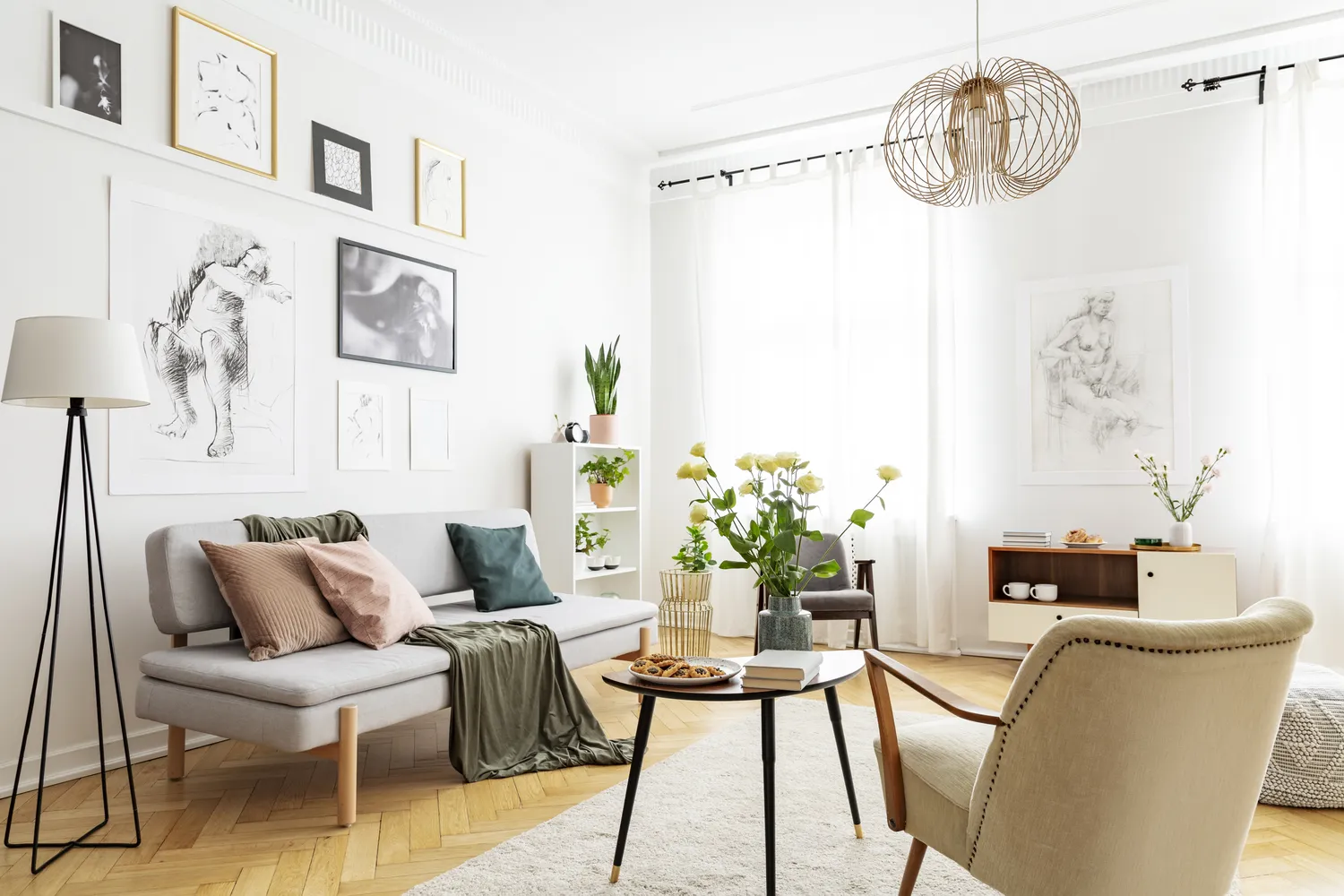
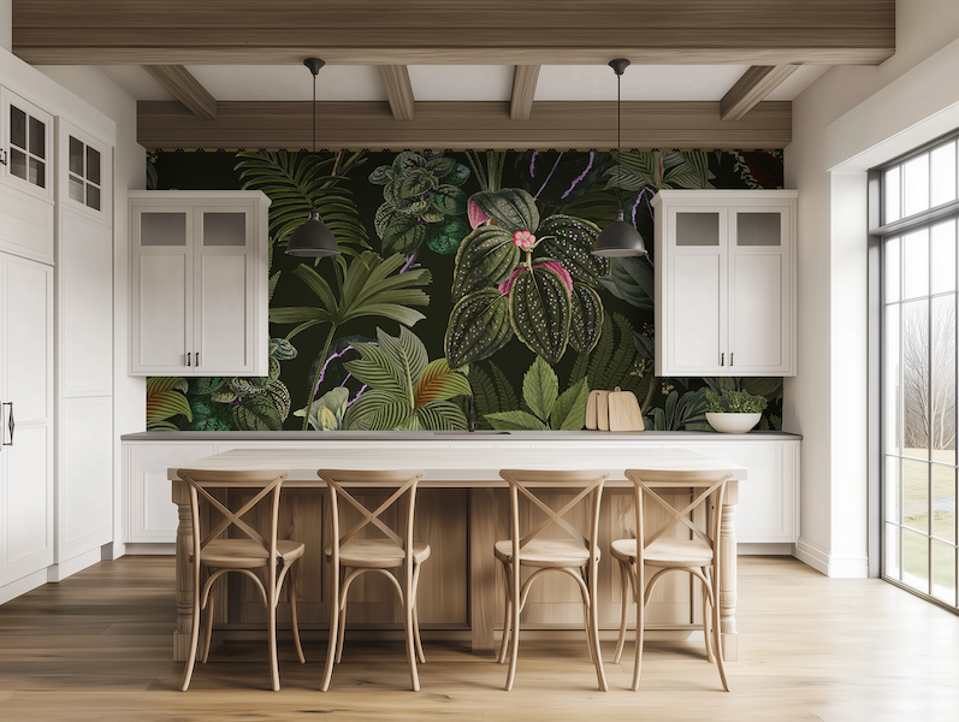
Overdone gallery walls and bold accent walls, once popular, are now considered potential pitfalls. Their widespread adoption has diminished their original impact, making them appear less intentional and potentially dated. Instead of multiple small pieces, a single, large statement art piece or multi-panel artwork can achieve a more impactful and fresh look. Rotating seasonal art is another way to refresh a space without permanent changes.
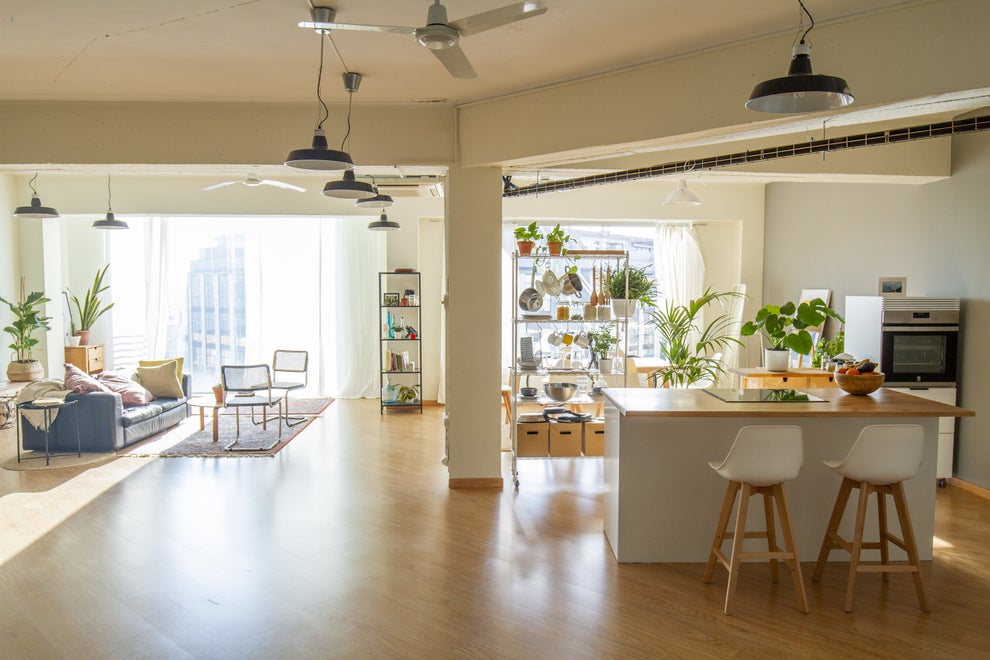
Finally, hidden technology, such as ceiling-mounted TVs or invisible wall speakers, is identified as an expensive and often impractical trend. The high cost of installation and the rapid obsolescence of technology mean these features can quickly become outdated or difficult to repair. A more pragmatic approach is to choose visible, stylish, and high-quality tech that seamlessly integrates with the decor, allowing for easier updates, maintenance, and repurposing in the long run.
#HomeDecorTrends #InteriorDesign #CostlyDecor #TimelessDesign #SustainableLiving #FauxPlants #PaintTrends #FurnitureInvestment #HomeImprovement #HomeDecorTrends #InteriorDesign #CostlyDecor #TimelessDesign #SustainableLiving #FauxPlants #PaintTrends #FurnitureInvestment #HomeImprovement
0 comment in total
 No comments yet
You may also like
The #1 Home Trend You Should Avoid, According to Designers

5 trends that look good right now but interior designers warn they won't last
"Frankly, It's Tacky": People Are Revealing Common Interior Design Trends They Can't Stand

7 "Stylish" Decor Trends That Are Secretly Hurting Your Home’s Value, Real Estate Pros Say

7 home design trends to skip (and what to do instead)

7 cheap and tacky interior design errors rich people never make — ban these aesthetic atrocities from your home
5 Tacky Home Decor Items That Instantly Make a Home Look Bad, According to Designers

7 Kitchen Design Trends Chefs Say Are Totally Bogus
9 CONTROVERSIAL Decor Choices Designers Secretly Wish You’d Stop Making

7 Living Room Items Not Worth Splurging On, According To Designers
5 outdated wall decor trends designers warn to avoid – plus what we should be doing instead

Designers Say These 4 Decor Trends Are Super Outdated—Update Your Home With These 8 Finds Instead

An Interior Designer Shares the "Tacky" Decor You Should Never Waste Your Money On
7 Design Mistakes Interior Designers Always Notice

9 Popular Home Trends Interior Designers Say Won't Age Well
People Are Defending The "Unpopular" Home Design Trends That Actually Make A Lot Of Sense In Their Own Homes
8 Tacky Home Trends That Designers Say Are TRAGICALLY Dead
8 Home Trends That Are Tragically DEAD to the Design World

People Are Exposing The Home Decor Trends That'll "Completely Fade Out" Sooner Than You'd Think
"I Regretted It After Two Weeks": Homeowners Are Revealing The Popular Home Fads That Aren't Worth Trying Out