
1/12
Social Media-Friendly Design: Is Architecture Adapting to Viral Trends and Algorithms?
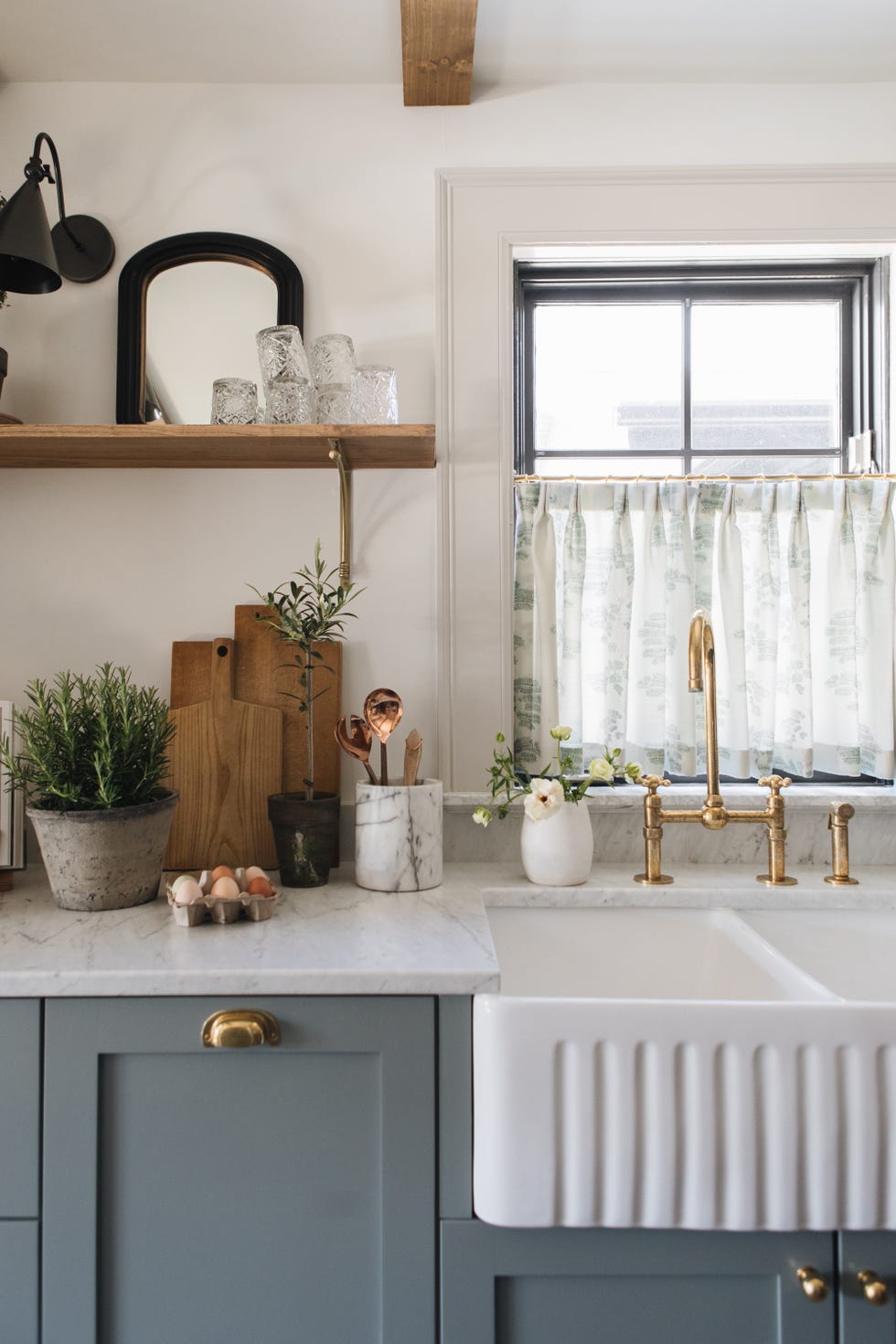
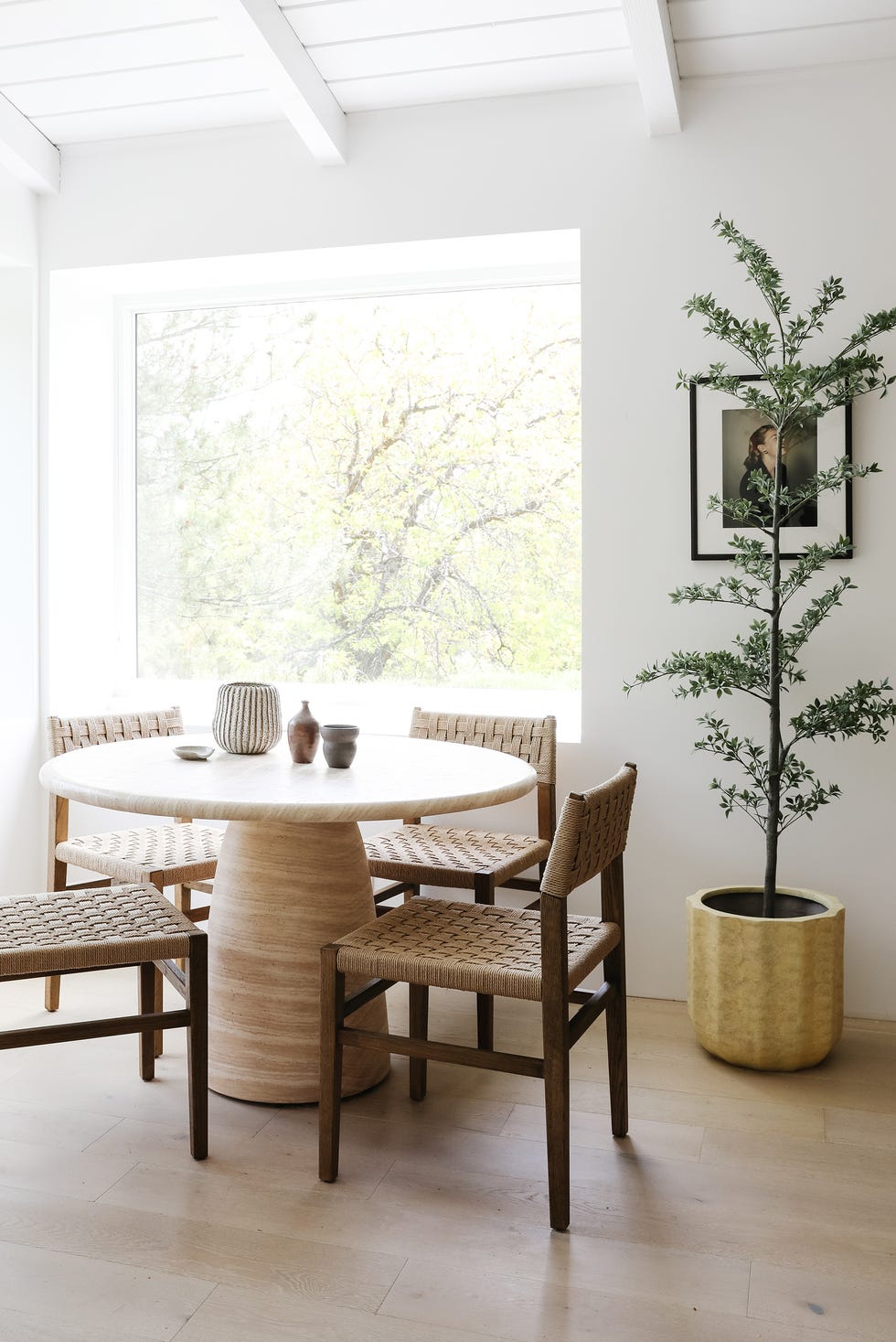
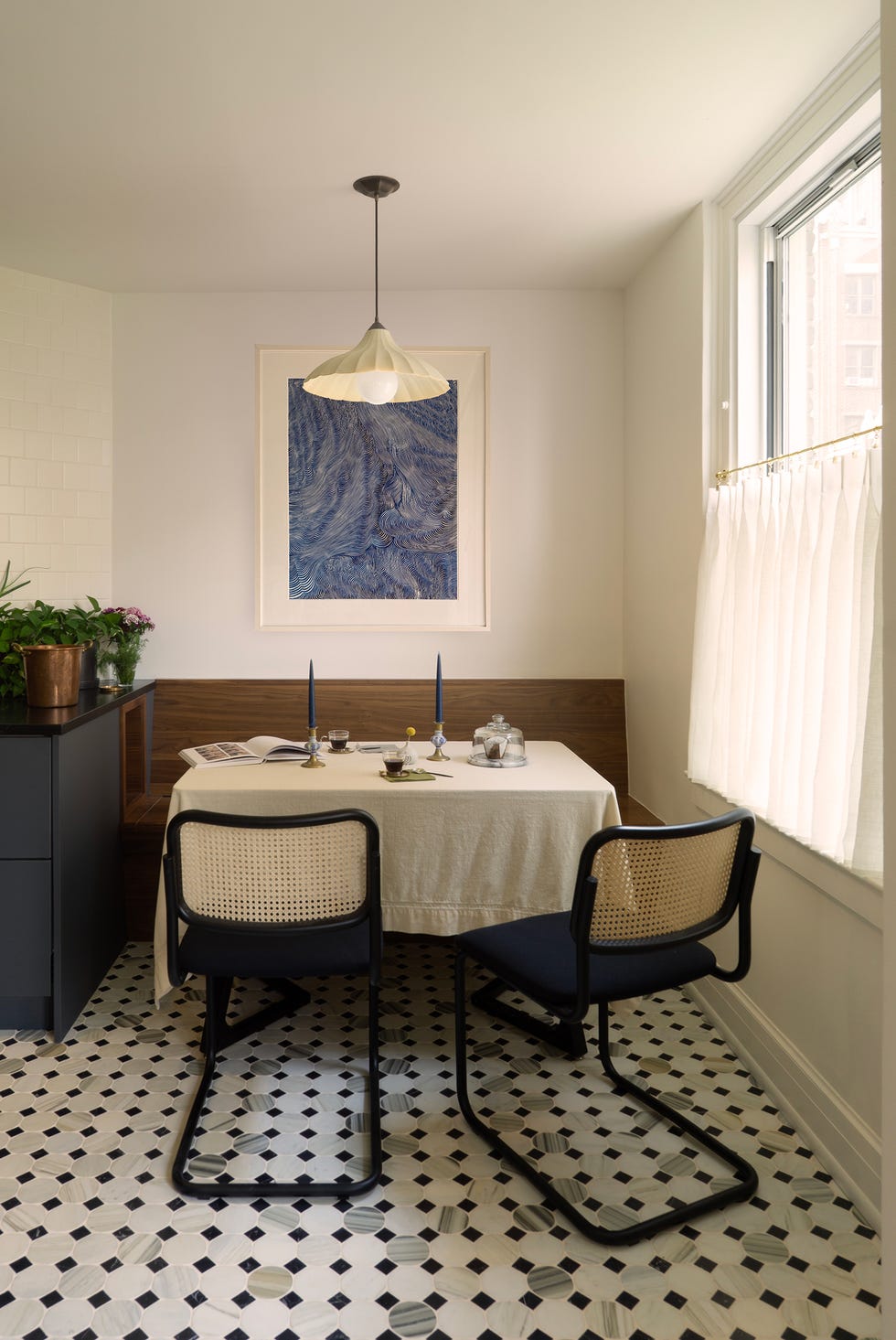
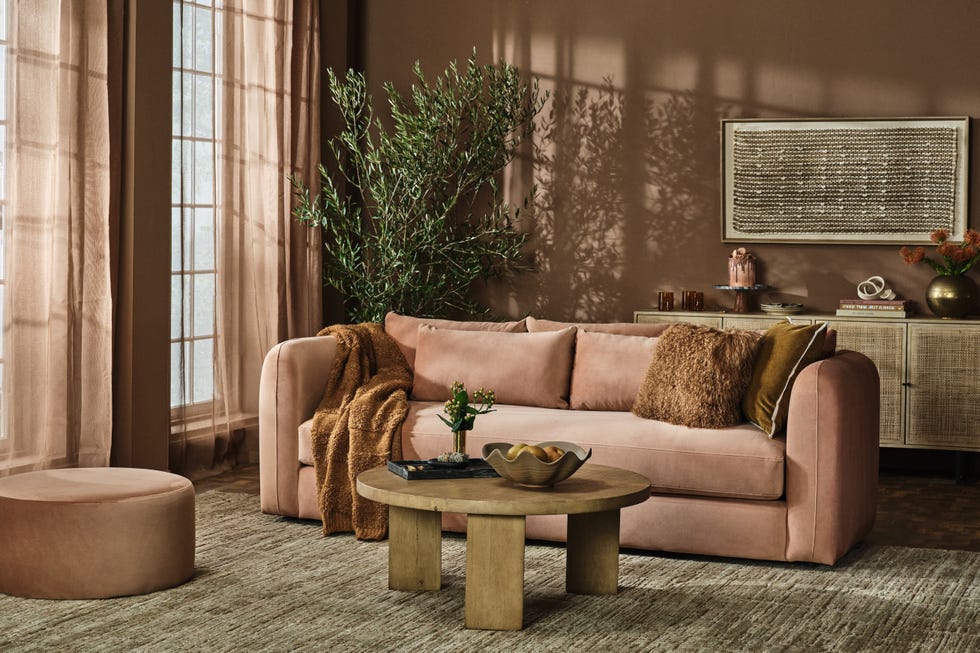
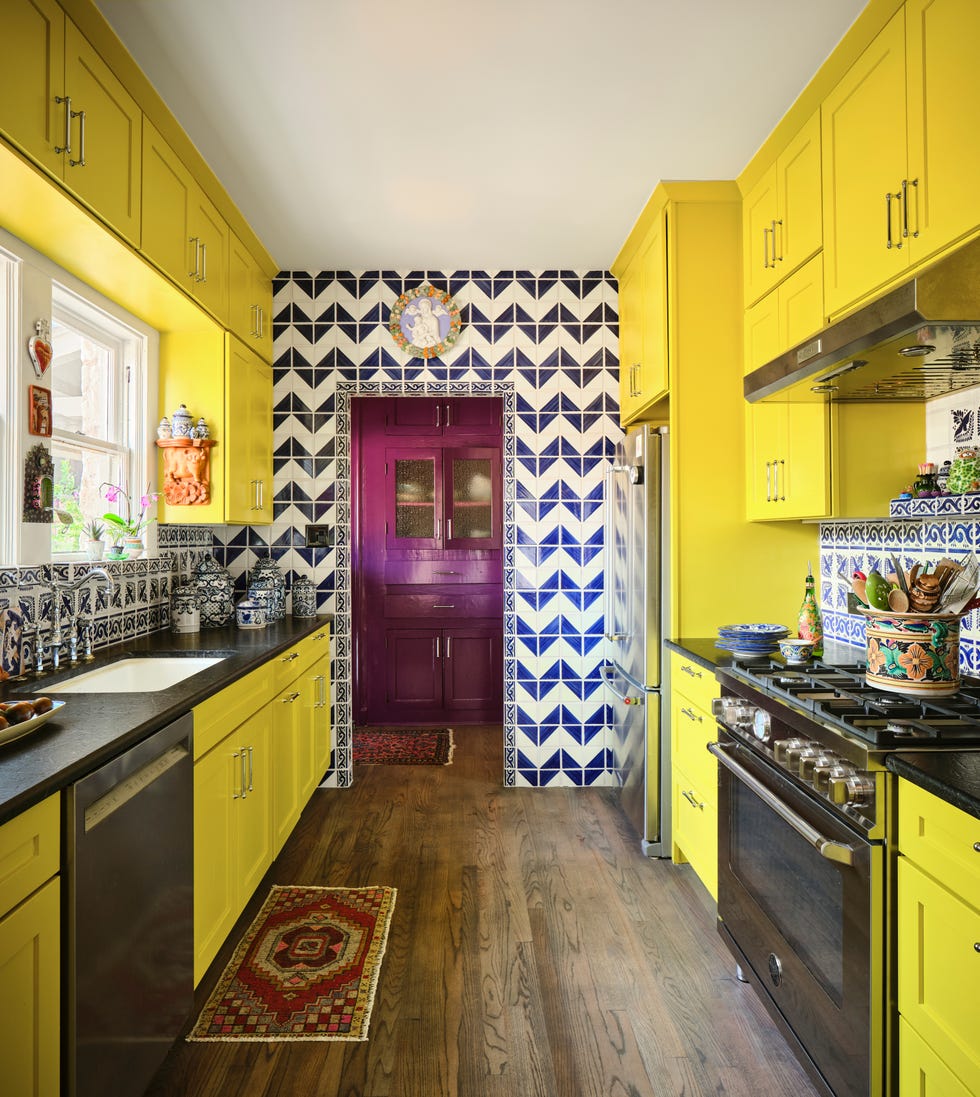
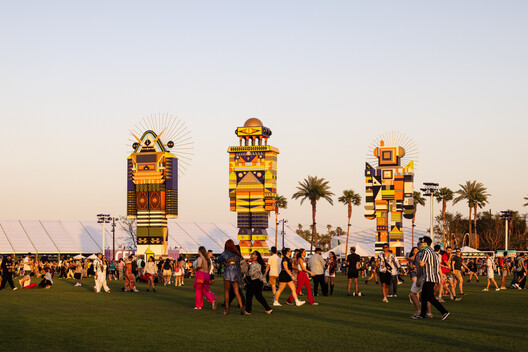
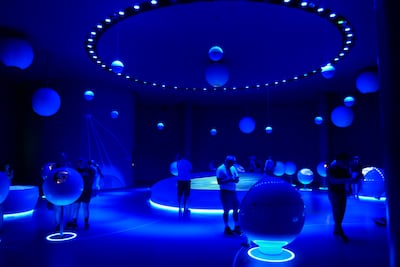
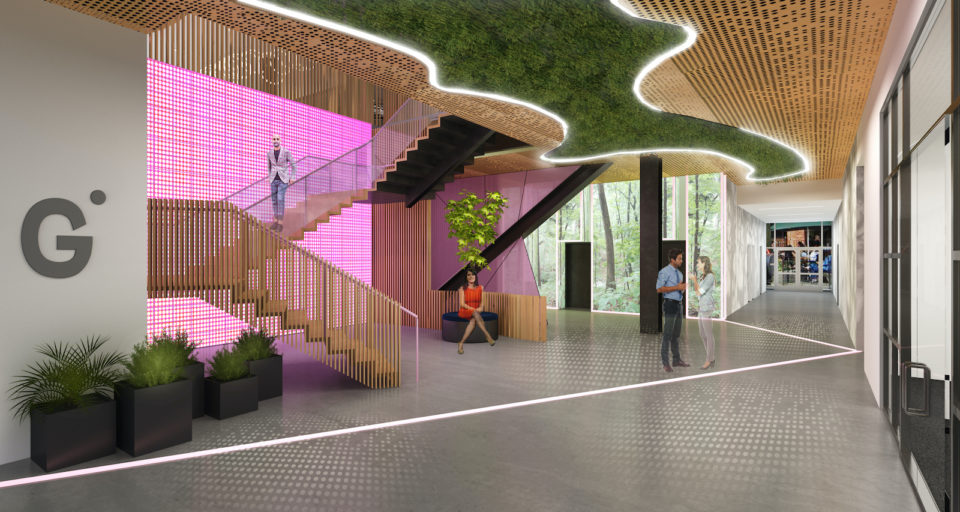
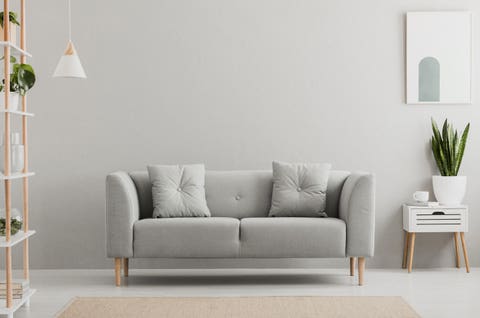
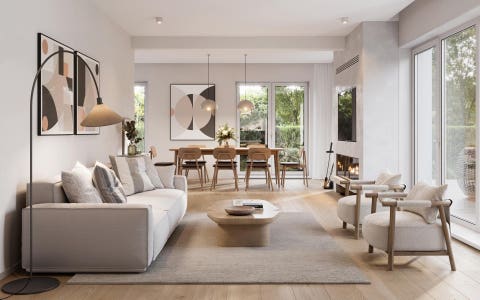
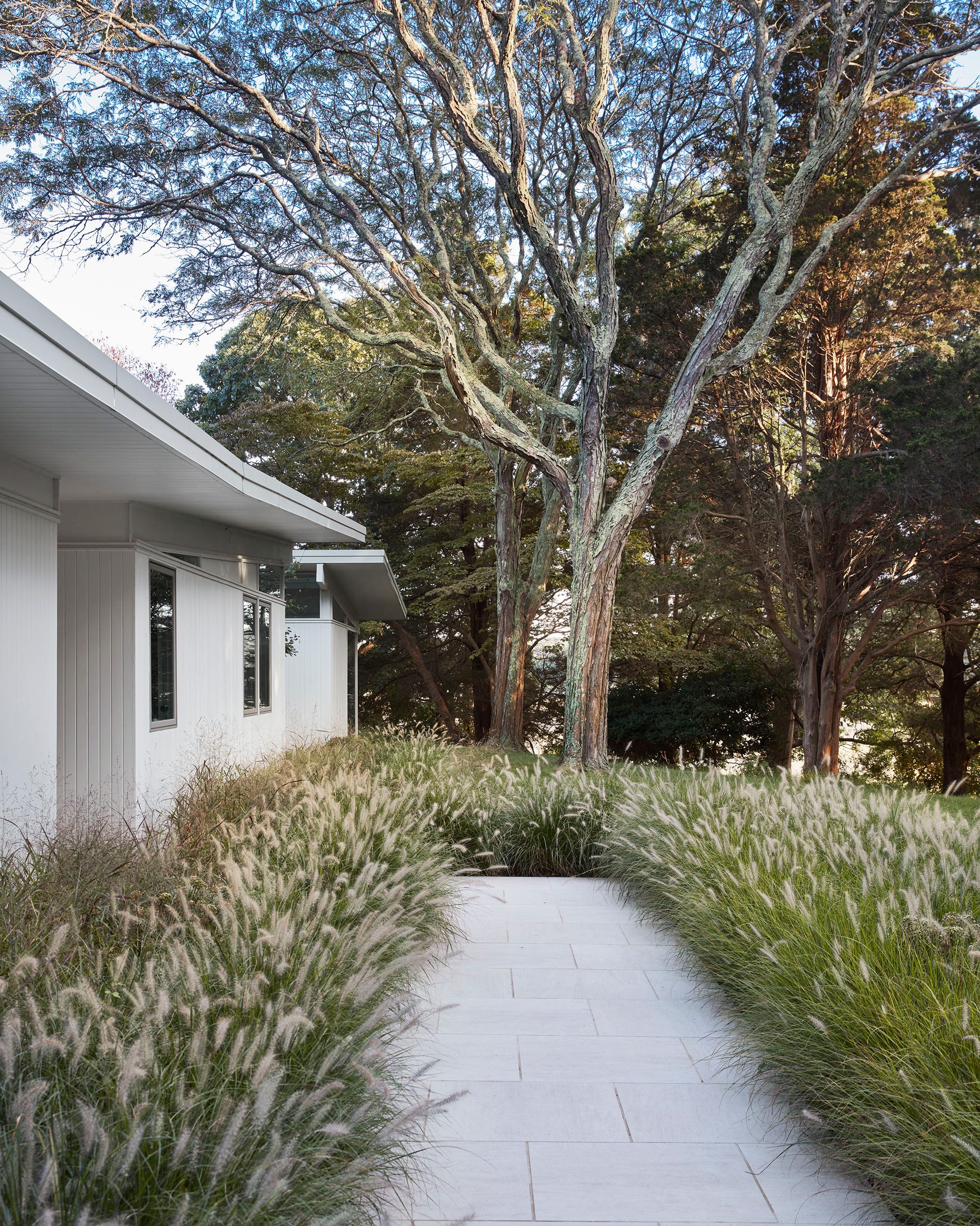
The pervasive influence of social media platforms, such as Instagram and TikTok, has transformed how architectural designs are perceived and consumed. With a constant stream of easily digestible information and data curated by algorithms, individuals form impressions of buildings and interior spaces within seconds, prioritizing visual appeal and virality. This shift raises questions about whether contemporary architectural practice is adapting to these trends, focusing on creating 'Instagrammable' designs that resonate with digital audiences. Emerging architects, deeply immersed in social media culture, are particularly influential in this evolving landscape, contributing to a design approach that often prioritizes aesthetic impact over traditional functional or contextual considerations.
Social media's impact on architecture is multifaceted. On one hand, it offers unprecedented opportunities for architects and designers to showcase their work to a global audience, fostering a broader appreciation for design. Platforms like Instagram, with their emphasis on visual content, encourage the creation of aesthetically striking and photogenic spaces. This can lead to innovative designs that push creative boundaries and engage the public in new ways. Architectural projects that achieve viral status can gain significant exposure, boosting the profiles of designers and influencing contemporary design trends. The instantaneous feedback loop of likes, comments, and shares provides designers with direct insights into public reception, potentially shaping future projects to align with popular preferences.
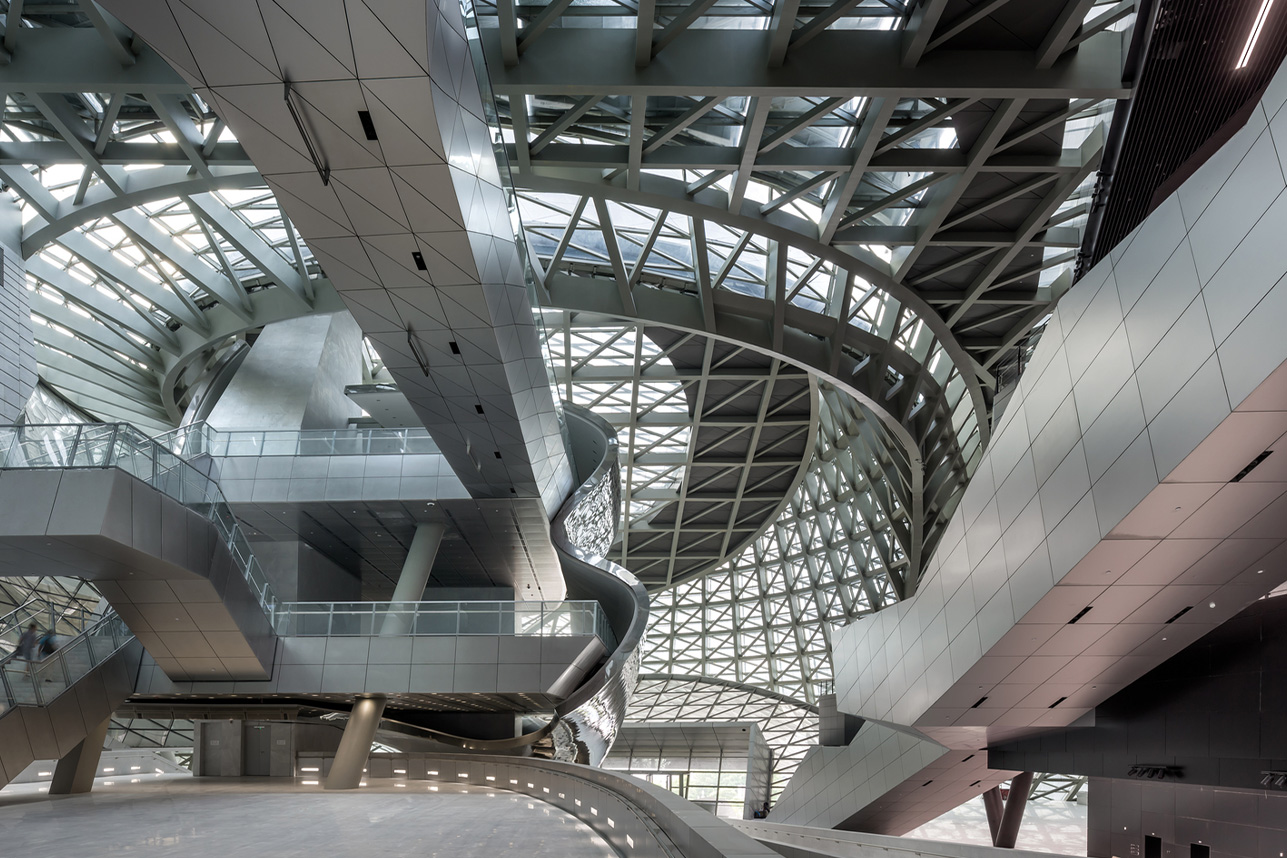
However, this focus on virality also presents challenges and concerns. The pursuit of "social media-friendly" design may inadvertently lead to a superficial approach, where the primary objective is to generate visually appealing content rather than address fundamental architectural principles like functionality, sustainability, and human experience. Designs might be optimized for a two-dimensional screen, neglecting how they are experienced in three-dimensional reality. This can result in spaces that are visually stunning but lack depth, practicality, or a strong connection to their site and context. There is a risk that architects might design for the camera lens rather than for the people who will inhabit and interact with the spaces.
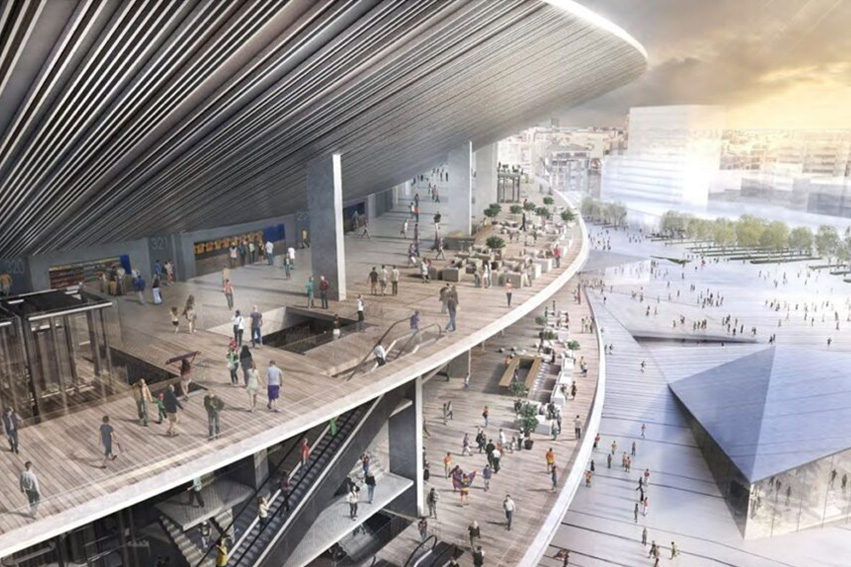
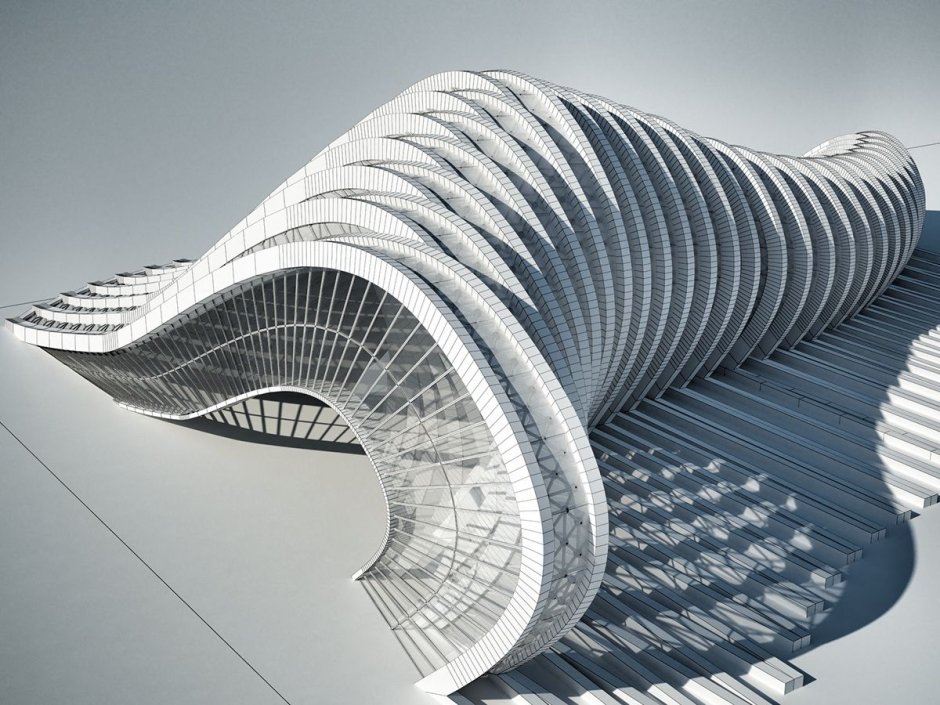
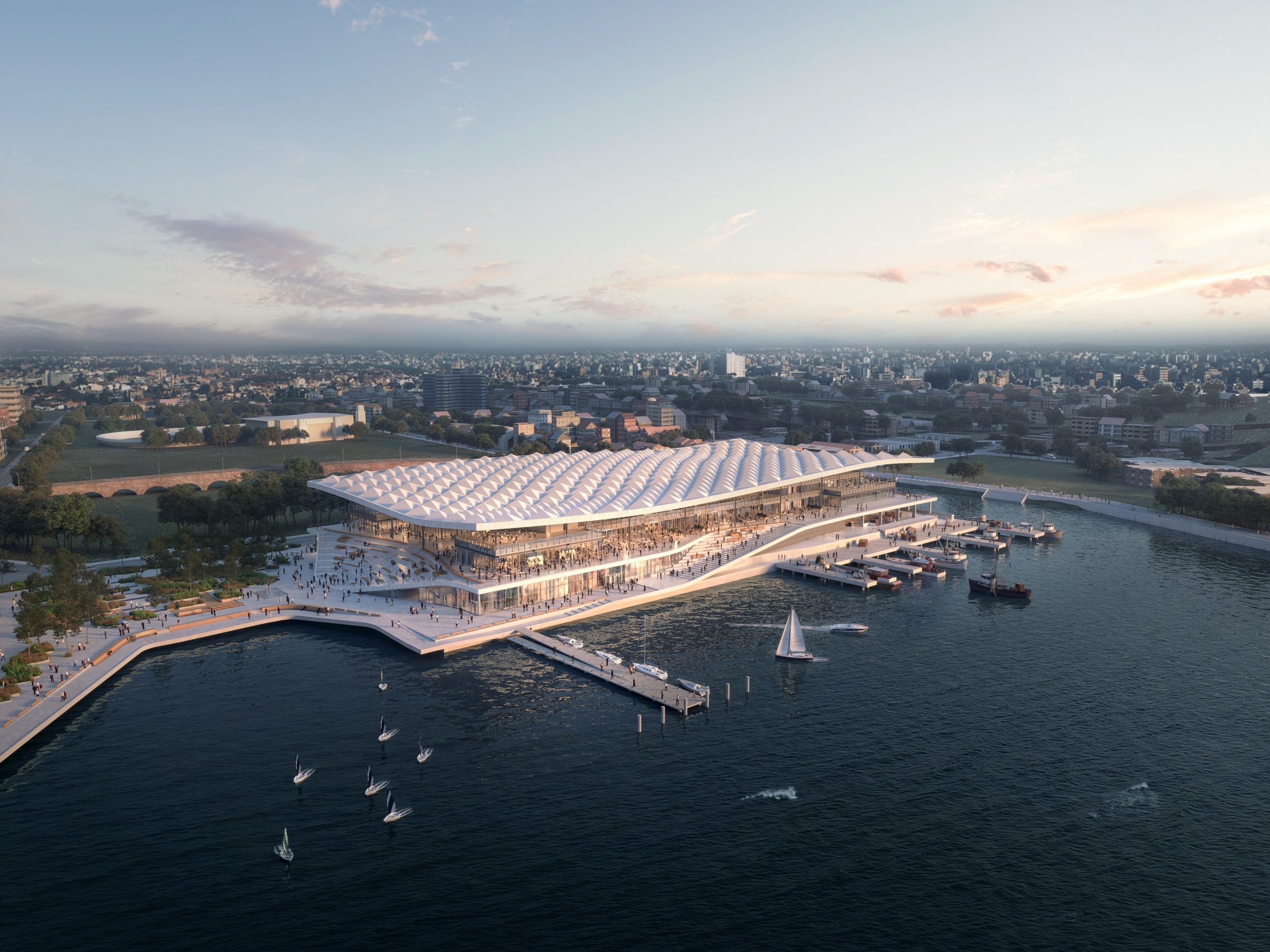
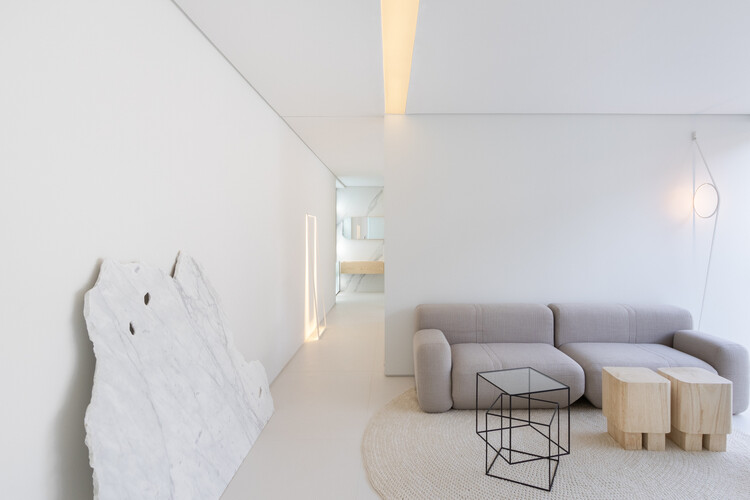
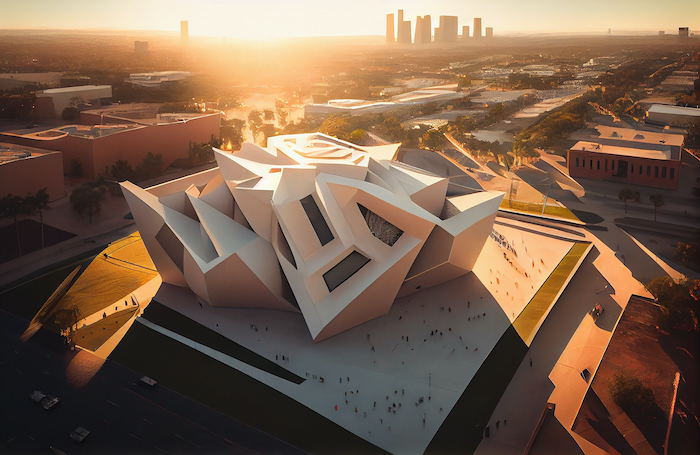
The article highlights that the allure of digital trends often leads to designs that are minimalistic, sculptural, or feature grand, unobstructed views, as these elements tend to perform well on social media. The integration of cutting-edge technology, such as AI-generated imagery and parametric design, further blurs the lines between imagination and reality, contributing to the creation of highly stylized and often fantastical architectural visualizations. These technologies enable architects to produce compelling digital content that can easily go viral, but the challenge remains in translating these digital visions into tangible, meaningful built environments.
Furthermore, the article implicitly suggests that the rapid dissemination of trends through social media can accelerate the lifecycle of architectural styles, leading to a faster turnover of what is considered fashionable or desirable. This constant demand for novelty might put pressure on architects to continuously innovate and differentiate their work, sometimes at the expense of timeless design or thoughtful contextual integration. The discussion also touches upon the influence of algorithms, which curate content based on engagement metrics, potentially reinforcing certain aesthetic preferences and limiting exposure to diverse design philosophies. Ultimately, the question remains whether architecture can maintain its core values and responsibilities to society while effectively navigating and leveraging the powerful, yet often superficial, currents of social media and algorithmic influence.
#SocialMediaFriendlyDesign #ArchitectureTrends #ViralDesign #AlgorithmicInfluence #ContemporaryArchitecture #InstagrammableSpaces #EmergingArchitects #DigitalArchitecture #DesignTrends #SocialMediaFriendlyDesign #ArchitectureTrends #ViralDesign #AlgorithmicInfluence #ContemporaryArchitecture #InstagrammableSpaces #EmergingArchitects #DigitalArchitecture #DesignTrends
0 comment in total
 No comments yet
You may also like
Café Core Is Taking Over Social Media — Here's What Designers Think of the Trend

How Can Architecture be Designed to Reflect Human Behavior?
Future-Proofing Design: How Interiors Will Evolve in 2023 and Beyond
Emerging home design trends to tap into now
Viral TikTok Design Trends Designers Actually LOVE

How generative design is shaping the future of architecture?

Innovations Driving Sustainable Building and Architecture Forward
The Transformative Power of AI in Architecture Design

Architectural design to meet the needs of our time

Dan Pink: Three Ideas Changing Design

10 New Trends in Multifamily Housing Design


Building a profile: The sway of marketing on architectural design

From Farmhouse To Bohemian: 5 Interior Design Styles Blowing Up On TikTok

Niche aesthetics finding popularity on social media, from Frasurbane to Frutiger Aero

10 Interior Design Trends Going Away In 2025


Kitchen Trends That Are Being Left Behind In 2025 And Beyond
I Asked Interior Designers to Share the Worst Decorating Trends They've Seen on Social Media


The impact of machine learning on architectural design
6 "Essential" Architecture Trends Design Lovers Need to Know
Why you should be talking about what design costs on social media