1/4
How Can Architecture be Designed to Reflect Human Behavior?
The article explores the intricate relationship between architecture and human behavior, highlighting the necessity of integrating anthropological insights into architectural design. It posits that a deep understanding of human societies, cultures, and their development over time, as studied in anthropology, is crucial for creating spaces that genuinely enhance well-being, productivity, and social engagement. Traditional architectural practices, while adept at influencing behavior, often fall short in anticipating and reacting to the nuanced ways occupants interact with their environments. This gap can be bridged by adopting a user-centered design approach, which considers cultural sensitivity and social equity from the outset.
Key areas where anthropological knowledge can inform architectural design include understanding spatial patterns, social interactions, cultural symbols, and environmental perceptions. Spatial patterns, for instance, dictate how individuals and groups navigate and occupy spaces, influencing privacy, community, and hierarchy. Architects can design layouts that either encourage or discourage specific social dynamics by observing these patterns. Social interactions are profoundly shaped by physical environments, with open and flexible spaces fostering collaboration, while more enclosed areas promote focused work or personal reflection. Cultural symbols embedded within architectural elements, such as specific materials, colors, or decorative motifs, can evoke feelings of belonging, identity, or reverence, making a space resonate more deeply with its users.
Furthermore, environmental perceptions, including sensory experiences like light, sound, and temperature, directly impact human comfort and mood. Anthropological studies reveal how different cultures perceive and value these elements, allowing architects to tailor environments that align with diverse user expectations and physiological responses. The article emphasizes that this interdisciplinary approach moves beyond mere functional design to create spaces that are not only aesthetically pleasing but also profoundly meaningful and responsive to the human condition. It underscores the importance of a continuous feedback loop, where architects observe and learn from the post-occupancy behavior of users, allowing for adaptive and evolving design strategies. This iterative process ensures that architectural designs remain relevant and effective in supporting the complex tapestry of human life.
The article also touches upon the ethical considerations inherent in designing spaces that influence behavior. It advocates for an approach that respects human autonomy and promotes inclusive environments, rather than attempting to control or manipulate occupants. By prioritizing user needs and cultural contexts, architects can create resilient and adaptable spaces that serve diverse communities. The integration of anthropological methods, such as ethnographic research and participatory design workshops, can provide architects with rich, qualitative data that complements quantitative analyses, leading to more holistic and empathetic design solutions. This collaborative effort between architects and anthropologists promises to yield environments that are not only structurally sound and functionally efficient but also deeply human-centric, fostering positive interactions and a sense of place.
#Architecture #HumanBehavior #Anthropology #CulturalContext #UserCenteredDesign #SpatialPsychology #EnvironmentalPerception #SocialEngagement #CulturalSensitivity #Architecture #HumanBehavior #Anthropology #CulturalContext #UserCenteredDesign #SpatialPsychology #EnvironmentalPerception #SocialEngagement #CulturalSensitivity
0 comment in total
 No comments yet
You may also like
How Architectural Theory Distances People from Design

17 Essential Architectural Styles Everyone Should Know

Biophilic Architecture without Plants: Invisible Design for Wellbeing

On Human-centred And Biophilic Design With Oliver Heath
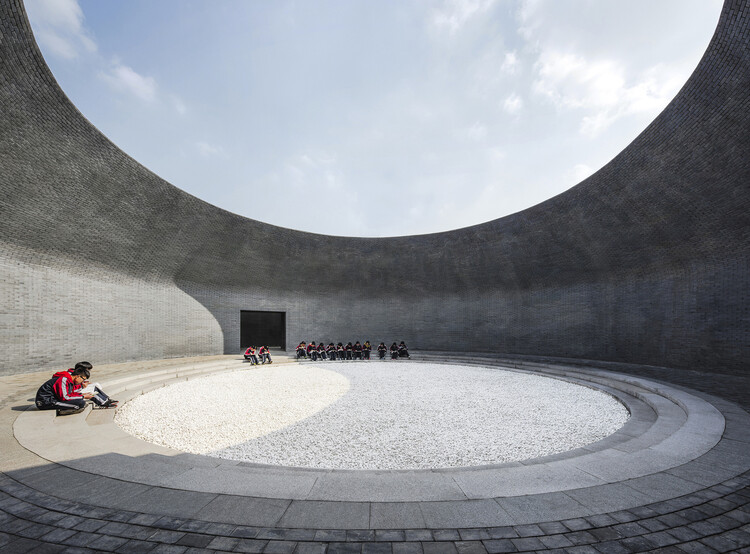
The Power of Scale: How Proportions Shape Human Experience
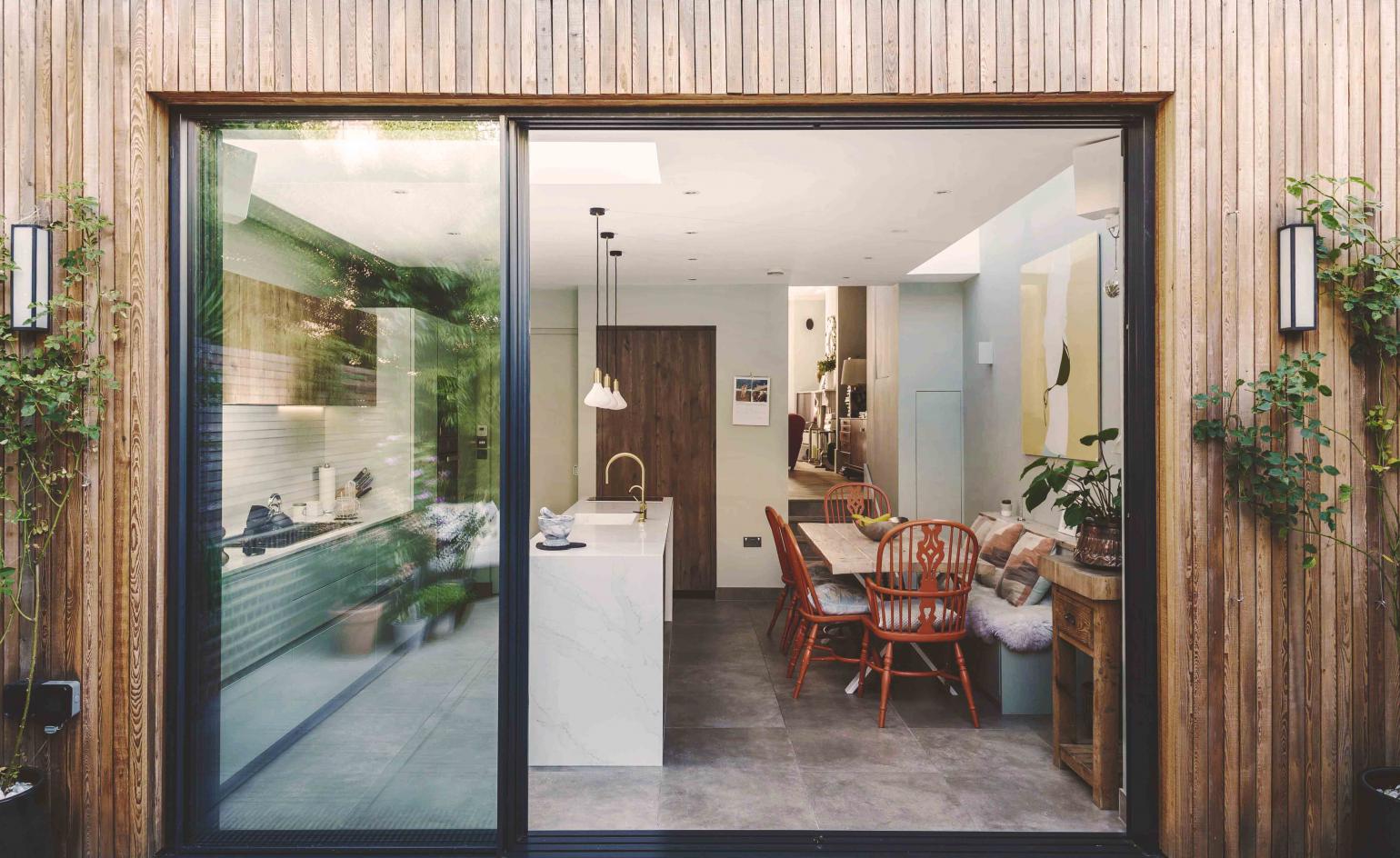
Natasha Reid's designs champion social and psychological wellbeing
The Quiet Architecture of Purpose: Unpacking the Talent of Sanjana Satya Prakash

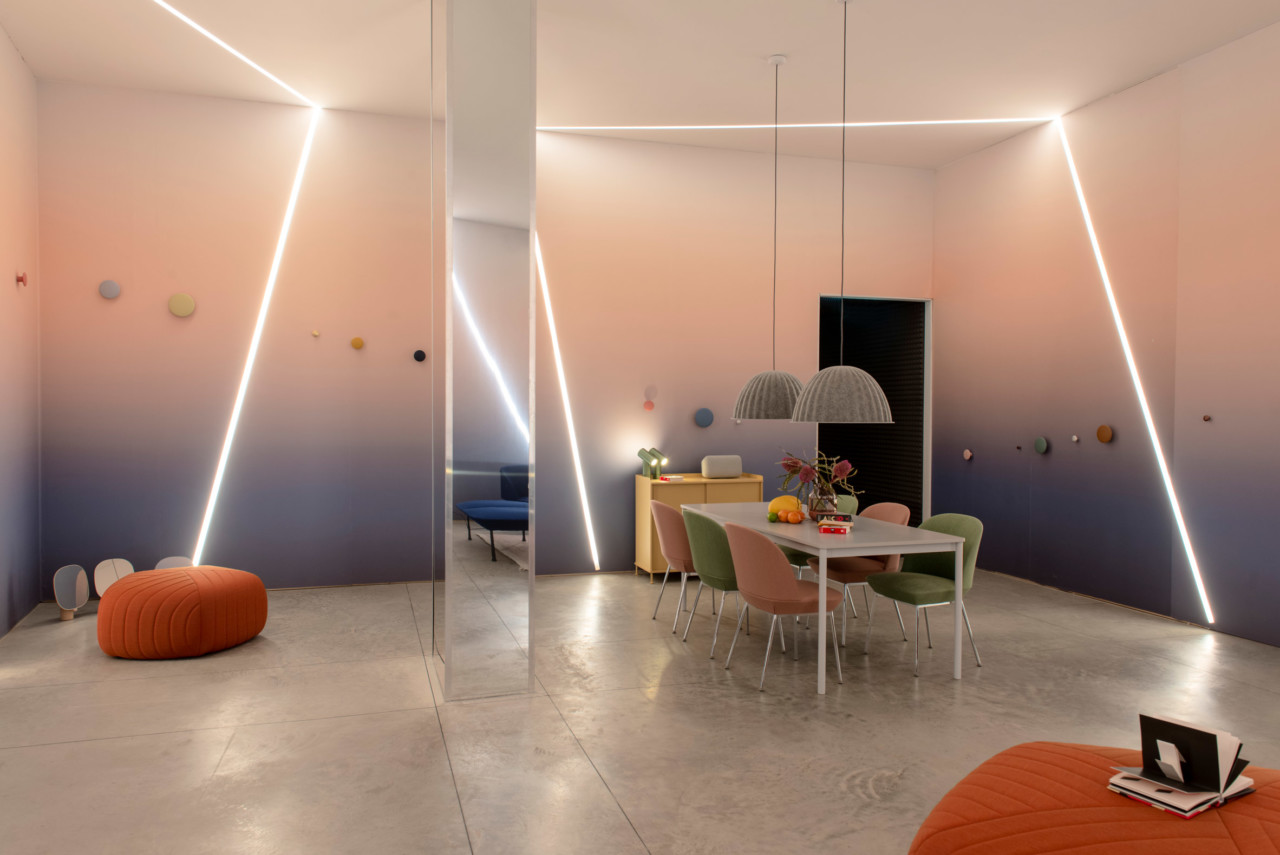
Google’s Installation Tells You What Spaces Make You Feel Better than Others


Architectural design to meet the needs of our time
Draw in Order to See: A Cognitive History of Architectural Design
How generative design is shaping the future of architecture?


Social Media-Friendly Design: Is Architecture Adapting to Viral Trends and Algorithms?
The subliminal language of architectural design


The impact of machine learning on architectural design
Exploring the Impact of AI on Sustainable Building Design and Construction
The impact of architectural form on physiological stress: a systematic review
The Transformative Power of AI in Architecture Design

5 Ways architectural epidemiology redefines design impact
Generative Space Design: Exploring 8 Transformative Tools in Architecture

What It Means to Make Good Architecture