The subliminal language of architectural design
This article explores how architectural design influences human behavior and perception, functioning as a subconscious language. The author, an English major enrolled in an architecture class at the University of Michigan's Taubman College of Architecture and Urban Planning, shares his newfound understanding of how buildings communicate without words. His initial experience in the Art & Architecture Building, with its open spaces and student art displays, immediately fostered a sense of creativity and empowerment.
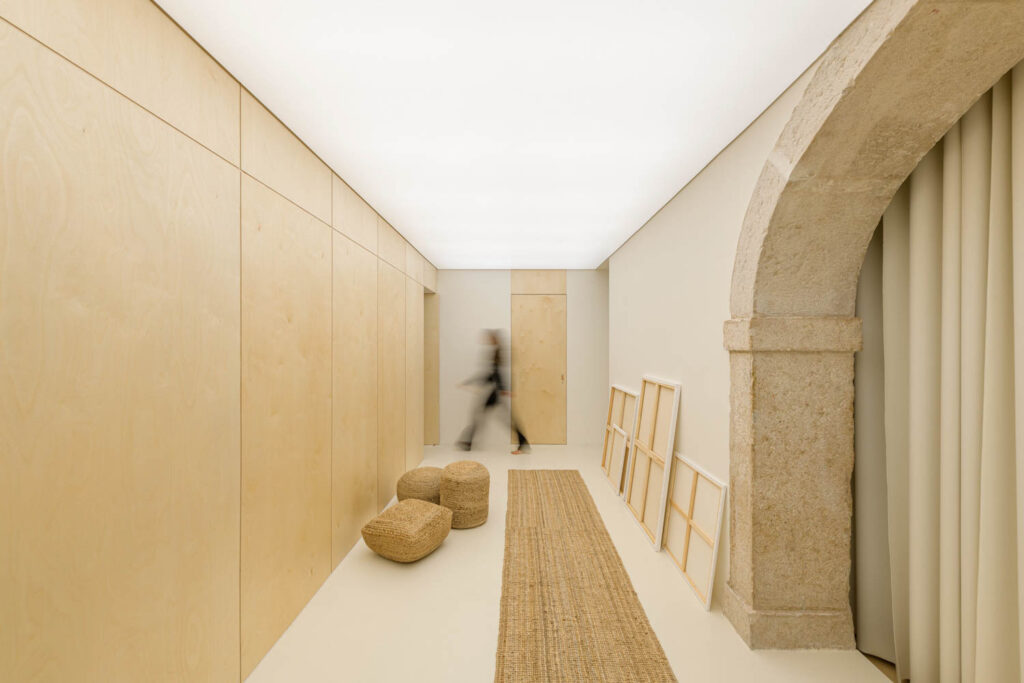
To delve deeper into this concept, the author consults with his professor, Mireille Roddier. Roddier emphasizes the significance of open floor plans, particularly in academic settings like the Taubman College's studio, where undergraduate students are exposed to graduate-level work. This exposure is seen to enhance learning by creating a continuous, shared environment, fostering a sense of belonging rather than intrusion. The professor's insights highlight that the physical layout and design of a space directly impact the behavior and learning experiences of its occupants.
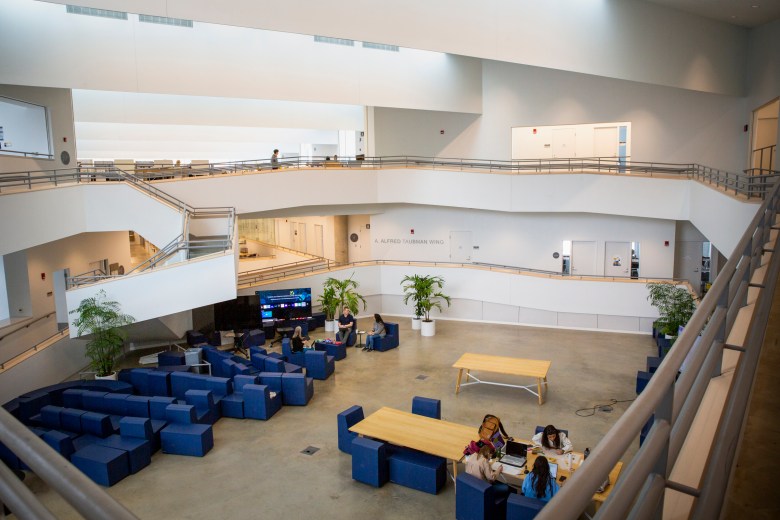
The article provides several examples of how different buildings on campus evoke specific behaviors and feelings. Coffee shops, with their "cozy vibe," are compared to a home environment, encouraging relaxation and comfort. In contrast, the School of Kinesiology Building, characterized by its white, spacious atrium, creates a clean and sanitized atmosphere that promotes alertness and focus on work. The Law Library’s Reading Room, designed in a Gothic style reminiscent of traditional study and prayer spaces, instills a sense of quiet concentration, illustrating how historical architectural traditions shape present-day behaviors like maintaining silence.
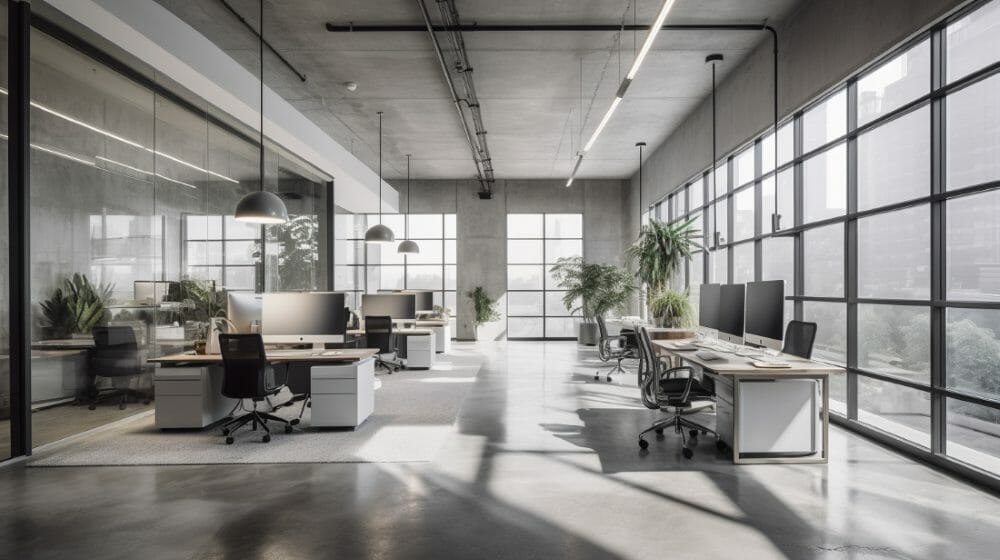
The Ross School of Business is presented as a prime example of architecture dictating corporate behavior. Its open spaces and neutral, black furniture are likened to a corporate headquarters or an airport lounge, conveying efficiency, speed, and refinement. This design actively encourages a business-like demeanor among its inhabitants. The author points out that occupants not only are influenced by the buildings but also contribute to defining their purpose through their actions within them, creating a reciprocal relationship between people and their built environment.
The article also touches upon the historical and political influences on architectural design. Professor Roddier mentions the legend surrounding the old Student Administration Building, which was rumored to have been designed to deter student protests in the 1960s, featuring narrow entrances and inaccessible windows. This example illustrates how buildings can be designed to control or channel human movement and interaction. The subsequent demolition of this building and others highlights how the removal of architectural structures can also erase historical reminders and their associated significance.
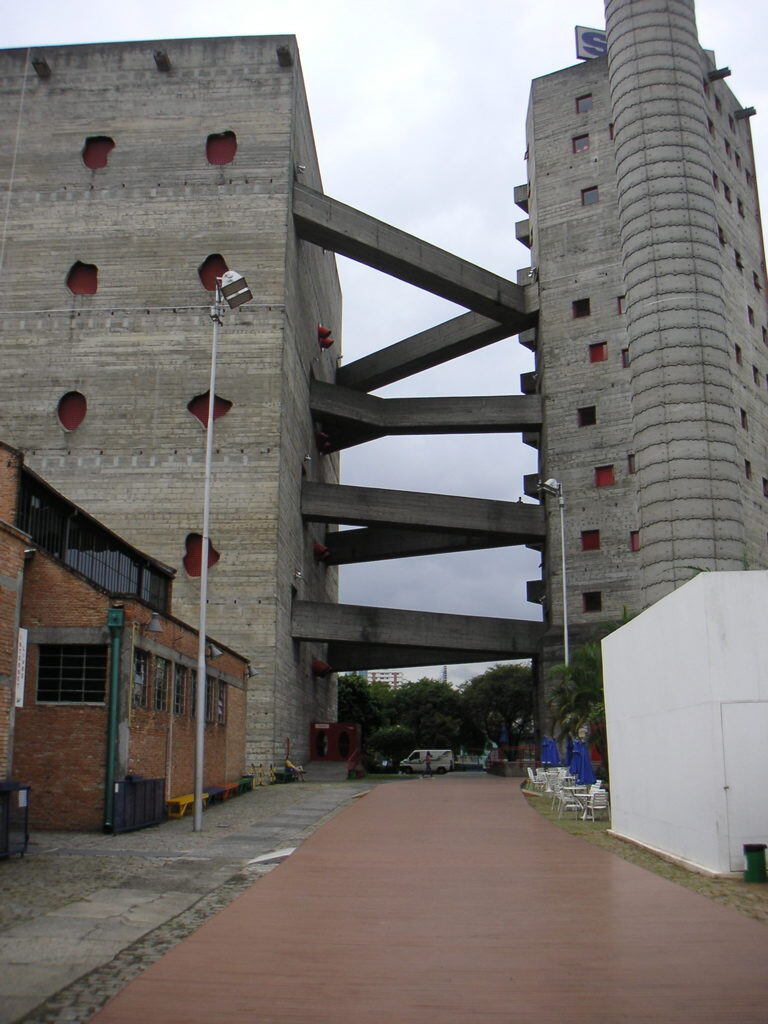
Furthermore, the article examines the impact of traditional university architecture, particularly the "University of Michigan" look with its red bricks and square edges, which derives from British and Jesuit monastic designs. This architectural lineage subconsciously instills a sense of rigor, prestige, and intellectual legacy. The article concludes by observing how the improvised and retrofitted nature of many campus buildings, such as the LSA building and Hatcher Graduate Library, reflects the university's growth and adaptation over time. The interchangeable design of many classrooms, regardless of academic level, is interpreted as a deliberate choice to prevent hierarchy and foster a sense of possibility for all students, reinforcing the idea that advancement is attainable and nothing is off-limits.
#ArchitecturalDesign #SubliminalLanguage #UniversityOfMichigan #TaubmanCollege #CampusBuildings #HumanBehavior #SpacePerception #BuiltEnvironment #ArchitecturalDesign #SubliminalLanguage #UniversityOfMichigan #TaubmanCollege #CampusBuildings #HumanBehavior #SpacePerception #BuiltEnvironment
0 comment in total
 No comments yet
You may also like
17 Essential Architectural Styles Everyone Should Know

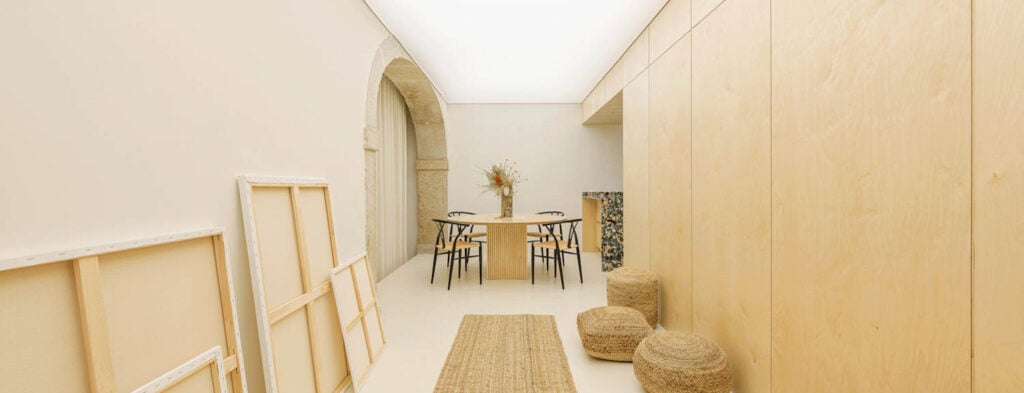
What is Neuroarchitecture? AB+AC Architects Explain in This Q&A


The ancient enigma that still resonates today

Tadao Ando: “There is no such thing as creation from nothing”

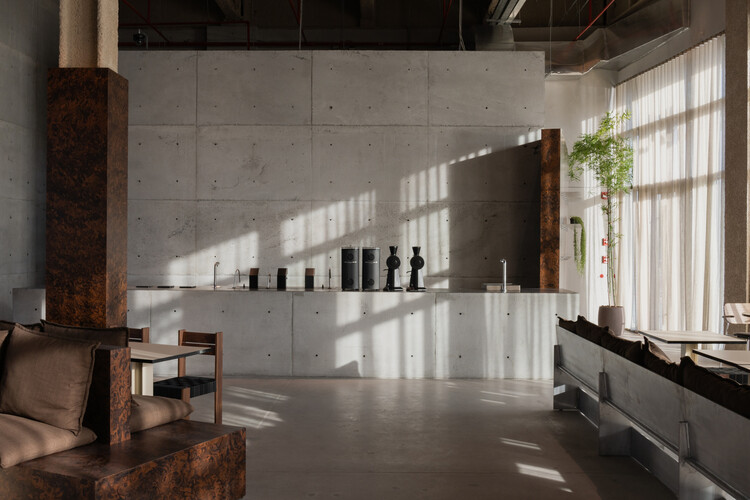
Unwrapped Interiors: A Case for Material Authenticity and Clarity

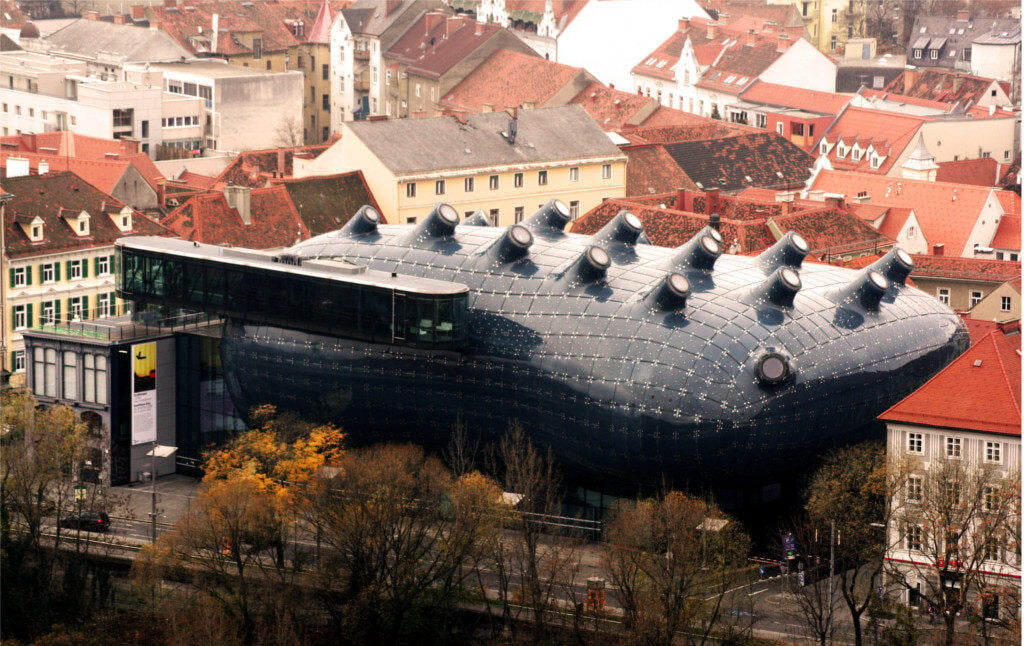
Why You Hate Contemporary Architecture

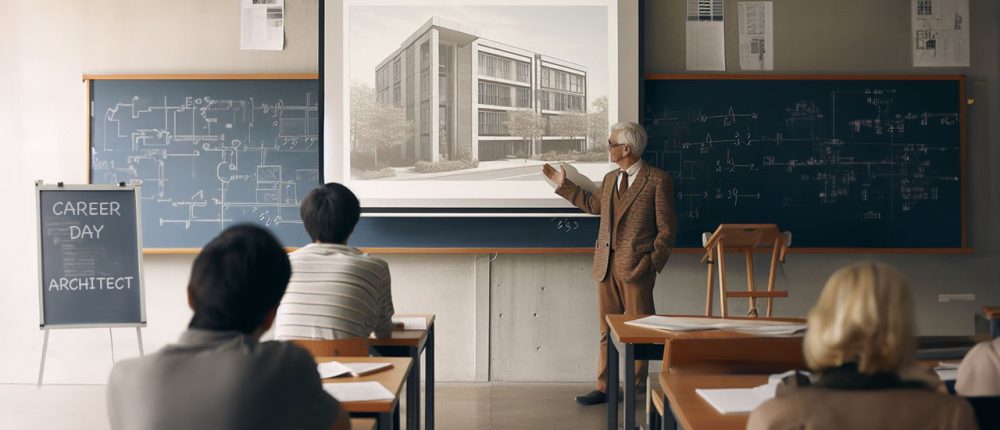
How to Be a Better Architect Than Me
10 AI tools to generate interior and architectural images

What’s the most underused design element?

Draw in Order to See: A Cognitive History of Architectural Design
Why Bad Design is Good


Meet Philip Oloo | Architectural Designer, Virtual Reality for Architecture and Licensed General Contractor
Whatever Happened to “The Architects’ Architect”?
Are these the ultimate fantasy homes?

Crafting Atmospheres: Sensory, Textured Lighting in Architectural Design

Meet Chencong Zhang | Interior Designer & Spatial Experience Designer
How Architectural Theory Distances People from Design
The Essential Guide to Brutalist Design
Books for Architectural Design Inspirations

The Architect as Writer: Expanding the Discipline Beyond Buildings