1/7
The Essential Guide to Brutalist Design
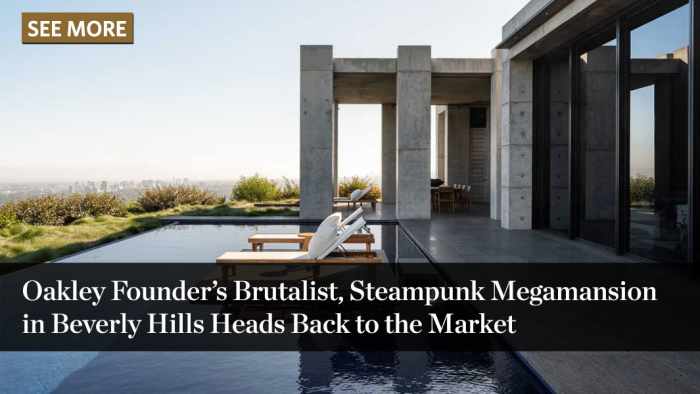
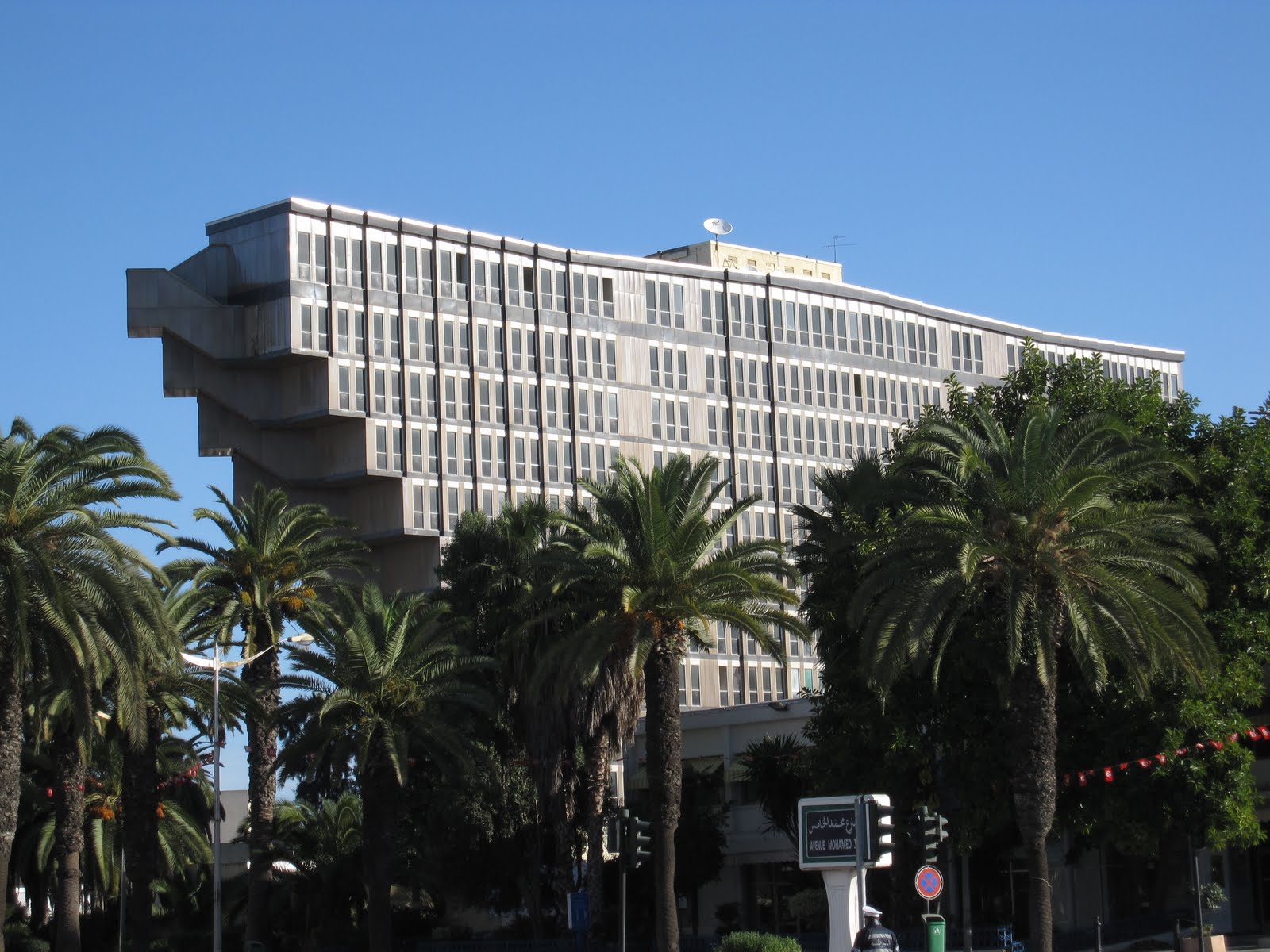
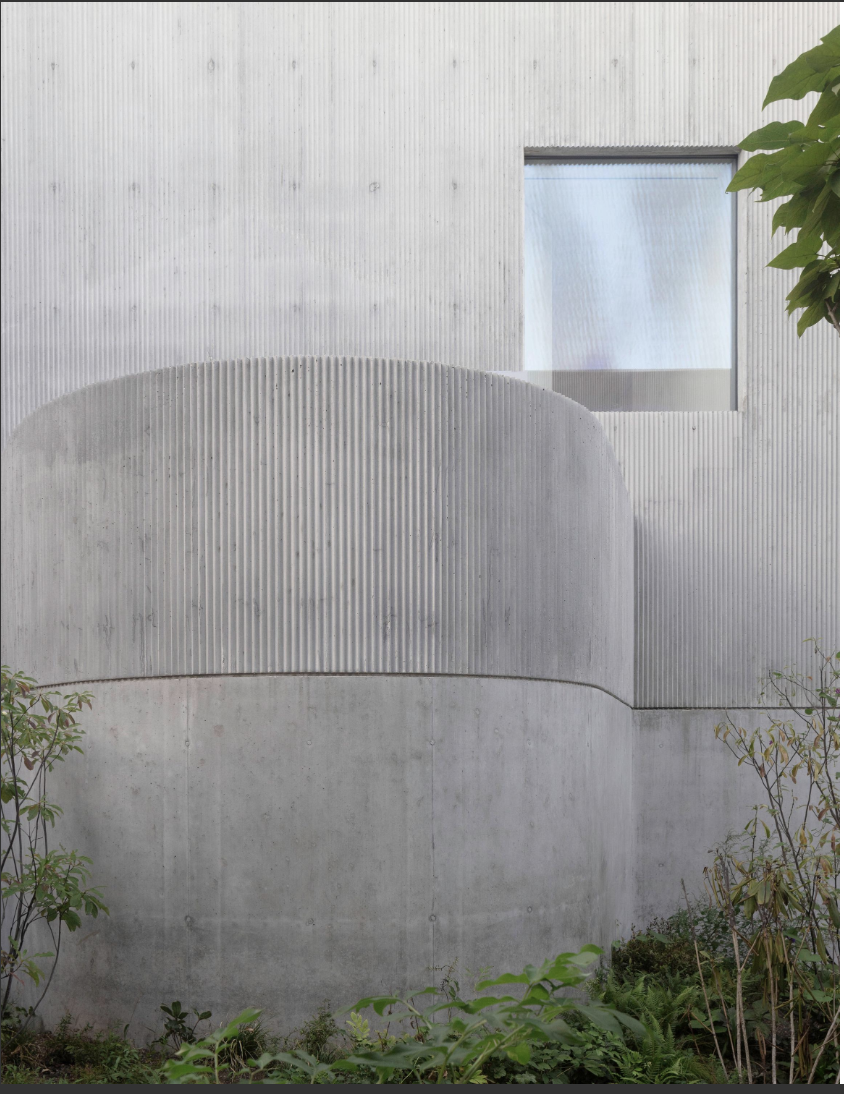
Brutalism, an architectural and interior design style characterized by its use of raw materials like concrete and brick to form striking, often massive, shapes, has consistently been a polarizing subject since its inception. Emerging prominently in the 1940s in England, following World War II, Brutalism served as a pragmatic solution for constructing large, minimally decorated public buildings, particularly government housing, using inexpensive raw materials like concrete. While its origins trace back to Le Corbusier's affinity for concrete, the style gained widespread recognition in the UK before expanding to the United States and other regions, eventually fading from popularity in the 1970s. Despite its divisive nature, Brutalism has experienced a resurgence in interest, partly due to its reinterpretation by contemporary architects like Tadao Ando and its visibility in popular culture, such as the Oscar-nominated film, 'The Brutalist.'
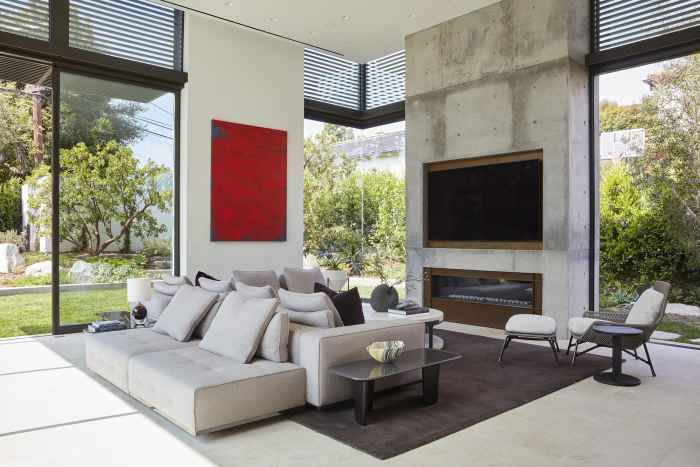
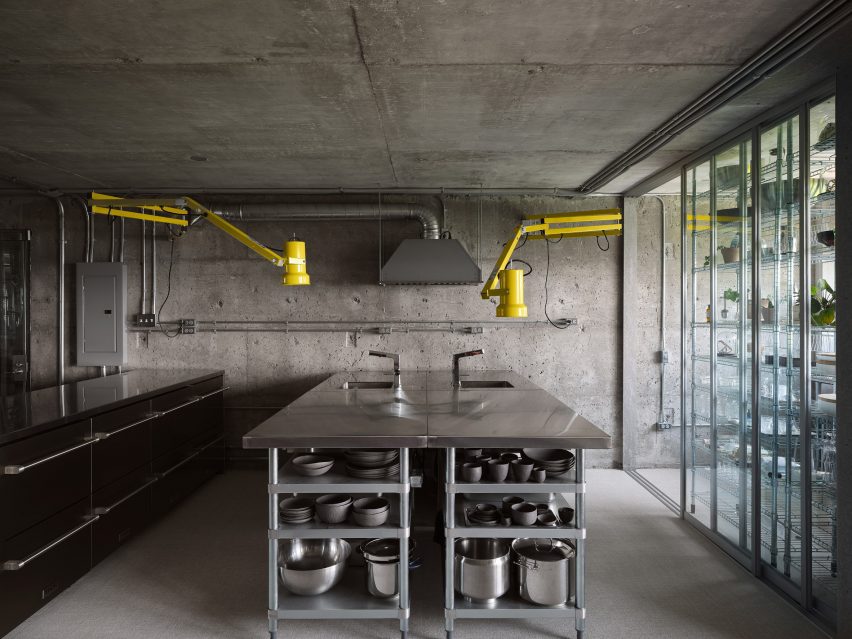
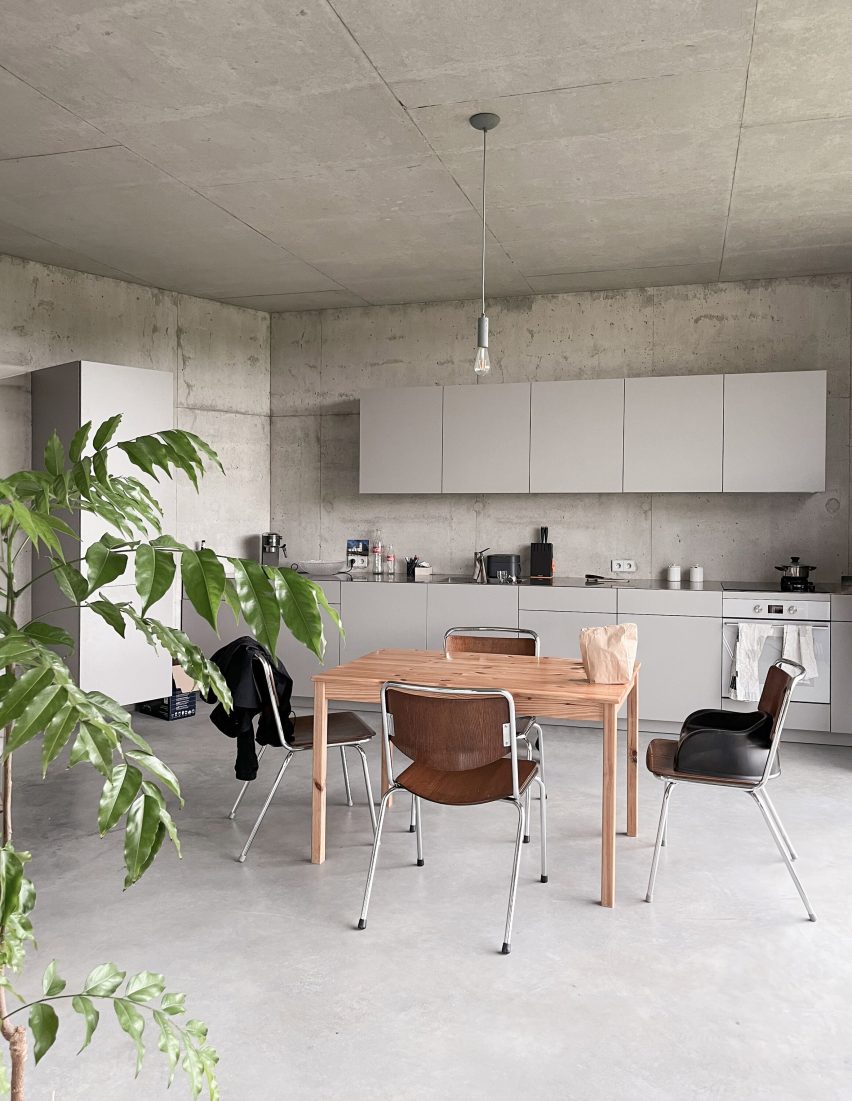
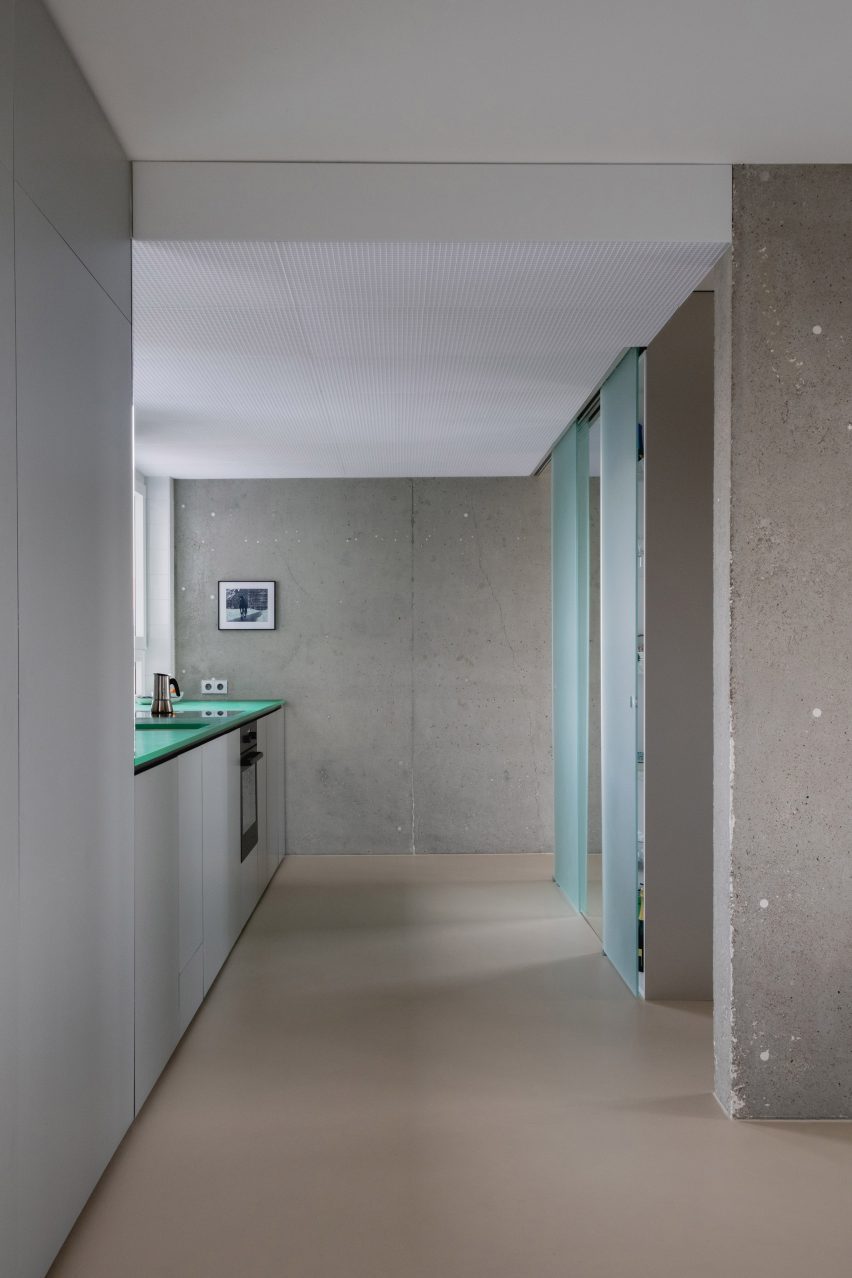
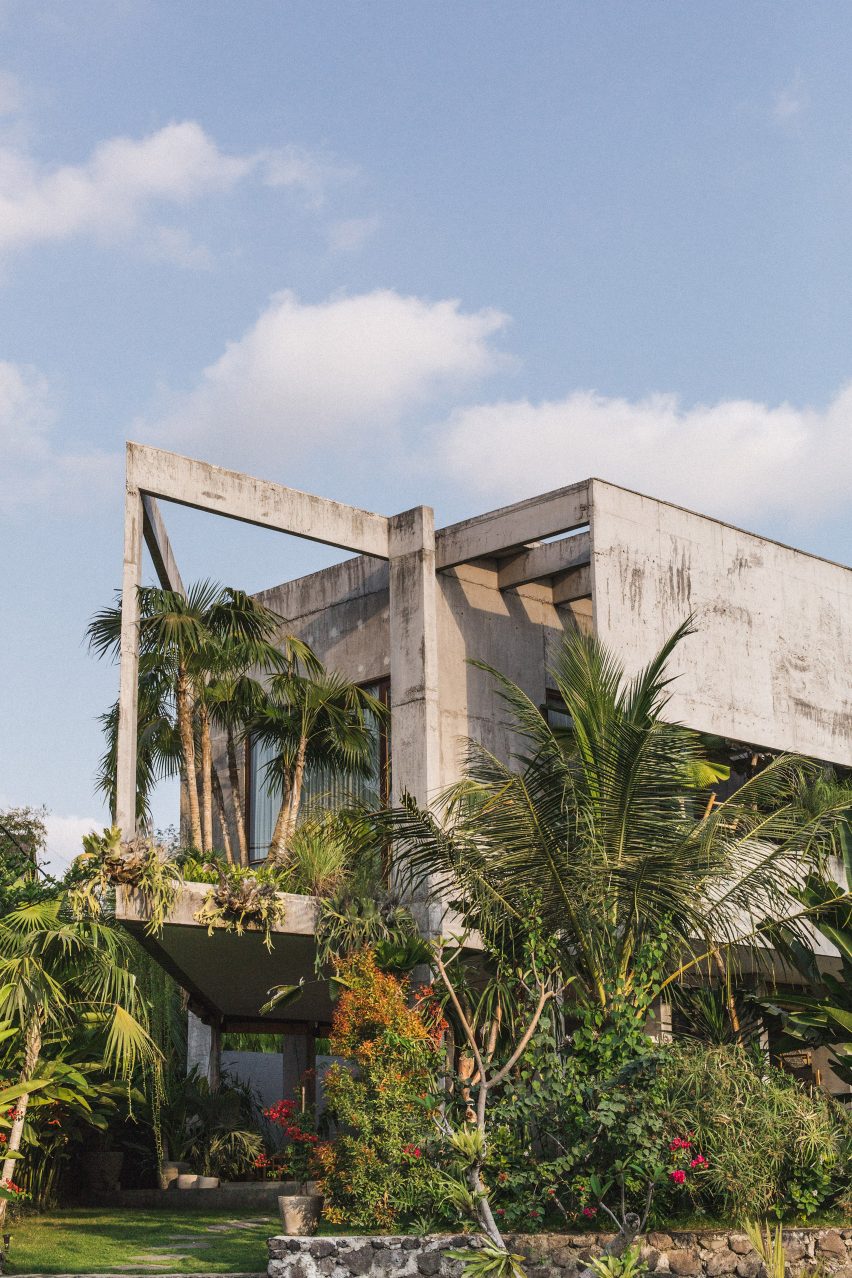
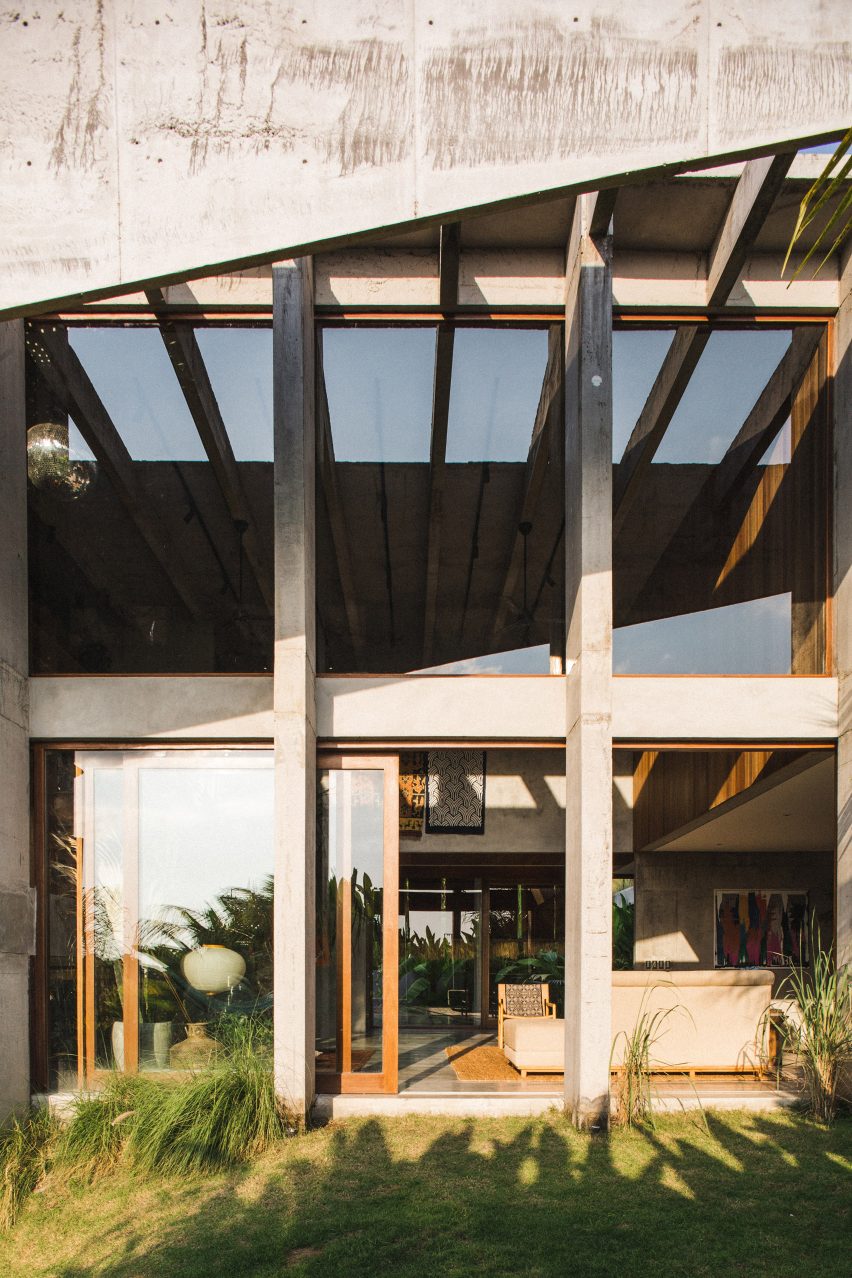
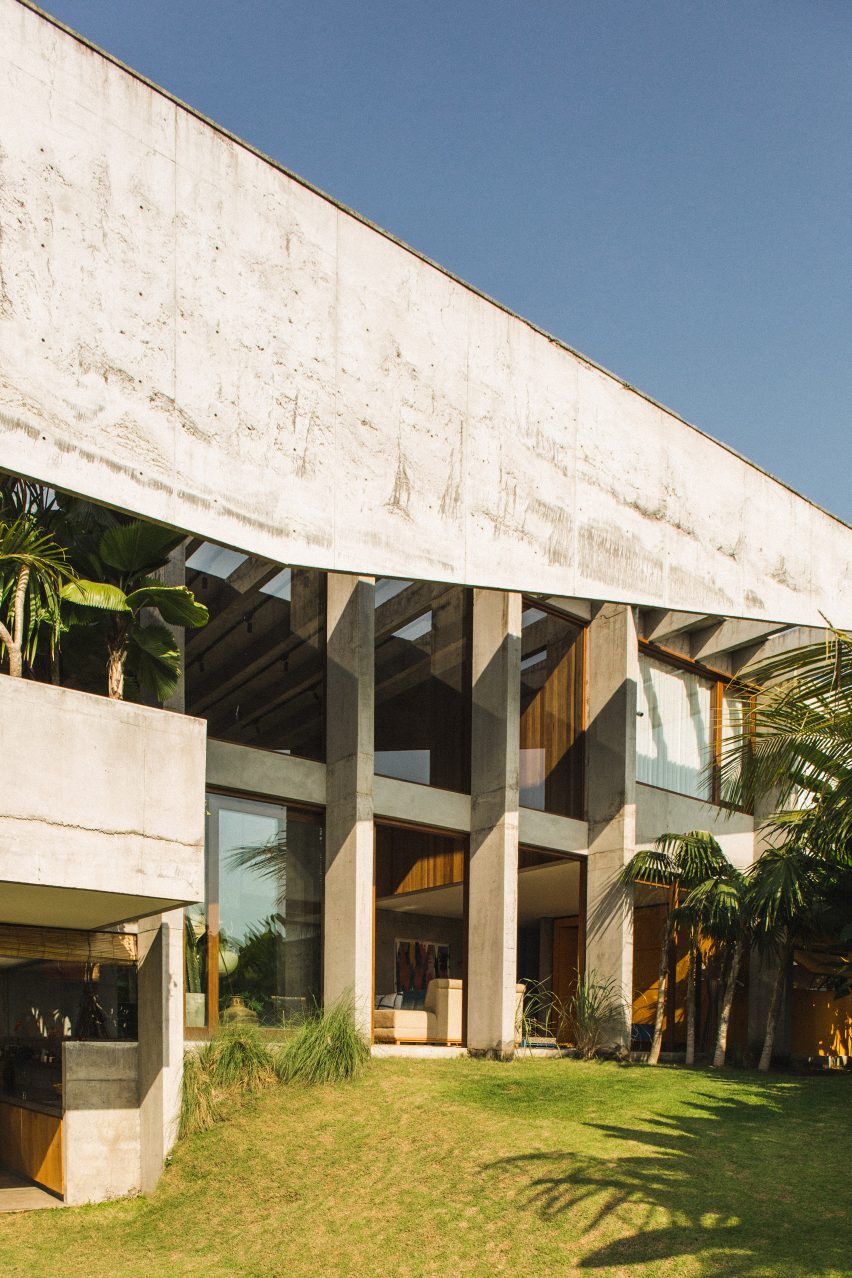
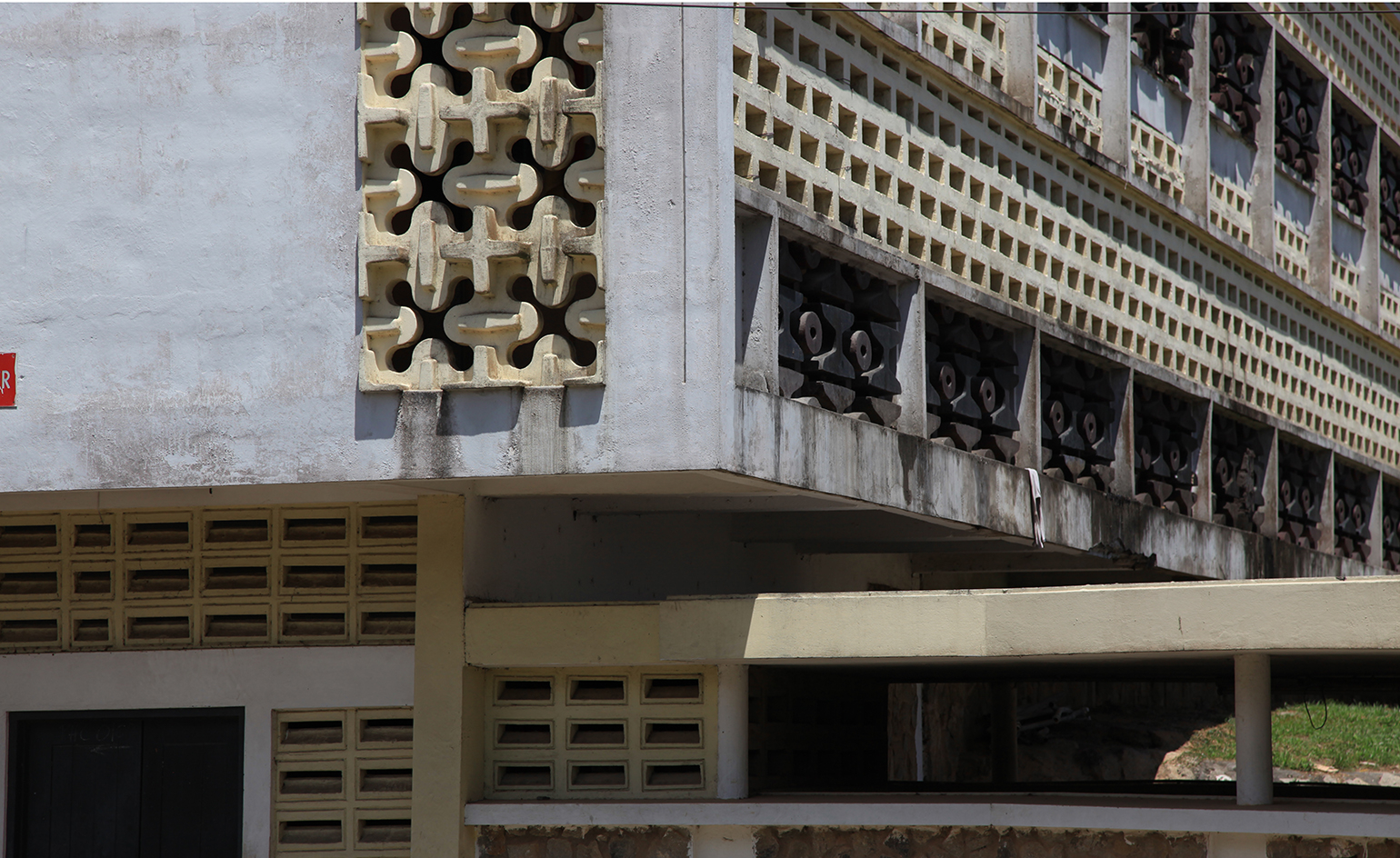
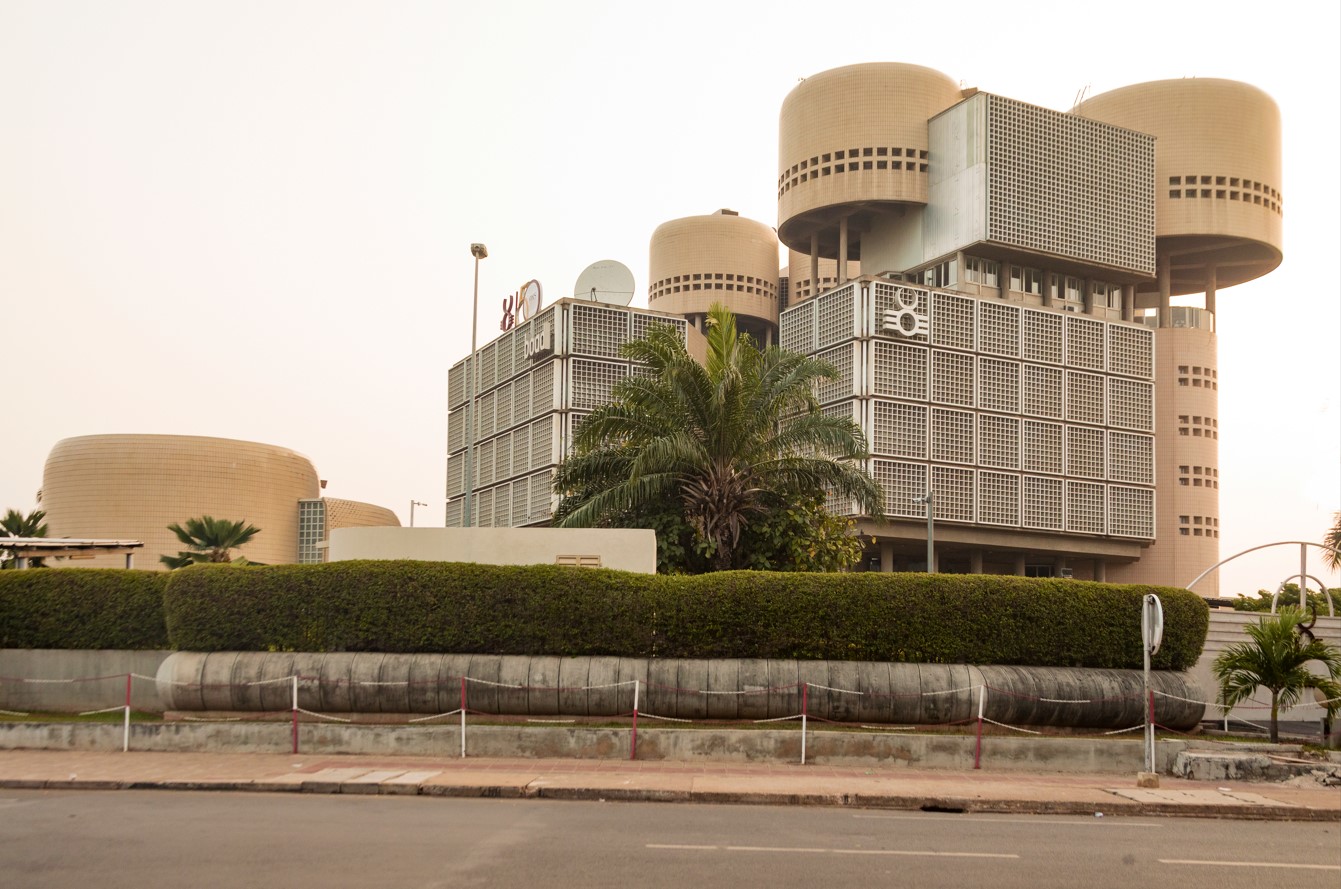
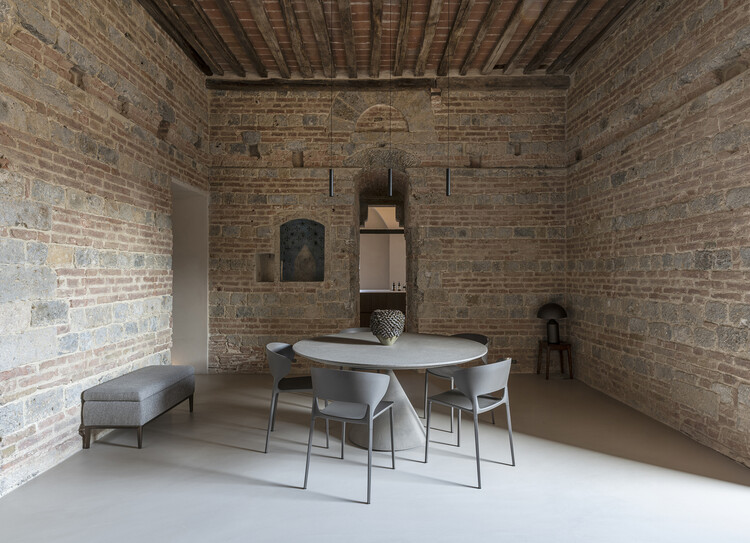
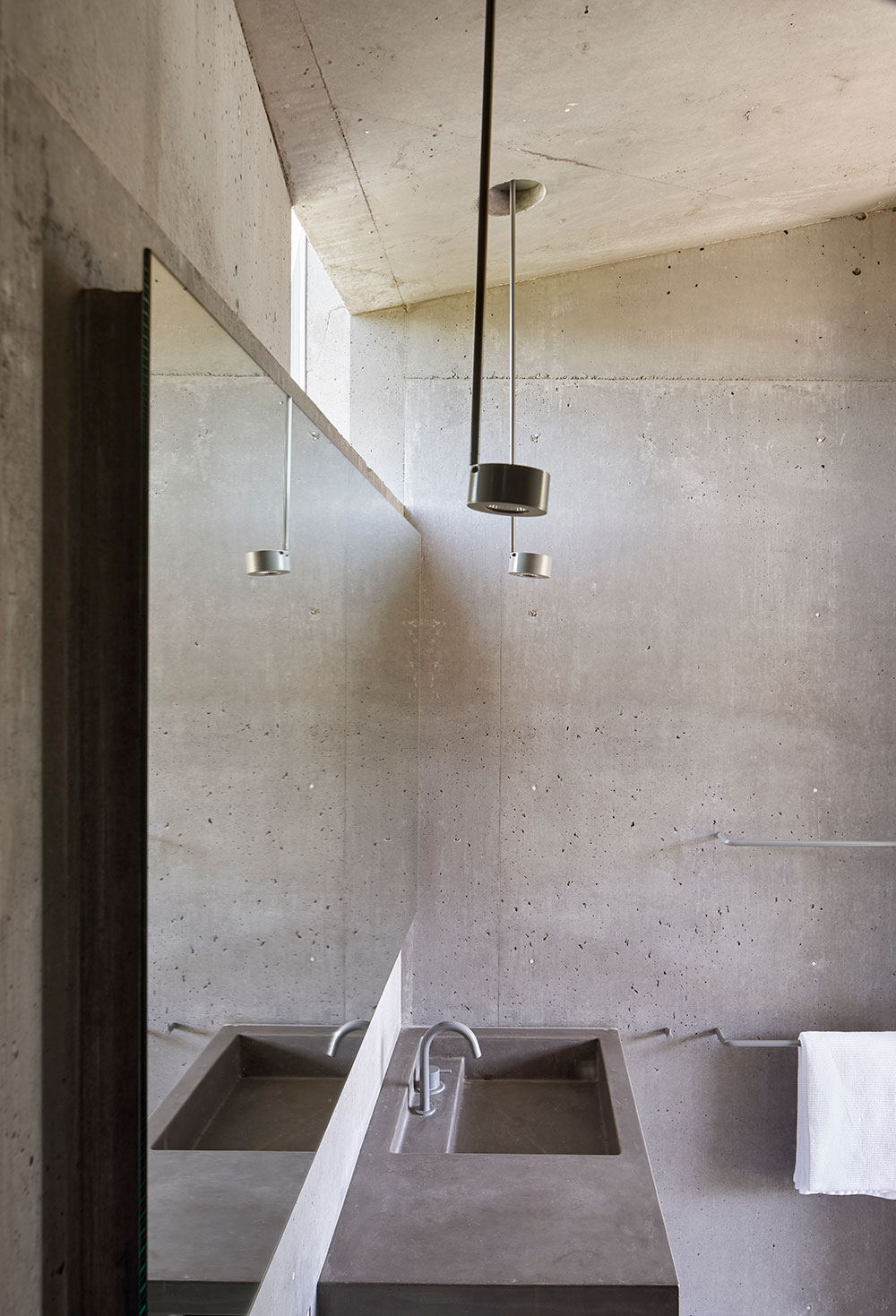
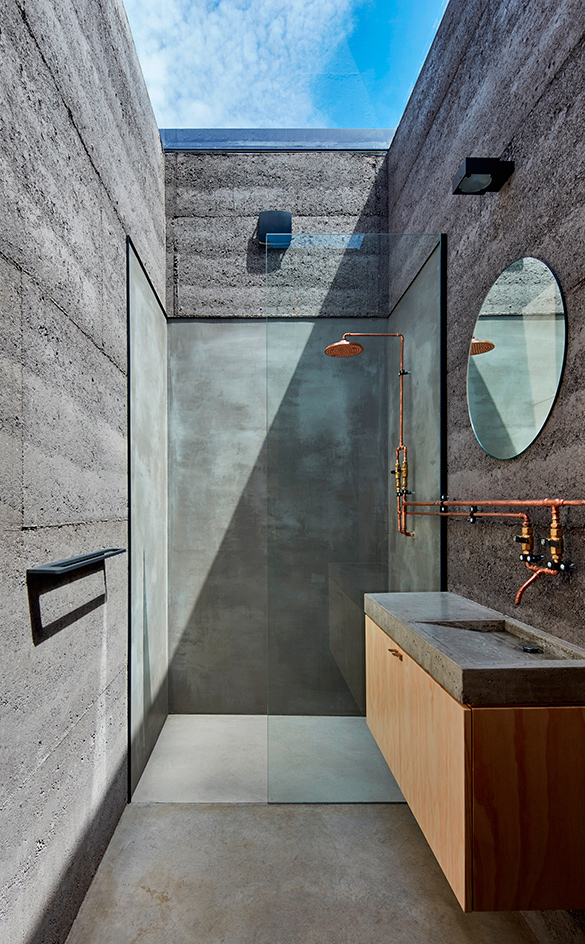
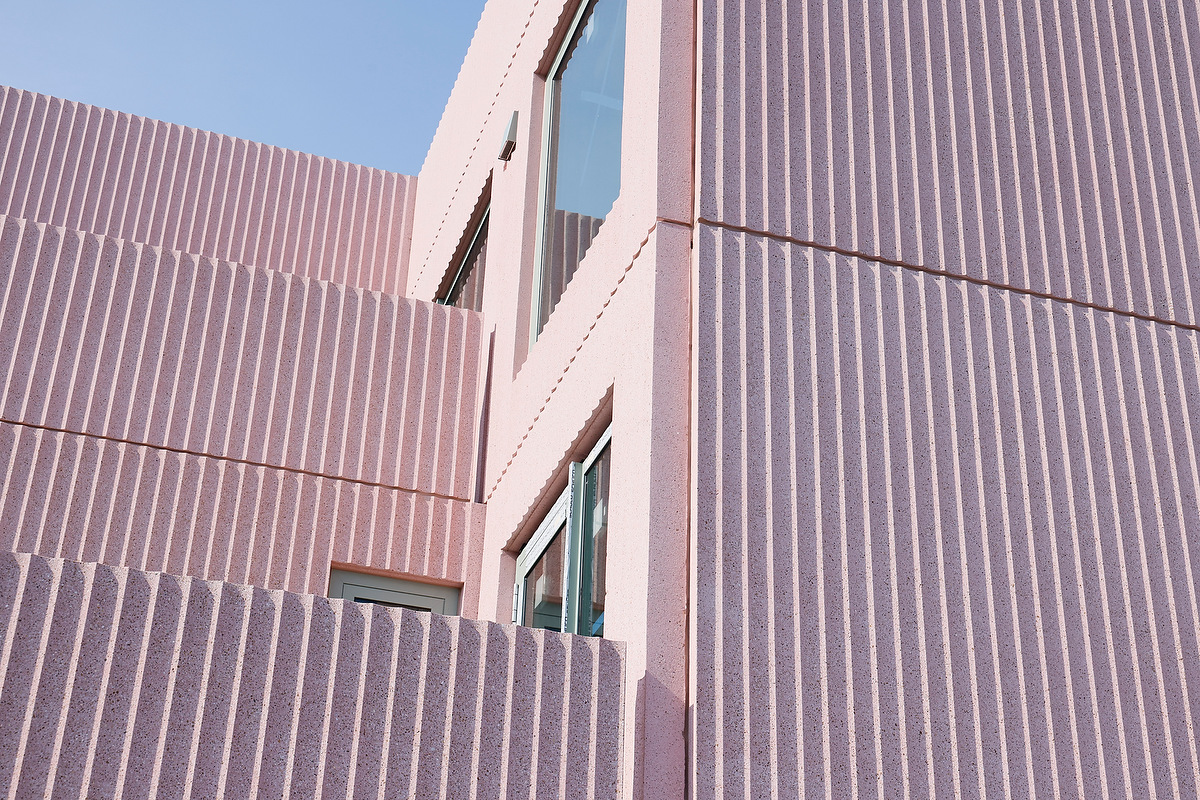
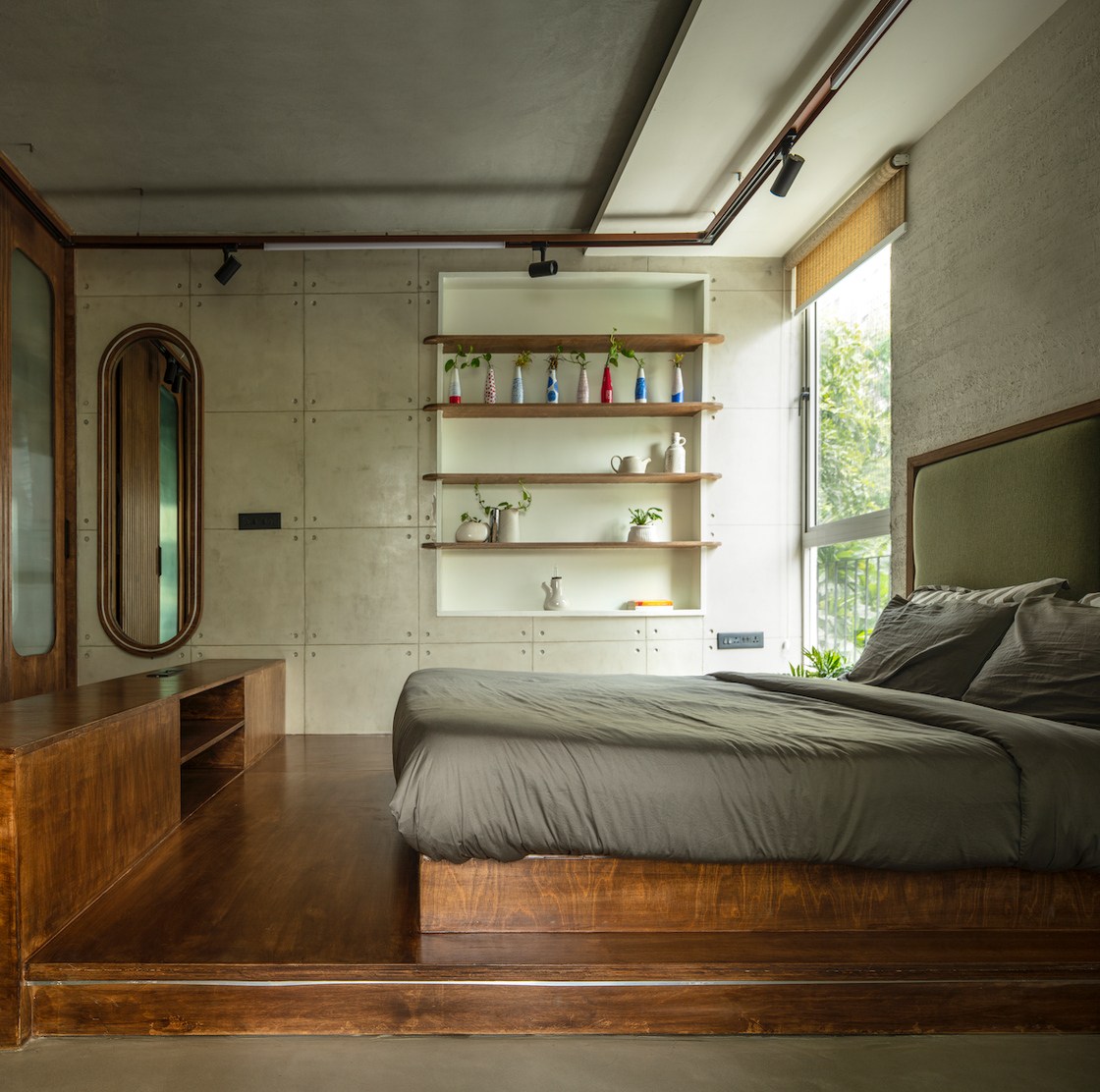
Key characteristics of Brutalist design include unusual or geometric shapes, raw and exposed materials like concrete and brick, boxy or stacked construction, a utilitarian feel, a monochromatic palette, an absence of embellishment, clean and simple lines, enormous sizes, and a stark, heavy appearance. These elements contribute to the style's distinctive visual impact, emphasizing solidity and permanence. Although Brutalism lacks a formal philosophy, it is often associated with a sense of honesty in design, where materials are left bare, and the structure's function is clearly expressed. This approach aimed to contrast with the more embellished modernist aesthetic, prioritizing functionality and the innate properties of materials over ornamental construction.
Notable examples of Brutalist architecture include Habitat 67 in Montreal, Canada, designed by Moshe Safdie, which showcases a modular, boxy appearance with raw concrete. The Barbican Centre in London, England, is another prime example, illustrating diverse applications of concrete from grand columns to intricate details. In the United States, the Geisel Library in San Diego, California, with its concrete construction and tiered, floor-to-ceiling windows, and Marina City in Chicago, Illinois, with its distinctive twin towers, embody the style. Boston City Hall in Massachusetts also stands as a significant Brutalist structure, featuring intricate concrete work on a large scale. The Wotruba Church in Vienna, Austria, built in 1976, further exemplifies Brutalism with its varied concrete block construction and artistic visual appeal.
The term 'Brutalism' itself originates from the French phrase 'béton brut,' meaning 'raw concrete,' rather than implying a 'brutal' aesthetic. The style became controversial due to its association with public housing and poverty, high maintenance costs, and a perception of being ugly or oppressive. Its raw concrete facades were prone to weathering, moss growth, rust stains, and vandalism, contributing to its decline in popularity in the 1970s and 1980s. However, contemporary interest in industrial materials, sustainable urban planning, and the style's honest, unadorned nature have led to its current revival, demonstrating a full-circle moment in architectural and interior design trends.
#BrutalistDesign #ArchitectureHistory #InteriorDesignStyles #ConcreteArchitecture #MidcenturyModern #UrbanPlanning #DesignPhilosophy #RawMaterials #ArchitecturalStyles #BrutalistDesign #ArchitectureHistory #InteriorDesignStyles #ConcreteArchitecture #MidcenturyModern #UrbanPlanning #DesignPhilosophy #RawMaterials #ArchitecturalStyles
0 comment in total
 No comments yet
You may also like
Curating Decor in a Brutalist Living Room
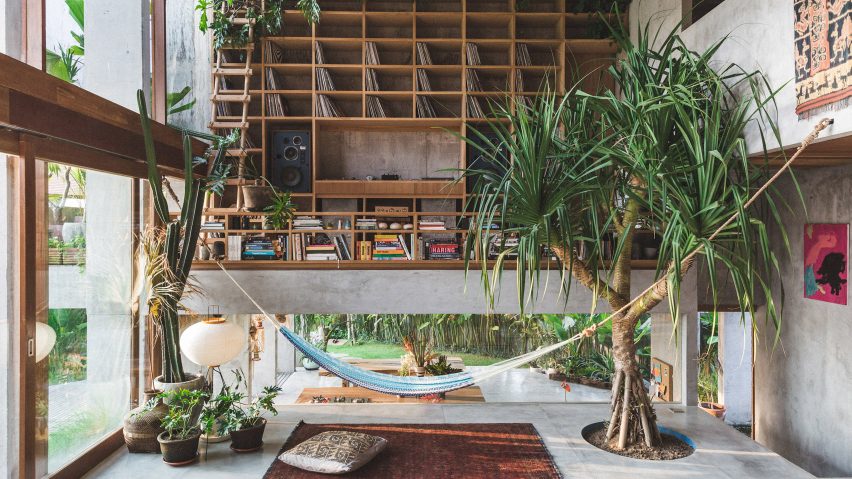
Patisandhika and Daniel Mitchell complete A Brutalist Tropical Home in Bali
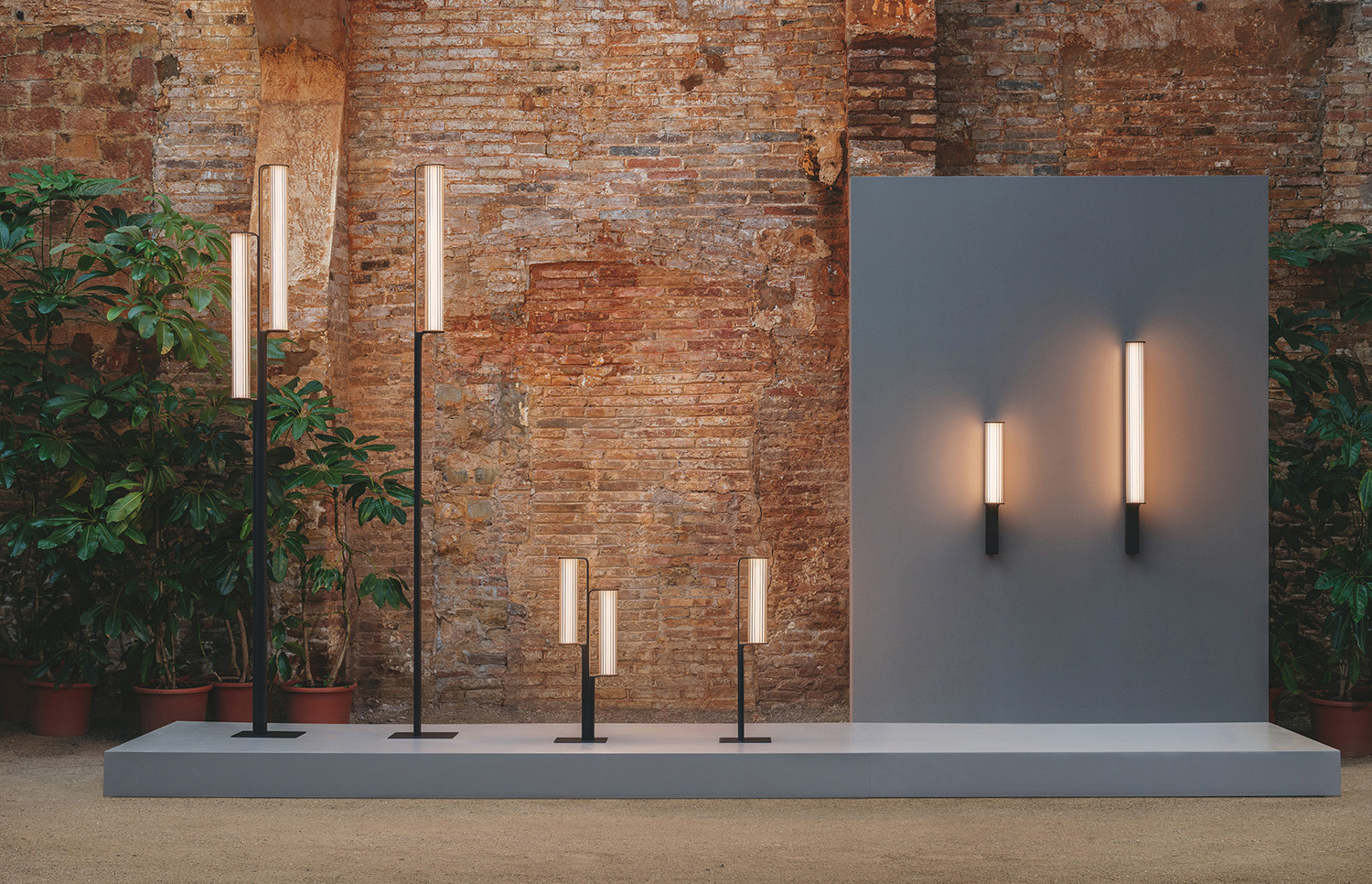
10 Brutalist-Inspired Lighting Fixtures Making A Bright Statement

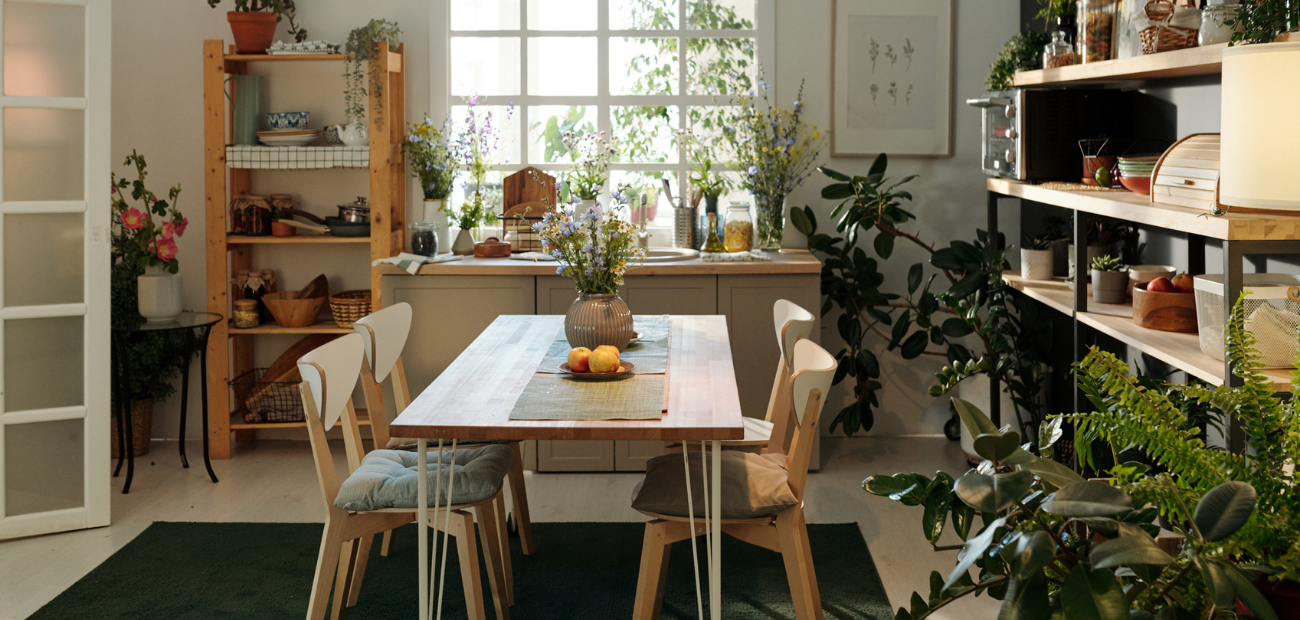
A Guide to Sustainable Design
A Concrete Home Inspired by Historic Brutalist Structures Rises in Western Australia

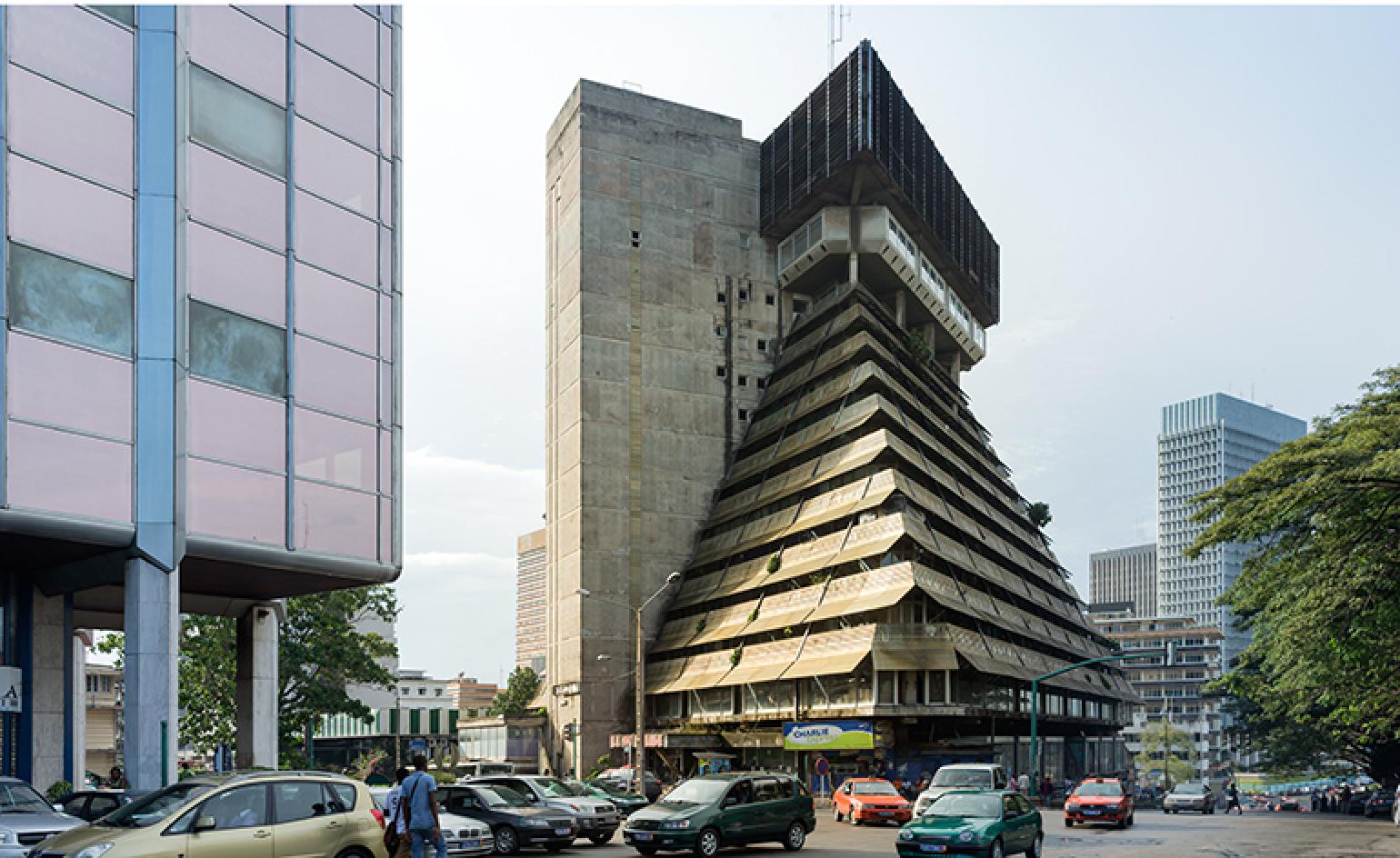
An ultimate guide to the power of African brutalism

Maximise design and functionality

Maximalism by design: how to do ‘more’ better
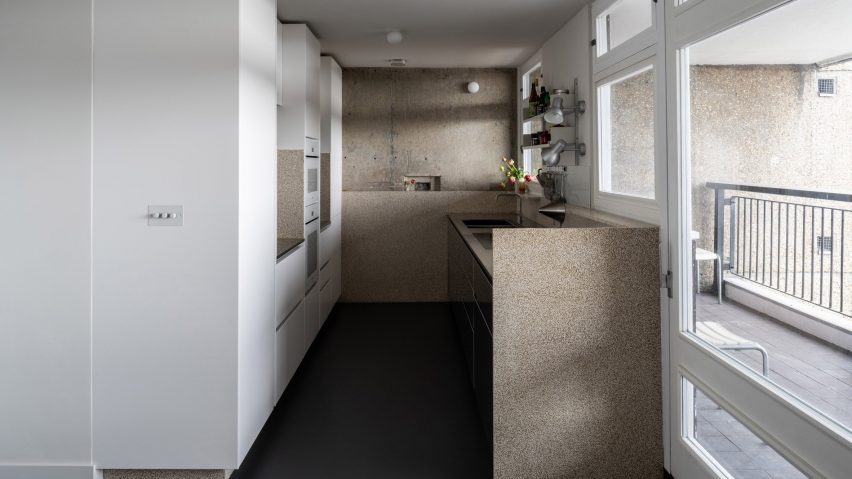
Eight brutalist kitchens where cooking meets concrete
A Design Expert Reconsiders Maximalism
Unwrapped Interiors: A Case for Material Authenticity and Clarity

Echo Chamber
Want a Better Society? Try Better Buildings. (Published 2024)

Why Bad Design is Good

11 Brutalist bathrooms that bare all

Architecture and design features and interviews | CLADglobal.com - Embracing nature
Nailing the Detail: Bauhaus Design Principles

The Sets of Loki: Mad-Century Modernism

Bitable: AI in the design and build world

Bring on the Bold: Maximalist Decor and Layering with Confidence