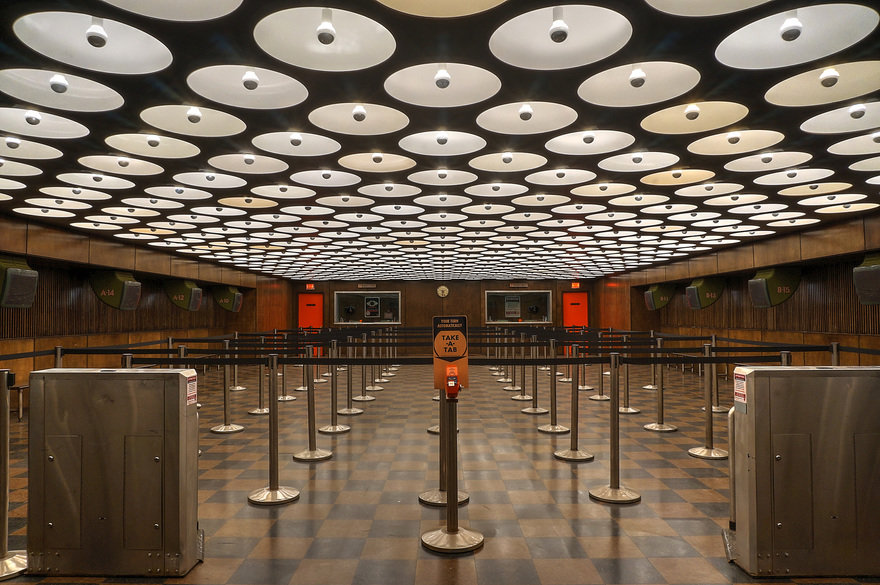
1/32
The Sets of Loki: Mad-Century Modernism

The article highlights the exceptional production design of the television series "Loki," emphasizing how the sets serve as a comprehensive historical overview of 20th-century design. The Time Variance Authority (TVA) complex, where much of the series is set, features practical sets that blend various architectural and design movements. Viewers can identify elements reminiscent of Brutalism, designs by Marcel Breuer, the architectural style of Brasília, and the Barbican Estate. Additionally, influences from Olivetti, Art Deco, Soviet-era control rooms, New Deal architecture, and American Big Oil headquarters are evident. The design aesthetic is further described as a 'DMV as designed by the Bauhaus' or an 'automat Eero Saarinen might have designed for the TWA terminal,' illustrating a diverse and eclectic mix.
The spatial design within the TVA creates an atmosphere that is both 'cheerfully oppressive.' This is achieved by illuminating typically gloomy spaces with bright lighting and incorporating vibrant colors, intentionally creating a confusing and paradoxical mood for the viewer. Beyond the architectural spaces, the article also focuses on the objects populating these environments. These items, ranging from desks and counters to suspended fixtures and character accessories, are predominantly analog in nature, spanning design eras from steampunk-mechanical to approximately 1985.
A particularly notable area is the Repair Department, which is characterized by its intricate and dense design. This space features extensive shelving, Akro-Mils storage drawers, cathode-ray tubes, early computers, pre-digital business machines, order-ticket spikes, and a large pneumatic tube system hanging from the ceiling. The complexity and detail of this department are presented as a highlight of the production design.
The article reveals that the Production Designer for "Loki" is Kasra Farahani, an Industrial Design graduate from ArtCenter. Farahani's career progression from art departments to concept artist, art director, and eventually production designer underscores his expertise. An interview excerpt with Farahani from "The Art Newspaper" clarifies his design inspirations. He cites numerous Modernist architects and designers, including Frank Lloyd Wright, Marcel Breuer, Mies van der Rohe, Paul Rudolph, and Oscar Niemeyer. He also drew heavily from Eastern European and Soviet-influenced Modernism, emphasizing the institutional look of bureaucracy associated with post-war design.
Farahani explains that the TVA sets are a deliberate paradox, combining the stoic and large-scale Brutalist form language with the whimsical patterning and palette of American mid-century Modernism. This fusion results in spaces that are simultaneously intimidating and uncomfortably inviting. He also touches upon the irony of Modernism and Brutalism, which, despite their utopian ideals of affordable housing, often resulted in oppressive living conditions and surprisingly expensive architecture. The article concludes by pointing to the full interview for further details on Farahani's design process and influences.
#ProductionDesign #LokiSeries #MidCenturyModern #Brutalism #IndustrialDesign #ArchitecturalInfluence #SetDesign #KasraFarahani #DesignHistory #ProductionDesign #LokiSeries #MidCenturyModern #Brutalism #IndustrialDesign #ArchitecturalInfluence #SetDesign #KasraFarahani #DesignHistory
0 comment in total
 No comments yet
You may also like
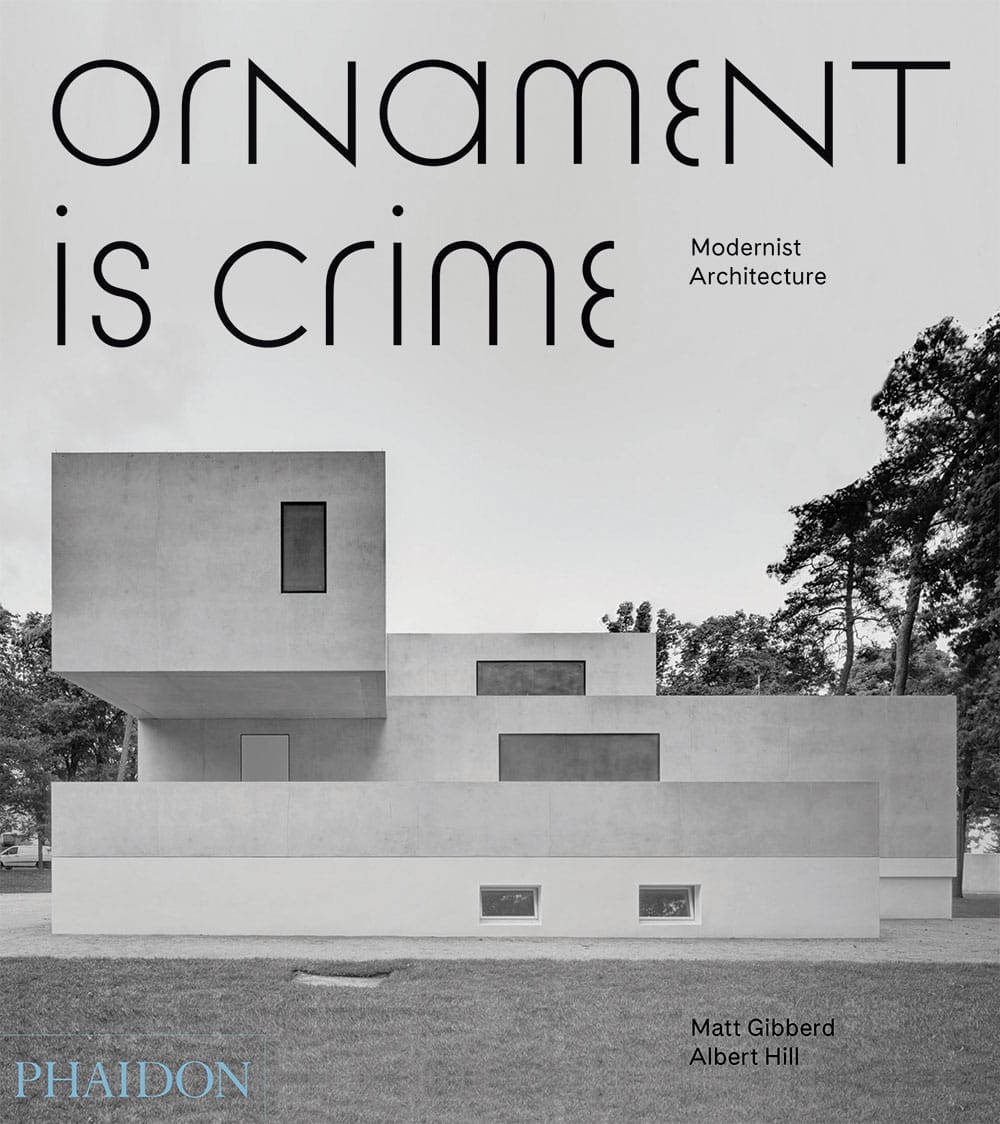
"Ornament Is Crime:" A Visual Manifesto for the Modernist Home

The Daily Heller: Defining Midcentury Modernism, A–Z

Mid Century Modern Motherlode!
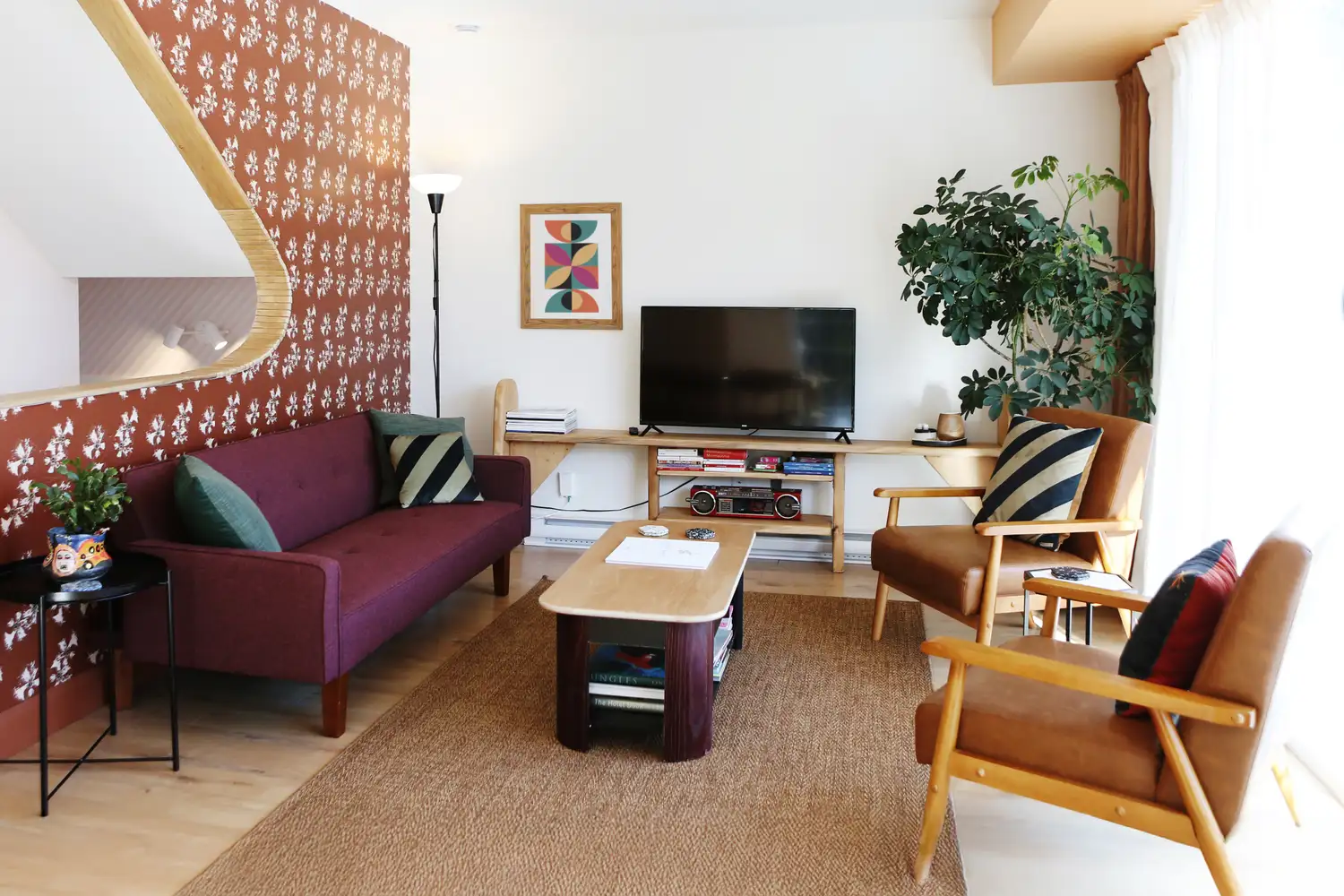
We Asked Designers If Midcentury Modern Is Out of Style—and Their Answer Might Surprise You


Lucas Morten Is Moving Scandinavian Design Beyond the Mid-Century Aesthetic One Hand-Crafted Piece at a Time
A combo of modern elements

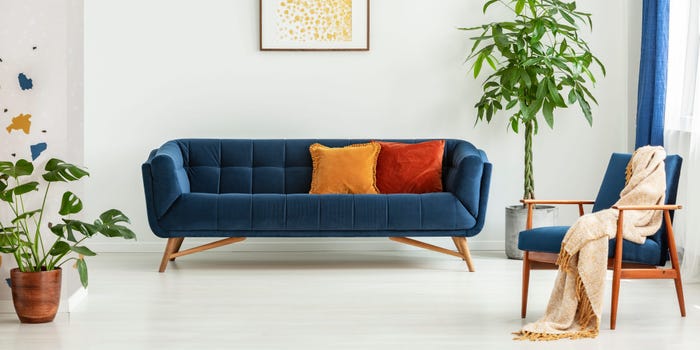
The 6 commandments of mid-century modern design
Saxons to Stormzy: Nine radical moments that defined their era

Home Design: Reinvented Midcentury Modern

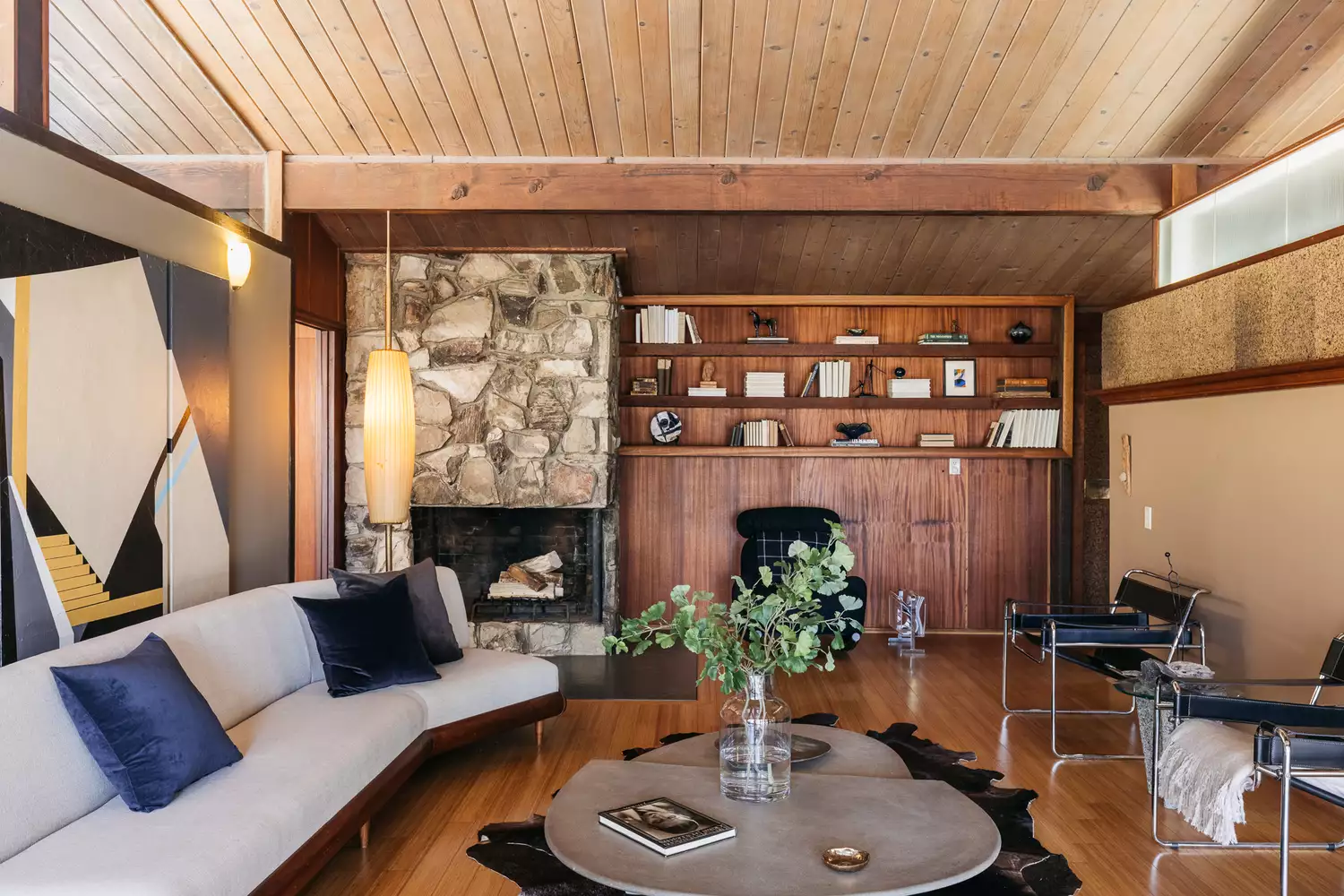
48 Midcentury Modern Living Room Ideas That Feel As On-Trend As Ever

How To Decorate Your Home Like Mad Men


Power and originality: the iconic print designs of Lucienne Day
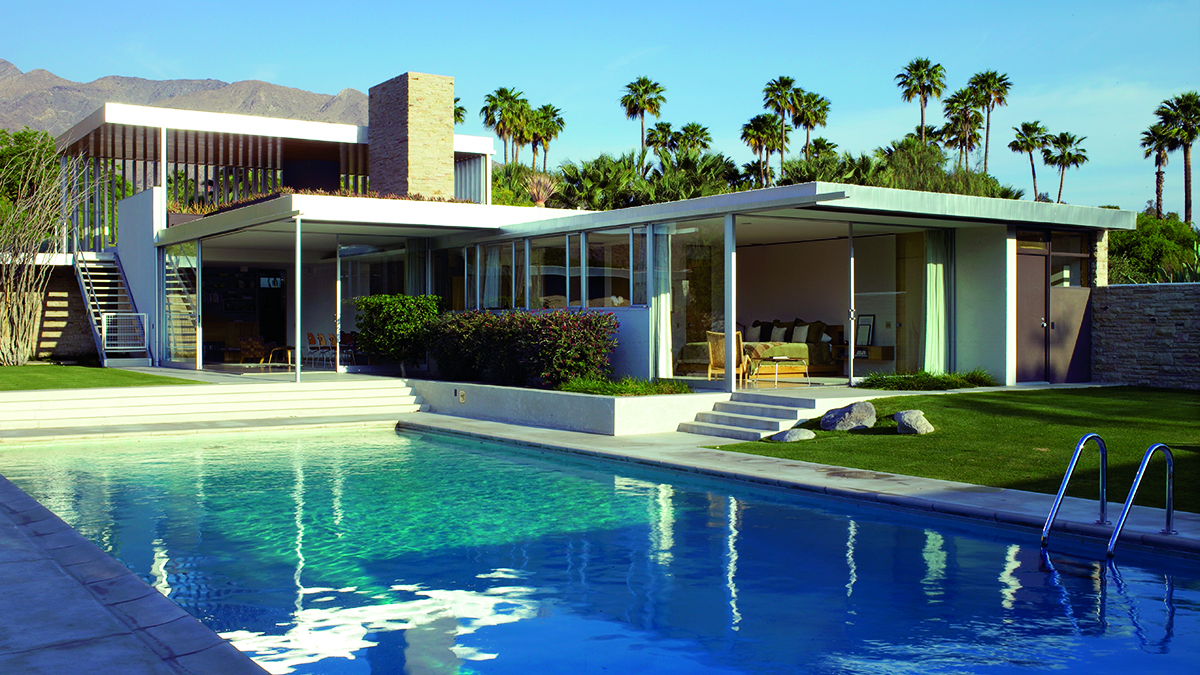
The enduring appeal of Mid-century Modern

Mid-century Modern Meets Scandinavian

10 Mid-Century Modern Lighting Ideas That Bring Design History to Your Room, But Still Feel Right for Today

Art Nouveau
Mid-century modern home filled with pop art style
These Midcentury Modern Living Rooms Put Retro Back on the Map

9 Decorating Tips To Master The Mid-Century Modern Look
Clean Lines, Organic Materials, and More—Check Out These Midcentury Modern Exteriors