1/4
Power and originality: the iconic print designs of Lucienne Day
This article celebrates the centenary of Lucienne Day, a pivotal figure in post-war British design, renowned for her vibrant, modernist textile designs. Lucienne Day, born on January 5, 1917, in Croydon, south London, studied at Croydon School of Art and the Royal College of Art (RCA) in the late 1930s, where she met her future husband, furniture designer Robin Day. Her RCA diploma show featured hand-block and screen-printed bold repeats, displayed alongside her husband's furniture, illustrating a nascent collaboration that would define both their careers. While their works often complemented each other, Lucienne Day forged a distinctive path in textiles, driven by a resolute modernist vision.
Paula Day, Lucienne's daughter and director of the Robin and Lucienne Day Foundation, draws parallels between her mother's enduring influence and that of William Morris, highlighting the timeless quality of Lucienne's work. Paula suggests that Day's designs possess a "startling power and originality" that distinguishes them from many retro-style patterns. Lucienne Day sought to invigorate the textile industry with fresh, contemporary designs, drawing inspiration from modern artists such as Paul Klee, Joan Miró, and Alexander Calder, as well as decorative traditions from her studies at the V&A Museum. Plant forms, for example, consistently reappeared throughout her body of work.
Her breakthrough came with 'Calyx', a stylized floral textile design launched at the 1951 Festival of Britain. This design, mixing muted and acid colors, was a radical departure in pattern aesthetics. Despite initial skepticism from Heal's fabrics director Tom Worthington, 'Calyx' proved immensely successful, leading to a two-decade-long collaboration with Heal's, during which she produced approximately 70 patterns for the brand. 'Calyx' remains in production today, a testament to its enduring appeal.
Lucienne Day's style was characterized by continuous evolution, a responsiveness to fashion trends without merely following them, and an exploration of new artistic techniques. Early 1950s designs, such as 'Dandelion Clocks' and 'Trio', showcased quirky motifs rendered with fine black lines on solid colored backgrounds. Later, she experimented with monoprint techniques, creating textured effects through drawings on acetate sheets applied to tissue paper collages, as seen in 'Cadenza' and 'Night and Day'. Her architectural designs of the mid-1970s, including 'Apex' and 'Lucienne', led to her invention of "silk mosaics," a new textile medium using one-centimeter squares of richly colored silk to form strong abstract patterns.
Among her vast portfolio, Paula Day finds 'Night and Day', a tea towel designed for Irish linen manufacturer Thomas Somerset in 1961, particularly poignant. This design, which perfectly balances a strong monoprint drawing of an owl with textured paper sun rays, symbolizes the relationship between her parents. Over her 60-year career, Lucienne Day collaborated with numerous prominent brands, including Liberty, John Lewis, Cole & Son, and Rosenthal, applying her distinctive flair to fabrics, wallpapers, carpets, homeware, and ceramics. Her unique combination of color, line, form, and composition created a recognizable style that continues to resonate decades later. Lucienne Day received significant accolades, becoming the first woman to be made master of Royal Designers for Industry in 1987 and awarded an OBE in 2004. She passed away in 2010 at the age of 93.
In commemoration of her centenary, the Robin and Lucienne Day Foundation has released 100 previously unseen images of her work, which are featured on a 'Lucienne Day 100' poster and will be showcased in exhibitions, events, and awards throughout 2017.
#LucienneDay #TextileDesign #ModernistDesign #BritishDesign #PostWarDesign #PatternDesign #MidCentury #DesignCentenary #DesignIcon #LucienneDay #TextileDesign #ModernistDesign #BritishDesign #PostWarDesign #PatternDesign #MidCentury #DesignCentenary #DesignIcon
0 comment in total
 No comments yet
You may also like
How One Designer's Abstract Artworks Inspired a Line of Textiles—and Her Own Home

The ancient symbols found in contemporary interiors

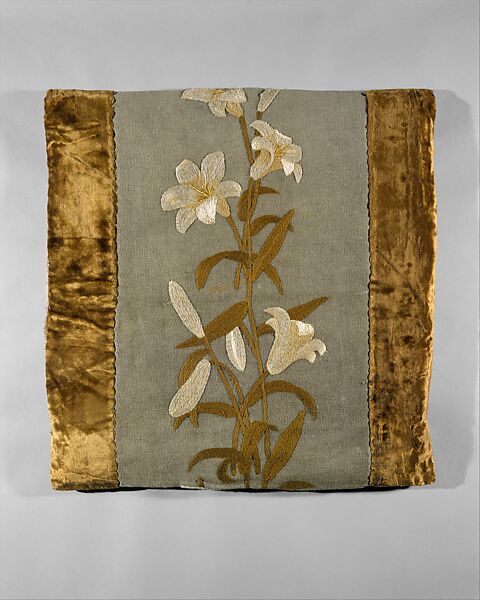
Candace Wheeler (1827–1923)

Denise Van Outen shows off seriously unique wallpaper

Diane Keaton Loved This Unexpected Art Form—and She Learned From Her Mother

Dolly Parton Created an Incredible Collection of Wall Art—And You Can Buy It Now

My First Design History Primer

Designer Profile: Christine Lin

Inside the Ford Foundation with Sheila Hicks

‘Leave Me Alone’: Q&A with Hailey Marie Losselyong, Creator of HML Art & Design


11 Legendary Interior Design Stars Who Have Tragically Passed Away
20 Simple and Beautiful Art Designs In India 2024

17 Artists Offer Their Take on an Iconic Dior Symbol
What the Rooms from 6 Famous Paintings Would Look Like Today

9 Classic Furniture Pieces Designed by Women

Collecting Art Nouveau design

You Don’t Need to Be a Gallerist to Source the Best Wall Art Online

This Royal-Approved Design Brand Just Dropped a Home Decor Collab Filled With Iconic Prints
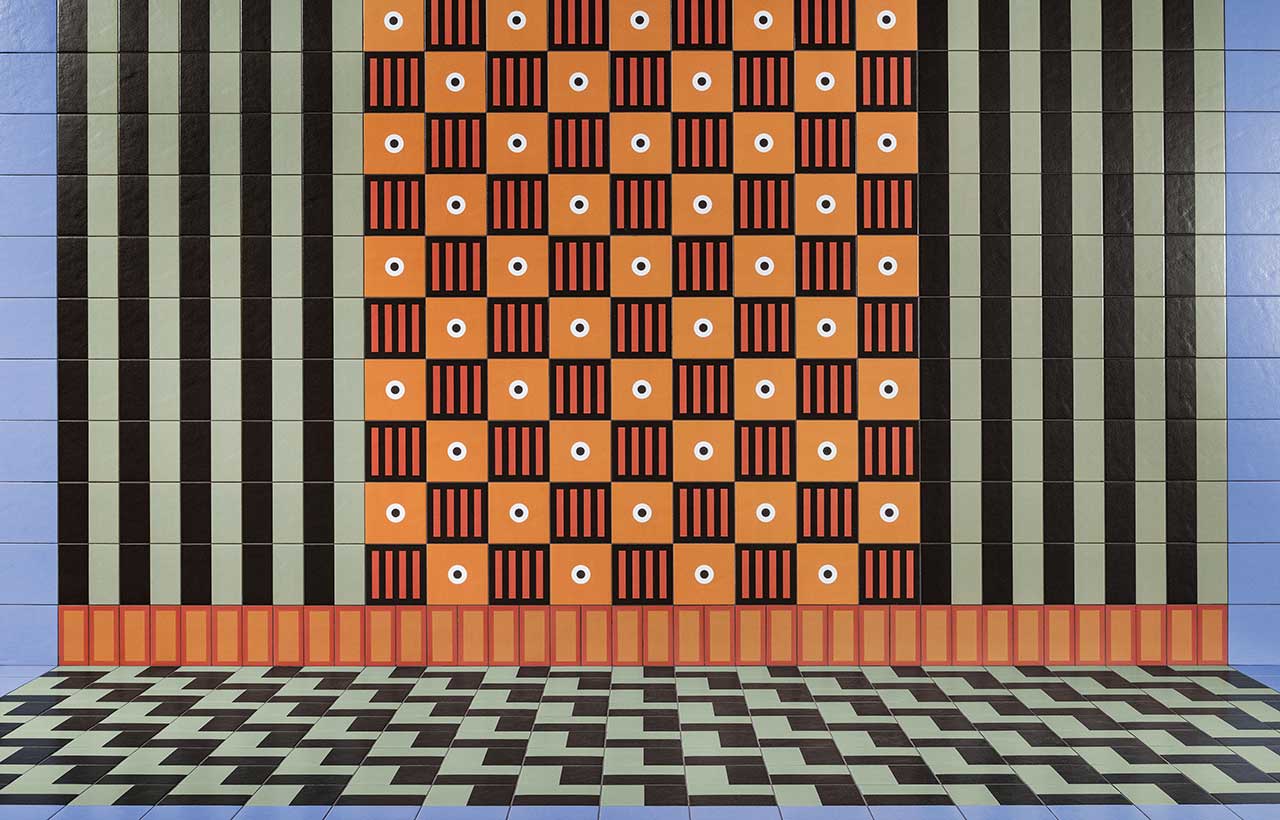
Nathalie Du Pasquier Designs a Boldly Graphic Collection of Tiles for Mutina
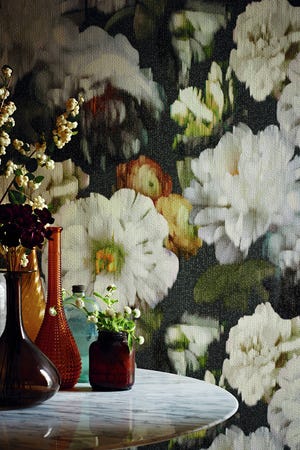
Patterns on paper and tile: Visually compelling designs lead the way in wallcoverings