1/9
Collecting Art Nouveau design
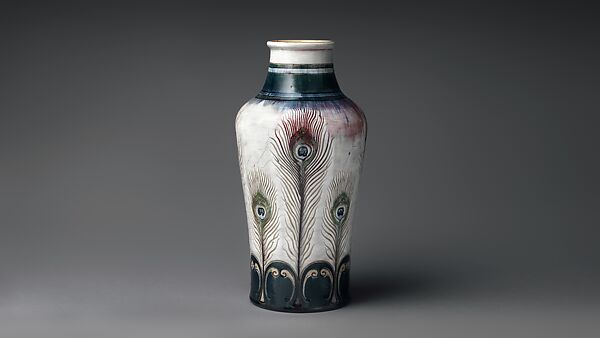
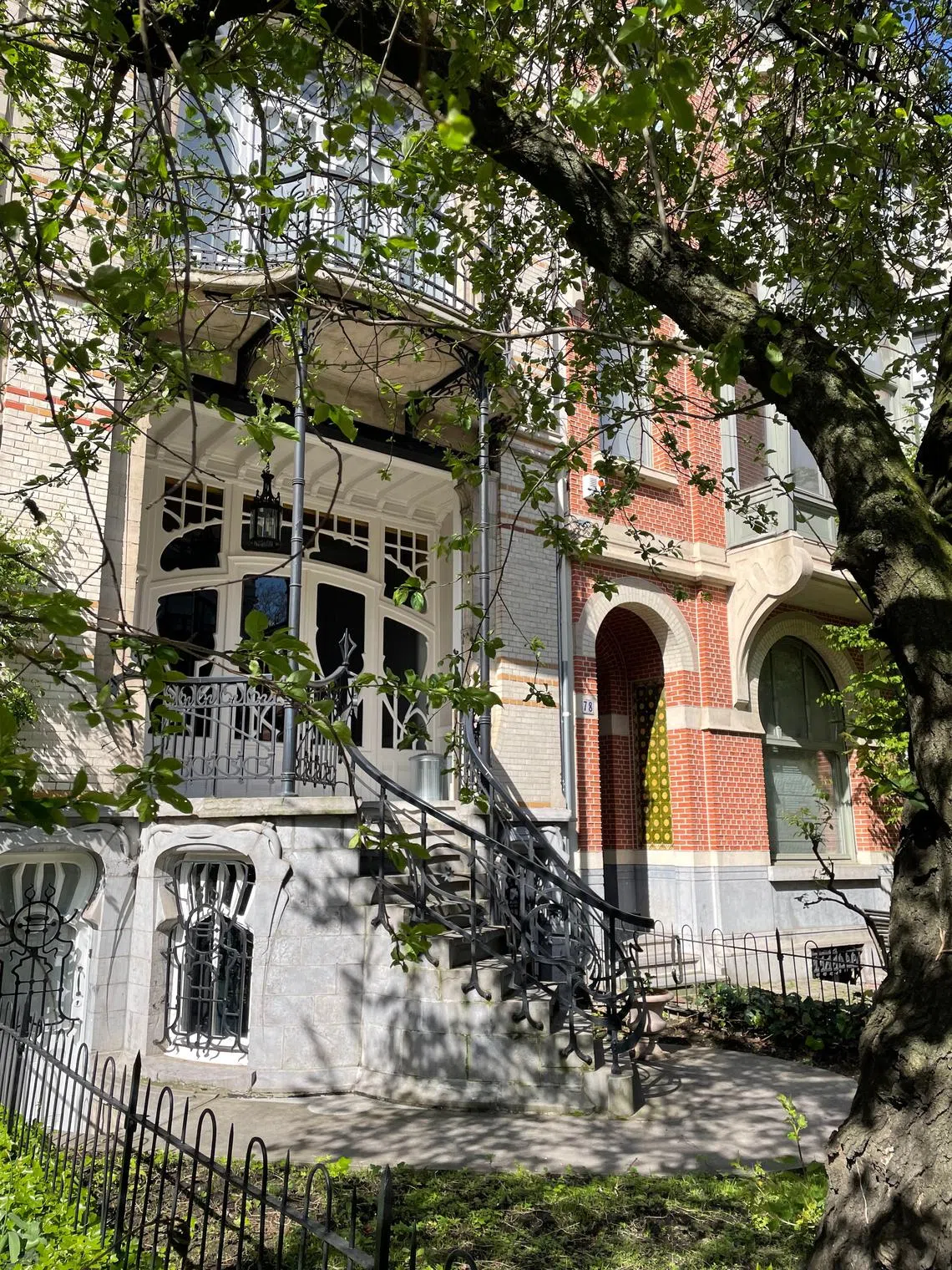
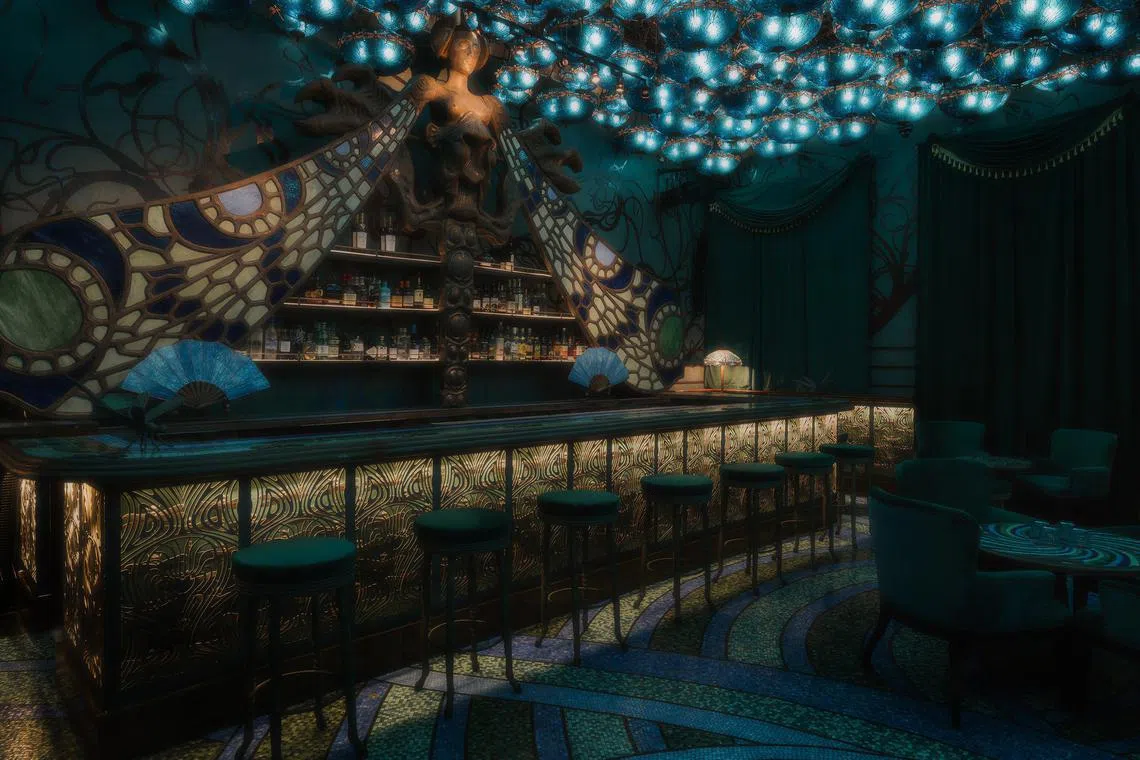
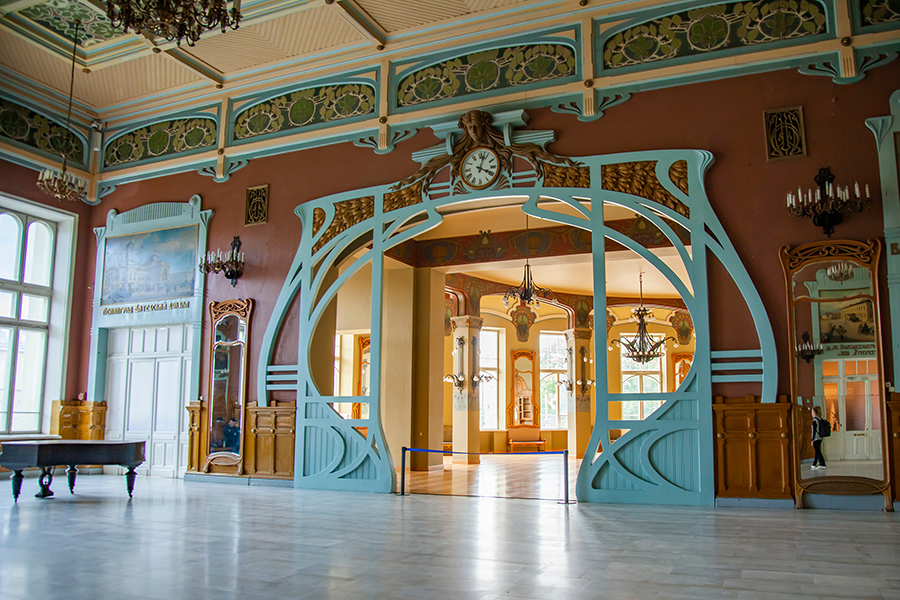
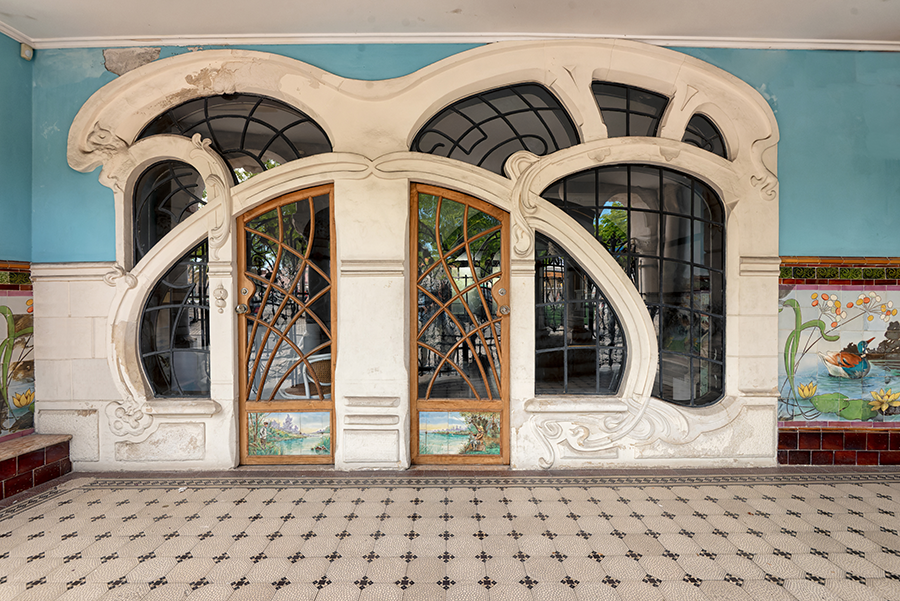
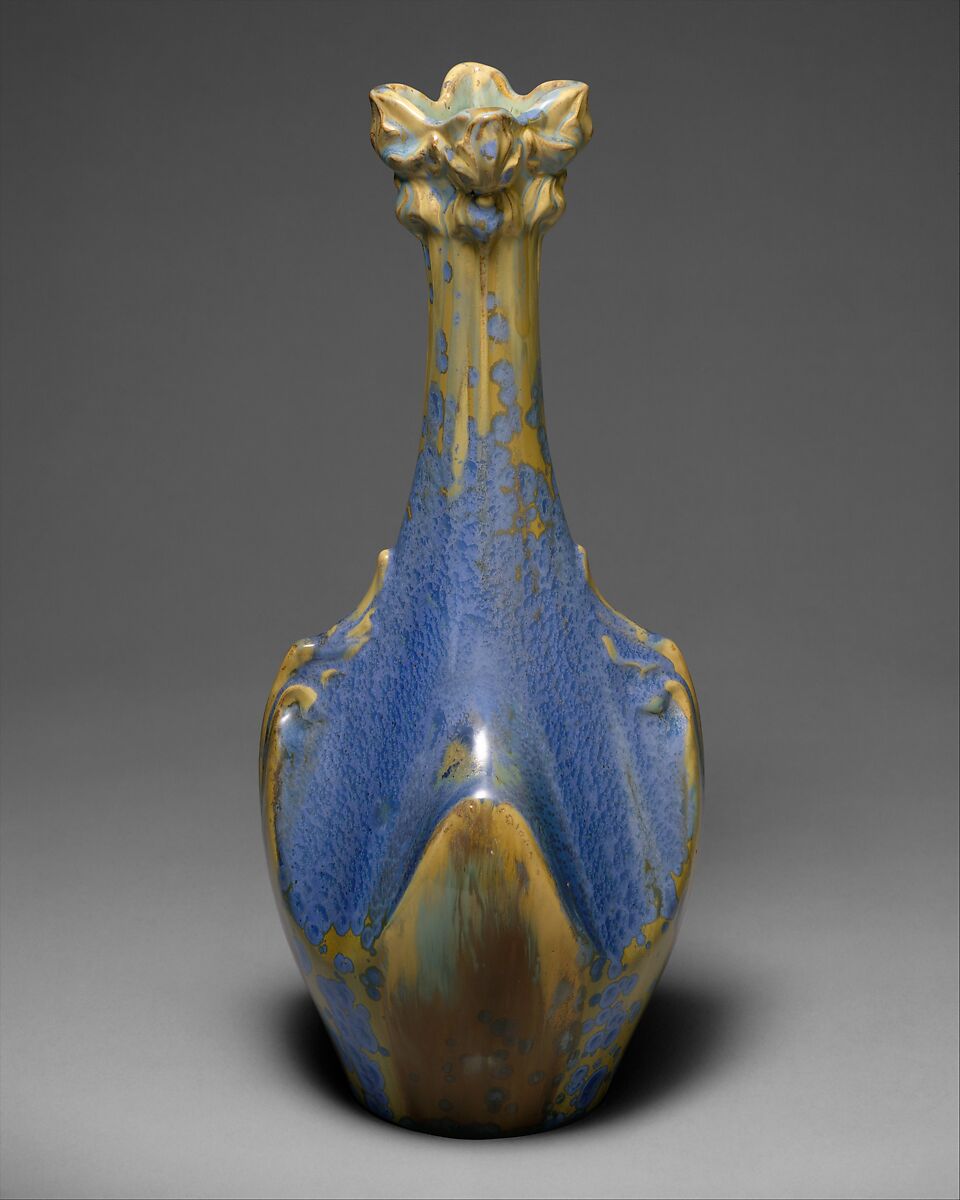
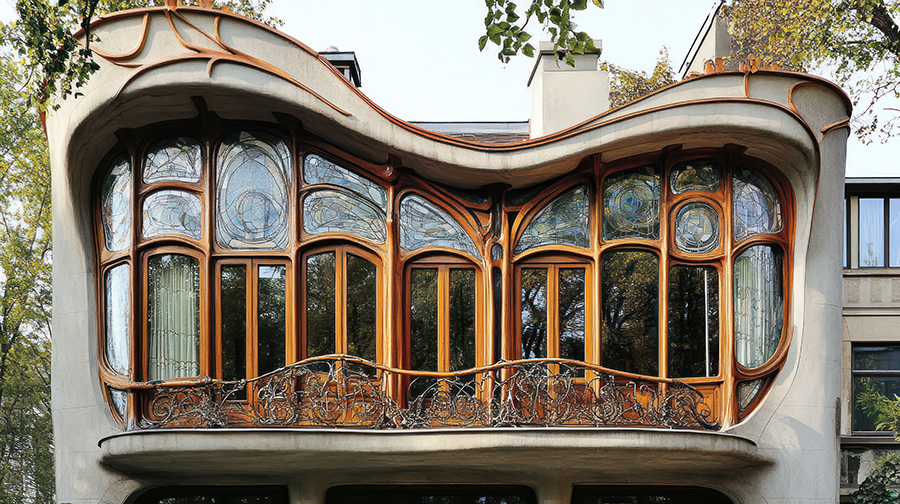
Art Nouveau, a pervasive design movement from 1890 to 1910, distinguished itself through its characteristic sinuous curves, intricate ornamentation, and stylized interpretations of natural forms. Drawing inspiration from Japonisme and the English Arts and Crafts movement, Art Nouveau emphasized material experimentation, allowing artists to translate the beauty of the natural world into highly individualistic expressions. Many prominent figures of the movement delved deeply into nature or traveled to diverse locales, seeking inspiration from unfamiliar flora, fauna, and insects.
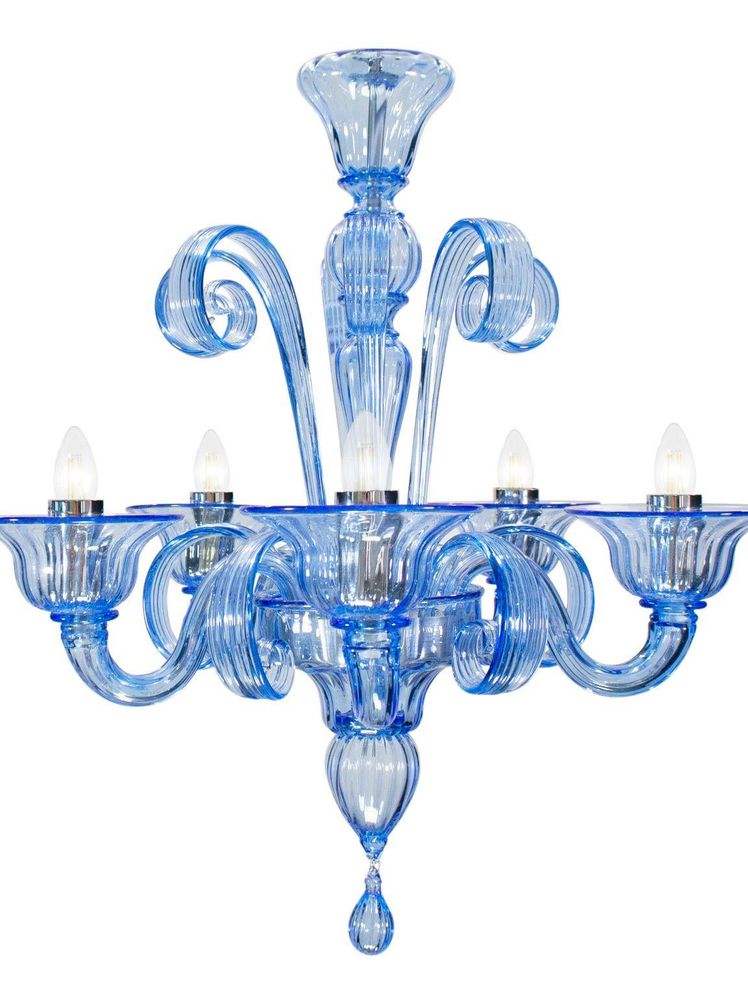
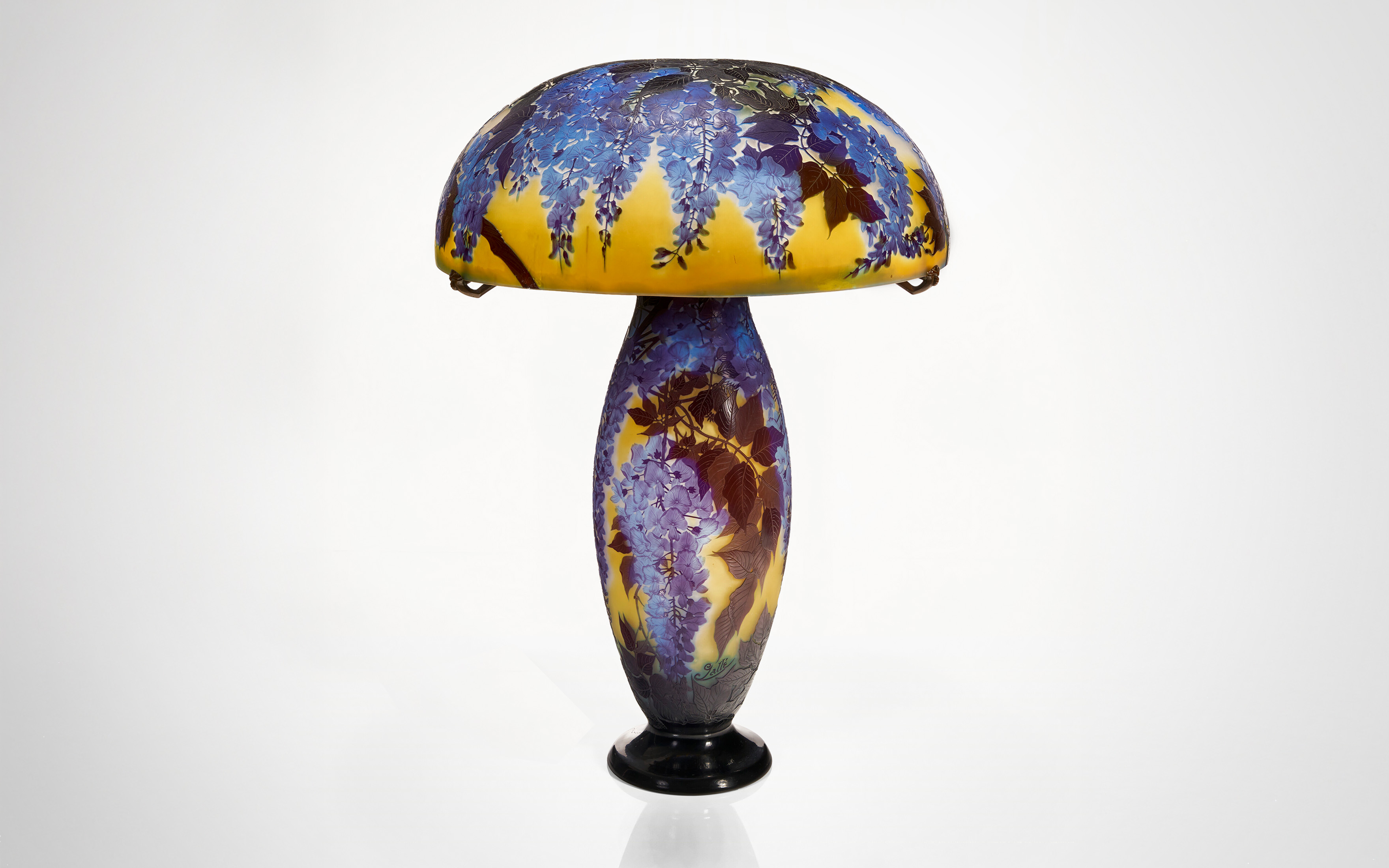
The core genius of Art Nouveau artists lay in their capacity to render the organic delicacy of natural forms using rigid materials such as glass, wood, and metal. Specialists like Victoria Tudor from Christie's Design department highlight the pivotal role of glassmaking, woodcarving, and marquetry during this period, with fruitwoods, mahogany, and satinwood being common choices. Designers skillfully manipulated structured materials to evoke the movement found in nature, mirroring the forms of flower stems or leaves. The masters of Art Nouveau, including Tiffany, Gallé, and Daum, excelled in working with their chosen materials, transforming themes and emotions into tangible art forms rather than merely words.
Several key designers significantly shaped the Art Nouveau movement. Daum, founded in 1878 by Jean Daum, initially produced tableware. However, under the artistic direction of Antonin Daum and Henri Bergé, the company embraced floral designs in colored and cameo glass, greatly expanding its artistic range and production volume. Daum also engaged in significant collaborations, notably with Louis Majorelle, a key figure in the Ecole de Nancy, resulting in notable pieces like the 'Nénuphar' table lamp.
Emile Gallé, another founder of the Ecole de Nancy and based in the glassmaking hub of Nancy, France, created works celebrated for their elegant forms, rich colors, and nature-inspired decorations. He pioneered experimental techniques such as glass marquetry and acid etching, creating complex layered glass pieces, often with inclusions like gold leaf. Gallé also introduced 'verreries parlantes' or 'speaking glassware,' which incorporated poetic inscriptions, requiring the viewer to interact with the object to read them.
René Lalique dominated Art Nouveau jewelry and decorative objects. After achieving fame for his modern jewels, he began experimenting with glass around 1890. Lalique later opened a shop at Place Vendôme, showcasing both his jewelry and glass objects. He revolutionized the perfume industry with his glass bottles and, by the 1920s, focused exclusively on glassmaking, developing a distinctive technique of contrasting clear and frosted glass. His extensive output included numerous vases and other mass-produced items, and his business continues to thrive today, having adapted to subsequent styles like Art Deco.
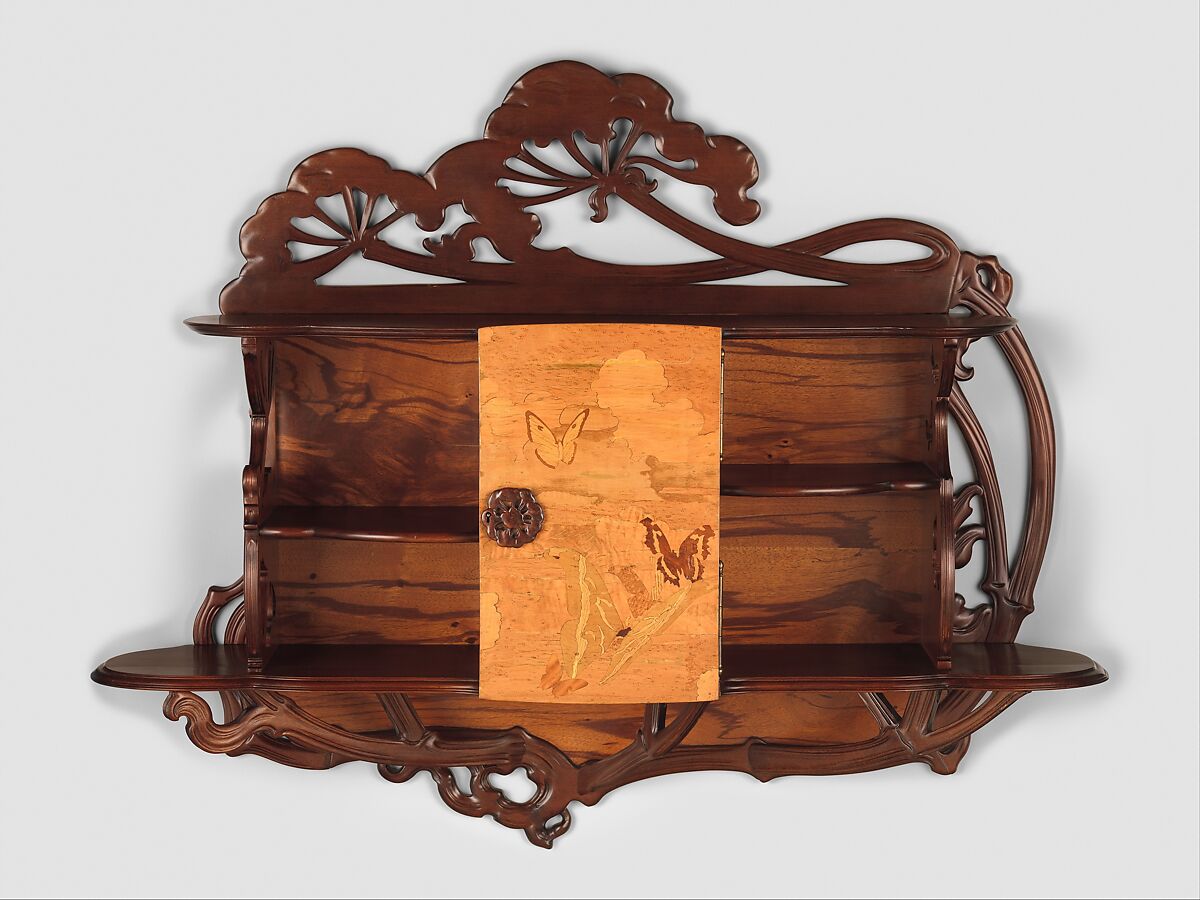
Louis Majorelle, renowned for his woodworking, operated a substantial atelier that produced a wide range of furniture, from standardized designs to exclusive commissions. He worked with a diverse palette of global woods, creating tonal designs, gradients, and fine art-like floral marquetry. Majorelle was a vice president of the Ecole de Nancy and maintained multiple shops across France.
Tiffany Studios, led by Louis Comfort Tiffany, focused on stained glass design and production. Working with skilled American artisans, Tiffany Studios developed patented processes, such as for iridescent Favrile glass, and created iconic leaded glass lamps. Tiffany drew immense inspiration from his estate, Laurelton Hall, which was meticulously designed to reflect his artistic vision and served as a retreat for artists. Despite the estate's destruction by fire, the legacy of Tiffany Studios endures through its vibrant lamps and other decorative creations in glass, ceramics, enamel, and metalwork, which remain highly valued by collectors.
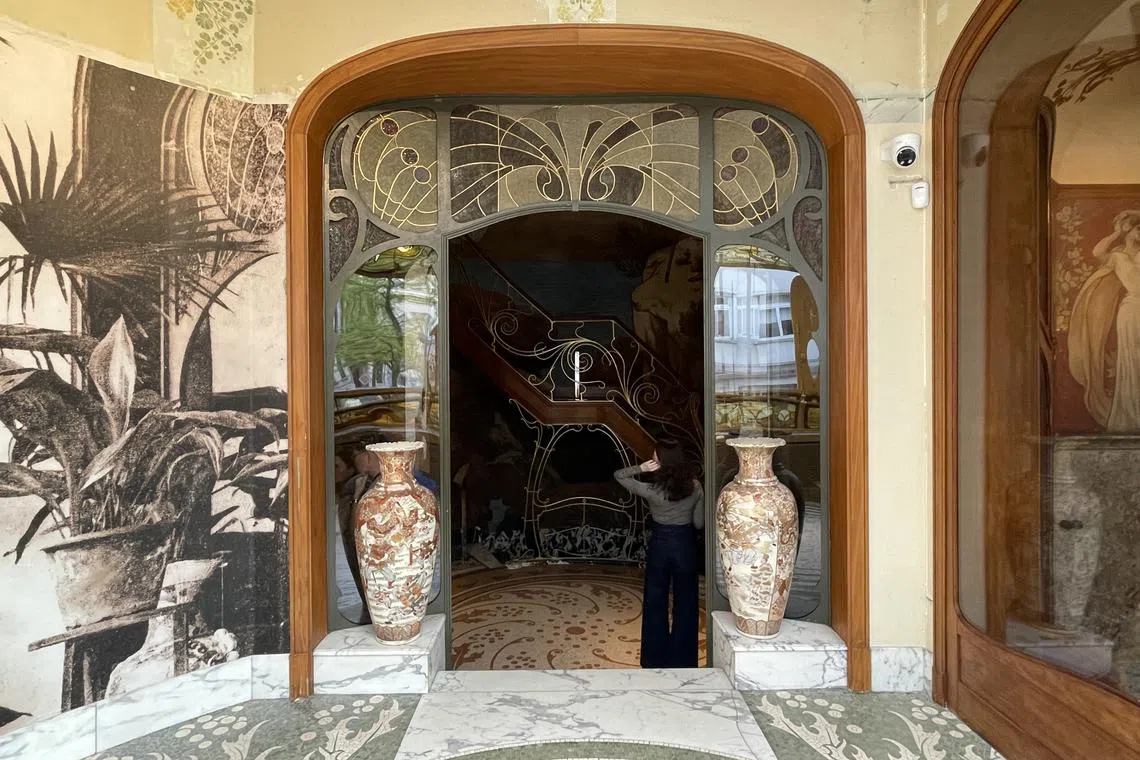
The global influence of Art Nouveau extended to various international variations and localized movements. Italian designer Carlo Bugatti produced architectural furniture, while the Vienna Secession featured artists like Gustav Klimt. Cities such as Barcelona, with Antoni Gaudí's works, and Paris, with Hector Guimard's contributions like the Métro entrances, showcase the ambitious scope of Art Nouveau creators. The interplay between architecture and furniture design was crucial for many Art Nouveau designers, underscoring the holistic nature of their artistic approach. These diverse examples highlight the widespread and transformative impact of the Art Nouveau movement on design and art across Europe and beyond.
#ArtNouveau #CollectingGuide #DecorativeArts #DesignHistory #Glassmaking #FurnitureDesign #TiffanyStudios #EmileGalle #ReneLalique #LouisMajorelle #Daum #ArtNouveau #CollectingGuide #DecorativeArts #DesignHistory #Glassmaking #FurnitureDesign #TiffanyStudios #EmileGalle #ReneLalique #LouisMajorelle #Daum
0 comment in total
 No comments yet
You may also like
Art Nouveau
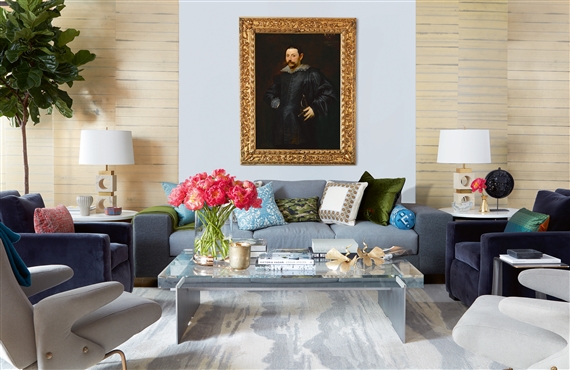
David Pollack Sotheby's Hang Artwork Hanging Old Masters Interior Design Art
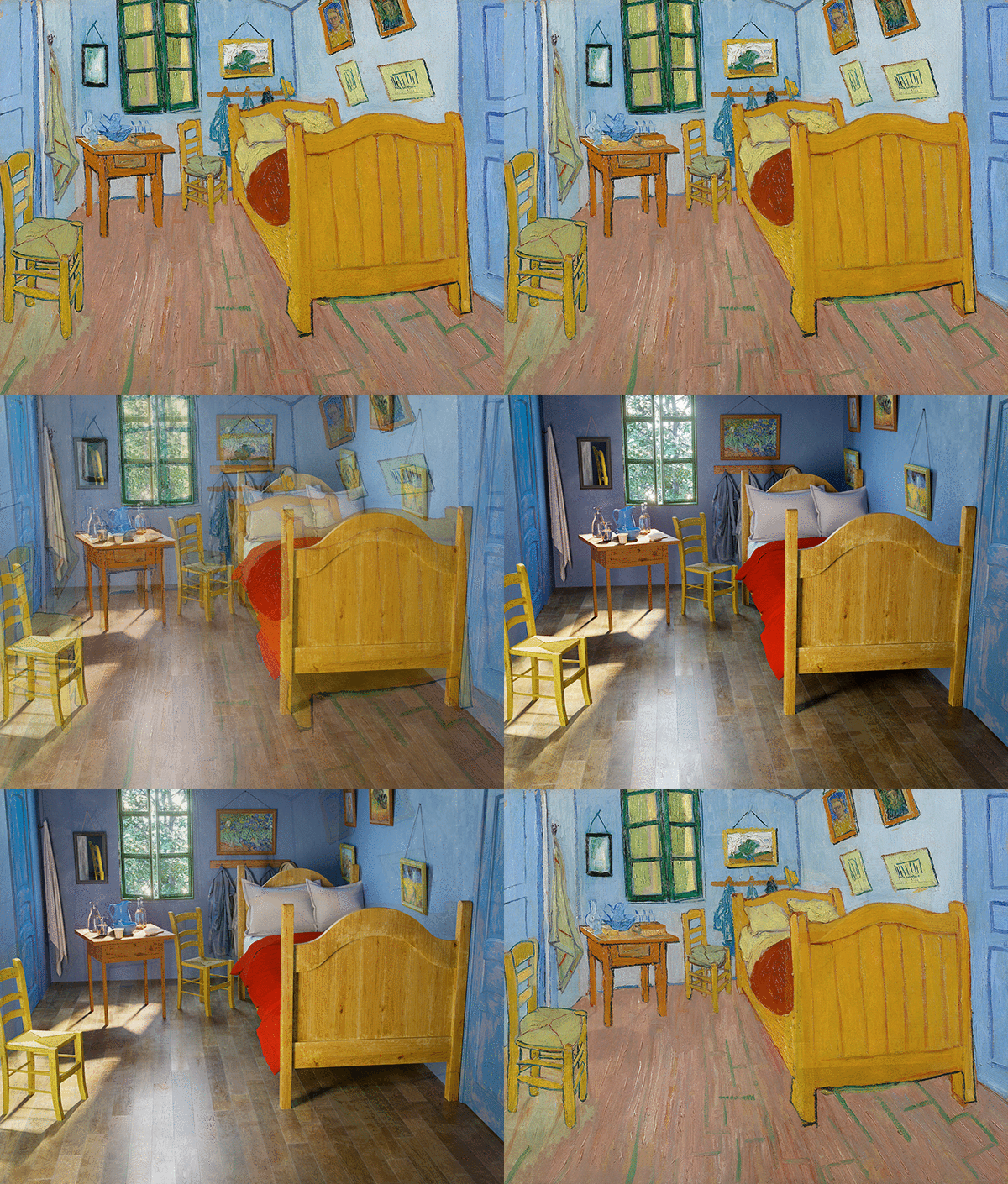
What the Rooms from 6 Famous Paintings Would Look Like Today

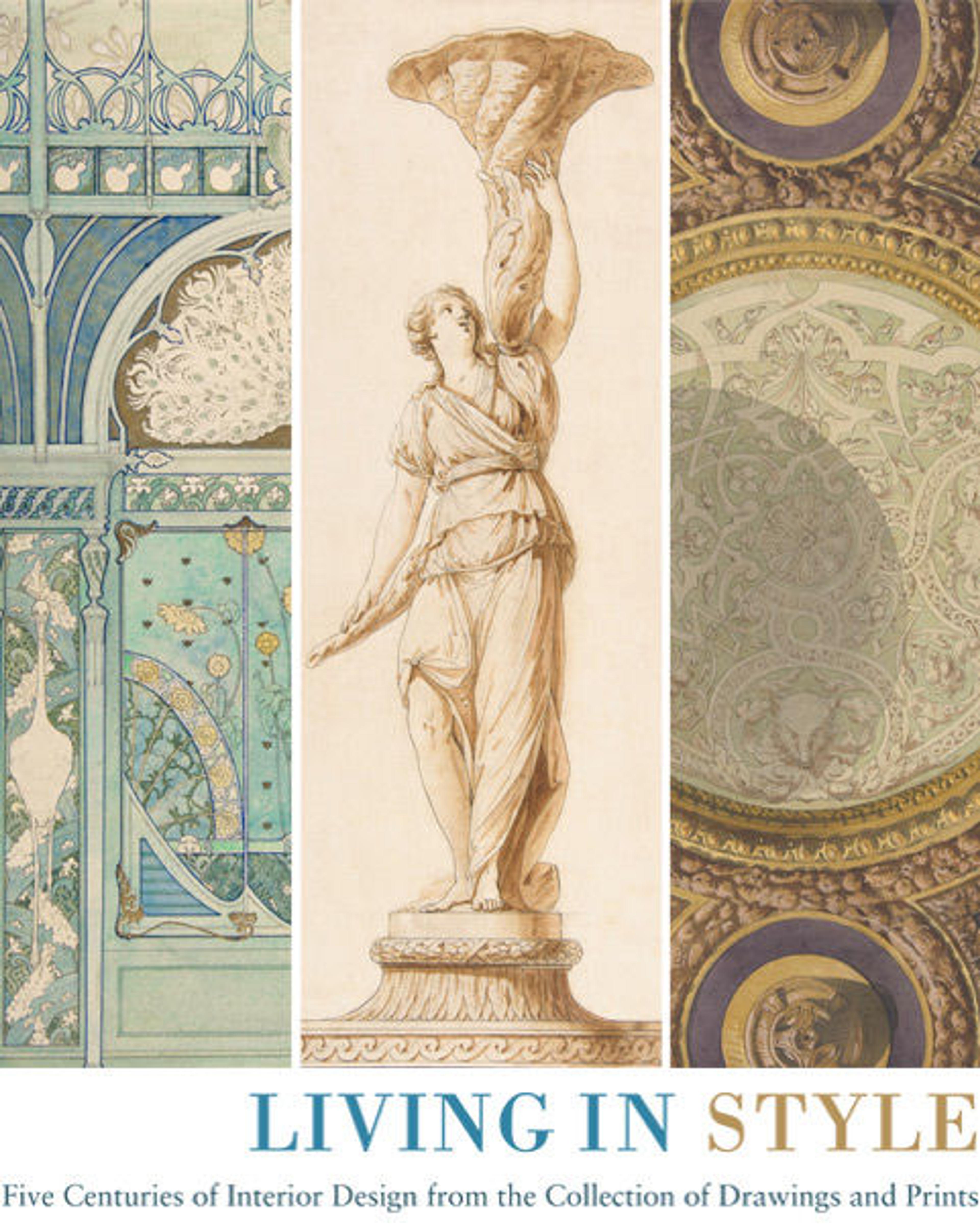
Living in Style: Five Centuries of Interior Design from the Collection of Drawings and Prints
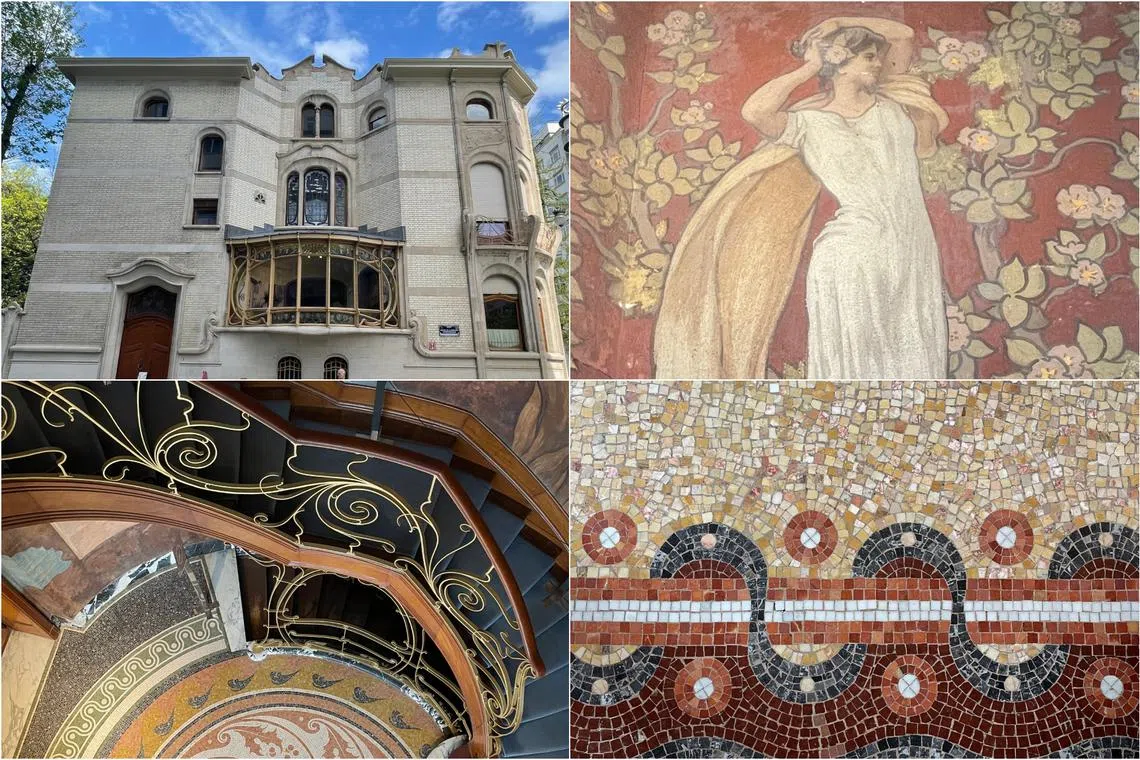
Global Design: Be inspired by Art Nouveau spaces in Belgium and Singapore
Common Threads
Neoclassical Interior Design Is Timeless and Traditional: Here's How to Get the Look

The vintage French style taking interiors by storm

How to Thrift The 1920s Design Trend Gen Z is Making Cool Again
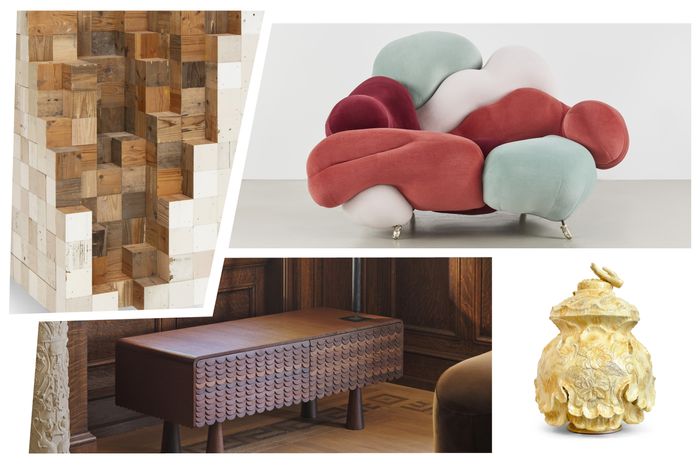
Ruffled Vases, Chaises Longues Made of Pipes, and More Design Finds
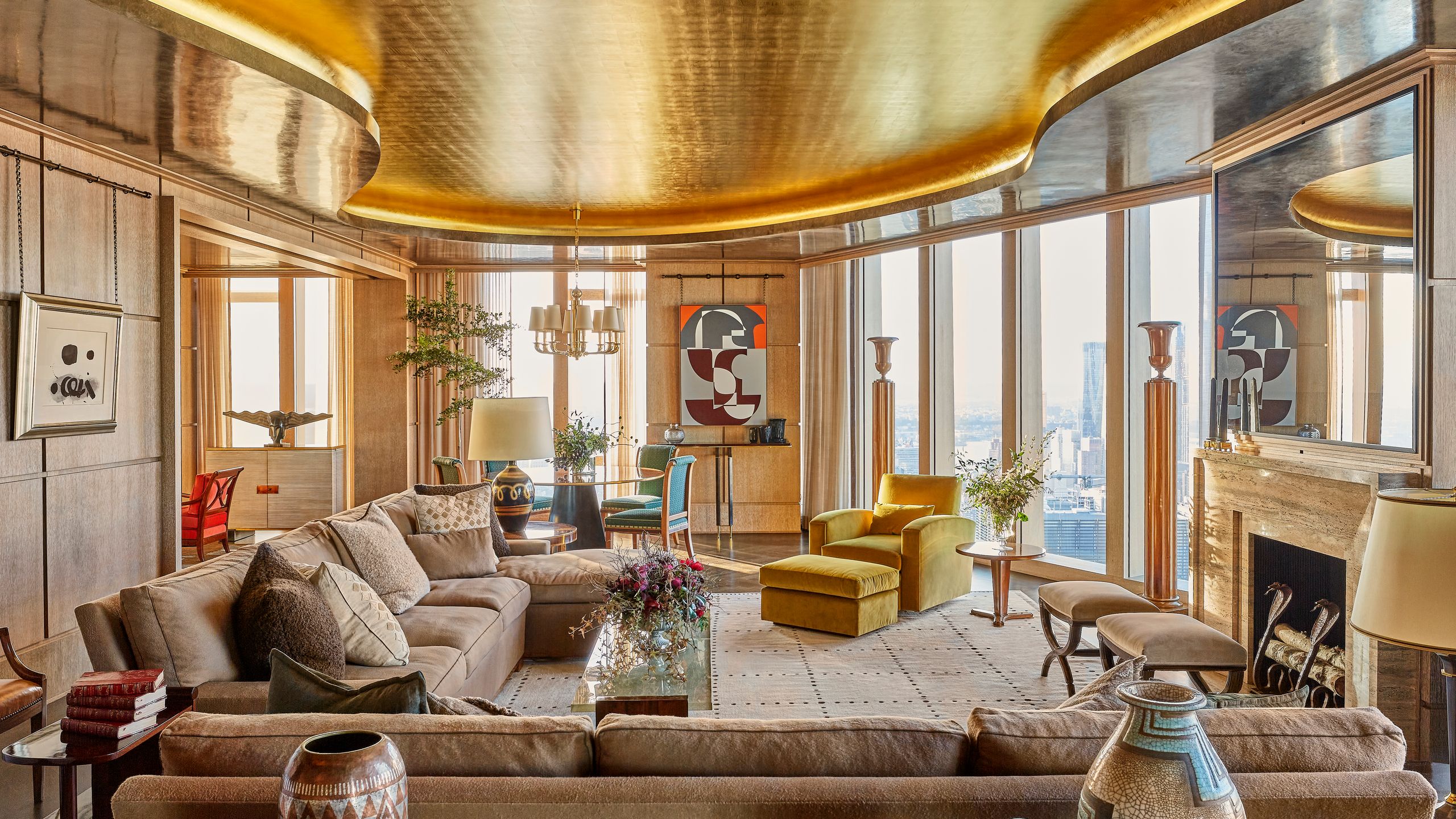
Step Inside 7 Opulent Art Deco–Inspired Homes

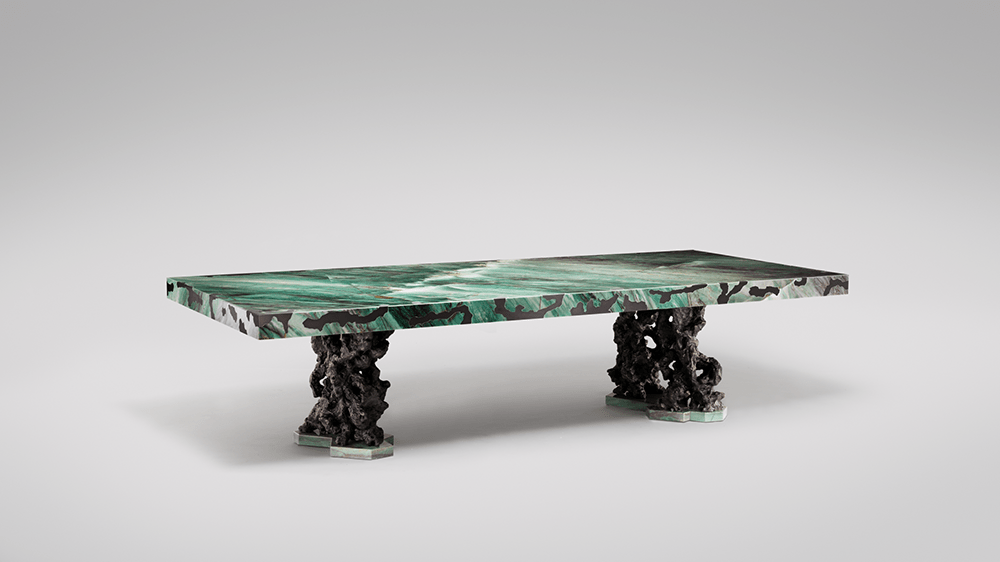
9 Acclaimed Interior Designers Share Their Most Memorable Tales of Discovery and Disappointment

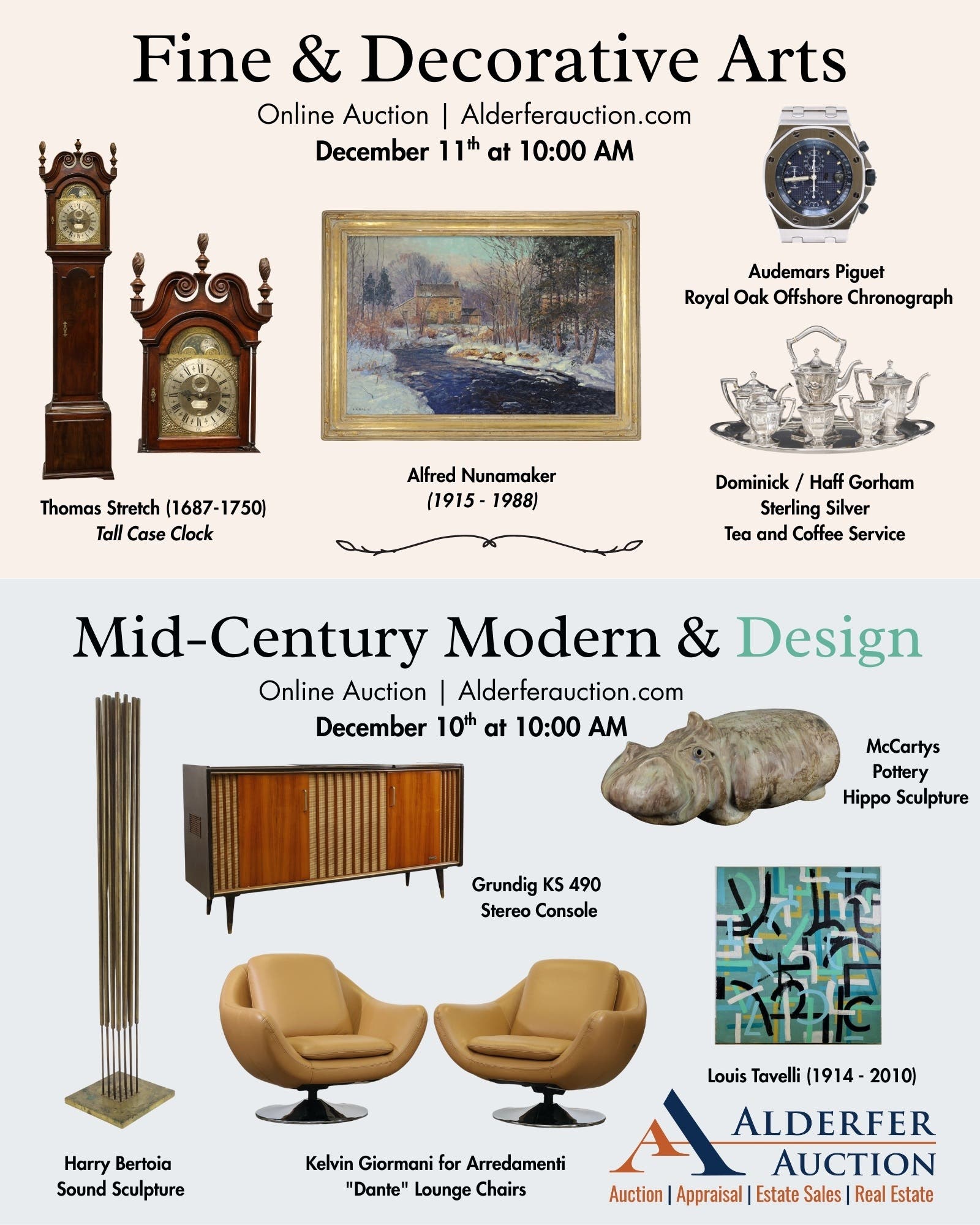
Local Event: Fine Art & Mid-Century Modern Design | Online Auctions Dec. 10 & 11
This Purchase Home Design Is All About the Artwork

6 Popular Vintage Designs To Buy That Are Also Solid Investments, According to 1st Dibs
Le goût Rothschild: defining the dynasty’s legendary style
Art Nouveau Is Back! Here’s How You Can Incorporate It In Your Home
How to hang paintings: Everything you need to know

Design Masters

12 Vintage Trends That Are Making a Comeback, According to Interior Designers