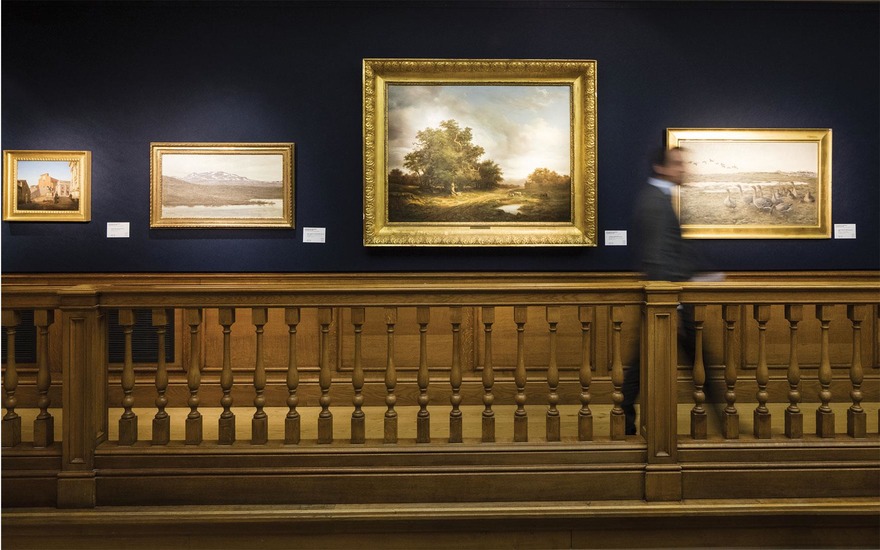
1/6
How to hang paintings: Everything you need to know
This article offers comprehensive guidance on effectively hanging art, drawing insights from award-winning designers, a museum director, and Christie’s specialists and art handlers. It emphasizes the importance of considering the context in which art will be displayed, noting that factors such as whether the space is domestic, business, or institutional, along with architectural elements like windows, doors, ceiling height, and floor quality, all influence how an artwork is perceived and interacts with its environment.
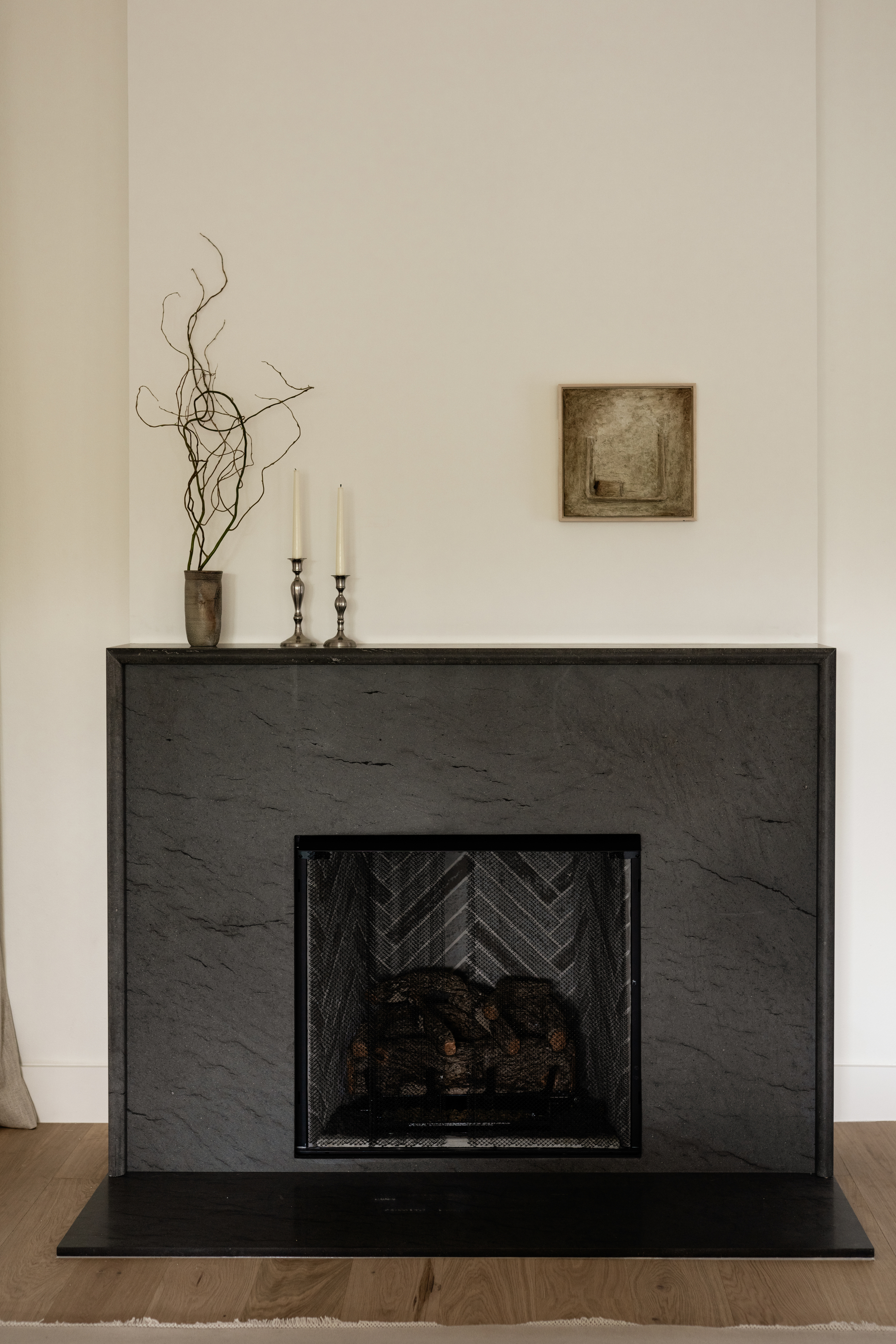
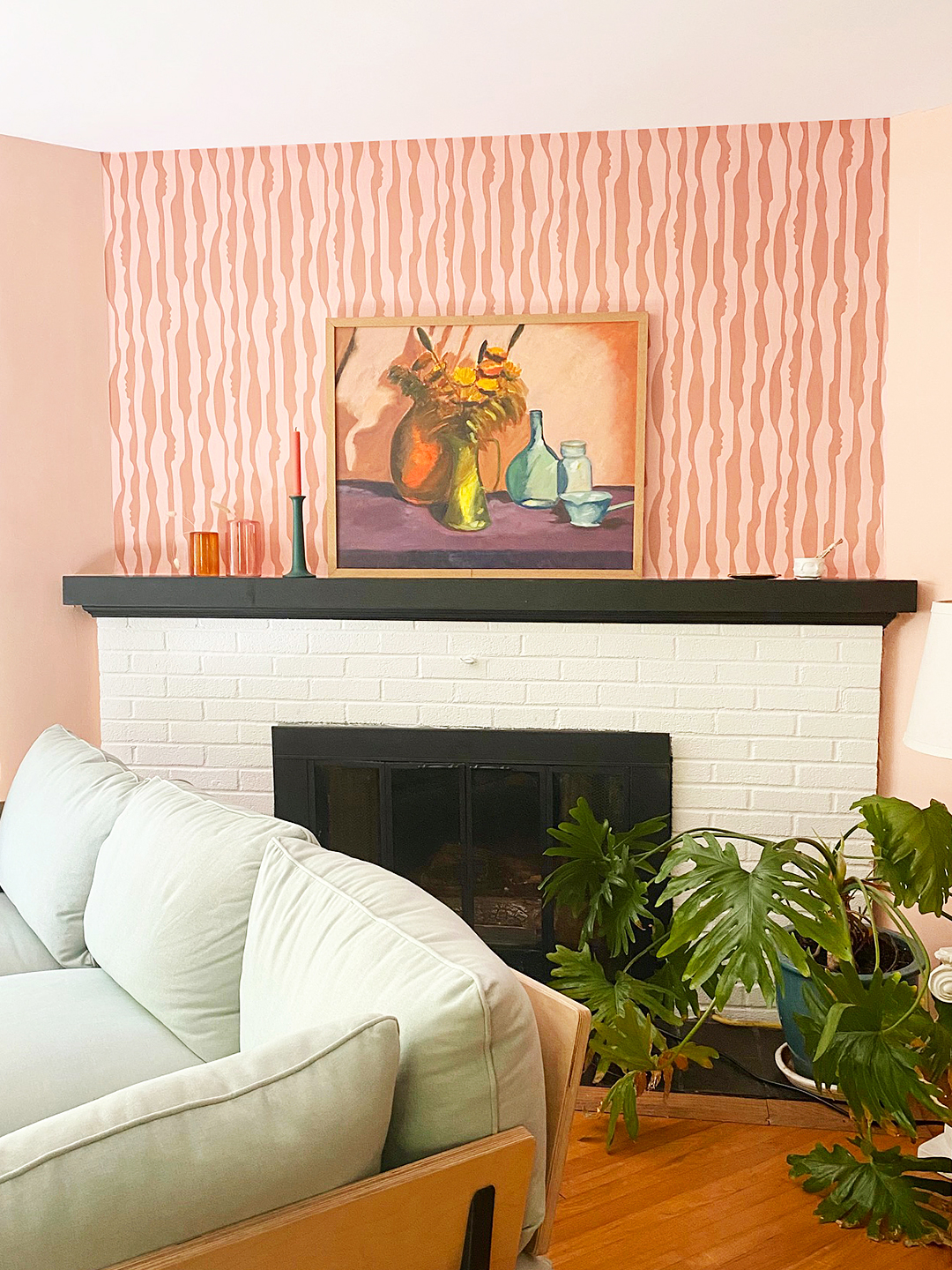
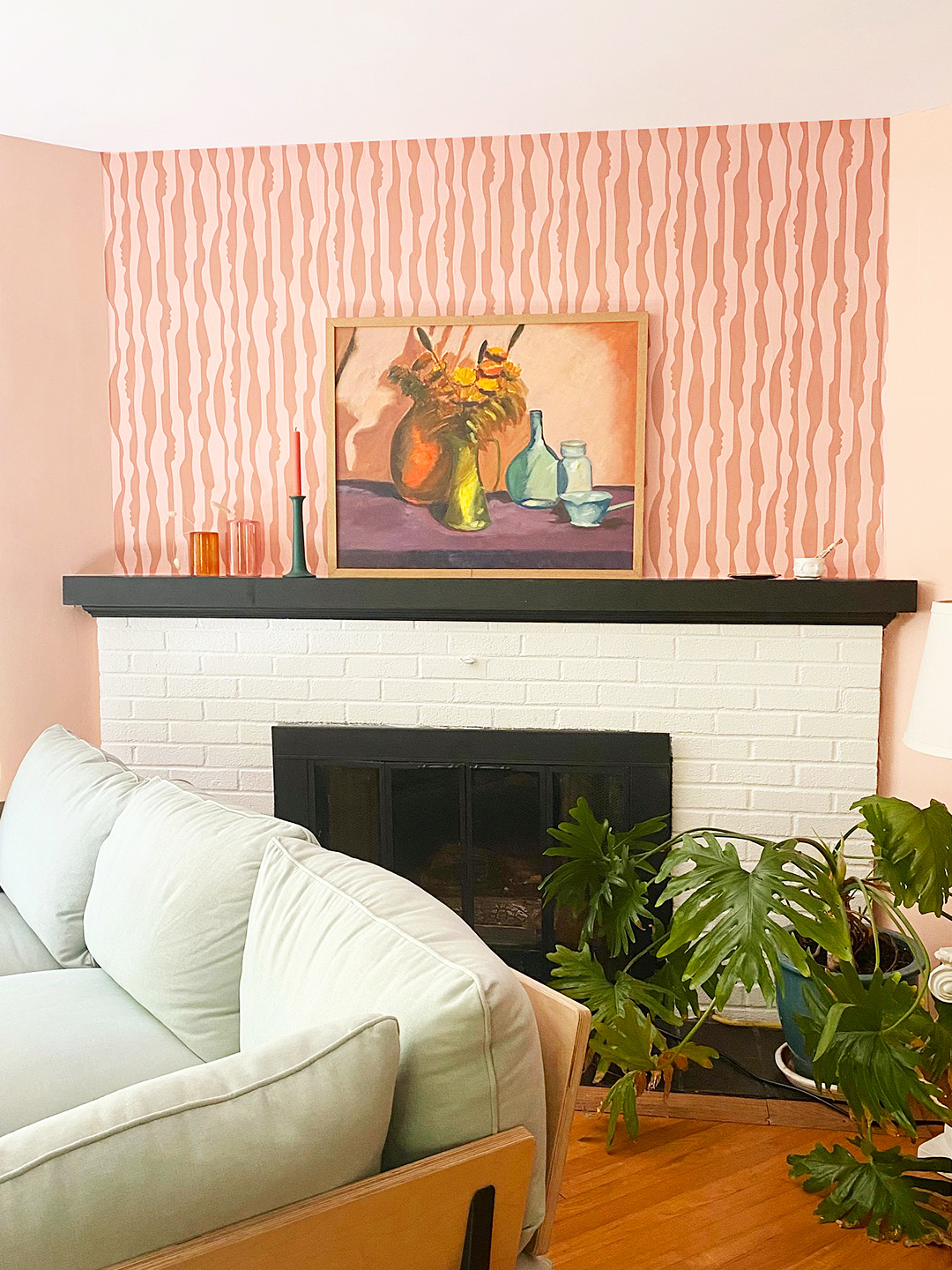
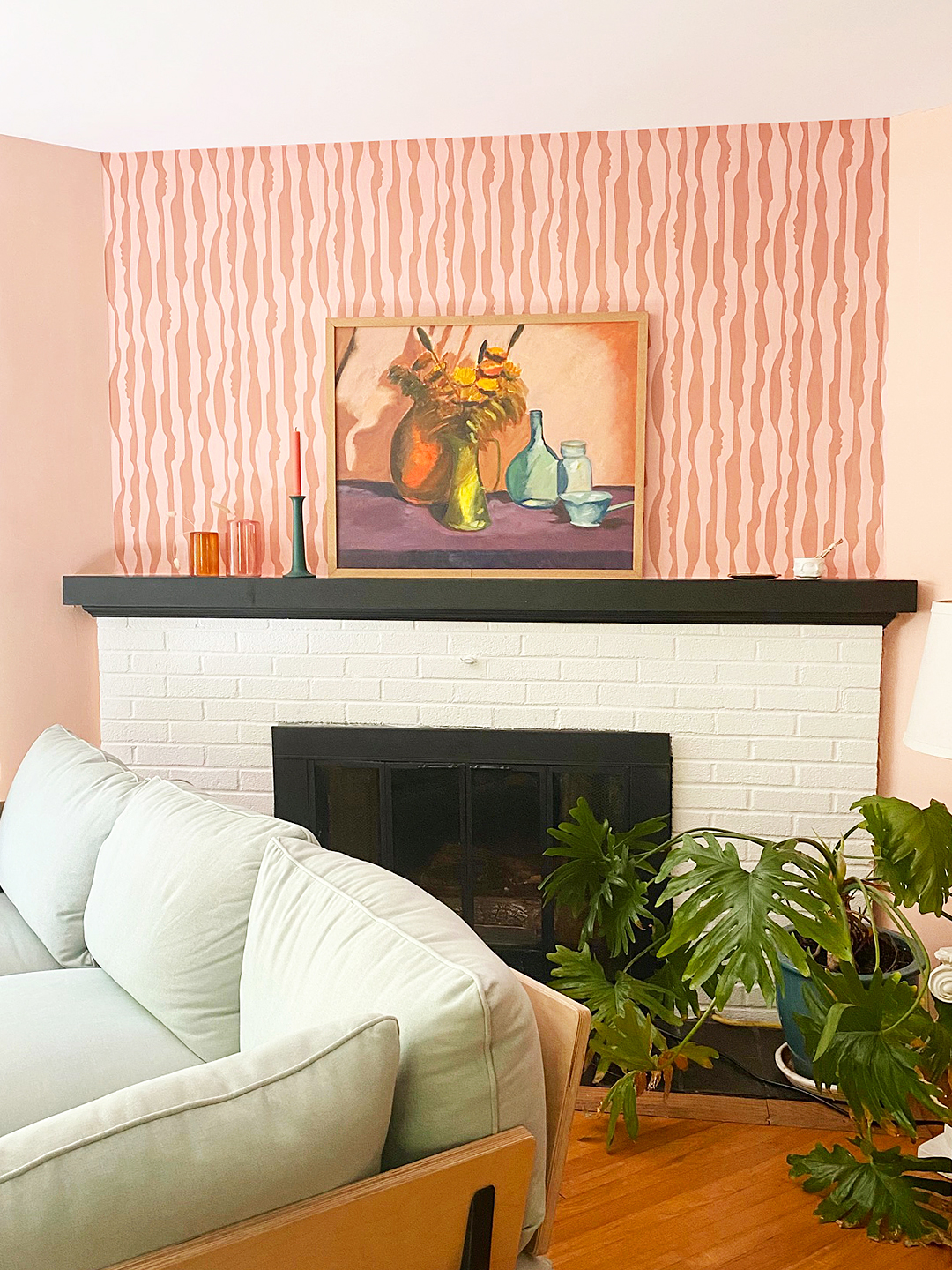
The article advises against hanging art in locations that could lead to damage. Specifically, it cautions against placing artworks above fireplaces or radiators, as heat can melt or damage canvases over time. Similarly, direct sunlight is highlighted as a risk for fragile or unprotected works, with a strong recommendation to avoid hanging drawings or watercolors near windows. To mitigate these risks, smart framing techniques are suggested, including the use of special glazes that block UV light to prevent fading and seals that create artificial environments to protect against humidity and temperature fluctuations. The article references a guide to framing for further expert advice.
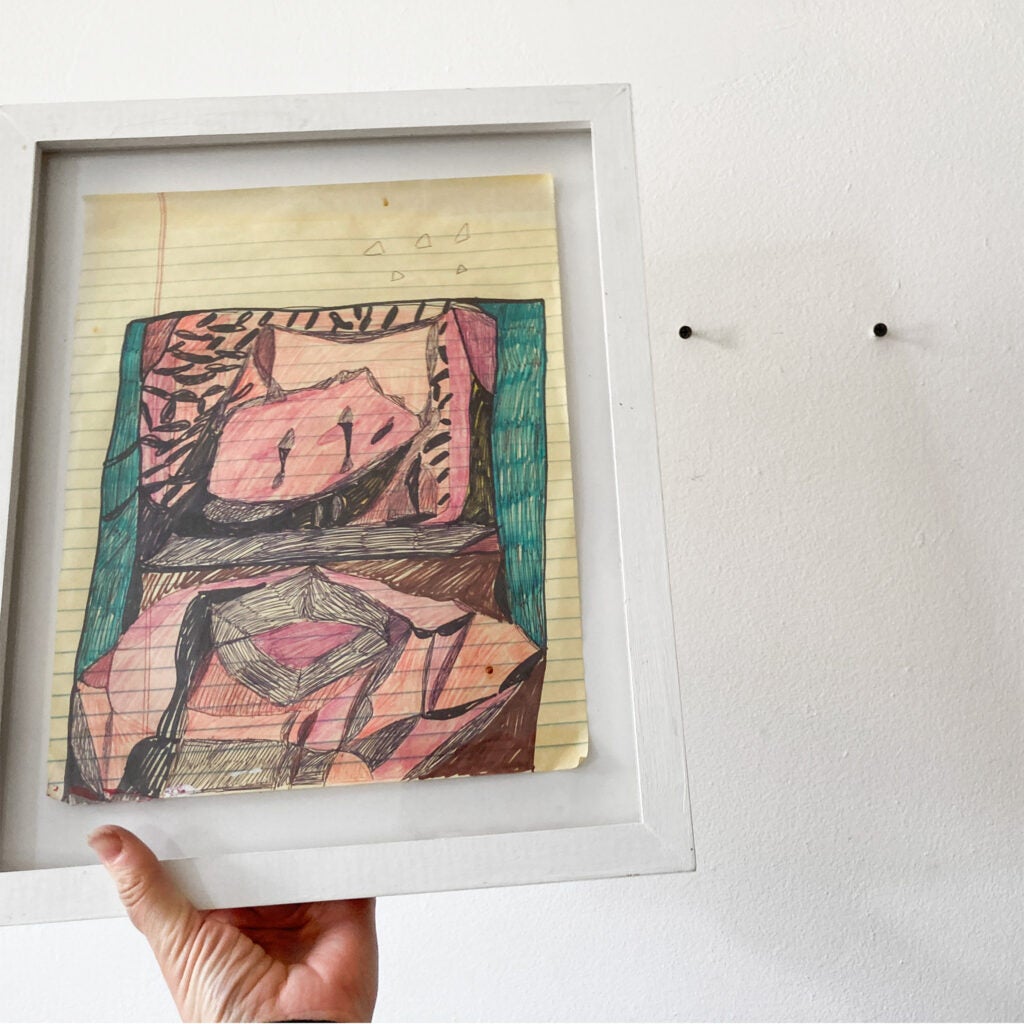
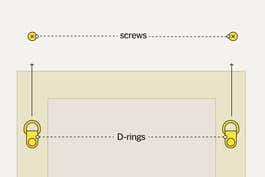
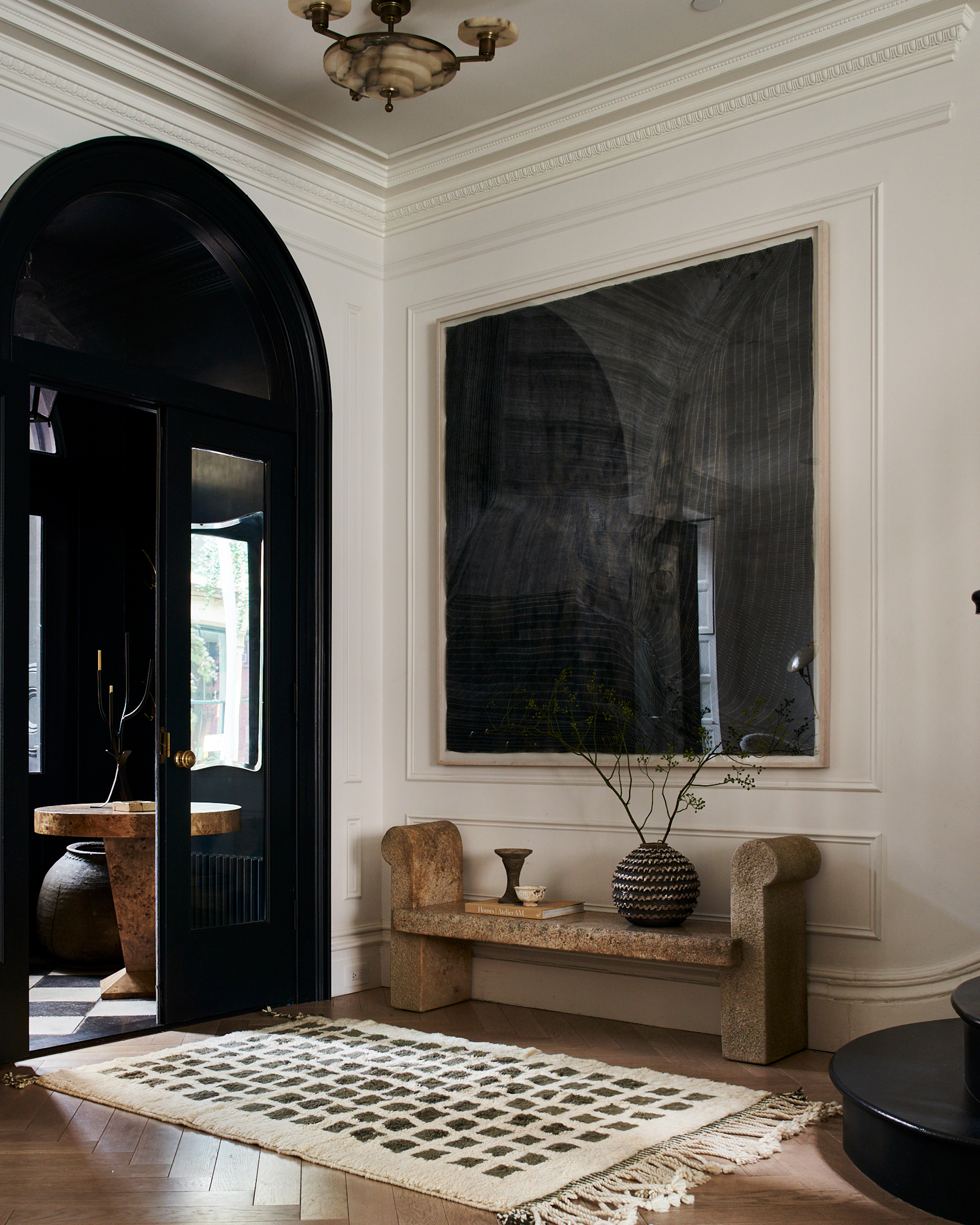
Establishing the correct height for hanging art is another key aspect. It notes that modern and contemporary works are typically hung at 1.55 meters to the middle of the picture, a standard adopted by museums and Christie’s. Old Masters are often hung slightly higher. However, domestic settings may require adjustments based on furniture and ceiling height, and some artists, like Le Corbusier, provided specific hanging instructions. The importance of using double fixings rather than a single central one is stressed to prevent works from tilting forward or moving easily.
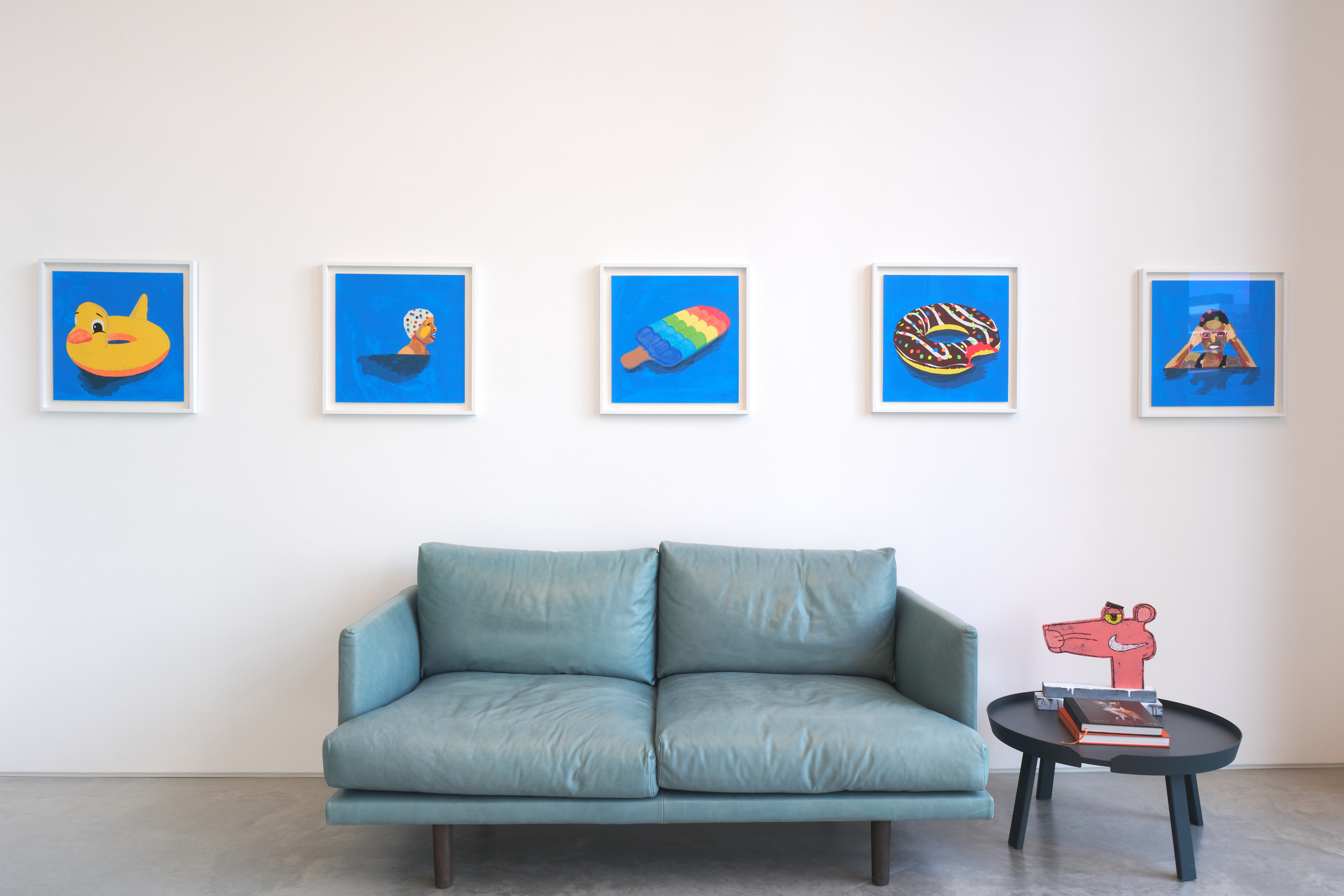
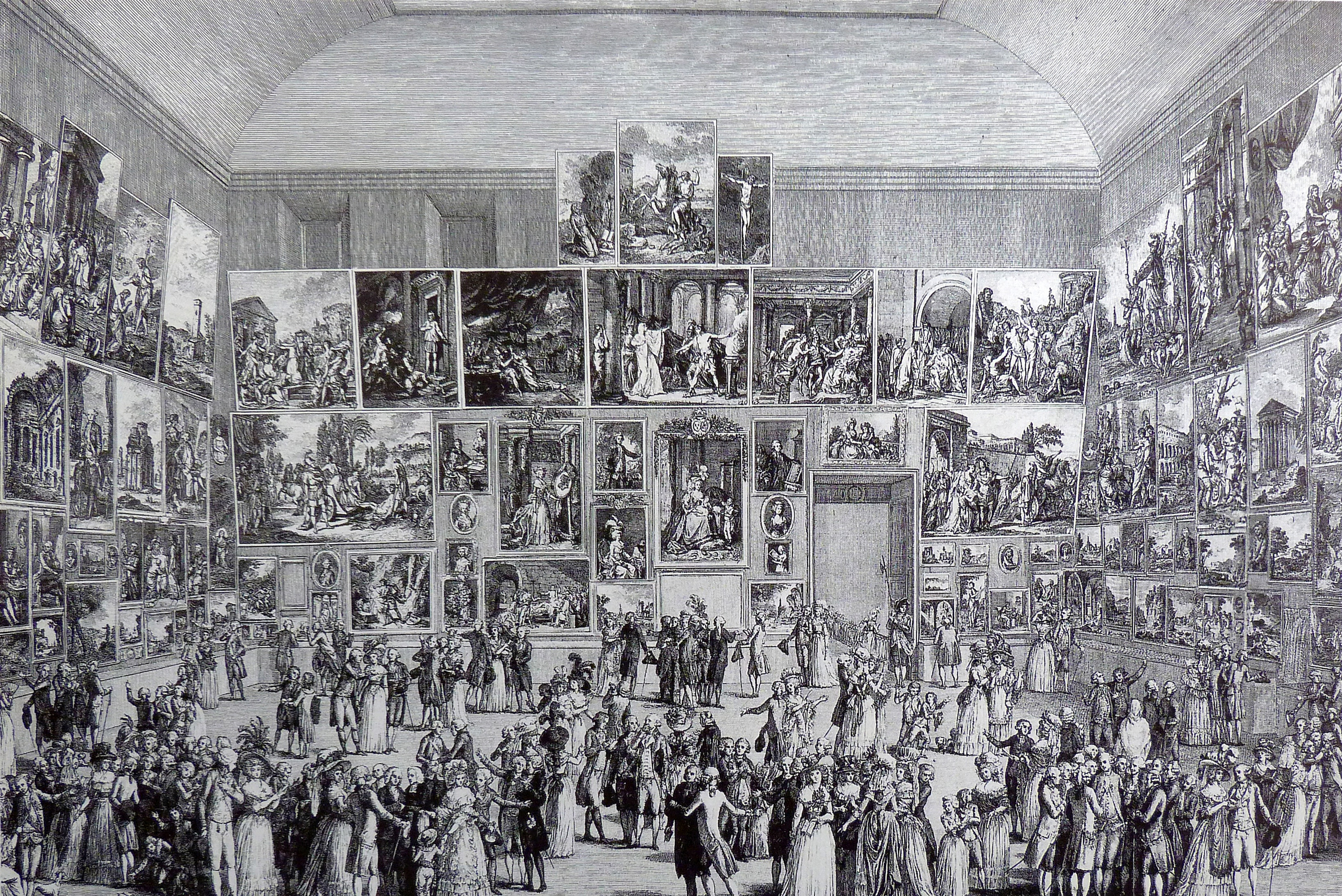
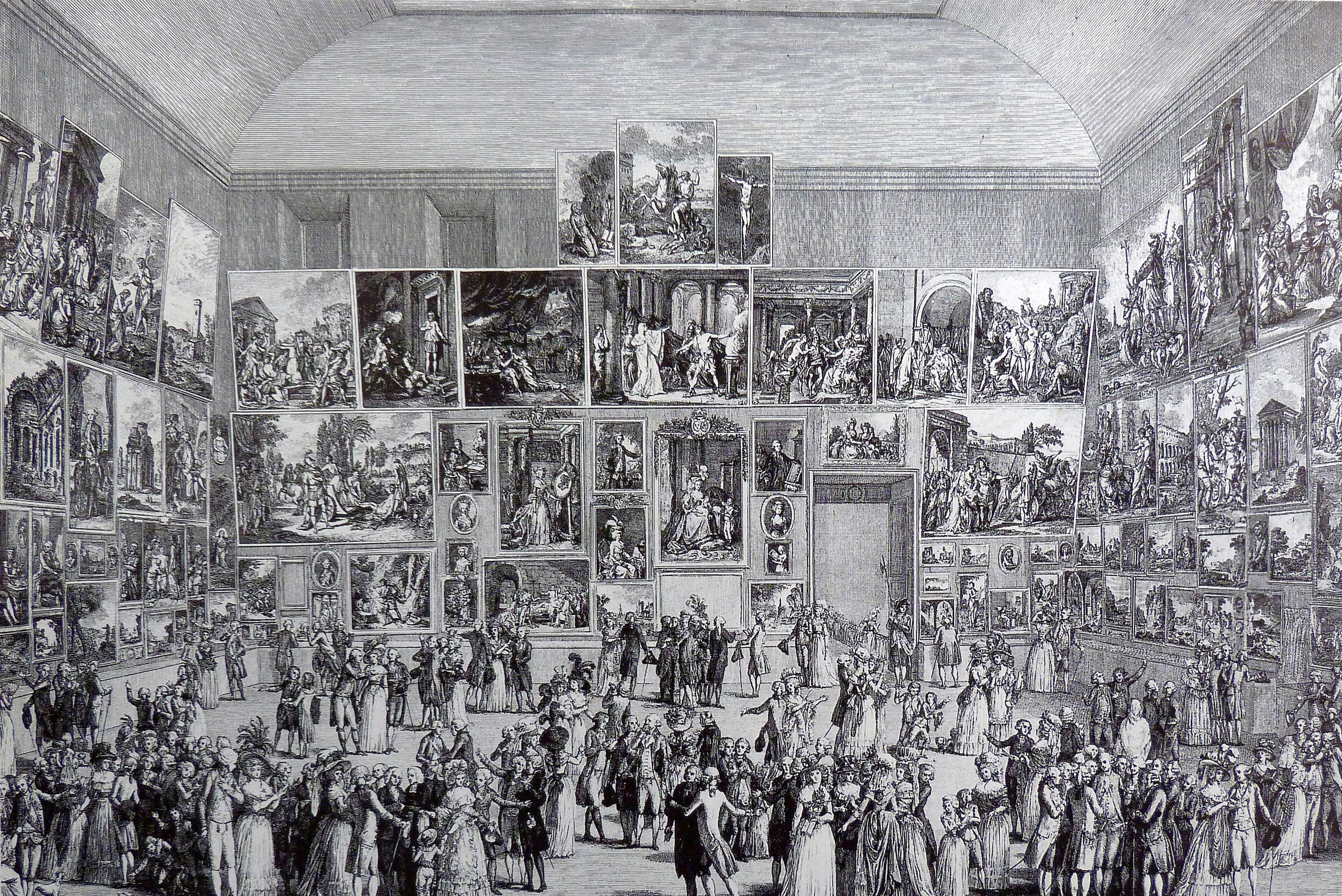
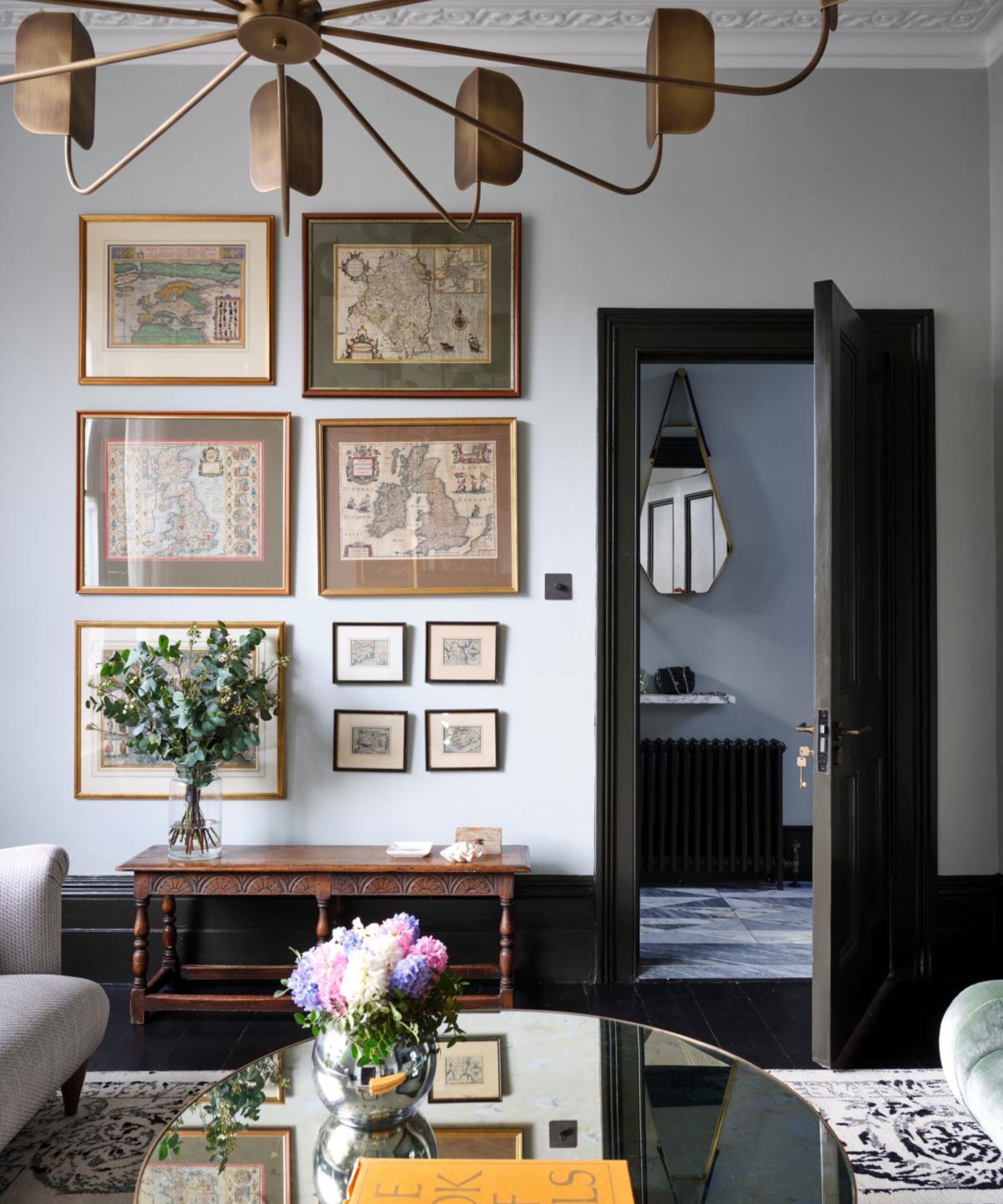
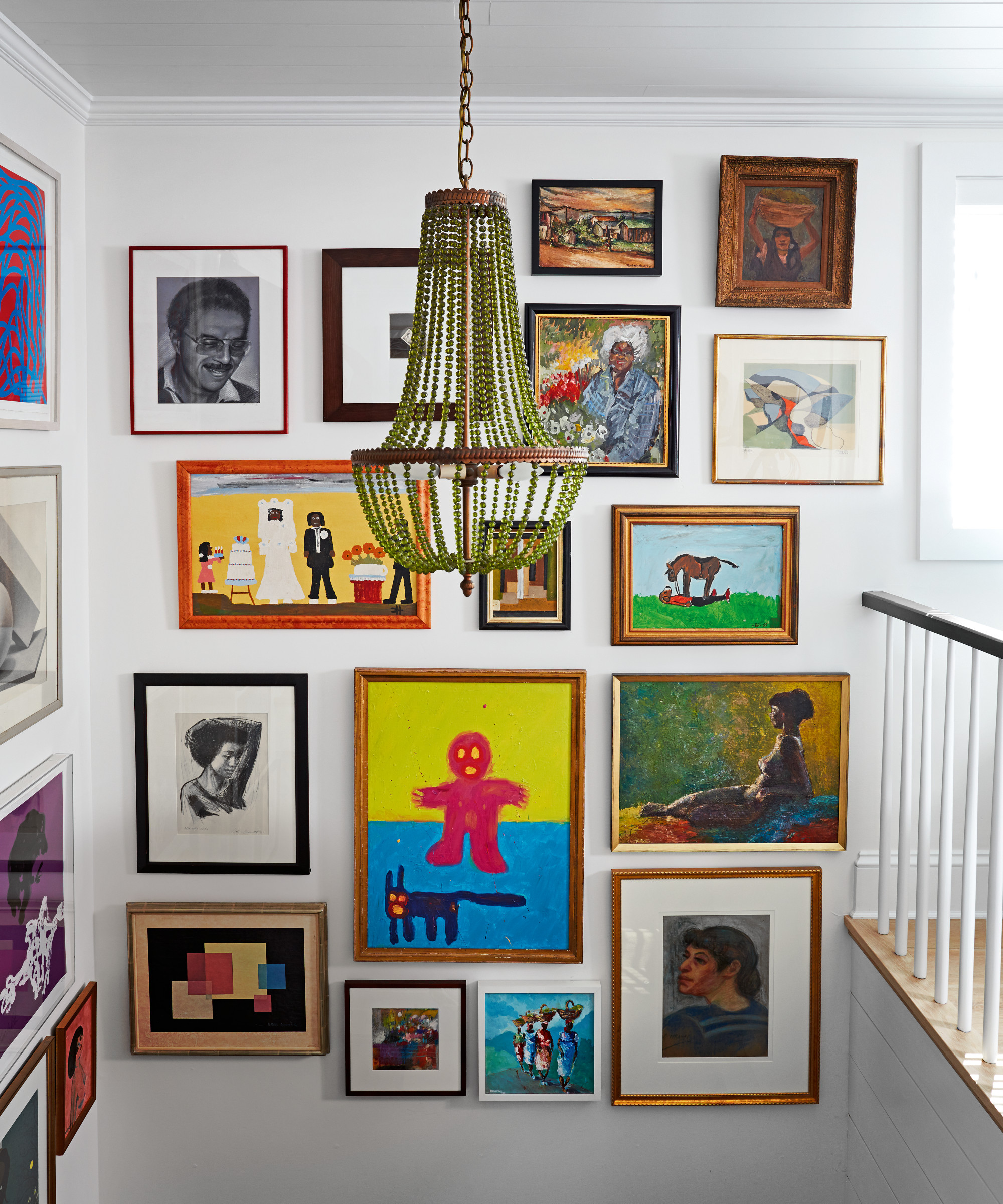
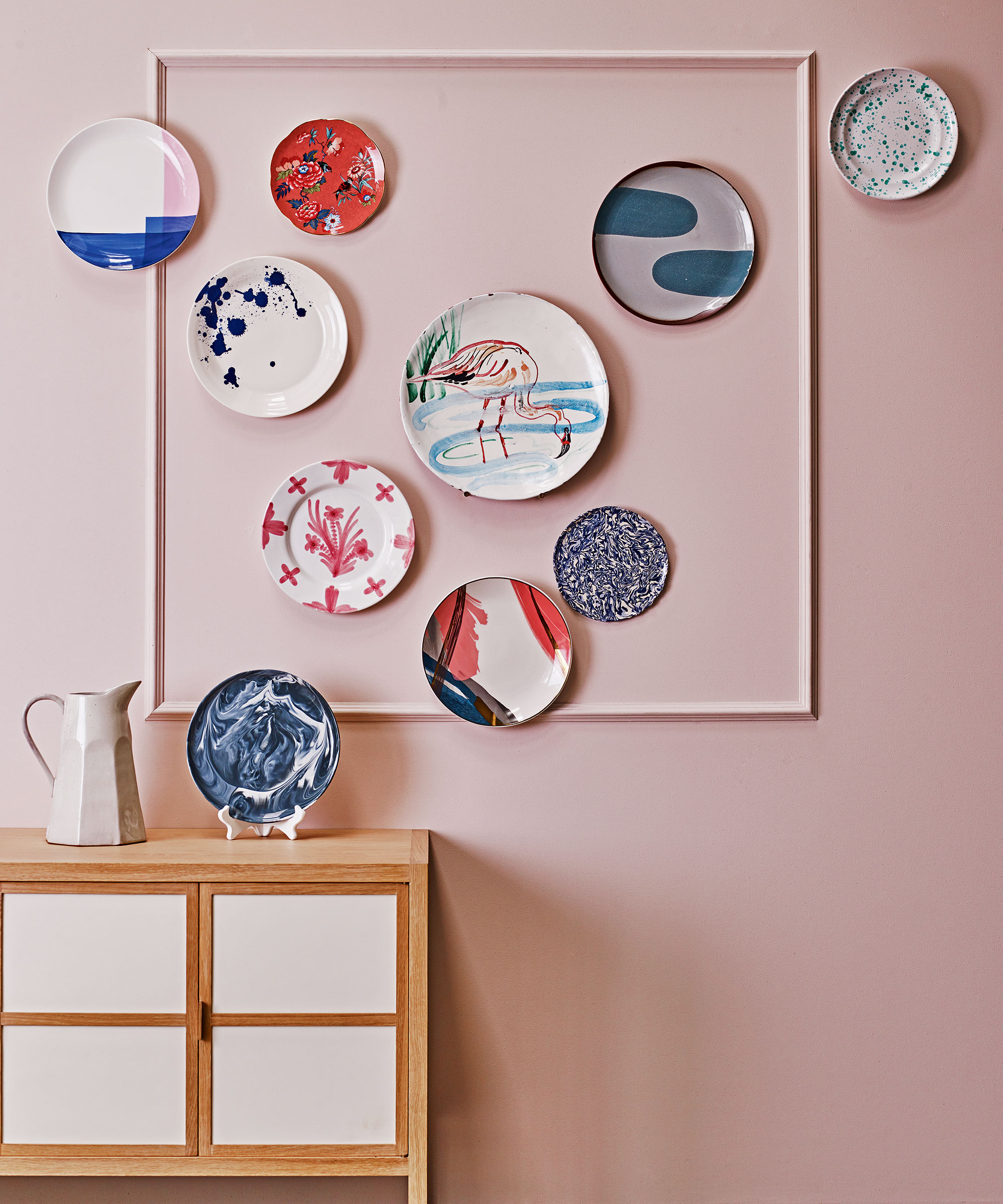
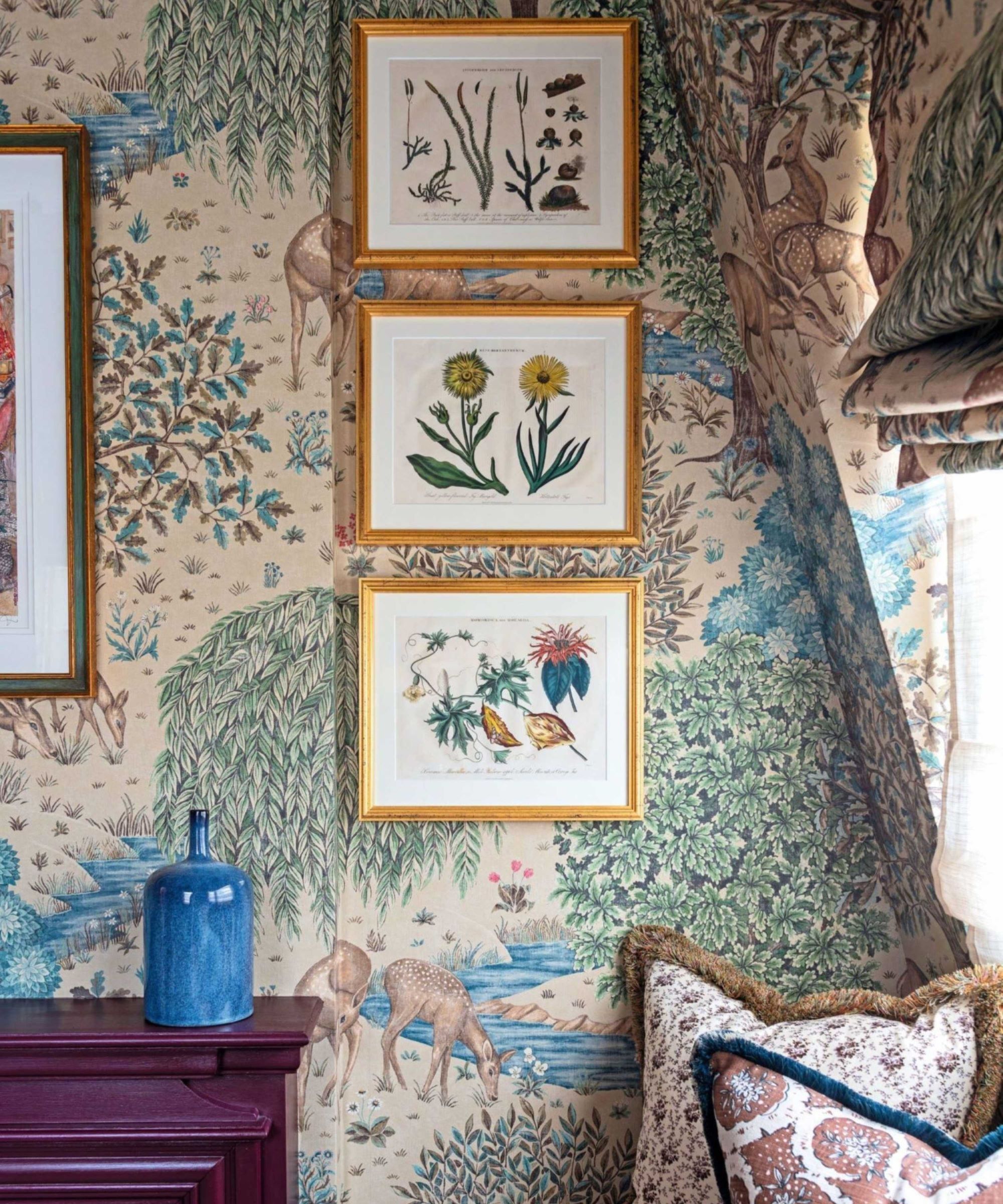
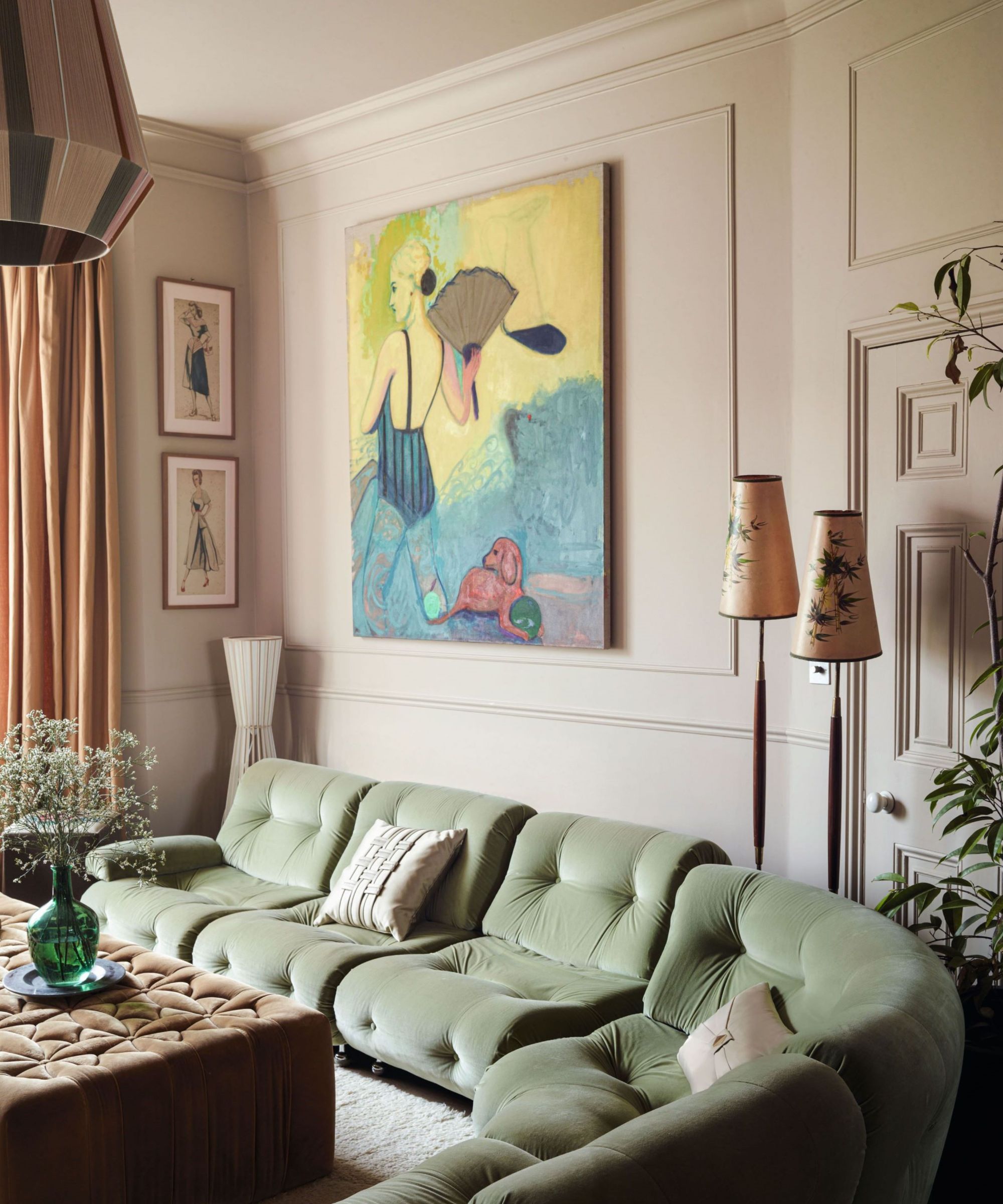
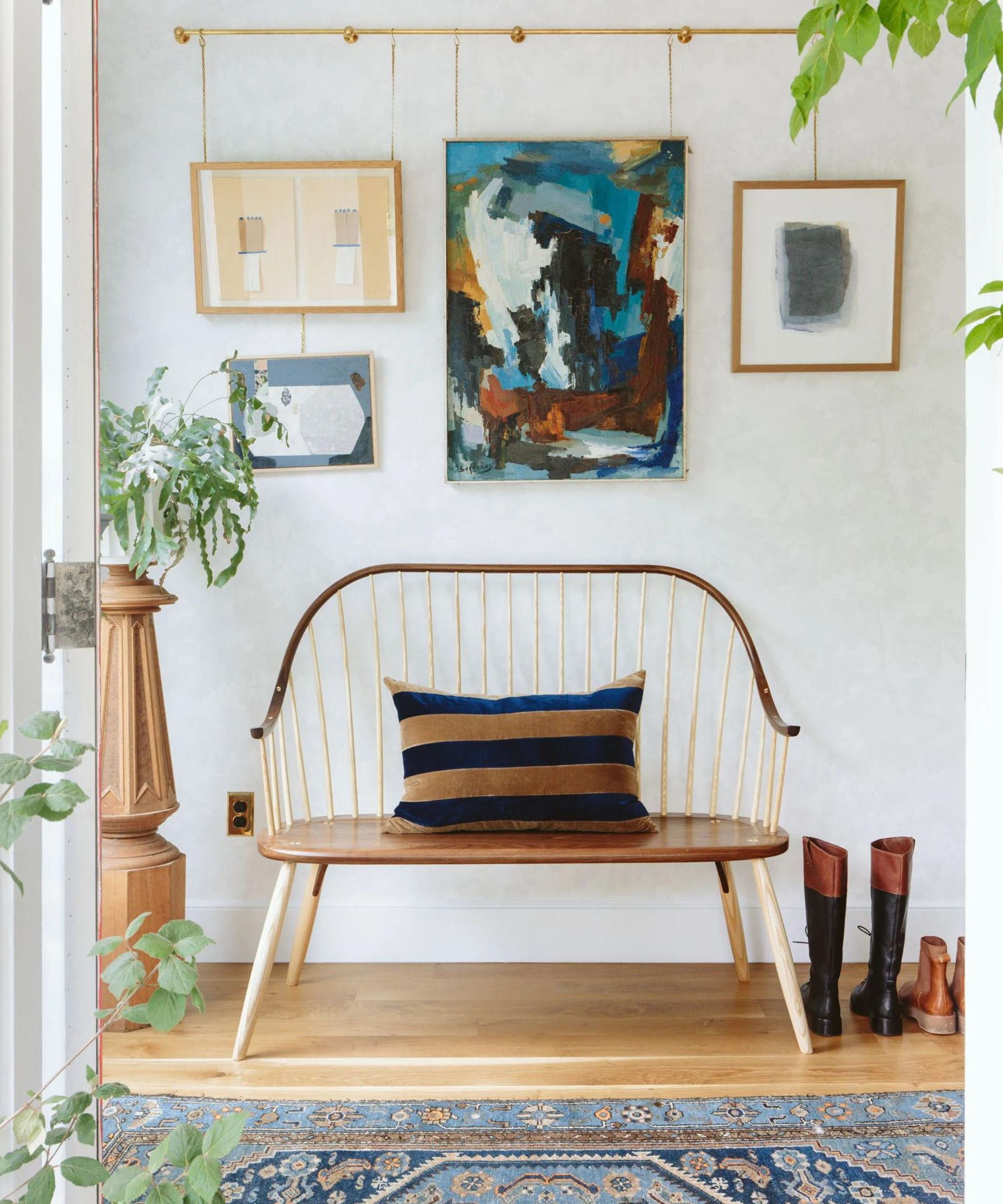
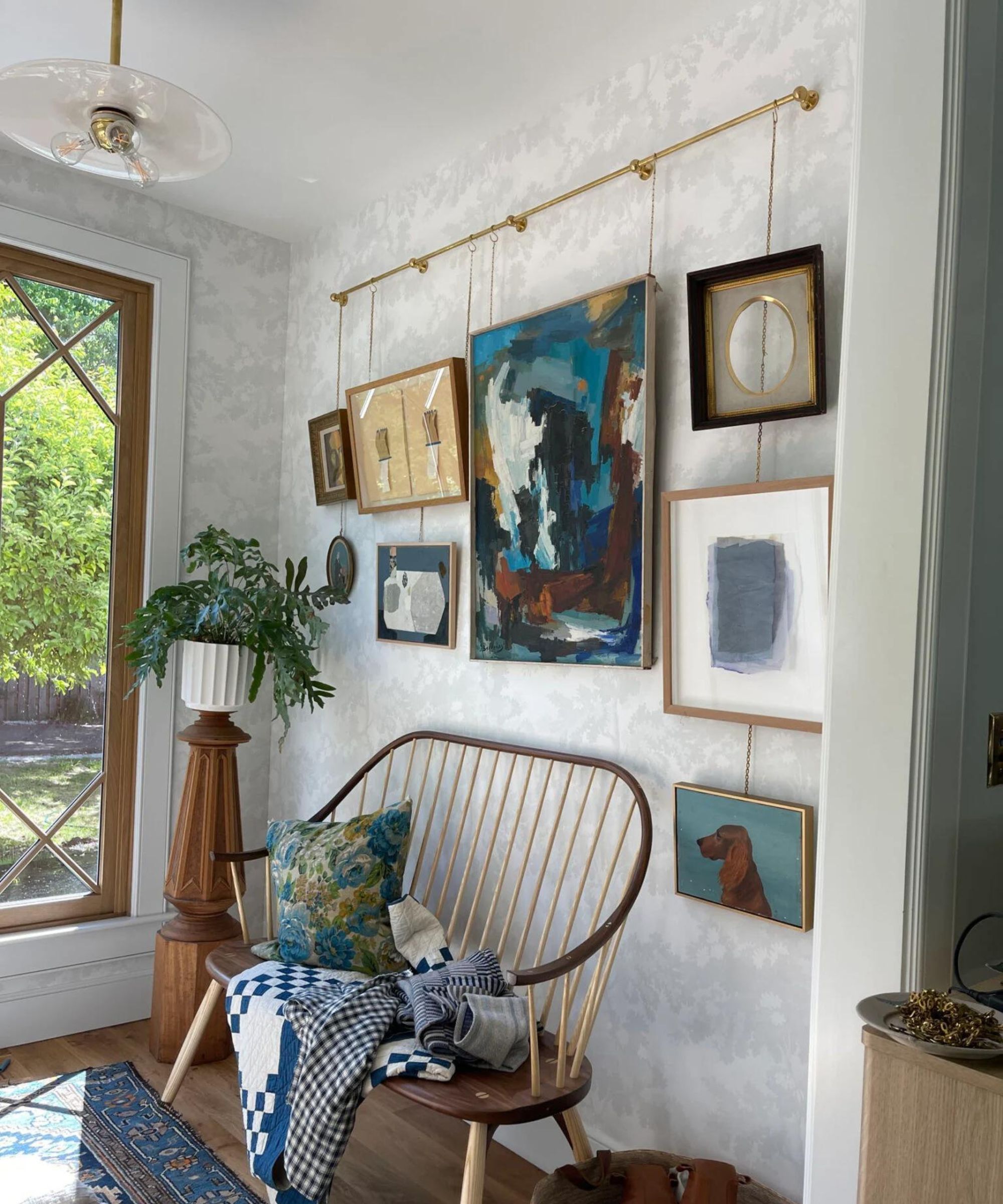
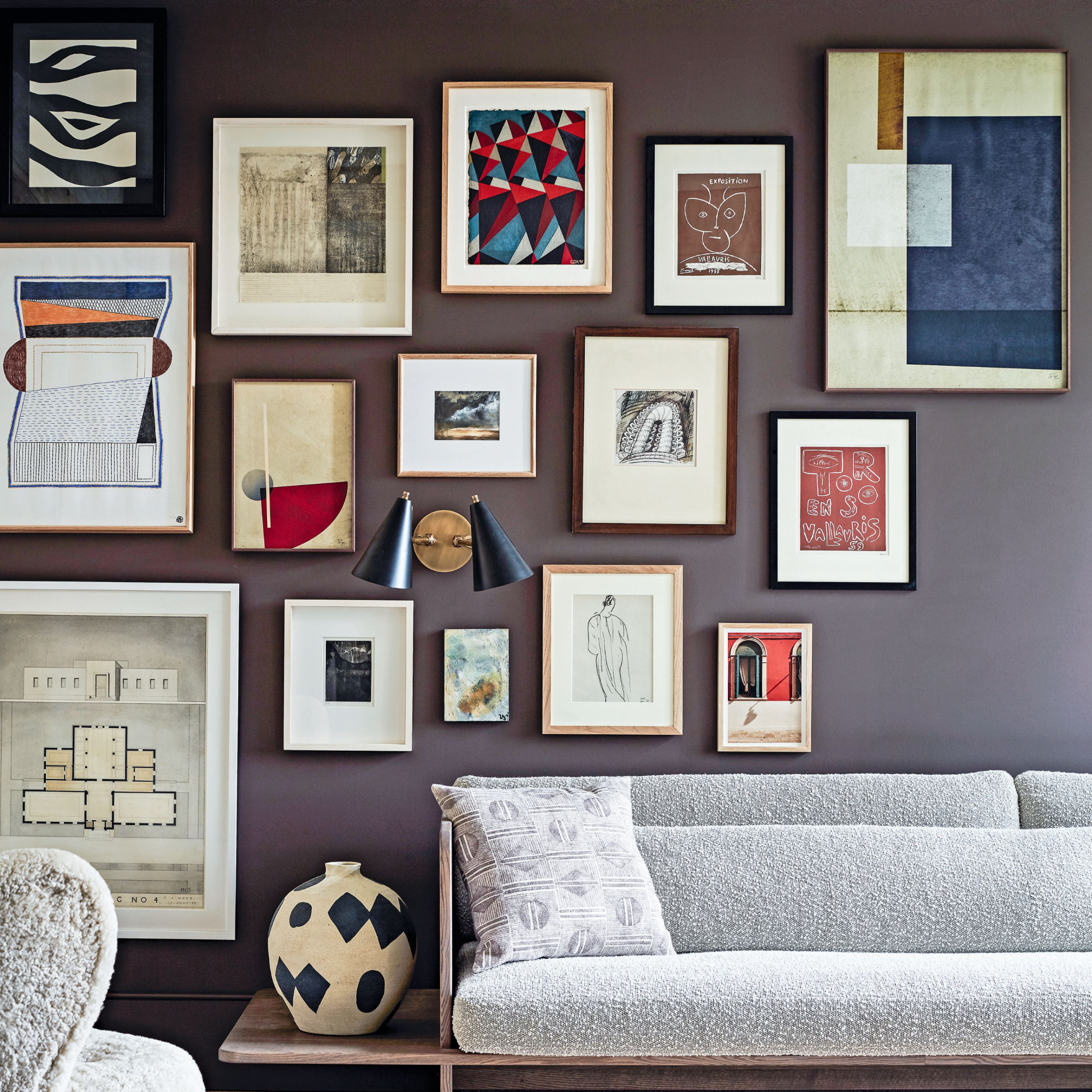
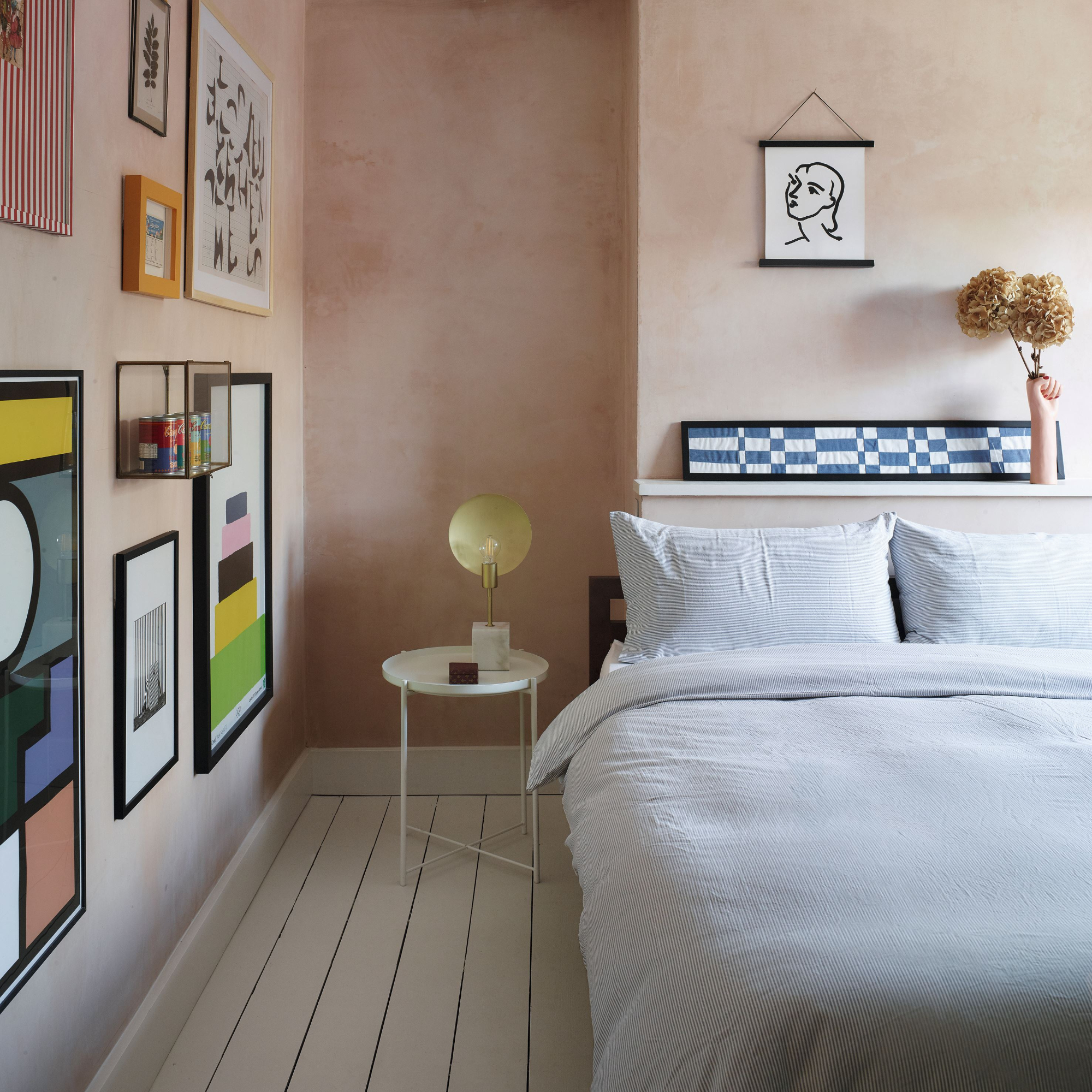
The article also delves into the aesthetic considerations of art display. It introduces the concept of “negative space” as a crucial element when arranging multiple artworks, defining it as the space between works that guides the spectator's eye. Designers encourage variety in art arrangements, advocating for the mixing of periods and genres to create dynamic visual dialogues. Examples include pairing 17th-century portraits with contemporary paintings or combining a large painting with smaller groups of photographs. Finding visual or thematic links between artworks is suggested as a method for grouping, even if they span centuries apart, as demonstrated by juxtaposing a Leda and the Swan painting with modern bird sculptures, or a David LaChapelle work with a Dutch Old Master to explore shared themes. Conversely, playing on contrasts is also presented as an effective strategy to allow individual works to stand out as singular forces.
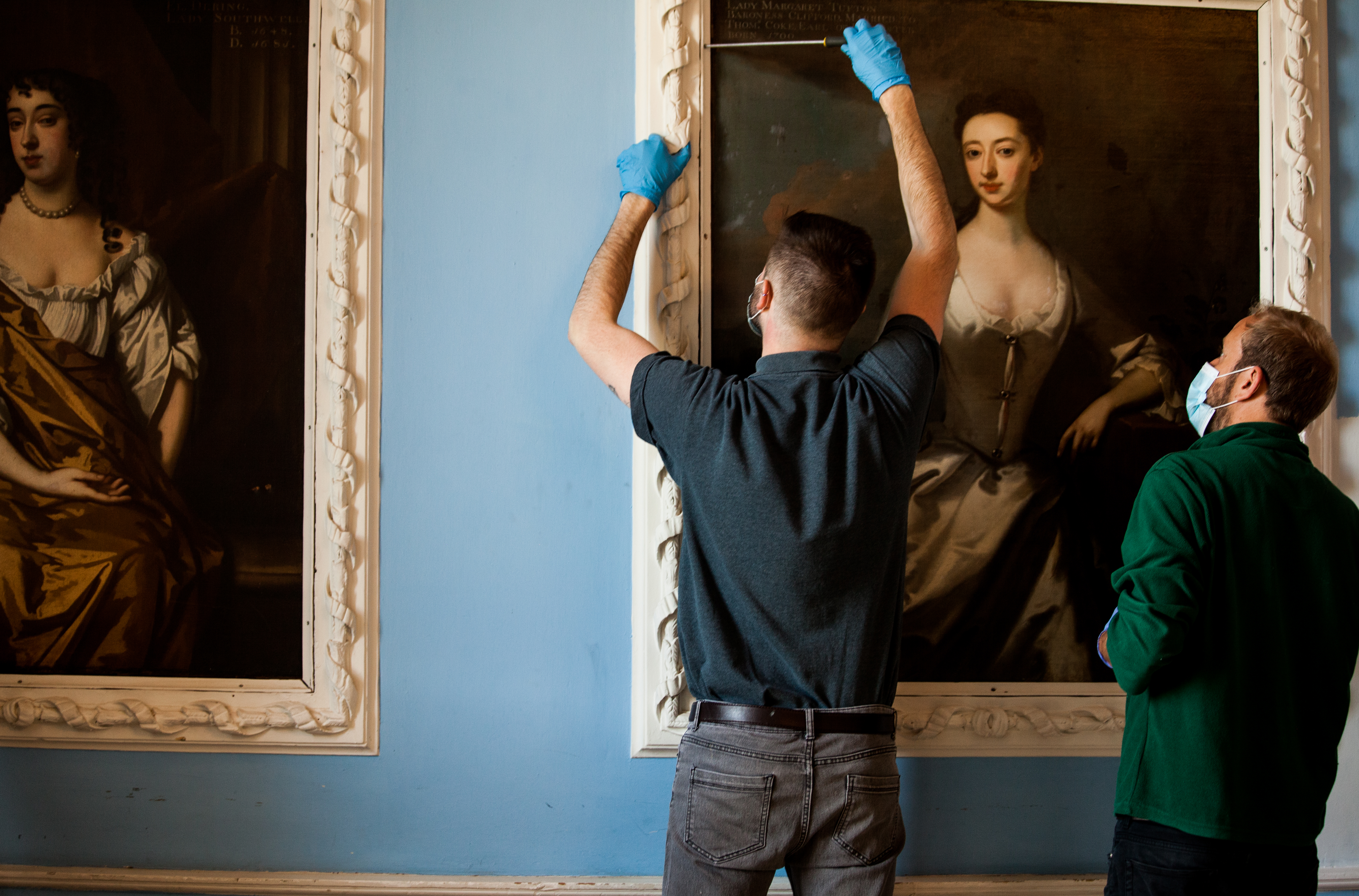
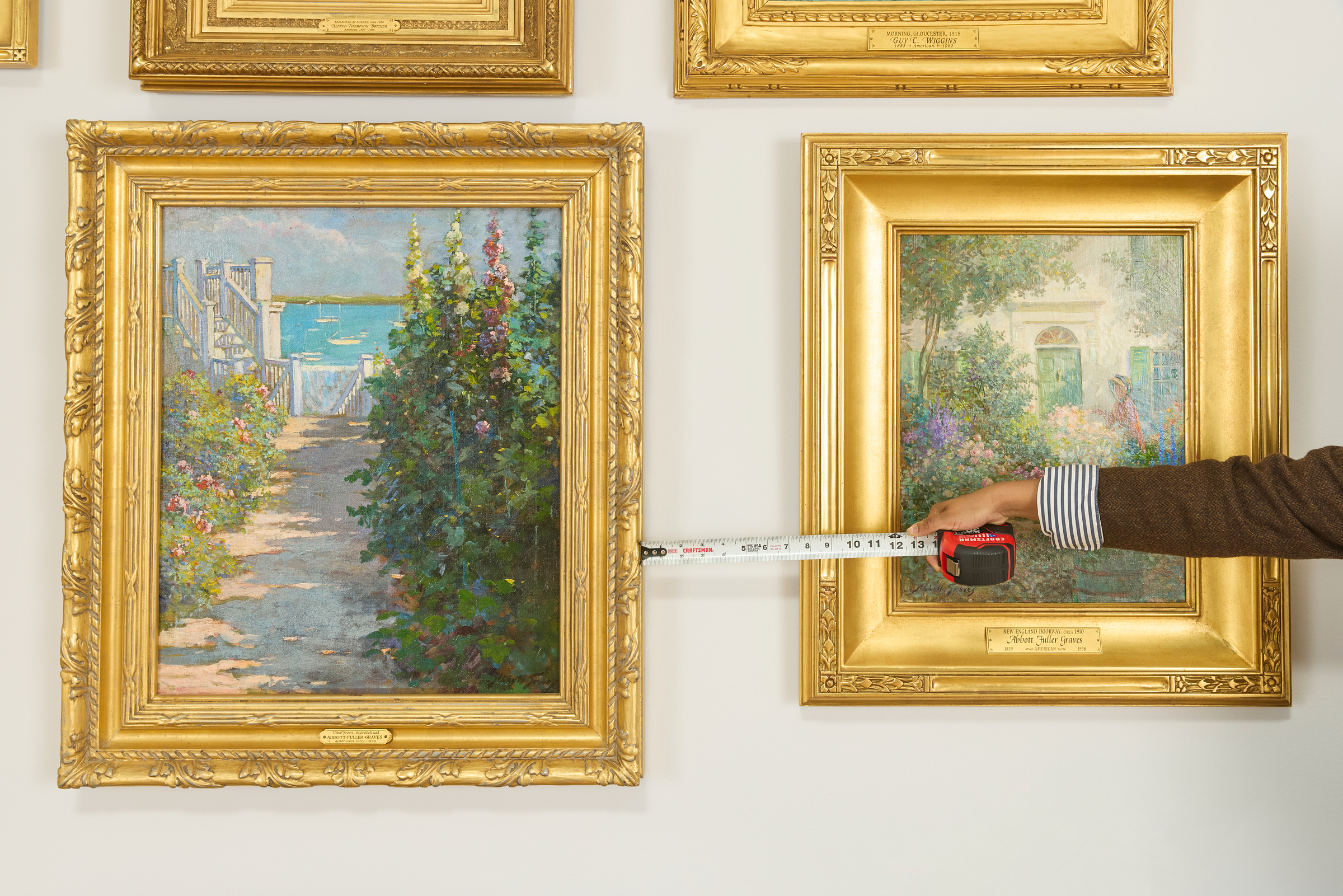
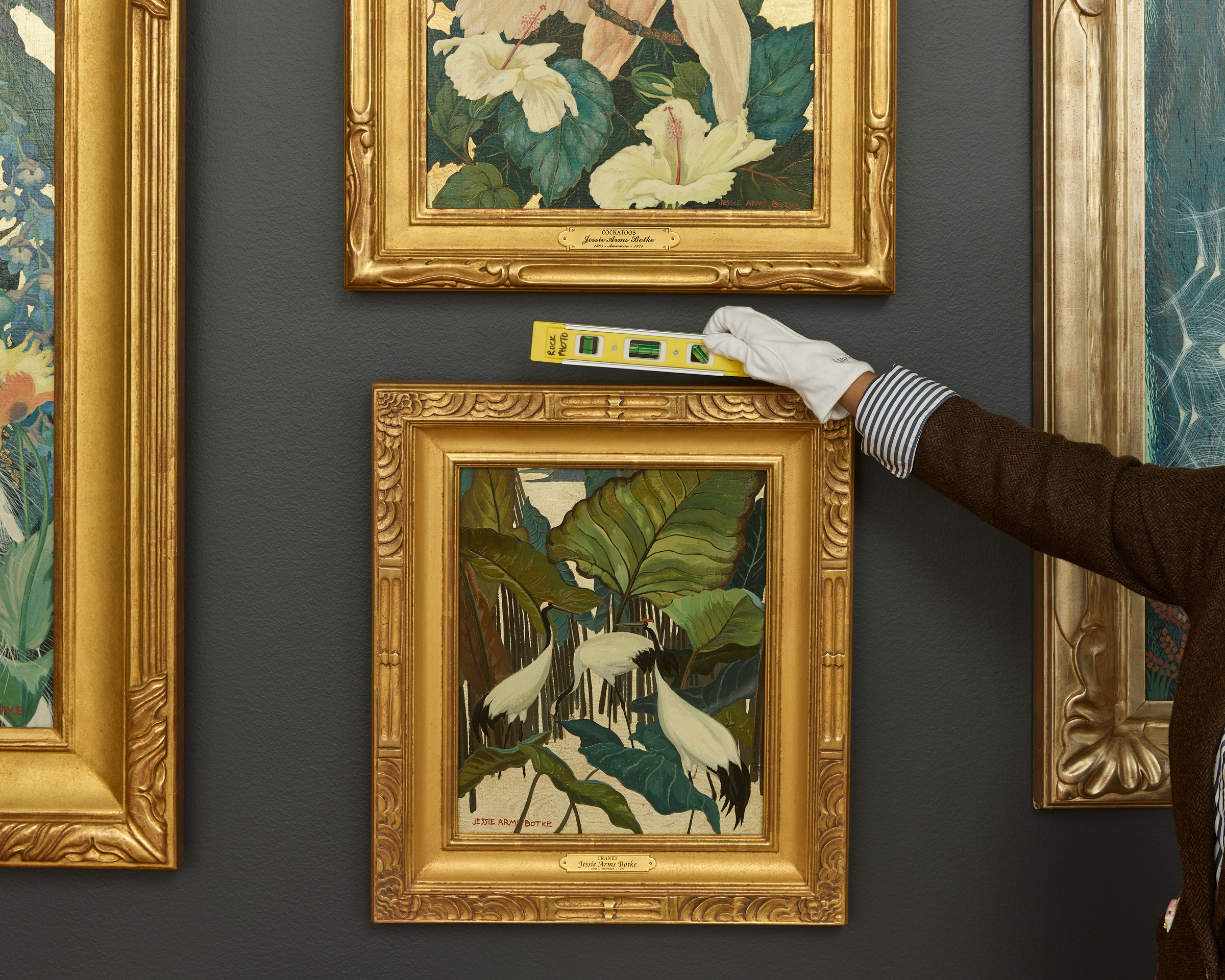
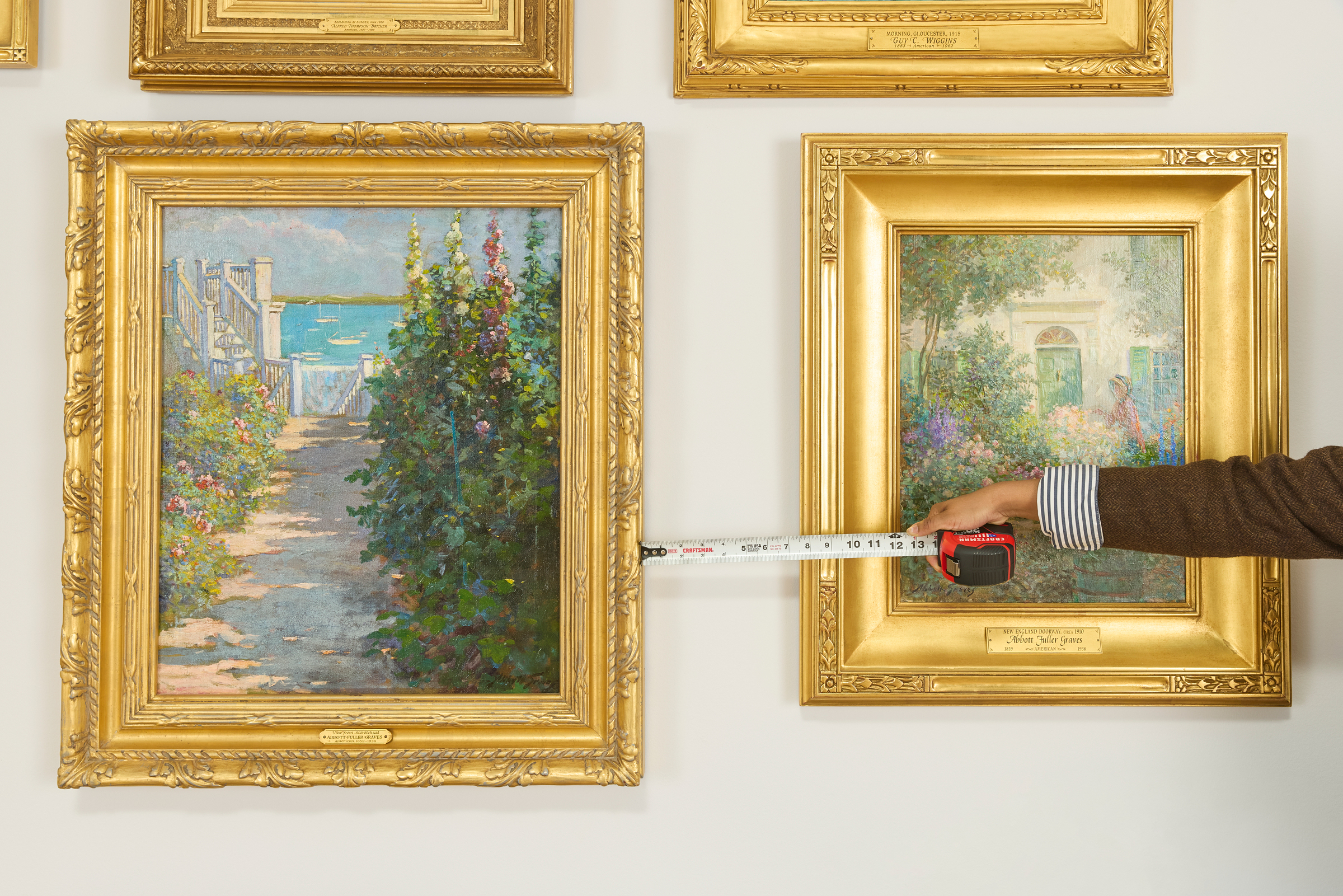
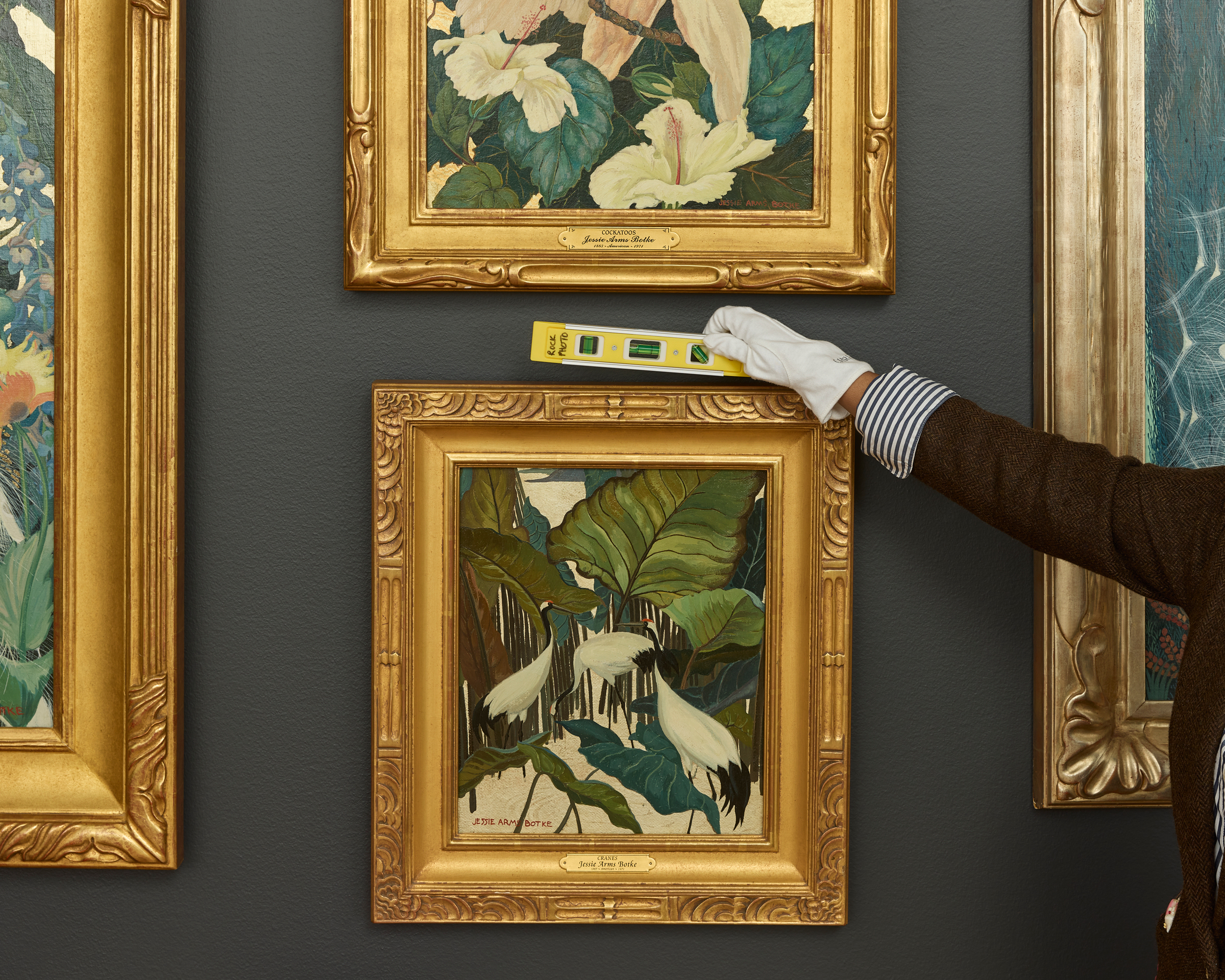
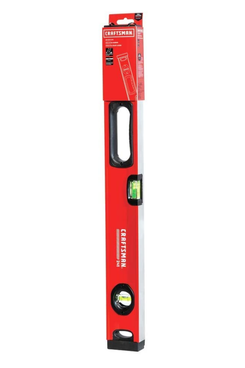
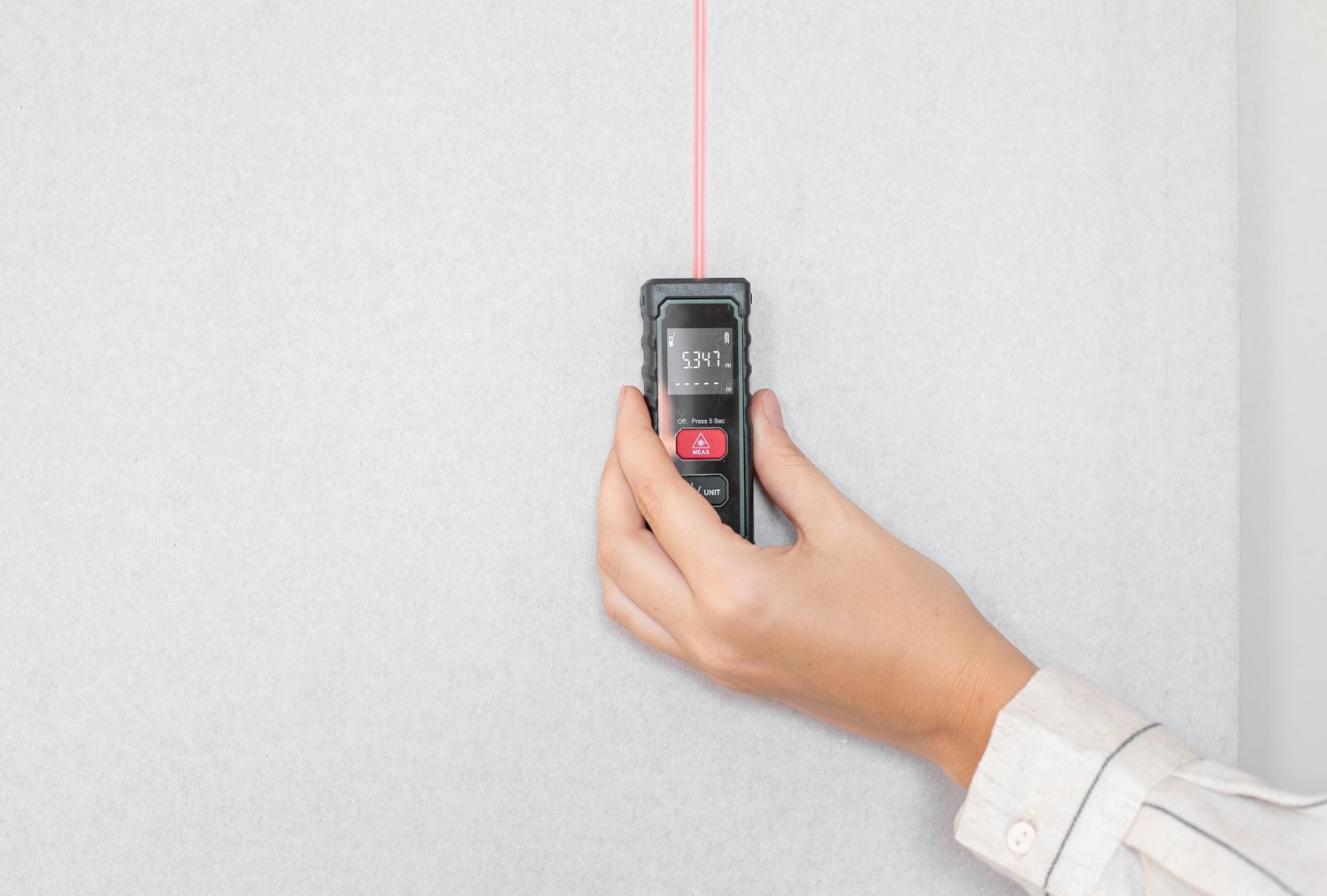
Finally, the article provides practical advice for installation, emphasizing the need for technical precision over subjective judgment. It recommends using a tape measure and spirit level to ensure artworks are hung straight, especially for symmetrical arrangements. Structural considerations are also paramount: understanding wall composition is crucial, particularly for heavy pieces, and it's important to be cautious of water pipes and electrical wiring, especially in older homes where their placement might be less predictable. Despite these technicalities, the overarching message is that personal preference should ultimately guide the arrangement, stating that there is no absolute right or wrong way to organize a collection. Experts’ personal approaches reveal diverse methods, from protecting prints in bedrooms to integrating small works into bookshelves, underscoring that a good artwork will look appealing regardless of its placement.
#ArtHanging #HomeDecor #InteriorDesign #ArtCollection #FramingArt #ArtDisplay #MuseumStandards #ArtPreservation #ContemporaryArt #ArtHanging #HomeDecor #InteriorDesign #ArtCollection #FramingArt #ArtDisplay #MuseumStandards #ArtPreservation #ContemporaryArt
0 comment in total
 No comments yet
You may also like
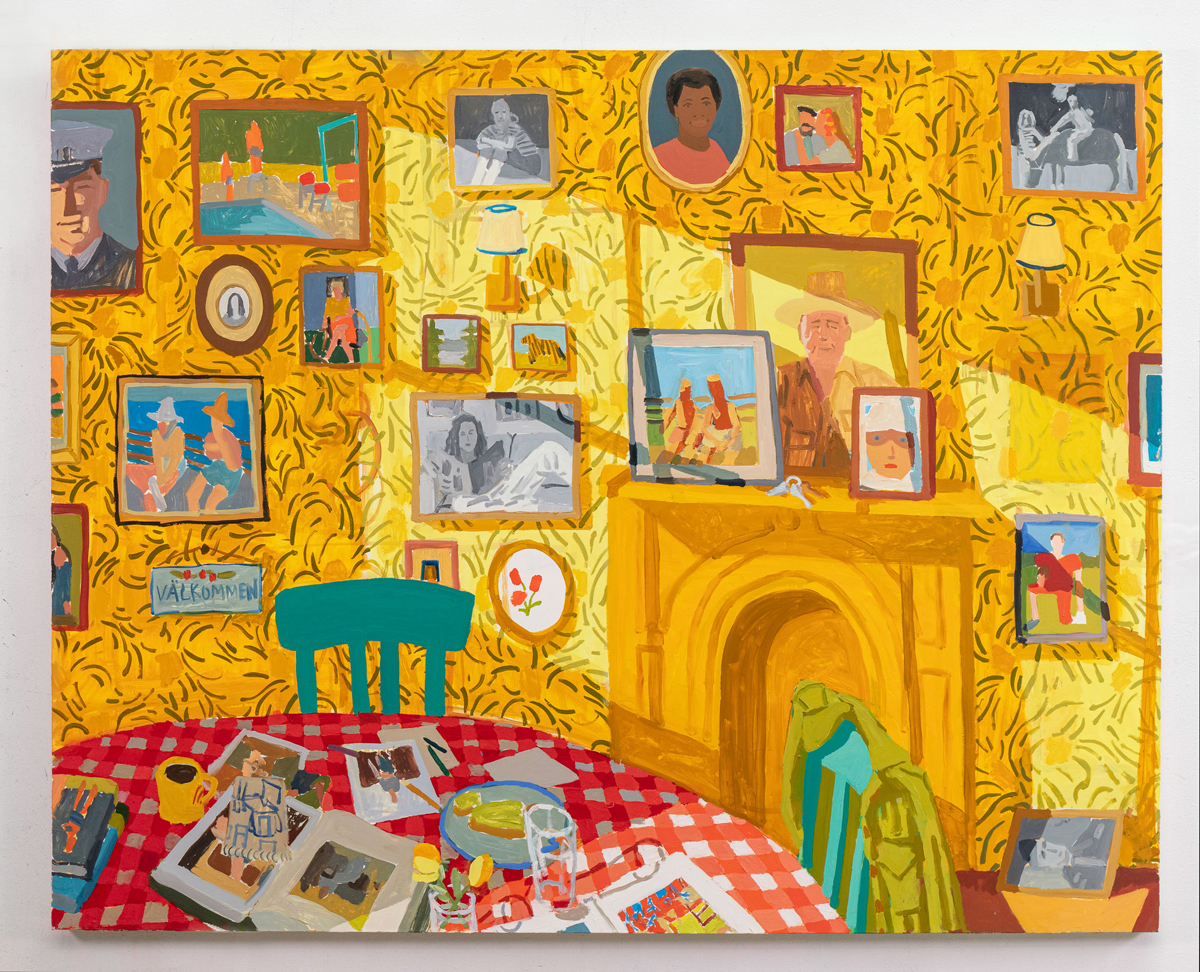
How to Hang an Art Collection Like an Expert
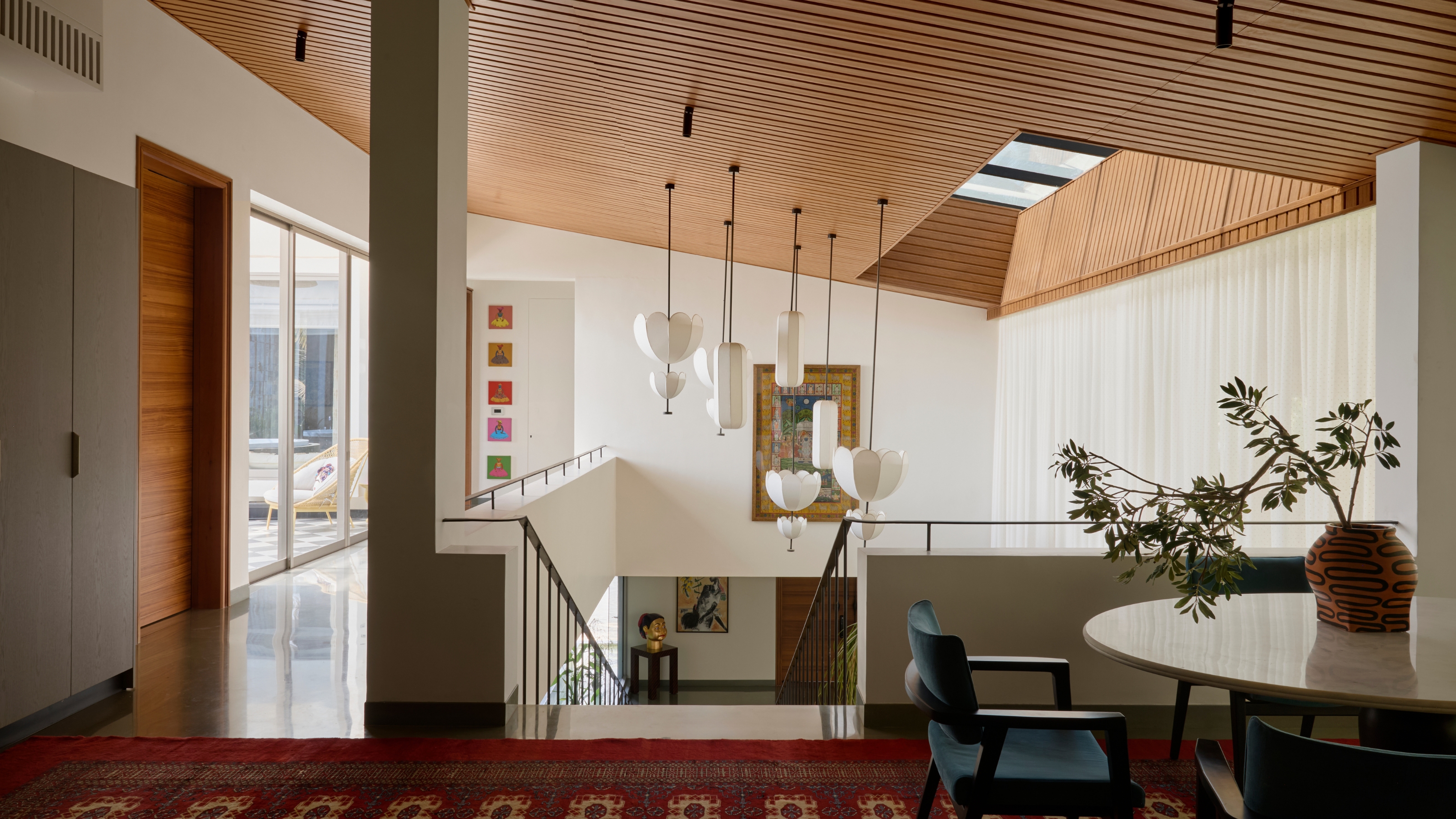
There's Hanging Art, and Then There's Hanging Art Like an Interior Designer — Here's How to Do the Latter

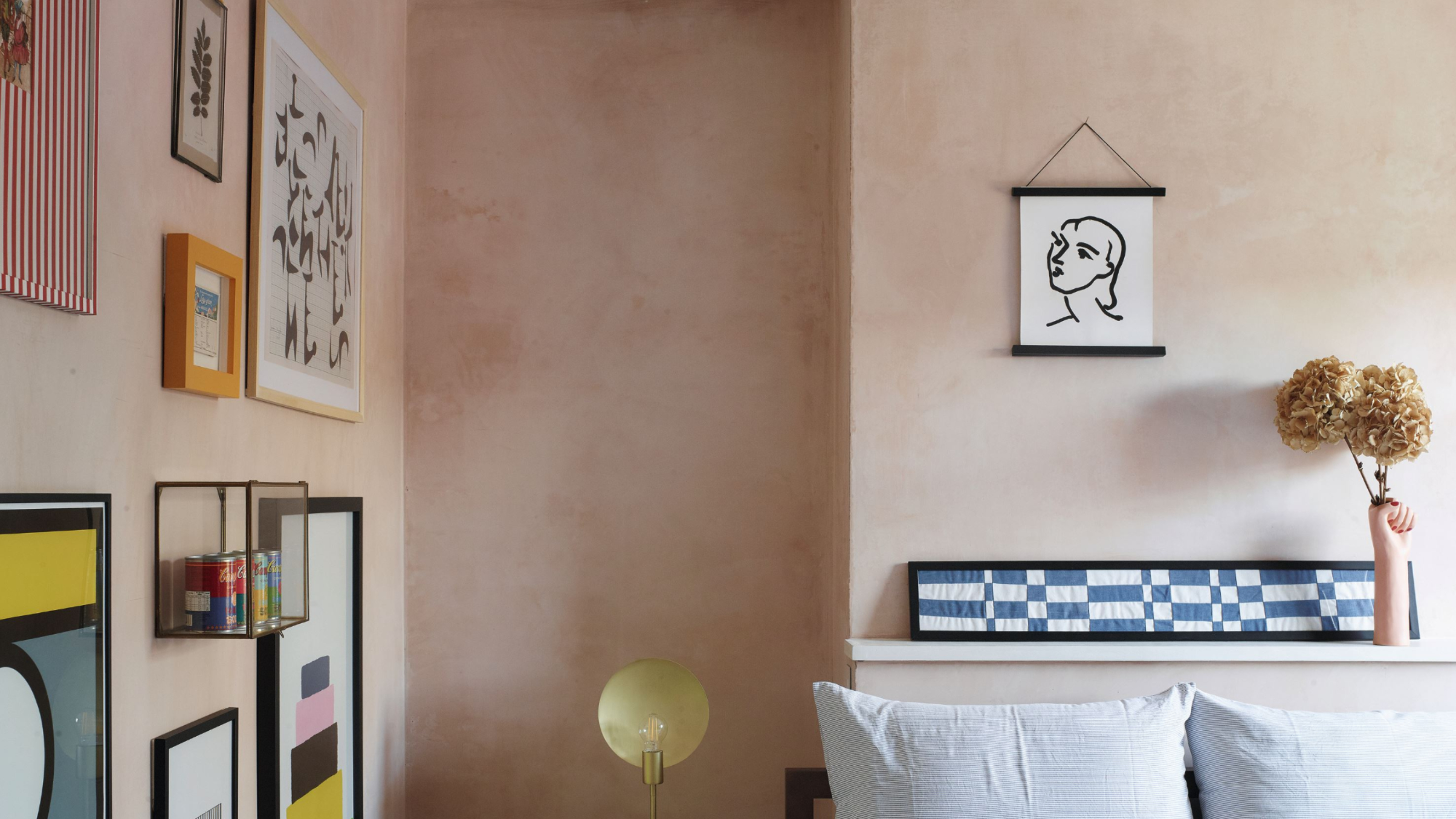
'No forking way!' – this genius hack might have just solved our biggest problem with hanging art on a wall
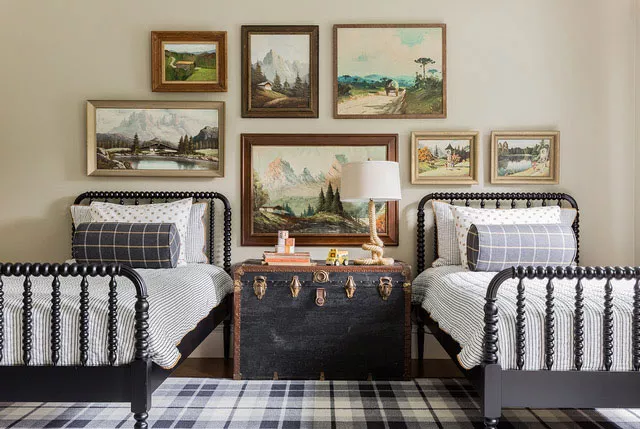
This Is The Best Way To Hang Pictures, According To An Expert
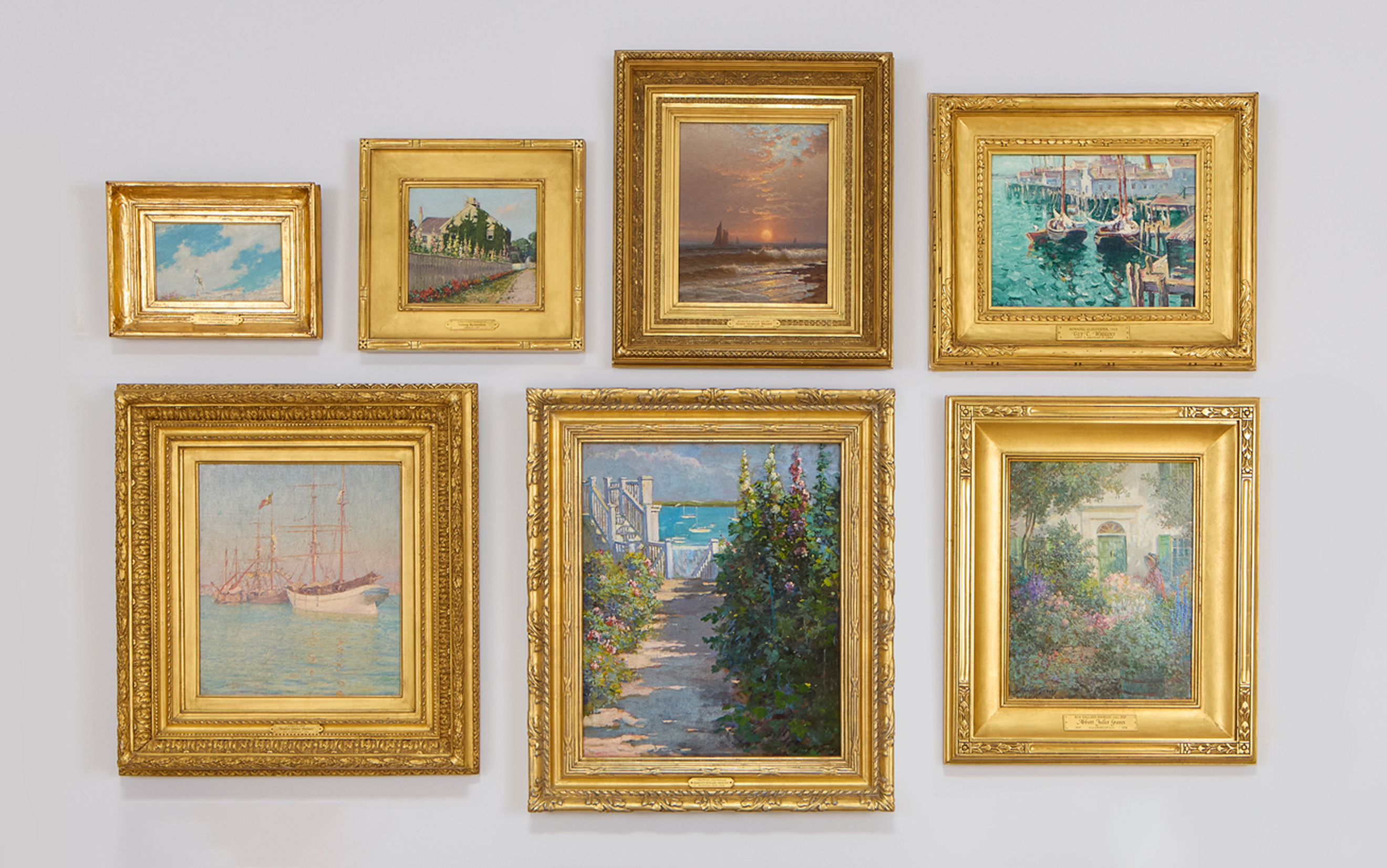
Hanging art salon style: everything you need to know
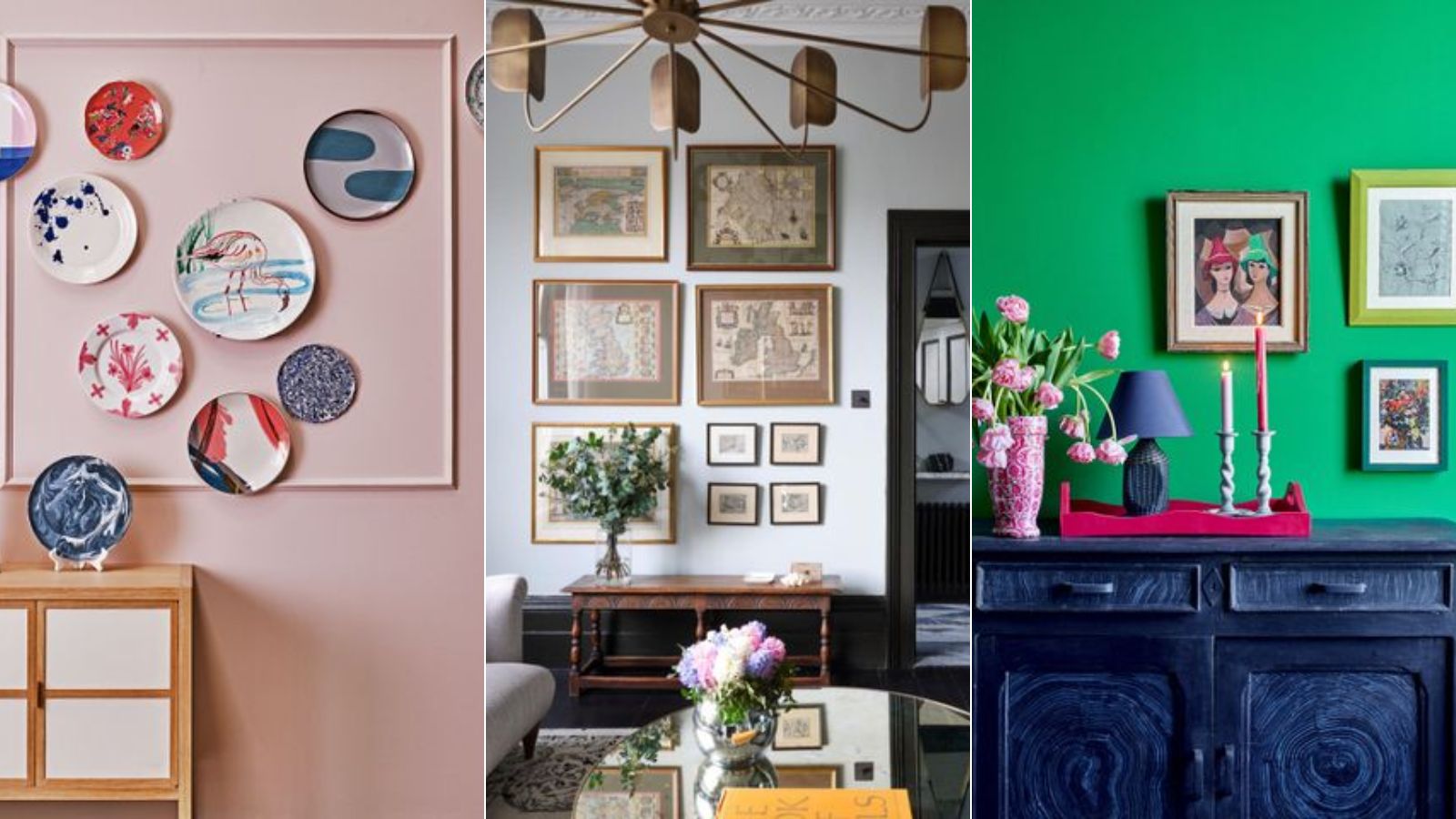
7 DIY tips for how to hang a gallery wall from experts

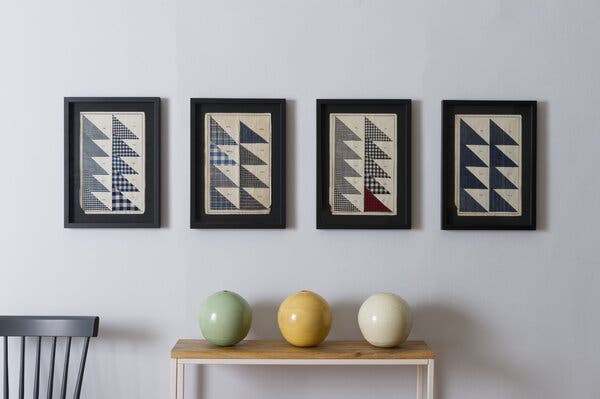
The Stress-Free Way to Hang Art (Published 2021)

How to Hang Wallpaper (the Permanent Kind!)

Hanging art salon style: everything you need to know


Art Hanging Tips From an Expert
How to Hang Pictures, Mirrors, and Plates, According to an Expert
How to Hang Wallpaper (the Permanent Kind!) | domino
The Best (and Easiest!) Ways To Hang Pictures, According to Art Pros

Emily Henderson just shared her tried-and-true tips for hanging art – this is how to get a gallery-like look
Everything You Need to Know About Mural Wall Painting

How to Hang Wallpaper Yourself in 8 Simple Steps, Straight from a Pro

Yes, You Can Hang Art Like a Pro | Reviews by Wirecutter
Emily Henderson just shared a simple trick for hanging art – giving your gallery wall a refresh has never been easier
How to Hang Wallpaper (the Permanent Kind!)
How to Arrange Art for a Flawless Wall Display