1/7
There's Hanging Art, and Then There's Hanging Art Like an Interior Designer — Here's How to Do the Latter
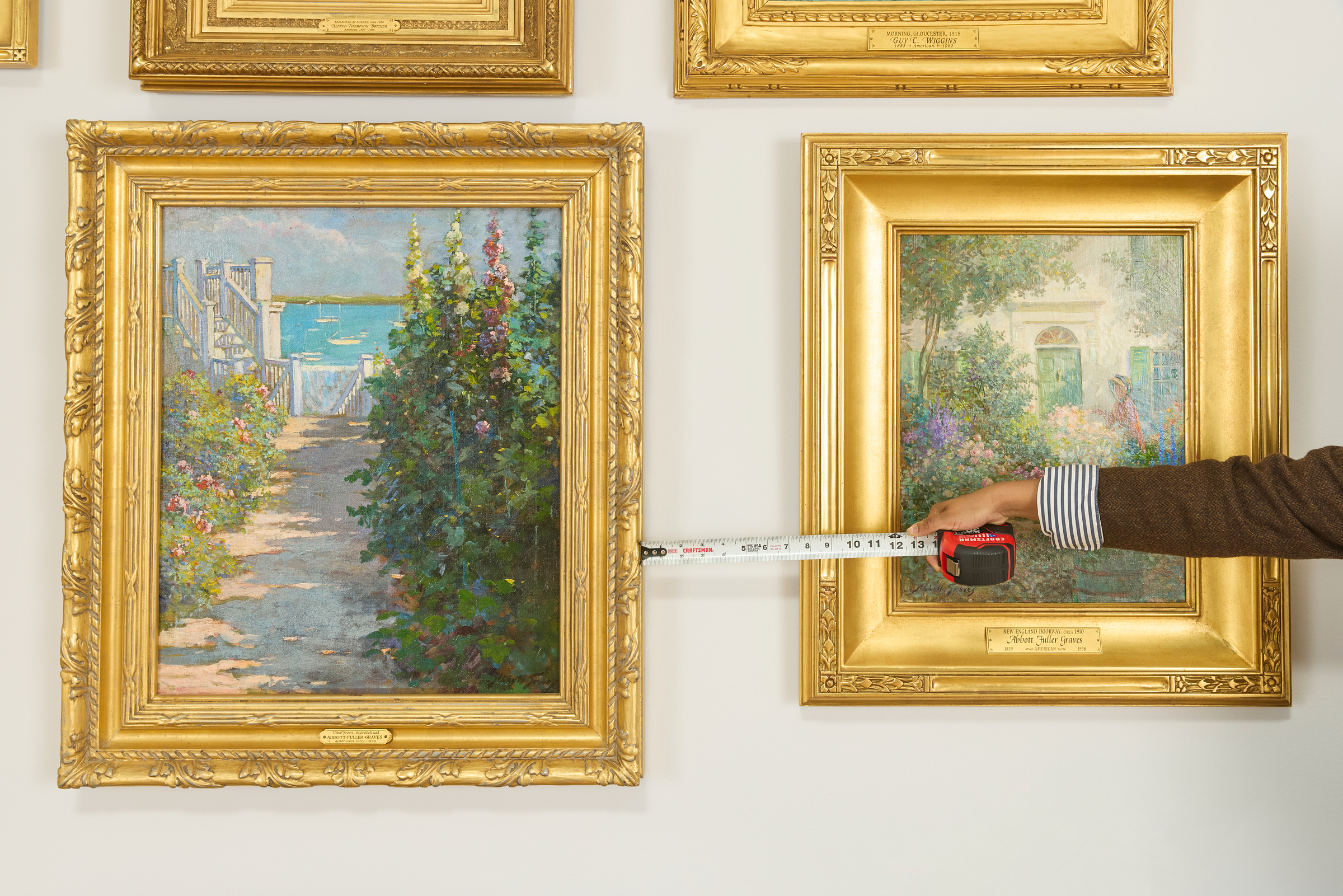
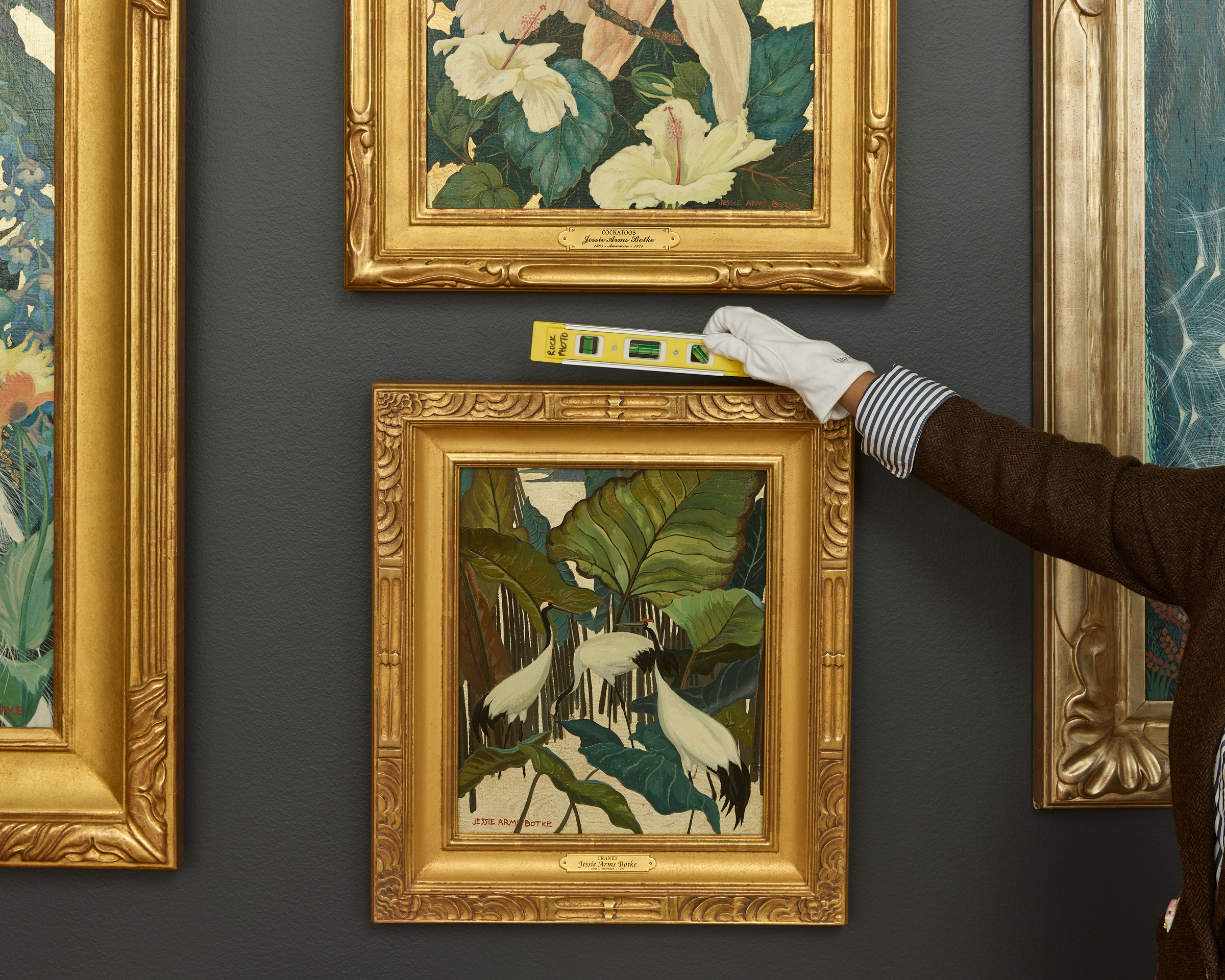
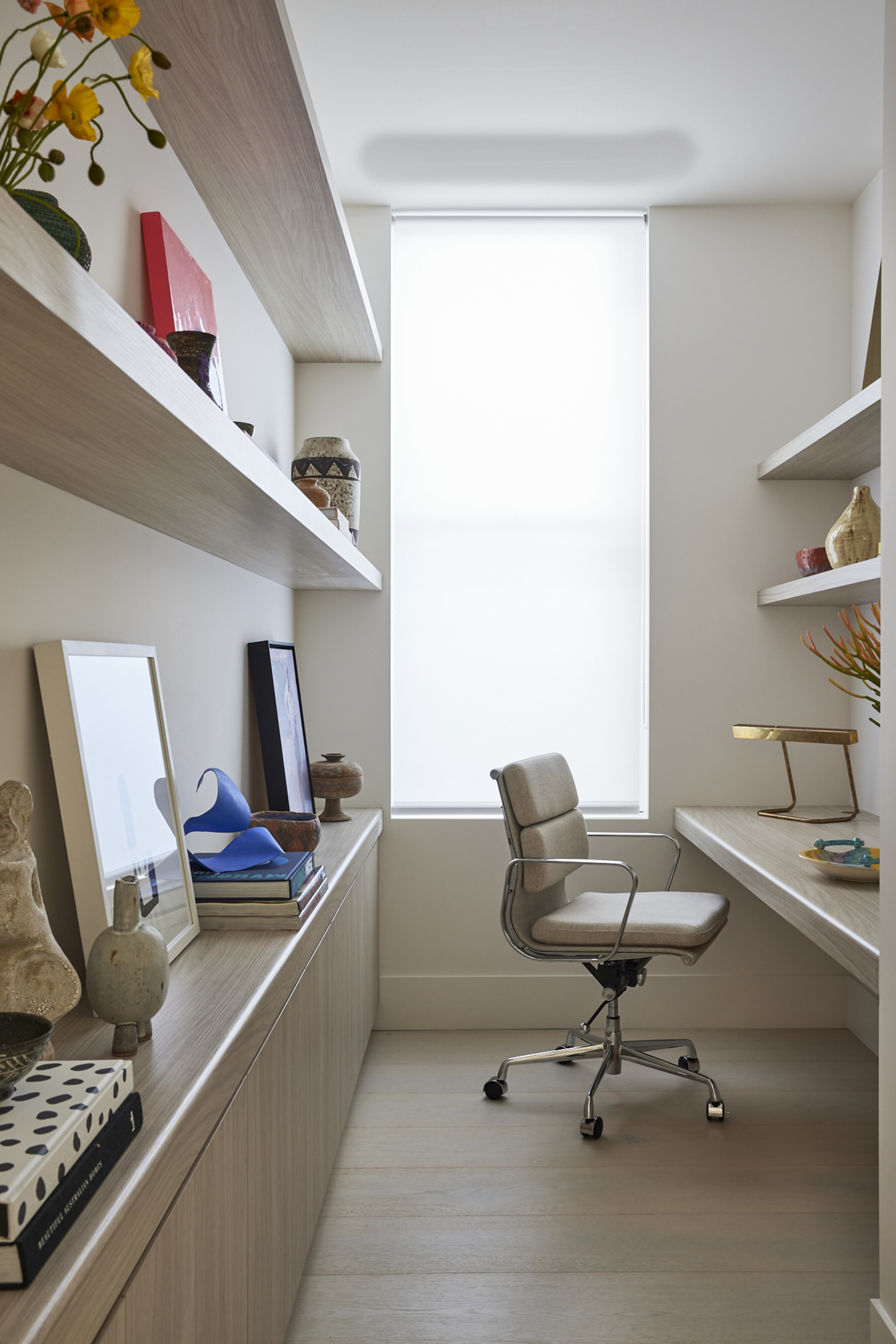
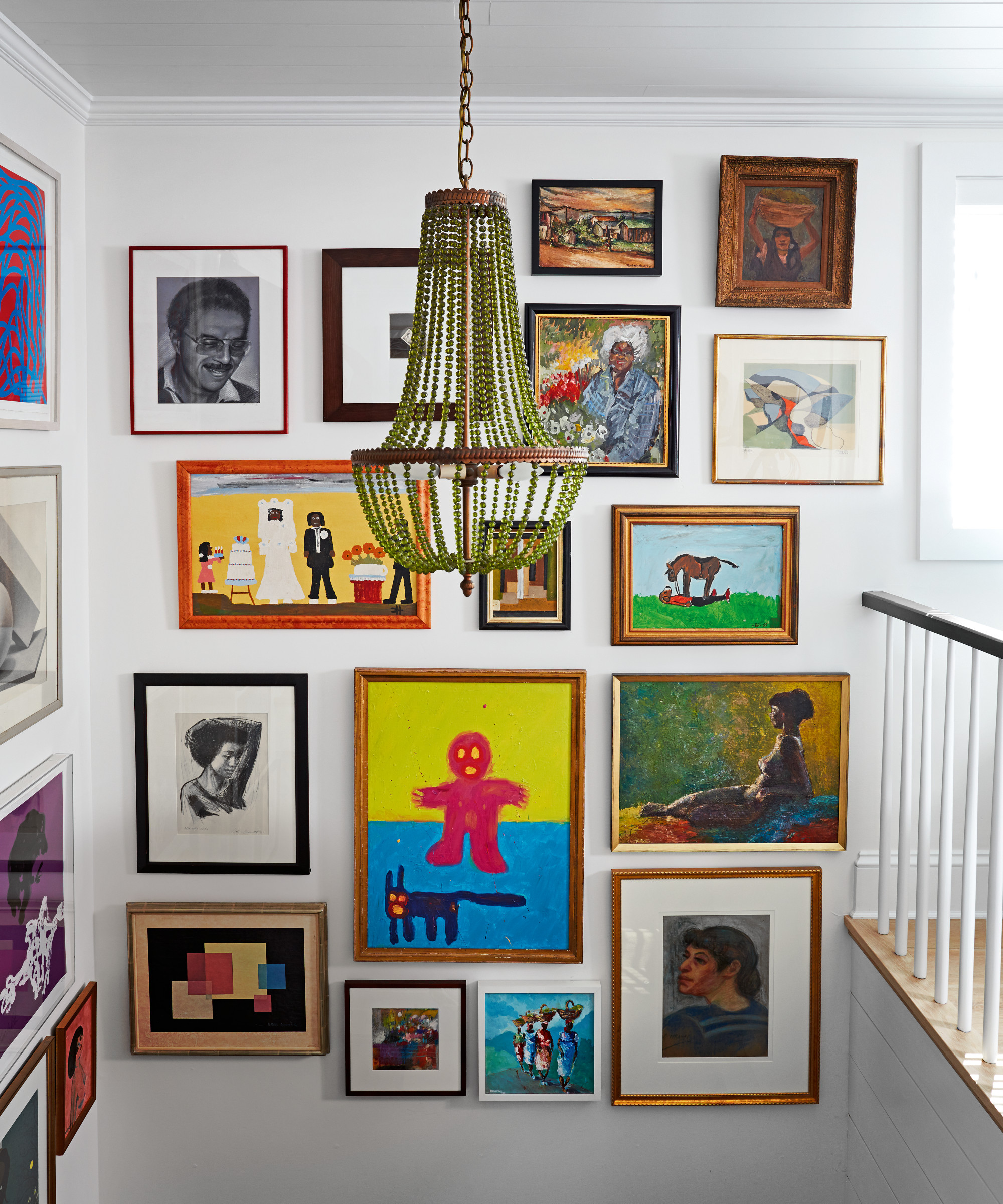

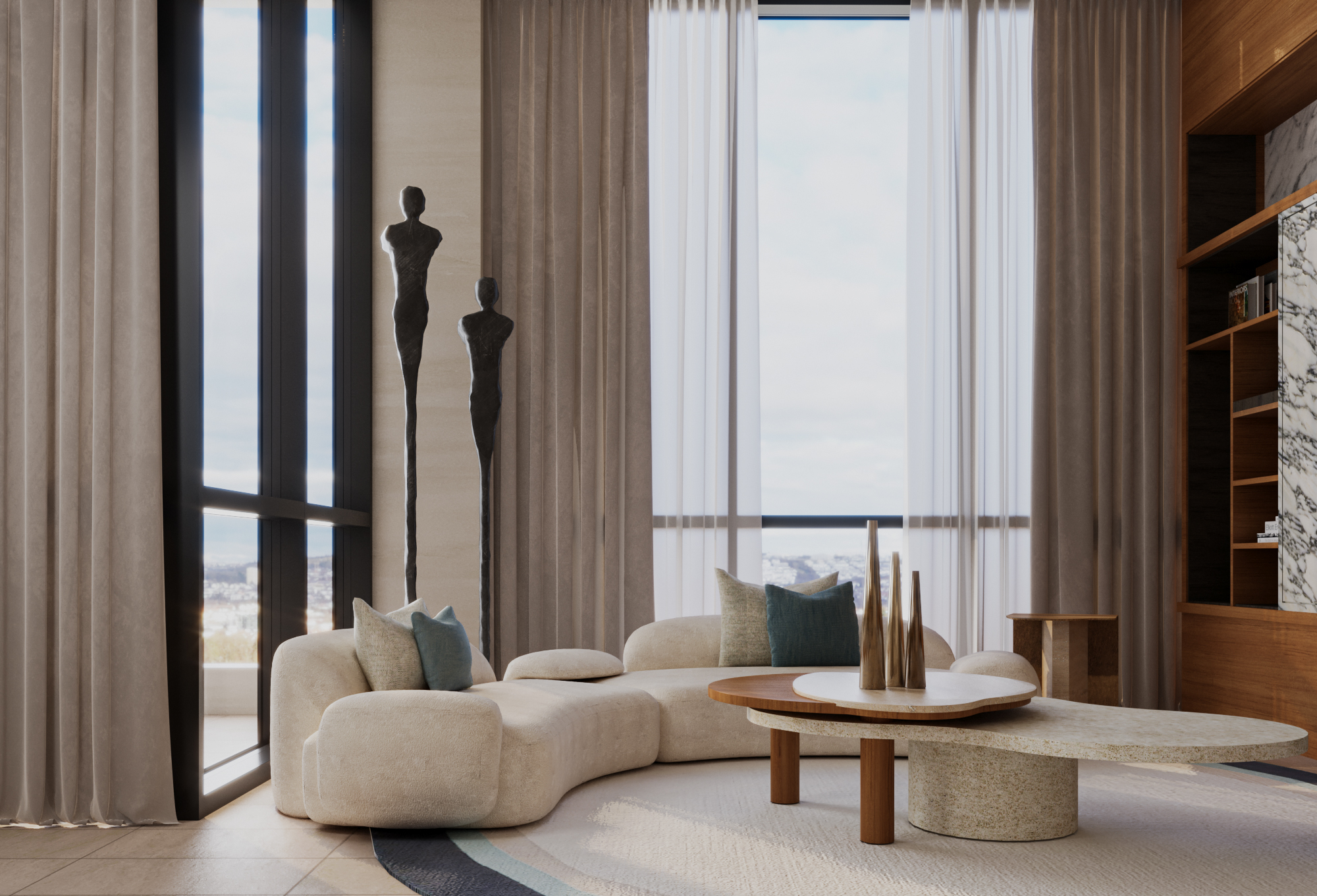
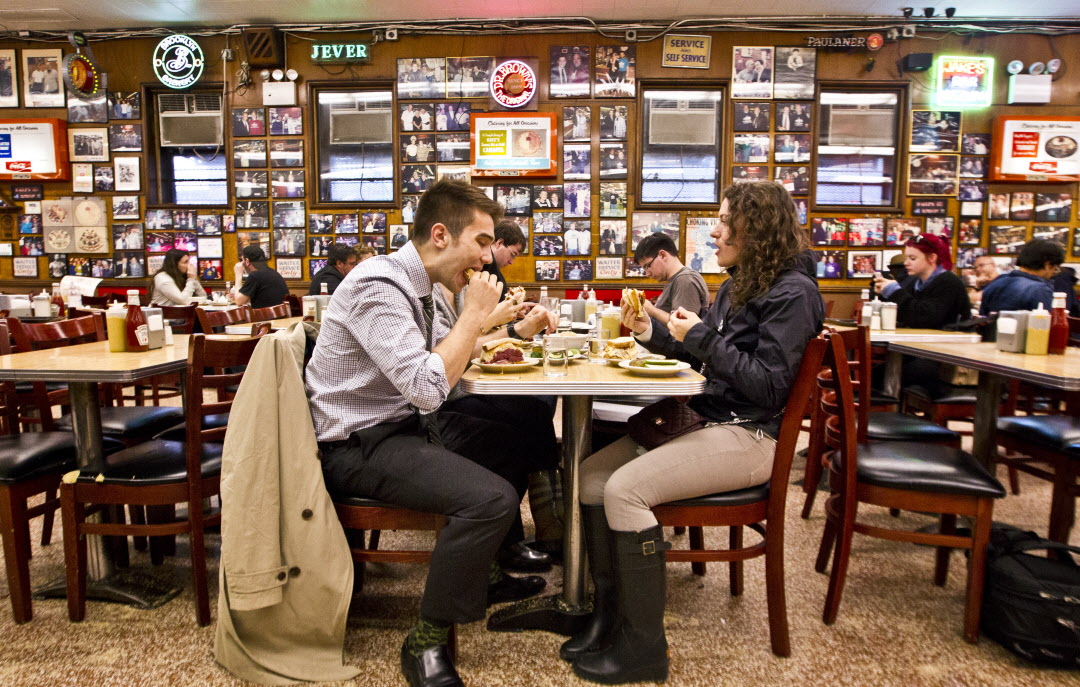
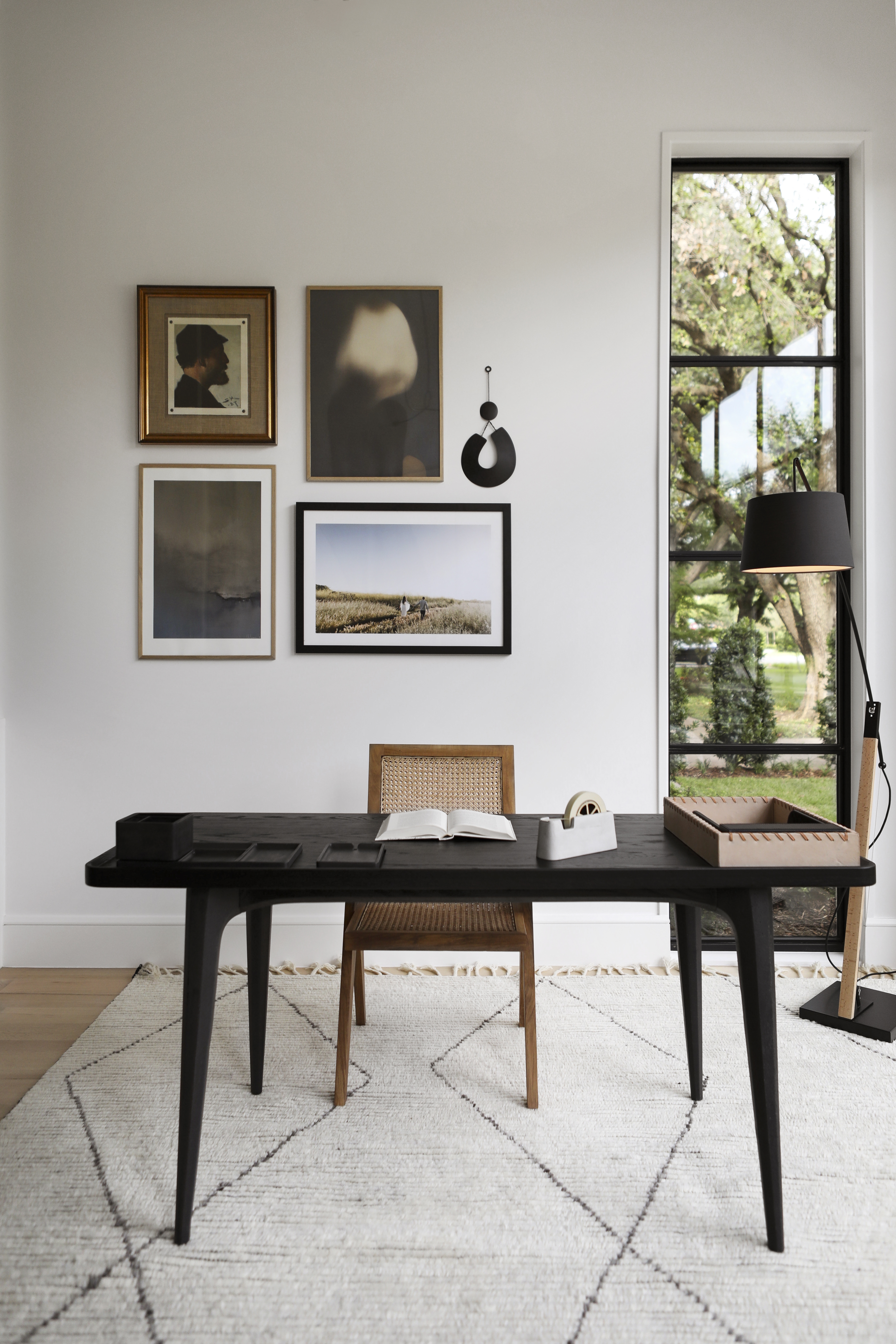
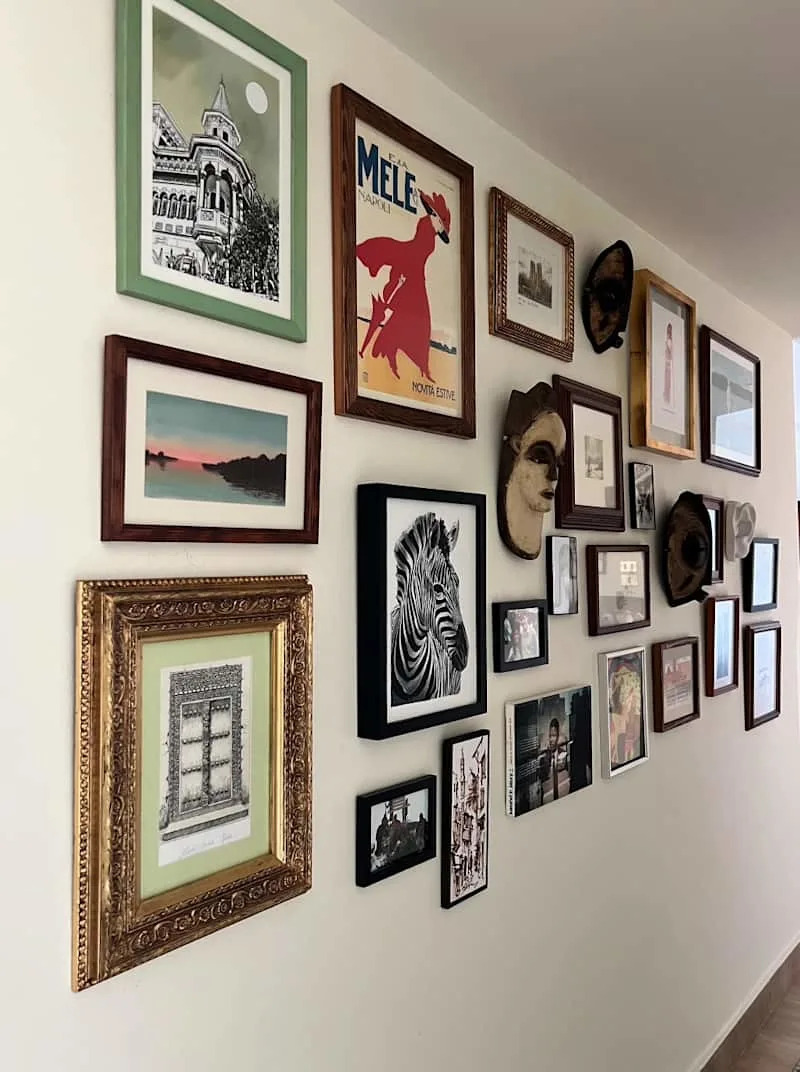
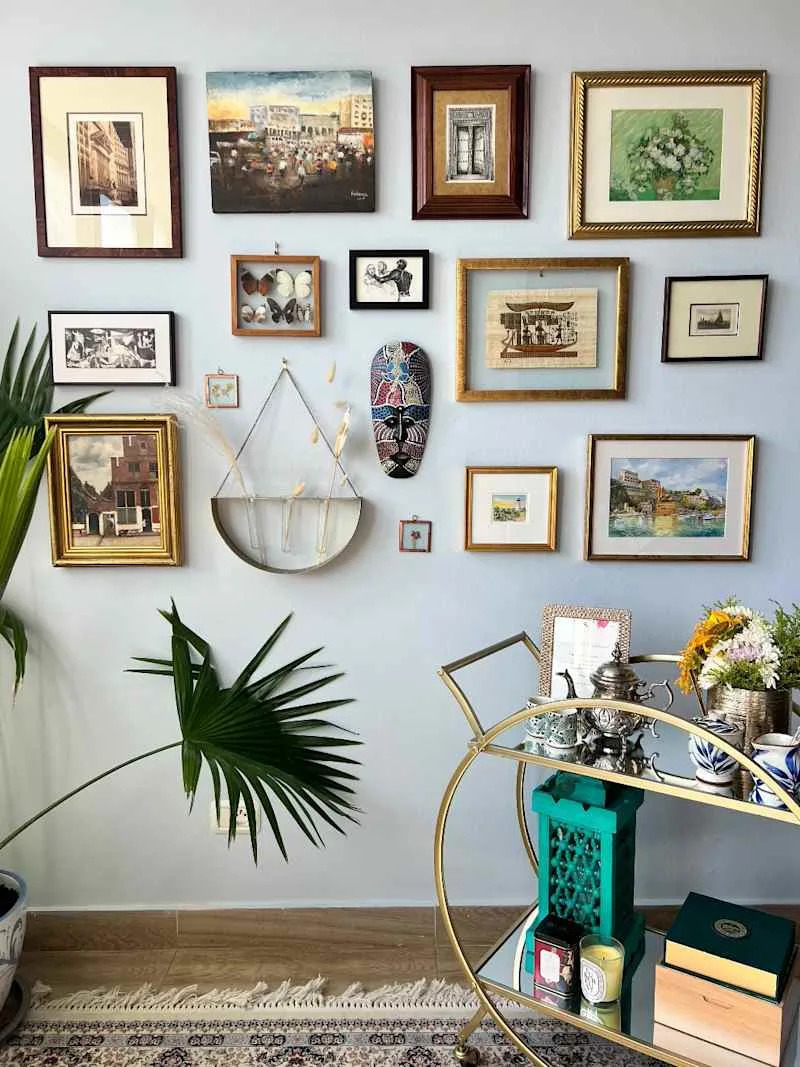
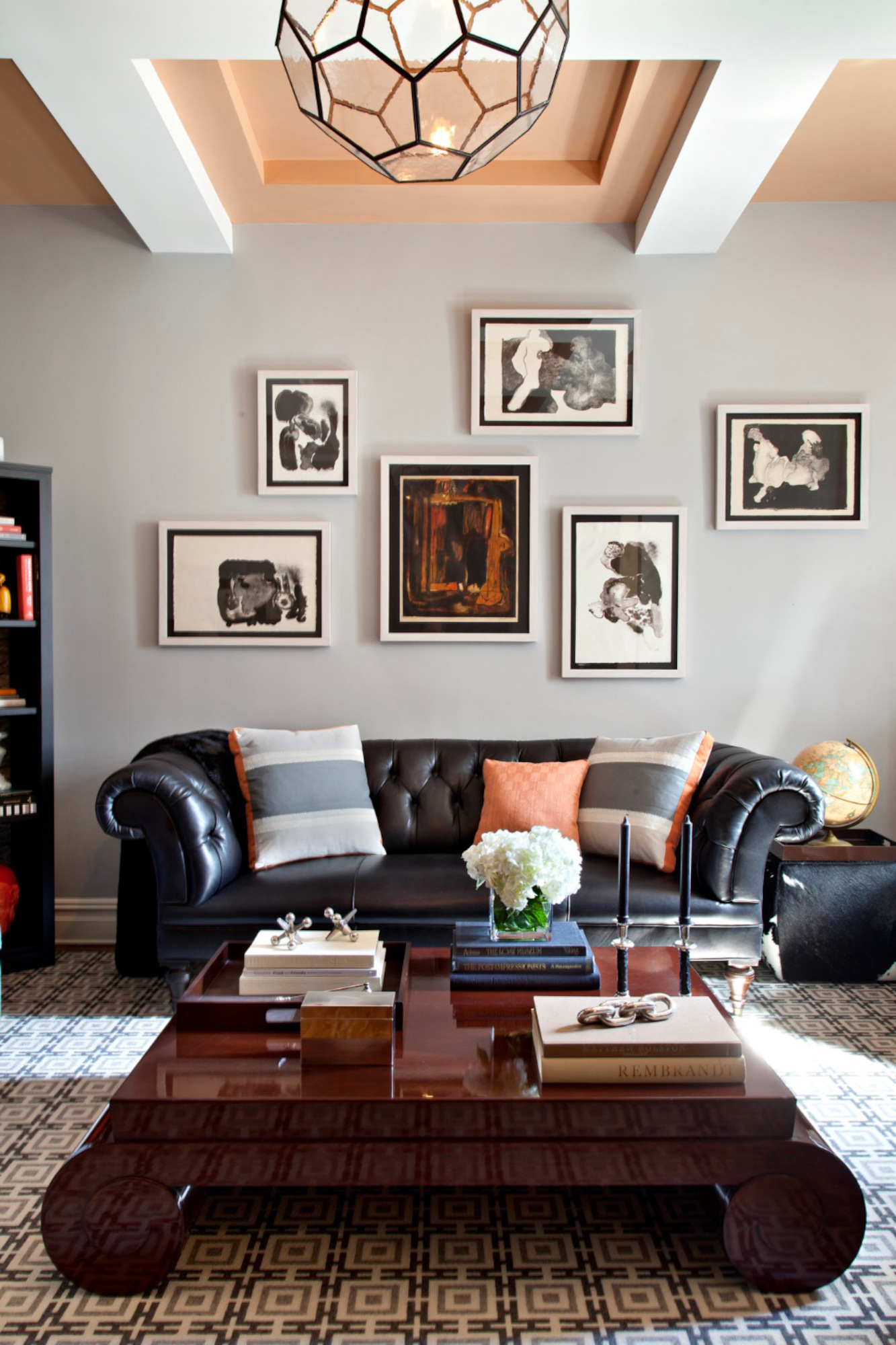
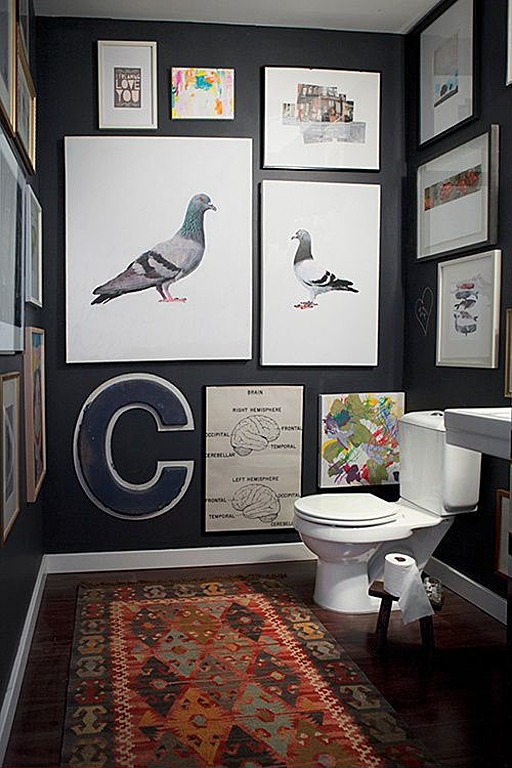
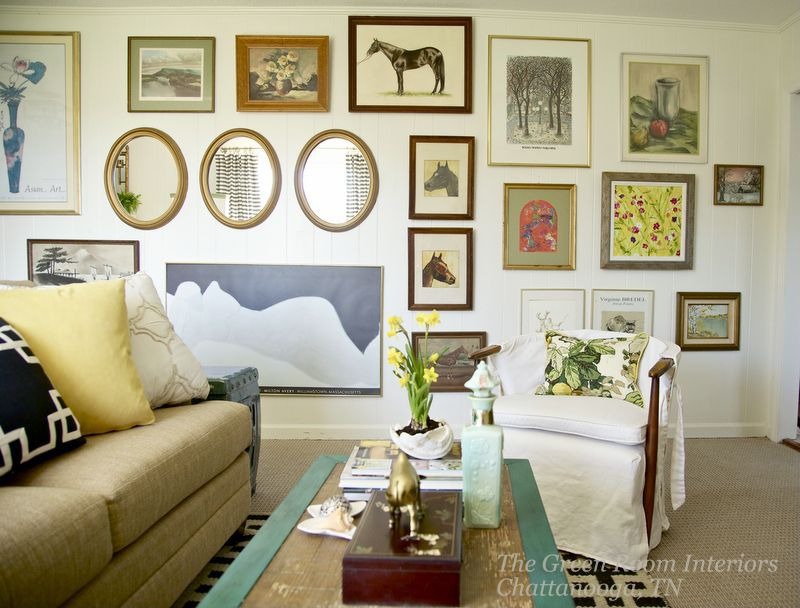
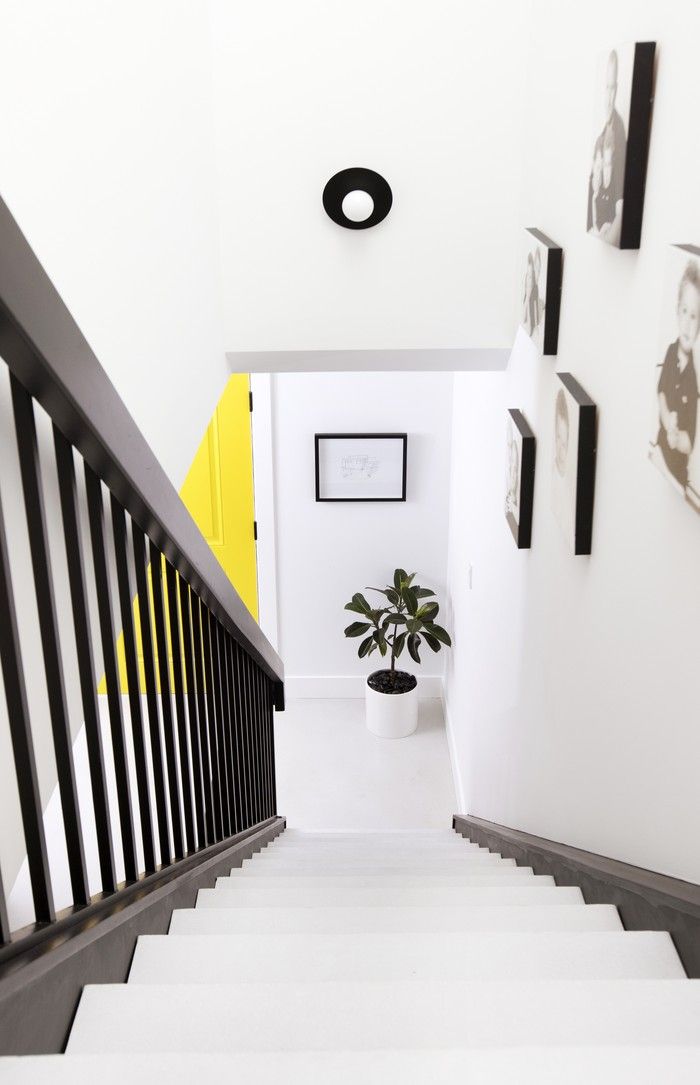
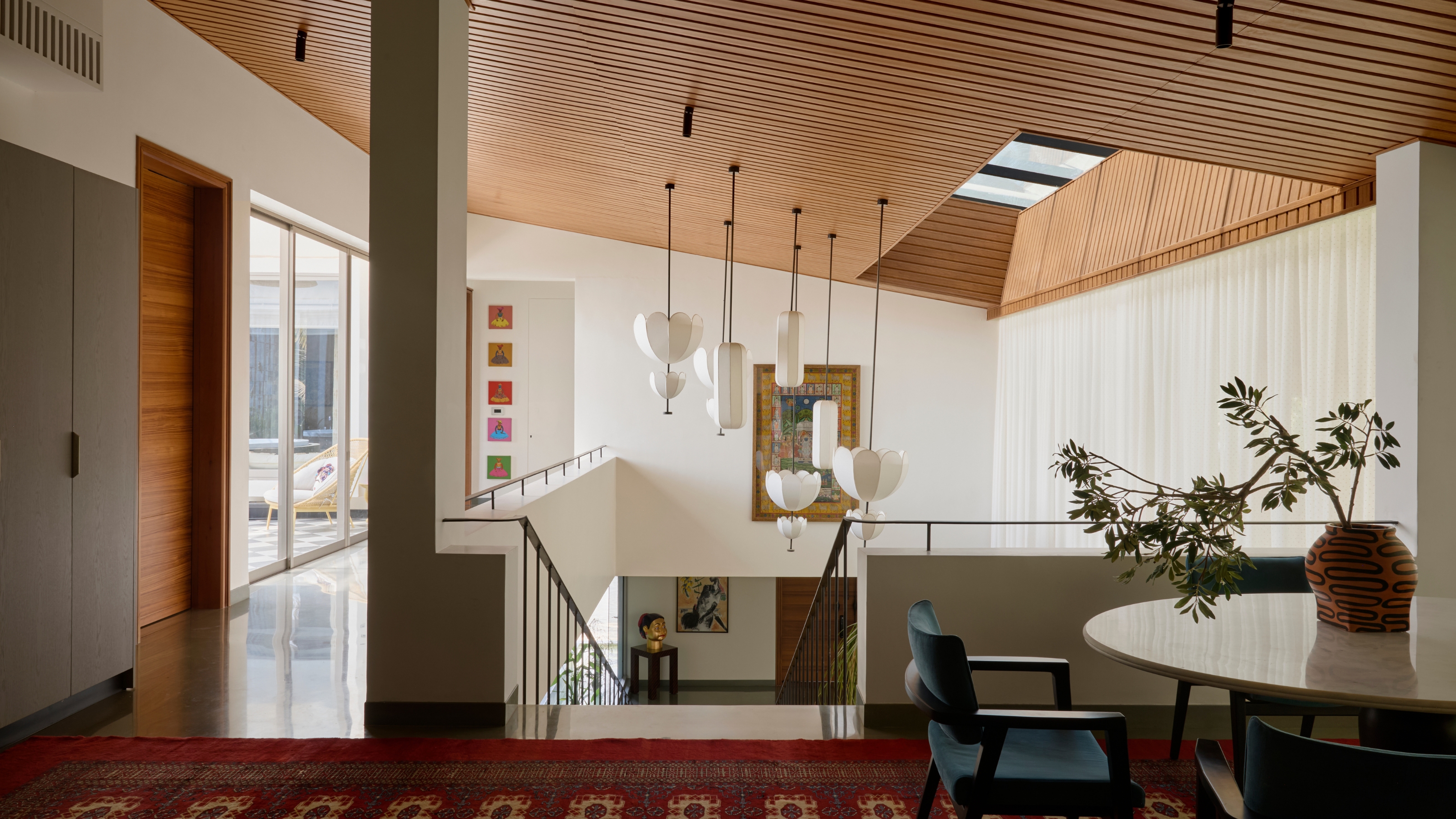
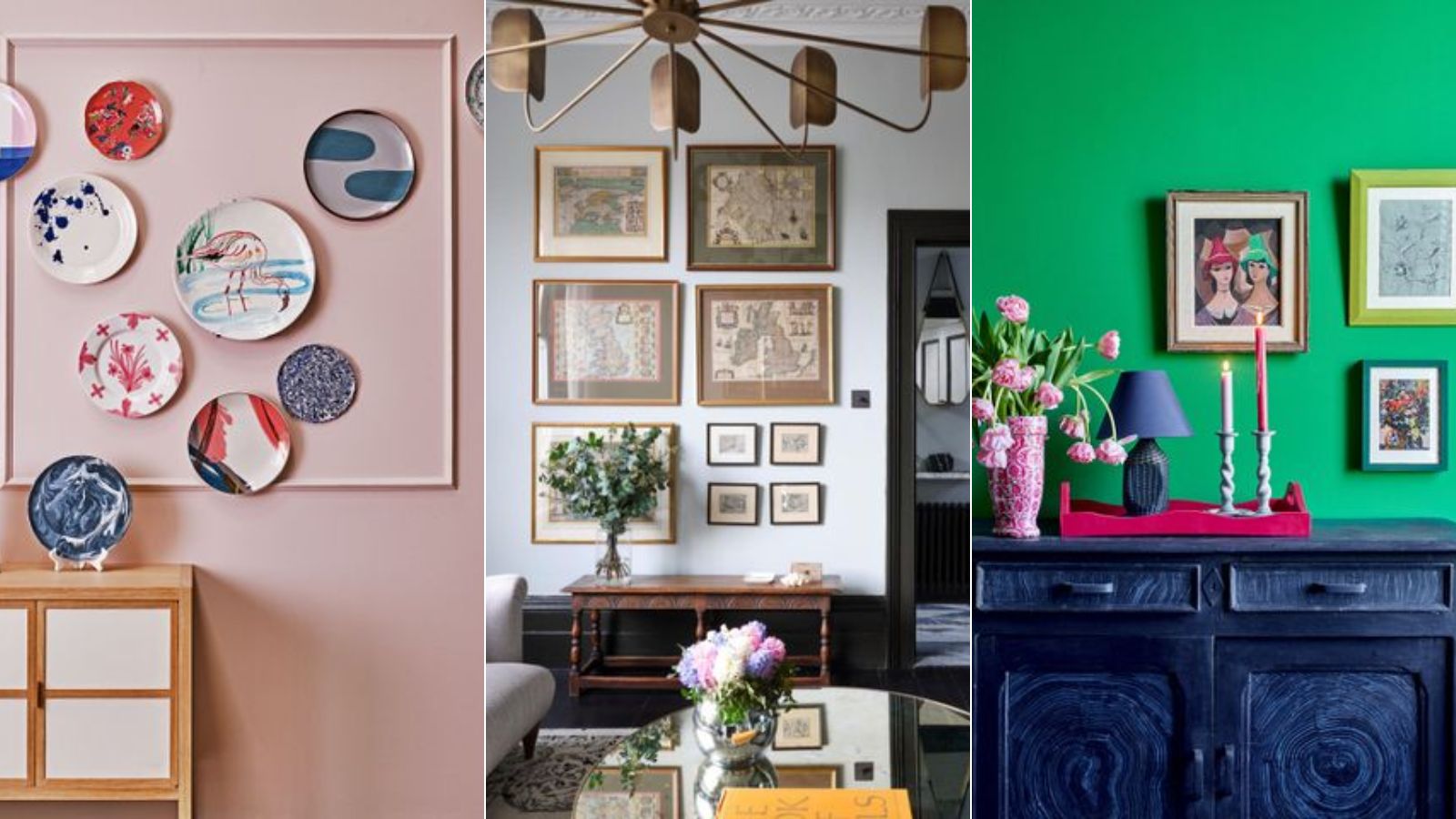
Successfully curating and hanging art in a home can be a challenging task, often leading to common art hanging mistakes. The process involves more than simply placing pieces on a wall; it requires careful consideration of scale, sightlines, and focal points to achieve a gallery-like result. Interior designers employ several strategies to ensure art enhances a space rather than detracting from it. One key approach is to utilize overlooked areas, such as home offices, entryways, staircases, or living room corners, as prime locations for art display. These spaces, often considered transitional or secondary, can be transformed into focal points that introduce purpose and personality into the home. For instance, an entryway adorned with a striking art piece or a thoughtfully arranged gallery wall can create a memorable first impression for guests.
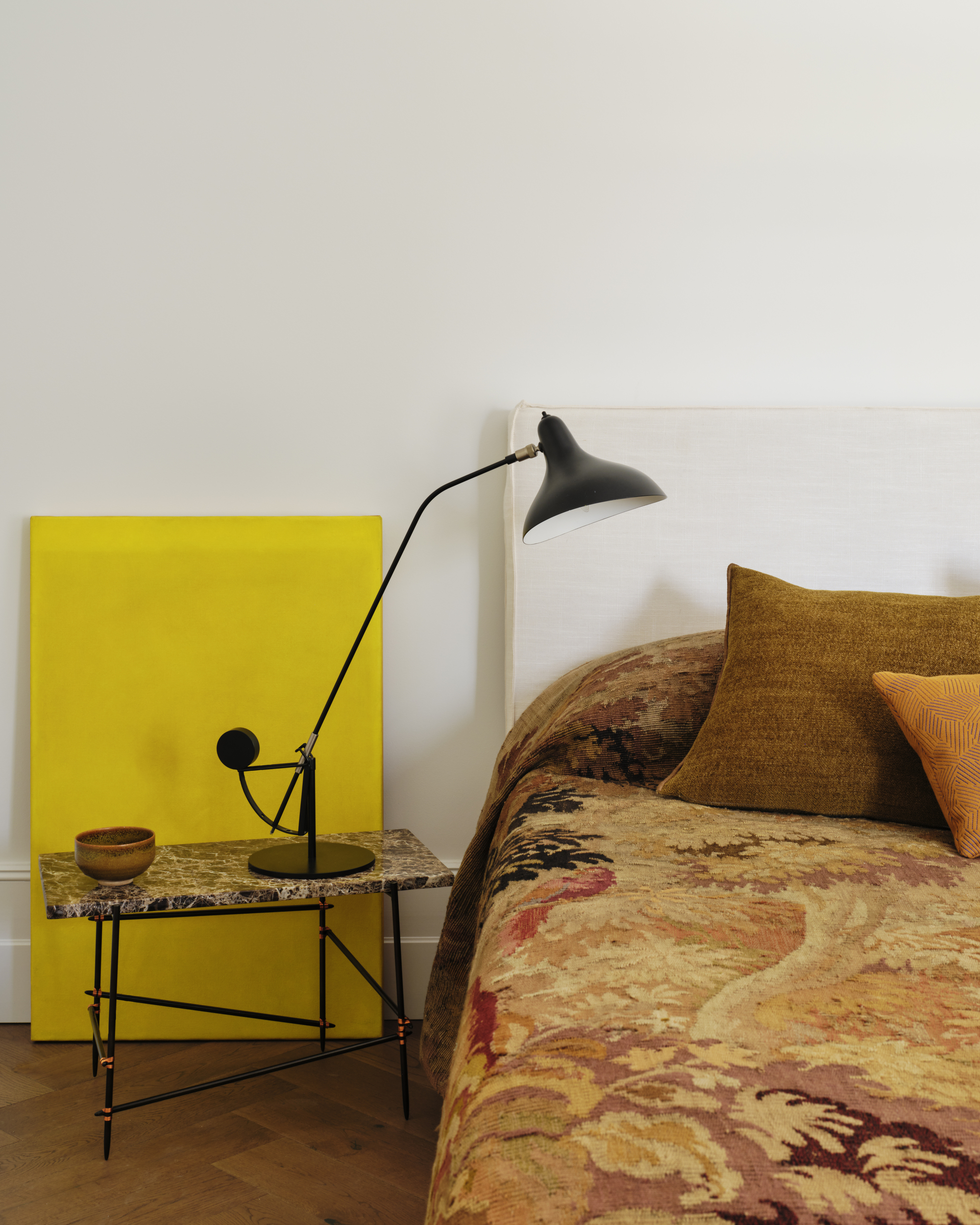
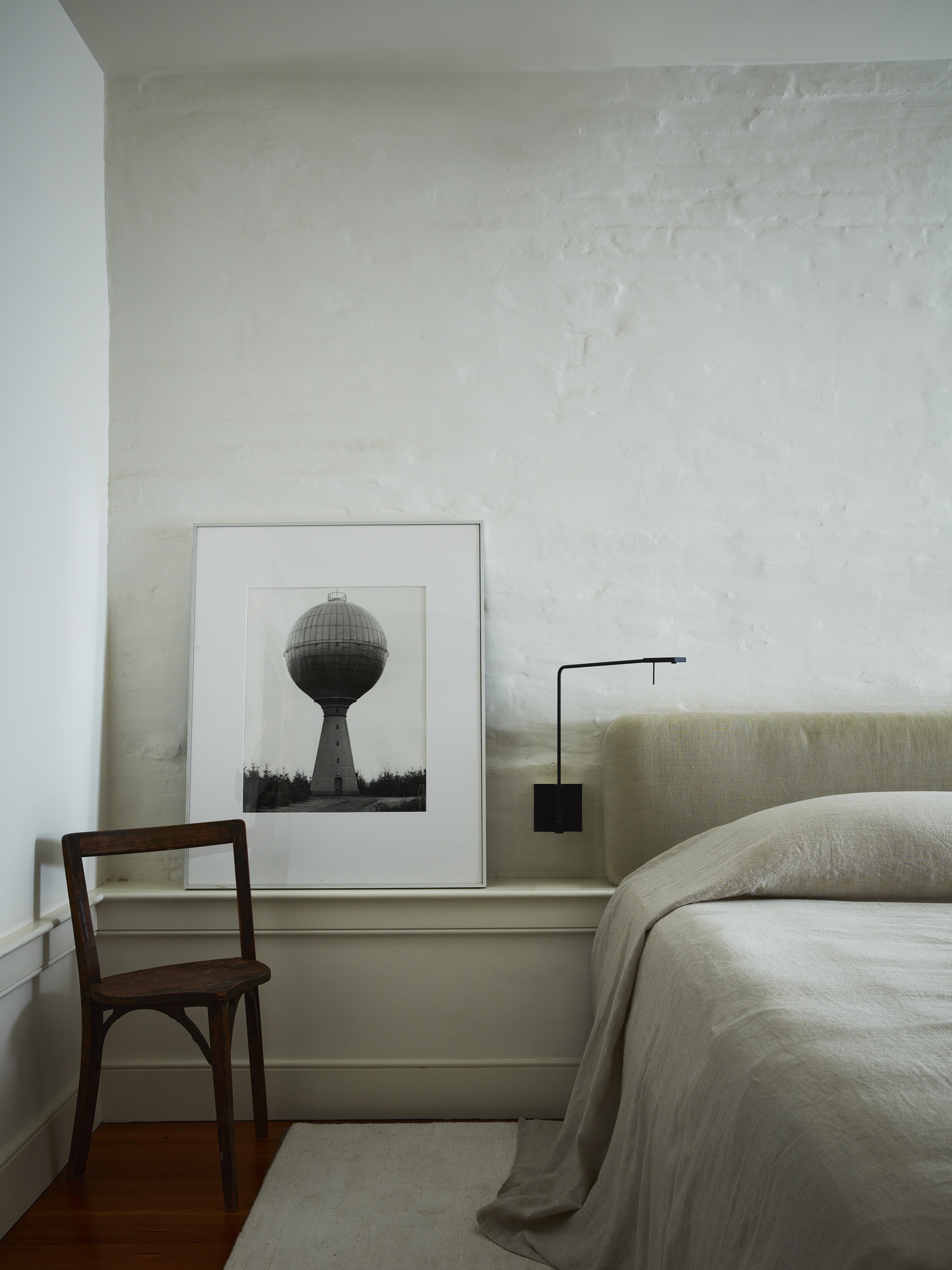
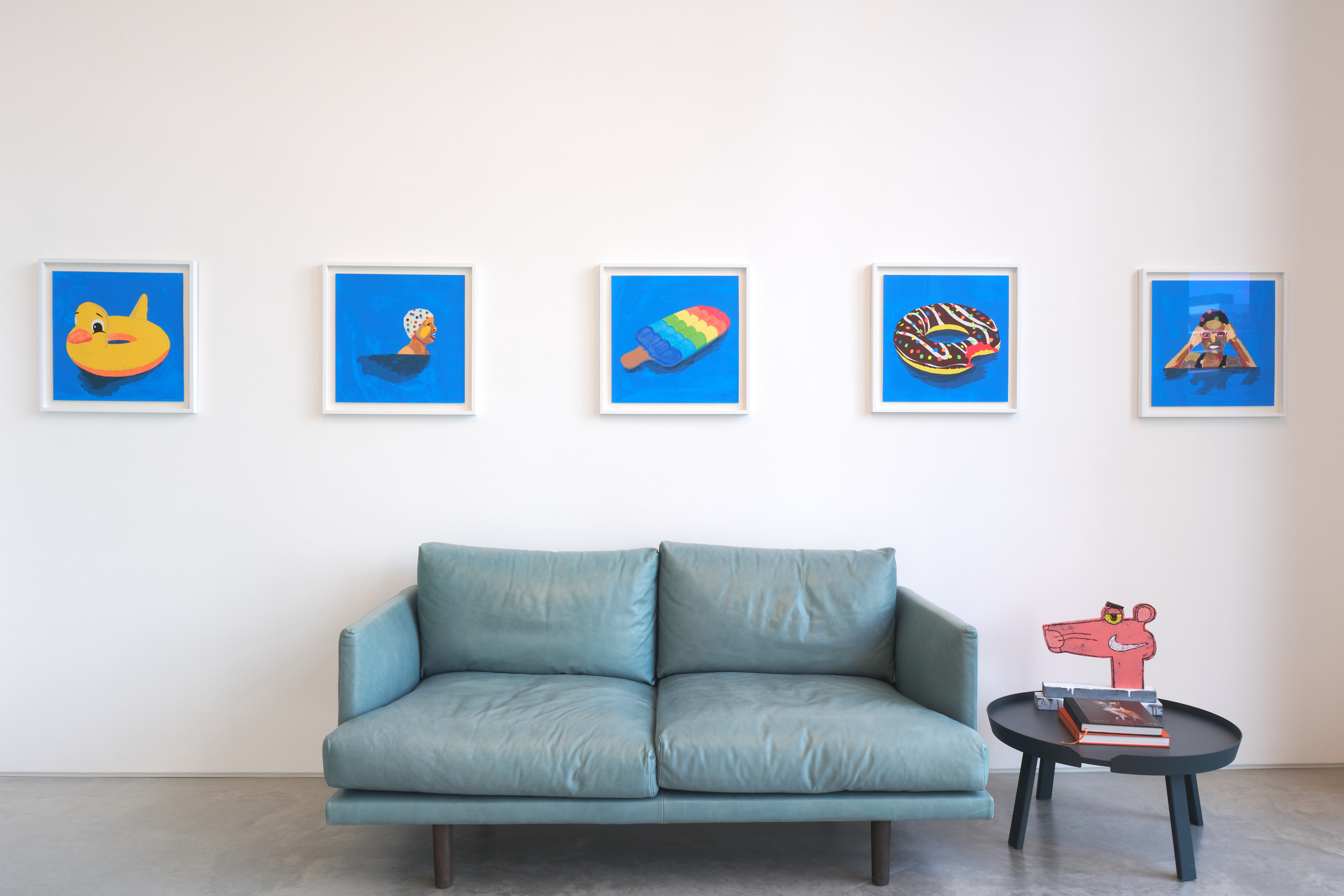
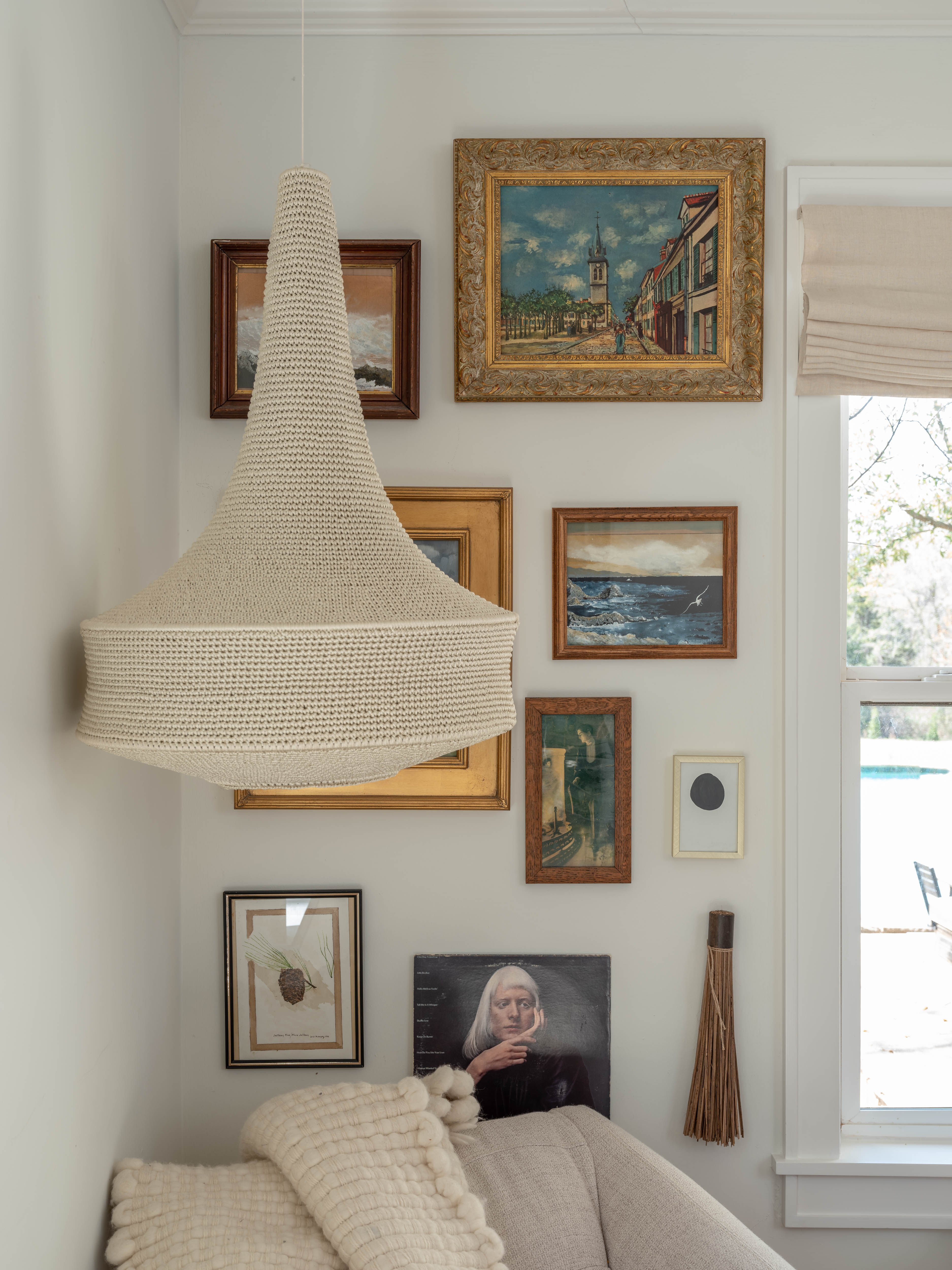
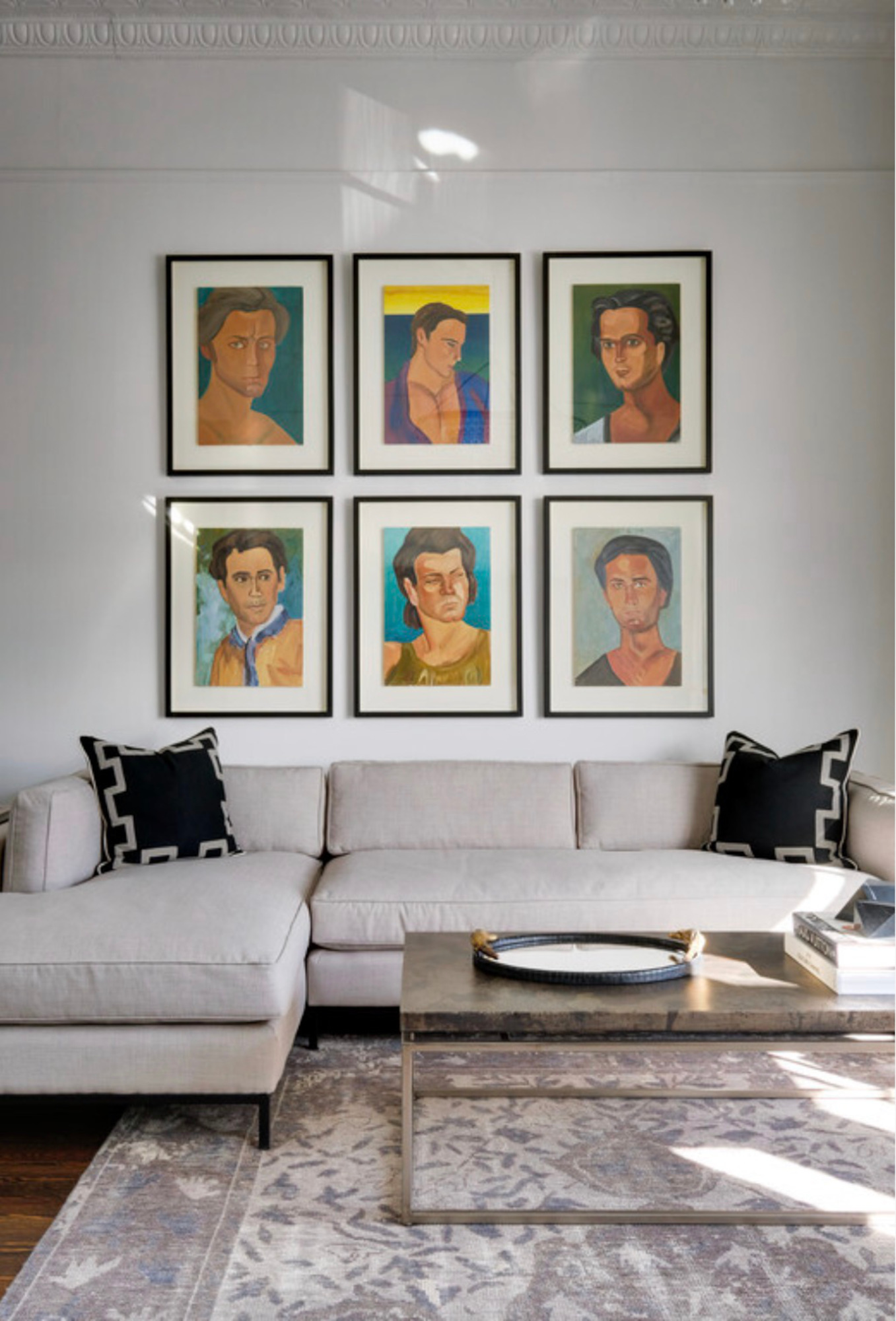
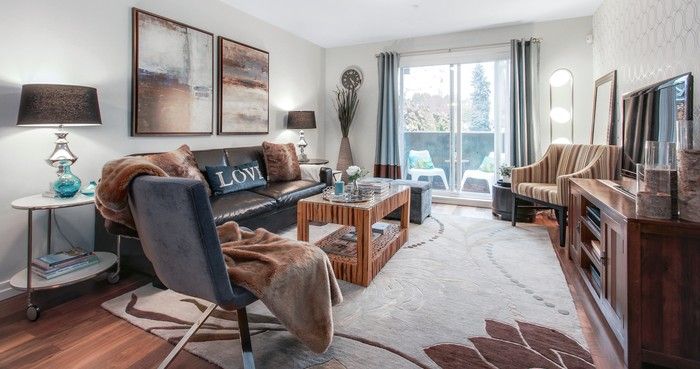
Before hanging any art, it is crucial to plan the number of pieces intended for display. While gallery walls can be visually appealing, they are not always the ideal solution for every space. Designers emphasize the importance of carefully considering the appropriate number of artworks for each vignette. In areas where a calmer or cleaner aesthetic is desired, or when aiming to create a dramatic focal point with a large statement piece, limiting the art to one or two pieces is often most effective. This restraint is particularly important in spaces already occupied by numerous other decorative elements, highlighting the beauty of negative space in interior design.
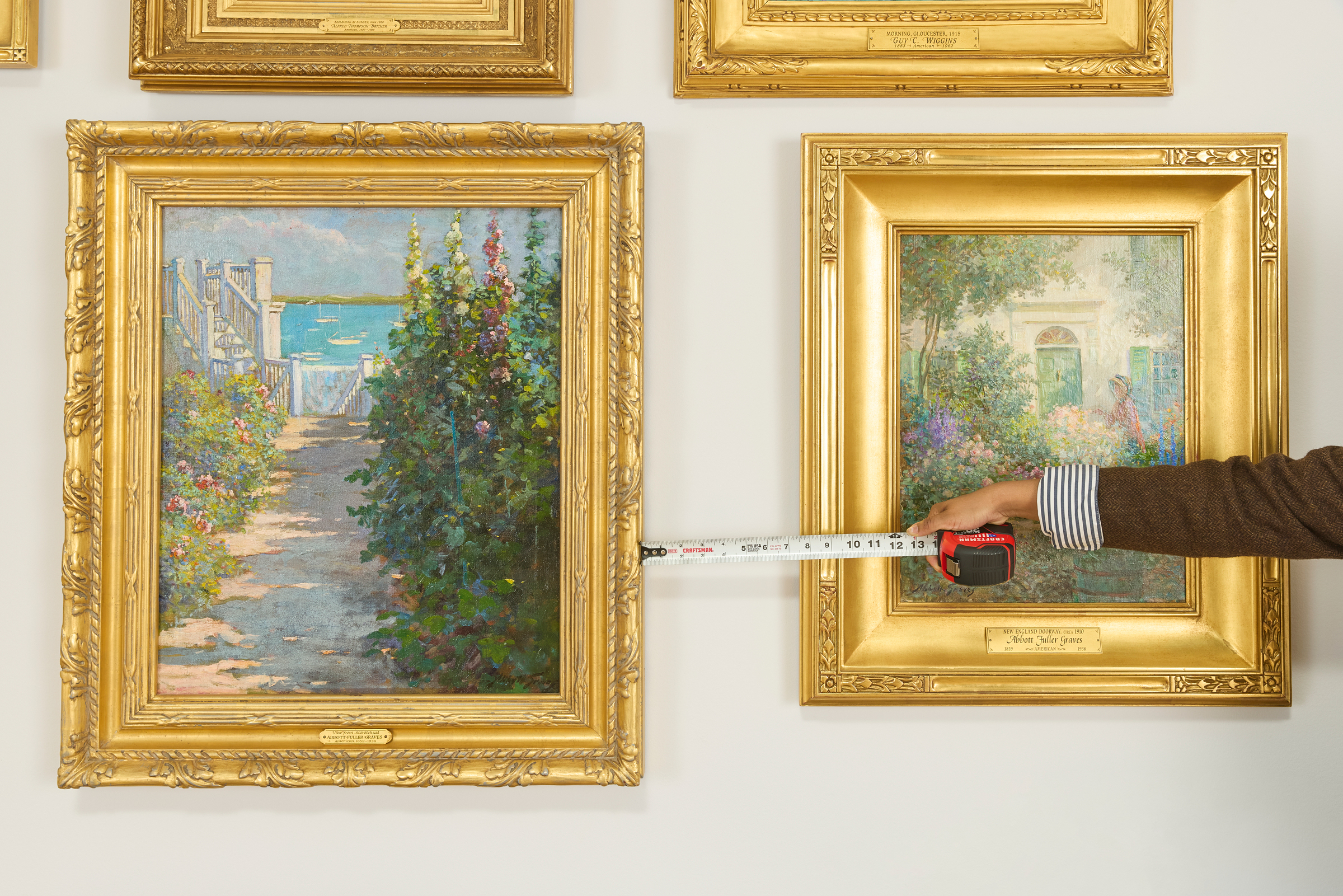
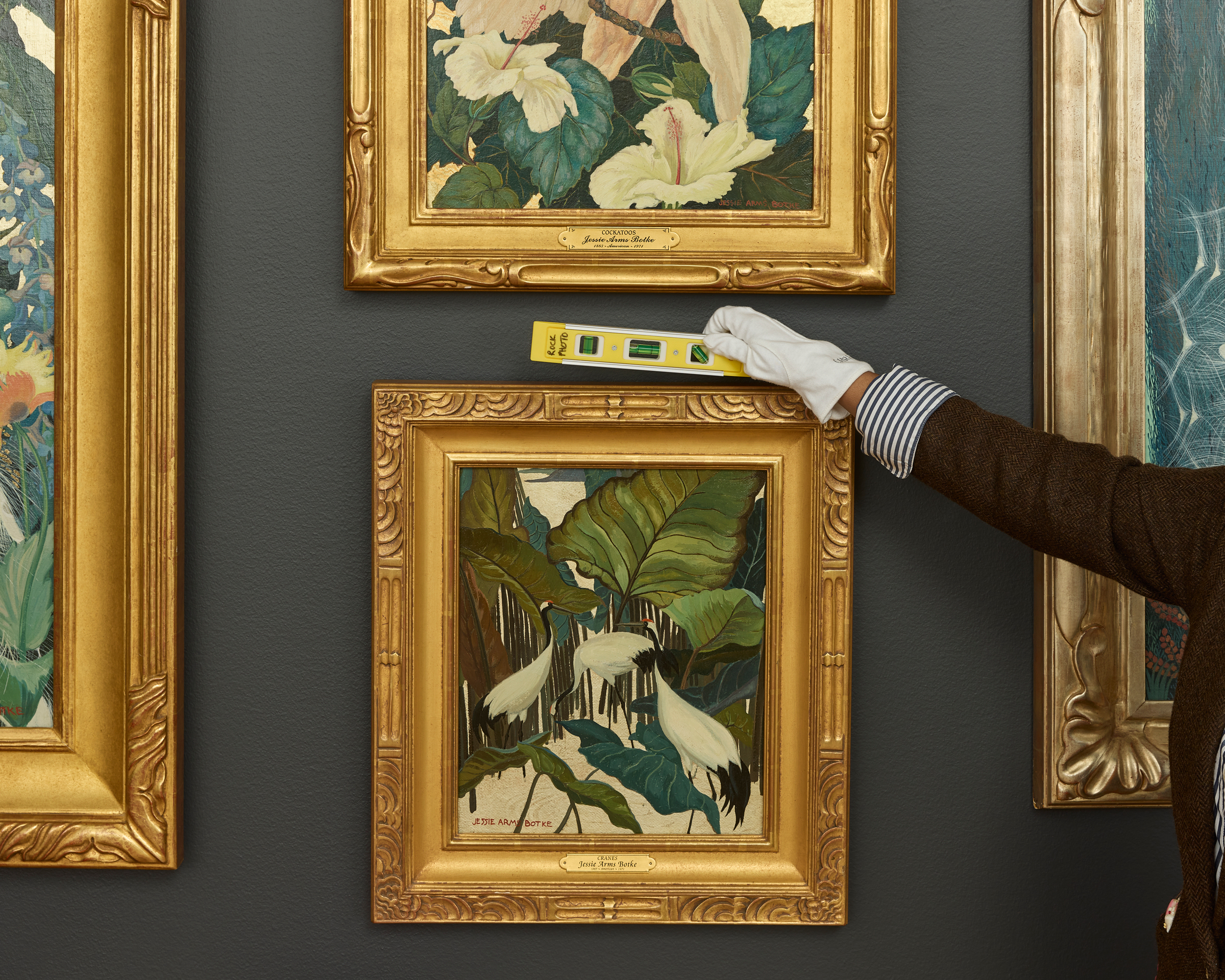
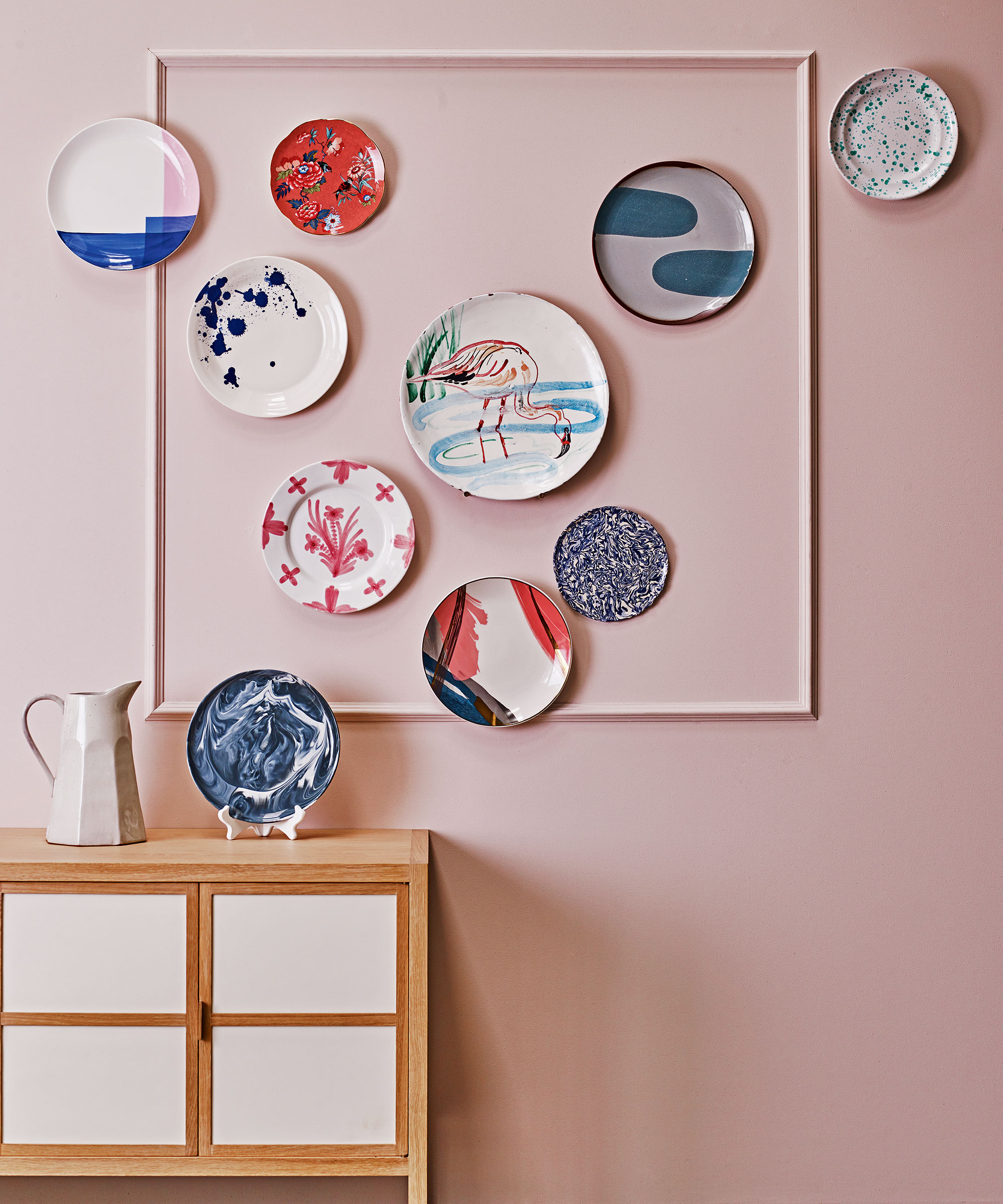
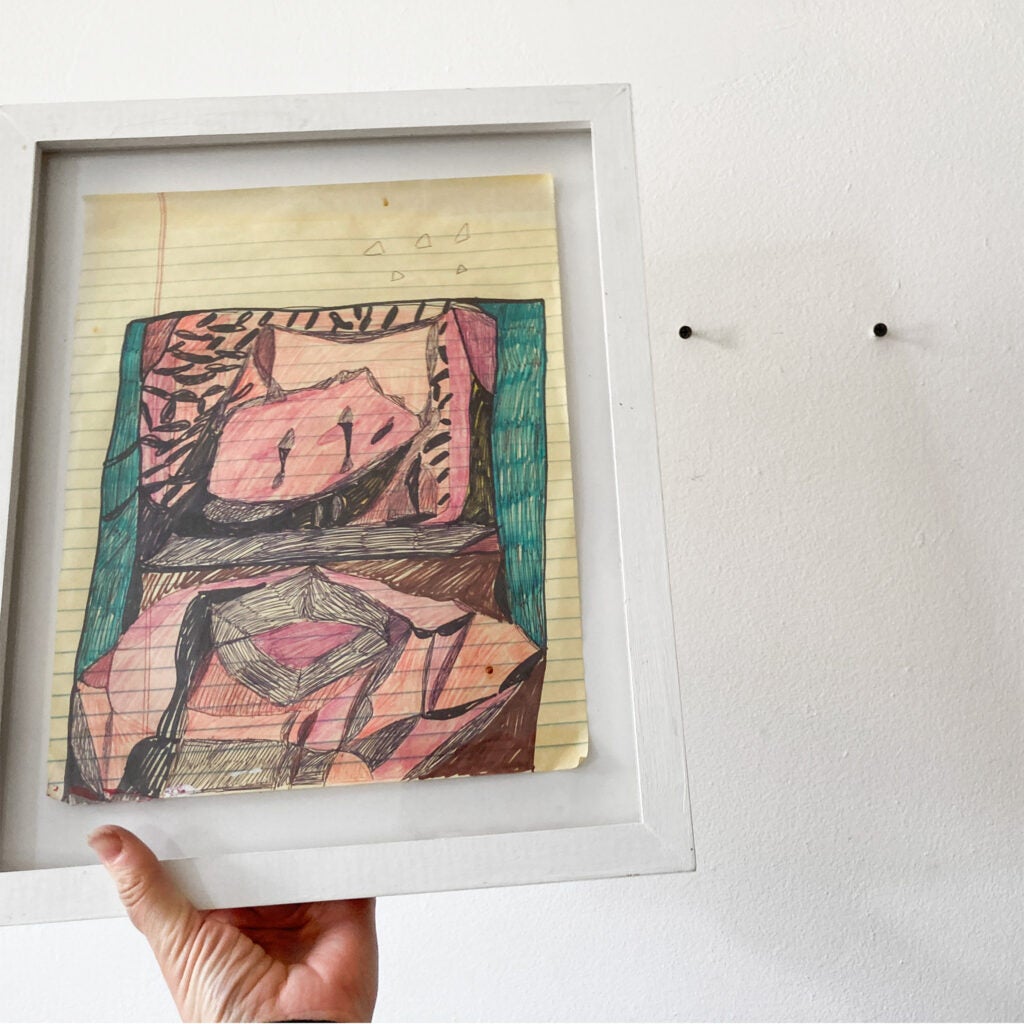
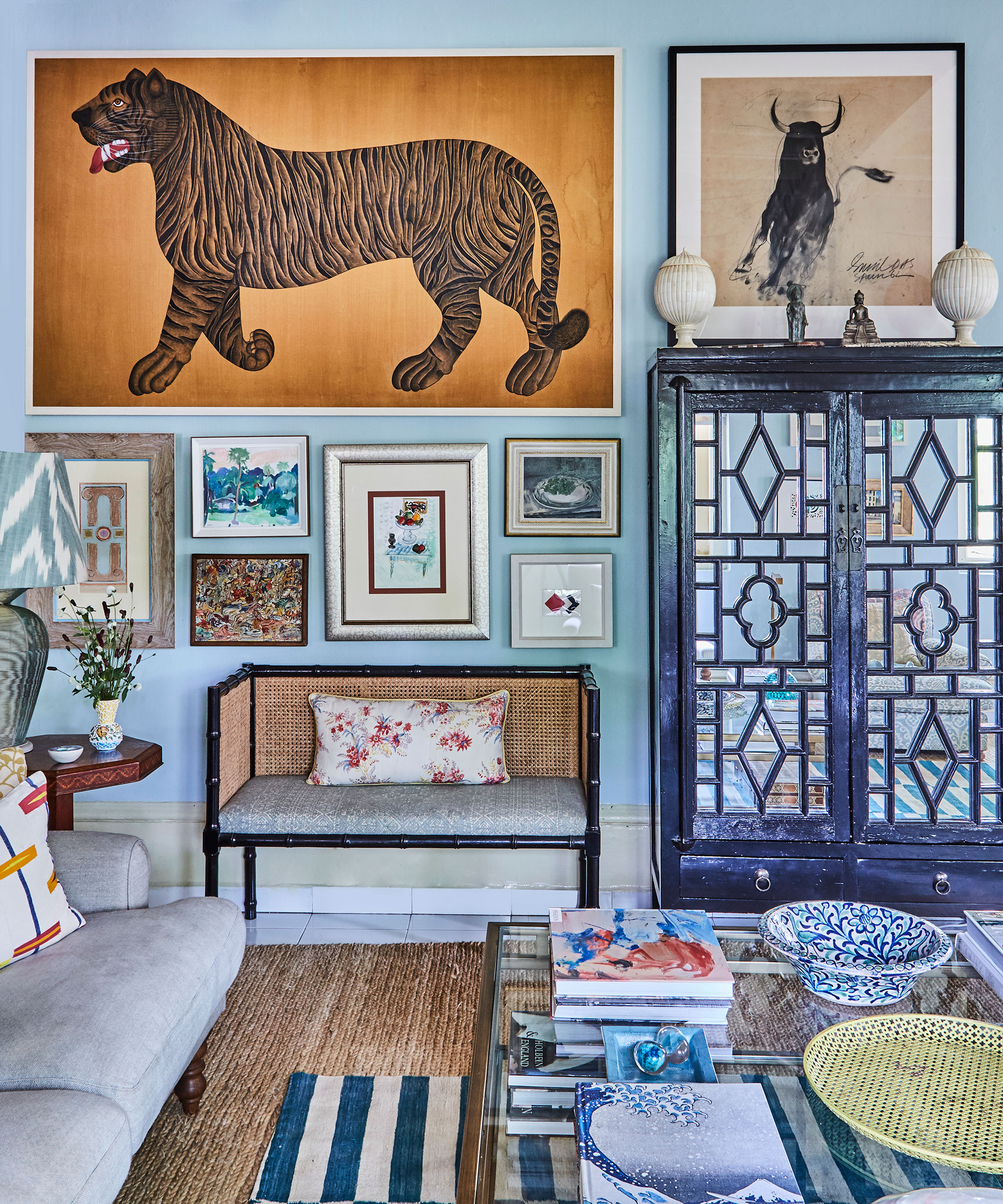
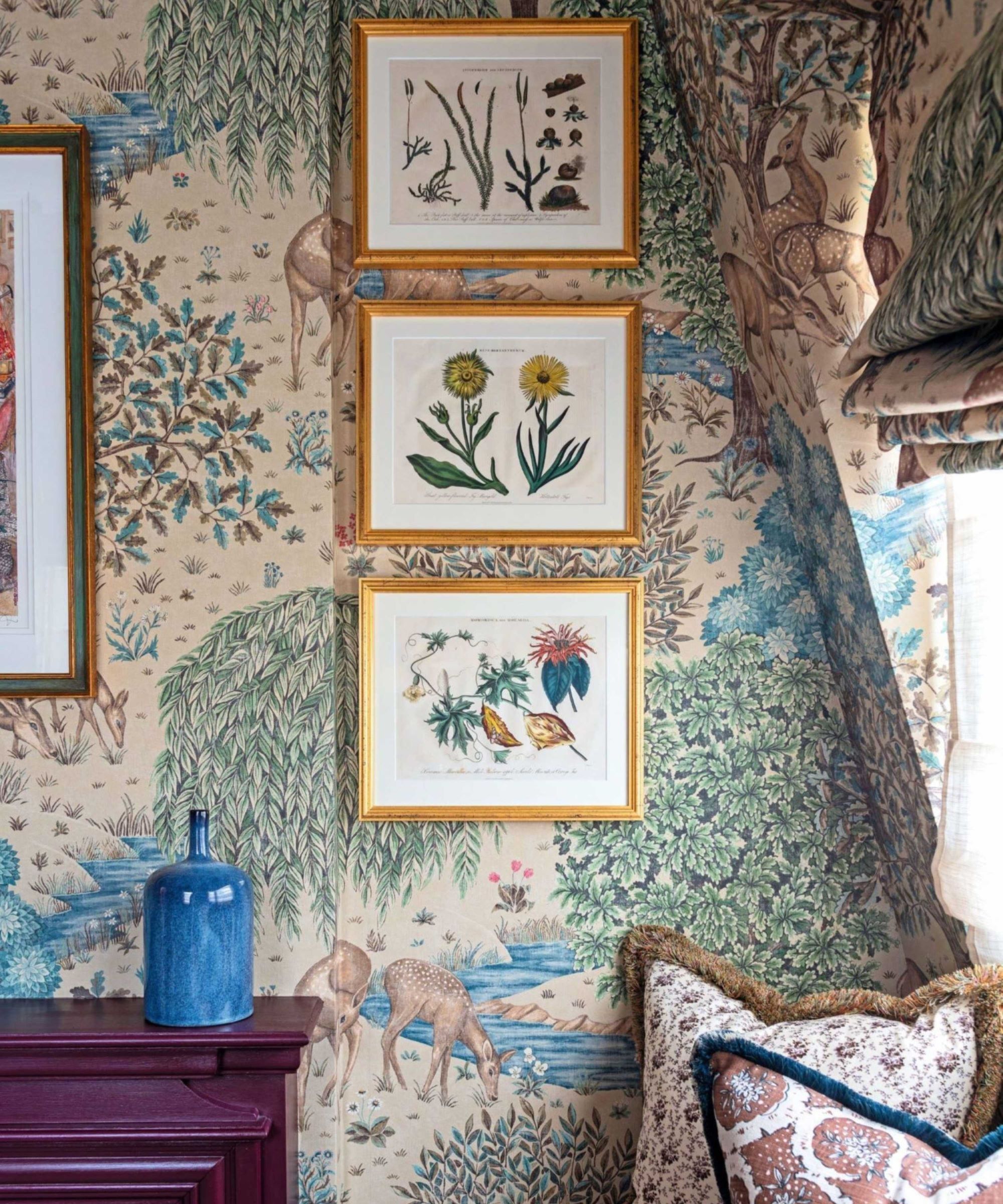
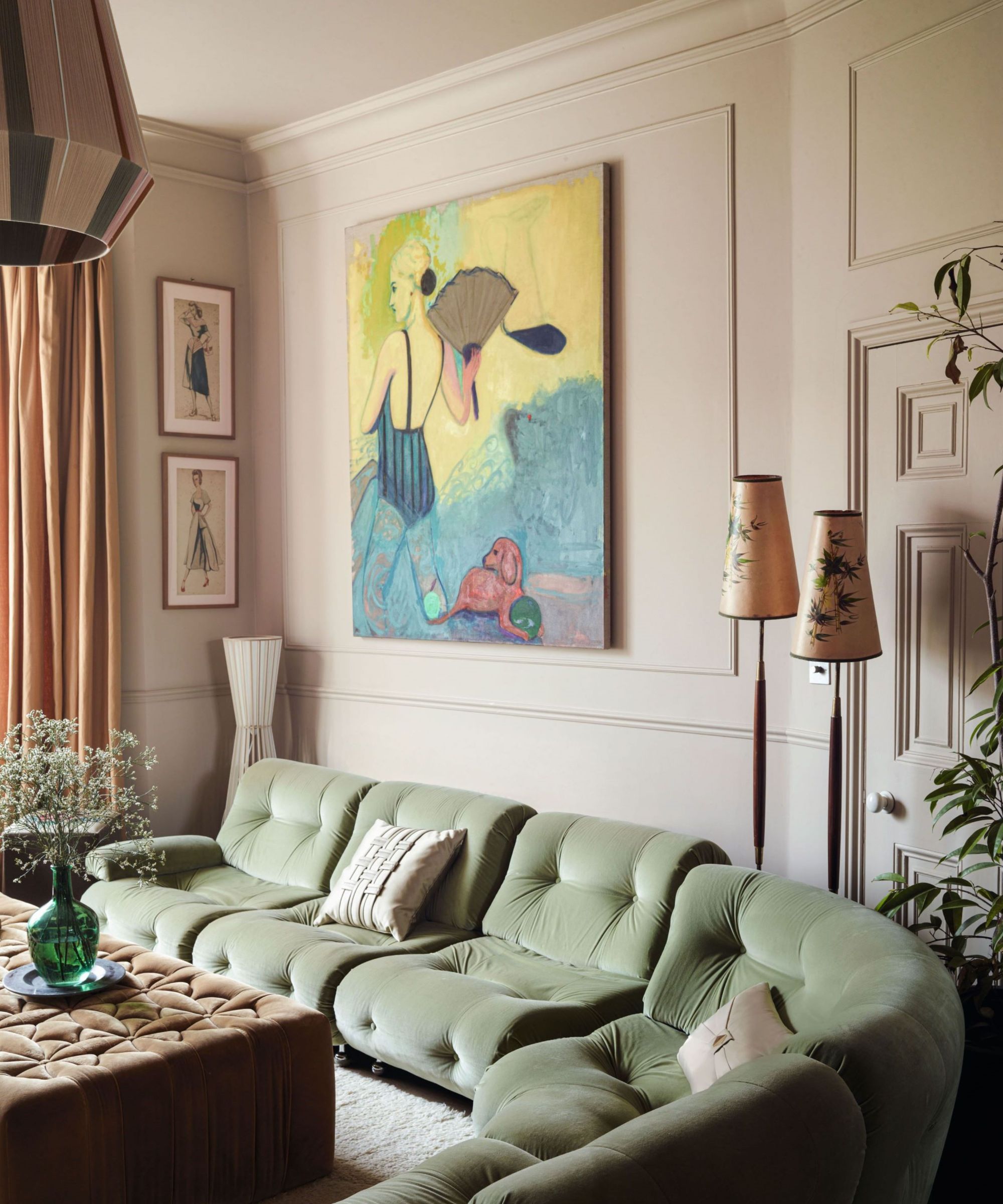
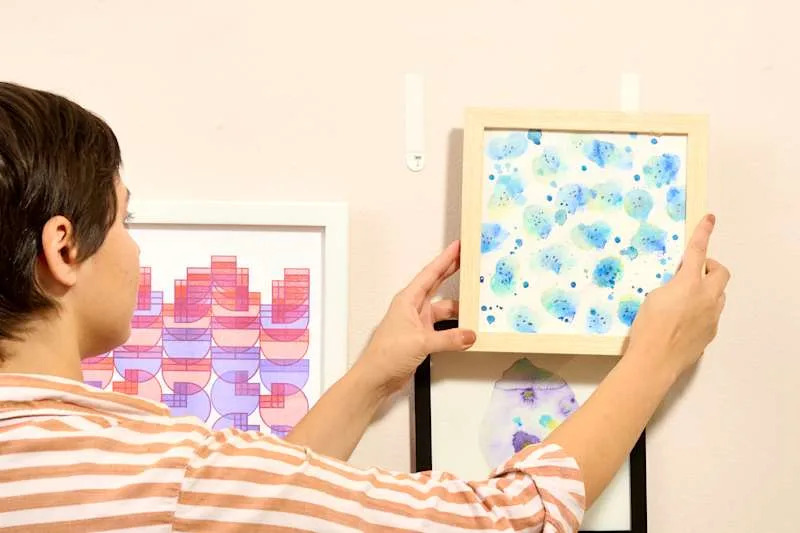
The size and scale of an artwork significantly influence its placement and impact. Larger pieces frequently serve as excellent focal points, but smaller artworks can be equally striking when strategically placed alongside complementary decor, effective lighting, or a suitable layout. It is essential to ensure that the art's size is proportionate to the wall and the surrounding elements; pieces that are too small can make a wall appear incomplete, while excessively large artworks can create visual tension. A practical tip involves laying out the arrangement on the floor before hanging to visualize the aesthetic and make adjustments, especially for gallery walls.
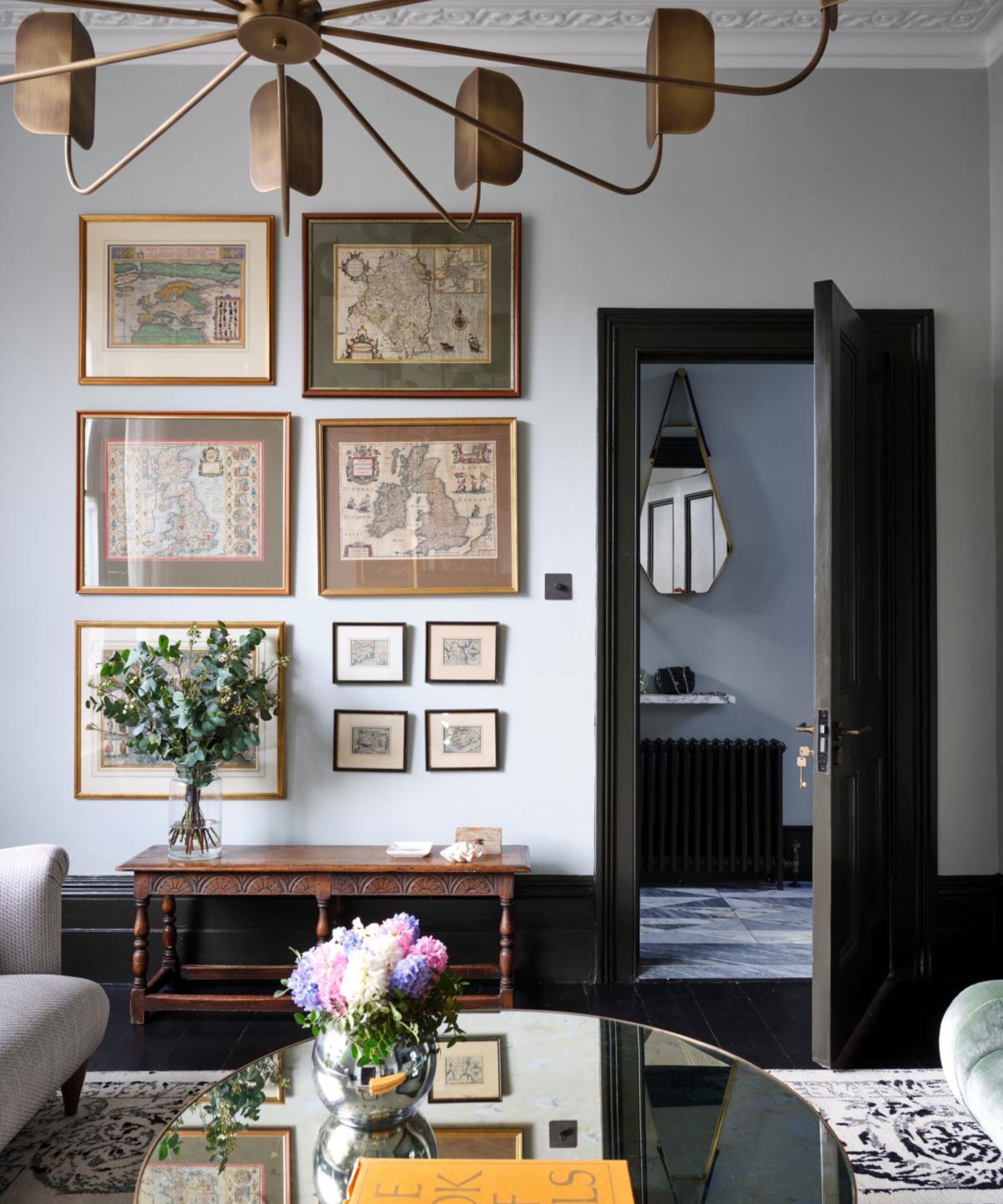
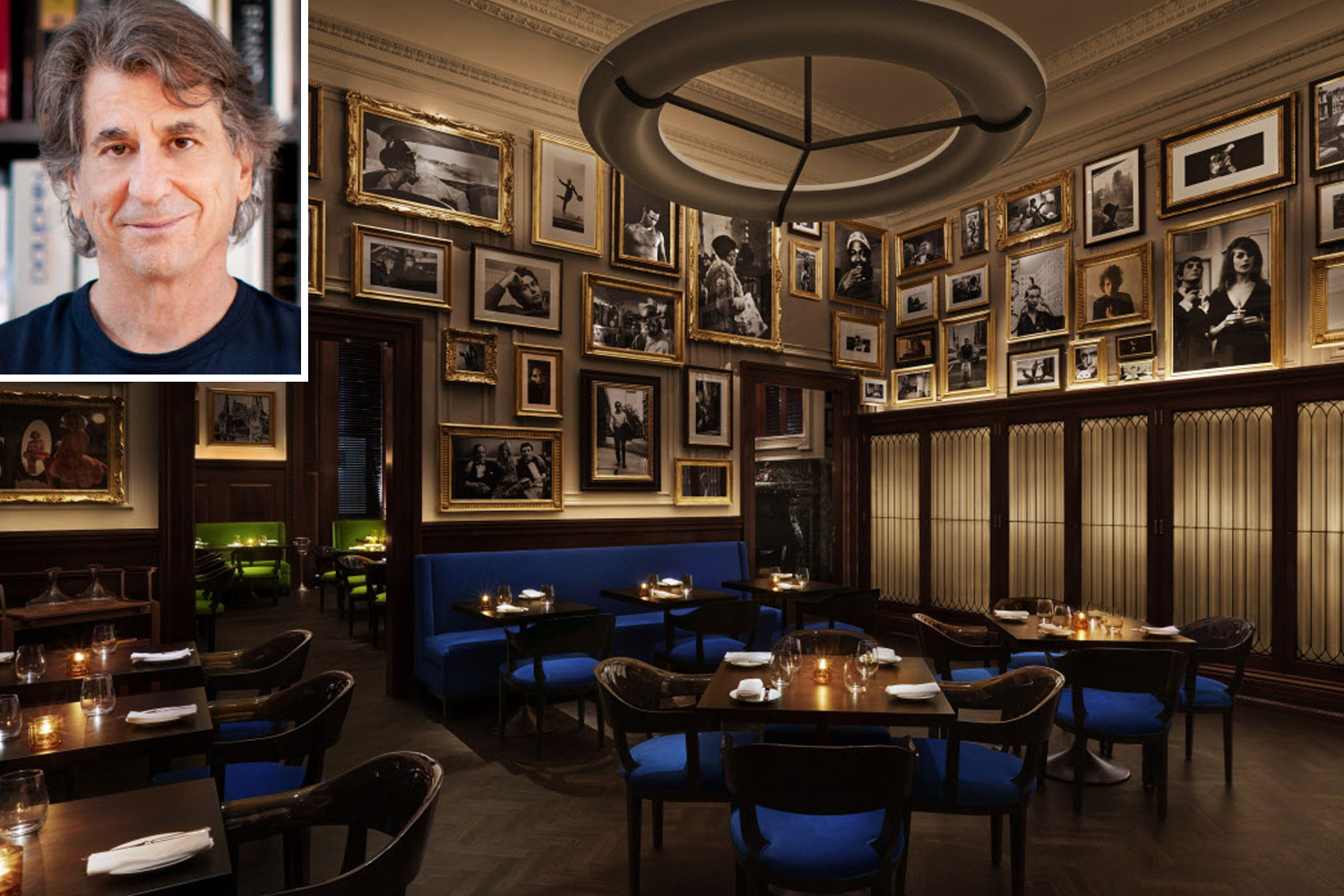
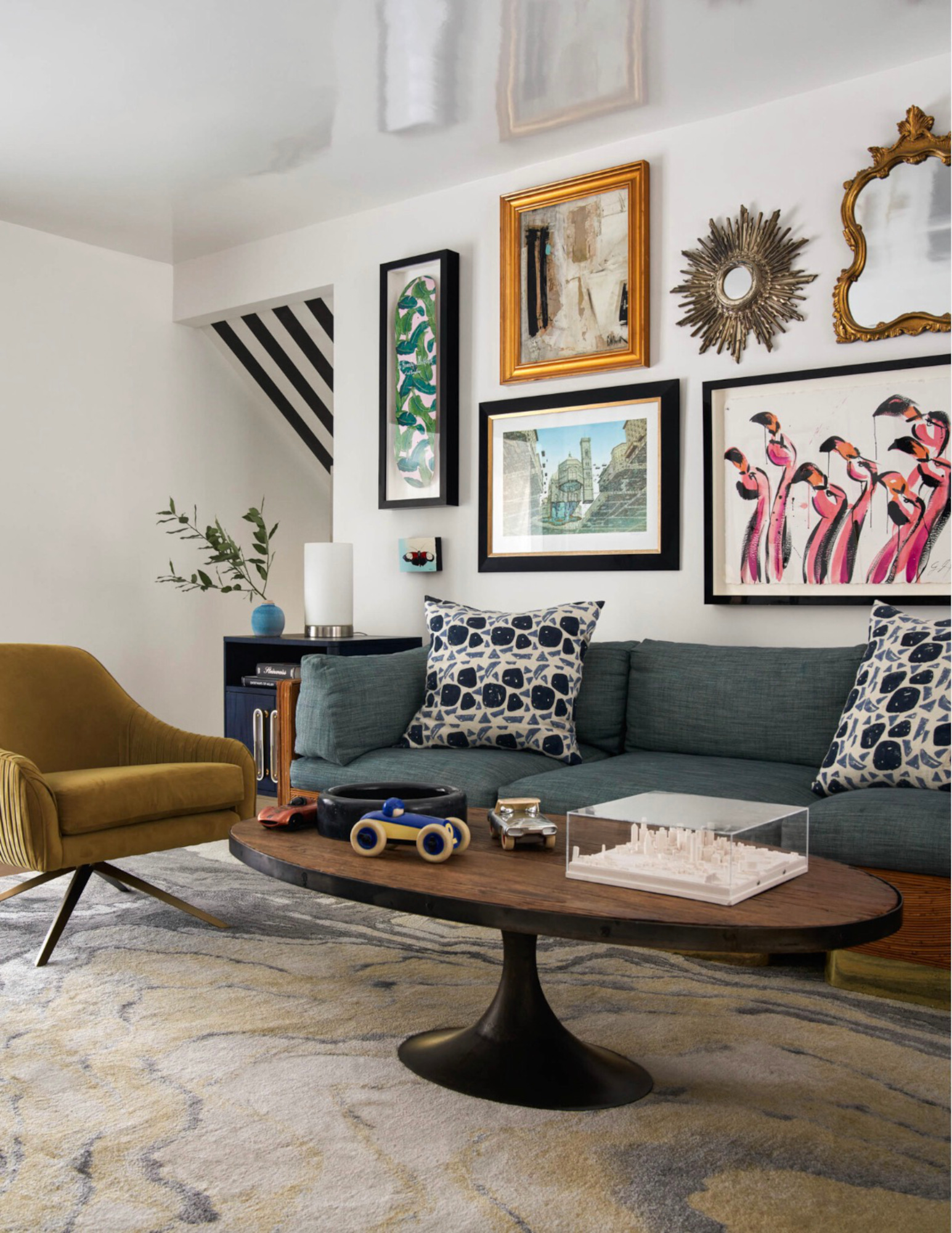
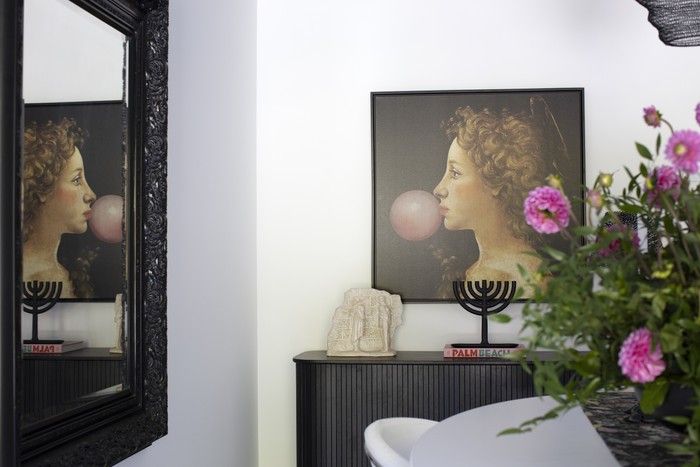
Sightlines are another critical aspect of professional art curation. This concept refers to how art is viewed from various angles within a room and from one room to another. Considering how an artwork appears when viewed from an adjacent dining room or reflected in a mirror ensures a cohesive visual flow throughout the home. Creating a focal point with art is also a fundamental design principle. Every room benefits from a strong primary and secondary focal point. If architectural features or large furniture pieces do not naturally provide these, art can effectively establish them, guiding the eye and enhancing the room's overall design.
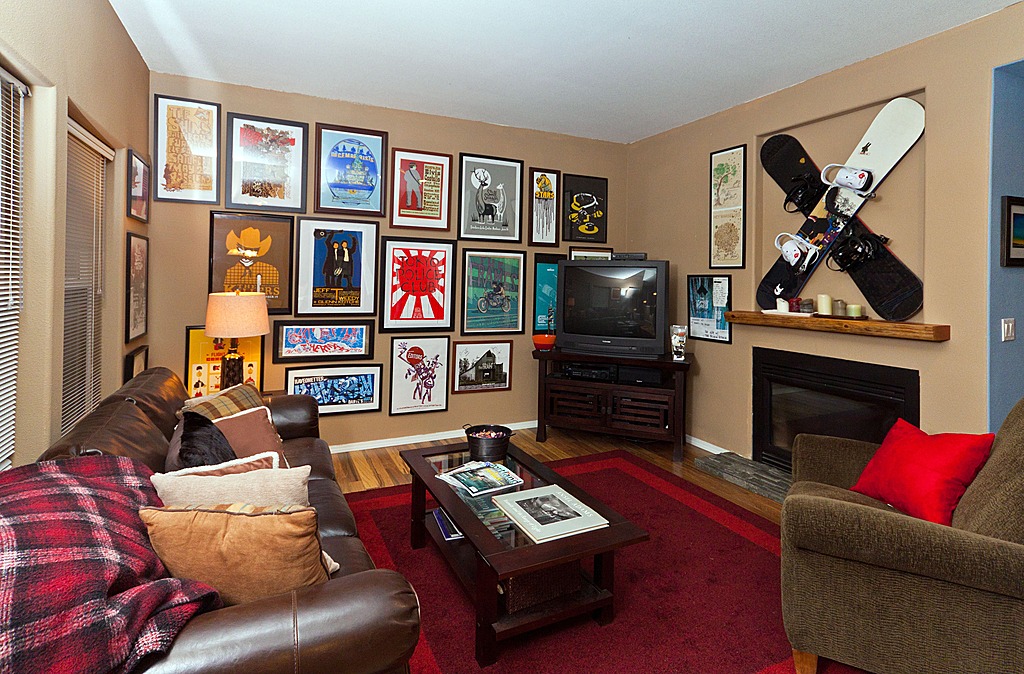
Investing in picture lights can elevate the presentation of art, adding drama and highlighting favored pieces, especially in dimly lit areas. The decision to use dedicated lighting depends on the artwork's prominence as a focal point and the existing natural and artificial light sources in the room. While not always necessary, professional lighting can be a worthwhile consideration for those who frequently entertain. Finally, there is an art to mixing and matching different styles and mediums of artwork. Combining diverse pieces, such as oil paintings with photography or bold abstracts with delicate line drawings, can create a contemporary yet timelessly chic display. However, this approach requires careful consideration to ensure the mixed styles harmonize with the rest of the space, preventing a look that is merely mismatched rather than expertly curated.
#ArtHanging #InteriorDesign #HomeDecor #ArtCuration #FocalPoint #GalleryWall #DesignTips #ArtHanging #InteriorDesign #HomeDecor #ArtCuration #FocalPoint #GalleryWall #DesignTips
0 comment in total
 No comments yet
You may also like
Hanging art salon style: everything you need to know

7 Interior Designers Share Their Tips on Buying Art for Your Home
How to Hang an Art Collection Like an Expert
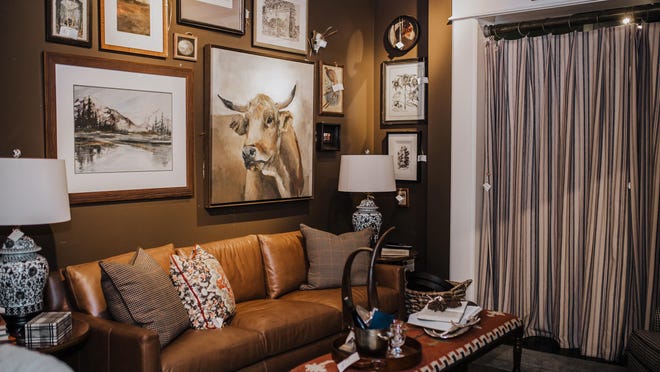
Style at Home: Creating the perfect gallery wall

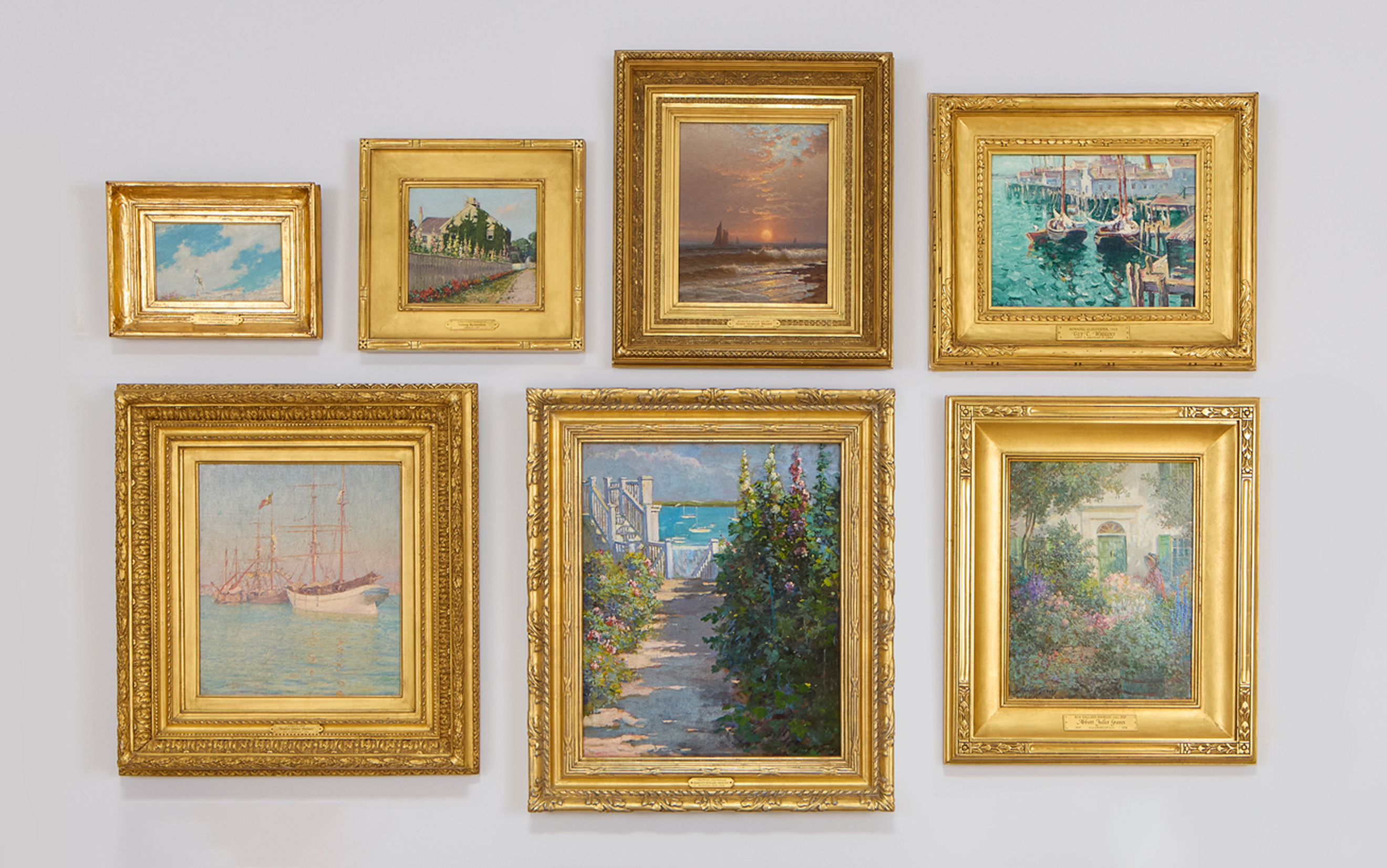
Hanging art salon style: everything you need to know
Yes, You Can Hang Art Like a Pro | Reviews by Wirecutter
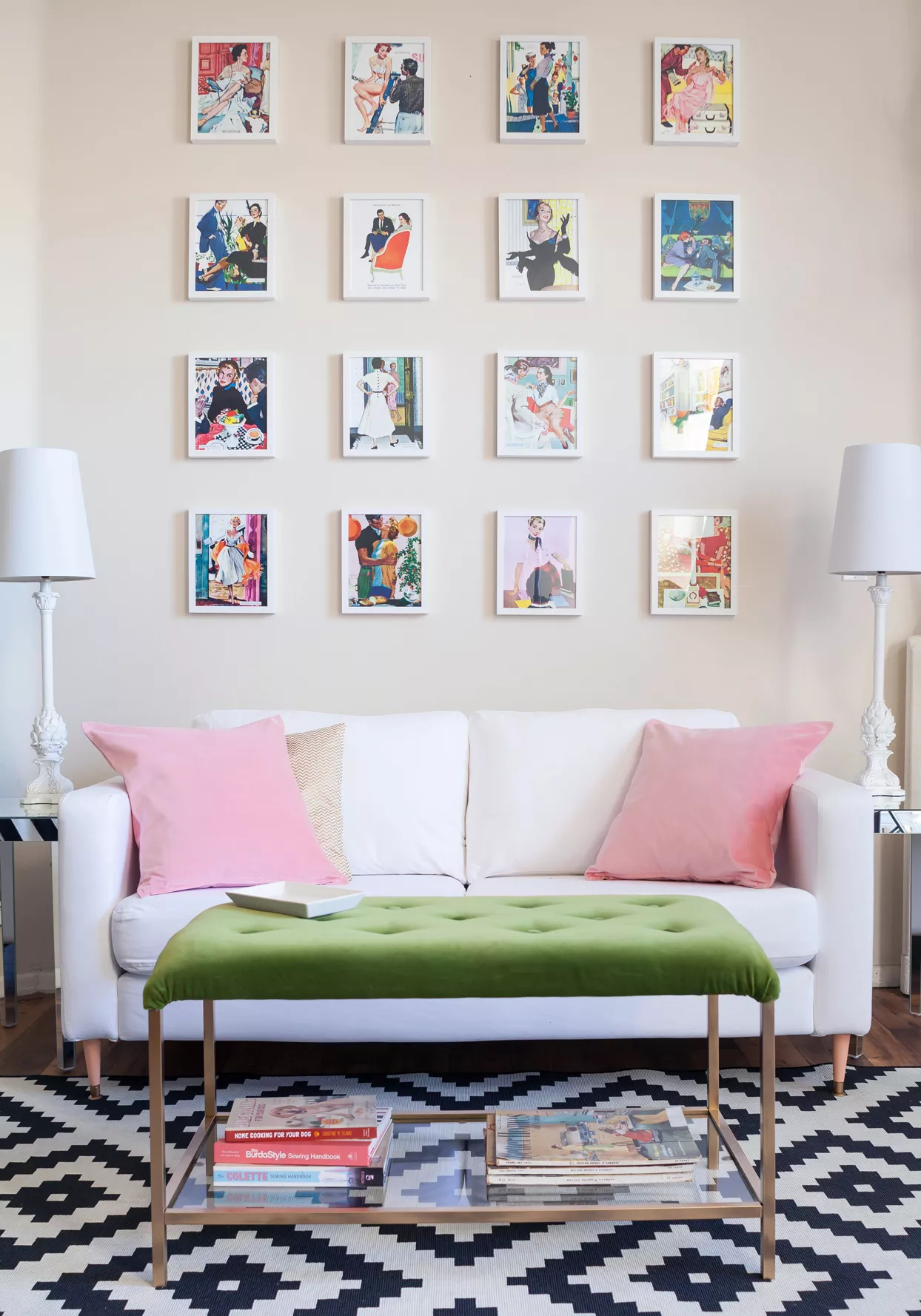
How to Arrange Art for a Flawless Wall Display

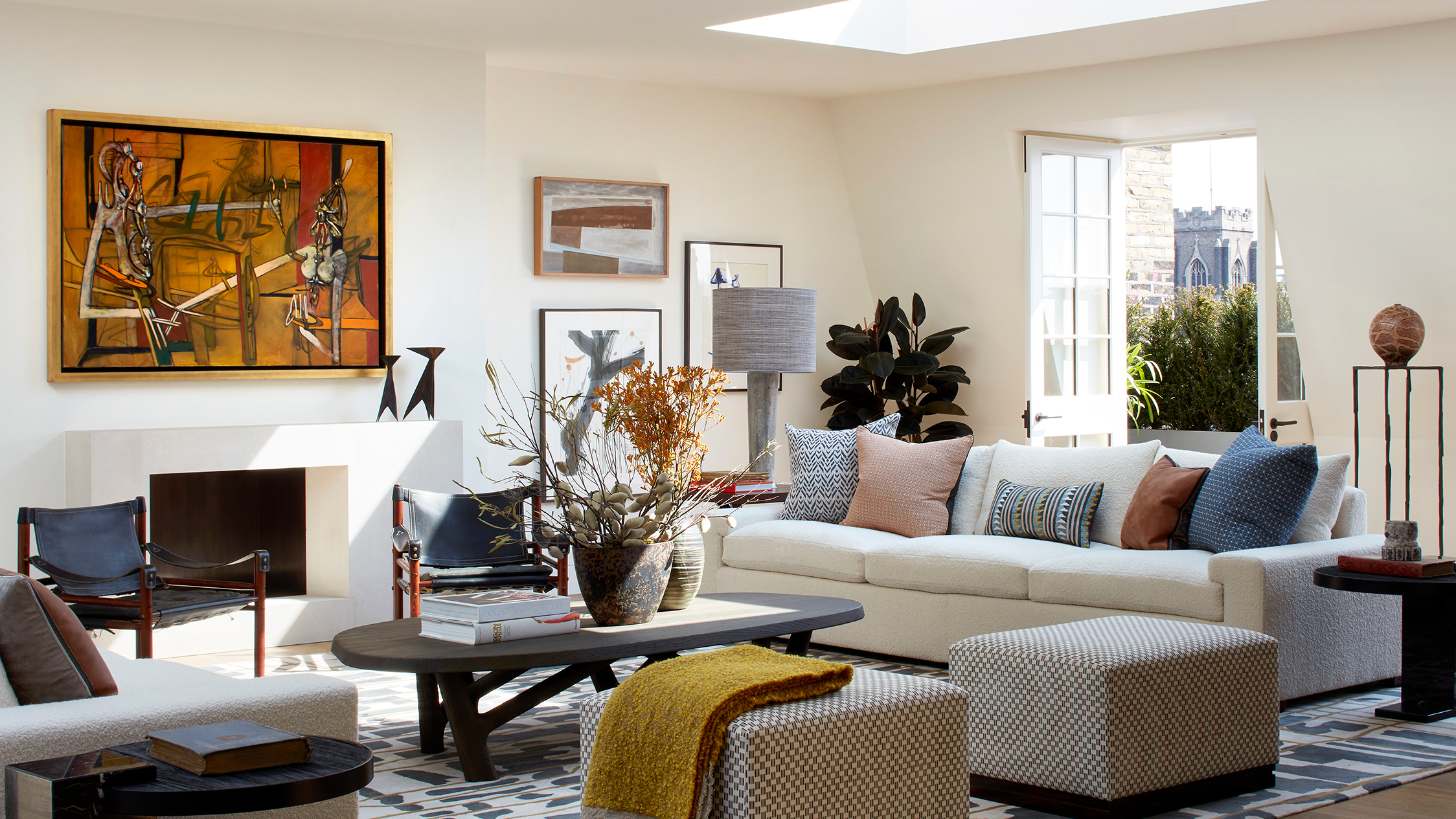
'Your art should be in conversation with each other' – how to coordinate wall decor in a room for a curated display
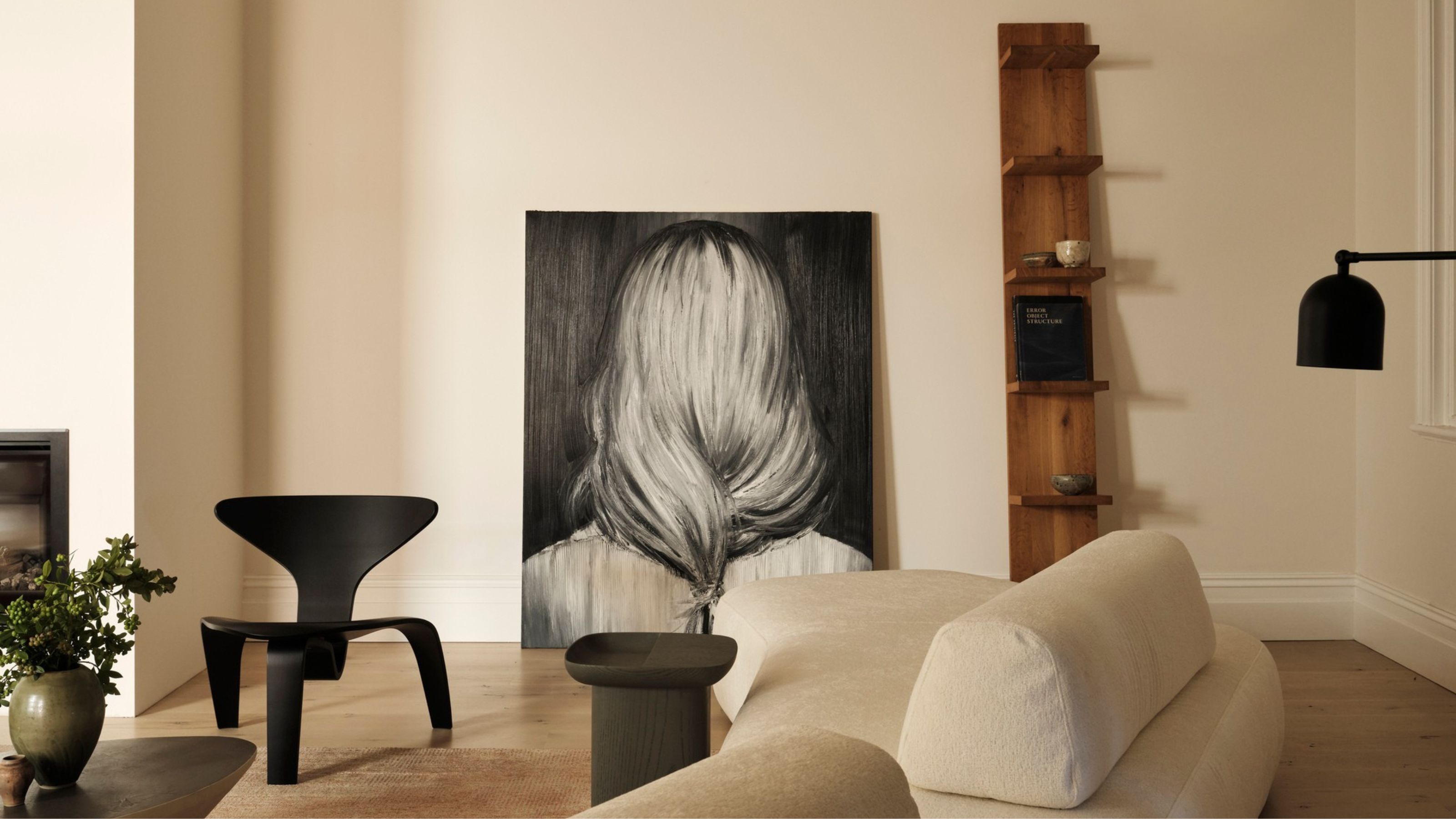
This 'Lazy' Way of Displaying Art, Conveniently, Also Happens to Be the Best Looking

Art Hanging Tips From an Expert
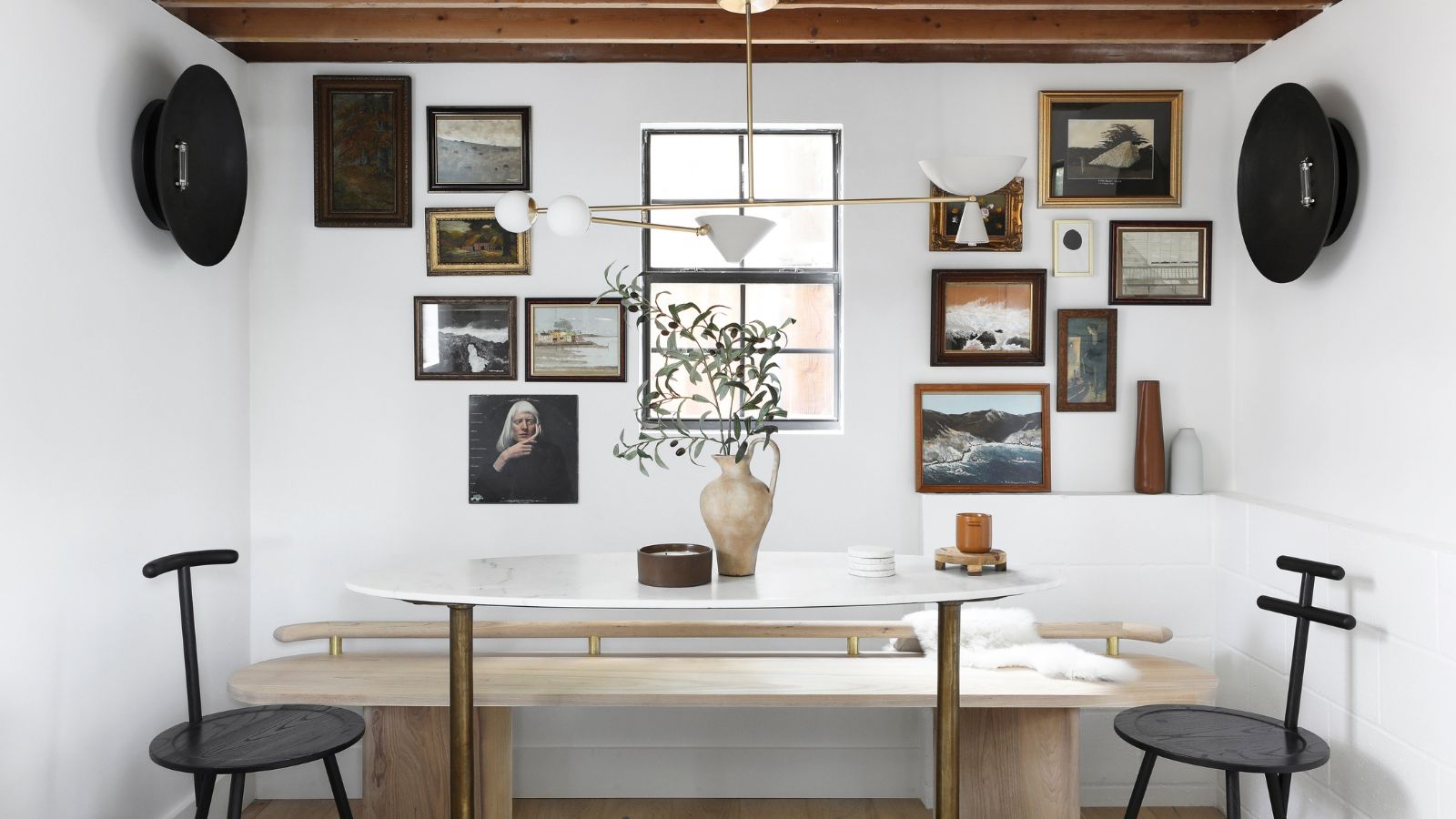
5 common gallery wall mistakes designers warn to always avoid – to create the chicest of displays

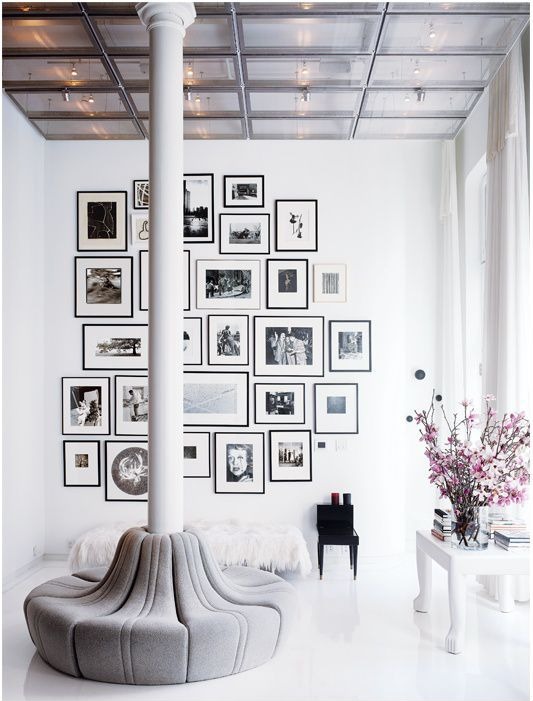
How to create a gallery wall in your home
The Stress-Free Way to Hang Art (Published 2021)

How to Hang Curtains the Way an Interior Designer Would — To Balance, Blur Lines, and Bring Impact to a Room
Emily Henderson just shared her tried-and-true tips for hanging art – this is how to get a gallery-like look
Curating art for the home is an art in itself

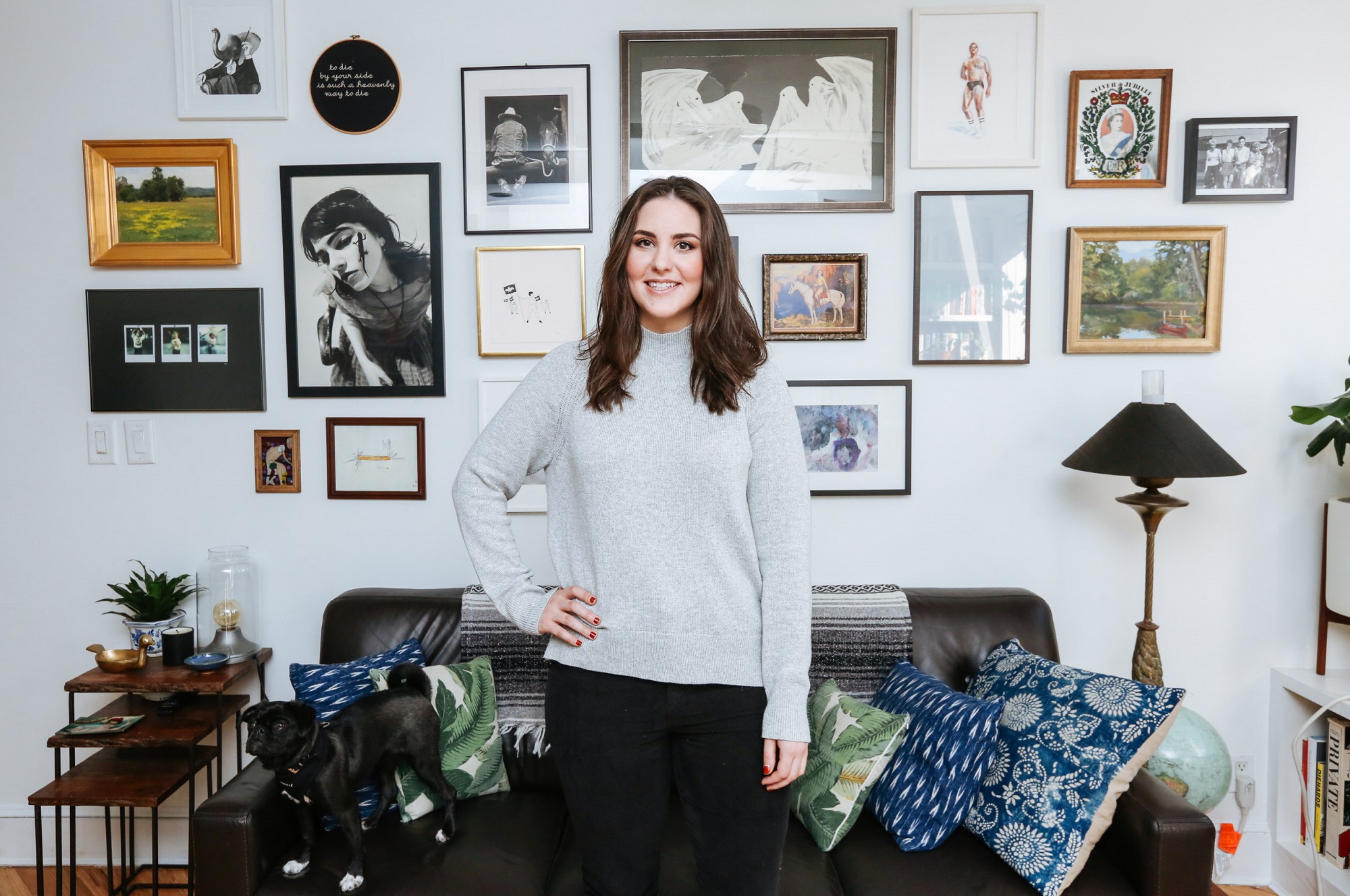
7 DIY tips for how to hang a gallery wall from experts
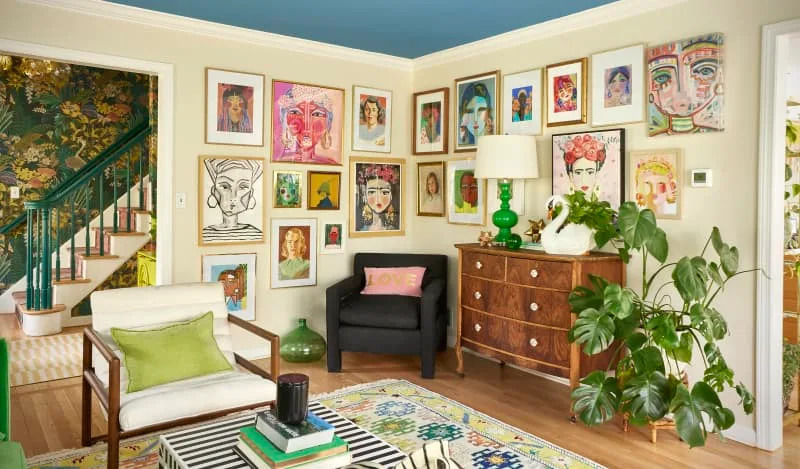
Even newbies can master this popular home-decor trend
I’ve Hung 5 Tricky Gallery Walls — Here’s What I Learned the Hard Way

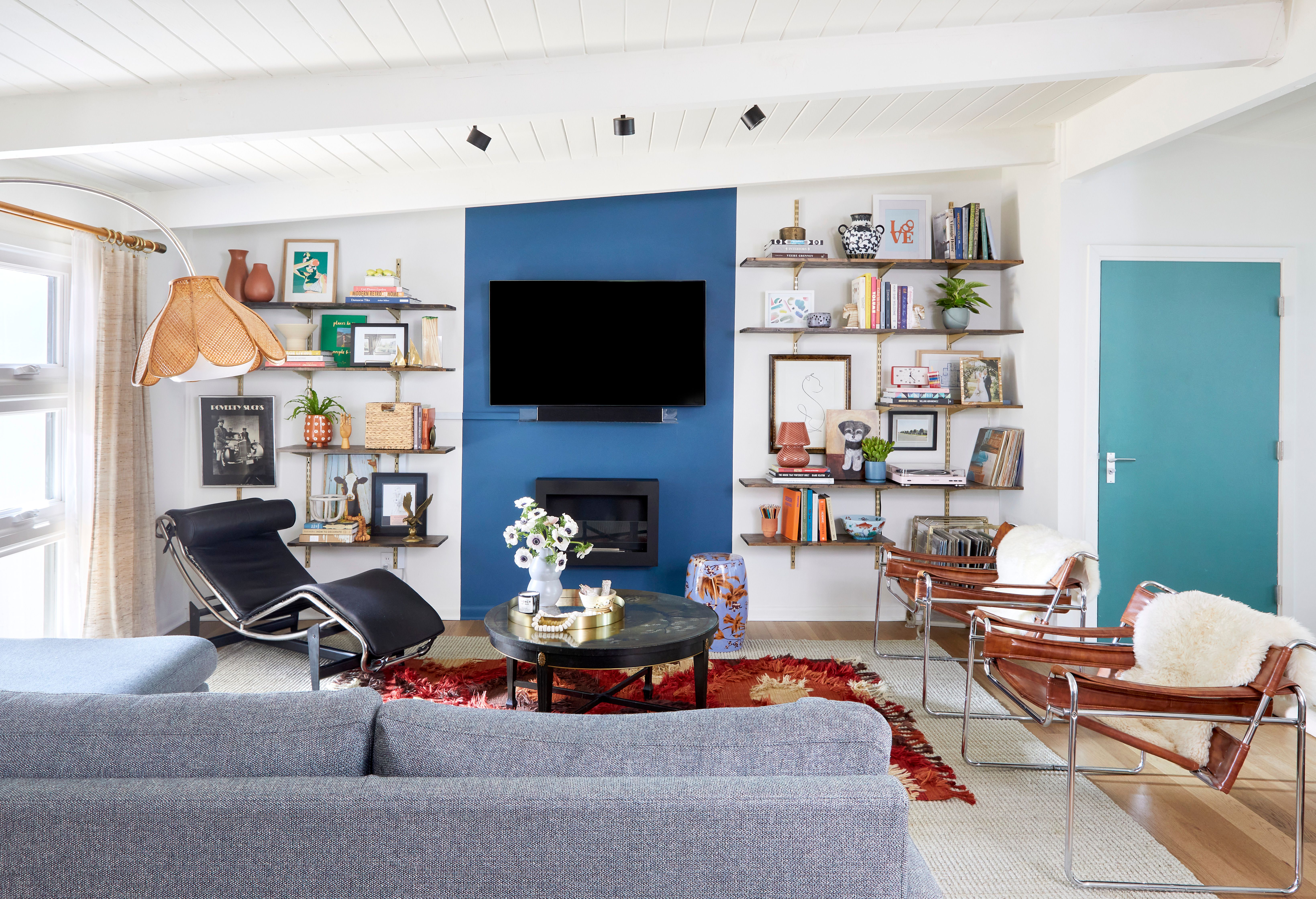
7 Ideas for How to Decorate a Large Wall with the Perfect Scale