1/5
Curating art for the home is an art in itself
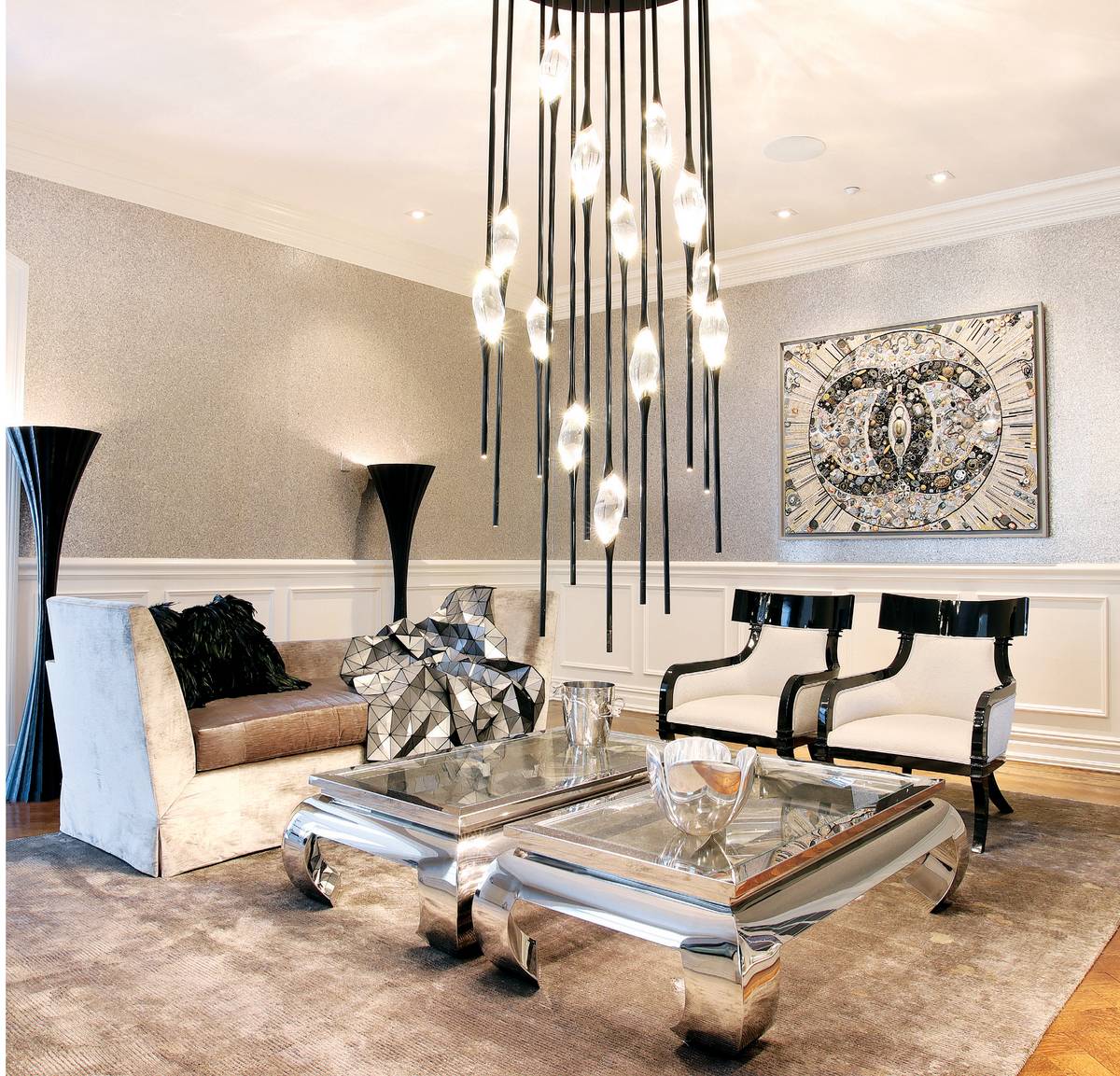
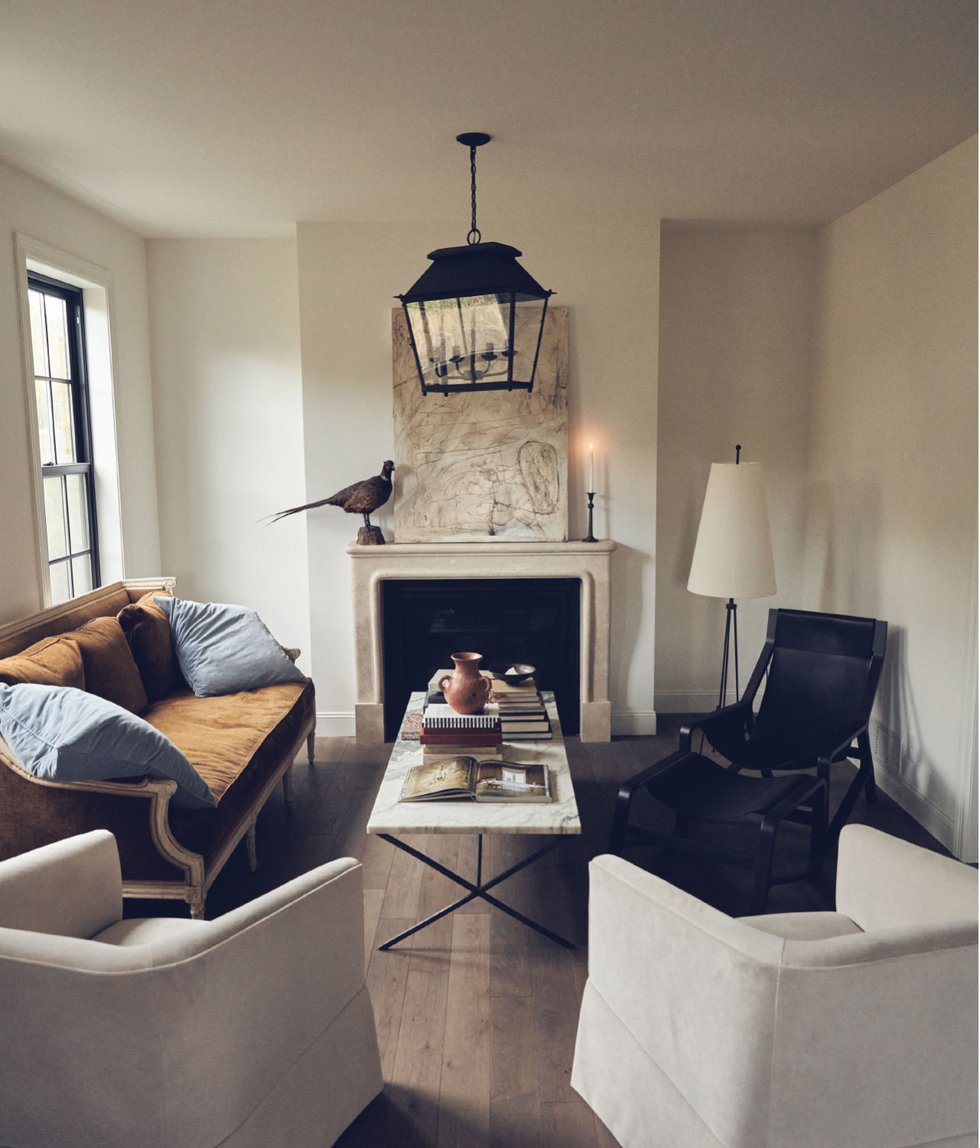
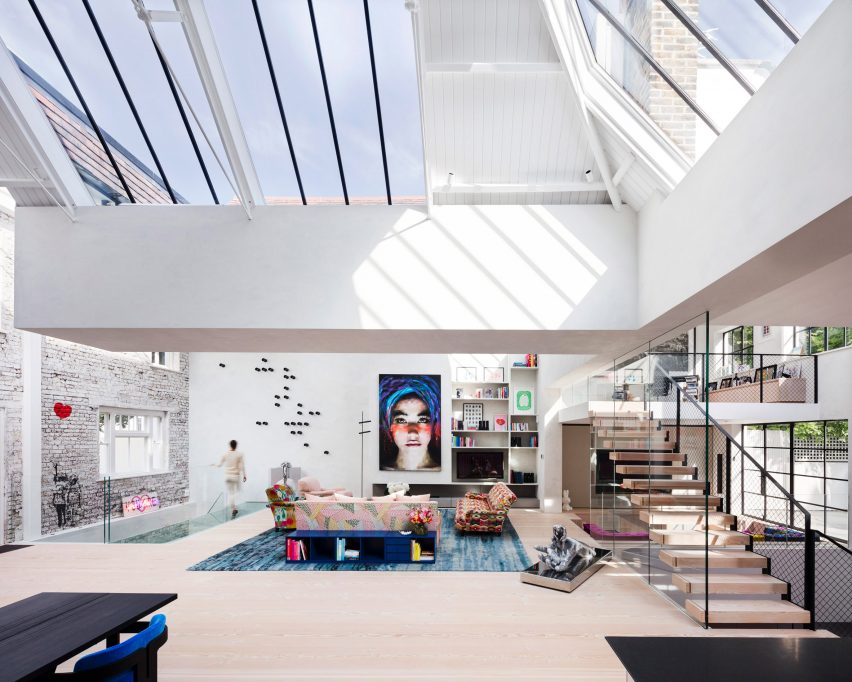
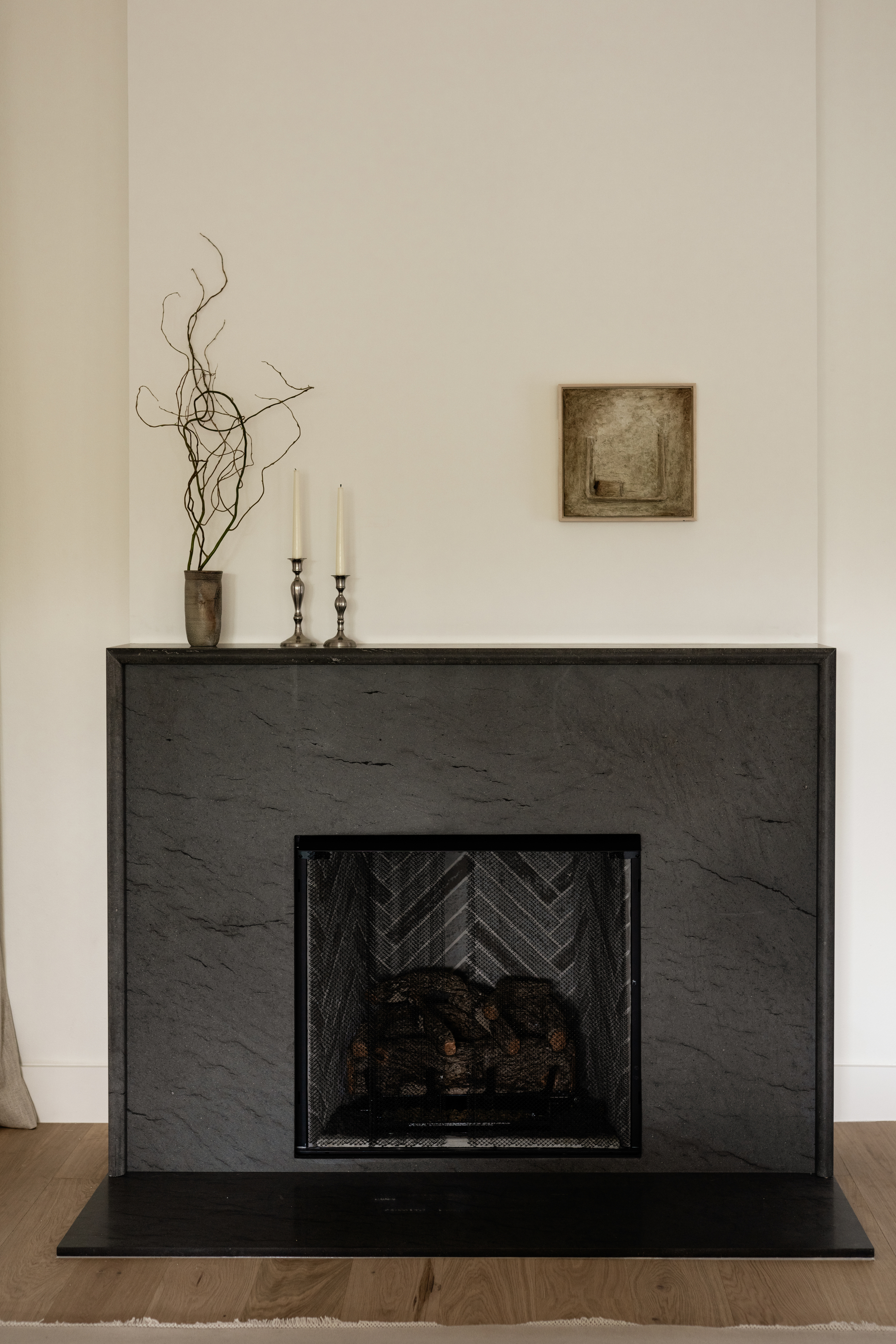
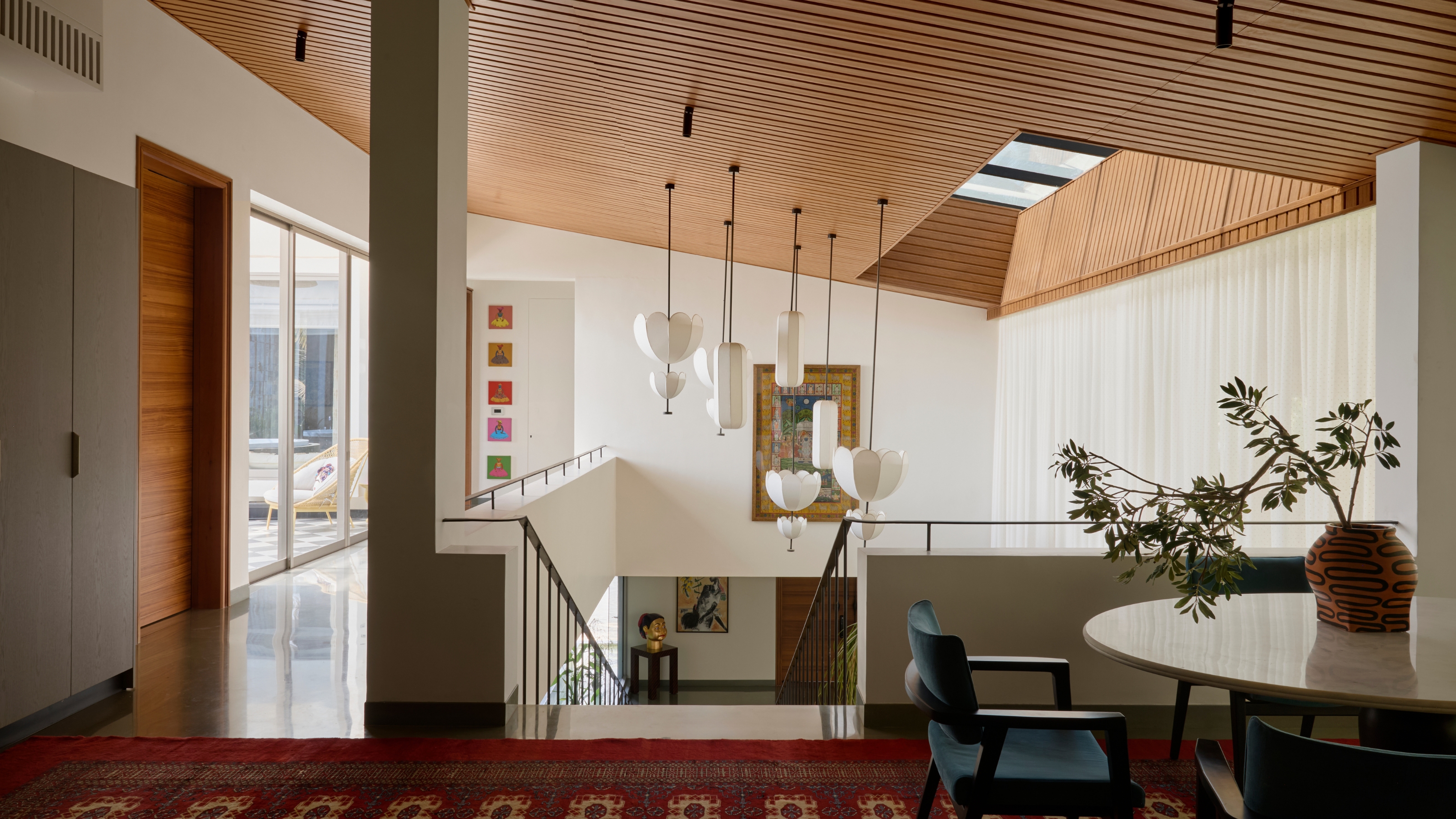
Displaying art in a home, whether it's a house or a condo, is an artistic endeavor that requires careful consideration of various factors to create impact and harmony within the space. While there are no strict rules in design, according to Ben Leavitt of PlaidFox Studio, there are optimal approaches to showcasing artwork. The size of the living space significantly influences art placement, with larger homes offering more opportunities than smaller condos. Despite size constraints, art is considered essential for bringing life to any space. Happy Home Design, for example, specializes in optimizing art display in small spaces like modern condos, which often have abundant windows, limiting wall space. In such environments, art pieces become more impactful as they face less competition from other artworks. The density of windows in new condo builds necessitates a strategic approach to identifying feature walls and determining appropriate artwork sizes.
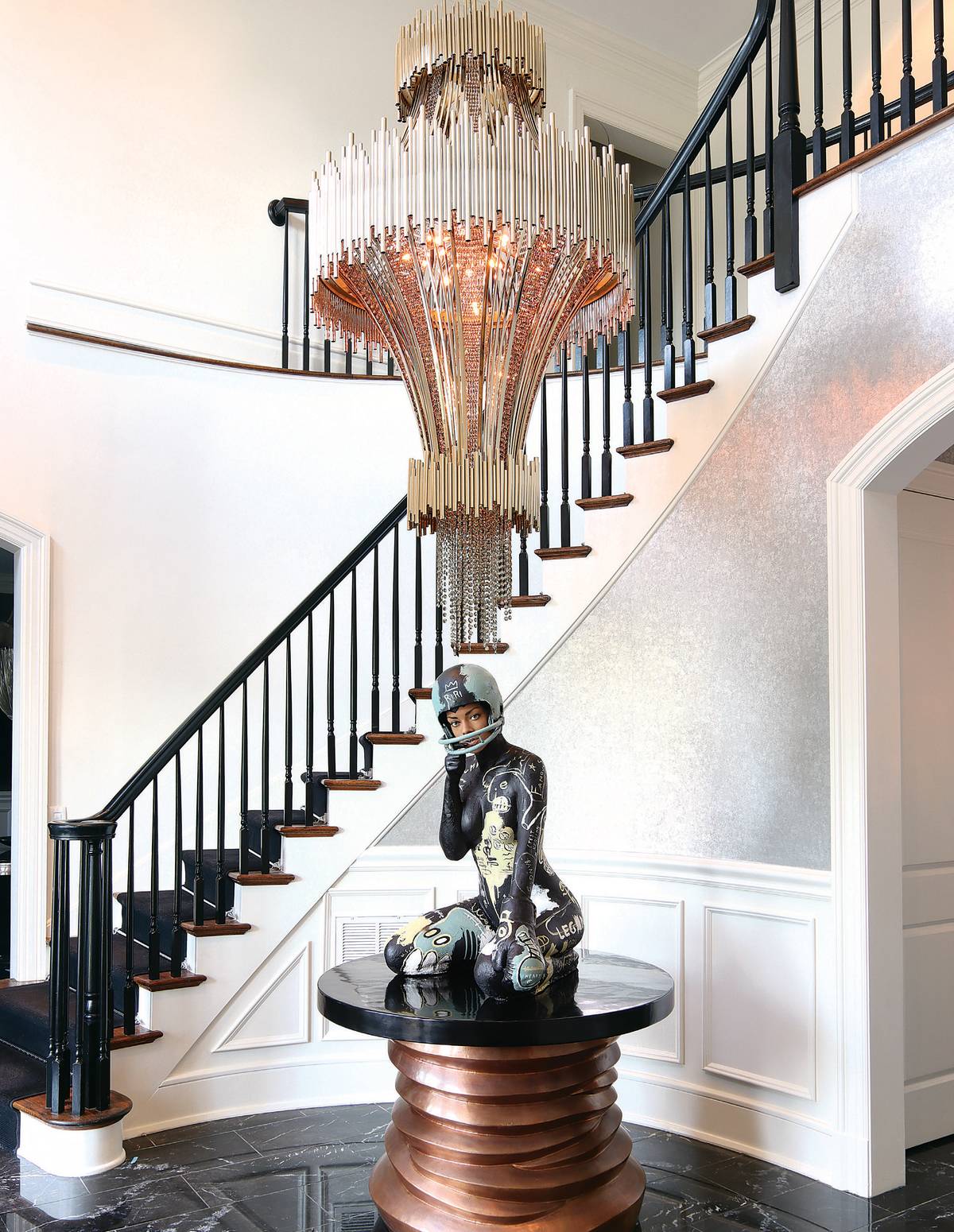
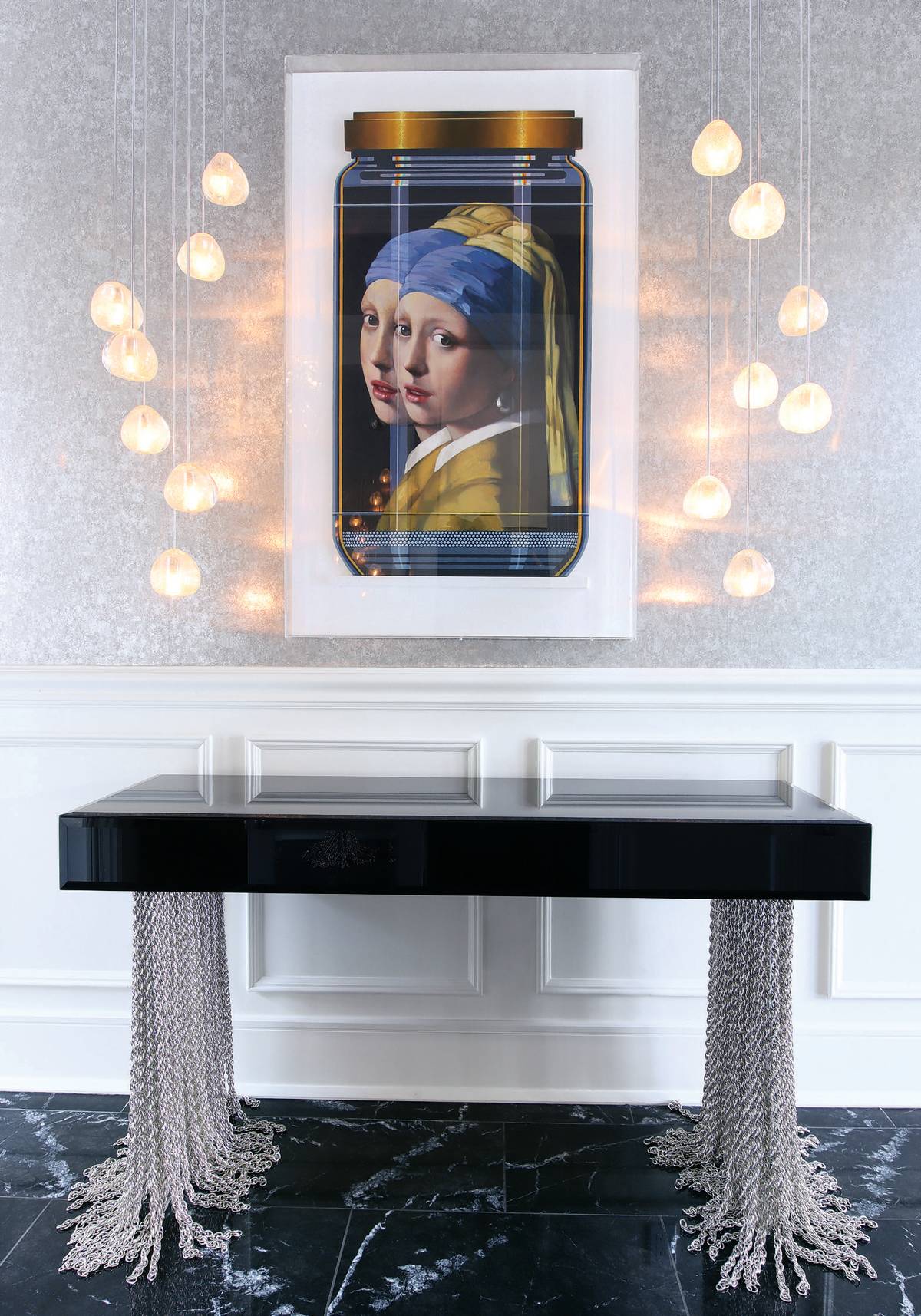
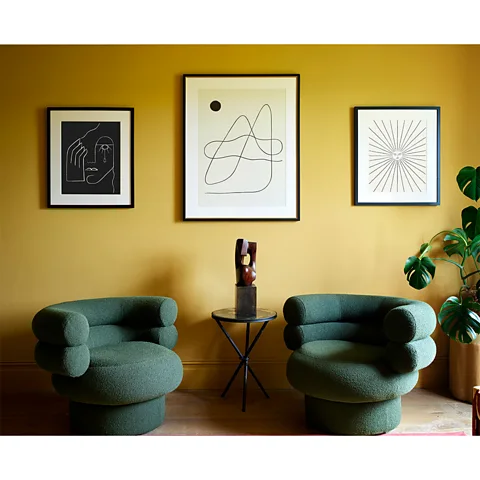
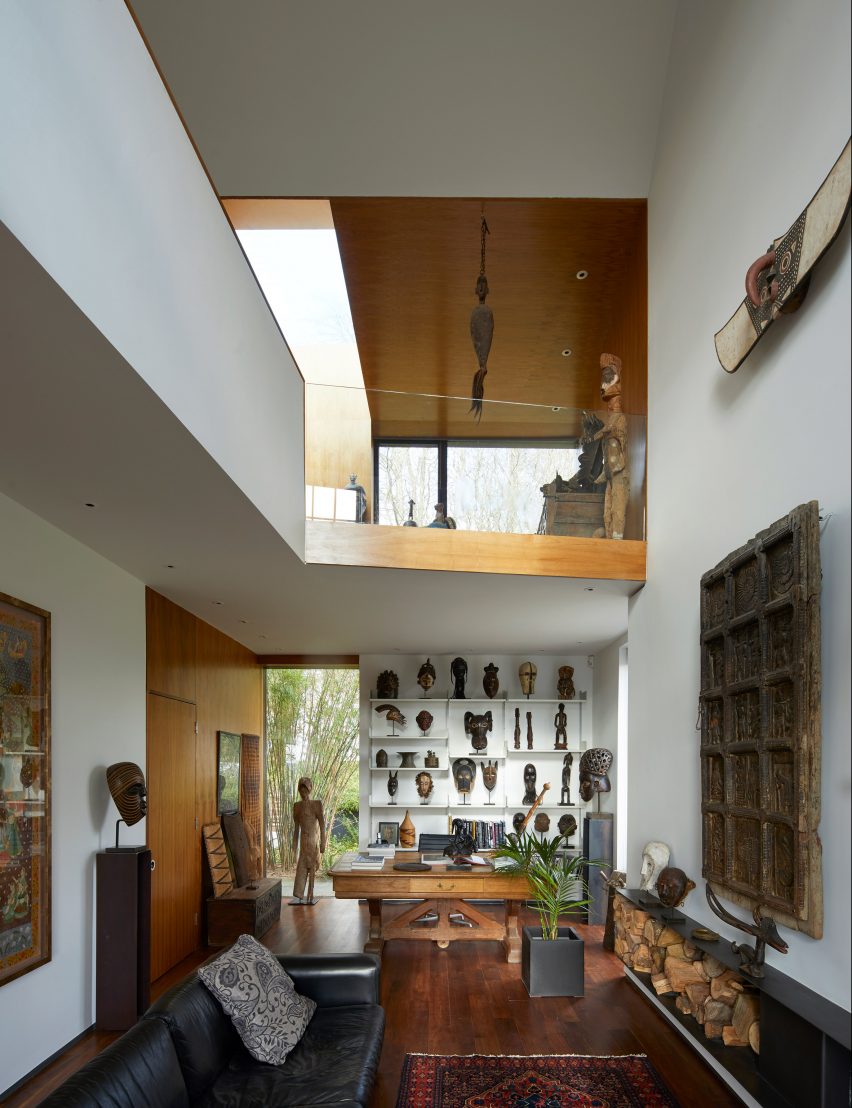
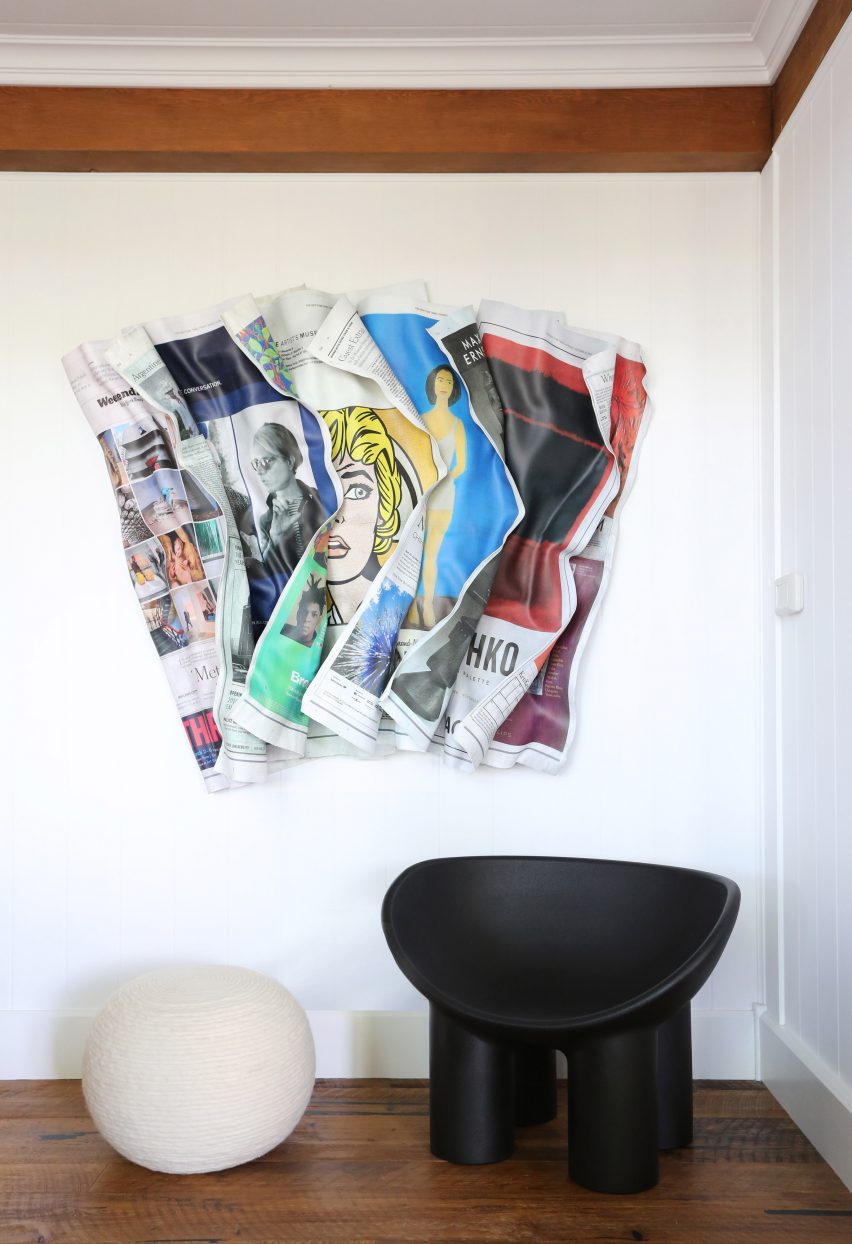
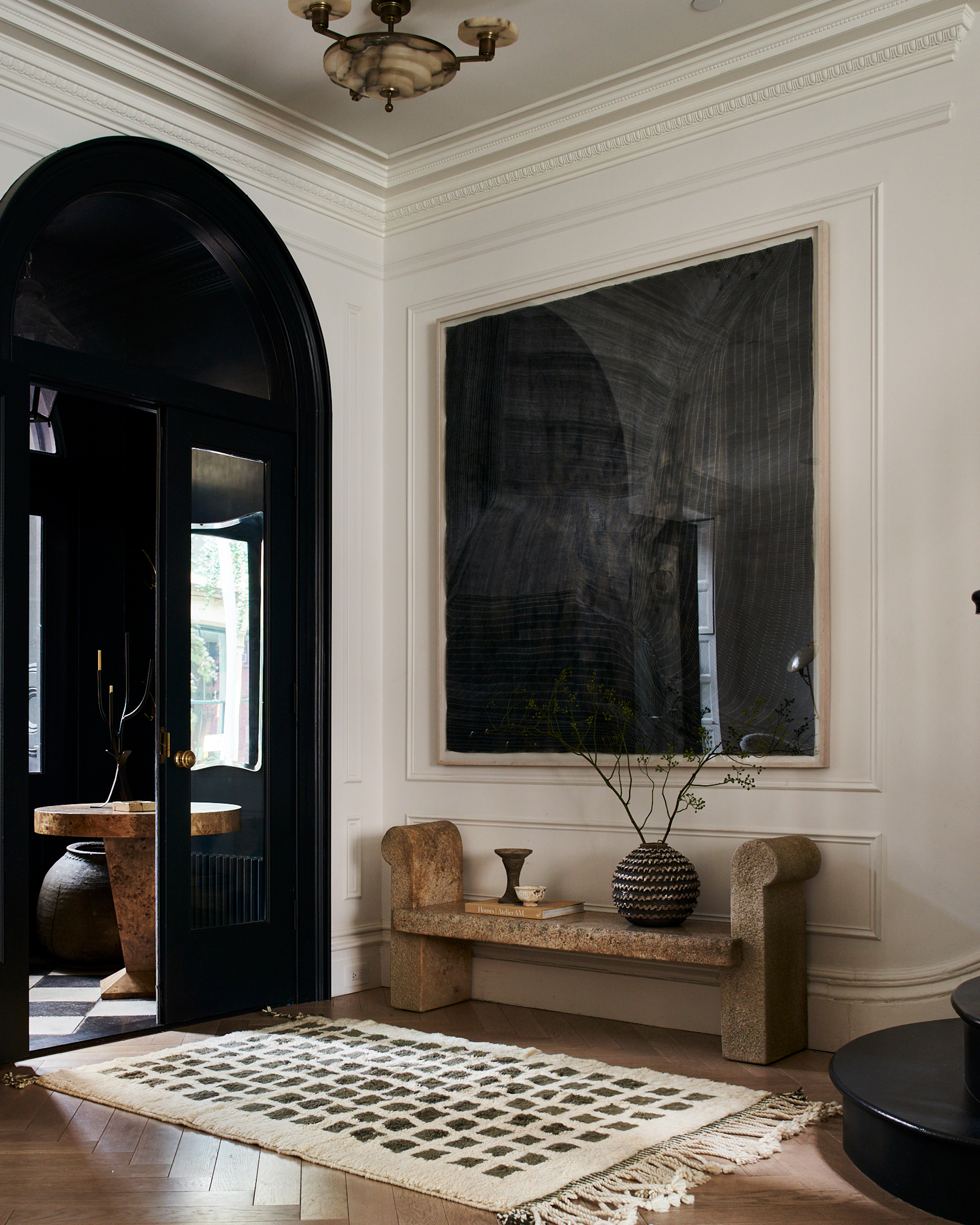
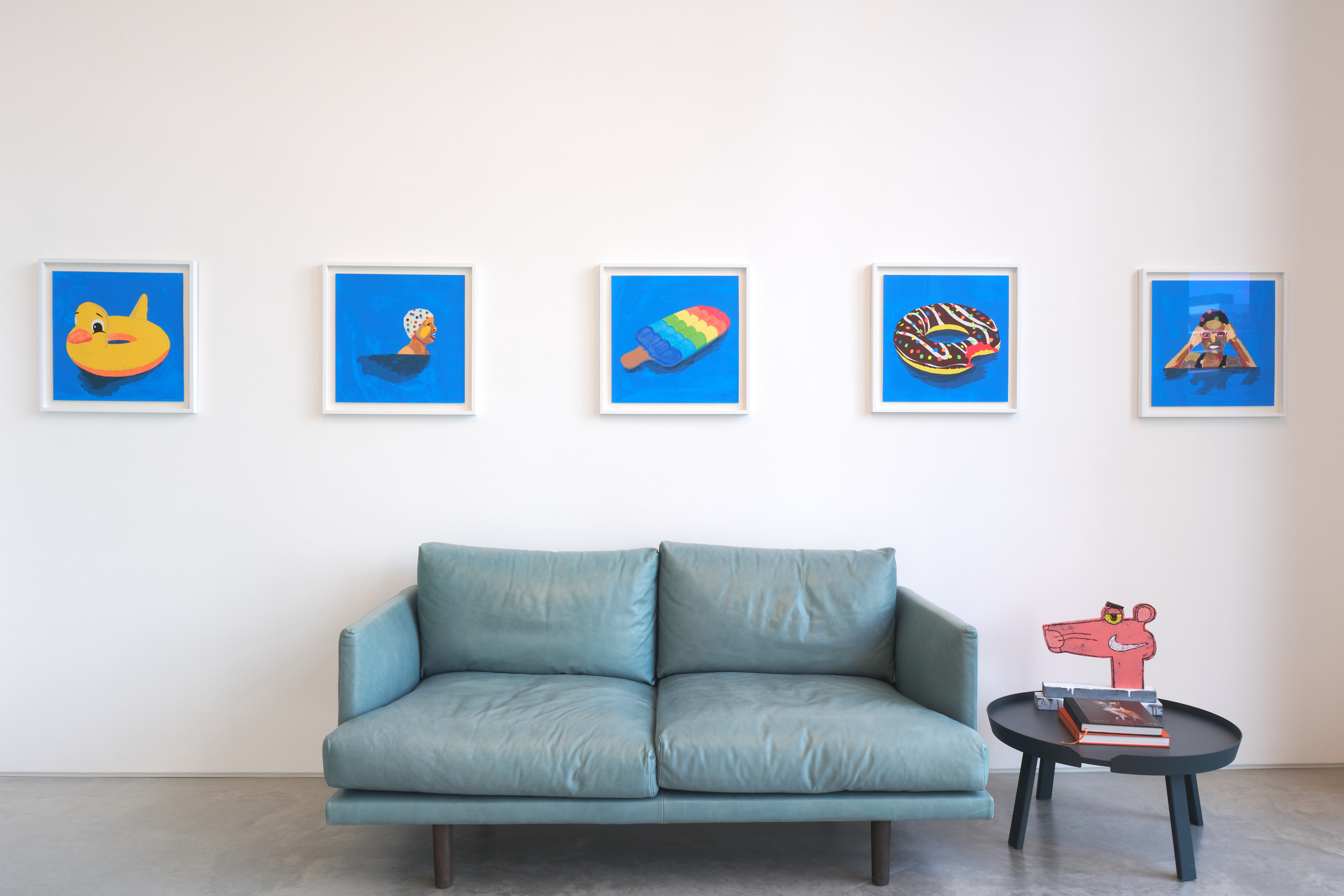
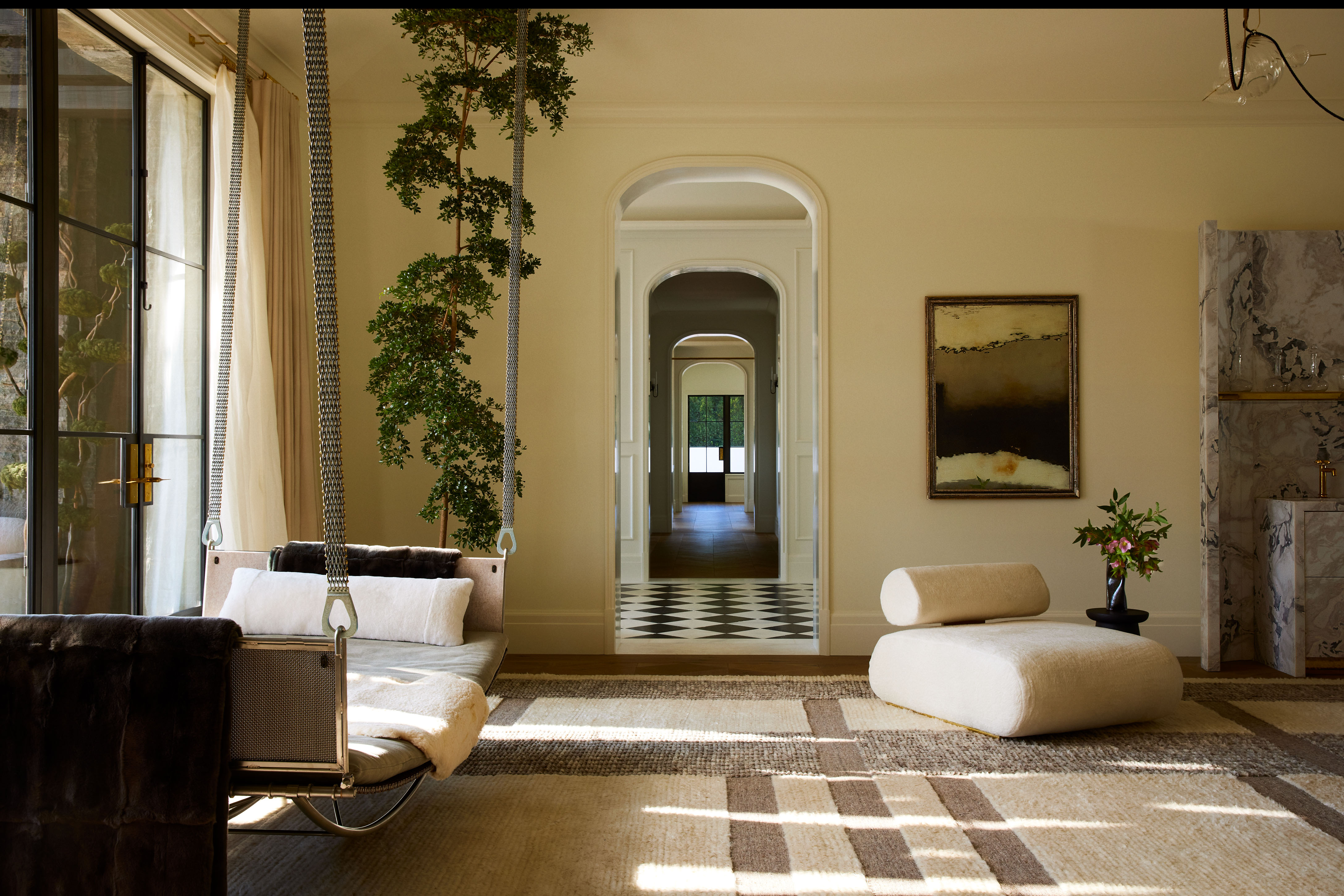
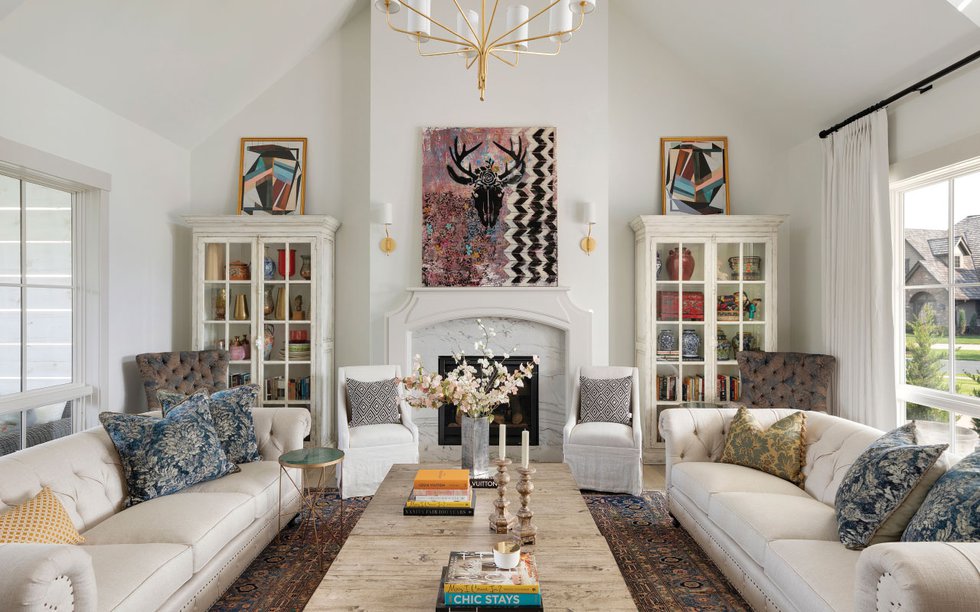
Artwork chosen for display should allow for "breathing room," meaning individual pieces should have enough surrounding space to be appreciated. For collectors with numerous pieces, the challenge lies in curating these items to provide each piece with adequate space and to thoughtfully juxtapose them to foster a dialogue between artworks. When assisting clients in selecting art, designers consider the homeowners' interests, desired mood for the room, and color schemes. The physical dimensions and scale of the artwork must be proportionate to the furniture and the overall balance of the room. Creating visually engaging vignettes as one moves through a space is also important; blank walls that disrupt the room's balance are opportunities for artwork. In prominent areas like a foyer, a larger artwork can create a significant visual impact compared to a smaller piece on a grand wall.
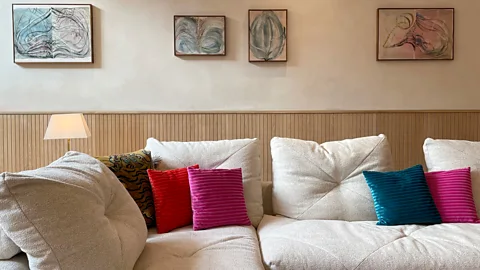
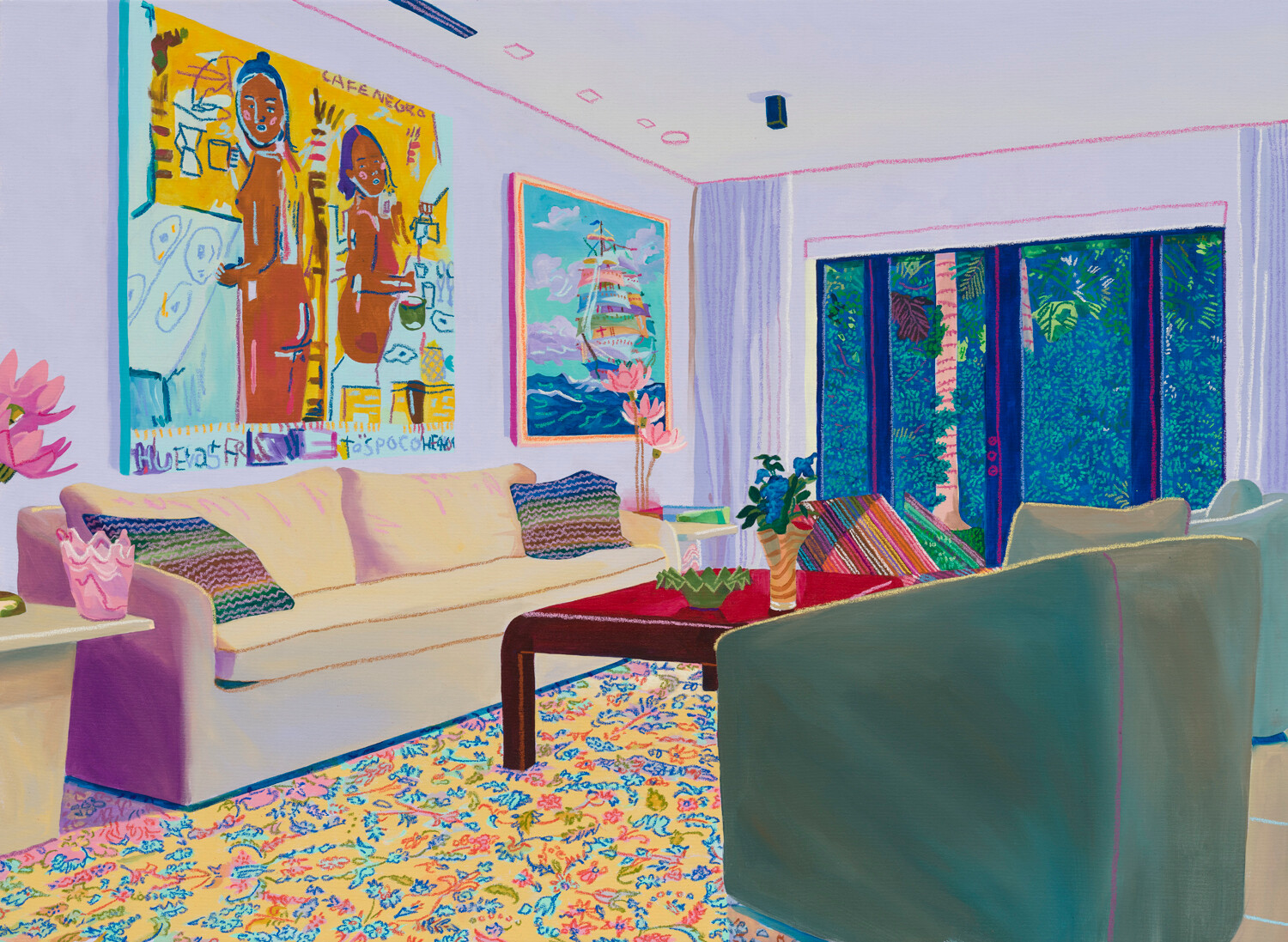
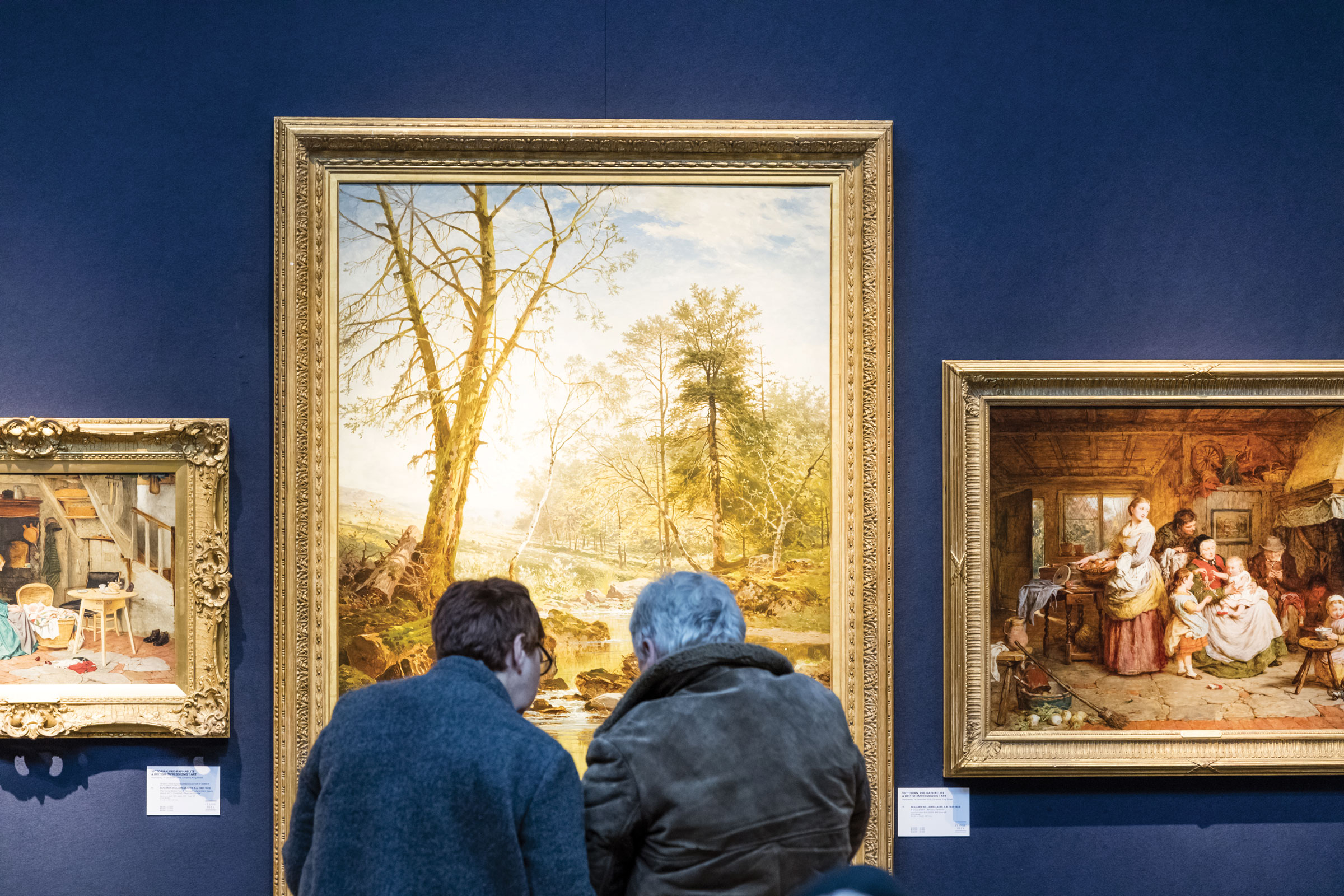
Different rooms call for different artistic considerations. Leavitt suggests that the choice of art for a bedroom versus a living room depends on the desired atmosphere. Calming artwork would suit a serene room, for instance. Practical aspects, such as reflections, are also important; rooms with ample natural light may benefit from art without glass or with non-glare, matte-finish glass to prevent distracting reflections. Family artwork is often preferred in more personal areas, such as bedrooms or hallways leading to private spaces, rather than in public living rooms. Thematic art, like a beach scene, might be appropriate for a bathroom, especially if it relates to family photos or interests.
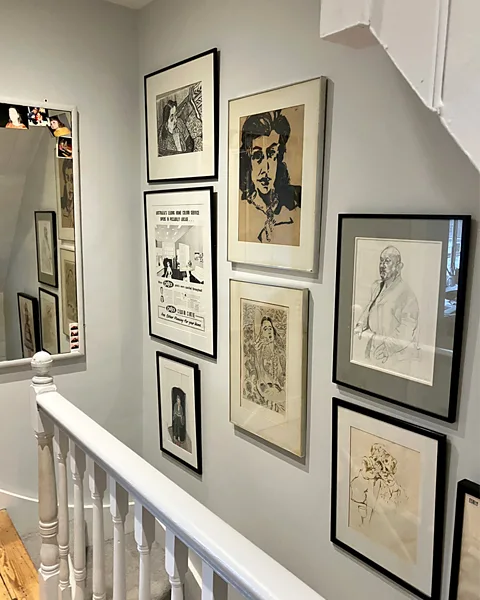
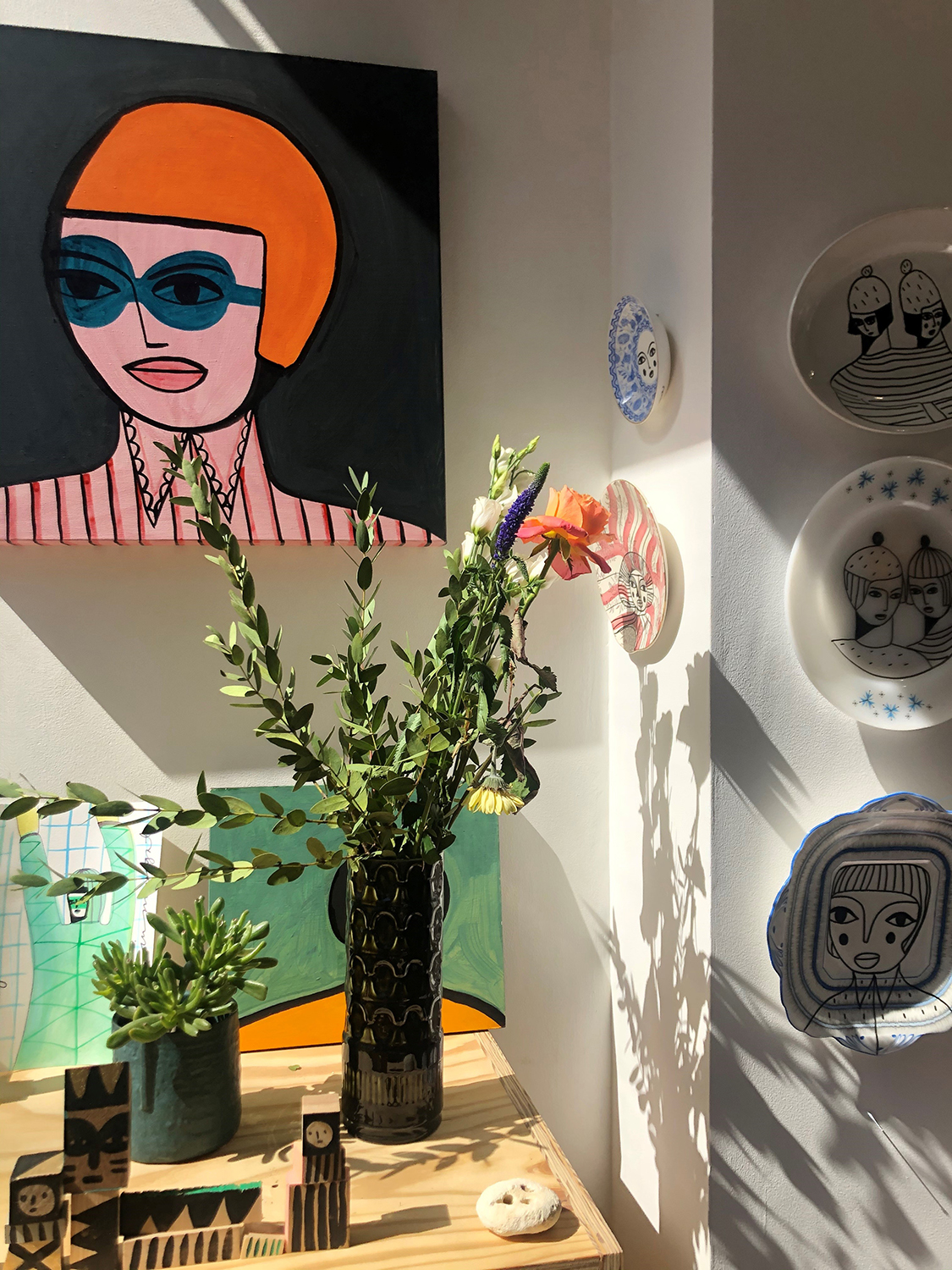
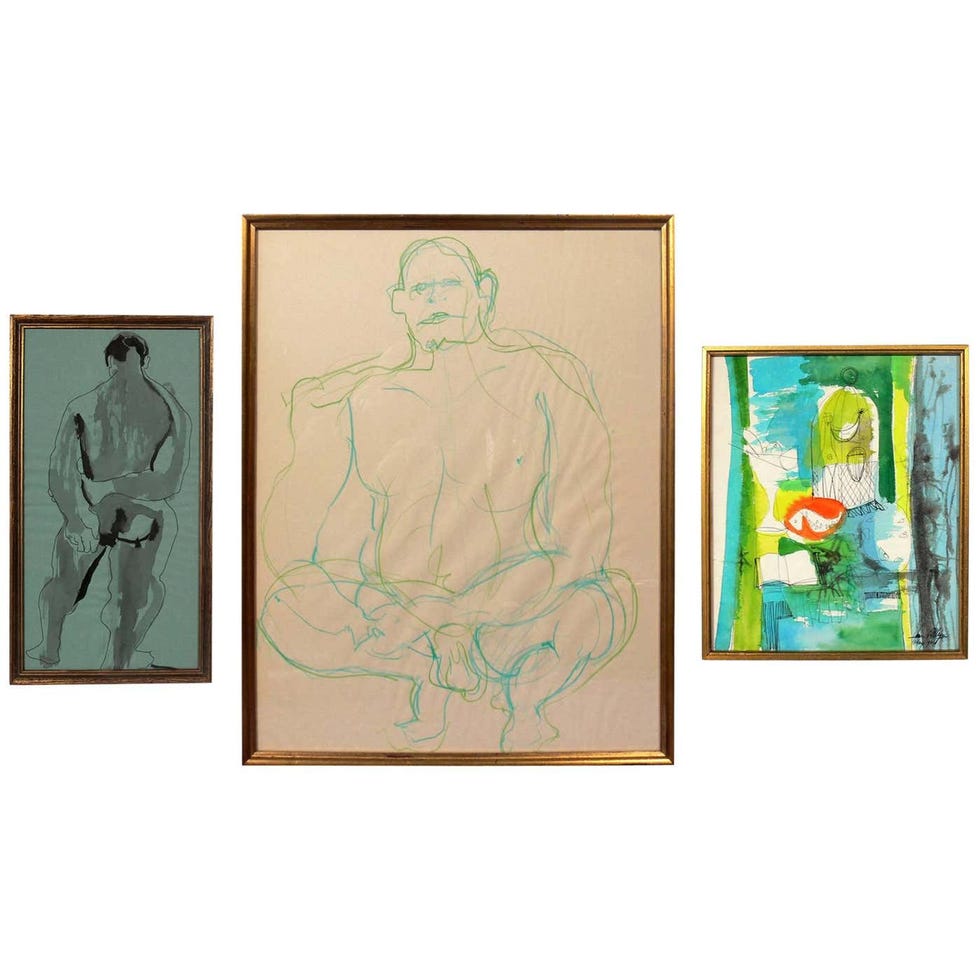
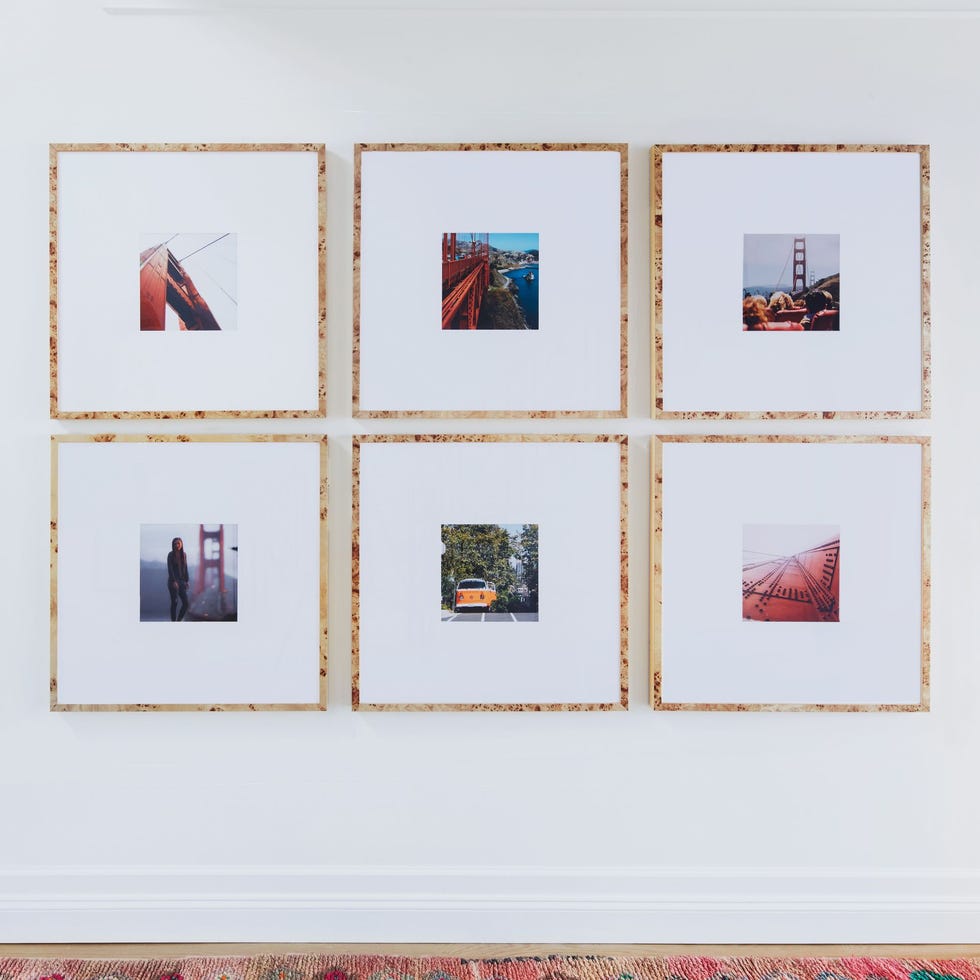
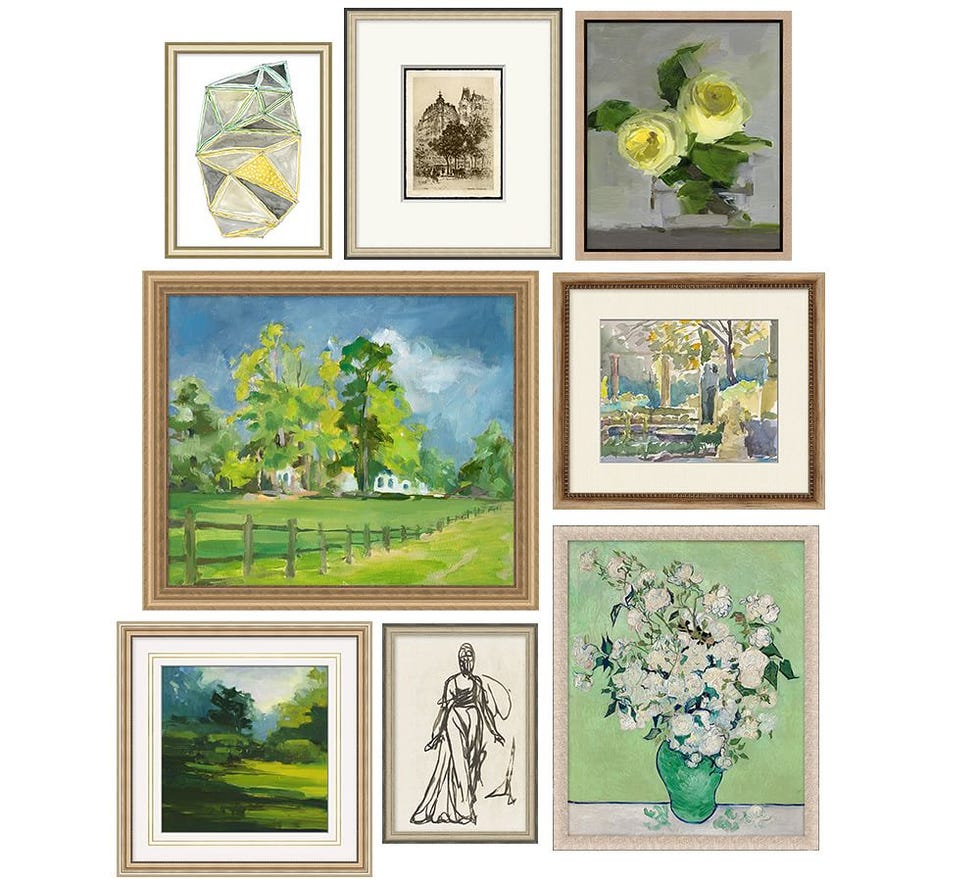
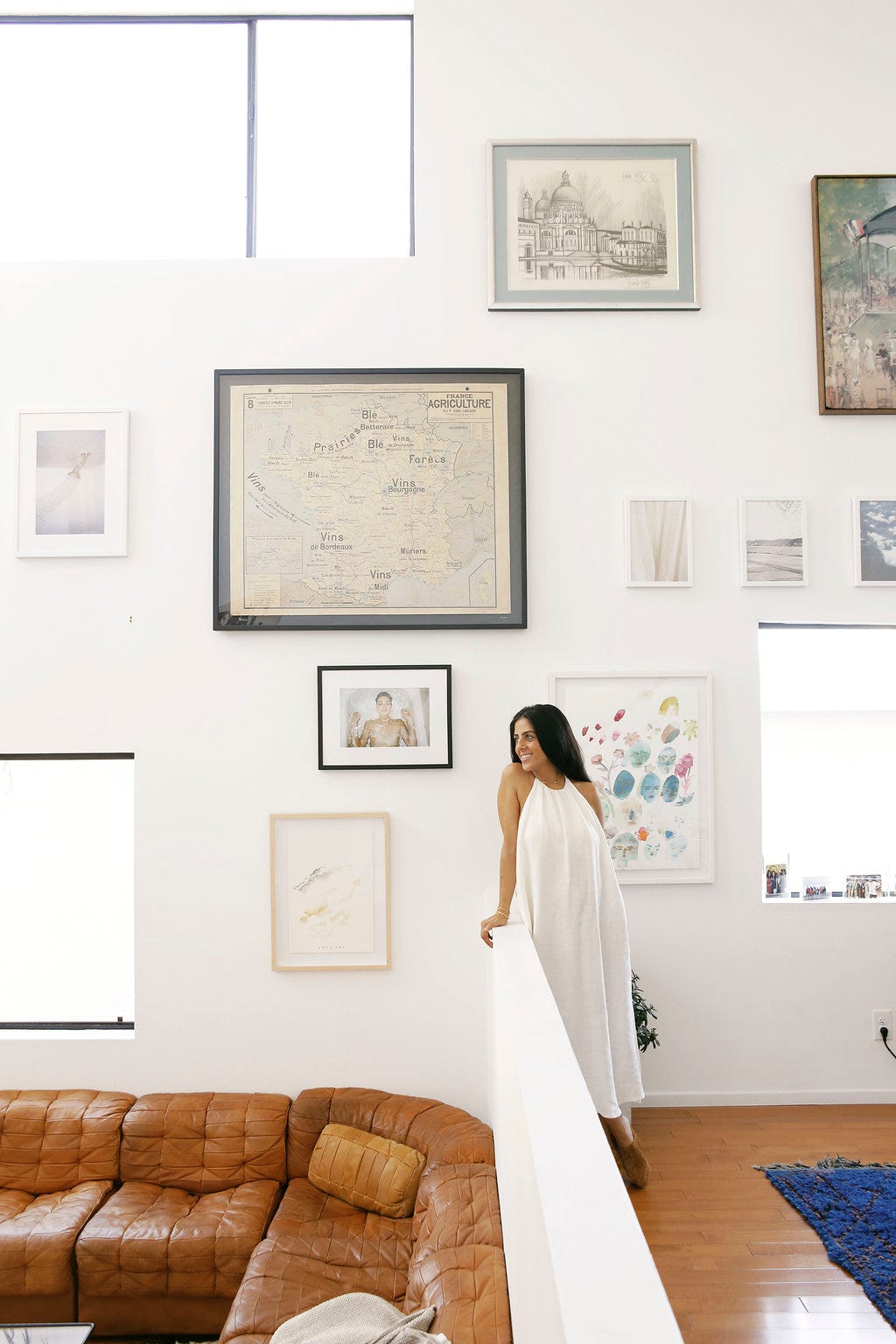
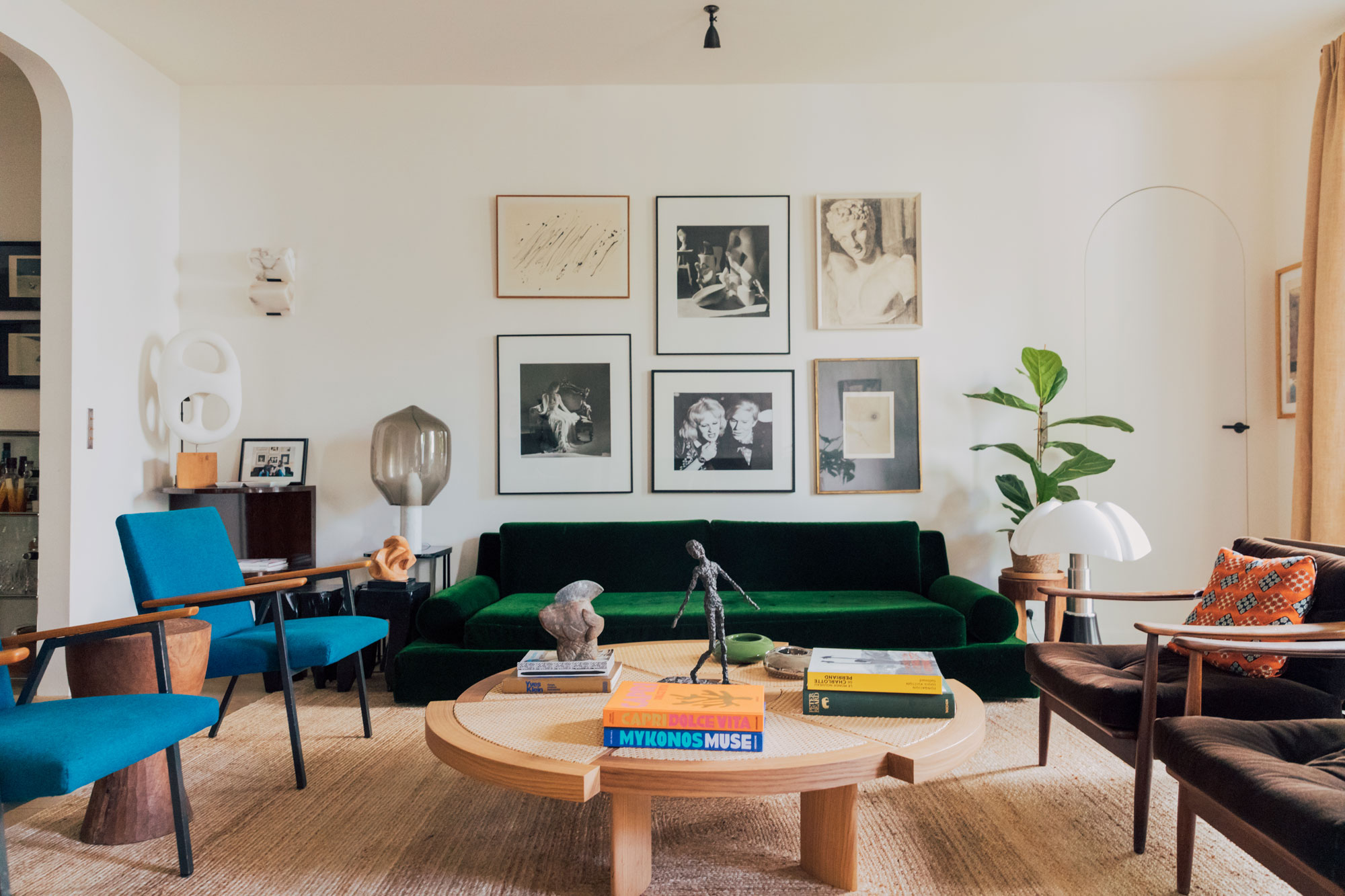
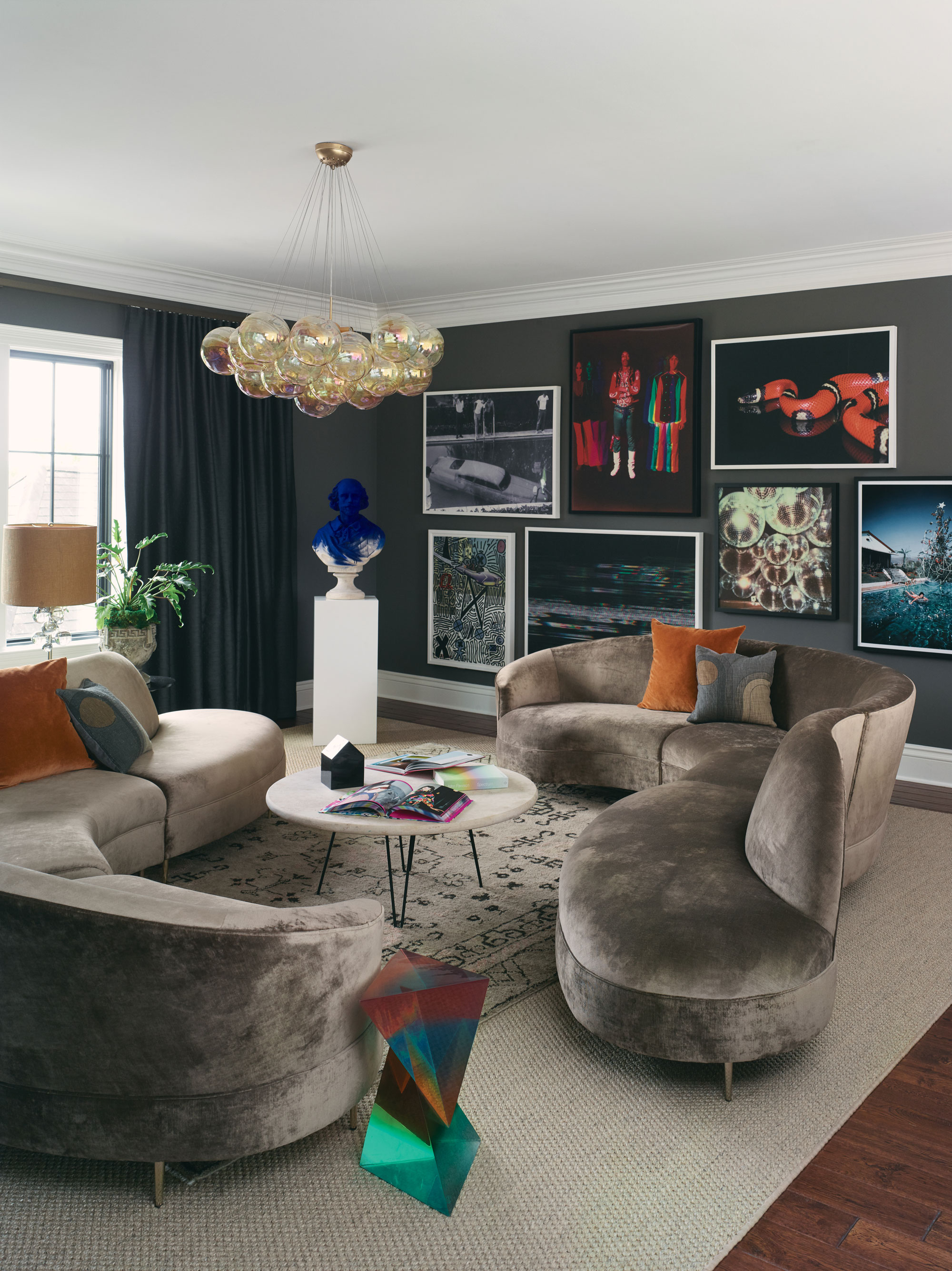
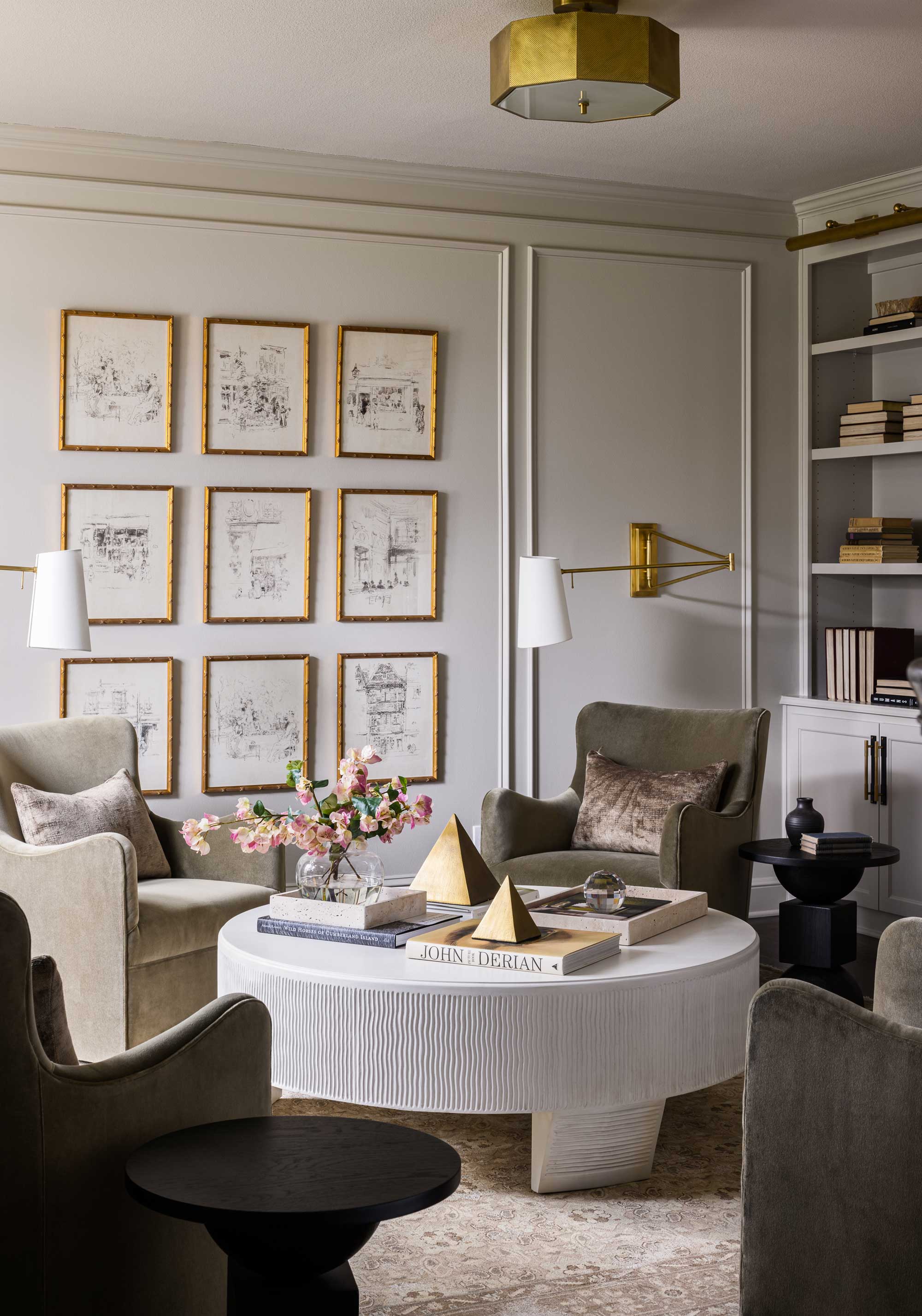
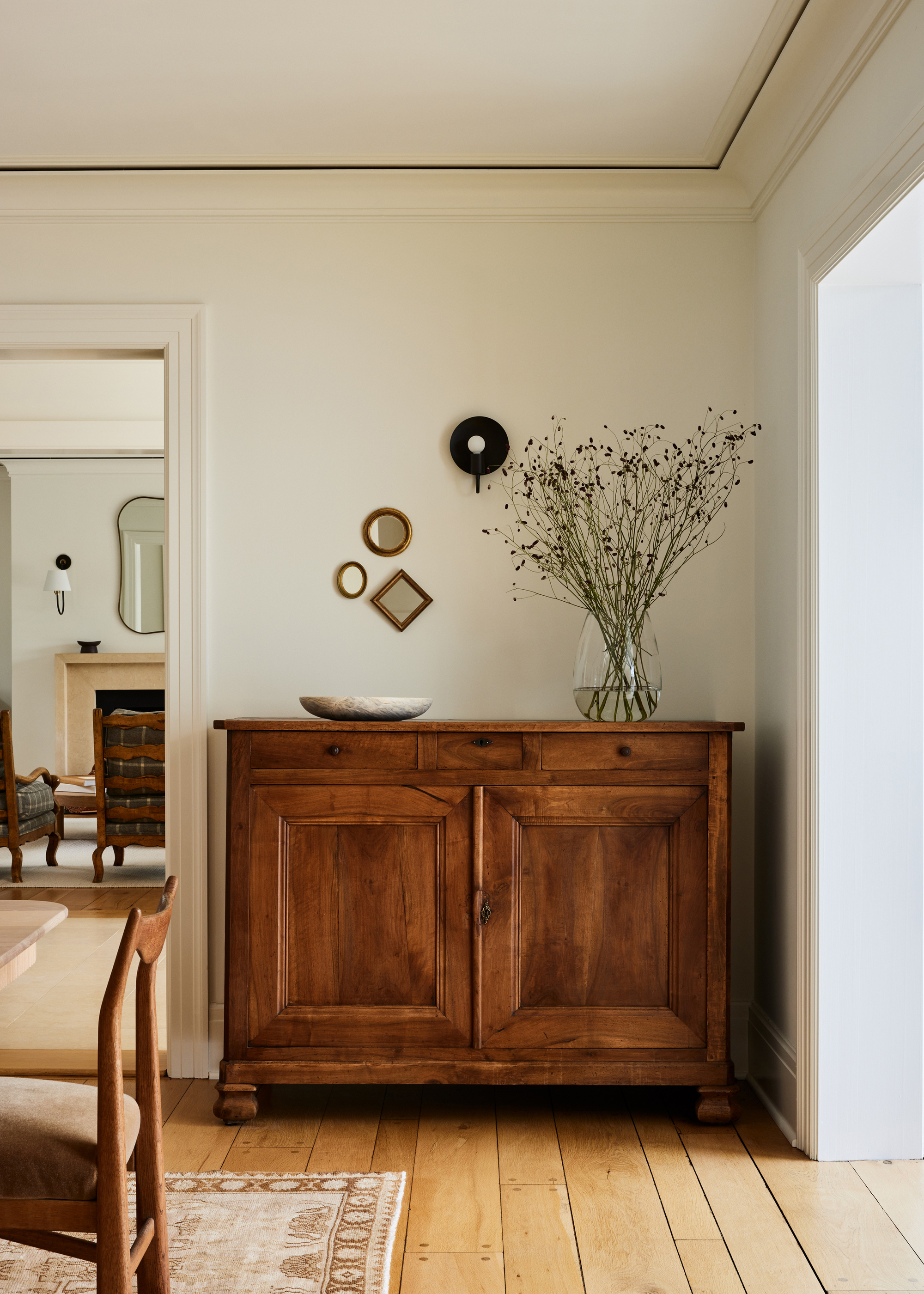
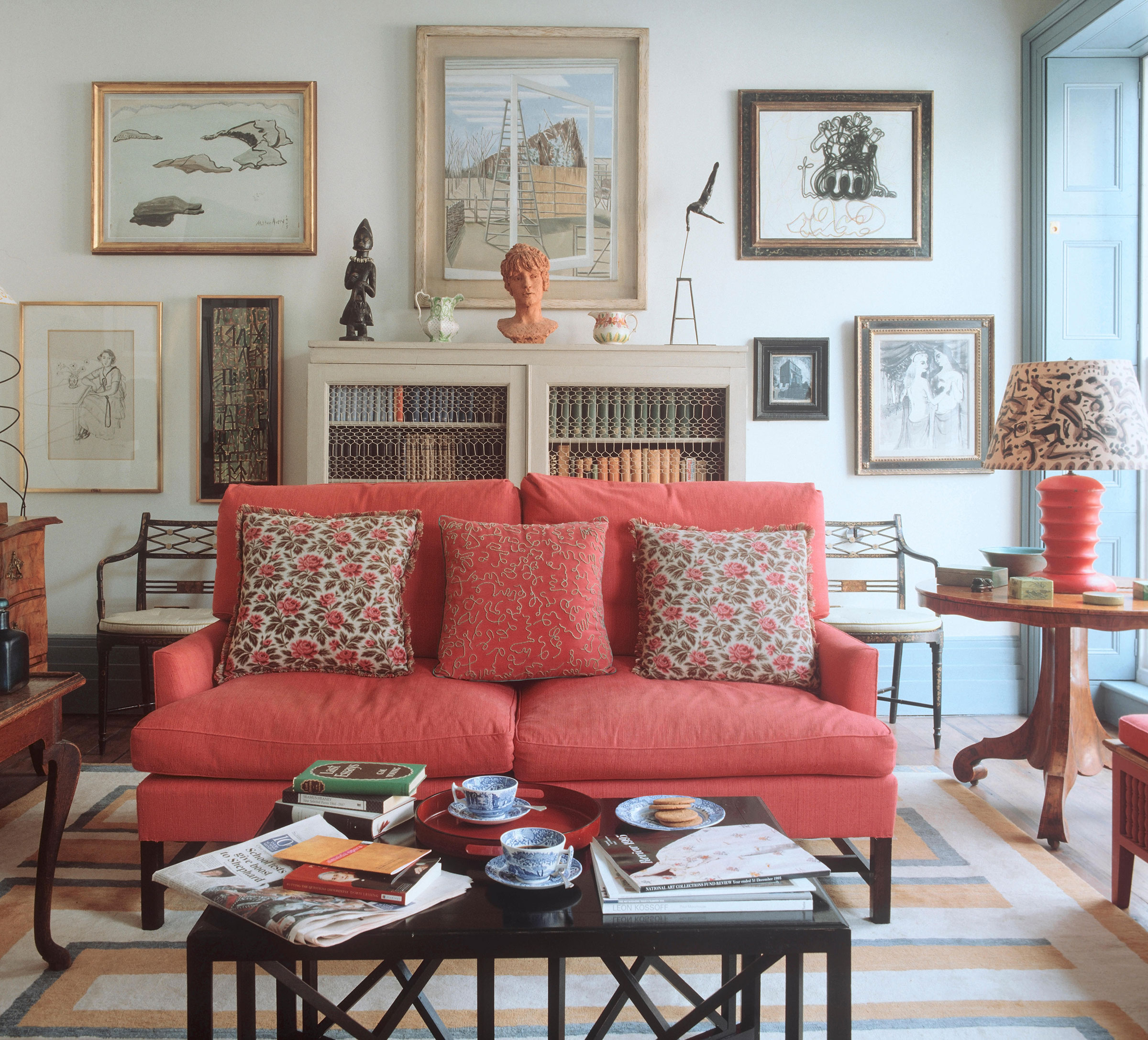
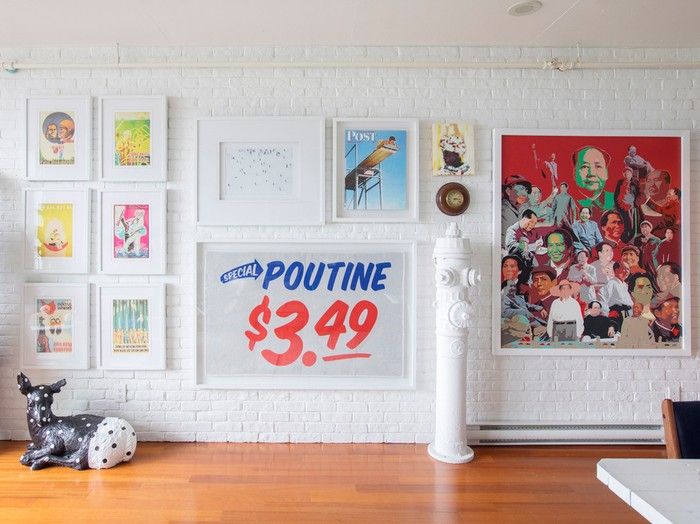
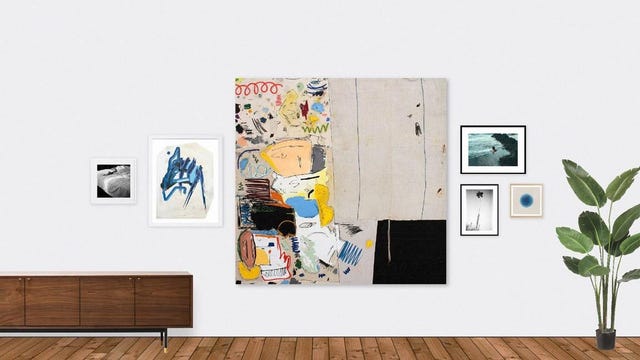
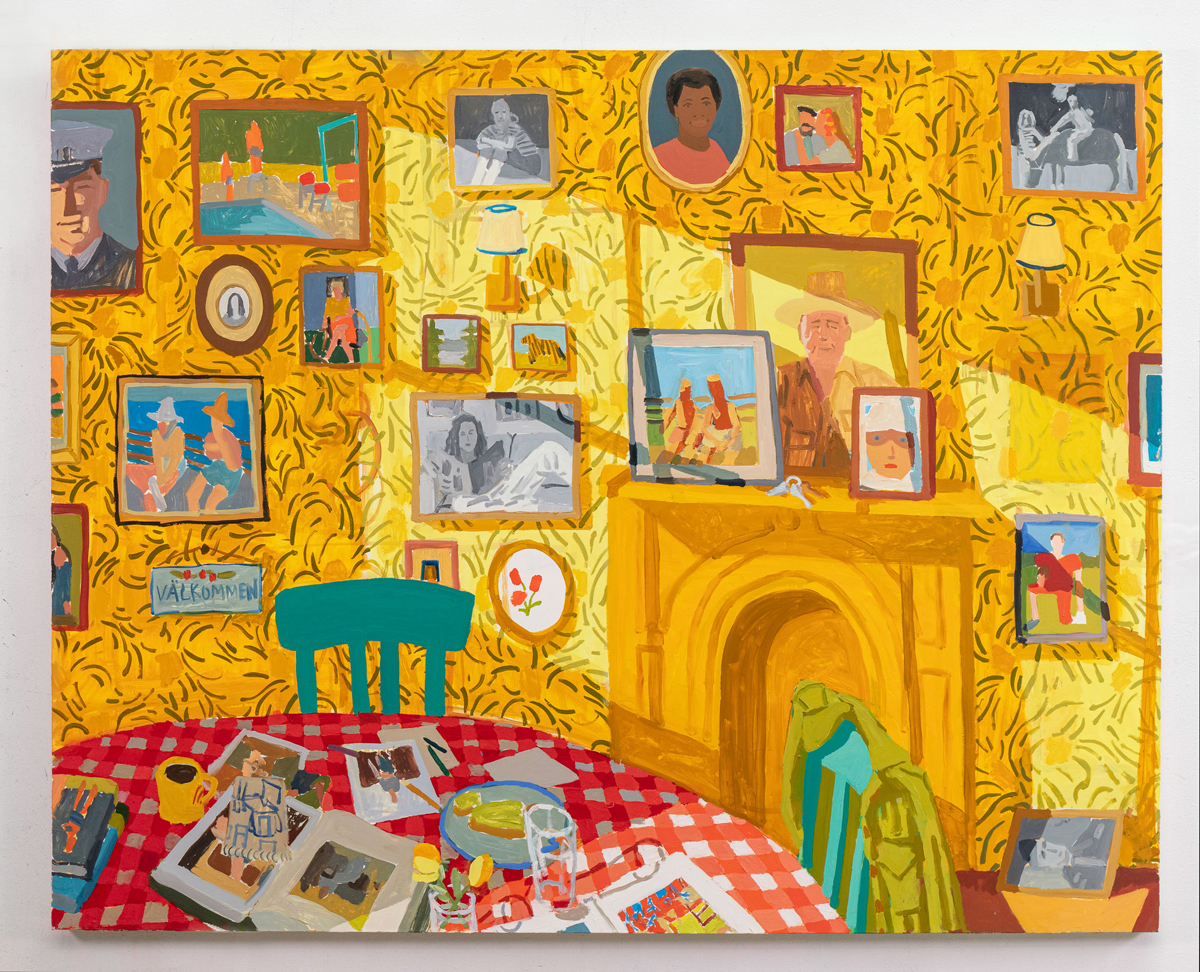
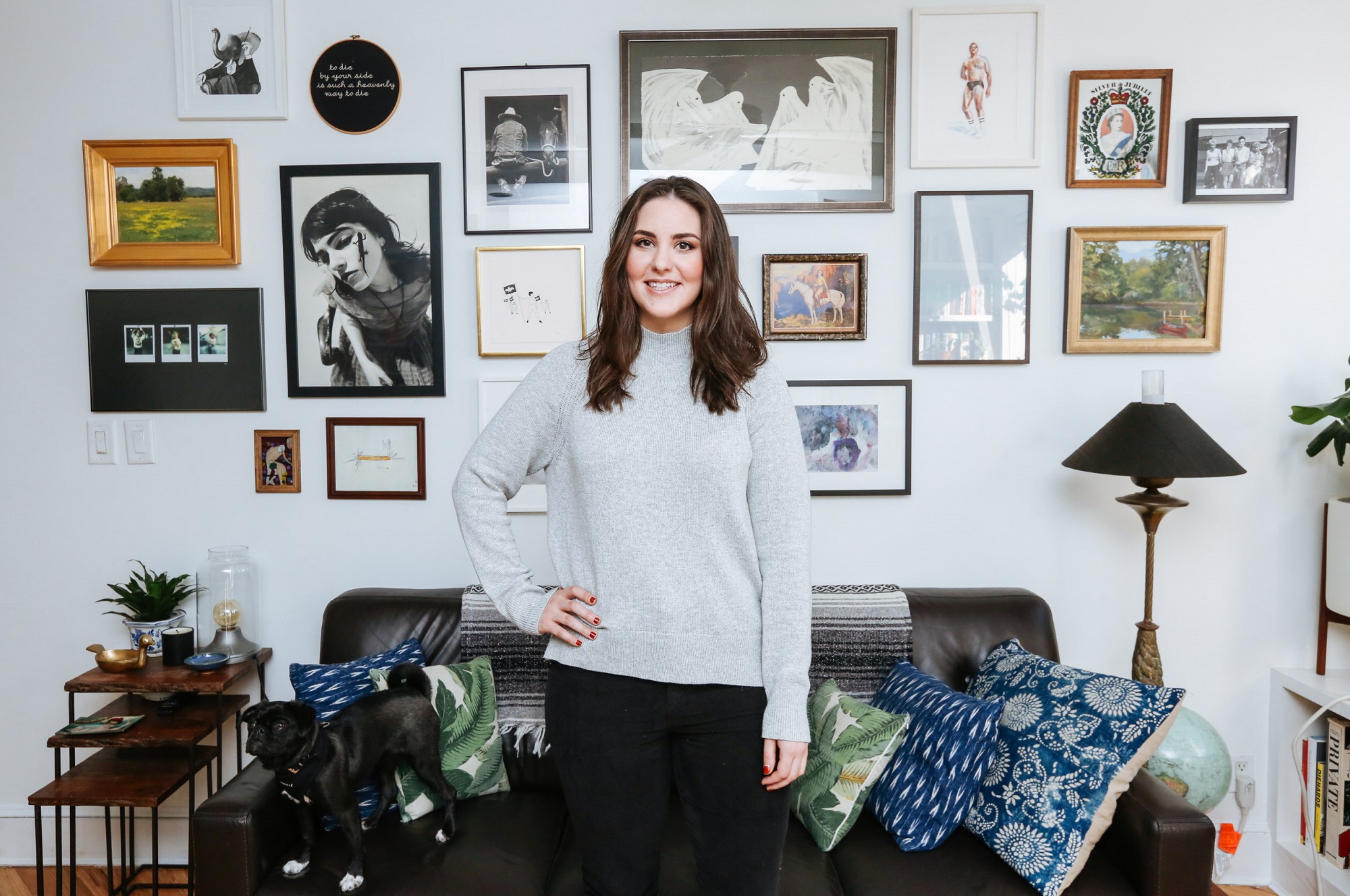
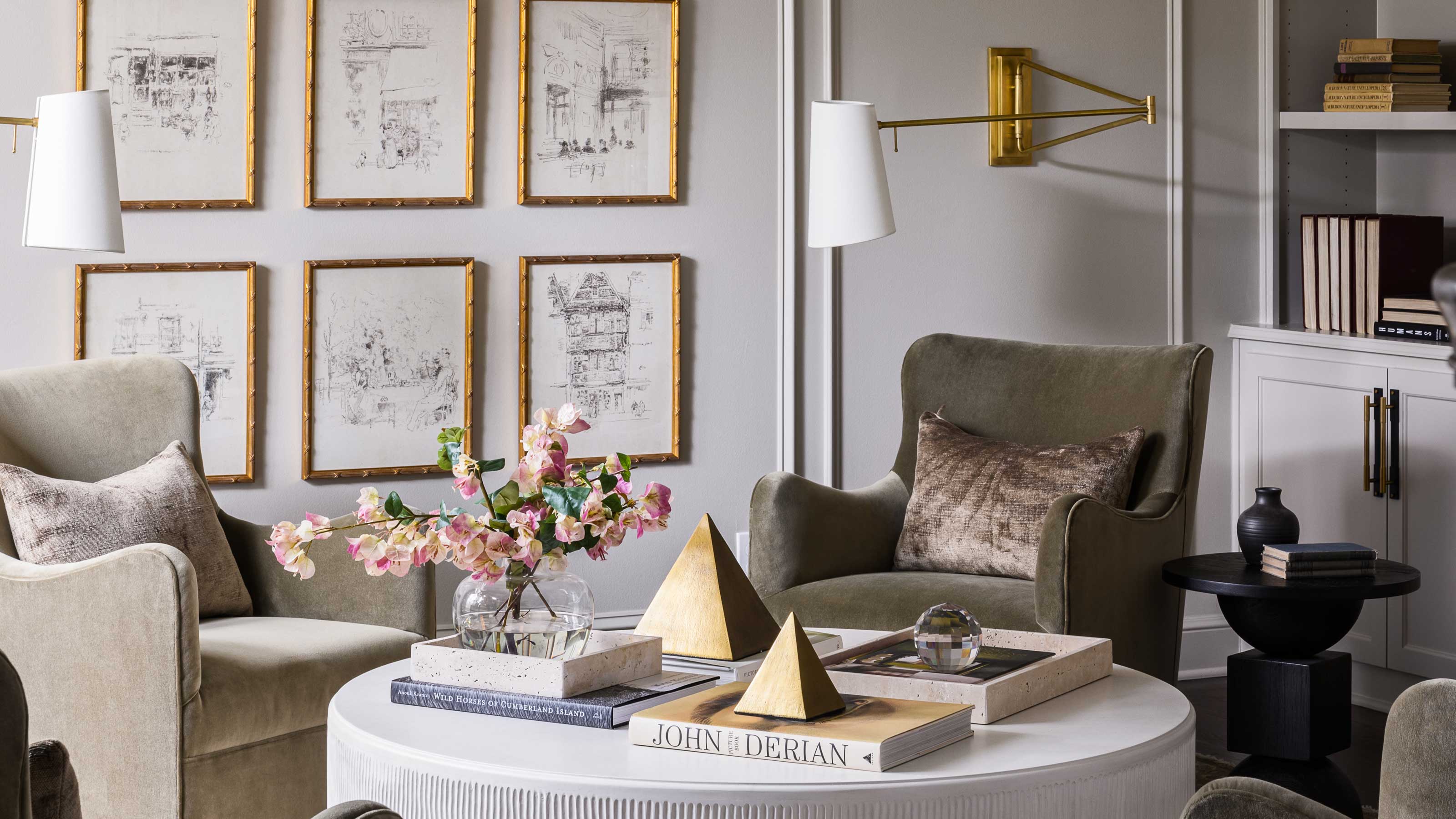
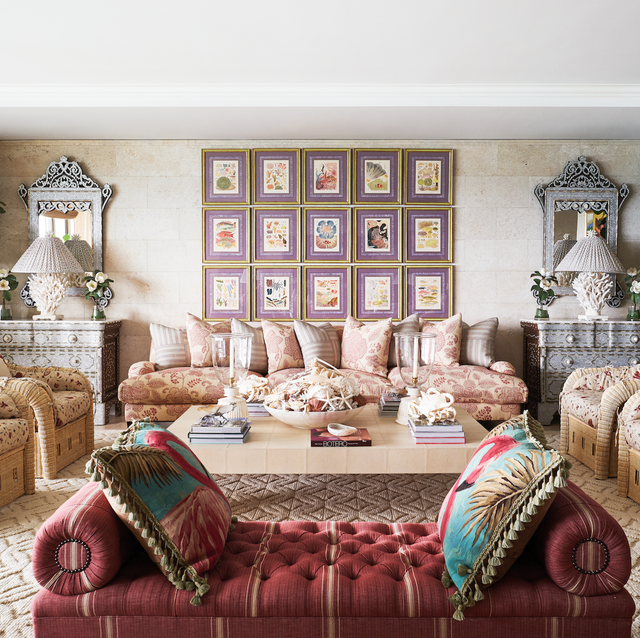
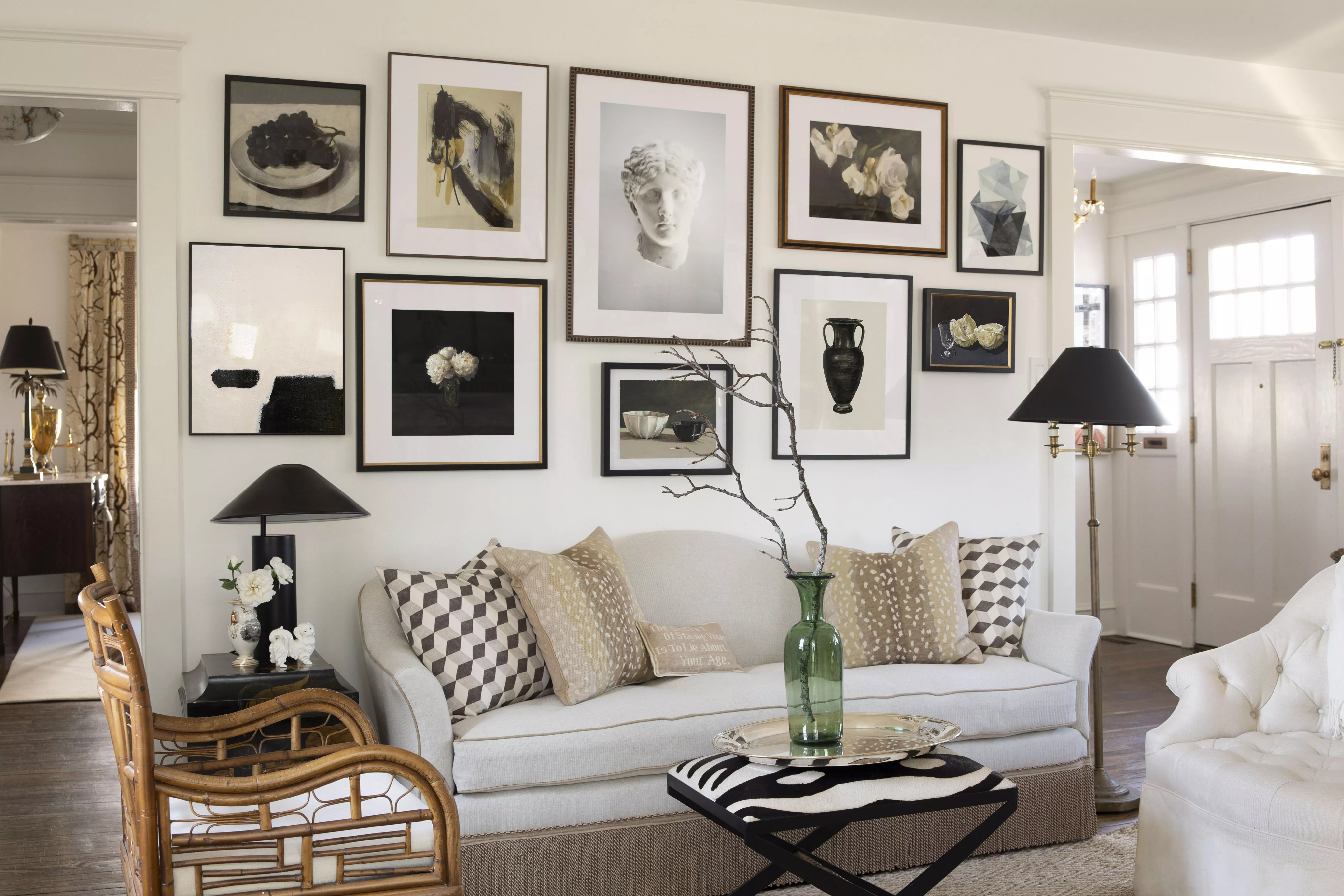
Another approach to displaying art is creating a gallery wall, space permitting. For those who haven't accumulated art over a long period, the goal is to create a curated look that suggests a long-standing collection. This involves selecting diverse pieces that represent stylistic contrasts, ranging from minimalist to vibrant and colorful. A well-designed gallery wall incorporates a variety of frames, including wood, gilded, vintage, and contemporary, as well as pictures on stretched canvas. The inclusion of three-dimensional pieces, such as artifacts from travels, is also recommended to add depth and interest. A common strategy is to start with a primary piece in the center and expand outwards, leaving small sections to be filled with personal items. This method allows for the collection to evolve and grow with the homeowner over time.
#HomeArt #InteriorDesign #ArtCuration #GalleryWall #HomeDecorating #SmallSpaceDesign #ArtworkPlacement #HomeArt #InteriorDesign #ArtCuration #GalleryWall #HomeDecorating #SmallSpaceDesign #ArtworkPlacement
0 comment in total
 No comments yet
You may also like
This Purchase Home Design Is All About the Artwork

Affordable art - the 10 best places to buy it

Ten homes with interiors designed to showcase art
Looking to Buy Art Online? These Are the 10 Best Places to Do It

7 Interior Designers Share Their Tips on Buying Art for Your Home
Home & Design | The Art of Domesticity
How To Create an Instagram-able Gallery Wall in Your Own Home

How to Hang an Art Collection Like an Expert

Home is Where the Art Is

Murals Have Moved In

Even newbies can master this popular home-decor trend

9 Things (Other Than Photos) That Look Great In A Gallery Wall
For This Interior Designer, Home is Where the Art Is

Home & Design | Art + Soul
Are gallery walls going out of style? These interior designers all came to the same verdict
How to hang paintings: Everything you need to know
How to transform your home with art
Are Gallery Walls Still in Style? Here’s What Designers Say

There's Hanging Art, and Then There's Hanging Art Like an Interior Designer — Here's How to Do the Latter
25 Ways to Modernize Your Gallery Wall, According to Interior Designers