1/8
How to transform your home with art
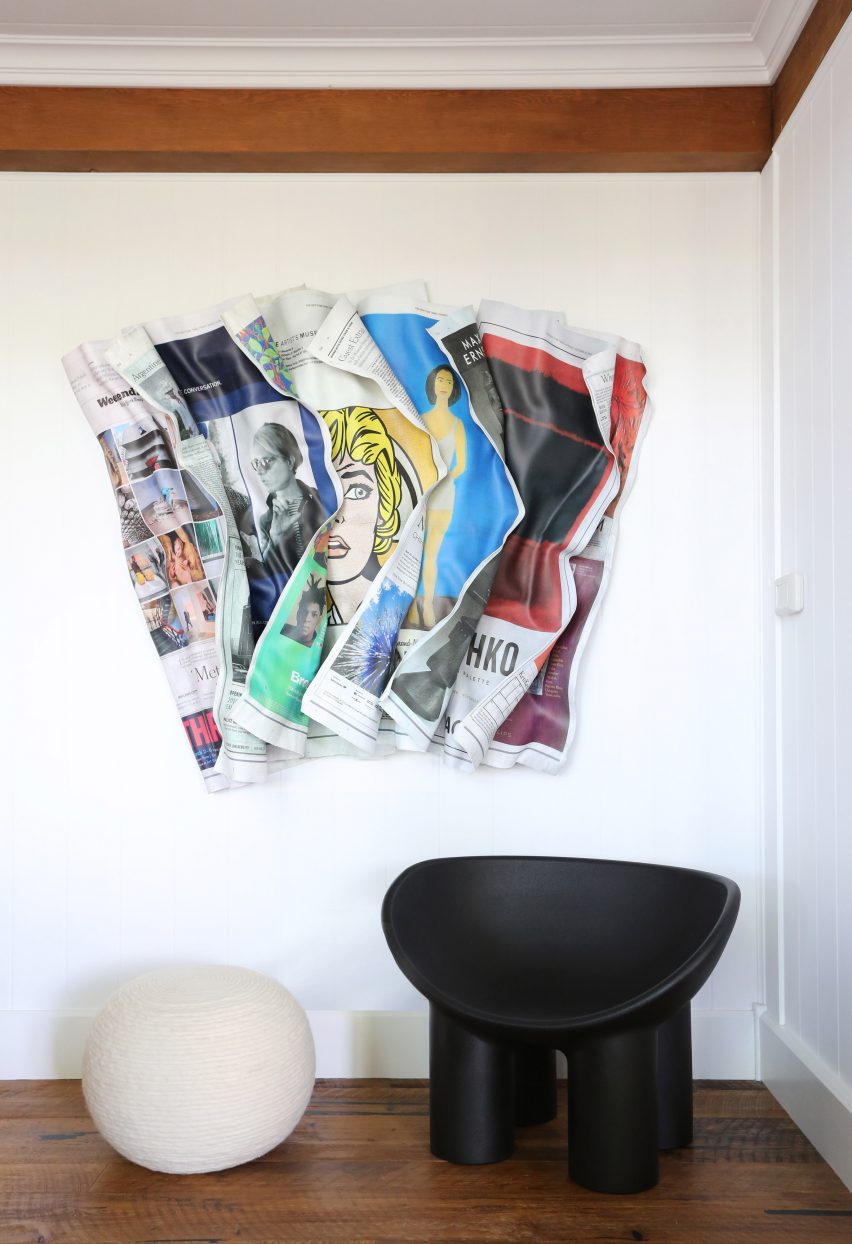
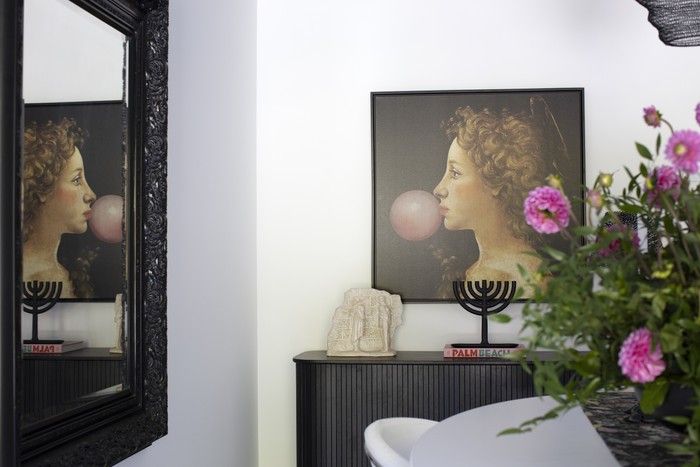
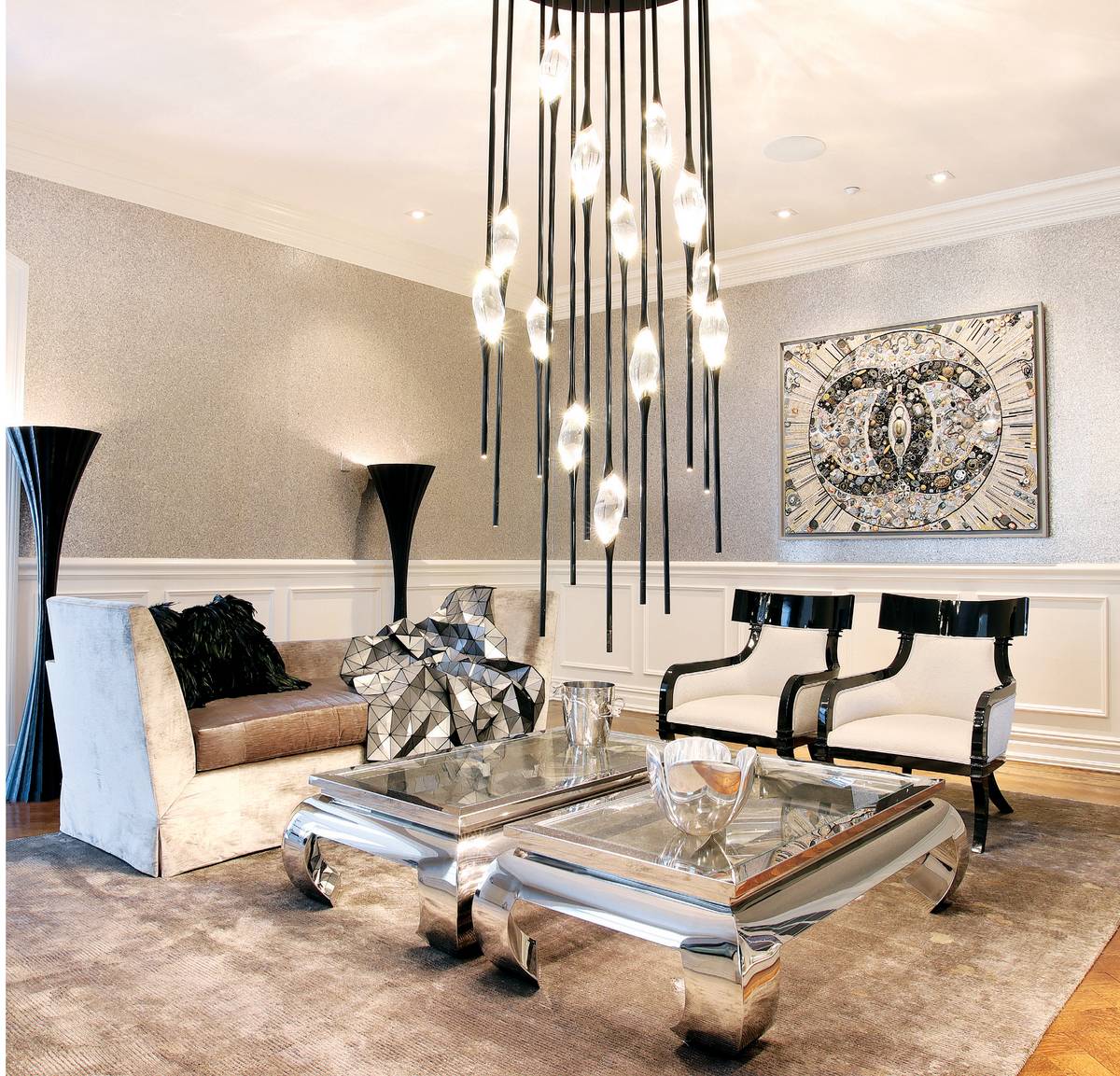
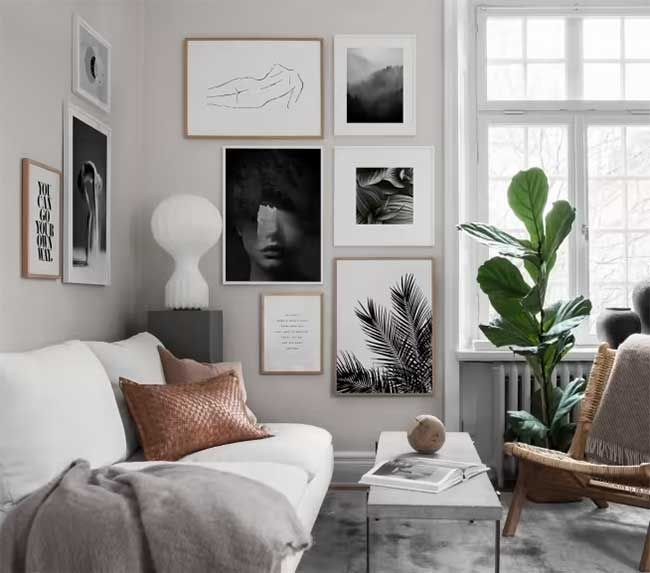
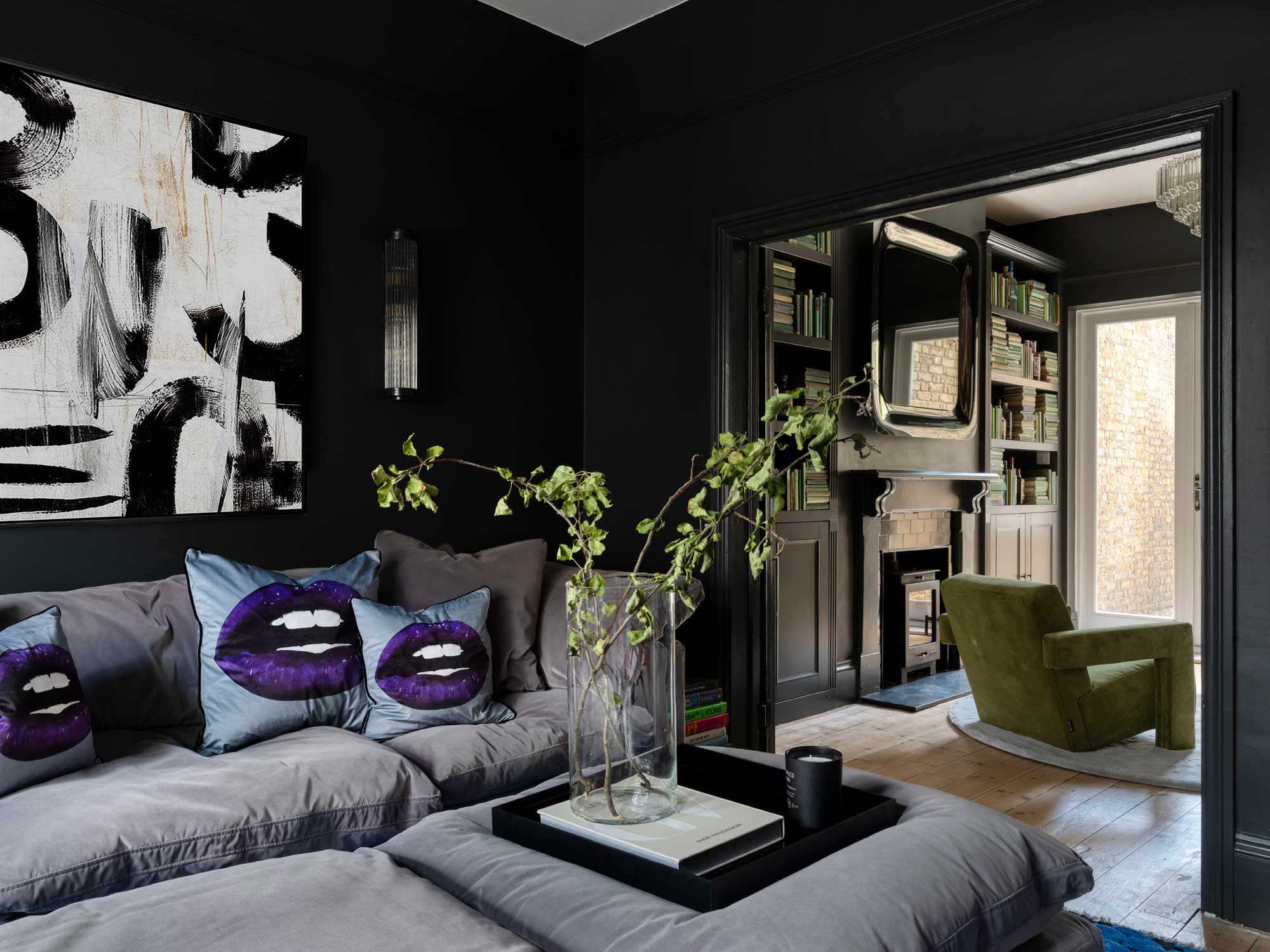
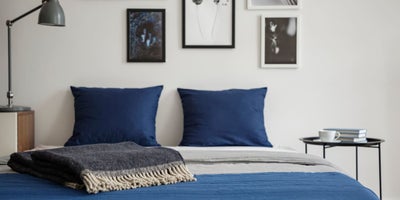
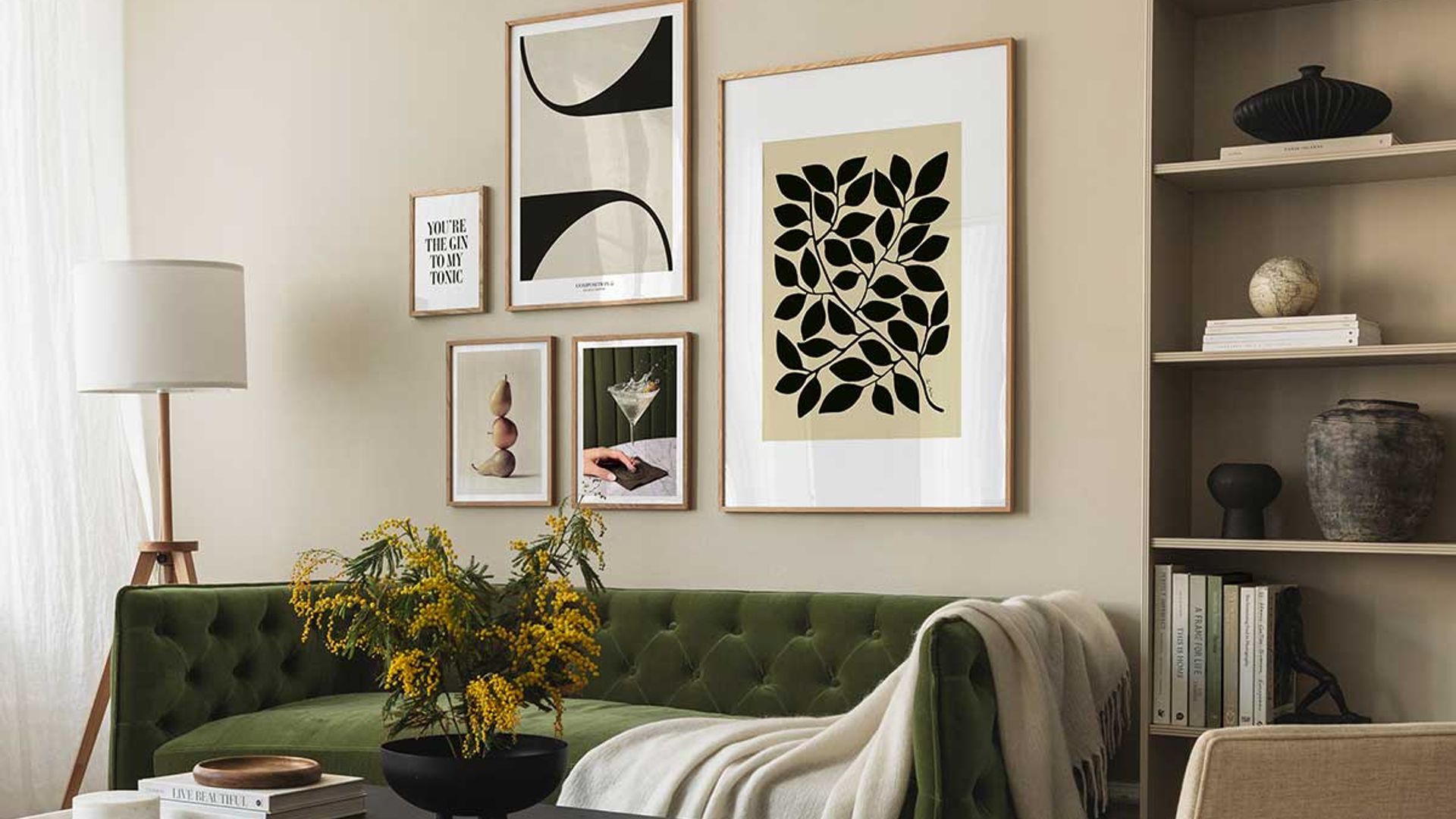
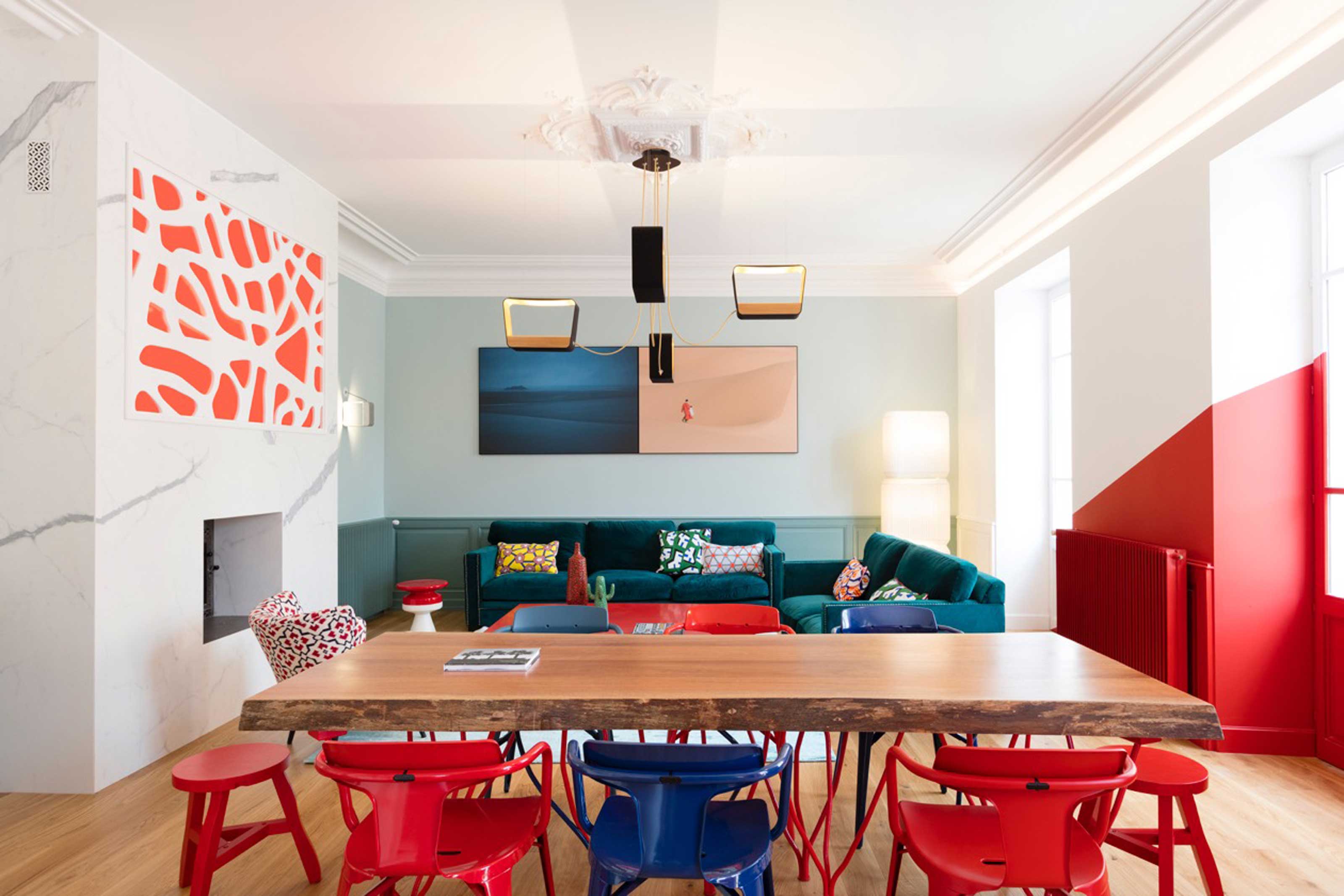
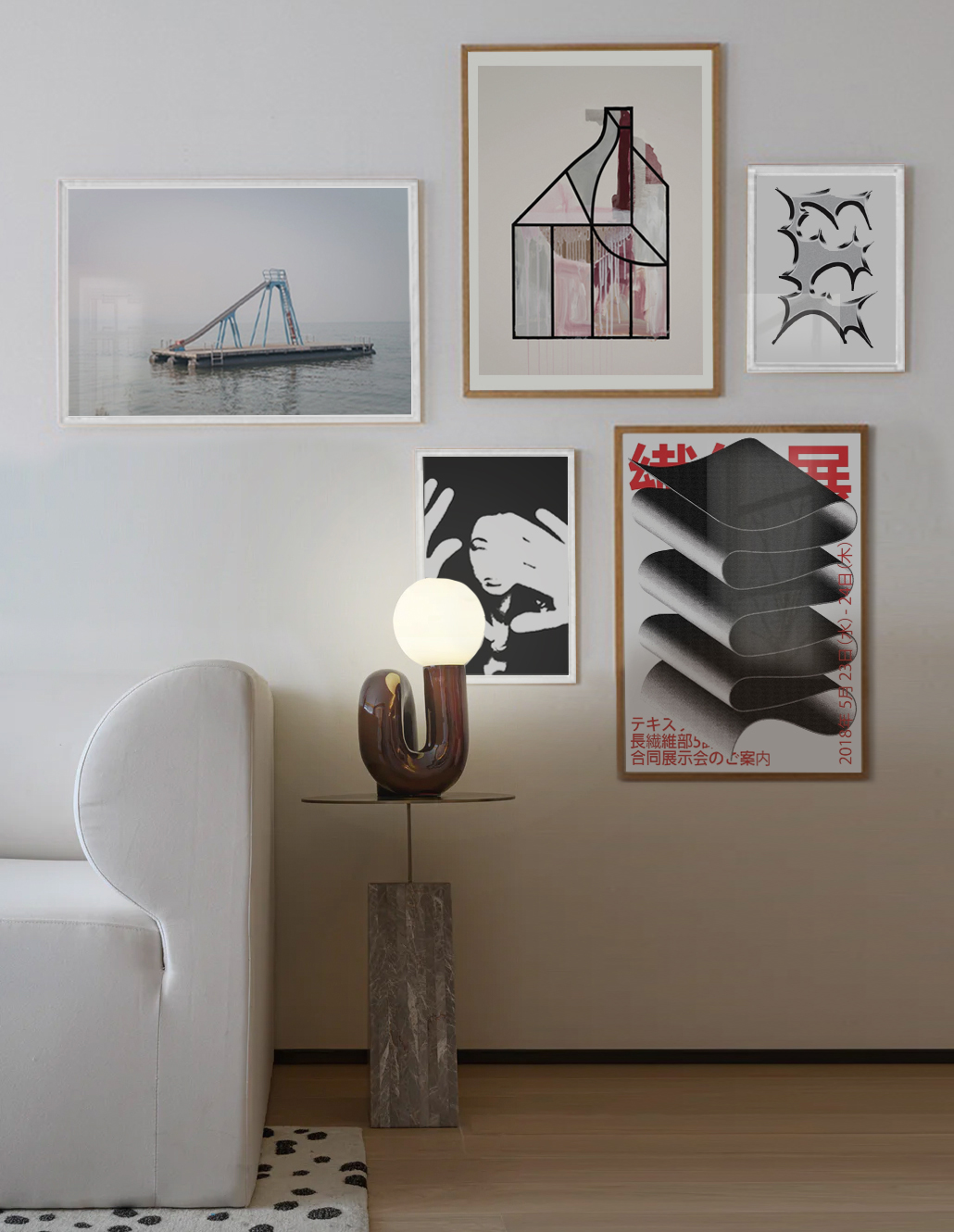
Art serves as a transformative element in home décor, offering a means to refresh living spaces and reflect personal tastes without extensive redecoration, particularly beneficial for renters. Experts suggest that a strategic selection and display of artworks can revitalize a home's ambiance, evoking emotions or establishing specific moods. For instance, abstract art with loose, expressionistic marks can create a romantic atmosphere, while a more graphic style can impart a modern, urban feel.
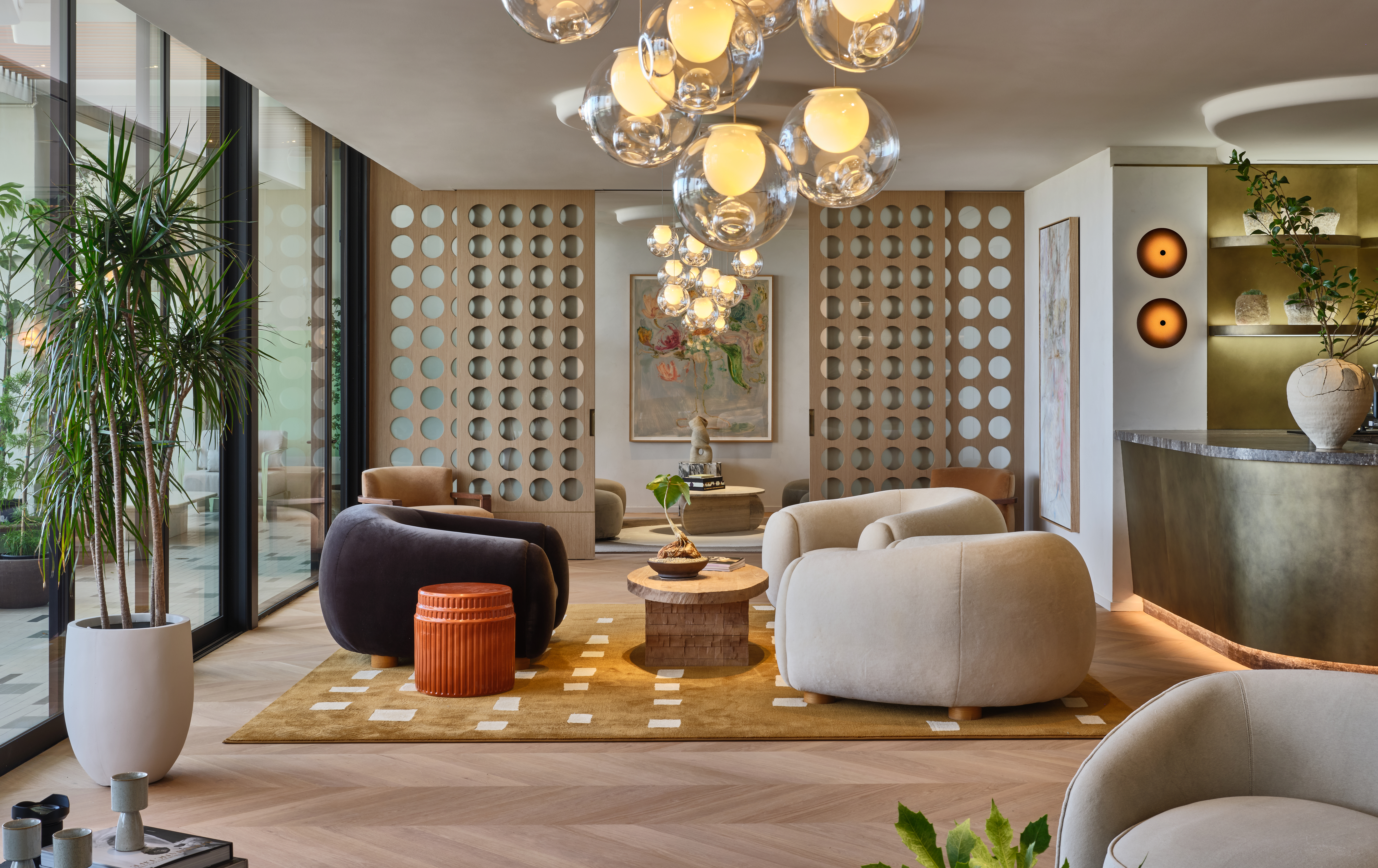
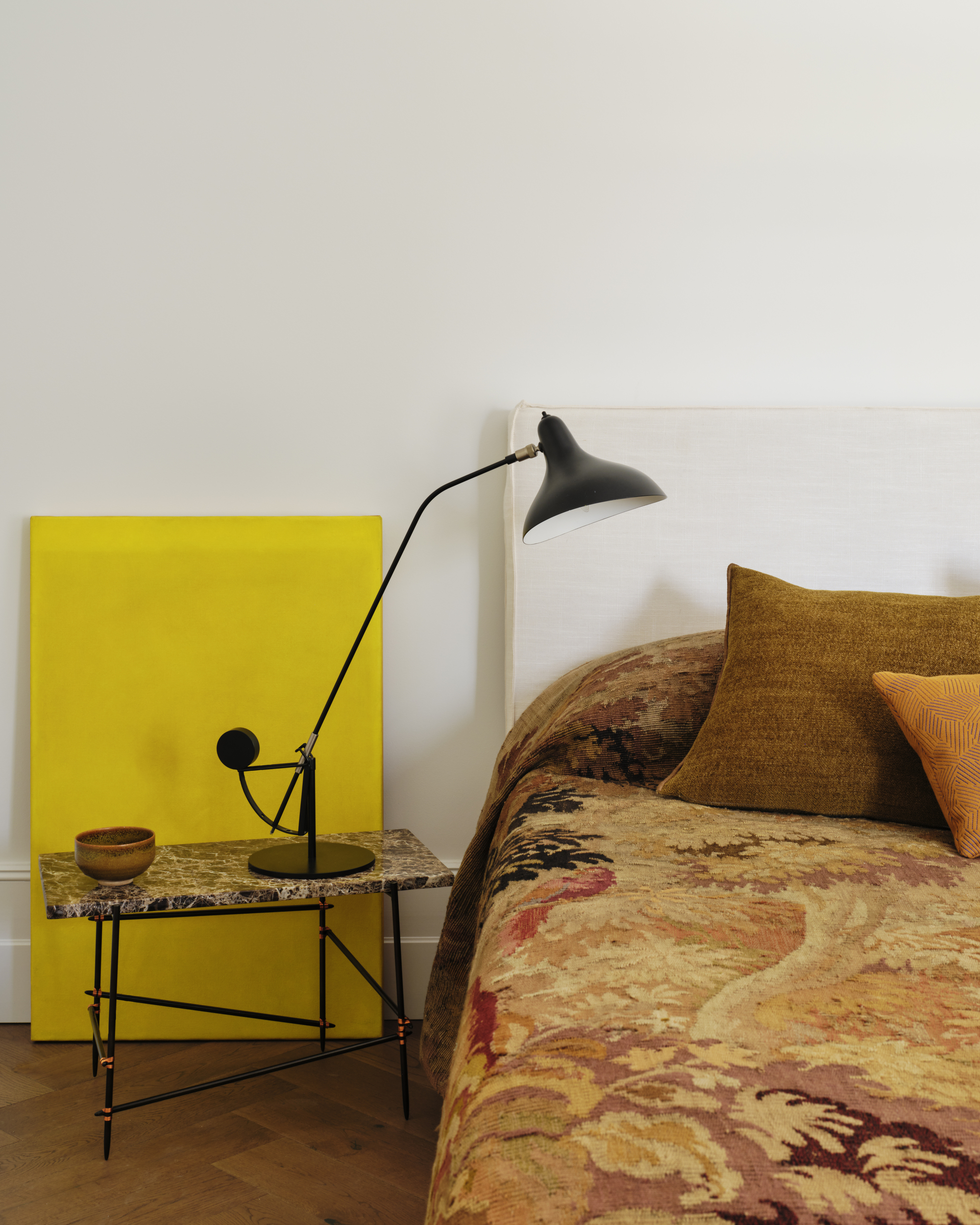
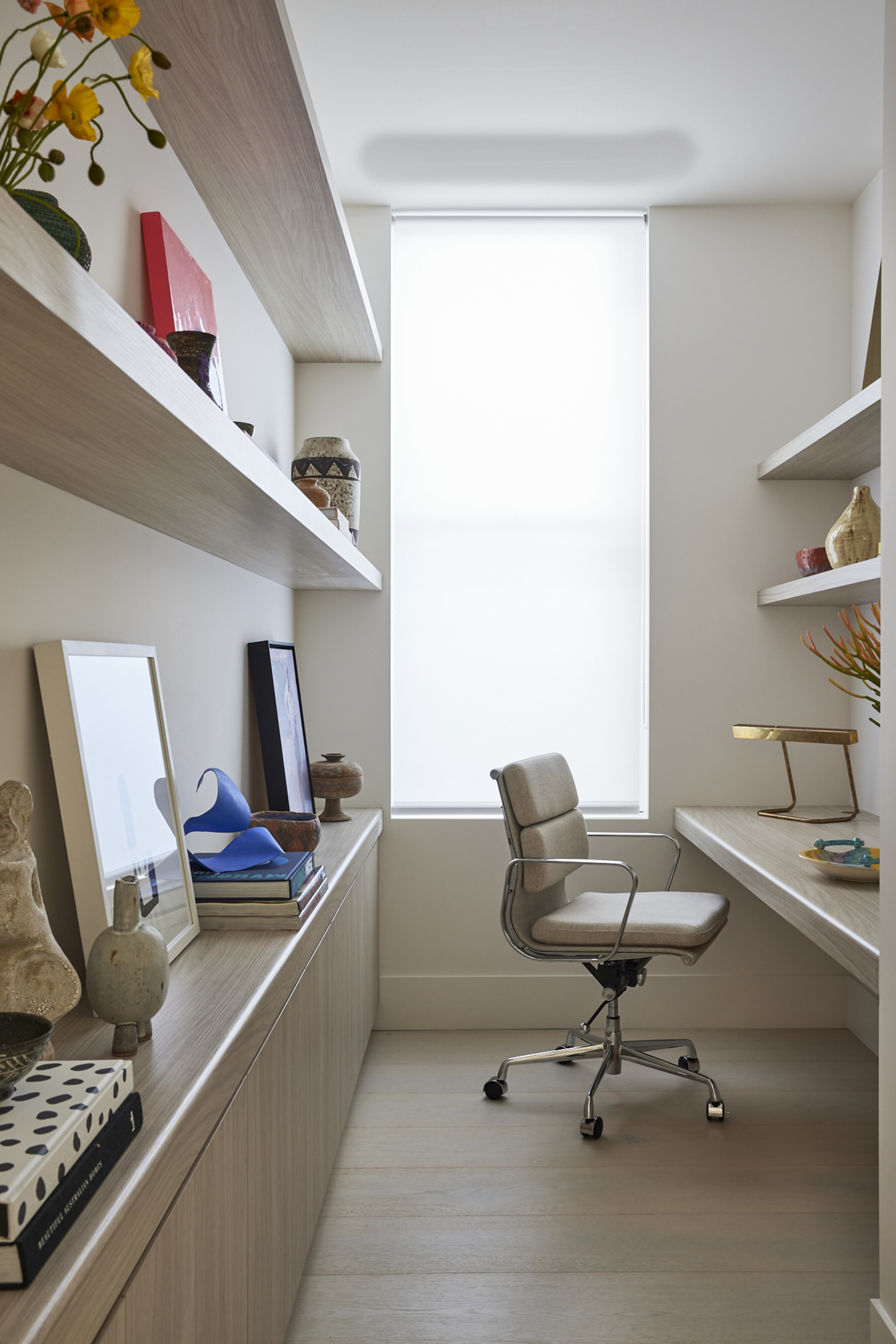
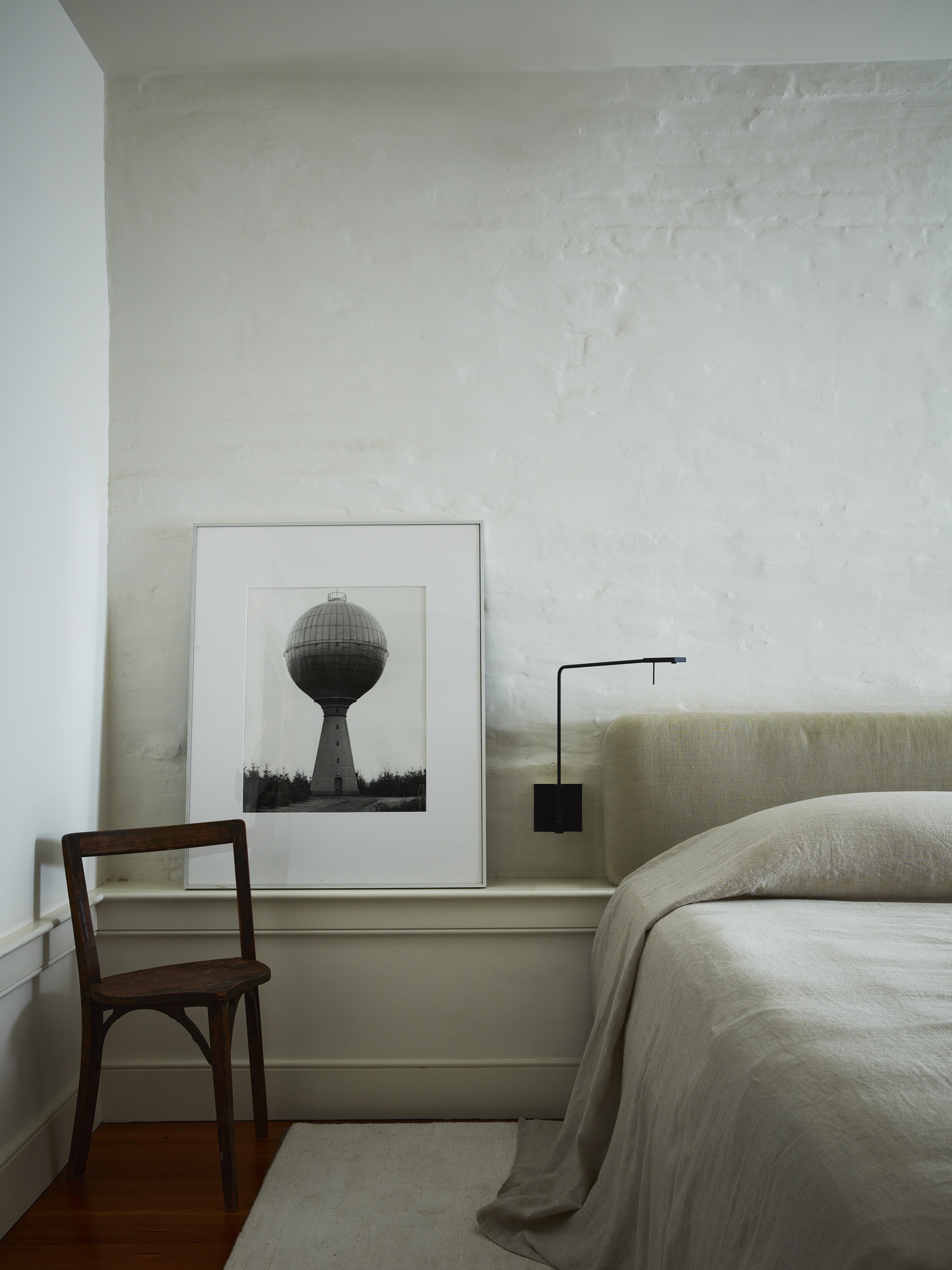
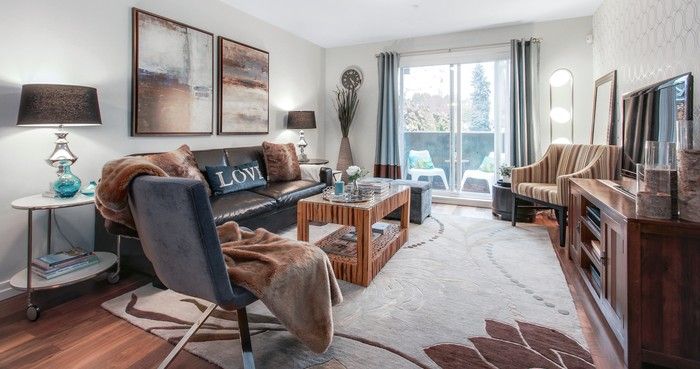
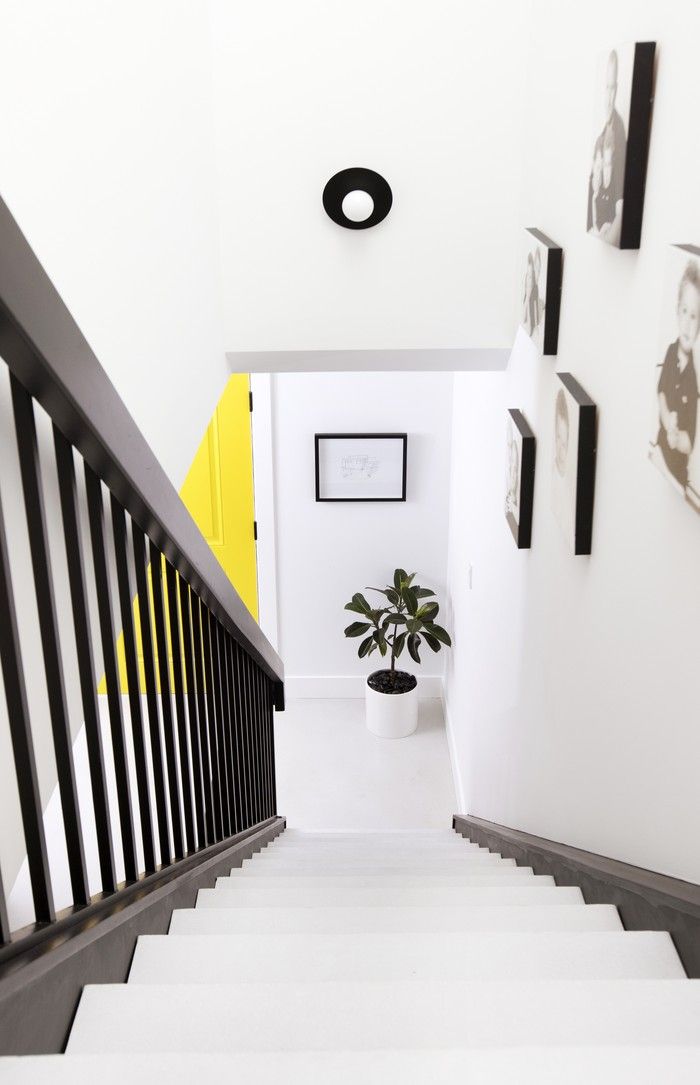
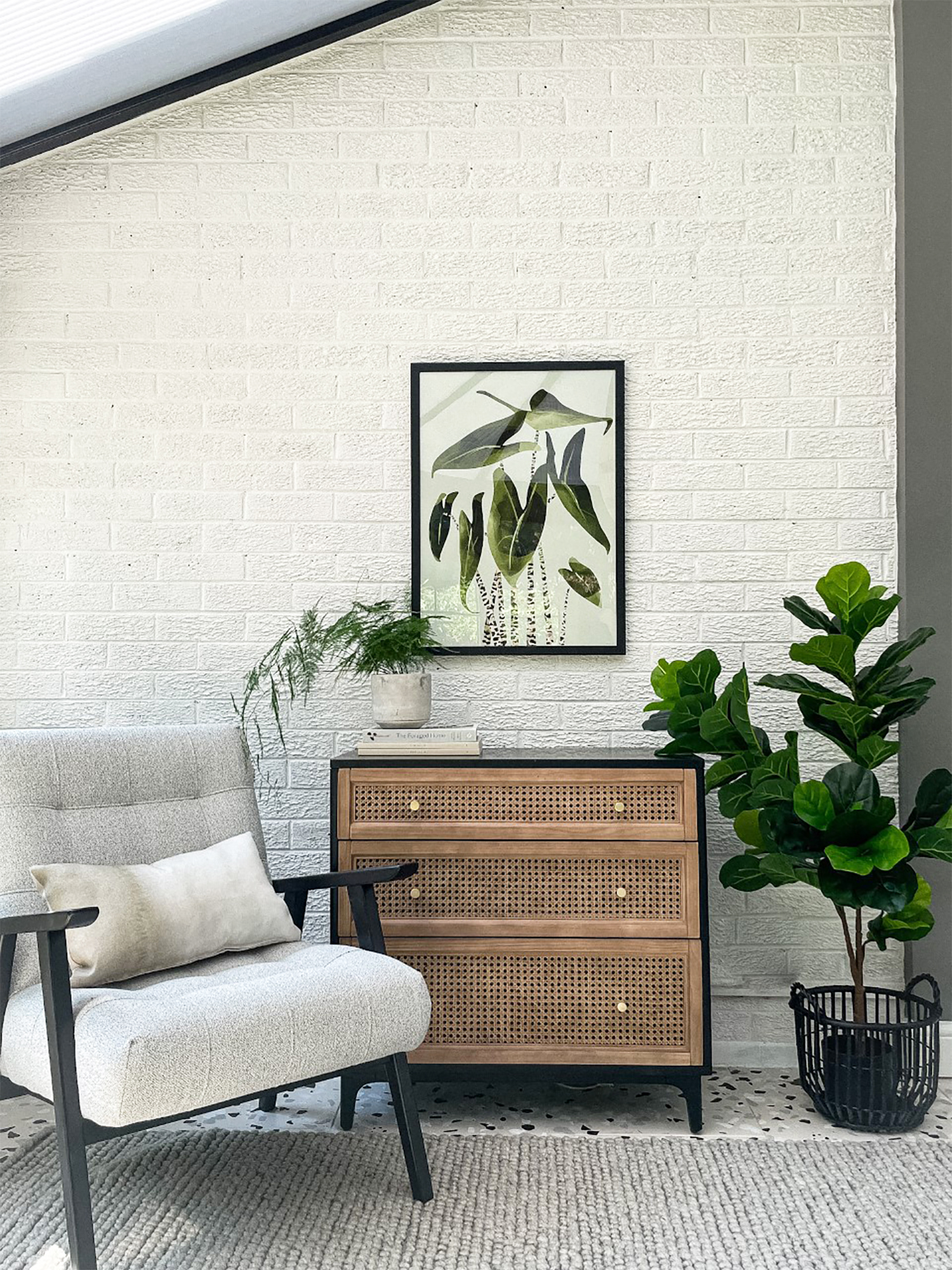
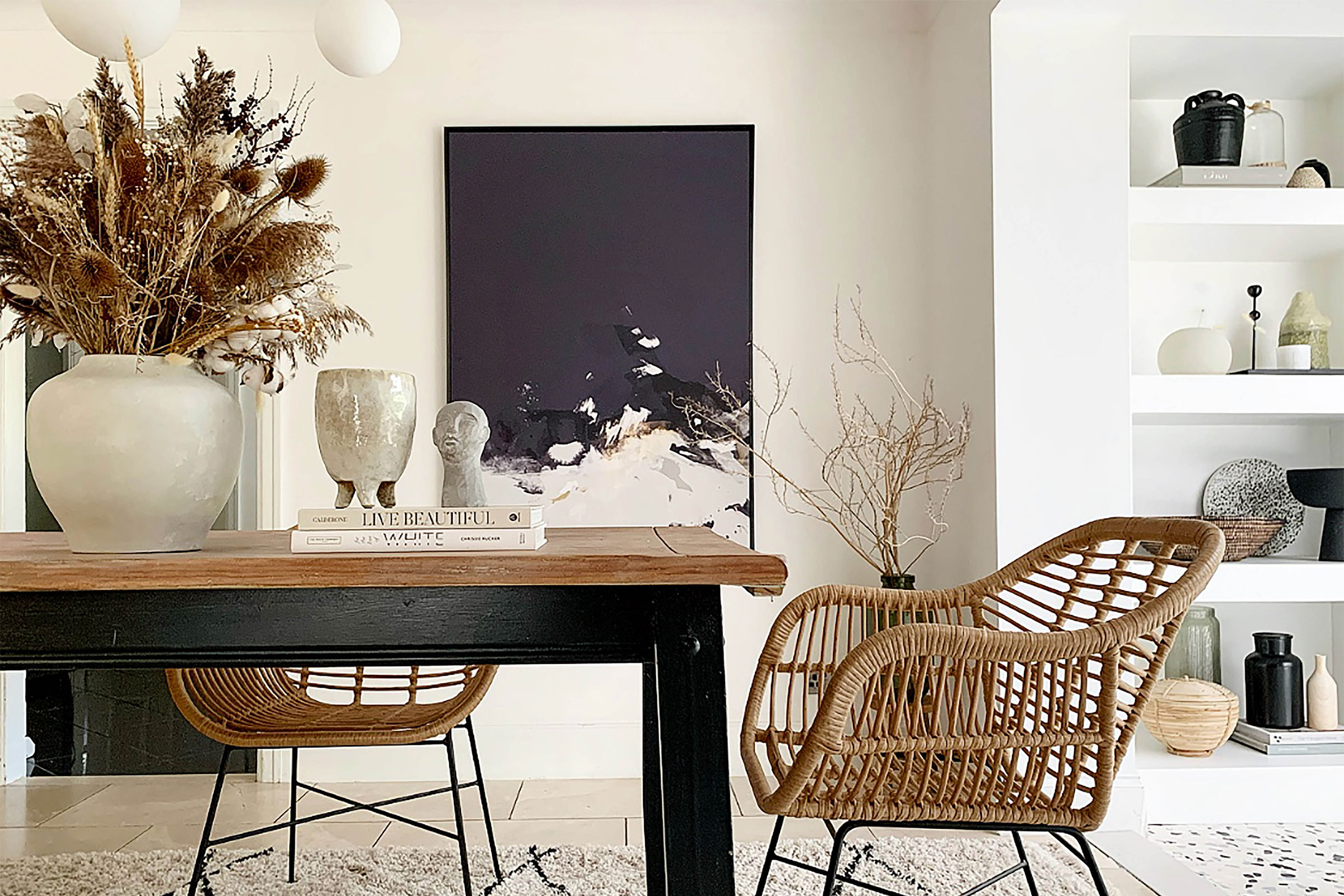
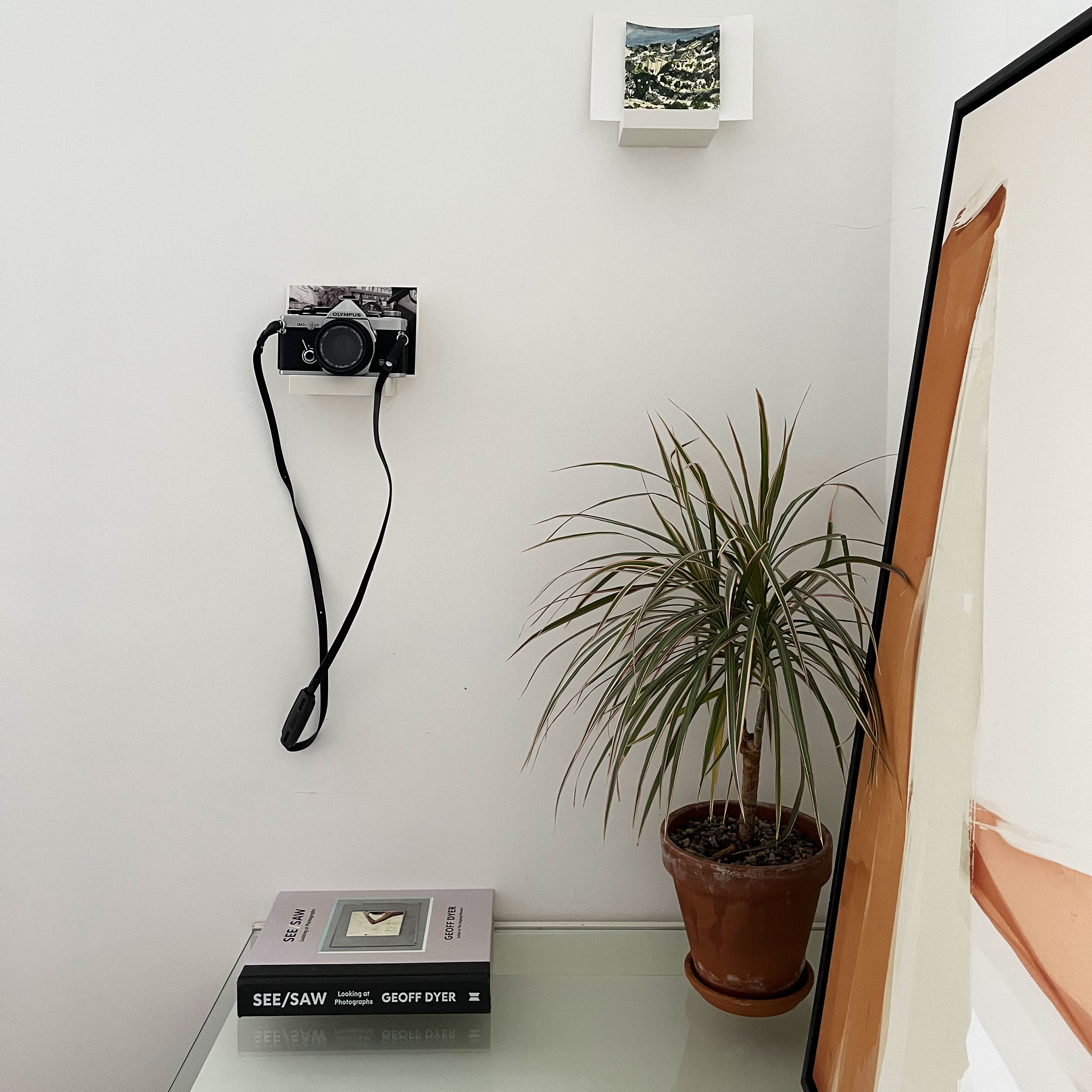
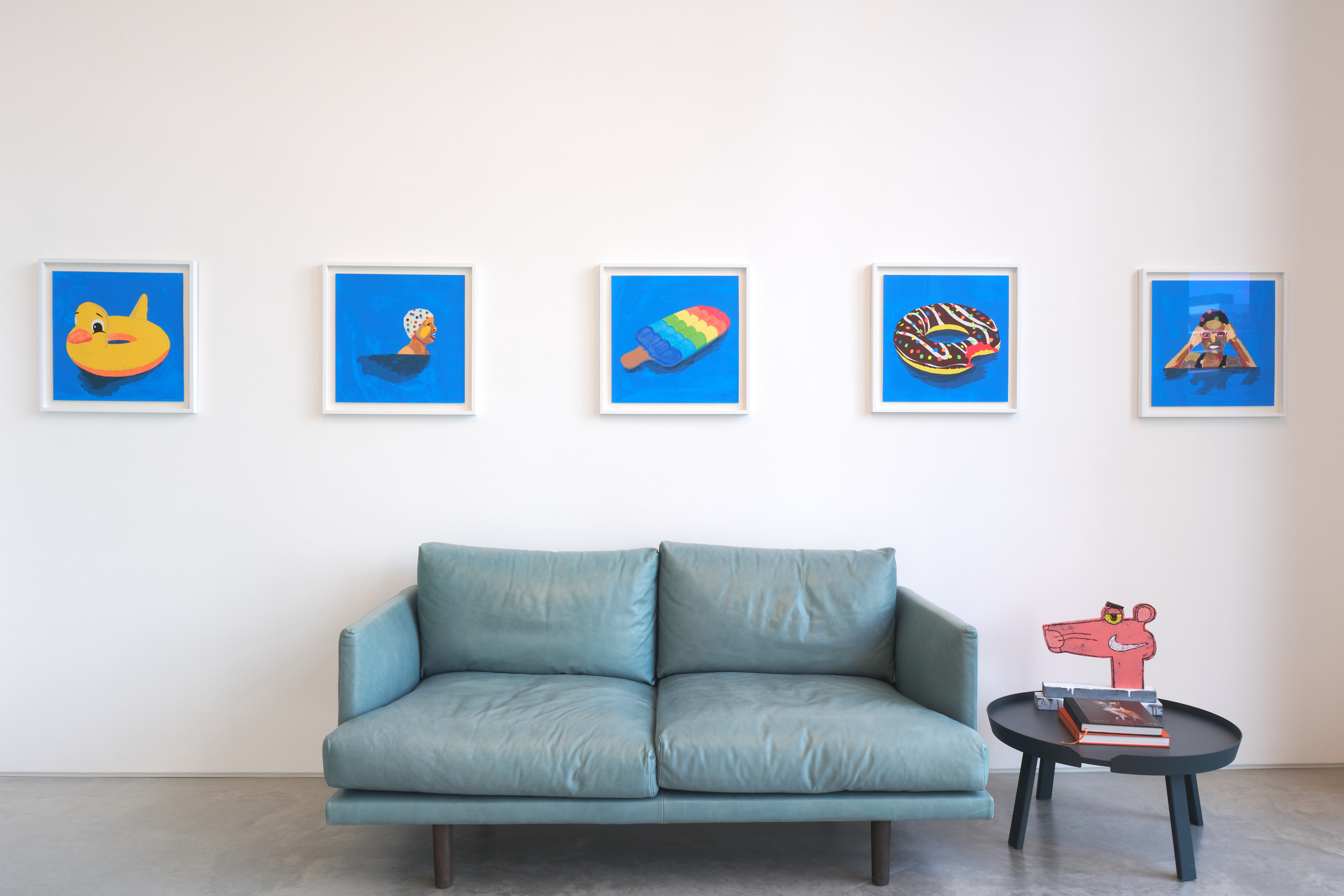
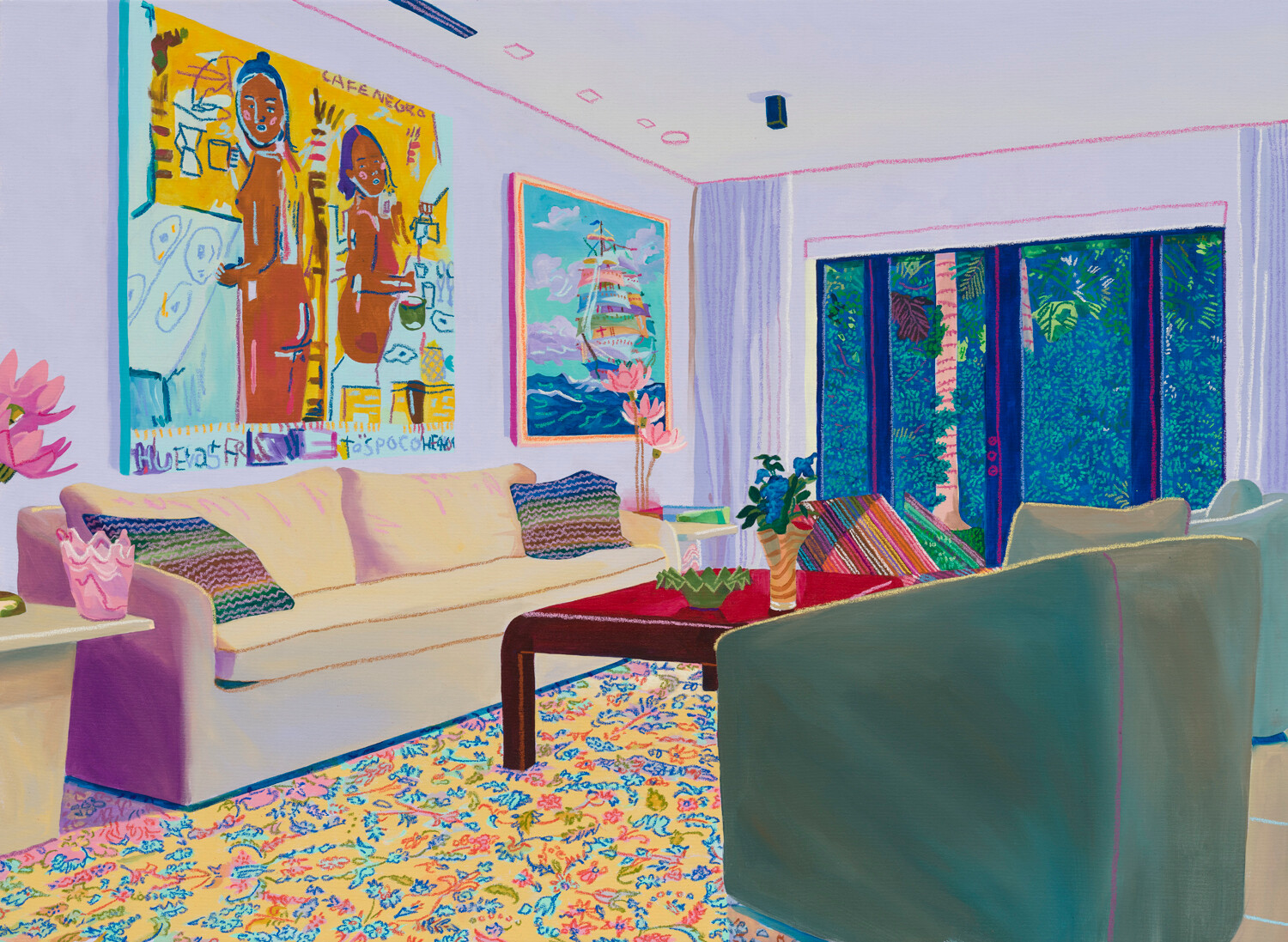
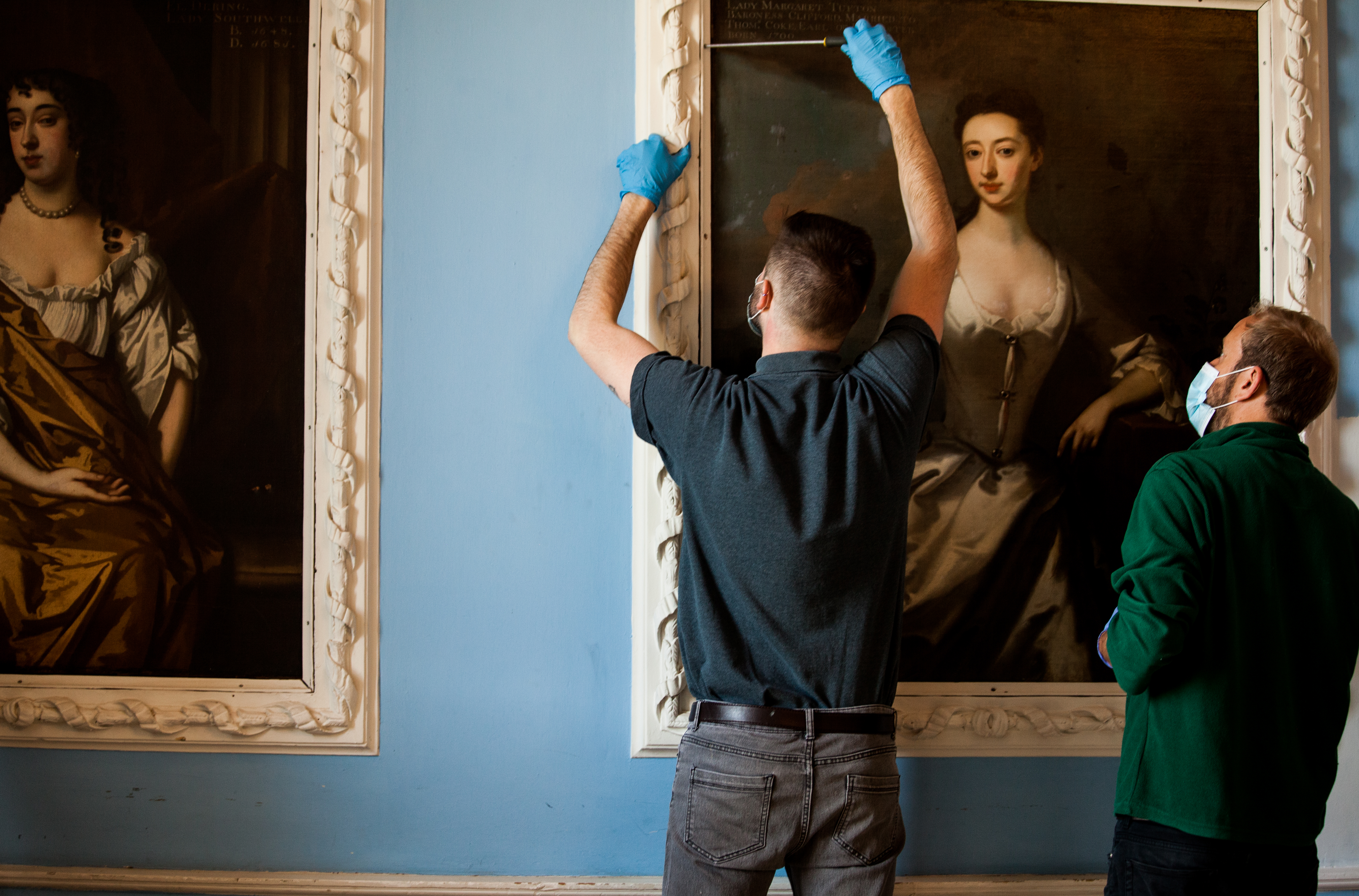
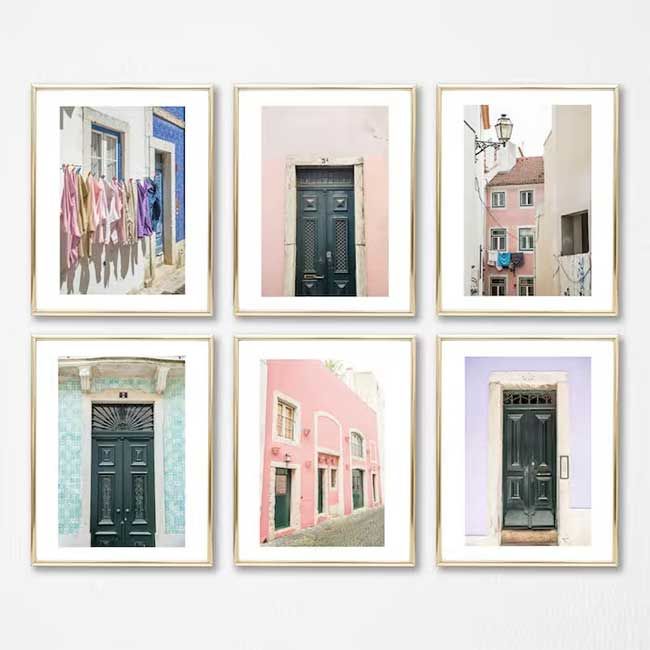
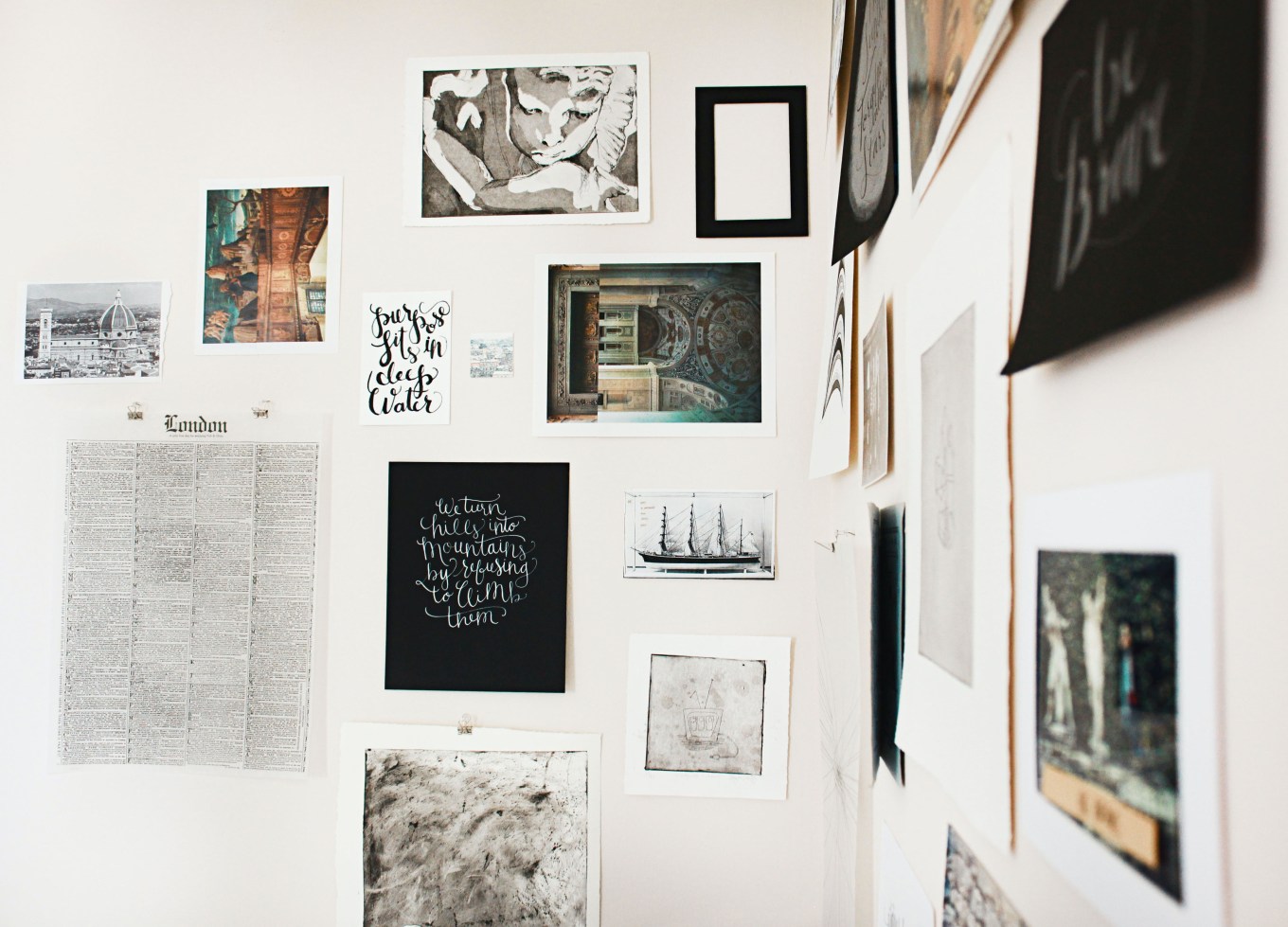
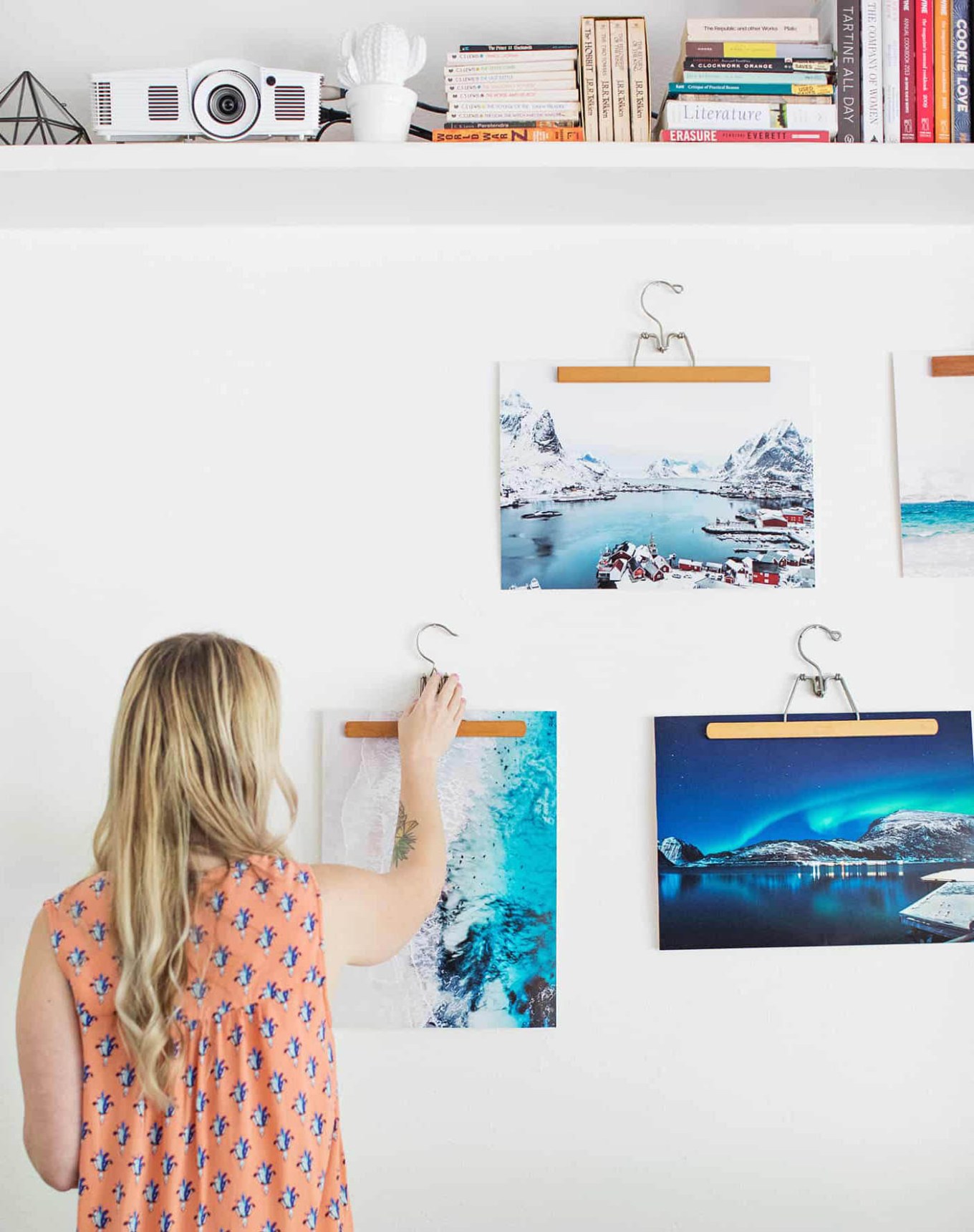
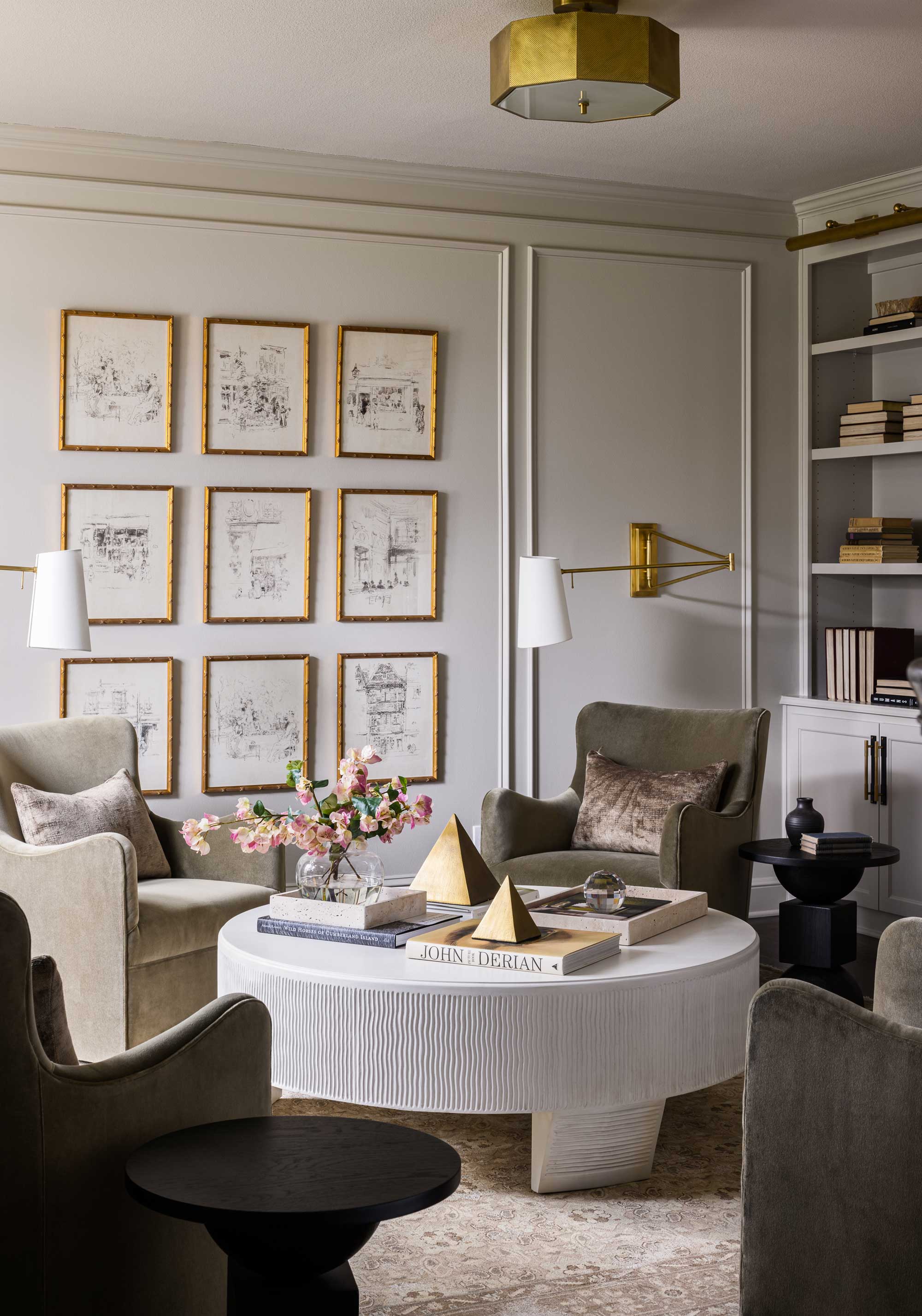
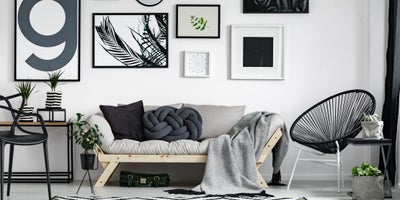
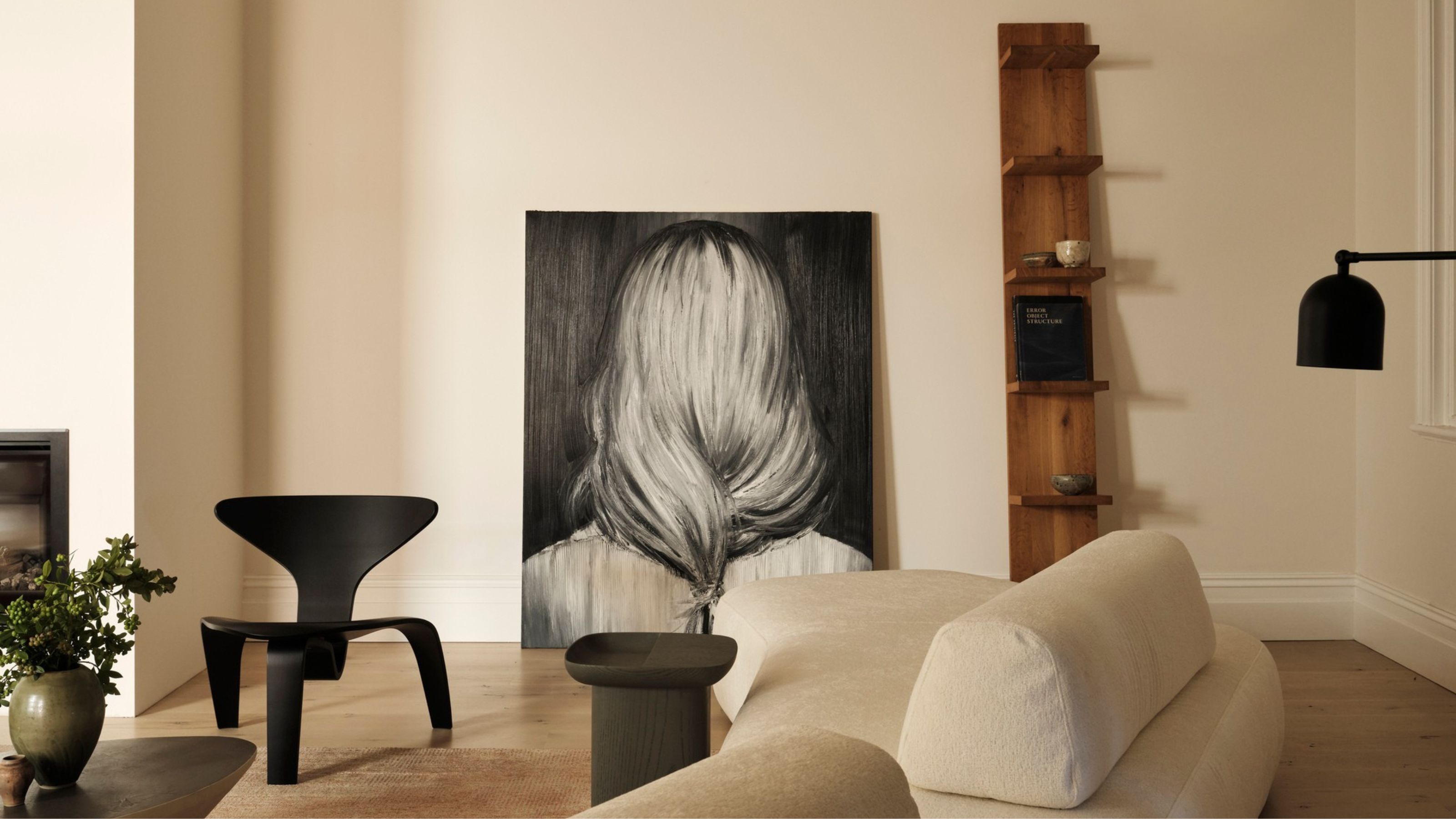
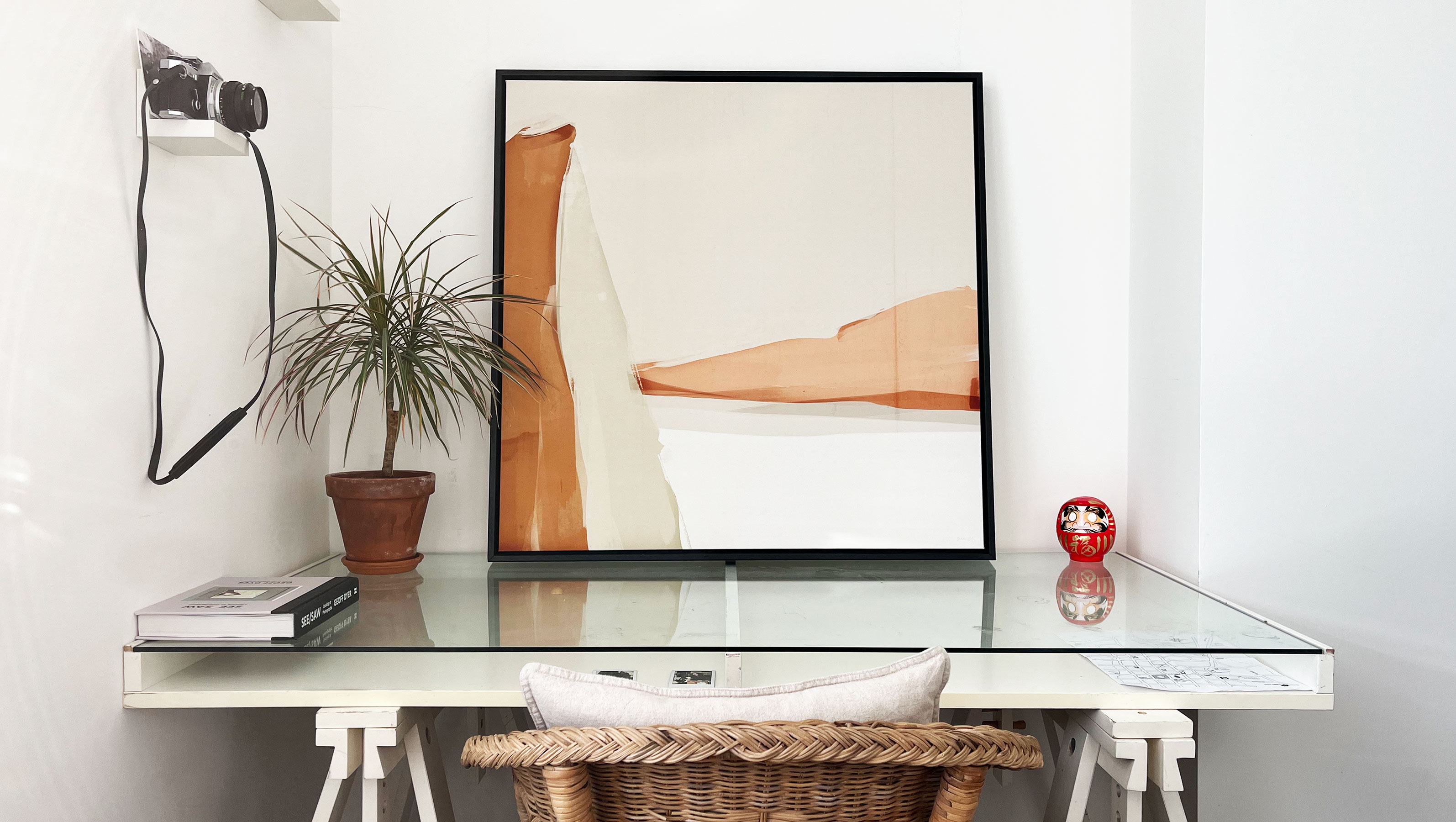
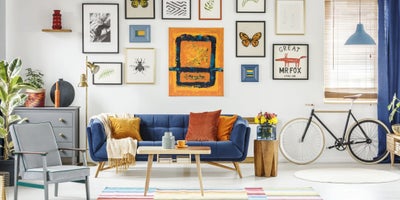
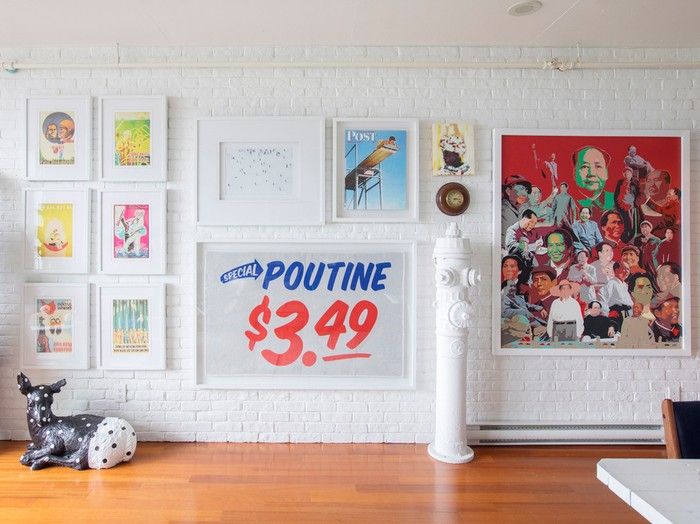
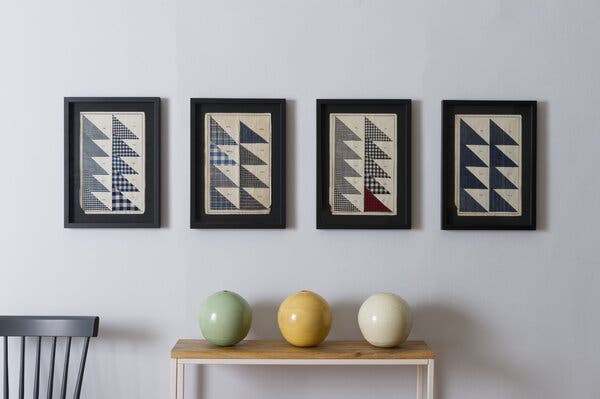
The flexibility of art allows for periodic reconfigurations, mirroring how public galleries re-hang their collections, providing a renewed perspective within a home. Practical considerations for hanging art include using small nails for easy patching in rental properties or opting for leaning art against ledges, book stacks, mantelpieces, or consoles for a casual display. When integrating new art, it should complement existing furniture and homeware rather than compete with them. This can be achieved by placing art alongside items with similar aesthetic qualities, such as echoing patterns in a rug or the curves of ceramics, or by creating juxtapositions with personal ephemera like postcards or family photos.
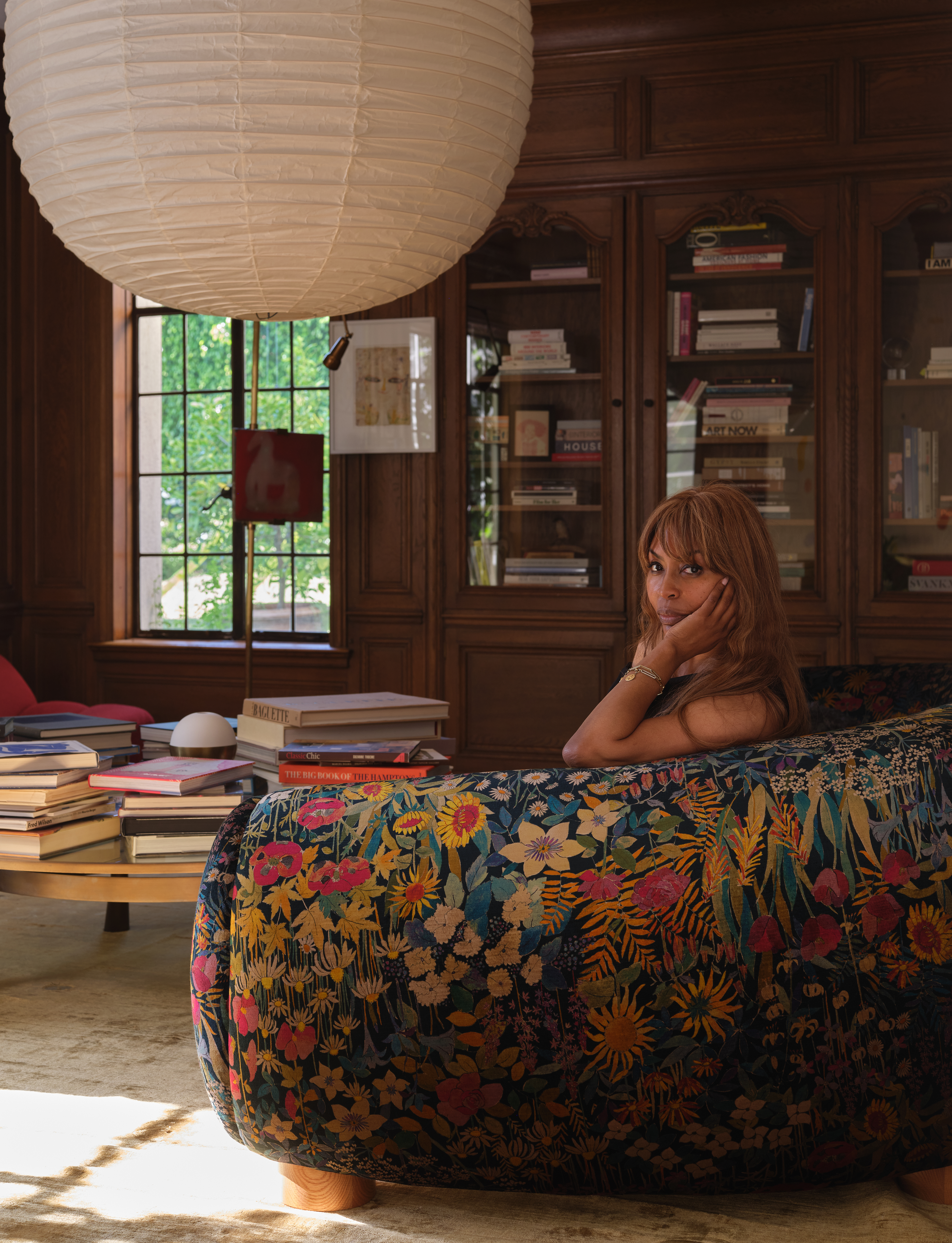
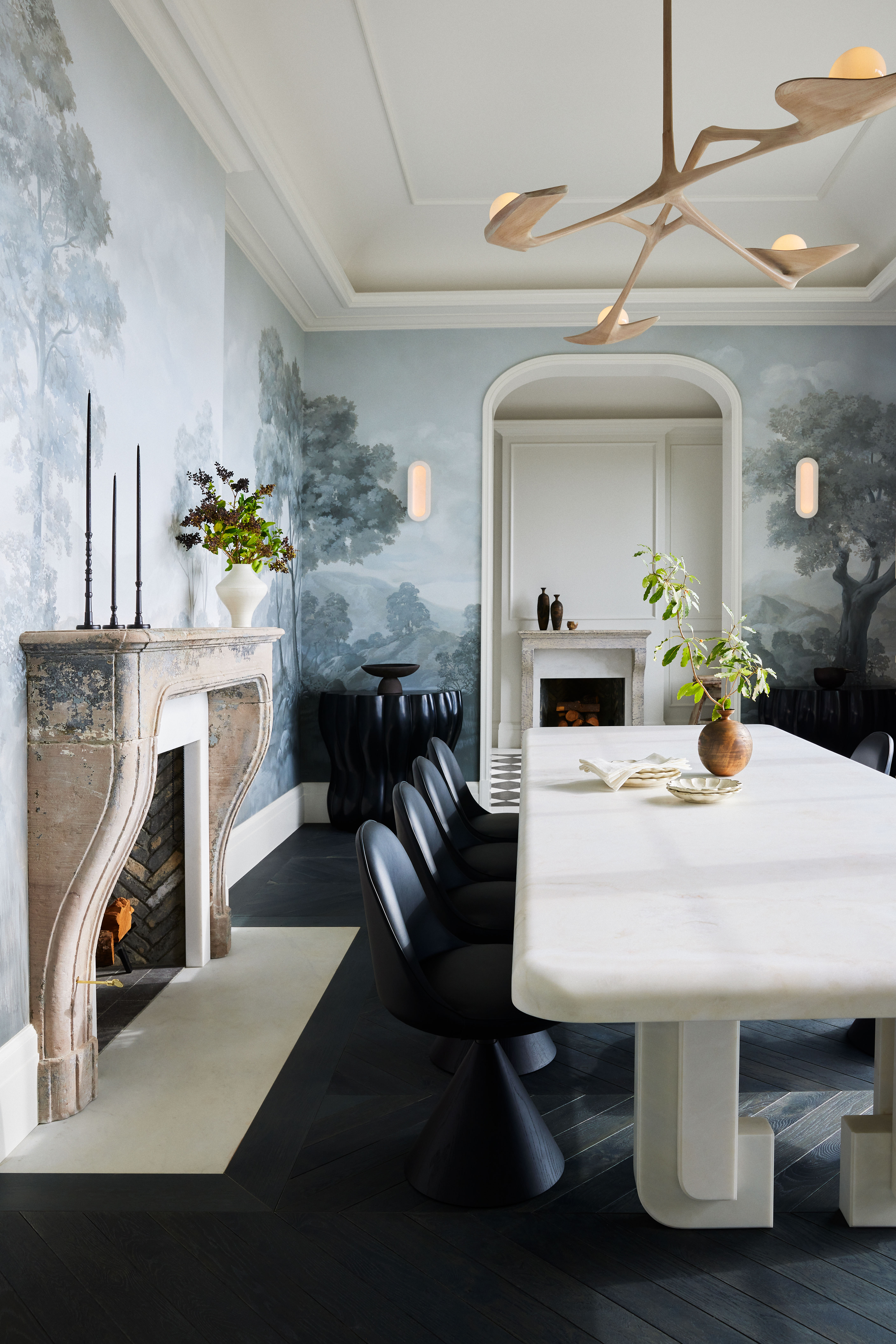
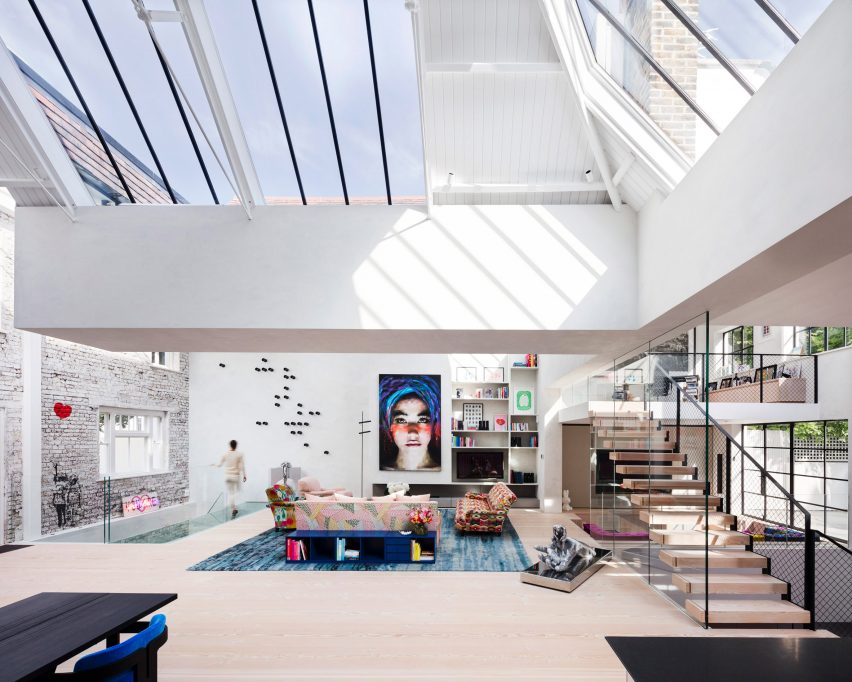
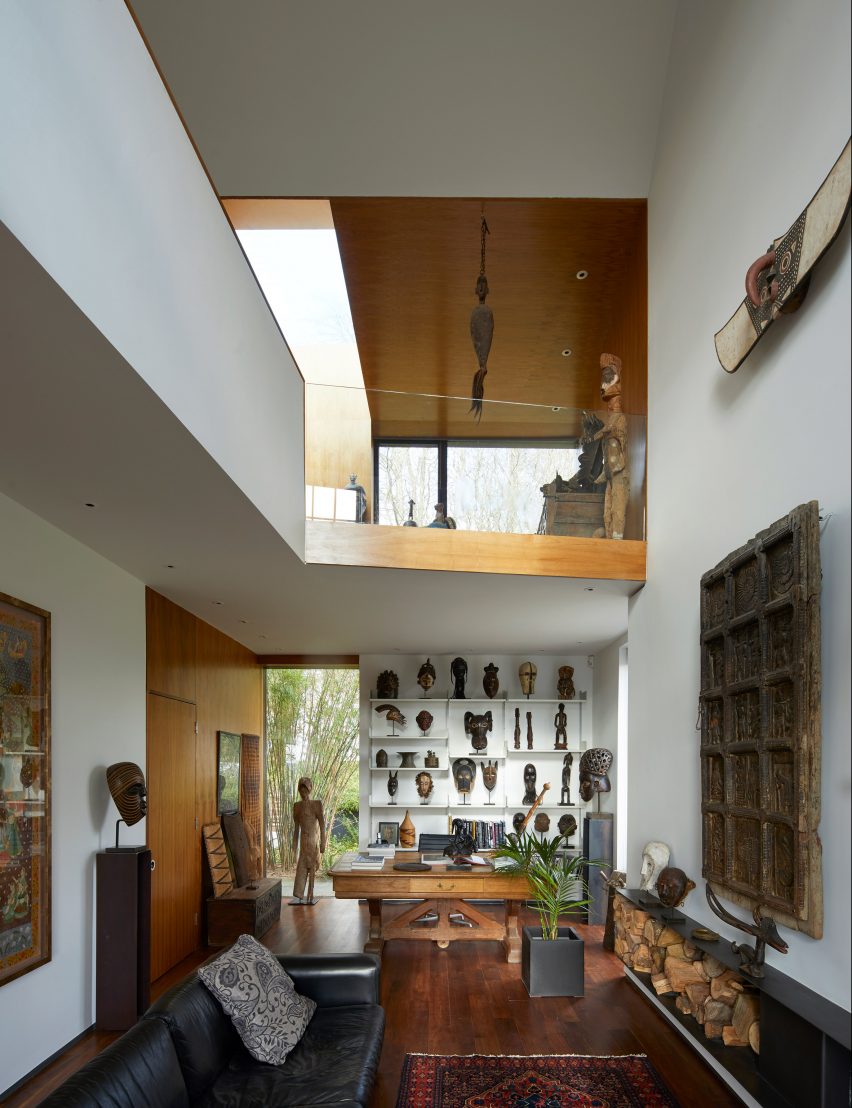
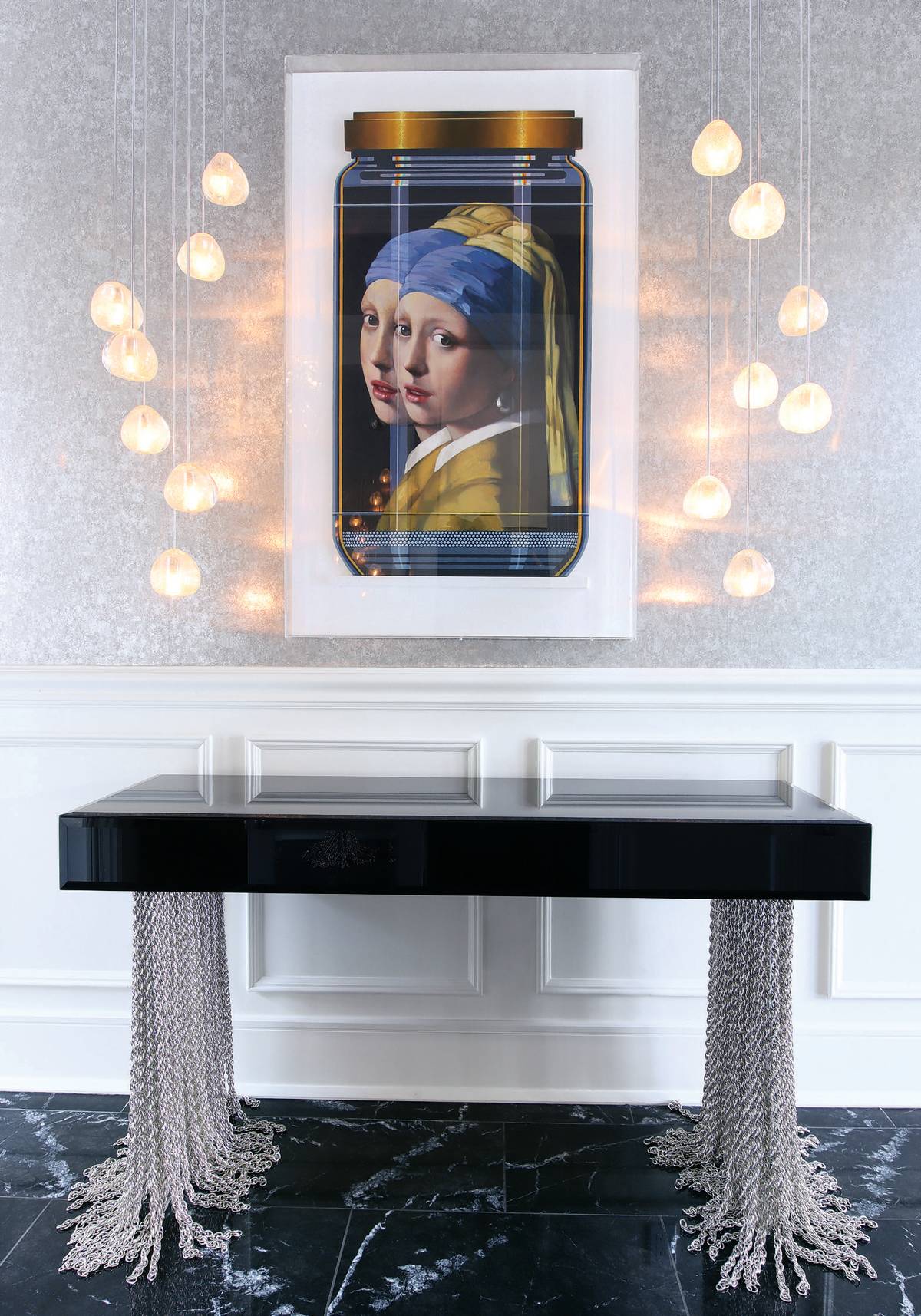
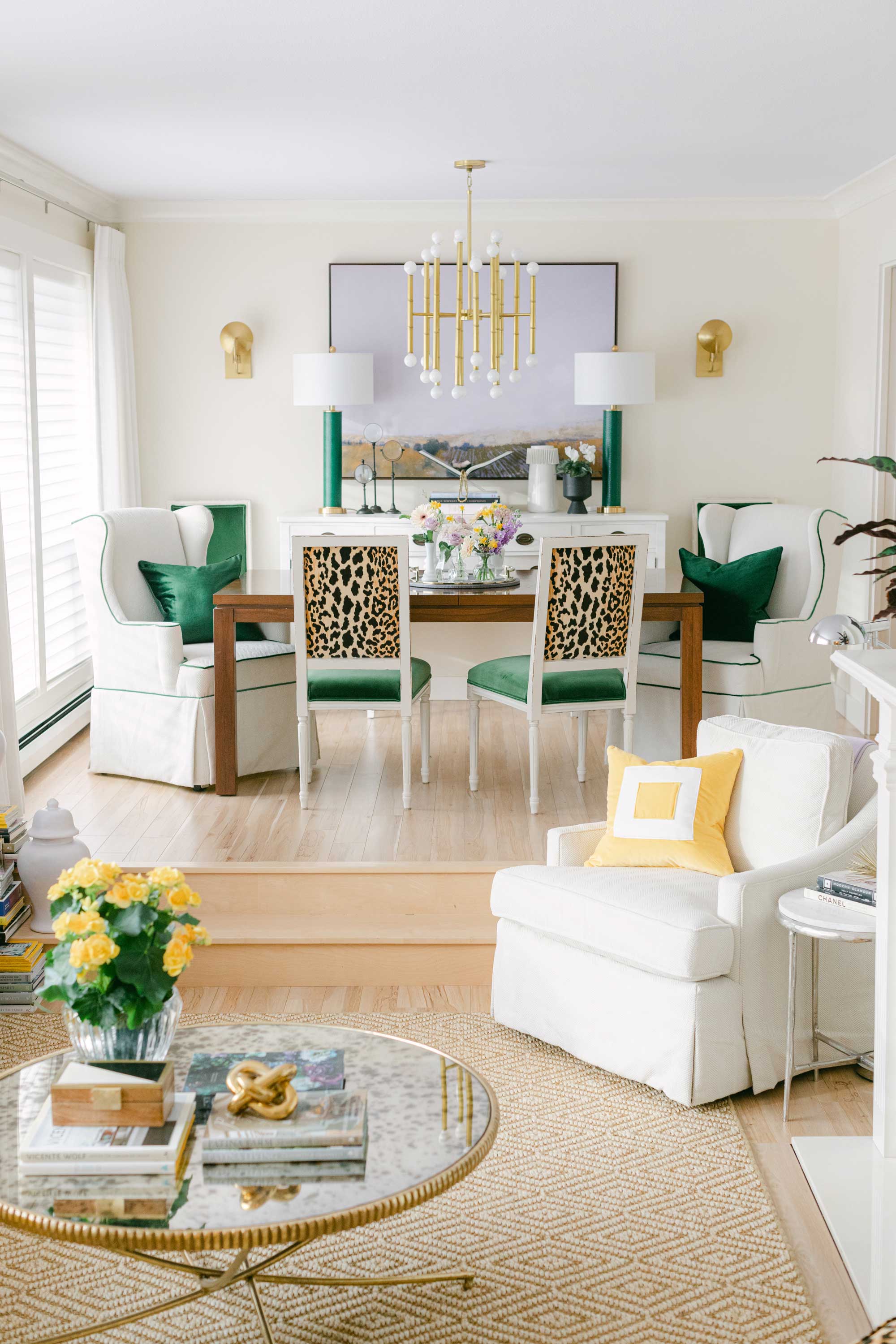
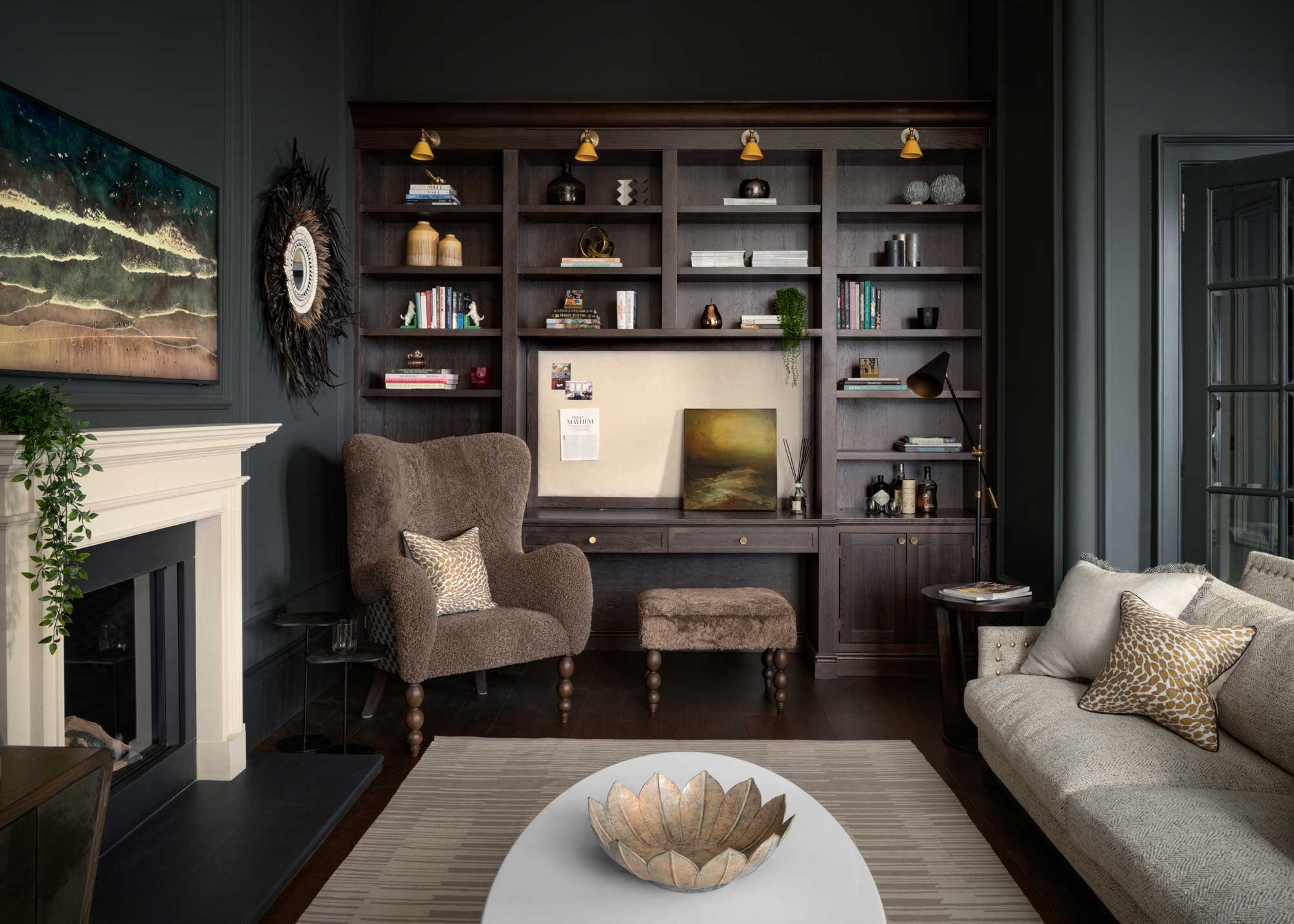
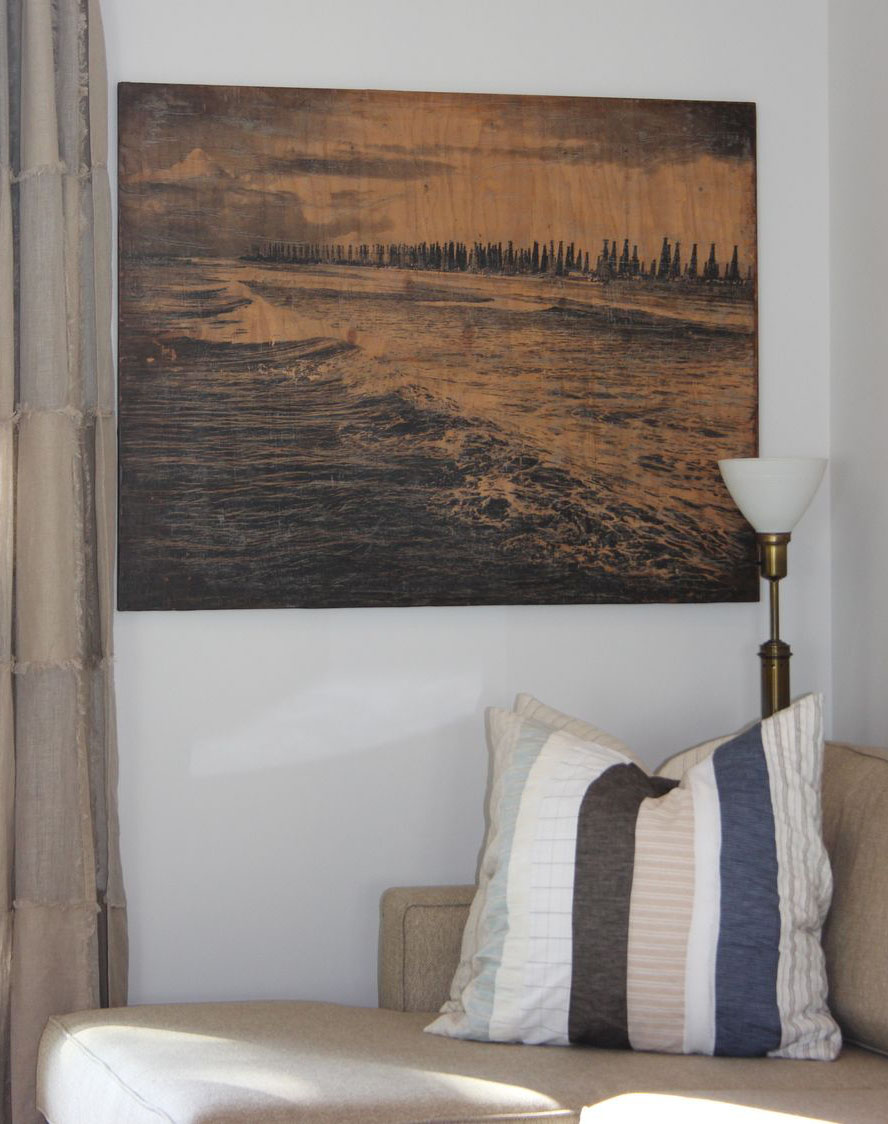
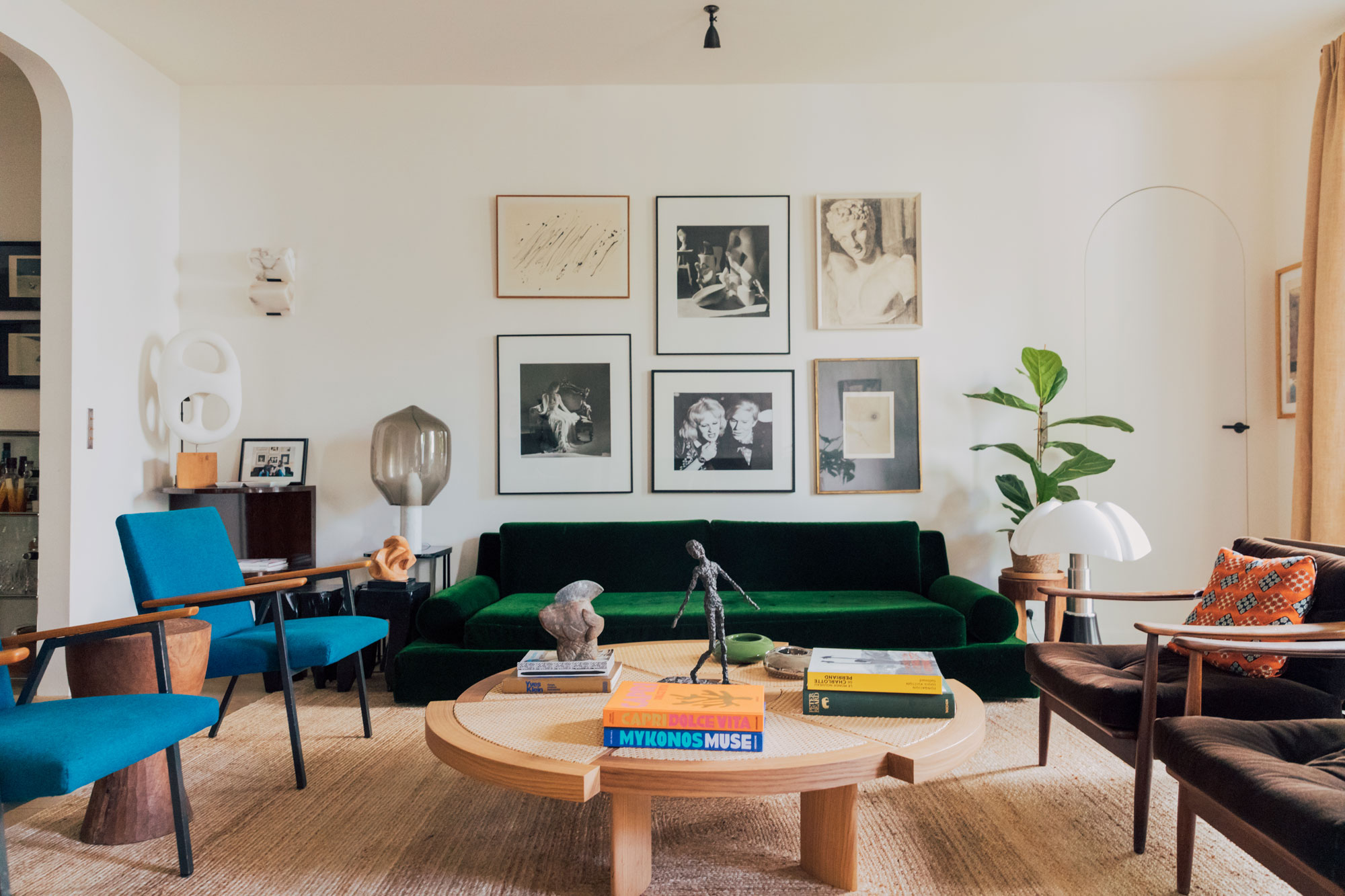
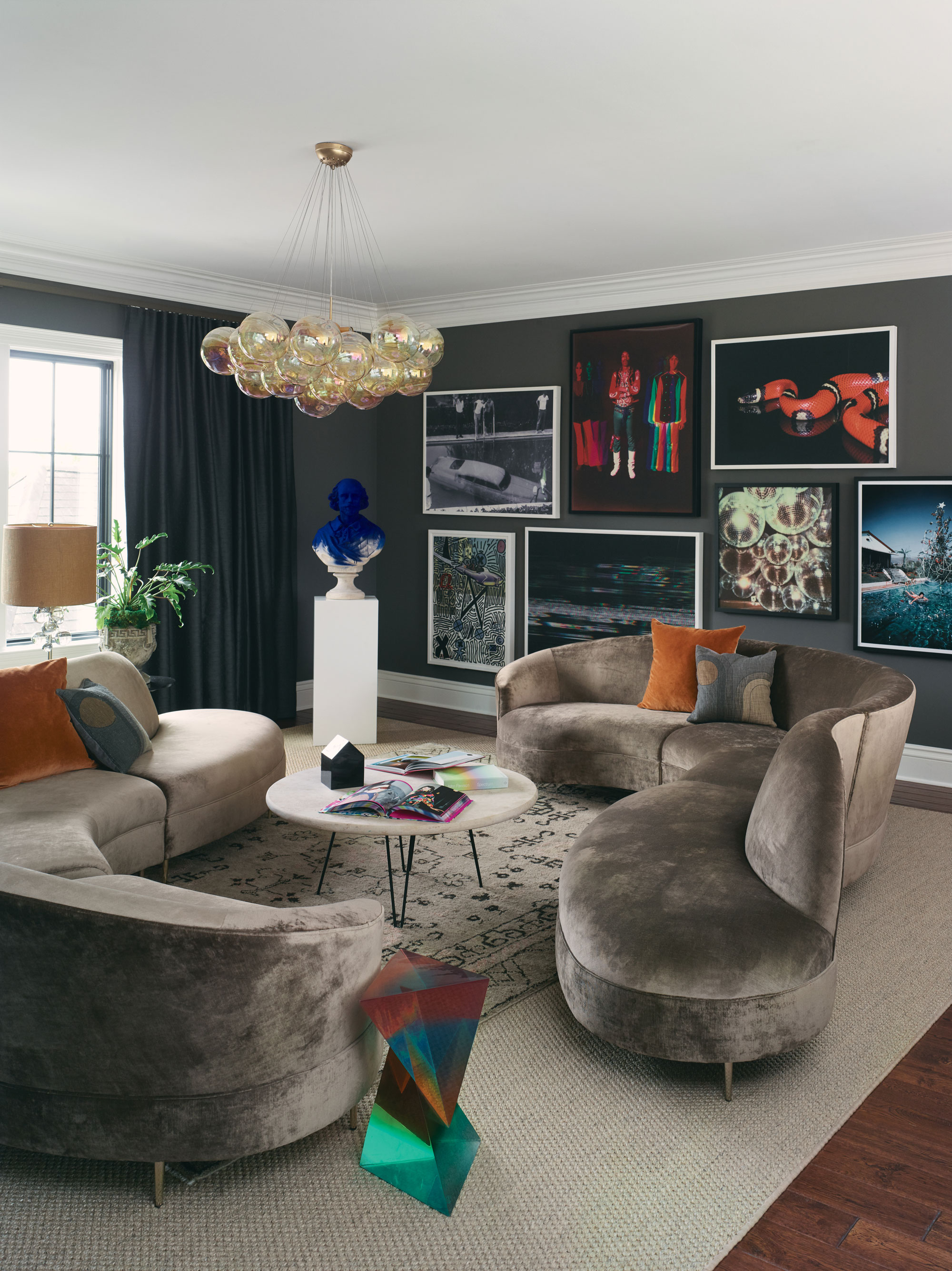
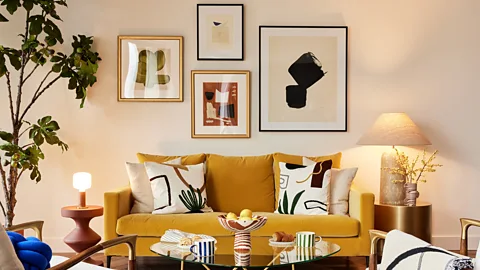
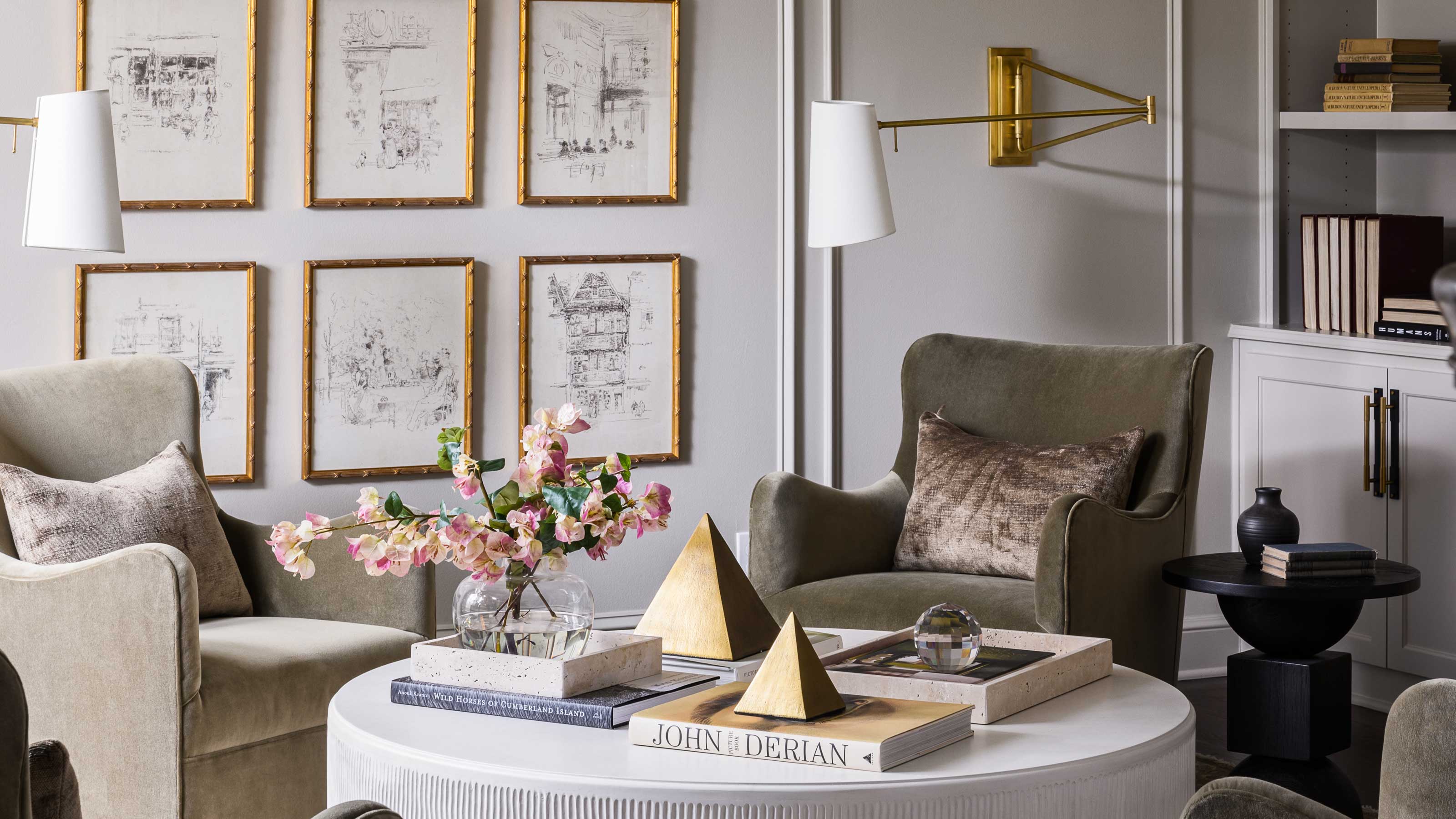
Wall-hung art can also provide a visual counterpoint to bulky furniture, acting as a focal point that balances the weight of larger pieces like sofas. Furthermore, carefully chosen art can unify a room by linking disparate design elements, such as contrasting materials or colors, ensuring a cohesive look. Artworks can reflect or complement tones present in fabrics or wood, thereby integrating the room's overall design.
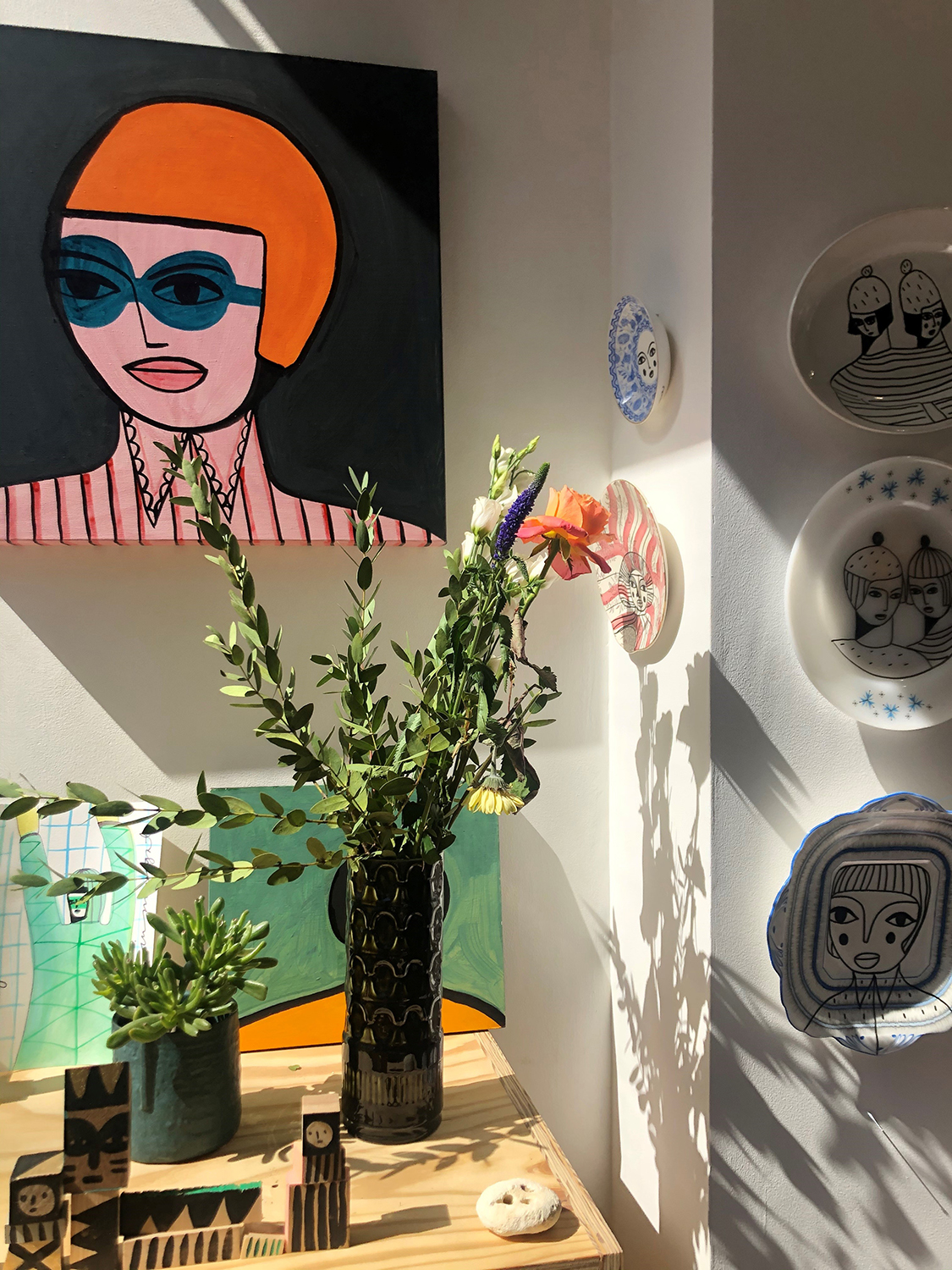
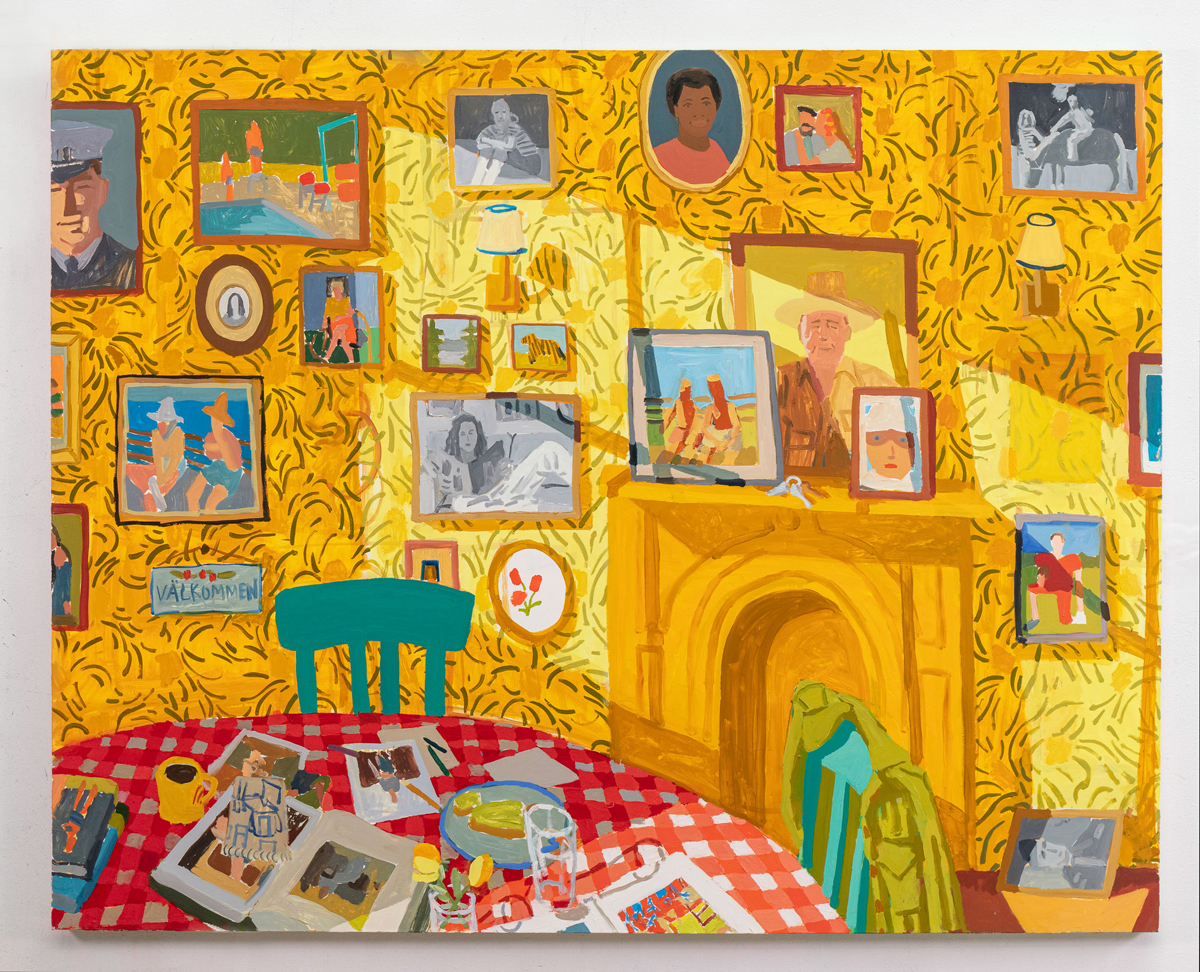
Beyond traditional wall art, incorporating usable art, such as art-themed coasters and placemats, can make art acquisition and display more approachable and enjoyable. Artists like Selina Snow demonstrate how personal art collections, including works by family members, travel souvenirs, and her own creations, can be curated against a neutral backdrop to create a unique and personal environment. Snow emphasizes the importance of linking colors and motifs in a way that enhances individual pieces without causing them to blend indistinguishably. She advocates for professional framing for original artworks to ensure their preservation and suggests installing UV protective window film in bright areas.
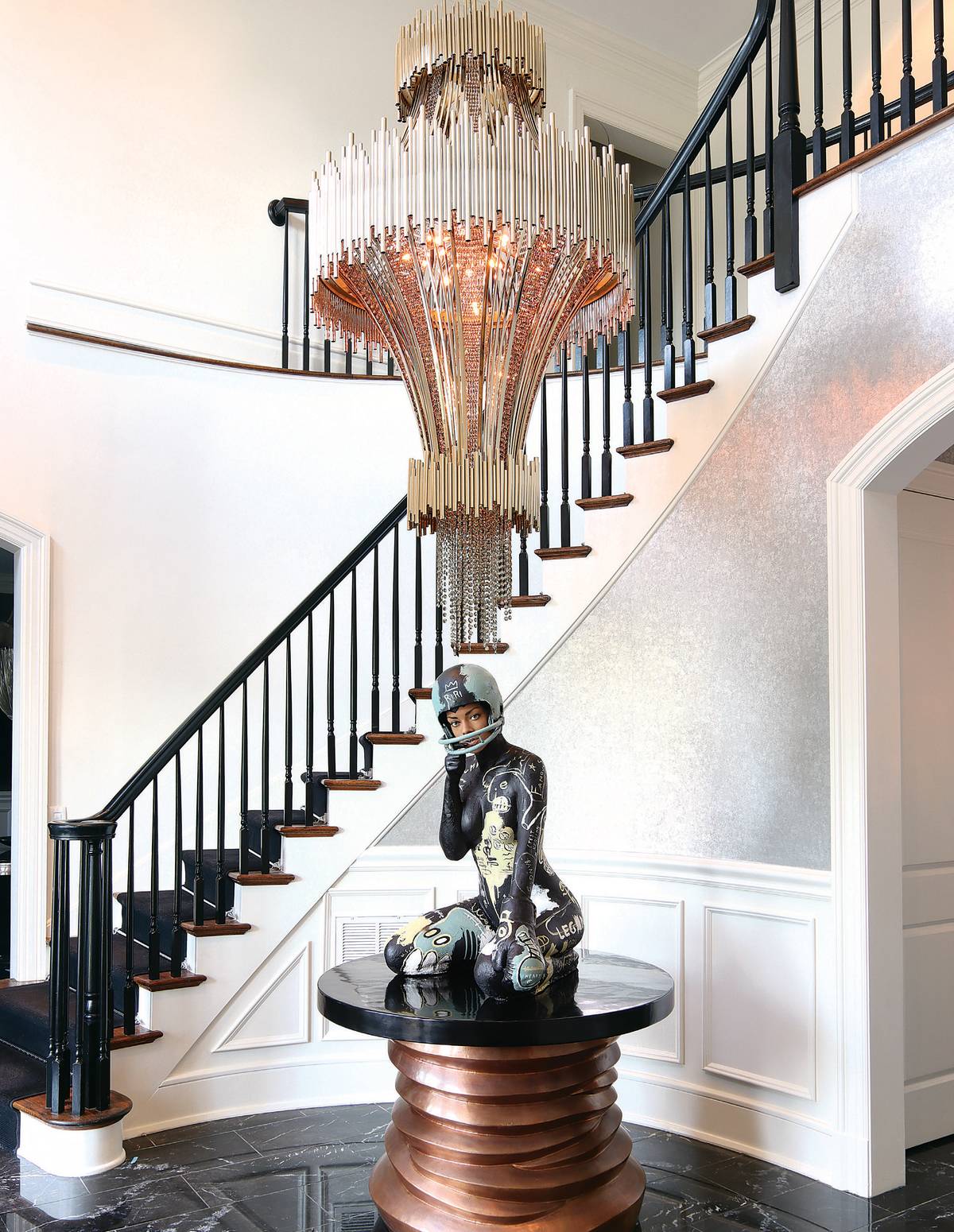
Sculpture also has a place in home interiors, extending beyond gallery settings. Instead of relying solely on tables or plinths, sculptures can be displayed on affordable free-floating shelves at varying heights to create engaging domestic arrangements. For those looking to start an art collection, visiting art exhibitions, auctions, and open-studio events is recommended to discover art that resonates personally. Many galleries offer a 'try before you buy' service, allowing potential buyers to see how art integrates into their home environment at different times of day and in various locations. Before making permanent hanging decisions, it is advisable to experiment with configurations by laying pieces out on the floor. Ultimately, the selection of art should be deeply personal, reflecting what truly speaks to the individual, whether adhering to a specific theme or simply choosing pieces based on intuition, as there is no right or wrong approach to art selection.
#HomeDecor #ArtDisplay #InteriorDesign #ArtCollection #LivingSpace #HomeStyling #ArtConsultancy #RoomTransformation #PersonalExpression #HomeDecor #ArtDisplay #InteriorDesign #ArtCollection #LivingSpace #HomeStyling #ArtConsultancy #RoomTransformation #PersonalExpression
0 comment in total
 No comments yet
You may also like
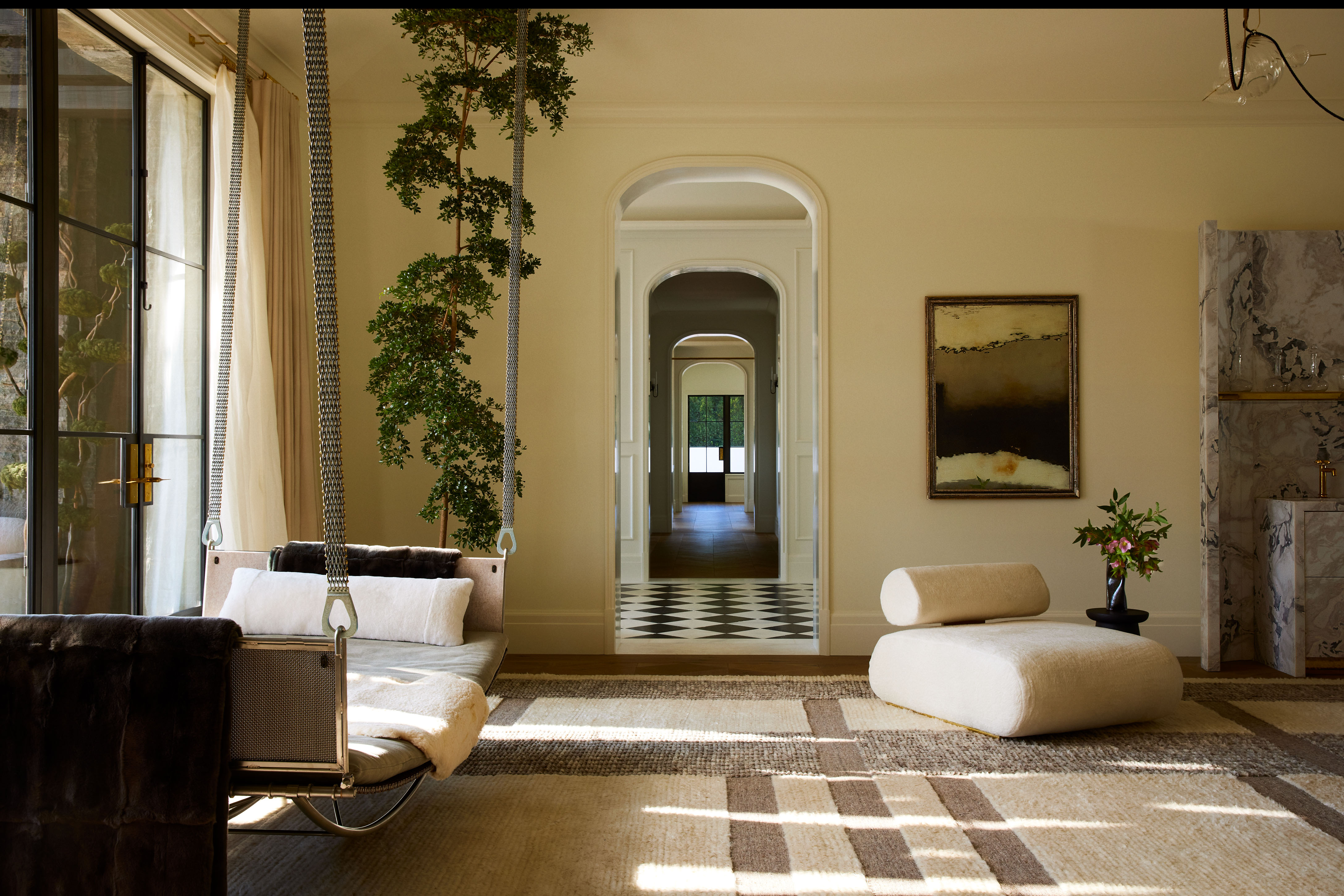
7 Interior Designers Share Their Tips on Buying Art for Your Home
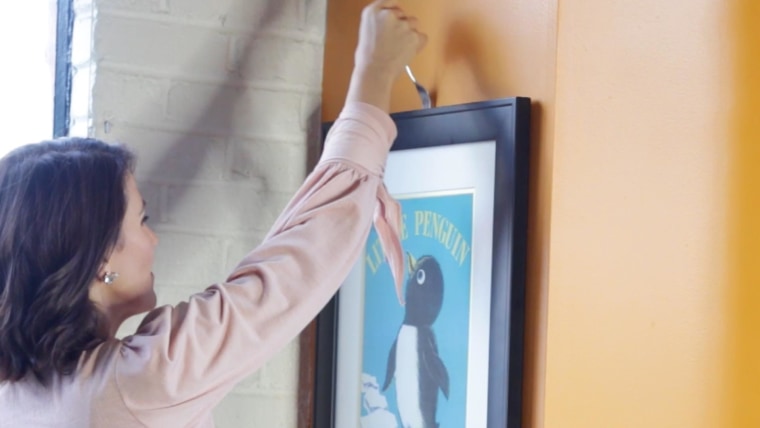
How to hang wall perfectly: Use a fork

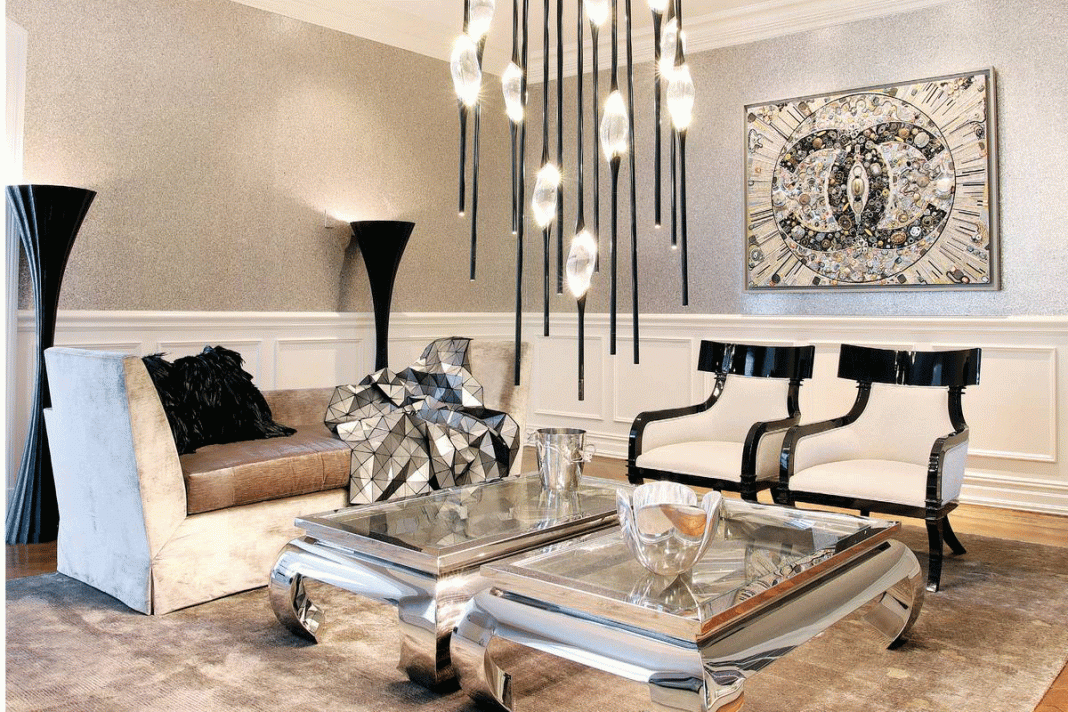
This Purchase Home Design Is All About the Artwork

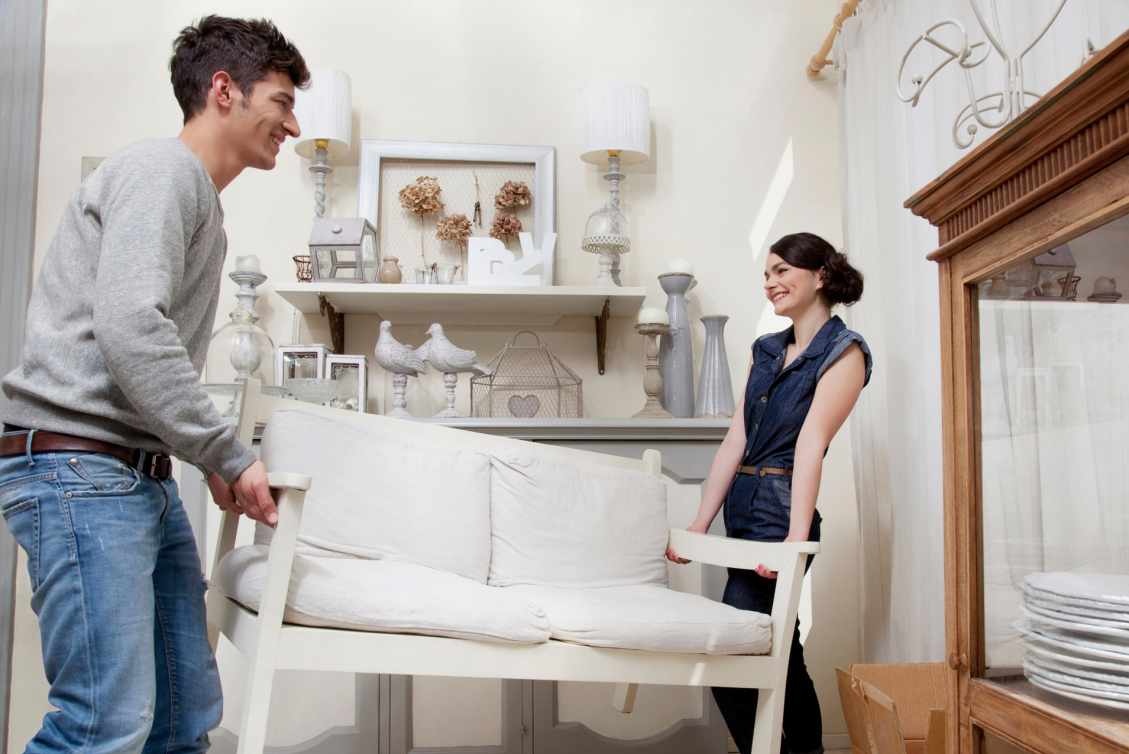
Use these expert tips to change up the look of your rooms, no money required

This 'Lazy' Way of Displaying Art, Conveniently, Also Happens to Be the Best Looking


Home is Where the Art Is

Murals Have Moved In


21 Wall Art Ideas That Will Give Your Home Some Major Personality
Ten homes with interiors designed to showcase art
My Home Didn't Feel Finished Until I Finally Crossed This Task Off My To-Do List

Where to buy the best wall art to create a spectacular gallery wall

Are gallery walls going out of style? These interior designers all came to the same verdict
Painting hacks: How to transform your home with paint
I felt claustrophobic in my small bedroom because of these art mistakes, so I took it all down

How to use paint to change the size and shape of your room
to create a gallery art wall - Ideas & Advice

Curating art for the home is an art in itself

How to Hang an Art Collection Like an Expert
Affordable art - the 10 best places to buy it
The Stress-Free Way to Hang Art (Published 2021)