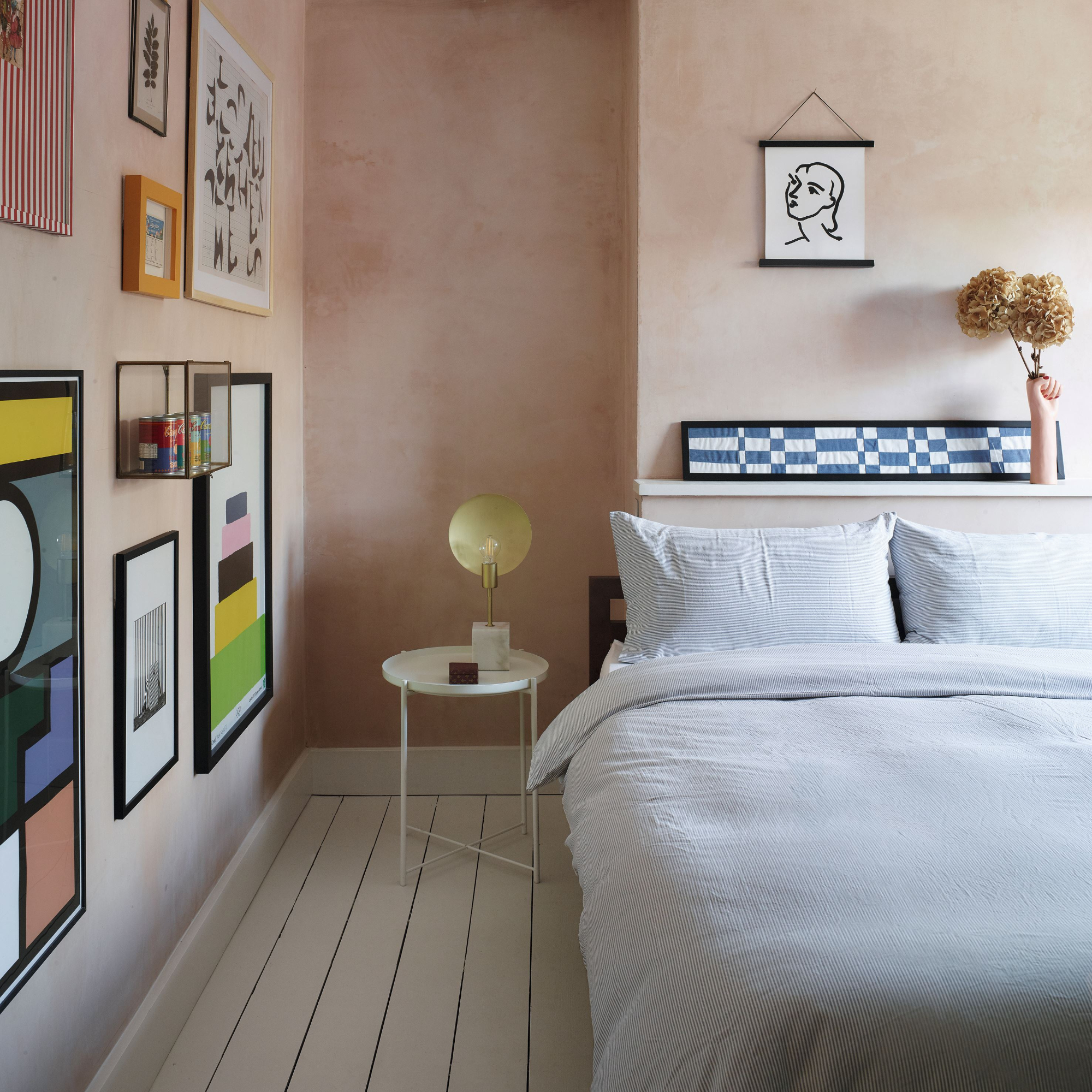
Art Hanging Tips From an Expert
This article provides expert advice on how to properly hang art, drawing on the experience of Zach Gilliland, founder of Artwork Installation, LLC. Gilliland, a stainless steel sculptor, and his team specialize in art installation, ranging from delicate Monets to large-scale sculptures and extensive family photo walls. His company, Artwork Installation, LLC, was established approximately 12 years ago after he gained experience volunteering at Art Center Sarasota, where he installed various art shows and transported pieces for different galleries.
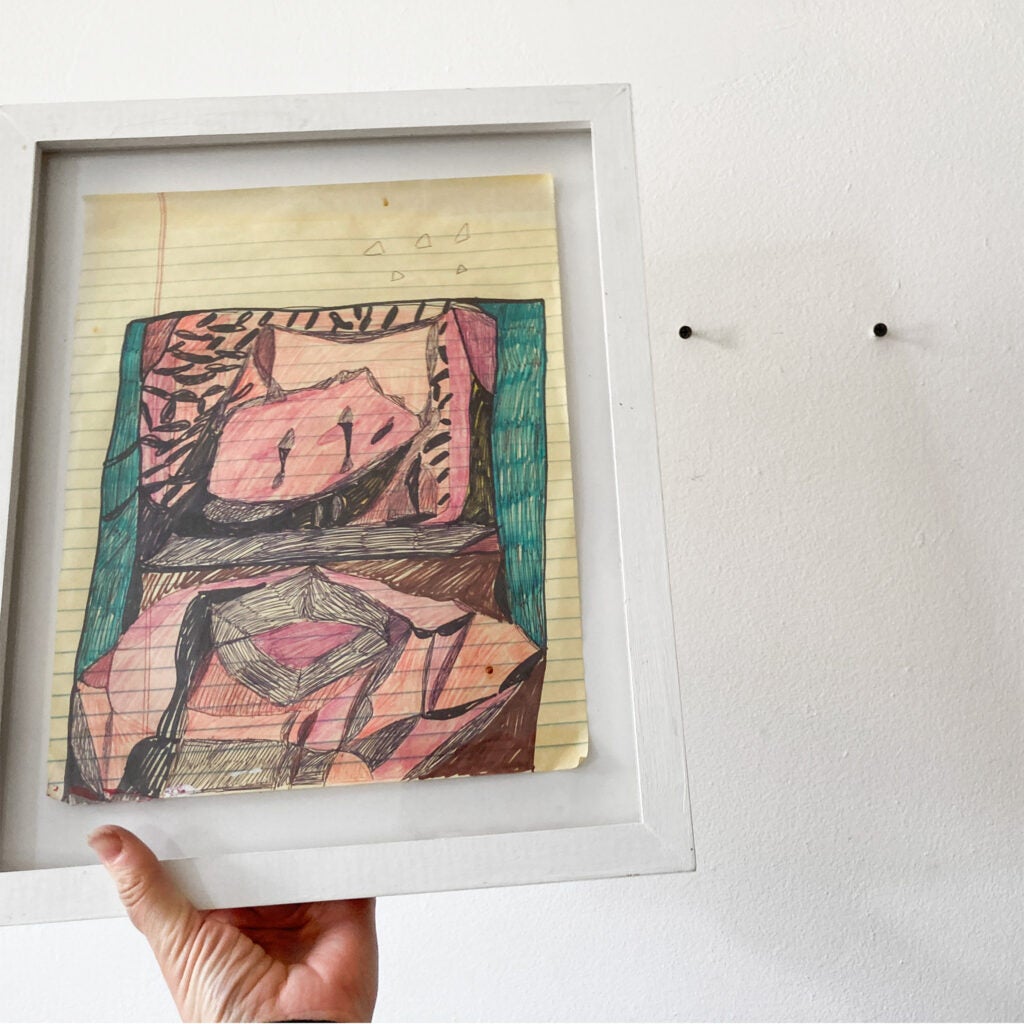
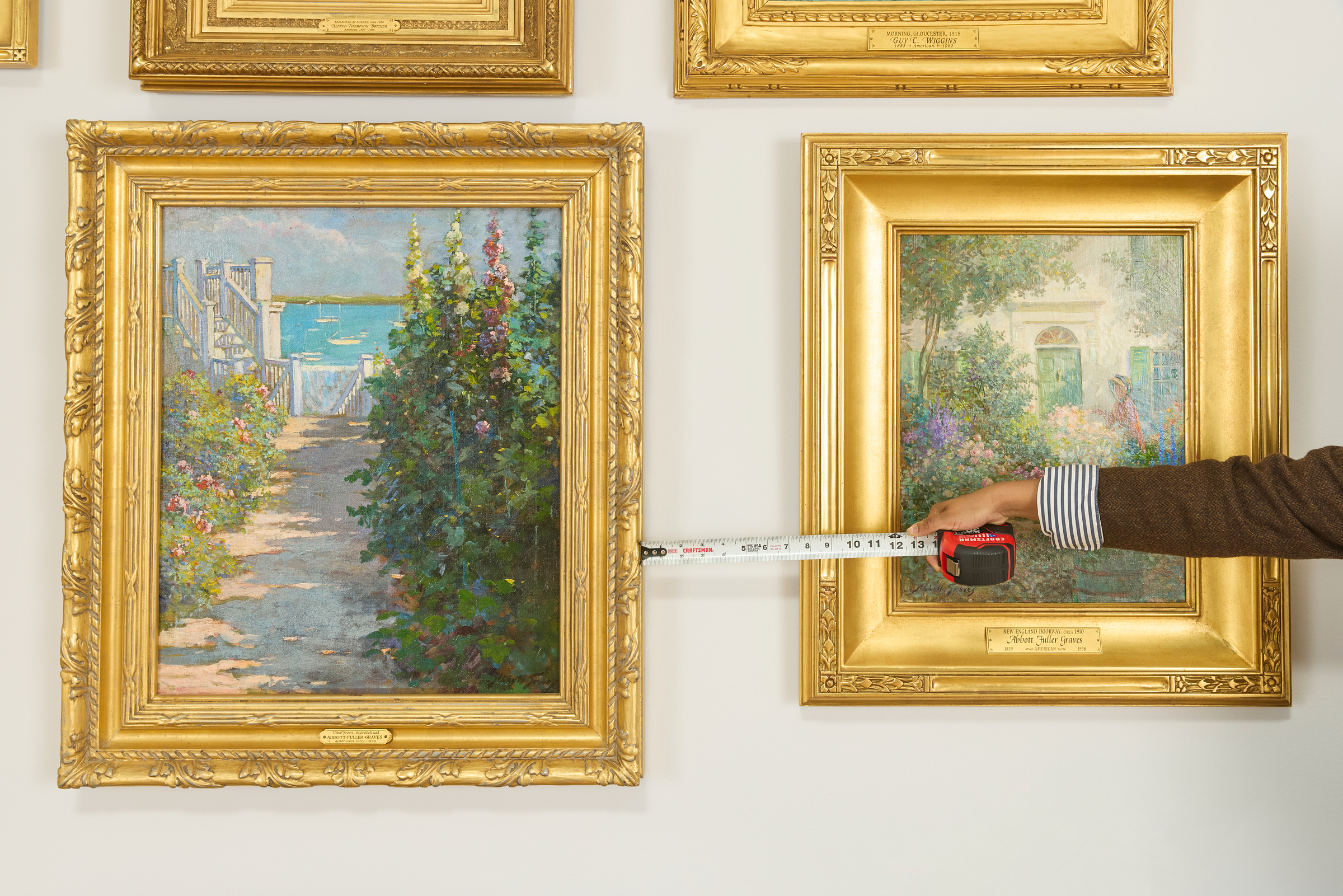
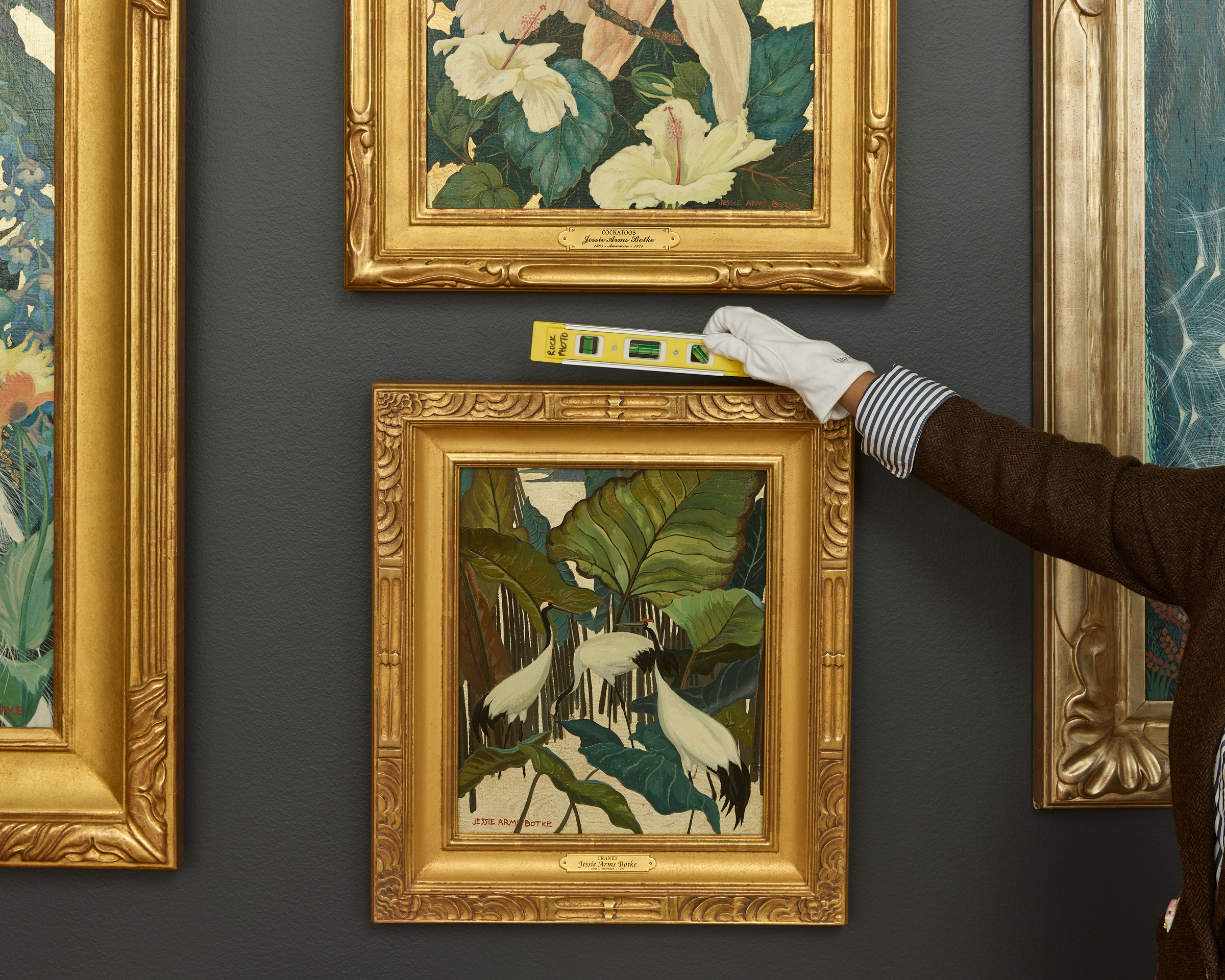
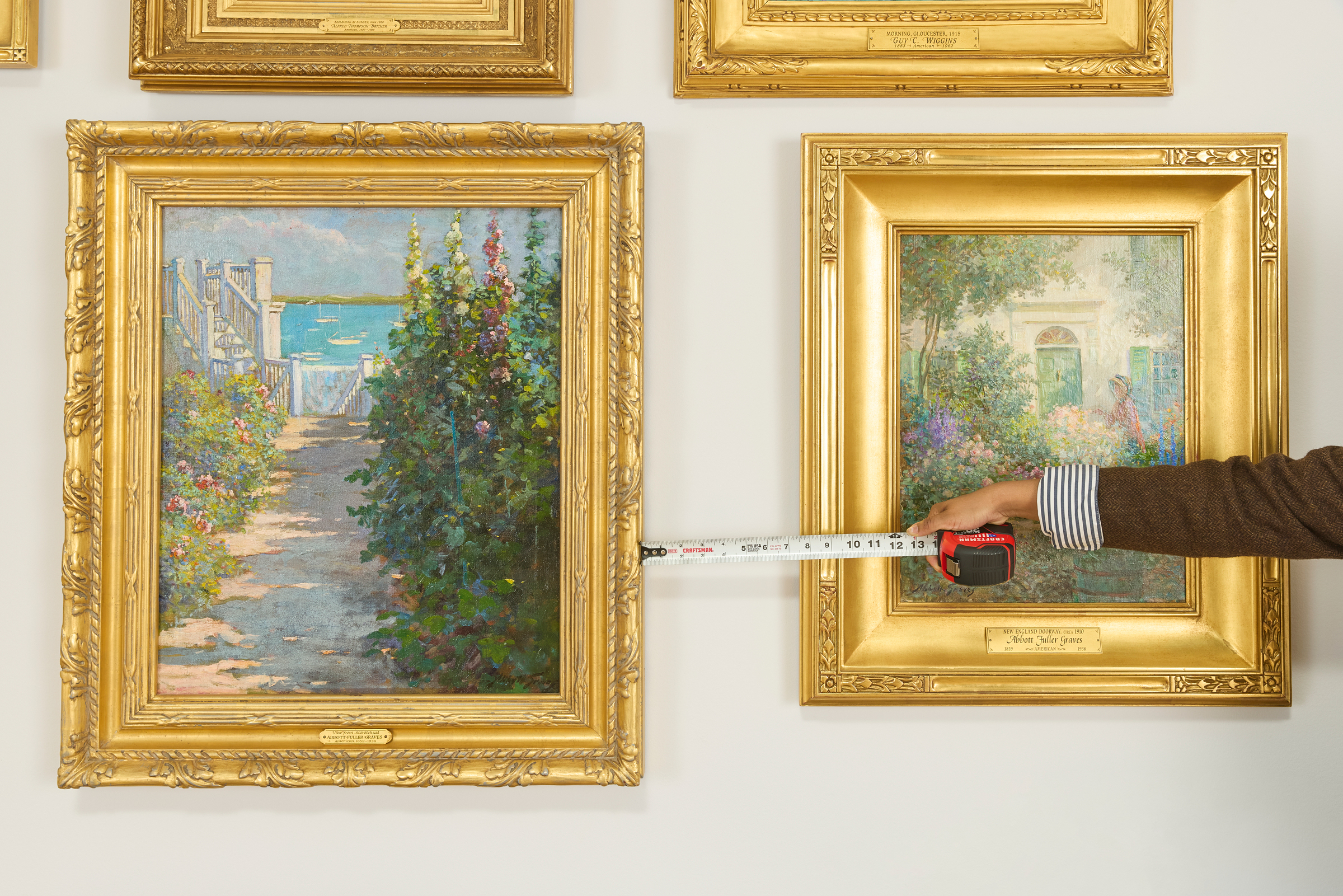
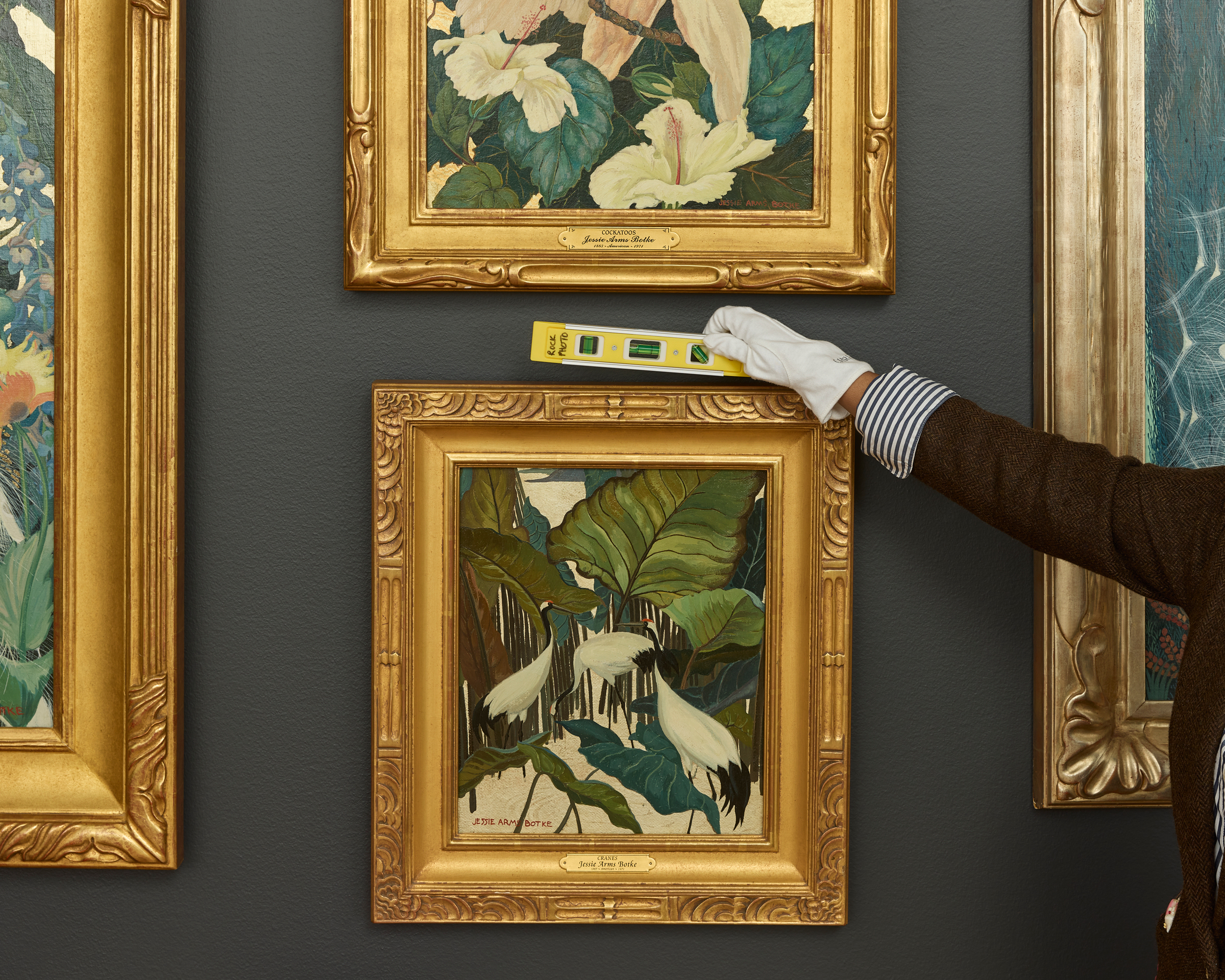
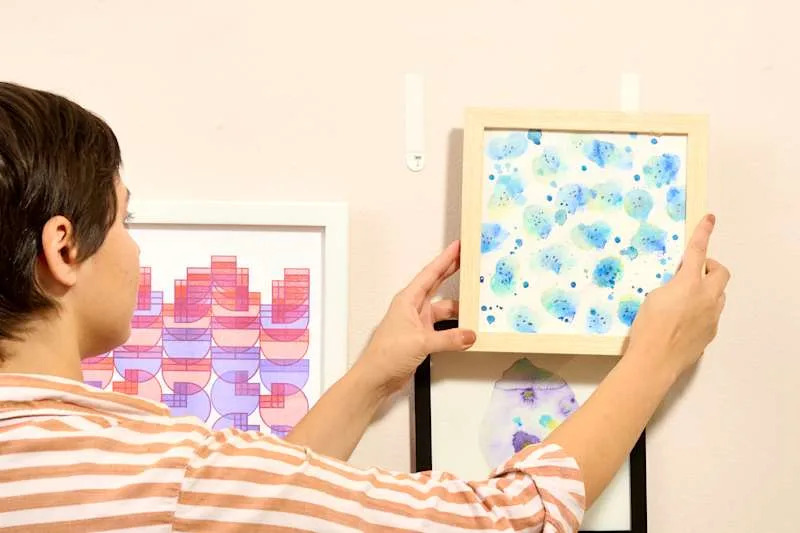
The article outlines several key tips for homeowners looking to display their art effectively. First, it emphasizes the importance of a two-person approach when hanging art. One individual should hold the artwork in place, while the other stands back to assess the height and overall placement. Gilliland suggests using colored tape to mark the precise spot once the ideal position is determined, cautioning against attempting to hang art alone due to the increased margin for error.
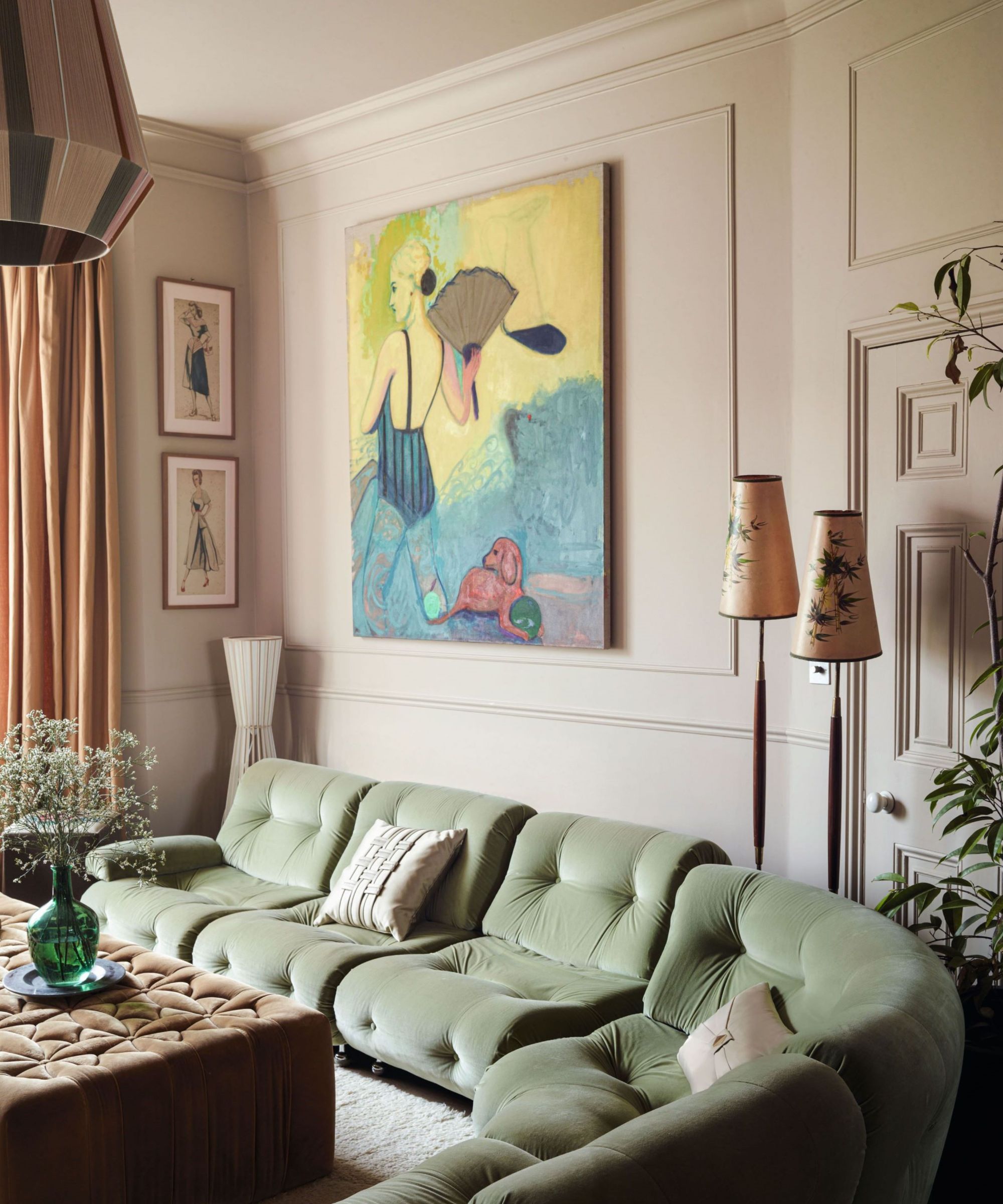
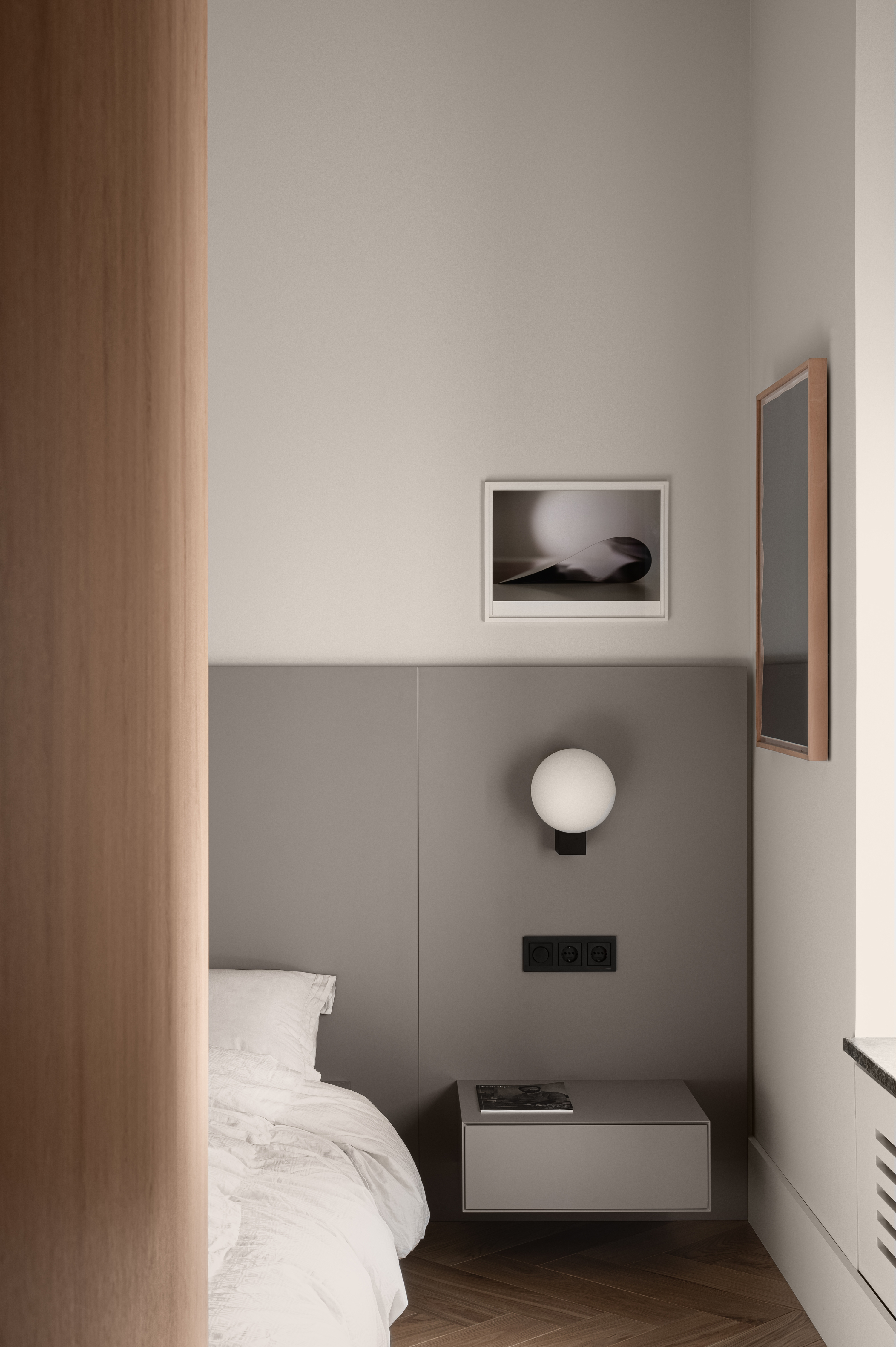
Another practical tip involves considering the artwork's real-life context within the home. If a piece is to be hung above furniture such as a couch or a bed's headboard, it's crucial to test its placement to ensure it doesn't interfere with daily use, for instance, by hitting someone's head when they sit or recline. The article recommends having the second person hold the art in potential spots while the homeowner simulates sitting or lying down to confirm suitability before making any permanent holes in the wall.
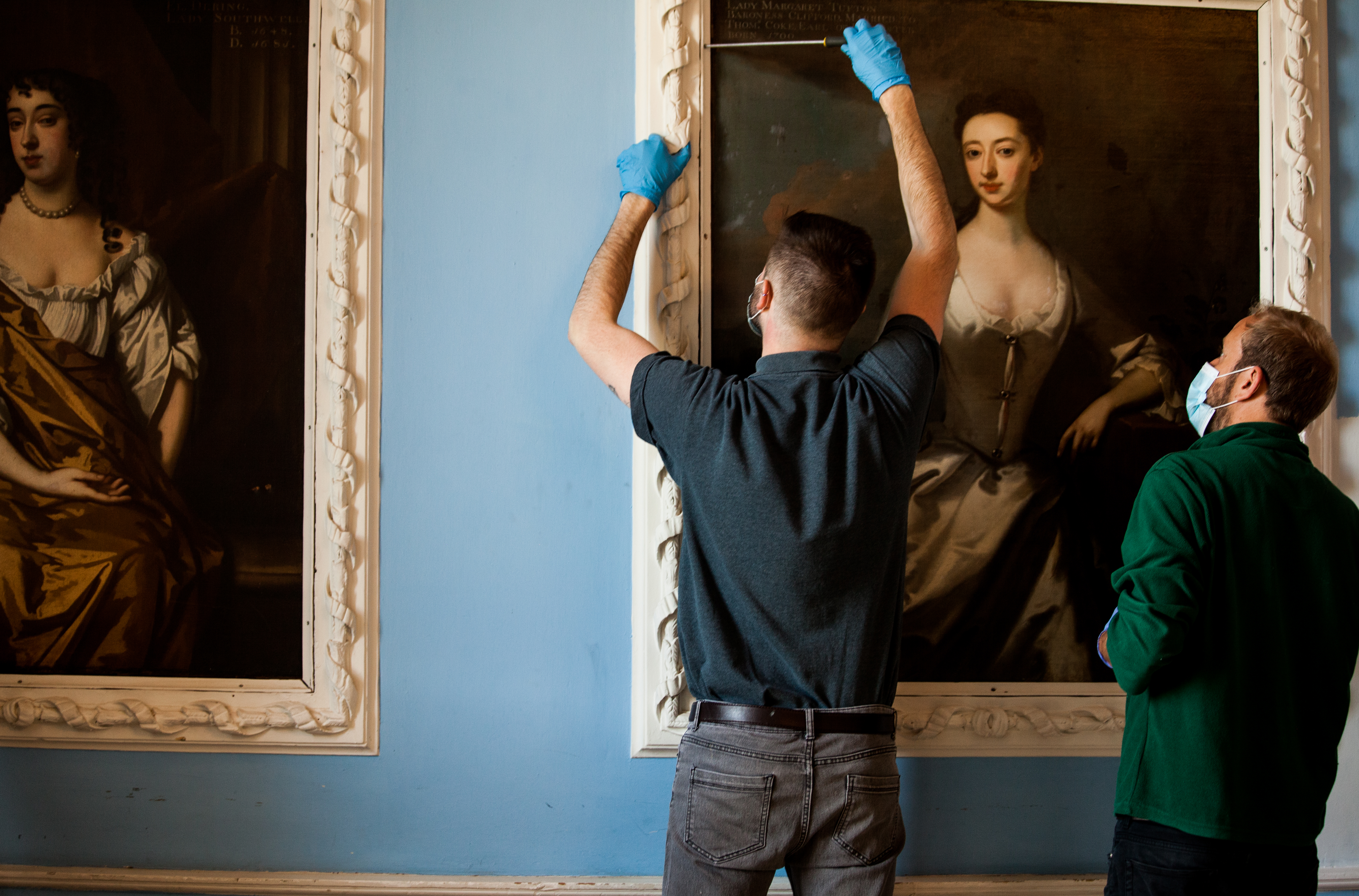
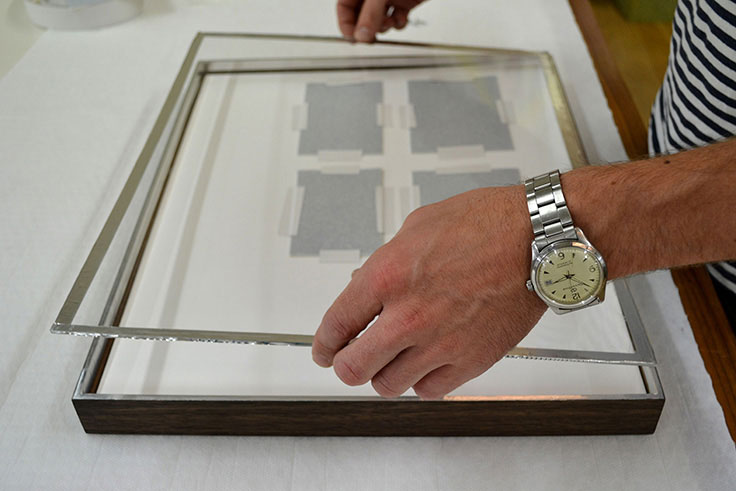
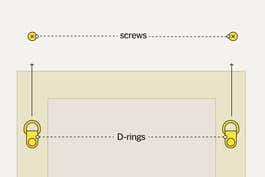
Regarding hardware, Gilliland advises against using traditional art wire. He explains that art wire often leads to frames hanging crookedly, which can be easily dislodged by minor vibrations within the home. Instead, he recommends utilizing D-rings, placed on either side of the frame. While D-rings might require slightly more effort during the initial installation, they offer greater stability and help keep the artwork consistently straight.
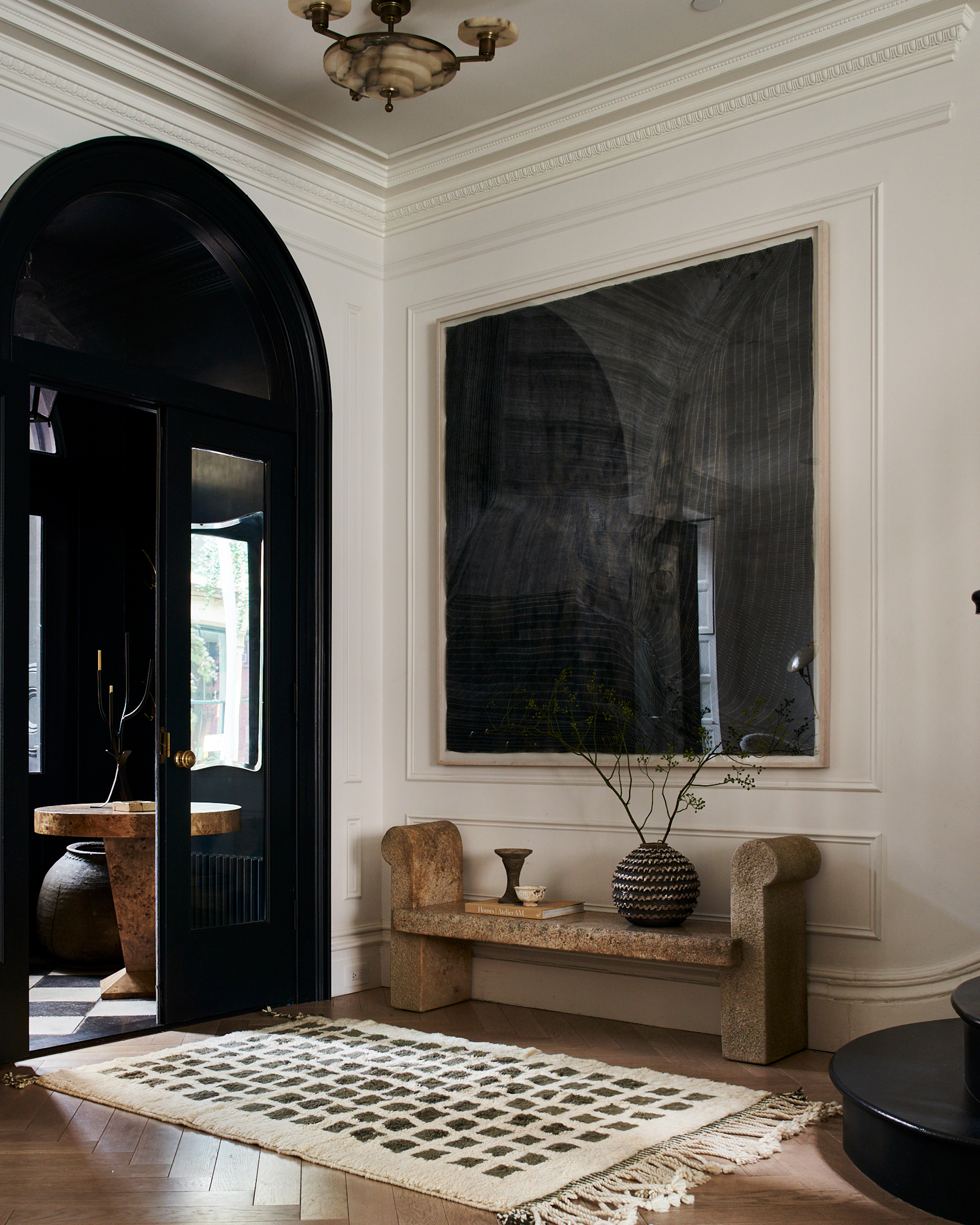
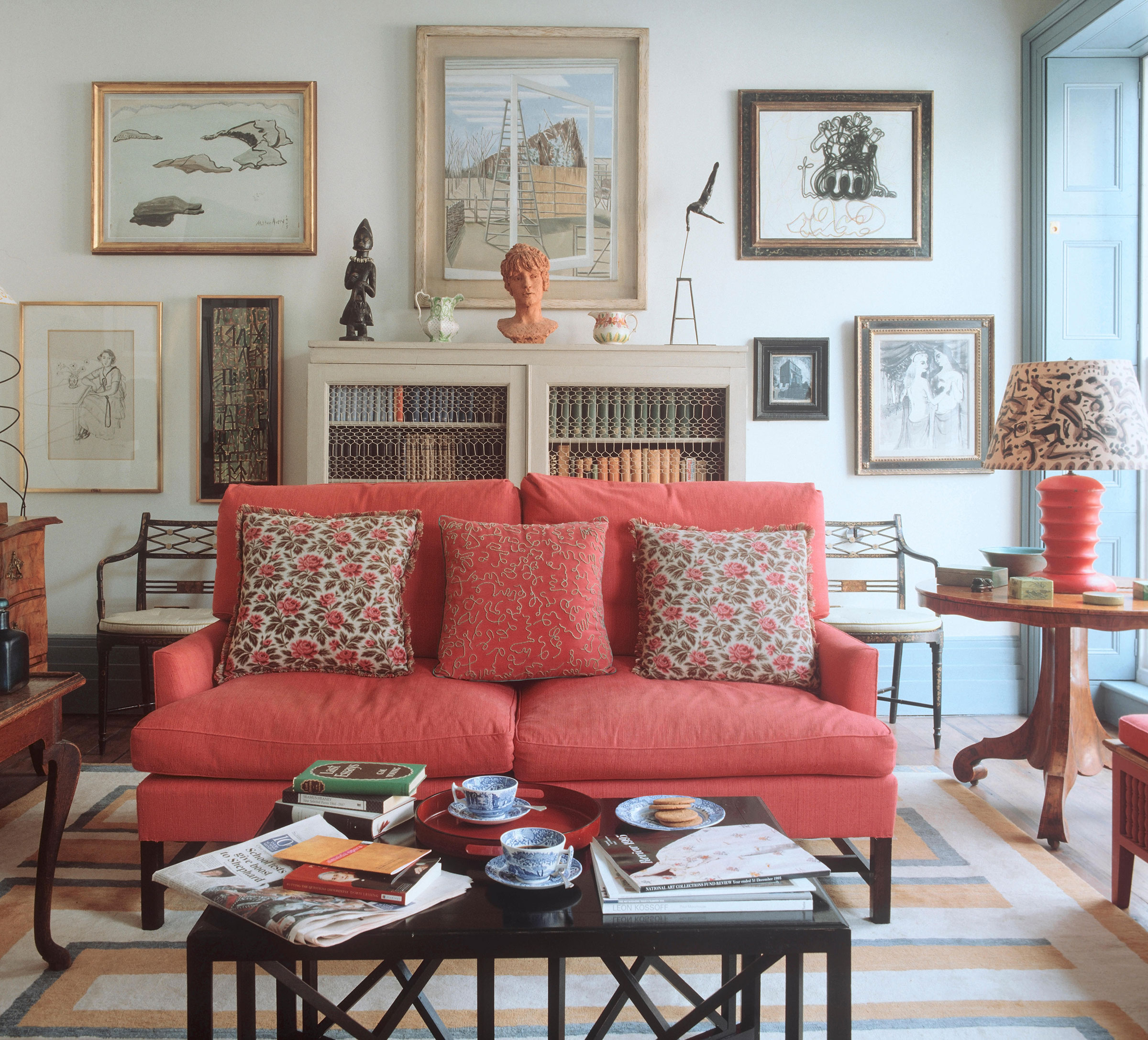
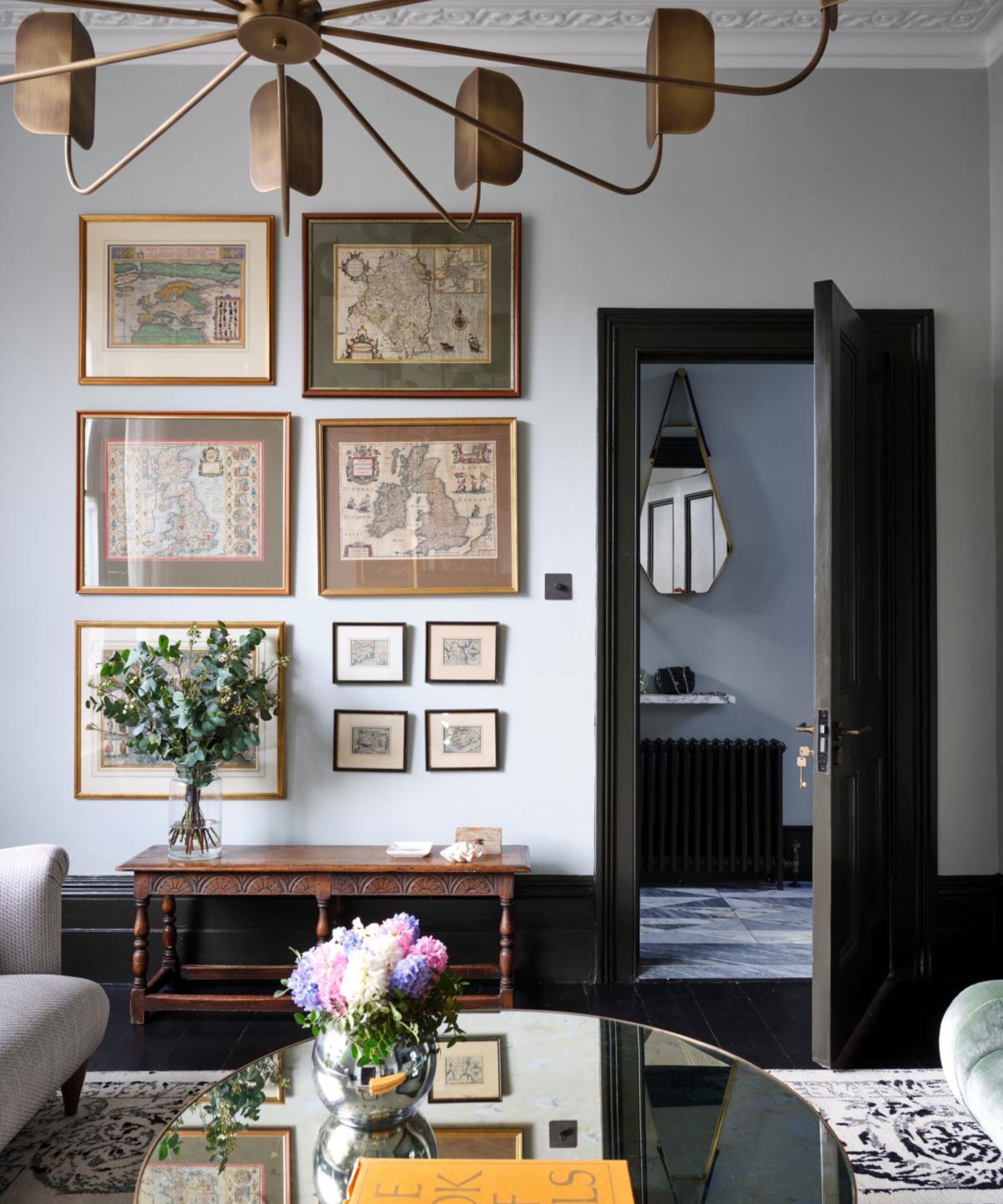
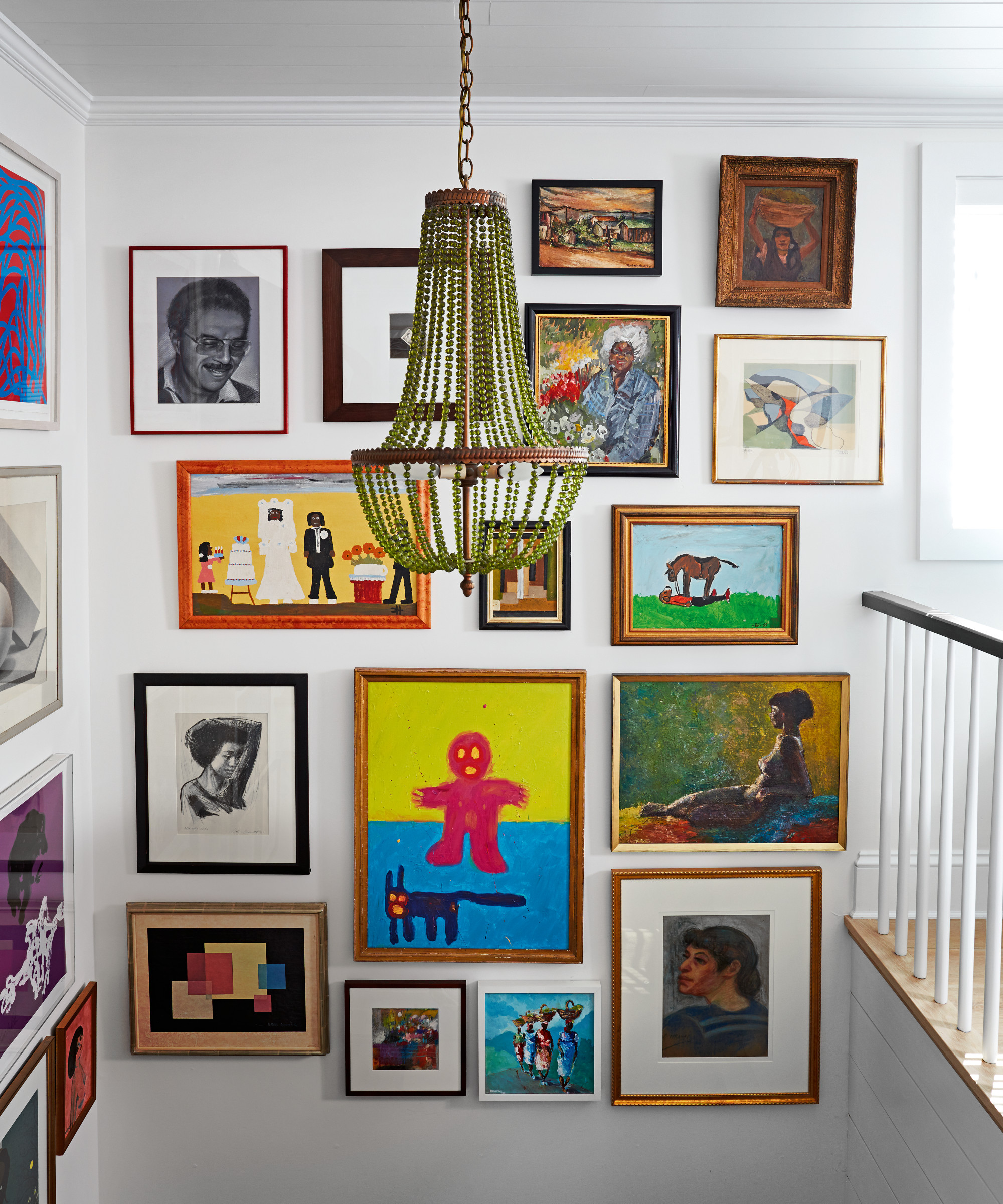
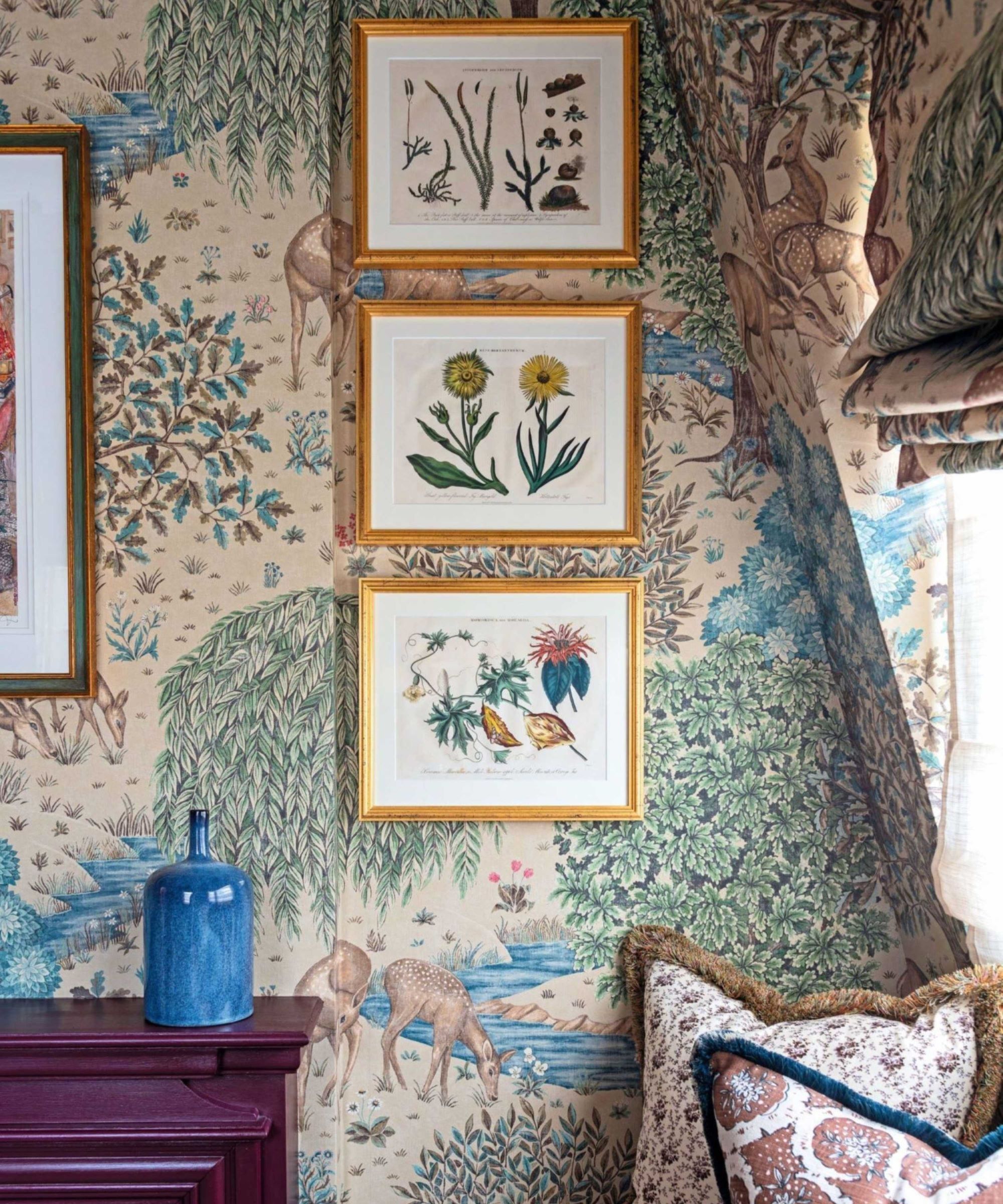
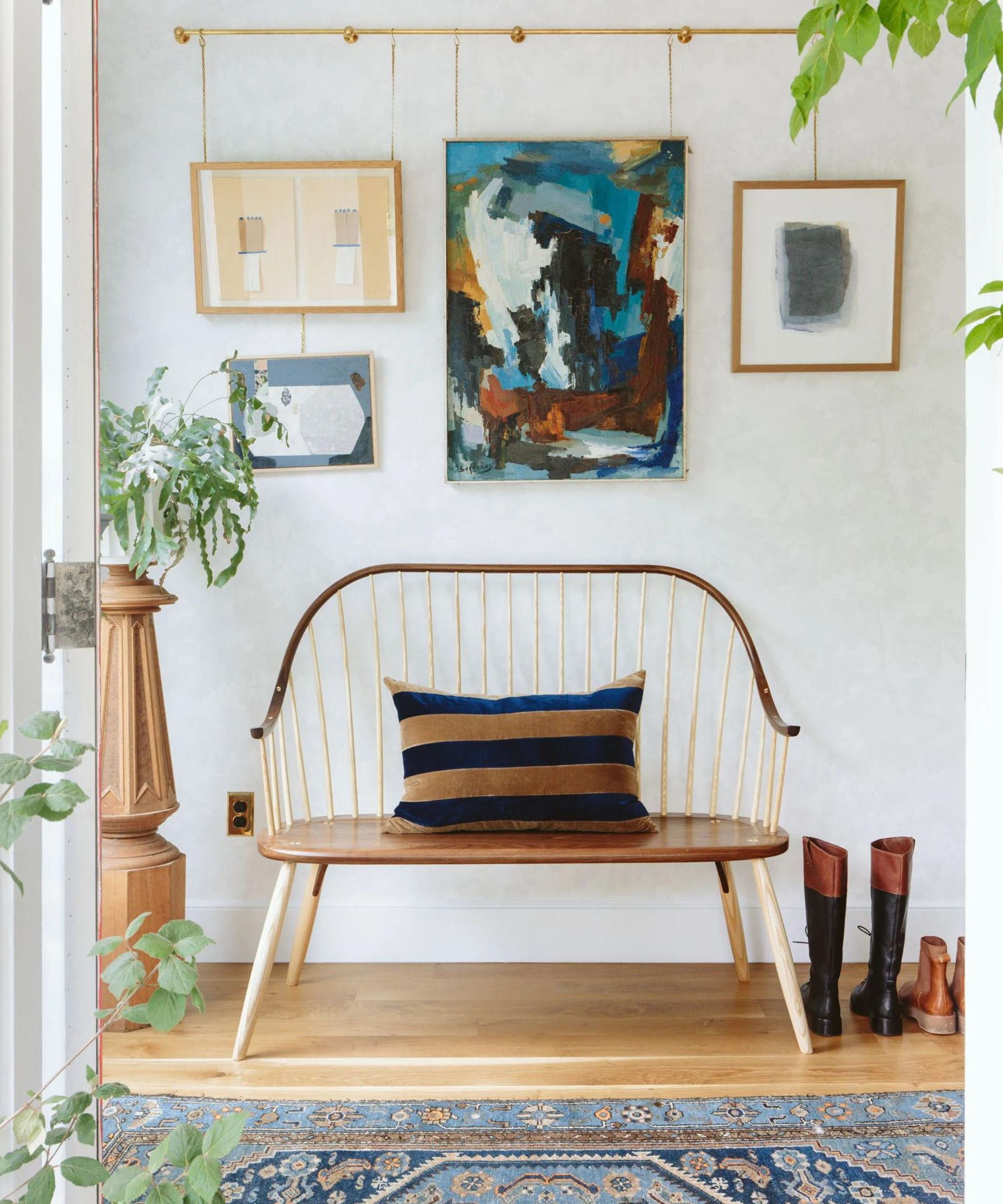
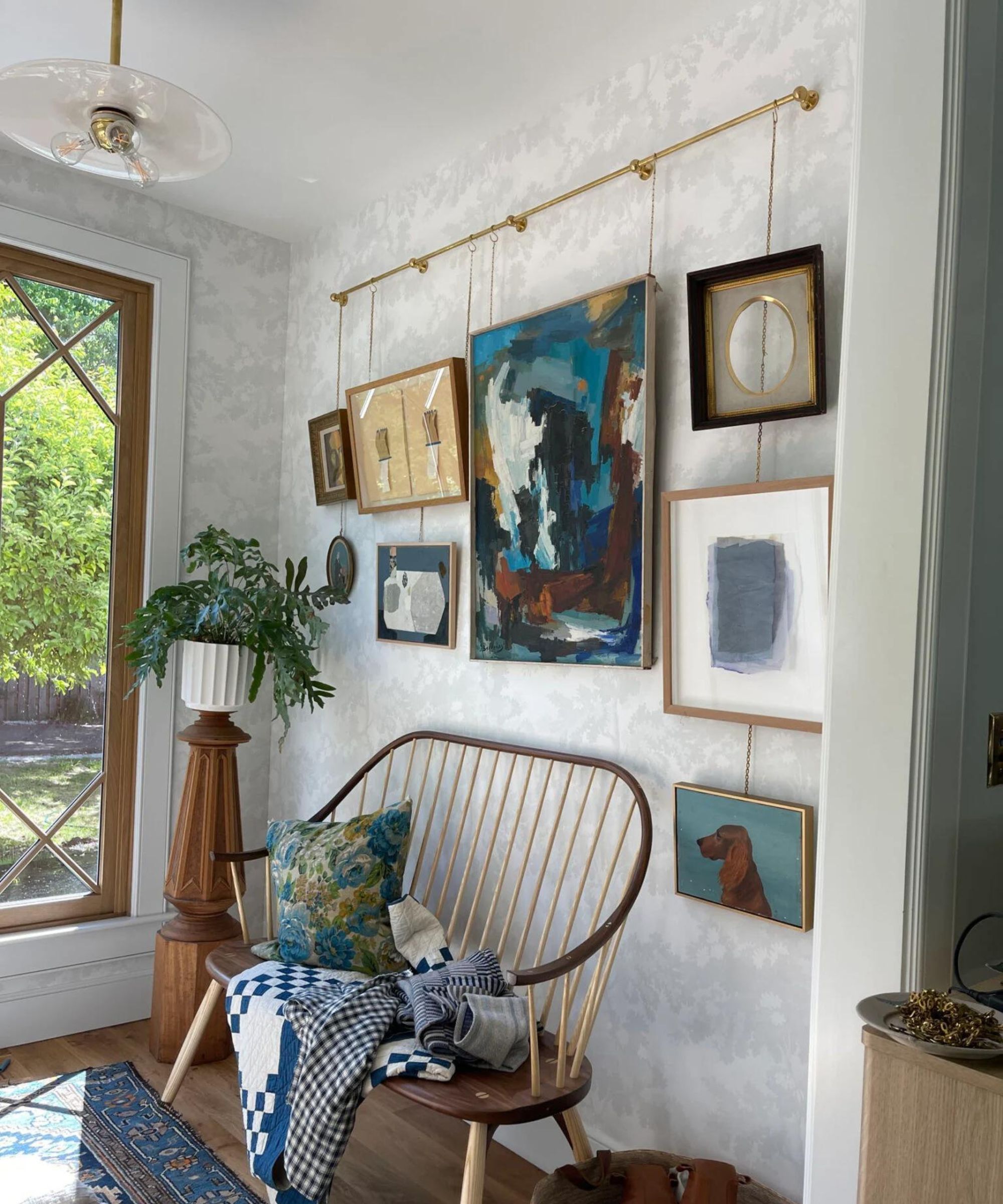
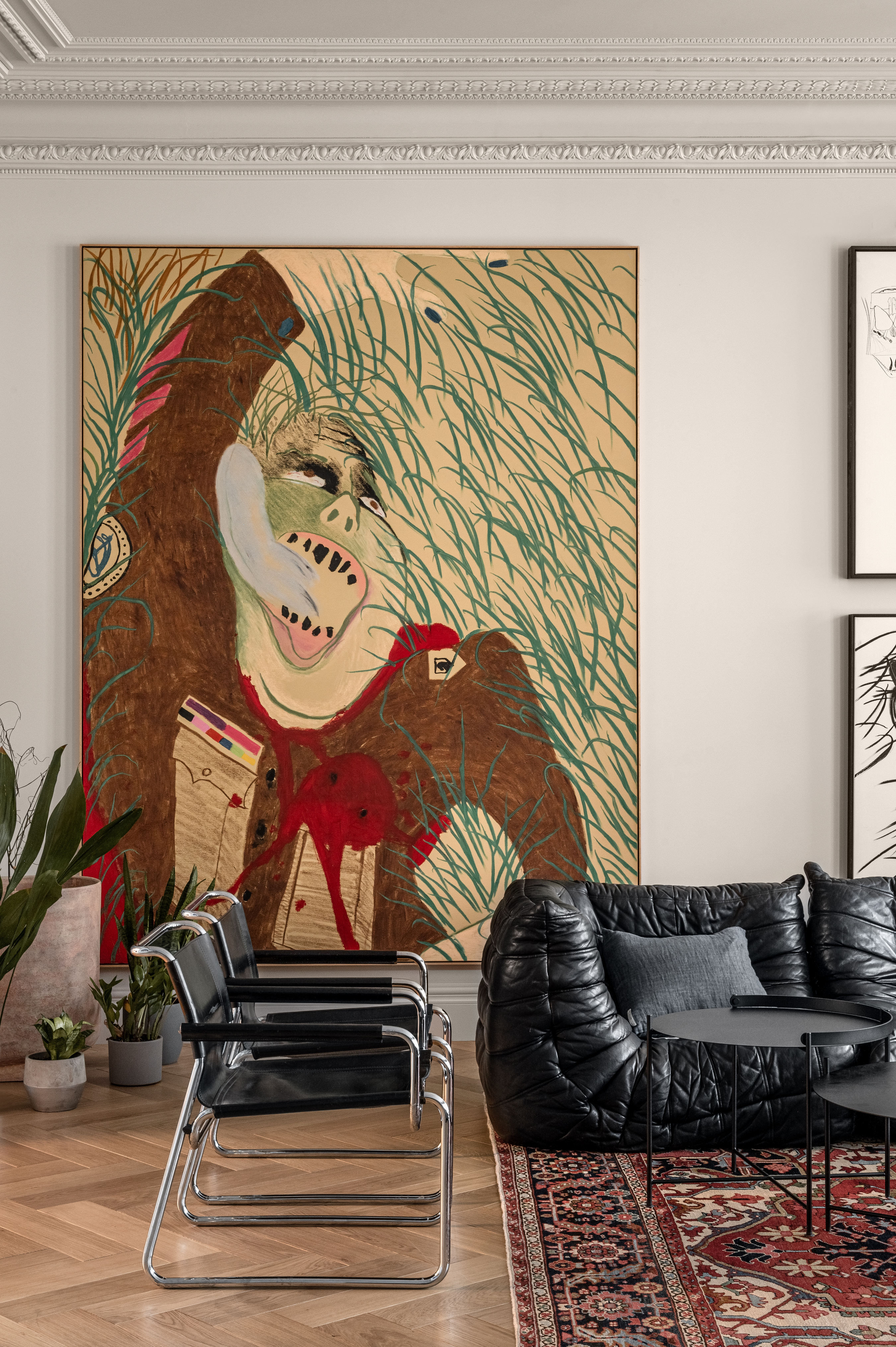
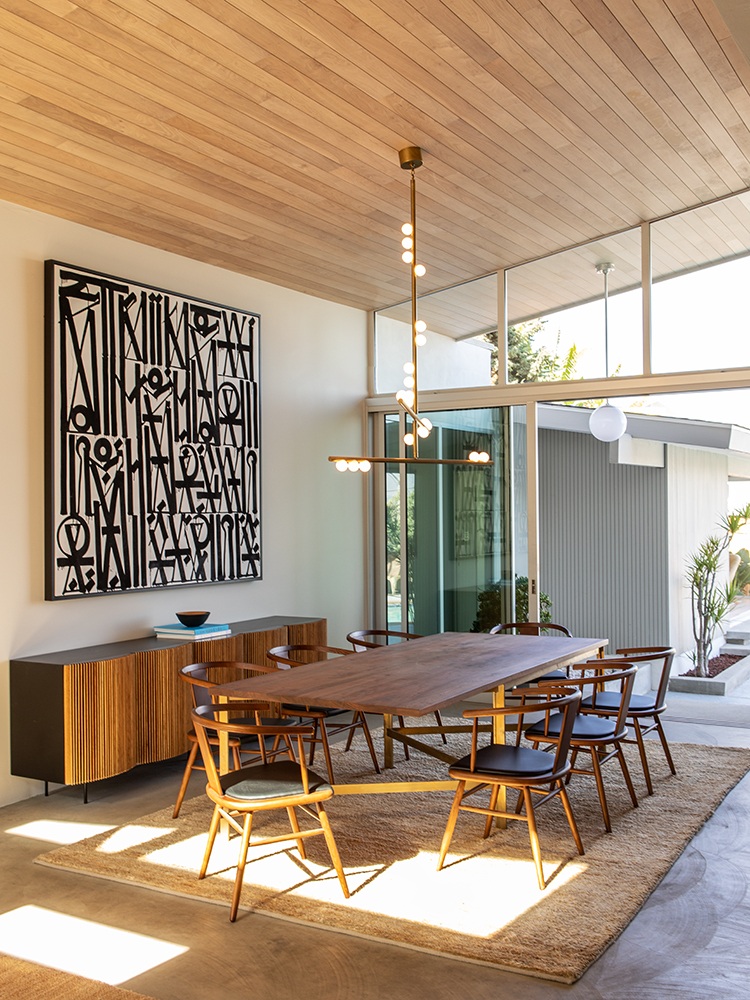
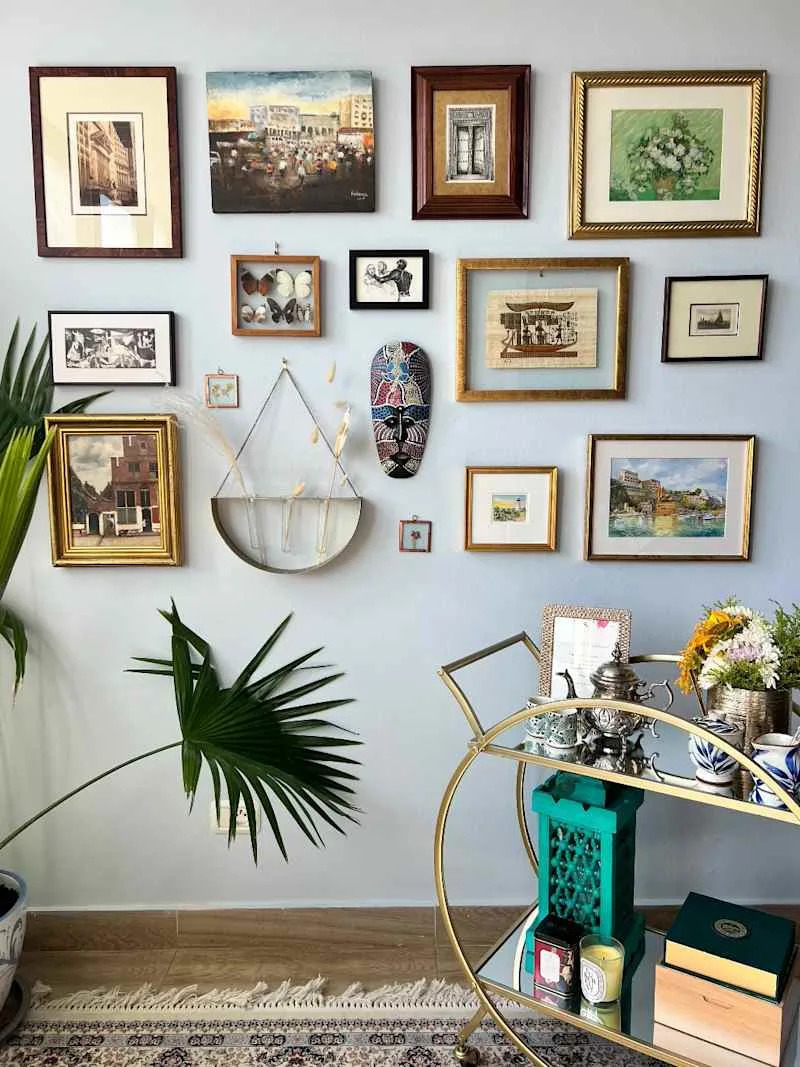
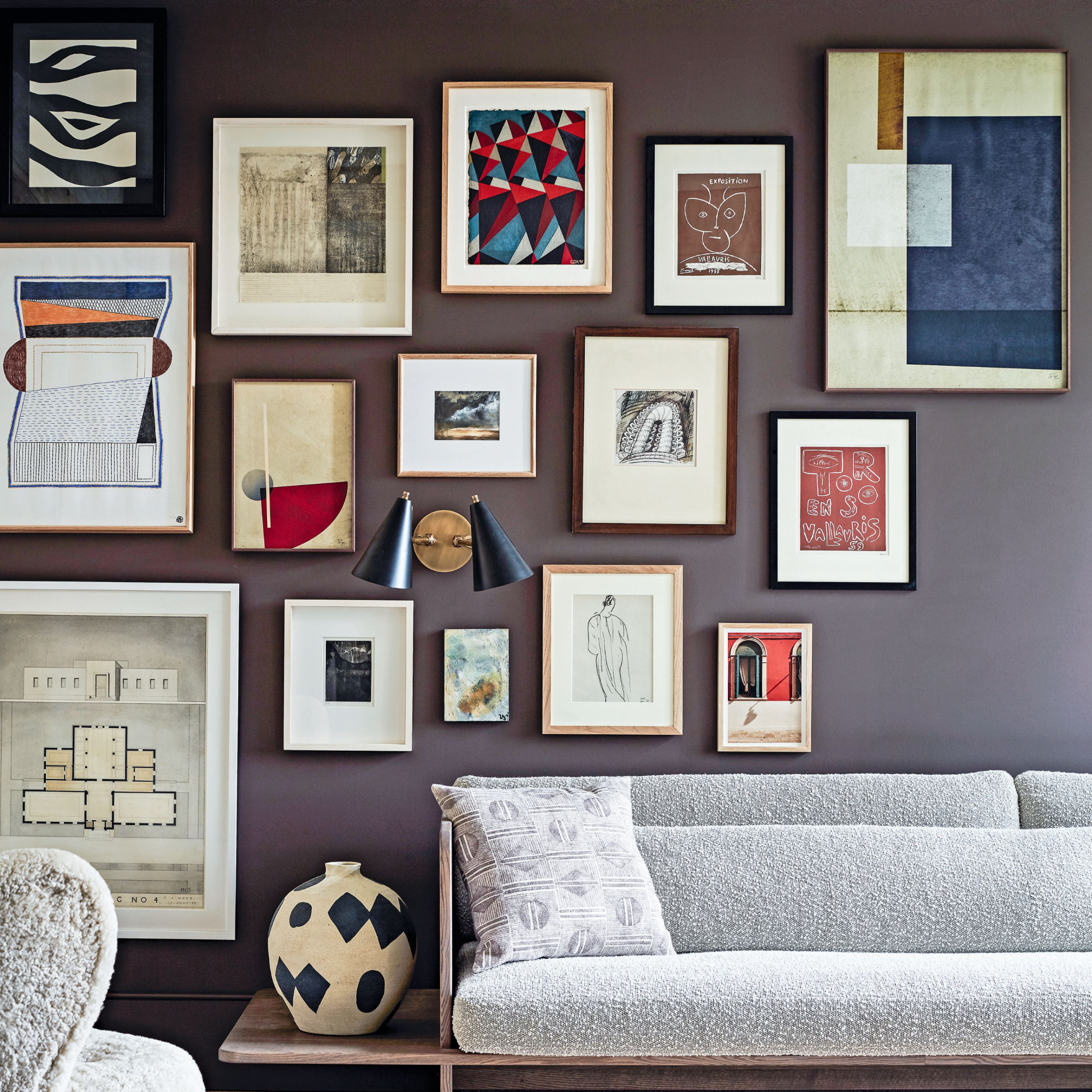
The article also touches upon the philosophy behind choosing where to hang specific pieces. Rather than prioritizing color-matching artwork to existing furniture or rugs, Gilliland suggests honoring personal favorites. Homeowners should select the art they value most and make it a focal point of a room by centering it, allowing other pieces to be arranged around it naturally.
Lighting is highlighted as a critical factor in art display. The article explains that natural light varies significantly depending on the cardinal direction—northern light differs from southern light. Homeowners should consider how sunlight will interact with the artwork throughout the day, noting whether the area is typically shady or brightly lit. Additionally, artificial lighting plays a role; the article discusses positioning art next to lamps or under fixtures. Gilliland, who also offers lighting consultation, favors LED lights equipped with acrylic filters to control the beam. These filters allow for adjustable lighting, creating either a broad floodlight or a narrow beam, which is particularly useful for illuminating wide or tall vertical pieces evenly. This approach helps avoid 'hot spots' from multiple bulbs or unwanted shadows.
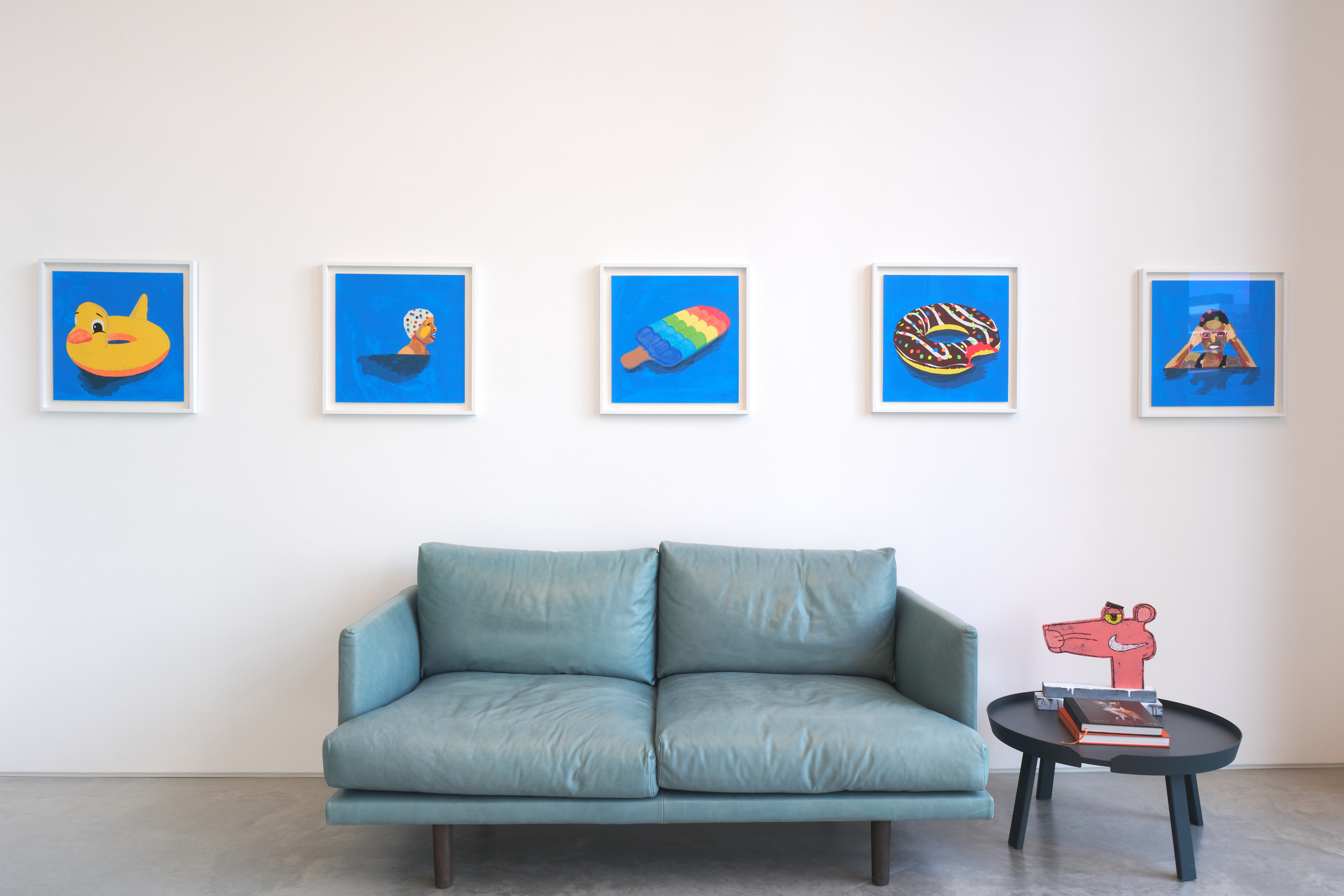
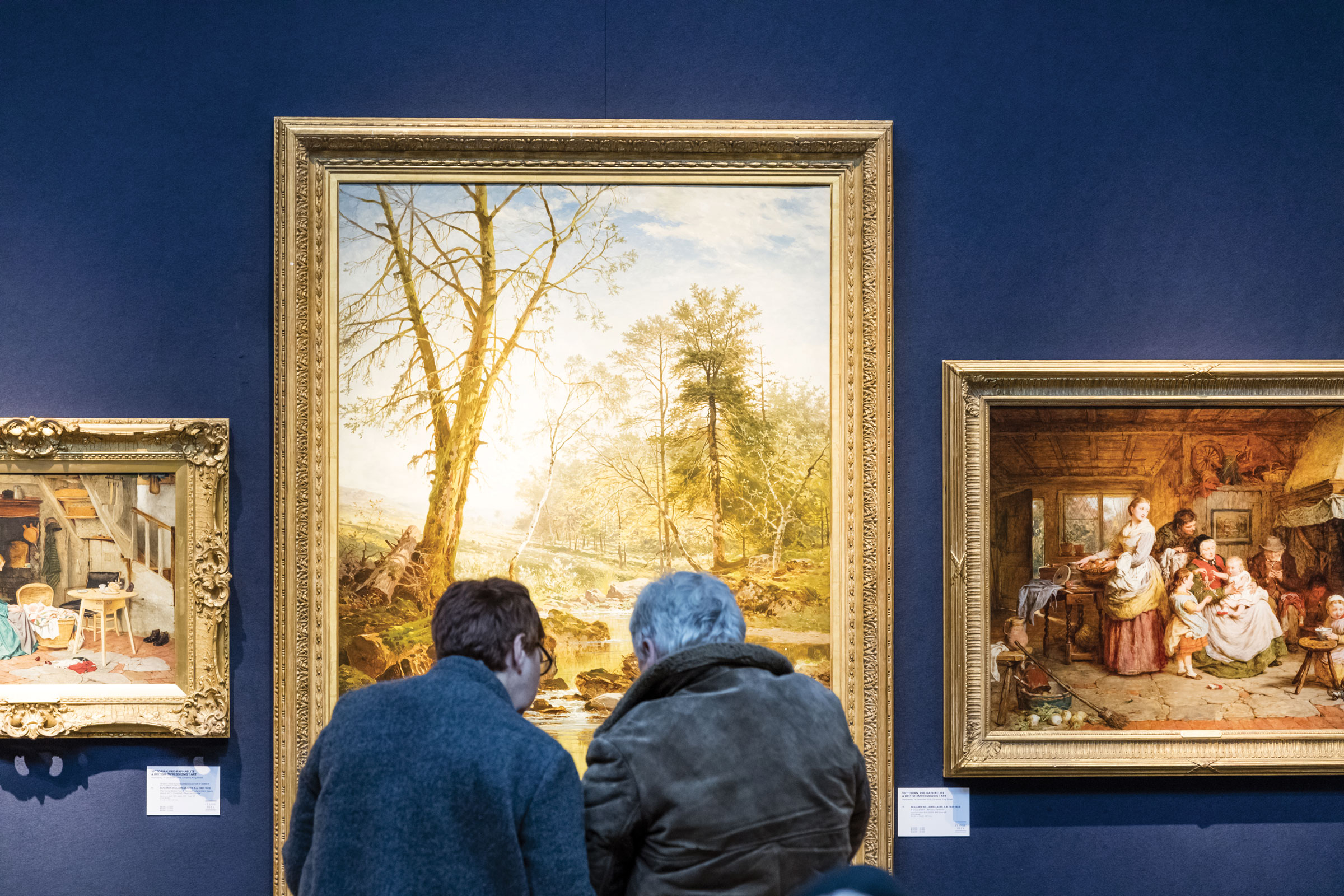
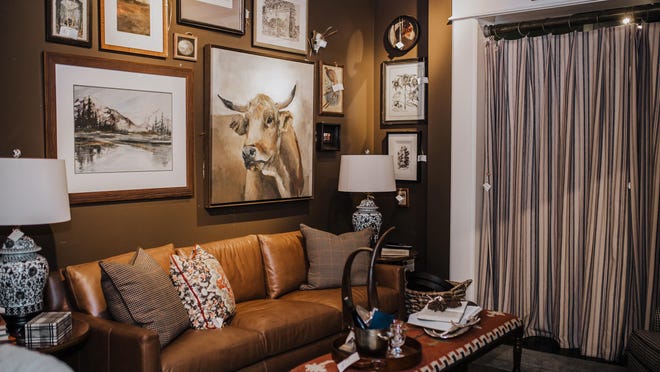
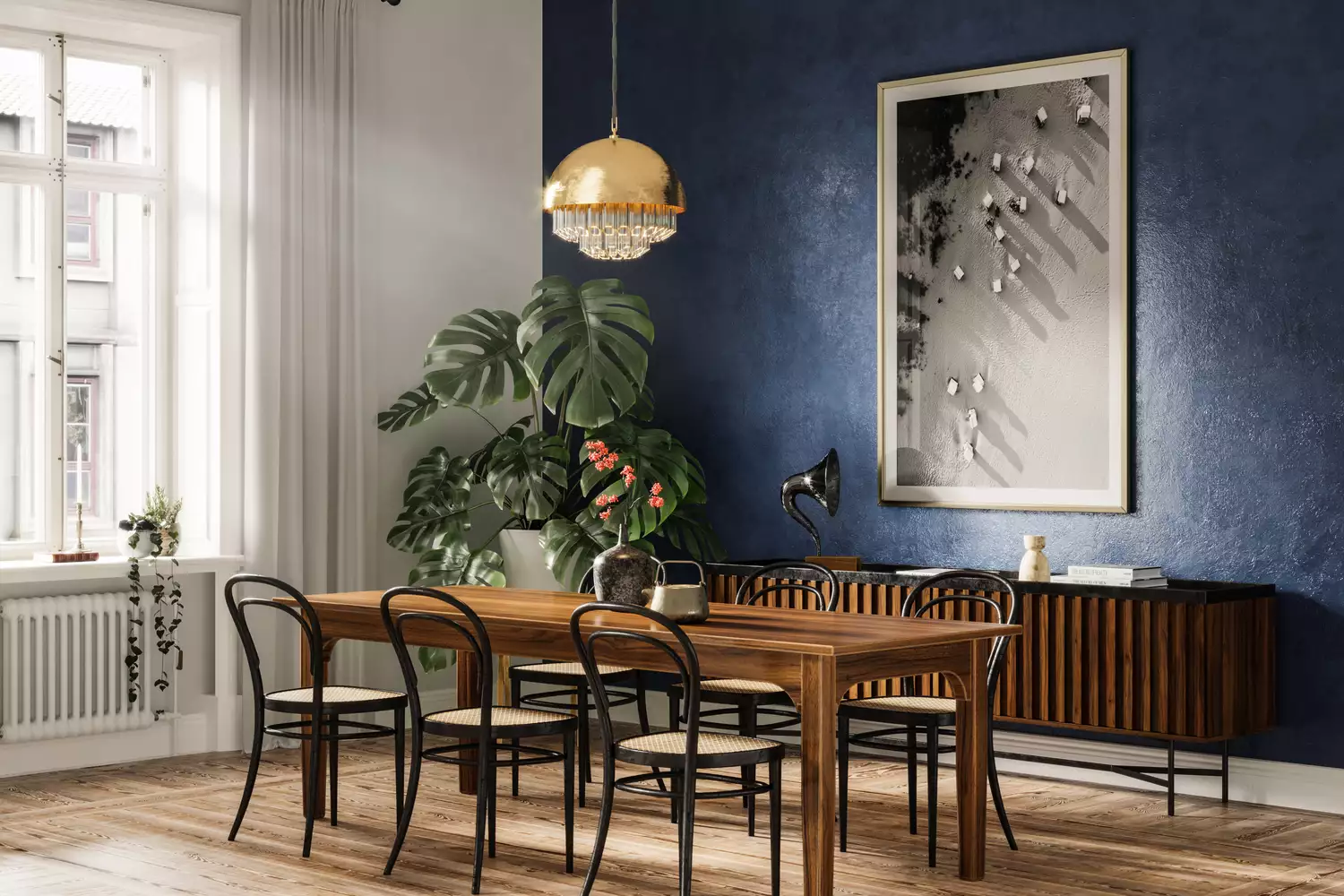
Finally, the article mentions an emerging trend in home decor: the use of accent walls with saturated colors. Gilliland notes a growing preference for deep teal and blue hues on back walls, moving away from exclusively light-colored backgrounds, which can enhance the display of artwork.
#ArtInstallation #HomeDecor #InteriorDesignTips #ArtHanging #LightingDesign #ArtworkPlacement #Drings #AccentWalls #ArtInstallation #HomeDecor #InteriorDesignTips #ArtHanging #LightingDesign #ArtworkPlacement #Drings #AccentWalls
0 comment in total
 No comments yet
You may also like
How to Hang an Art Collection Like an Expert
7 DIY tips for how to hang a gallery wall from experts

How to Hang Pictures, Mirrors, and Plates, According to an Expert
Style at Home: Creating the perfect gallery wall

There's Hanging Art, and Then There's Hanging Art Like an Interior Designer — Here's How to Do the Latter

Hanging art salon style: everything you need to know
How to Arrange Art for a Flawless Wall Display

Should You Always Frame Art? These Are the Golden Rules Gallery Curators and Interior Designers Swear By
How to hang paintings: Everything you need to know
The Best (and Easiest!) Ways To Hang Pictures, According to Art Pros

Emily Henderson just shared a simple trick for hanging art – giving your gallery wall a refresh has never been easier
I’ve Hung 5 Tricky Gallery Walls — Here’s What I Learned the Hard Way

The Stress-Free Way to Hang Art (Published 2021)

Hanging art salon style: everything you need to know


RS Recommends: The Best Hanging Kits Will Make Your Gallery Wall Dreams Come True

'No forking way!' – this genius hack might have just solved our biggest problem with hanging art on a wall
Yes, You Can Hang Art Like a Pro | Reviews by Wirecutter
Emily Henderson just shared her tried-and-true tips for hanging art – this is how to get a gallery-like look
David Pollack Sotheby's Hang Artwork Hanging Old Masters Interior Design Art
This Is The Best Way To Hang Pictures, According To An Expert