Neoclassical Interior Design Is Timeless and Traditional: Here's How to Get the Look
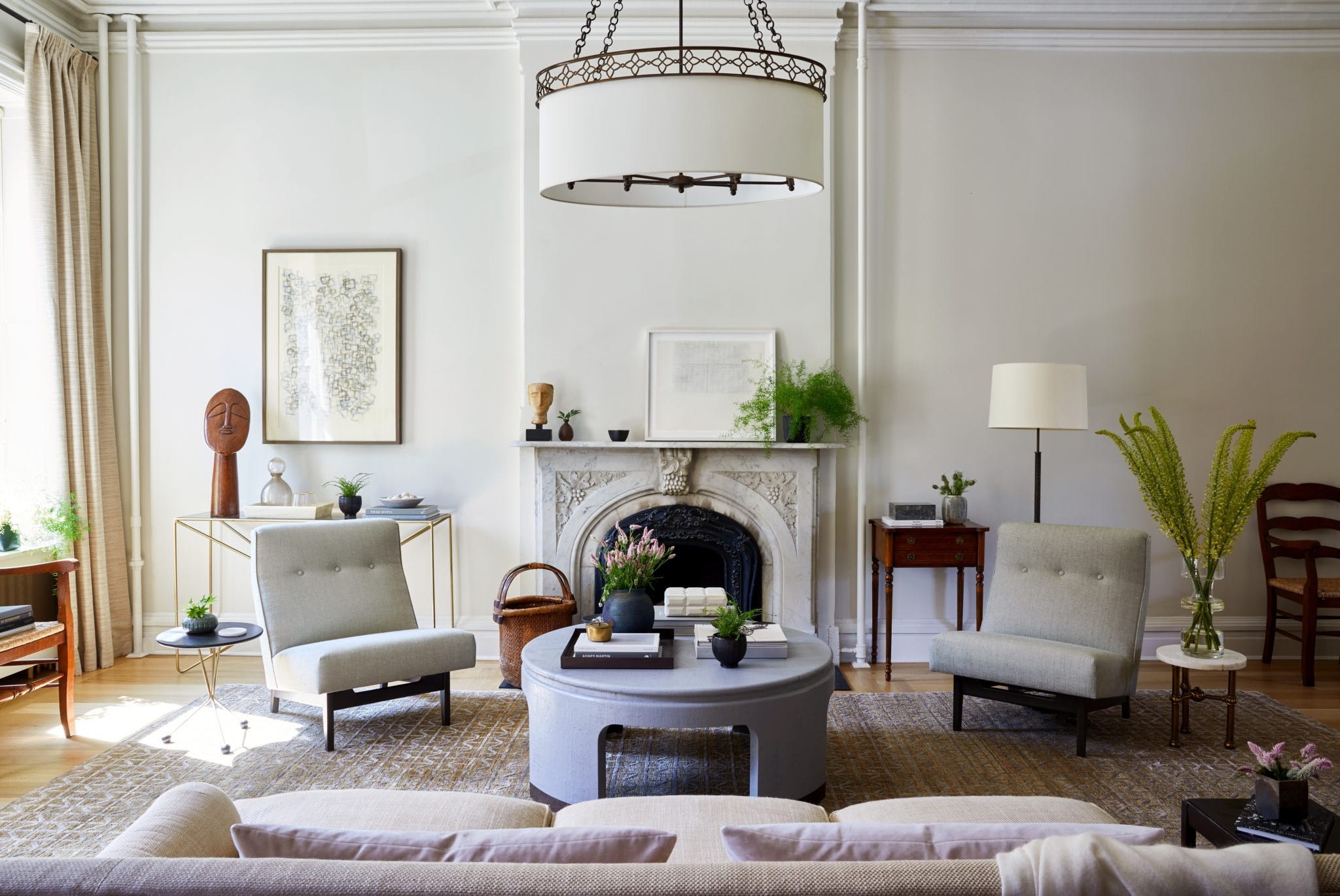
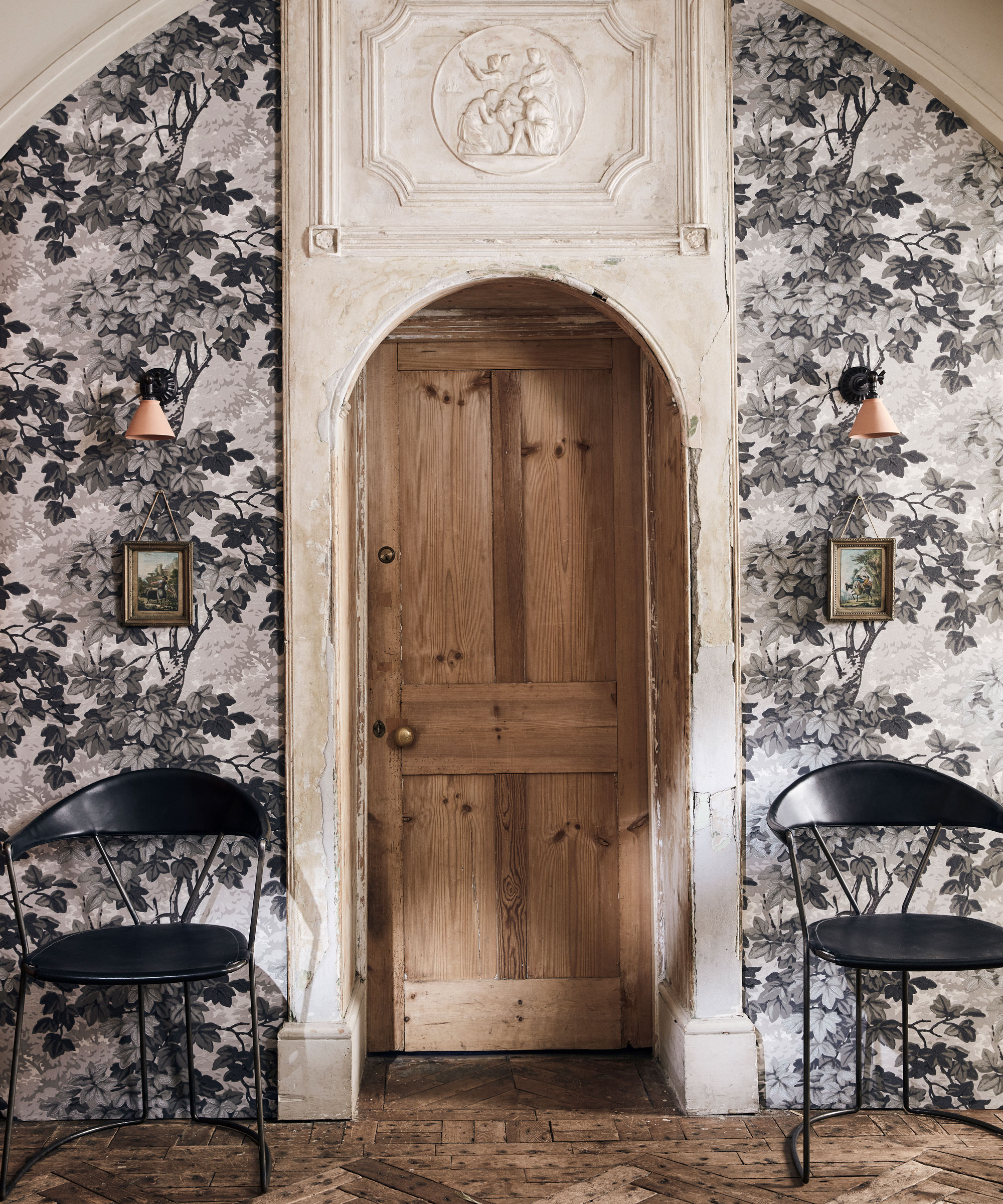
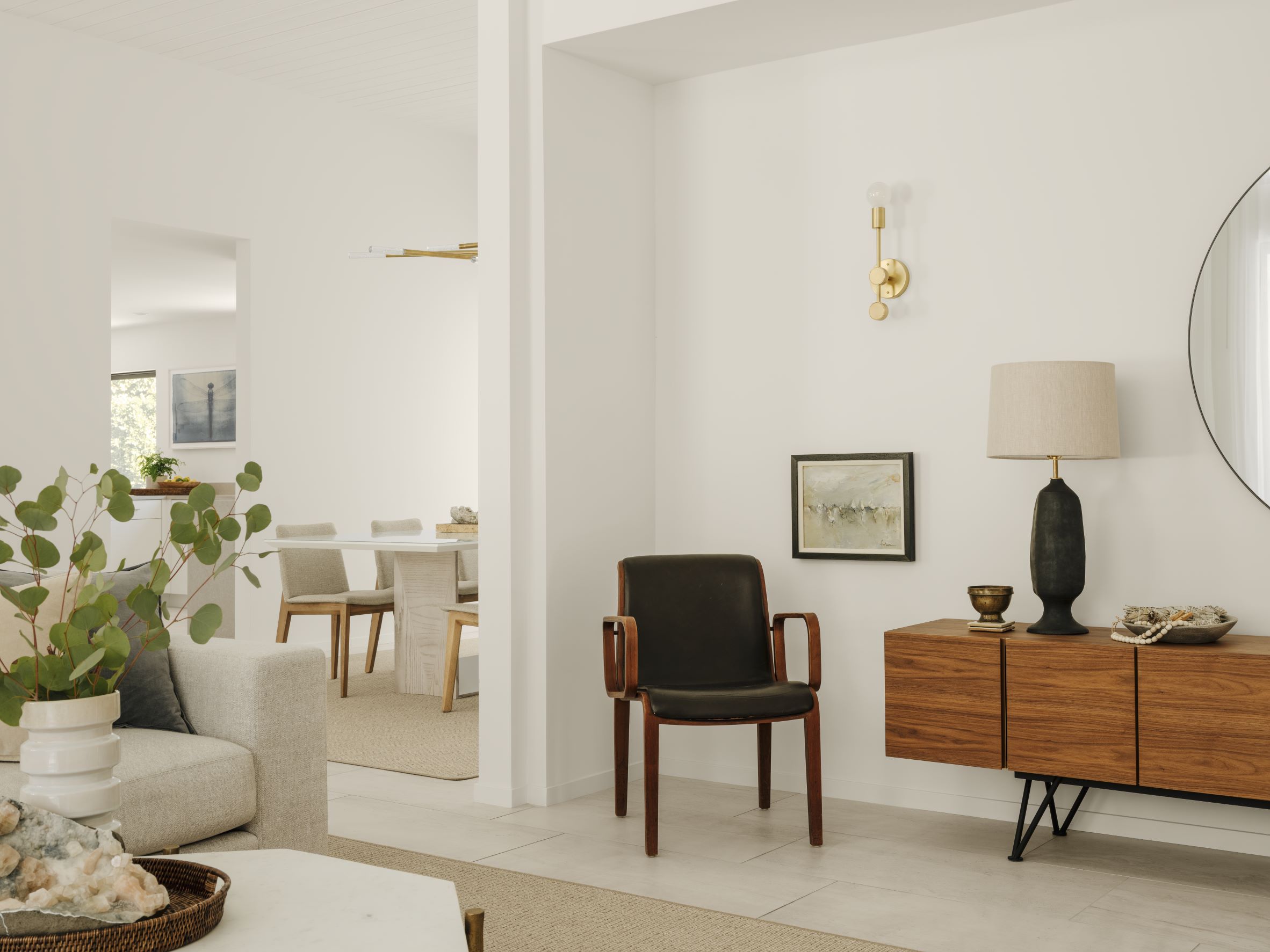
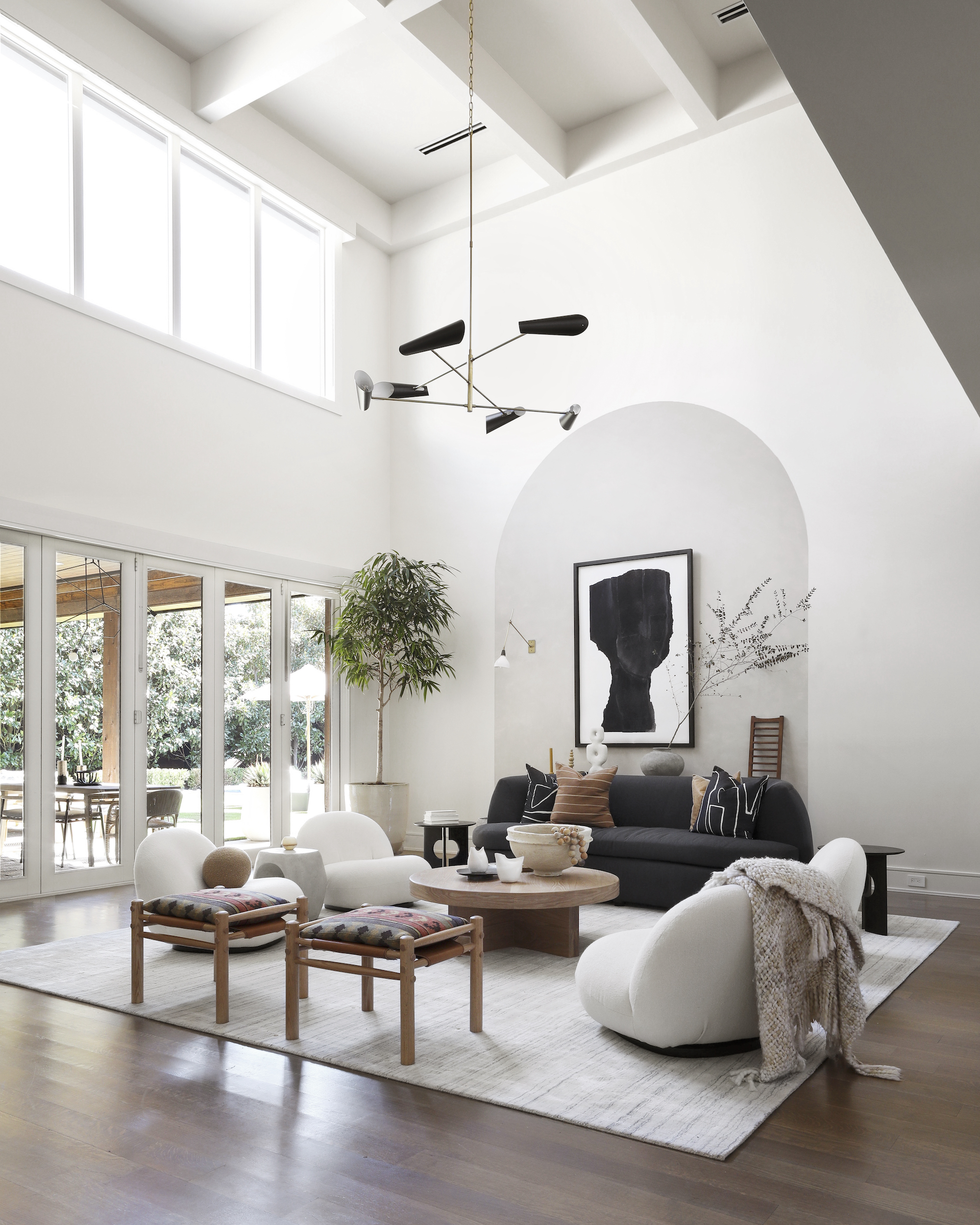
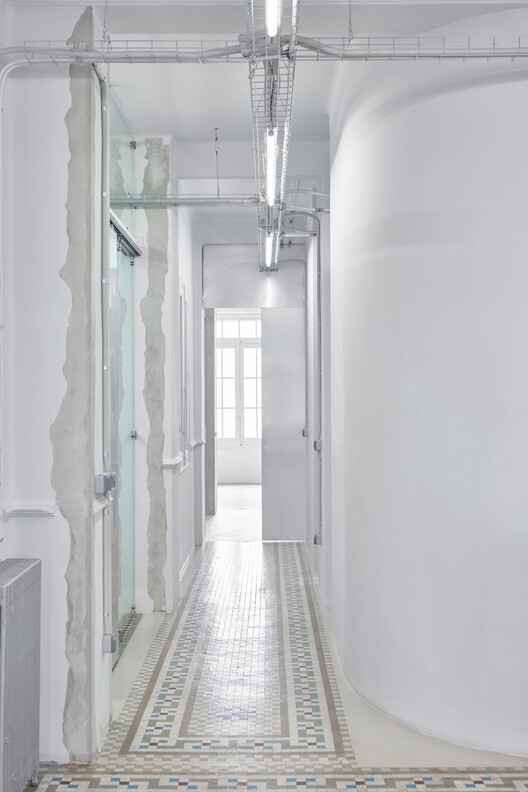
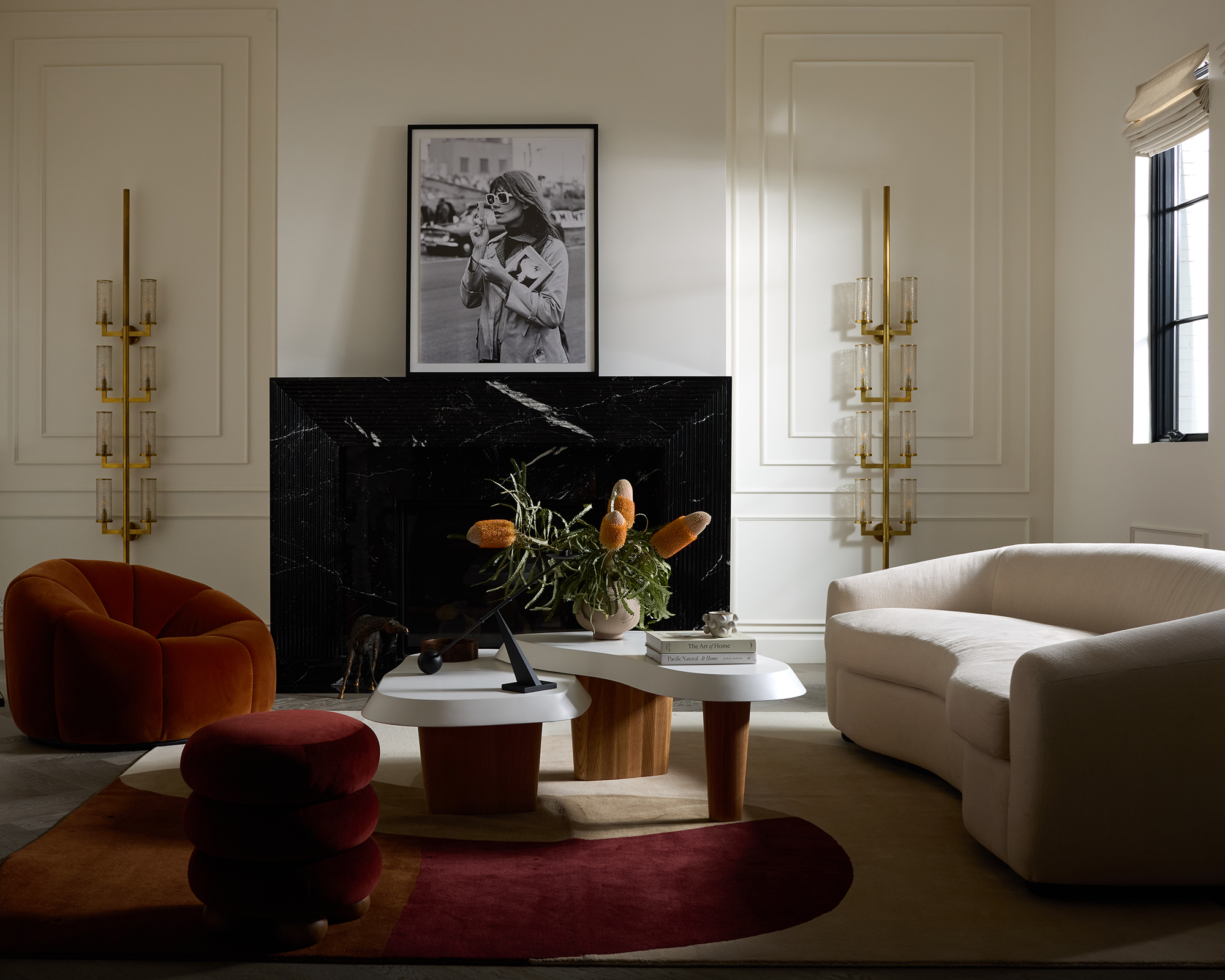
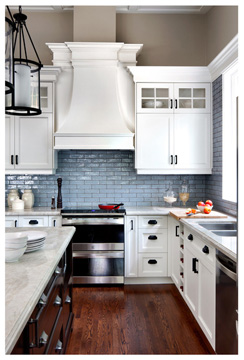
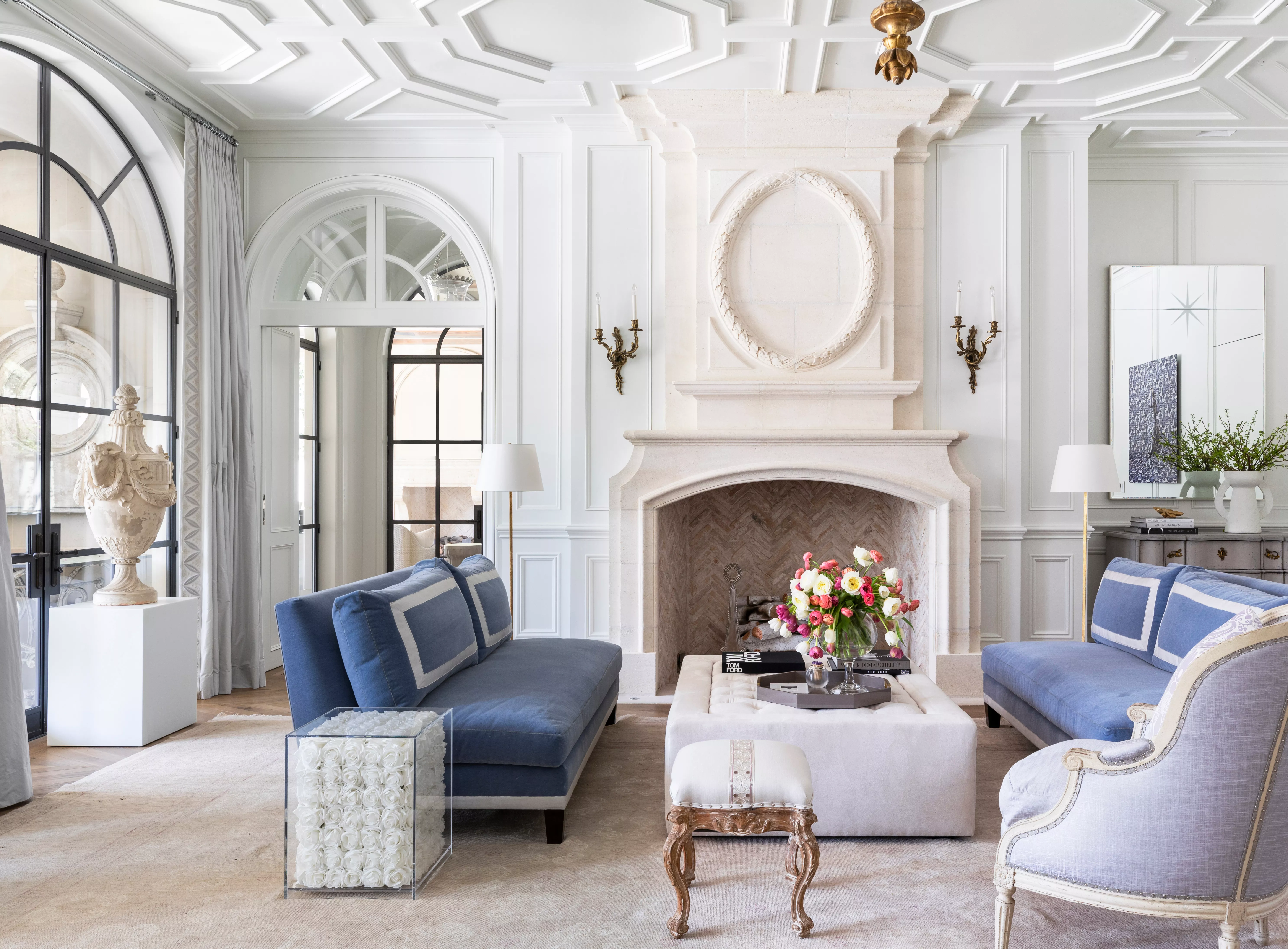
In an era where interior design trends are moving away from minimalist and simple spaces towards more traditional and decorative aesthetics, Neoclassical interior design is re-emerging as a sophisticated and timeless choice. This style, which originated from a revival of Ancient Greek and Roman architecture, is characterized by subdued elegance, clean lines, and a focus on quality over excess. It presents a refined and intentional minimalism, distinguishing itself from the more elaborate and asymmetrical Rococo style that preceded it in the early 18th century. Neoclassical design blends simple geometric forms, such as columns and arches, with intricate millwork and decorative elements, prioritizing balance and symmetry to create a grand yet understated appearance.
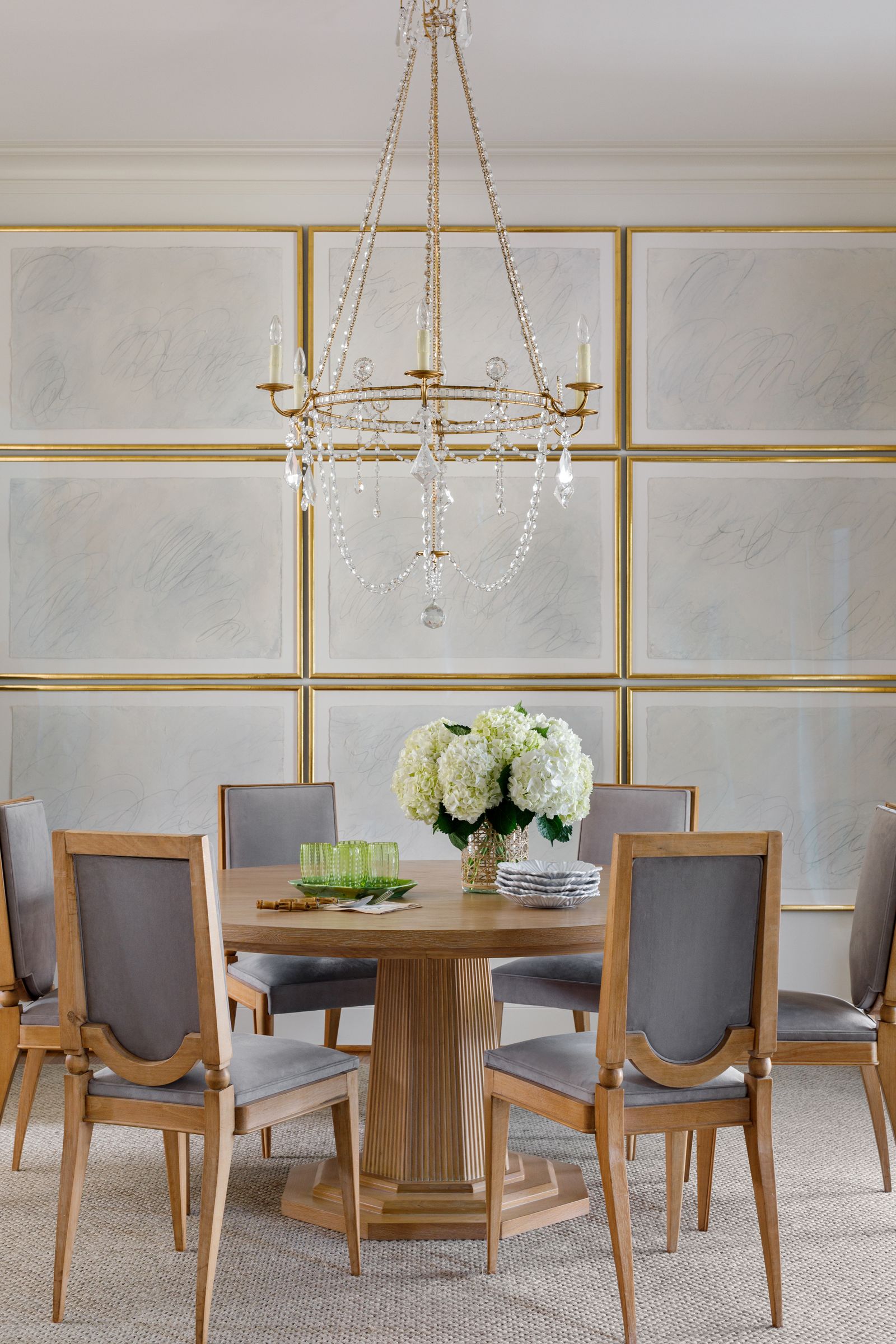
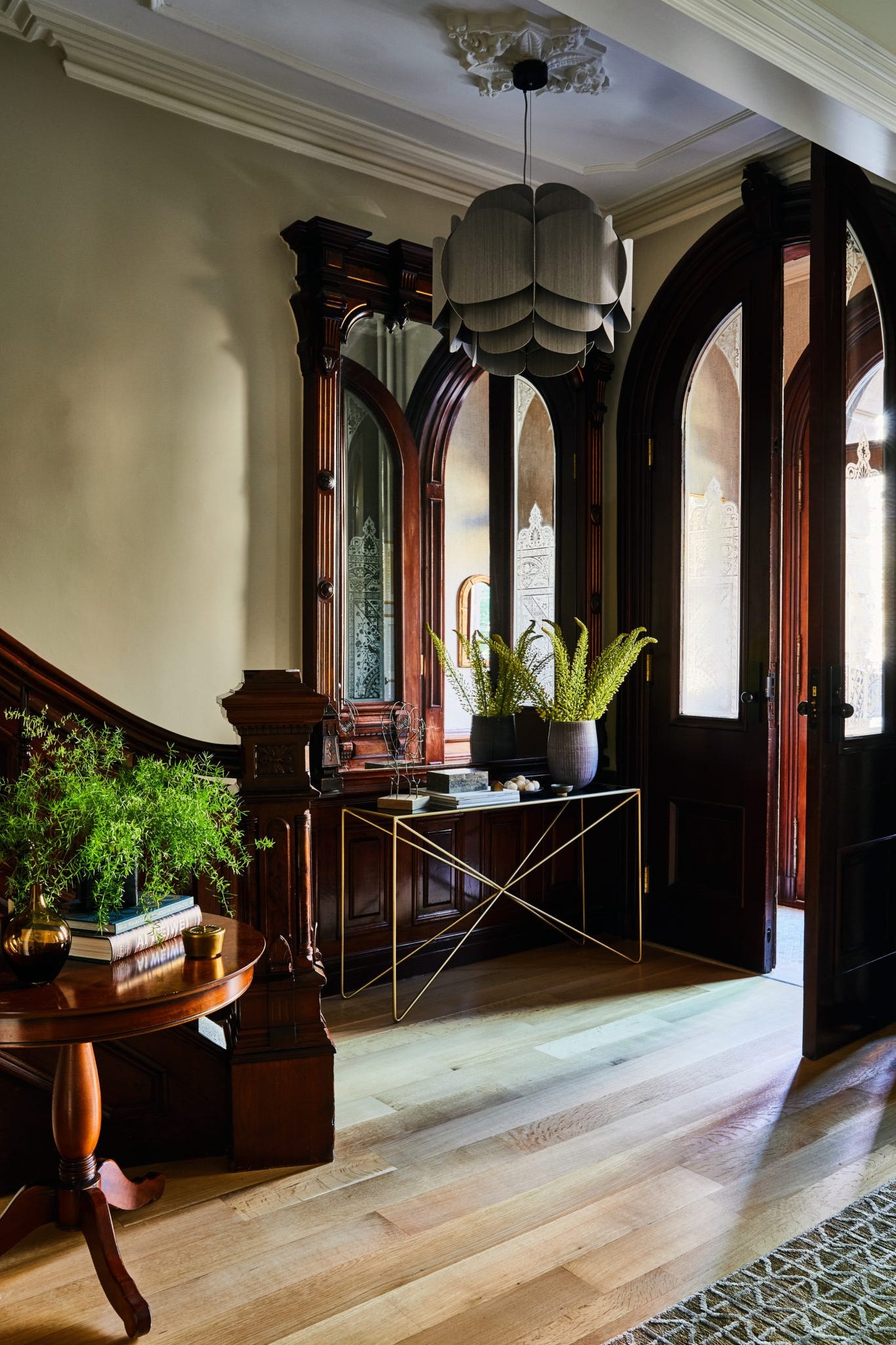
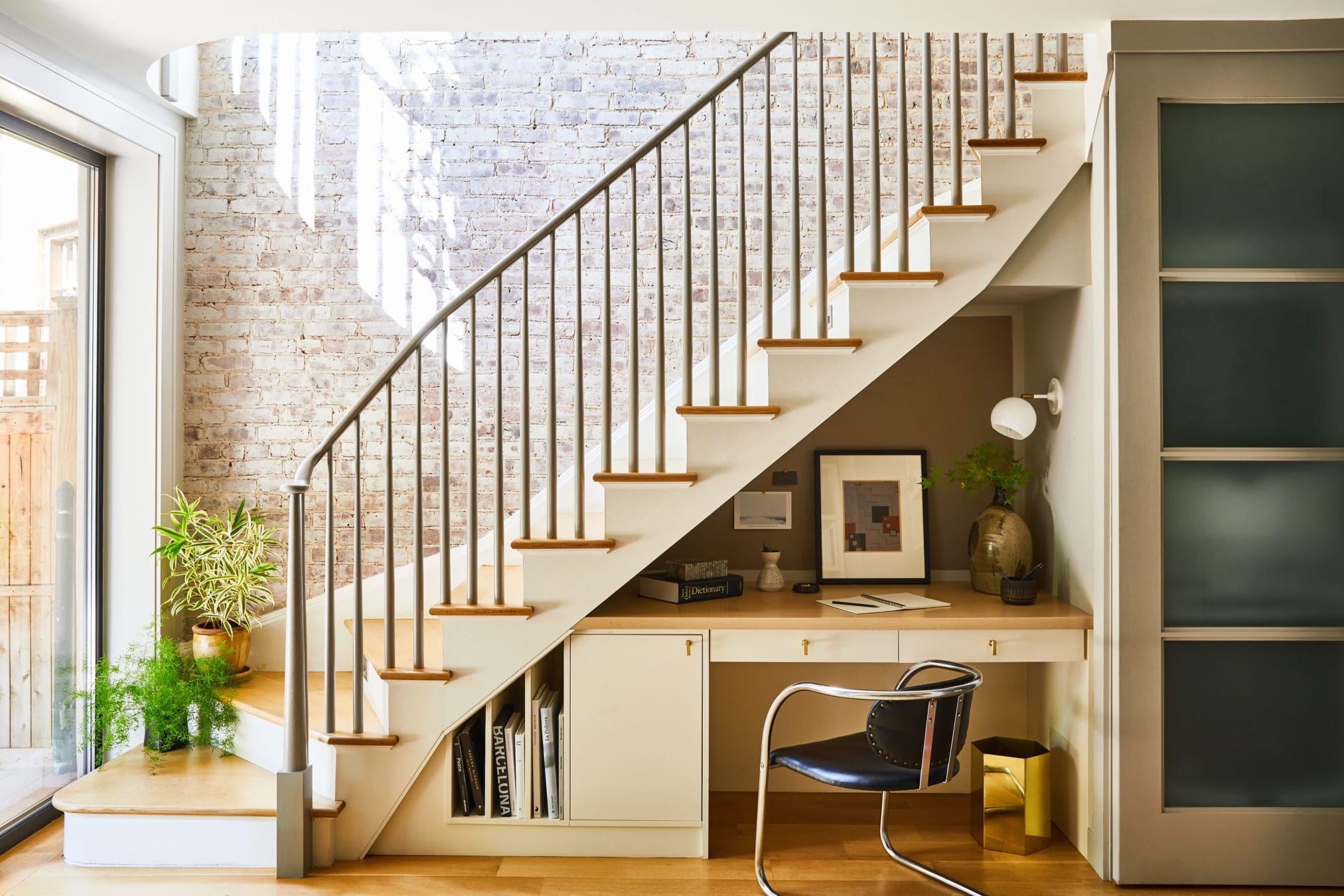
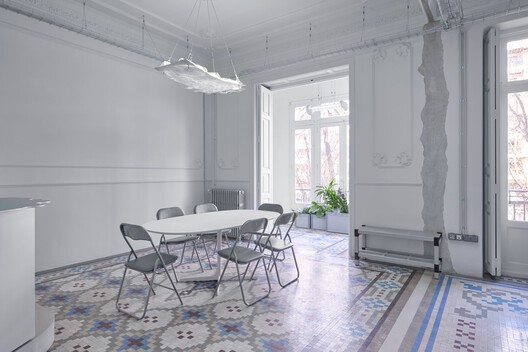
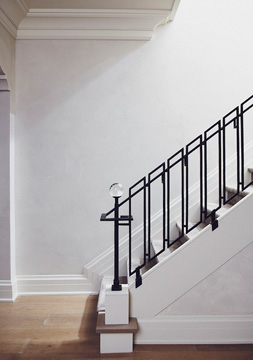
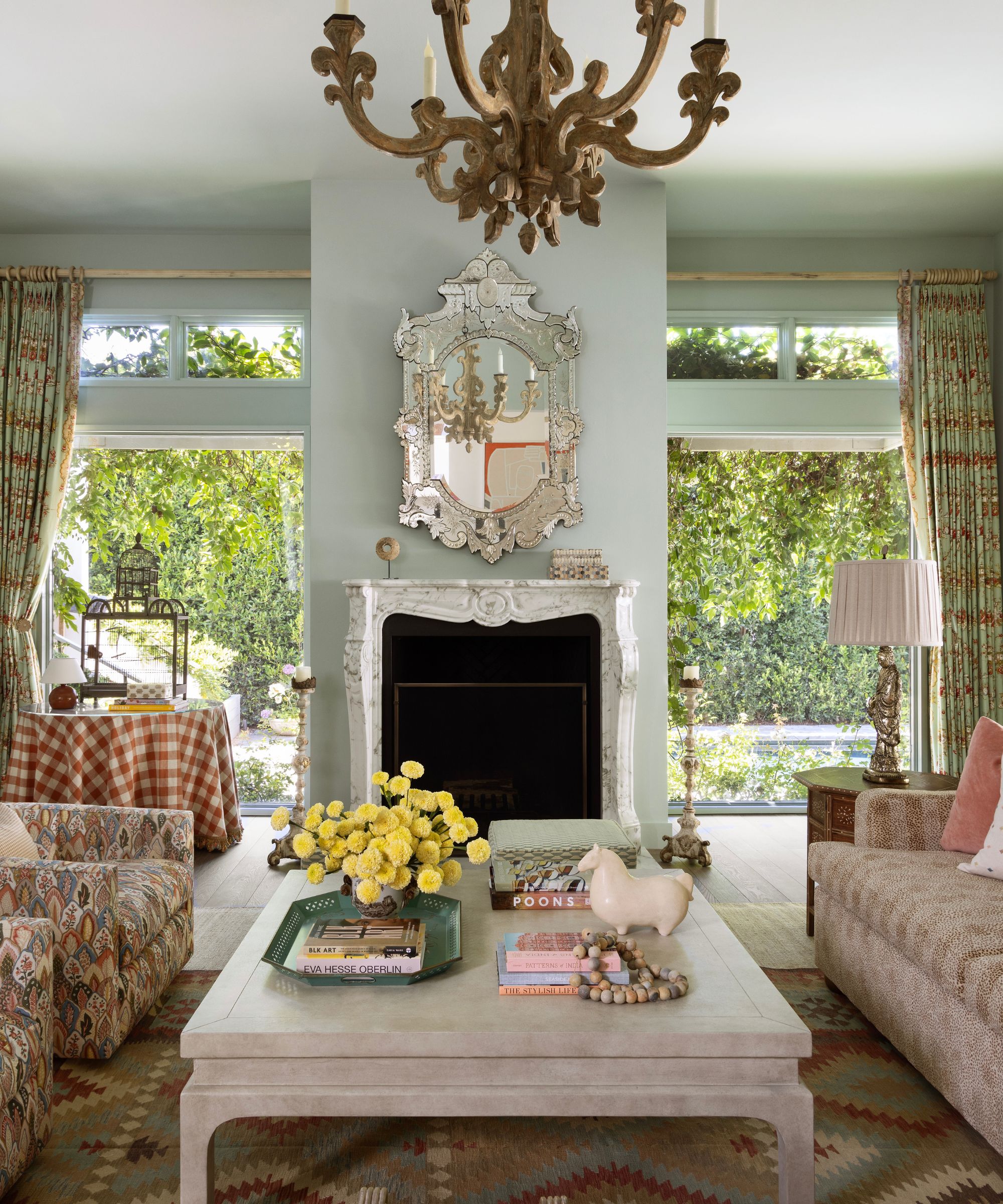
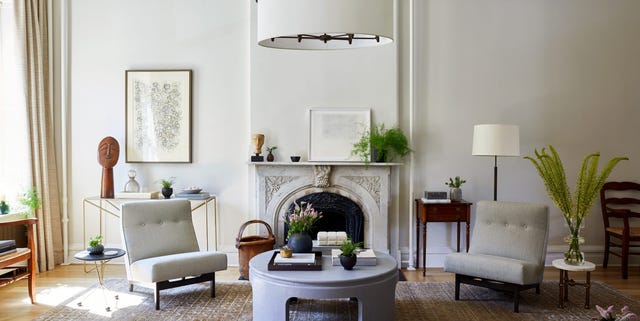
Key characteristics of Neoclassical interior design include the prominent use of arches and columns, which can be integrated through architectural features like doorways and windows, or through furniture profiles and decorative moldings. These elements not only contribute to the structural aesthetic but also help to create a sense of scale within a space. Symmetry and balance are paramount; designers emphasize that elements on one side of a room should be mirrored on the other, whether in lighting, flooring patterns, or wall treatments. Careful consideration of scale is also crucial, ensuring that all accents, from moldings to furniture, are proportionate to avoid a cluttered or ostentatious look.
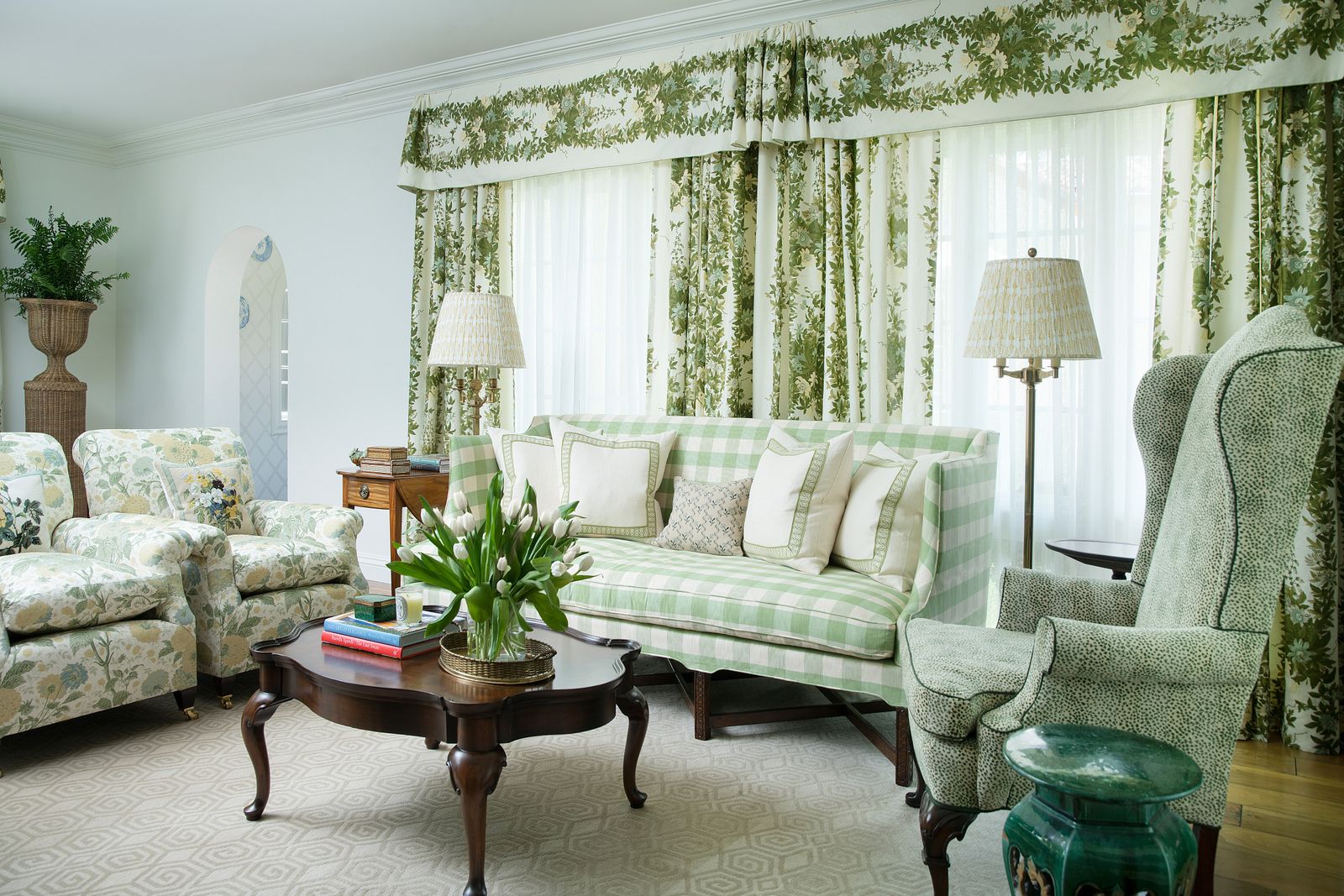
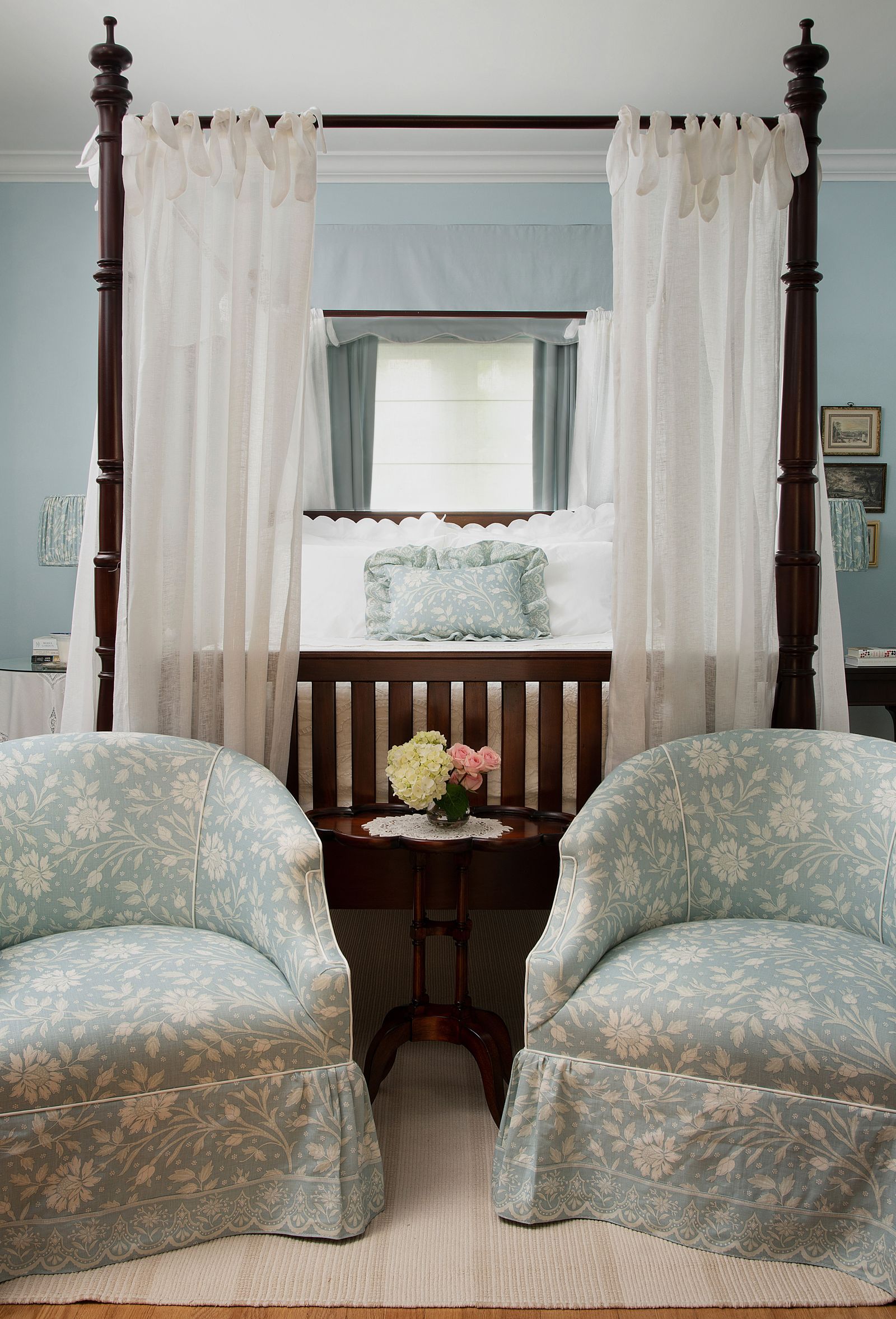
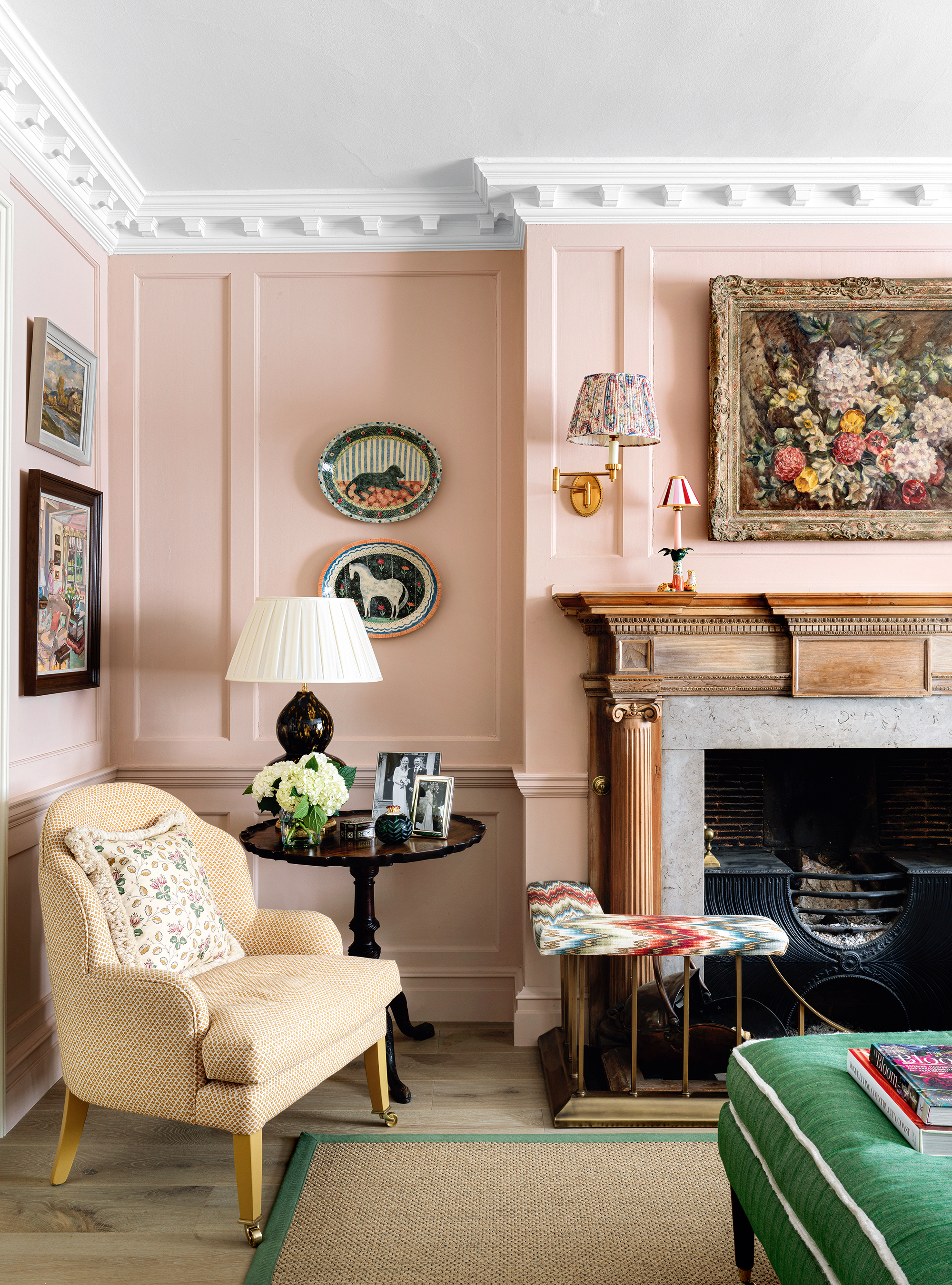
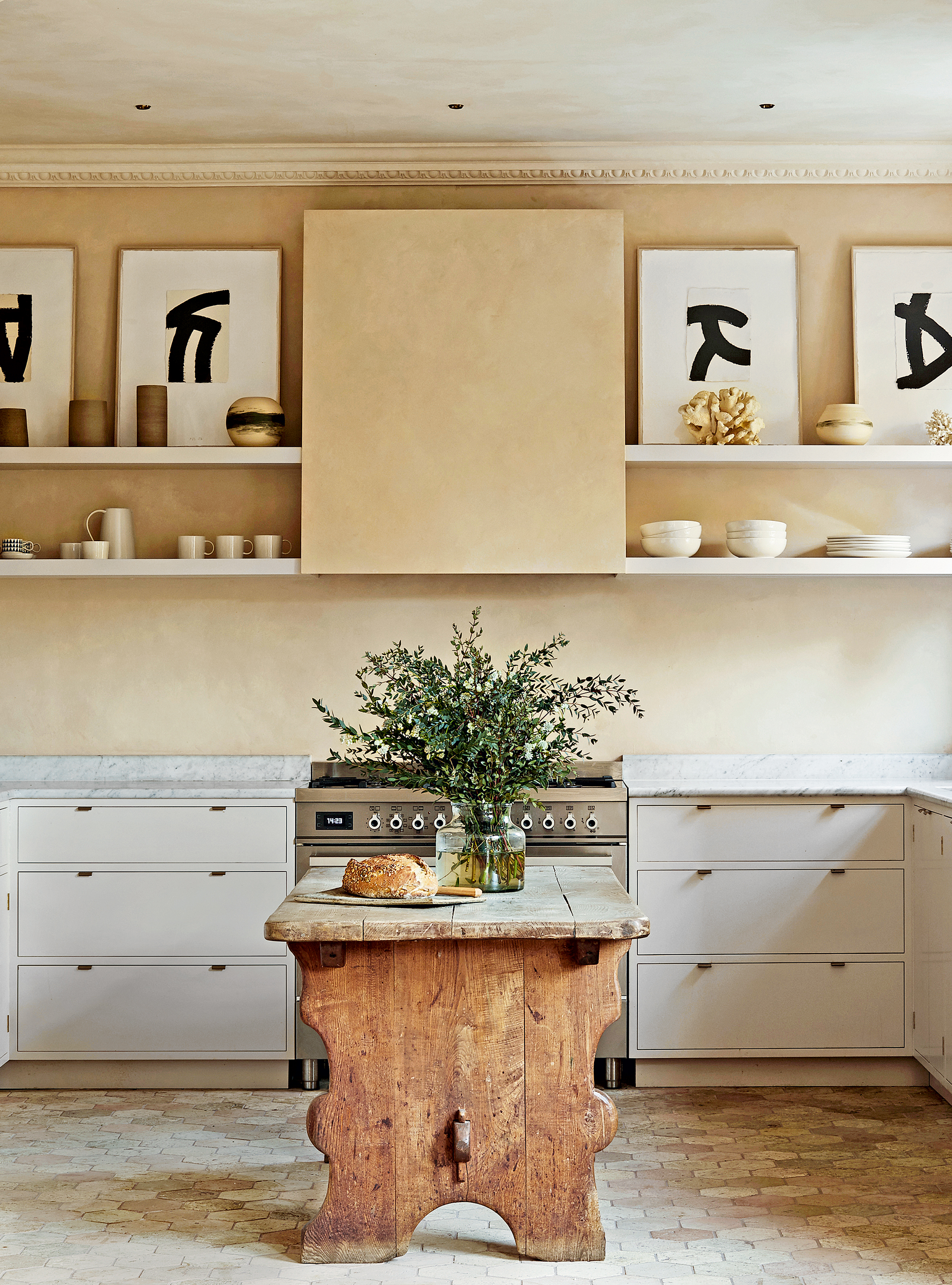
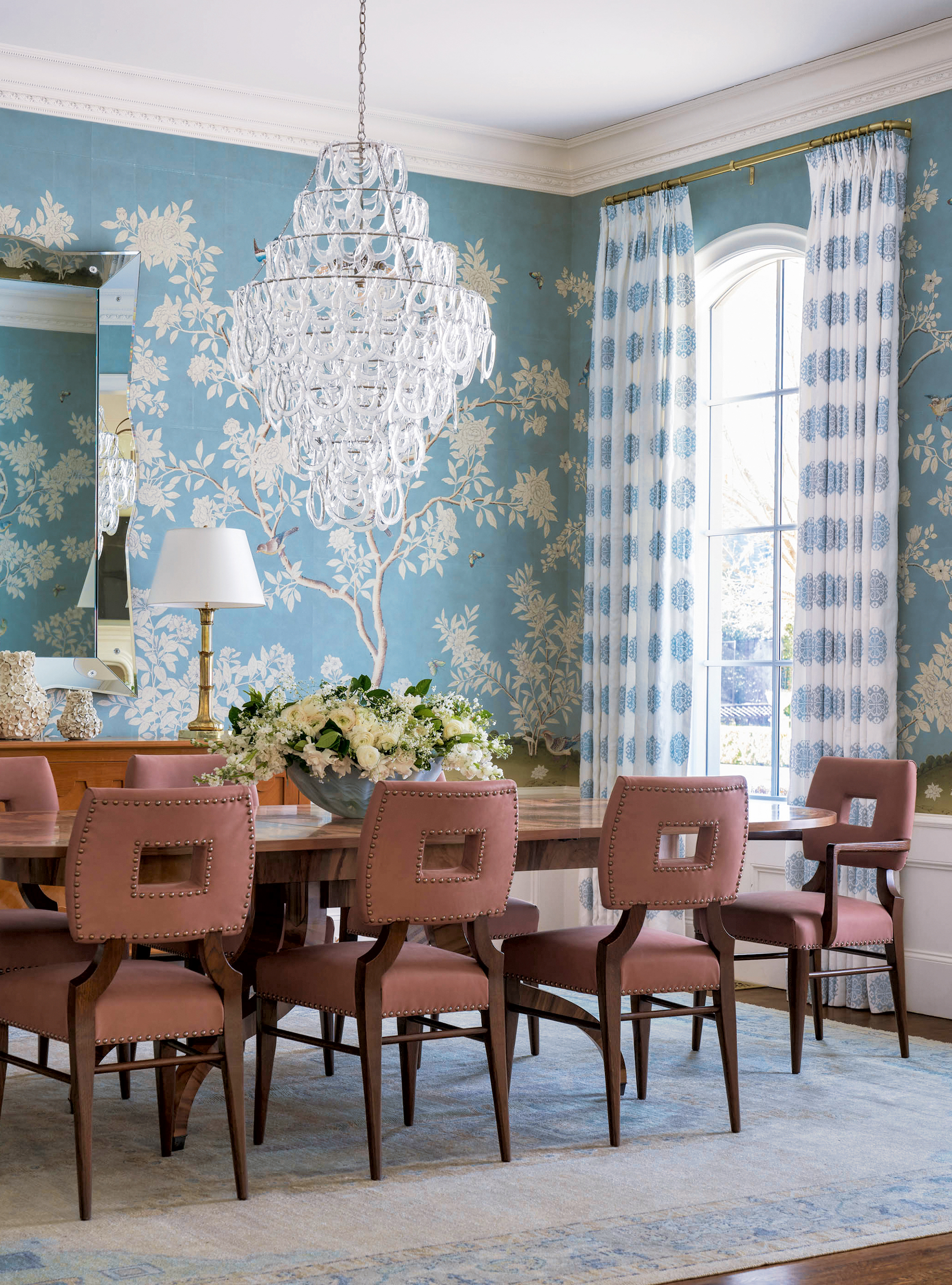
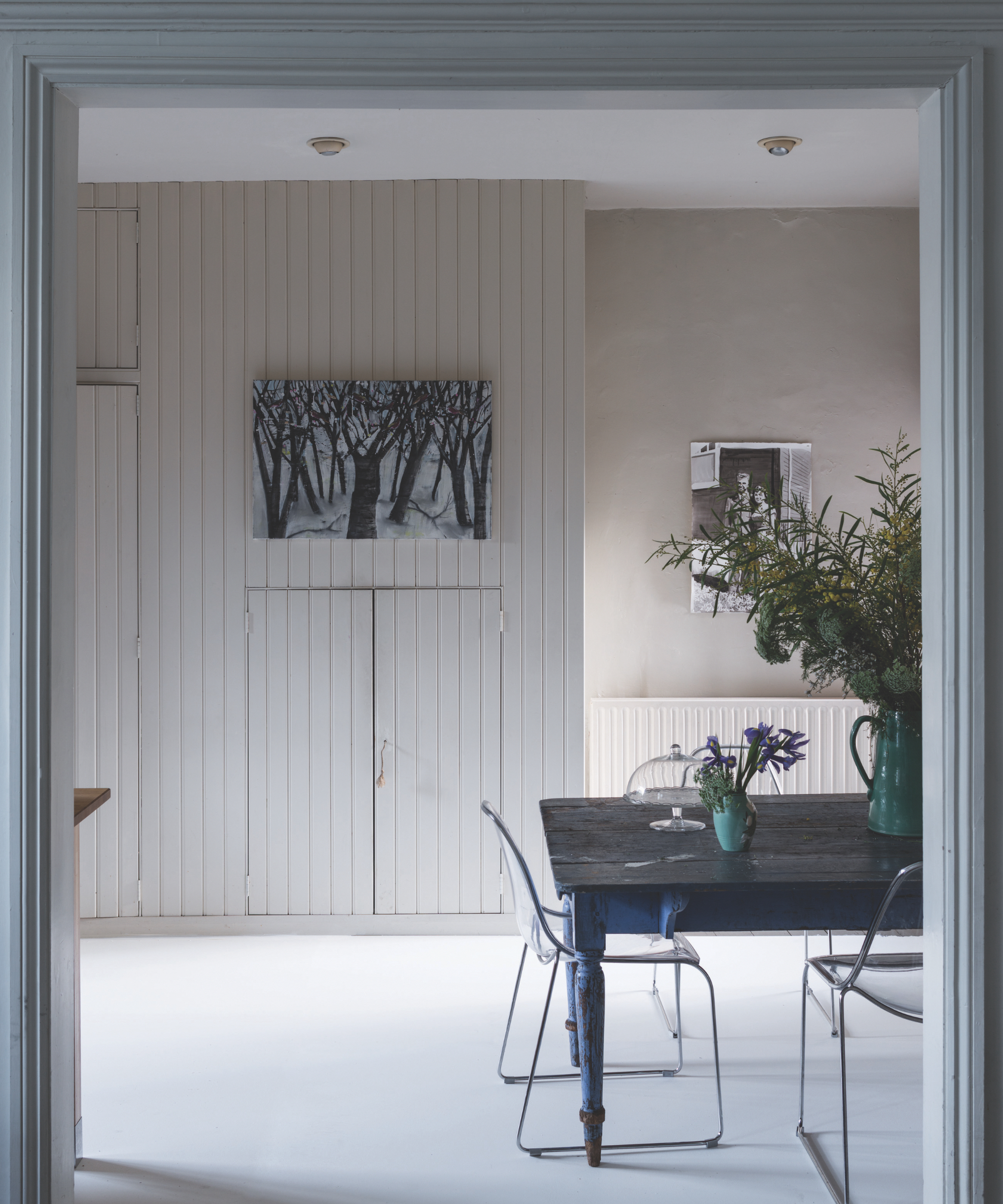
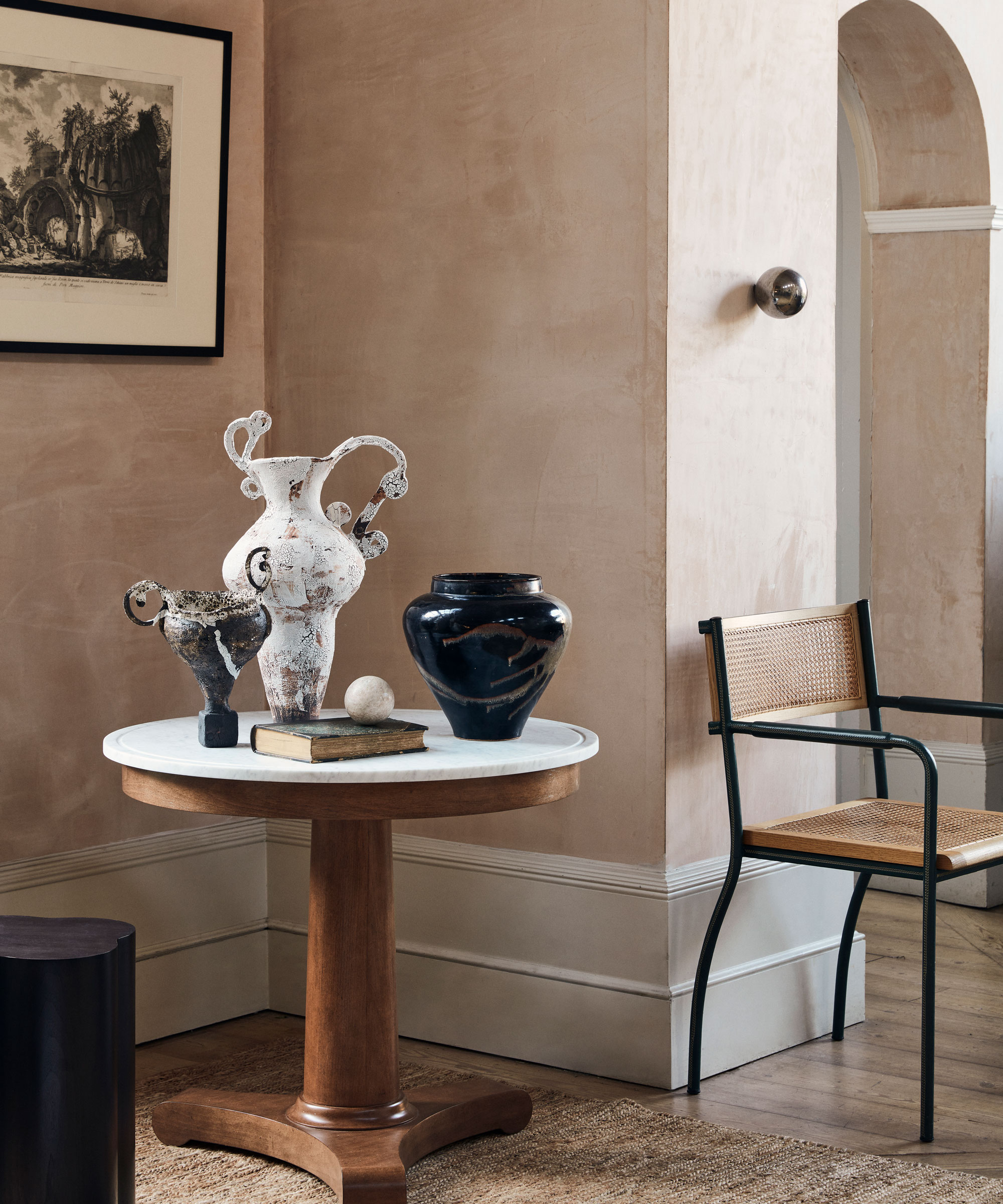
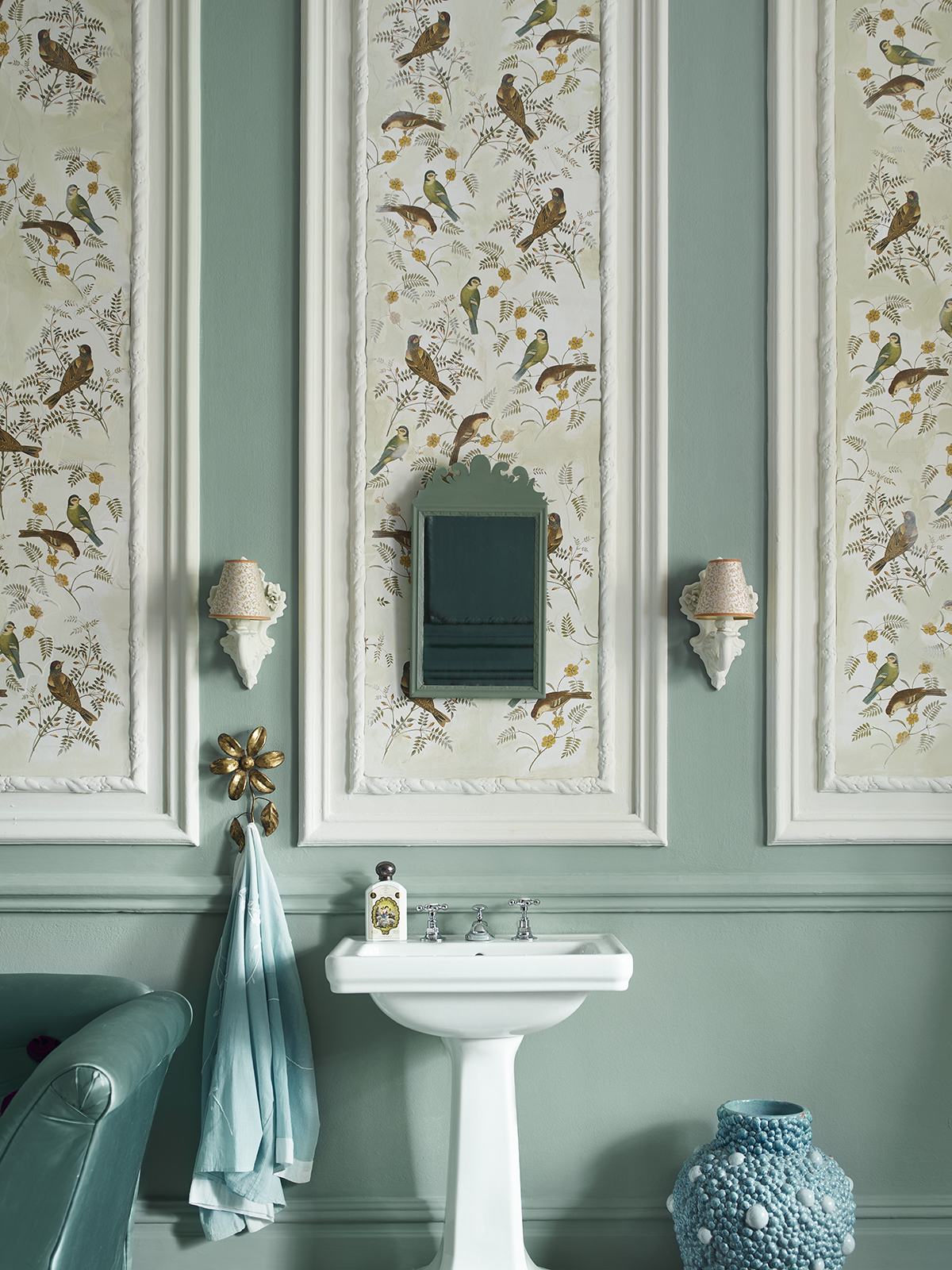
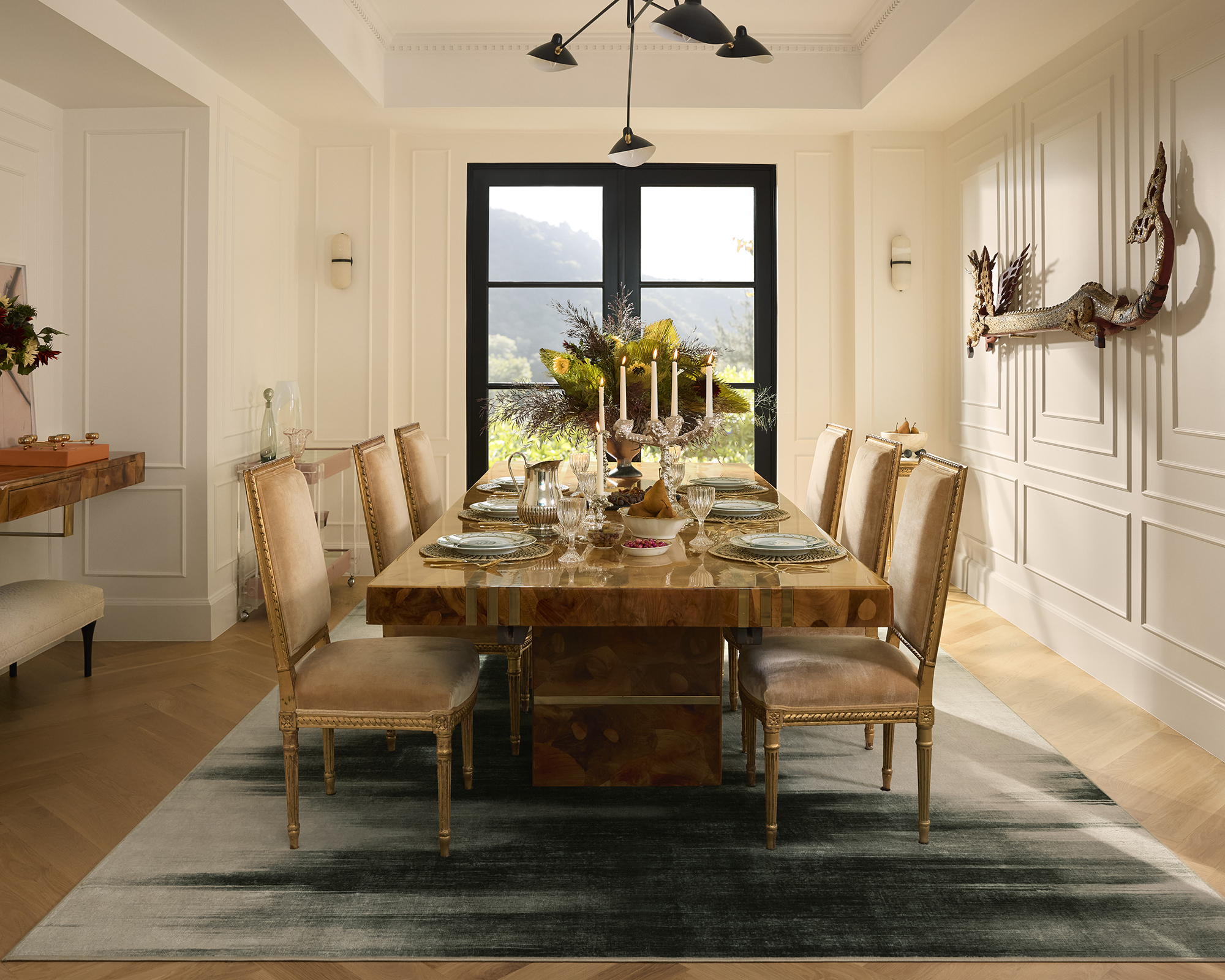
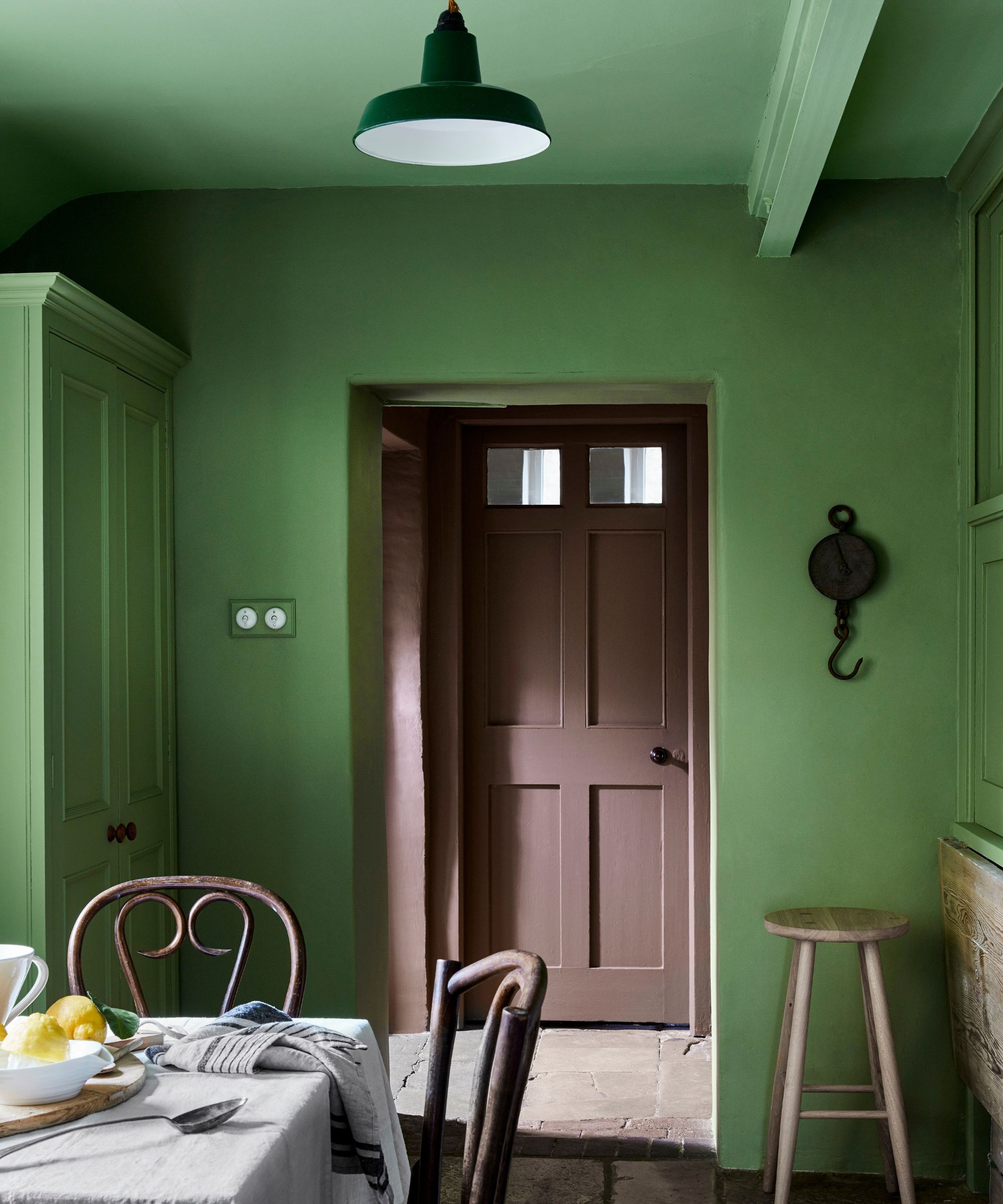
Color palettes in Neoclassical design are typically natural and muted, featuring light neutrals like cream, taupe, moss green, and stone blue. These colors enhance the perception of spaciousness and contribute to the overall sense of scale and minimized contrast. Accents can be introduced through materials such as gold, gray, green, red, or black, and natural stones like Calacatta Gold, Bianco Carrara, or Noir St. de Laurent marbles are favored for their historical ties to the Greco-Roman period. Millwork is another significant component, extending beyond basic baseboards and crown moldings to include raised and recessed paneling and elaborate door casings, often complemented by bare walls to balance ornate details.
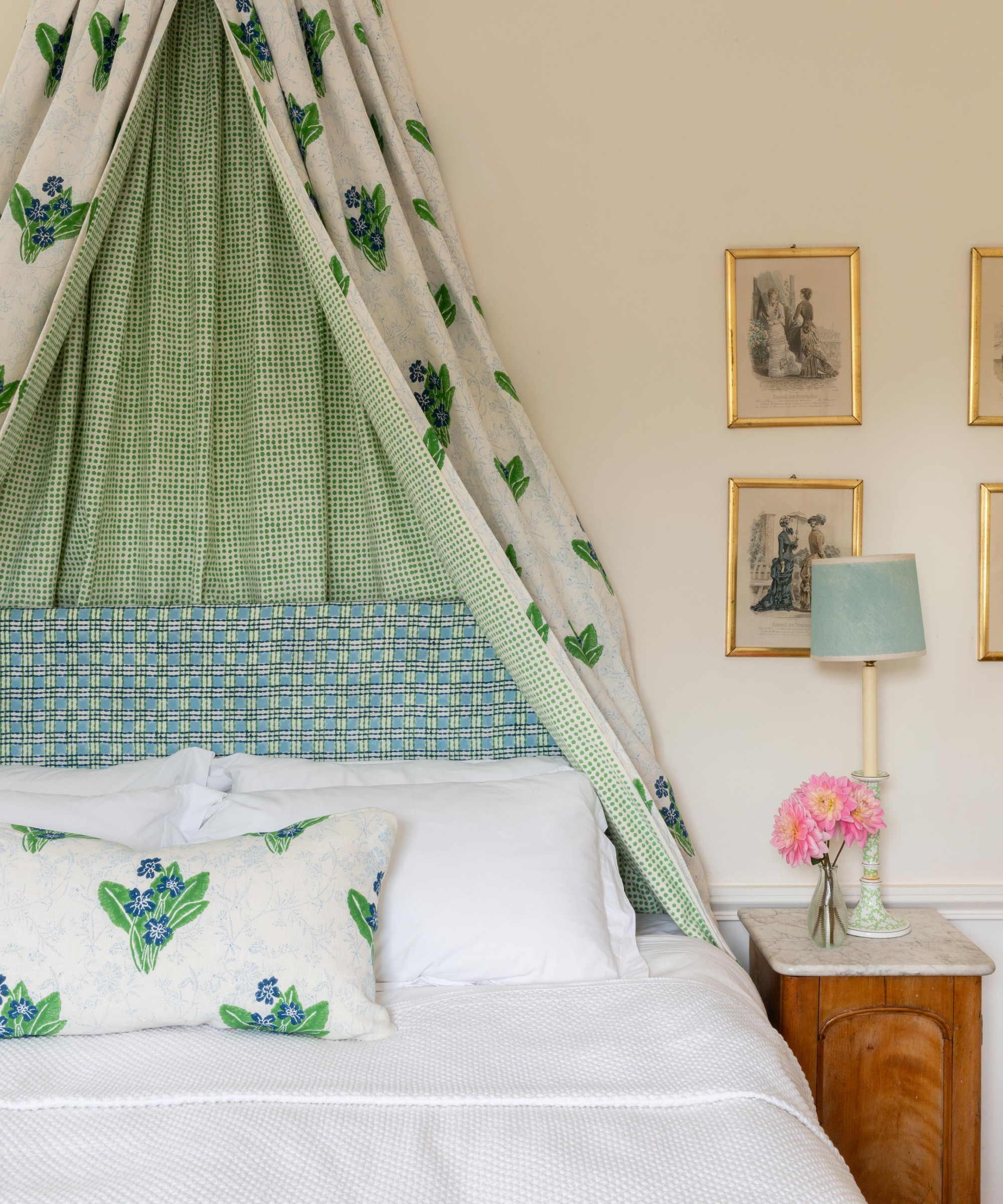
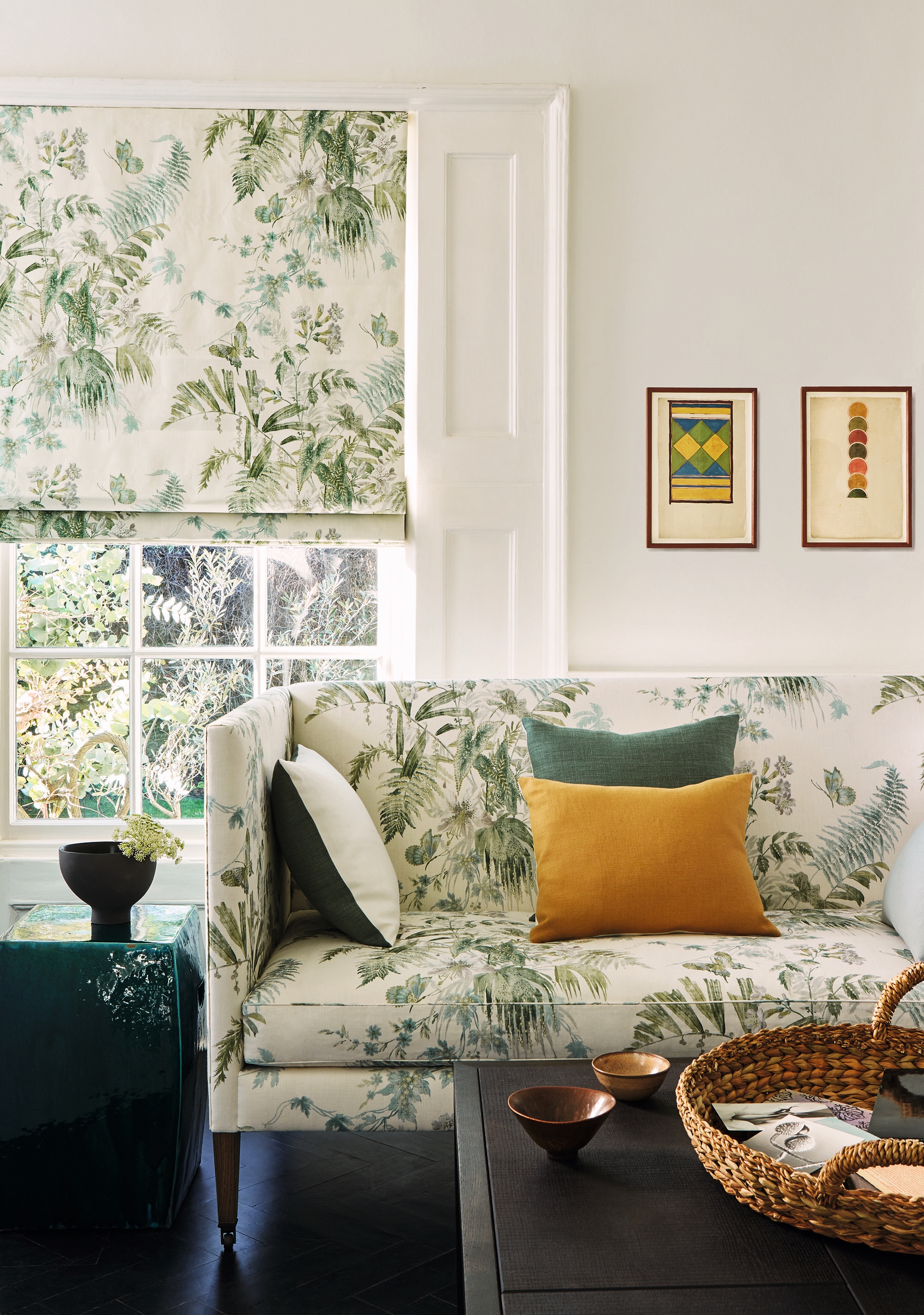
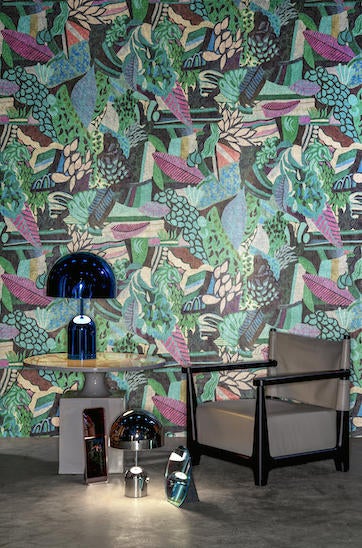
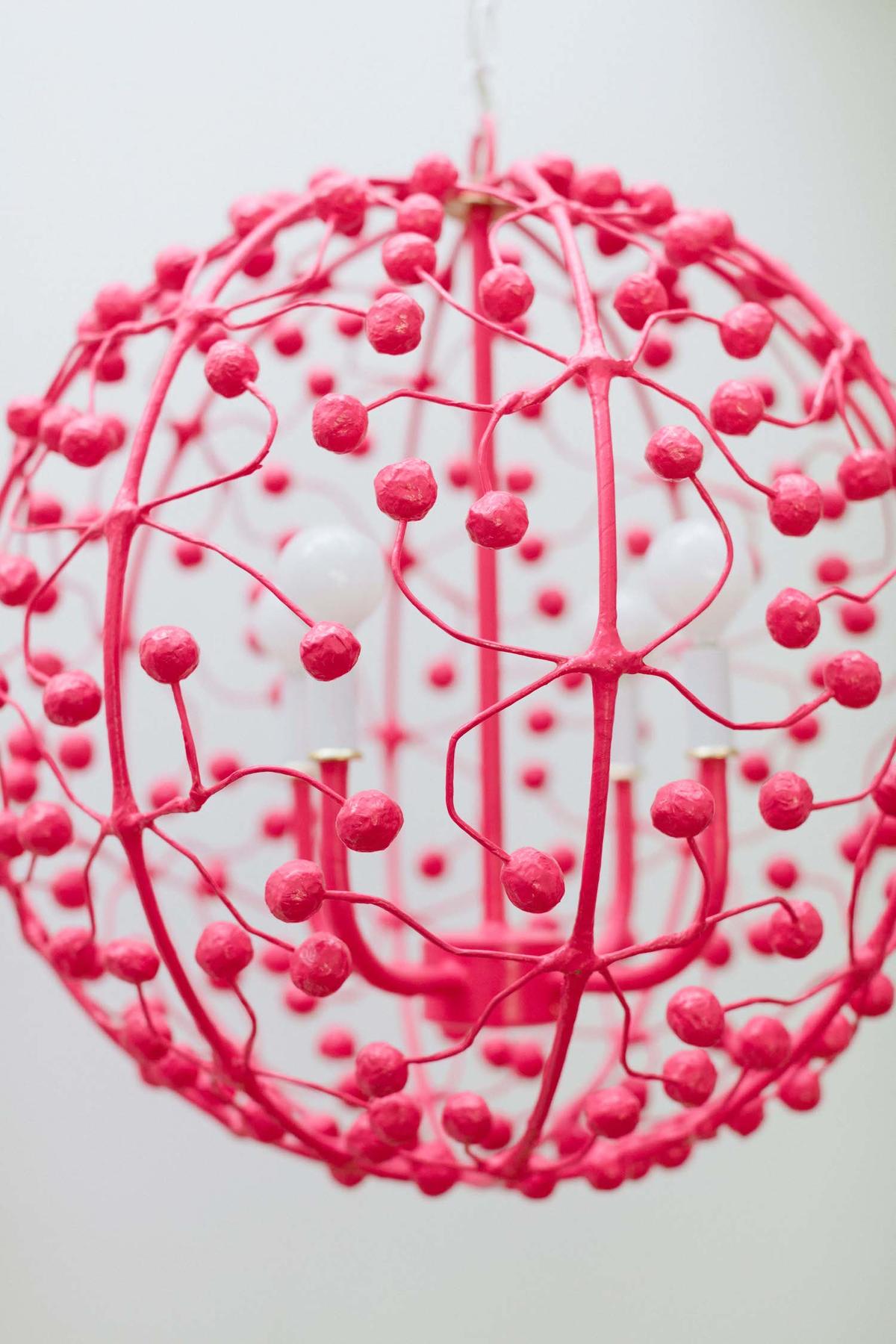
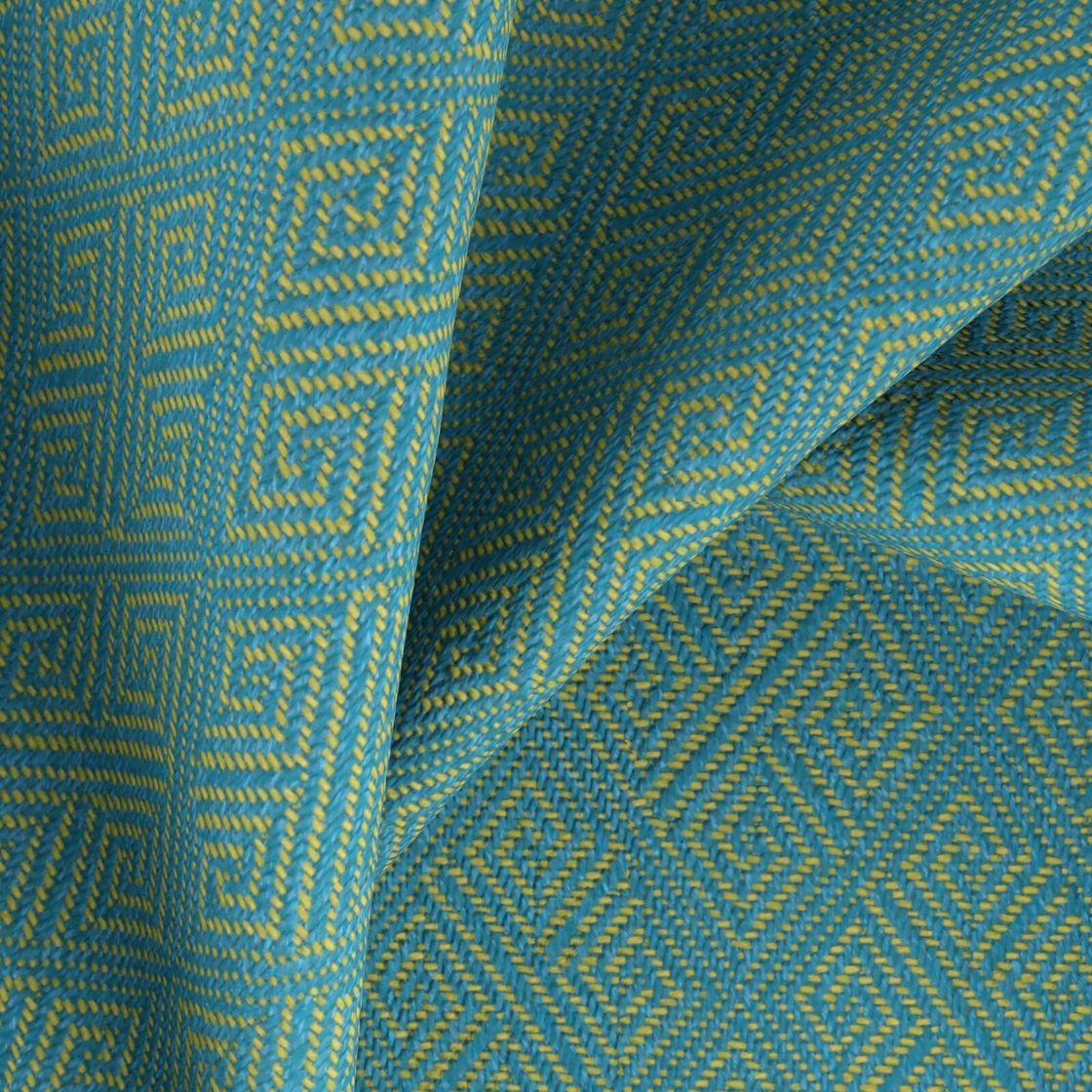
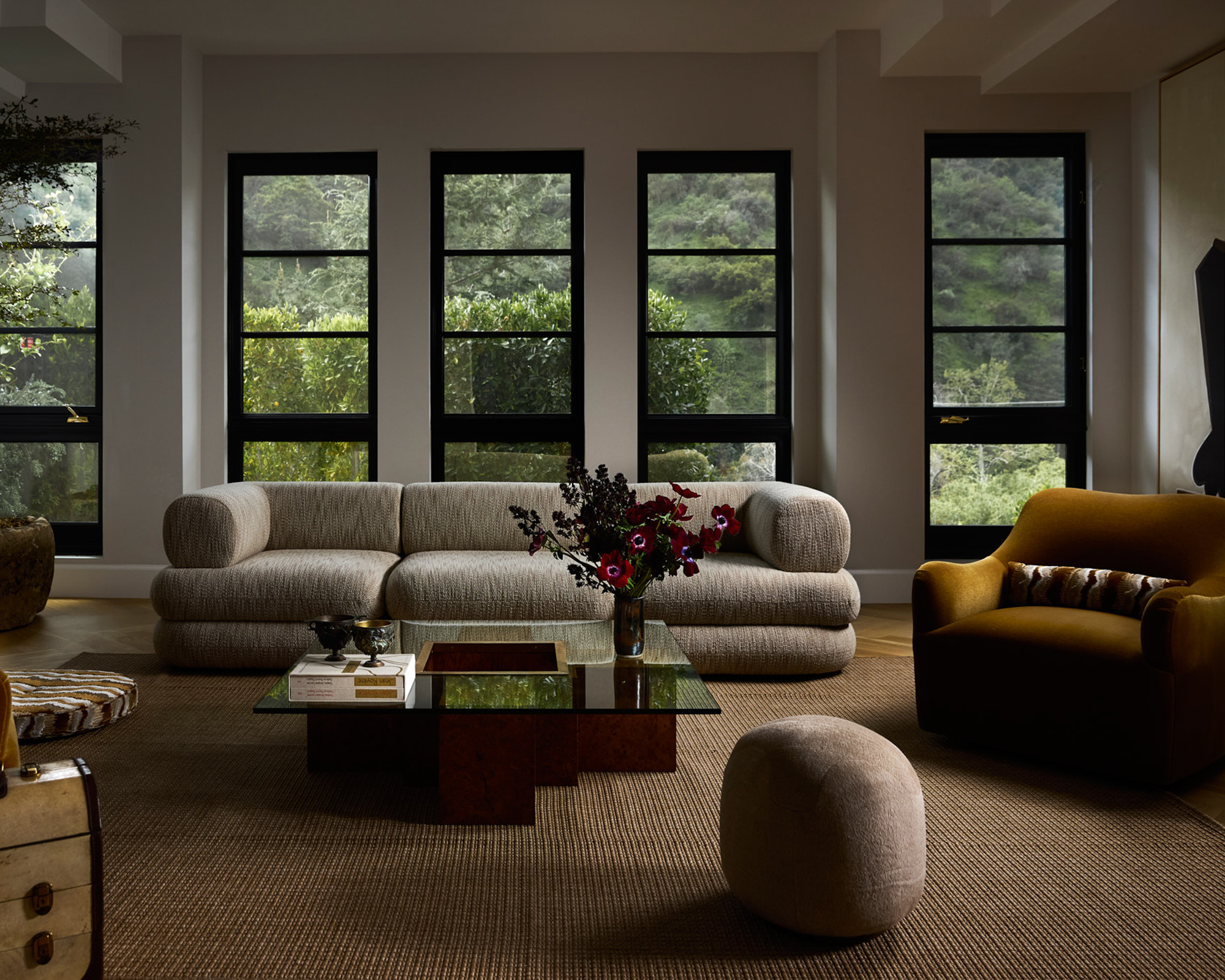
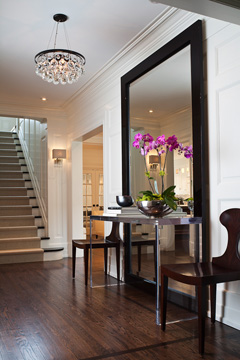
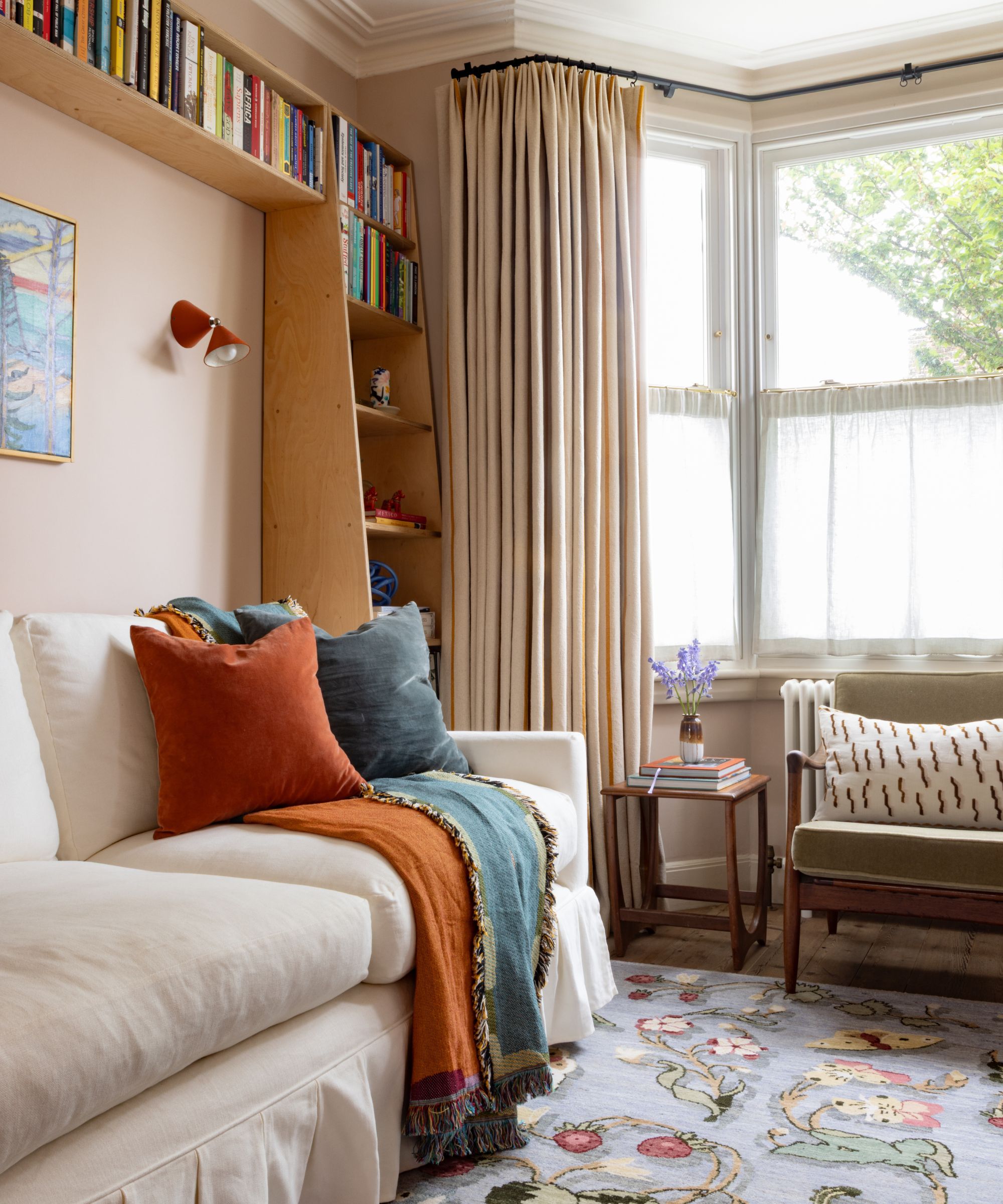
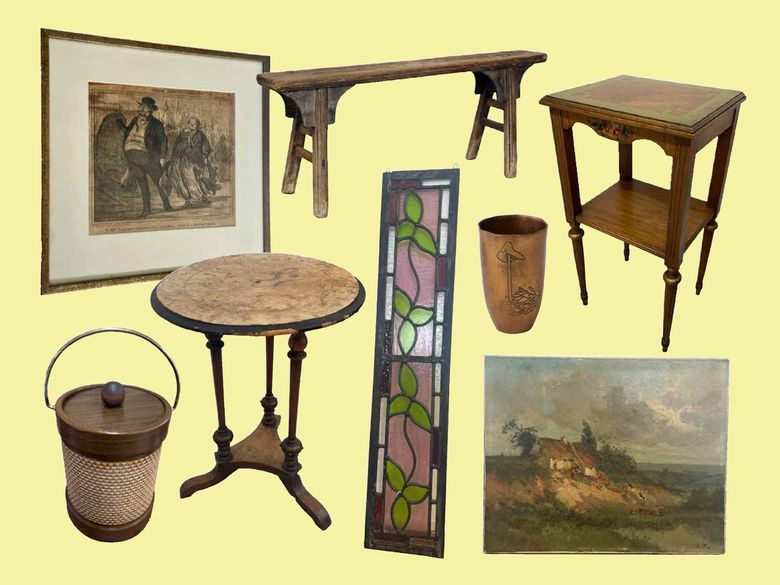
When selecting furniture, Neoclassical design leans towards fine craftsmanship and subtle luxury. Pieces with sleek silhouettes, plush upholstery, and dark wood frames, such as walnut, are ideal. Antique furniture can seamlessly fit into these spaces, provided their size is appropriate for the room's proportions to maintain balance. Decorative accents are vital for incorporating the sophisticated details of this style. Motifs from classical Roman and Greek art, such as anthemion, fleur-de-lis, Greek key, and beading, as well as damask and geometric prints, can be applied to architectural hardware, fabrics, and wallpaper. Mirrors, elegant window treatments, antique chandeliers, urns, and art prints featuring porticoes are also recommended to complete the authentic Neoclassical aesthetic, which aims to create an effortless elegance without being overly fussy.
#NeoclassicalDesign #InteriorDesign #TraditionalStyle #HomeDecor #ArchitecturalElements #SymmetryAndBalance #MutedColors #Millwork #FineFurniture #NeoclassicalDesign #InteriorDesign #TraditionalStyle #HomeDecor #ArchitecturalElements #SymmetryAndBalance #MutedColors #Millwork #FineFurniture
0 comment in total
 No comments yet
You may also like
Traditional Interior Design: Everything You Need to Know About This Classic and Timeless Style

Home Design: Timeless Meets Modern

11 interior design styles that never date according to experts

WA interior designers demystify home styles popular in the PNW

See How Designer Joan Enger Brought a Fresh, Modern Vibe to a Neoclassical Townhouse

Seeking timeless interior design? The professionals break it down
7 Reasons Your Home Looks Dated, According to Designers


Traditional Meets Modern Interior Design

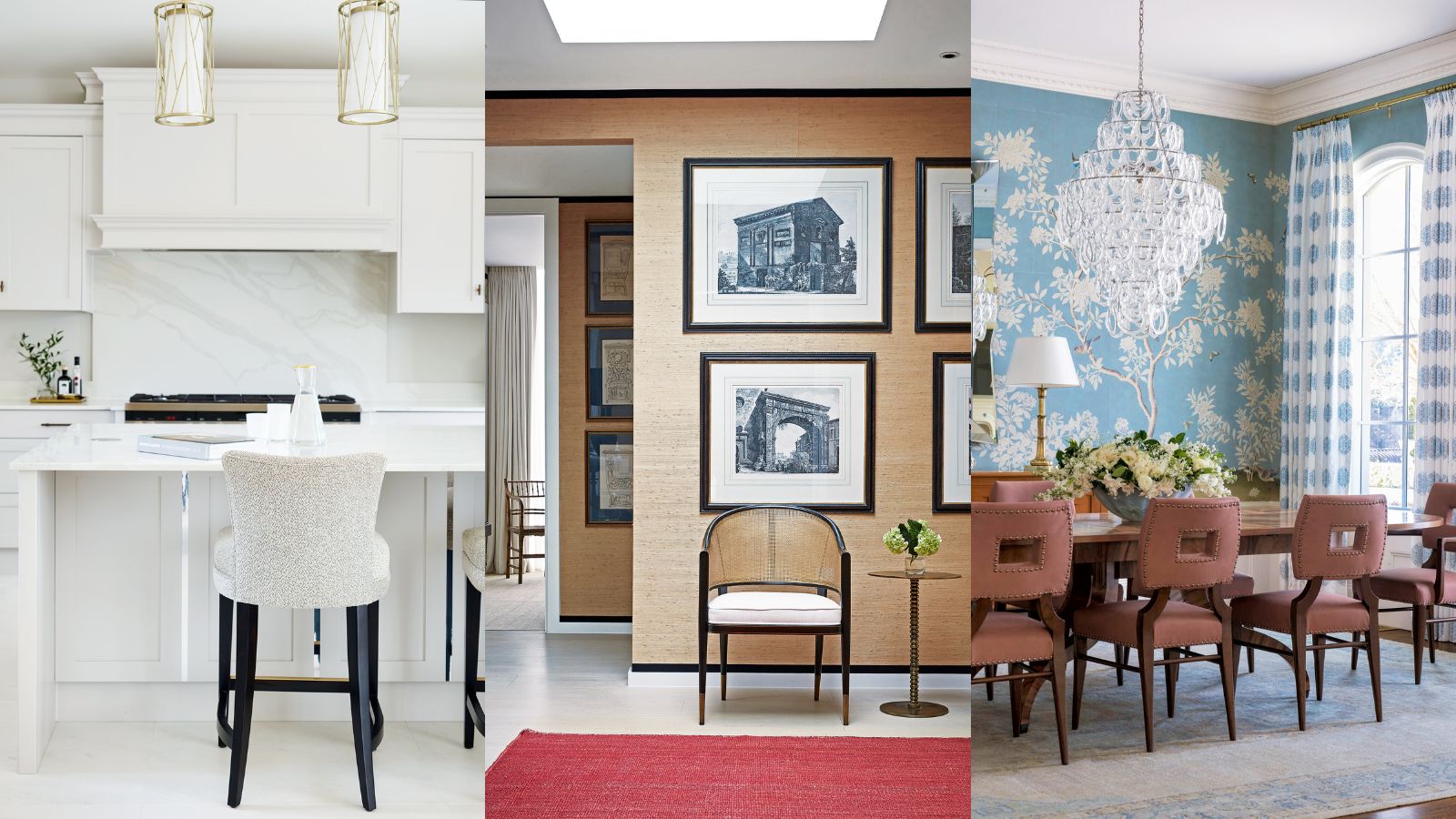
8 classic looks – timeless rooms that will never date

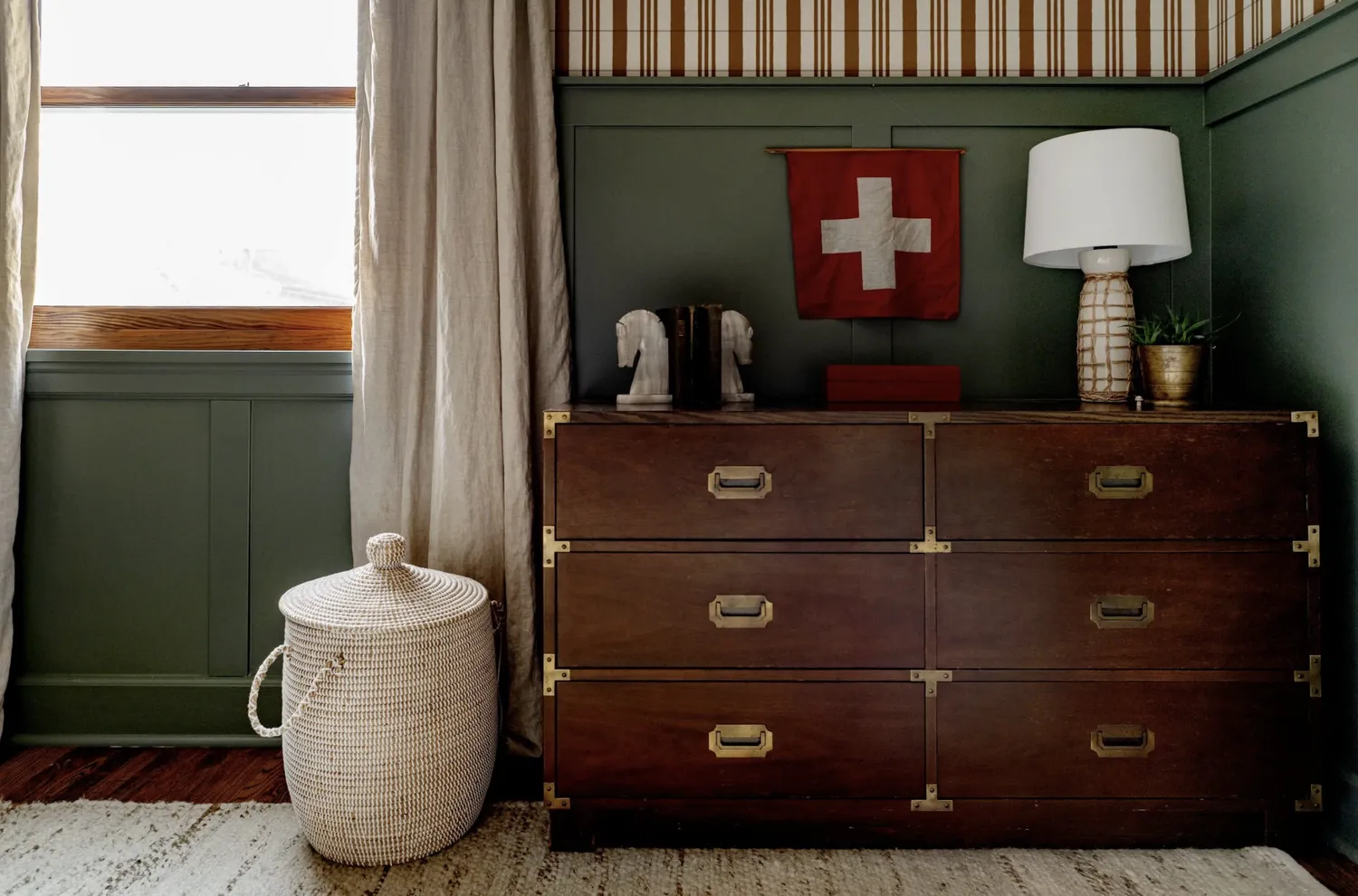
This Dated Home Decor Style Is Back—and It Instantly Makes Your Space Look So Expensive

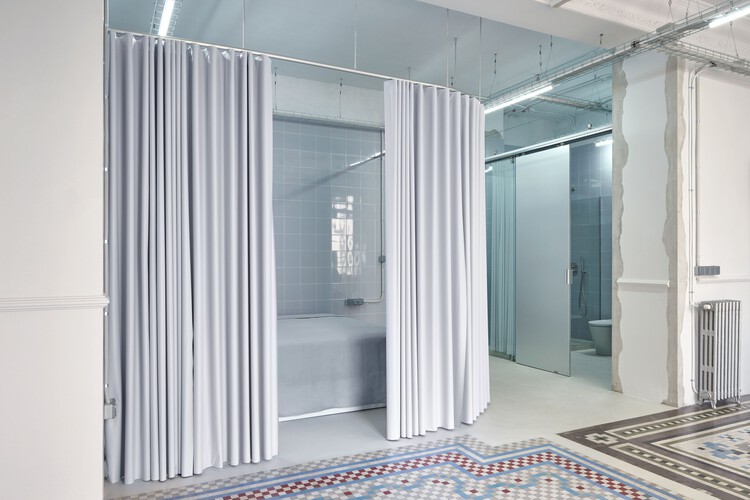
Neoclassical Apartment Renovation / Mario Montesinos Marco Architecture & Interior

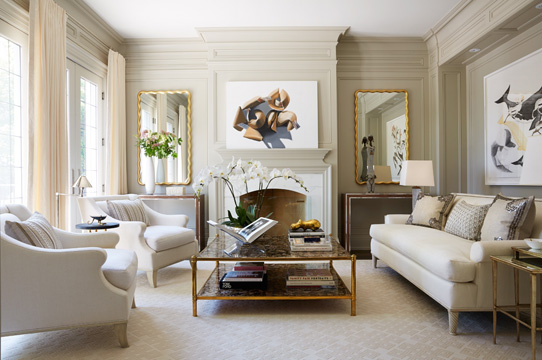
9 Clean and Classic Designs From Toronto's Top Interior Designers
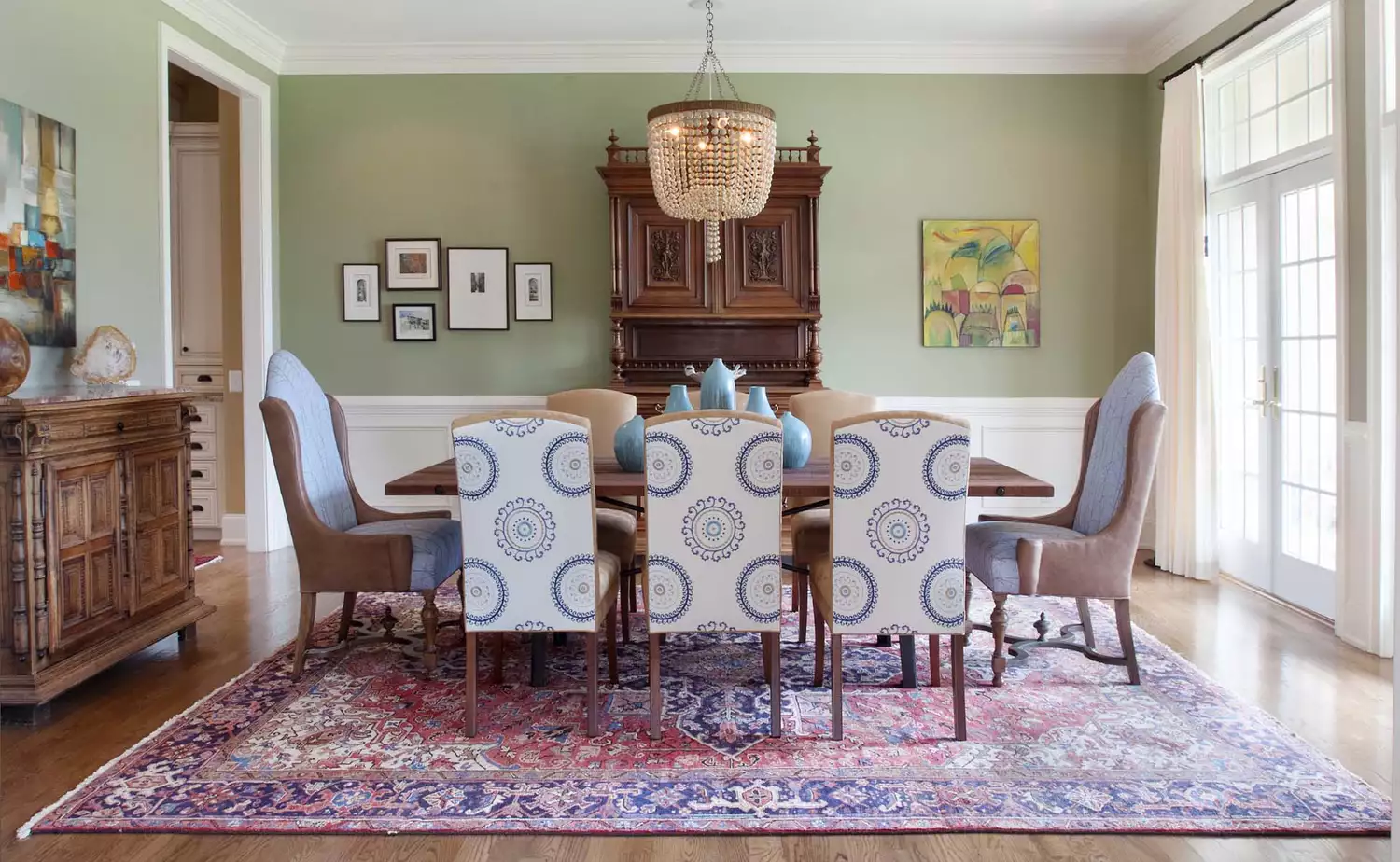
Traditional Design Is Here to Stay—Here's Everything You Need to Know About the Style

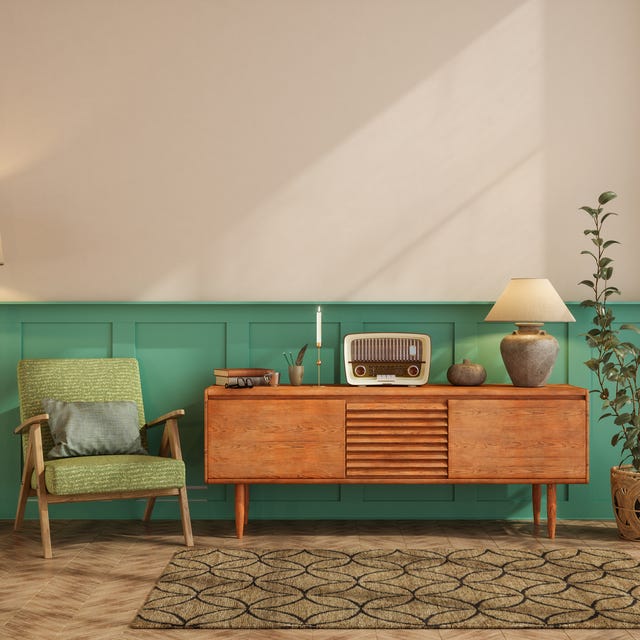
8 Home Trends That Are Tragically DEAD to the Design World

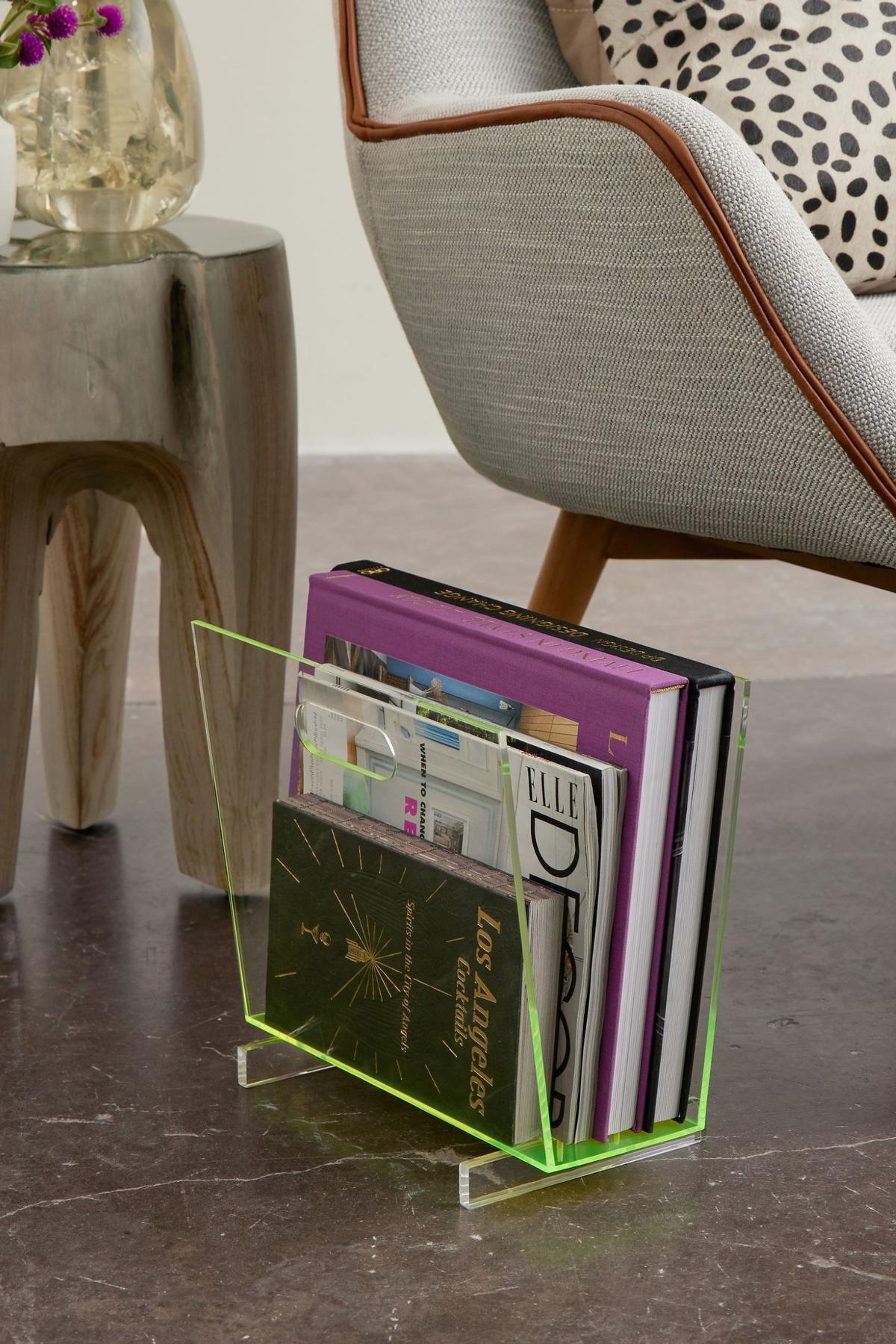
Buzzy brights: 6 neon decor accents to try out in a room

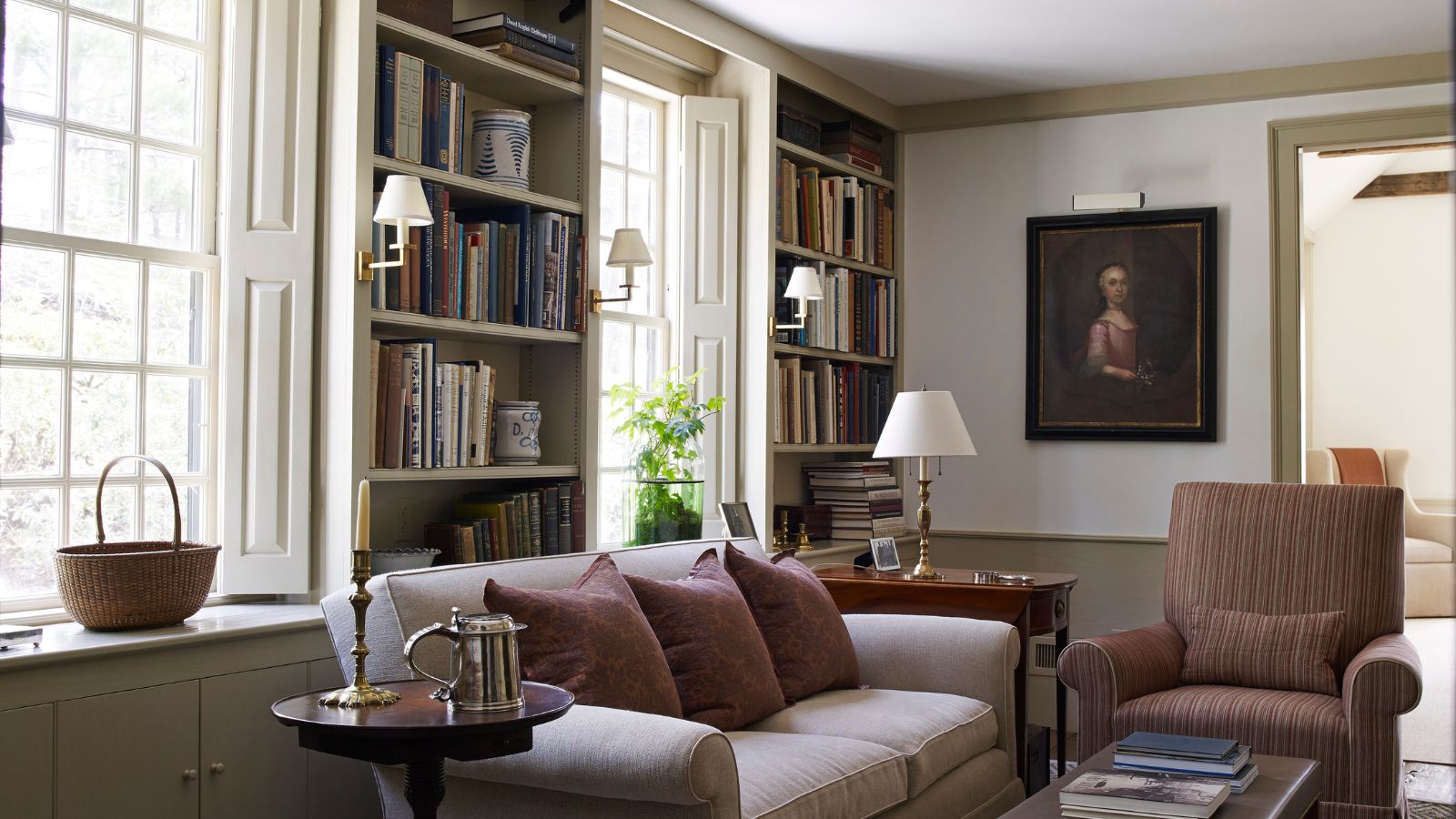
6 'old-fashioned' decorating techniques that designers still swear by
What are the most timeless interior design styles? Interior designers list their favorite classics
Traditional decorating ideas – 15 inspiring, timeless interiors
"A home should intrigue you from the moment you walk in." Designer Nina Takesh knows how to layer homes so they feel rich, enticing, yet can include one key piece from IKEA
How to Tell if a Home Trend Is Just a Fad or Here to Stay, According to Designers