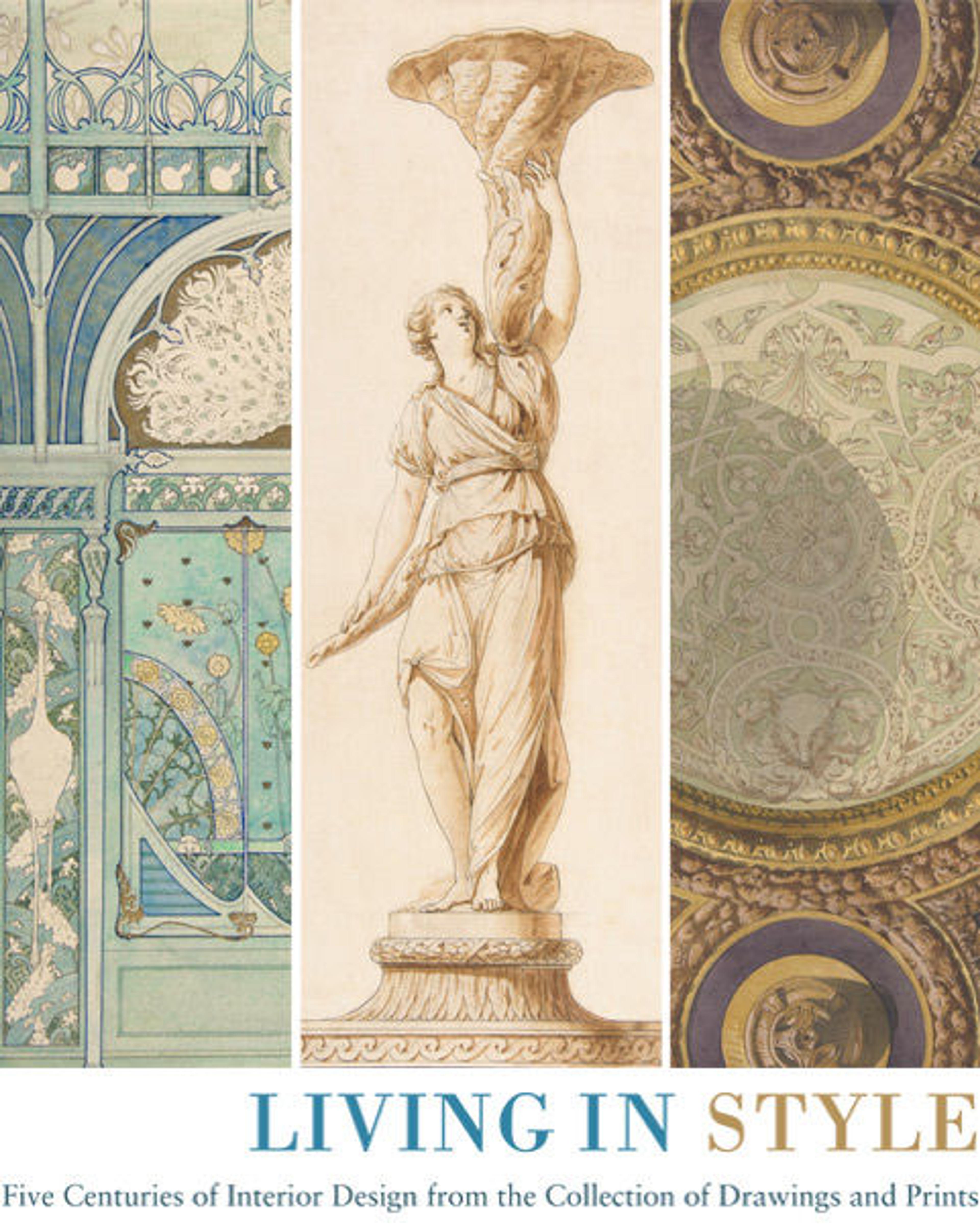
Living in Style: Five Centuries of Interior Design from the Collection of Drawings and Prints
The exhibition, "Living in Style," showcases five centuries of interior design, spanning from the Renaissance to the 1960s, through a collection of drawings, prints, books, and furniture from the Metropolitan Museum of Art. The exhibition, on view through September 8, follows a chronological progression, highlighting the evolution of materials, shapes, colors, and decorative elements as depicted in works on paper. The core of the exhibition consists of drawings and prints focused on designs for domestic interiors, ranging from opulent royal residences to more modest homes. These works illustrate various stages of the design process, including original concepts intended for execution, studies, and records for workshop portfolios or publications, reflecting a continuous fascination with shaping living environments.
To provide a richer, three-dimensional context, the exhibition integrates objects and furniture from other curatorial departments. These pieces are chosen either for their direct resemblance to the designs on paper or their ability to illuminate specific aspects of the two-dimensional works. This integration effectively demonstrates characteristics like materiality and spatial impact, which are inherently limited in two-dimensional representations. In several instances, the exhibition offers the unique opportunity to view a design drawing alongside its executed furniture piece in the same gallery, providing a direct comparison of concept and realization.
The chronological arrangement narrates the story of stylistic development over the centuries. It begins with Renaissance designs, which drew inspiration from Roman Antiquity and were architecturally oriented, then transitions to the more theatrical Baroque and the elaborate Rococo styles. A significant shift occurred with late eighteenth-century Neoclassicism, a reactionary movement that consciously opposed the aesthetics of previous generations. The subsequent century saw a period of exploration, with taste shifting towards various historical and exotic styles in pursuit of a new and modern artistic direction. The Arts and Crafts Movement and Art Nouveau emerged at the end of this period, incorporating elements of past styles while distinctly moving towards new aesthetic principles. The exhibition progresses through the elegant Art Deco designs and concludes with post-World War II creations, characterized by their simple, refined lines and the innovative use of modern industrial materials.
Beyond the overarching narrative of design and style, each object in the exhibition possesses its own unique history. Whether these are groundbreaking examples of innovative design or typical representations of a particular era, information regarding their creators, the context of their creation, and their influence on contemporary and future artists enriches their perception and value. The exhibition uncovers diverse individual stories, such as seventeenth-century German "pirate copies" of Dutch prints, a German father-son duo anonymously promoting their interior designs to a New York clientele, designs for a courtesan-turned-countess's palace, and a bedroom modeled after Queen Marie Antoinette's at Versailles.
The collection of interior design works on paper is part of the larger Ornament and Architecture category within the Drawings and Prints department, an area where active collection efforts continue. These objects have entered the museum through various channels, including acquisitions by drawings and print curators over many years, and generous donations from passionate collectors such as Mr. and Mrs. Charles Wrightsman and former curator William Rieder. Works from the nineteenth and twentieth centuries have also been acquired directly from artist estates or, in rare cases, as gifts from the artists themselves. The acquisition of these works aims to both document and complement the museum's extensive collection of physical objects, while simultaneously emphasizing that these designs on paper are recognized as significant works of art in their own right and are collected as an autonomous artistic discipline.
#InteriorDesign #DesignHistory #ArchitecturalDrawings #ArtExhibition #MetropolitanMuseumOfArt #FurnitureDesign #DecorativeArts #ArtHistory #CollectionHighlights #InteriorDesign #DesignHistory #ArchitecturalDrawings #ArtExhibition #MetropolitanMuseumOfArt #FurnitureDesign #DecorativeArts #ArtHistory #CollectionHighlights
0 comment in total
 No comments yet
You may also like
5 interior designers on the styles they will love forever

Don’t Know Your Design Style? These Are the 5 Most Popular Ones
6 antiques that will always work in modern interiors – and how designers style them
7 Reasons Your Home Looks Dated, According to Designers

These 3 New Coffee Table Books Offer Up Design Inspo for Your Next Remodel

Interior Designers Share the Home Decor Tips Everyone Should Know Before They Turn 30
The 6 commandments of mid-century modern design
An Interior Designer Shows Us Around His Home

11 Home Design Trends That Need A Major Revival In 2024 To Infuse Some Personality Back Into Our Homes

REVEAL OF OUR GRANDMILLENNIAL STYLE INTERIOR DESIGN PROJECTS
The 12 Smartest Design Ideas We Spotted at London’s Chicest Showhouse
Ten homes with interiors designed to showcase art

Yoselin Alonso Open Concept
This Purchase Home Design Is All About the Artwork

11 interior design styles that never date according to experts

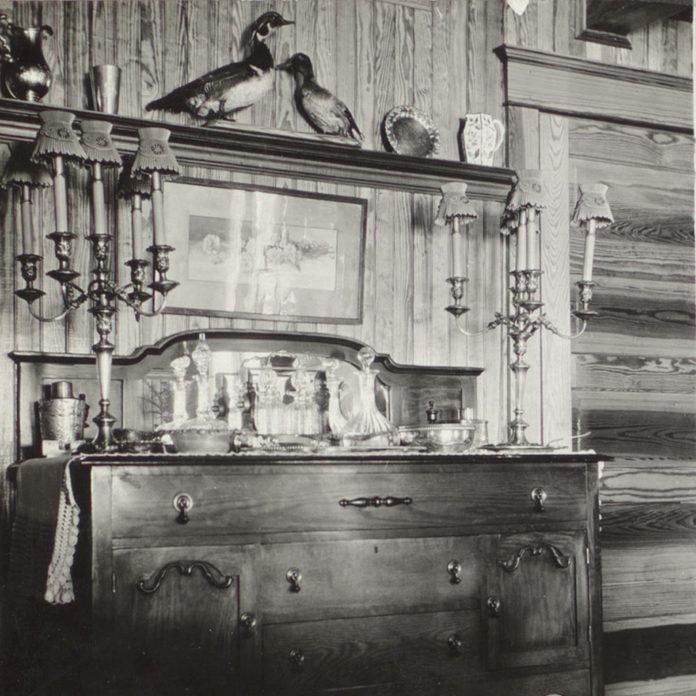
What Houses Used to Look Like 100 Years Ago

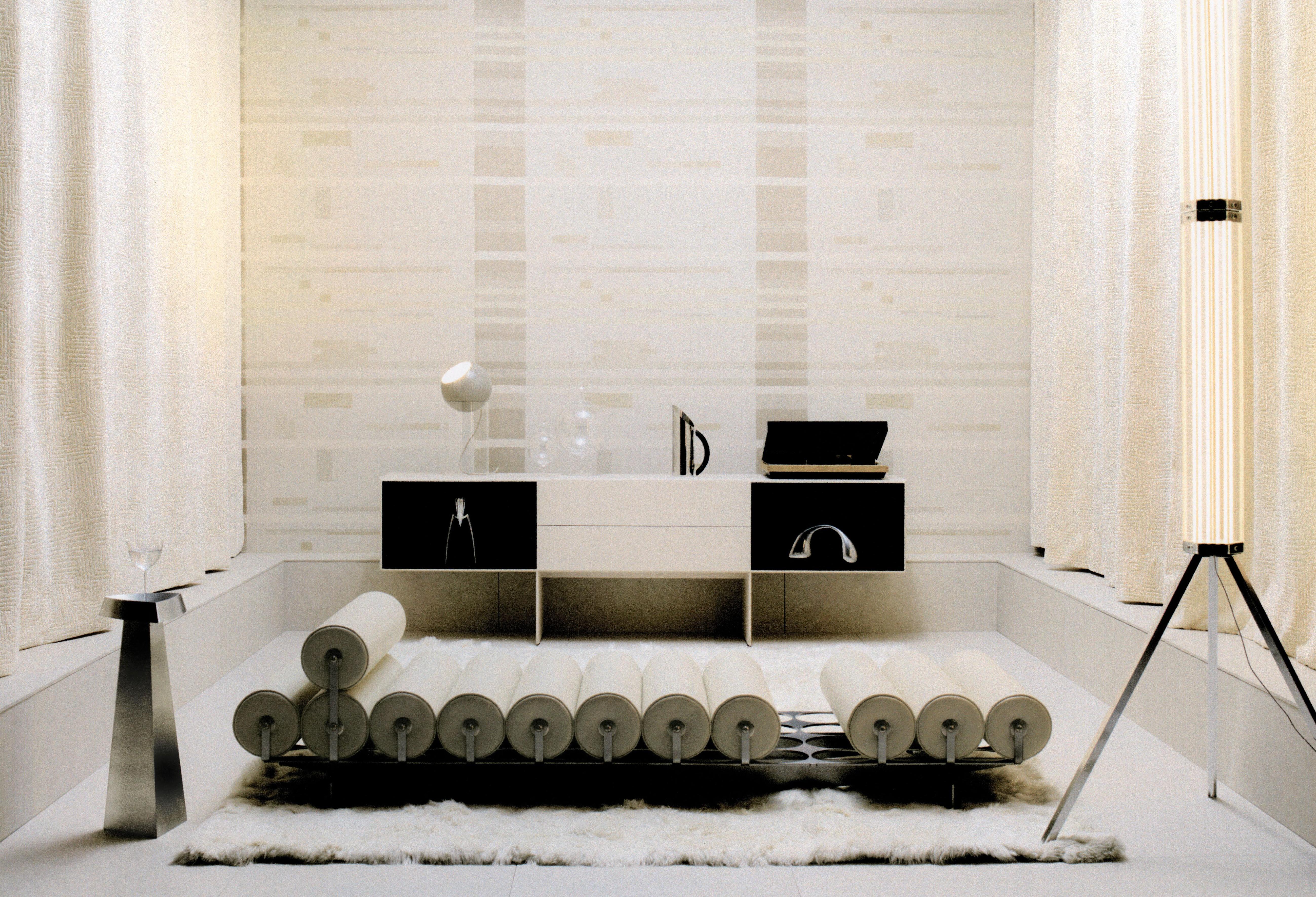
Explore our visual compendium of timeless design, from classic to contemporary furniture, objects and lighting

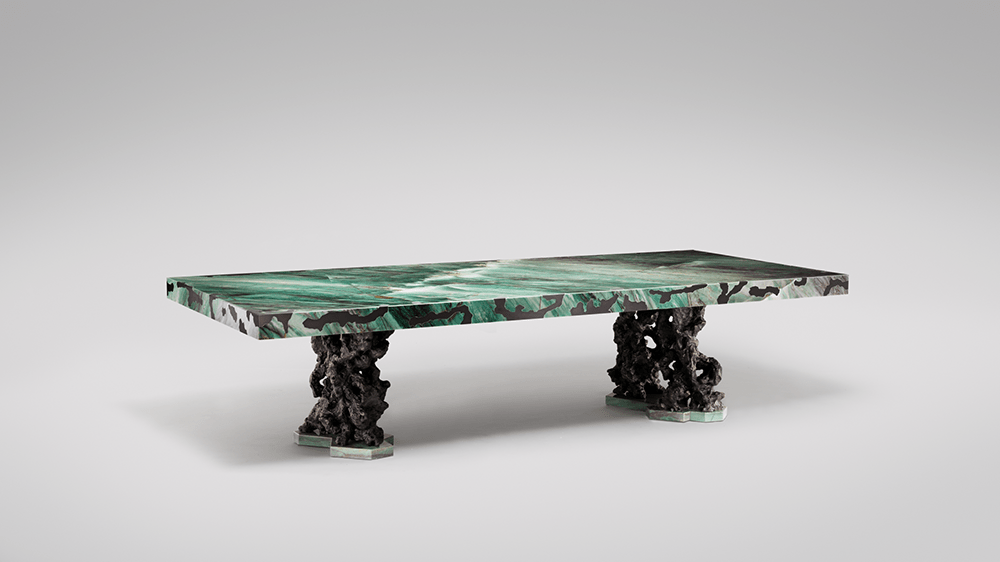
9 Acclaimed Interior Designers Share Their Most Memorable Tales of Discovery and Disappointment
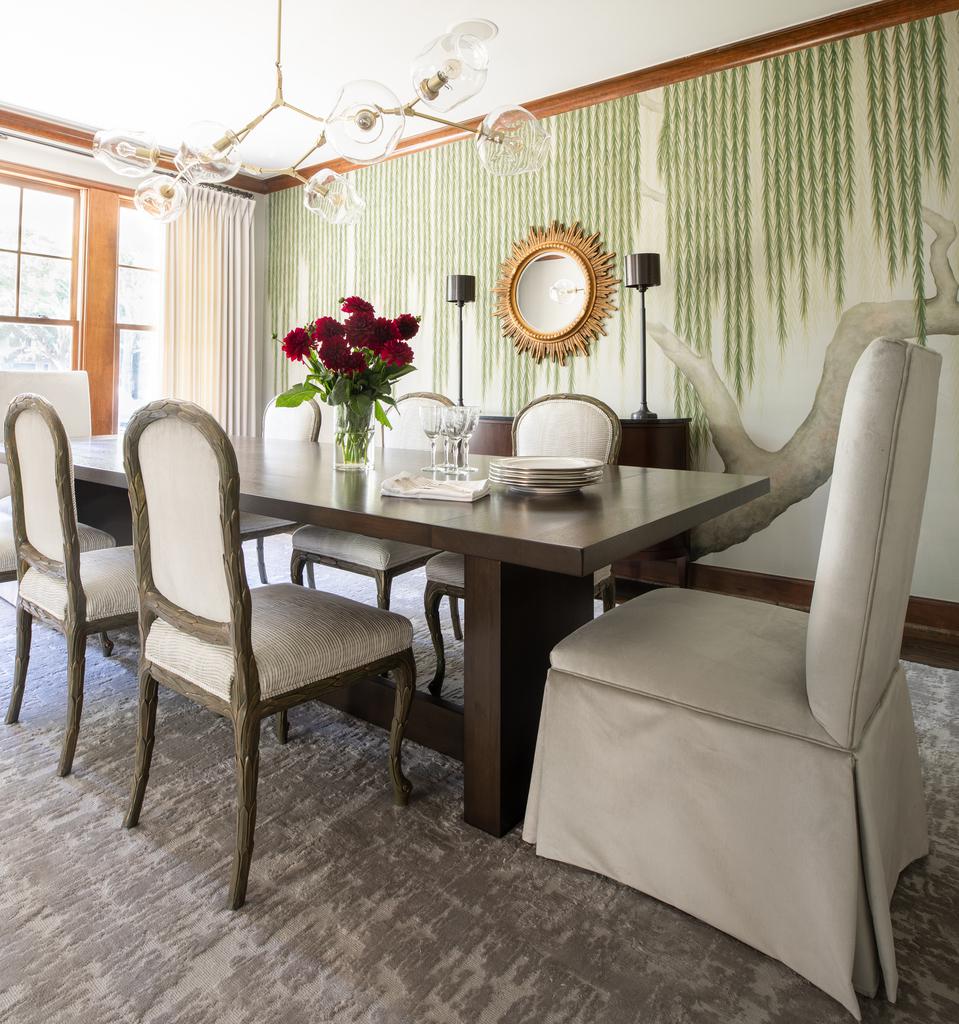
Fashion-forward woman injects runway style into new décor


Interior Design Inspirations: Trends & Personal Aesthetics