1/6
Don’t Know Your Design Style? These Are the 5 Most Popular Ones
The journey of decorating a home can often feel daunting, akin to cooking without a recipe, especially for those new to interior design. While seasoned decorators might instinctively create beautiful spaces, a foundational understanding of design styles can significantly simplify the process for everyone. This guide aims to demystify popular aesthetics, asserting that while adherence to a single style isn't mandatory, familiarity with their core elements is crucial for successful home decor. Drawing insights from Decorist, a prominent online design platform, five of the most frequently requested design styles are identified: traditional, modern, transitional, eclectic, and mid-century modern. Each style is explored through the perspectives of expert interior designers, offering a comprehensive overview and practical advice on integrating these aesthetics into one's living space.
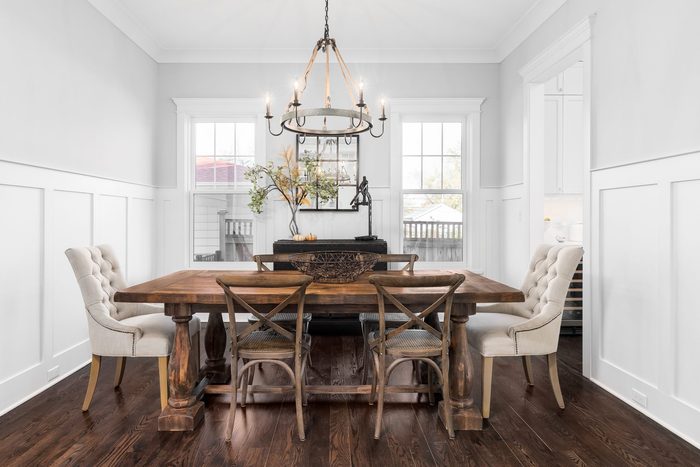
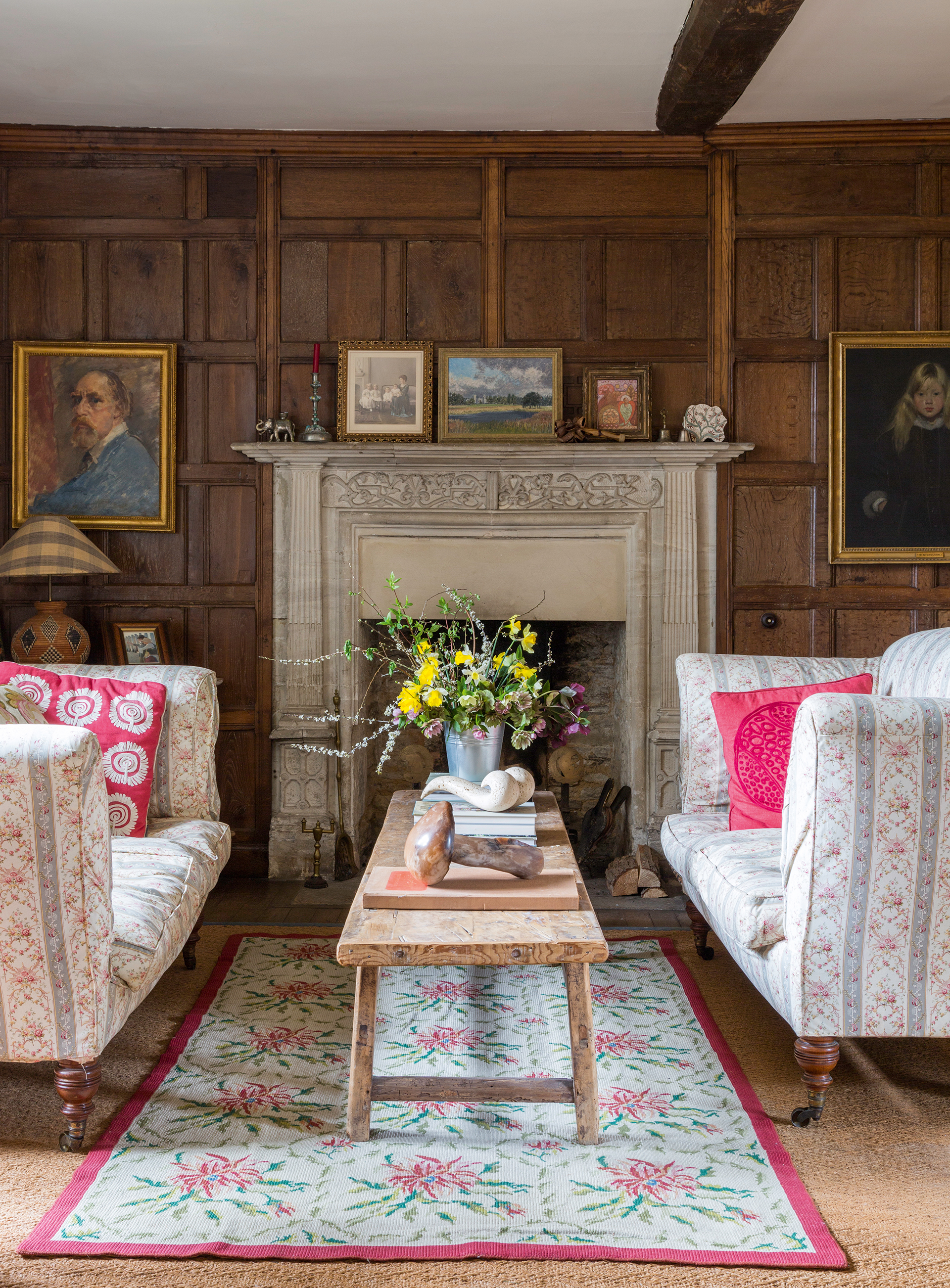
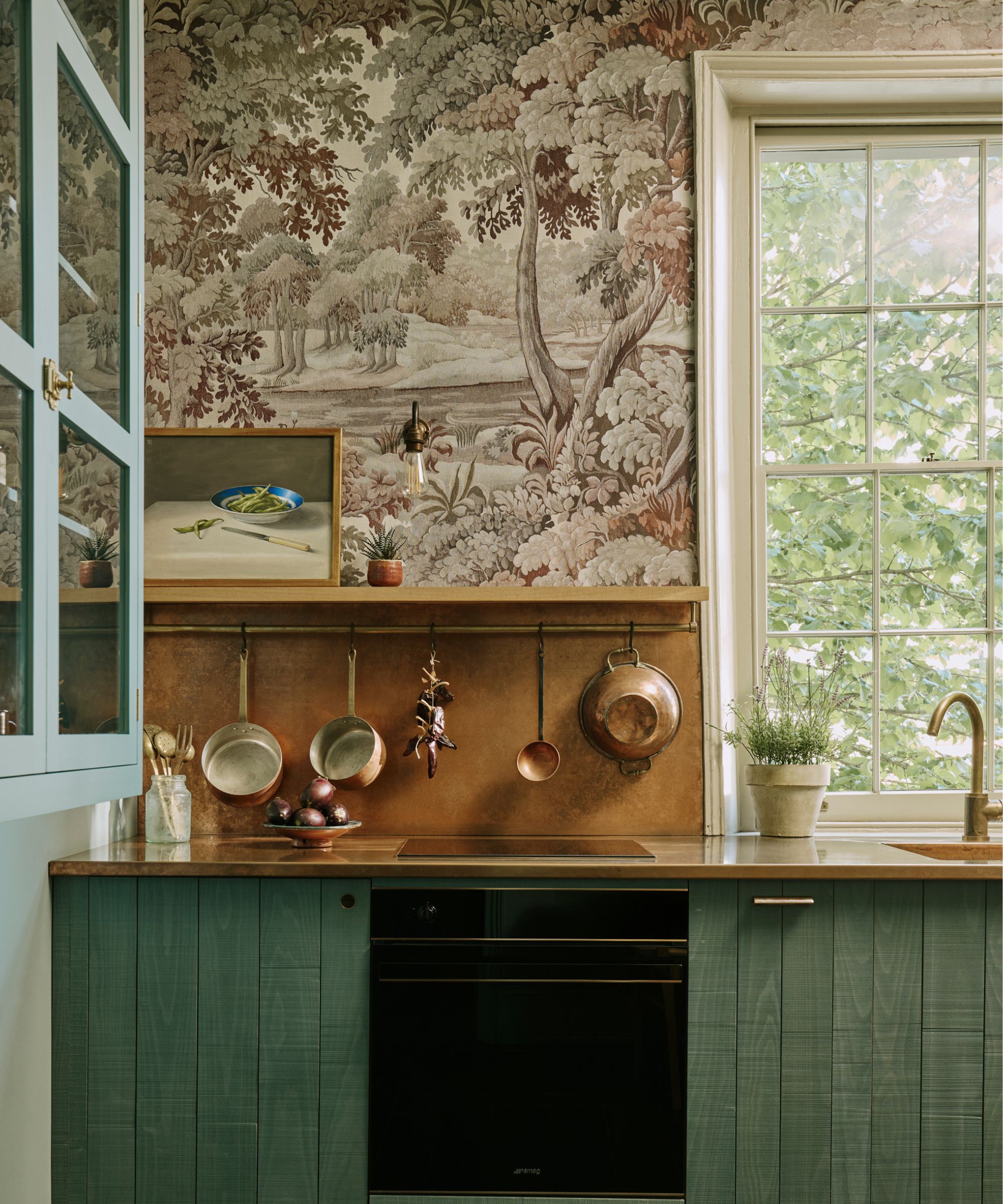
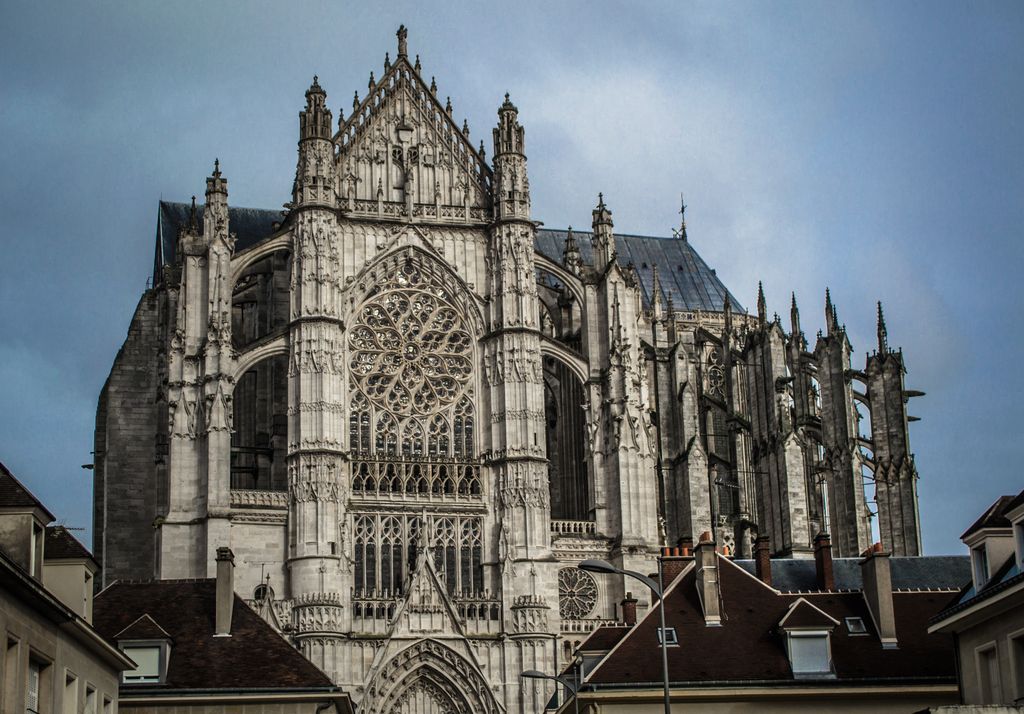
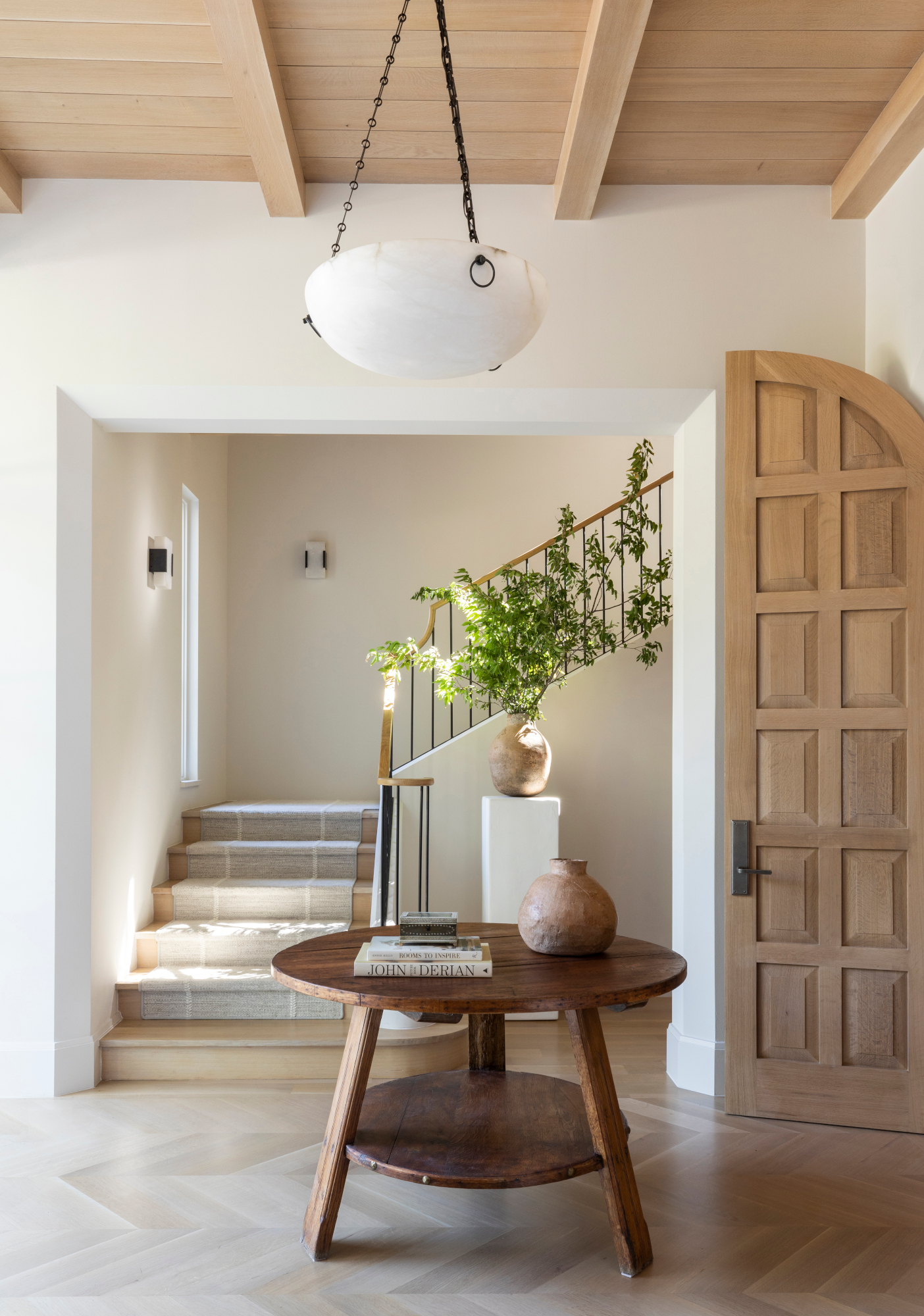
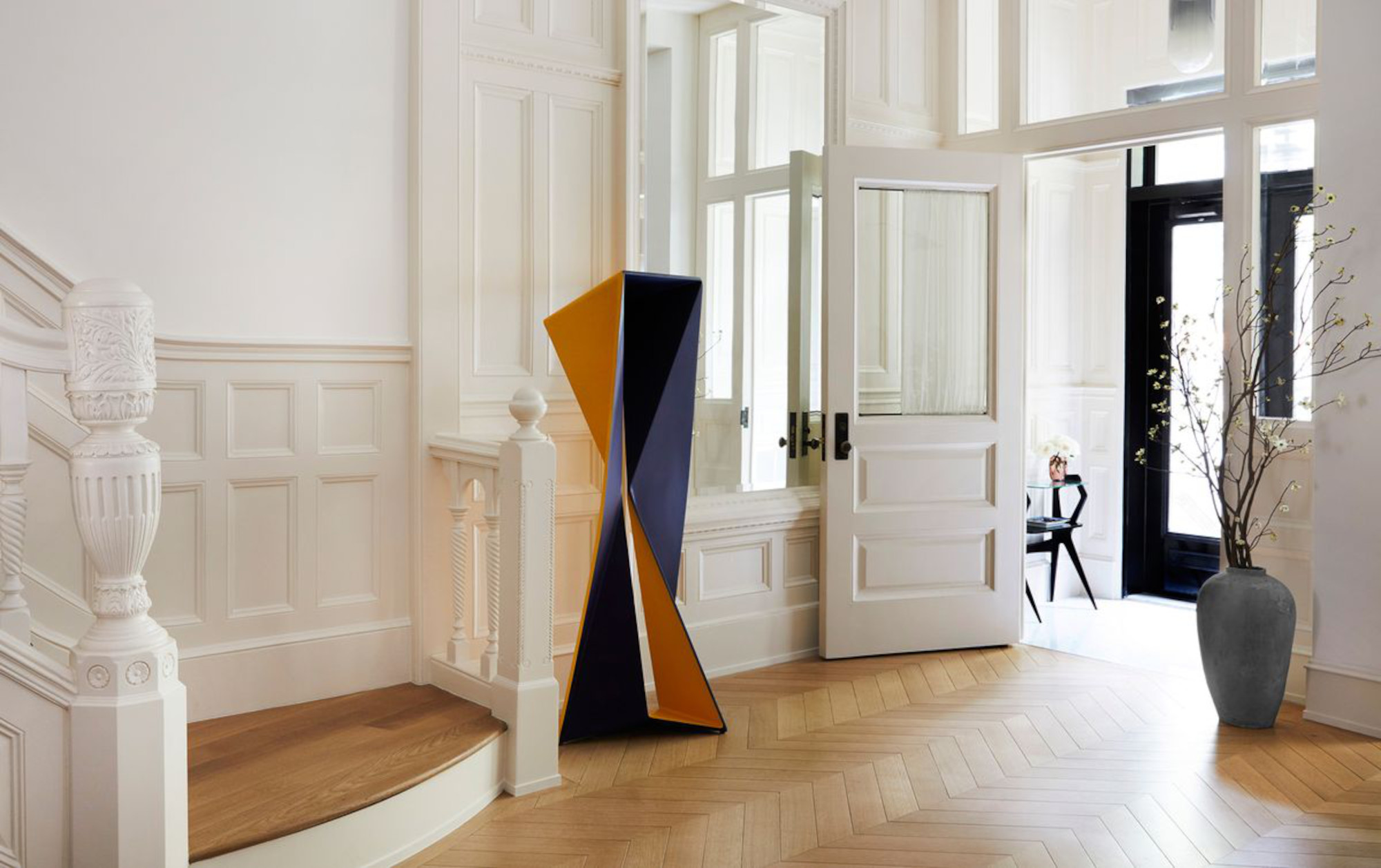
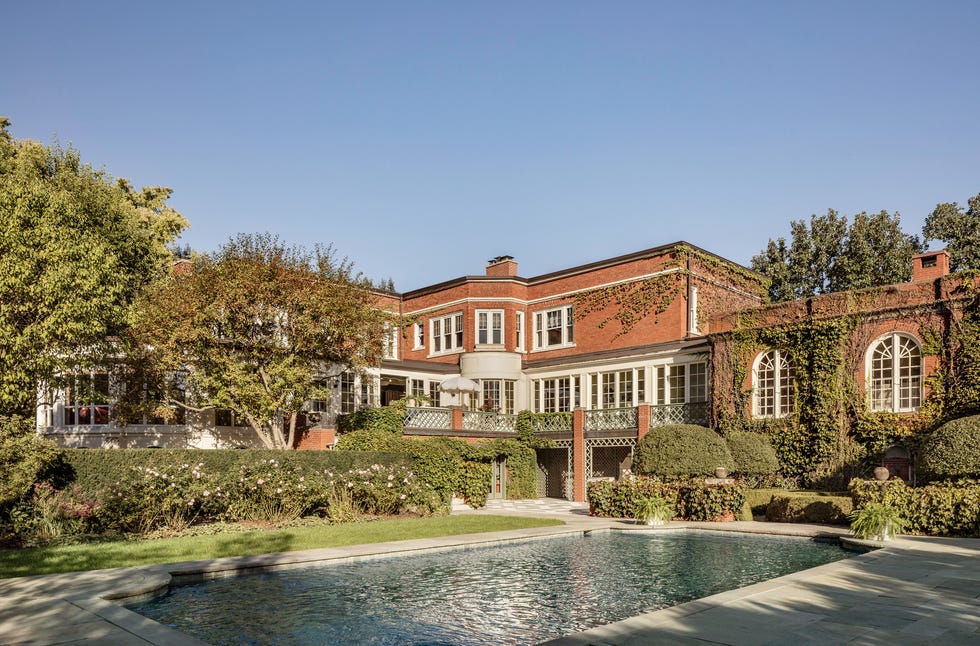
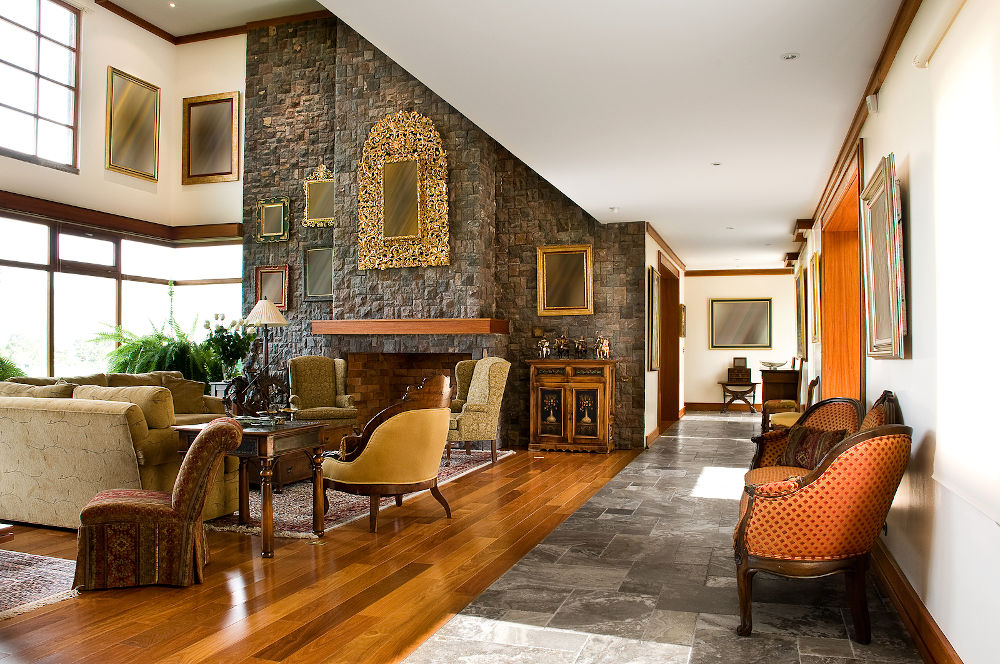
The article first delves into the traditional style, described by Decorist celebrity designer Charlotte Lucas as a design approach centered on classic pieces. This doesn't necessitate an antiquated feel; rather, it emphasizes timeless elements that can be personalized. Enthusiasts of this style often gravitate towards antiques like Louis XVI chairs, French commodes, mahogany dining tables, and gilt mirrors. Lucas suggests paying attention to intricate details such as passementerie, fringe, and tiebacks on furniture. Additionally, a vibrant Oushak rug can introduce warmth and character to a traditionally refined room.
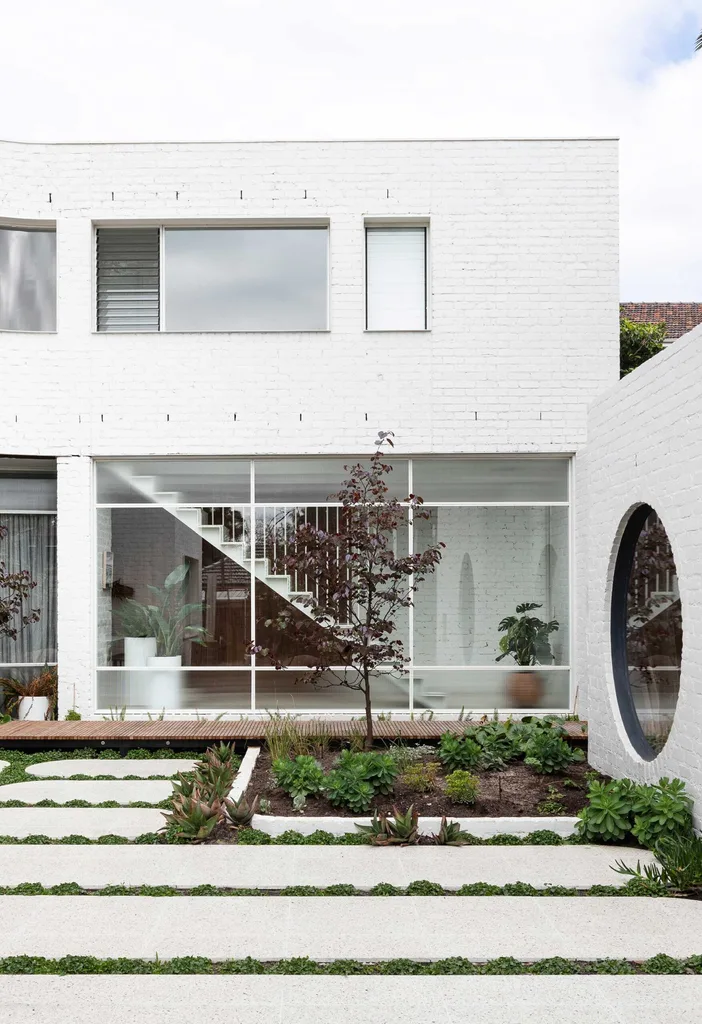
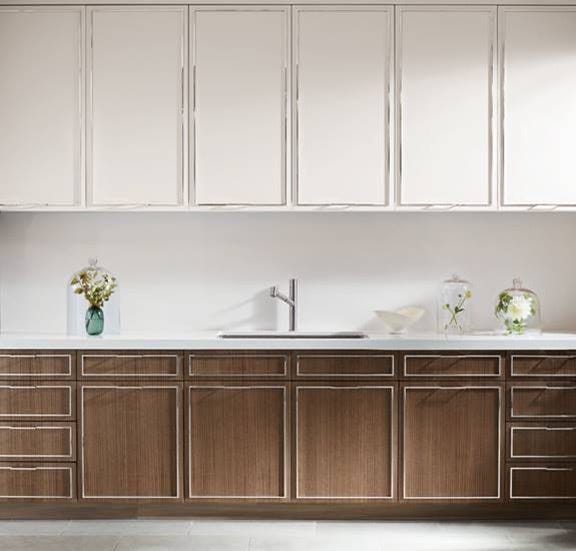
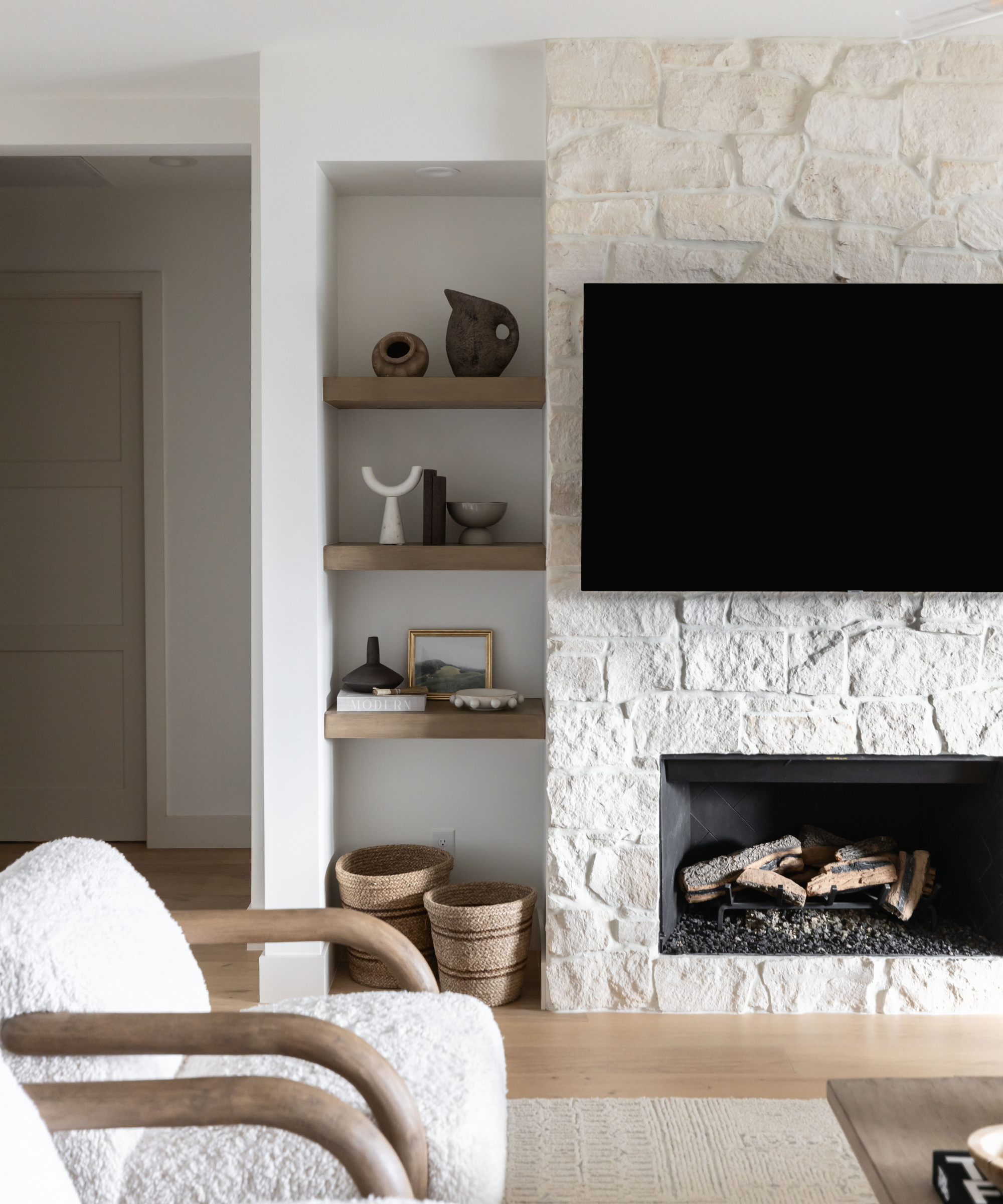
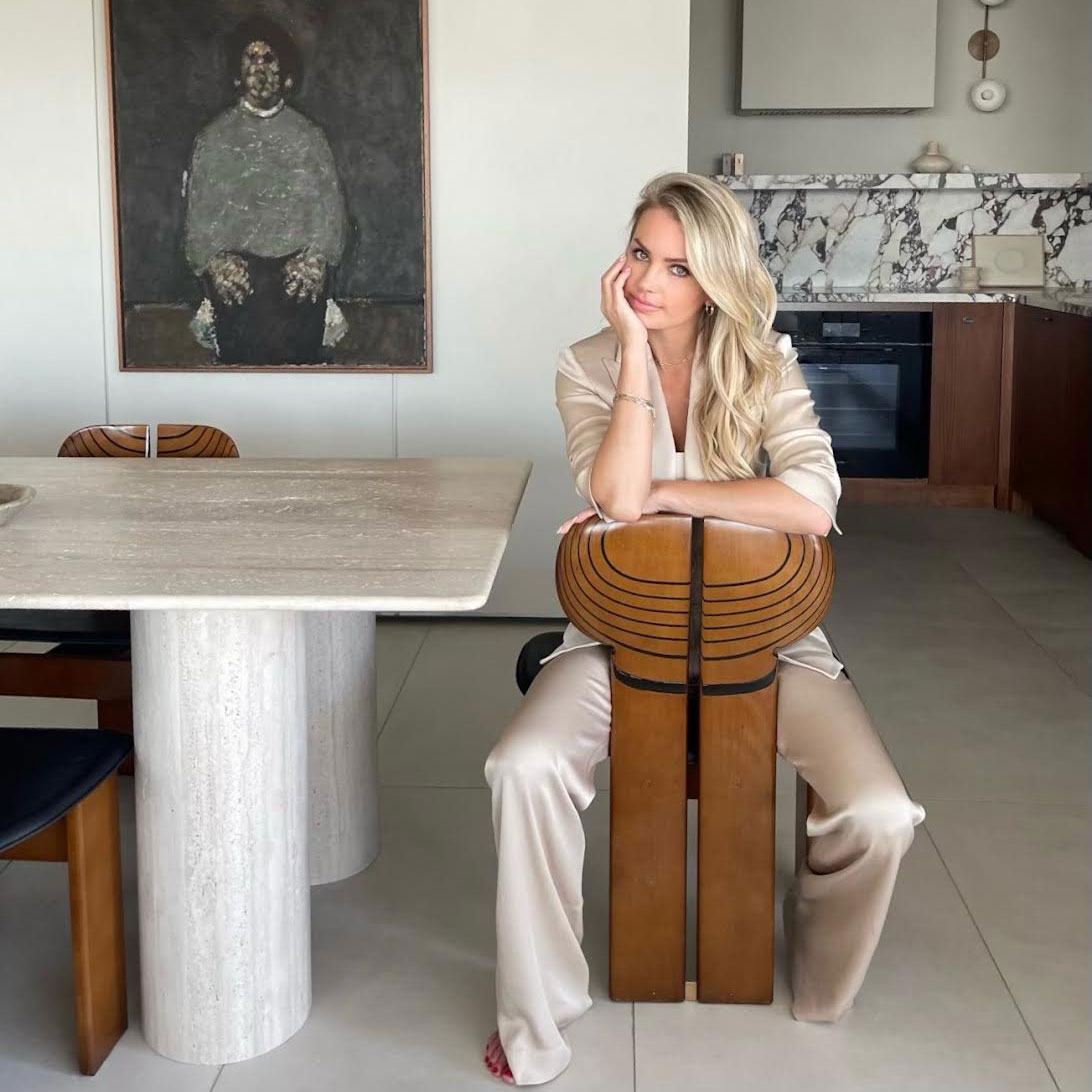
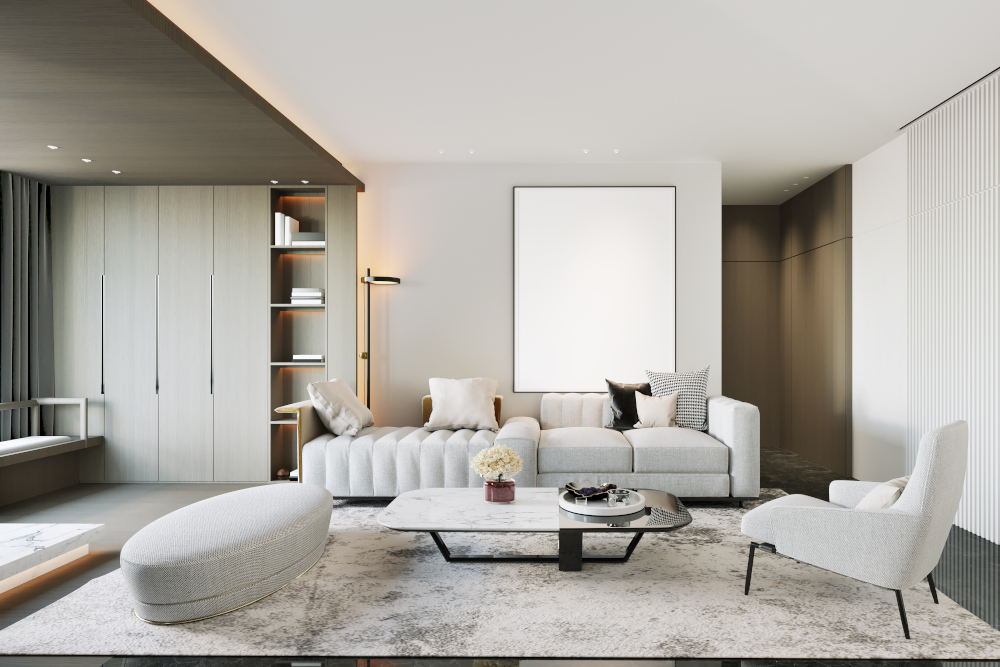
Next, the modern aesthetic is introduced by Dan Mazzarini, principal of BHDM Design, who characterizes it by clean lines, meticulous details, and a focus on sleek, honest materials like veined marble, refined metals, and glass. Modern design pieces often possess enduring beauty and relevance, regardless of their age. To incorporate modernism, classic pieces from brands like Knoll or iconic items such as the Barcelona coffee table are excellent choices. Mazzarini also recommends contemporary sources like BDDW, Ferm, and showrooms like Fair by Brad Ford for their honest and contemporary designs.
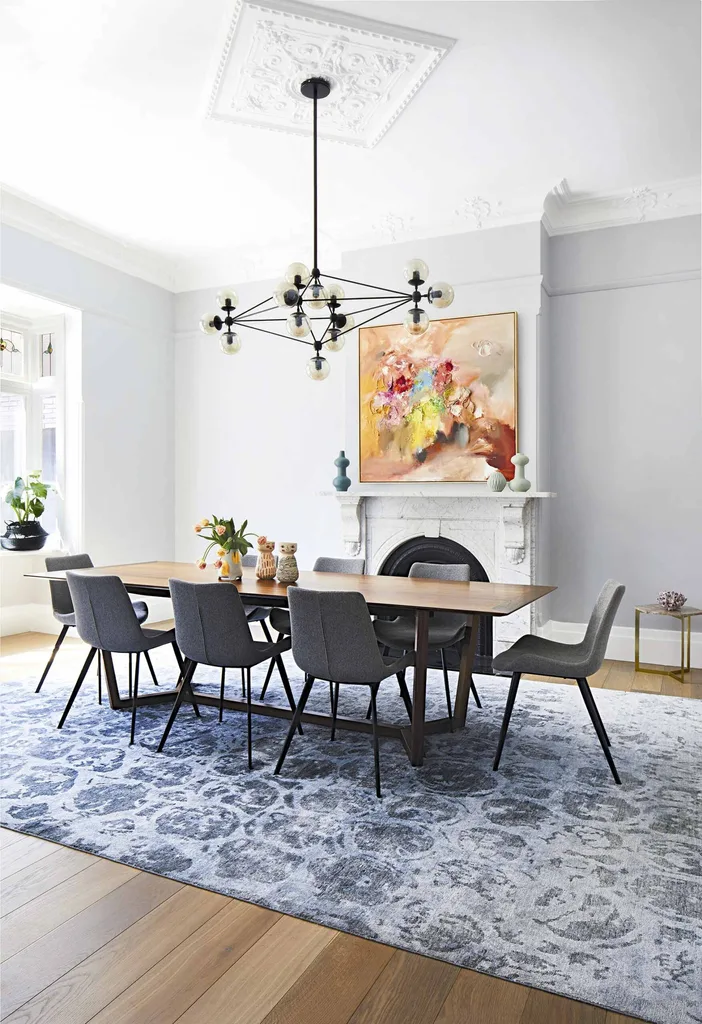
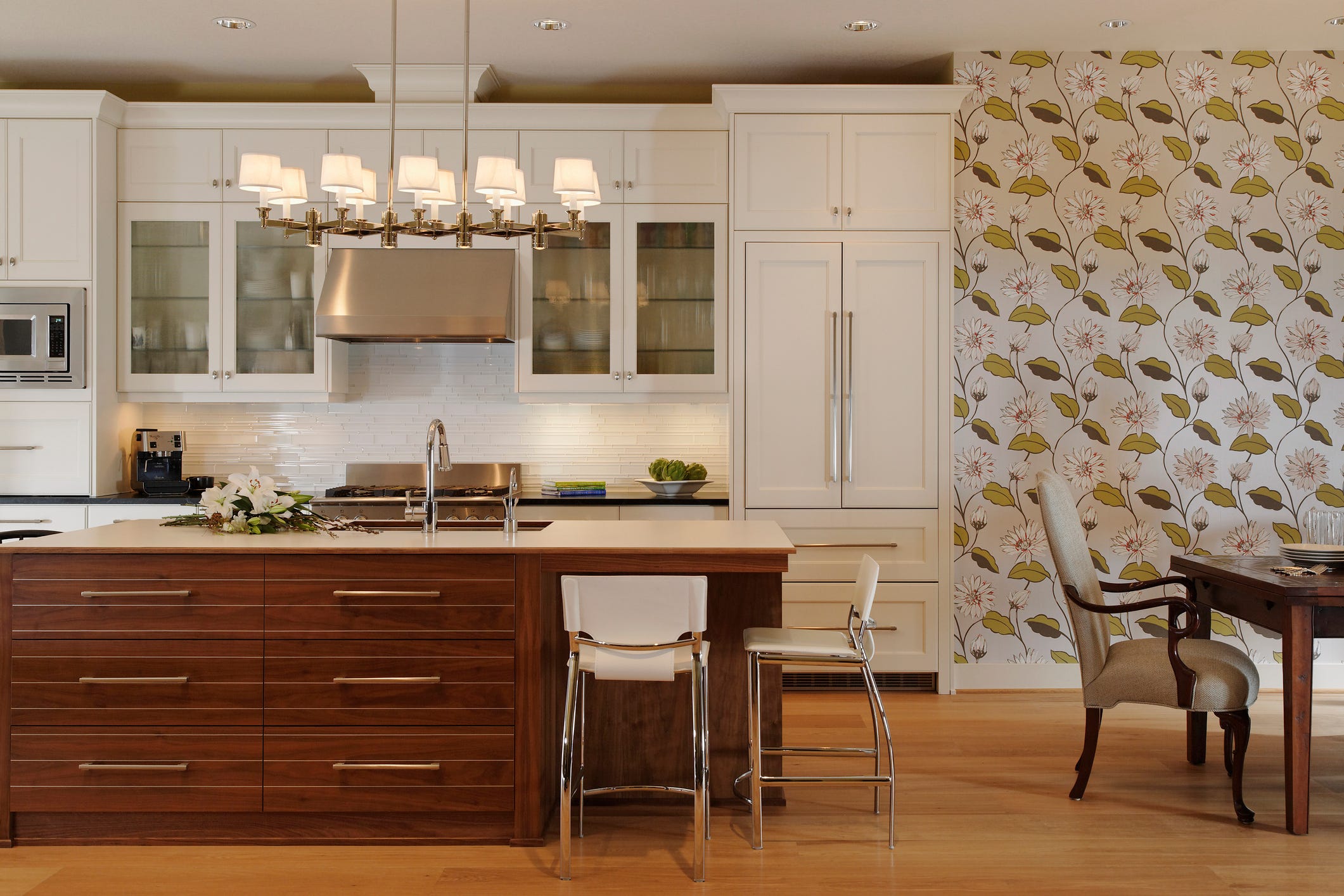
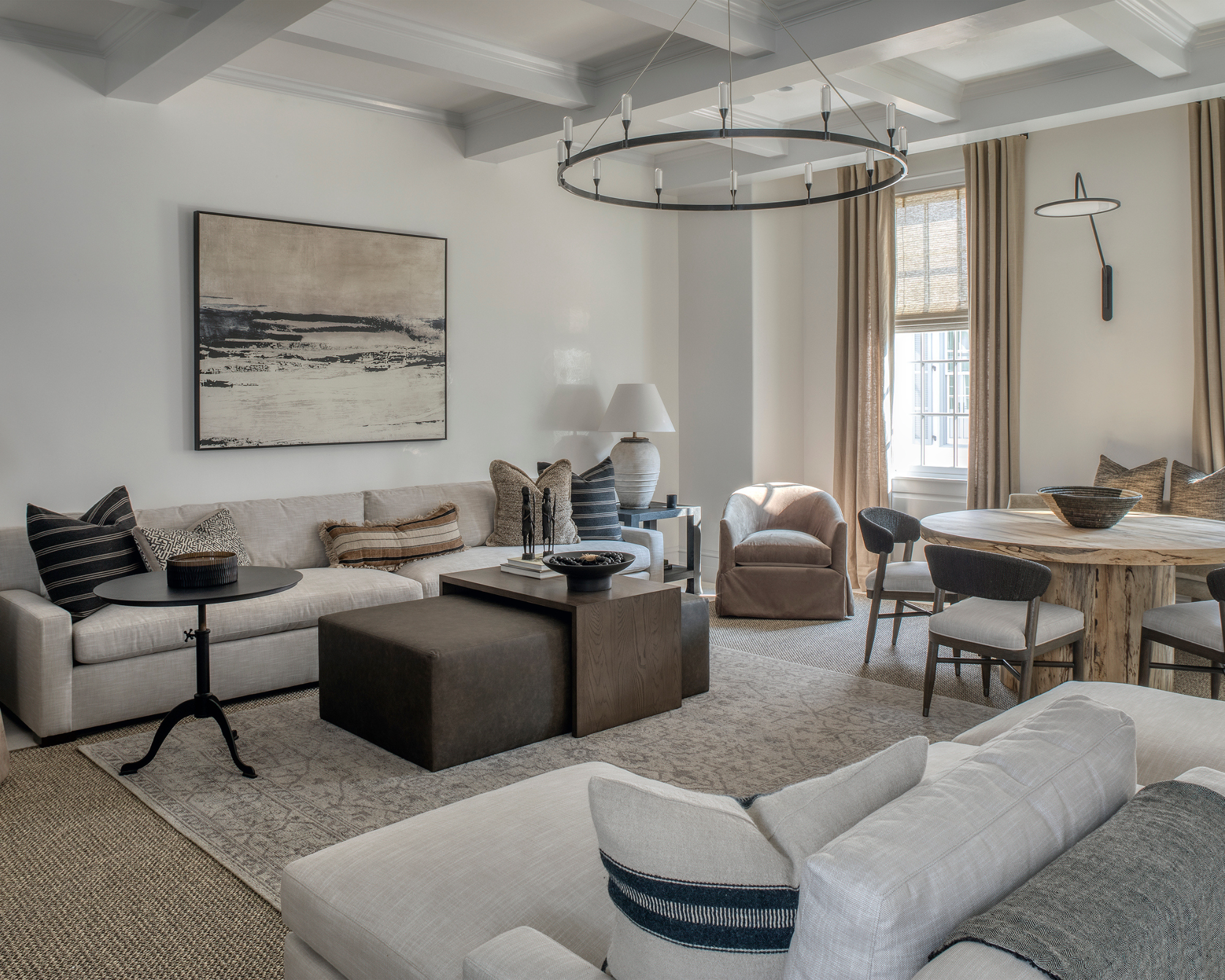
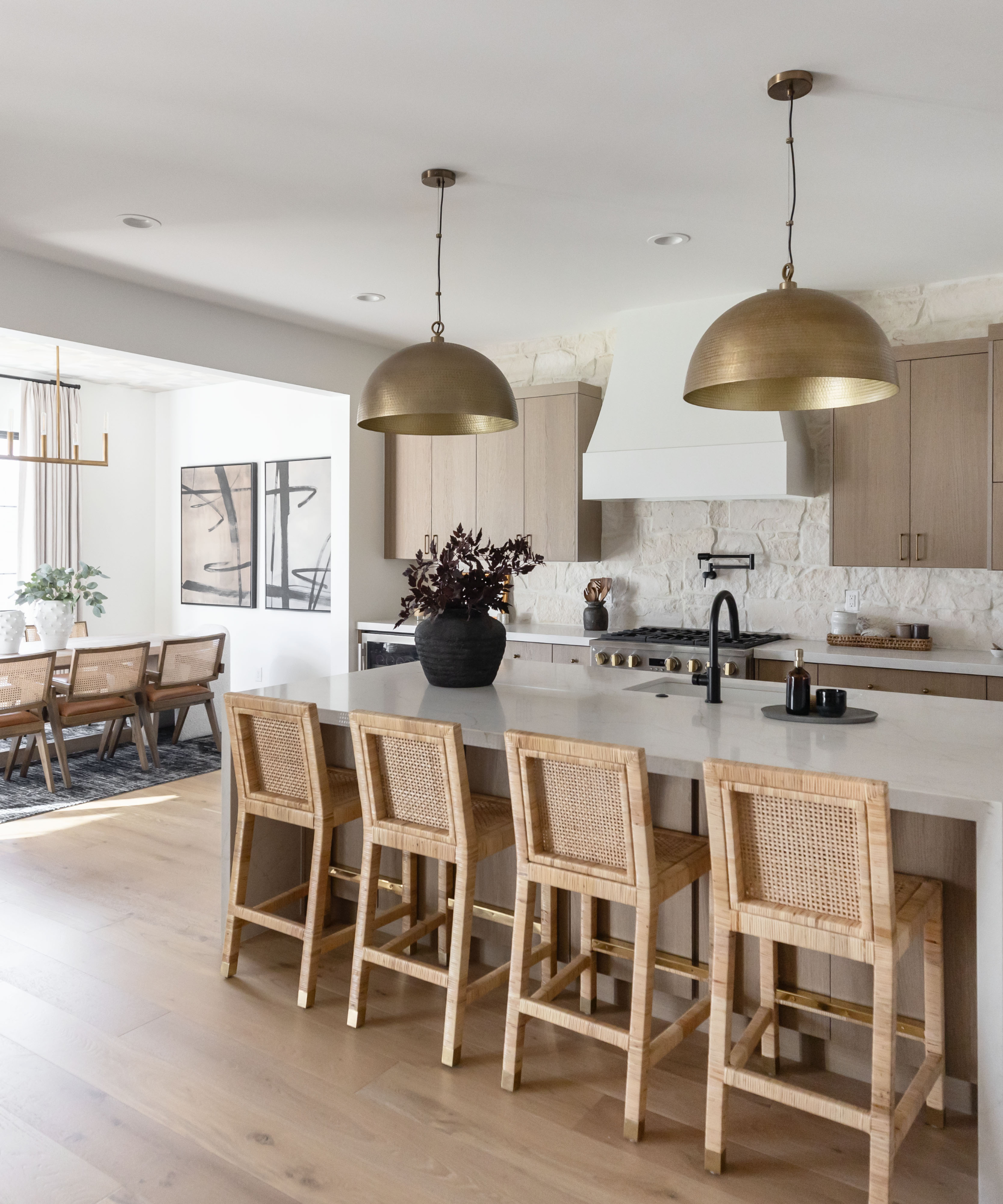
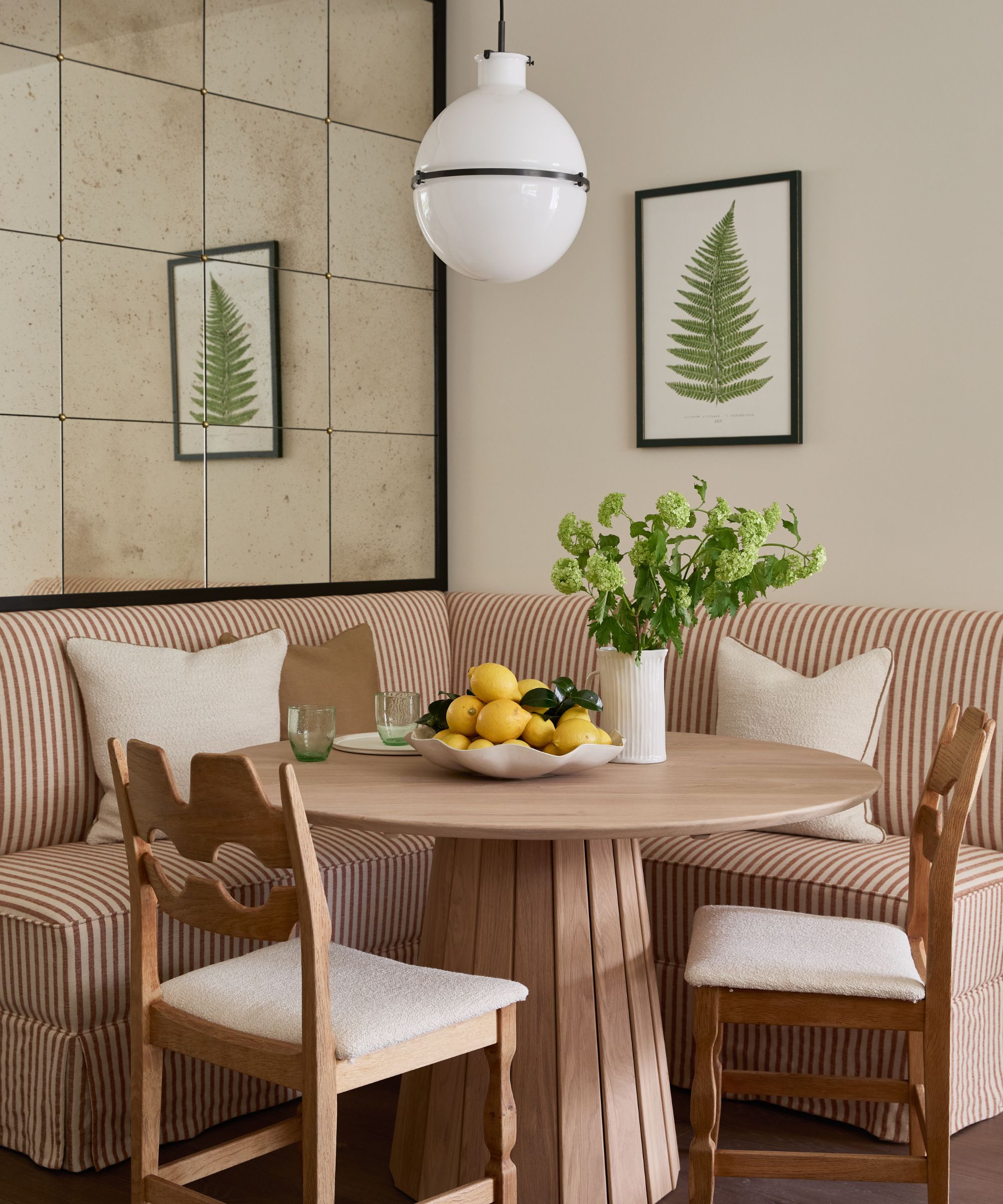
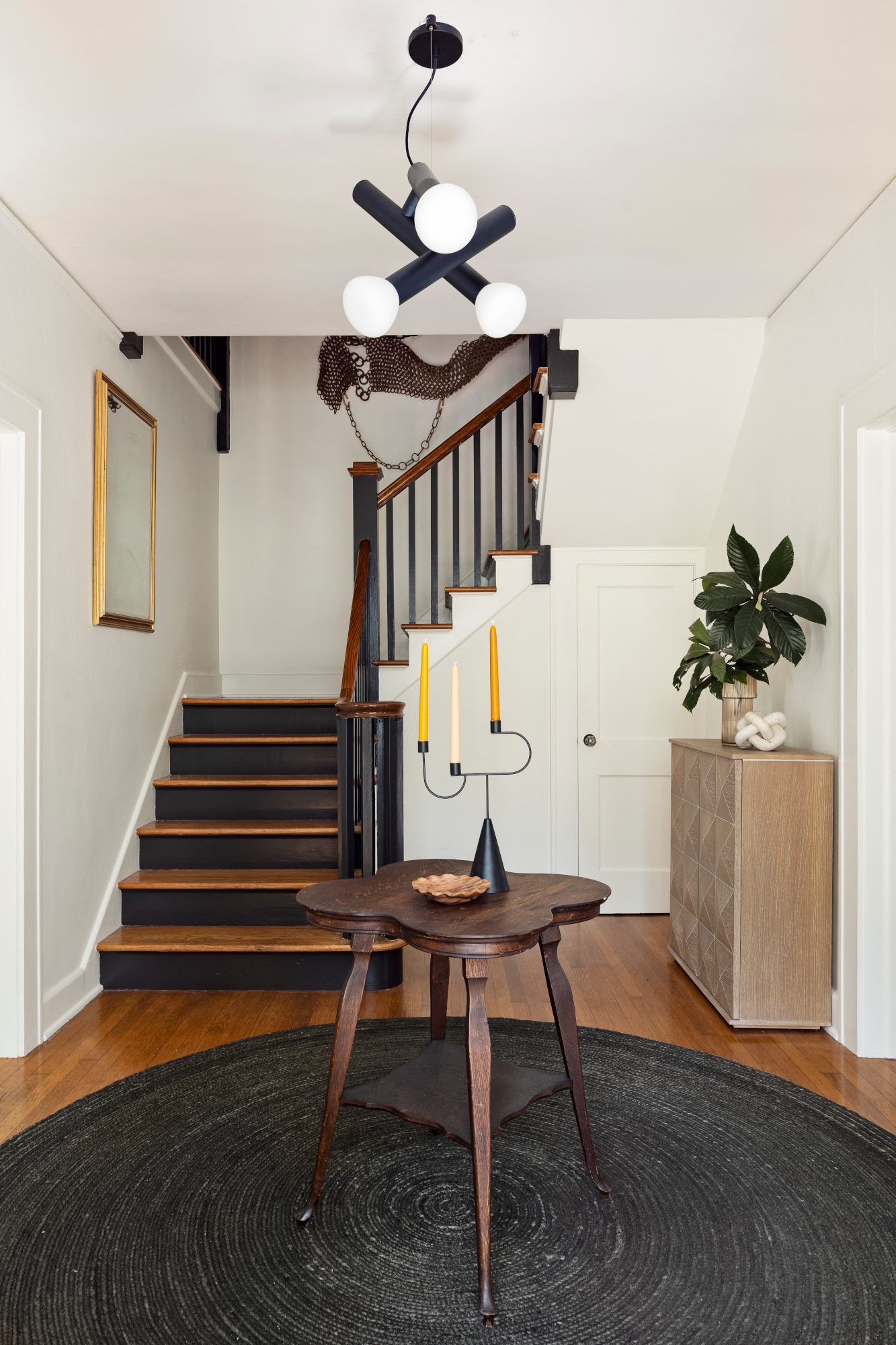
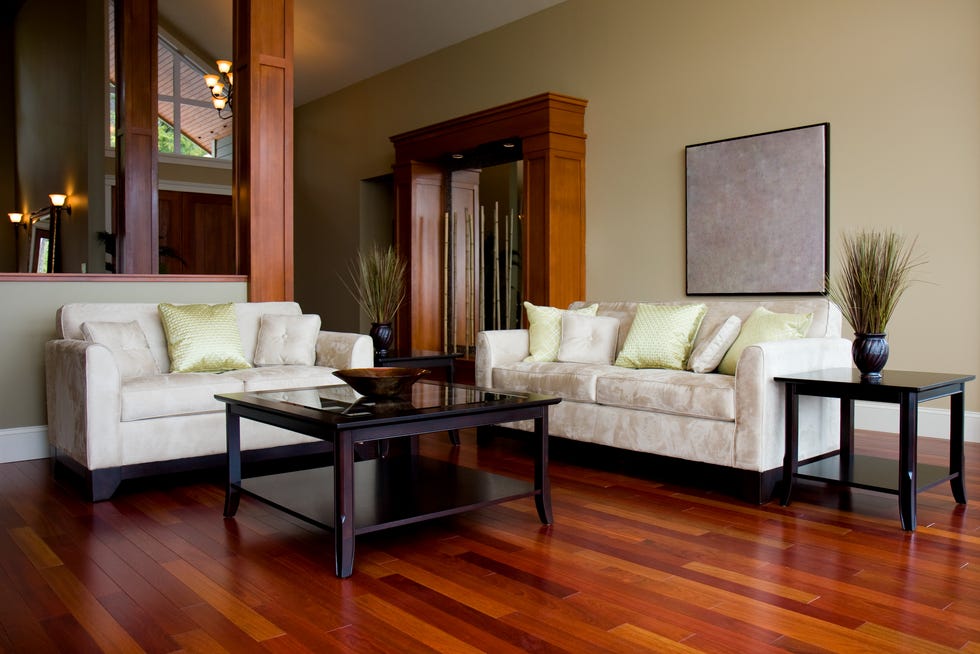
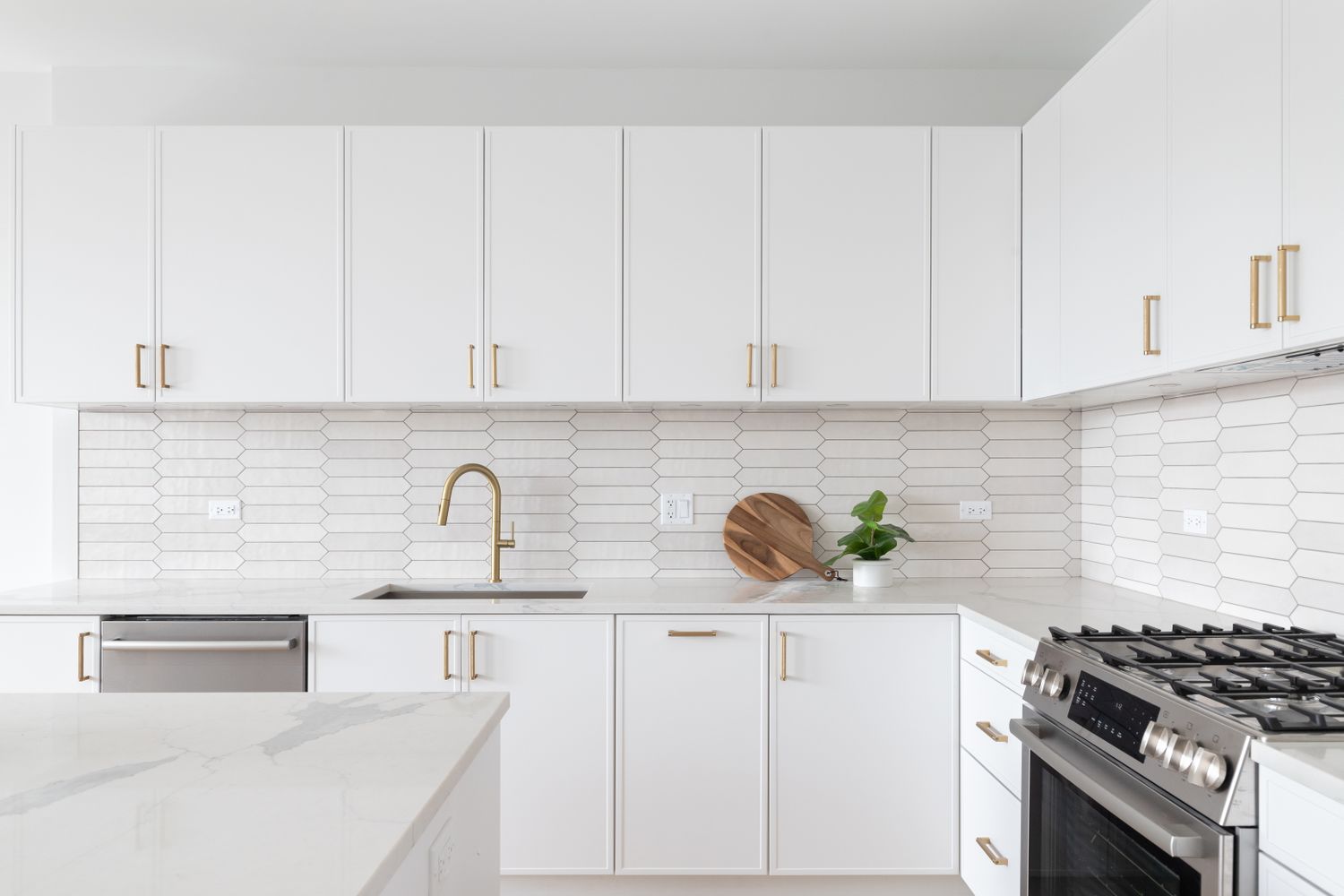
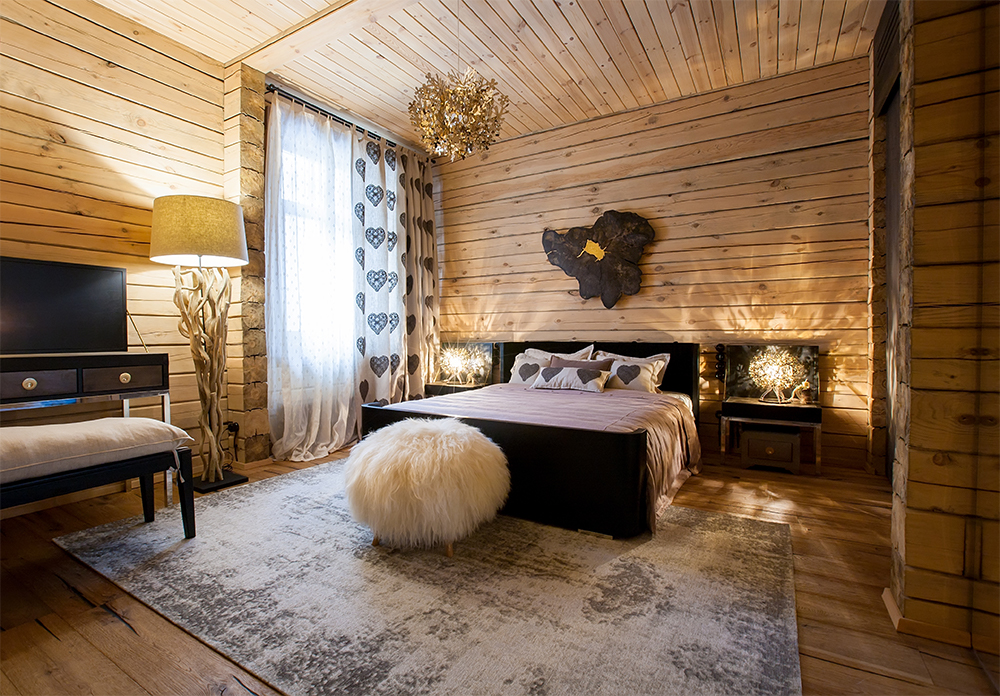
The transitional style emerges as a blend between modern and traditional elements, aiming to create an approachable and welcoming atmosphere. Shea McGee, founder of Studio McGee, highlights its goal to feel clean, current, and fresh. This style encourages mixing elements without concern for perfect matching. For minimalist homes, warmth can be added through wood, textiles, and layers. Conversely, a traditional base can be updated with streamlined metal and glass silhouettes, achieved through quick swaps like a simple globe pendant or a sleek desk.
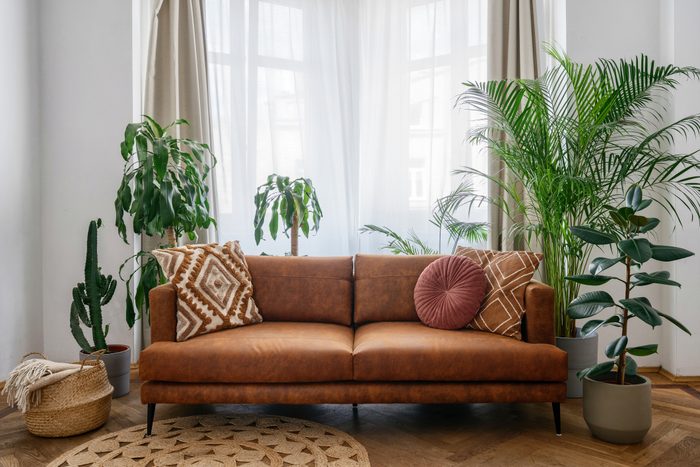
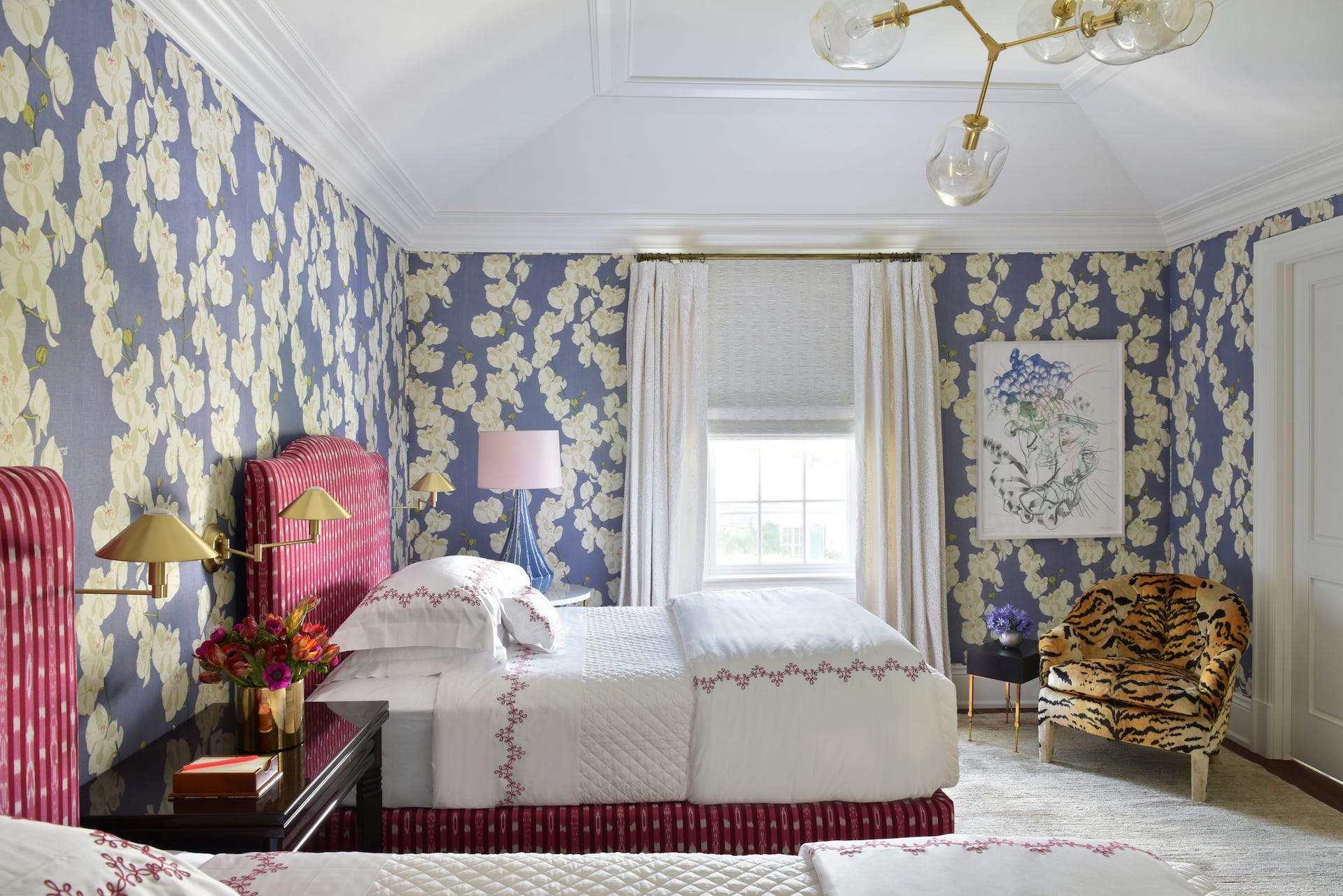
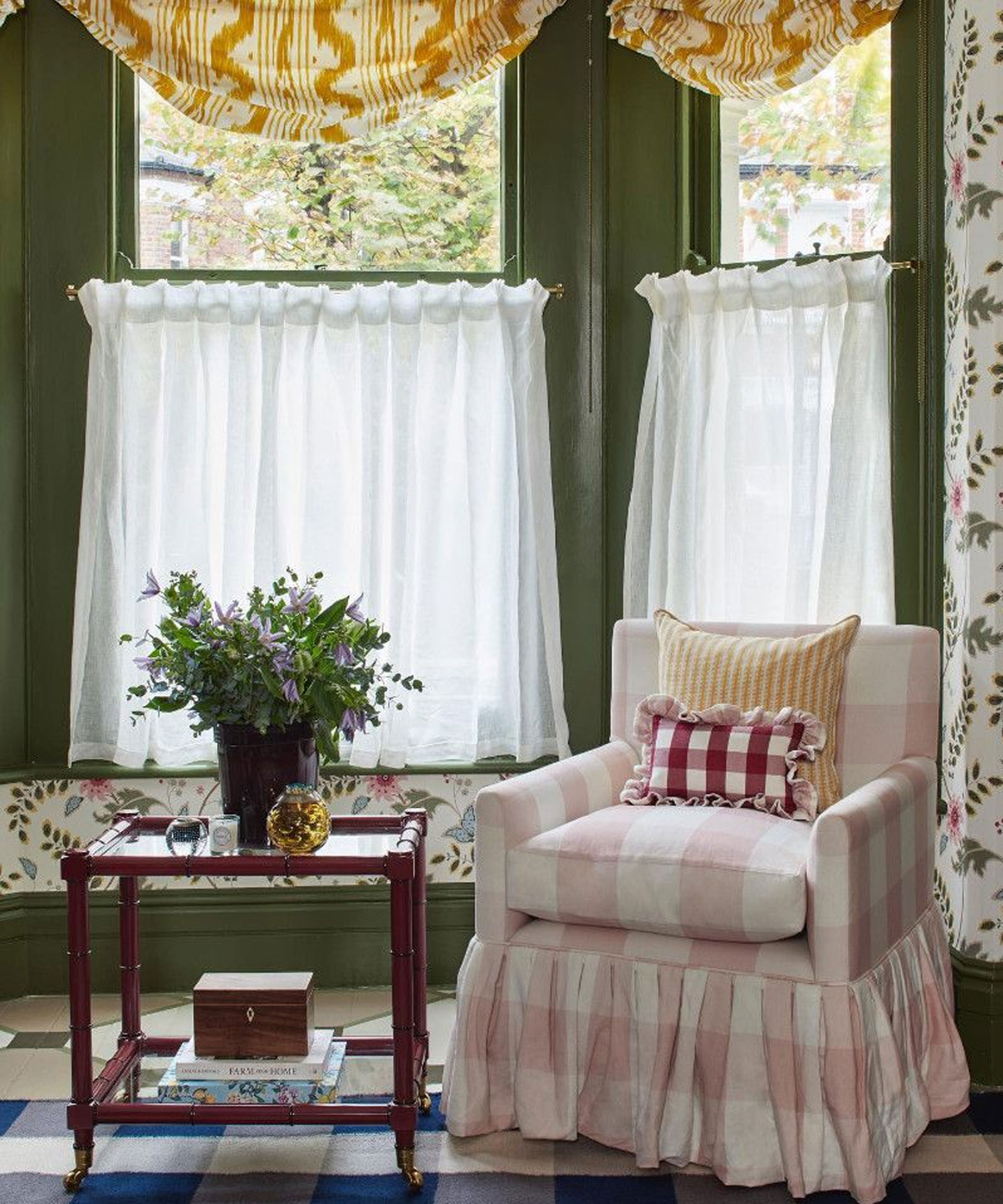
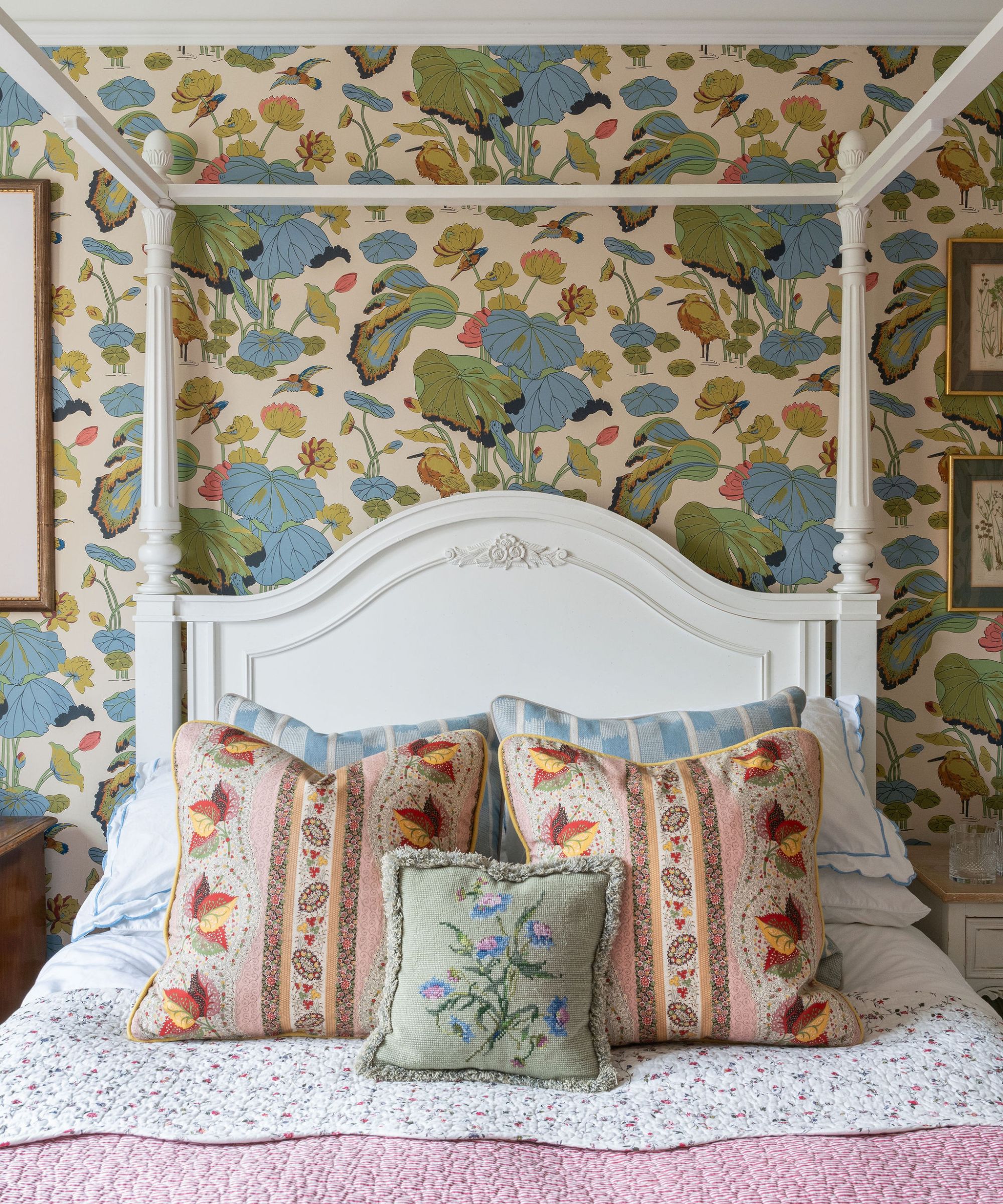
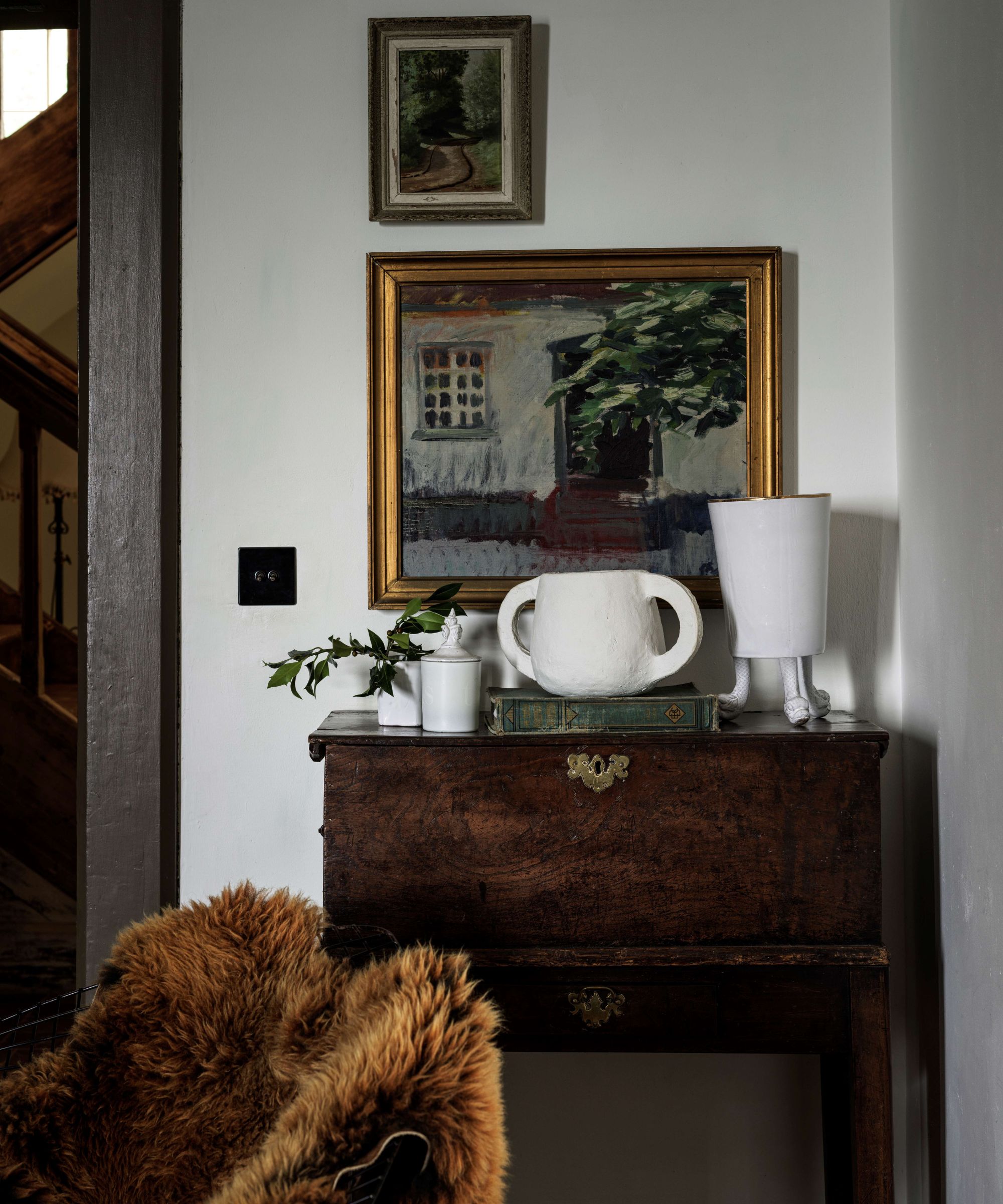
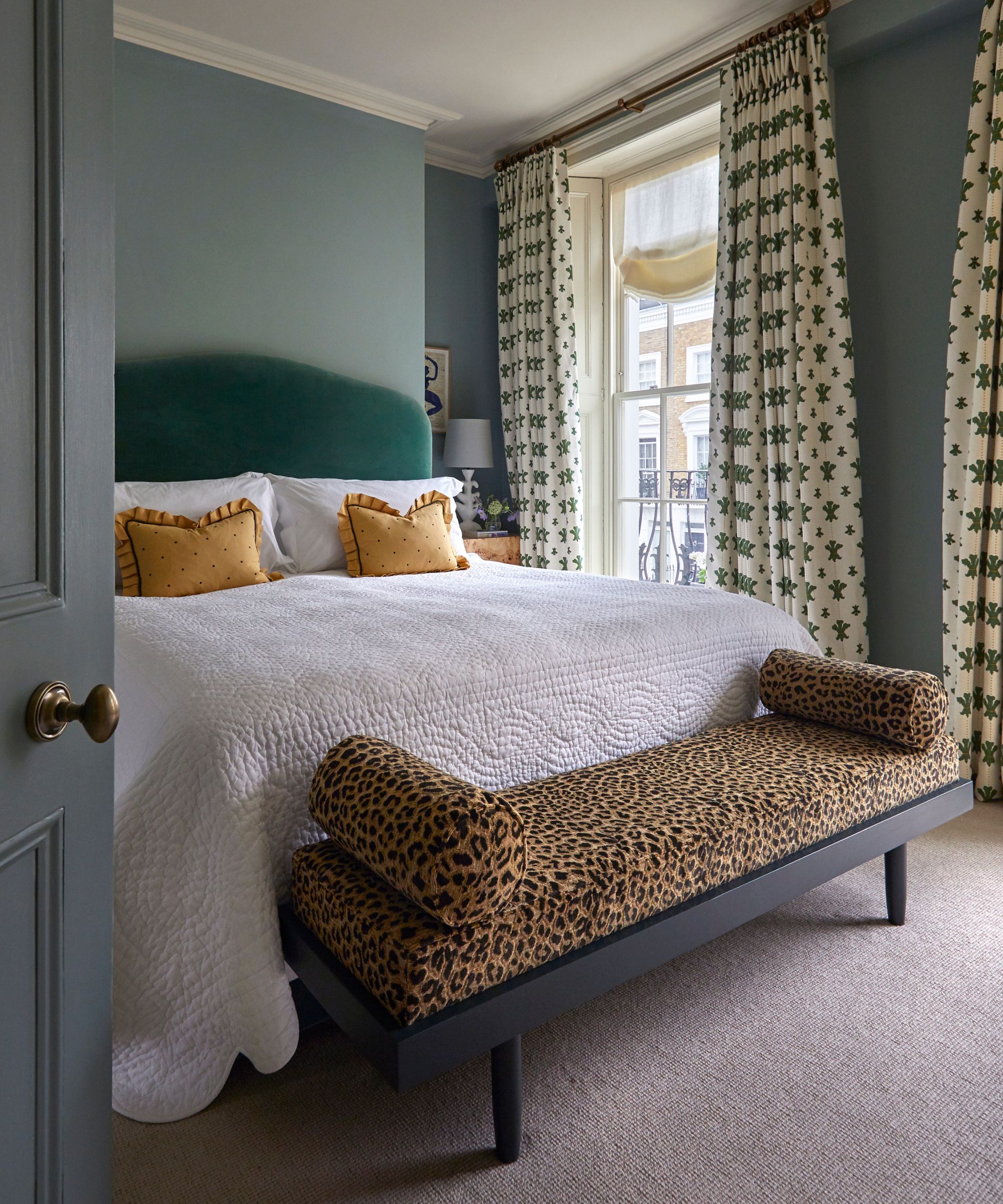
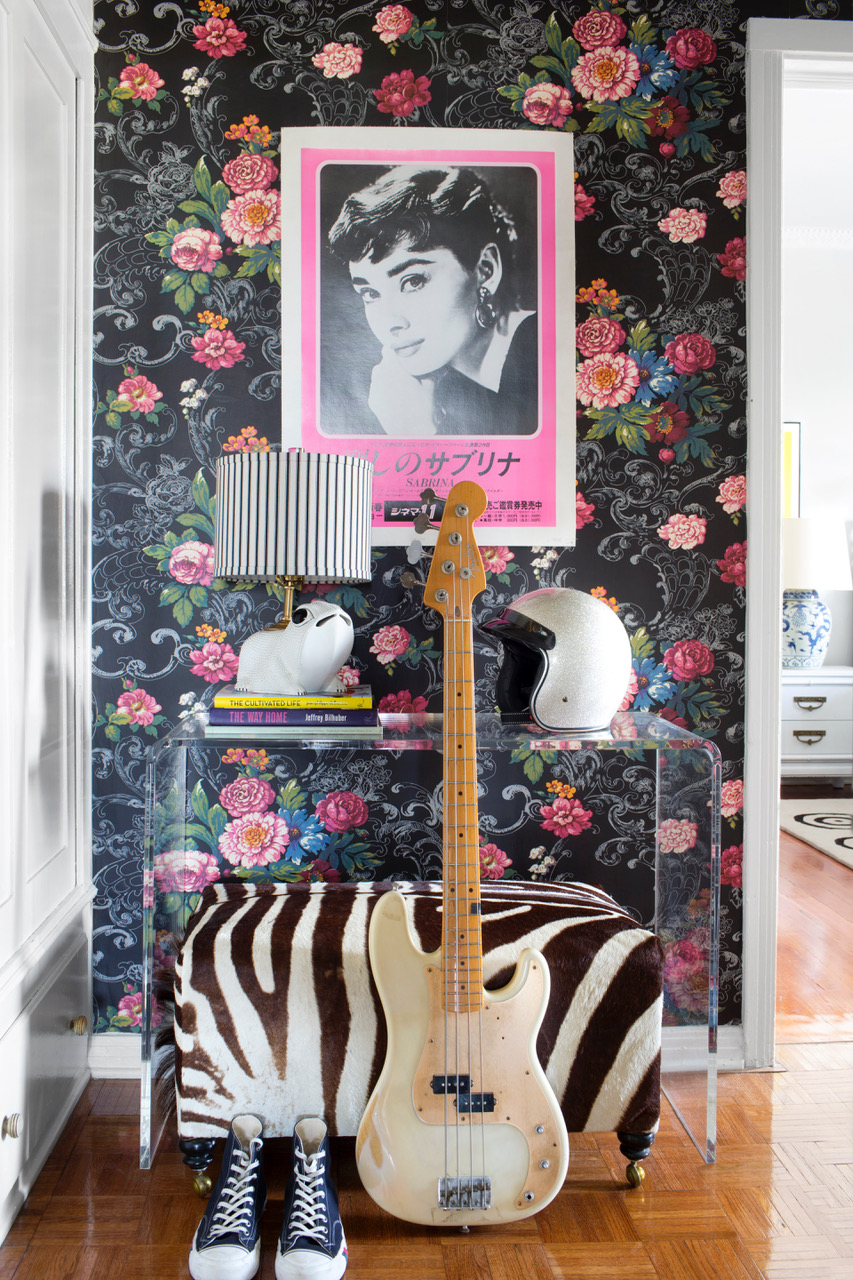
Eclectic design, as articulated by Decorist designer Max Humphrey, is highly personal, allowing for a mix of items as long as they hold meaning to the homeowner. It is characterized by fewer strict rules but benefits from careful curation. Humphrey advises a blend of high-end and low-end, new and vintage pieces collected over time. In an eclectic space, variations in wood finishes, metal fixtures, or patterns are not only acceptable but encouraged. Examples include pairing a Chinese coffee table with a mid-century modern sofa and vintage family heirloom lamps.
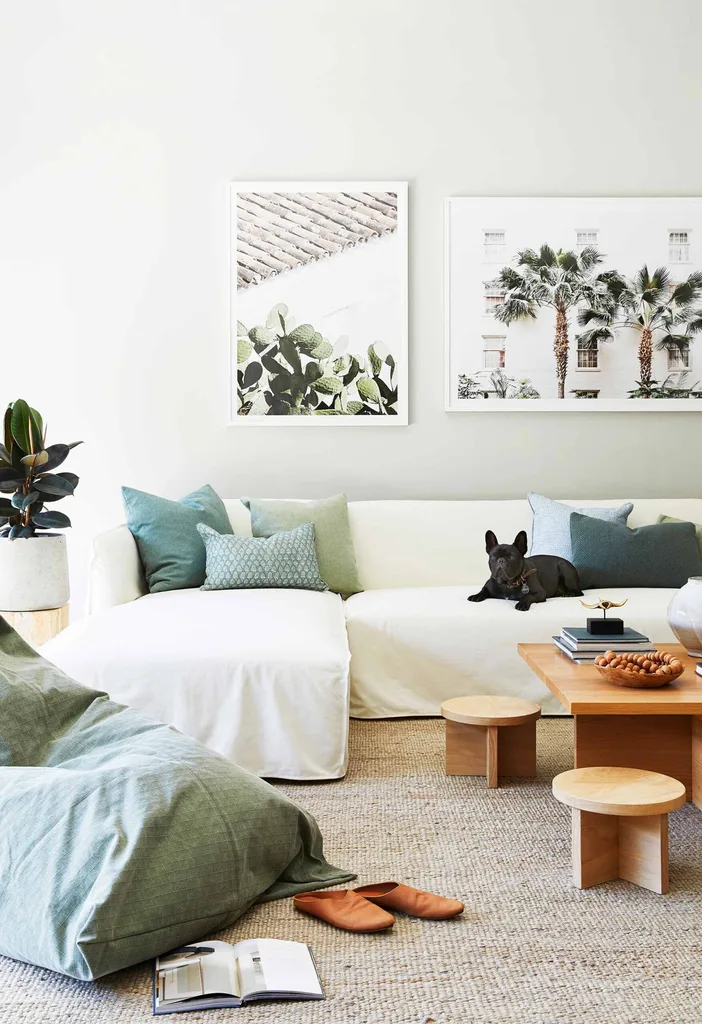
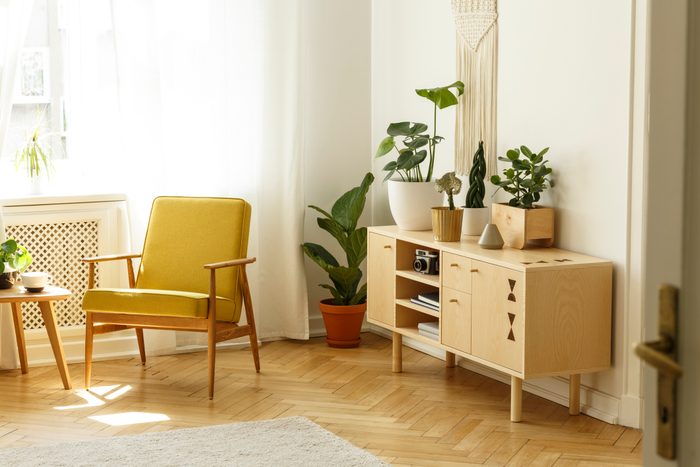
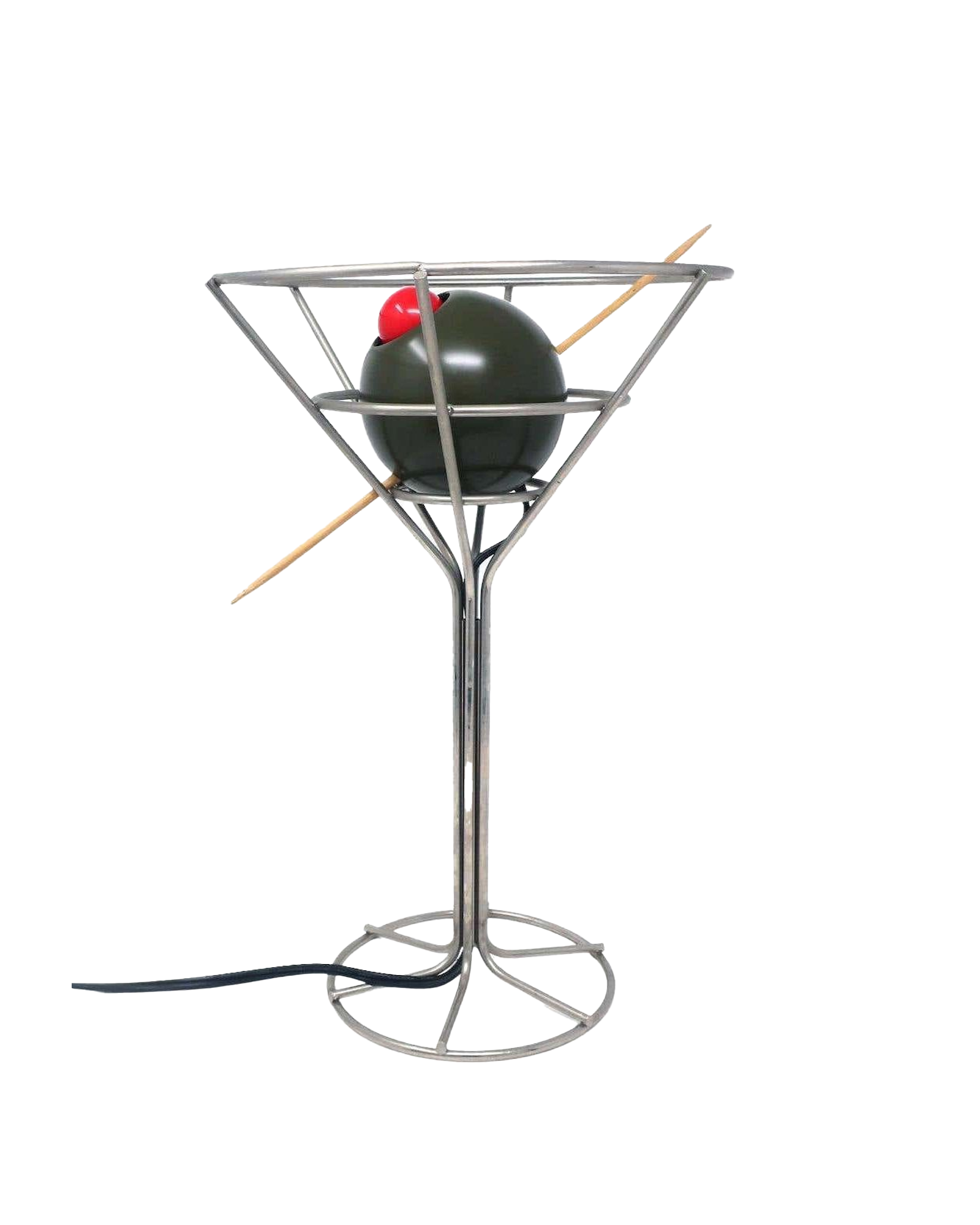
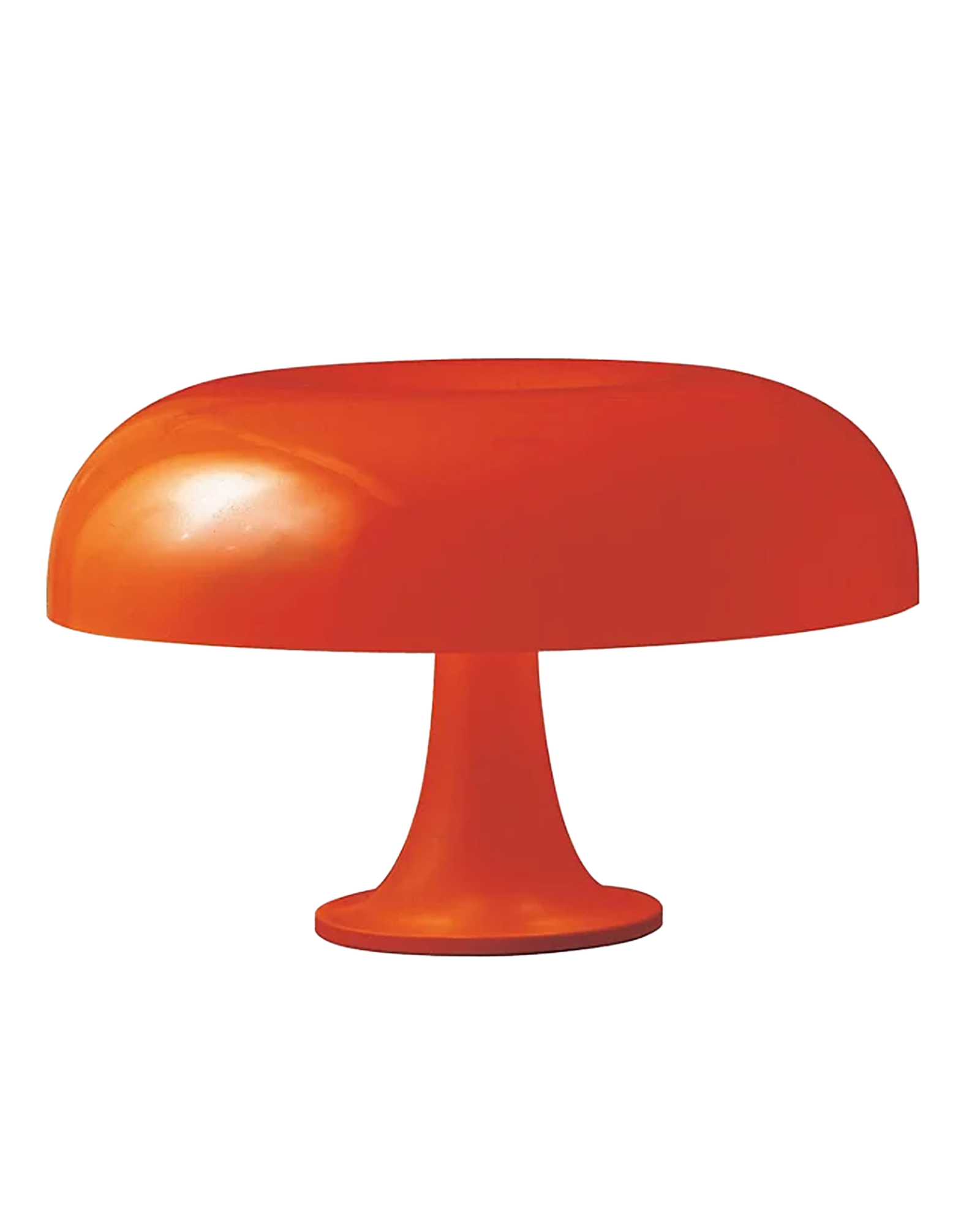
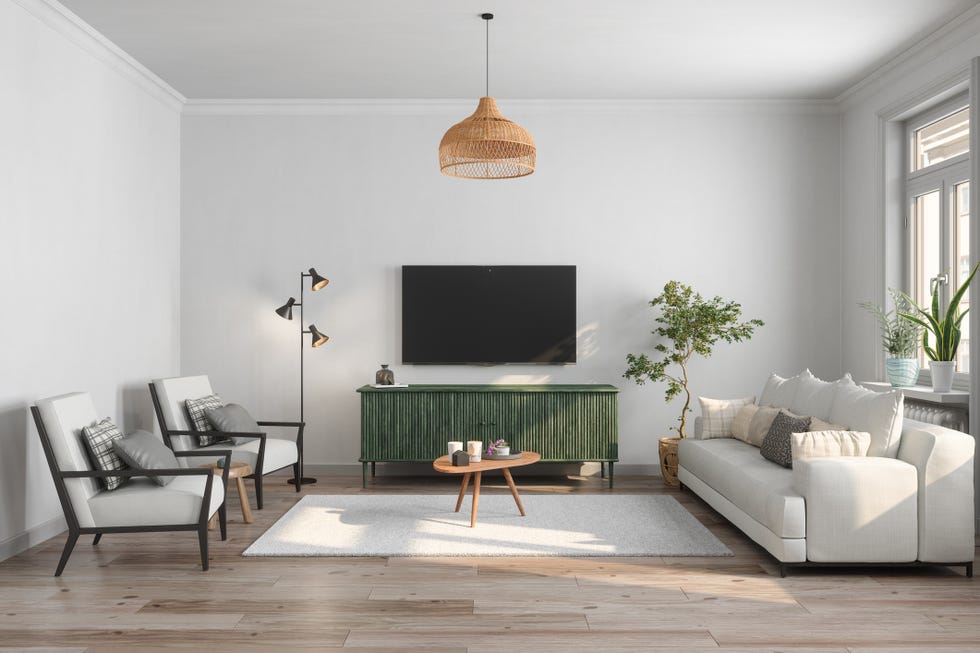
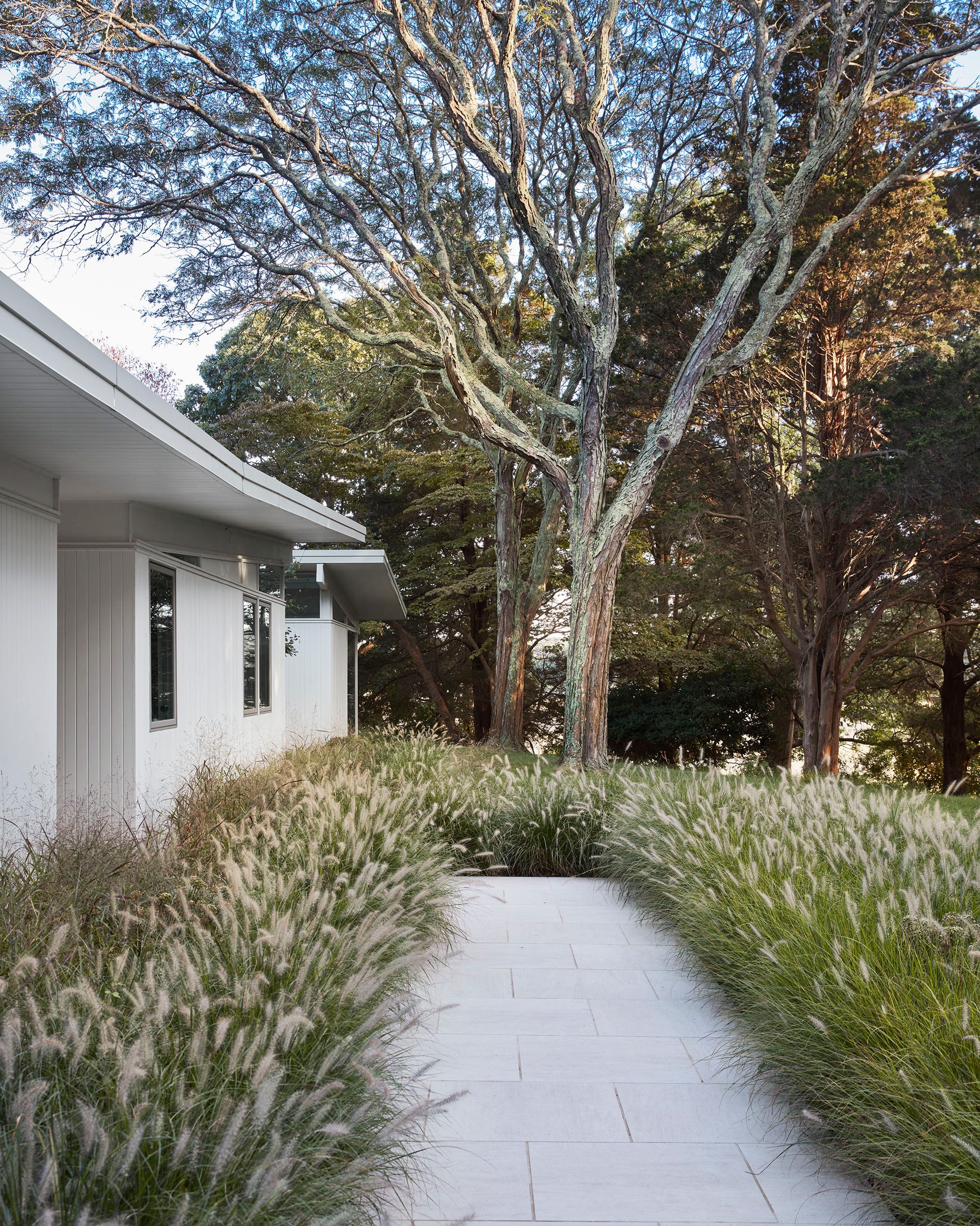
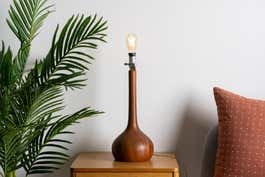
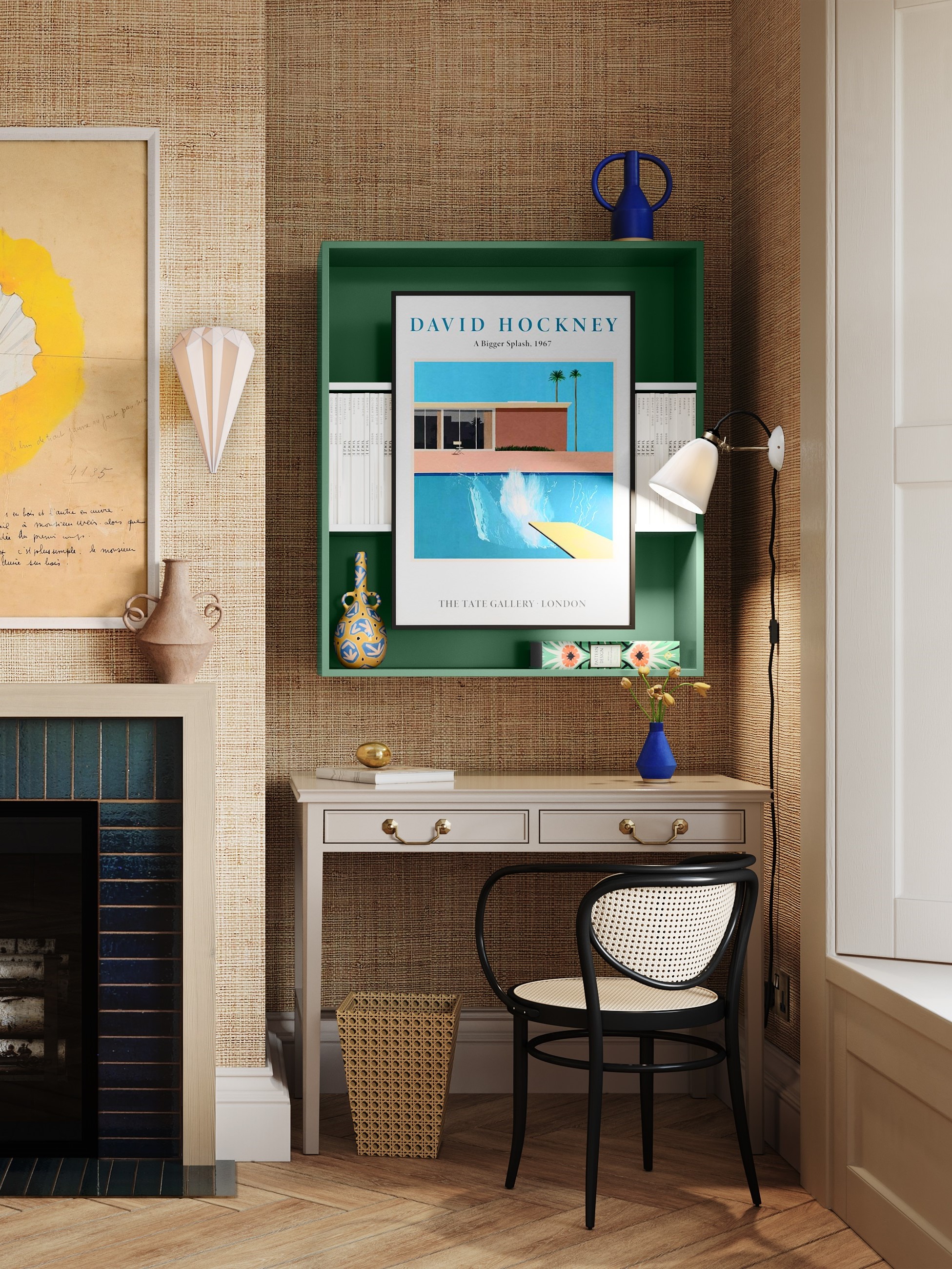
Finally, mid-century modern, ranking fifth in popularity, is presented as a style with a strict classification rooted in movements like Germany's Bauhaus and influenced by minimalist Scandinavian design. Interior designer Jessica Hansen notes the playful yet enduring quality of furniture from this era. This aesthetic's lasting appeal lies in its simplicity combined with clever details, often featuring materials like plastic, fiberglass, vinyl, Lucite, and plywood. Iconic pieces that exemplify this style include the Poul Henningsen PH5 pendant lamp, the Isamu Noguchi Akari table lamp, and the Eames lounge chair, all of which bridge classic and unconventional design.
#DesignStyles #InteriorDesign #HomeDecor #TraditionalDesign #ModernDesign #TransitionalDesign #EclecticDesign #MidCenturyModern #Decorist #DesignStyles #InteriorDesign #HomeDecor #TraditionalDesign #ModernDesign #TransitionalDesign #EclecticDesign #MidCenturyModern #Decorist
0 comment in total
 No comments yet
You may also like
How to find your design style in 5 easy steps

13 interior design styles that everyone needs to know about, according to designers

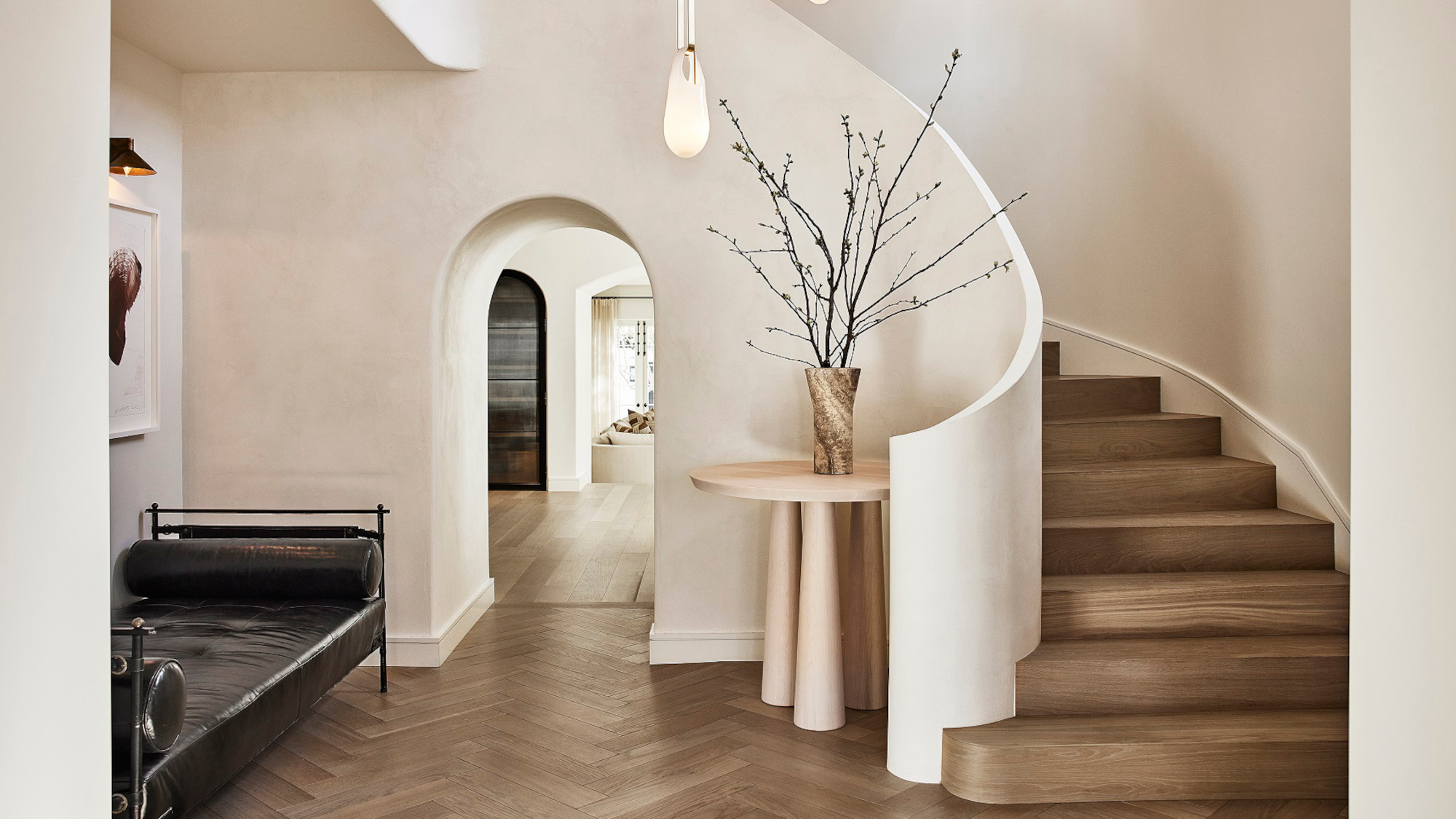
These are the 5 entryway trends top designers are embracing now for a seriously elevated first impression

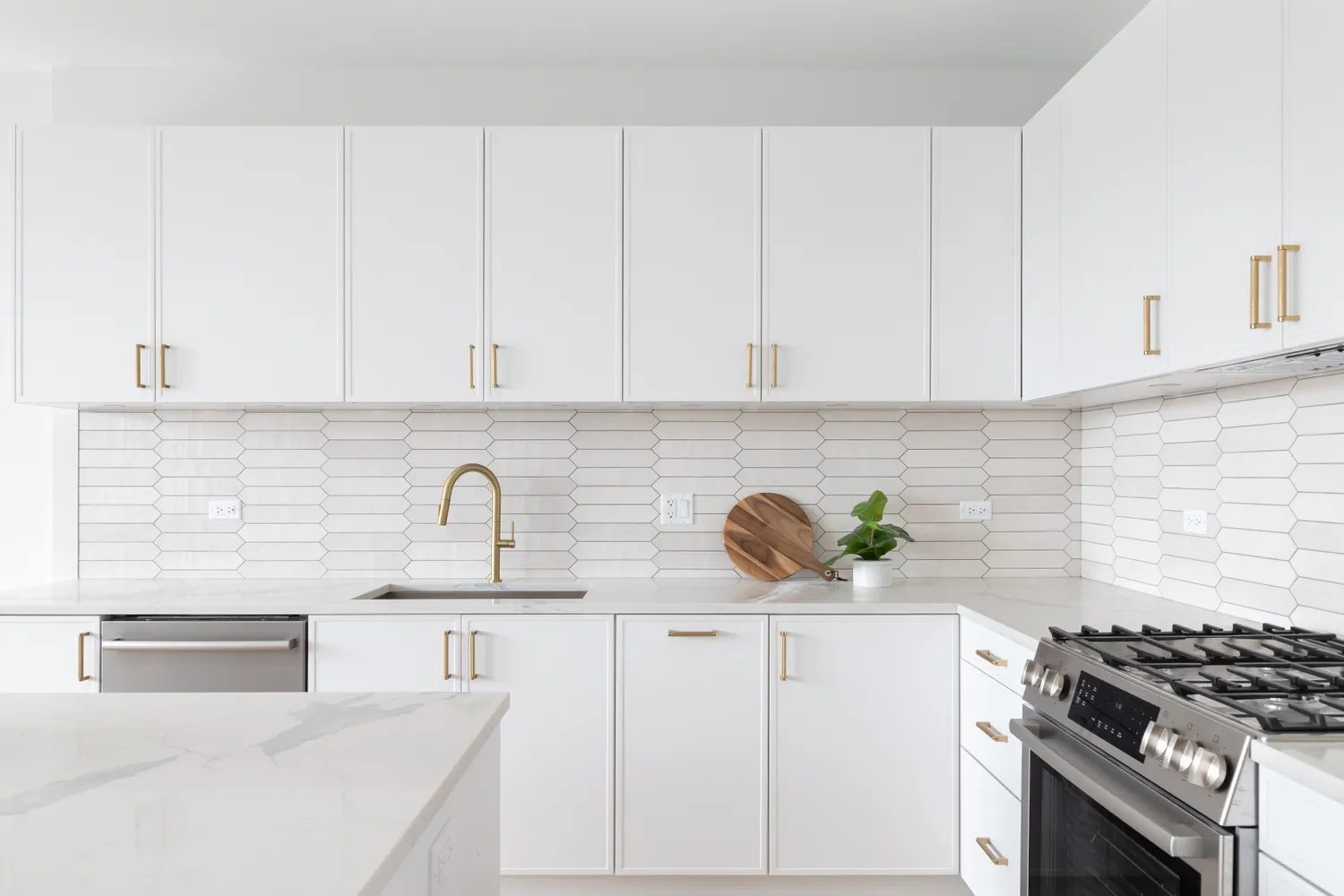
5 Kitchen Styles That Are Definitely Out of Style, Designers Say

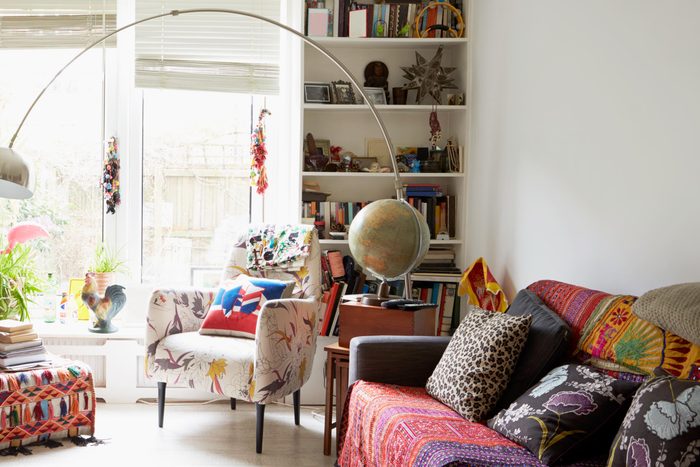
8 Most Popular Interior Design Styles You Should Know

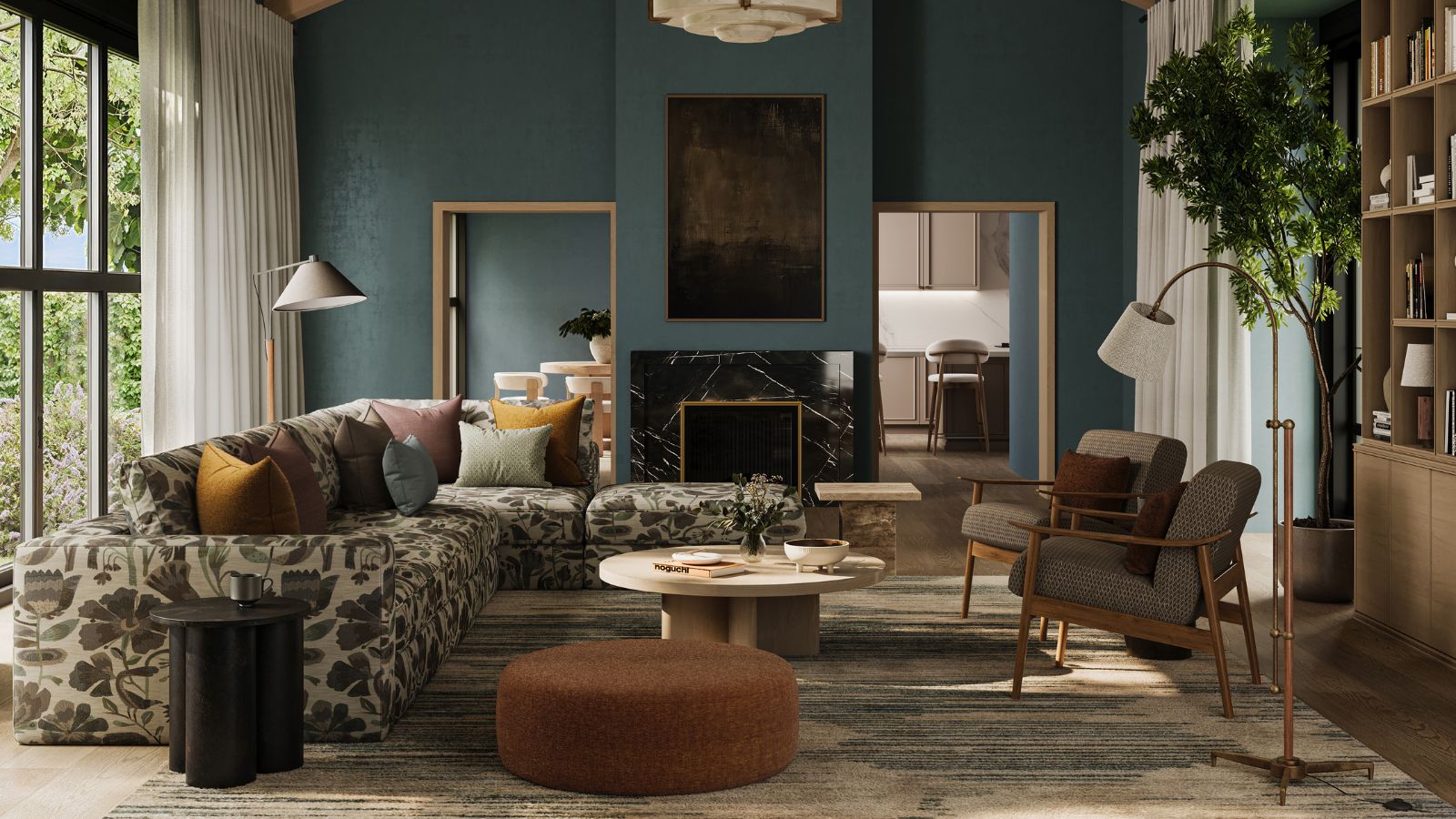
These are the biggest pattern trends designers are using in 2025 and beyond
These 5 Simple Questions Help Designers Pick the Perfect Paint Color Every Time

5 Design-Friendly Smart Lighting Styles to Personalize Your Home | Reviews by Wirecutter
These Are The Top Design Trends Worth Trying

Find Your Interior Design Style: 13 Popular Styles Explained
5 Design Choices That Make Your House Look Super Dated, According to Designers

5 of the finest interior design styles that will define 2024

Finding Your Design Style
What Your Lamp Choice Says About Your Design Style

Kitchen couture: here are five unique new-age designs

How to evolve your home as trends change – 7 designer secrets to having an adaptable style
5 interior designers on the styles they will love forever
17 Essential Architectural Styles Everyone Should Know

6 "Essential" Architecture Trends Design Lovers Need to Know
Top design styles for your kitchen remodel