Top design styles for your kitchen remodel
Selecting a kitchen design style can be challenging, even for those with a clear personal fashion sense. To assist homeowners embarking on a kitchen renovation, five popular kitchen styles are outlined, aiming to streamline discussions with designers and contractors and simplify the selection of appliances and finishes. Understanding these distinct styles can help homeowners identify their preferences and make informed choices.
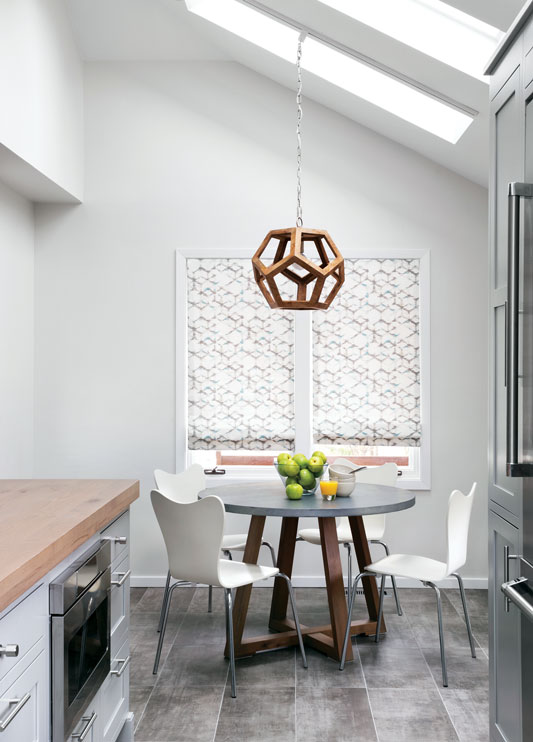
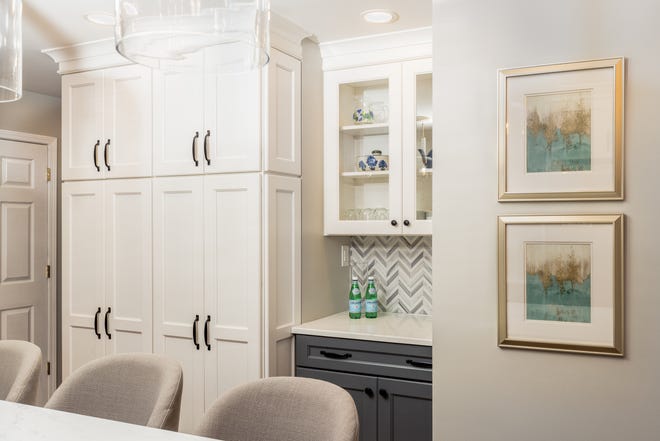
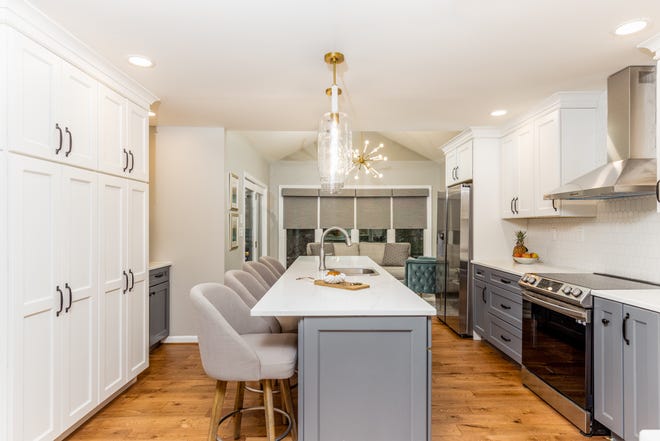
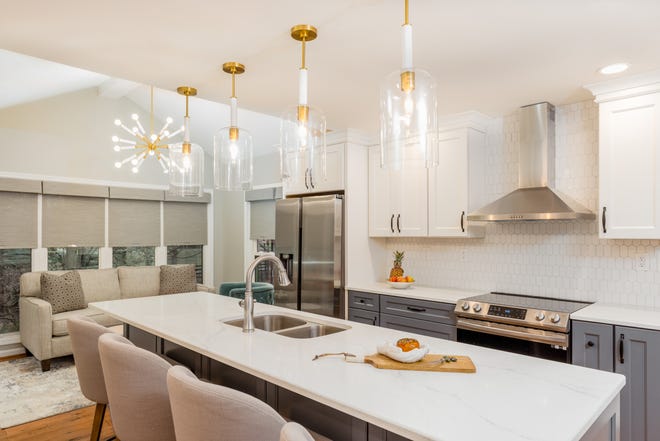
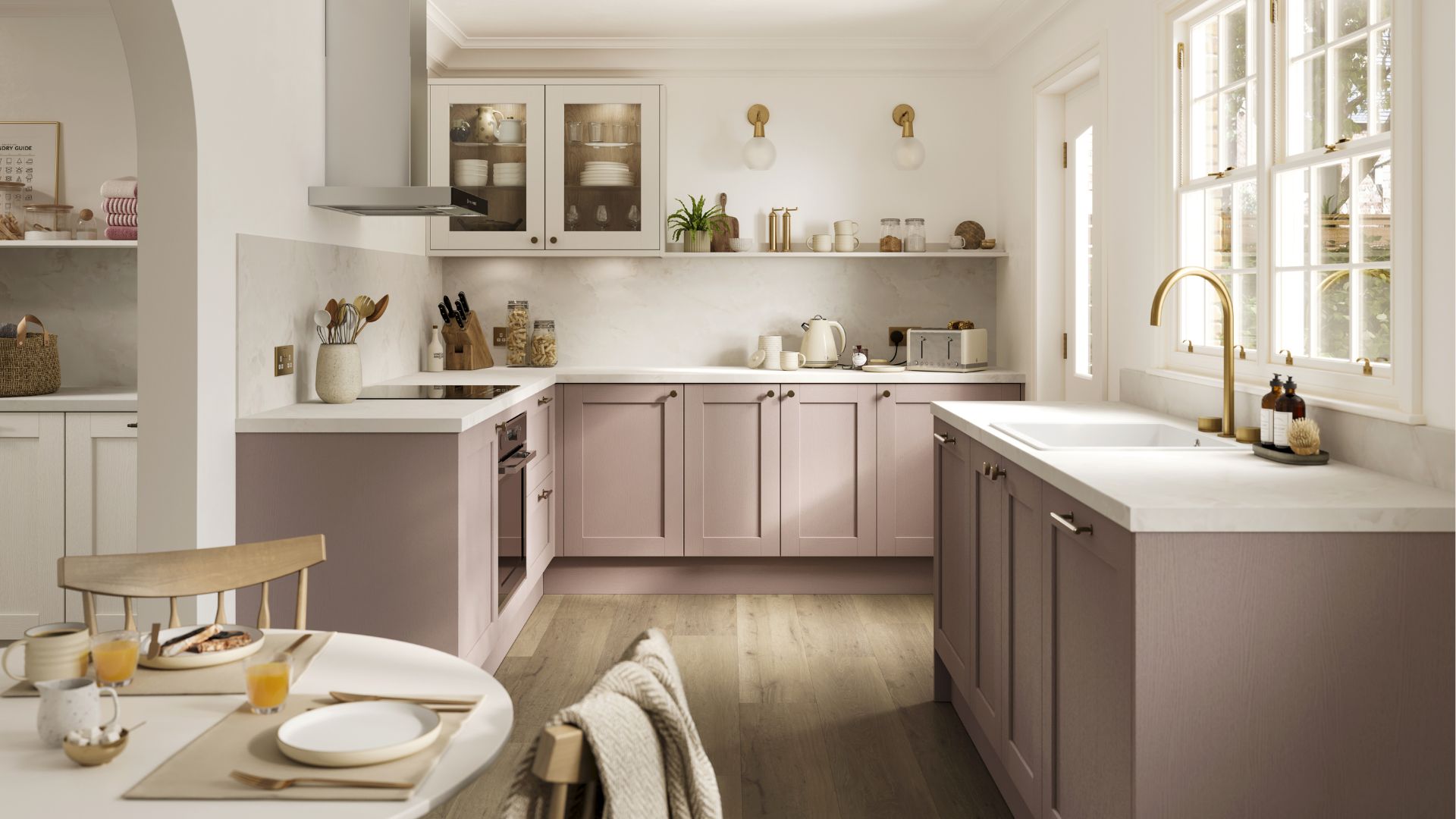
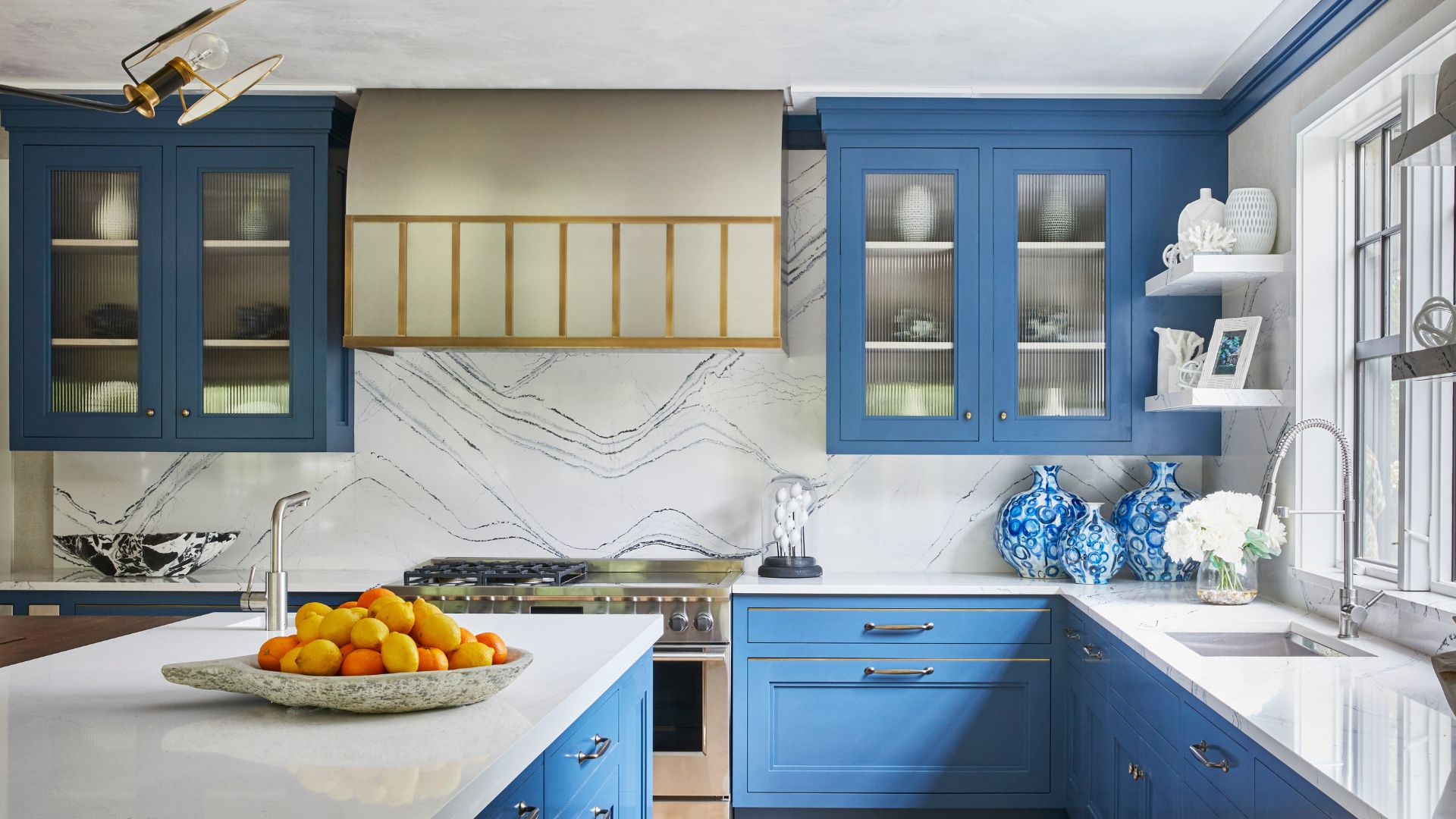
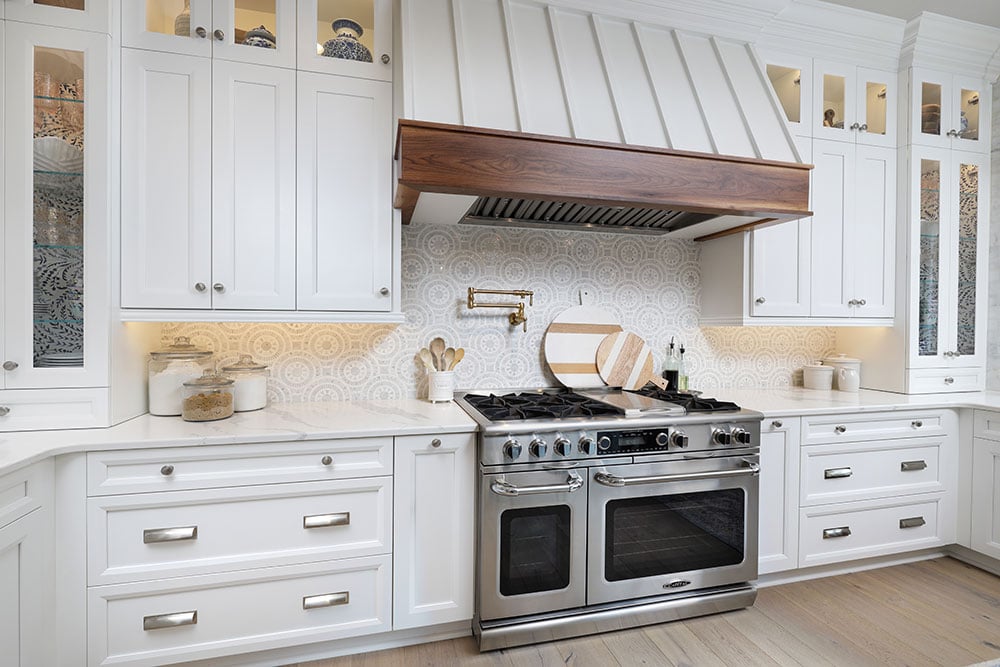
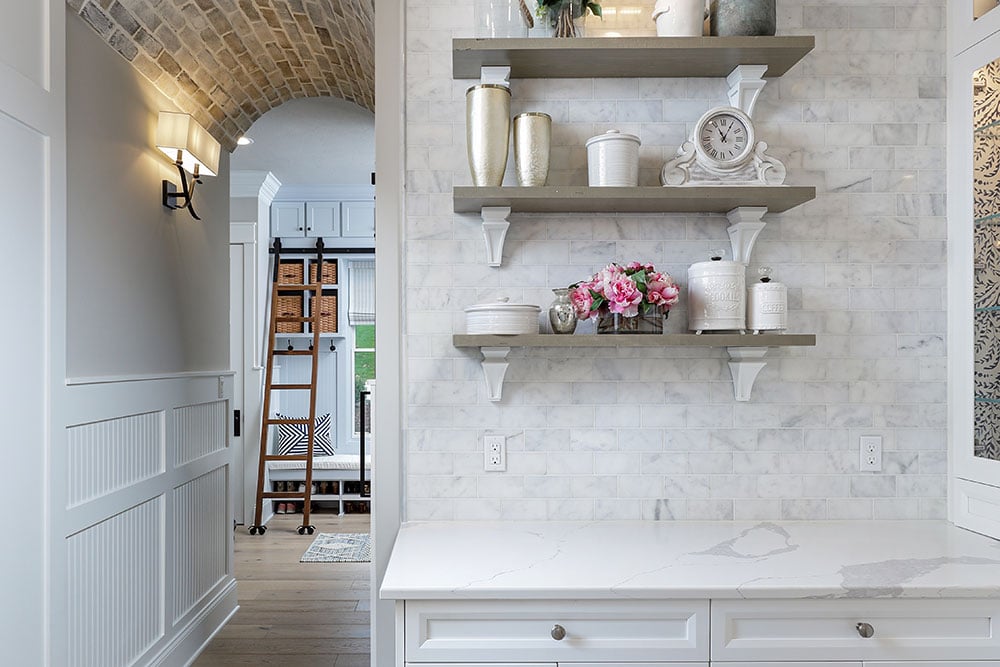
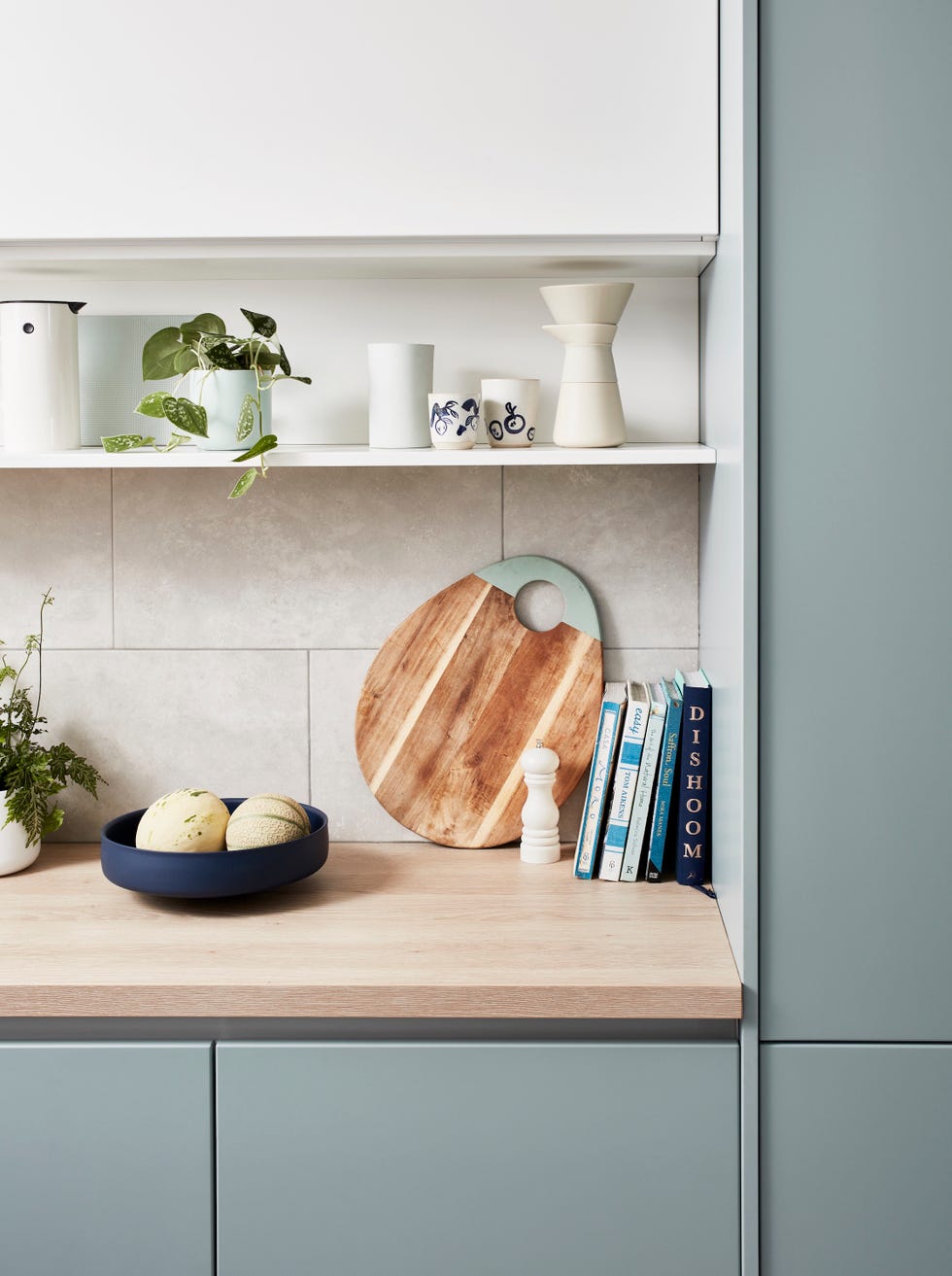
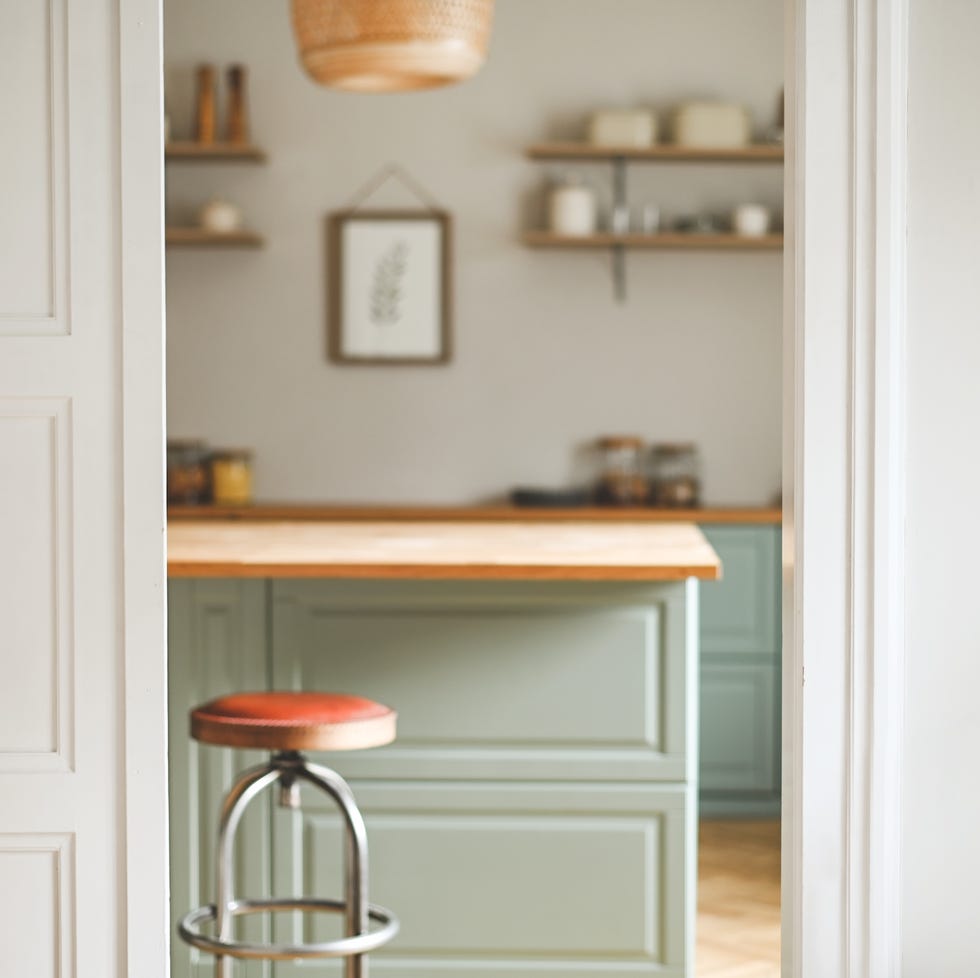
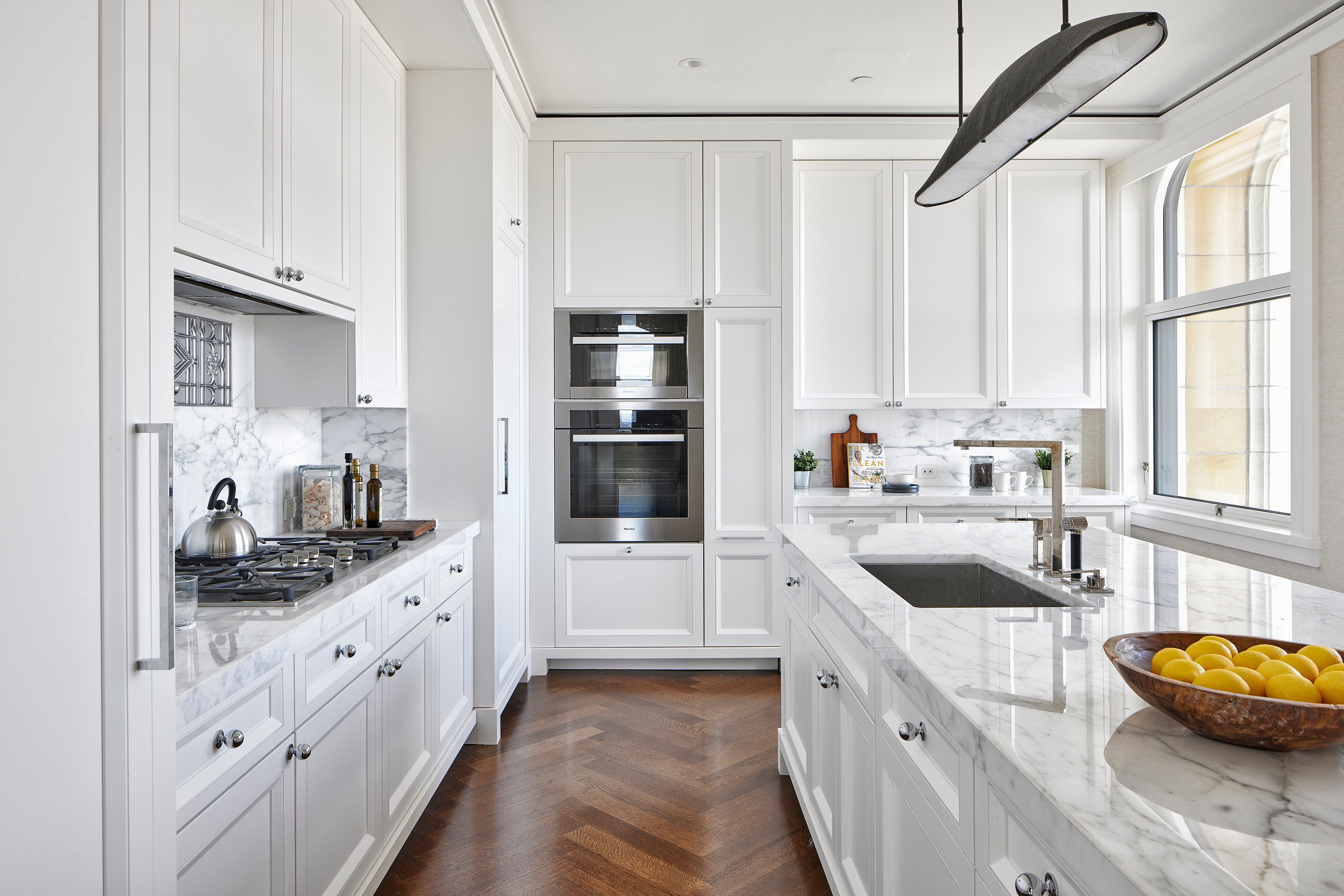
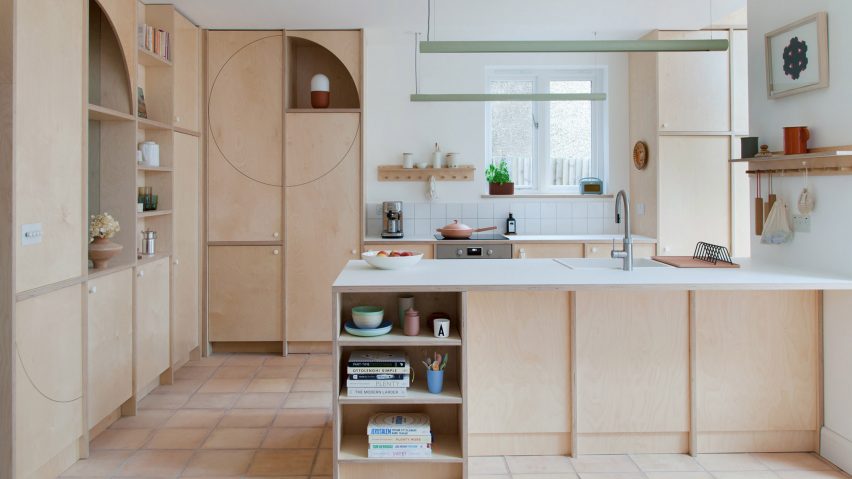
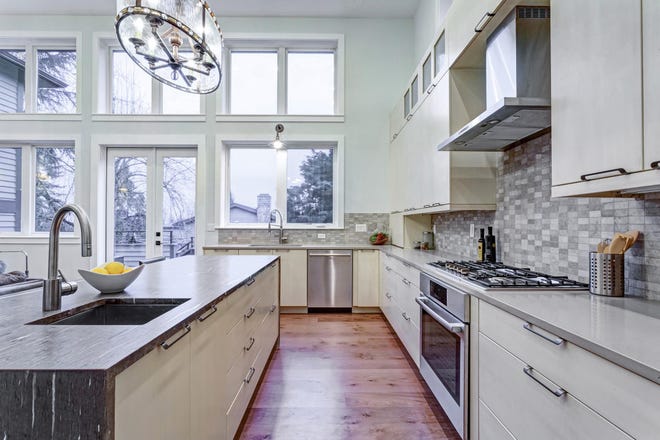
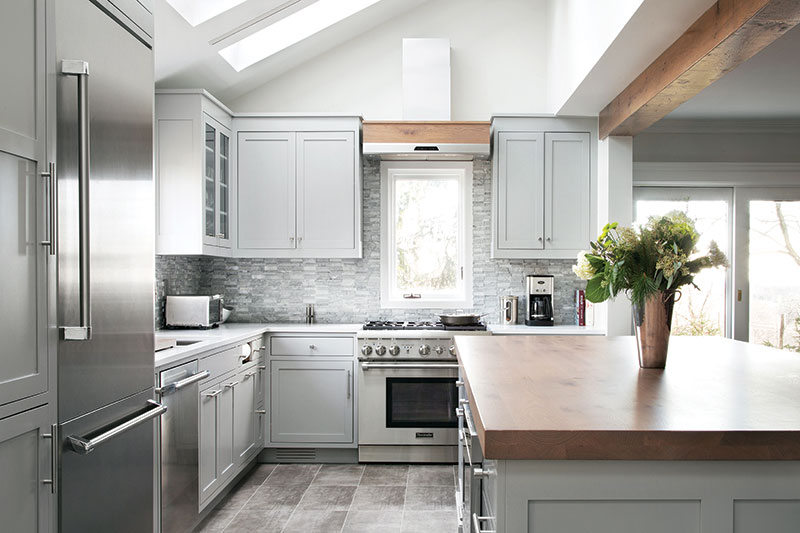
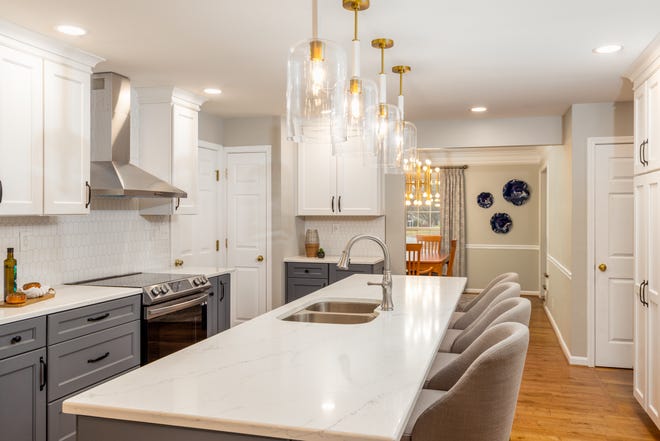
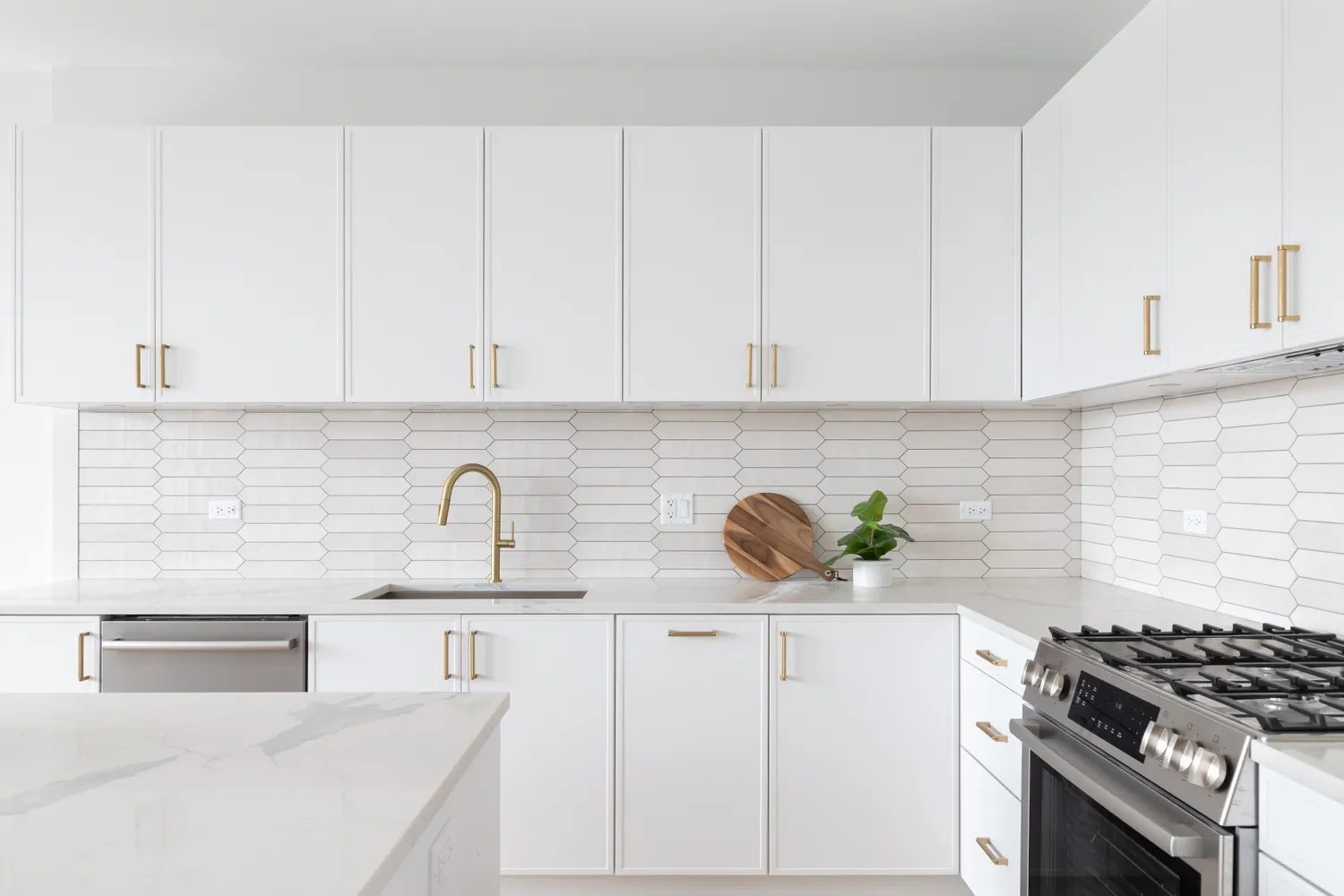
Transitional kitchens represent the top-trending style, blending traditional and modern elements for a minimalistic yet relaxed aesthetic. This style is highly favored by young families due to its combination of high functionality and low maintenance. Key features include simple cabinetry, such as Shaker style, paired with durable, low-maintenance quartz countertops. The color palette typically involves clean, neutral tones like whites, greens, grays, beiges, and blues, contributing to a calm and inviting atmosphere.
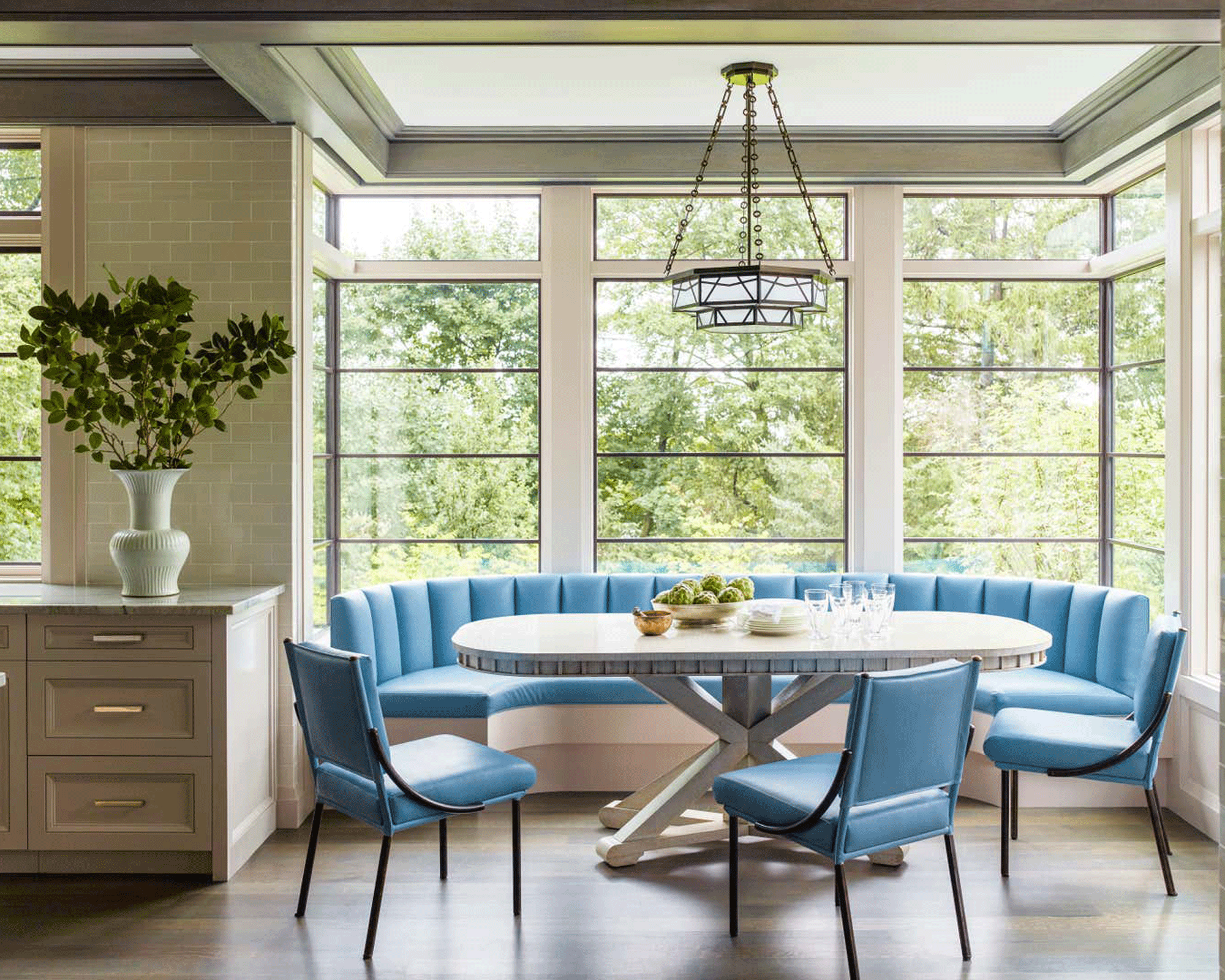
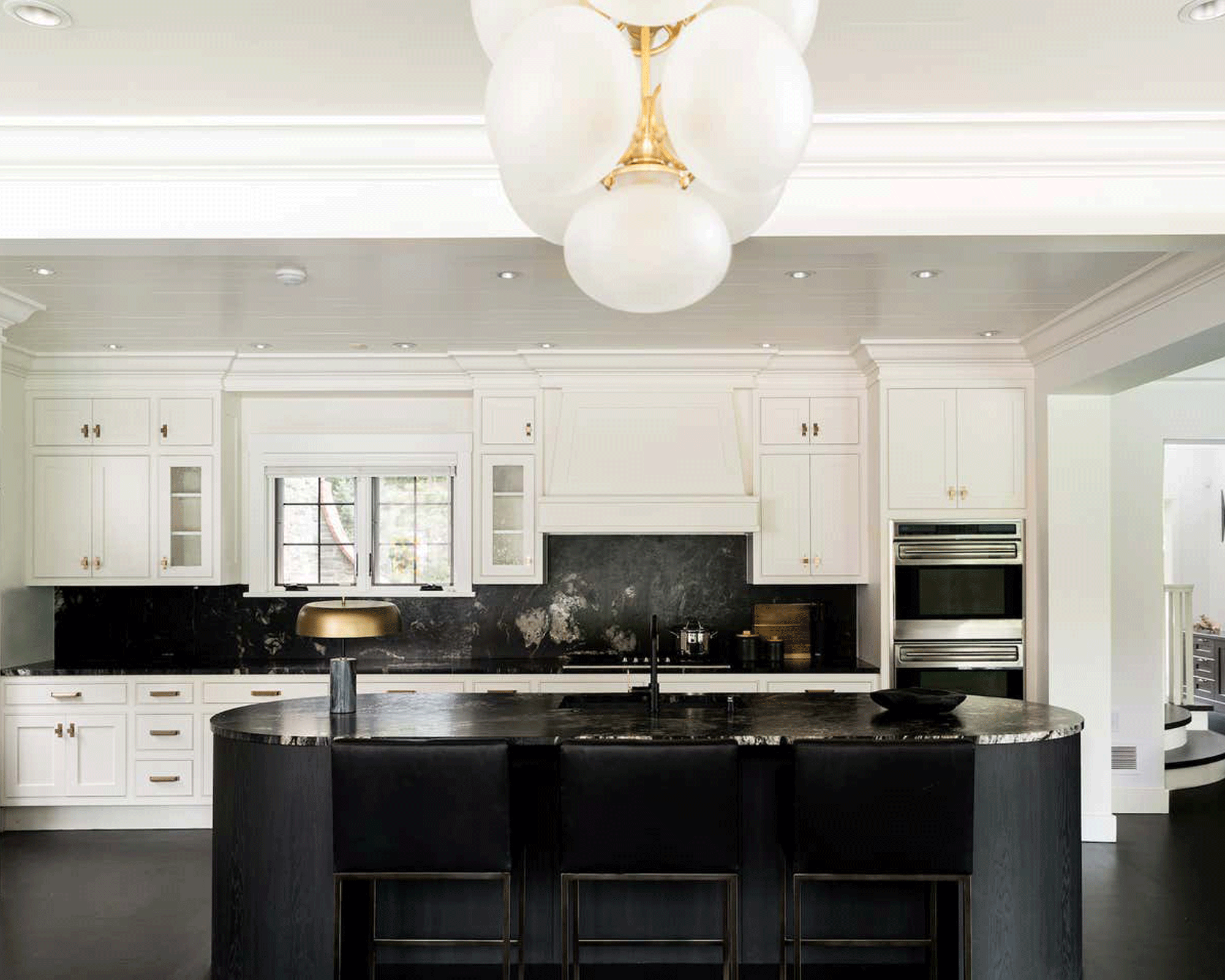
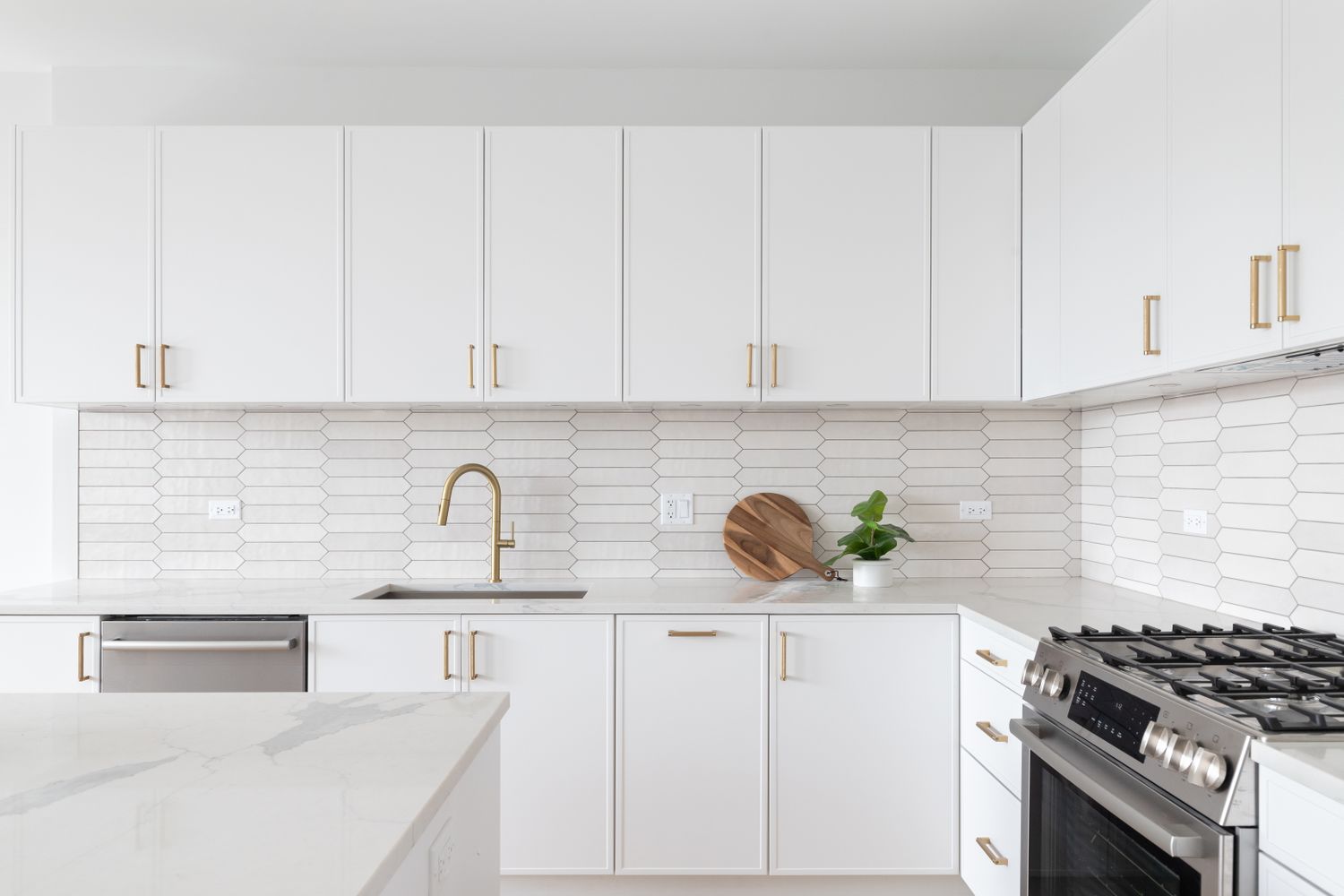
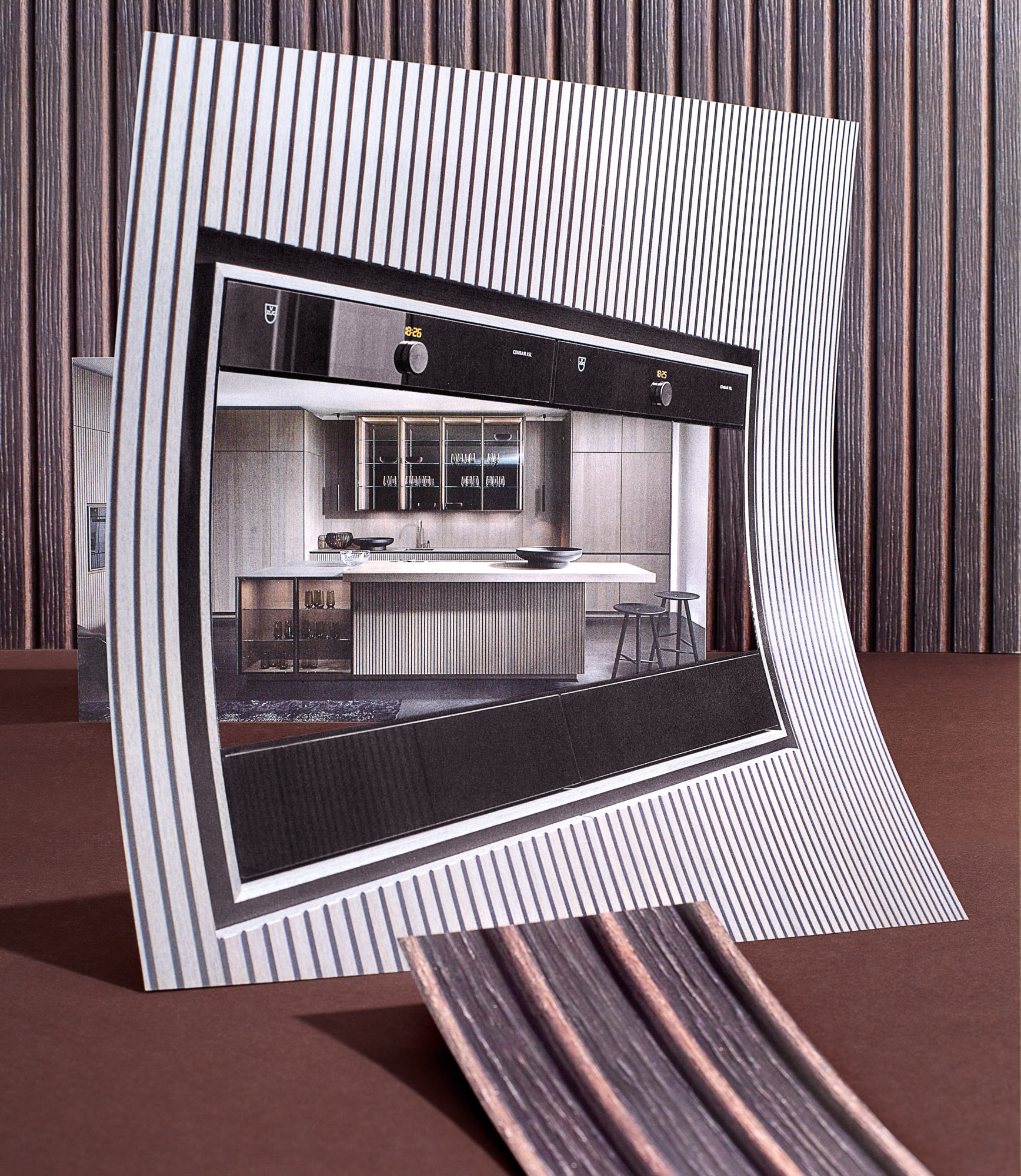
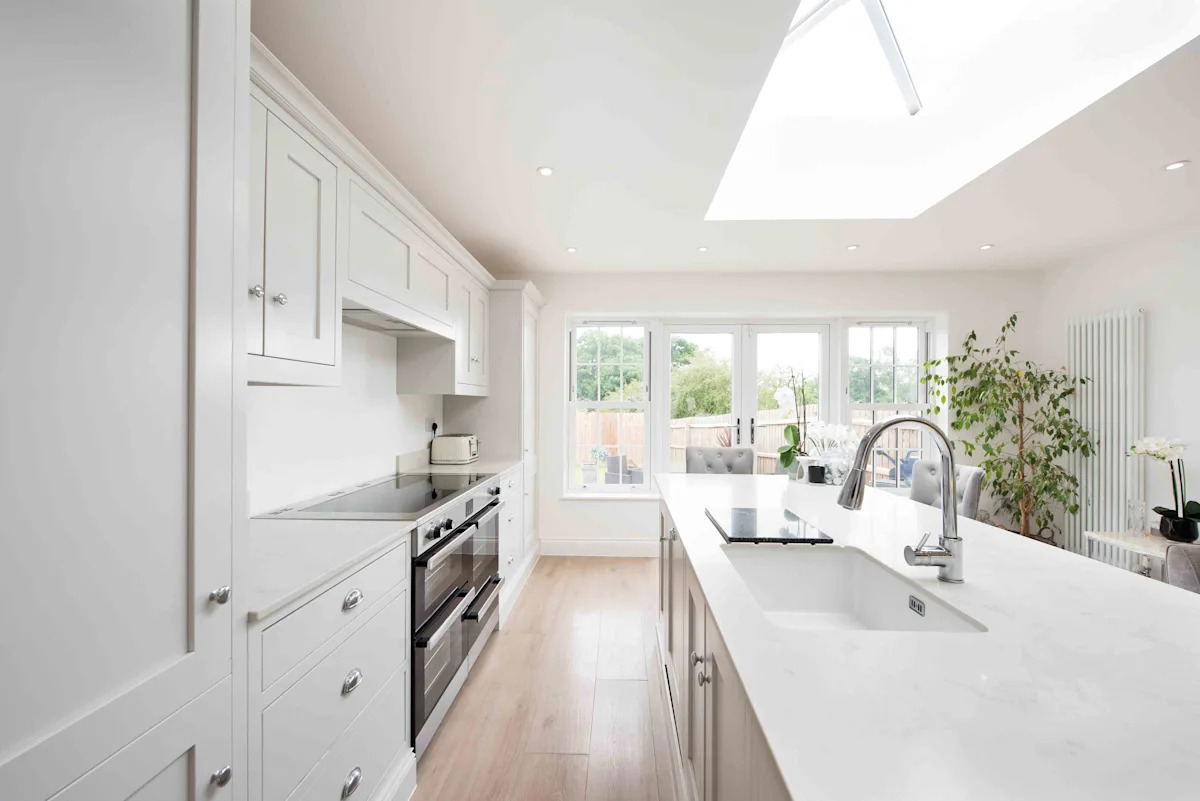
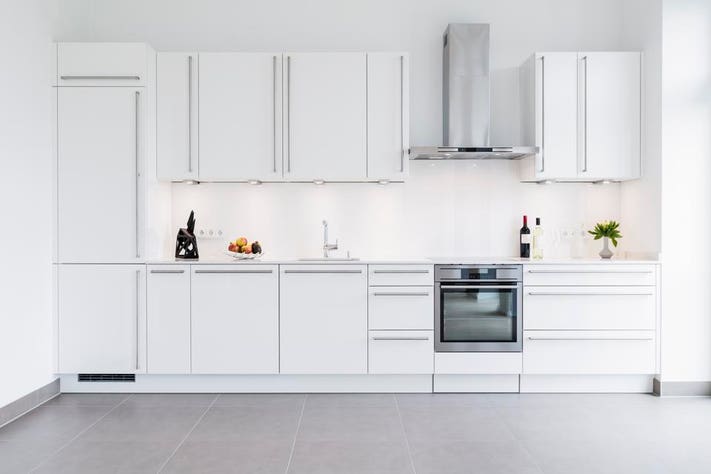
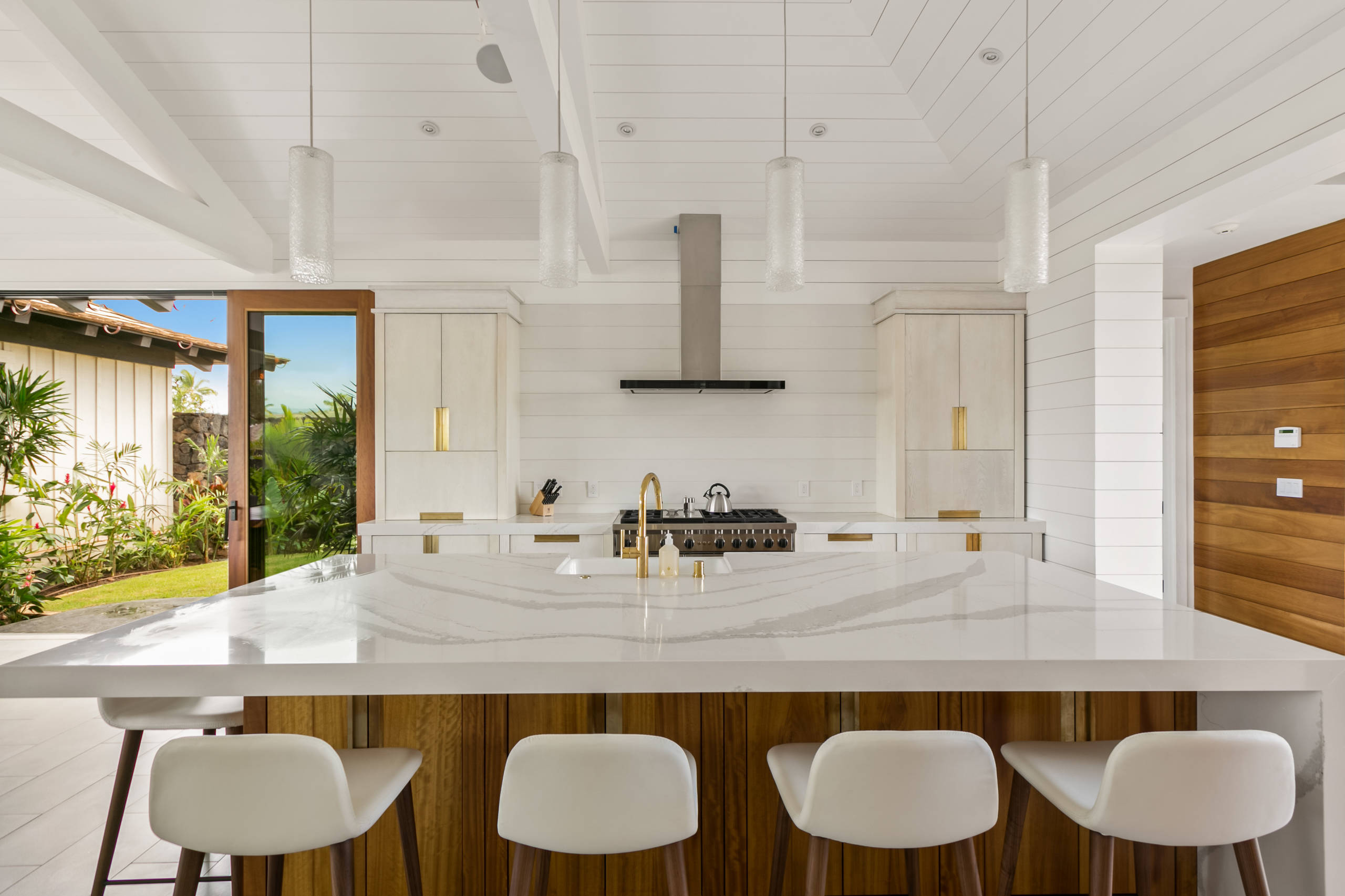
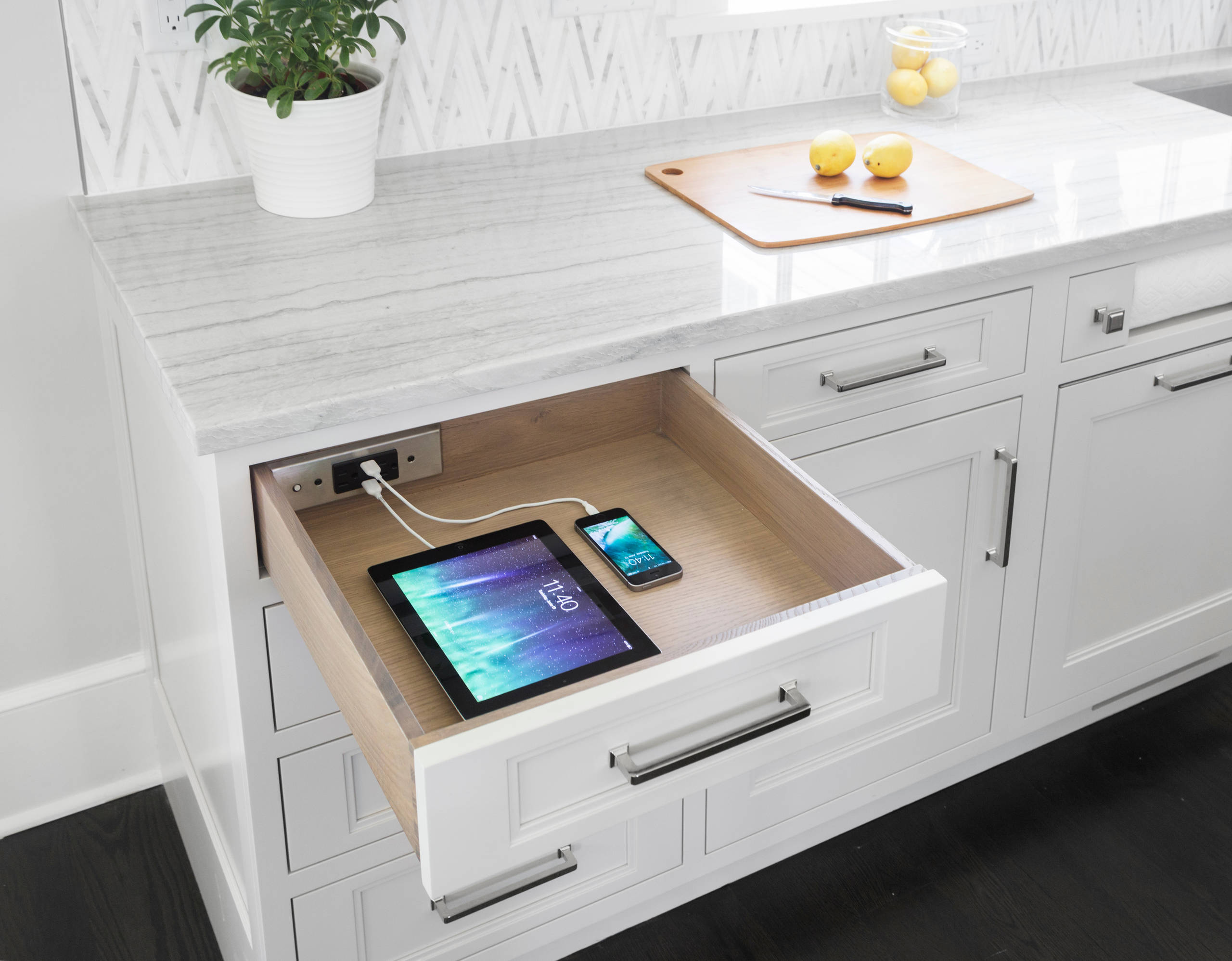
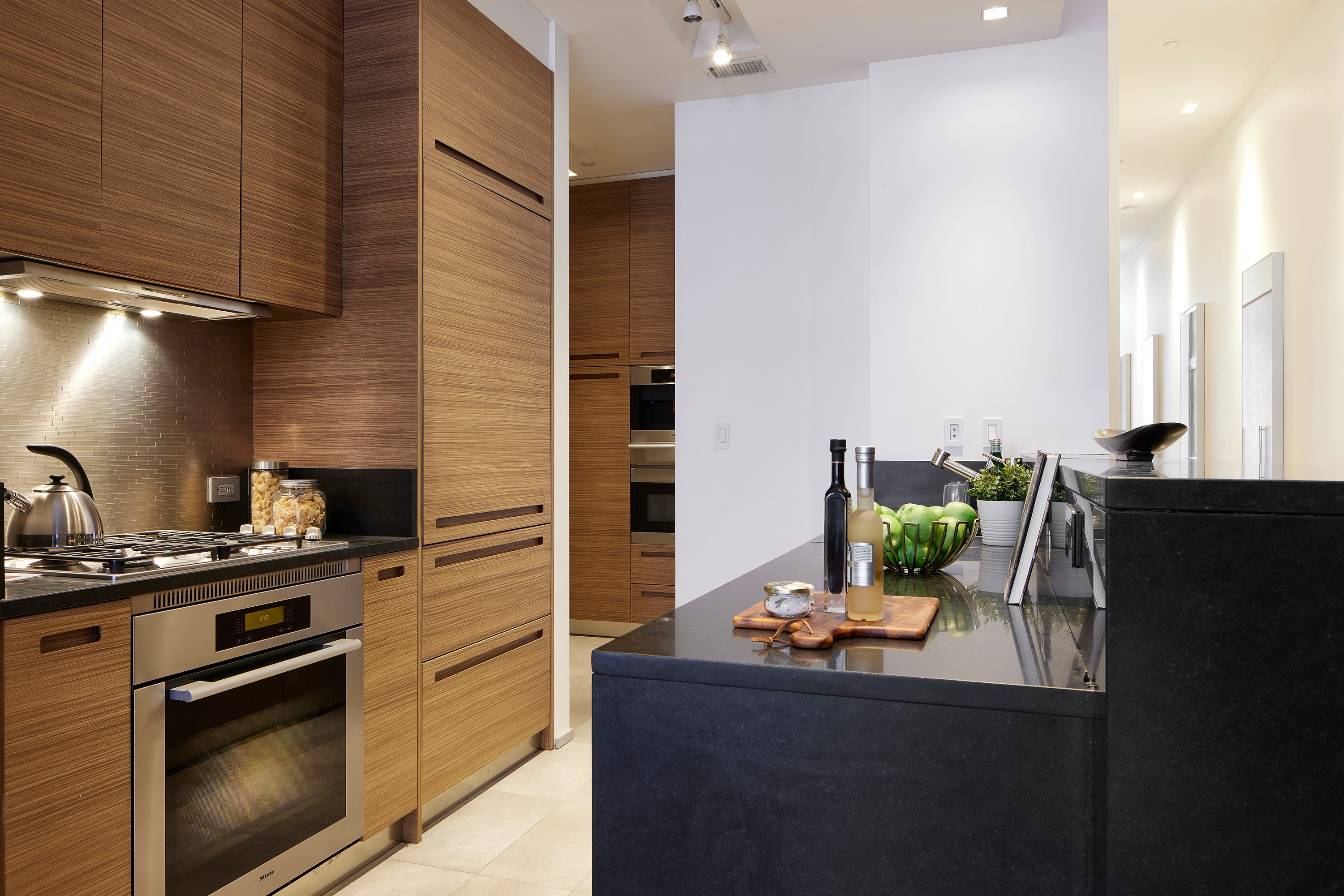
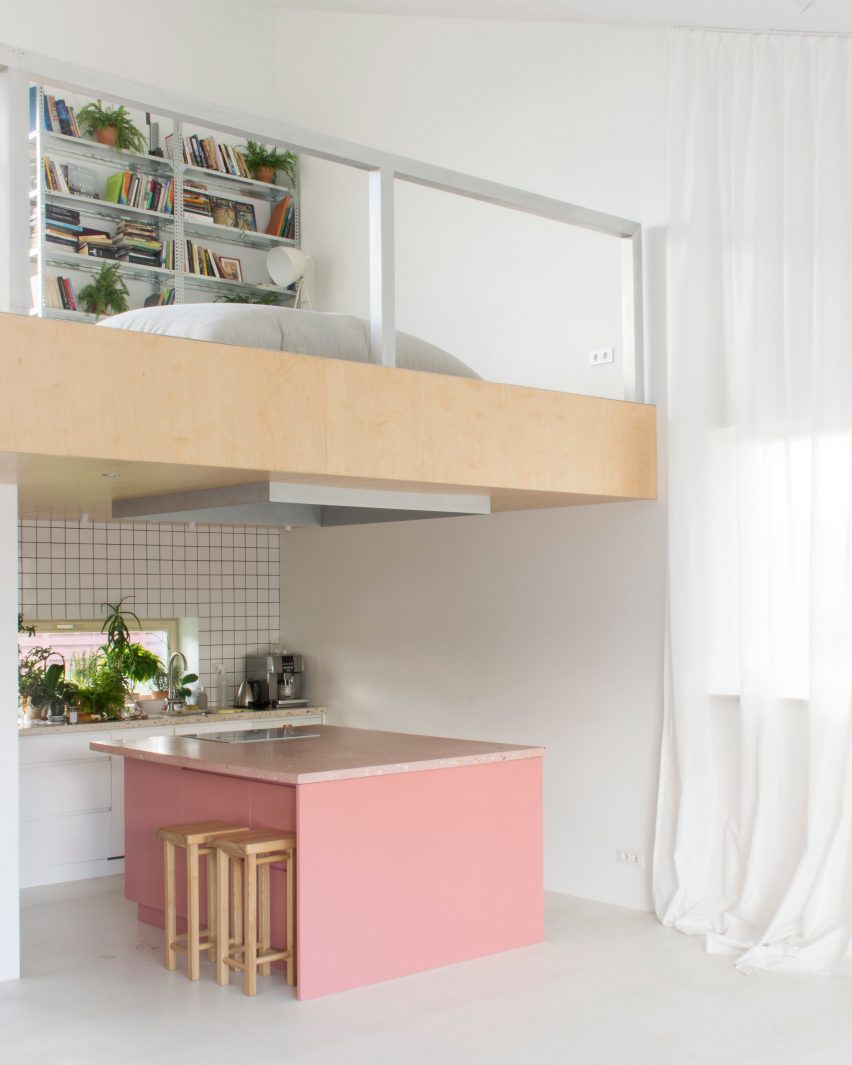
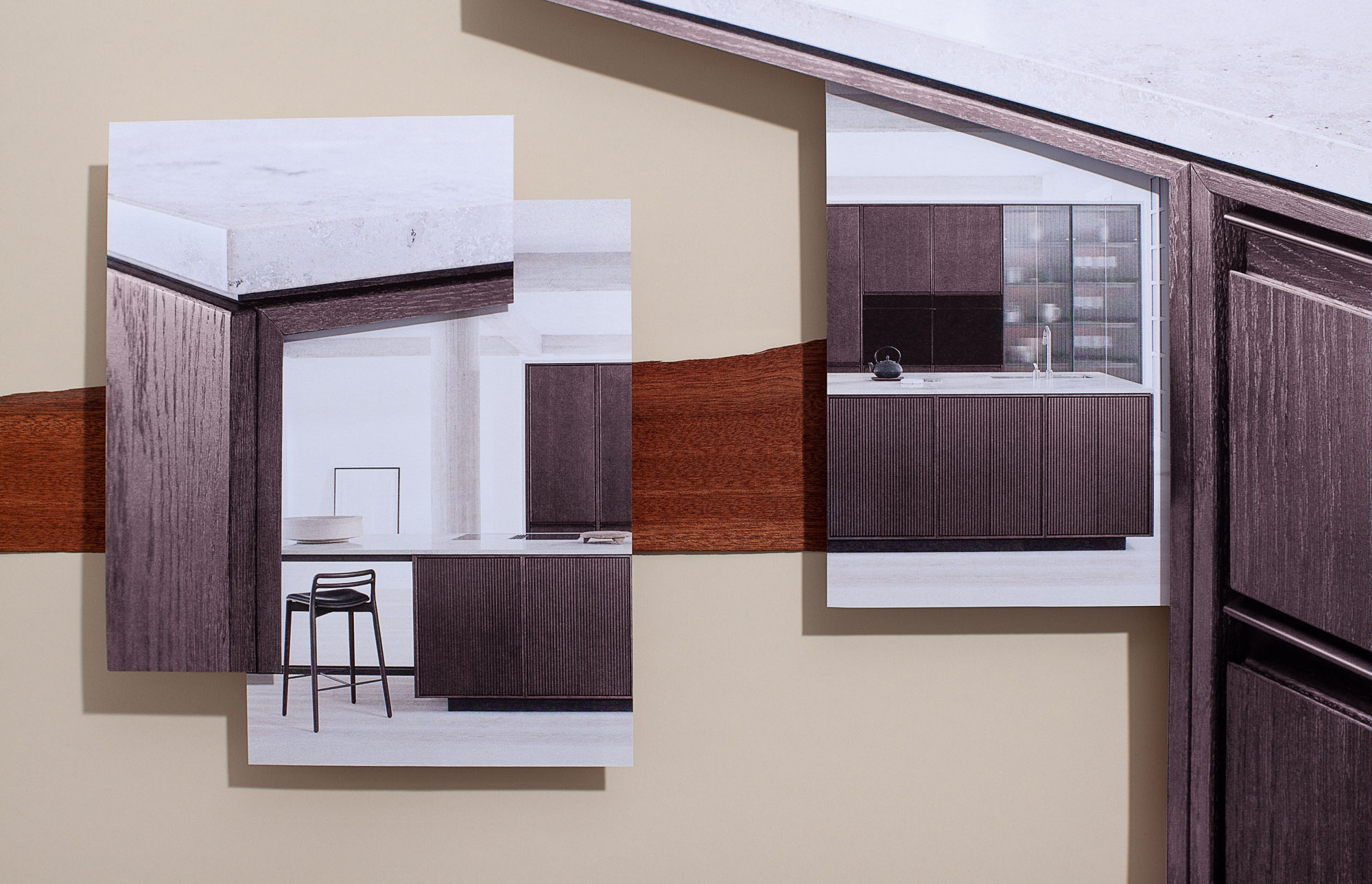
Contemporary kitchens are characterized by a more refined and edited aesthetic compared to transitional designs. They emphasize sleek, simple finishes and meticulously planned lighting schemes. The color scheme often revolves around basic black and white, accented by grays and beiges, creating a sophisticated and modern look. Defining features include abundant natural light from expansive windows and glass walls, large-format tiles made of porcelain or natural stone, and extensive drawer storage and armoire-style cabinetry to discreetly conceal appliances. These kitchens also incorporate a high degree of technology, such as smart lighting controls, to enhance convenience and efficiency.
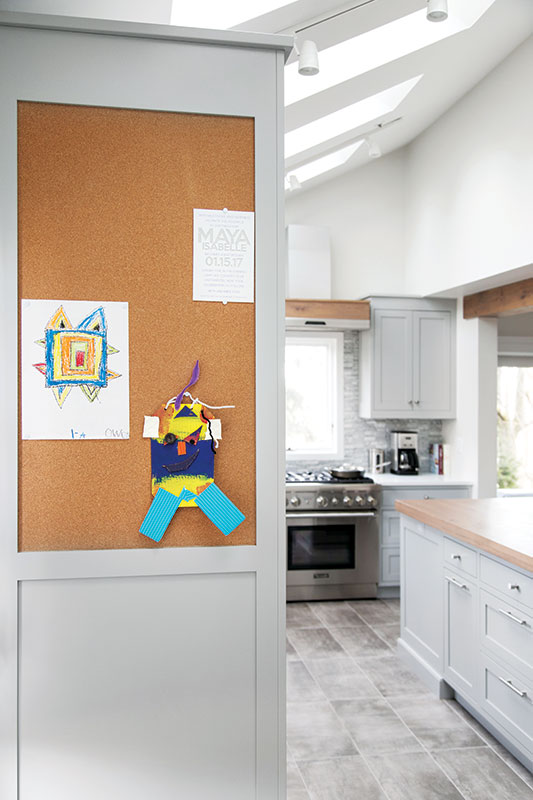
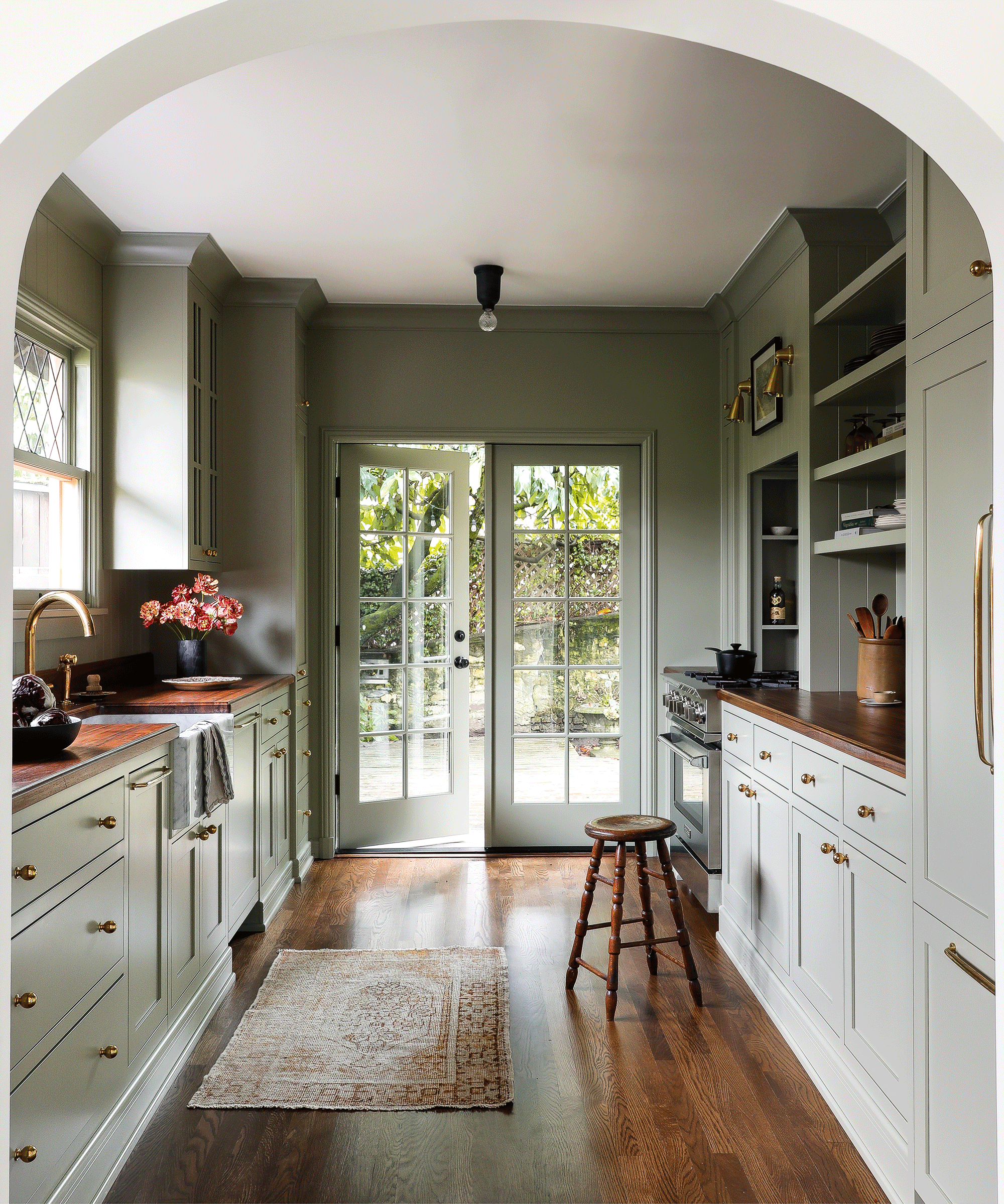
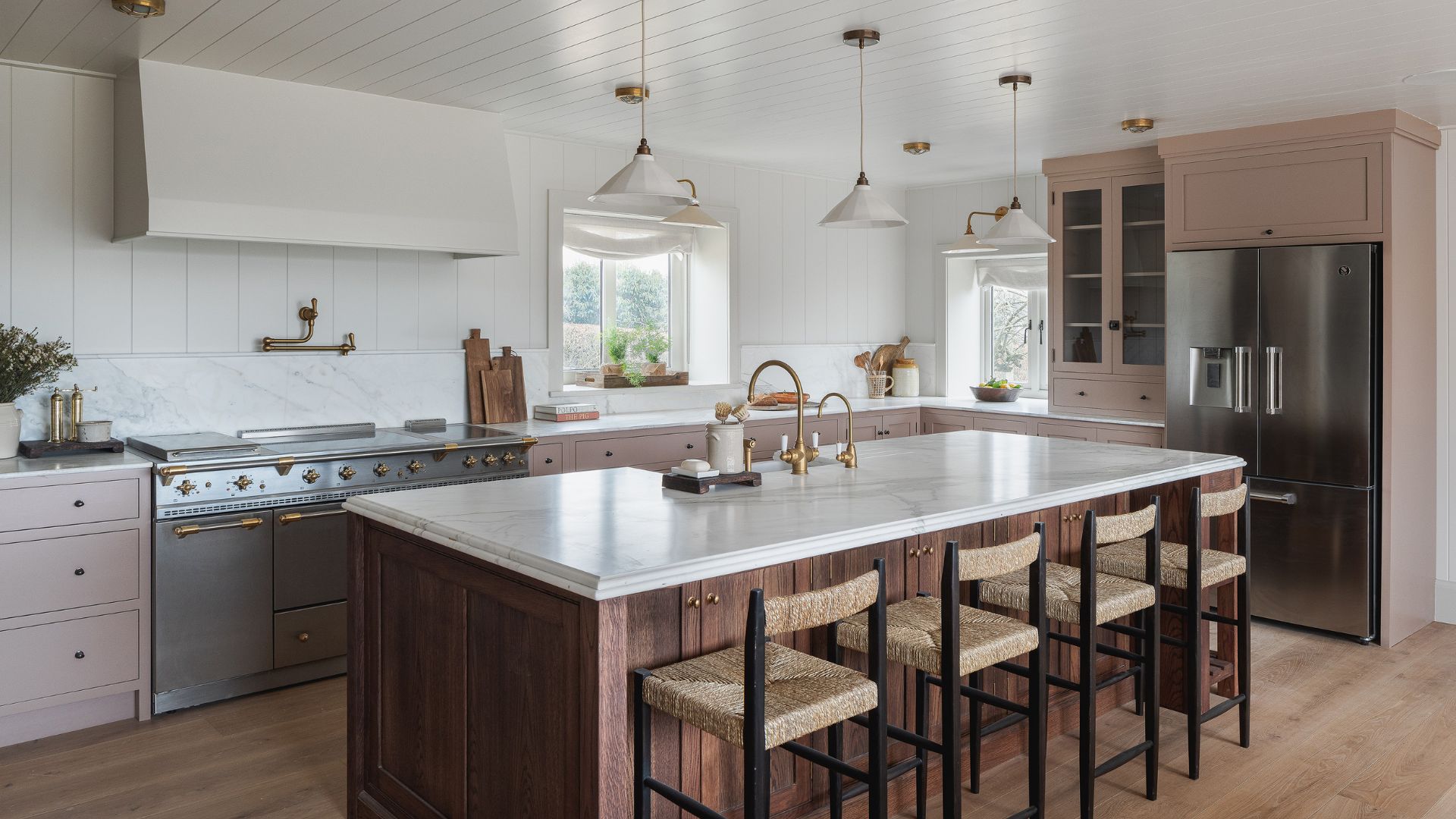
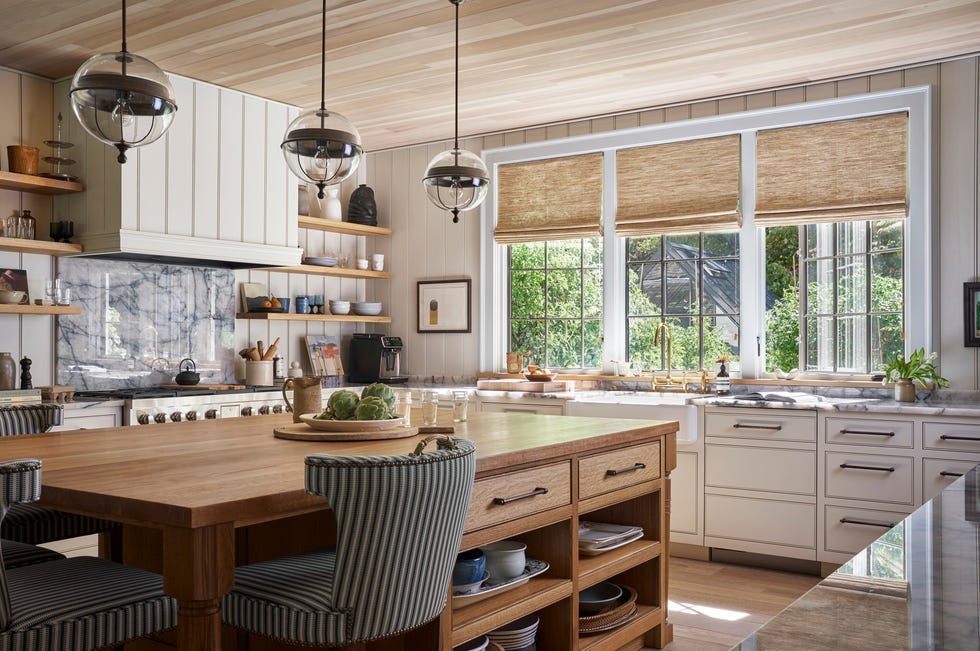
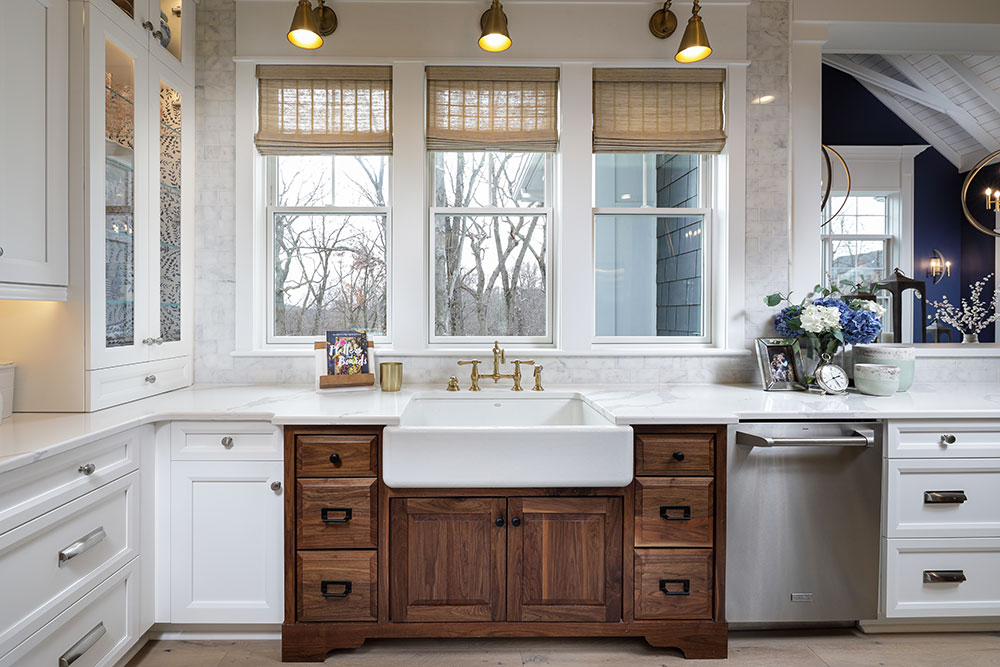
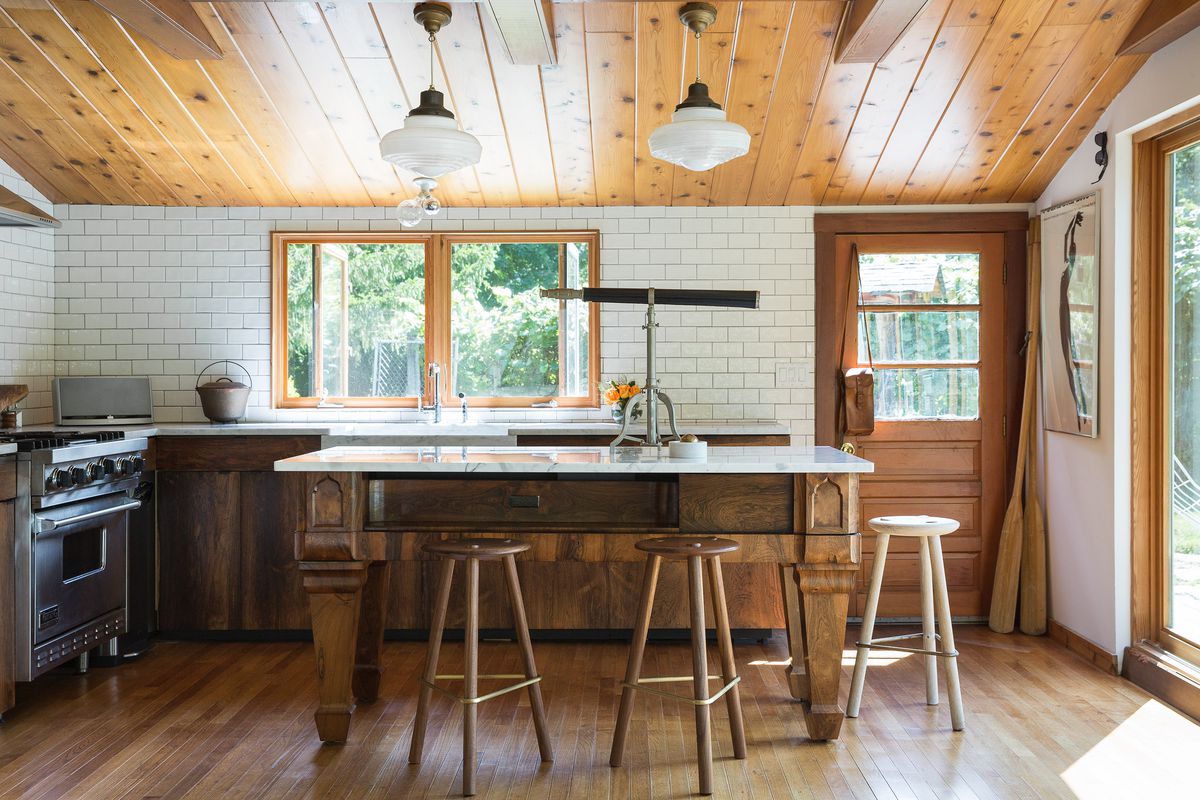
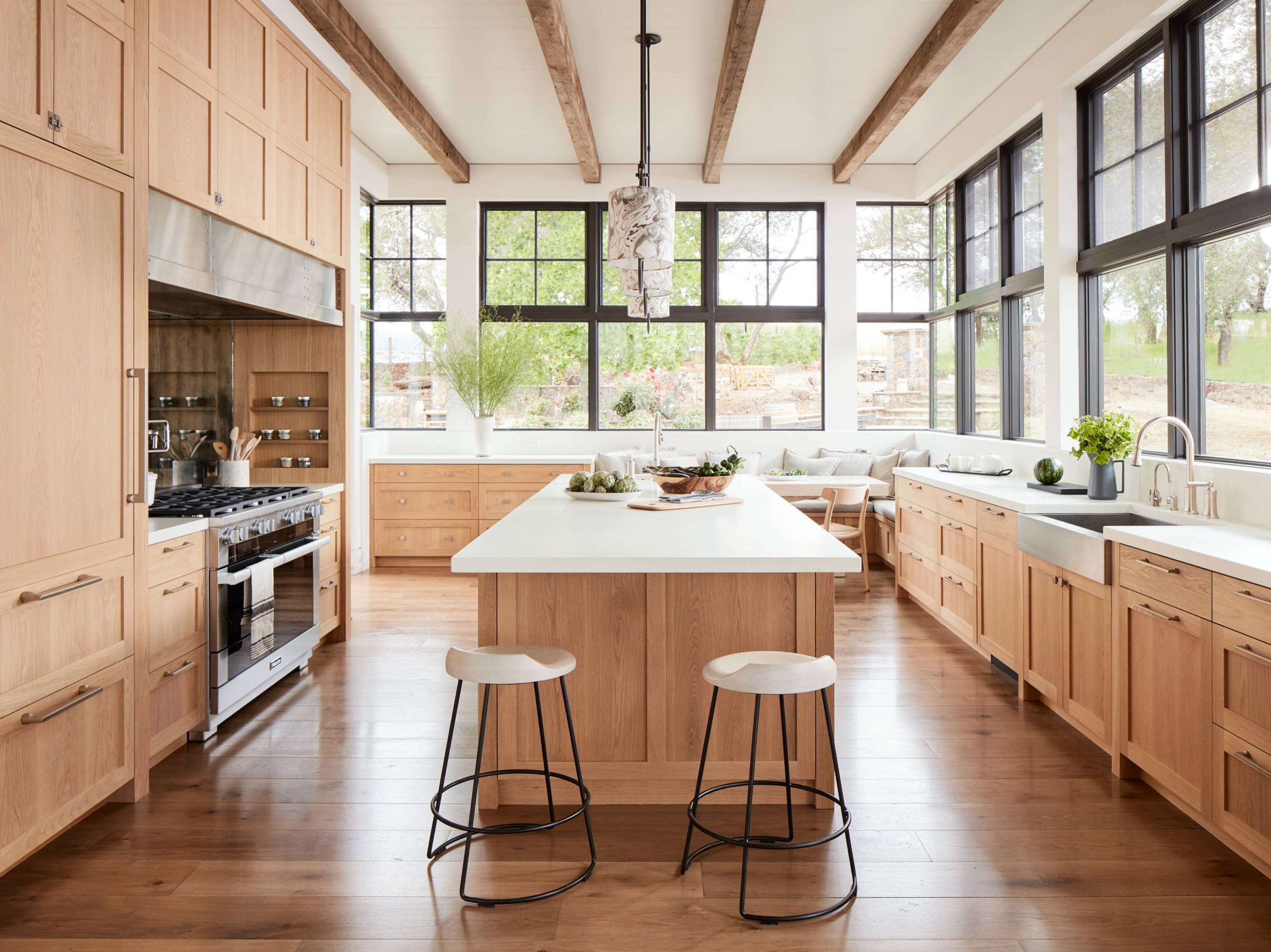
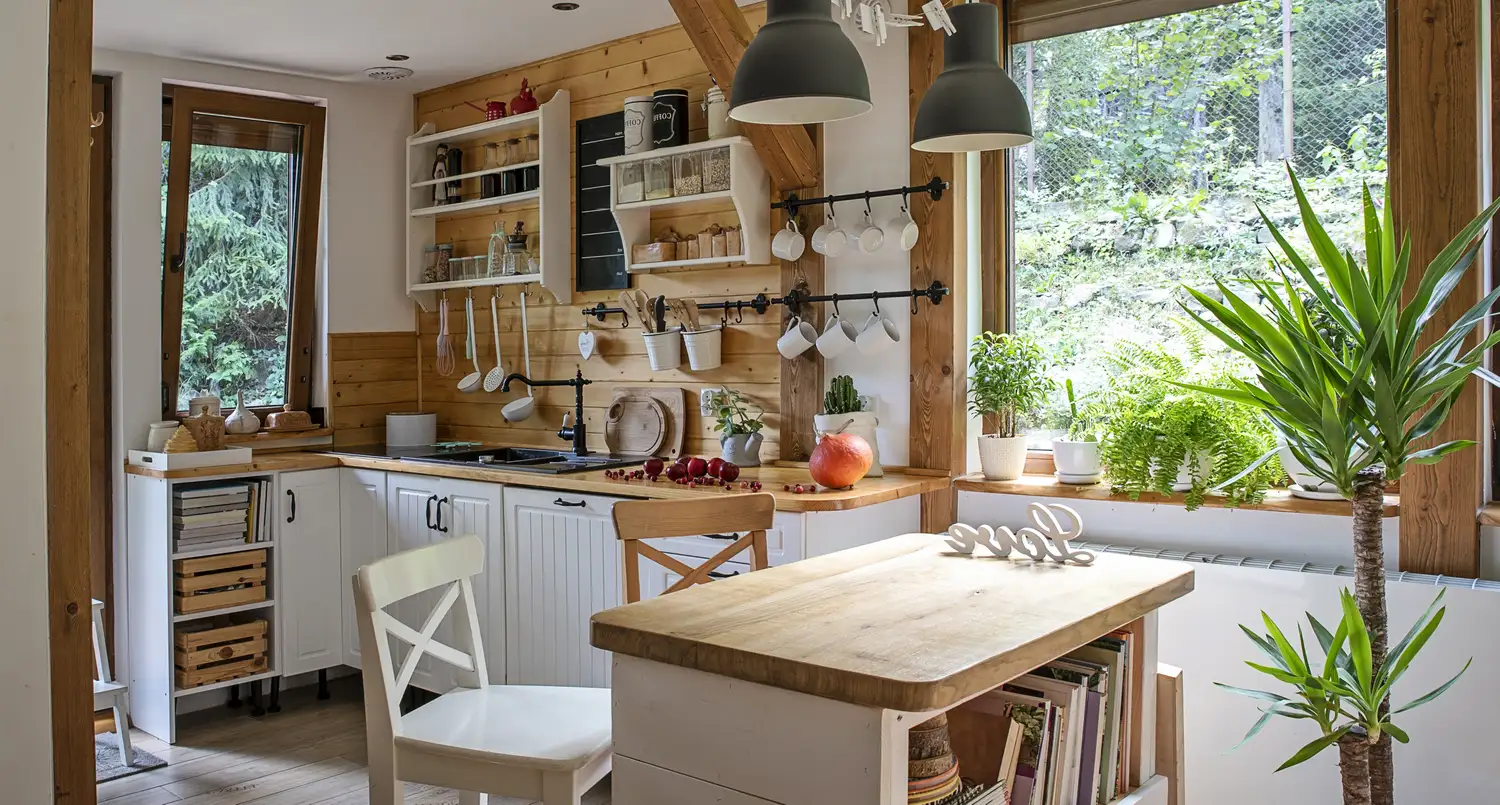
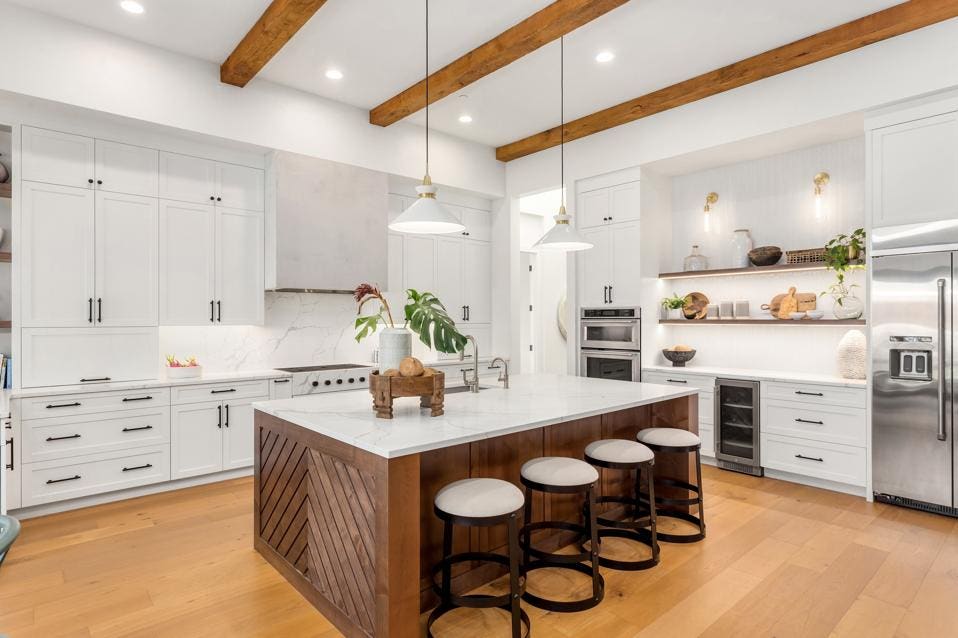
Farmhouse design is a timeless style distinguished by specific features that make a statement. This style often incorporates found objects like reclaimed barn doors or vintage lighting. Its resurgence is often credited to figures like Chip and Joanna Gaines. Characteristic elements include shiplap walls and ceilings, apron-front sinks, and pendant lighting. Shaker cabinets in white and gray tones are common, and a high contrast between countertop materials and cabinetry, such as butcher block tops with white cabinets, is a signature look.
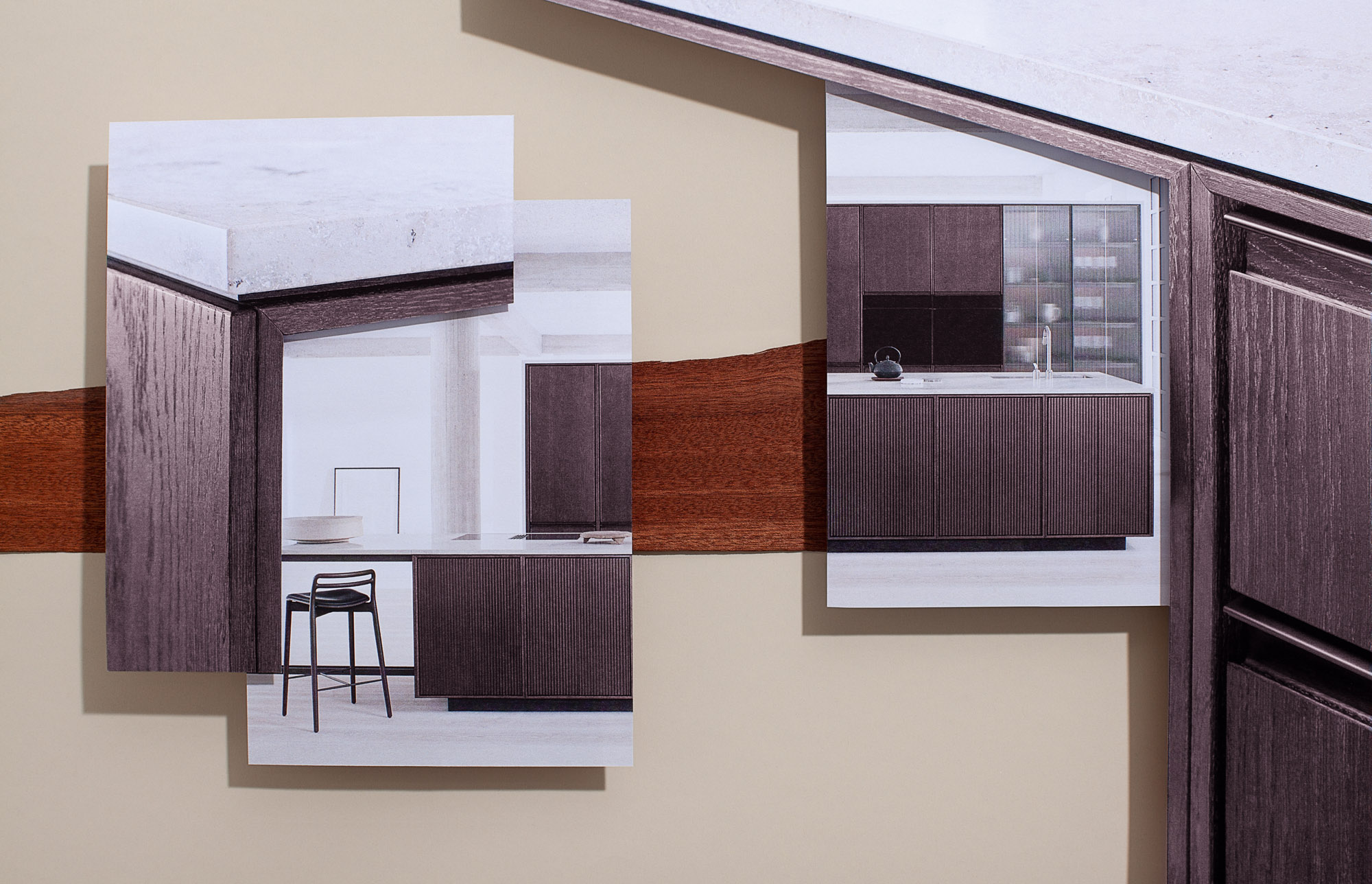
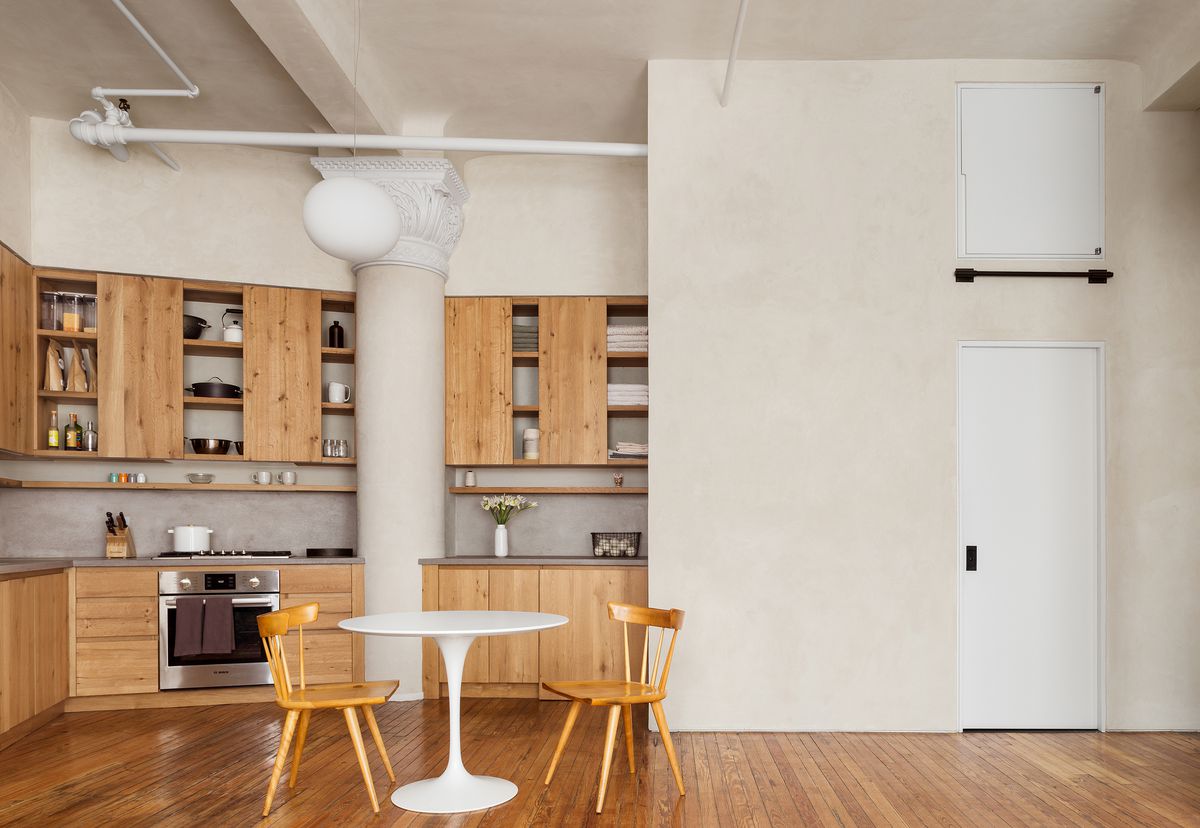
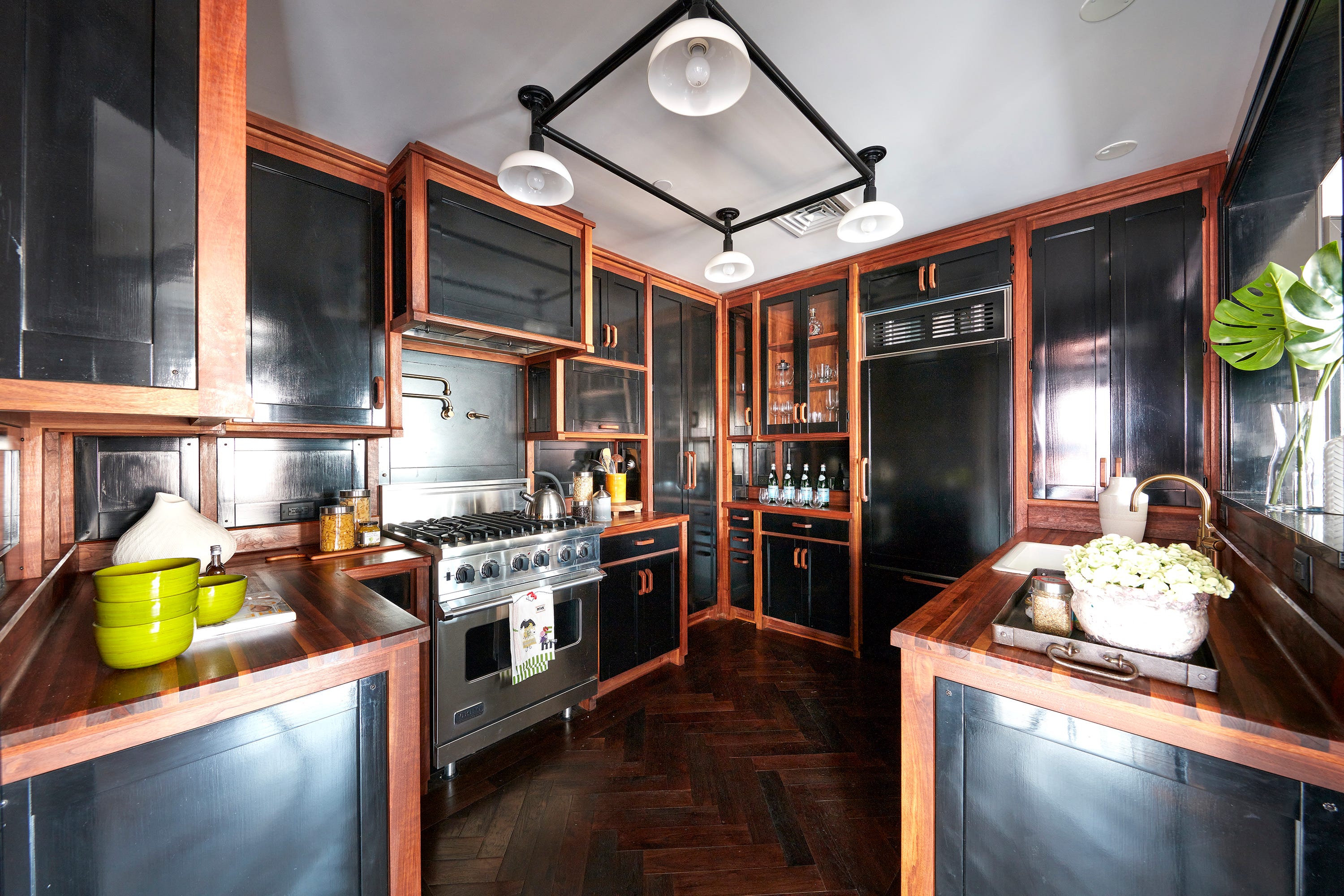
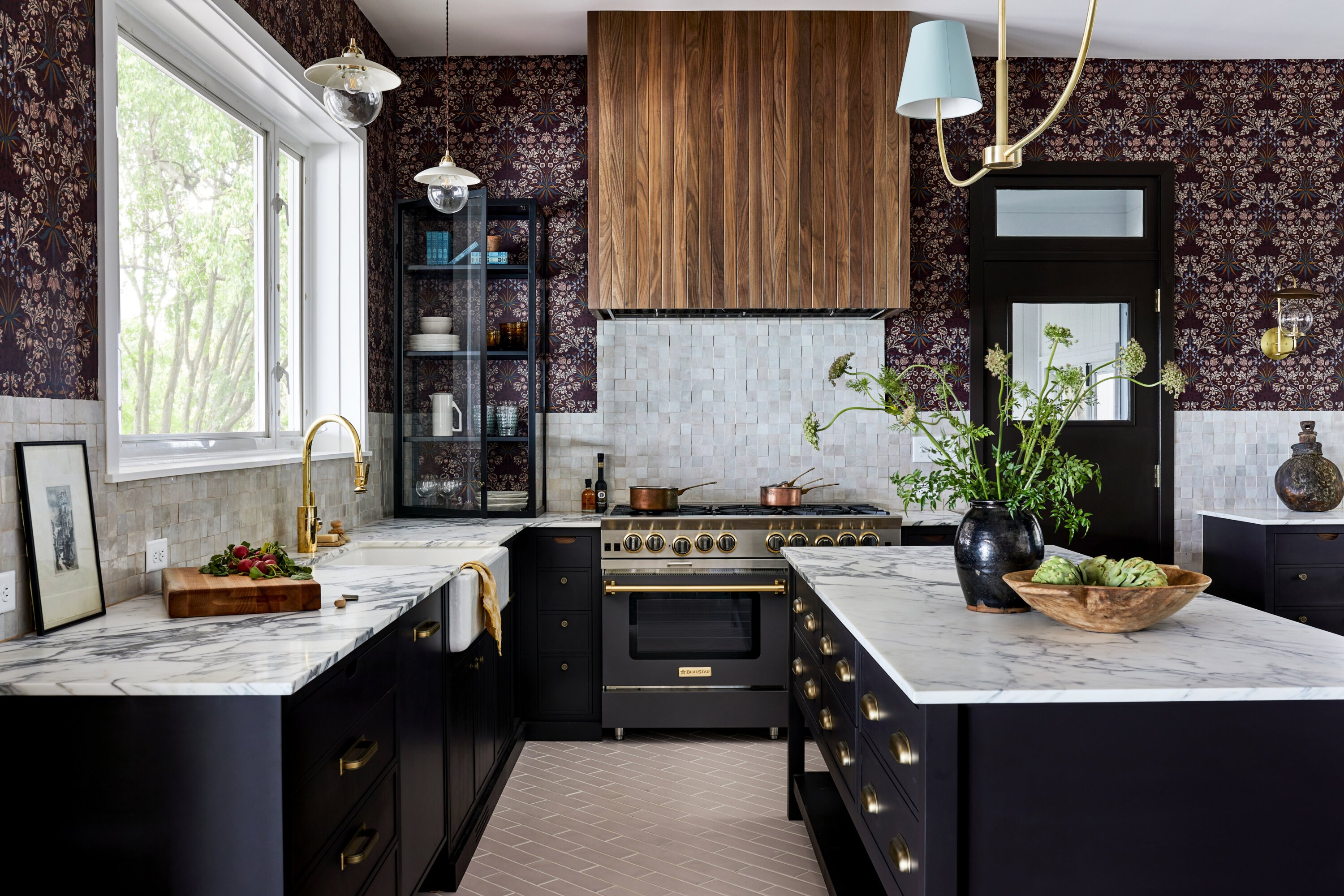
Industrial kitchens convey a minimalistic yet energetic feeling, particularly popular in urban environments and loft spaces within renovated commercial buildings. This style utilizes edgy materials such as stained concrete countertops and reclaimed wood floors. Mixed metal finishes are prevalent, along with commercial-style appliances, sinks, and faucets. Exposed-bulb light fixtures, often featuring Edison bulbs for a vintage appeal, are a defining characteristic, contributing to the raw and authentic industrial aesthetic.
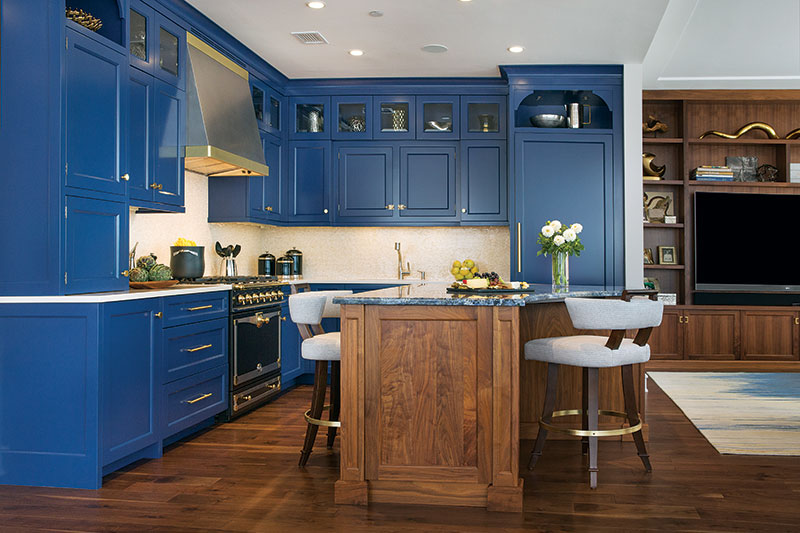
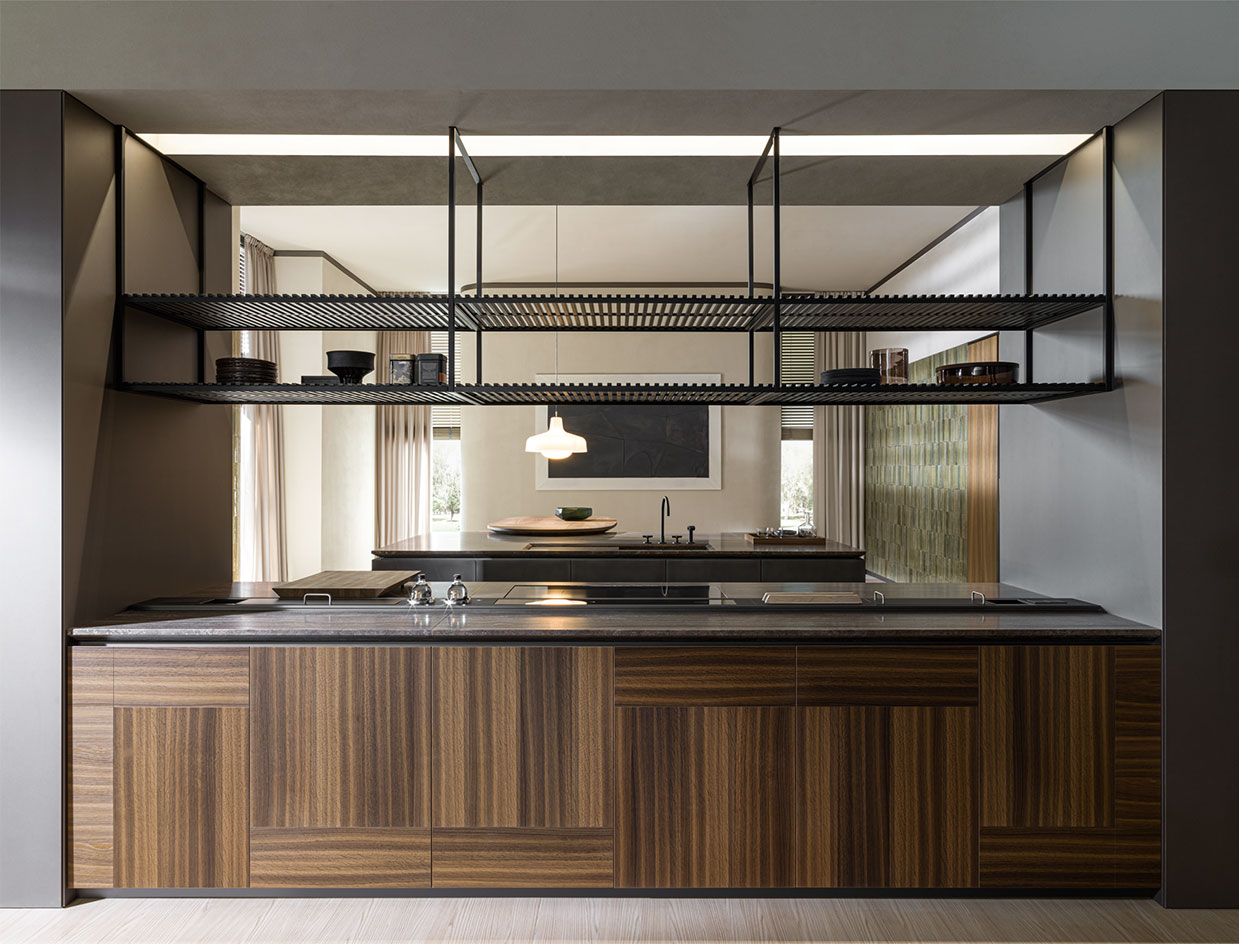
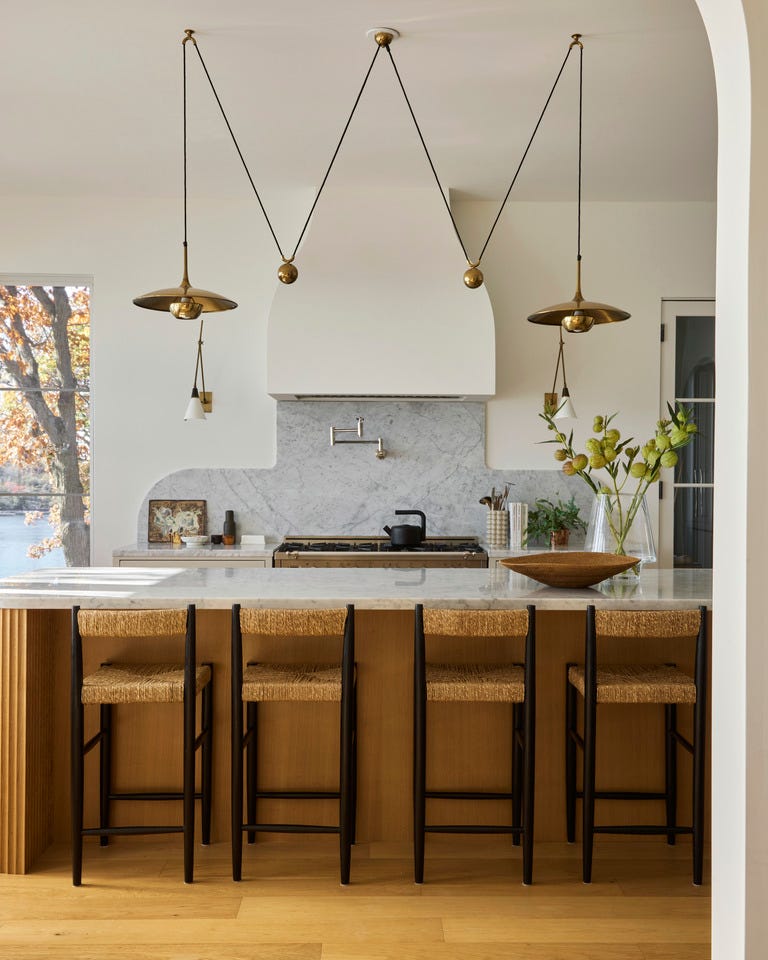
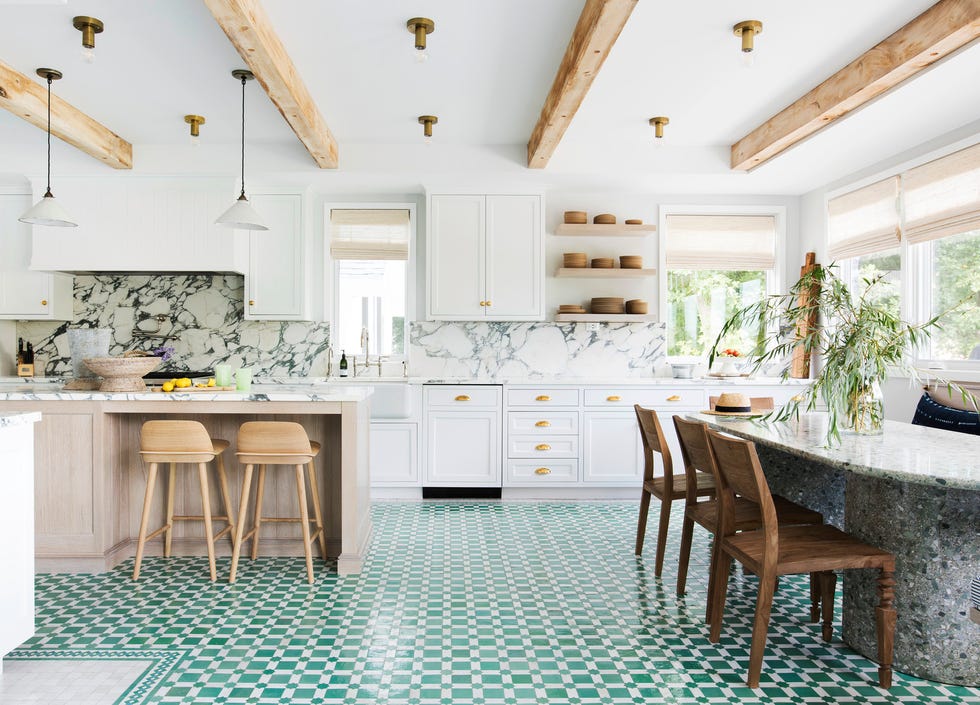
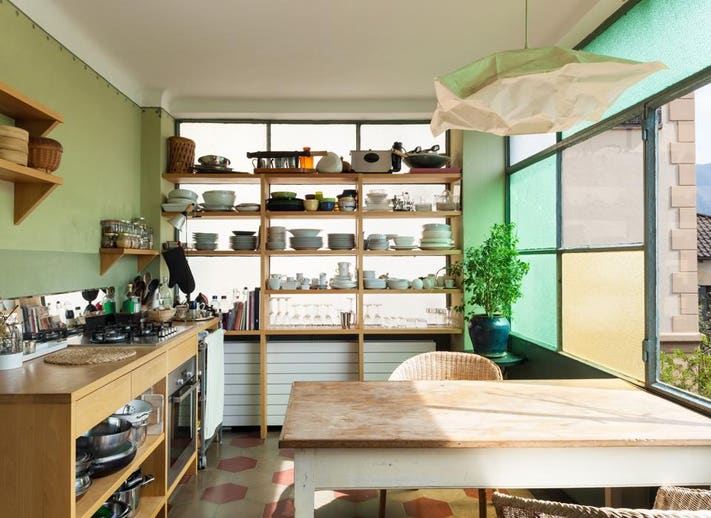
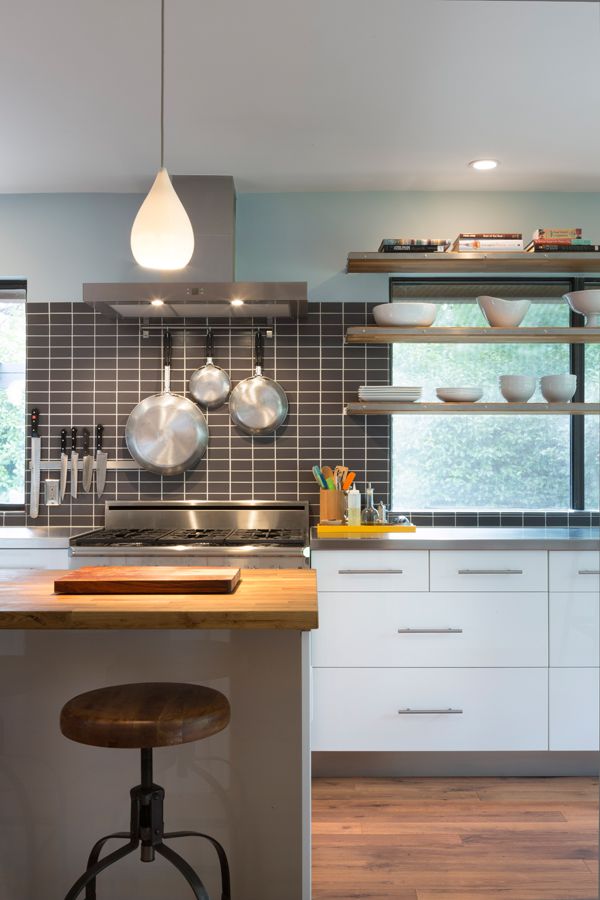
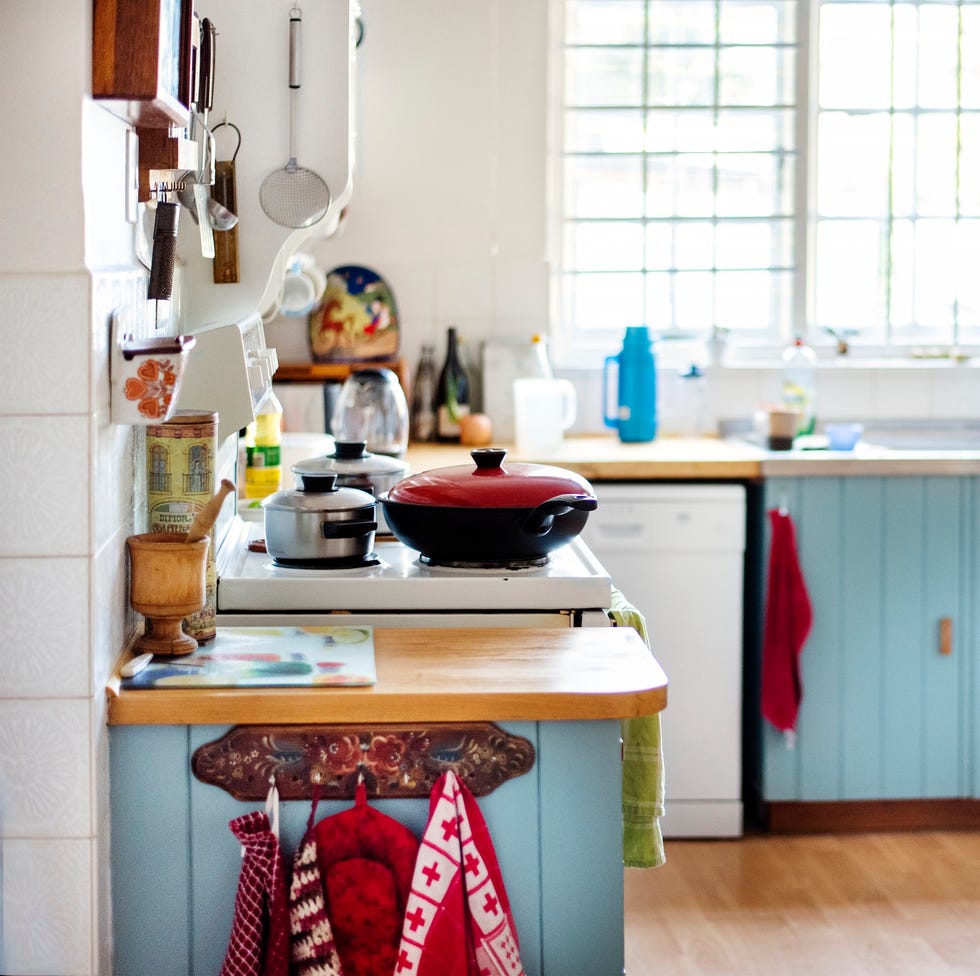
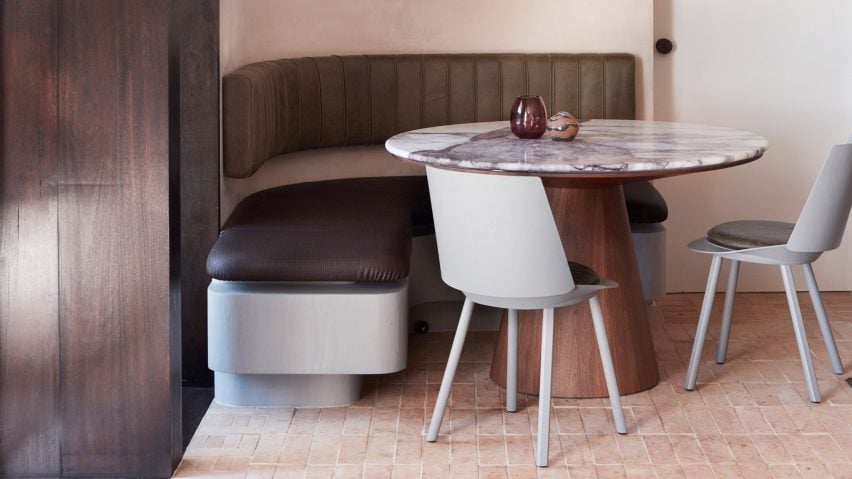
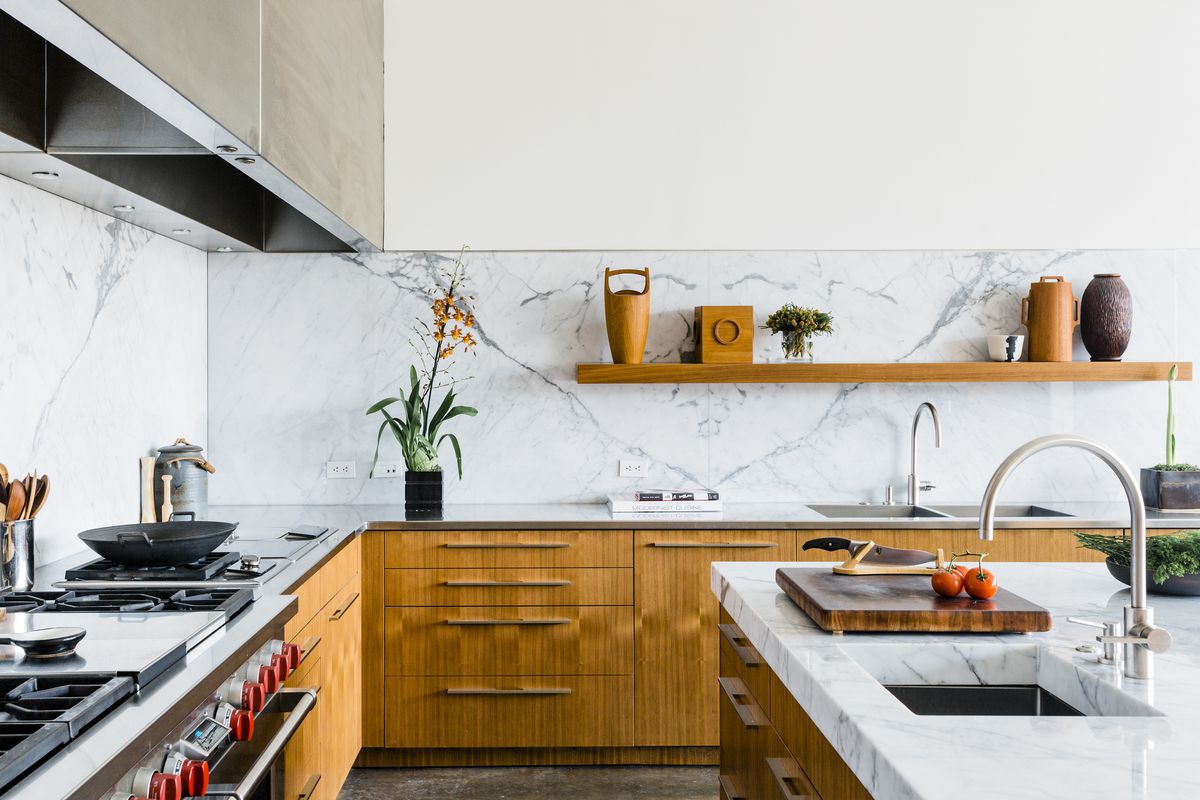
Mid-century modern design emerged post-World War II and remained popular into the late 1970s, maintaining a timeless appeal due to its enduring principles. This style is praised for its clean lines, simple finishes, organic curves, mix-and-match materials, and multifunctional designs. Key features include simple, well-designed objects and floor plans that prioritize functionality and aesthetic balance. An emphasis on organic and geometric forms, along with more textured fabrics and furnishings, adds depth. The color palette often features clean, bold colors, including bronzes and browns, mixed with whites, reflecting the vibrant and optimistic spirit of the era.
#KitchenRemodel #KitchenDesign #HomeRenovation #TransitionalKitchen #ContemporaryKitchen #FarmhouseKitchen #IndustrialKitchen #MidCenturyModern #InteriorDesignTrends #KitchenRemodel #KitchenDesign #HomeRenovation #TransitionalKitchen #ContemporaryKitchen #FarmhouseKitchen #IndustrialKitchen #MidCenturyModern #InteriorDesignTrends
0 comment in total
 No comments yet
You may also like
Look Through These Distinct Kitchen Renovations to Get the Style You Want

The latest sensational kitchen design ideas to inspire your home renovation

How to design your perfect kitchen
6 Kitchen Design Styles That Are No Longer Trendy, Designers Share

Kitchen ideas – leading designers reveal the 34 most stylish looks which will inspire your next kitchen remodel

22 Outdated Things You Should Avoid in Your Kitchen, According to Designers

Kitchen remodeling trends taking home design by storm
Design Recipes: Kitchen trends to try in your upgrade
SEE IT: 3 creative interior design looks to help with your kitchen remodel
6 Kitchen Design Styles That Are No Longer Trendy, Designers Share

15 Outdated Things You Should Avoid In Your Kitchen, According To Designers
Ten kitchen design ideas from Dezeen's lookbooks

5 Kitchen Styles That Are Definitely Out of Style, Designers Say
10 Kitchen Design Trends Going Out Of Style In 2025

5 Great Kitchen-Design Ideas That Will Transform Your Home
13 Kitchen Decorating Ideas Designers Can't Wait to Say Goodbye To

6 design rules worth breaking for a more characterful kitchen

Best of Design: New Kitchen

7 Kitchen Renovation Trends to Watch
30 Gorgeous Décor Ideas to Make Your Kitchen More Inviting