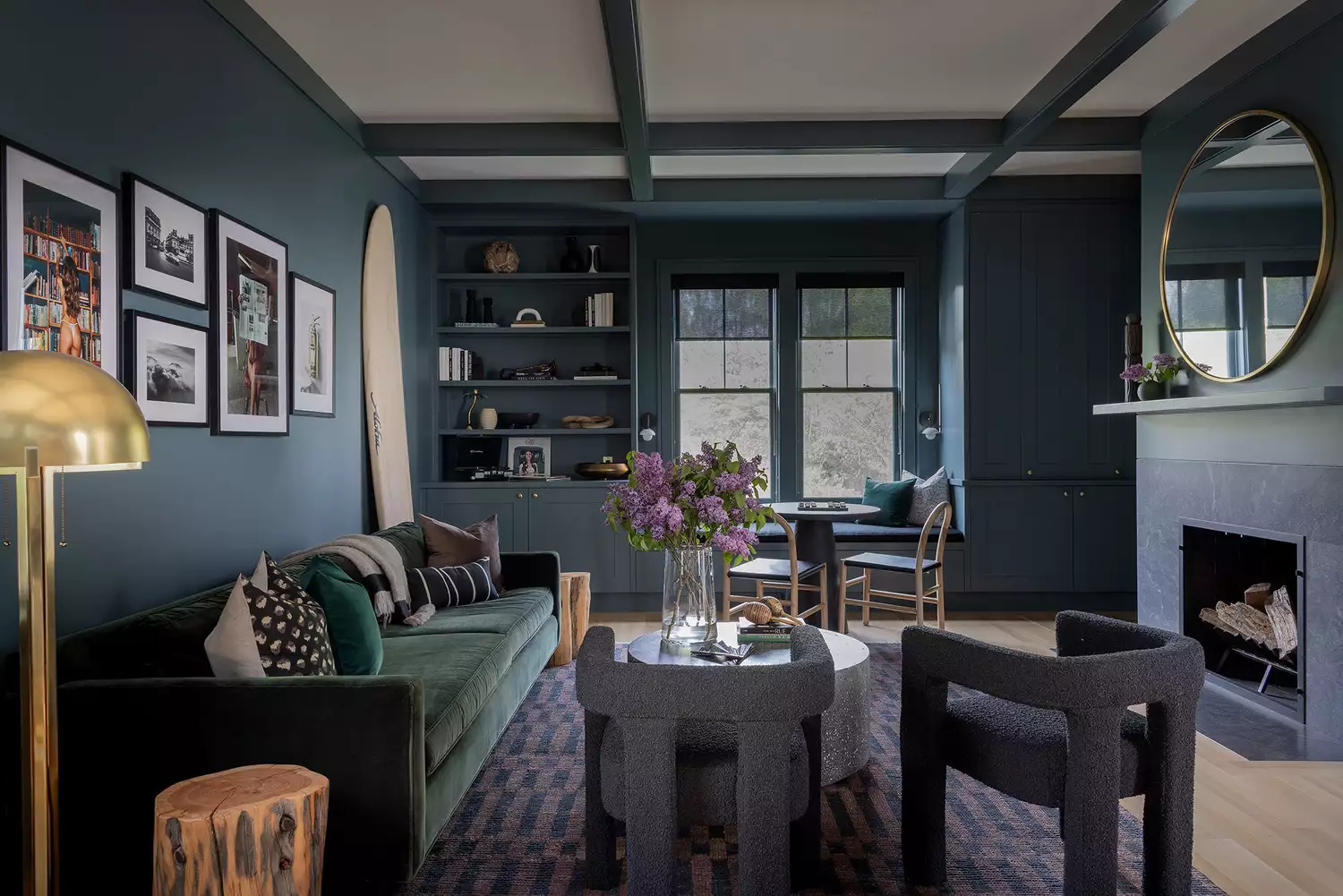
These 5 Simple Questions Help Designers Pick the Perfect Paint Color Every Time
Choosing the right paint color for a room can be a daunting task given the vast array of options available. To simplify this process, interior designers often rely on a series of fundamental questions that guide their selections. These questions move beyond mere aesthetics, delving into the functionality and emotional impact of a space.
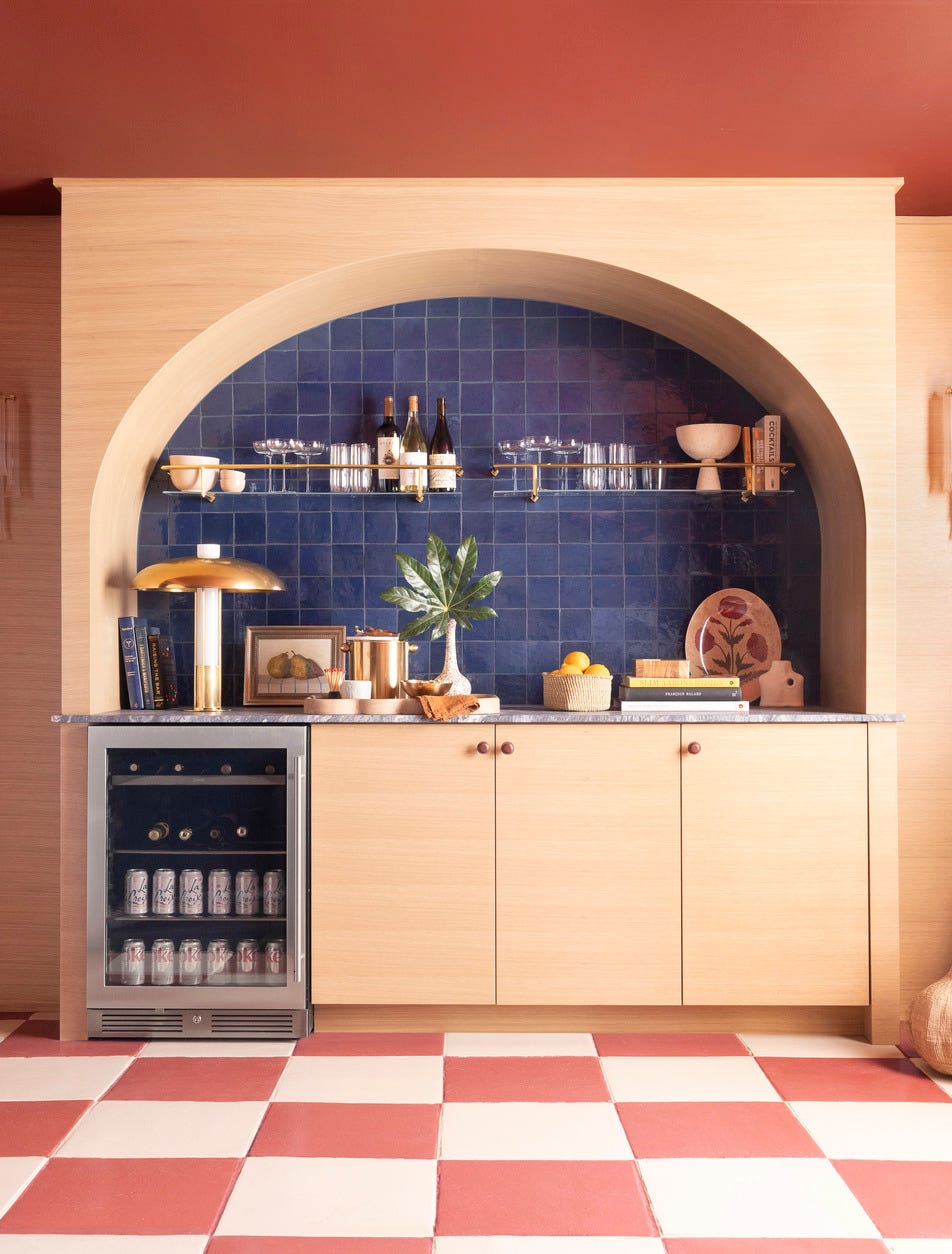
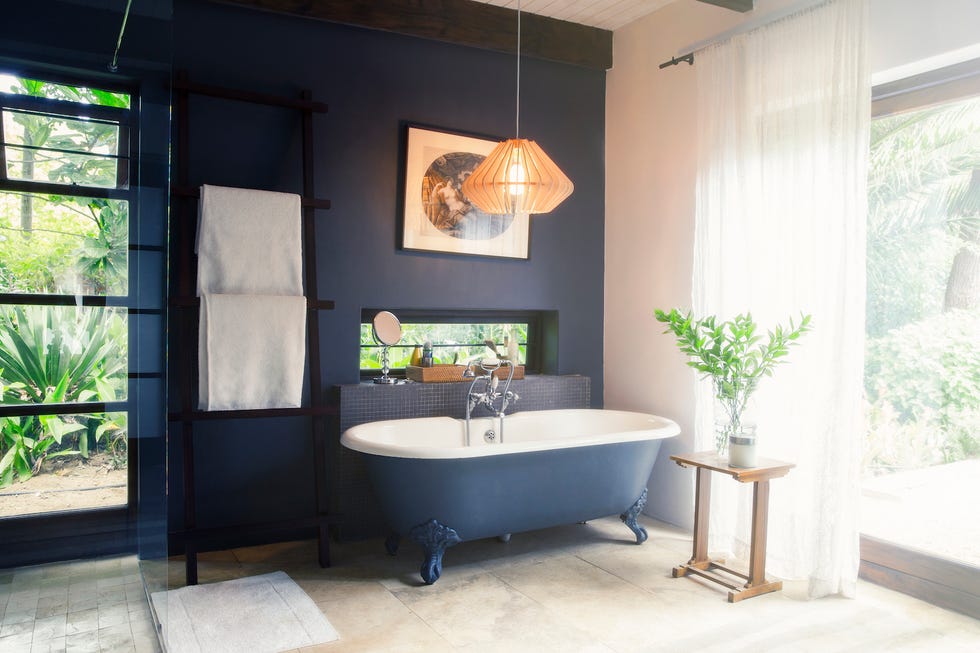
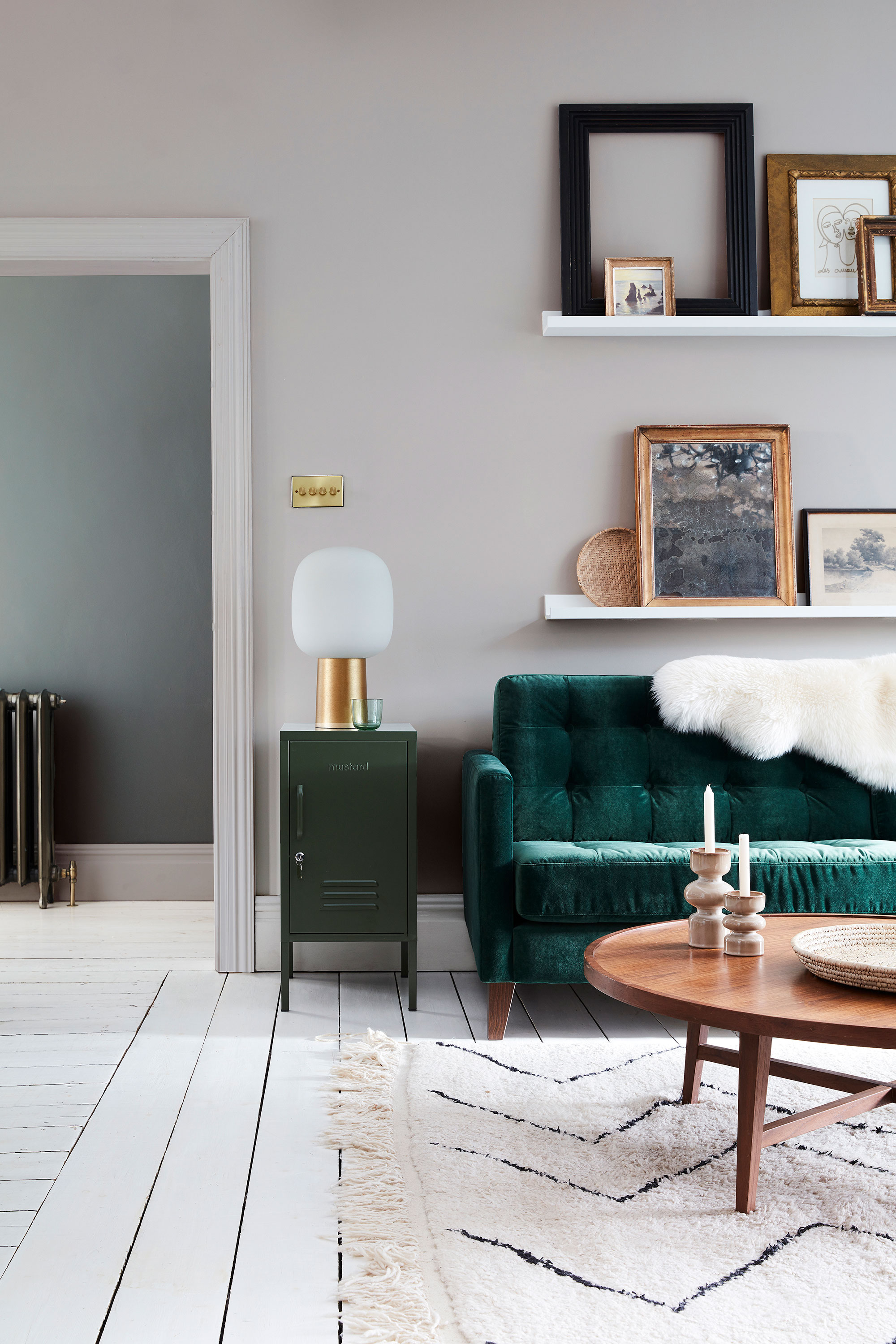
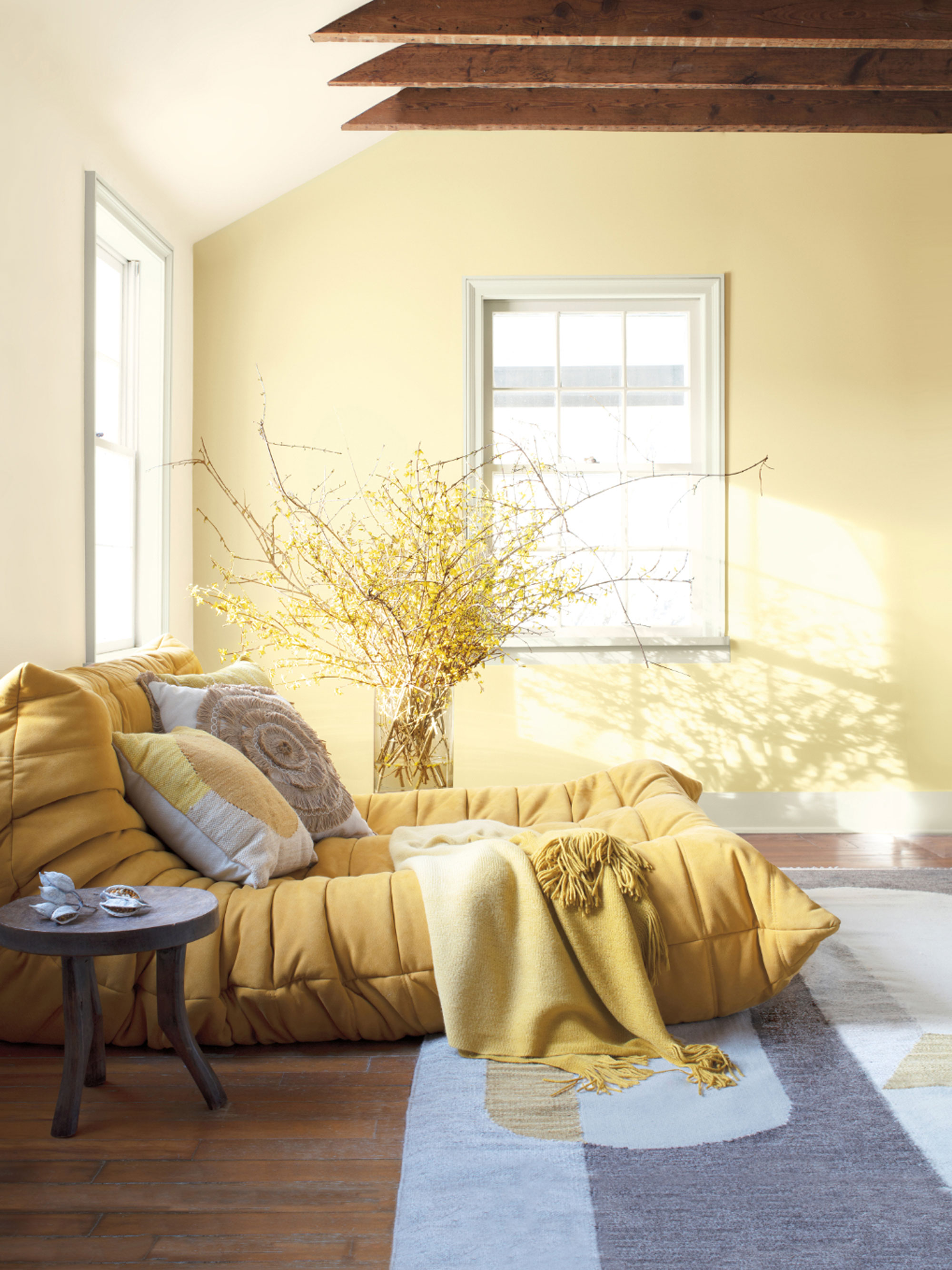

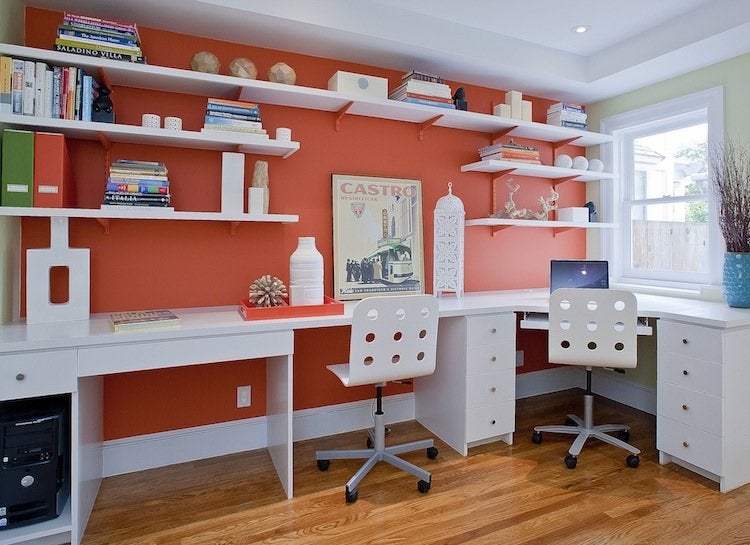
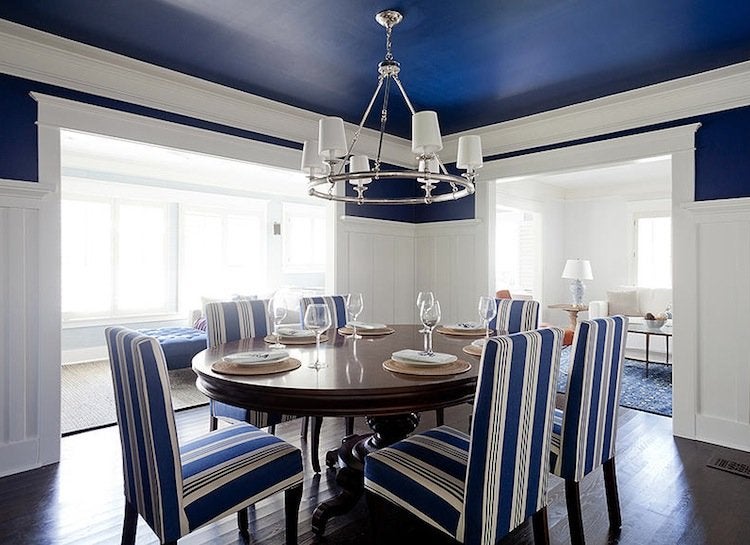
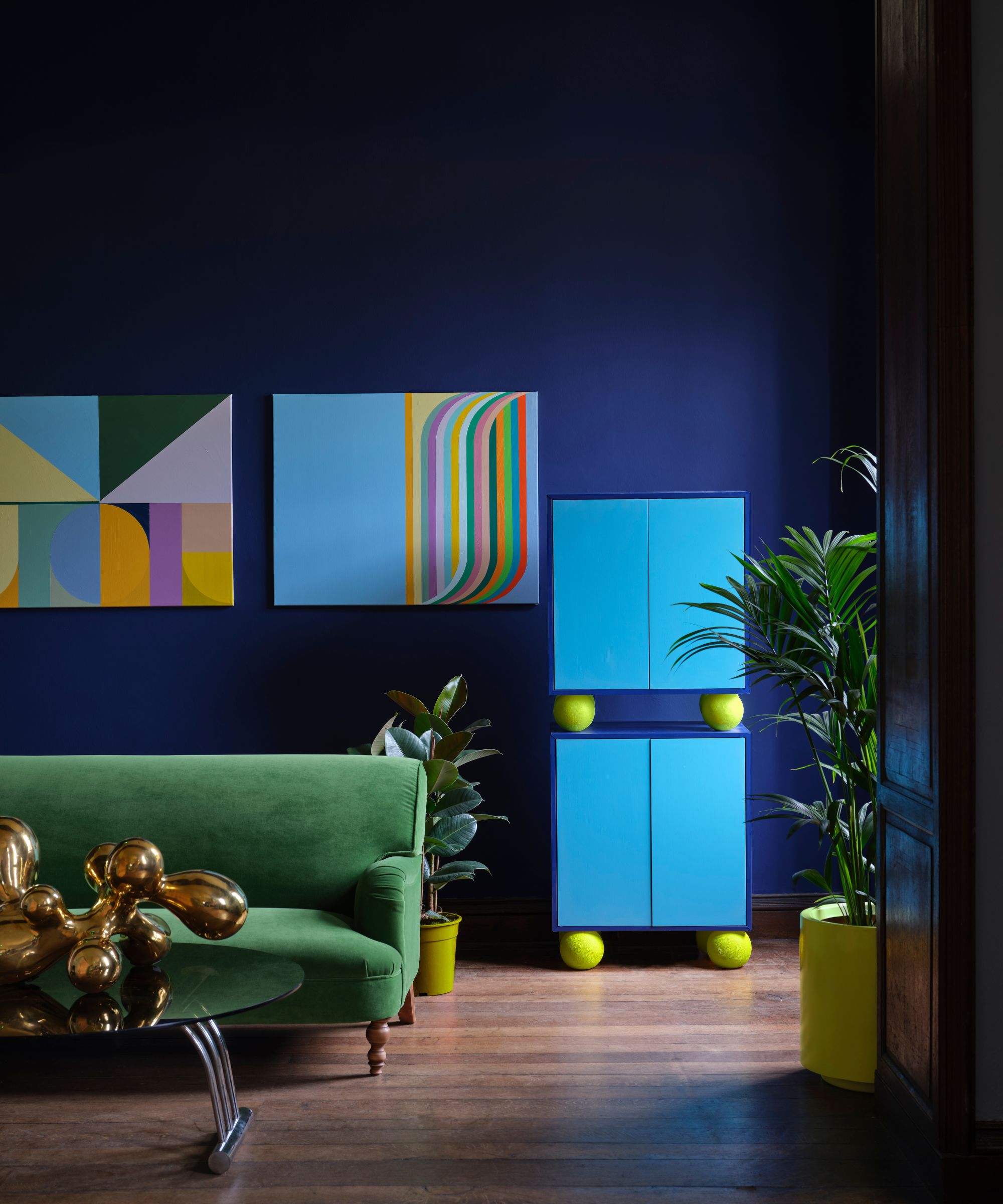
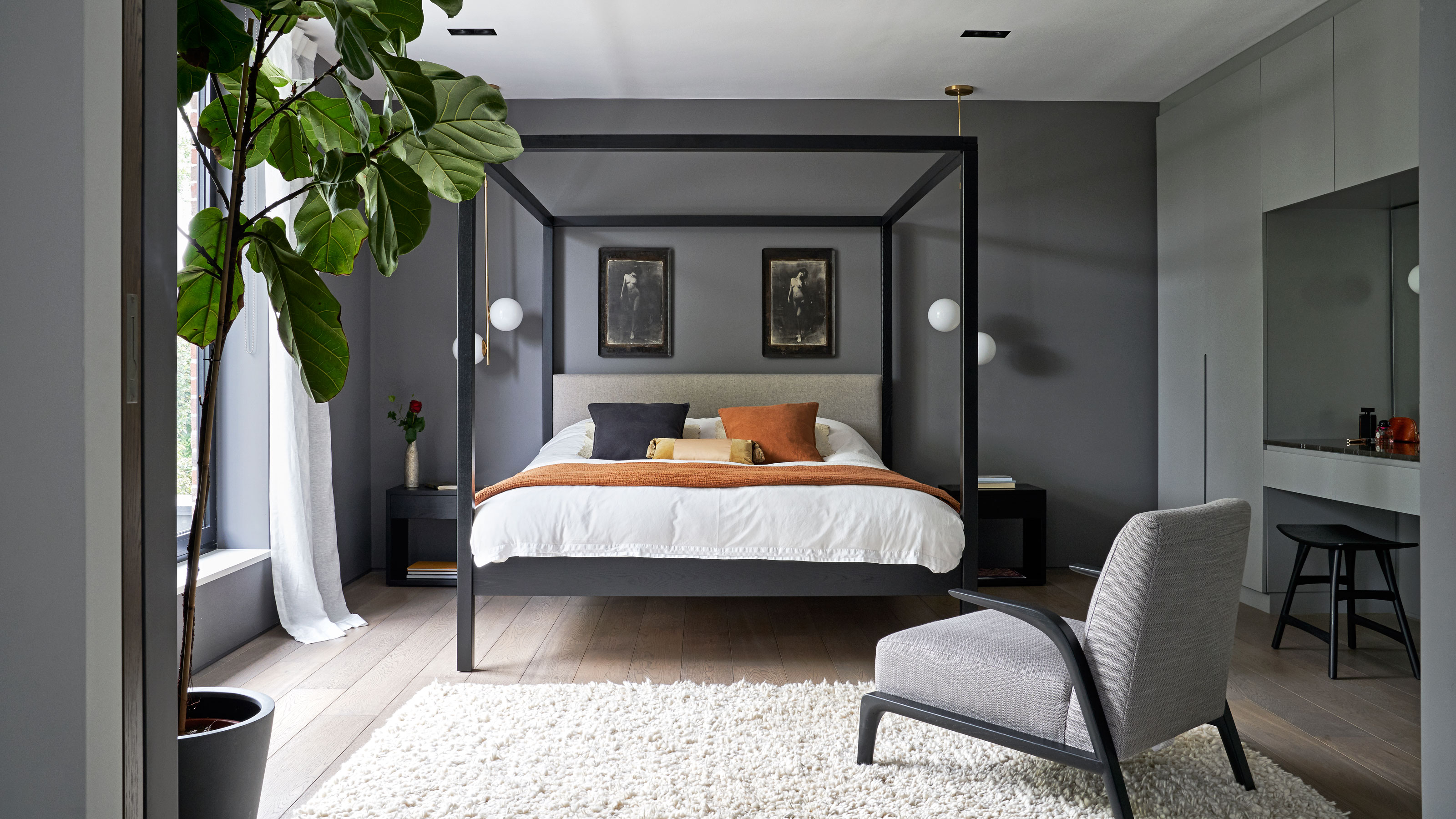
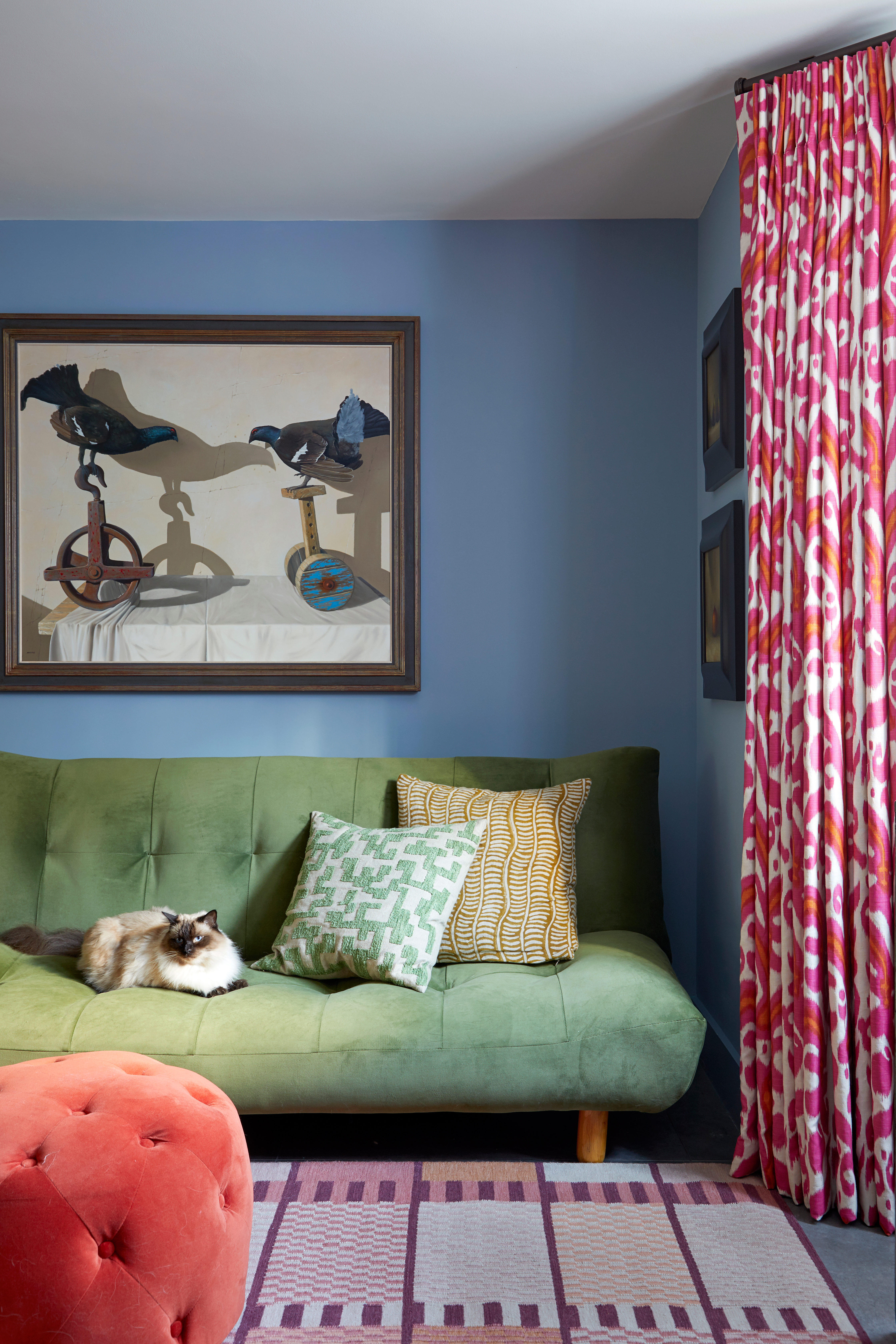
The initial consideration centers on the desired emotional atmosphere of the room. Designers inquire whether the goal is to create a calm and serene environment, a bright and energetic one, a moody and dramatic feel, or a warm and inviting space. The emotional tone helps in immediately narrowing down the potential color palette, as different colors inherently evoke distinct feelings. For instance, cool tones like blues and greens often contribute to a sense of calm, while warmer tones like yellows and oranges can make a room feel more energetic or cozy.
Secondly, a crucial aspect to factor in is the client's lifestyle. The practicalities of daily living significantly influence choices regarding paint finishes and colors. For households with children, pets, or high traffic, durable paint finishes that can withstand wear and tear are preferable. Additionally, colors that are more forgiving of minor imperfections or dirt might be chosen. This pragmatic approach ensures the longevity and maintainability of the painted surfaces, making the design both beautiful and functional.
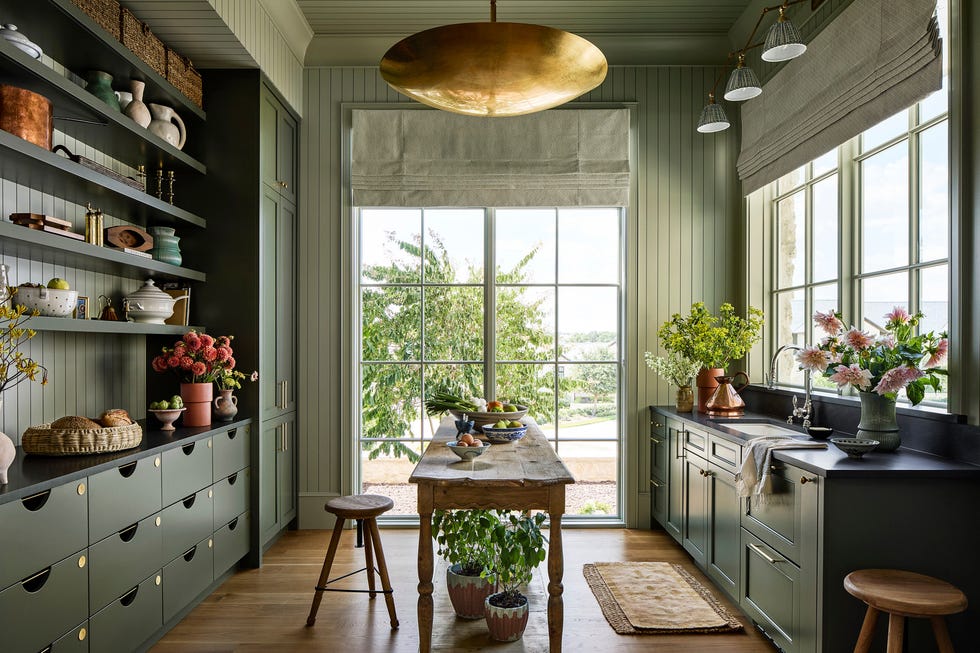
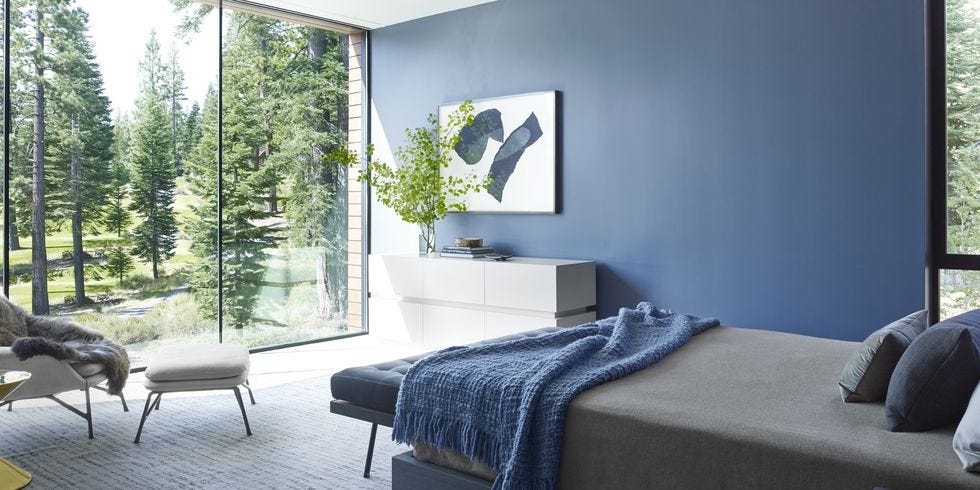
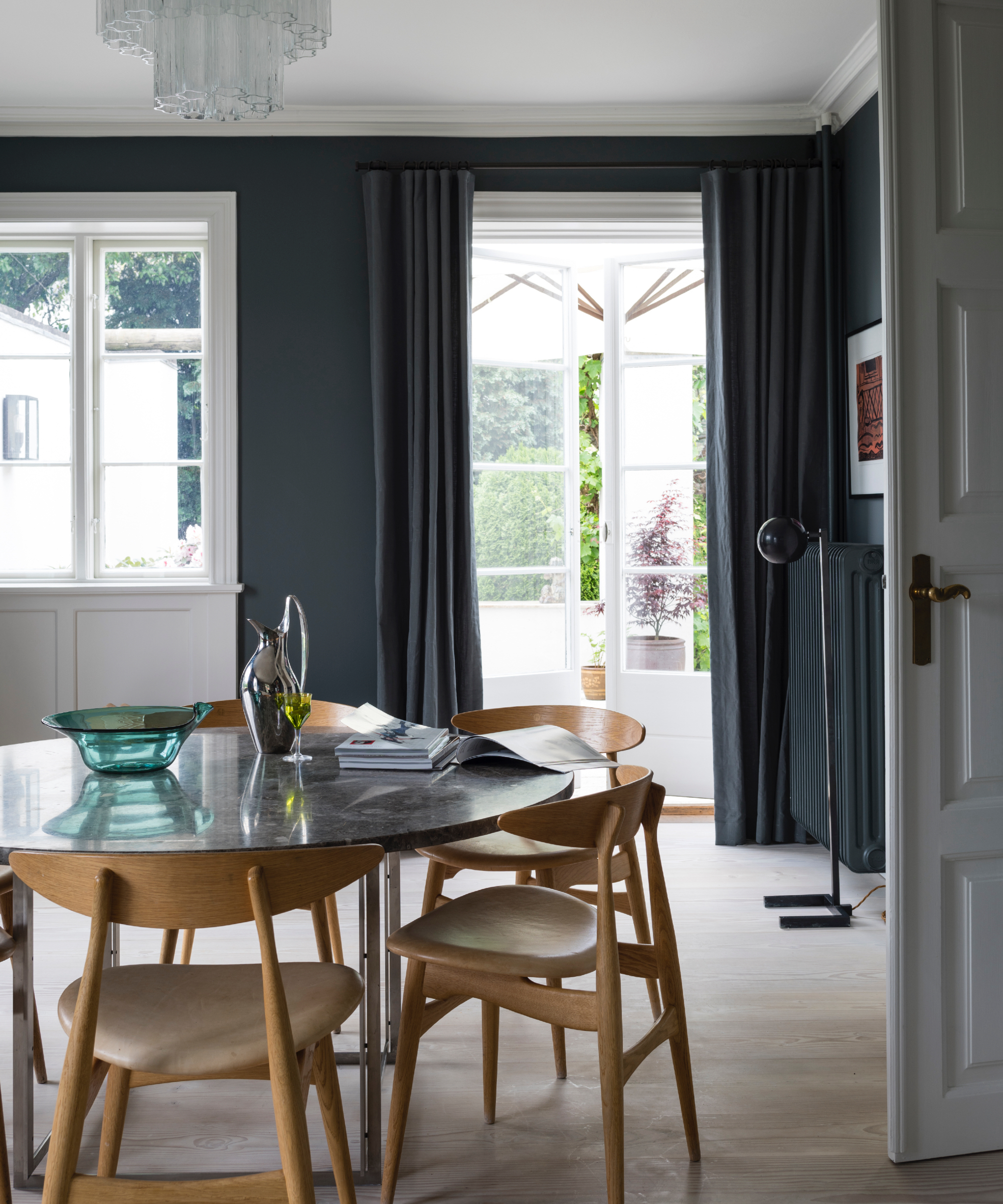
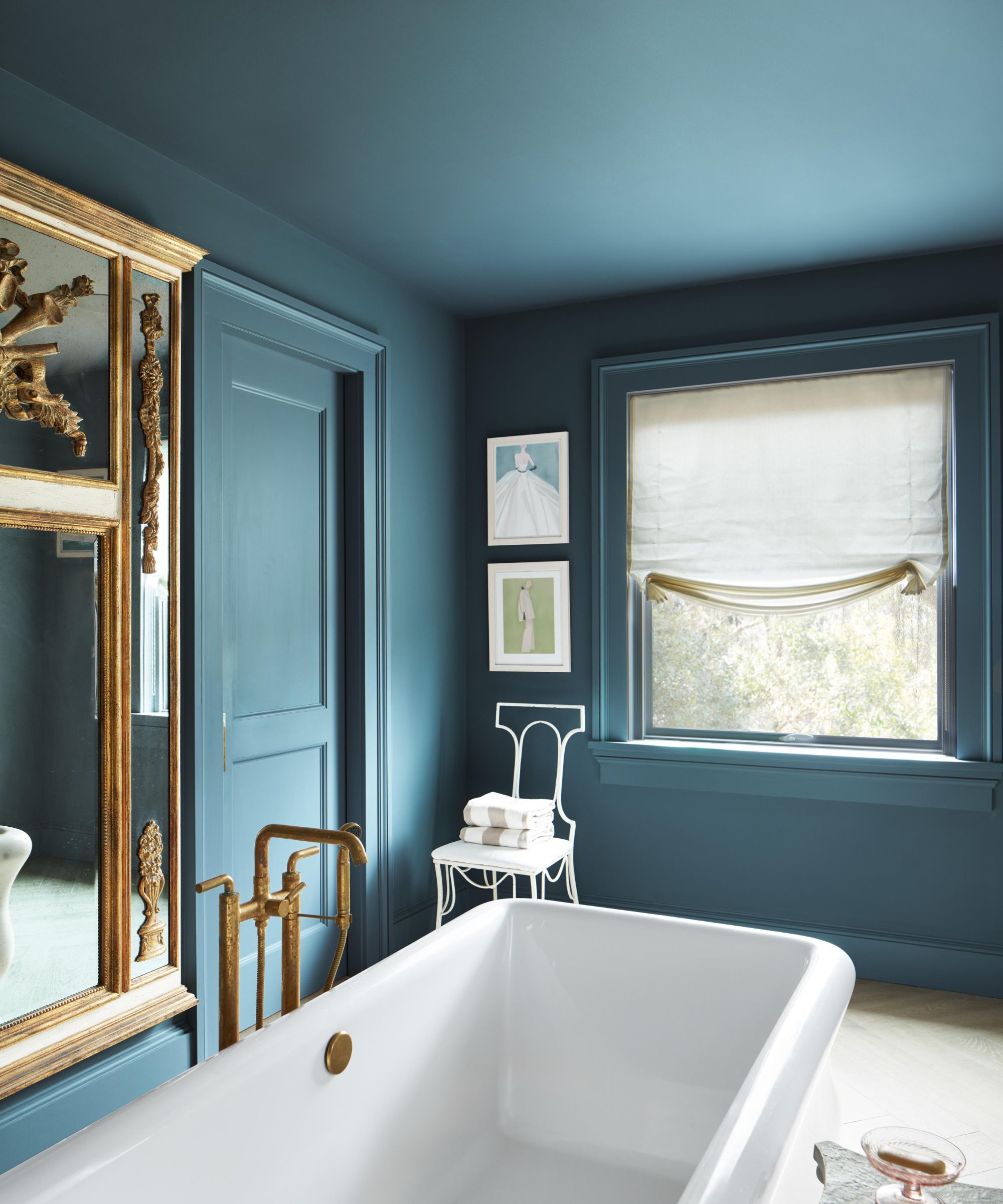
The third vital question involves assessing the natural light conditions within the room. Light dramatically alters how paint colors are perceived on walls. Rooms facing north typically receive cooler, grayer light, which can make certain colors appear muted or even different from their swatch. Conversely, south-facing rooms are often bathed in warmer, sunnier light. Understanding the direction and intensity of natural light is essential for selecting a color that will appear consistent and appealing throughout the day. Designers advise testing paint samples in various parts of the room and at different times to observe these shifts.
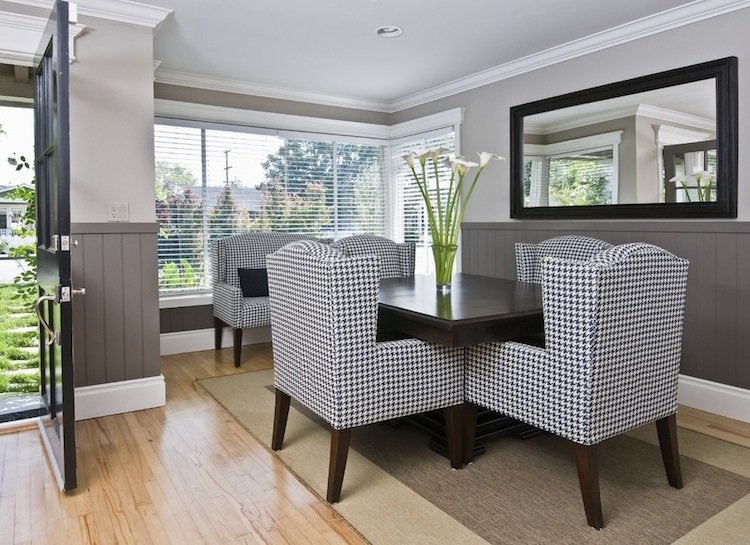
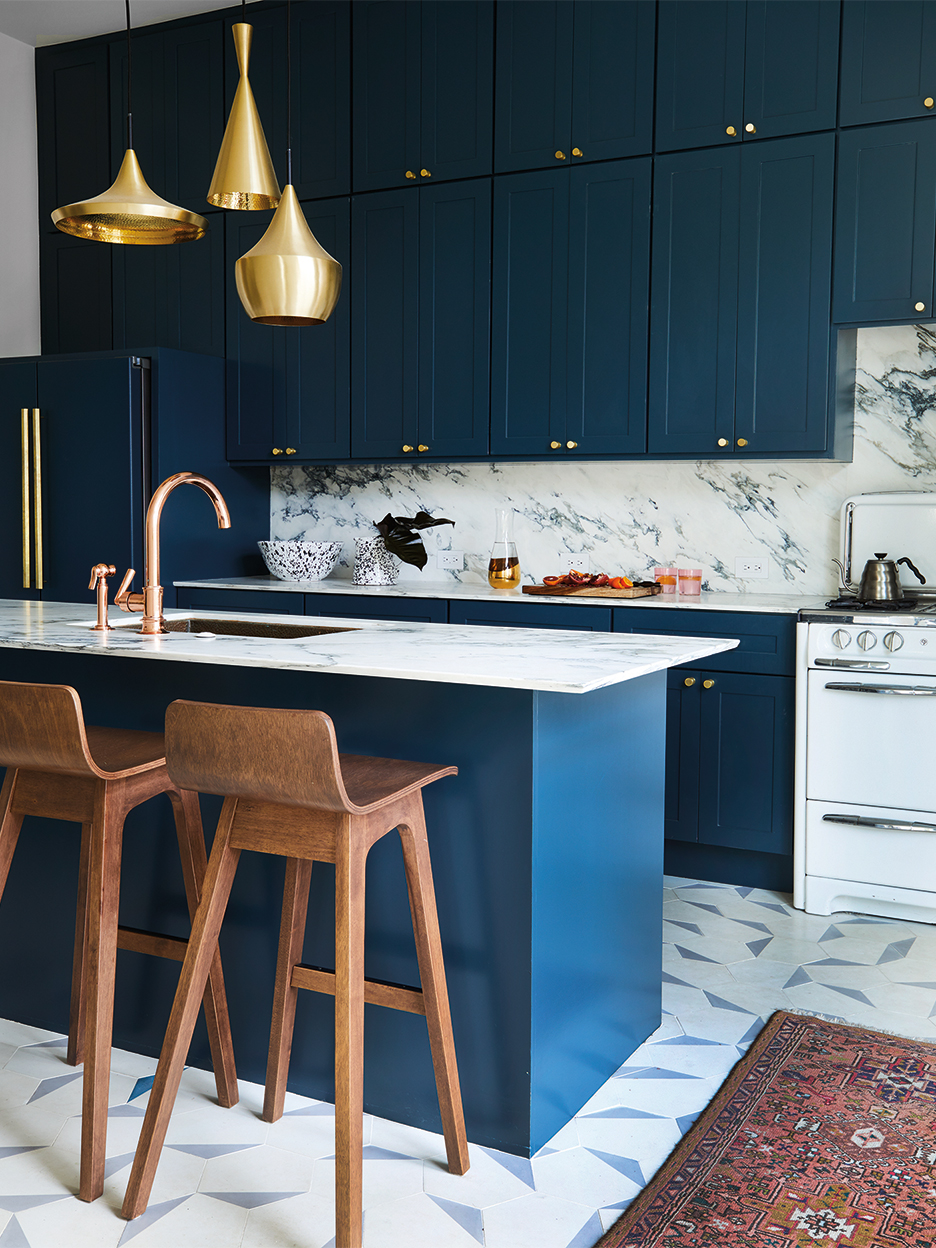
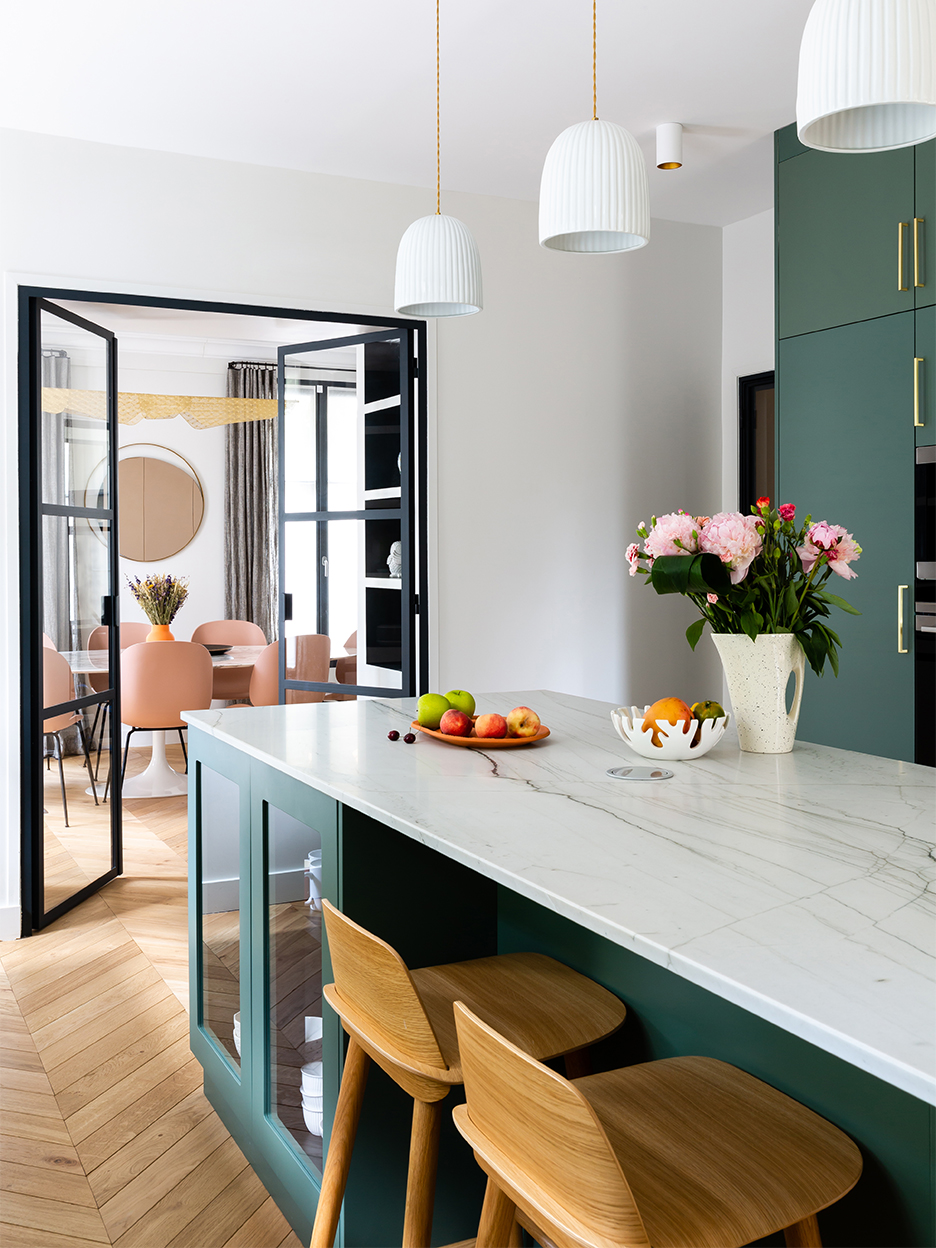
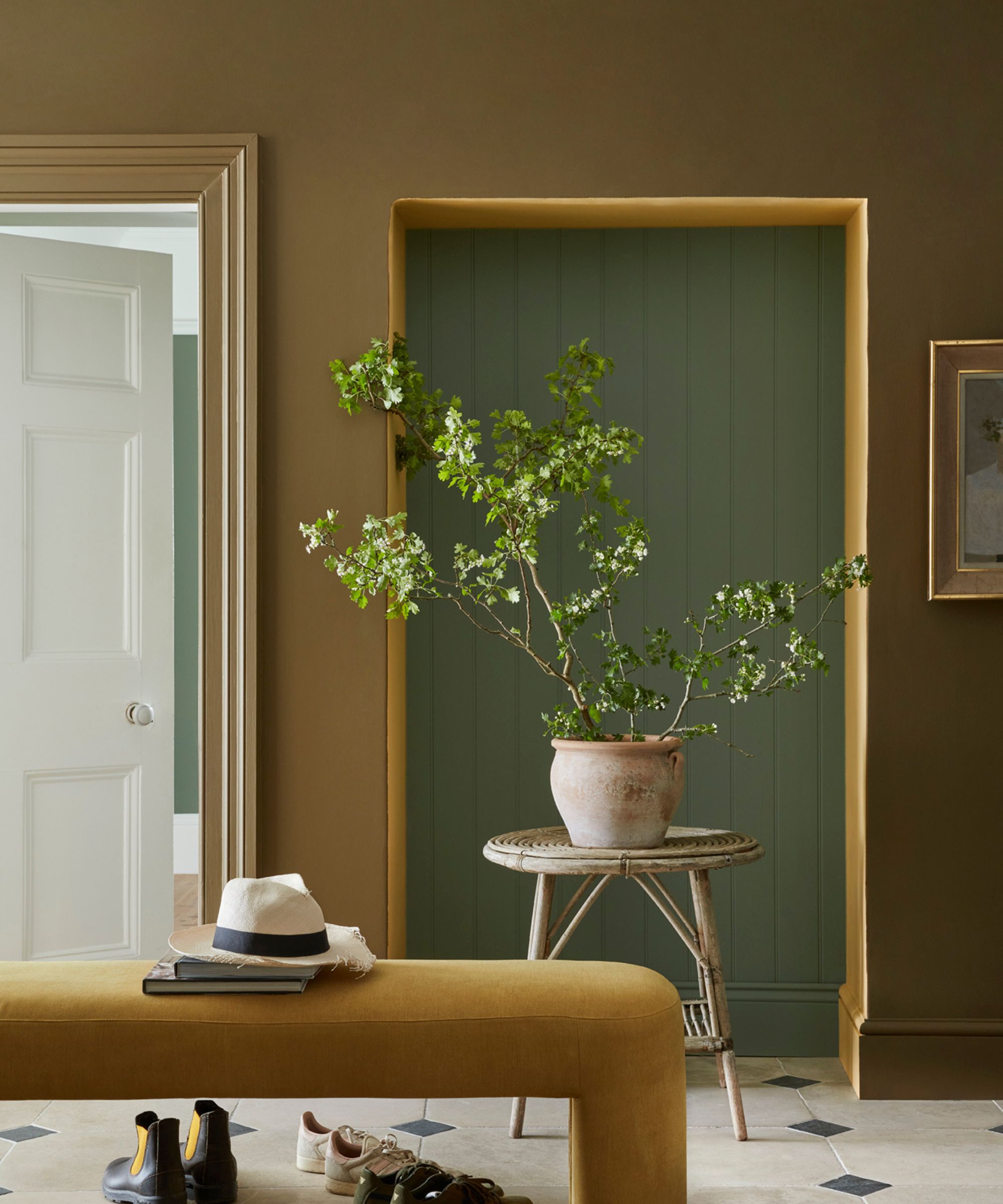

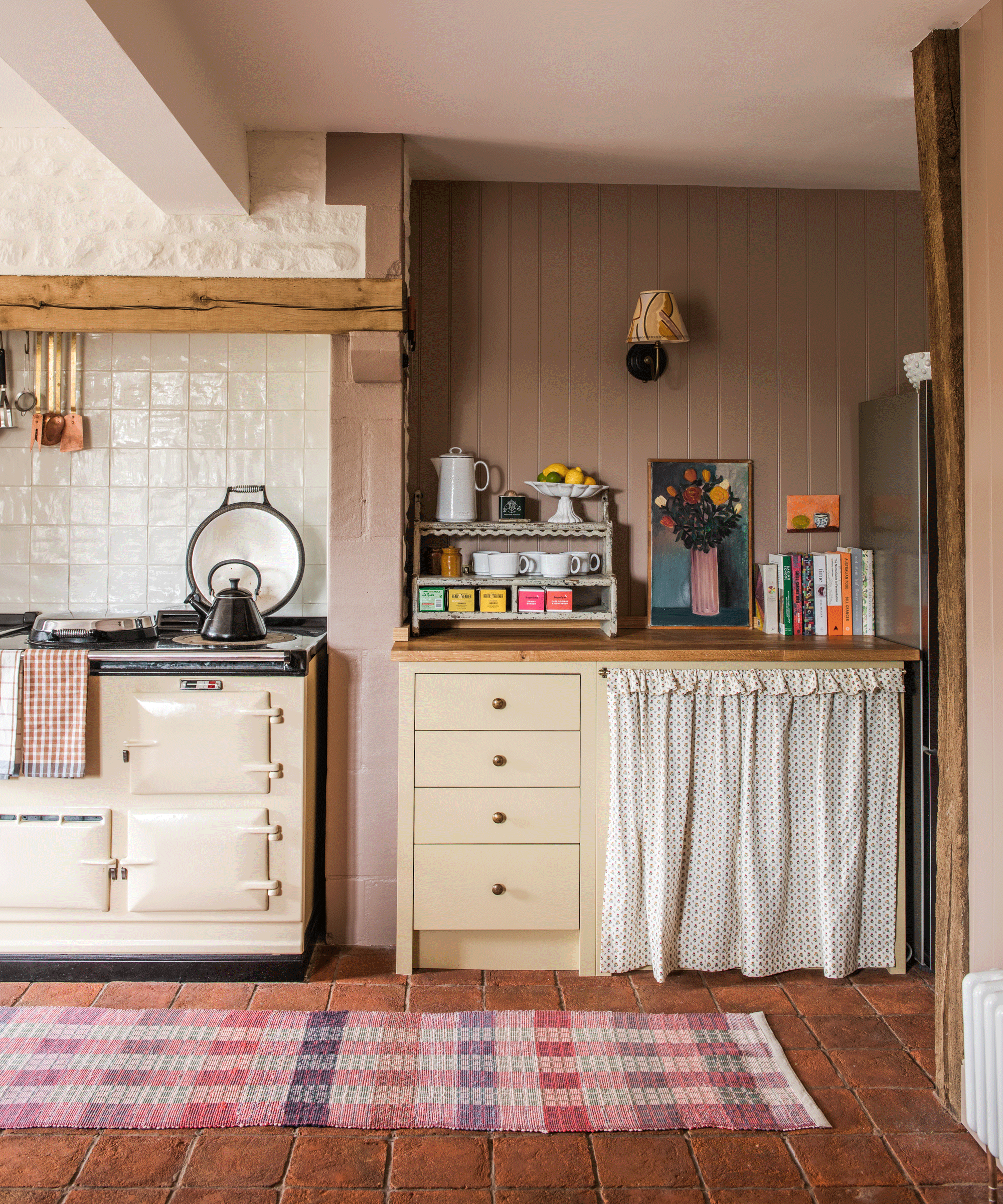
Fourthly, designers evaluate existing elements within the space that must be accommodated. Paint colors should not be chosen in isolation but rather as a complementary component to fixed features such as flooring, countertops, cabinetry, and large furniture pieces. The goal is to select a paint color that harmonizes with these elements, creating a cohesive and unified design rather than clashing with pre-existing finishes and decor.
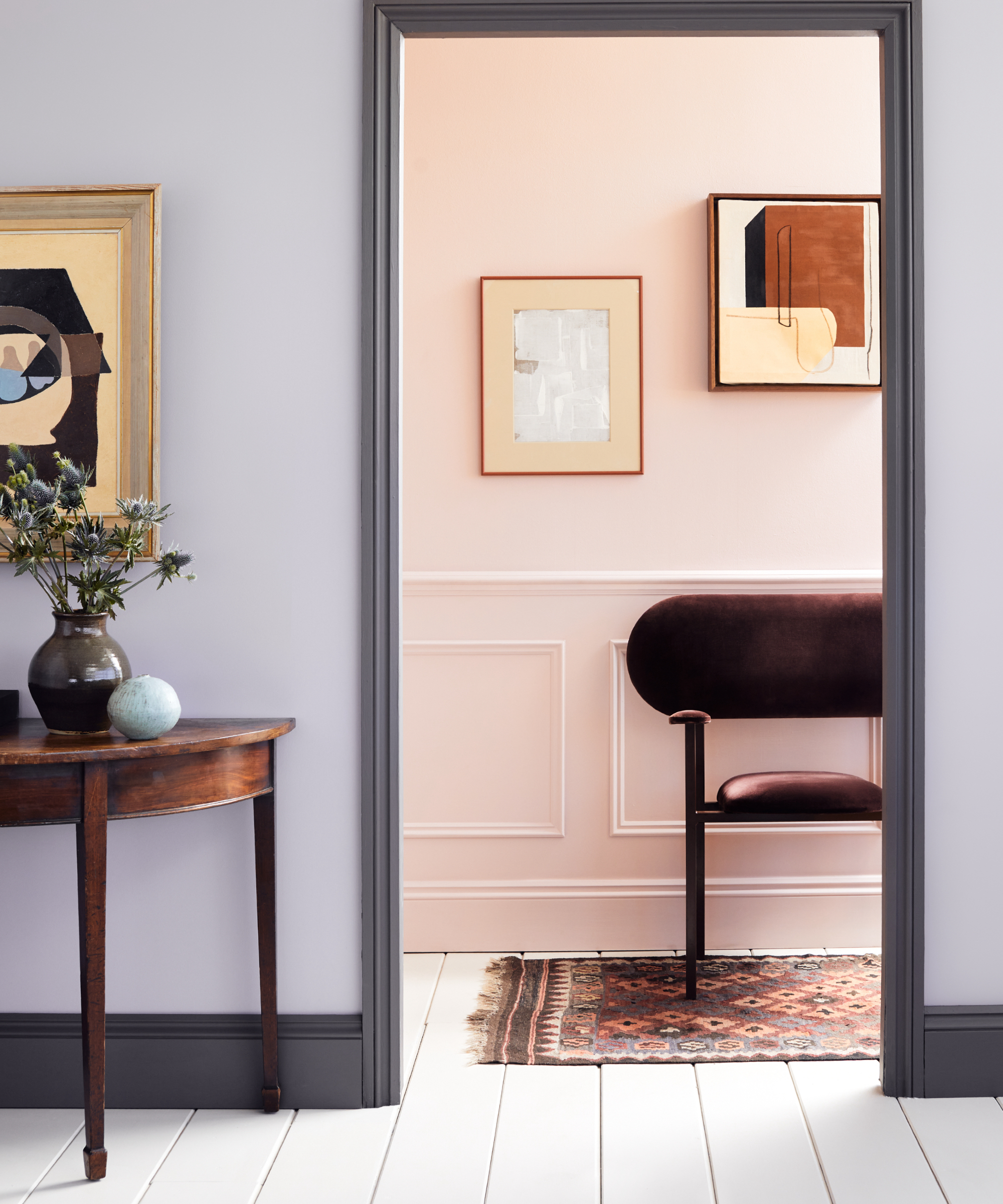
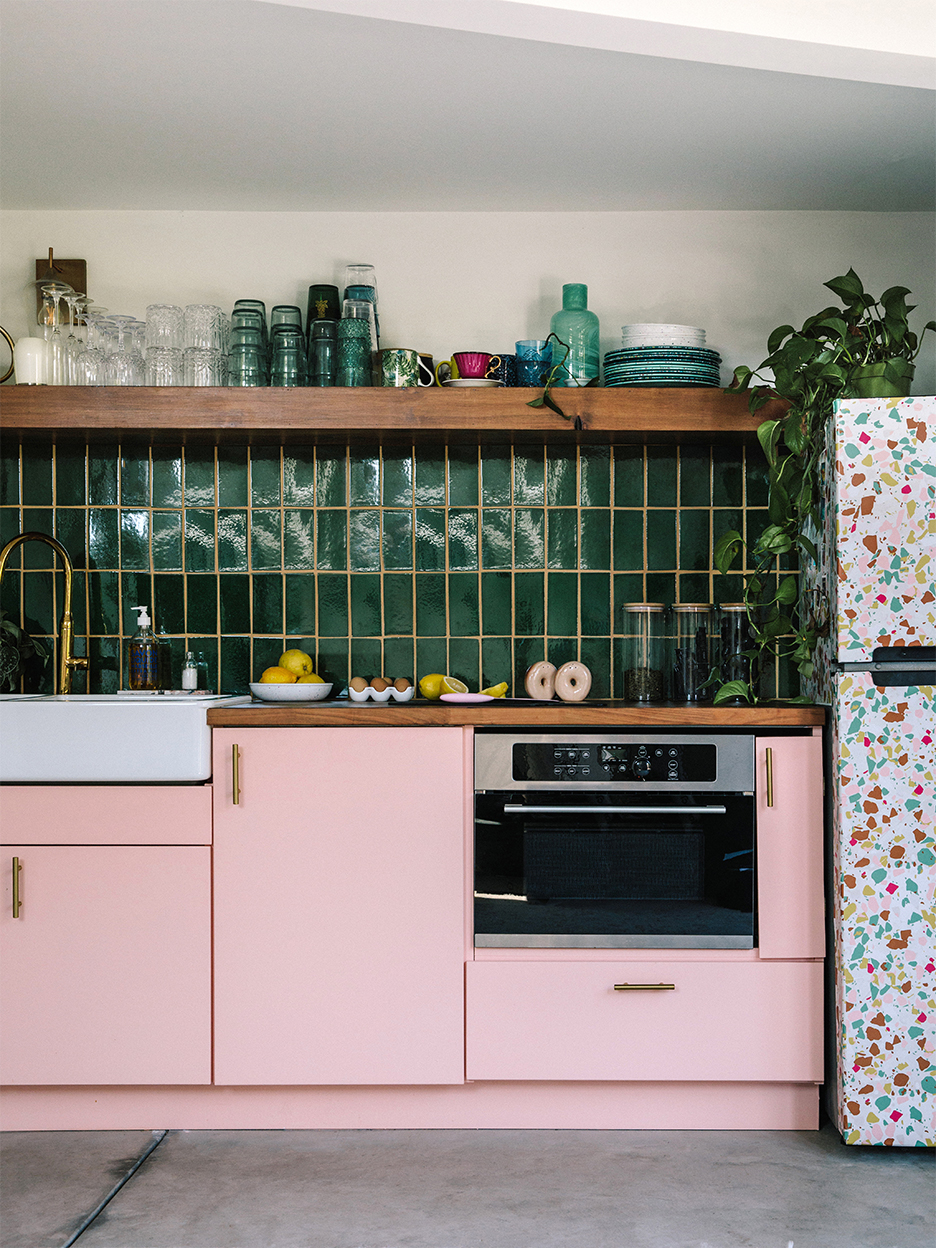
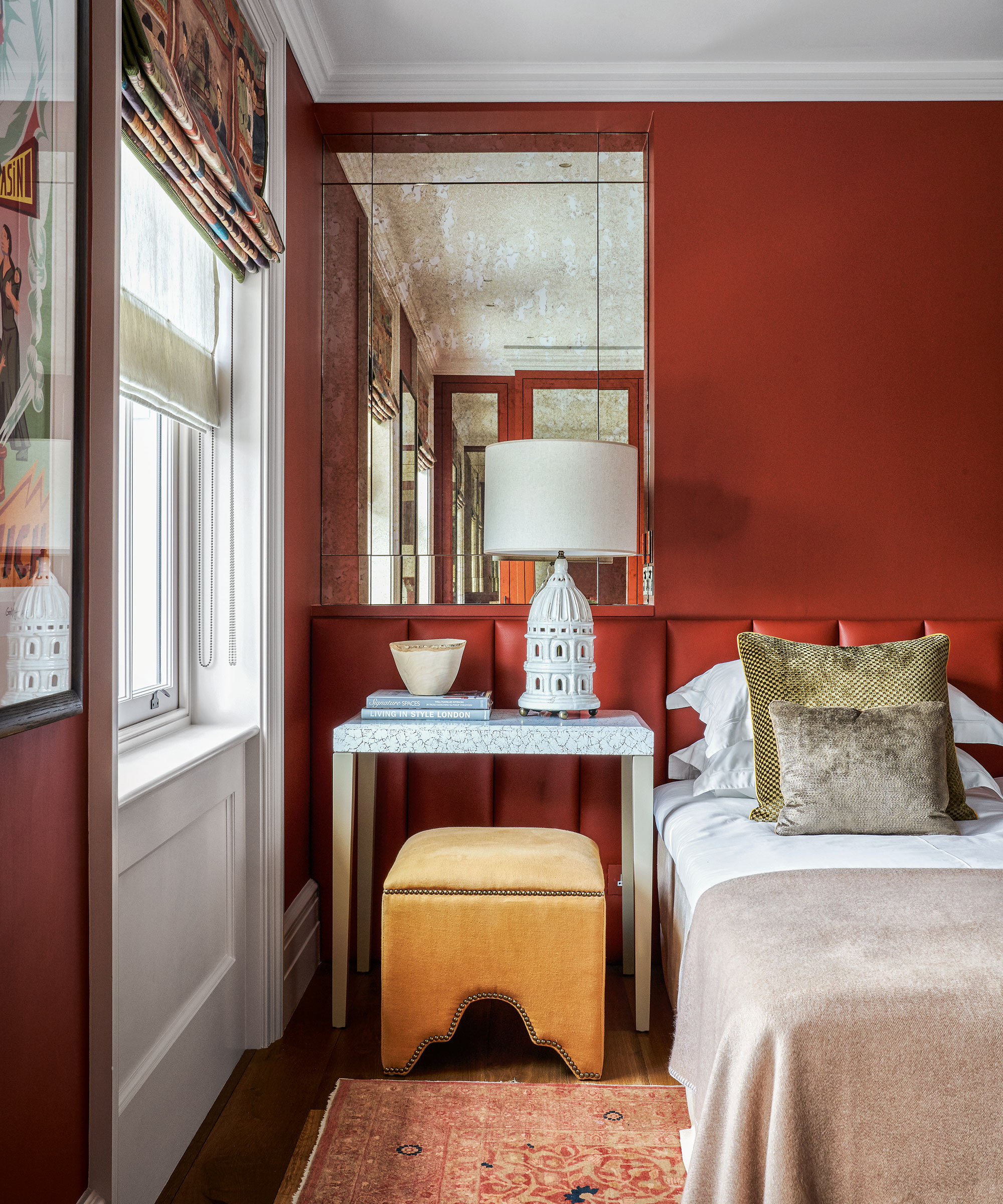
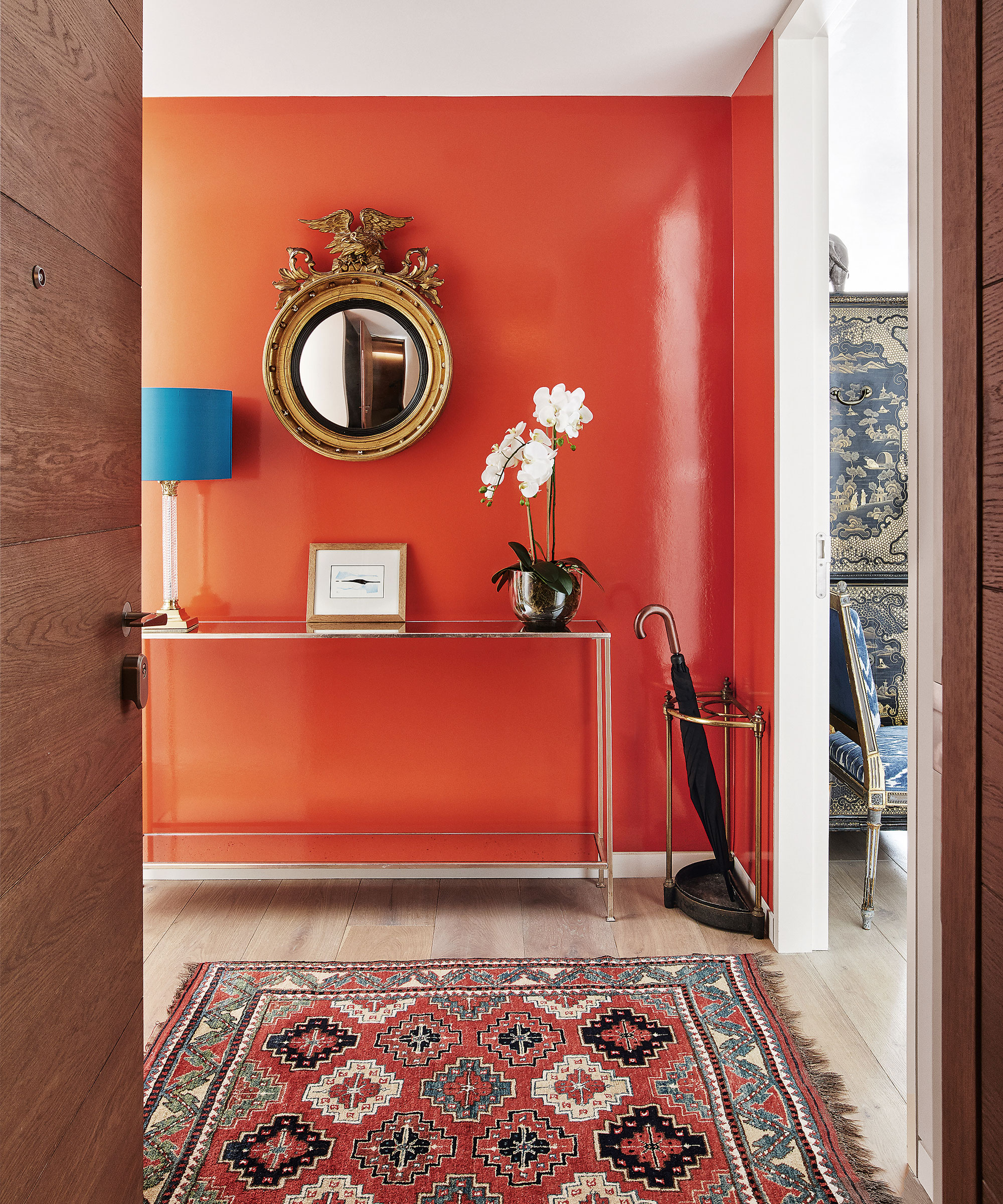
Finally, designers ascertain the client's preference for warm or cool tones. Both warm and cool colors have distinct psychological and visual effects on a room. Warm tones, which include reds, oranges, and yellows, tend to create an intimate and cozy atmosphere, while cool tones, such as blues, greens, and purples, often promote a sense of spaciousness and tranquility. Clients are encouraged to reflect on colors they are naturally drawn to in their clothing, decor, or nature, as these preferences often indicate what will make them feel most comfortable and content in their living space over time. These five questions provide a comprehensive framework for making informed and successful paint color decisions.
#PaintColorSelection #InteriorDesign #HomeDecor #DesignProcess #NaturalLight #ColorPsychology #LifestyleConsiderations #RoomAtmosphere #DesignTips #PaintColorSelection #InteriorDesign #HomeDecor #DesignProcess #NaturalLight #ColorPsychology #LifestyleConsiderations #RoomAtmosphere #DesignTips
0 comment in total
 No comments yet
You may also like
An A-List Designer’s Secrets To Picking Perfect Paint Colors

These Master Tips Will Help You Avoid Choosing The Wrong Type Of Paint
If This, Then That: Your Guide to Pairing Paint Colors

Can't Choose a Paint Color? Here Are 7 Hacks Interior Designers Swear By

The Paint Color That All This Designer's Followers Ask About | domino

Here's What Colorists Want You to Know About Picking House Paint

5 Underrated Paint Colors Designers Always Use in Their Projects (and You Should Too)

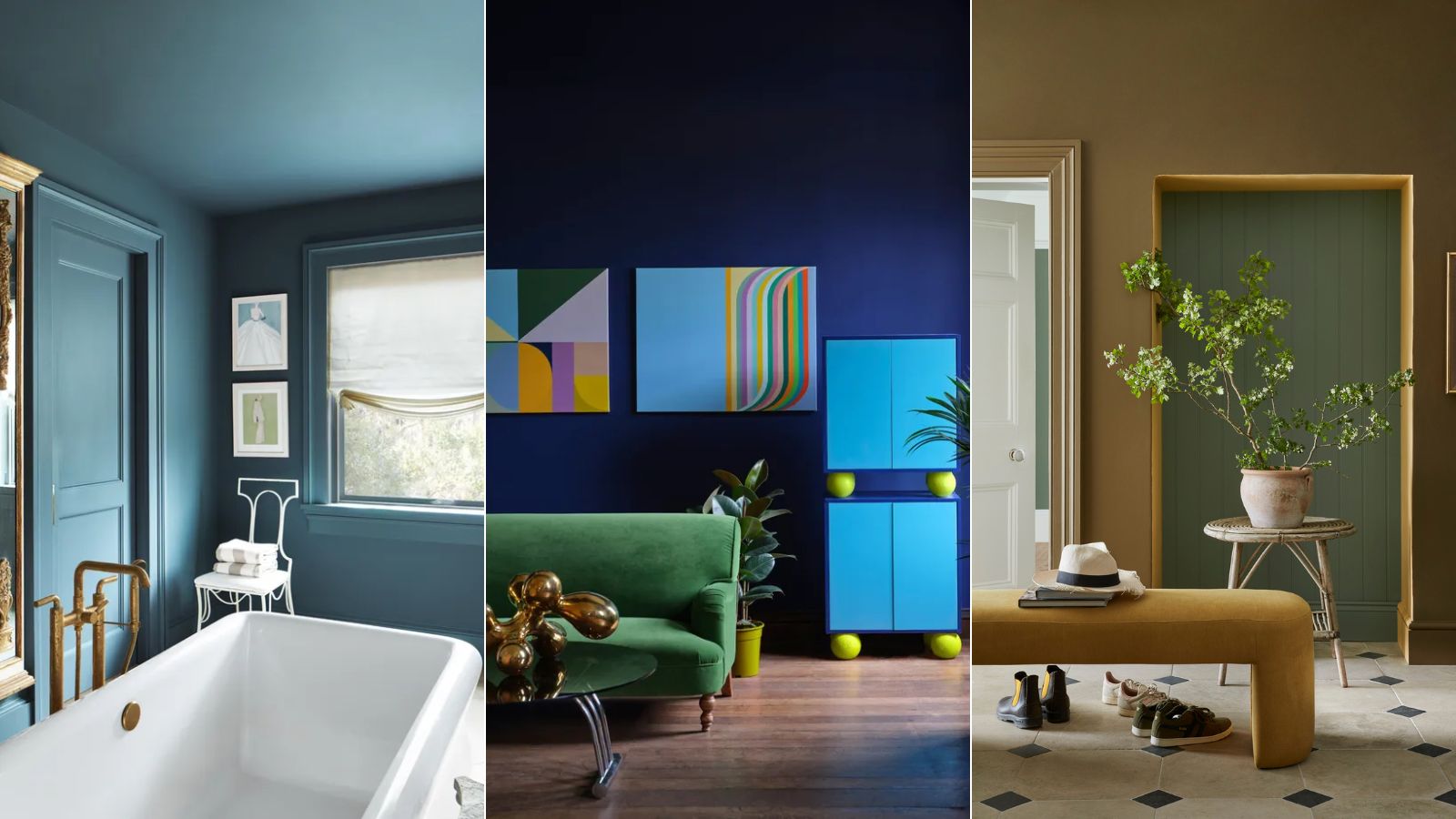
I asked 3 interior designers for their must-try paint colors in 2025 – they are all the perfect 'in-between' shades

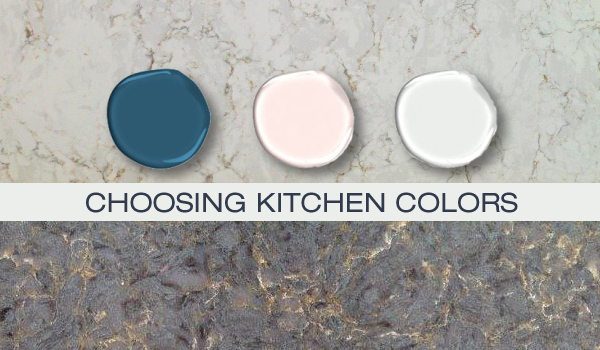
Kitchen Color Selection Tips from 5 Designers
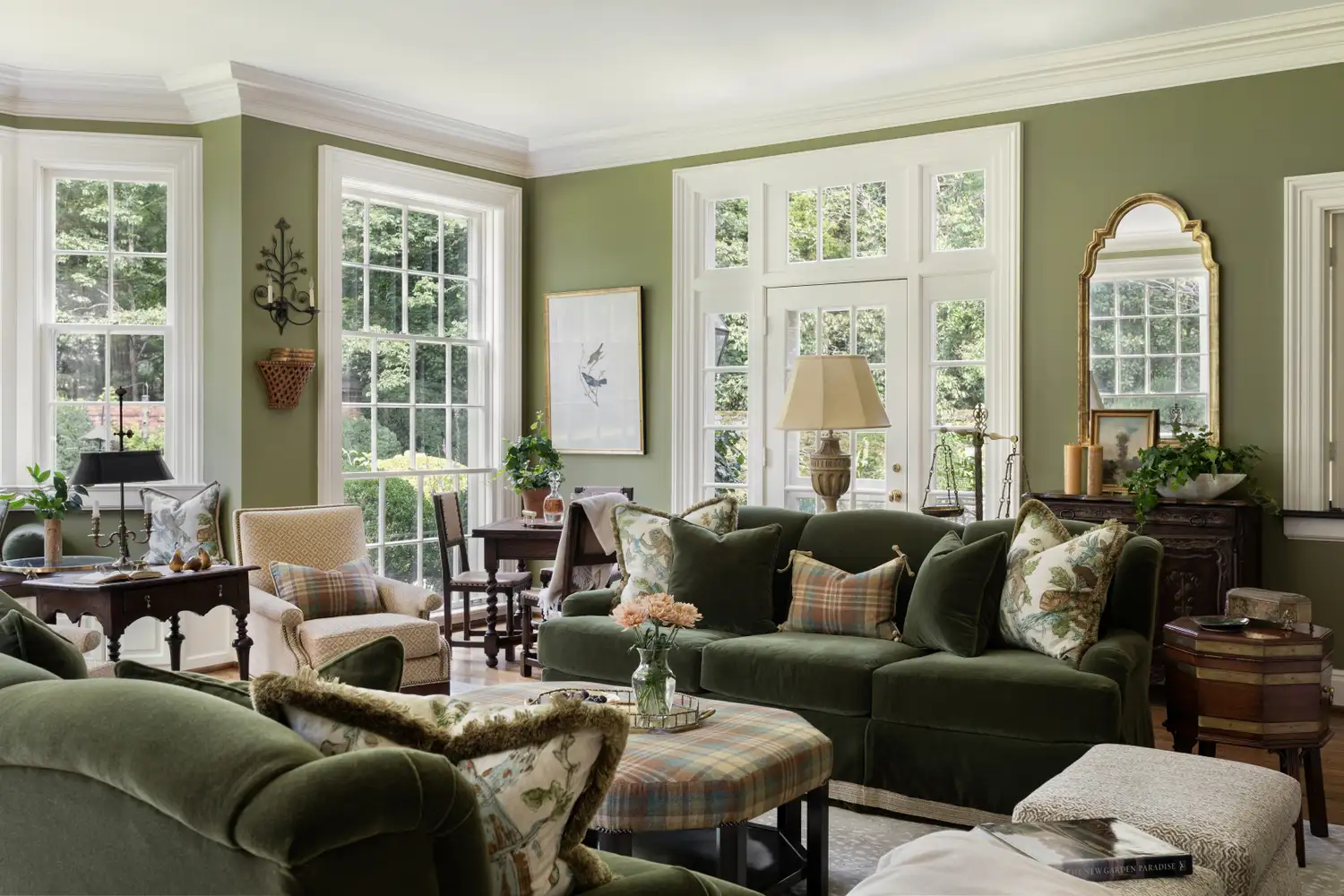
5 Secrets To Picking Paint Colors Like A Designer
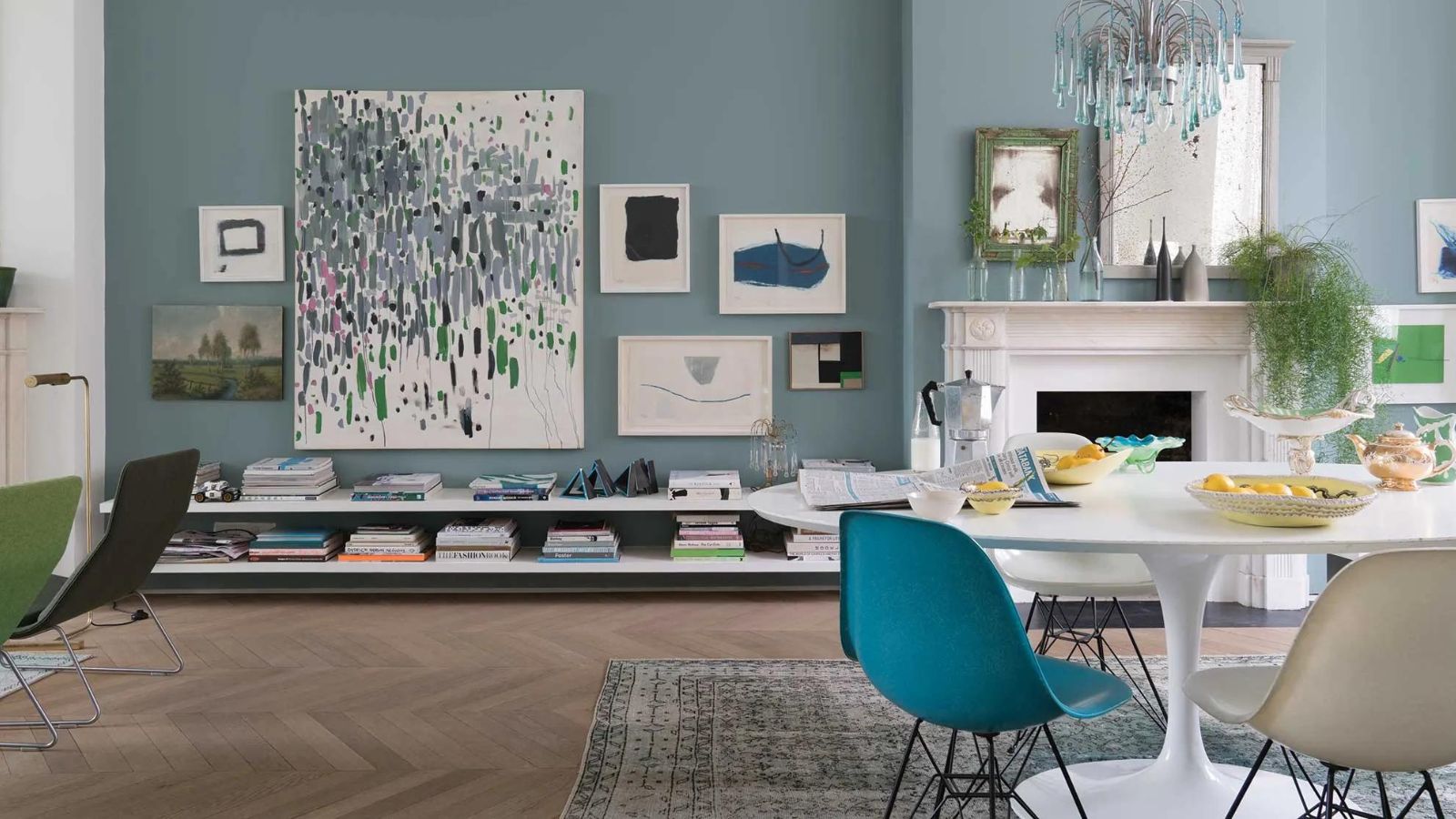
7 of the most versatile and easy to use paint colors according to designers
What are the worst colors to paint a room? The shades experts say you should never use

Before Choosing A Paint Color, Ask These 5 Questions

I asked interior designers what color they include in every project – these 5 enduring shades were the favorites
5 Designers Weigh In on the Best Brands of Paint for Kitchen Cabinets

Paint finishes explained – an expert guide to choosing the perfect type of paint for your projects

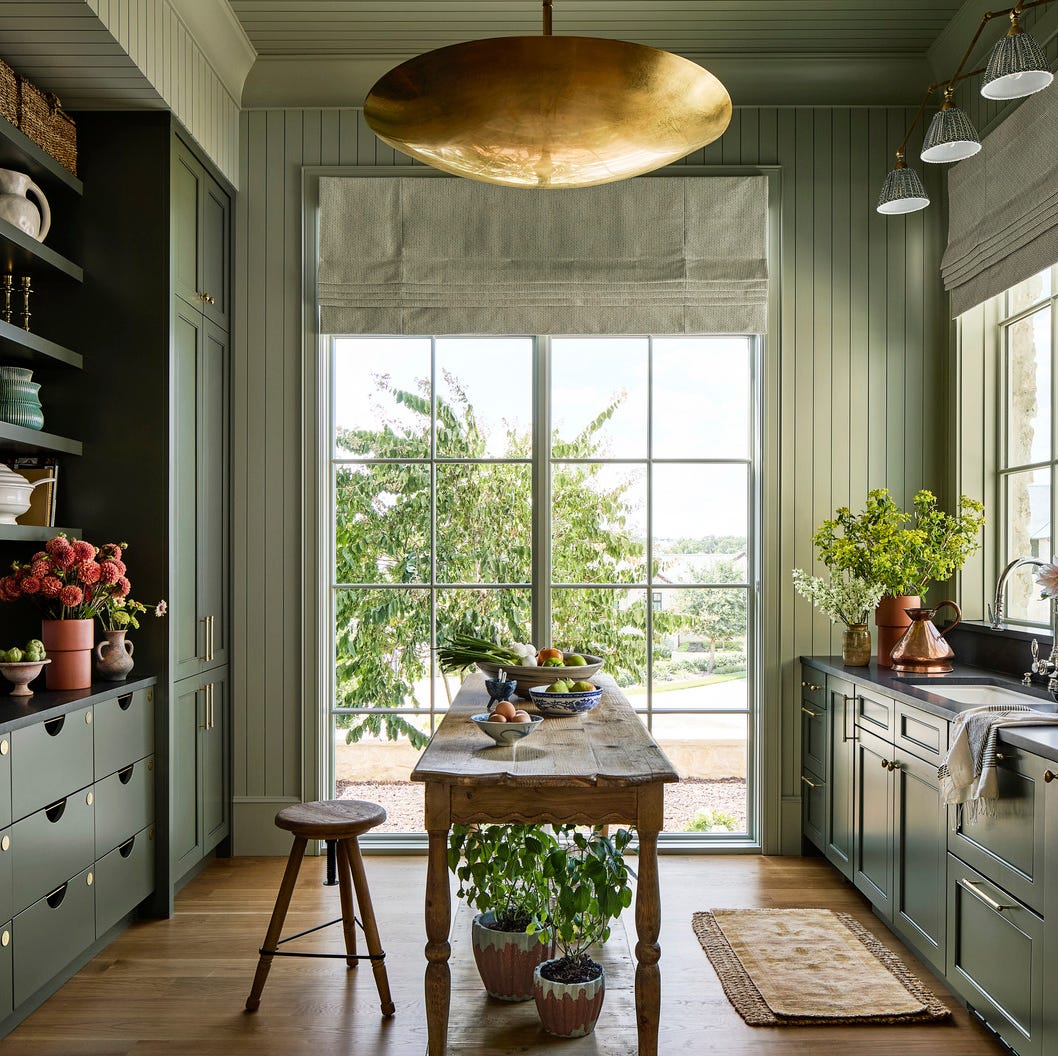
5 Timeless Paint Colors That Will NEVER Go Out of Style, According to Designers

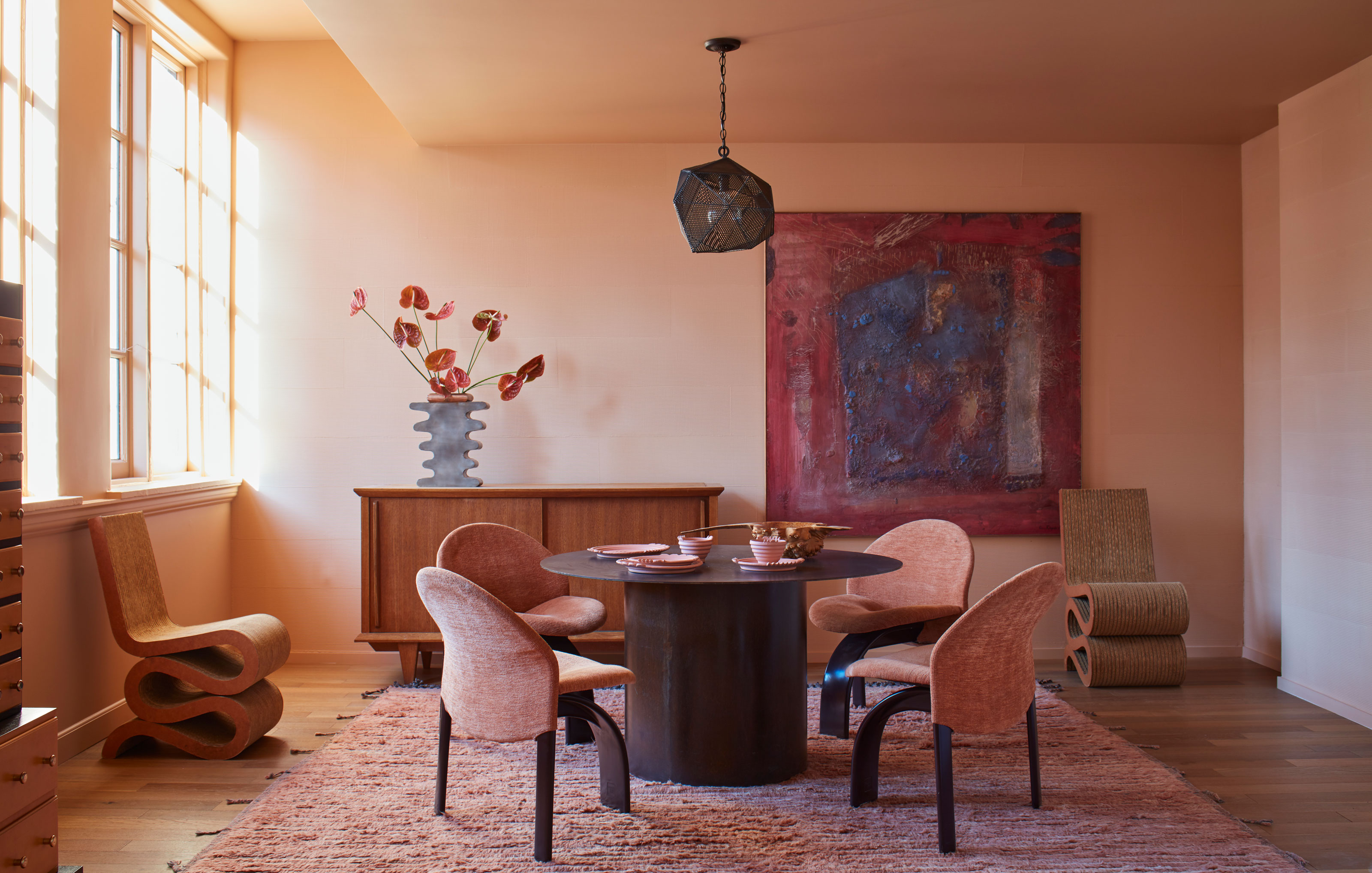
Paint color ideas for every room – experts explain the best choices for different spaces
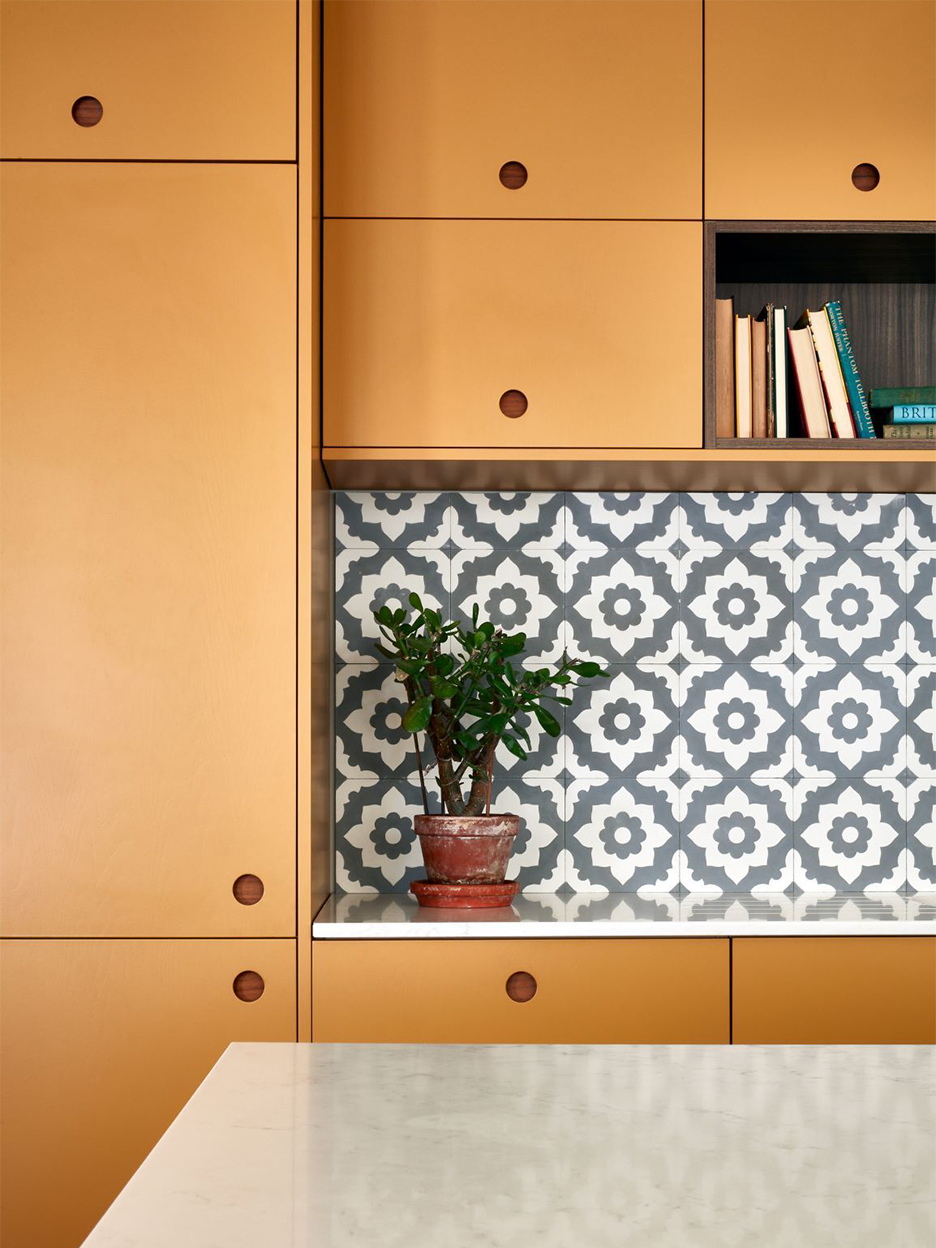
5 Designers Weigh In on the Best Brands of Paint for Kitchen Cabinets

to choose paint colors.