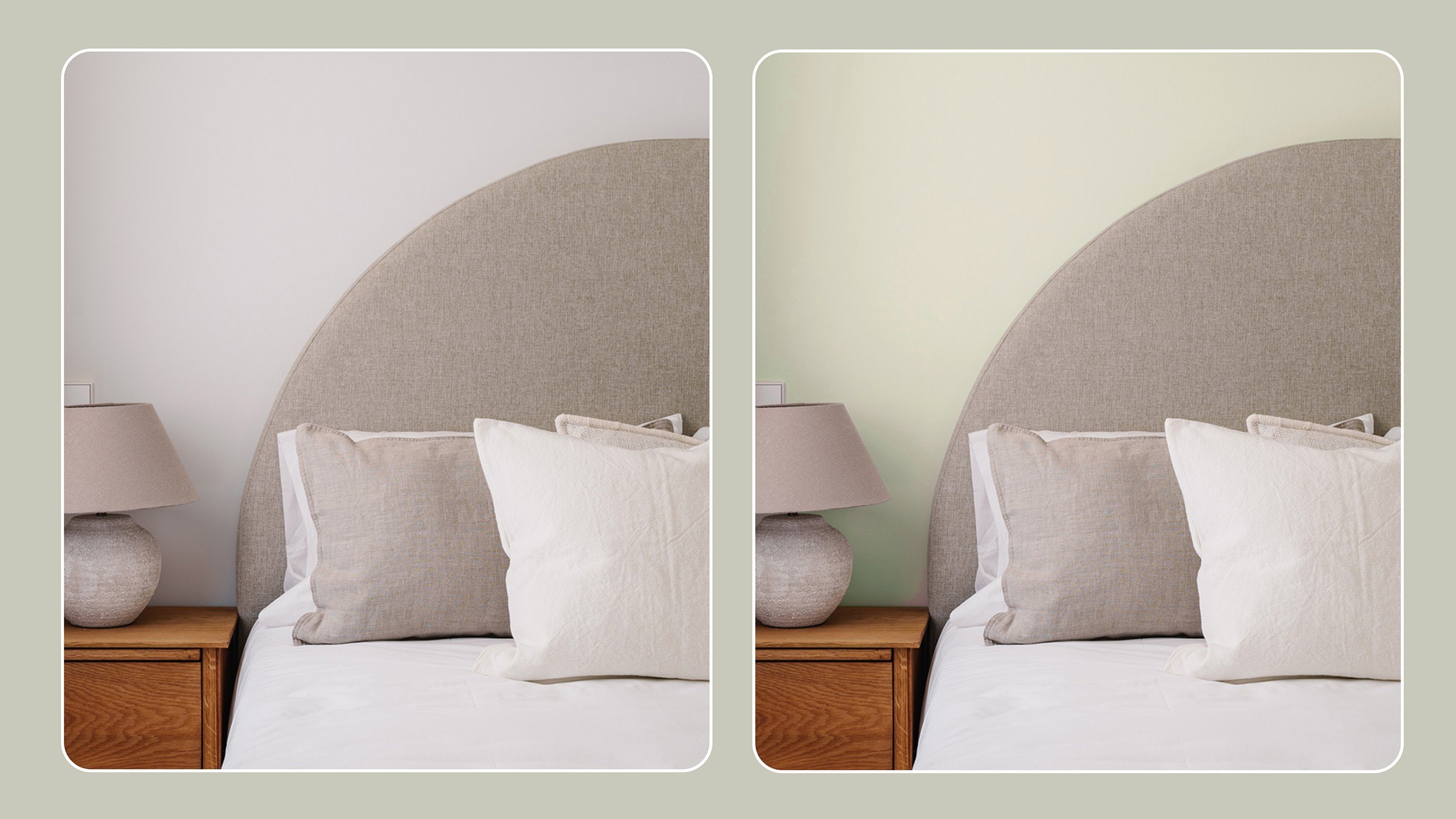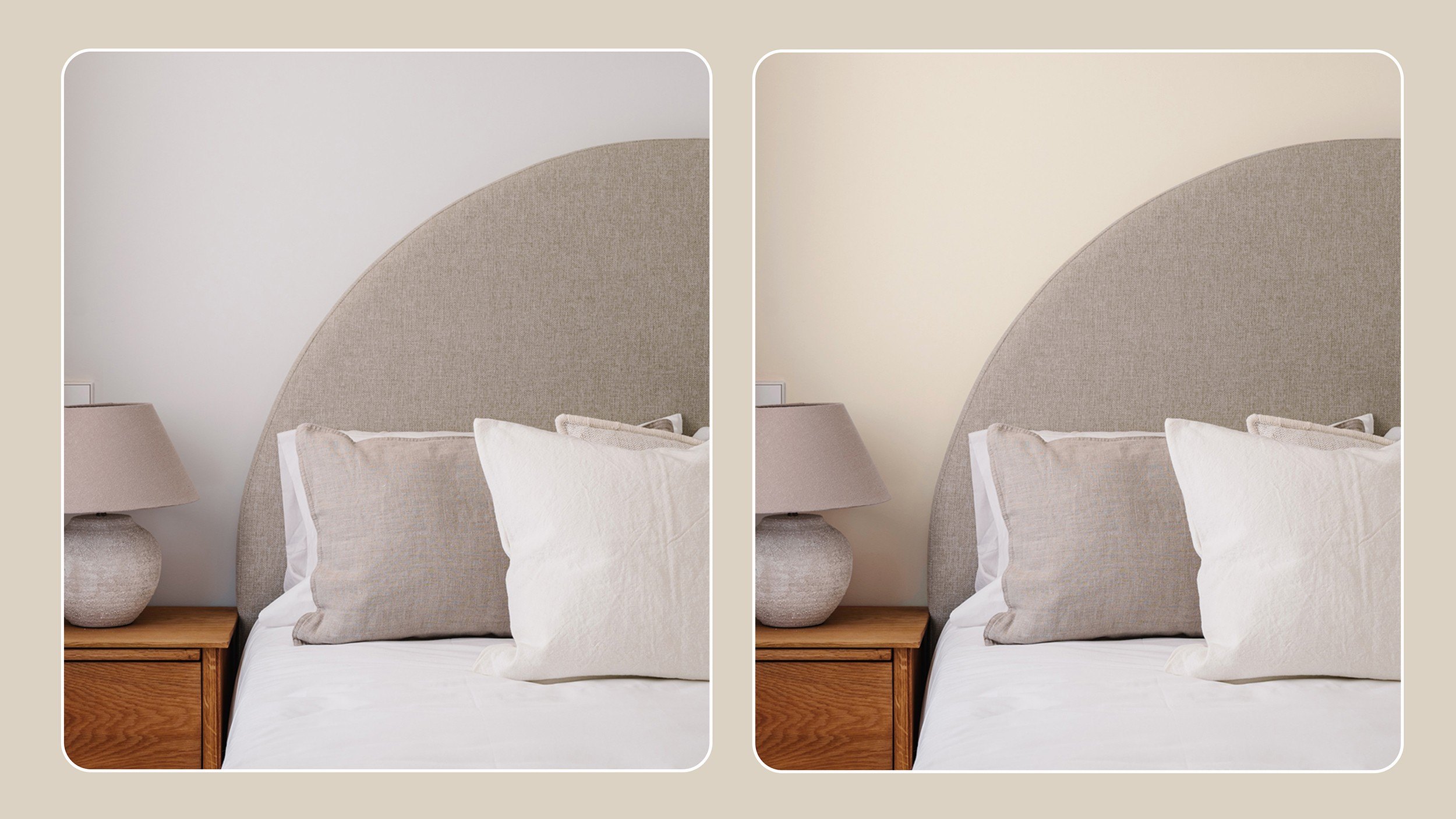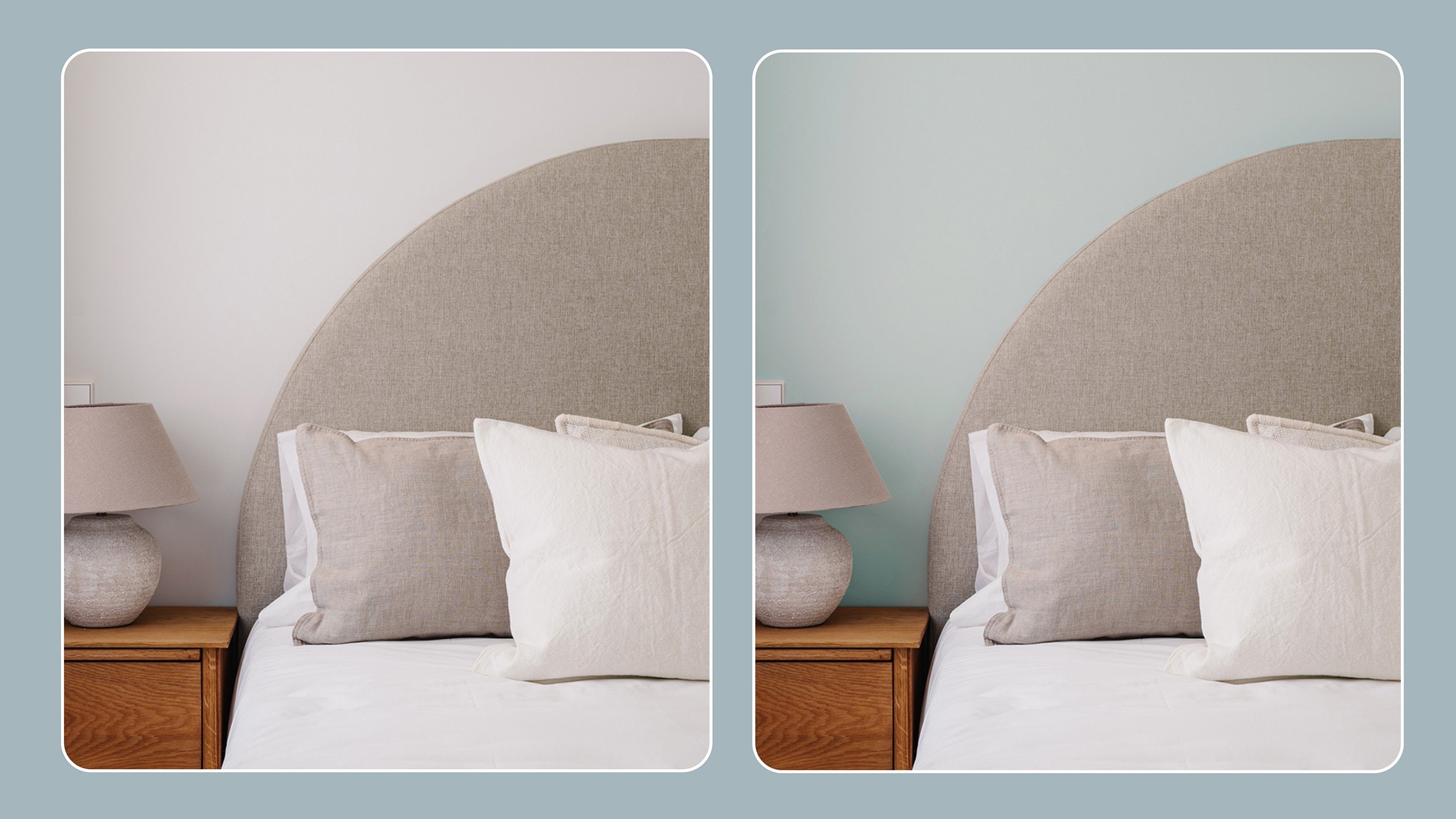

Before Choosing A Paint Color, Ask These 5 Questions
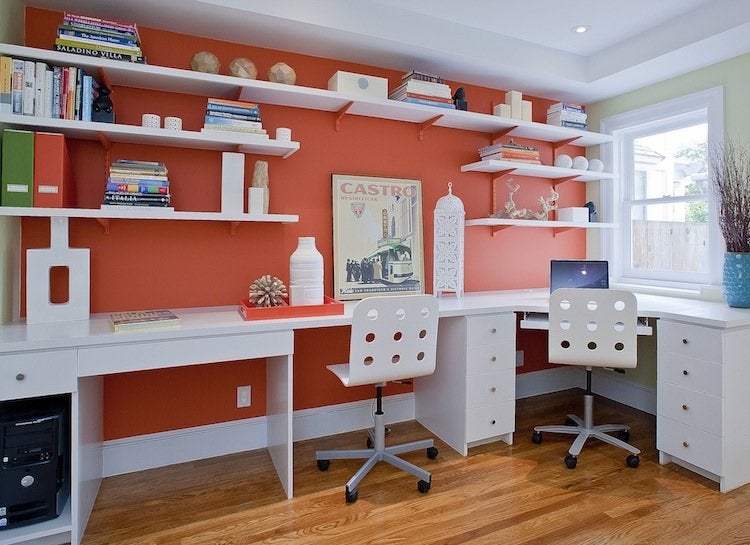
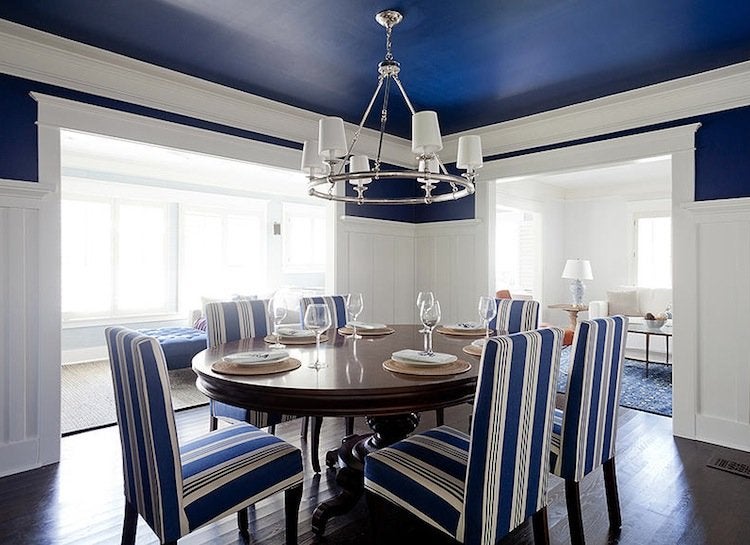
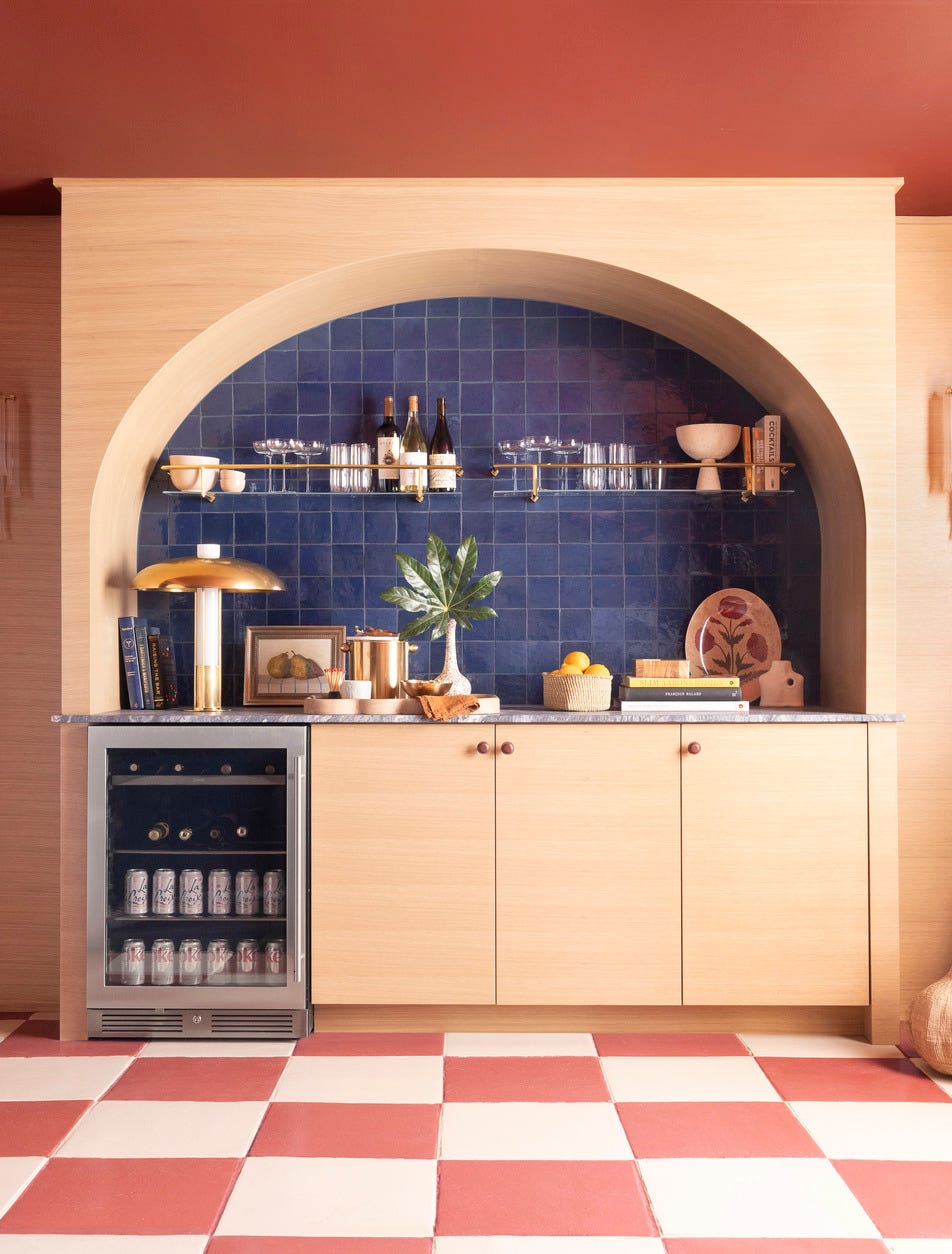
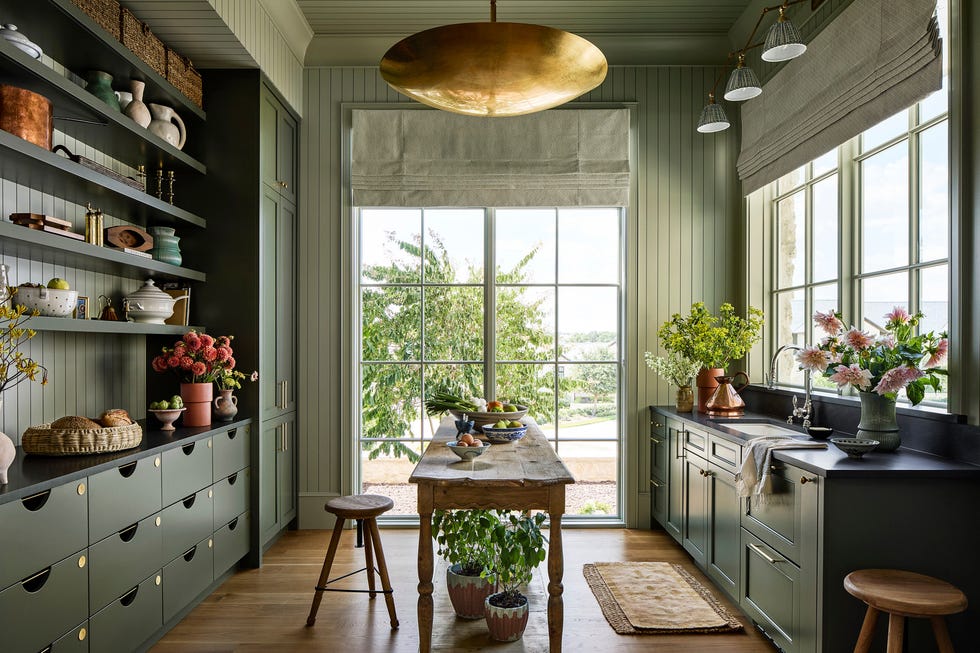
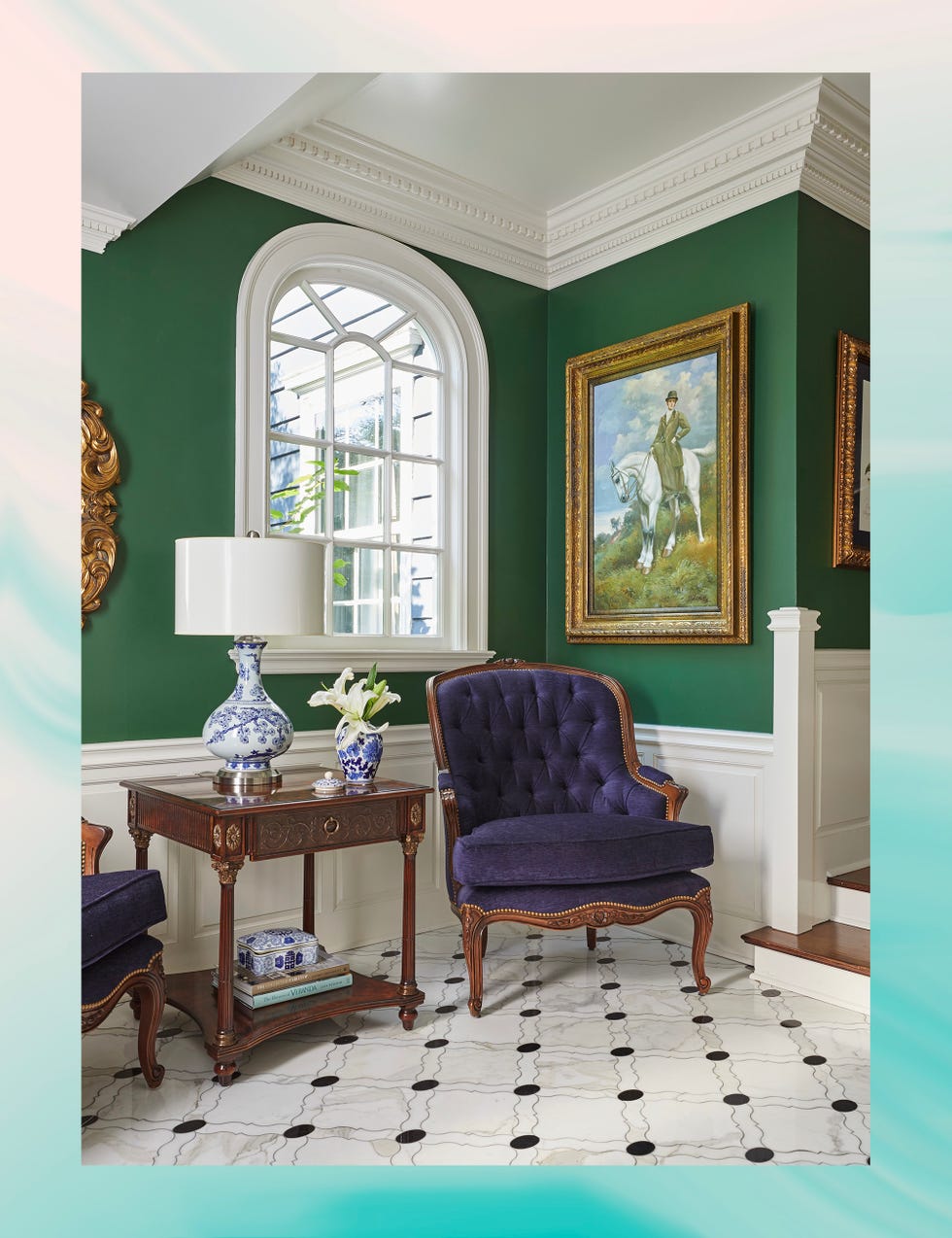
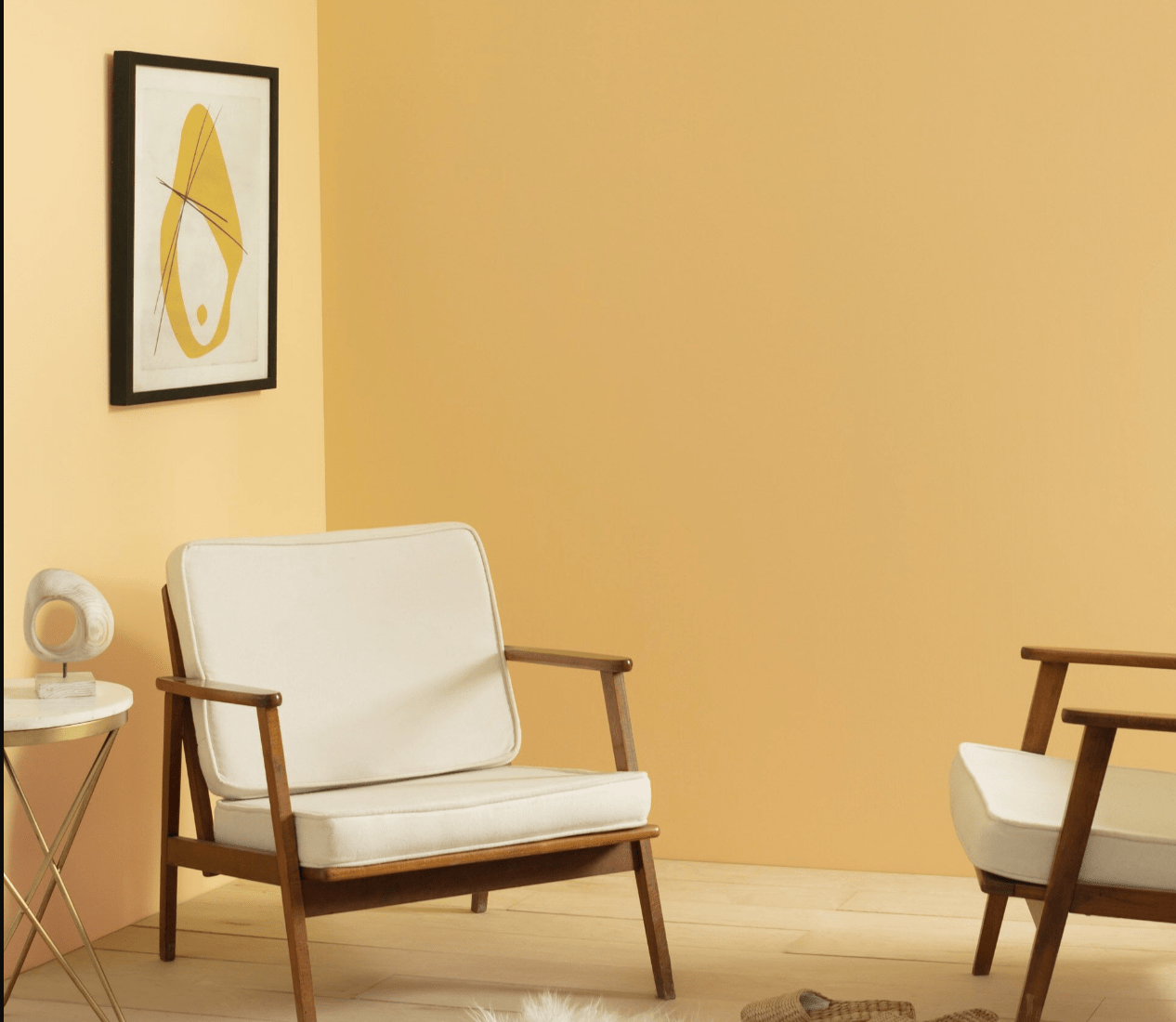
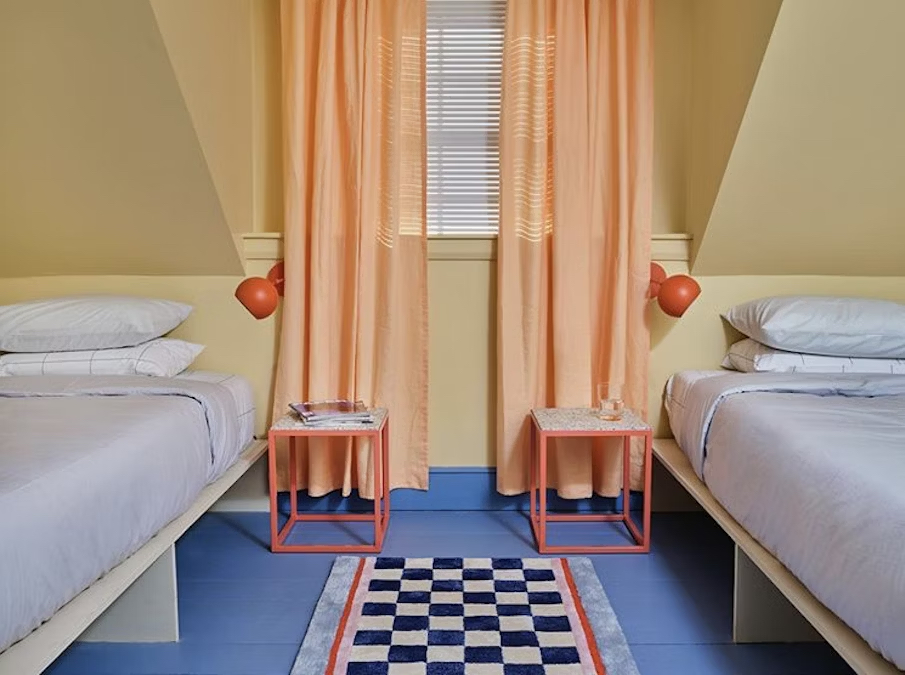
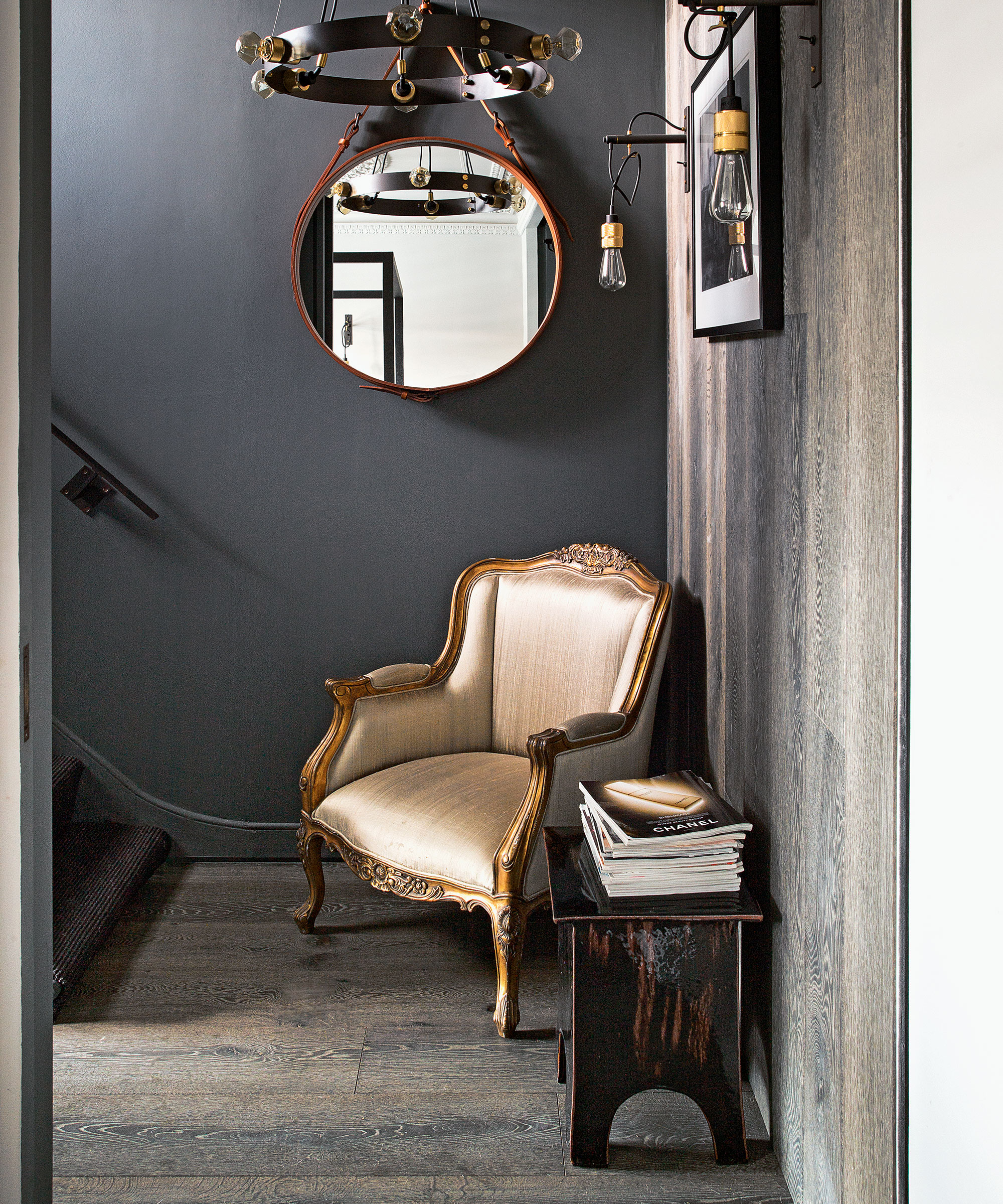
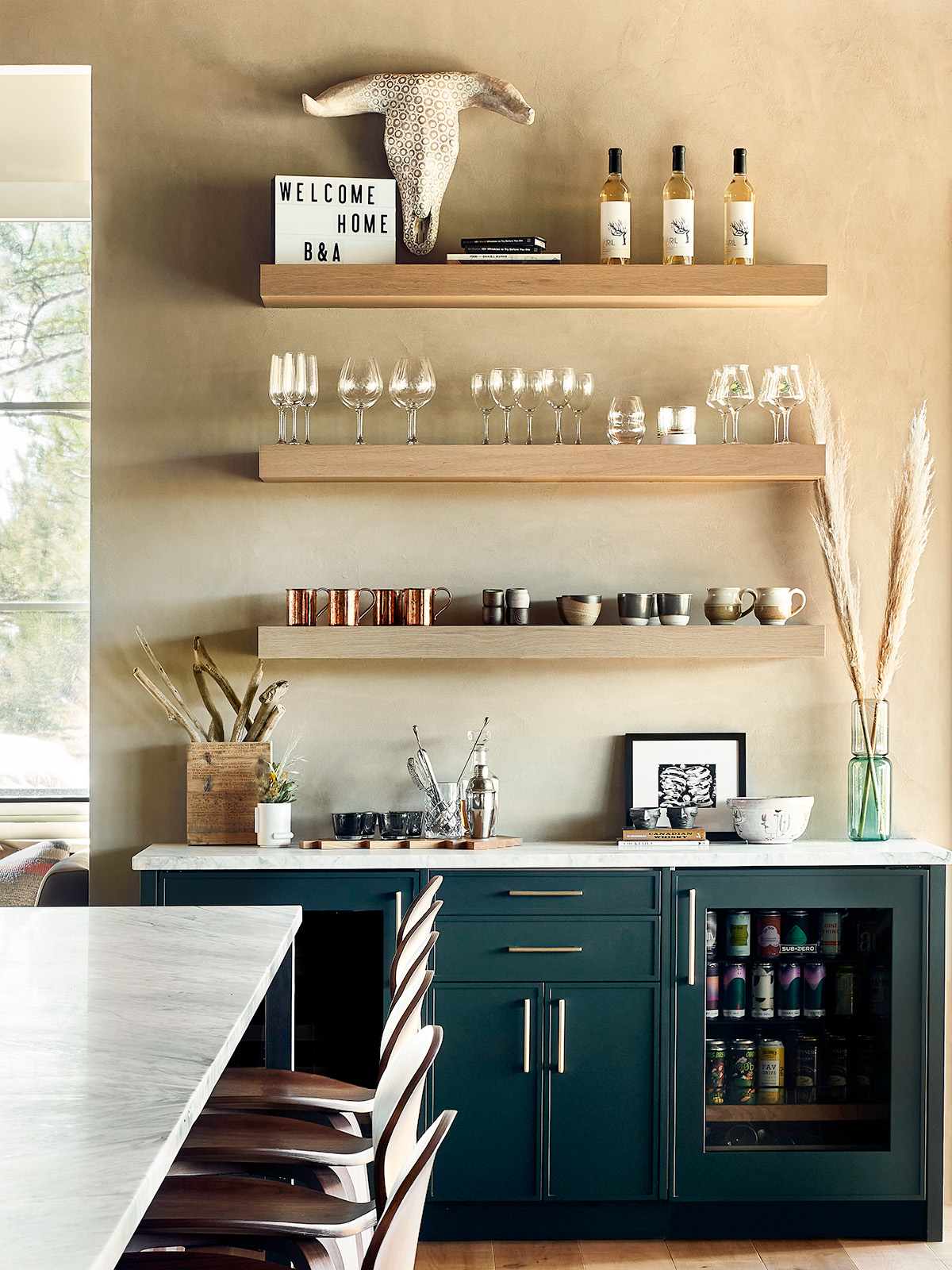

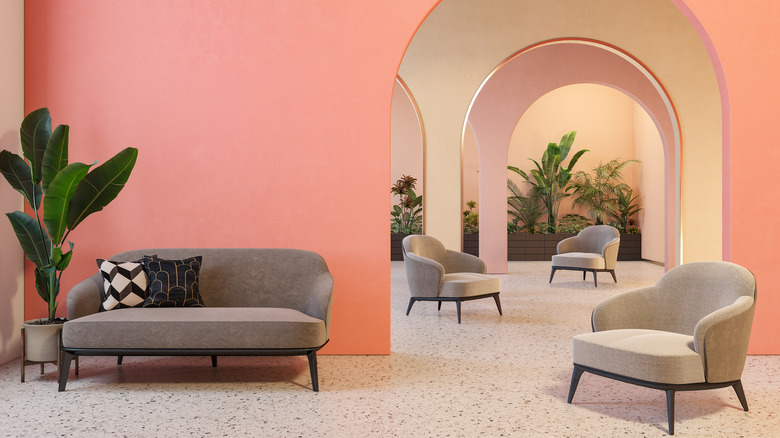
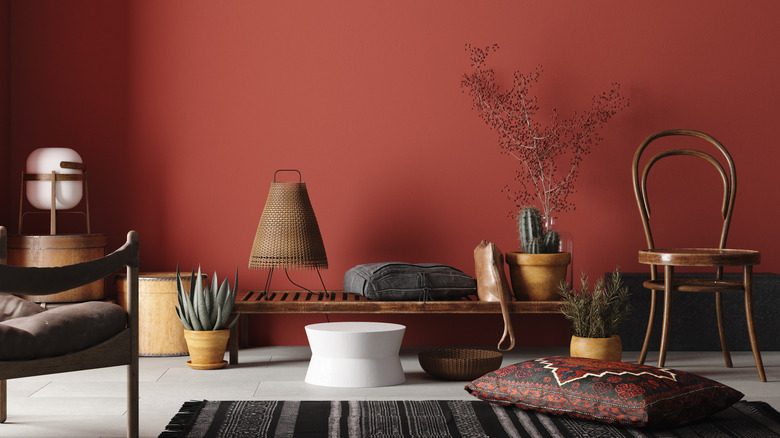
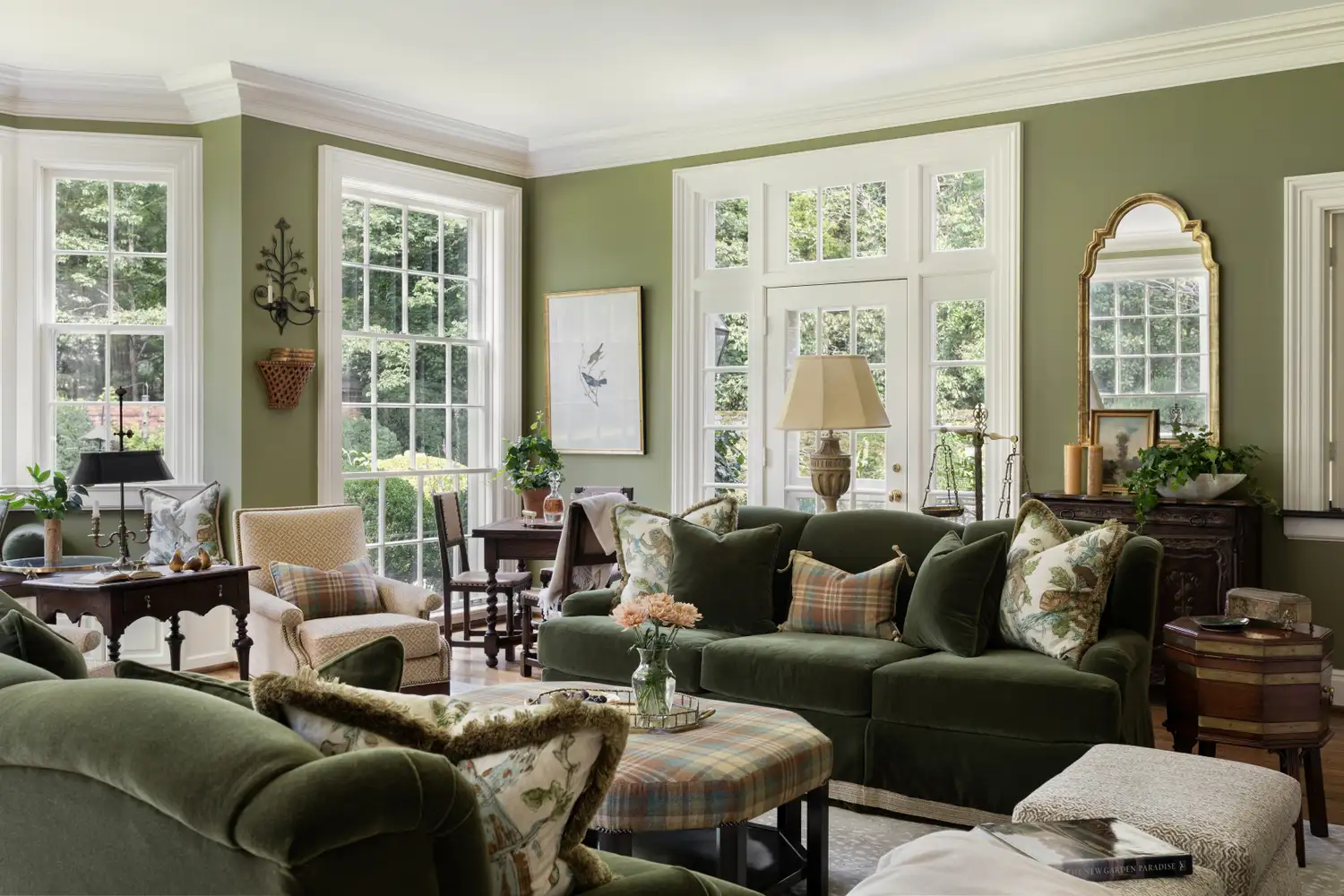
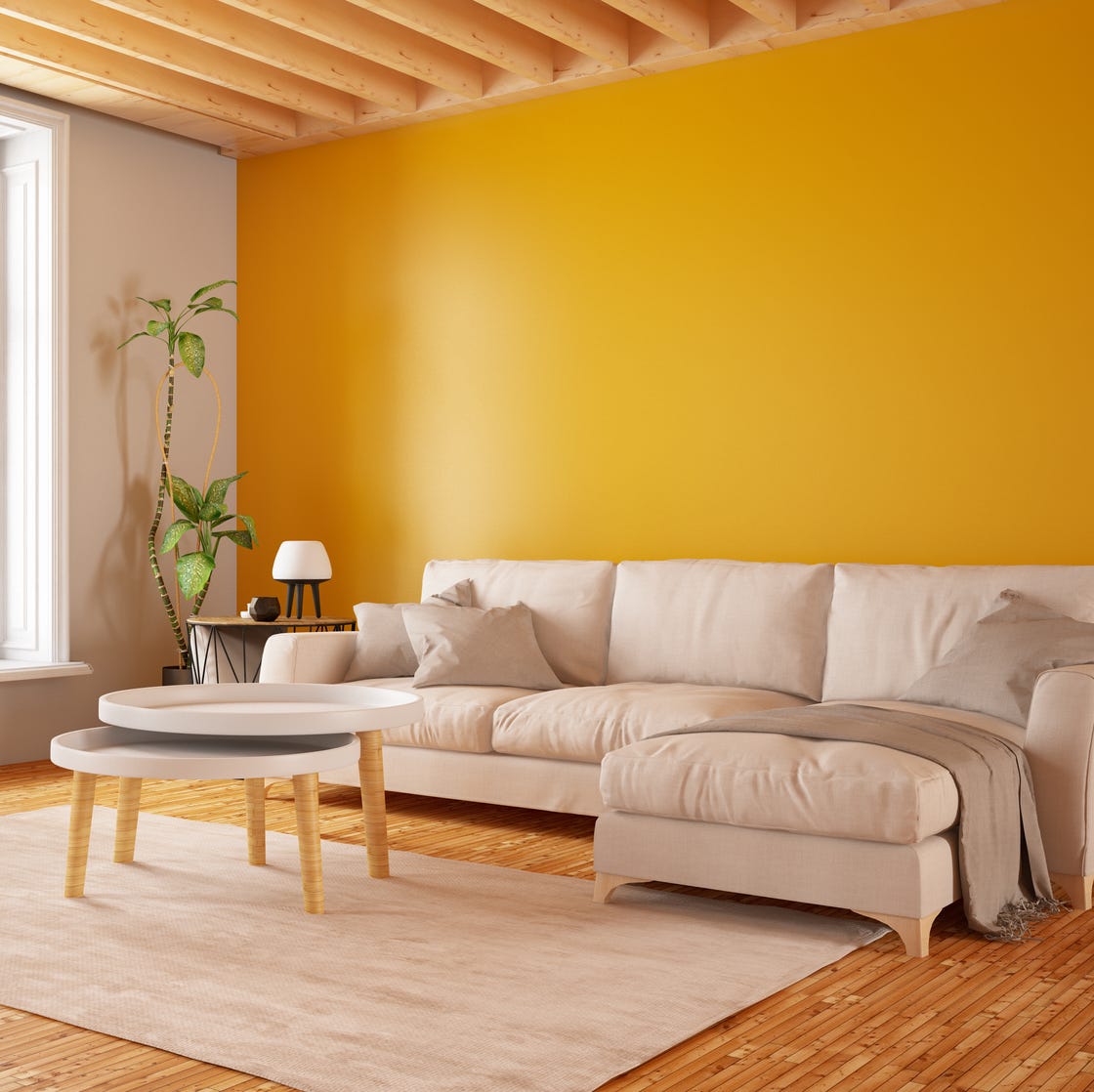
Choosing the right paint color can be a challenging task, especially with the vast array of options available and the significant impact color has on a space. This article provides essential questions to consider before finalizing a paint color for any room, aiming to ensure long-term satisfaction and a purposeful design. The first crucial question revolves around the room's function and the desired mood. Color psychology suggests that different colors evoke distinct emotions; cool colors like blues and greens foster a restful atmosphere, while warm colors such as reds and yellows generate energy and drama. Aligning the paint choice with the room's intended use, whether for entertaining, dining, or relaxing, is key to creating a harmonious environment.
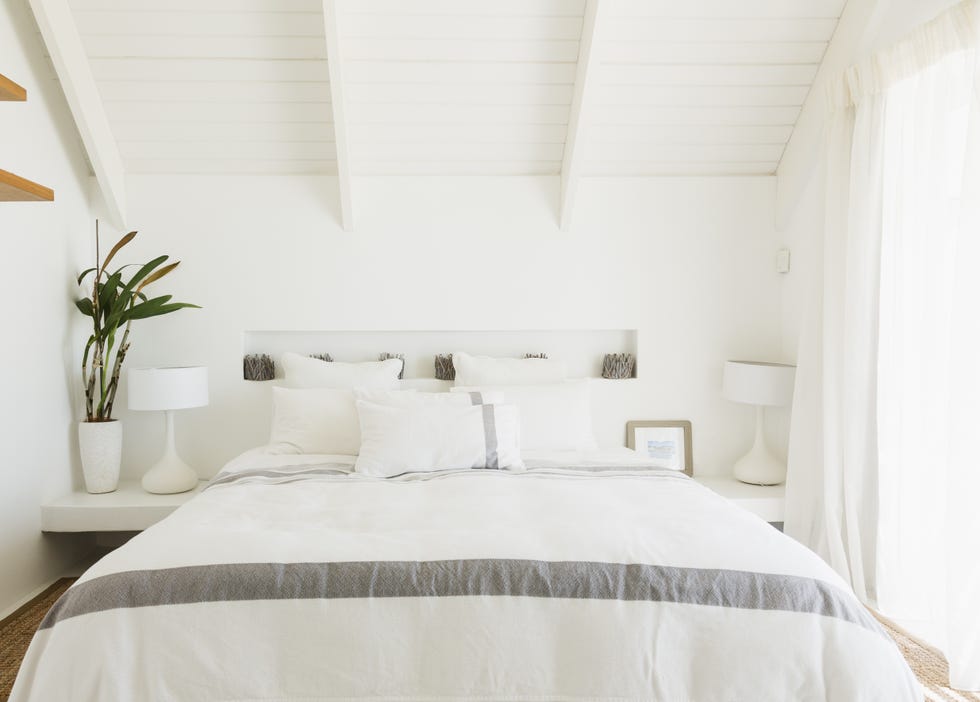
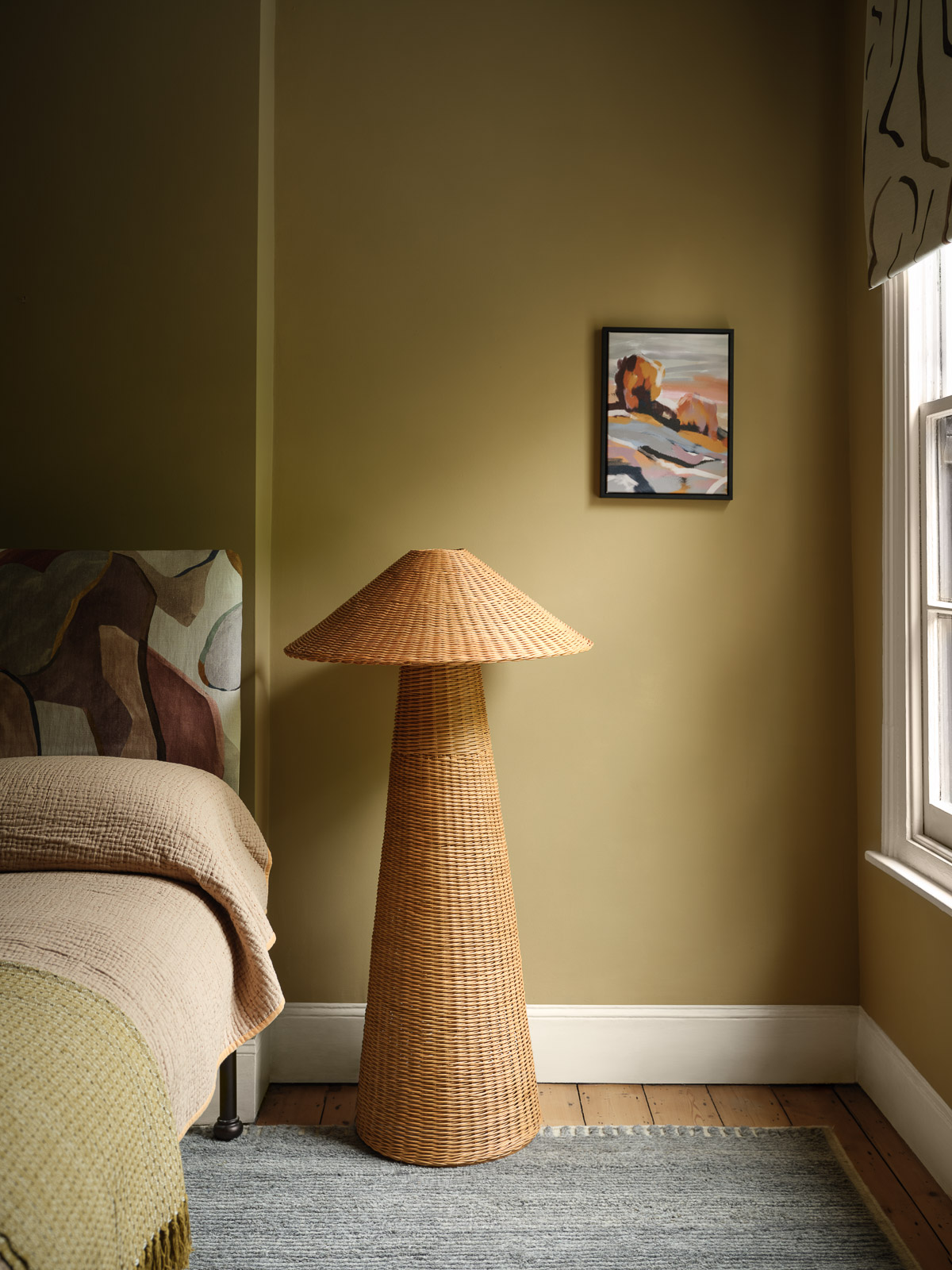
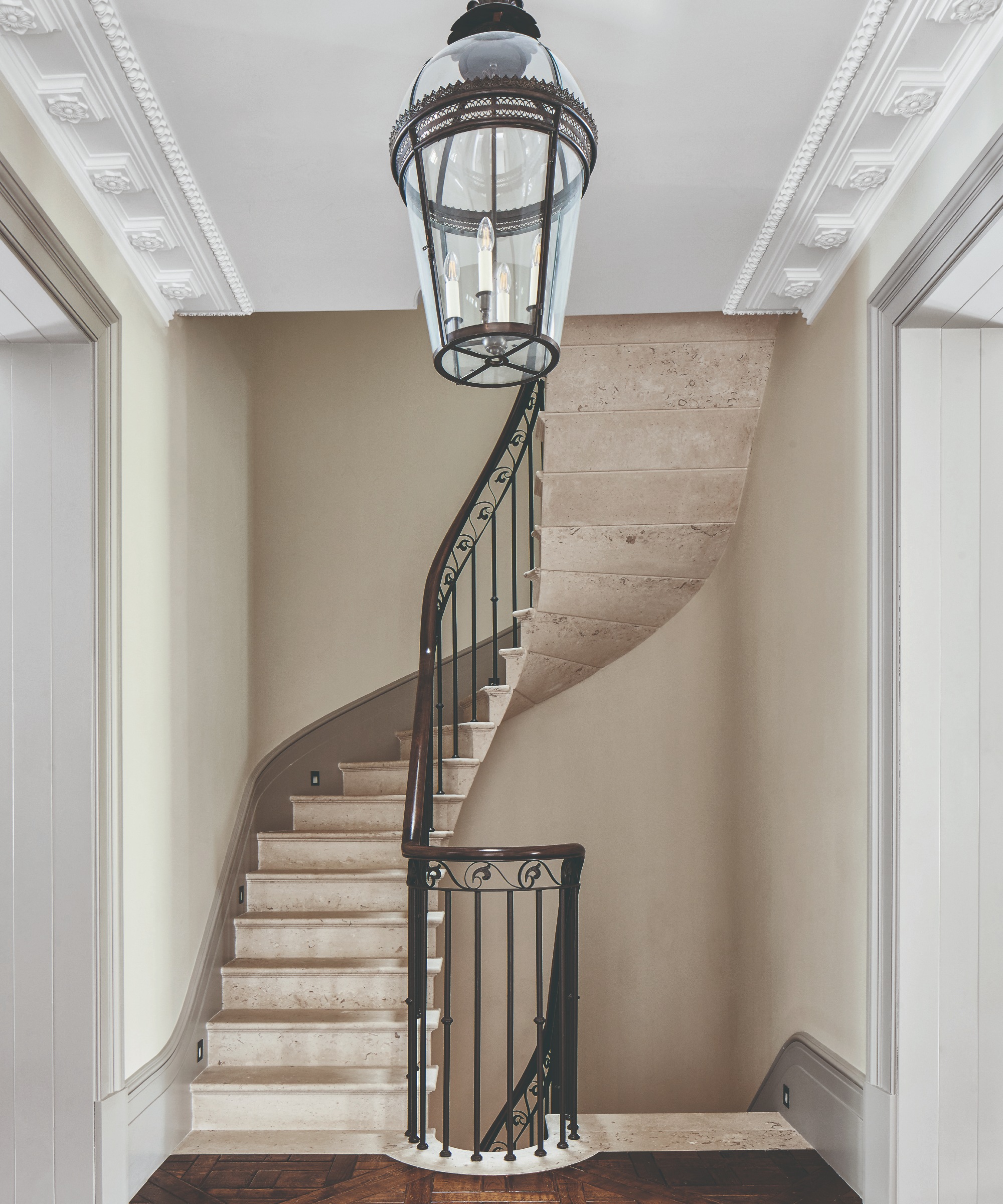
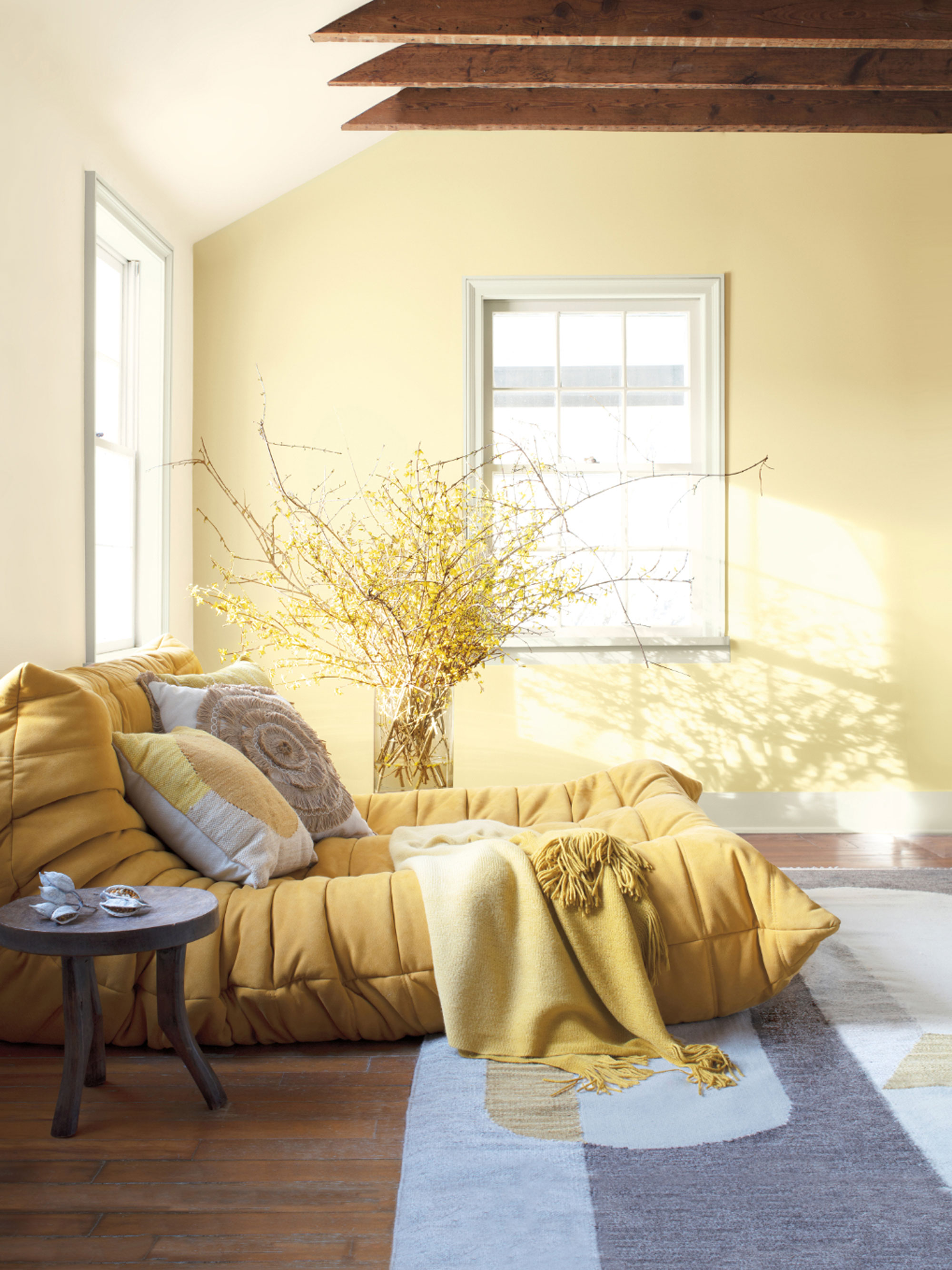
The second consideration is the room's natural light. Light profoundly influences how a paint color appears throughout the day. North-facing or south-facing rooms receive indirect, cooler light, necessitating warmer or cooler undertones in the paint to achieve balance. Conversely, east-facing or west-facing rooms, which get direct sunlight, might require different considerations. It is advisable to test paint samples on the wall and observe them under varying light conditions before making a final decision.
The third point addresses personal preference versus fleeting trends. While current color trends can be inspiring, prioritizing personal favorites ensures the chosen color will endure over time. Creating a mood board, scrapbook, or Pinterest page of preferred color schemes can help identify recurring themes and personal tastes, serving as a solid foundation for the color palette.
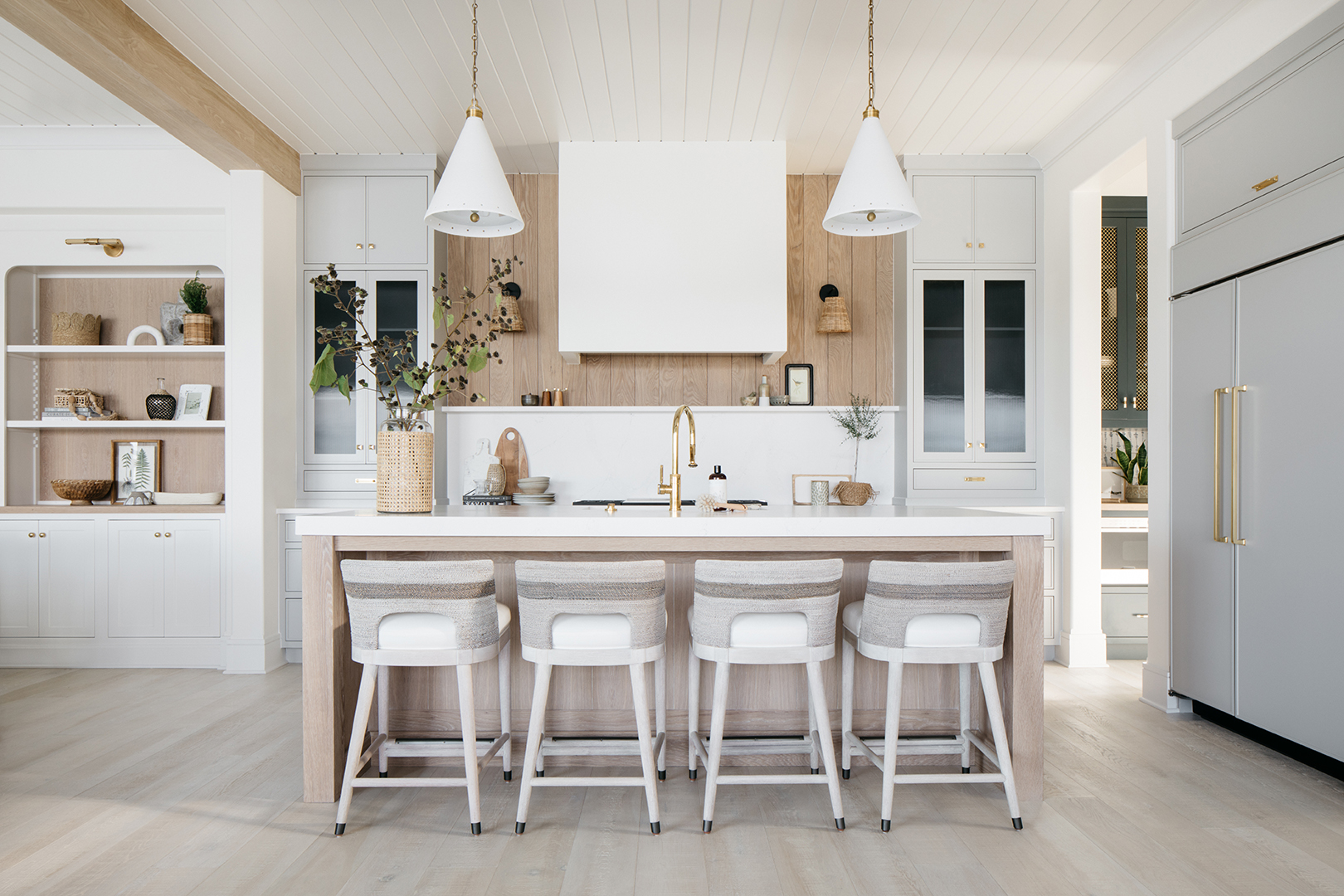
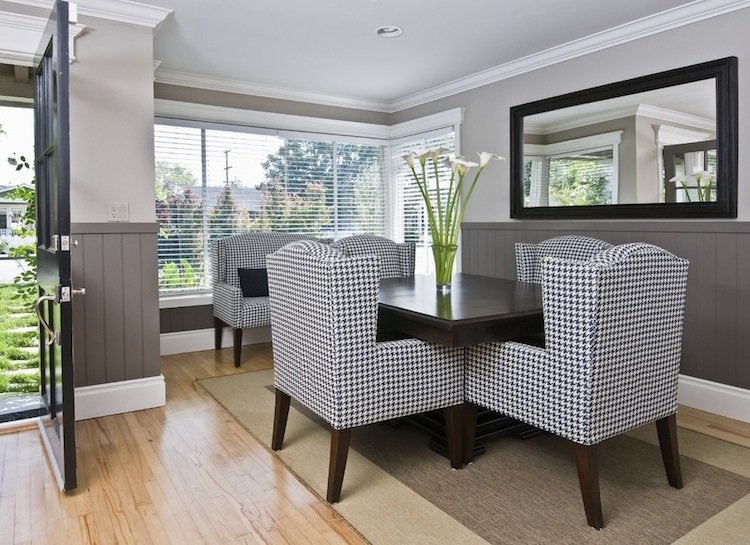
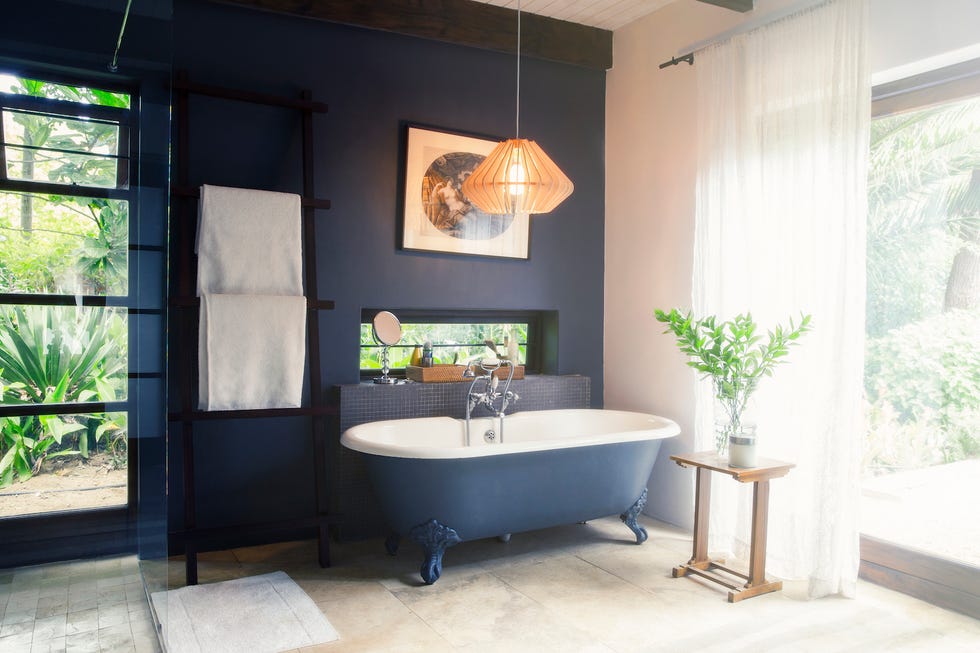
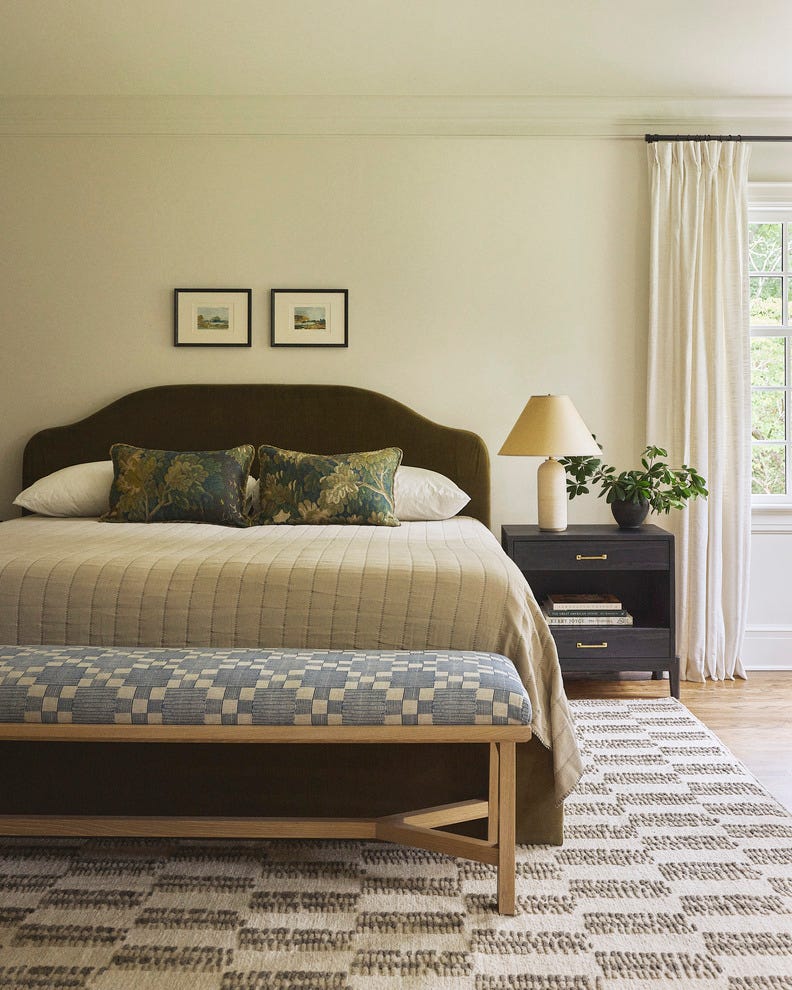
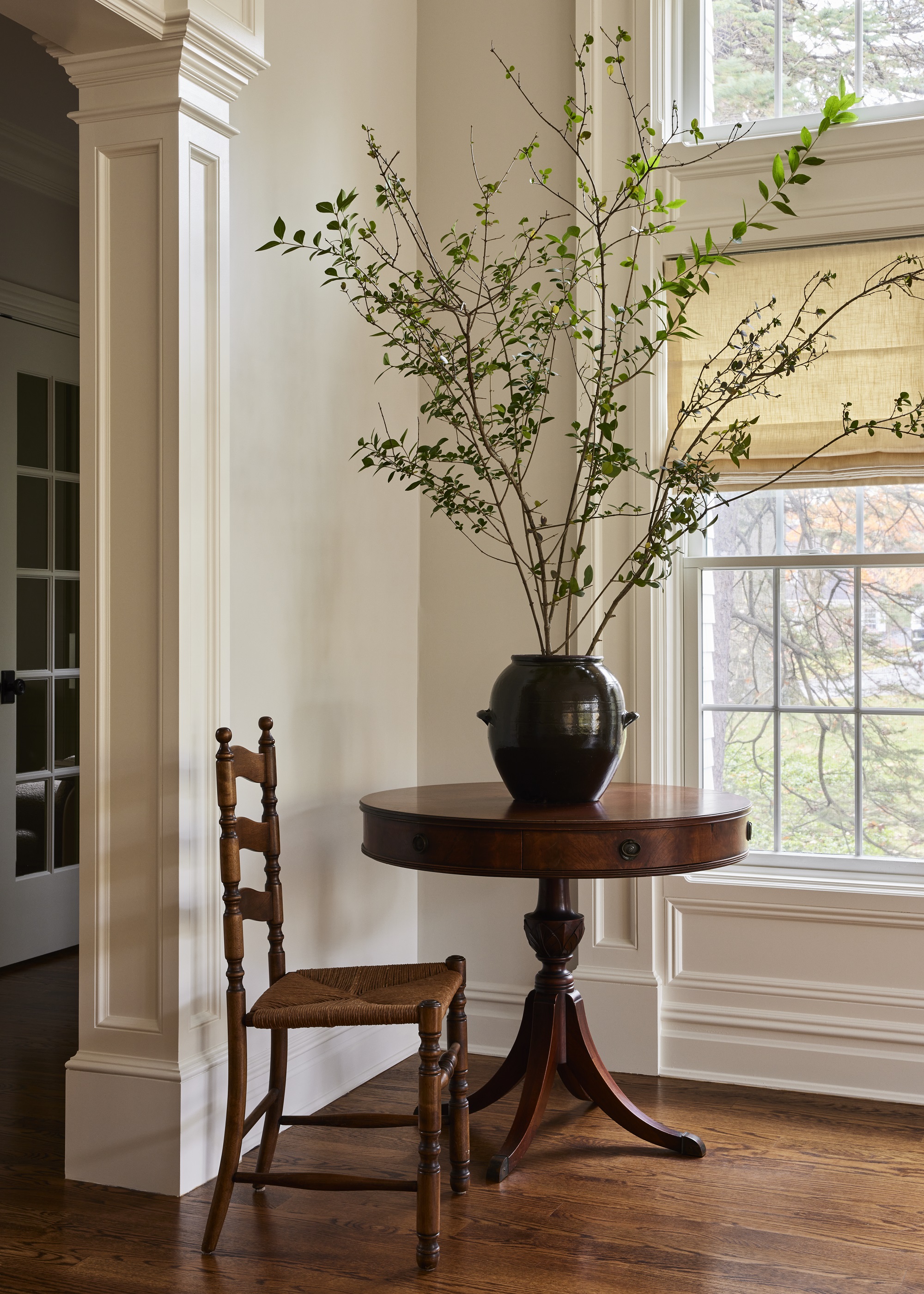
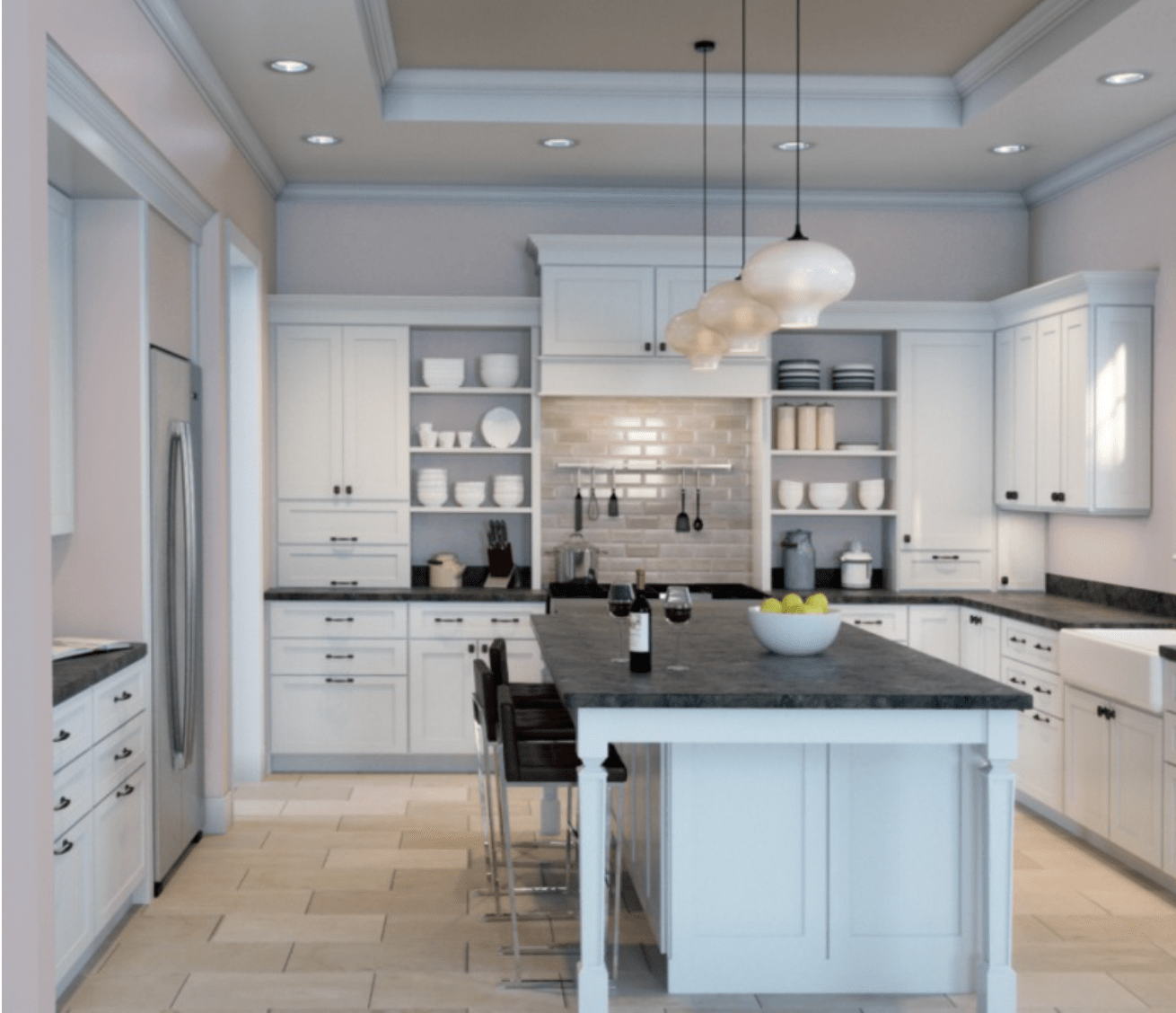
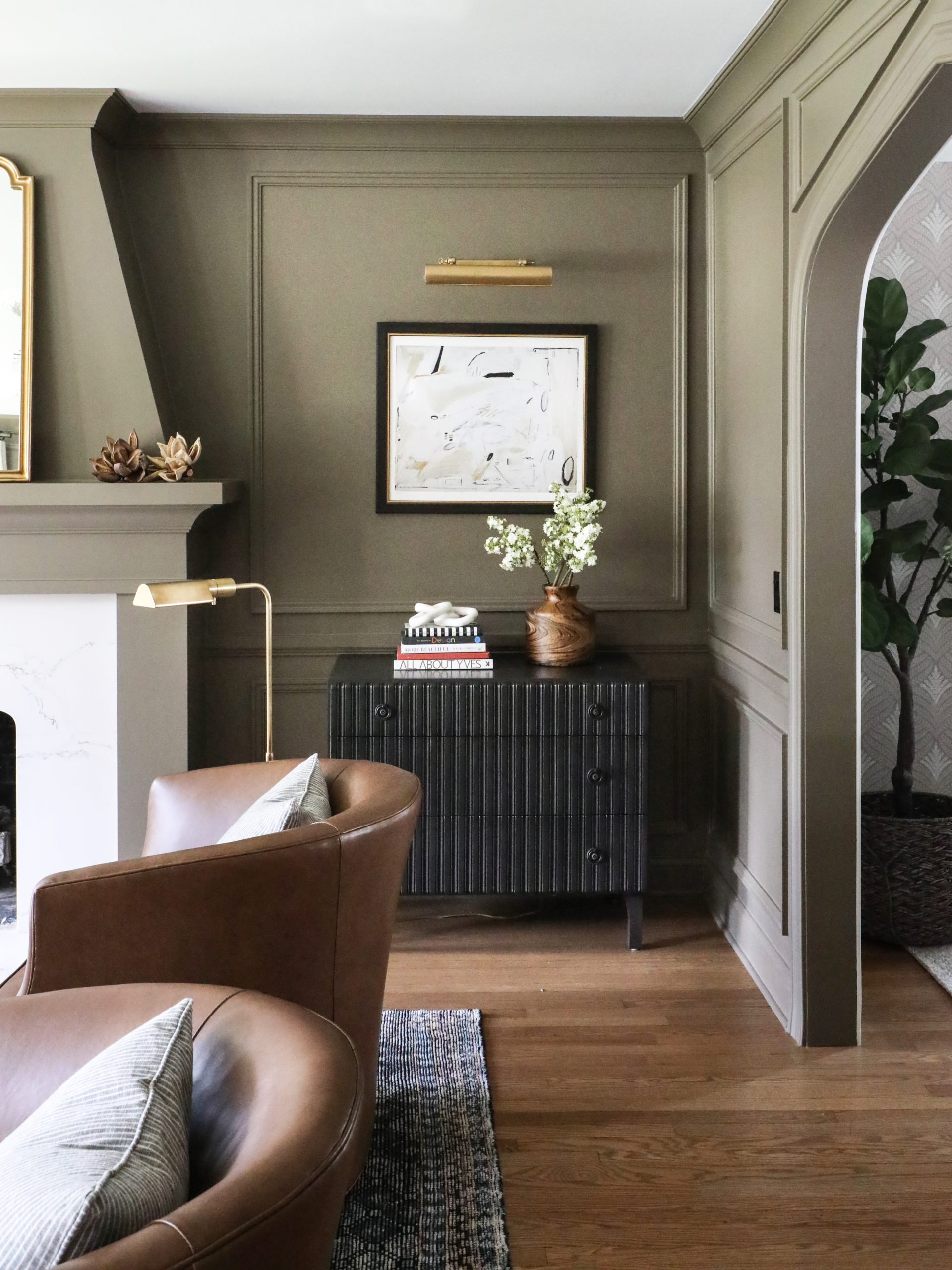
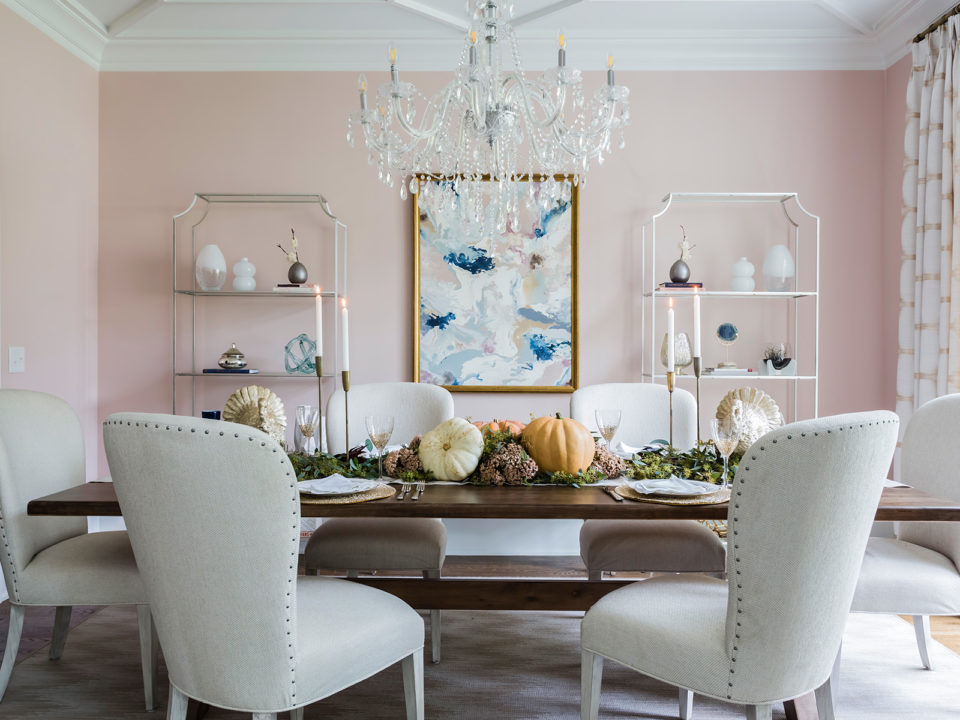
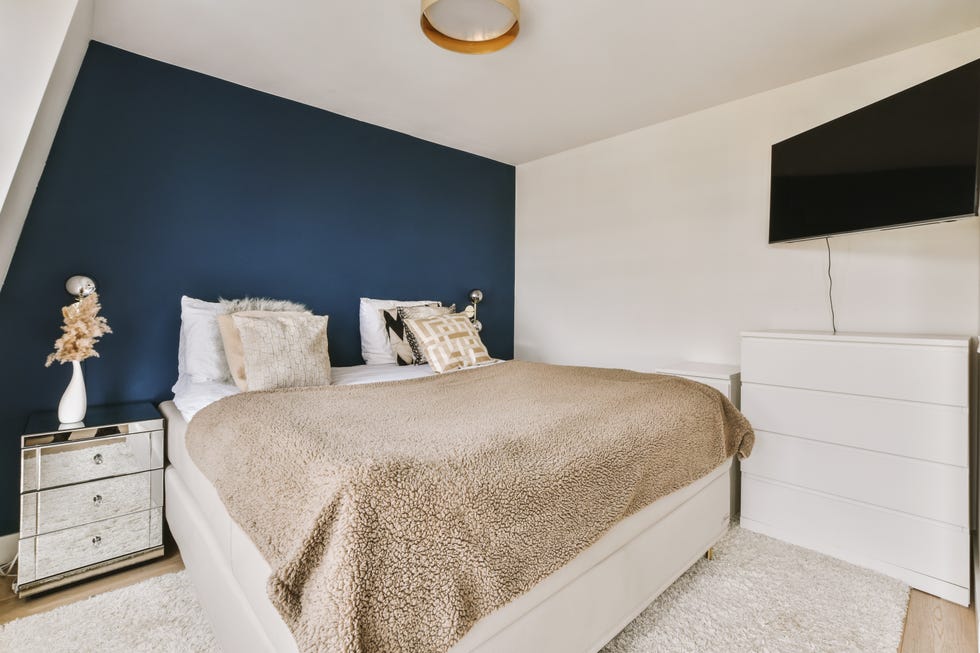
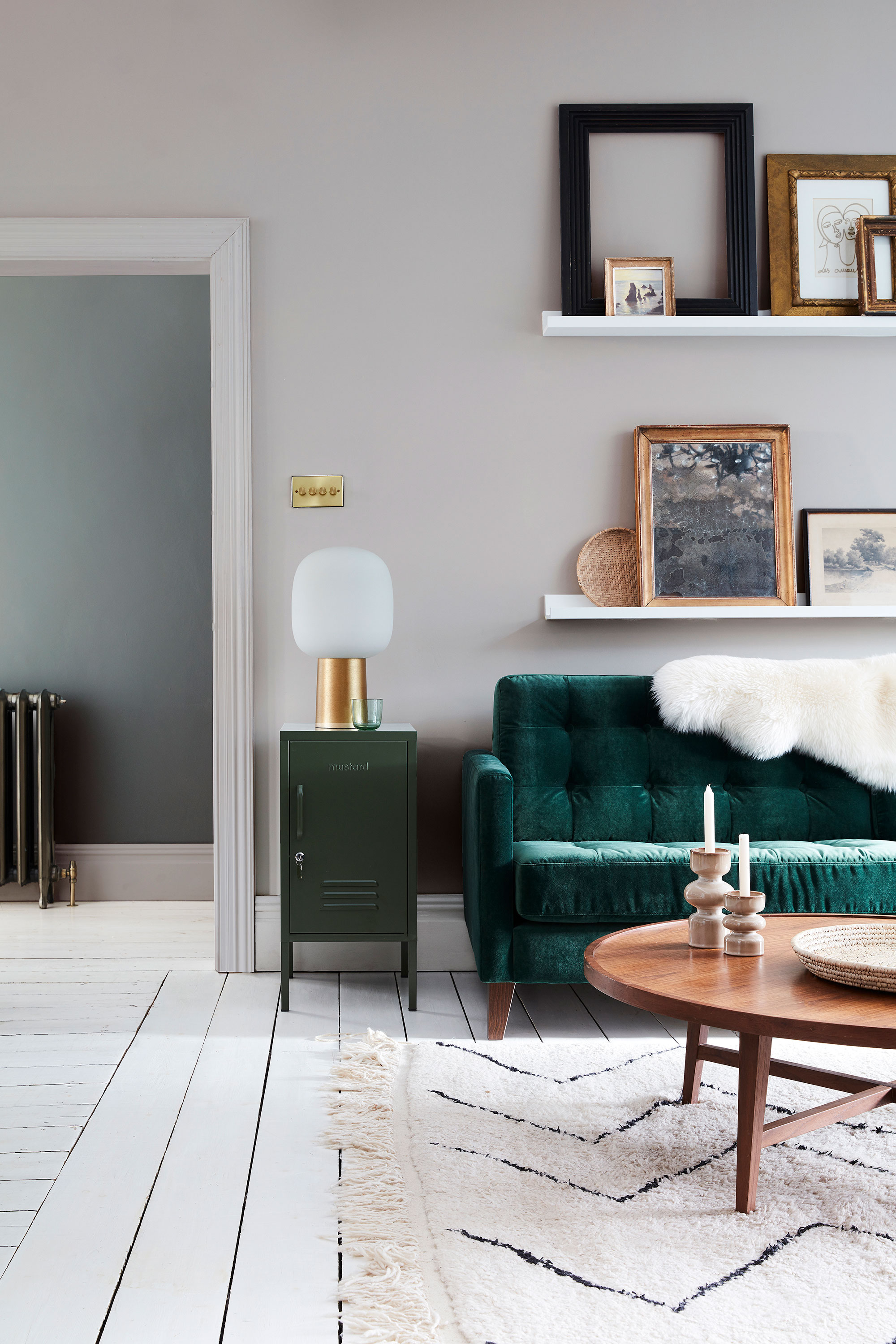
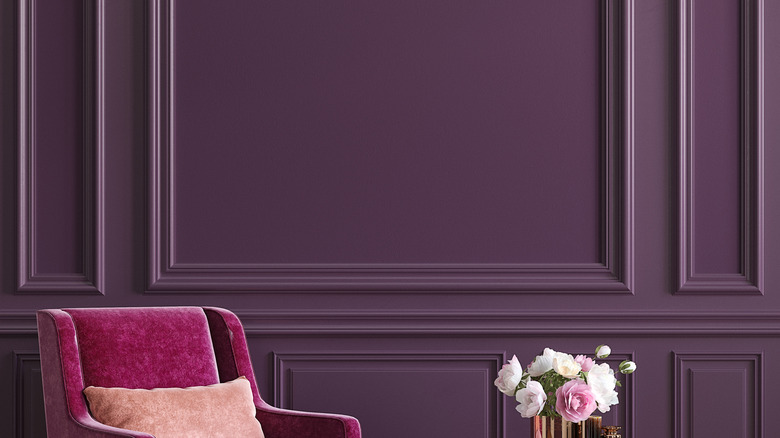
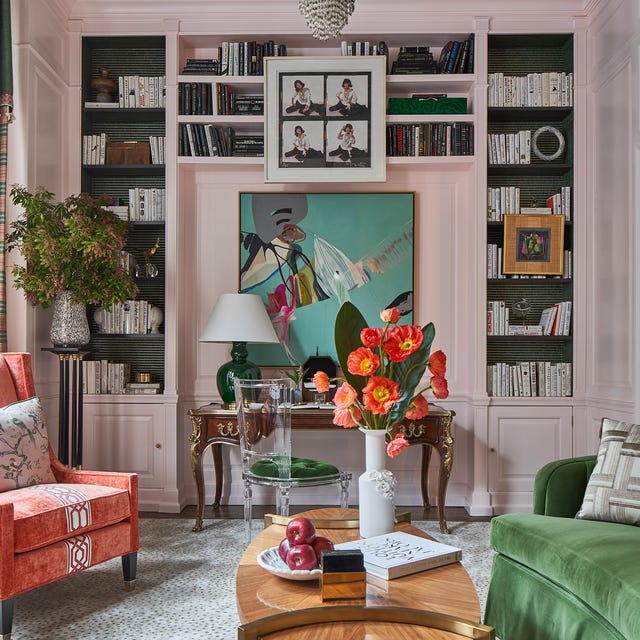
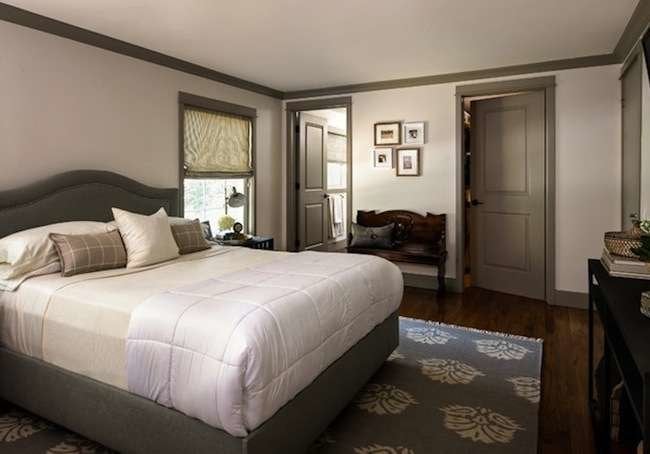
Next, assess the existing colors and furniture in the room and adjacent areas. The new paint color should complement or contrast effectively with these elements. For instance, a pure white wall in a room with pink furniture might take on a blush hue, while a white with blue undertones would resist such shading. Factors like wood detailing, carpets, and even outside views can subtly influence the perception of wall color.
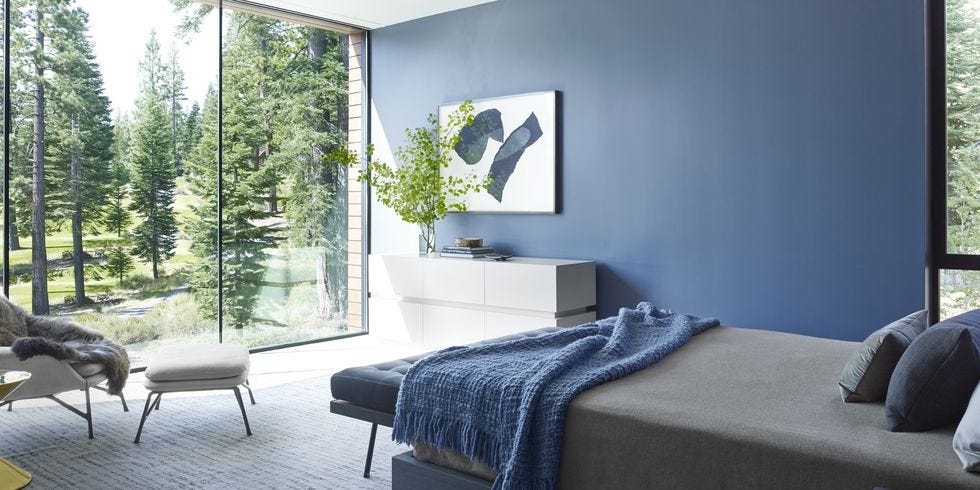
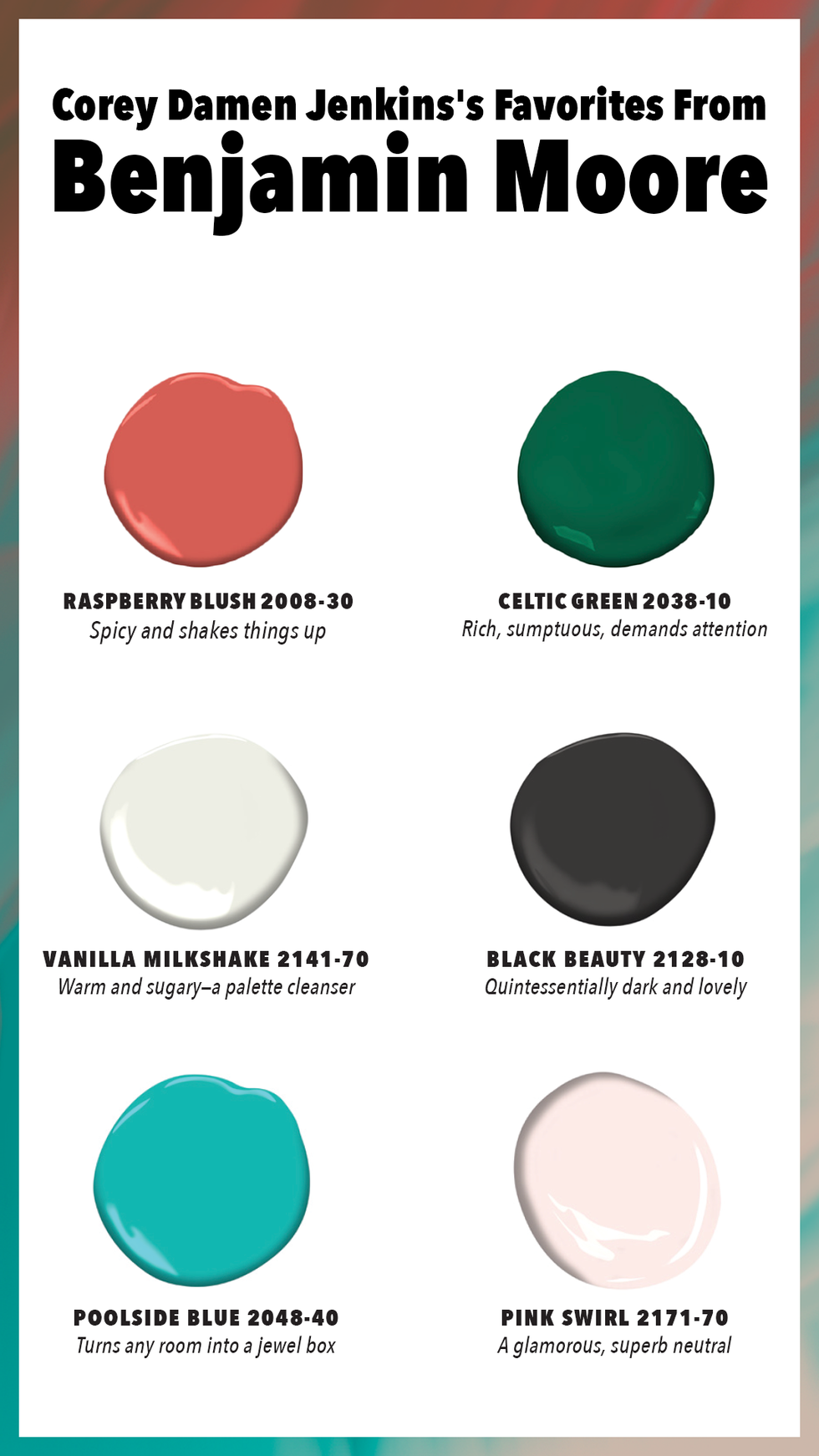
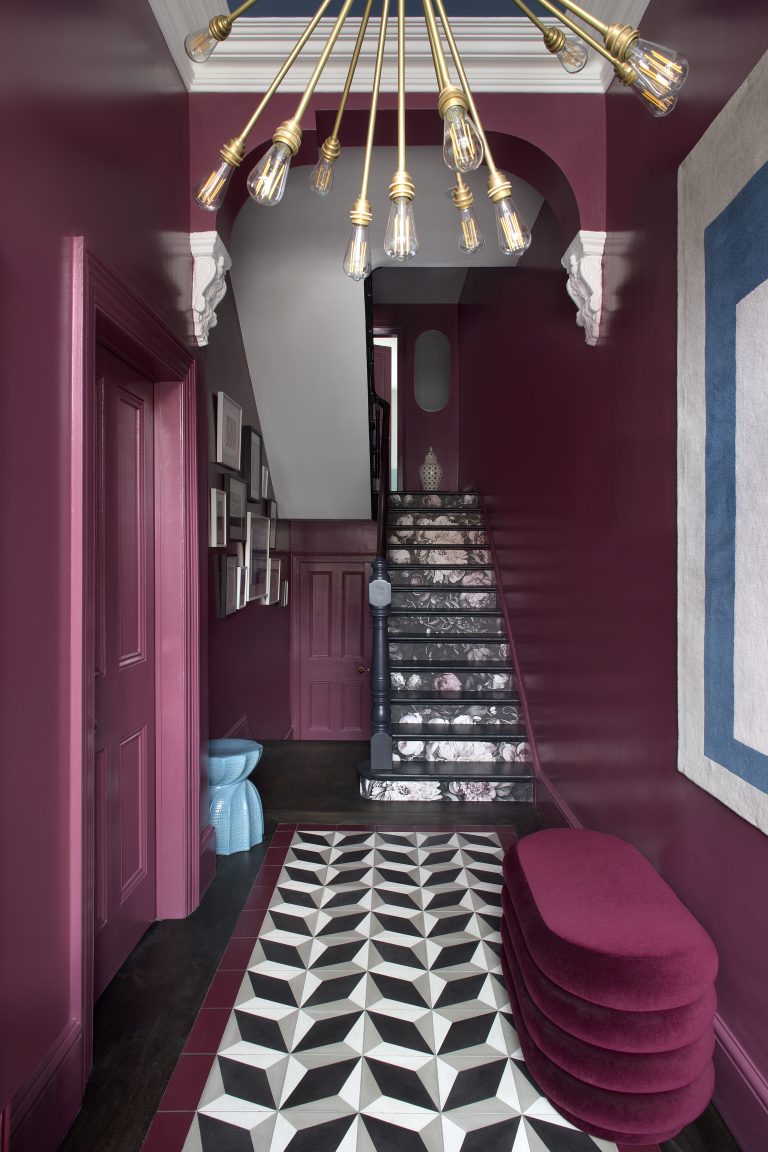
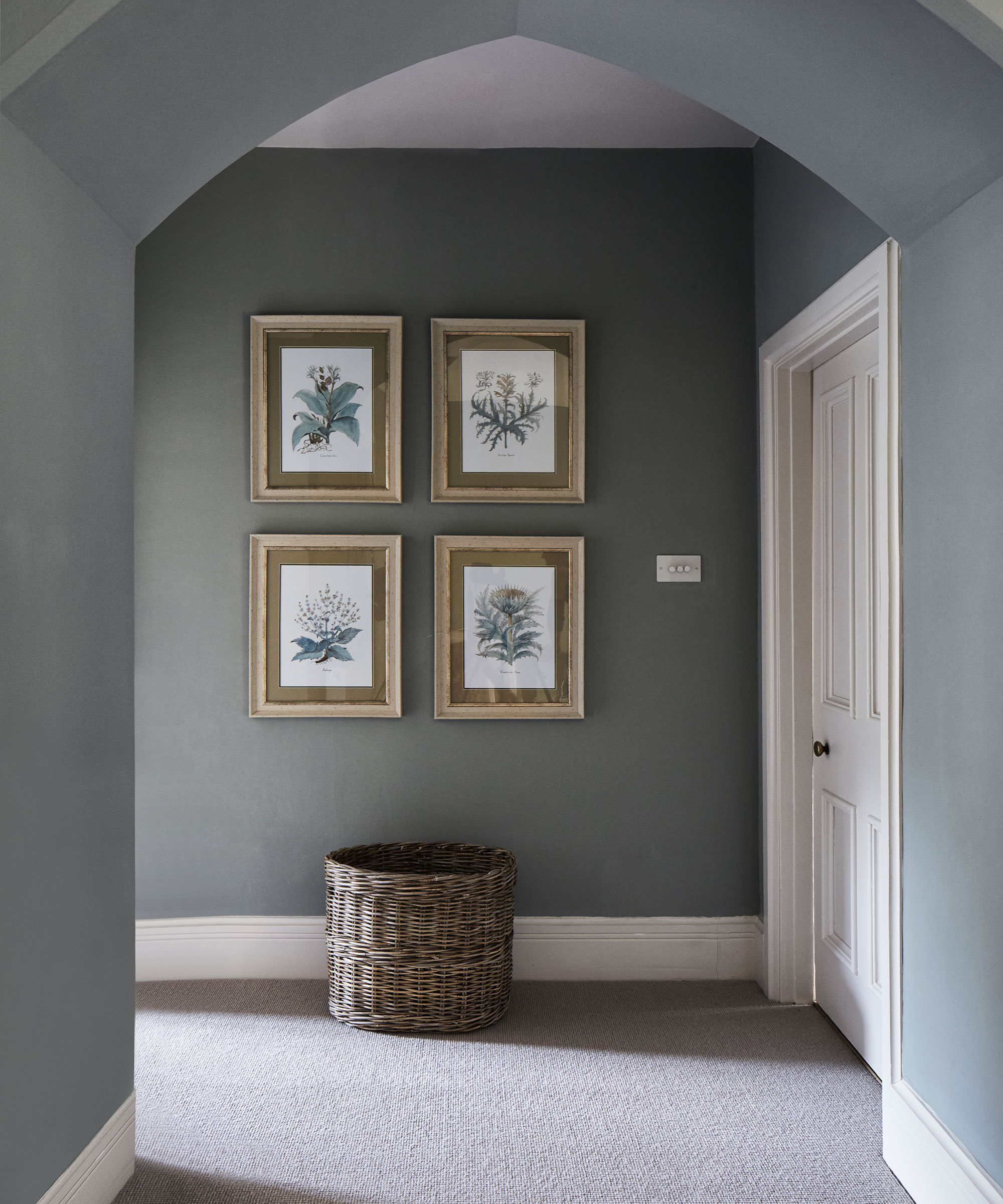
Finally, consider the versatility of the chosen color. Unless a monochromatic scheme is desired, it's important to select a paint that harmonizes with other colors for future decor and furnishing changes. Consulting a color wheel can simplify this process by illustrating potential combinations. Three basic schemes are tonal (different shades of the same color), harmonious (colors adjacent on the wheel, like red and orange), and contrasting (complementary colors opposite on the wheel, such as yellow and purple). These guidelines help ensure a paint choice that remains appealing and adaptable over the years.
#PaintColor #HomeDecor #InteriorDesign #ColorPsychology #RoomLighting #PersonalStyle #ColorSchemes #RenovationTips #PaintColor #HomeDecor #InteriorDesign #ColorPsychology #RoomLighting #PersonalStyle #ColorSchemes #RenovationTips
0 comment in total
 No comments yet
You may also like
Here's What Colorists Want You to Know About Picking House Paint

5 Timeless Paint Colors That Will NEVER Go Out of Style, According to Designers

The 13 Best Paint Colors for Low-Light Rooms


Choose The Best Paint Then The Color | Interior Paint Reviews
The Paint Color That All This Designer's Followers Ask About | domino

An A-List Designer’s Secrets To Picking Perfect Paint Colors

5 Secrets To Picking Paint Colors Like A Designer
7 Paint Mistakes That Make Designers Instantly Cringe When They Walk Into Someone's Home
If This, Then That: Your Guide to Pairing Paint Colors
to choose paint colors.
5 colors to avoid painting a landing – and the secret to choosing the right shades

Paint color ideas for every room – experts explain the best choices for different spaces

These 5 Simple Questions Help Designers Pick the Perfect Paint Color Every Time
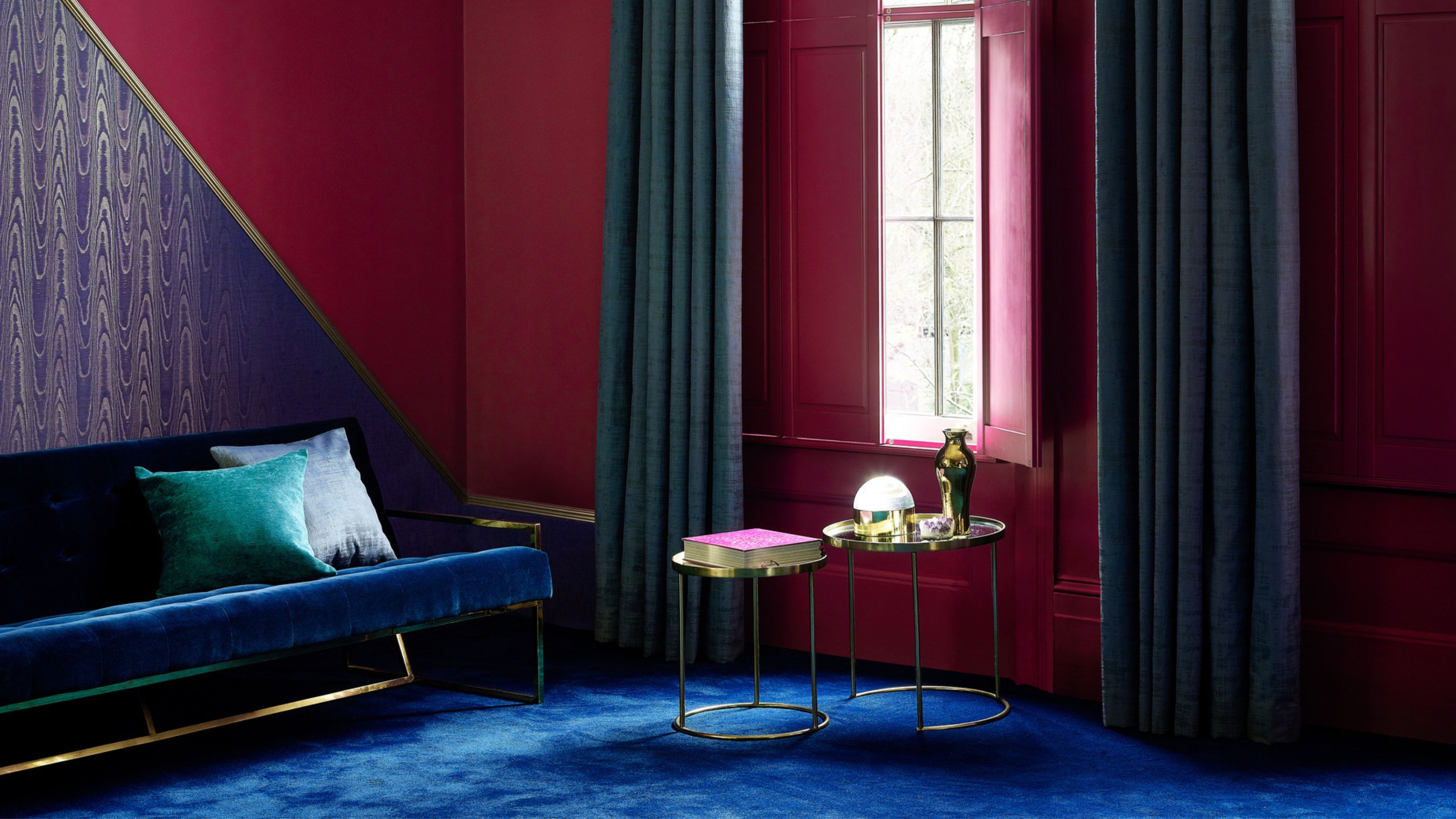
5 Paint Colors Going Out of Style in 2025 — And What You Should Replace Them With Before Then
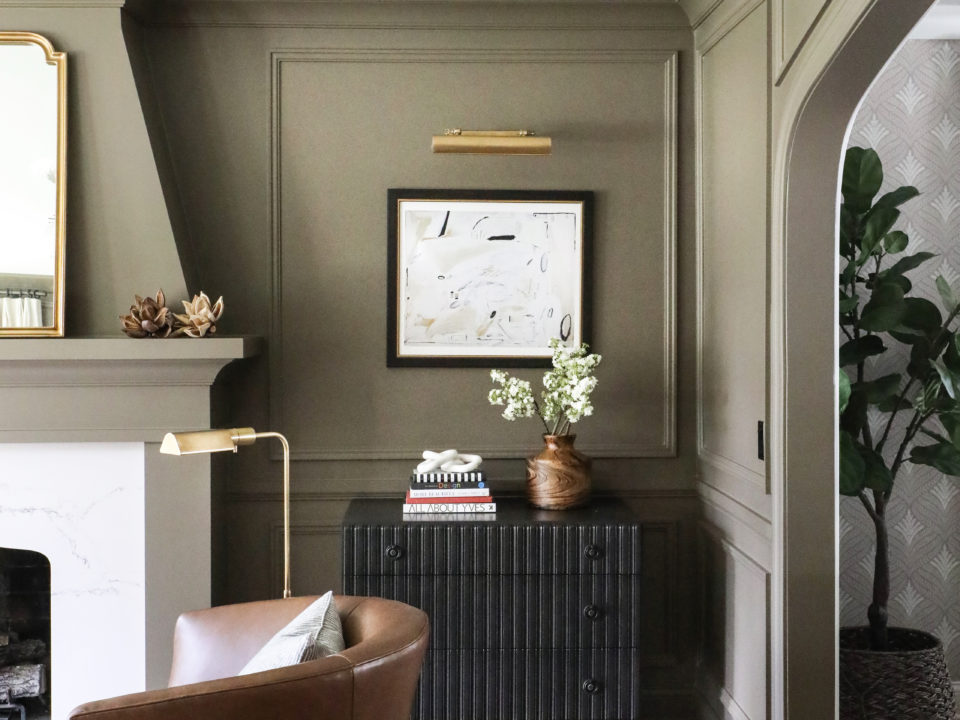
How to Pick the Best Paint Colors for Every Space in Your Home

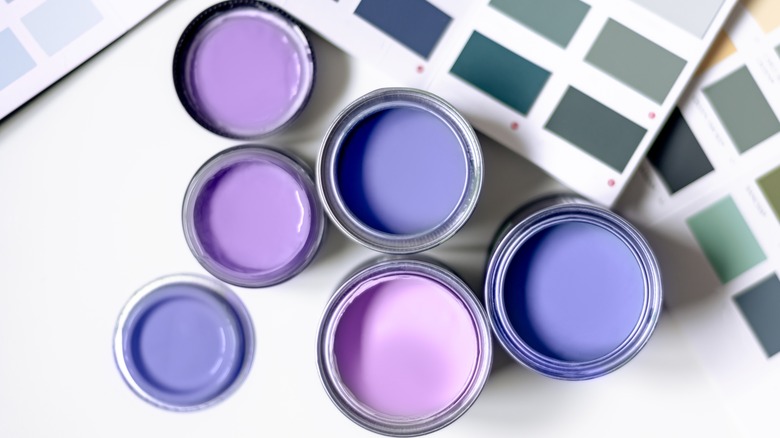
3 Things To Consider When Painting With Bold Colors
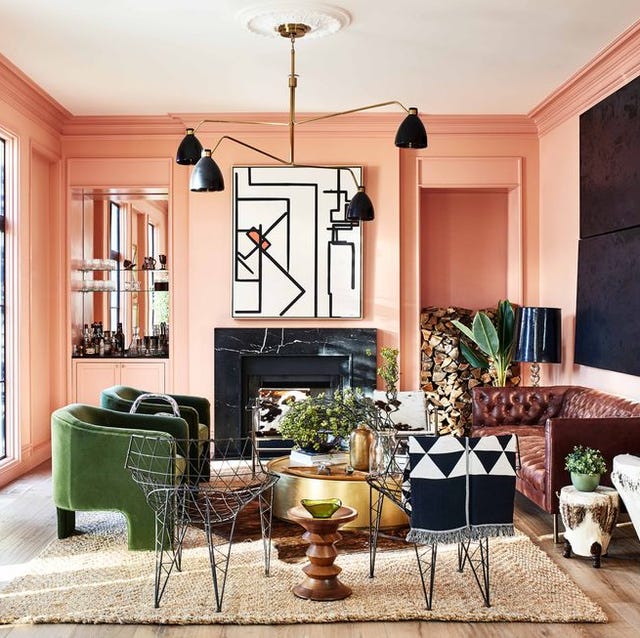
These Master Tips Will Help You Avoid Choosing The Wrong Type Of Paint
Kitchen Color Selection Tips from 5 Designers
Millennial Gray Is So Over—Here Are 5 Paint Colors to Try Right Now
5 Timeless Paint Colors That Go With Absolutely Everything, According to Color Experts