1/12
11 interior design styles that never date according to experts
This article explores 11 timeless interior design styles that remain popular and adaptable despite changing trends. While current home decor fads come and go, these foundational styles offer enduring appeal and can be customized to suit seasonal preferences through accessories and color variations. The styles discussed draw from the rich history of interiors, incorporating influences from various eras such as the Victorian period, Art Deco, and Mid-Century Modern. Each style offers distinct details that continue to shape contemporary interior aesthetics.
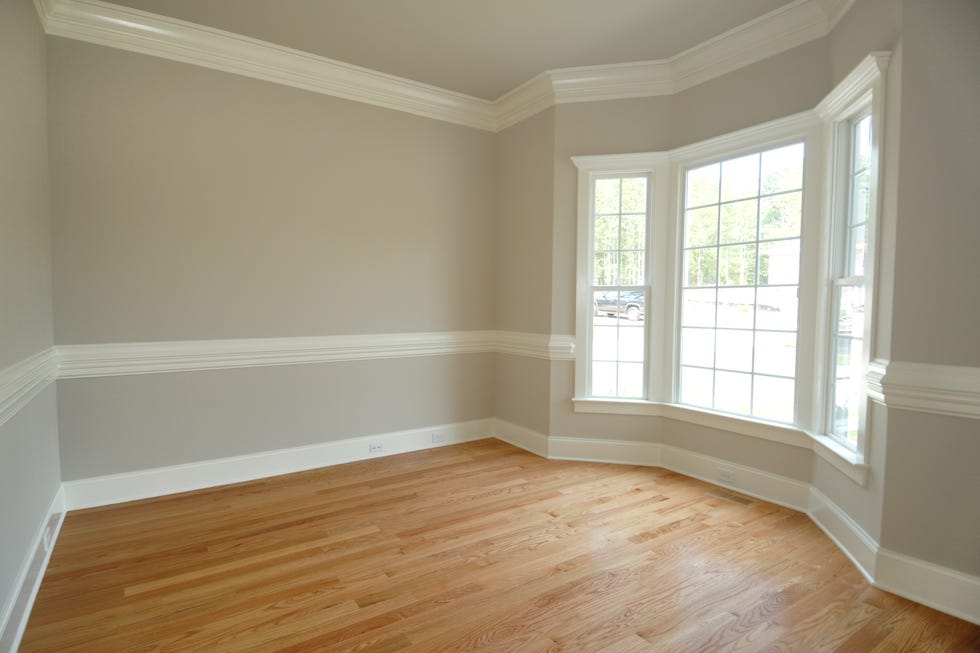
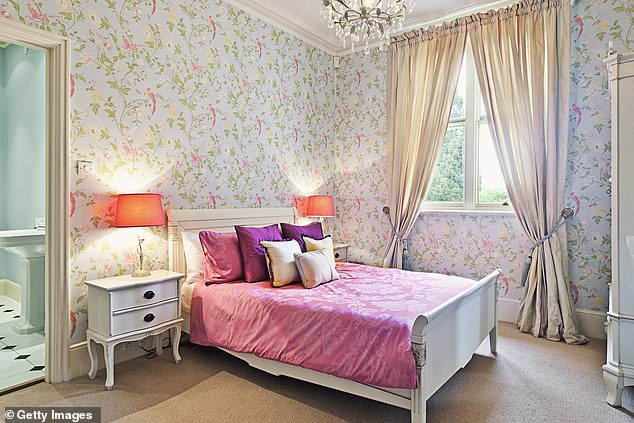
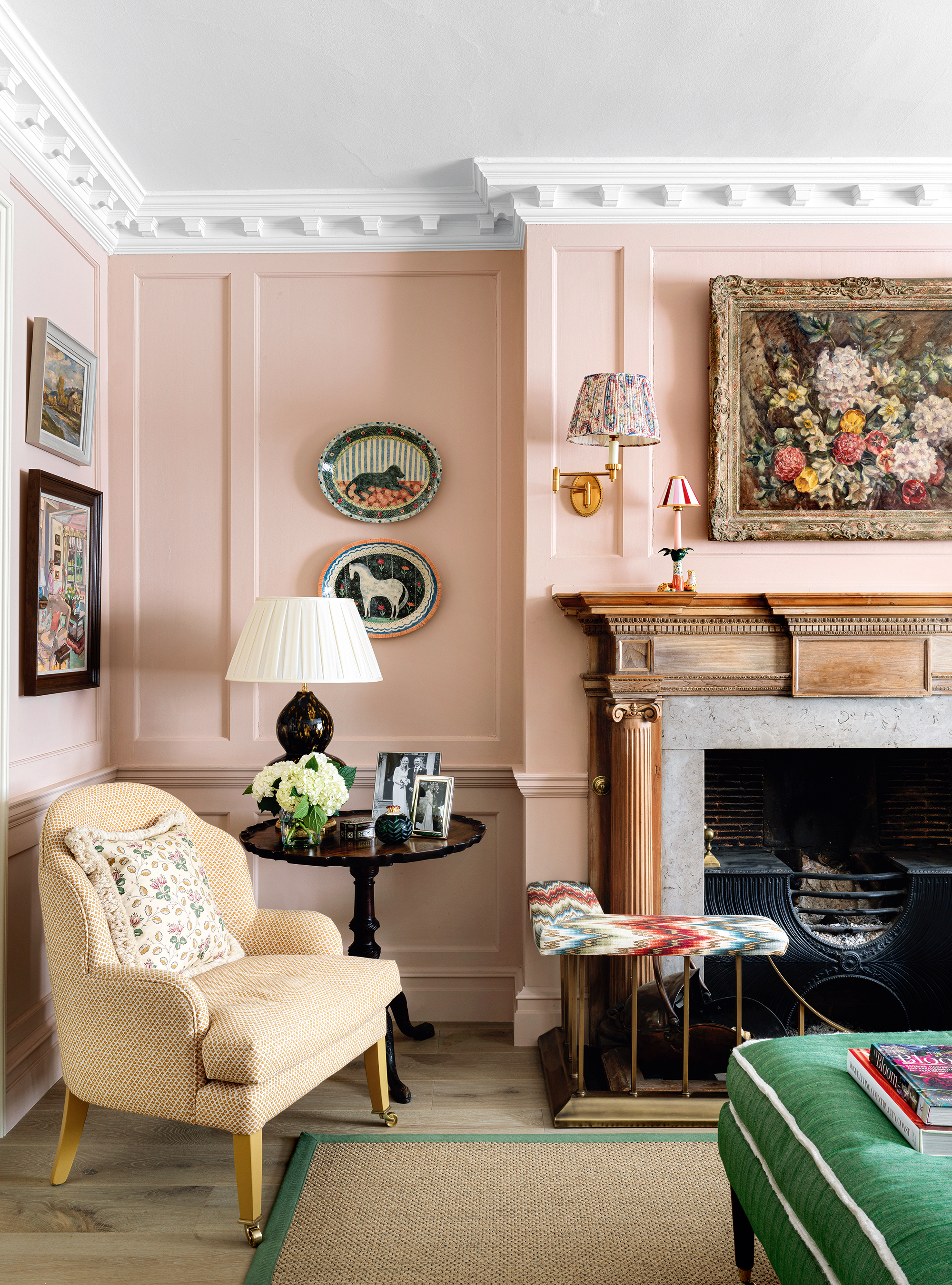
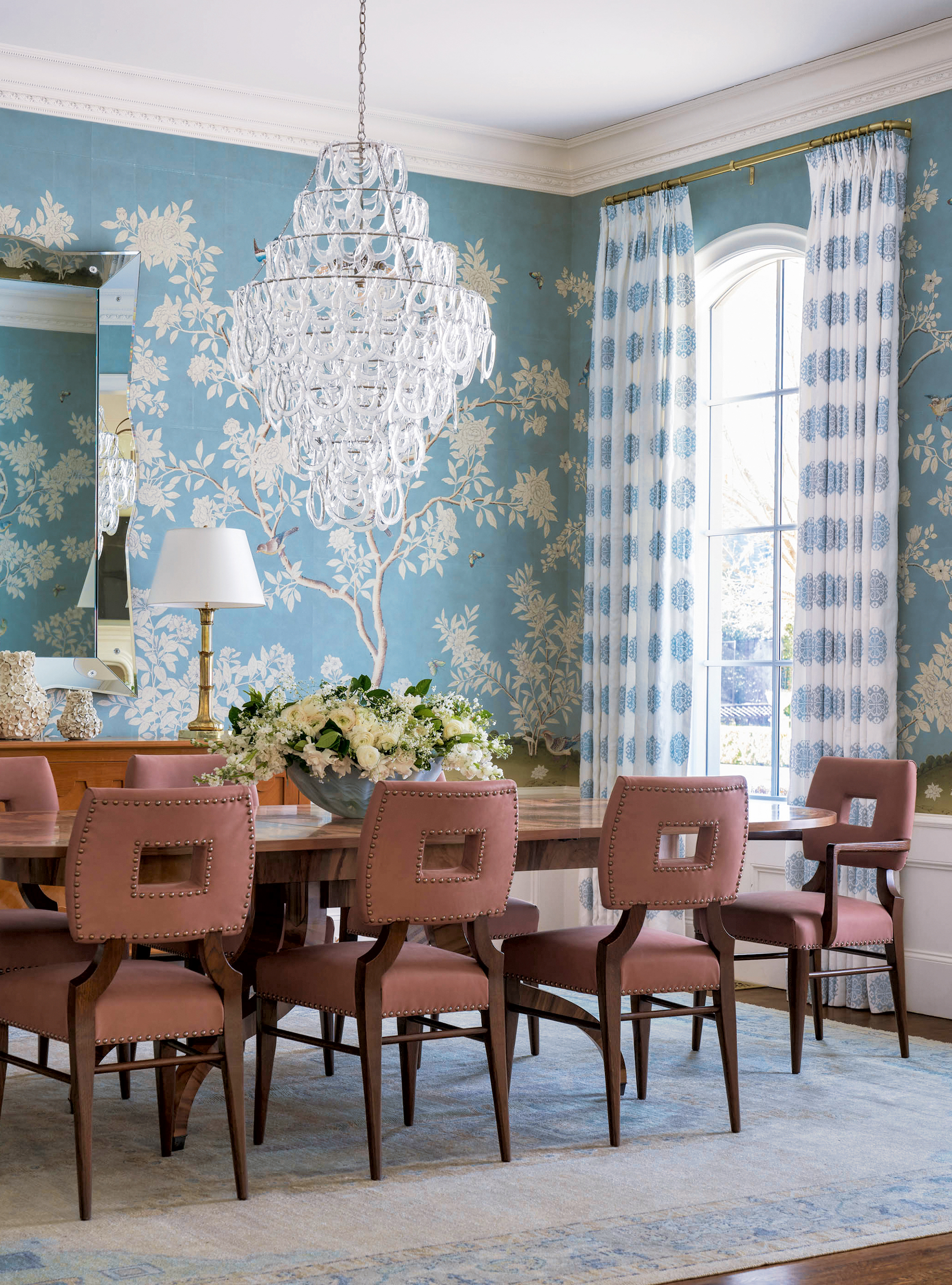
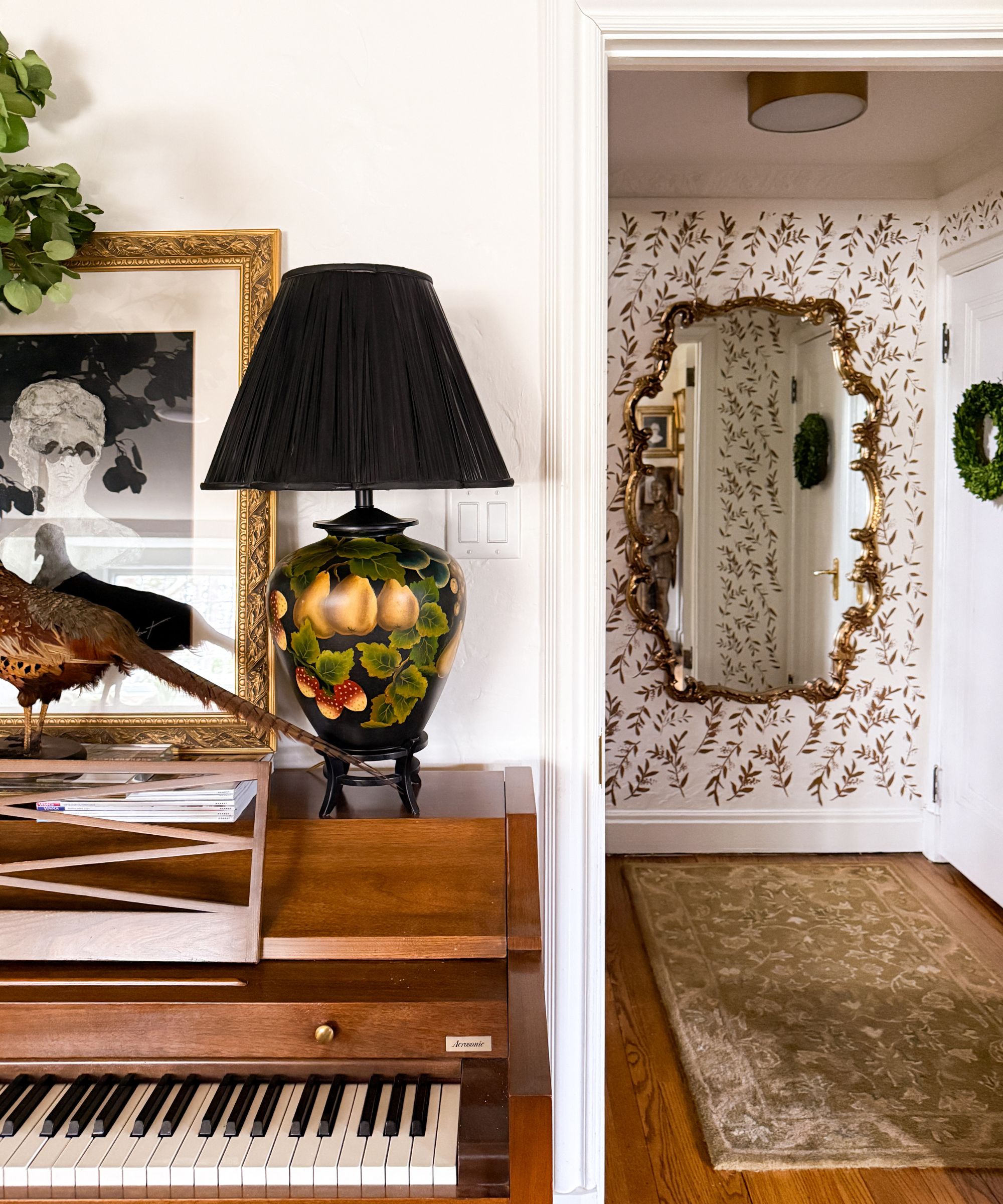
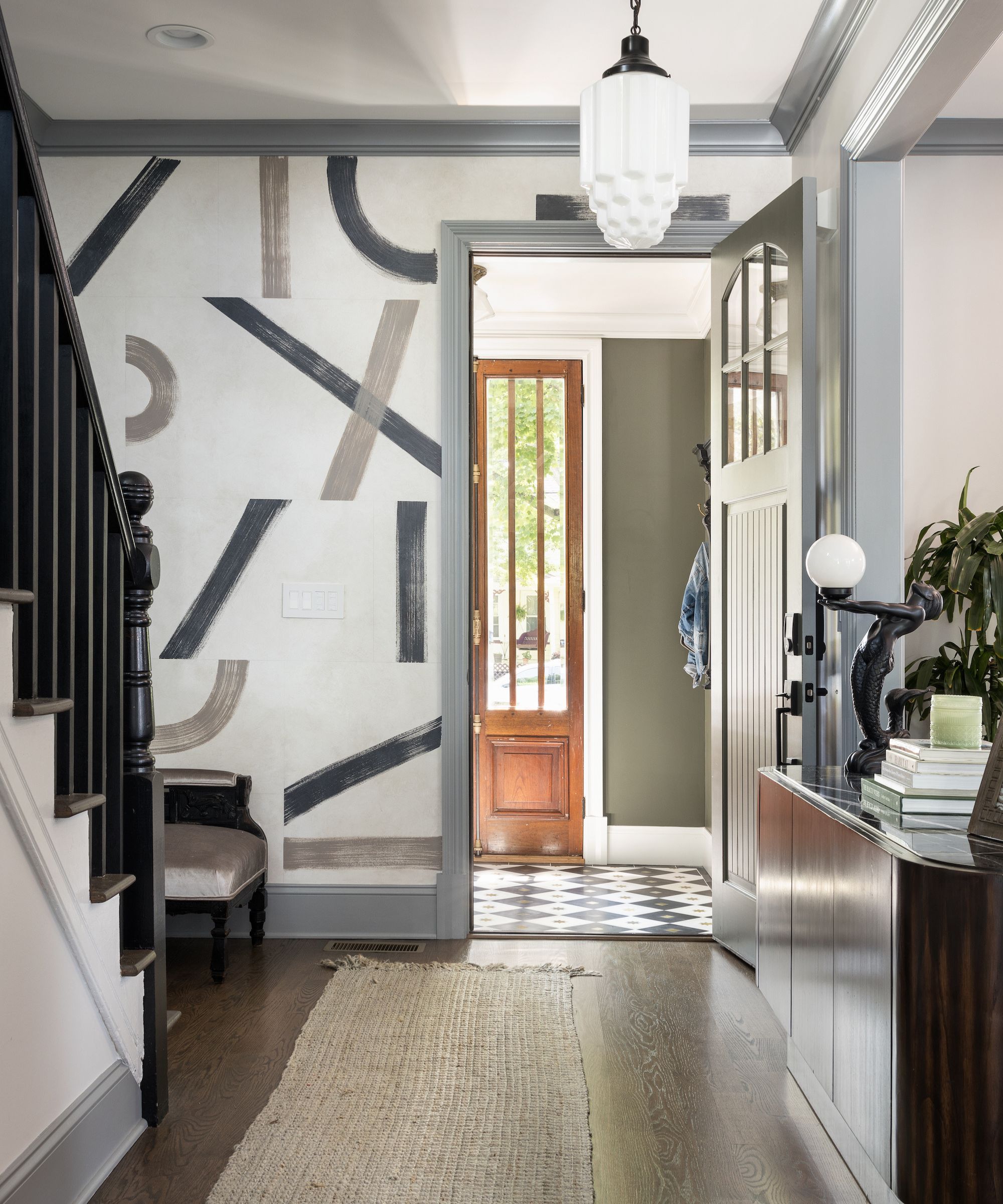
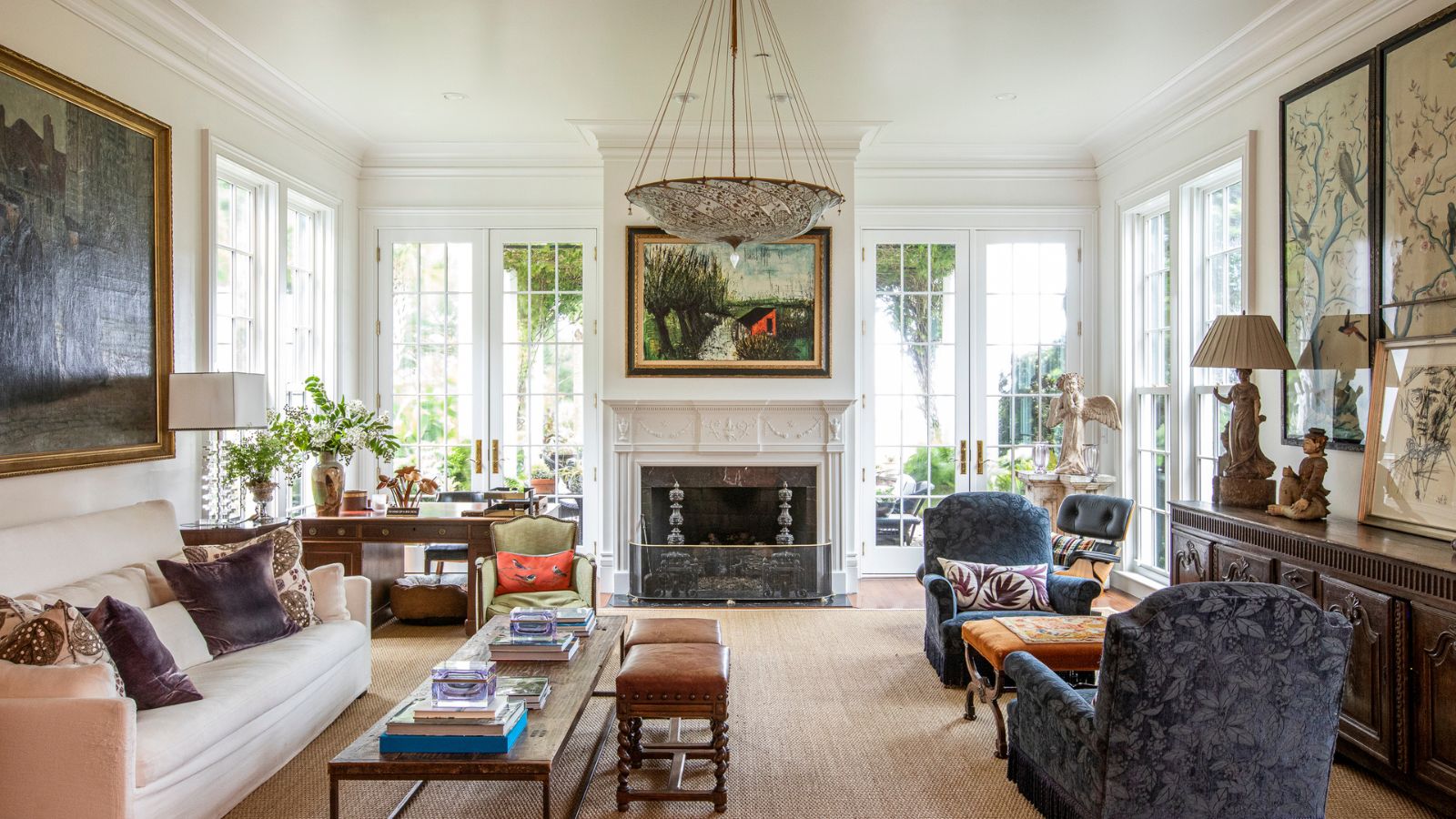
The article begins by detailing "Traditional interior design styles," characterized by classic aesthetics and intricate detailing. This style is particularly well-suited for period properties but can also be integrated into new builds by adding architectural elements like coving and paneling. Annie Sloan, a paint and color expert, highlights the resurgence of decorative, Bloomsbury-style aesthetics and the versatility of decoupage in bringing creativity and character to traditional interiors.
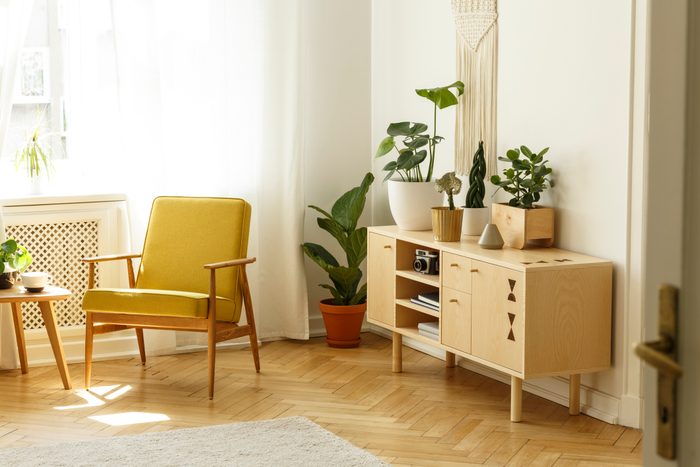
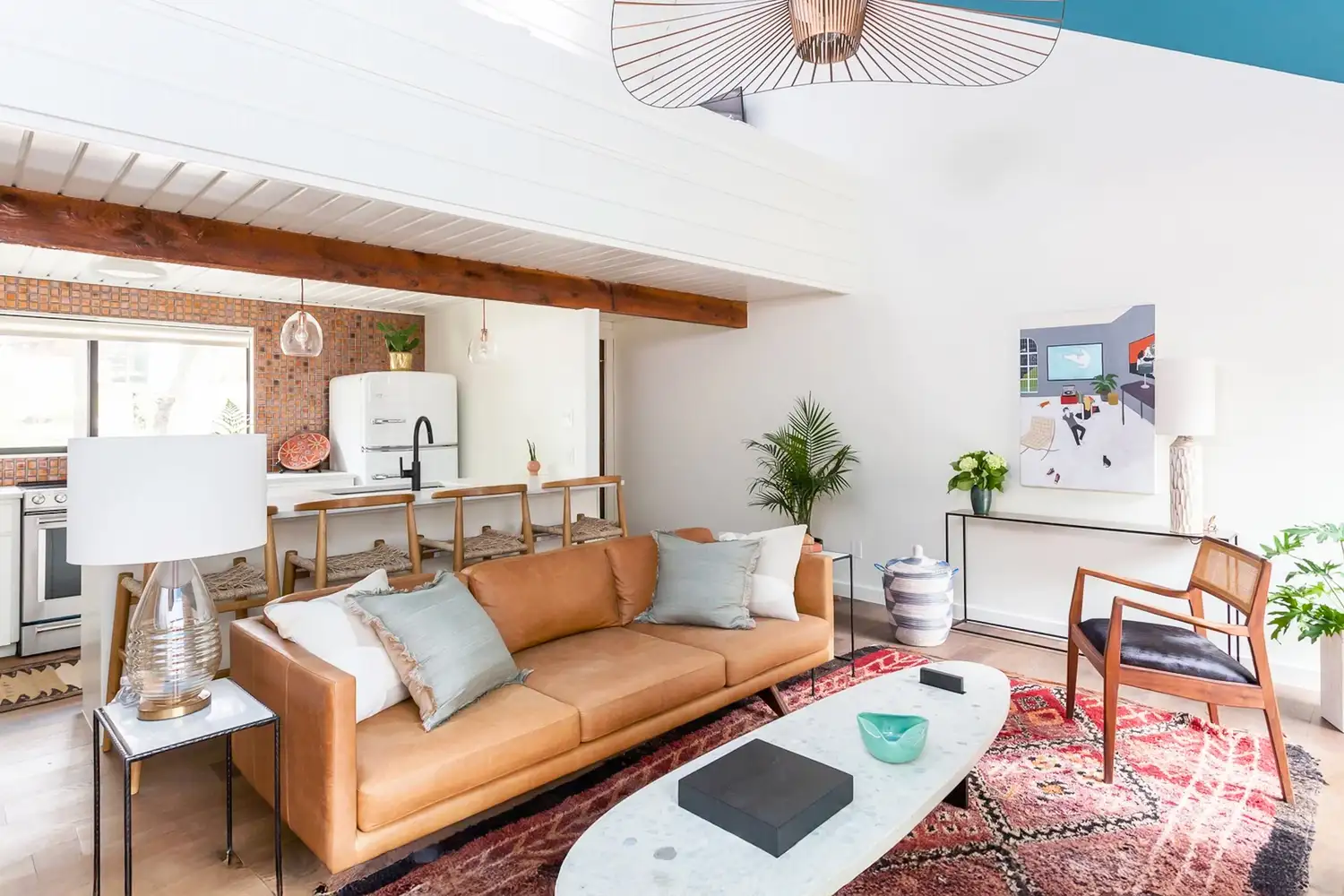
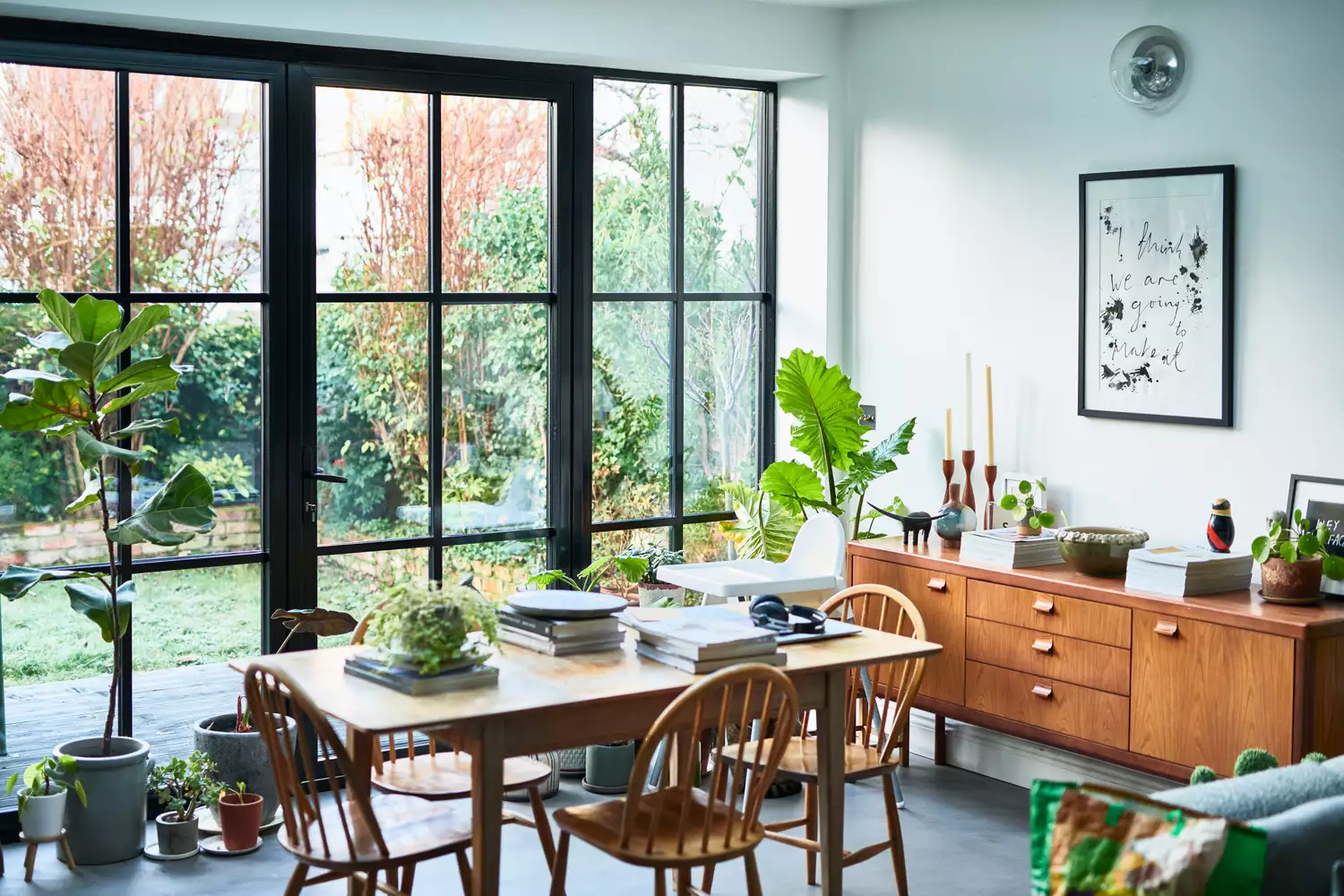
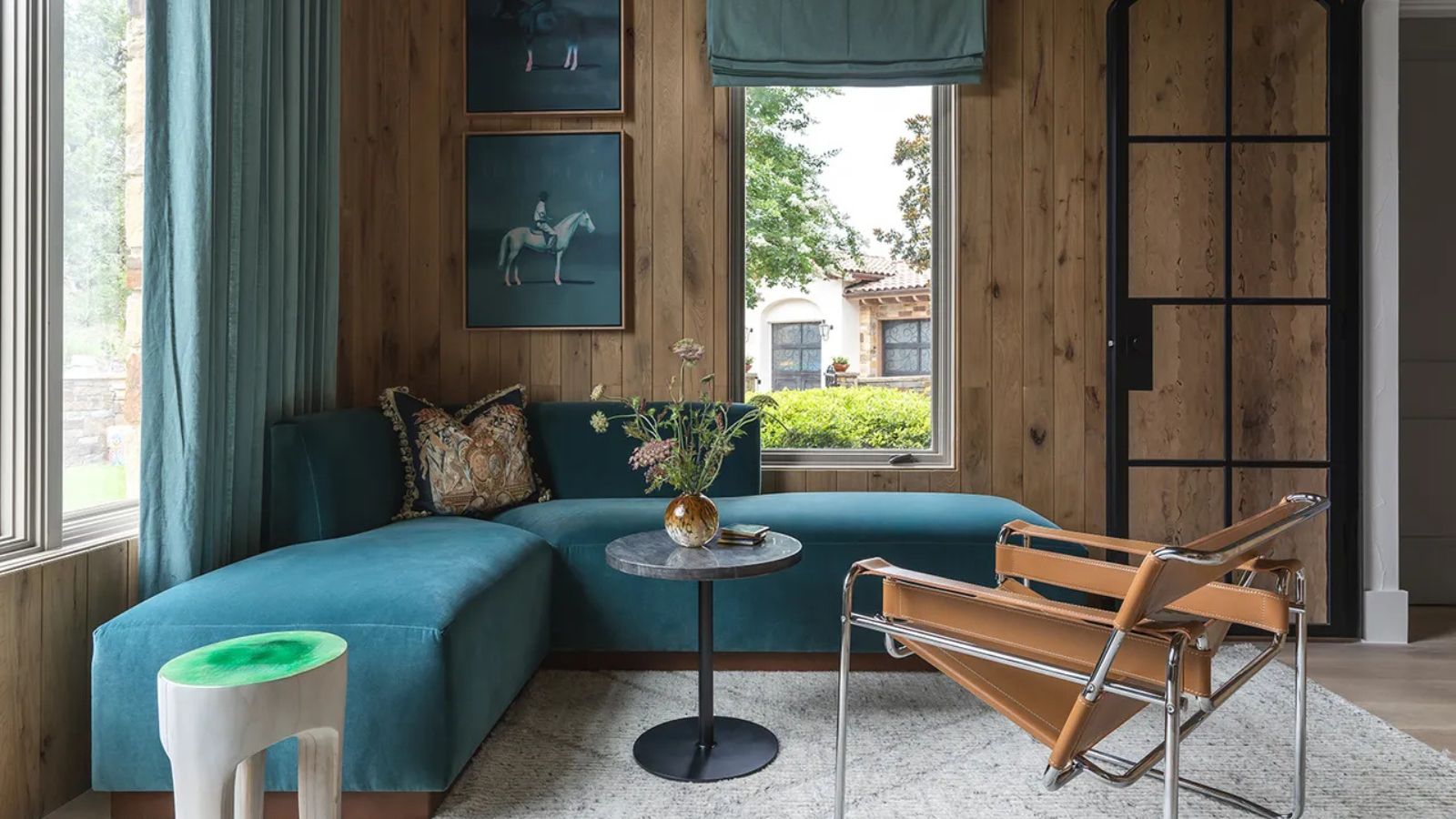
Next, "Mid-Century Modern" (MCM) is examined, tracing its origins to the 1950s. This movement is defined by furniture featuring tapered legs, clean lines, and curved corners, emphasizing function over excessive embellishment. Graphic fabric prints further underscore its modernist roots. MCM's enduring popularity is attributed to its adaptability across various rooms, making vintage pieces highly sought after.
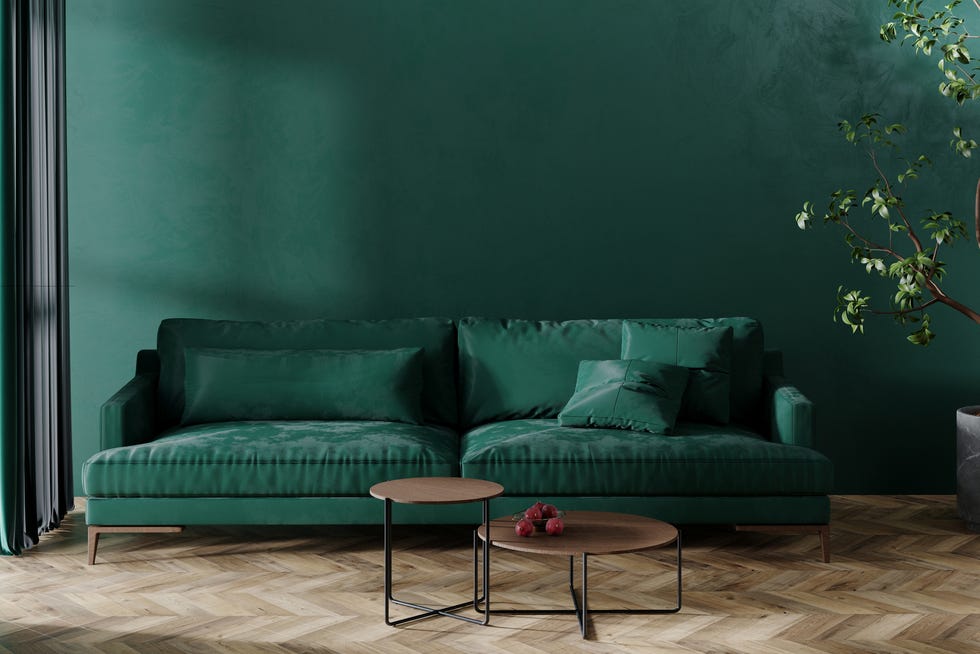
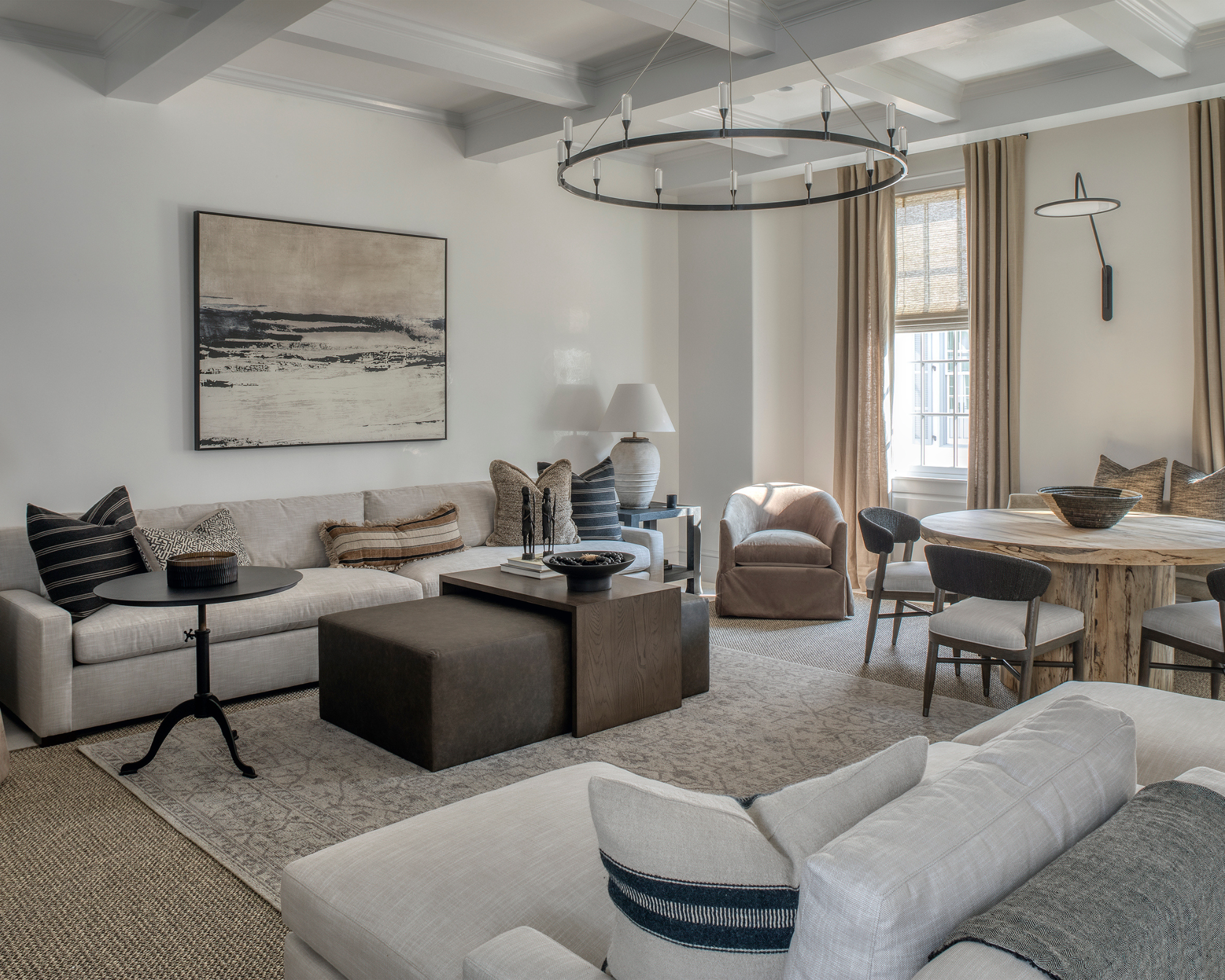
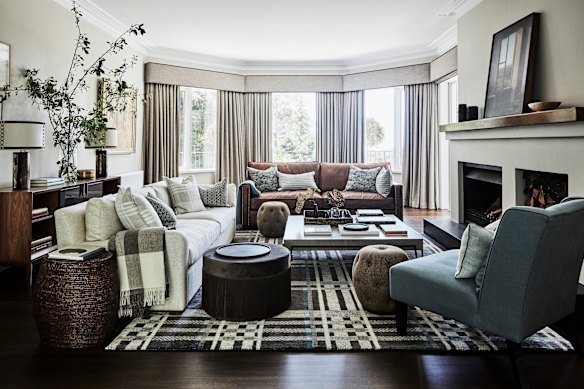
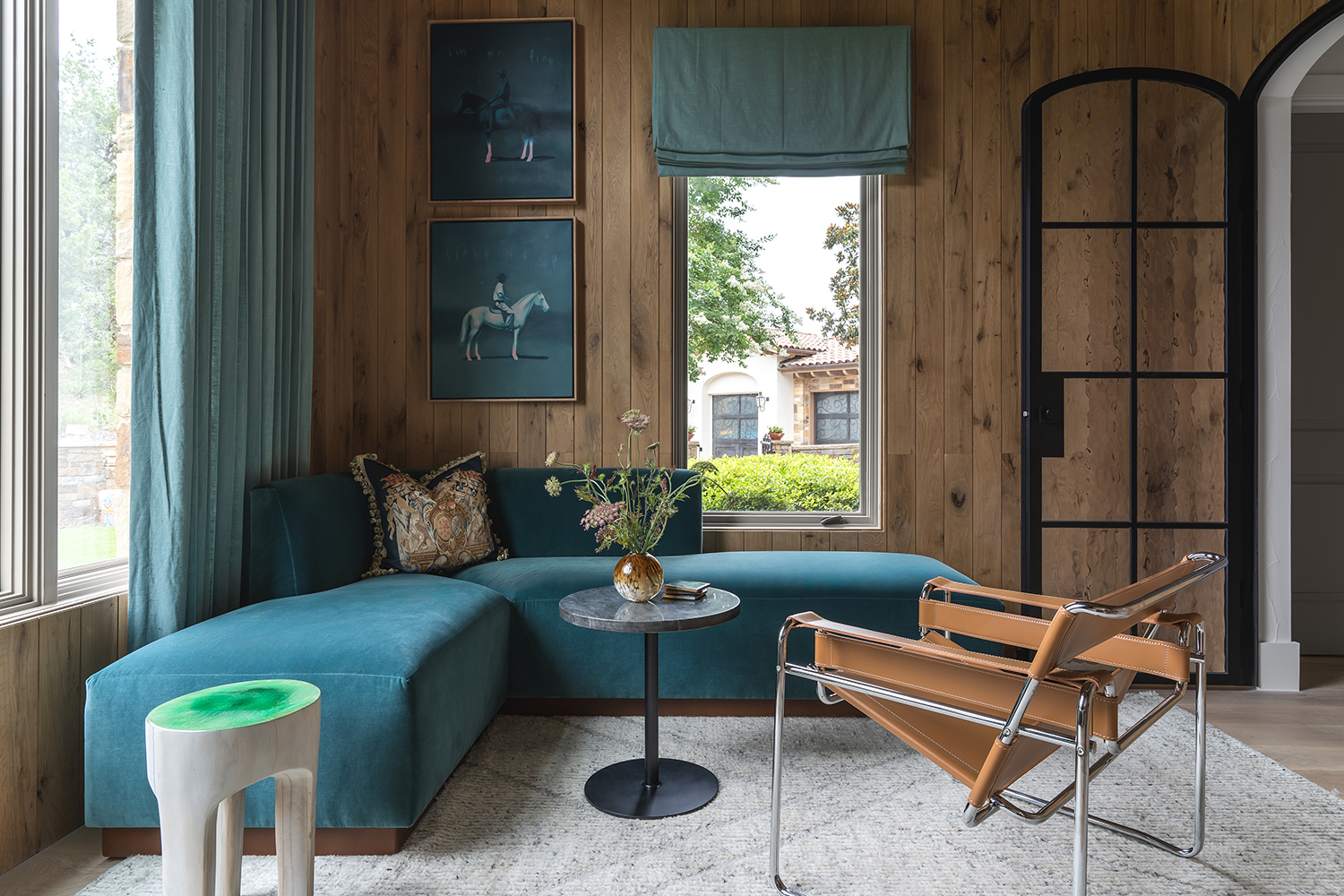
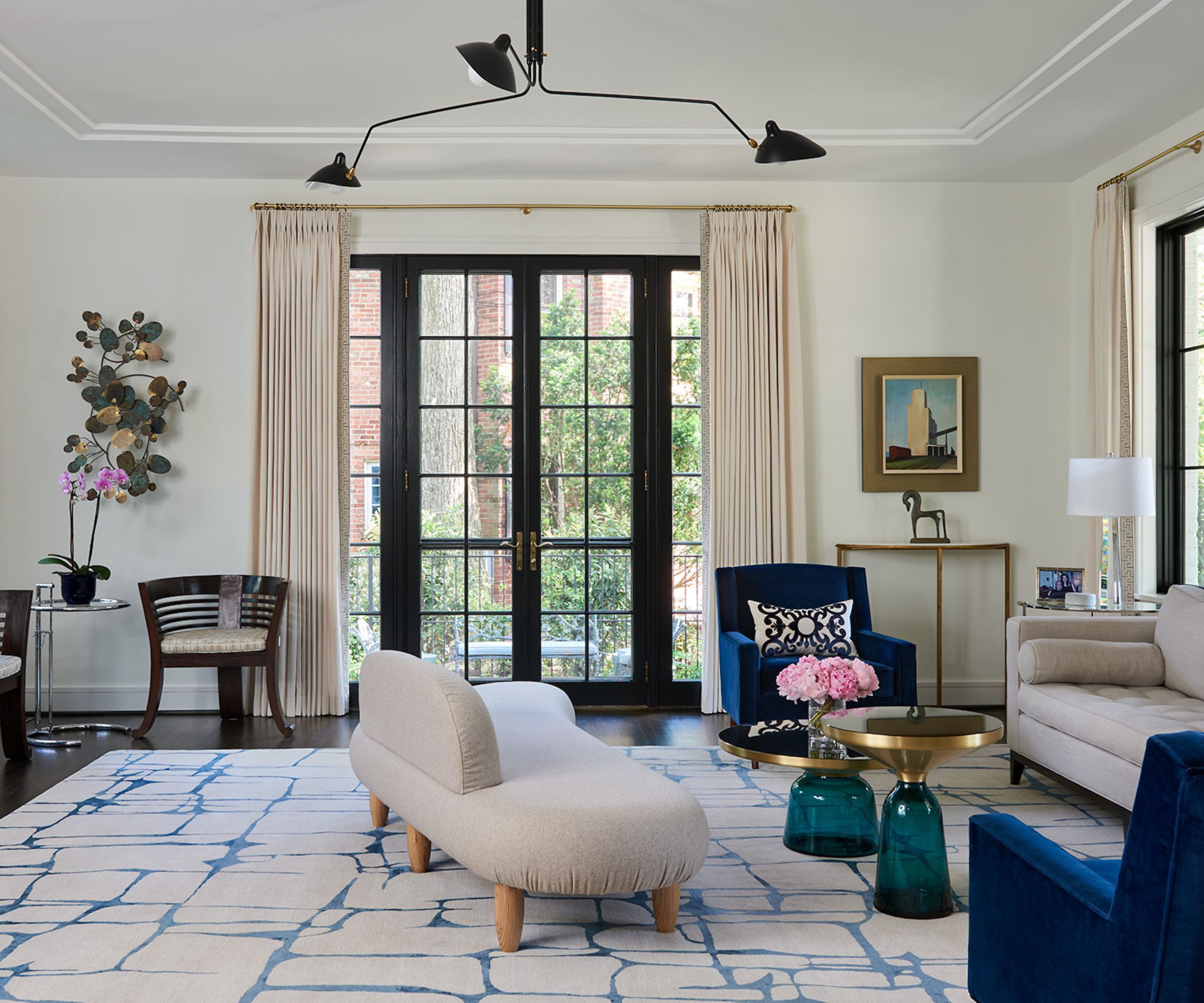
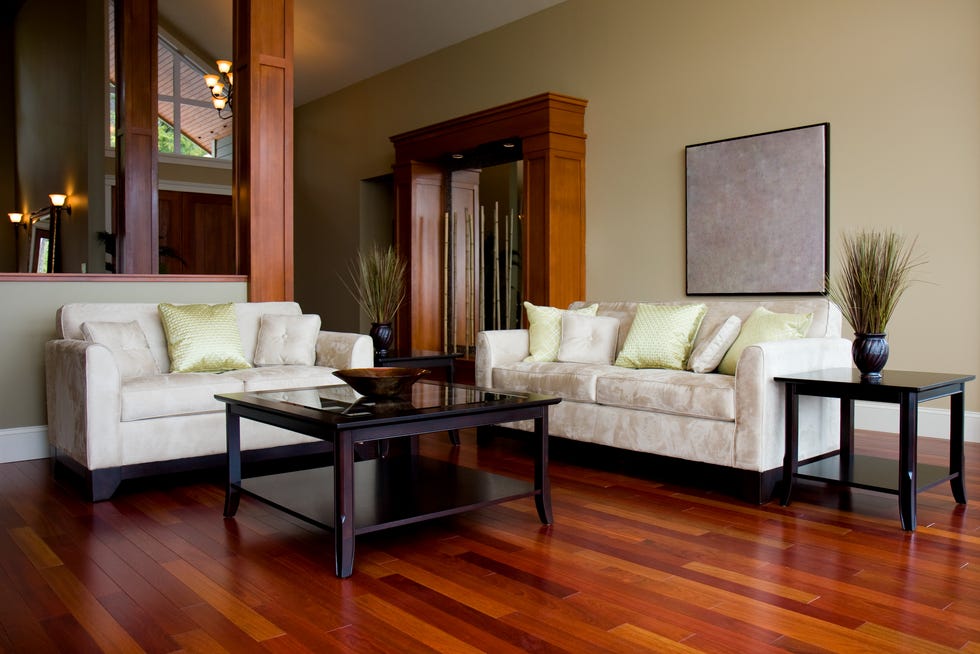
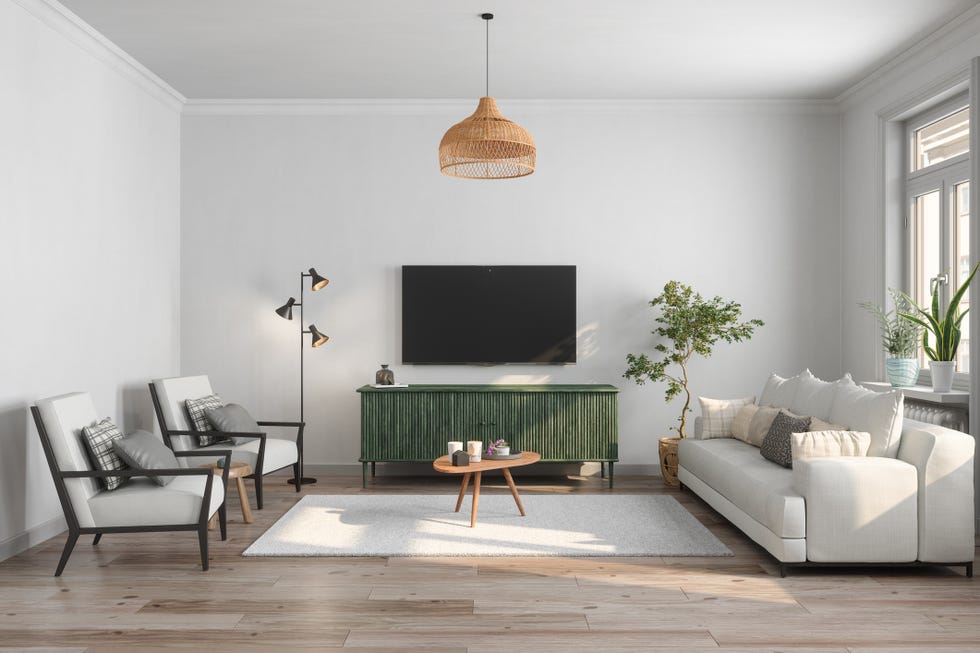
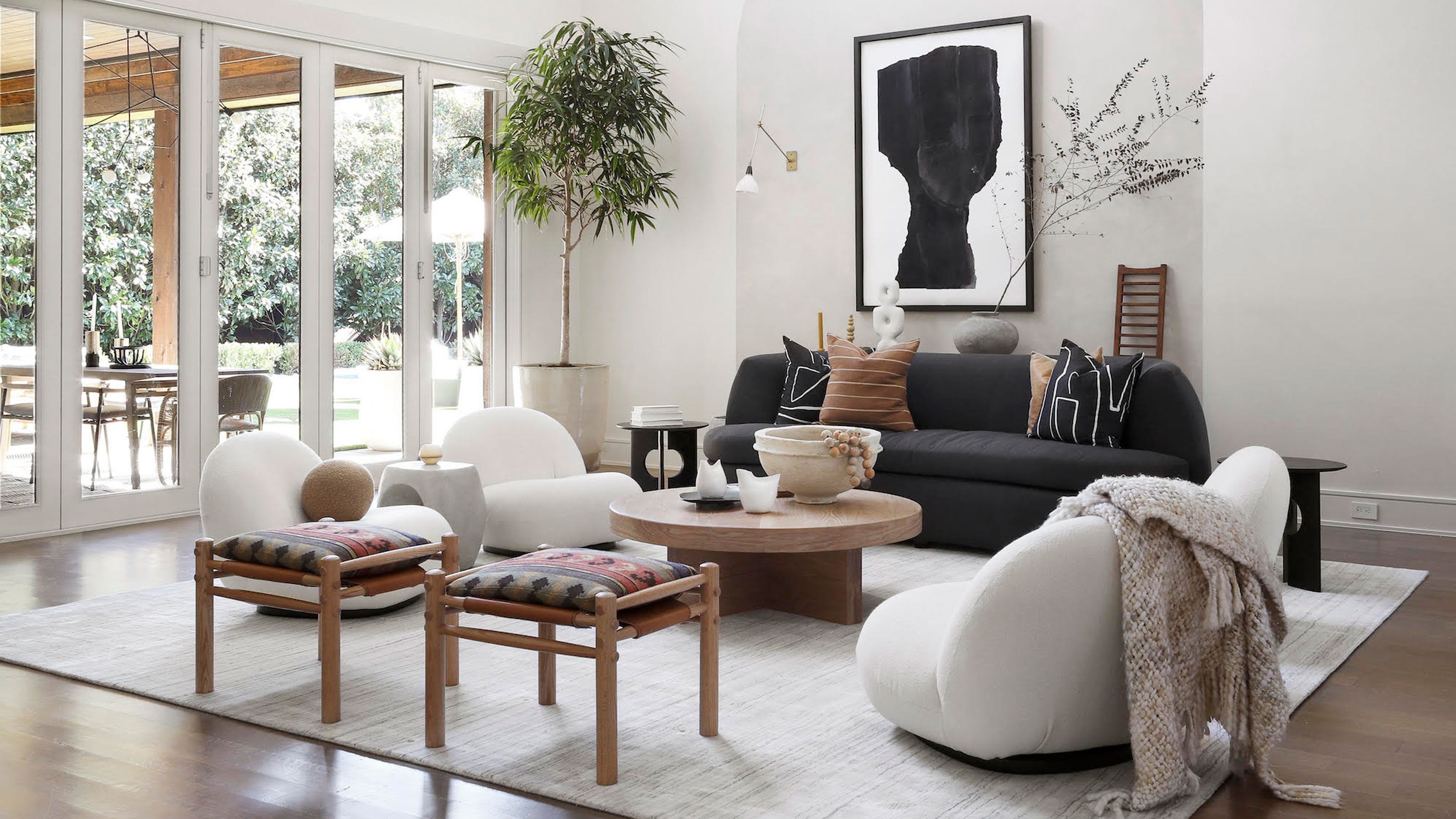
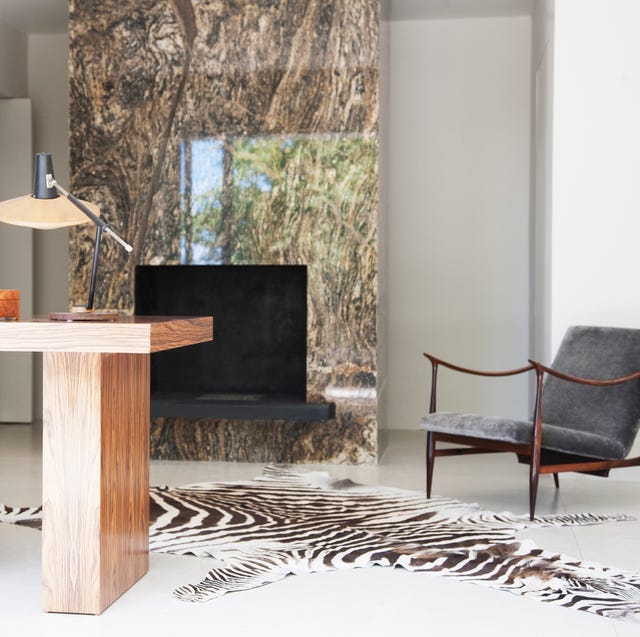
"Contemporary decor styles" are presented as clean, understated, and often luxurious. This style evolves constantly, currently favoring tactile fabrics such as boucle and velvet, paired with curvilinear furniture and sleek, 'designer' lighting. The color palette typically consists of muted tones accented with black and gray. Ginger Curtis of Urbanology Designs notes that contemporary design embraces constant change and is currently moving towards stark, minimalist aesthetics with heavy use of metal finishes.
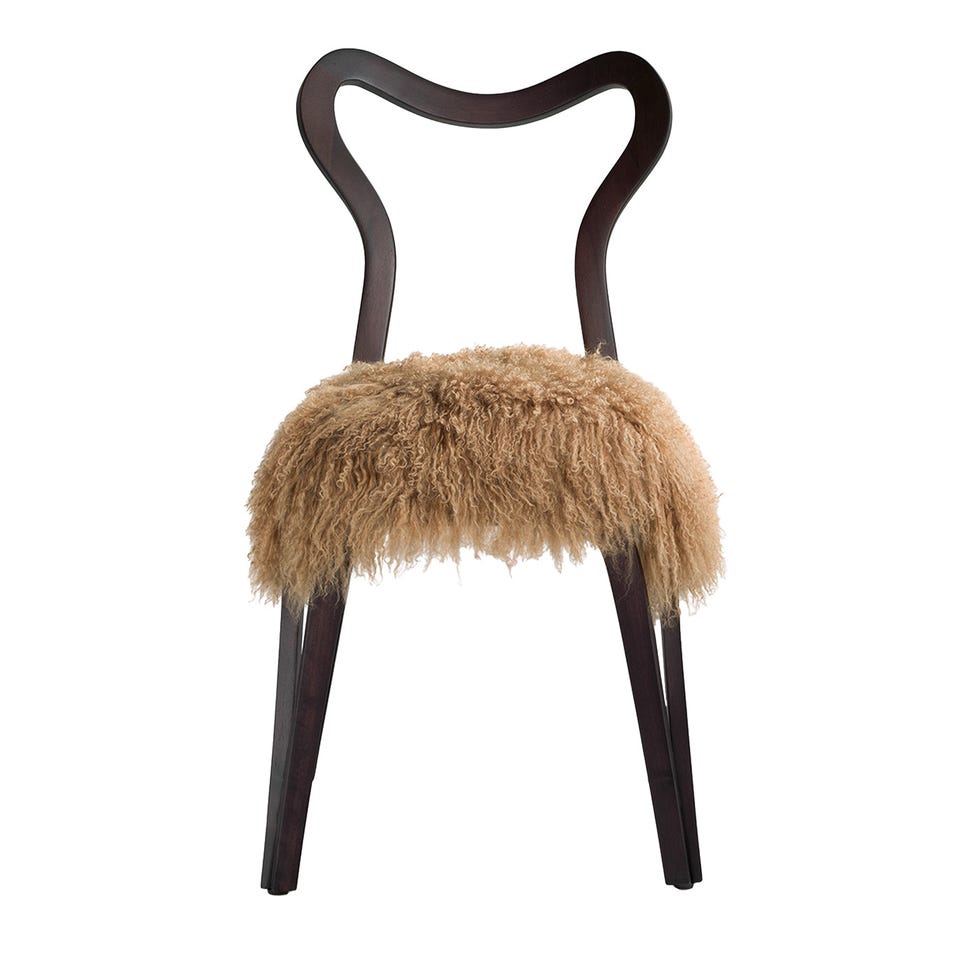
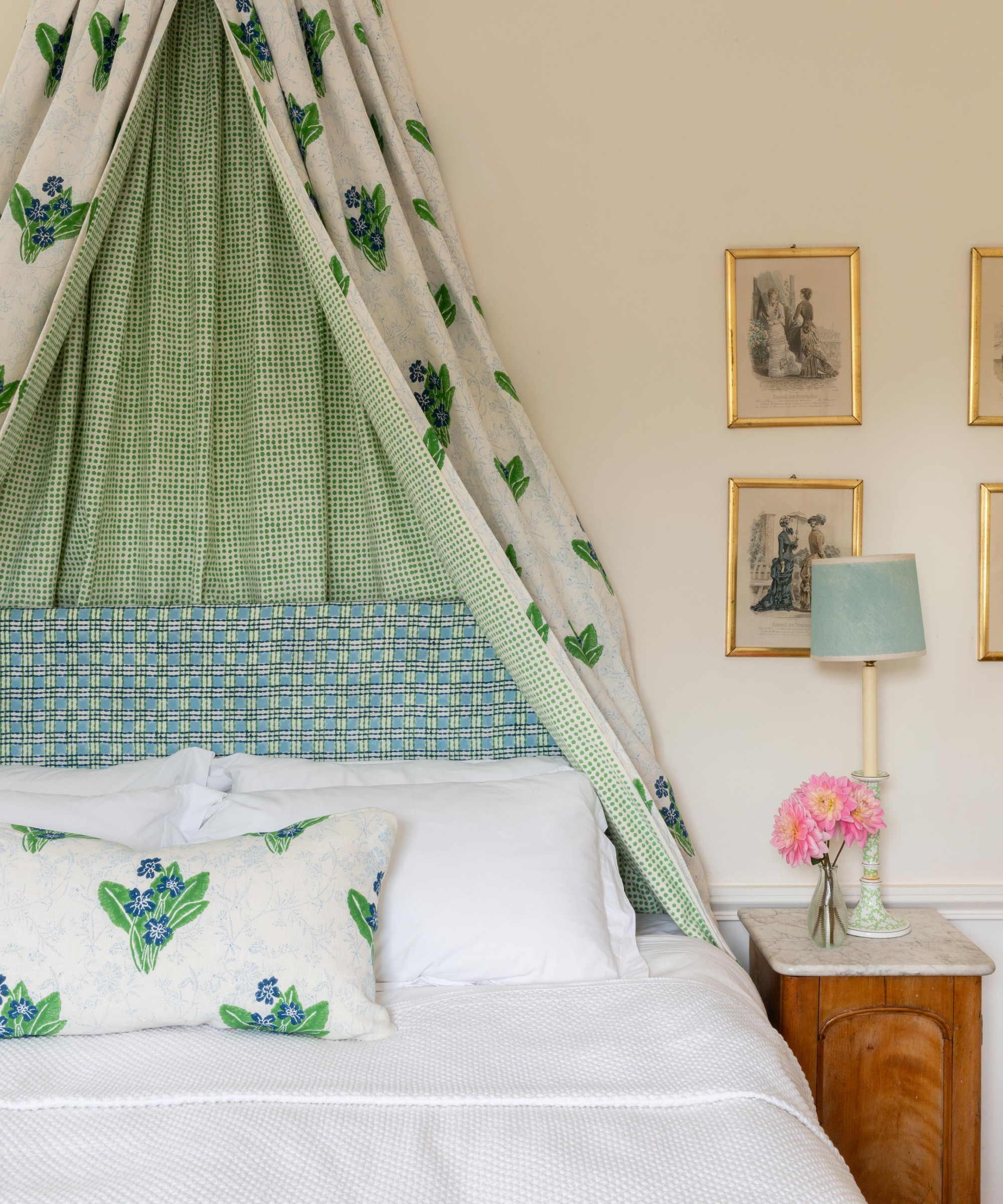
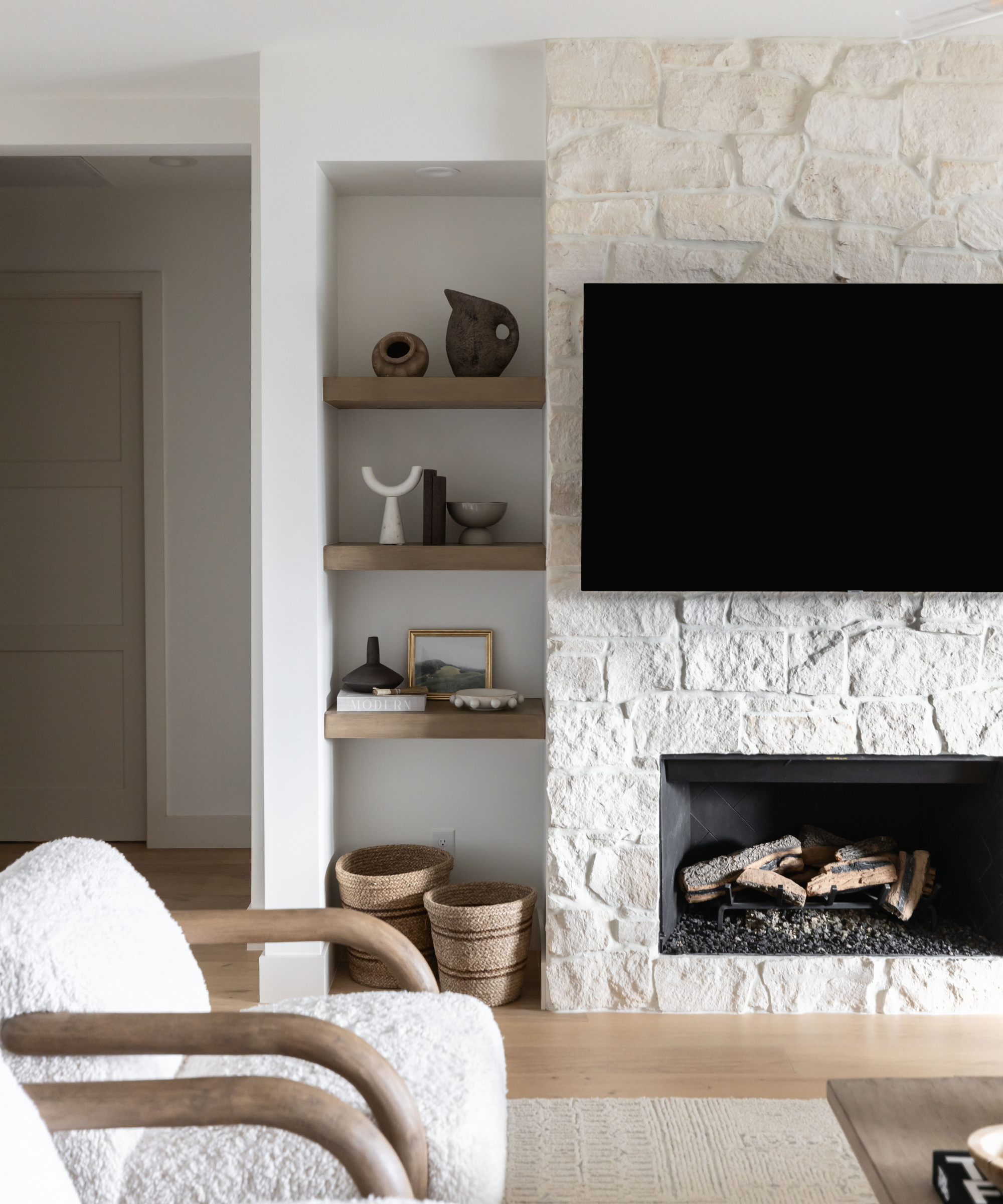
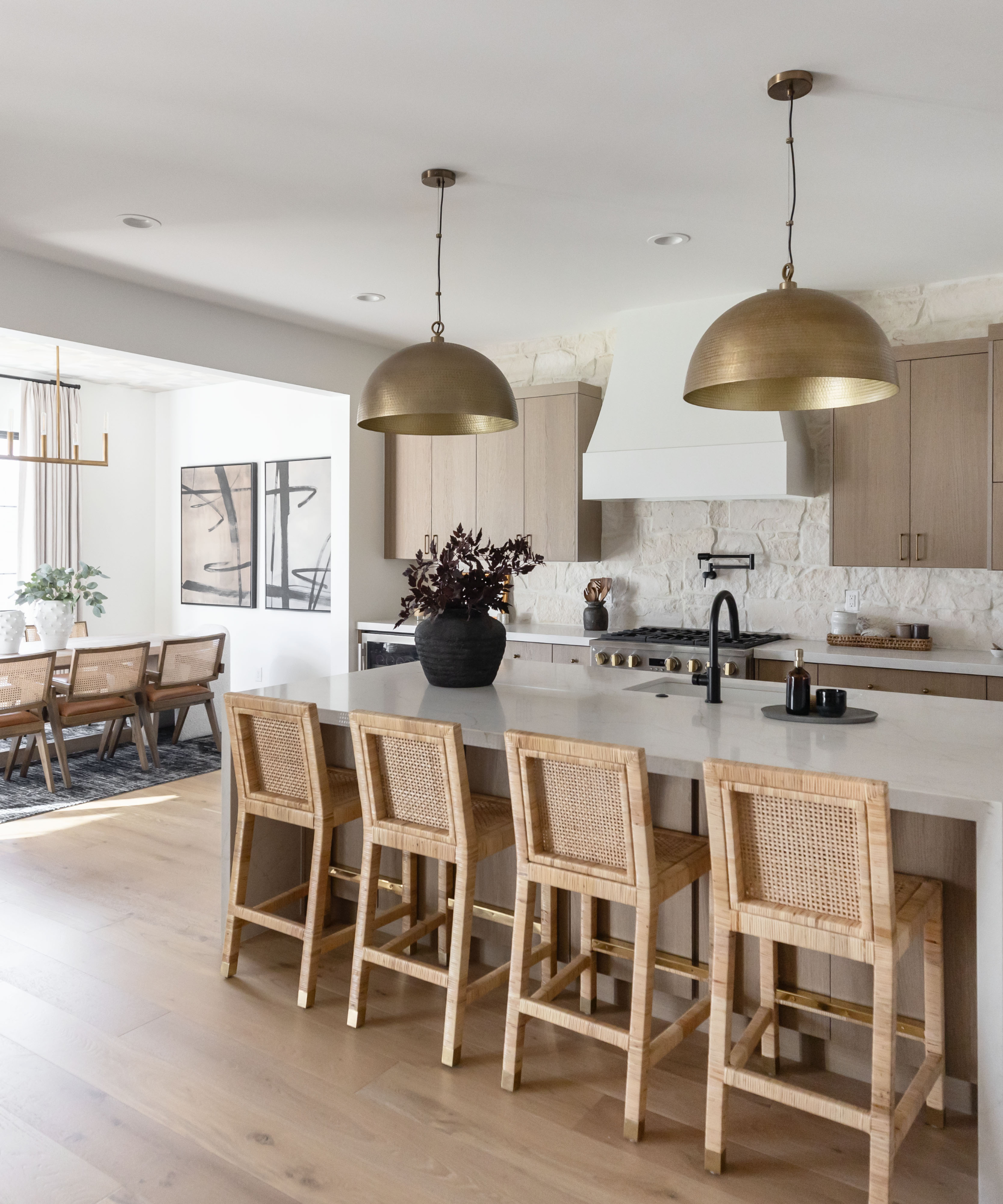
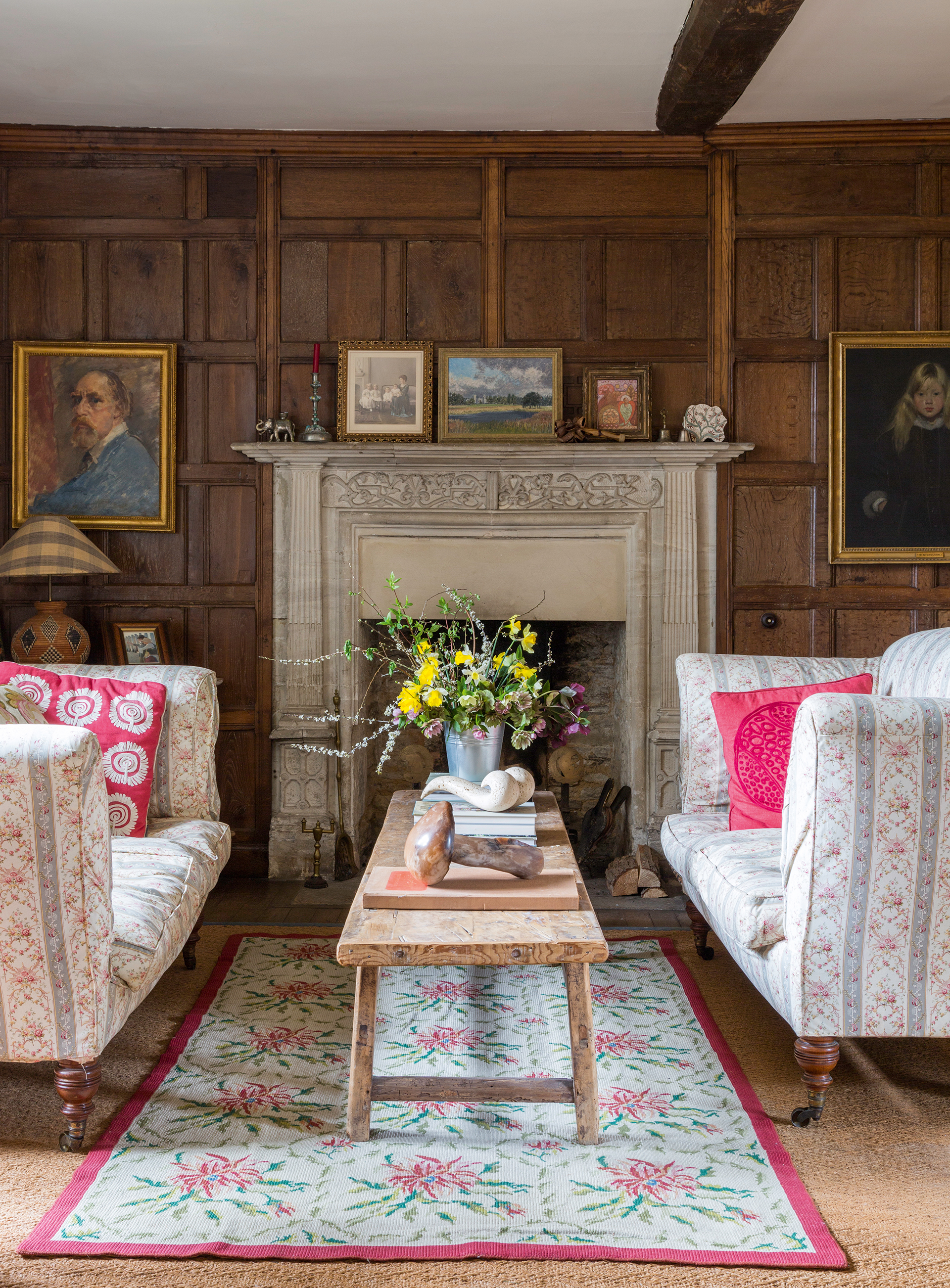
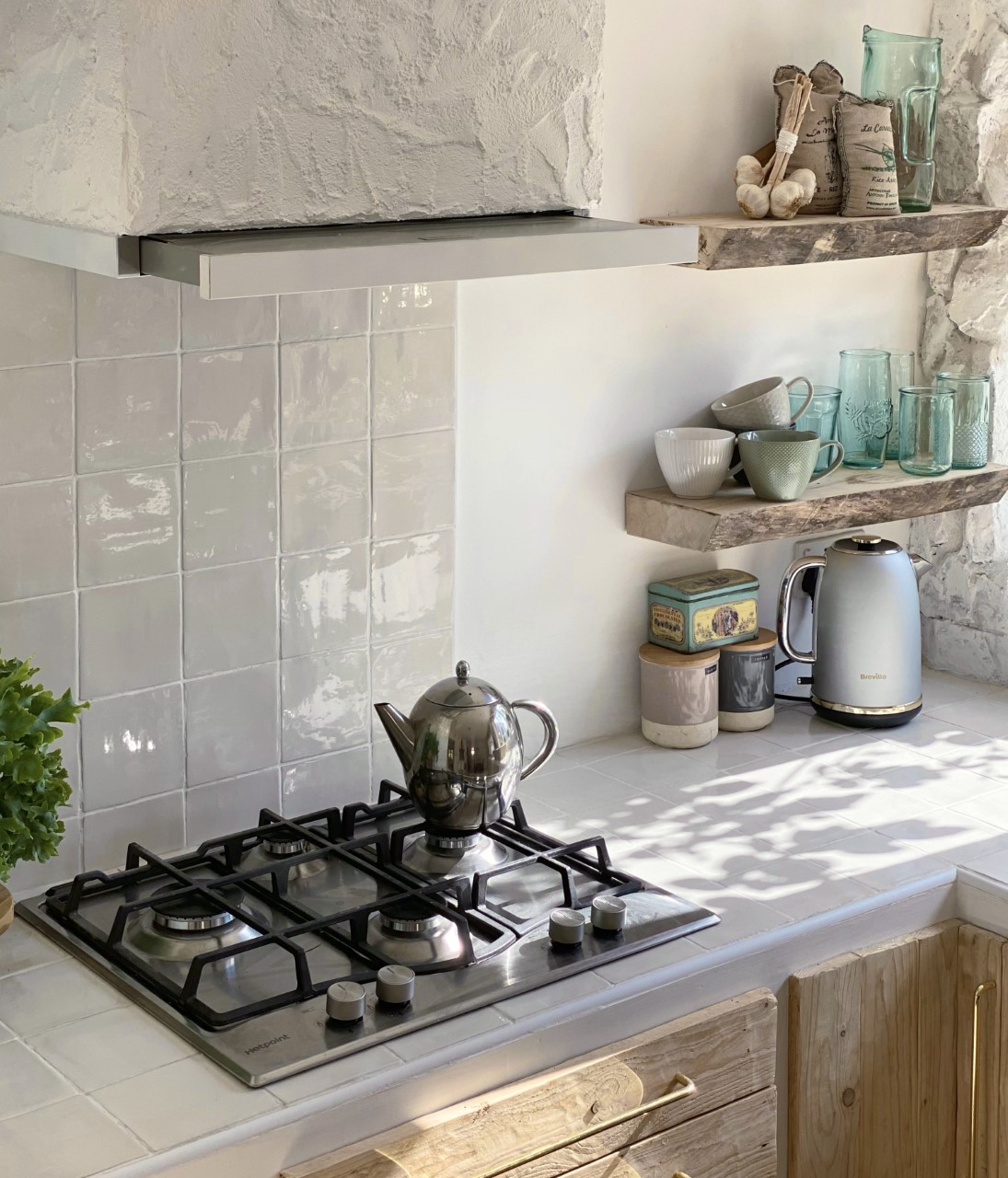
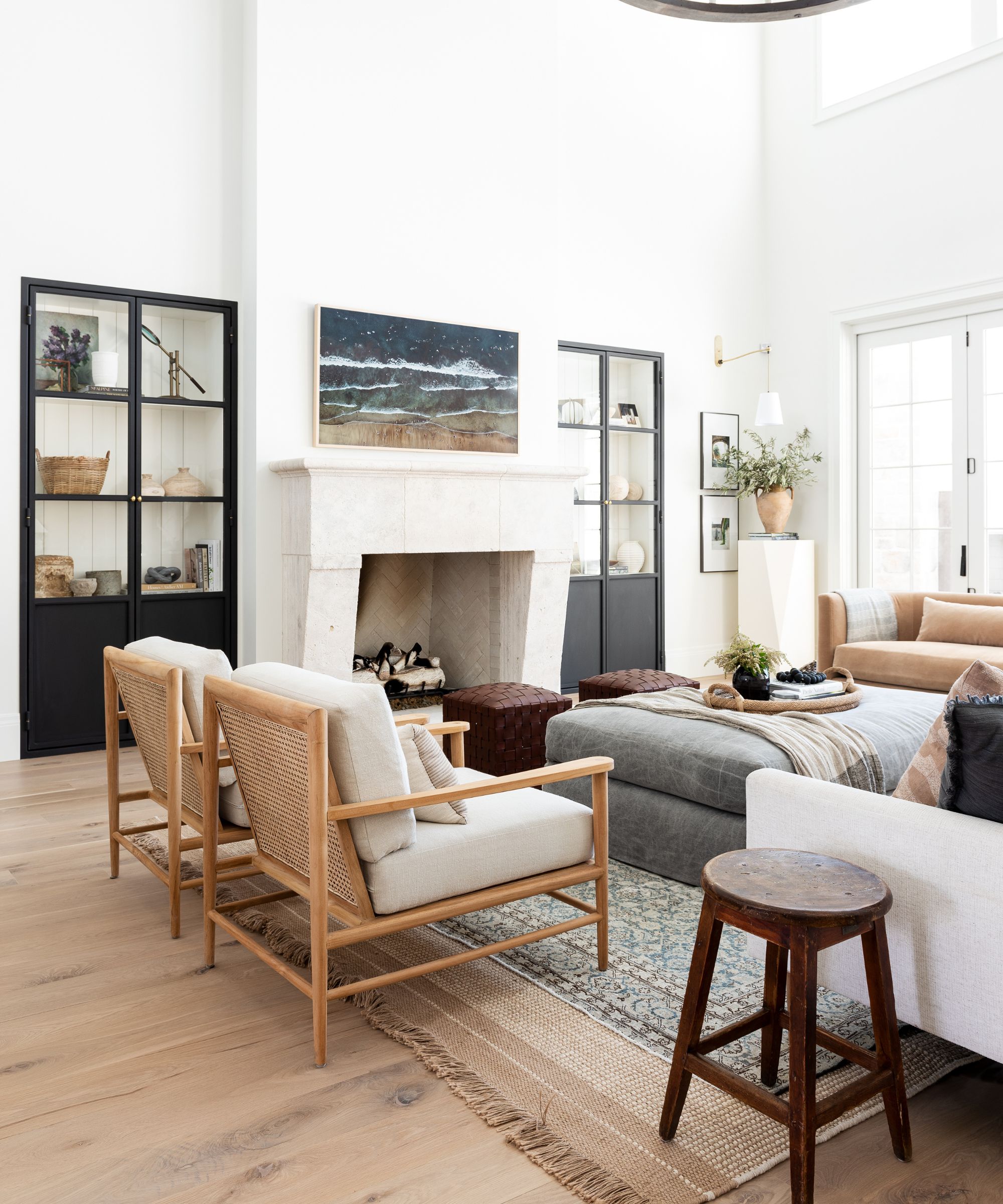
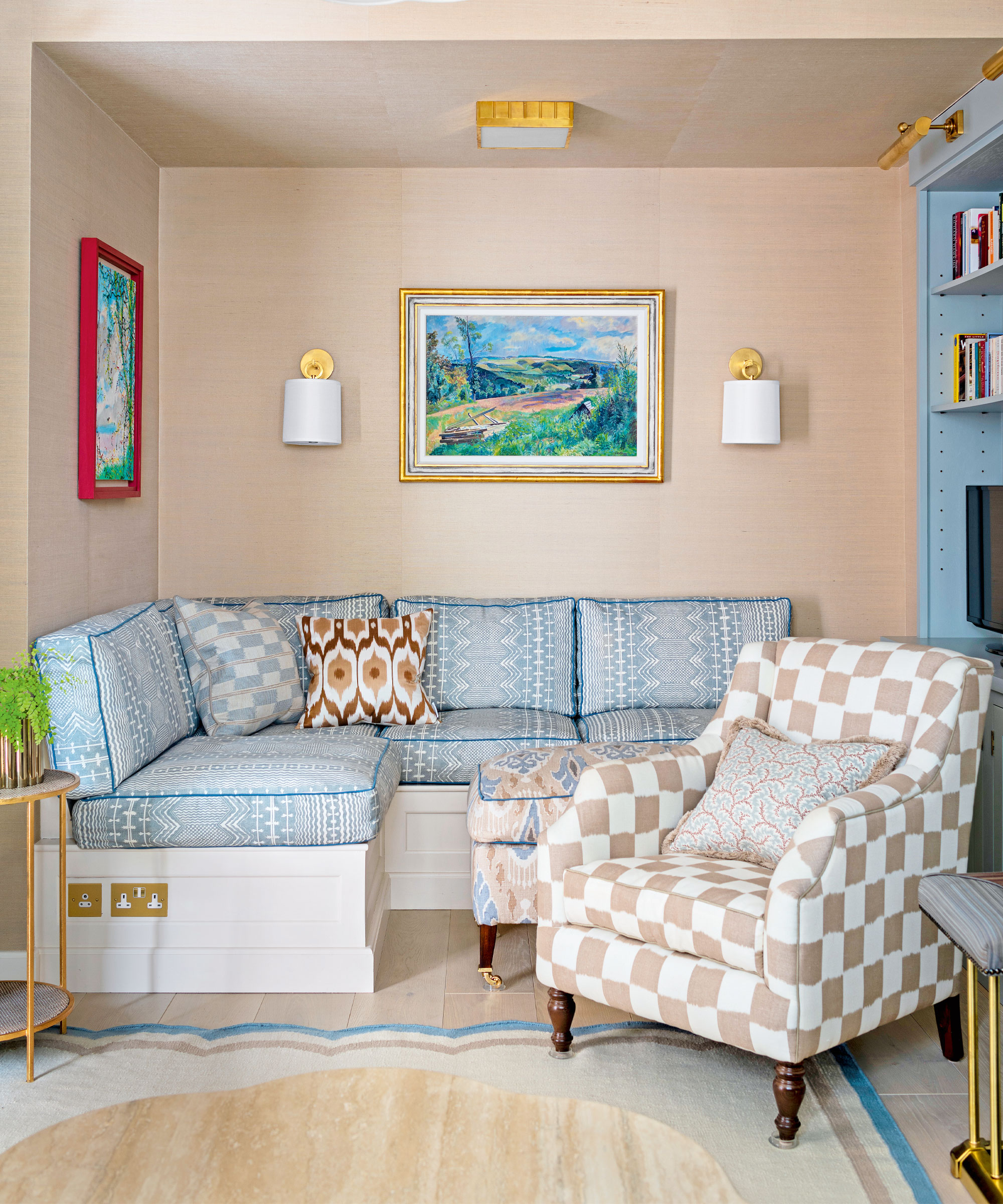
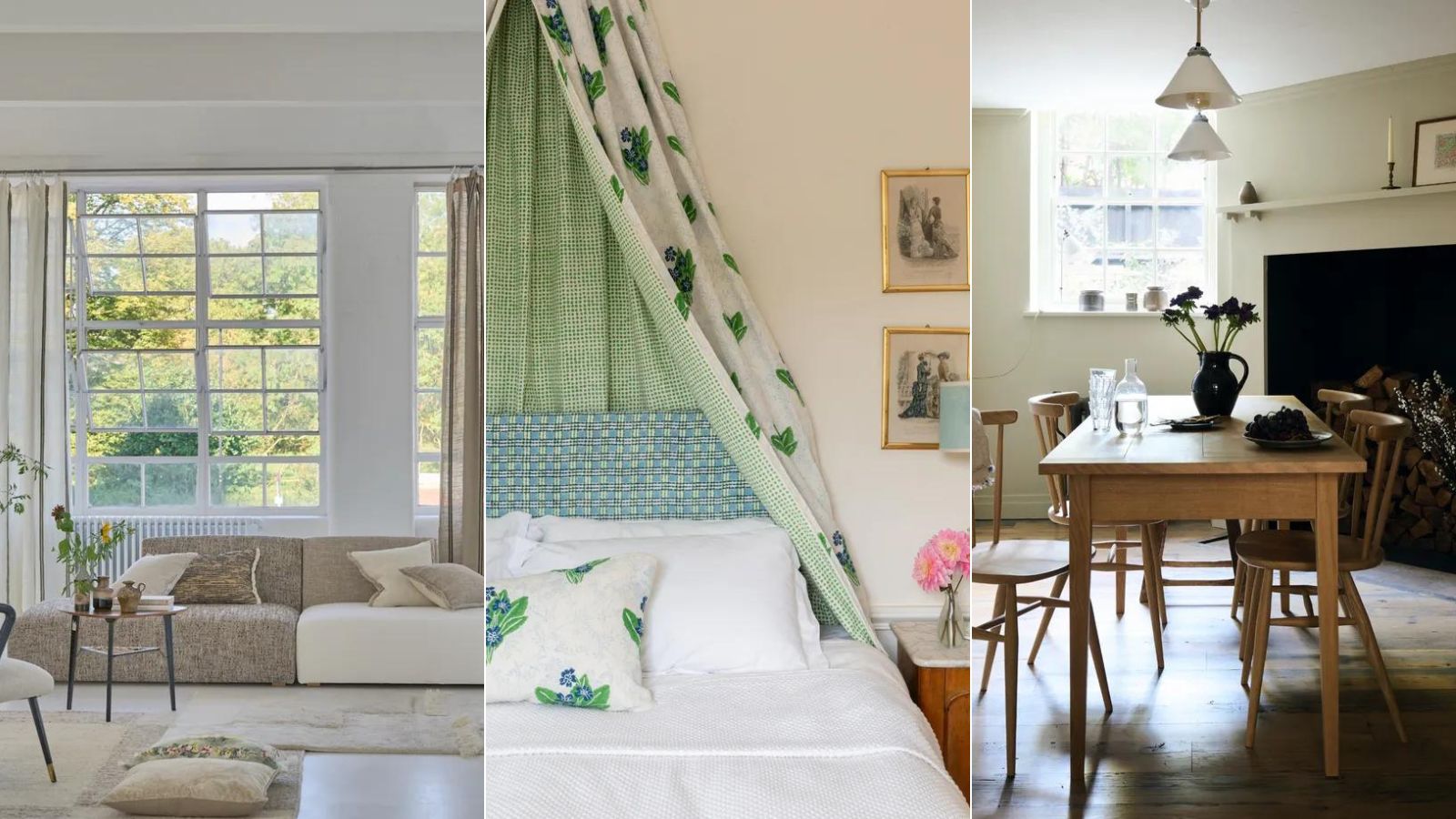
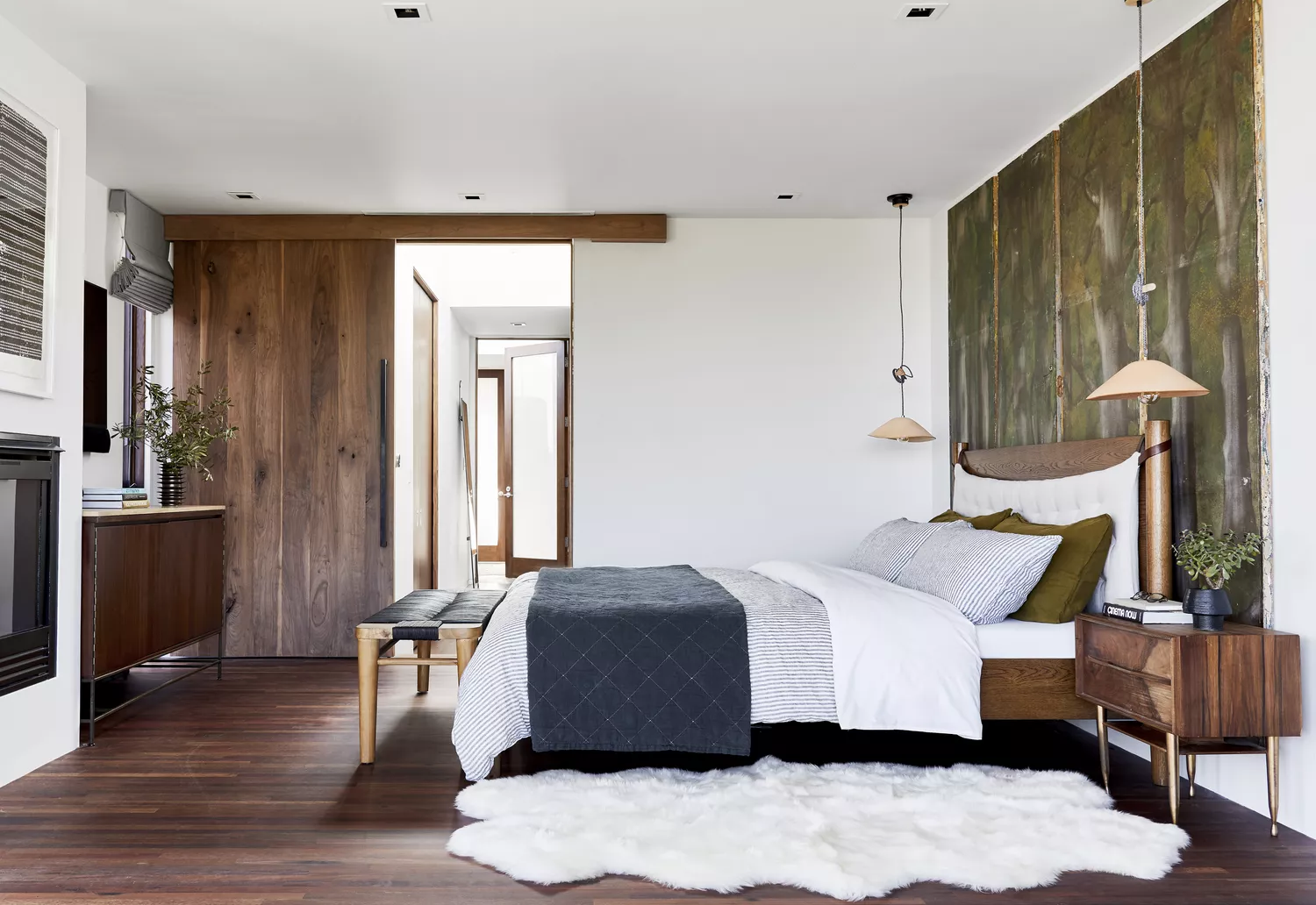
"Modern Country" offers a refined take on traditional country aesthetics, focusing on natural materials like wood, stone, sheepskin, and linen to bring the outdoors in. This authentic and thoughtful style utilizes a light and neutral color scheme with darker accents, and incorporates subtle patterns like stripes, checks, and graphic prints for added warmth.
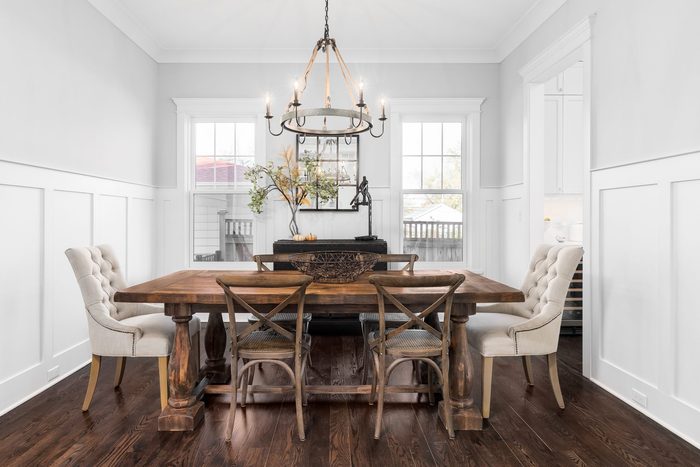
"Farmhouse" decor is described as rustic and charming, designed to evoke a warm and cozy atmosphere through deep, nurturing colors. Sage green is suggested as an ideal choice for bedrooms, complemented by white painted furniture, textured blankets, linen cushions, and pleated lampshades. Gallery walls with authentic paintings in subtle shades of green, taupe, gray, and black, alongside artisan pieces, complete this look.
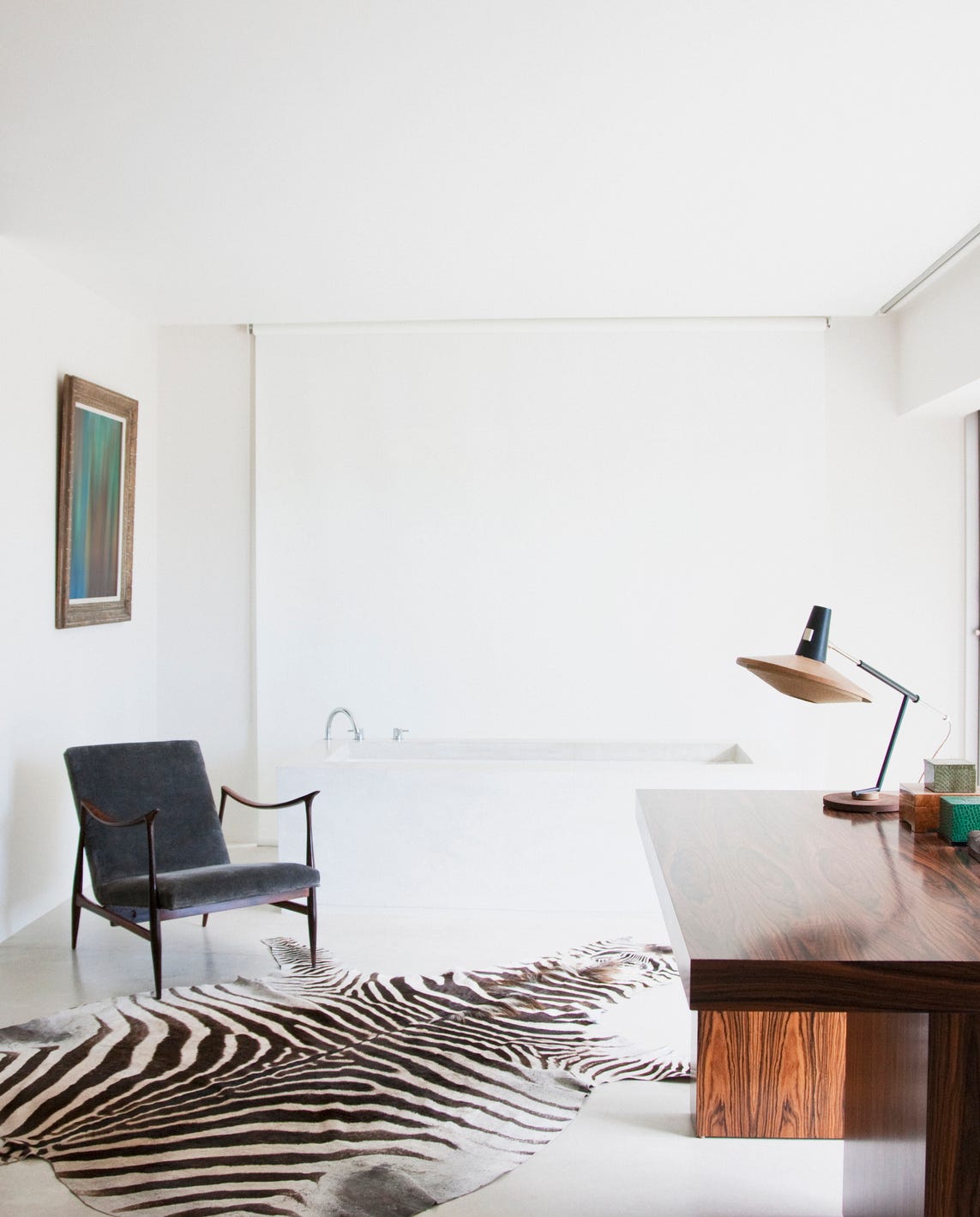
"Rustic decor" celebrates exposed beams and rugged beauty, creating a relaxed, casual, and practical interior. Its earthy color palette includes ochres, rusts, creams, whites, and stone, pairing well with reclaimed materials and furniture. The article illustrates this with a stylish neutral bathroom featuring a contemporary tub.
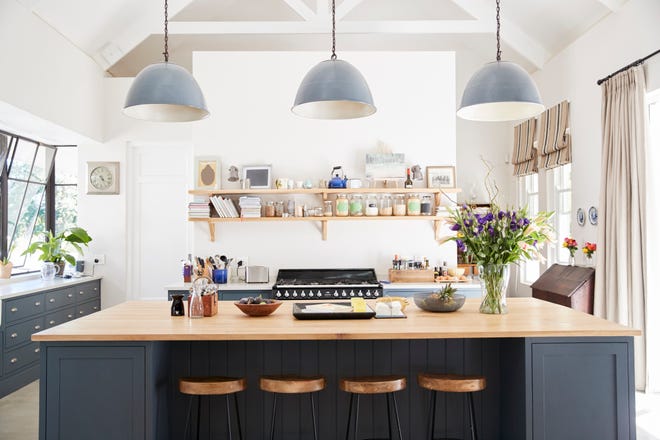
"Industrial look" draws inspiration from repurposed factories and warehouses, featuring open-plan layouts and exposed architectural elements like metalwork and brick. The cool color palette of grays, taupes, and stones complements a minimalist aesthetic, incorporating Edison bulb lighting and metal and wood furniture. Caroline Milns of Zulufish emphasizes the importance of carefully combining these materials to achieve a softer, characterful finish.
"Beach House" interiors are characterized by blues and whites, seaside motifs, and wooden accessories, creating a relaxed coastal feel. This style involves laid-back colors, shiplap walls, driftwood pieces, comfortable seating, and textured rugs.
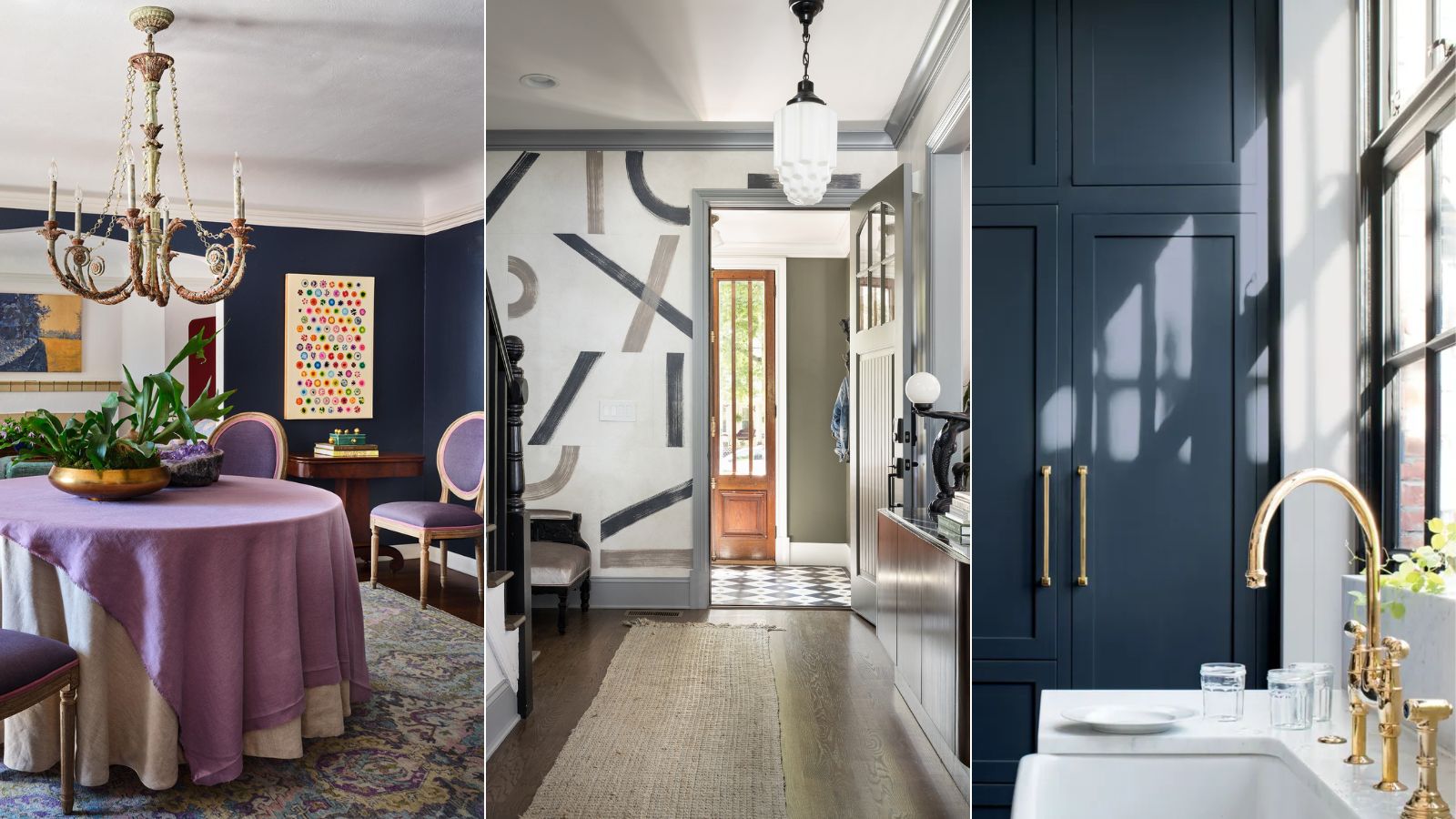
"Art Deco" is a glamorous style that re-emerges with contemporary twists, known for its metallics, bold colors, and symmetry. Originating from the early 20th century, it features striking and pastel shades, often combining unexpected colors like electric blue with ice cream pink or apple green with primary yellow.
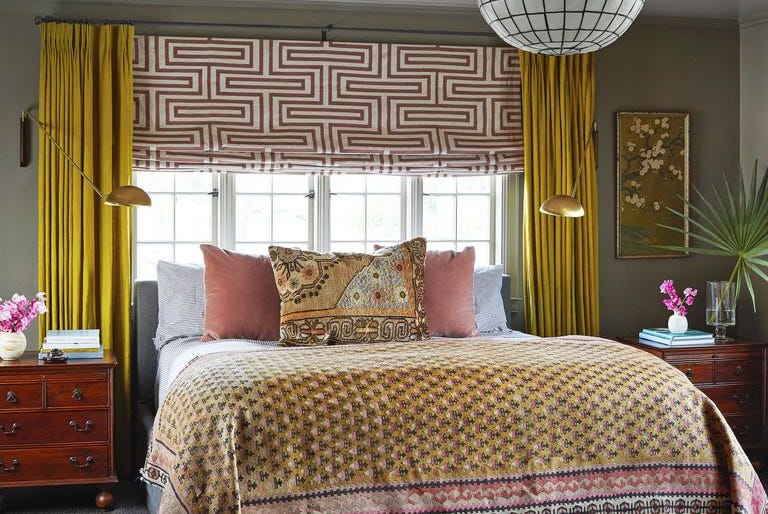
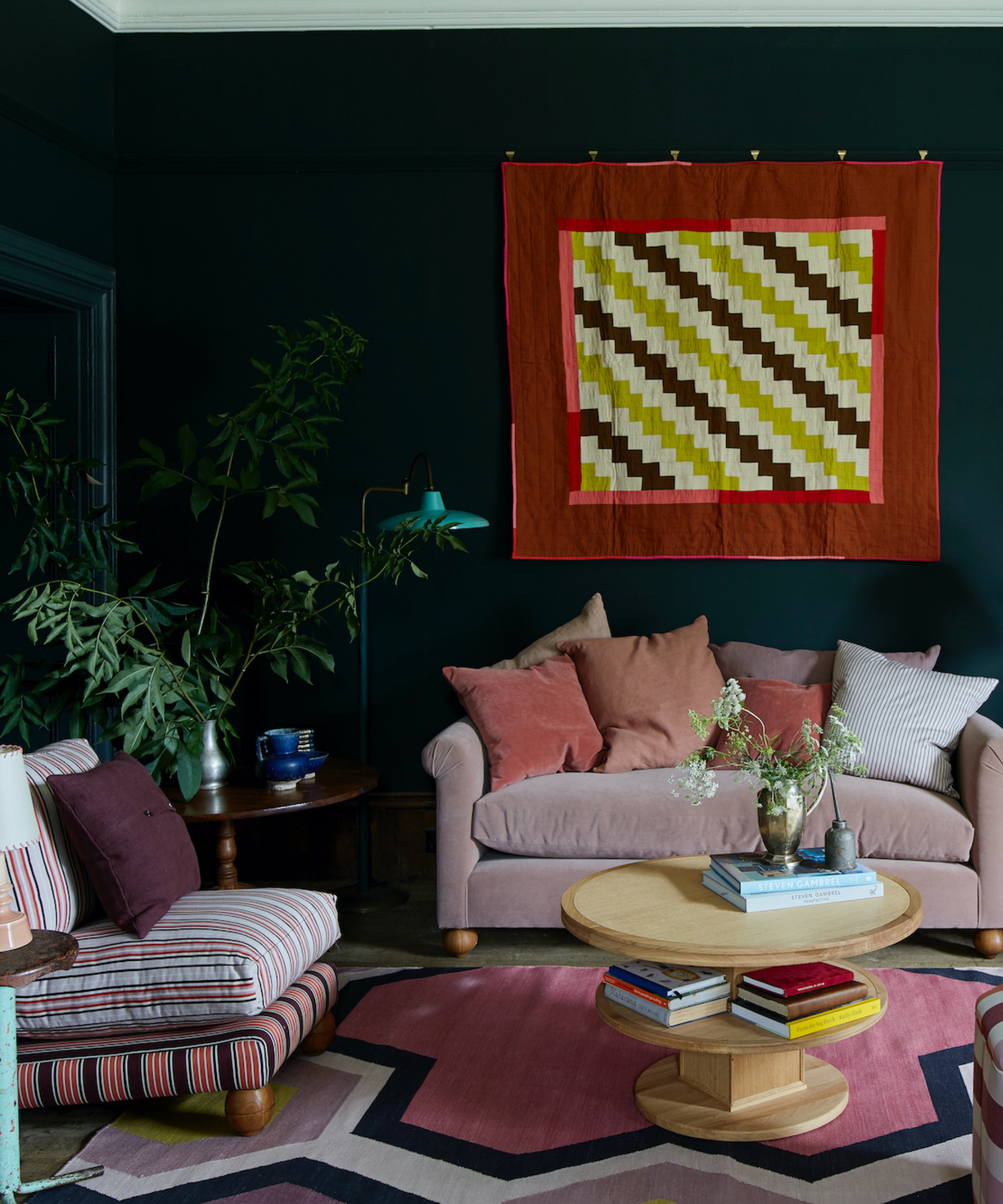
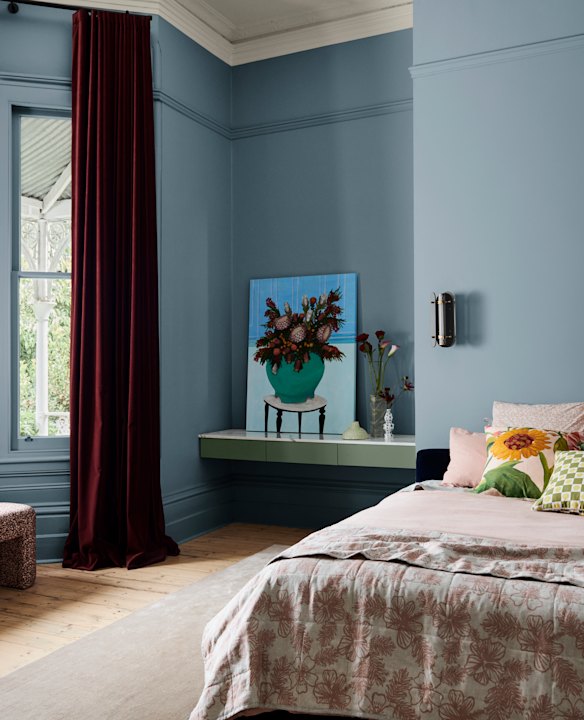
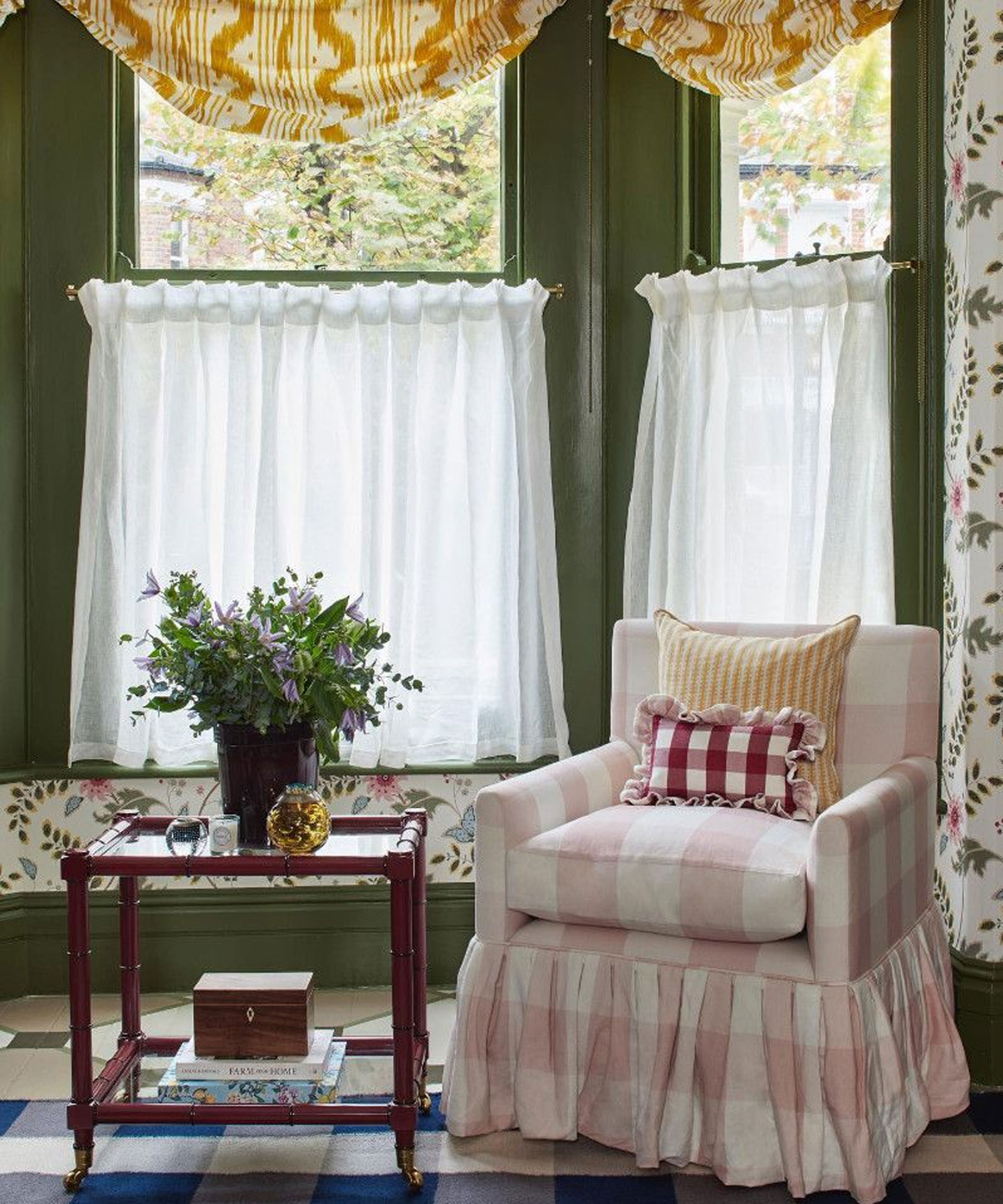
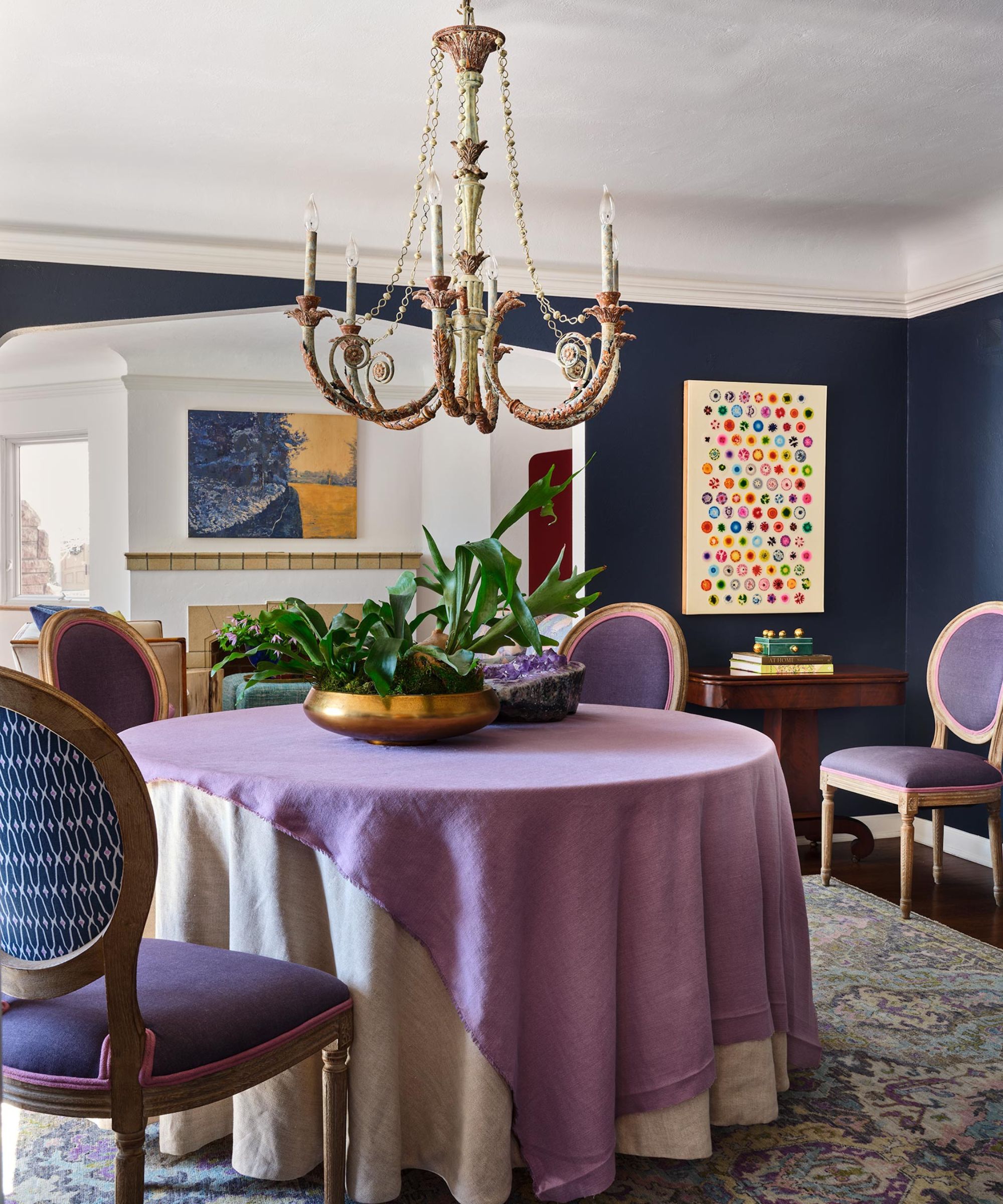
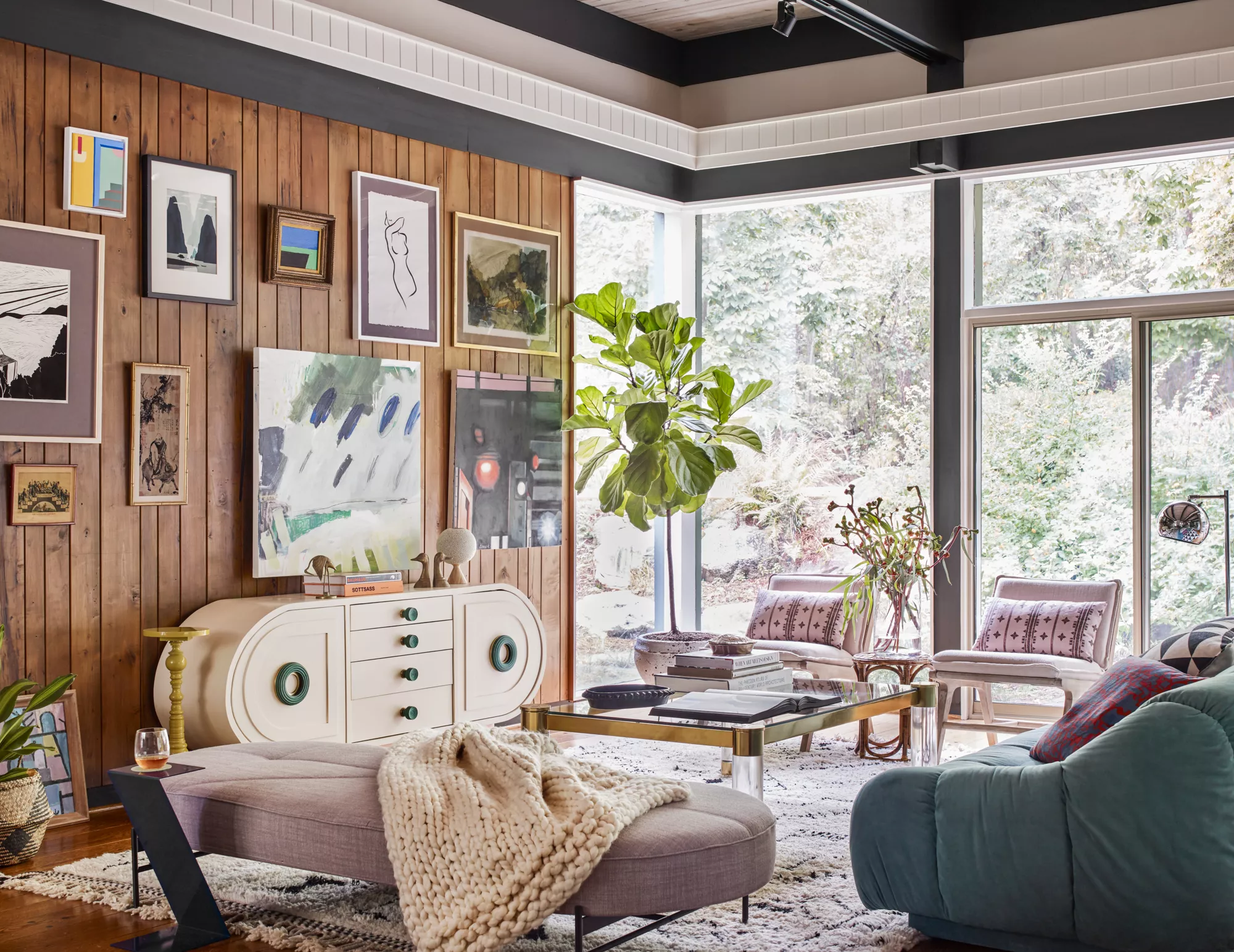
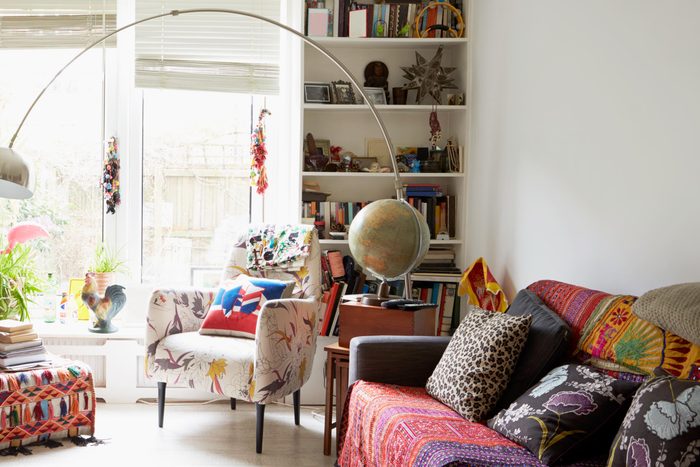
"Maximalist" design breaks traditional rules, embracing clashing patterns, highly saturated colors, layered textures, and oversized accessories. This style encourages decadence and personal expression, with no limits on combining disparate elements like floral wallpaper with graphic prints or fringed bed pillows with bold vases.
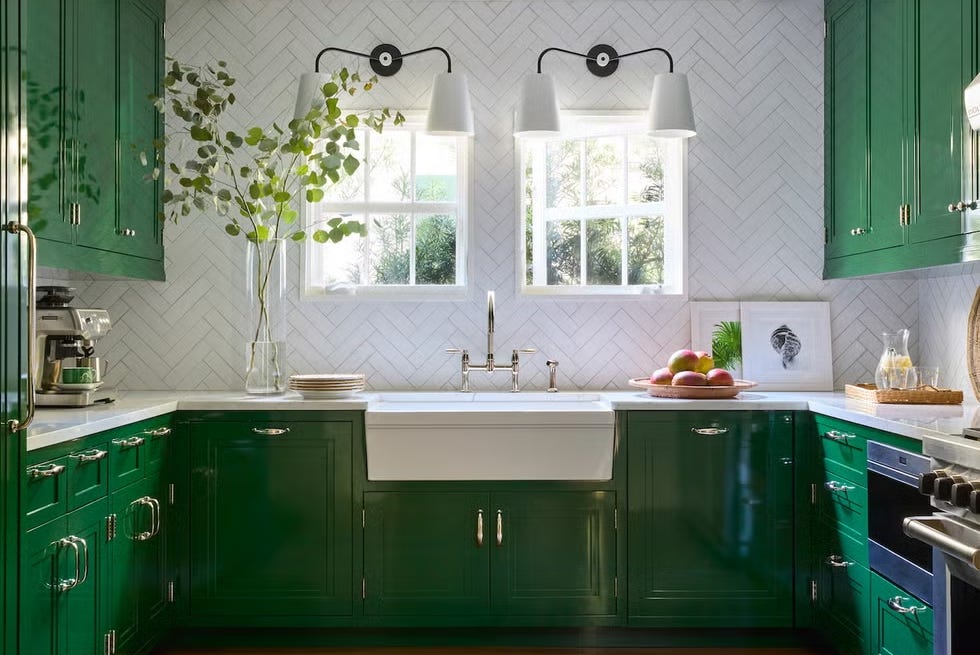
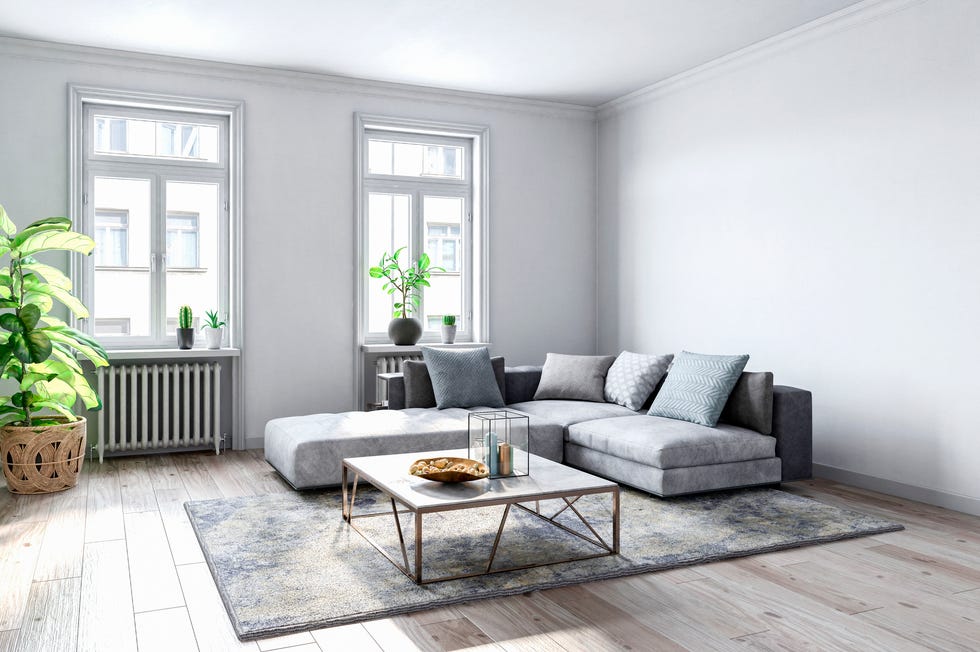
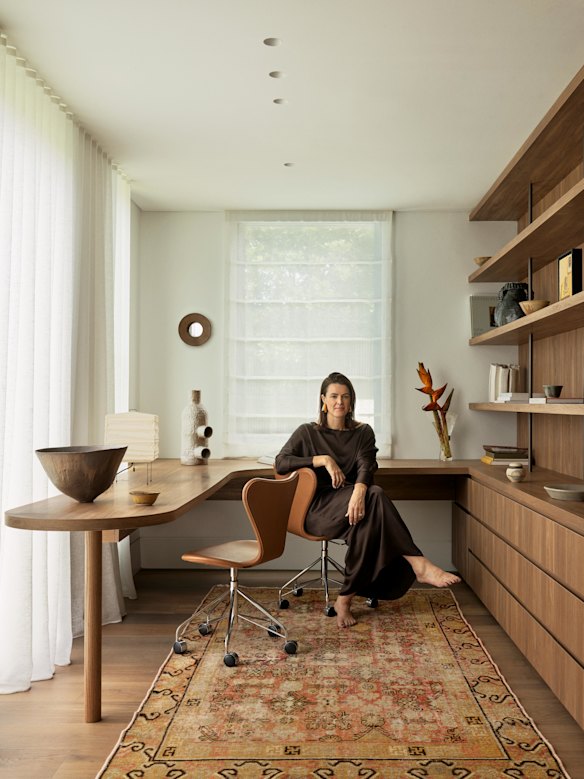
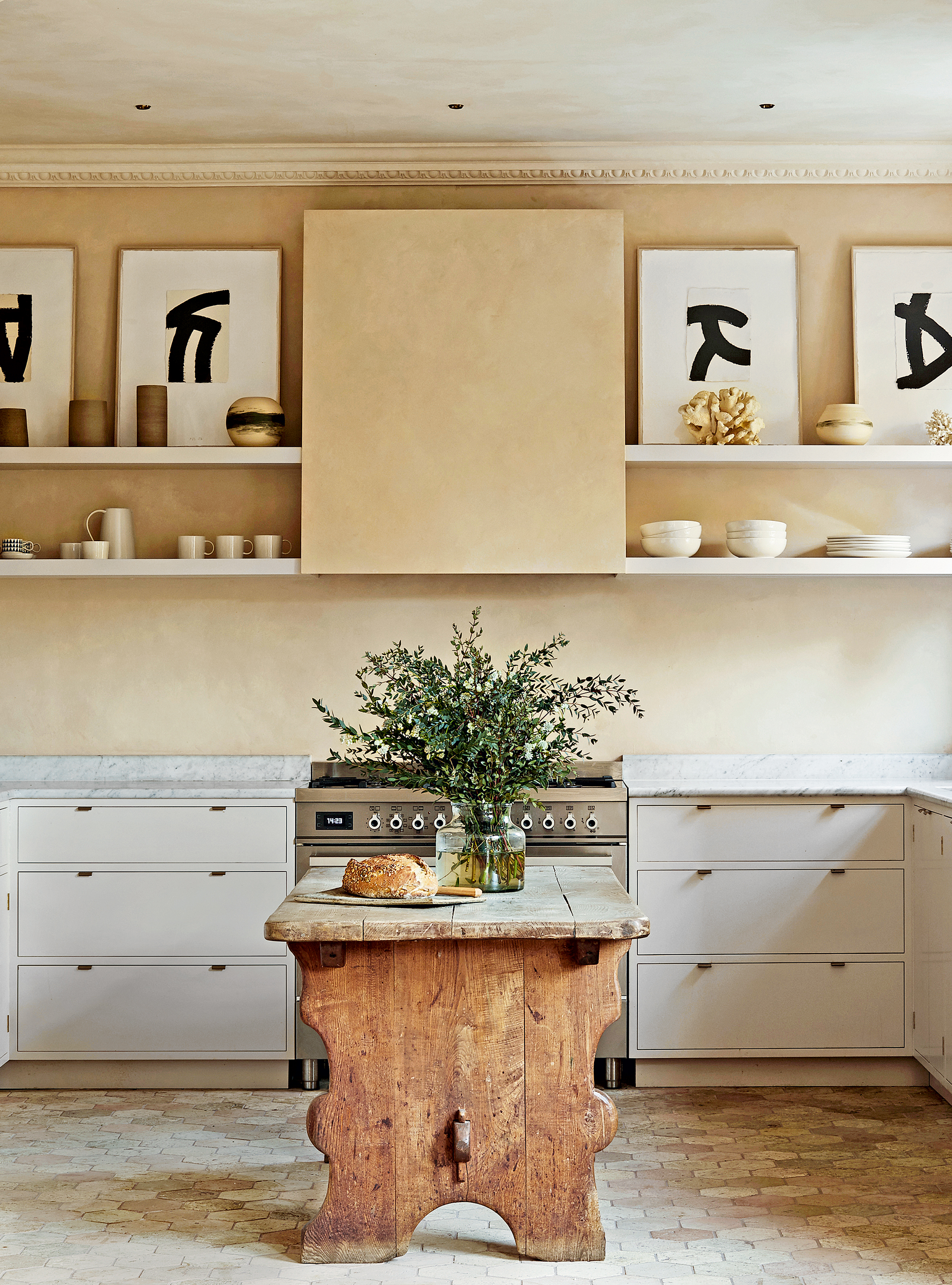
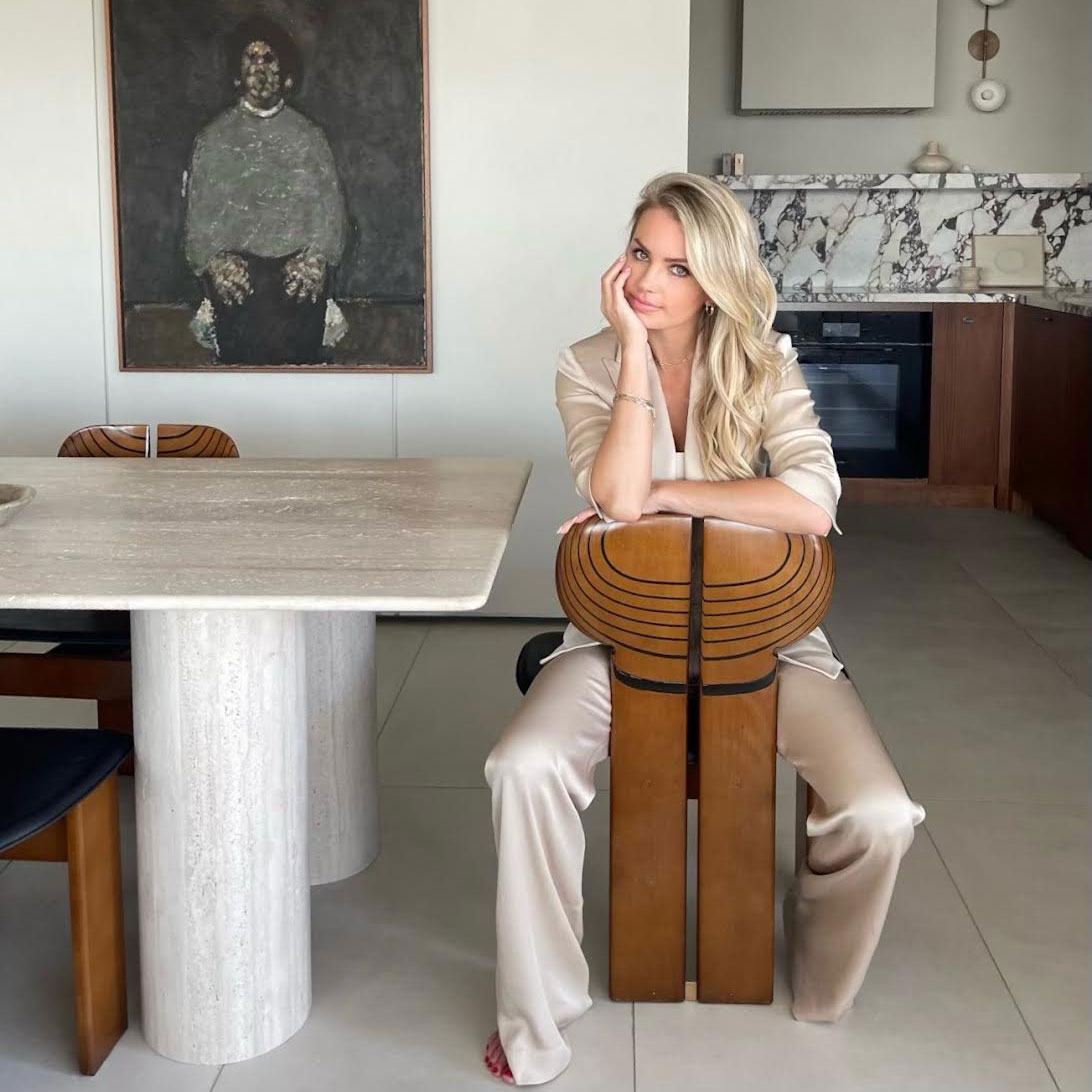
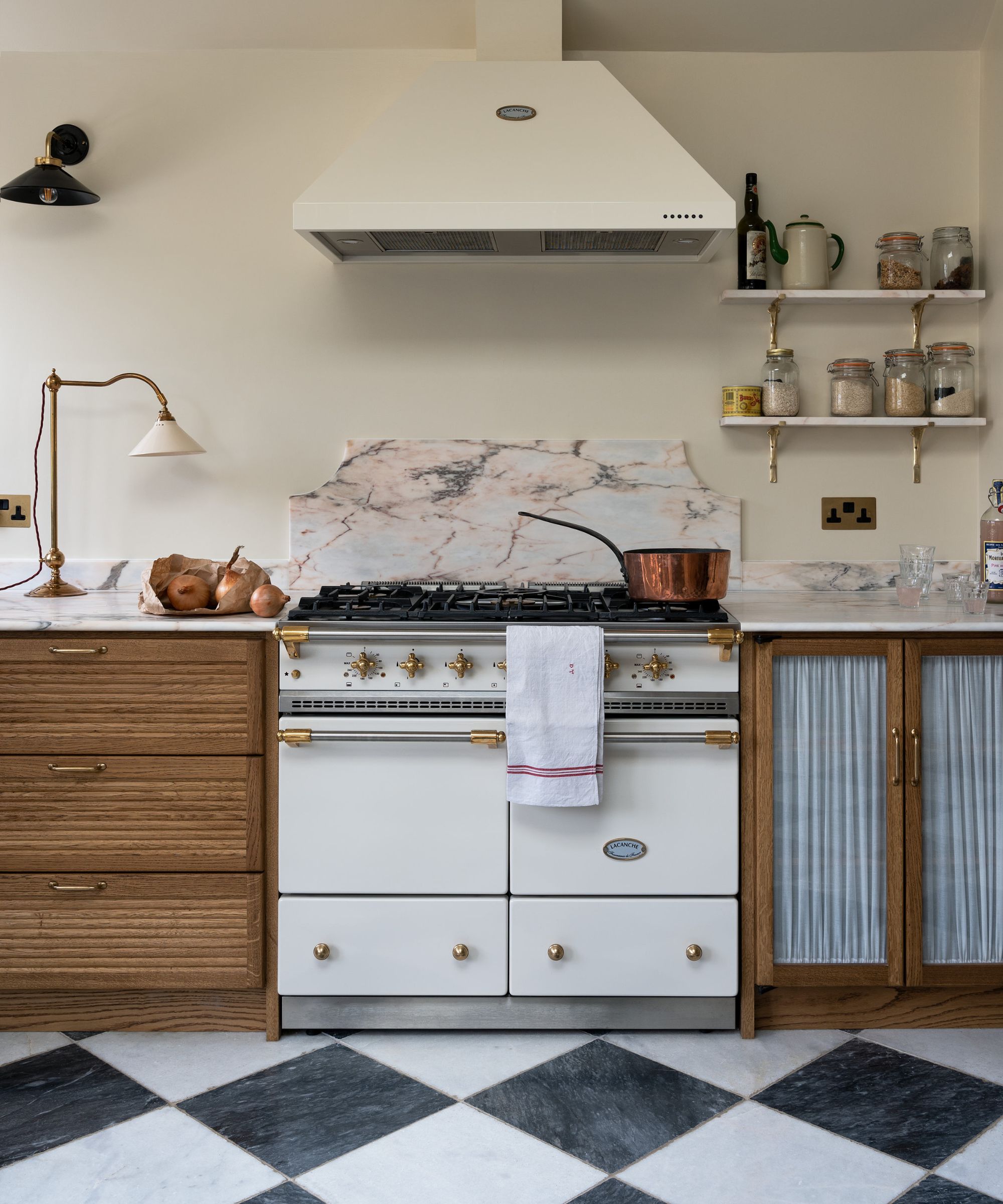
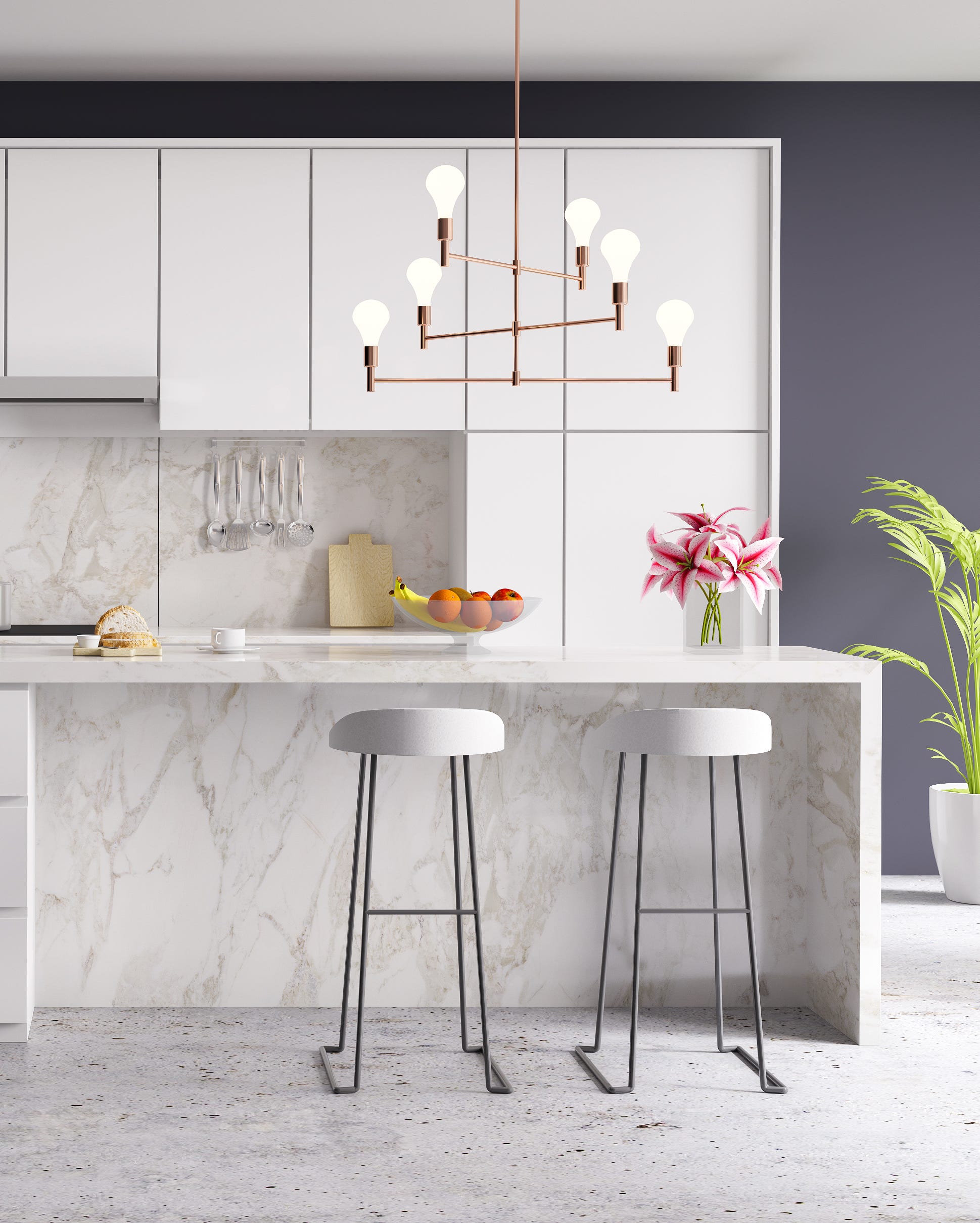
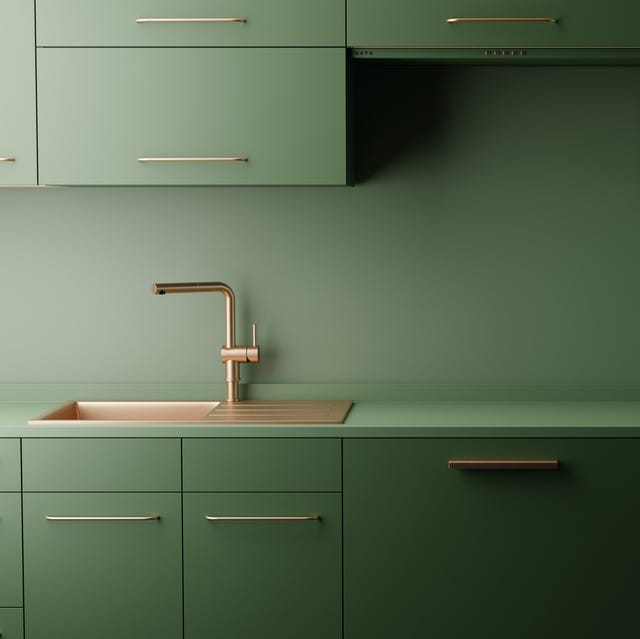
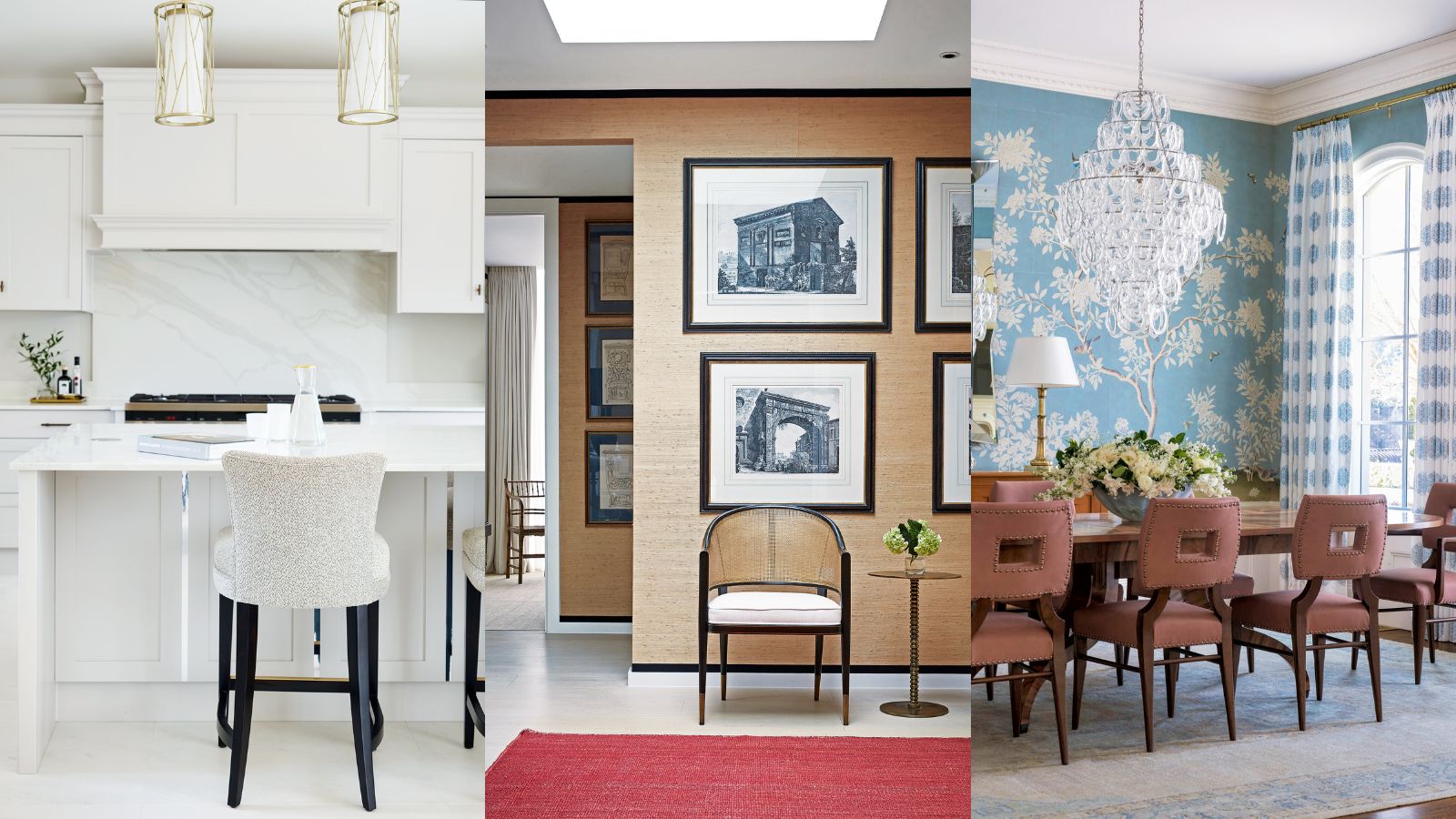
Finally, "Minimalist" design appeals to those who prefer a decluttered lifestyle, showcasing only essential and beautiful items. This philosophy emphasizes built-in storage and a neutral, often white, color palette. Marble is highlighted for its sophisticated pattern and ability to create a cool, pared-back ambiance, as seen in sleek marble kitchens.
The article also addresses popular interior design styles, with experts suggesting contemporary and modern country as current favorites, alongside a growing emphasis on individual, personalized style that reflects personal lives and needs.
#InteriorDesign #HomeDecor #DesignStyles #TimelessDesign #TraditionalInterior #MidCenturyModern #ContemporaryDecor #ModernCountry #FarmhouseDecor #RusticDesign #IndustrialStyle #BeachHouse #ArtDeco #MaximalistDecor #MinimalistDesign #InteriorDesign #HomeDecor #DesignStyles #TimelessDesign #TraditionalInterior #MidCenturyModern #ContemporaryDecor #ModernCountry #FarmhouseDecor #RusticDesign #IndustrialStyle #BeachHouse #ArtDeco #MaximalistDecor #MinimalistDesign
0 comment in total
 No comments yet
You may also like
9 Decorating Choices That'll Never Go Out of Style, According to Interior Designers

Seeking timeless interior design? The professionals break it down
6 antiques that will always work in modern interiors – and how designers style them

Designers Swear These 6 Decor Trends Will Age Well—Without Feeling Dated

What are the most timeless interior design styles? Interior designers list their favorite classics
Expert reveals the interior design trends that will make your home look dated
10 Interior Design Choices You'll Never Regret, According to Pro Decorators

40 Outdated Home Trends We Hope Never to See Again

9 Popular Home Trends Interior Designers Say Won't Age Well

11 of the Most Iconic Interior Design Styles You Need to Know

5 trends that look good right now but interior designers warn they won't last
Designers who never follow trends swear by this color family to make their homes look timeless
7 Home Design Styles That Will Never Go Out of Style, According to Designers

8 classic looks – timeless rooms that will never date
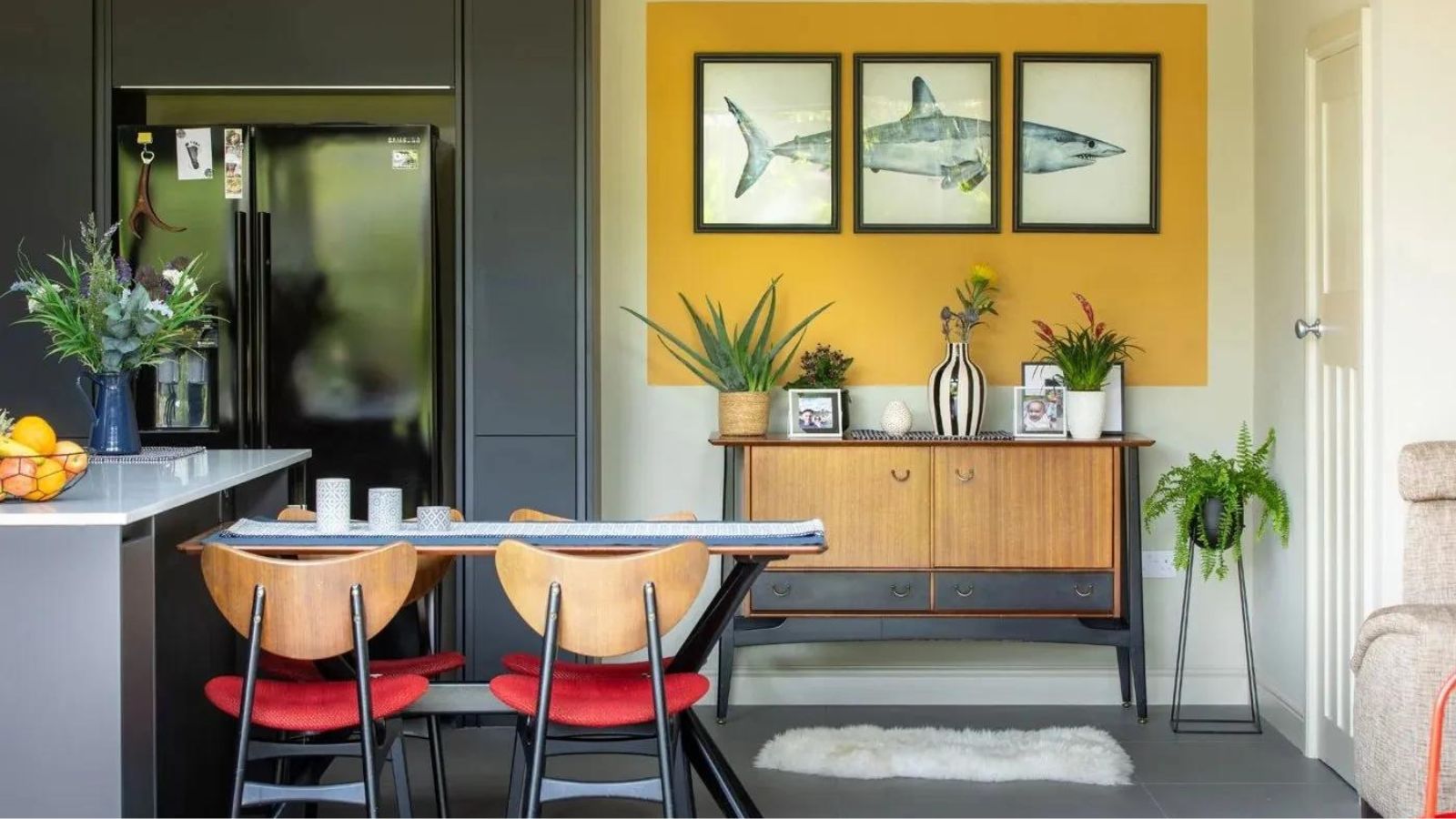
Should you follow interior design trends? Do they create a stylish home or one that will date fast?
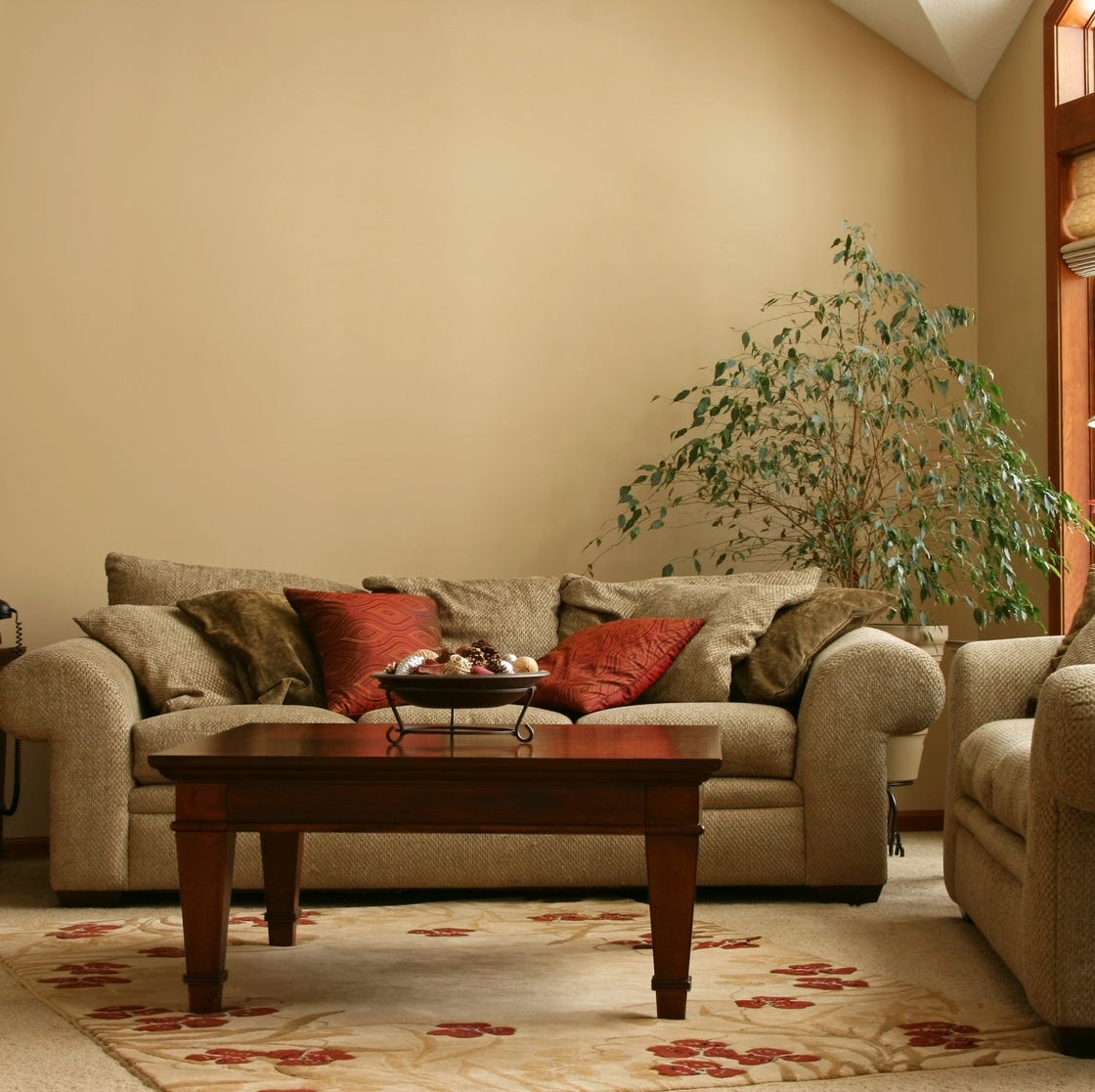
5 Design Choices That Make Your House Look Super Dated, According to Designers
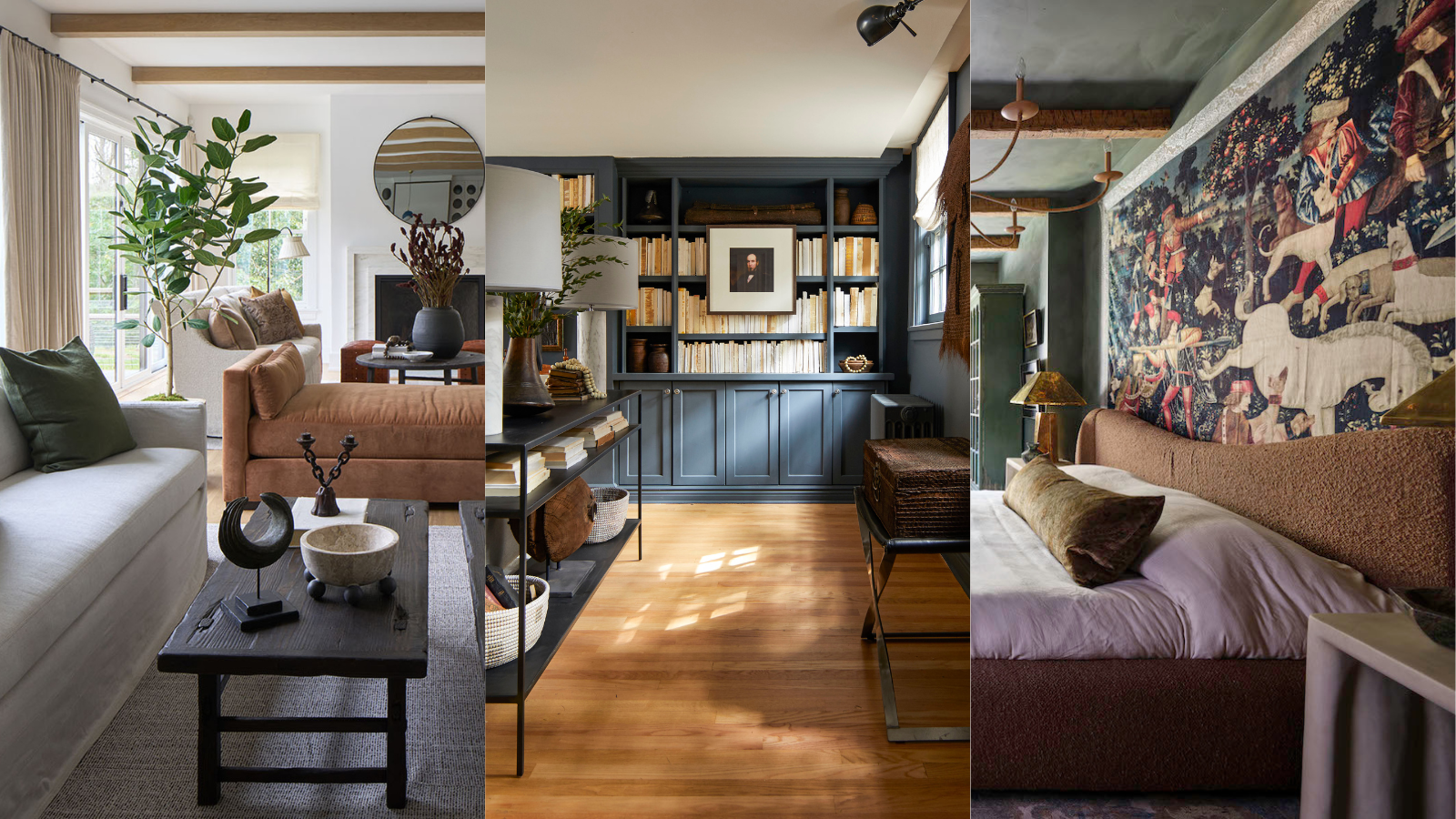
5 interior designers on the styles they will love forever
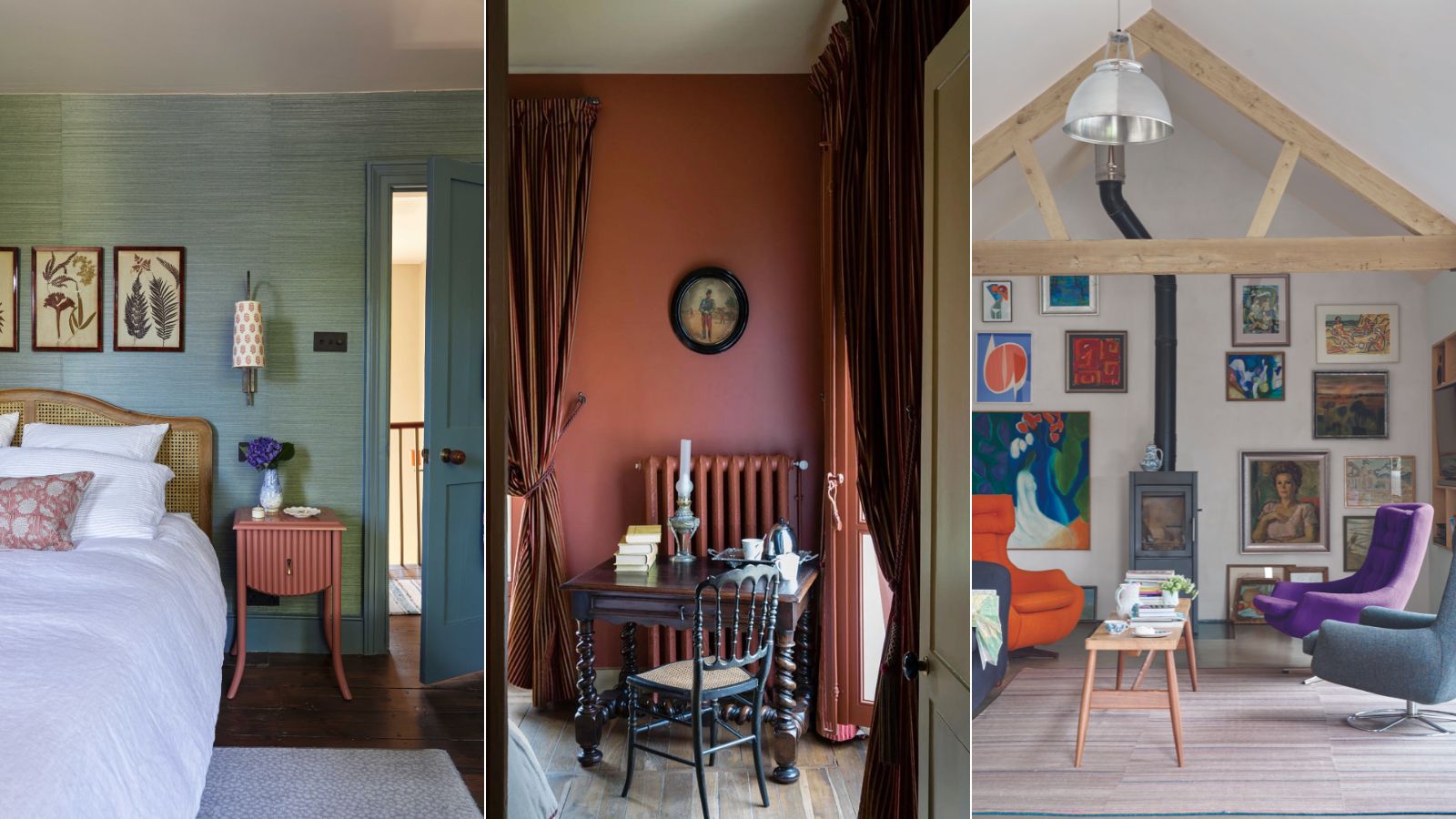
13 interior design styles that everyone needs to know about, according to designers
8 Most Popular Interior Design Styles You Should Know

Story from GET Creative: Not just a trend: These 8 home design styles stand the test of time