1/14
9 Classic Furniture Pieces Designed by Women
The article highlights nine iconic pieces of furniture, traditionally attributed primarily to male designers, revealing the significant contributions of women to their creation. It challenges the historical perception of furniture design as a male-dominated field, emphasizing that women often pioneered functional and aesthetically pleasing designs, partly due to their intimate understanding of home environments. The piece begins with Charlotte Perriand, an idealist who enrolled in Paris’ Central Union of Decorative Arts school in the 1920s as one of the first women to study furniture design. Despite an initial rejection from Le Corbusier, her innovative tubular steel furniture quickly earned her a place in his studio, leading to her co-design of the LC4 Chaise Longue in 1928, alongside Le Corbusier and Pierre Jeanneret. This piece is recognized for its adjustable design and use of industrial materials, embodying modernist principles.
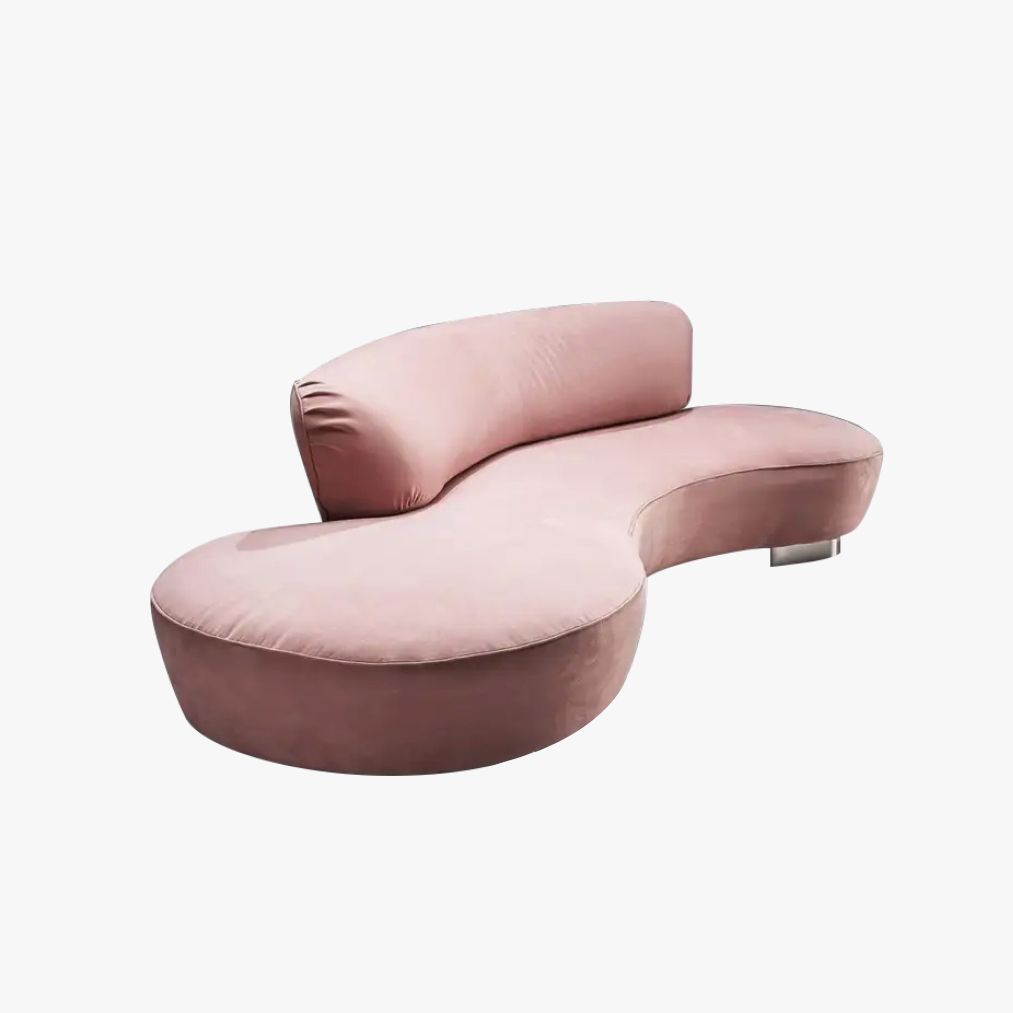
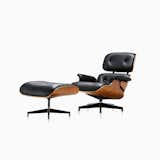
The article then discusses Ray Eames's pivotal role in the Eames Lounge Chair (1956), a collaboration with her husband Charles Eames. This design, often solely credited to Charles, is presented as the culmination of years of work in molded plywood, advanced through a U.S. government contract during World War II. Florence Knoll's namesake Knoll Sofa (1956) is featured as a design born from necessity, addressing the need for versatile furniture that suited both residential and commercial spaces, and known for its clean lines and timeless appeal. Nanna Ditzel's Hanging Egg Chair (1959) is celebrated for its unique form and challenge to traditional notions of practicality and beauty, cementing her status as "The Grand Dame of Danish Design."
Eileen Gray's Bibendum Chair (1926) is introduced as a politically charged design, serving as her feminist response to Le Corbusier's 'Grand Confort.' Inspired by the Michelin tire company's mascot, the chair features rounded, upholstered forms over a tubular steel base, blending Art Deco glamour with industrial modernism. Lilly Reich's often-overlooked collaboration on the Barcelona Chair (1929) with Mies van der Rohe is also brought to light. This elegant design, drawing inspiration from ancient Egyptian folding stools, signified luxury and status, with its graceful curves departing from earlier modernist efficiency.
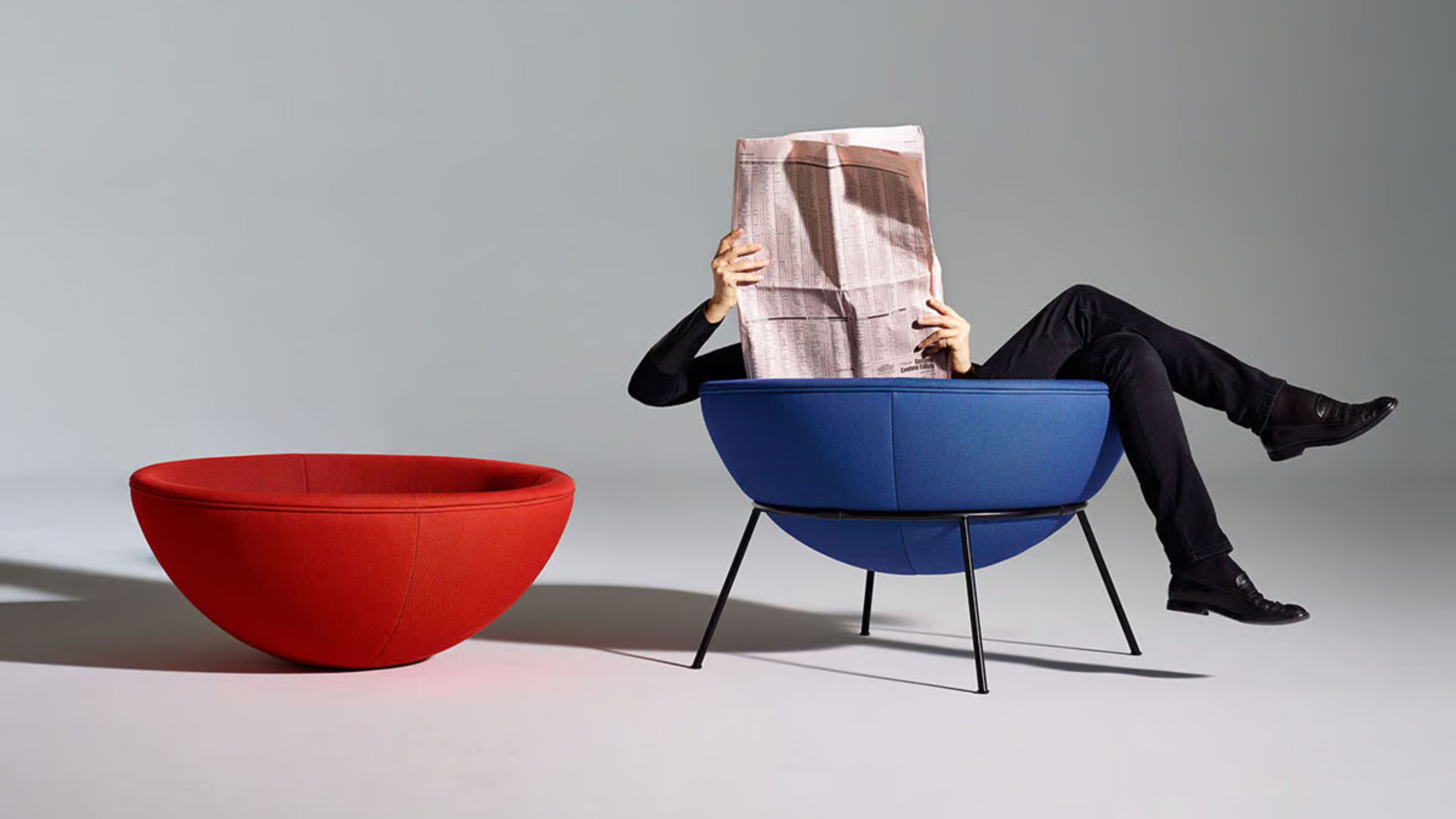
Margarete Schütte-Lihotzky's Frankfurt Kitchen (1926) is presented as a revolutionary contribution, transforming kitchen design with a focus on efficiency and hygiene. Designed for social housing, it featured built-in storage and thoughtful material choices, empowering women by streamlining household tasks. Lina Bo Bardi's Bowl Chair (1951) is recognized for its playful aesthetics and ergonomic design, with a semi-spherical seat that can be adjusted for varying comfort. Finally, Zaha Hadid's Z-Chair (2011) showcases a futuristic and fluid design crafted from bent aluminum, illustrating her bold architectural thinking translated into furniture.
#FurnitureDesign #WomenInDesign #DesignClassics #MidCenturyModern #ModernistFurniture #InteriorDesignHistory #FemaleDesigners #IconicChairs #HomeDecor #FurnitureDesign #WomenInDesign #DesignClassics #MidCenturyModern #ModernistFurniture #InteriorDesignHistory #FemaleDesigners #IconicChairs #HomeDecor
0 comment in total
 No comments yet
You may also like
8 Heirloom-Style Furniture Items from The Pioneer Woman
How to style antique furniture for a timeless, transitional space – 9 designers share their tips

Best Furniture Design History Lessons Learned in 2023

Amy King Pope of AKP Furnish & Design
The Pioneer Woman Furniture Collection Features Gorgeous New Dining Pieces


Feminine Art and Design Set the Vibe for a Ladies' Lounge


The Pioneer Woman Just Dropped a Stunning New Furniture Collection That Includes Seating, Tables, & More

These 5 Popular Antiques Are Flying Off the Shelves This Fall, According to Interior Designers
Interior Designers on the Most Iconic Furniture of All Time
11 Pieces From Grandma's Living Room That Will Never Go Out Of Style

10 Classic Midcentury Pieces That Will Never Go Out of Style

45 Women-Owned Home Brands That Should Be on Every Design Lover's Radar
20 Photos of 1990s Home Décor to Overwhelm You With Nostalgia
The 20 Best Luxury Furniture Brands Worth Investing In

9 Bedroom Furniture Ideas — Designers Reveal How to Choose the Right Cornerstones for Your Space
12 pieces of timeless furniture that will never go out of style |
5 classic furniture designs that still have an enduring allure

This vintage-inspired furniture trend is still going strong – here are 9 timeless bobbin pieces to add instant charm
Where do interior designers shop for furniture? 23 designers share their favorite stores
6 Classic Pieces From Grandma's Dining Room That Will Never Go Out Of Style