A Guide to Sustainable Design
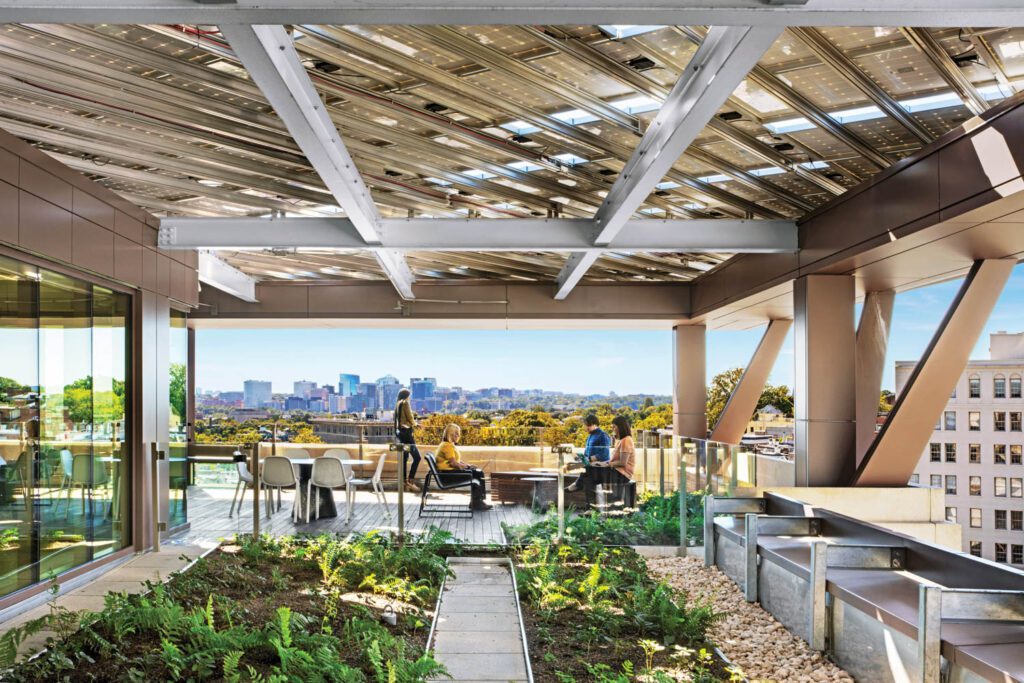
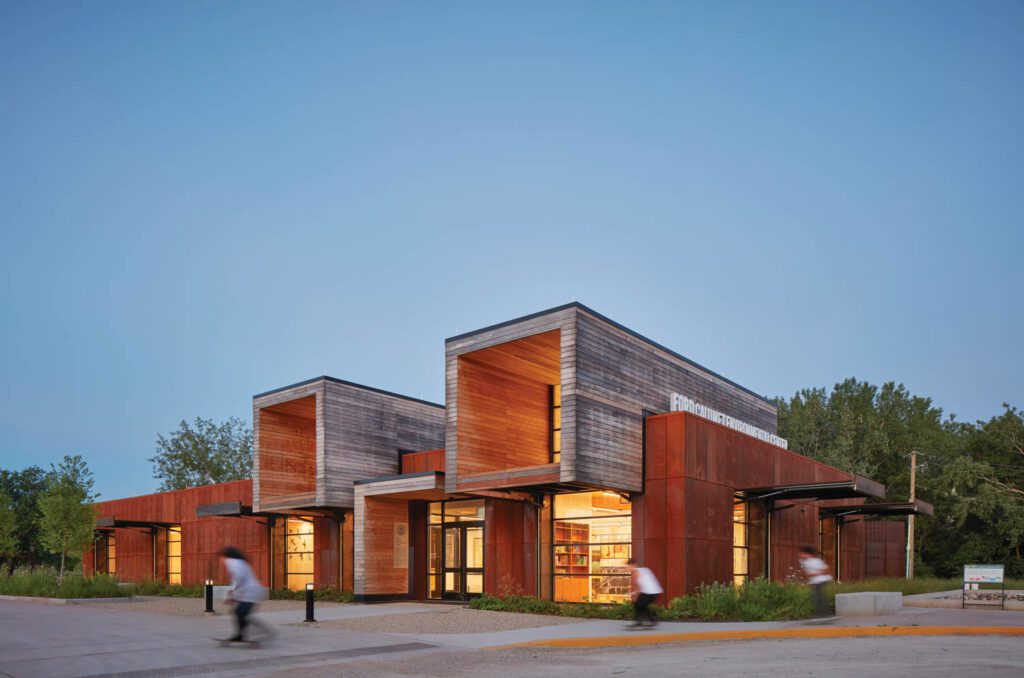
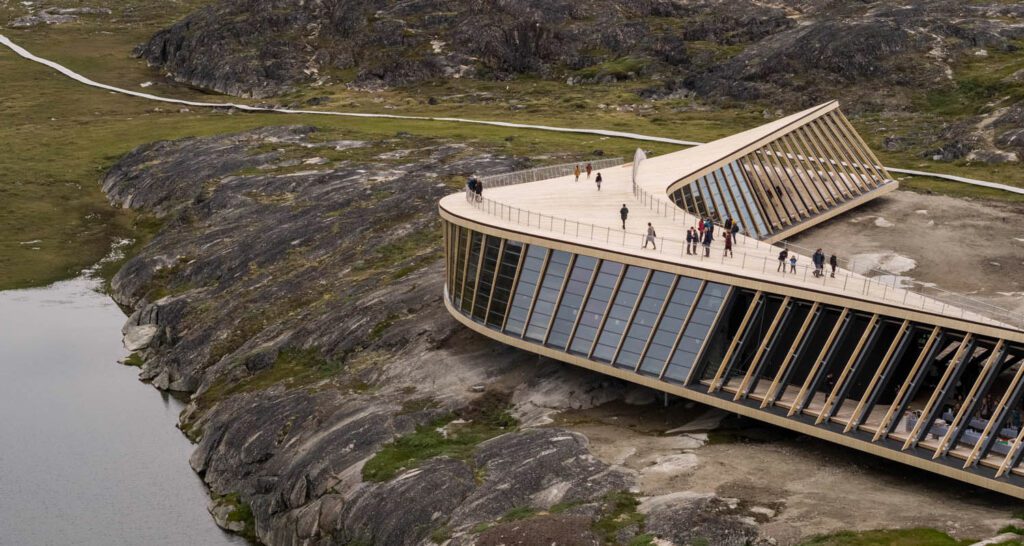
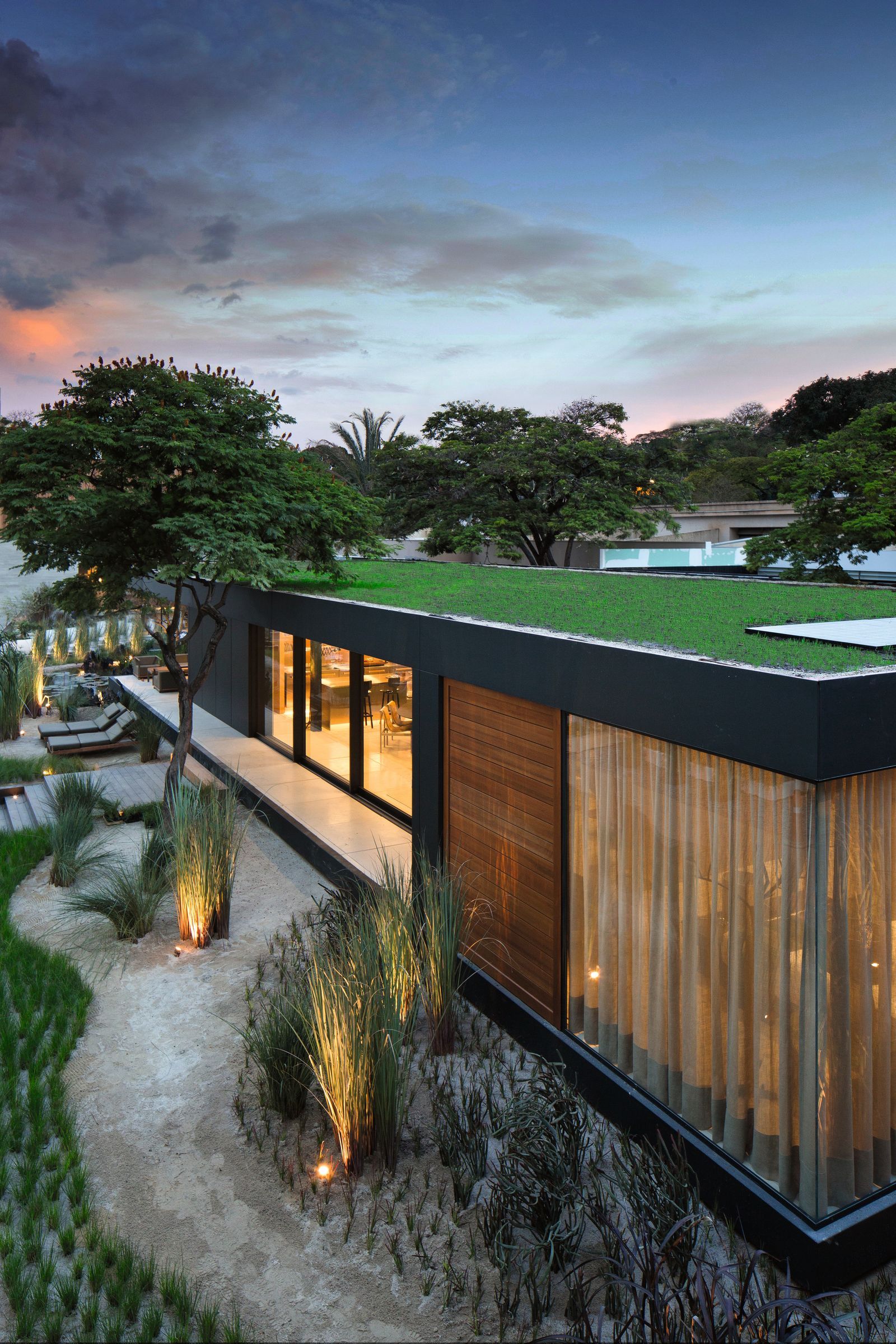
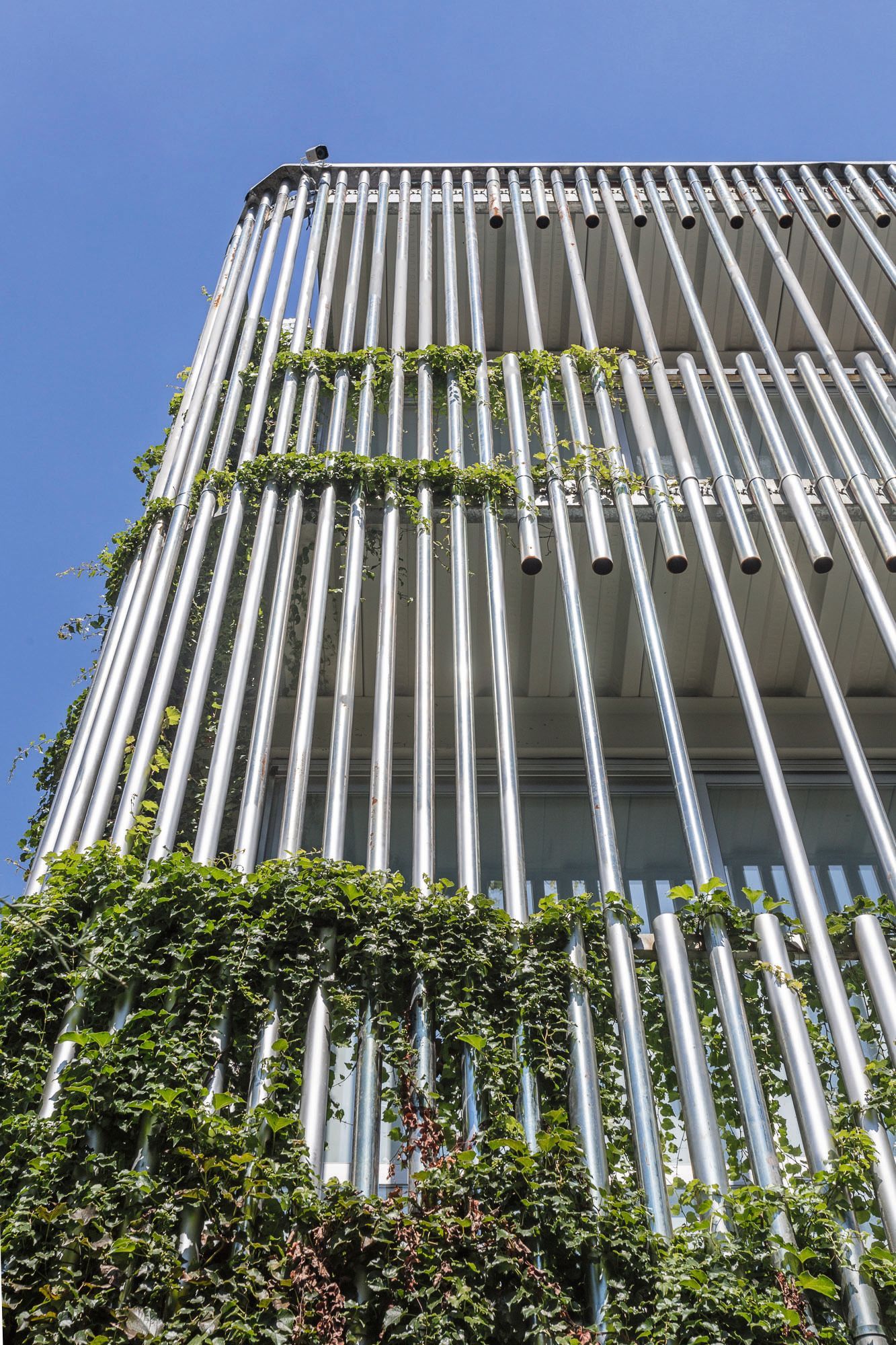
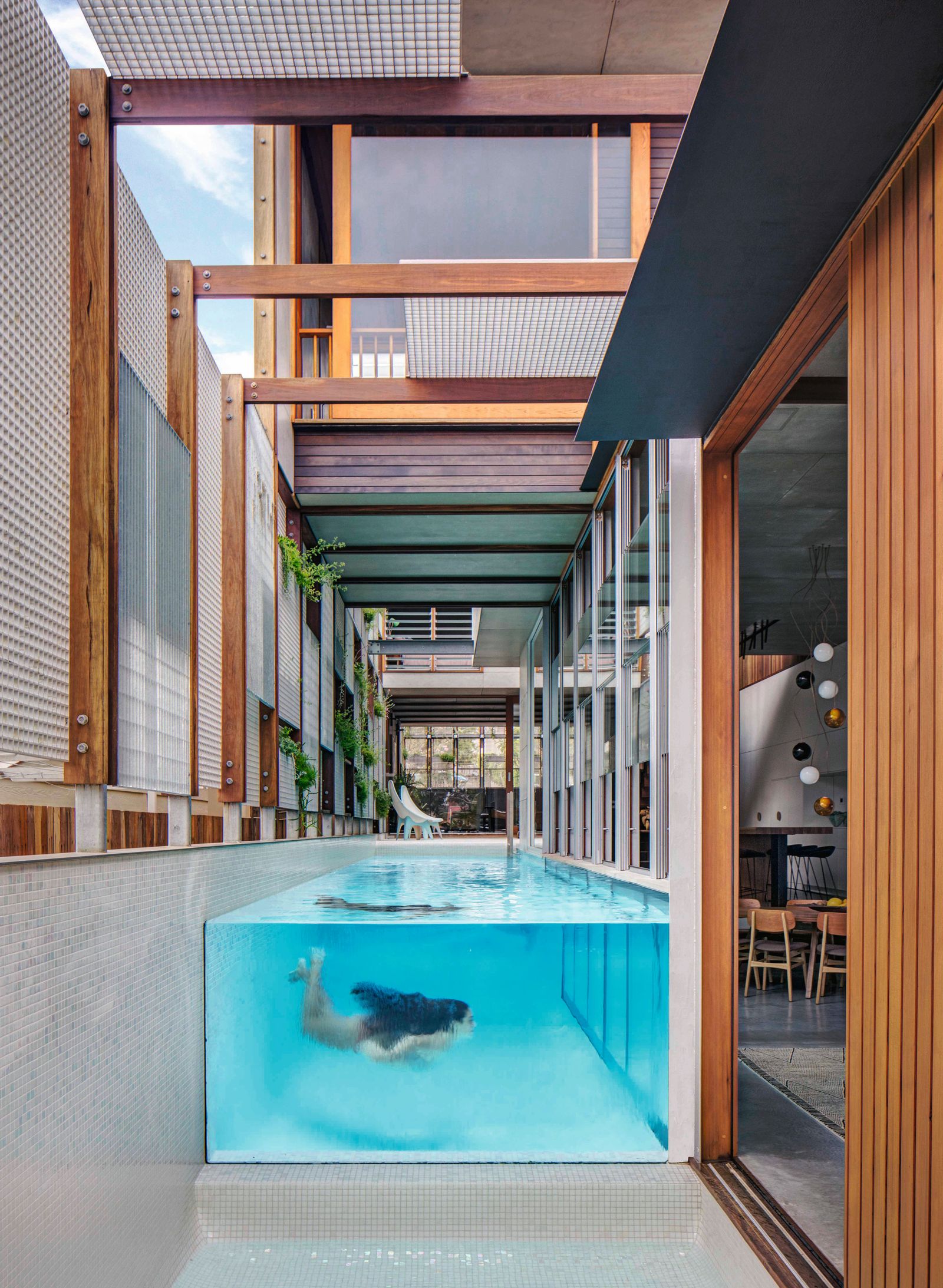
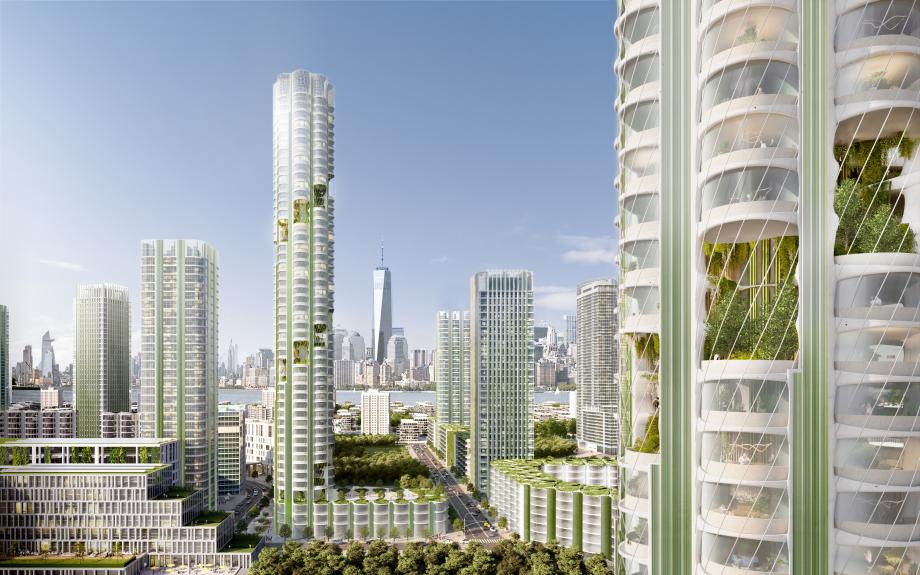
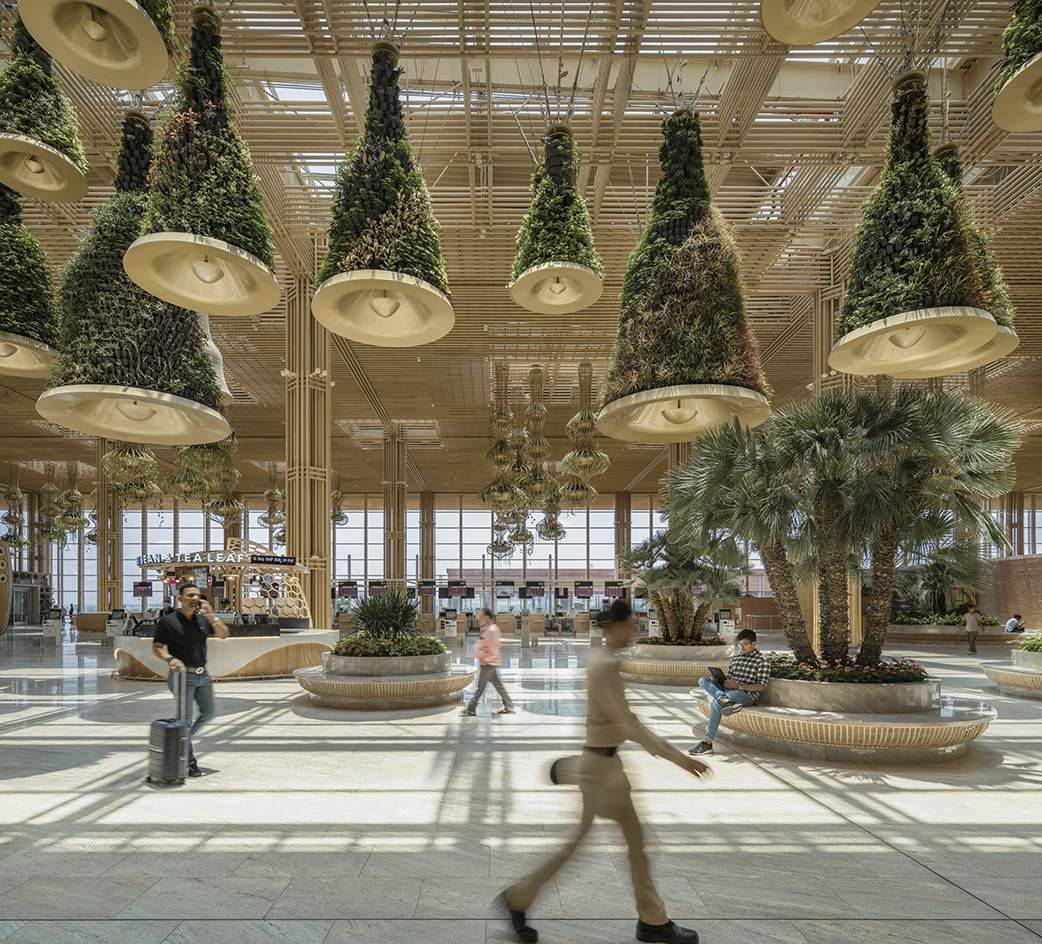
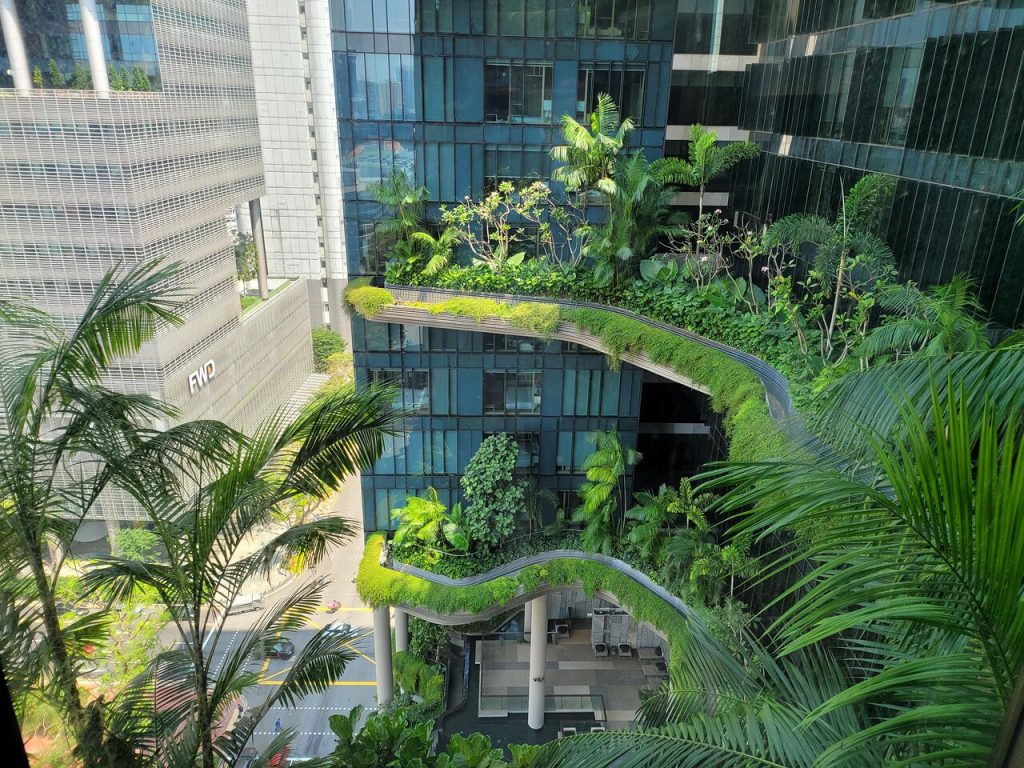
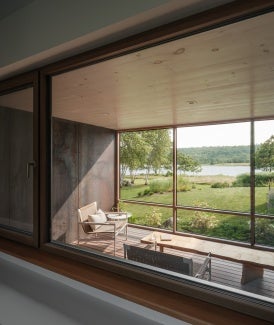
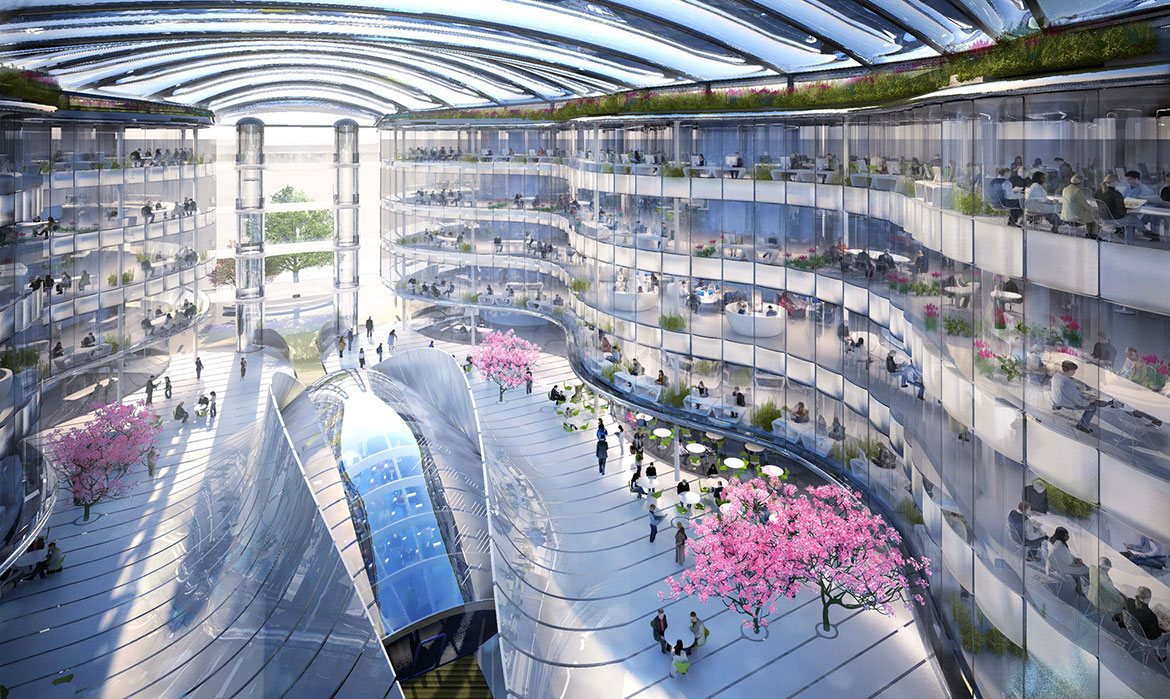
The article discusses sustainable design, emphasizing its importance in today's real estate market given the growing interest from young homeowners and buyers. Sustainable design is defined not as an aesthetic, but as a methodology that prioritizes environmental preservation and well-being. It focuses on intentional choices regarding methods, products, and systems that promote longevity for both the items themselves and the environments and communities they originate from. This philosophy is rooted in maintaining a certain rate or level of resources and impact.
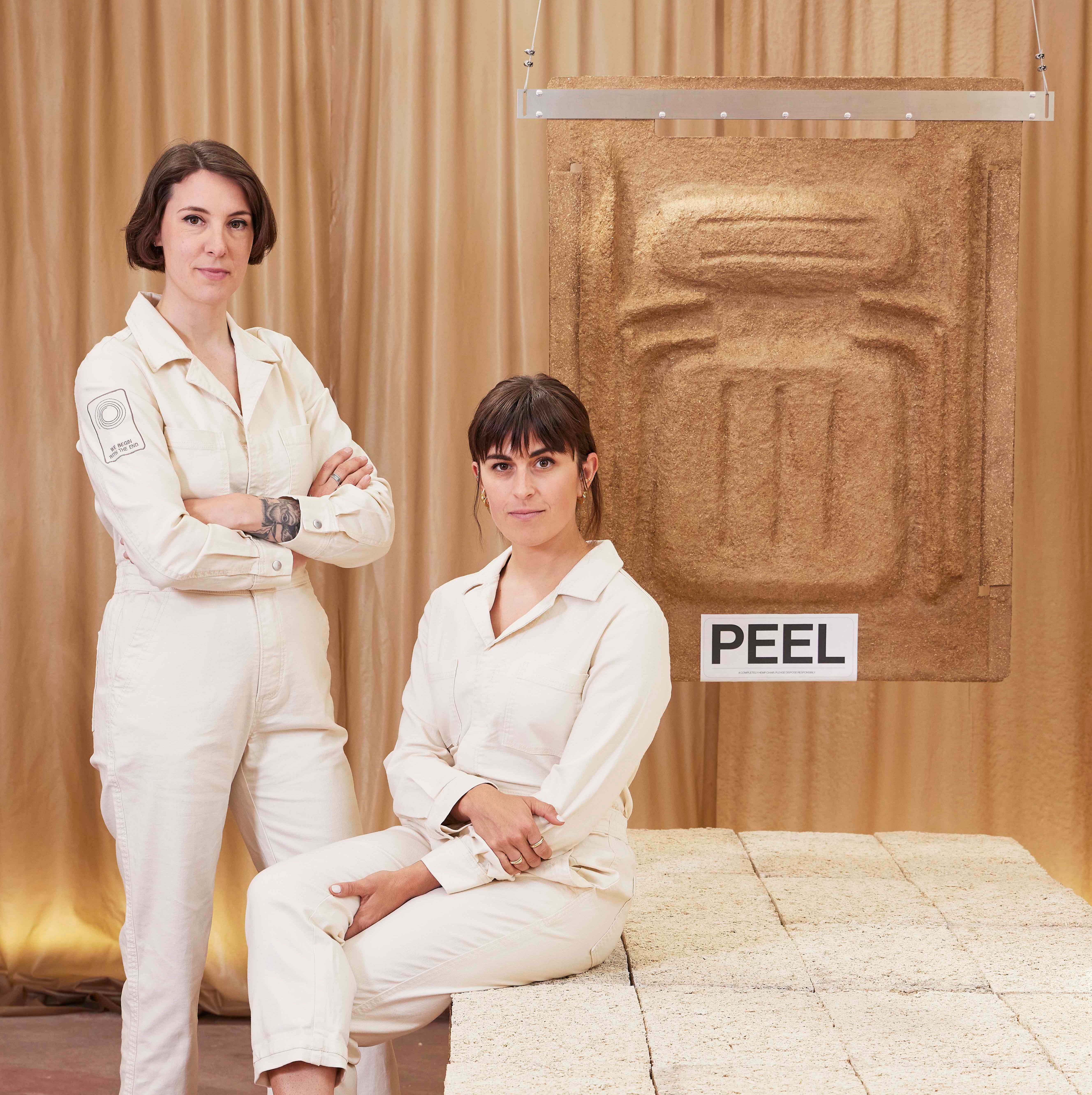
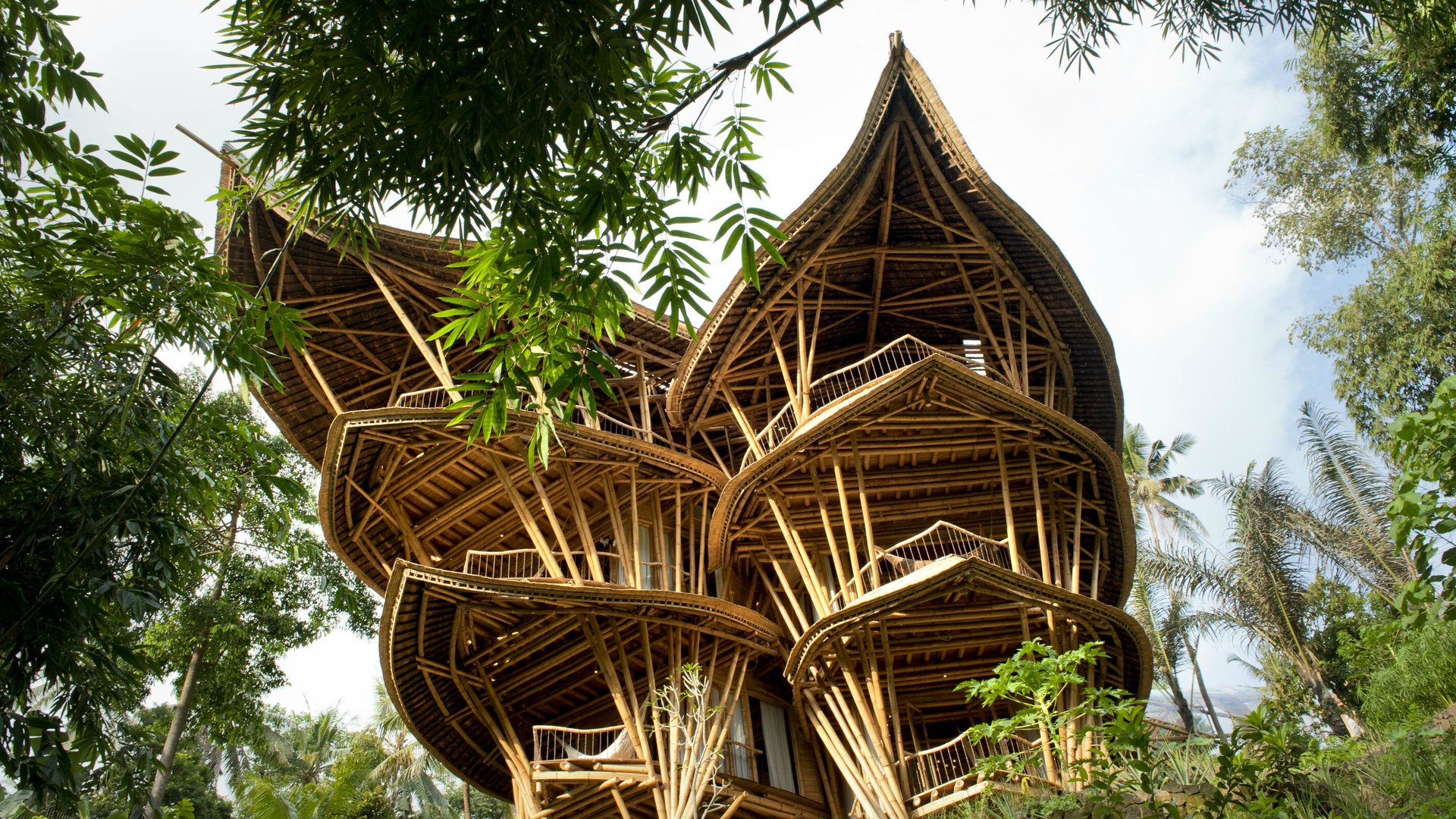
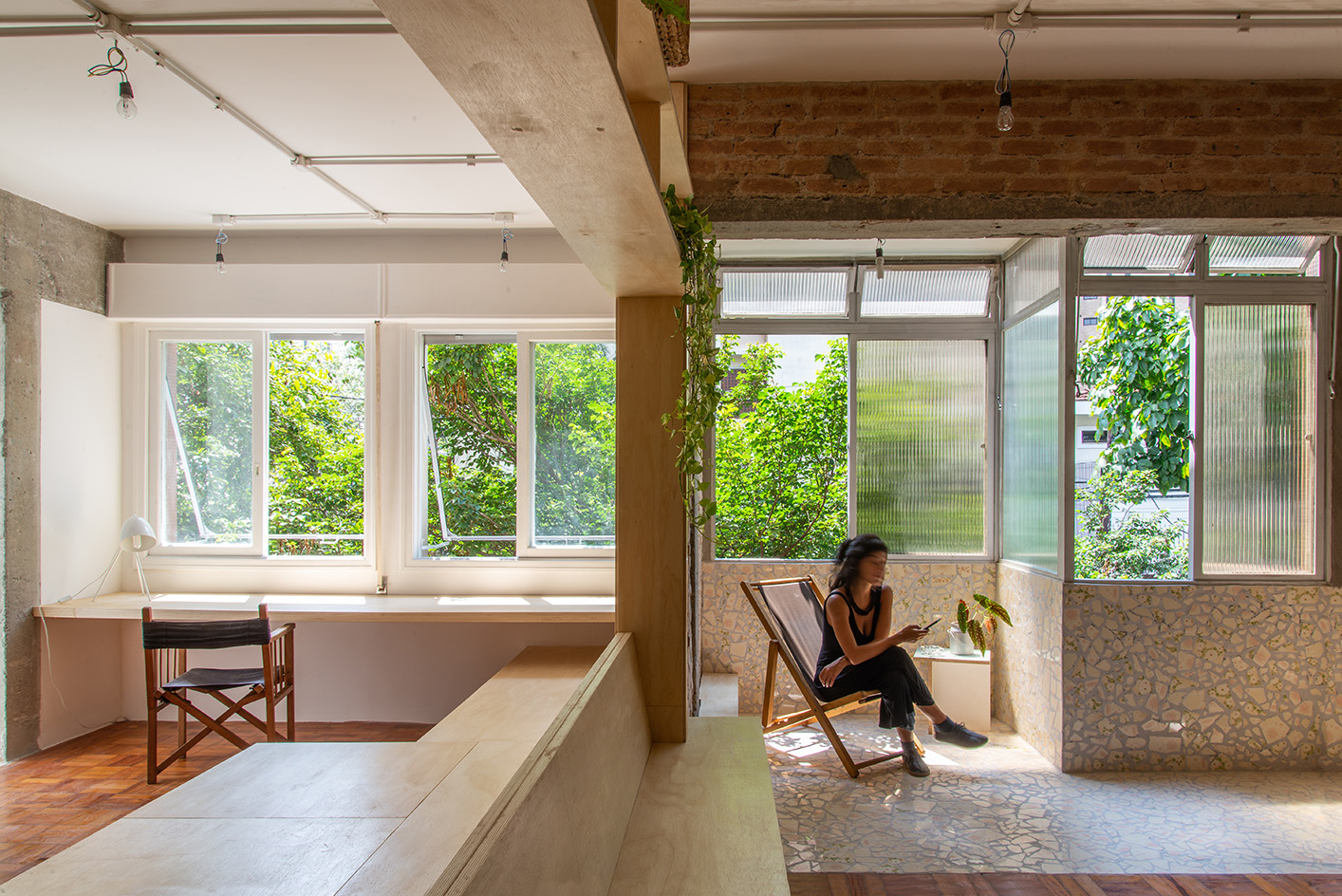
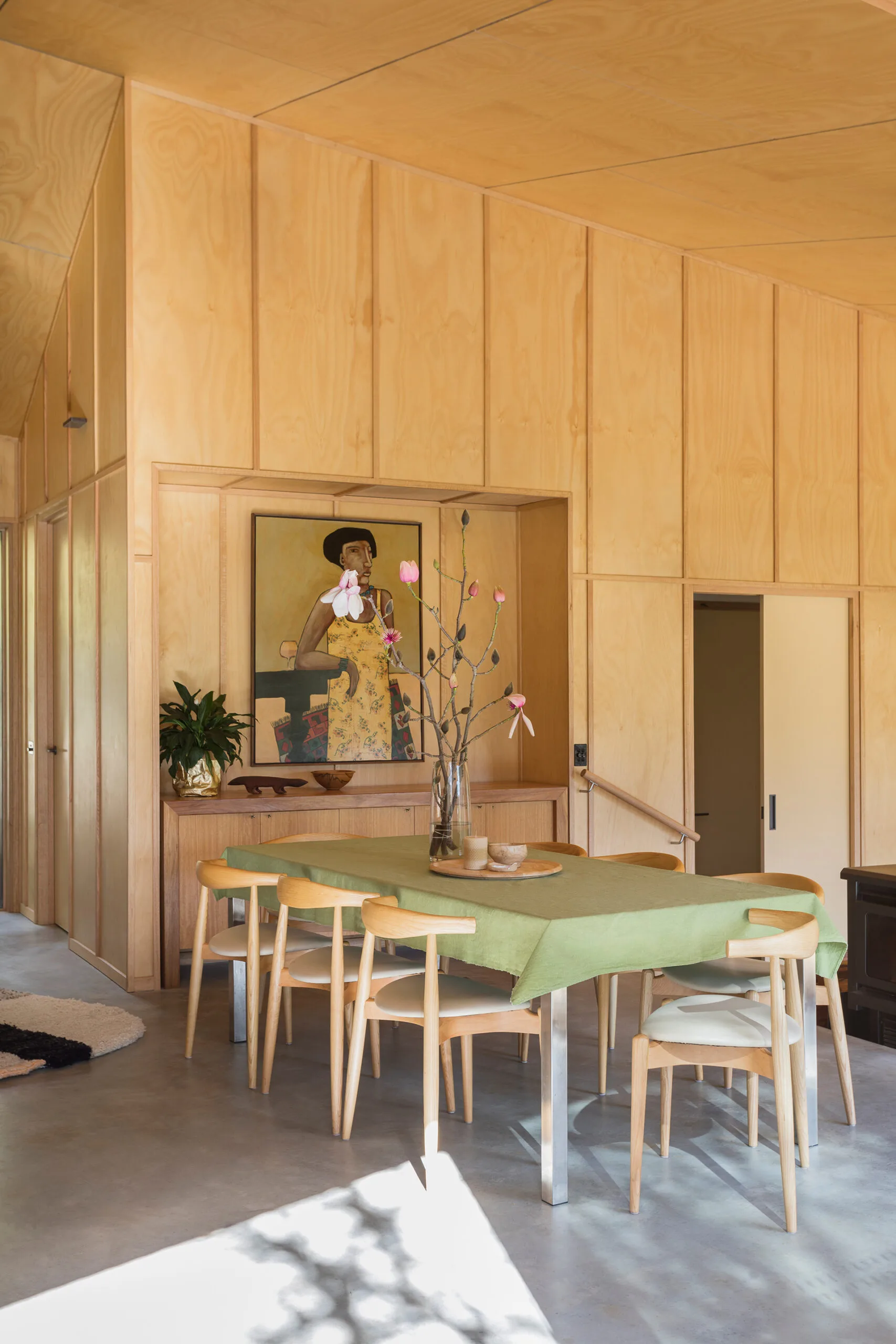
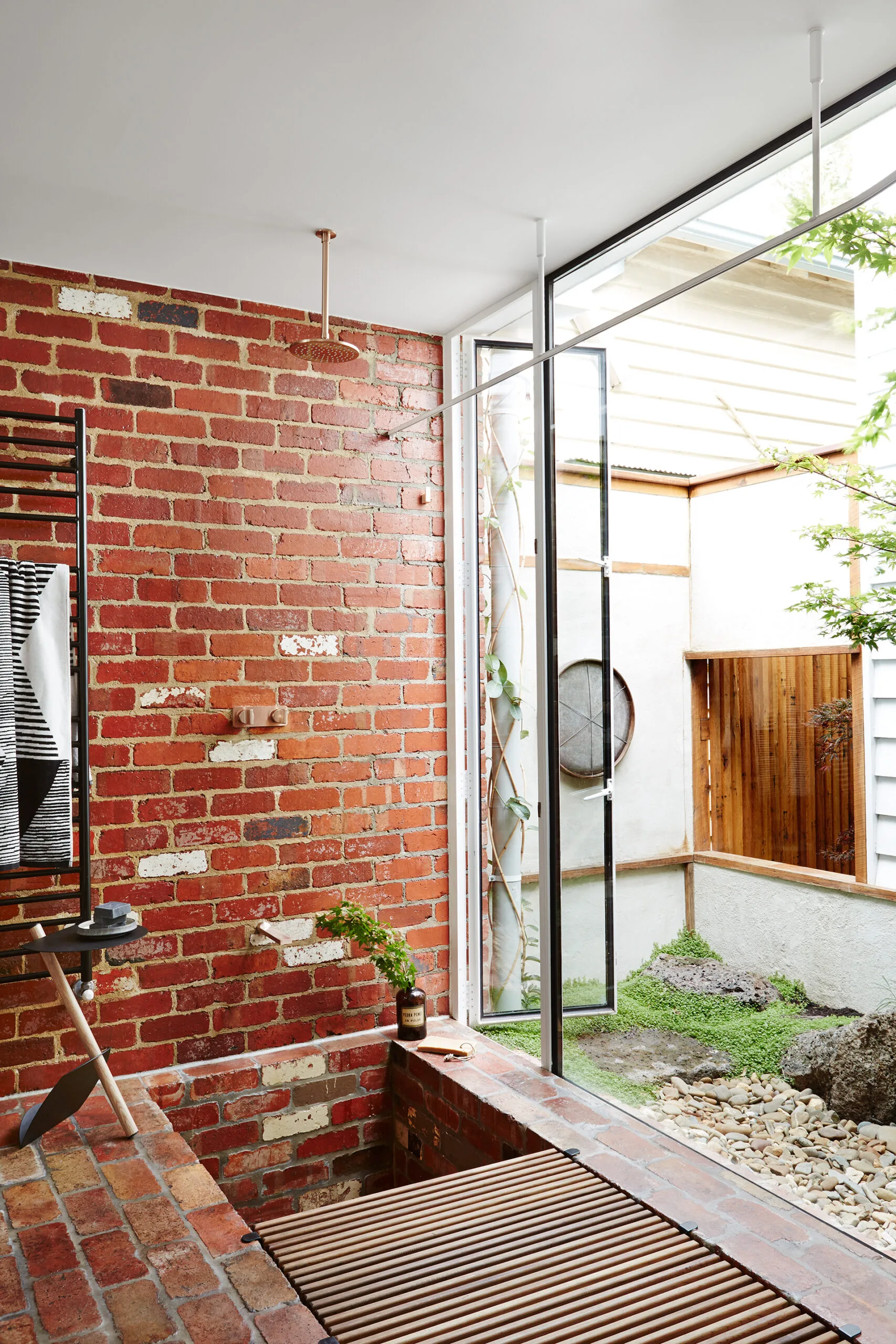
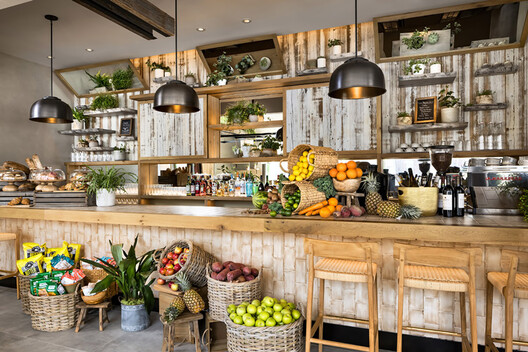
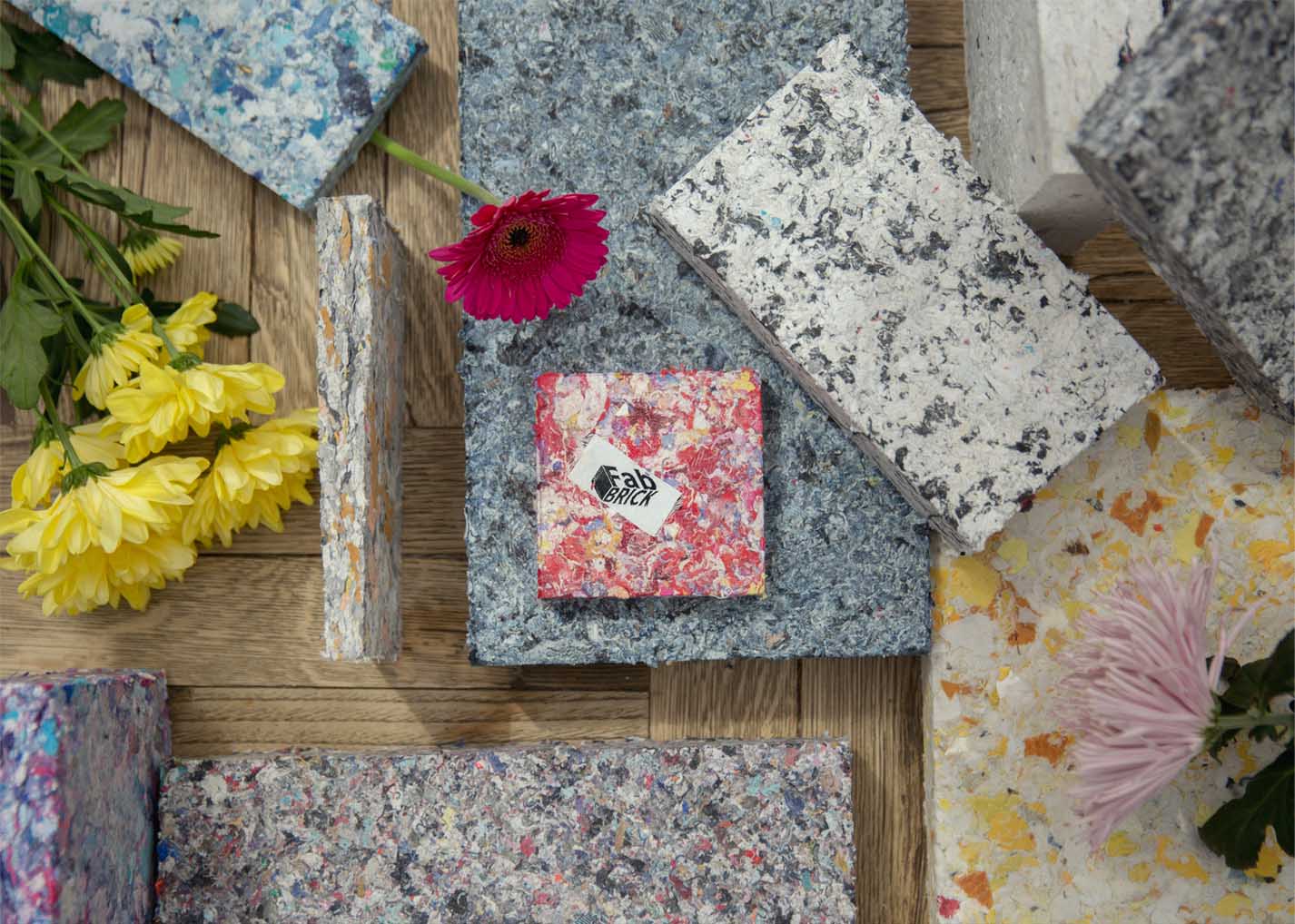
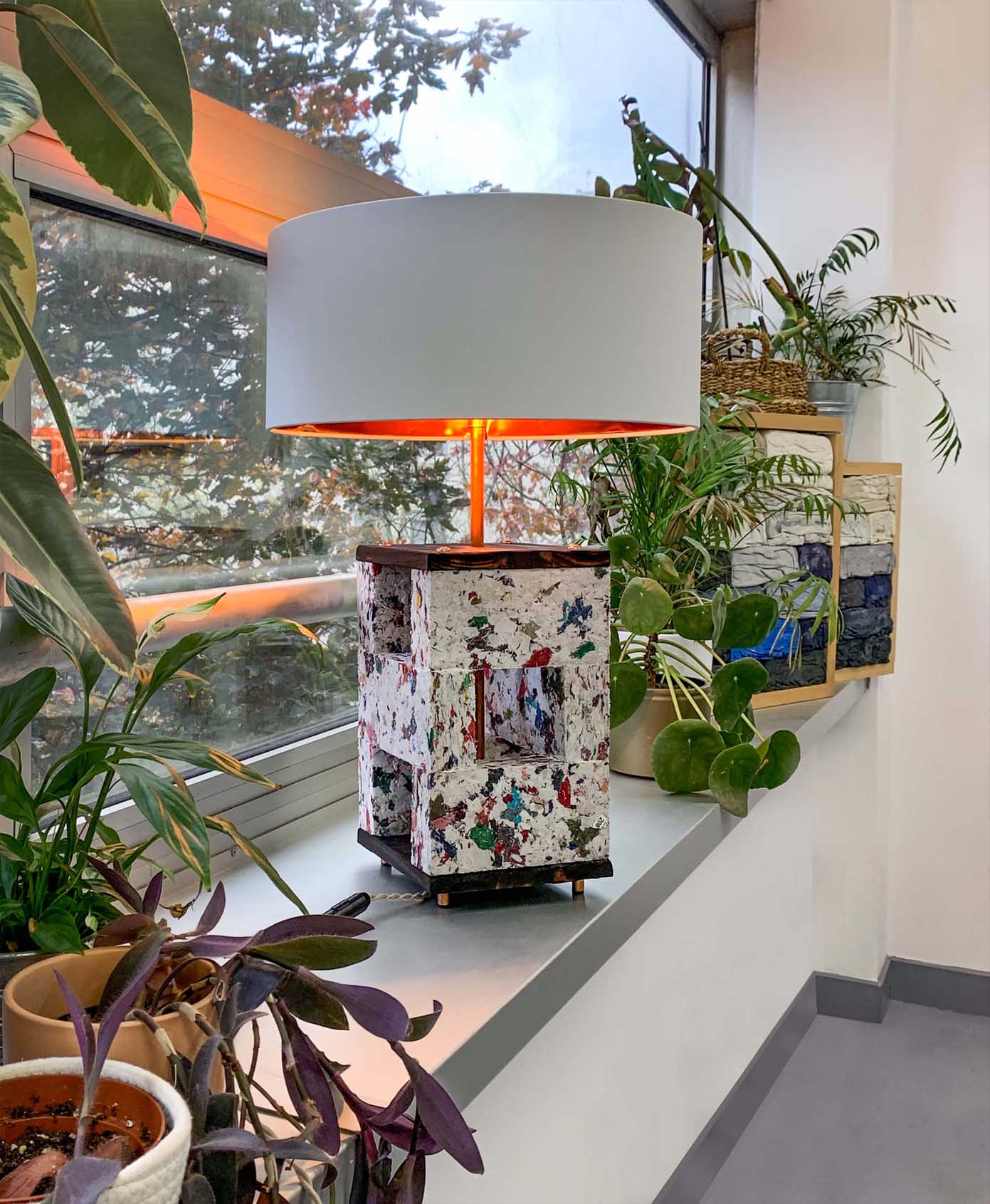
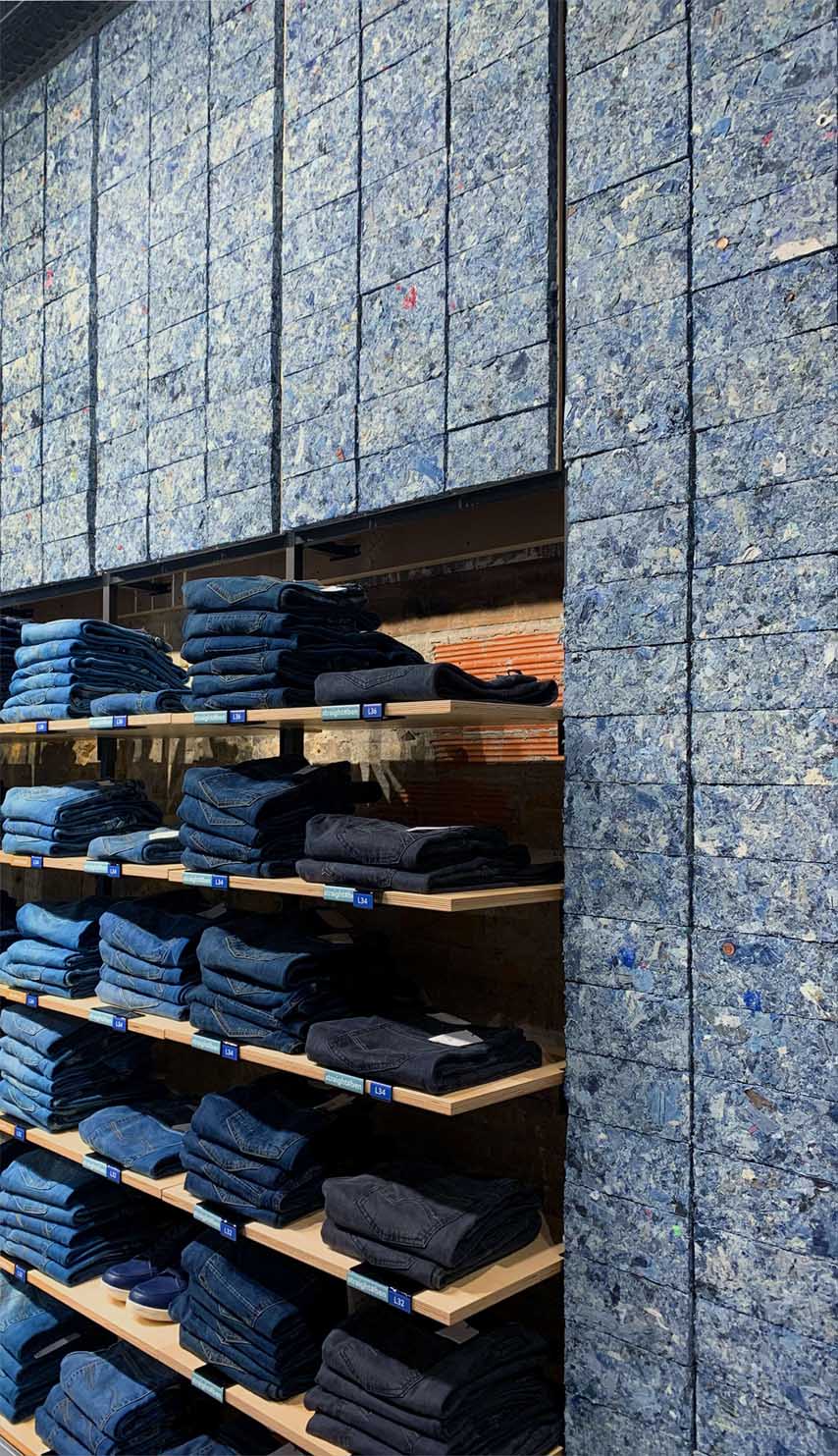
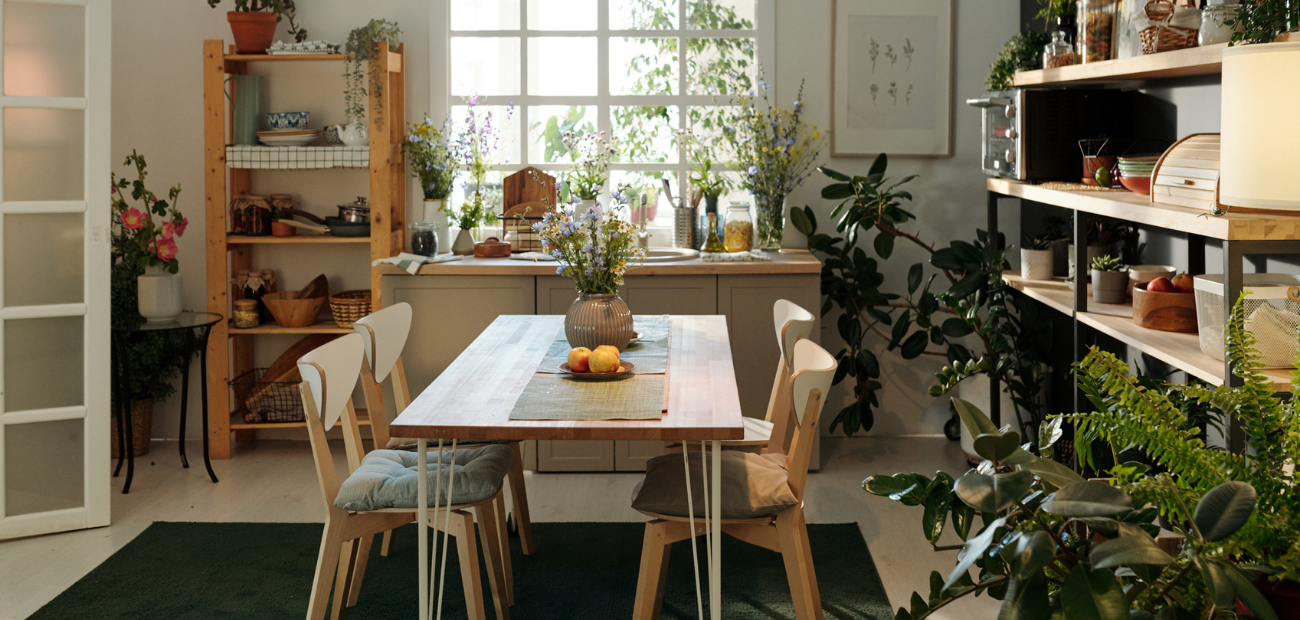
Experts in interior design, Mackenzie Collier and Sarah Barnard, highlight several practical ways homeowners can integrate sustainable design into their living spaces. One key approach involves reclaiming and recycling items. This includes using reclaimed hardwoods, tiles made from recycled materials, and vintage light fixtures. A significant advantage of older pieces is that they have already completed the process of off-gassing chemicals, contributing to better indoor air quality. Another method is prioritizing organic and sustainable materials derived from renewable resources like wool, bamboo, and cork. These natural materials are noted for their durability and their ability to age more gracefully compared to synthetic alternatives. Sustainable materials like hemp-based insulation and mineral-based paints are also viable options for new construction projects.
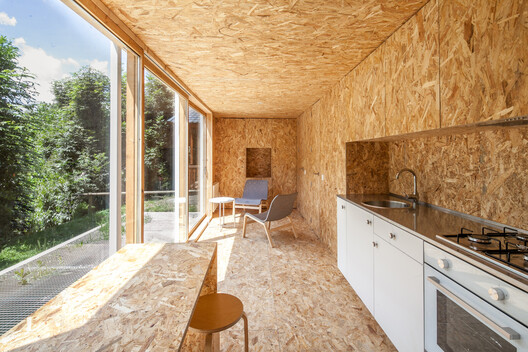
Going local is another crucial aspect of sustainable design, as it minimizes the environmental impact associated with manufacturing, transportation, and eventual disposal. For example, furniture crafted by a local woodworker generally has a lower carbon footprint than a similar item made from a sustainable material but shipped from a distant location. Investing in "forever" pieces is also encouraged, focusing on sturdy, made-to-last items that promote personalization and reduce the need for frequent replacements. This approach not only benefits the environment but also allows for more unique and distinctive home interiors. Additionally, the trend of "living small(er)" is gaining traction, with smaller spaces being easier and more cost-efficient to maintain, thereby minimizing environmental impact. The integration of self-sustaining systems such as solar power and graywater systems, which reuse sink wastewater for irrigation, is also becoming more popular, alongside an increased interest in vegetable gardening that leads to a greater demand for pantry and freezer storage.
For clients interested in sustainable living, the article stresses the importance of due diligence and seeking advice from accredited professionals. It cautions against marketing ploys that use non-regulated terms like "natural," which can be misleading. To identify genuinely sustainable home products and designs, third-party verifications and recommendations from trusted sustainable designers are recommended. Specifically, consulting designers and builders accredited by LEED (Leadership in Energy and Environmental Design) is advised, as the LEED rating system is globally recognized for its high standards in green building practices. These professionals often showcase sustainable design projects in their portfolios and are transparent about their expertise and involvement in sustainable design.
#SustainableDesign #GreenLiving #InteriorDesign #EcoFriendlyHomes #RenewableResources #LEEDAccreditation #CircularDesign #HomeImprovement #RealEstateTrends #SustainableDesign #GreenLiving #InteriorDesign #EcoFriendlyHomes #RenewableResources #LEEDAccreditation #CircularDesign #HomeImprovement #RealEstateTrends
0 comment in total
 No comments yet
You may also like

30 Sustainable Projects Leading the Way for Green Design


What books inspire sustainable interior design?
7 sustainable homes with style

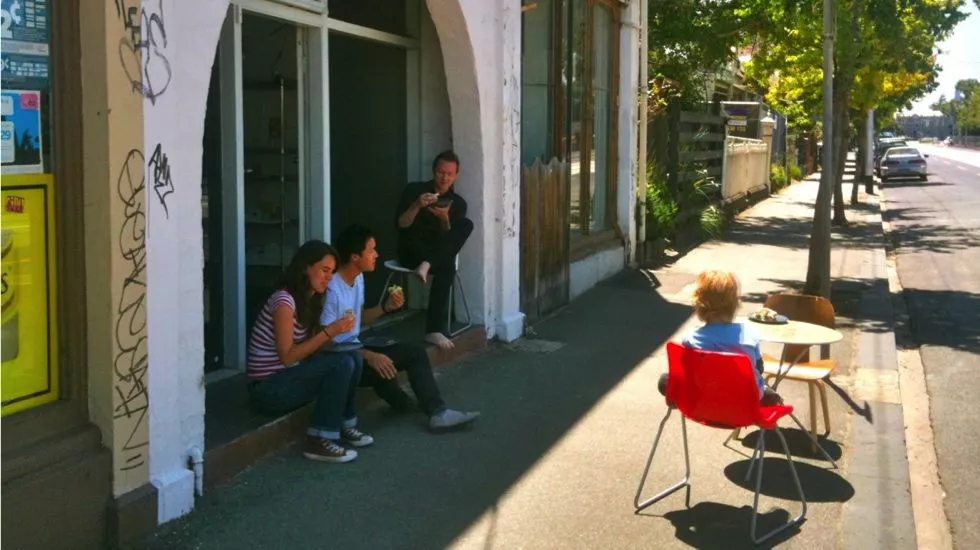
What Is Sustainable Design? A Look at How Australian Architect Andrew Maynard Does It
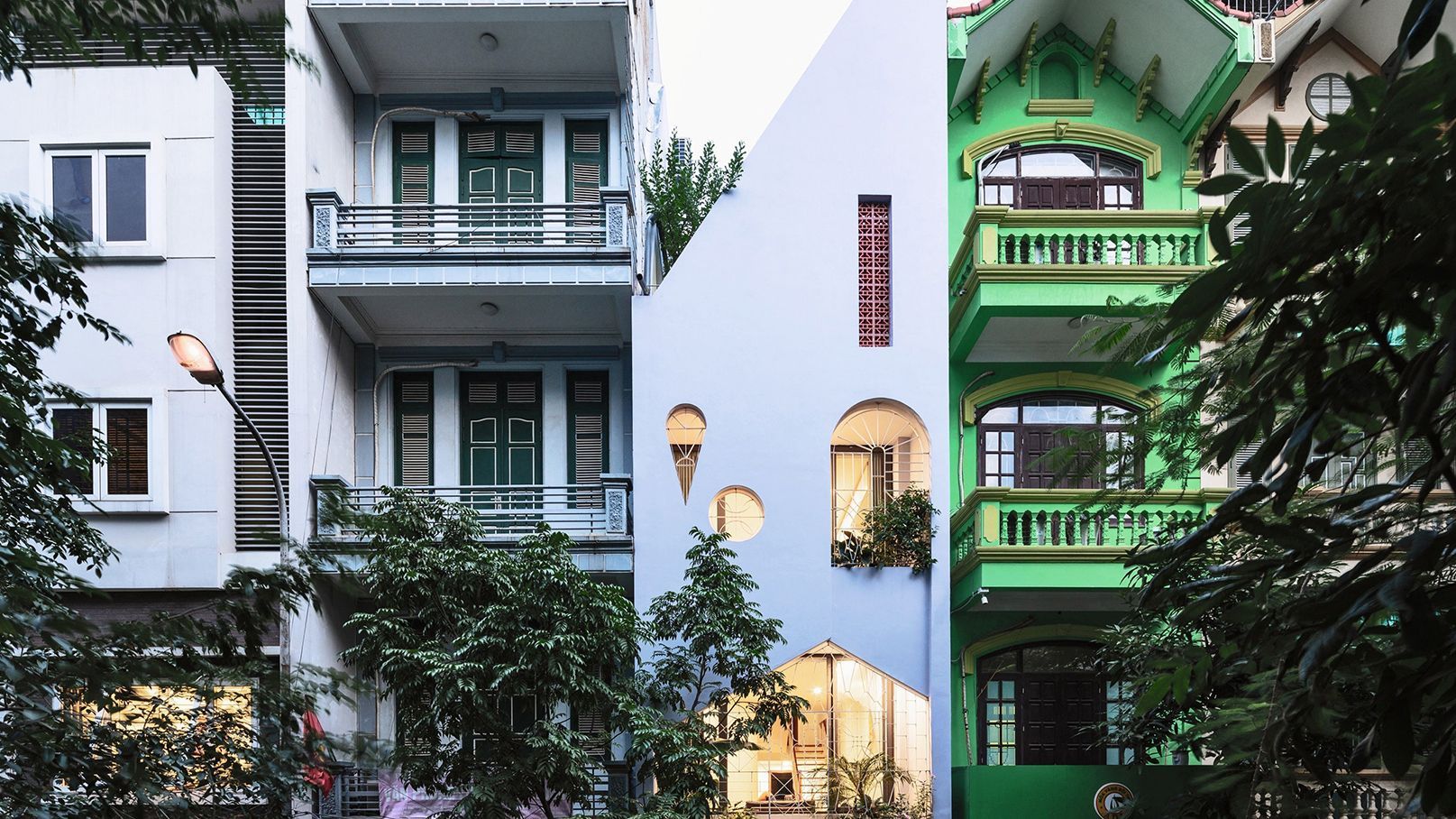
7 breathtaking sustainable homes around the world

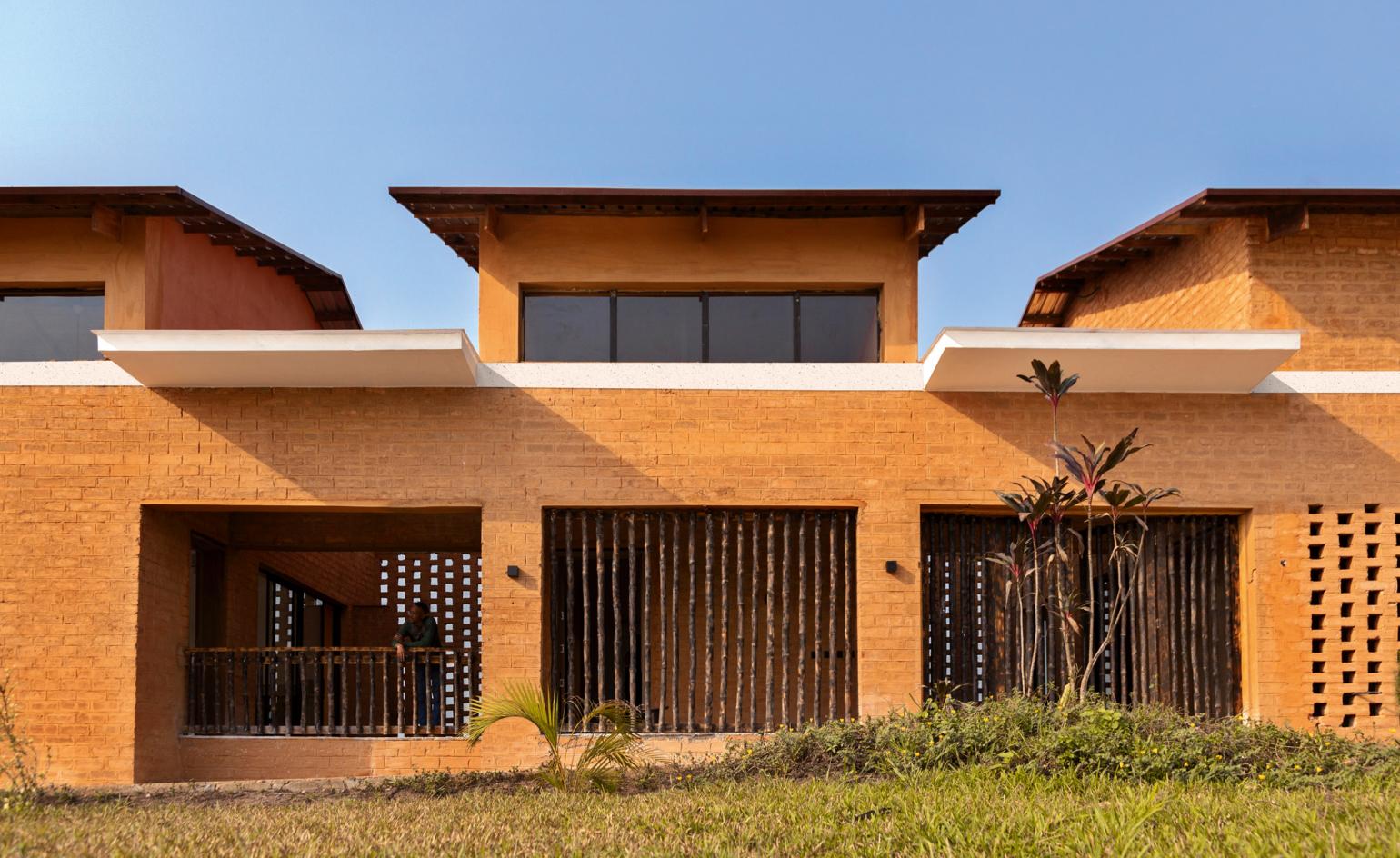
Sustainable architecture: 46 innovative and inspiring building designs


Material Acts - Elsa Mäki - Stitching: Future Fabrication and Traditions of Reuse
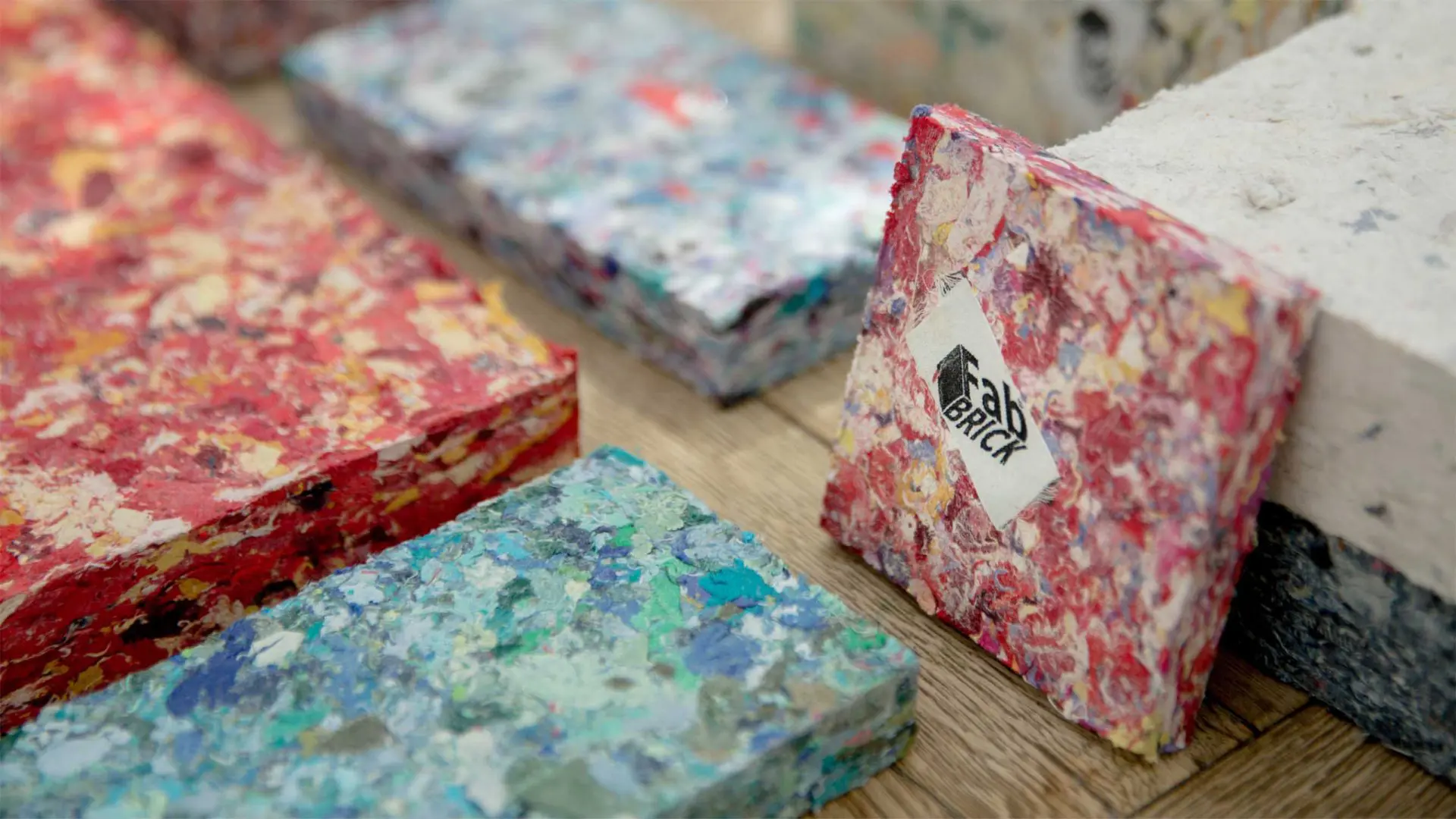
FabBRICK reinvents construction materials with recycled textile waste

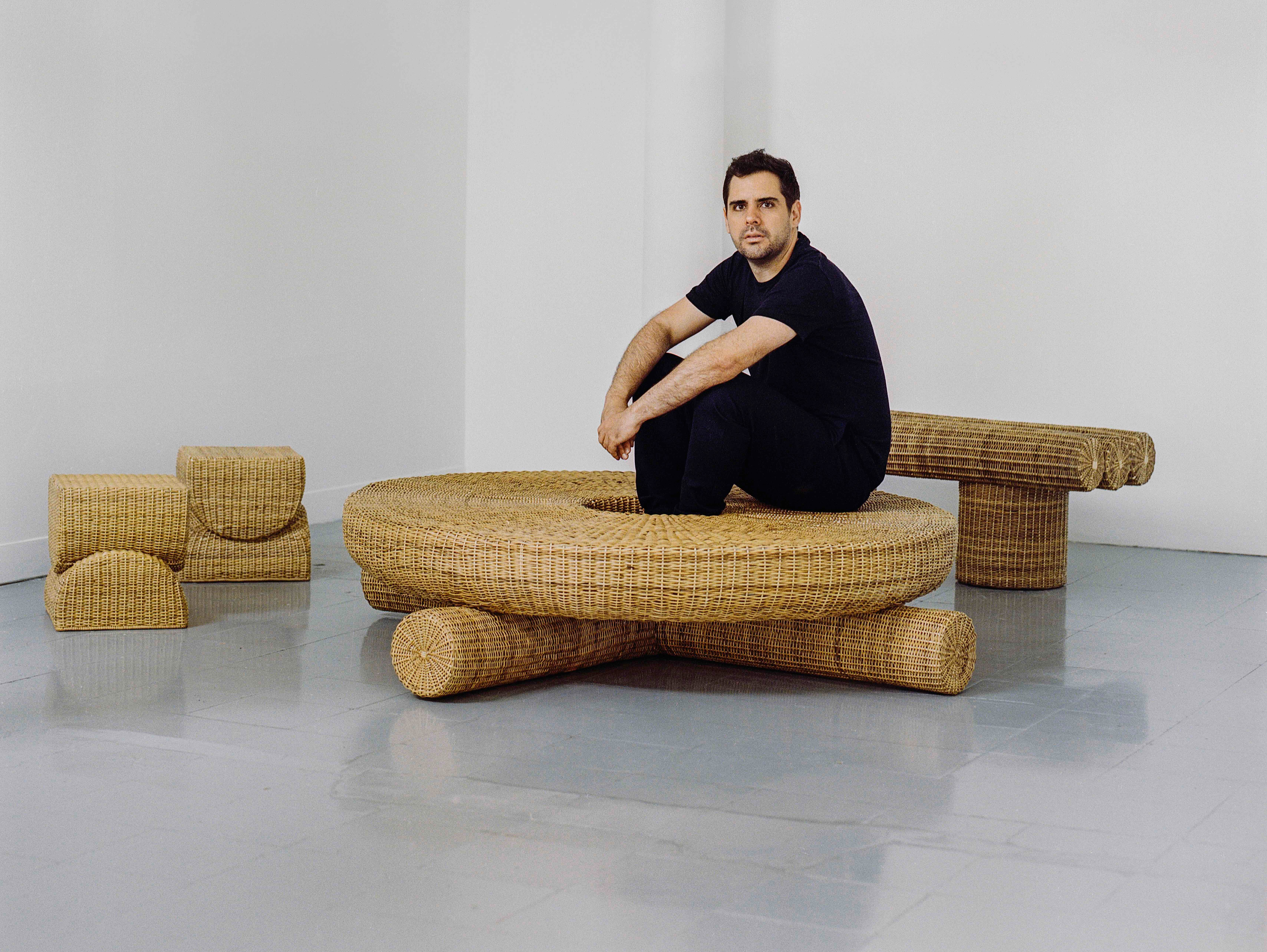
Meet the designers using revolutionary eco materials

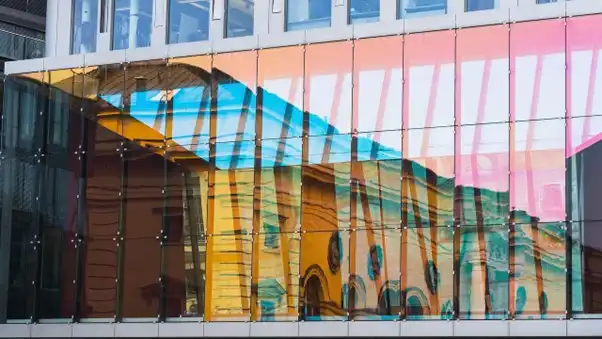
Innovations Driving Sustainable Building and Architecture Forward
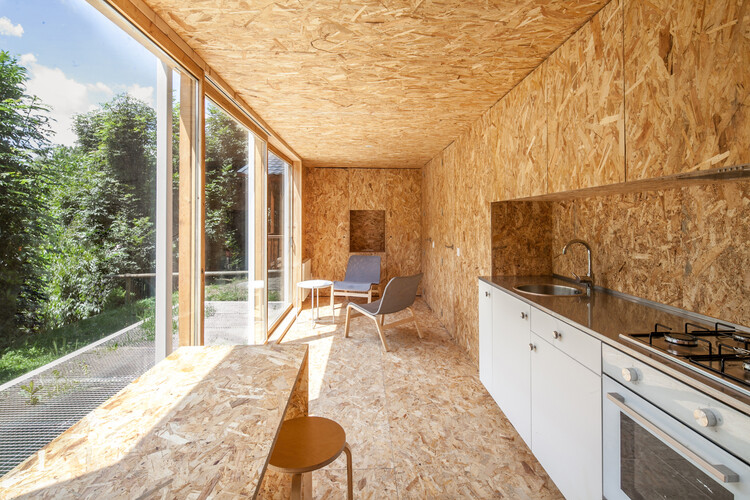
What Can Be Done to Make Interiors More Sustainable?

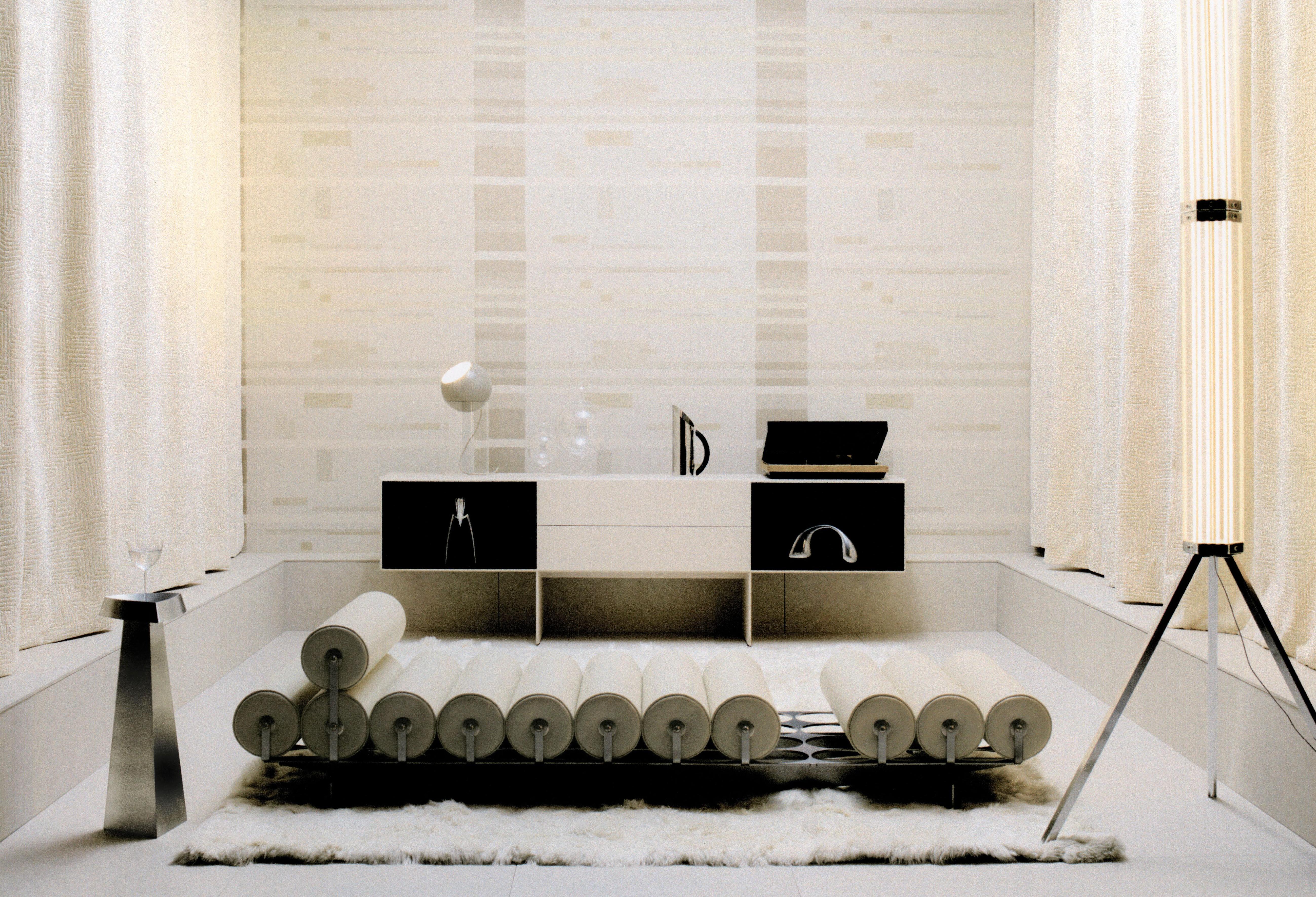
Explore our visual compendium of timeless design, from classic to contemporary furniture, objects and lighting

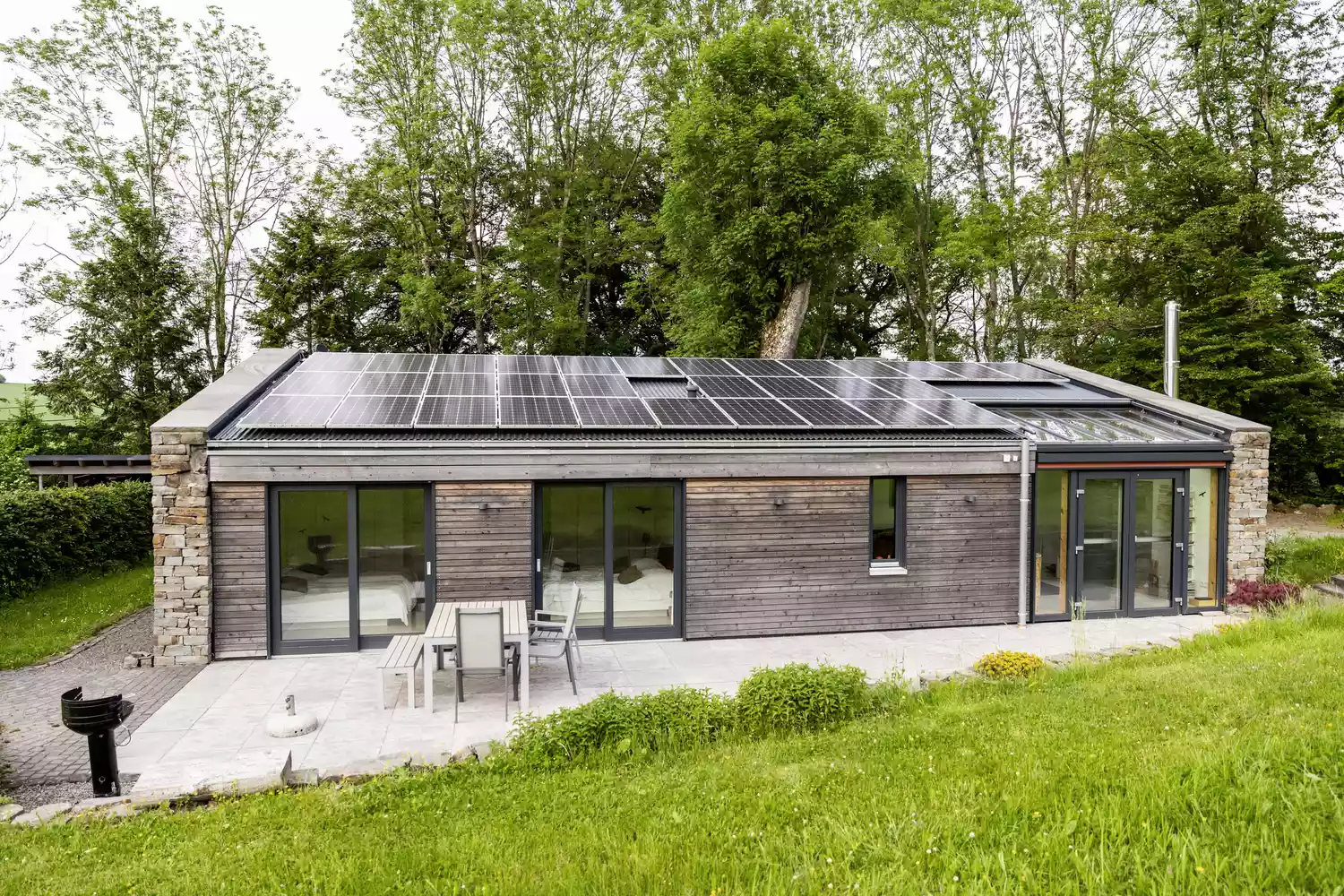
Want an Eco-Friendly Home? Everything You Should Know About Sustainable Architecture


How to talk to architects, builders and general contractors about sustainability
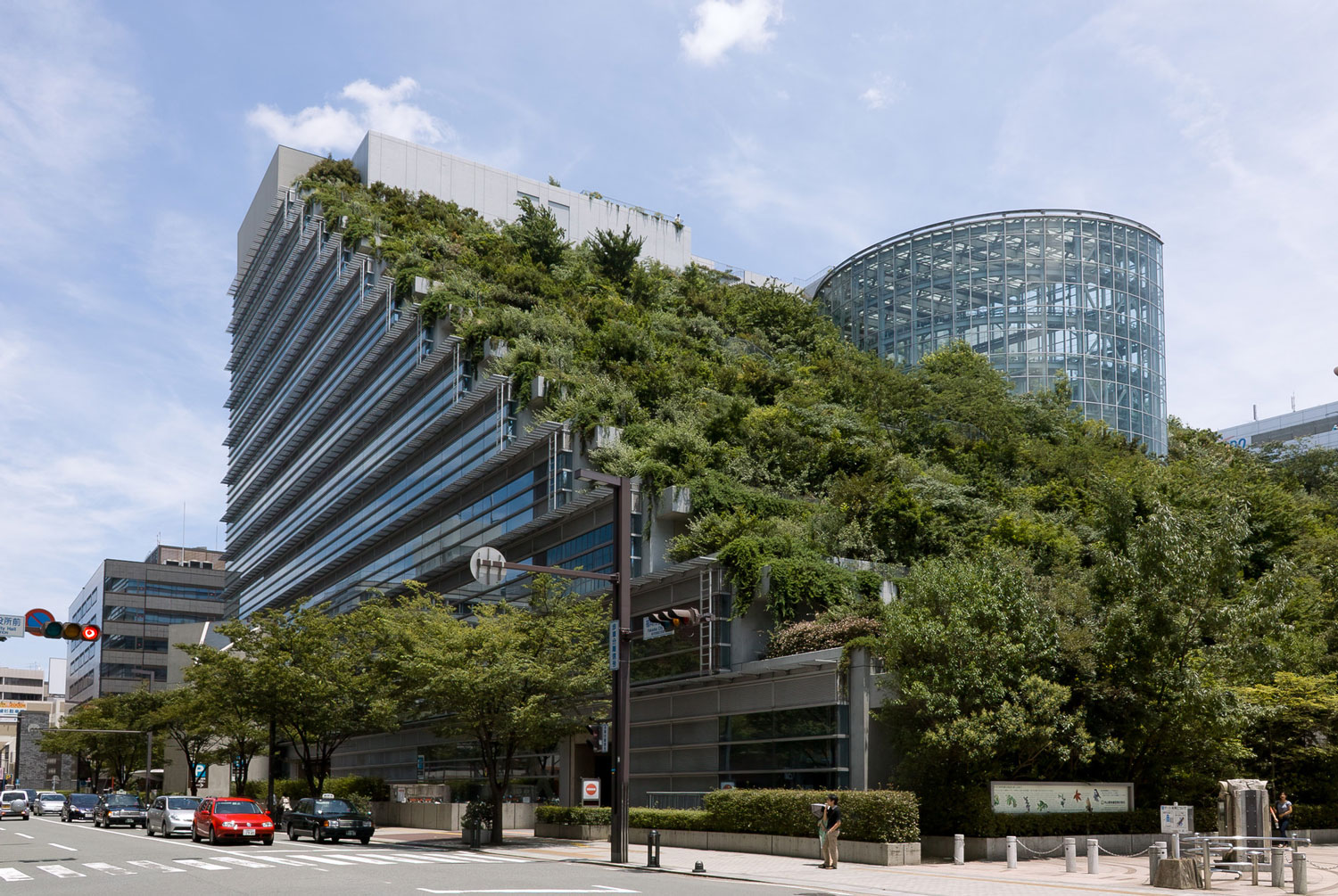
Top 10 Examples of Most Sustainable Architecture in 2025


From Fringe Idea to Mainstream Imperative: The Future of Design Depends on Biomimicry
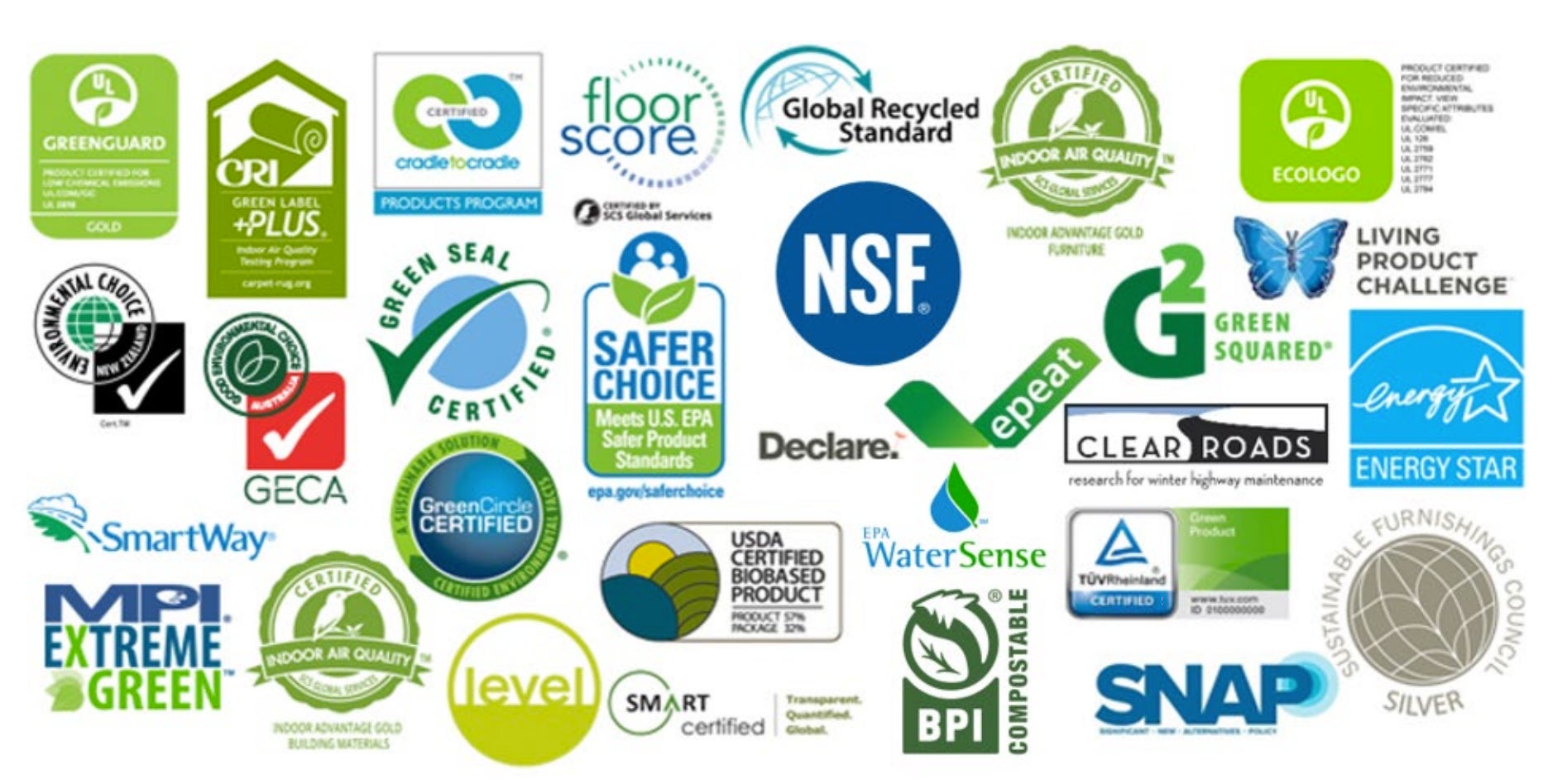
What is sustainable design and how can consumers identify it?
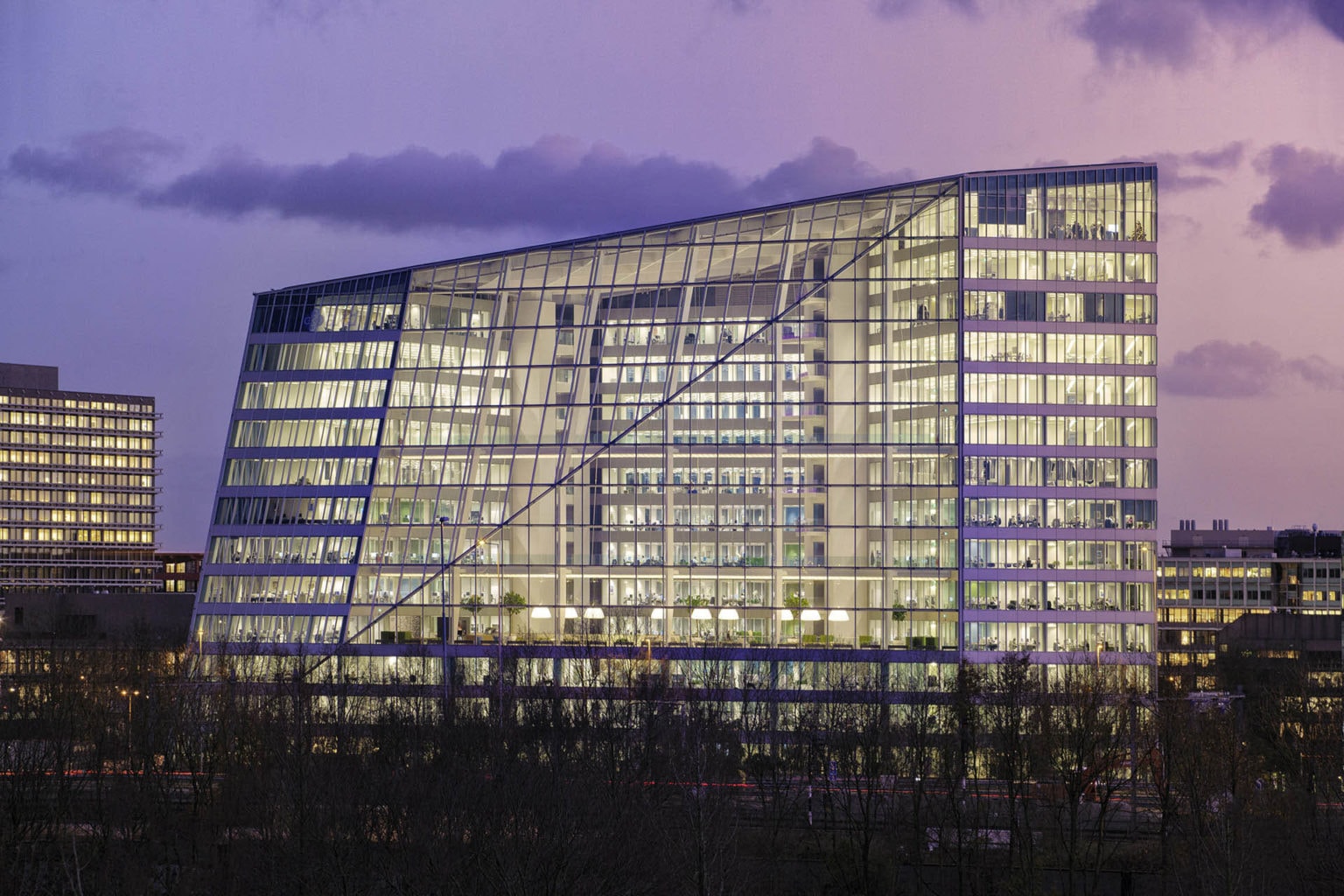
Sustainable Buildings: Pioneering a Green Revolution in Urban Design

How residential design offers opportunities for sustainability

The best ways to talk about sustainability with your clients