1/7
FabBRICK reinvents construction materials with recycled textile waste
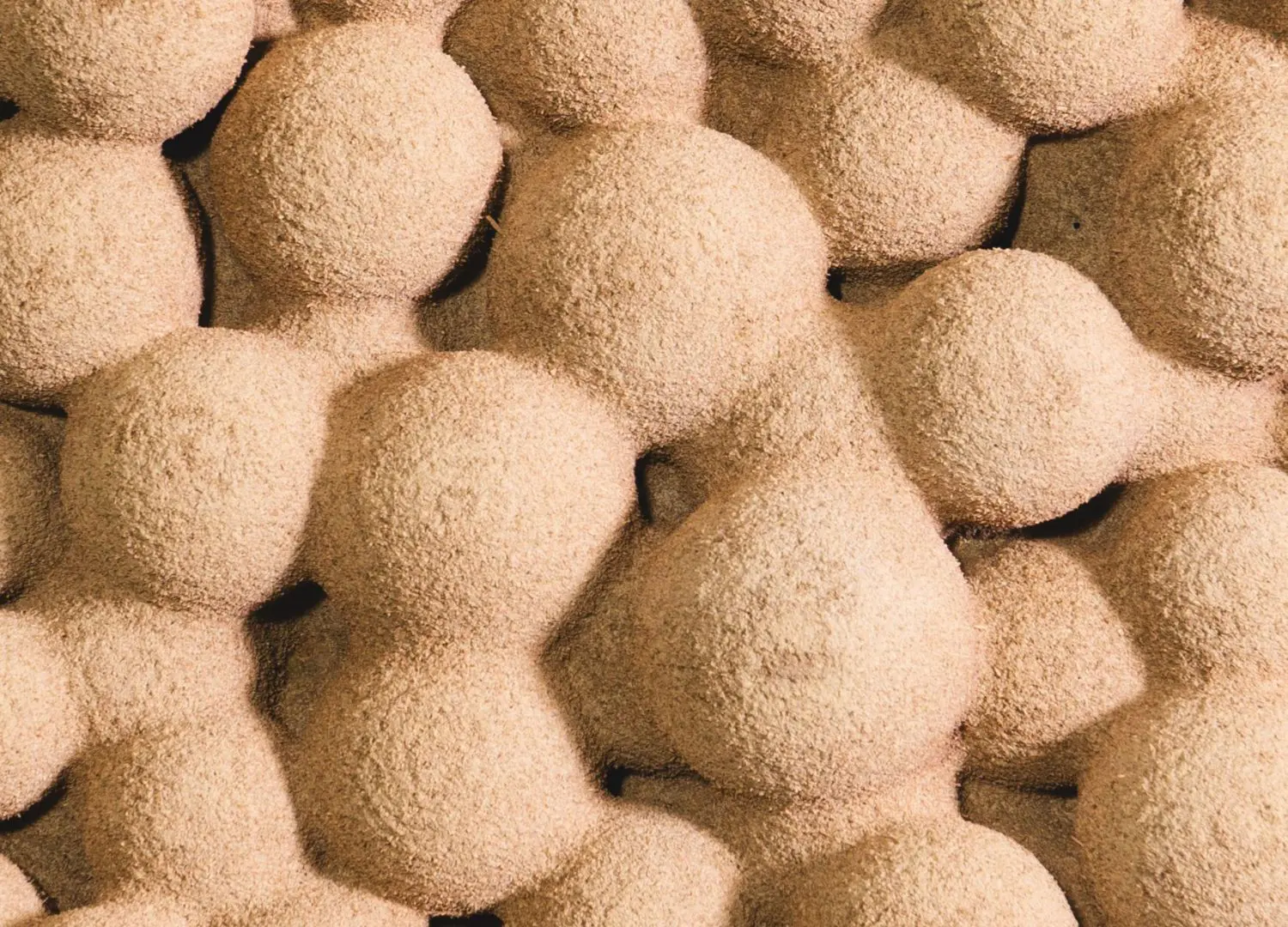
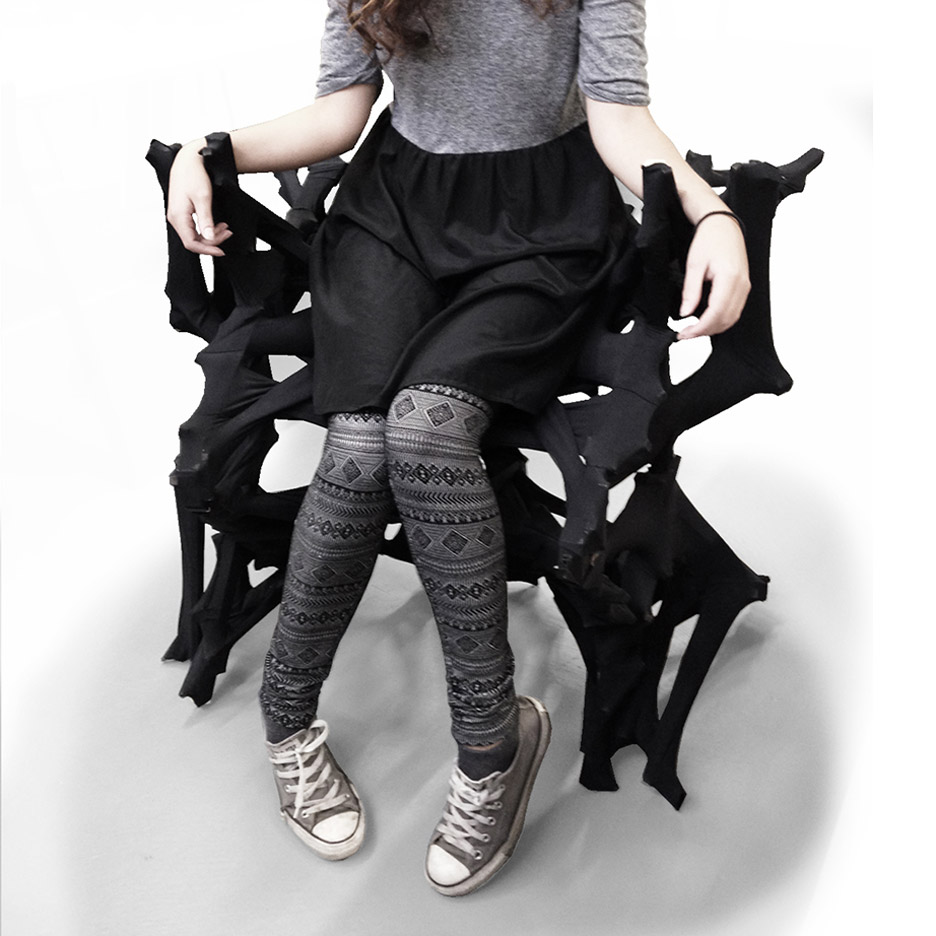
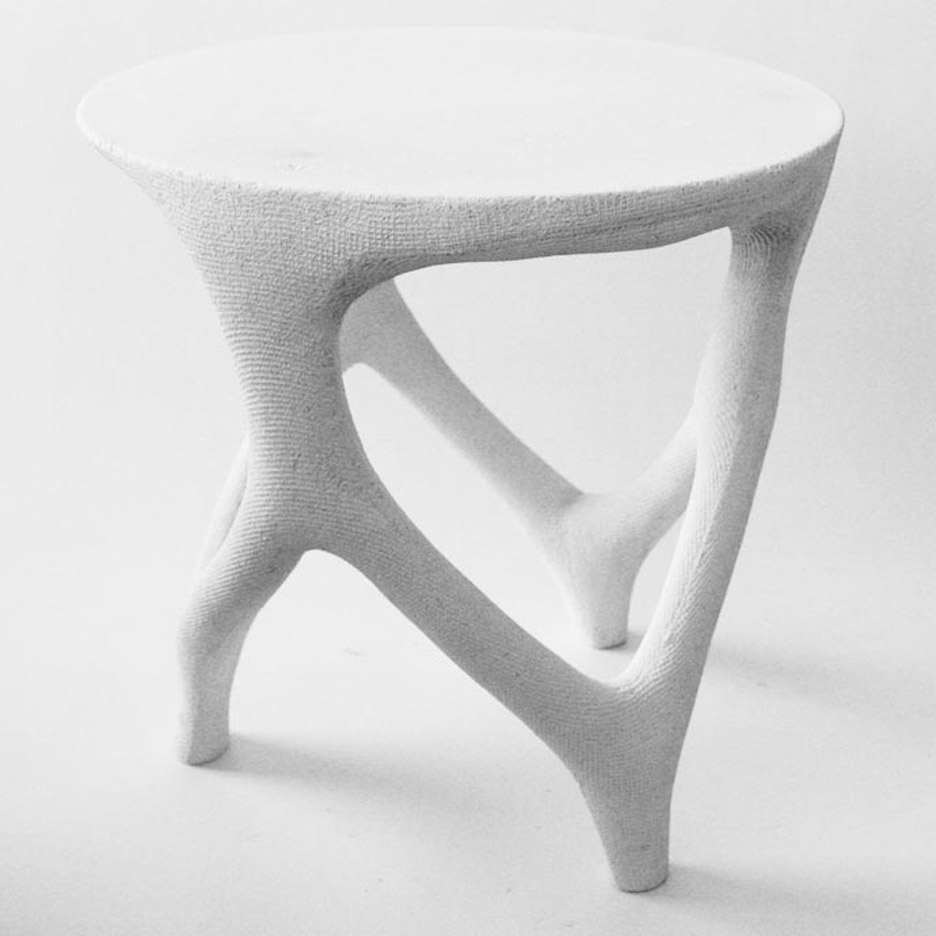
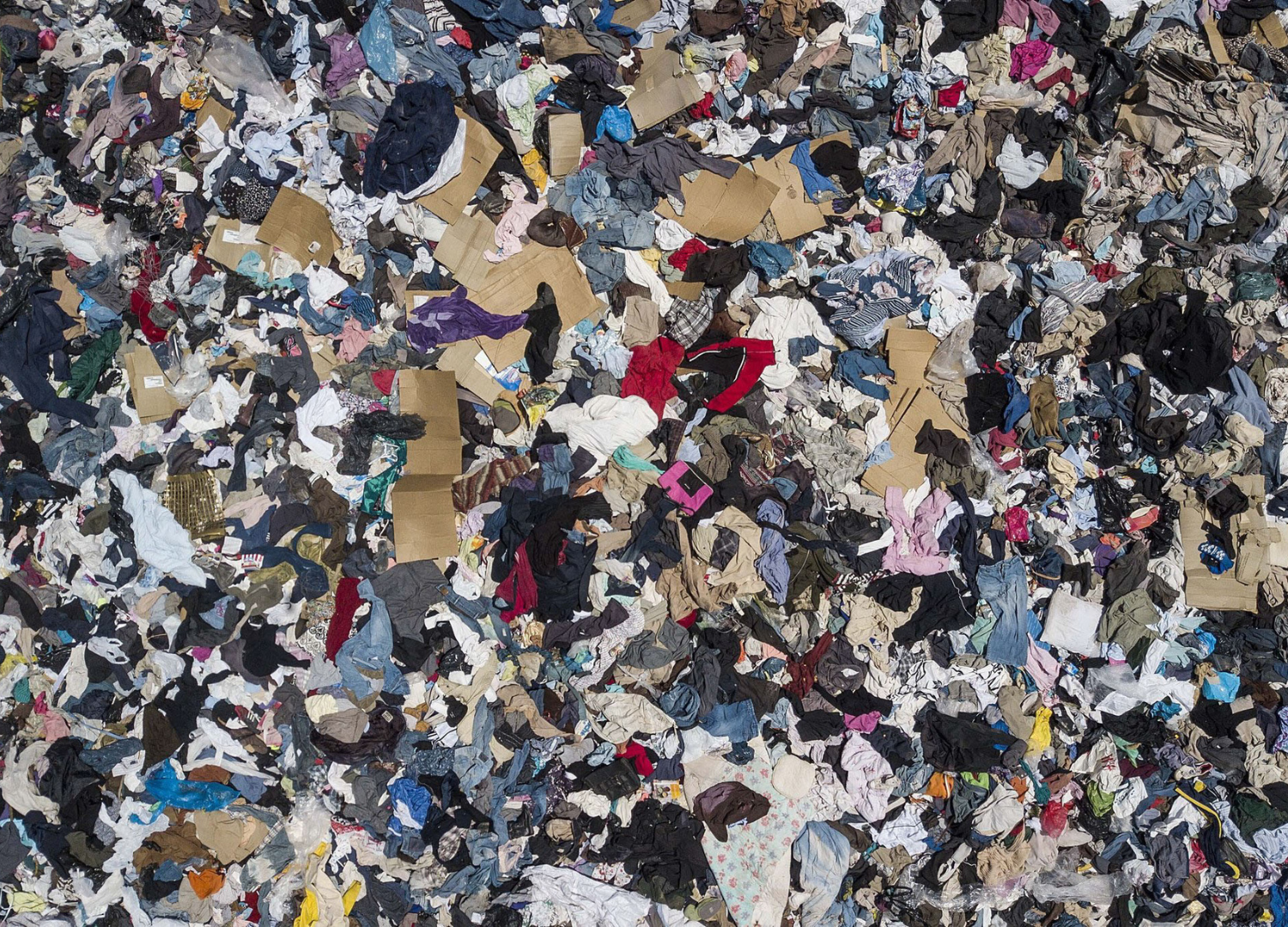
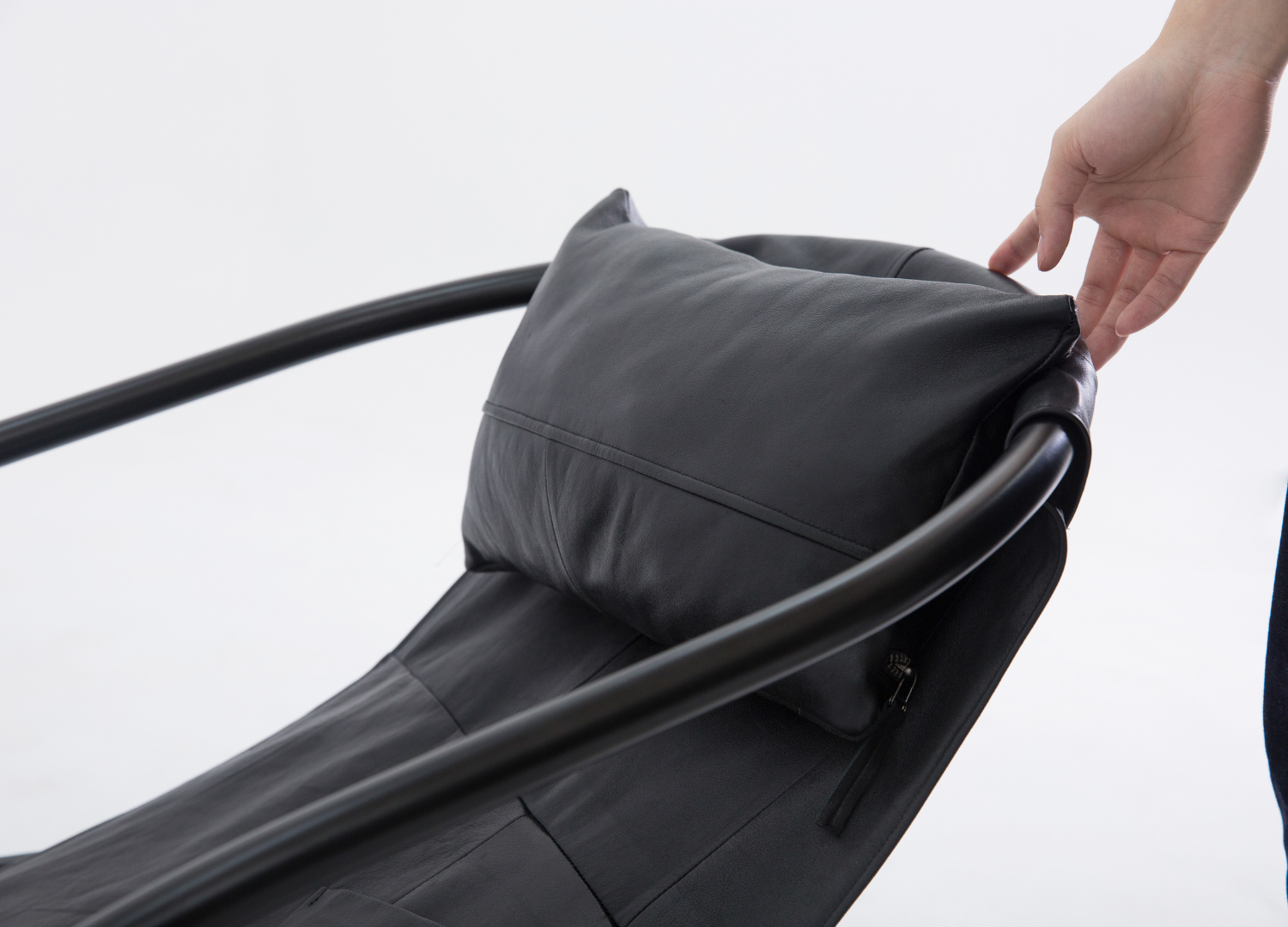
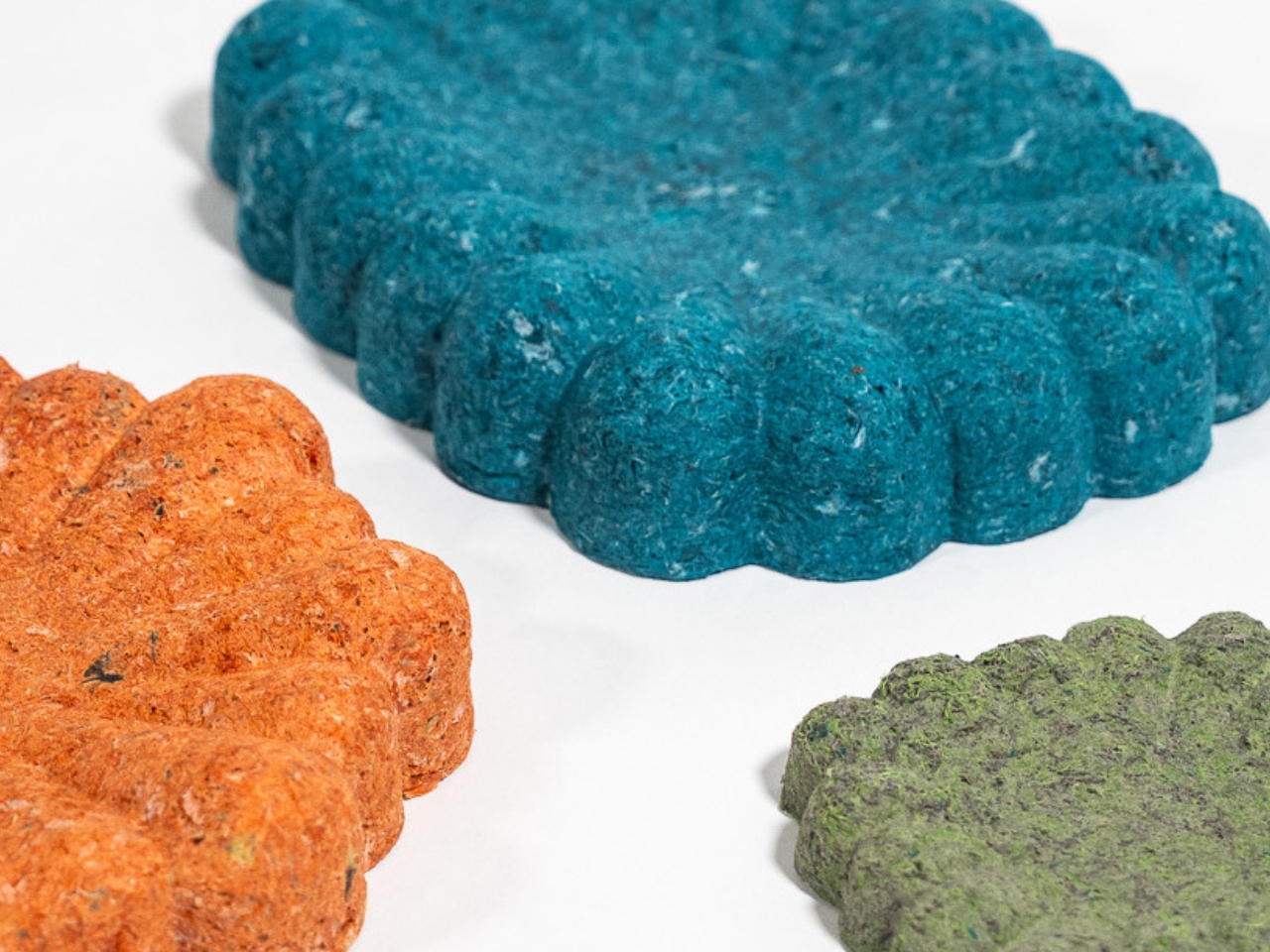
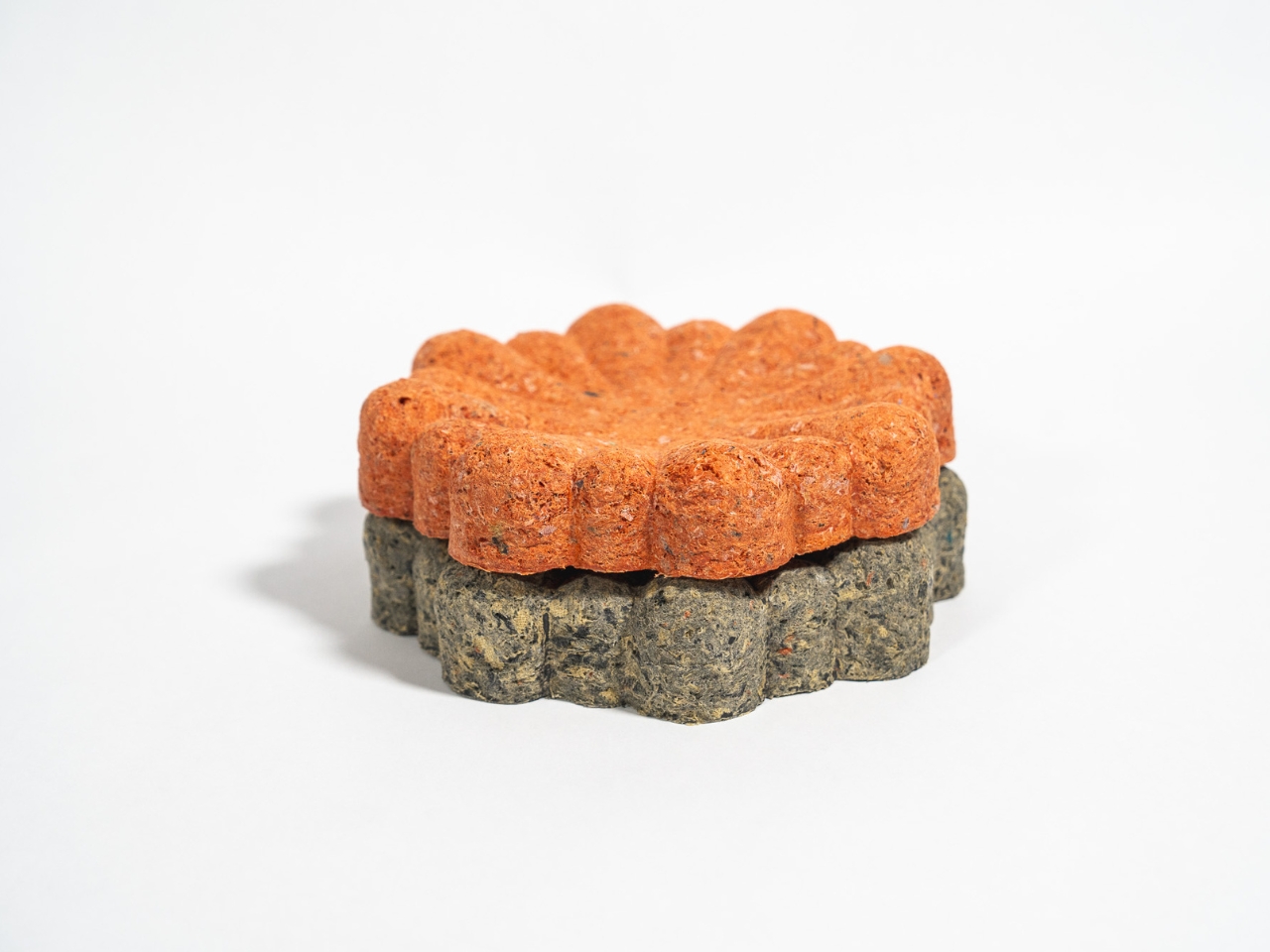
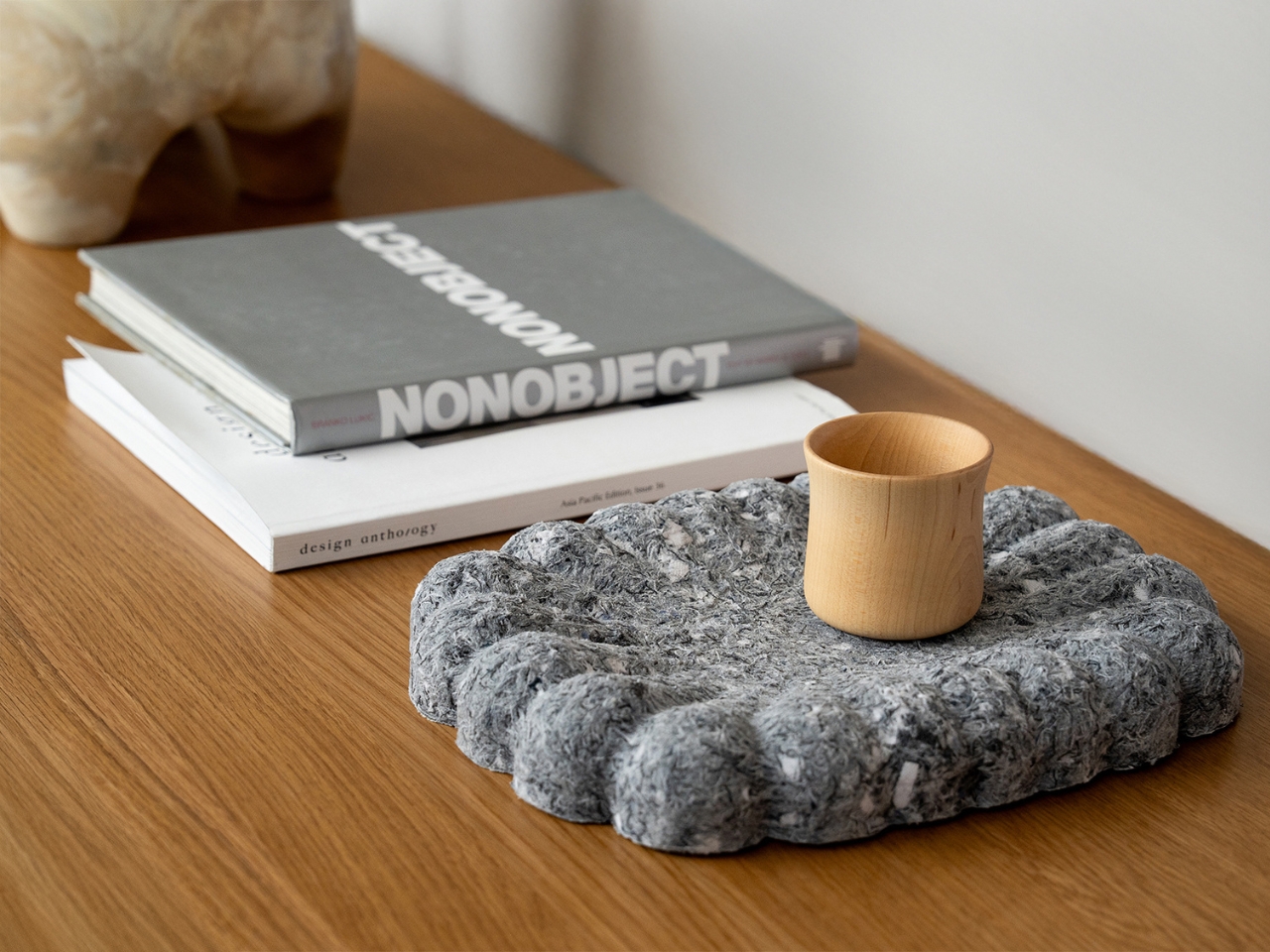
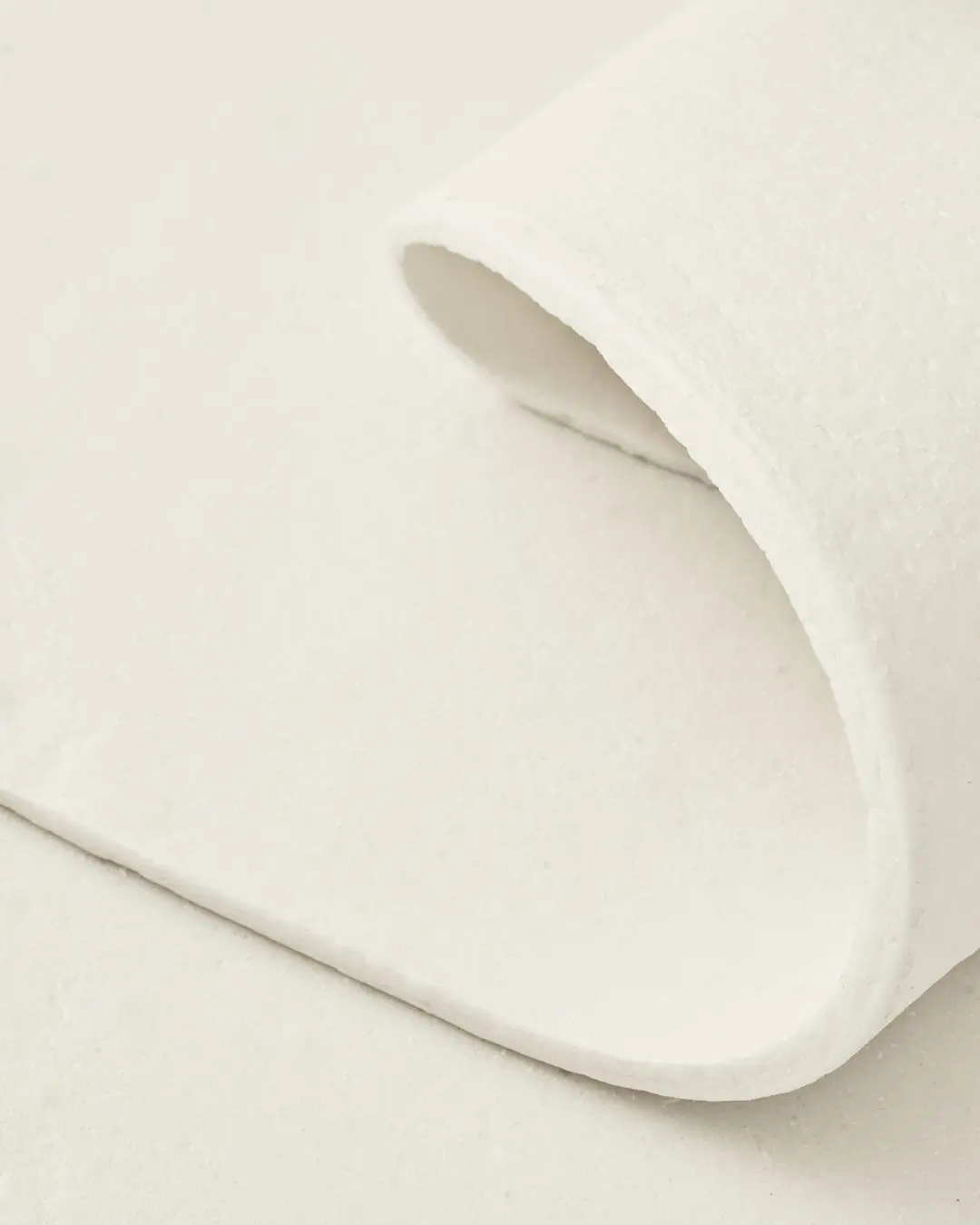
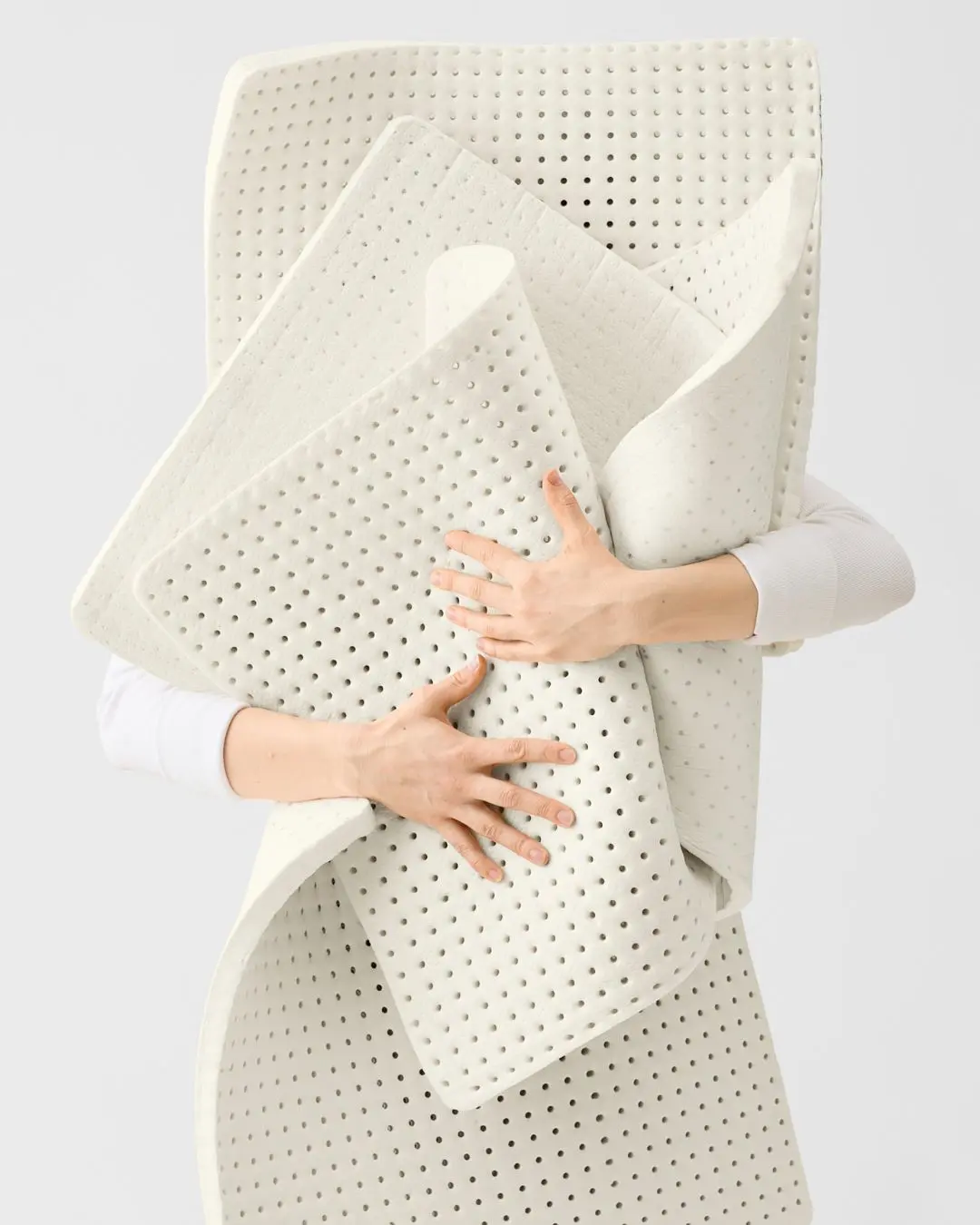
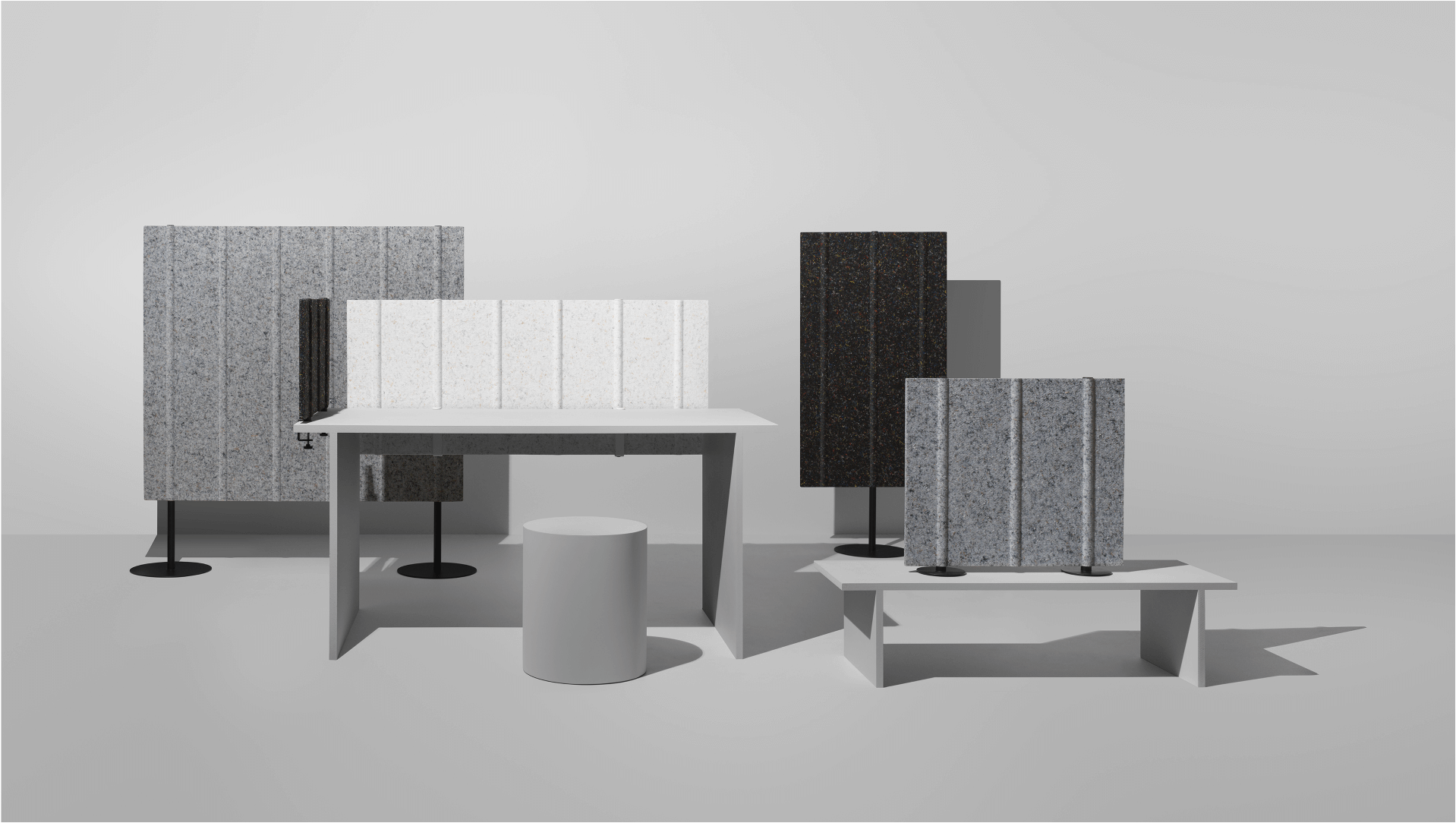
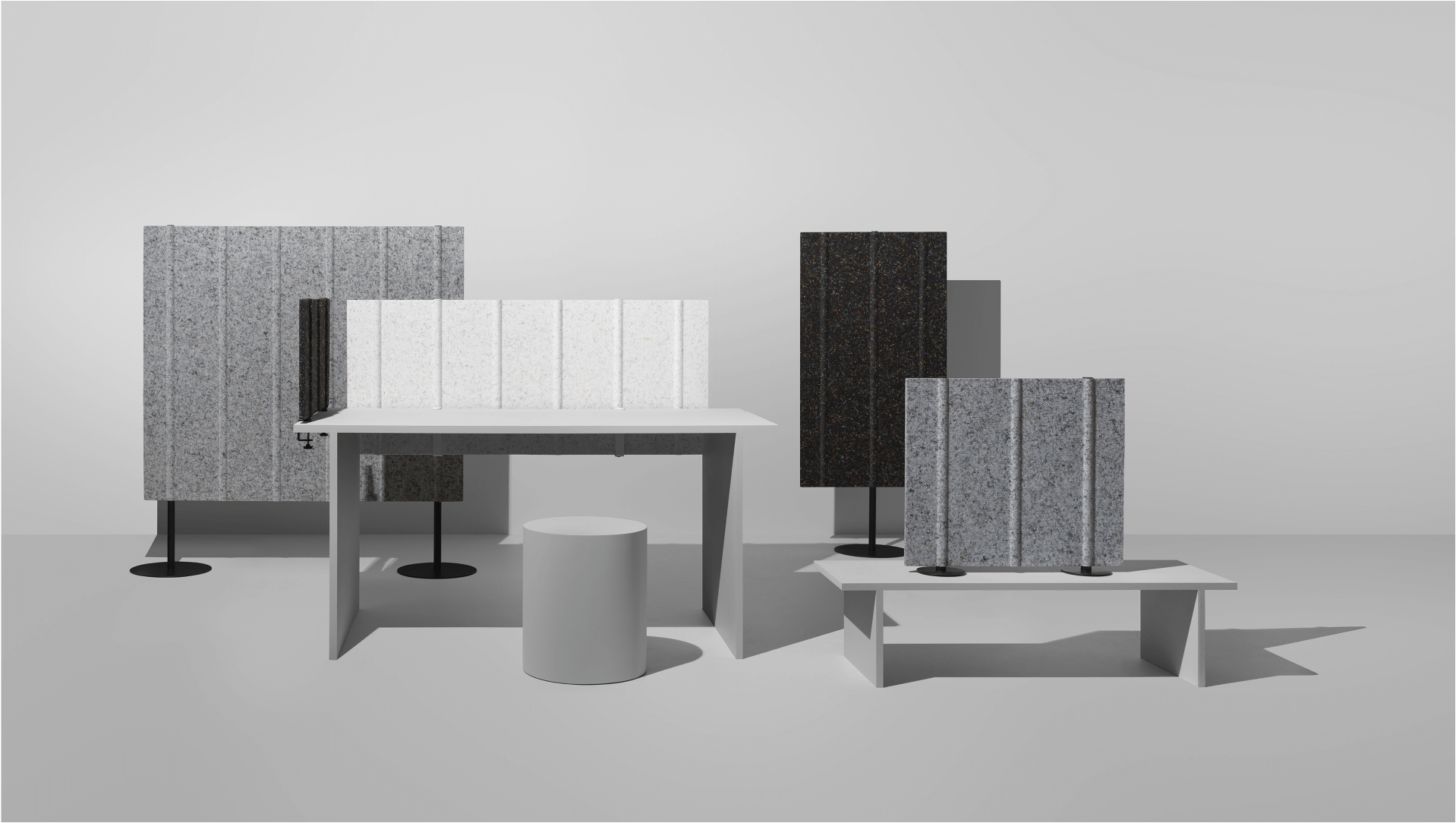
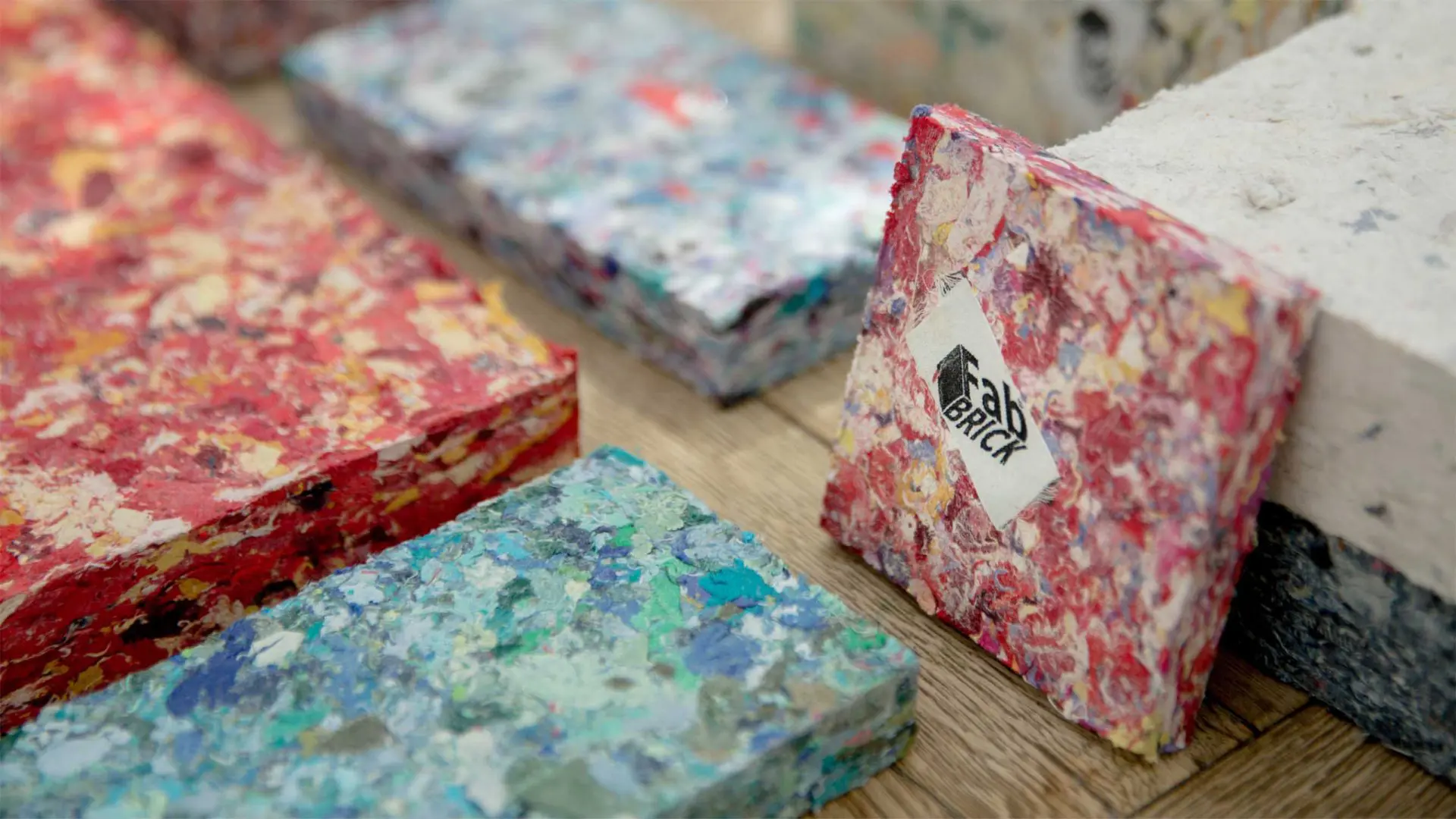
French architect Clarisse Merlet, through her studio FabBRICK, is demonstrating the significant potential of recycling textile waste into viable construction materials. Originating from a school project, Merlet's initiative addresses the substantial pollution generated by the construction and fashion industries. The fashion industry alone contributes millions of tons of textile waste annually in Europe, with a considerable portion remaining uncollected. FabBRICK aims to transform this discarded textile into insulating, structural, and aesthetic building bricks, which can then be used to create furniture or partition walls.
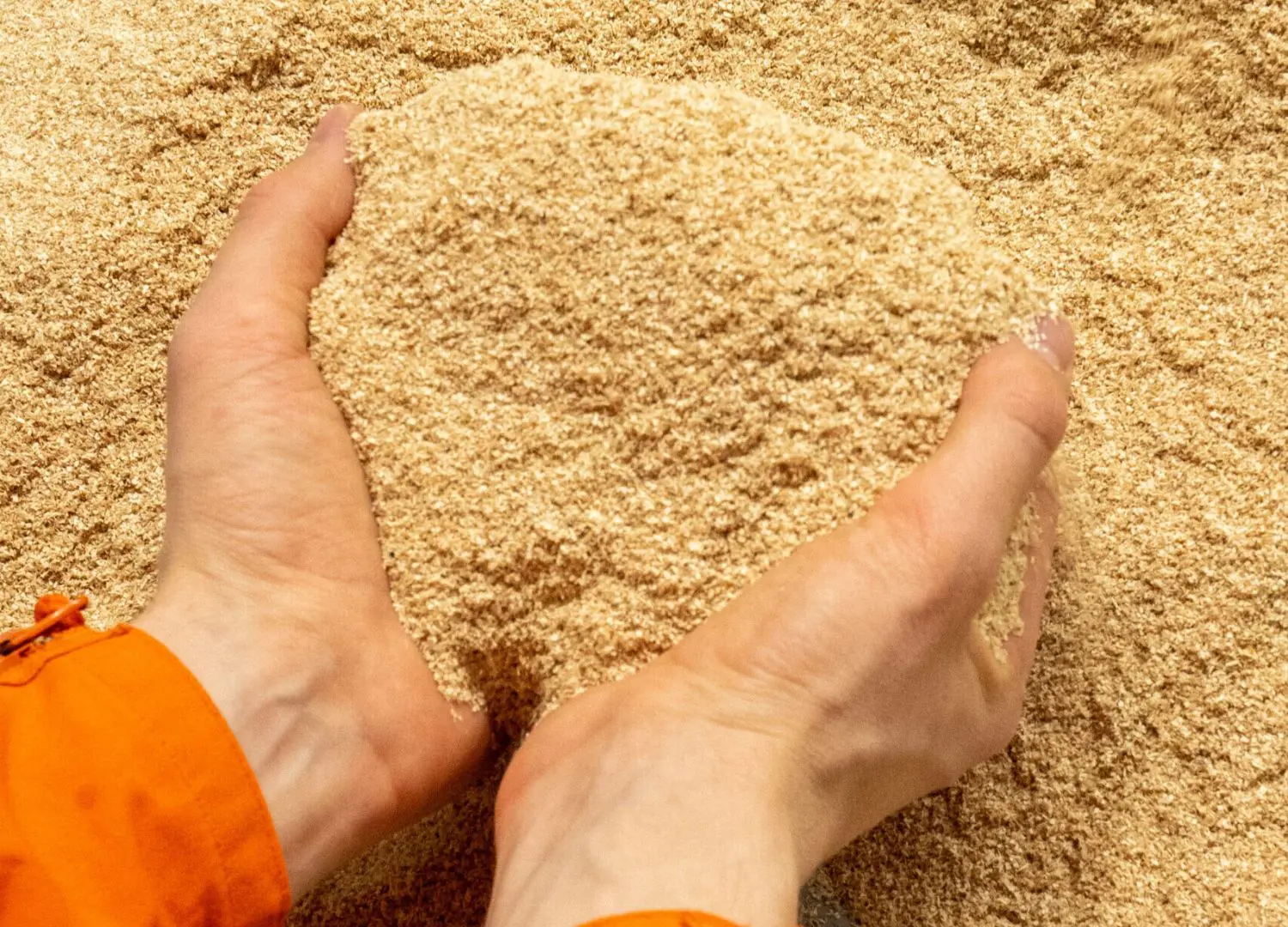
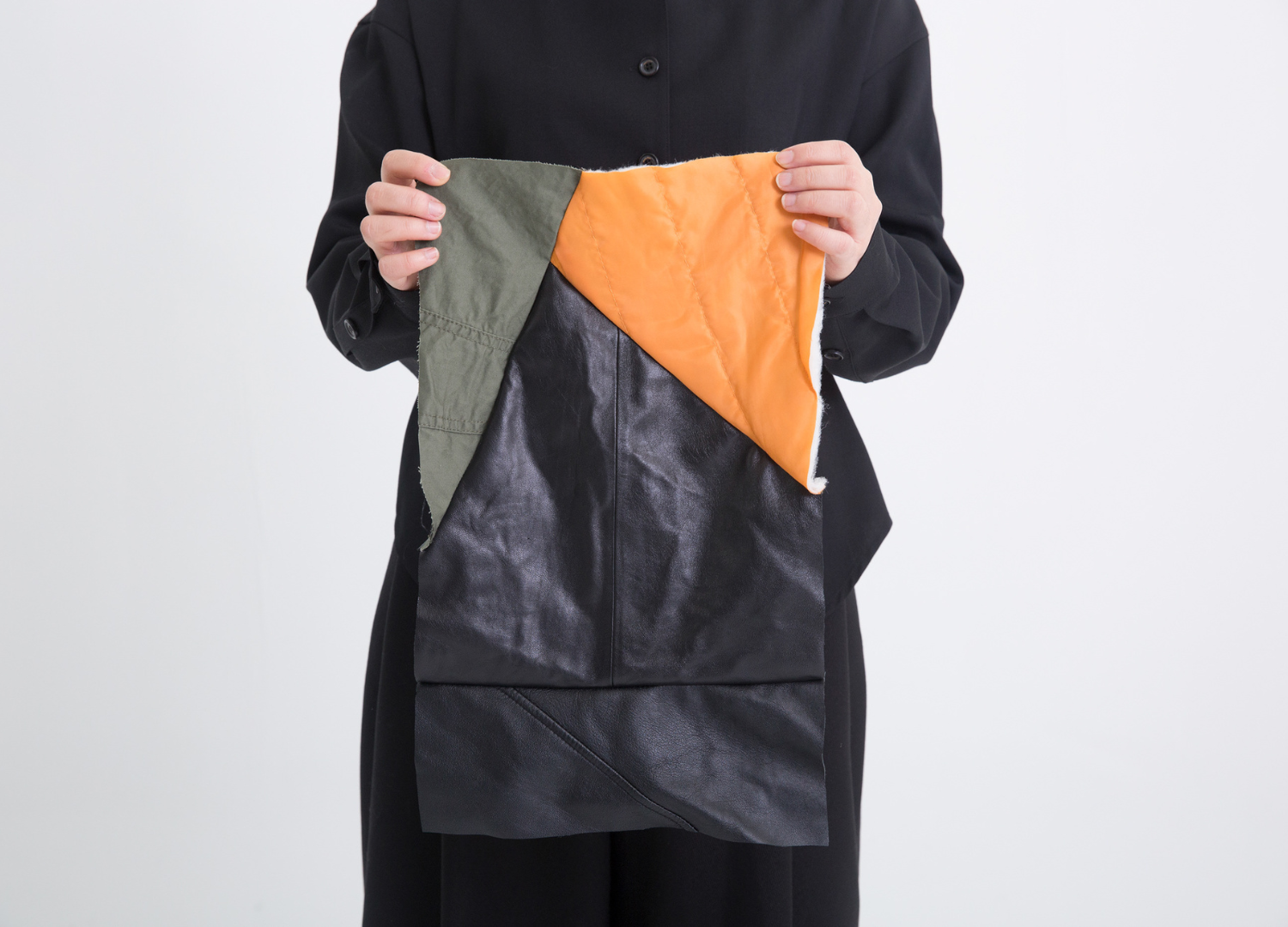
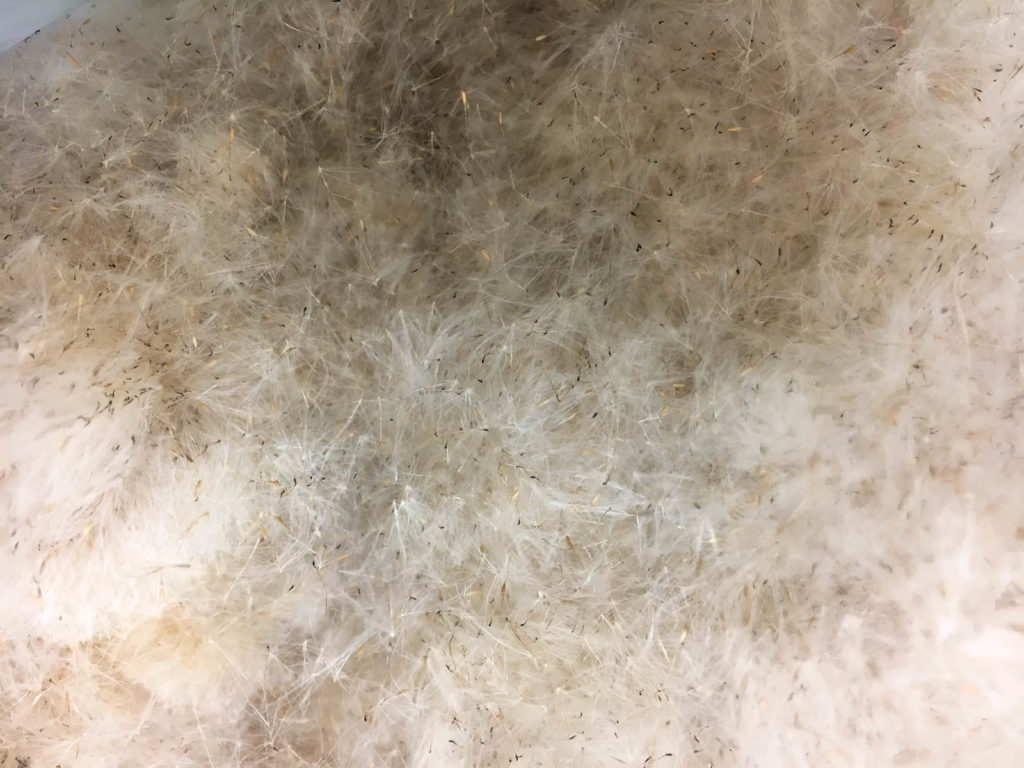
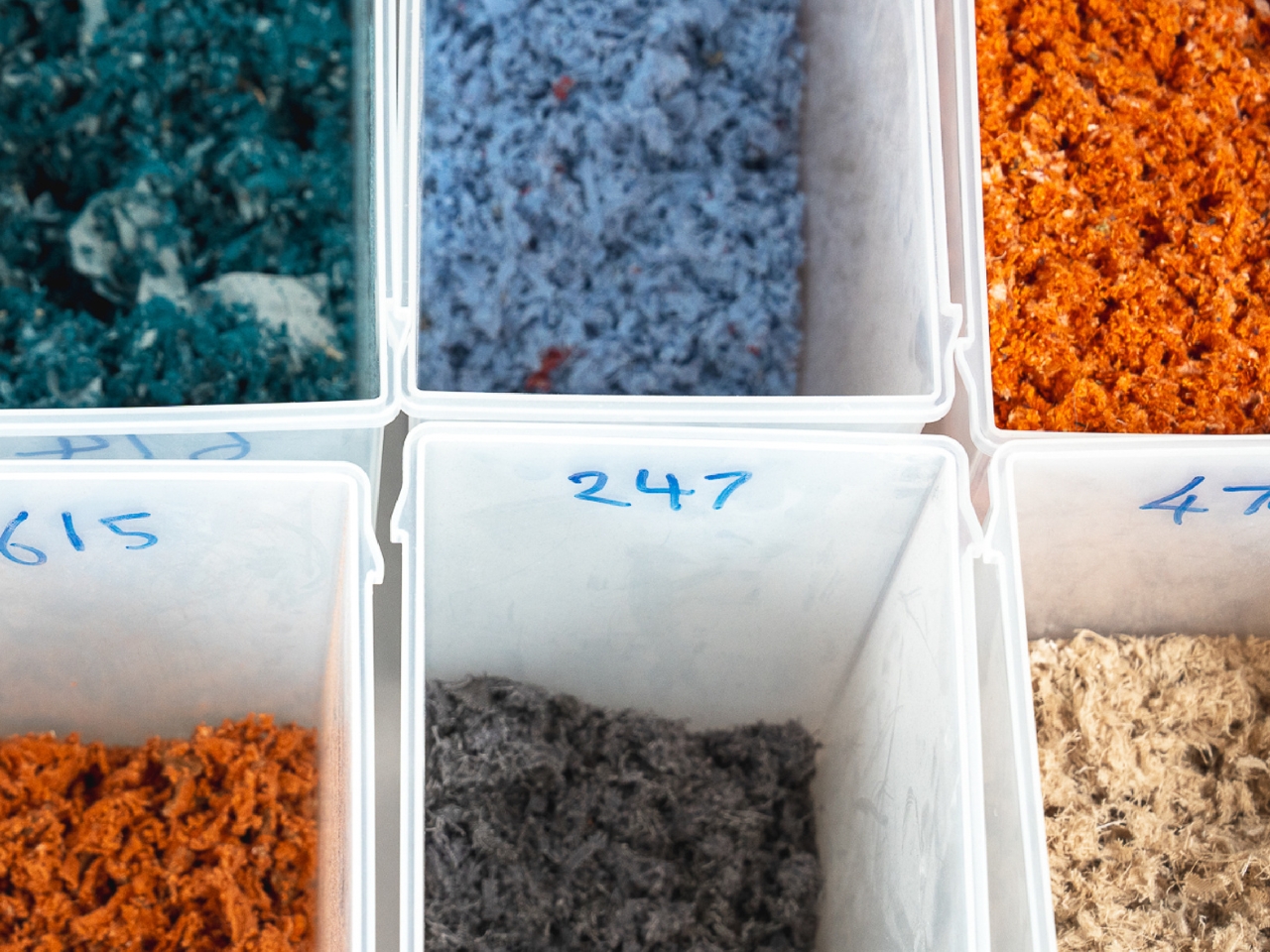
The development process involved extensive experimentation to refine the technique. Initially, discarded textiles are sorted by color, responding to customer preferences as FabBRICK avoids dyeing its bricks, instead deriving color from the source materials. The textile is then shredded into fibers of varying lengths (7mm, 20mm, or 40mm) depending on the project's requirements. A crucial element of the process is the proprietary, 100% ecological binding agent, developed with an engineer, which transforms the textile fibers into a clay-like consistency. This binding agent was specifically formulated to be rot-proof and mold-resistant, overcoming a significant challenge in using organic waste for construction.
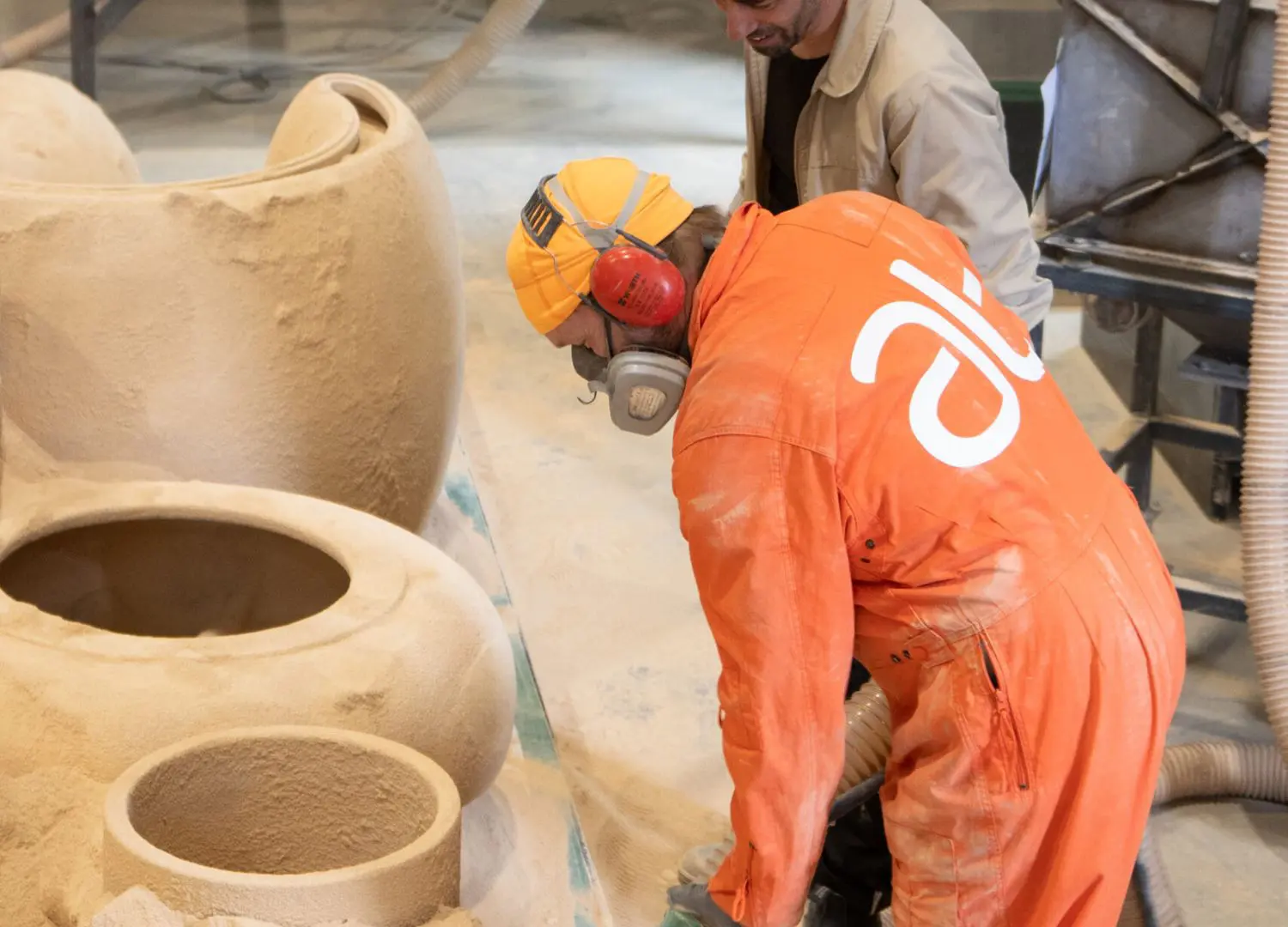
The mixture of fibers and glue is carefully weighed to ensure consistent density before being manually loaded into a patented machine. This machine compresses the mixture into brick form over approximately 30 minutes. The bricks then undergo a natural drying process in ambient air for 10 to 15 days. Once cured, these bricks exhibit impressive characteristics, including mechanical resistance comparable to concrete blocks, good acoustic and thermal insulation properties, and satisfactory fire resistance. While they possess good water resistance, indoor use is currently recommended.
FabBRICK's business model emphasizes local production, with all ingredients and machinery sourced locally in France. This commitment to proximity is a core value, aiming to foster local manufacturing and reduce environmental impact. Despite its local focus, the studio has a global vision, recognizing the ubiquitous nature of fast fashion waste. The long-term plan involves automating the production process to increase recycling capacity and replicating the FabBRICK Factory model first within France and then internationally. This expansion strategy seeks to establish local production units globally, situated close to sources of textile waste, thereby promoting sustainable construction practices worldwide.
#SustainableDesign #InnovativeMaterials #TextileRecycling #EcoFriendlyConstruction #CircularEconomy #ArchitecturalInnovation #LocalProduction #FabBRICK #SustainableDesign #InnovativeMaterials #TextileRecycling #EcoFriendlyConstruction #CircularEconomy #ArchitecturalInnovation #LocalProduction #FabBRICK
0 comment in total
 No comments yet
You may also like
econitWood™ turns timber scraps into new material resources
Transforming Textile Waste: How Sustainable Design is Shaping Eco-Friendly Home Decor

Camira + SEAQUAL Turn Ocean Plastic into Upholstery Fabric


Reliance to enhance fire retardant and sustainable properties of Recron® FS using Nofia® Technology

11 Recycled Building Materials Made From Trash

Meet the designers using revolutionary eco materials

From pixels to pillows: Intiaro analyst turns fabric waste into community joy

BekaertDeslee Showroom Innovation Textiles: A Look into Design, Sustainability & More

Six examples of fabric-cast concrete that are breaking the mould
W Tiles: Behind the Great Walls

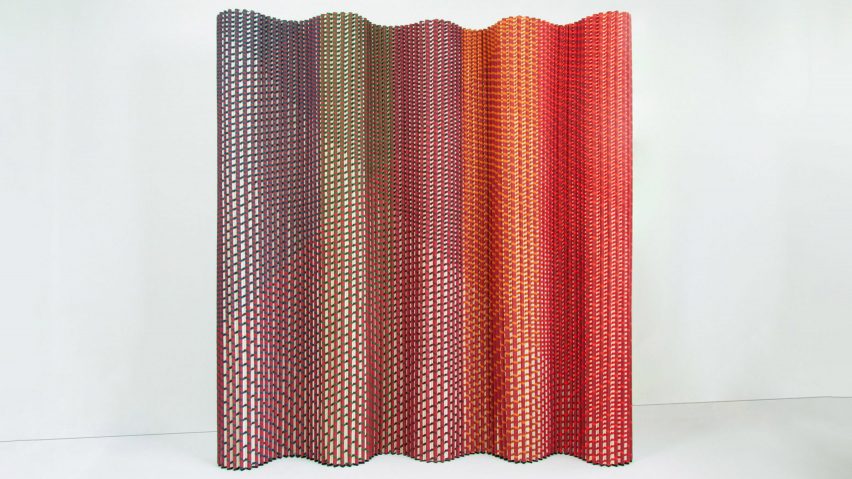
Luis Marie pleats recycled fabric to create "first-ever all-textile room divider"
17 Projects That Use “Ugly” Materials in Beautiful Ways

Could ‘seawool’ – a textile made from mussel waste – be part of the future of sustainable design?
Inside and out

A next-generation material for sustainable padding applications
From textile waste to acoustic panels—BAUX upcycles polyester and creates sound insulation
The Reborn project creates furniture using old clothes
These Fabric Manufacturers Are Planning to Save the World

Fluff Stuff
RISD profs' tool allows anyone to create custom woven fabrics online