1/6
The Reborn project creates furniture using old clothes
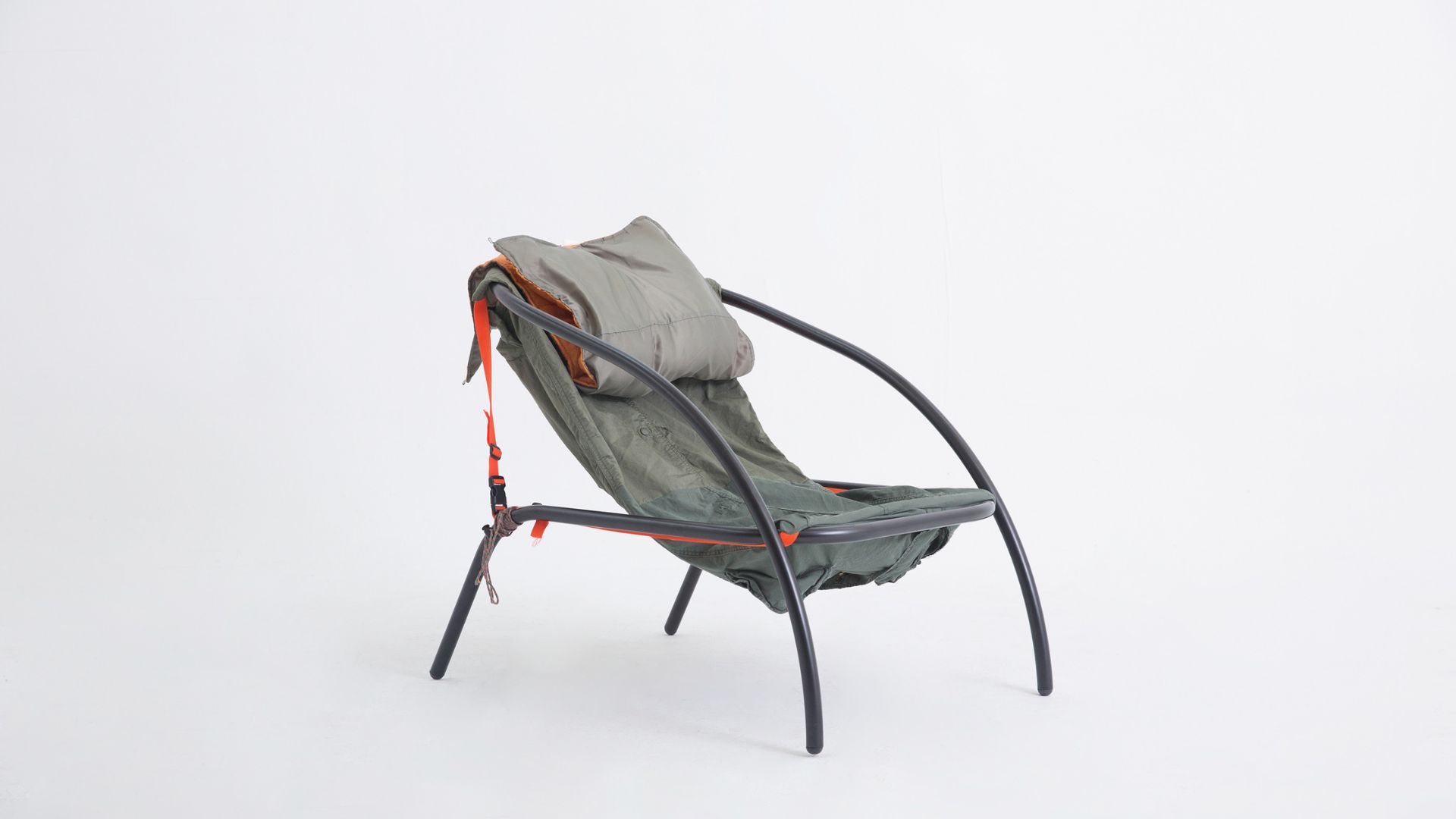
The Reborn Furniture Project, developed by Korean designers Younghyun Kim and Dasom Lee, addresses the growing problem of textile waste by transforming old clothes into conceptual furniture. This initiative highlights both the environmental impact of discarded garments and the potential for innovative product creation through upcycling. The project features a collection of metal chairs with upholstered elements crafted from previously used items such as puffa jackets and leather bags. These handcrafted upholstery pieces are then attached to stainless steel frames, which Kim and Lee manually bend into distinct, ribbon-like shapes. The inspiration for these frame shapes is drawn directly from the construction process of the upholstered components.
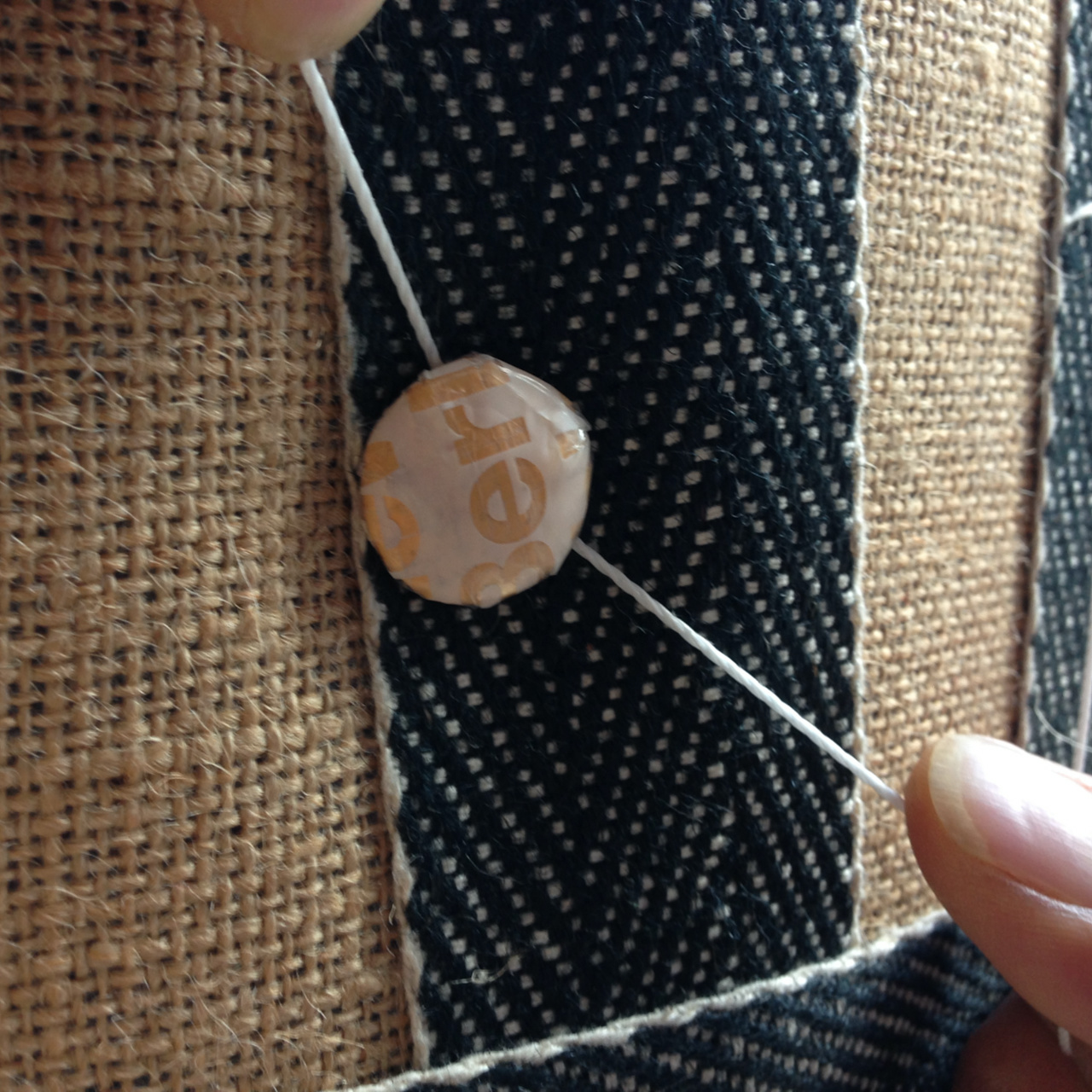
One of the key design principles of the Reborn Furniture Project is the modularity of its components. All chairs are engineered so that the upholstered sections can be detached from the metal frames. This separation is achieved through the use of leather zippers, straps, and buckles, many of which are repurposed from the original garments and discarded bags. For instance, buttons, zippers, buckles, and fasteners integrated into the furniture are directly sourced from the old clothes and accessories, showcasing a thoughtful approach to material reuse and design.
Kim and Lee’s work draws attention to a significant environmental issue: the vast amount of textile waste generated globally. Despite widespread efforts to promote recycling, a substantial portion of recyclable textiles still ends up in landfills. Reports from fashion retailers like H&M indicate that only a quarter of the 95% of textiles that could be recycled actually are. This project serves as a compelling illustration of how overlooked materials, such as end-of-life fabrics, can be given a second life. The use of discarded textiles for upholstering furniture is an emerging trend that the Reborn Furniture Project exemplifies, demonstrating a creative and practical application within the circular economy. The designers’ methodology involves simple, handcrafted techniques to reinterpret consumer waste streams, transforming them into functional and aesthetically engaging furniture pieces.
The project underscores the importance of sustainable design practices and the potential for designers to contribute to a more circular economy. By consciously repurposing materials that would otherwise be discarded, Younghyun Kim and Dasom Lee offer a tangible solution to textile waste while simultaneously challenging conventional notions of furniture design. Their work encourages a re-evaluation of material value and promotes the idea that beauty and functionality can be derived from existing resources.
#FurnitureDesign #InnovativeMaterials #SustainableDesign #Upcycling #TextileWaste #CircularEconomy #HandcraftedFurniture #FurnitureDesign #InnovativeMaterials #SustainableDesign #Upcycling #TextileWaste #CircularEconomy #HandcraftedFurniture
0 comment in total
 No comments yet
You may also like
FabBRICK reinvents construction materials with recycled textile waste
Stackabl Felt Furniture Is Turning Waste Into Wonder
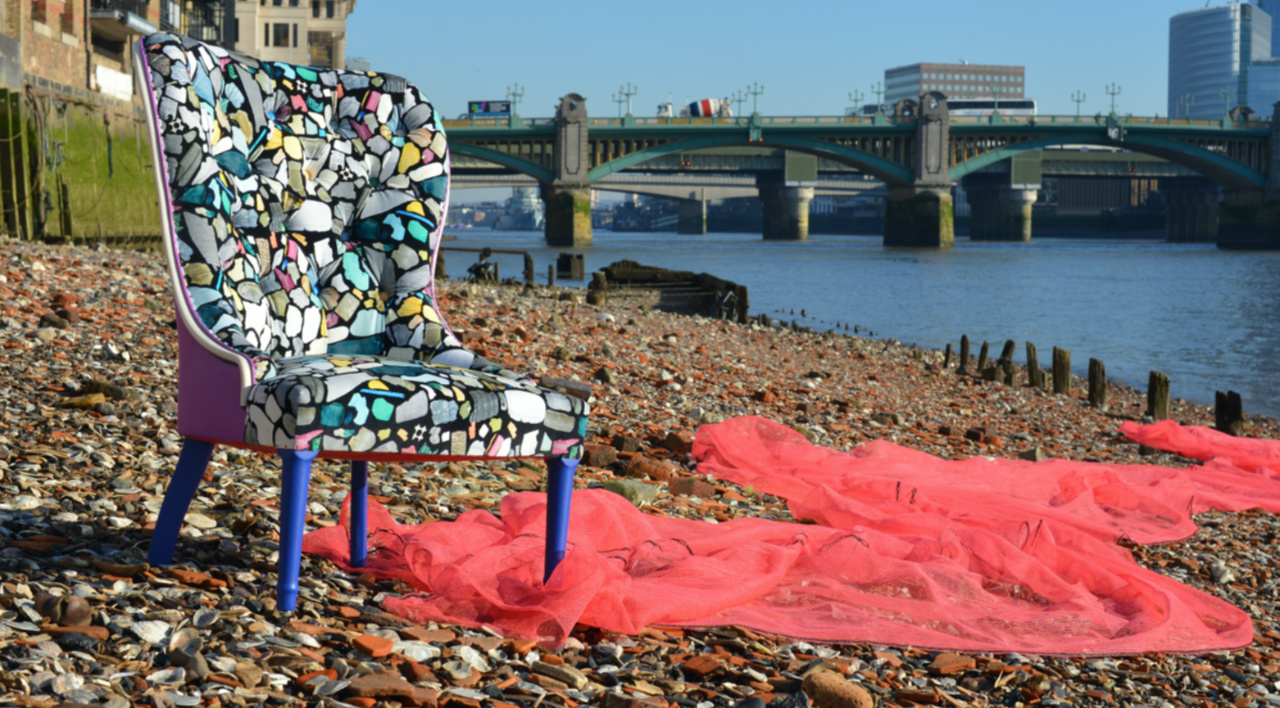
Ella Doran Turns Waste Plastic into an Upholstered Chair With a Message

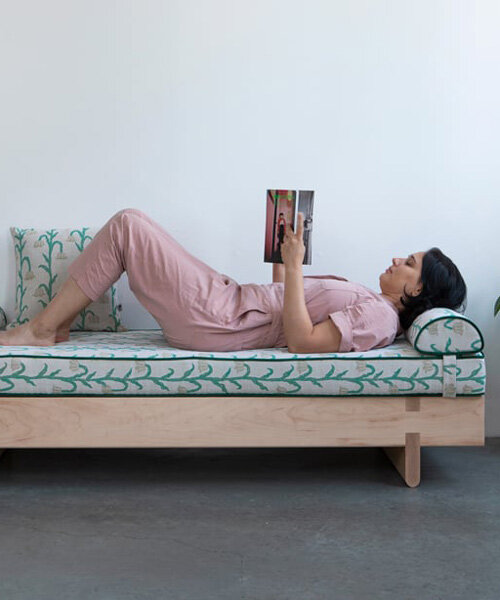
handcrafted furniture explores organic relationship between solid maple wood and textiles
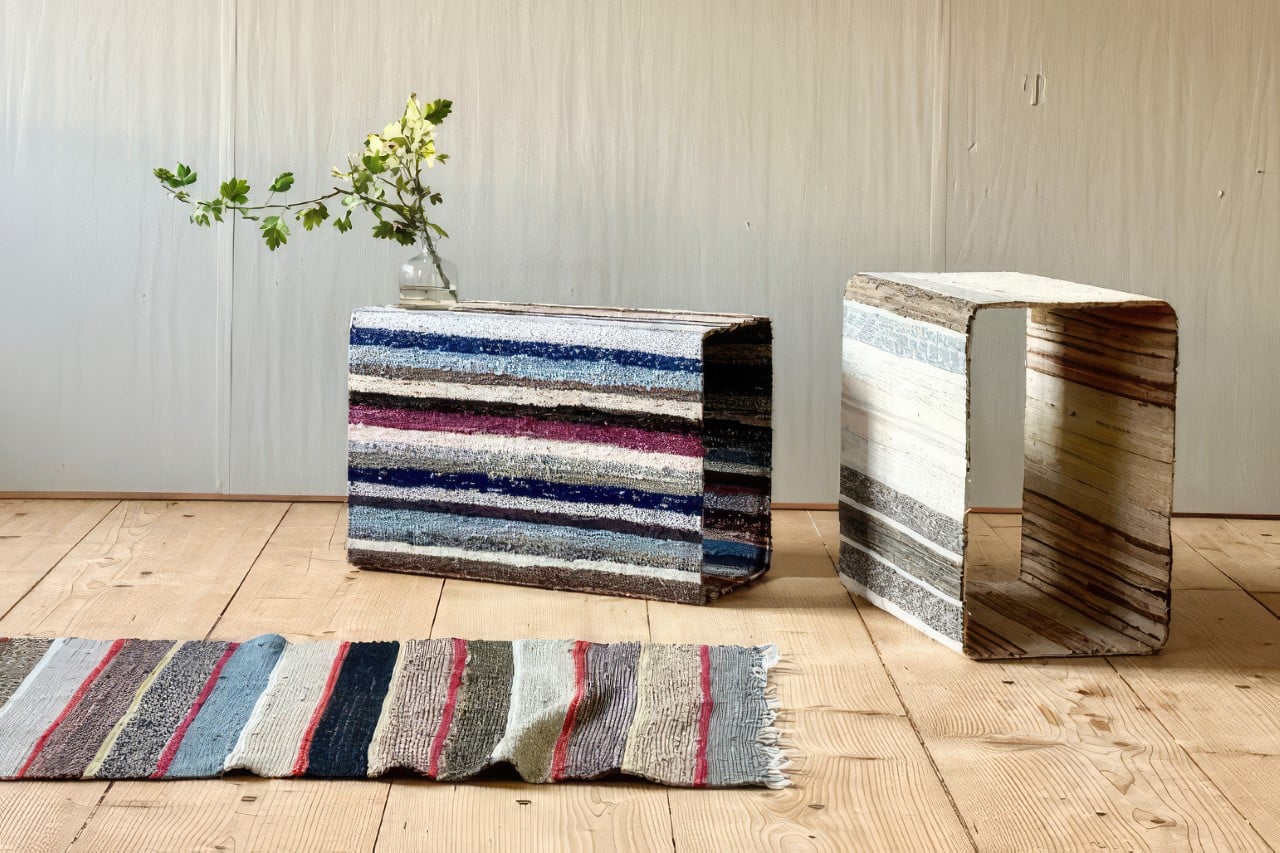
Recycled Swedish rugs get transformed into furniture that honors the textile's legacy


Fearless Furniture: Fort Greene’s Double R Design Brings New Life to Old Pieces
5 things that can be used in home upcycling projects
How can you be more sustainable in your interior design? 10 things to always consider

Earth To People Utilizes Tree Sap and Salvaged Materials for Debut Furniture Series
From pixels to pillows: Intiaro analyst turns fabric waste into community joy

Interiors: Second skin... revive your favourite couch
Money for Nothing: meet the team of presenters and designers
Franklin and Irving Will Fix or Flip Your Furniture

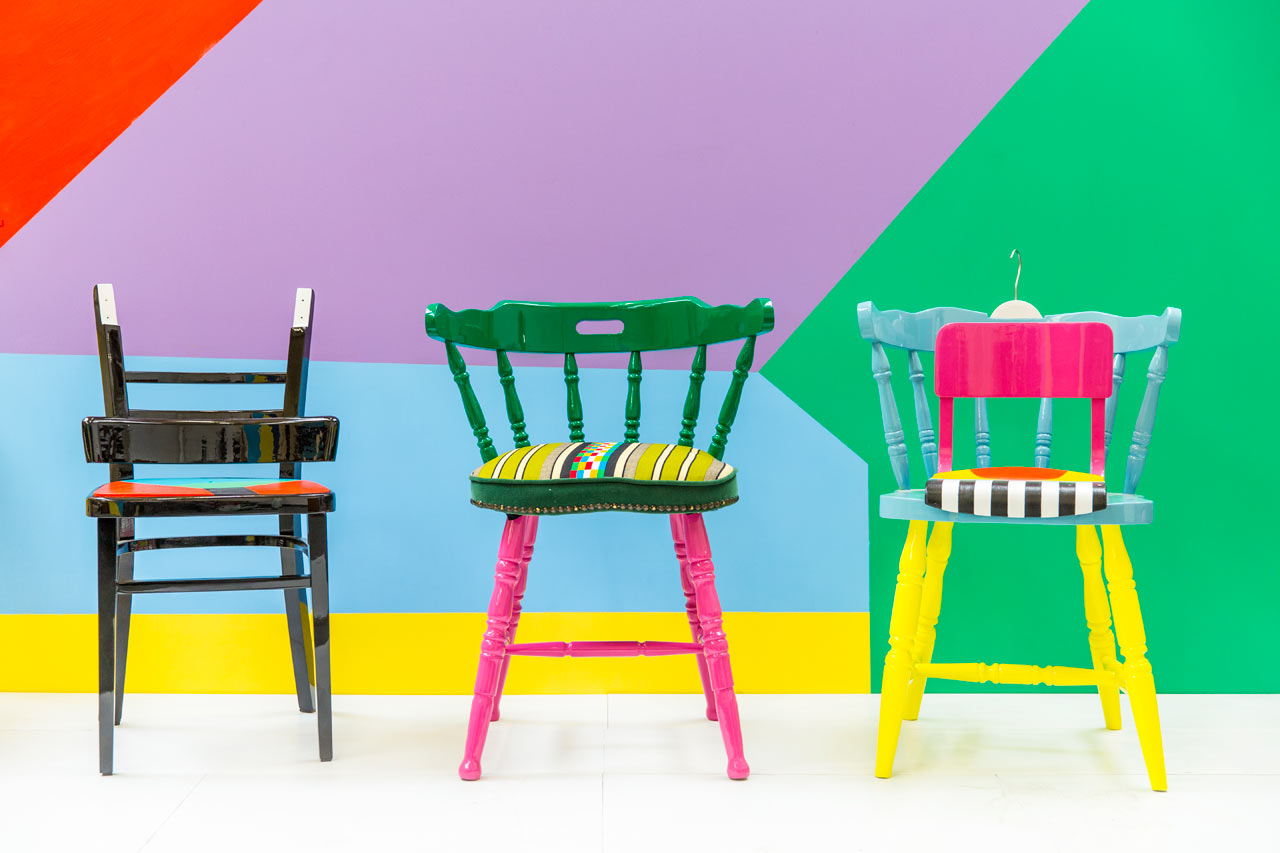
Installation Inspired by Nigerian Parables & Fabric
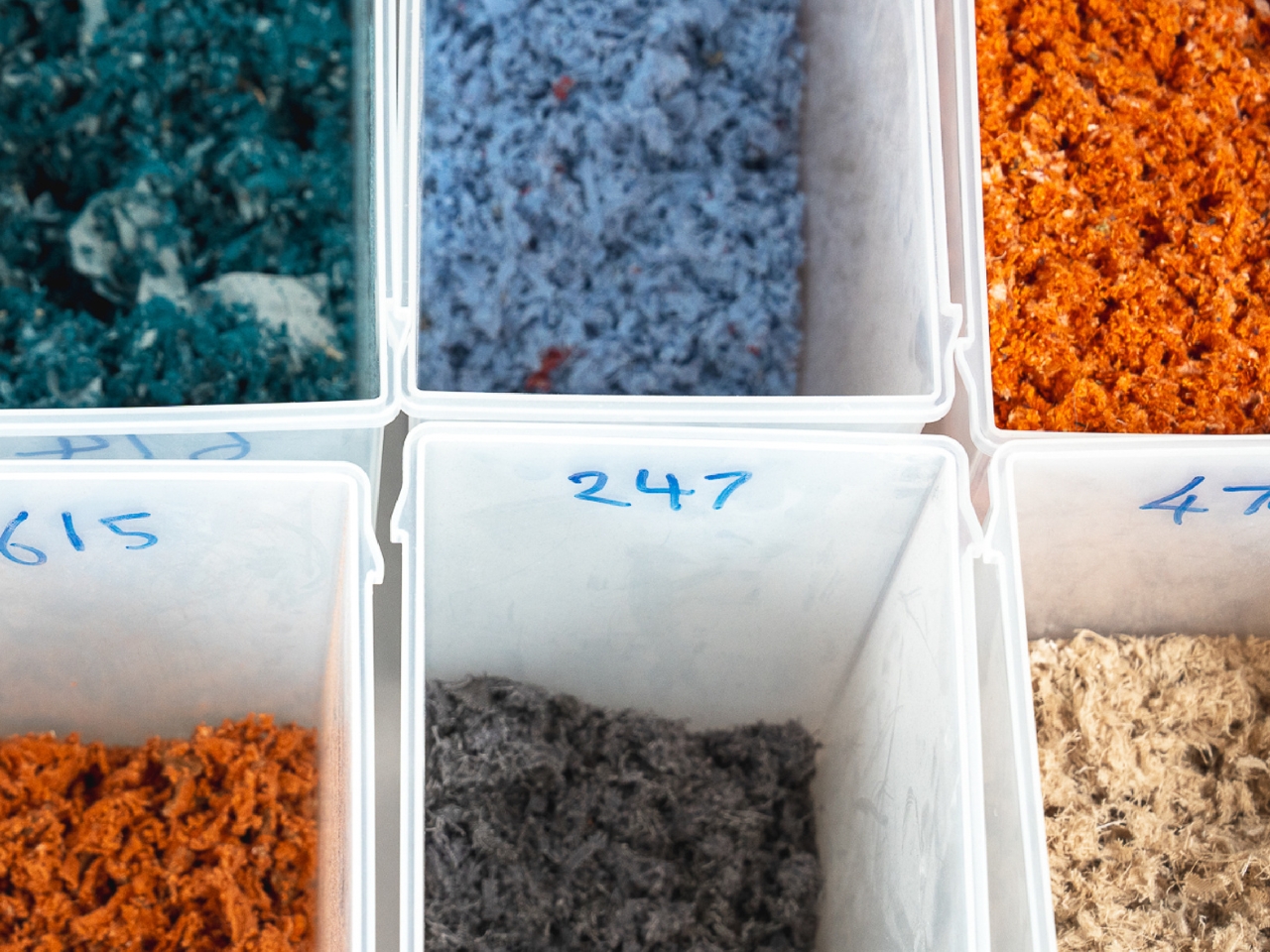
Transforming Textile Waste: How Sustainable Design is Shaping Eco-Friendly Home Decor

Found: A Creative New Way to Utilize Rugs
TRASHY Transforms Recycled Styrofoam Into New Furniture Collection
10 Creative Ways to Upcycle Old Tablecloths Into Something Beautiful

Cuniform Stylist Expands Into Vintage and Sustainable Interior Design

Japanese-inspired furniture line is made from recyclable, colorful fabric