1/8
Recycled Swedish rugs get transformed into furniture that honors the textile's legacy
The enduring tradition of Swedish rag rugs, a craft with over 150 years of history, is undergoing a modern revival through the innovative work of Stockholm-based designer Lars Hofsjö. These rugs, traditionally woven by generations of women from discarded textiles like worn-out clothes, curtains, and sheets, are renowned for their durability and distinctive patterns, embodying a legacy of material reuse and resourcefulness. Hofsjö, known for establishing the Swedish furniture brand Rumbler, has taken this heritage and translated it into a contemporary furniture collection.
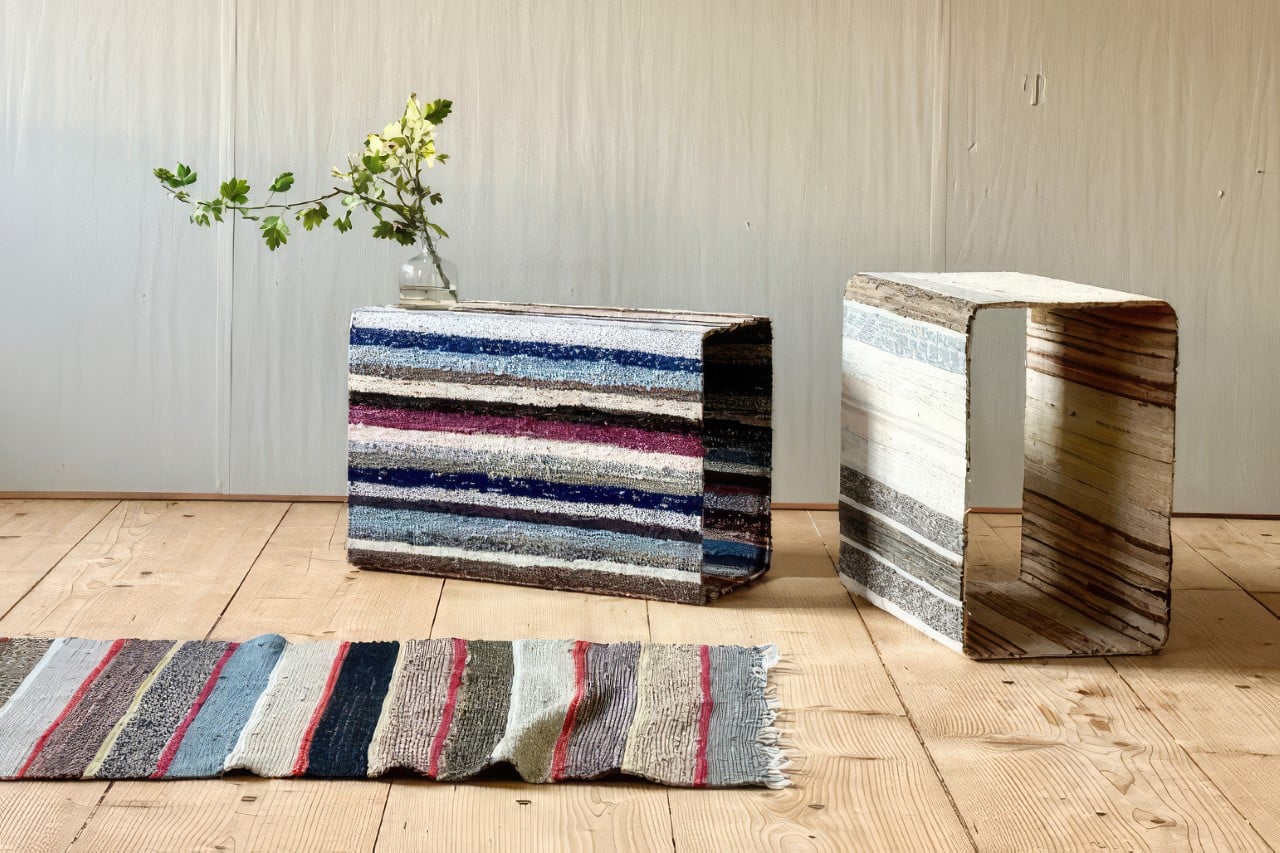
Hofsjö’s design process involves carefully selecting vintage rag rugs from various sources, including markets, antique shops, and rural areas. His criteria for selection focus on the rugs' thinness, tightness of weave, and color scheme, ensuring they are suitable for their new application. These chosen textiles are then meticulously wrapped around custom-fabricated aluminum forms, resulting in a series of plush side tables. This method seamlessly integrates the rustic aesthetic and tactile qualities of the traditional rag rugs with sleek, modern design elements, creating pieces that resonate with both historical charm and contemporary appeal.
The collection features two distinct series: 'Torp' and 'Dunker'. The 'Torp' series comprises rectangular side tables, produced as a limited and numbered edition. Each piece in this series is unique, reflecting variations in the original rug's quality, color palette, and inherent characteristics. In contrast, the 'Dunker' collection presents hexagonal units, which are enhanced with a variety of complementary materials such as leather, stone, and wood. These additional materials are chosen to harmonize with and accentuate the texture and appearance of the rag rugs, adding another layer of sophistication and material contrast. This thoughtful integration of diverse materials highlights the multifaceted nature of Swedish design, where traditional craftsmanship and modern innovation coexist.
Through this transformative design approach, Hofsjö champions sustainable practices by repurposing historical textiles. This initiative not only safeguards a significant aspect of Swedish cultural heritage but also endows these traditional rag rugs with renewed relevance in contemporary interior design. The resulting furniture pieces serve as a testament to the lasting beauty of Swedish crafts, effectively bridging the divide between time-honored artisanal methods and the demands of modern living environments. Hofsjö’s work exemplifies how design can simultaneously preserve tradition and act as a catalyst for innovation. It underscores the potential of traditional crafts to inspire novel design solutions, emphasizing the critical role of sustainability within the design discipline. By reinterpreting these textiles, Hofsjö pays homage to the countless anonymous weavers who sustained this craft and offers a forward-looking perspective for future designers on exploration and reinvention.
#SwedishRug #FurnitureDesign #LarsHofsjö #SustainableDesign #TextileRepurposing #UpcycledFurniture #InteriorDesign #Craftsmanship #ModernHeritage #SwedishRug #FurnitureDesign #LarsHofsjö #SustainableDesign #TextileRepurposing #UpcycledFurniture #InteriorDesign #Craftsmanship #ModernHeritage
0 comment in total
 No comments yet
You may also like

The Reborn project creates furniture using old clothes

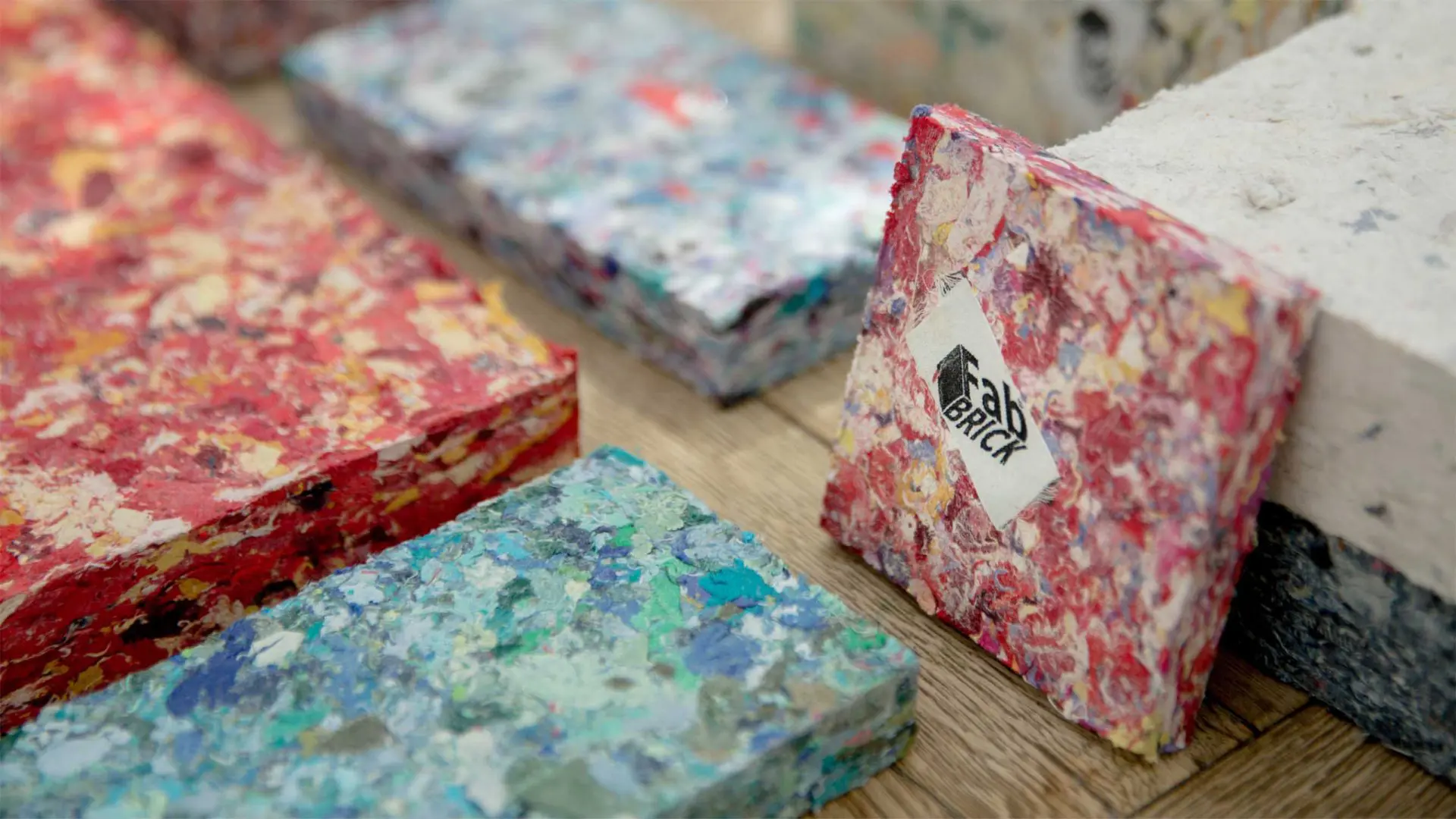
FabBRICK reinvents construction materials with recycled textile waste
TRASHY Transforms Recycled Styrofoam Into New Furniture Collection
handcrafted furniture explores organic relationship between solid maple wood and textiles
Found: A Creative New Way to Utilize Rugs
Interiors: Second skin... revive your favourite couch
Matter flatwoven carpets weave digital randomness and Scandinavian craft together
Transforming Textile Waste: How Sustainable Design is Shaping Eco-Friendly Home Decor

EMKO uses linen offcuts to create vibrant confetti pattern of Chaos rug
A new concept of customisable rug tiles fit for every space

Ella Doran Turns Waste Plastic into an Upholstered Chair With a Message

Luis Marie pleats recycled fabric to create "first-ever all-textile room divider"
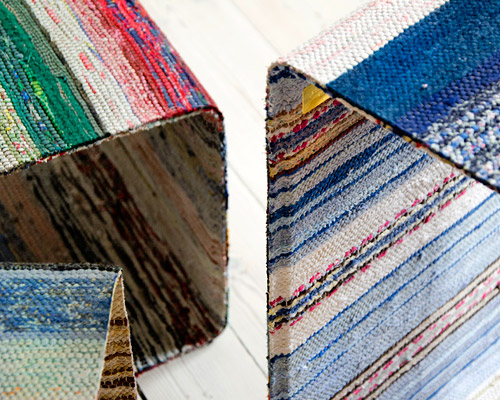
lars hofsjö recycles swedish rag rugs into torp and dunker tables
Why Interior Designers are Raving About This Scandinavian Brand
How can you be more sustainable in your interior design? 10 things to always consider

A variety of carpet tiles by Modulyss feature on Dezeen Showroom
Stackabl Felt Furniture Is Turning Waste Into Wonder
Knowing the Ropes Explores the Textile Through a New Lens

Earth To People Utilizes Tree Sap and Salvaged Materials for Debut Furniture Series
Franklin and Irving Will Fix or Flip Your Furniture